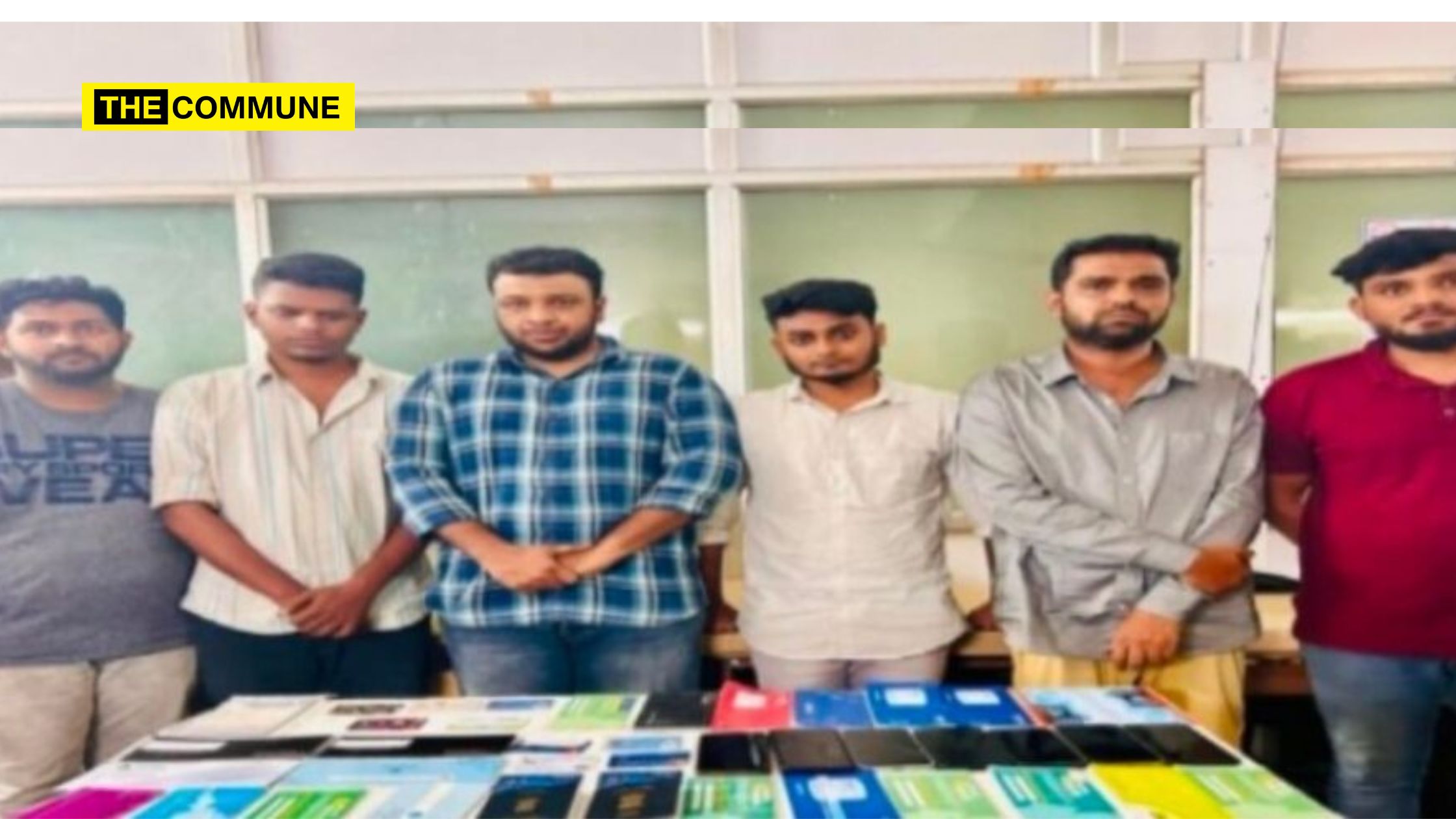
The Cyber Crime Wing of the Tamil Nadu Police has arrested six individuals for defrauding ₹96.5 lakh through an online share market trading scam.
The incident came to light in June when a petitioner from Madurai reported being tricked into losing ₹96.5 lakh after responding to a WhatsApp advertisement promoting a high-profit “international share market trading business.” Believing the claims, the victim transferred money to several bank accounts, but after seeing no returns, he realized he had been scammed. The victim then filed a complaint with the Madurai District Cyber Crime Police, requesting action and recovery of the funds.
The investigation focused on ₹38 lakh frozen in various bank accounts linked to the suspects. Upon further examination of the victim’s transaction history, investigators found that ₹22 lakh had been sent to a single account, which was later transferred to two accounts belonging to Seeni Mohamed from Alwar Thoppu, Thennur, in Tiruchi. Additional investigation revealed that Mohamed had withdrawn the funds using cheques. His accounts were subsequently frozen, and Mohamed was arrested.
As the investigation progressed, it emerged that Ibrahim from Uraiyur, Trichy, masterminded the scam, working with four accomplices: Mohamed Sabeer, Mohamed Riyaz, Mohamed Azharudeen from Tiruchi, and Mohamed Marzuk from Ayyampettai, Thanjavur.
The suspects had reportedly withdrawn the fraudulent funds and handed them over to a person who provided a code word via WhatsApp. The money was then funneled through multiple bank accounts, with the accused receiving a commission of ₹1,000 for every ₹1 lakh transferred.
The cybercrime team arrested all six suspects and uncovered that they had laundered approximately ₹1 crore through a network of bank accounts. The investigation further revealed that these individuals were involved in similar cybercrimes across several states, including Karnataka, West Bengal, Delhi, and various regions in Tamil Nadu.
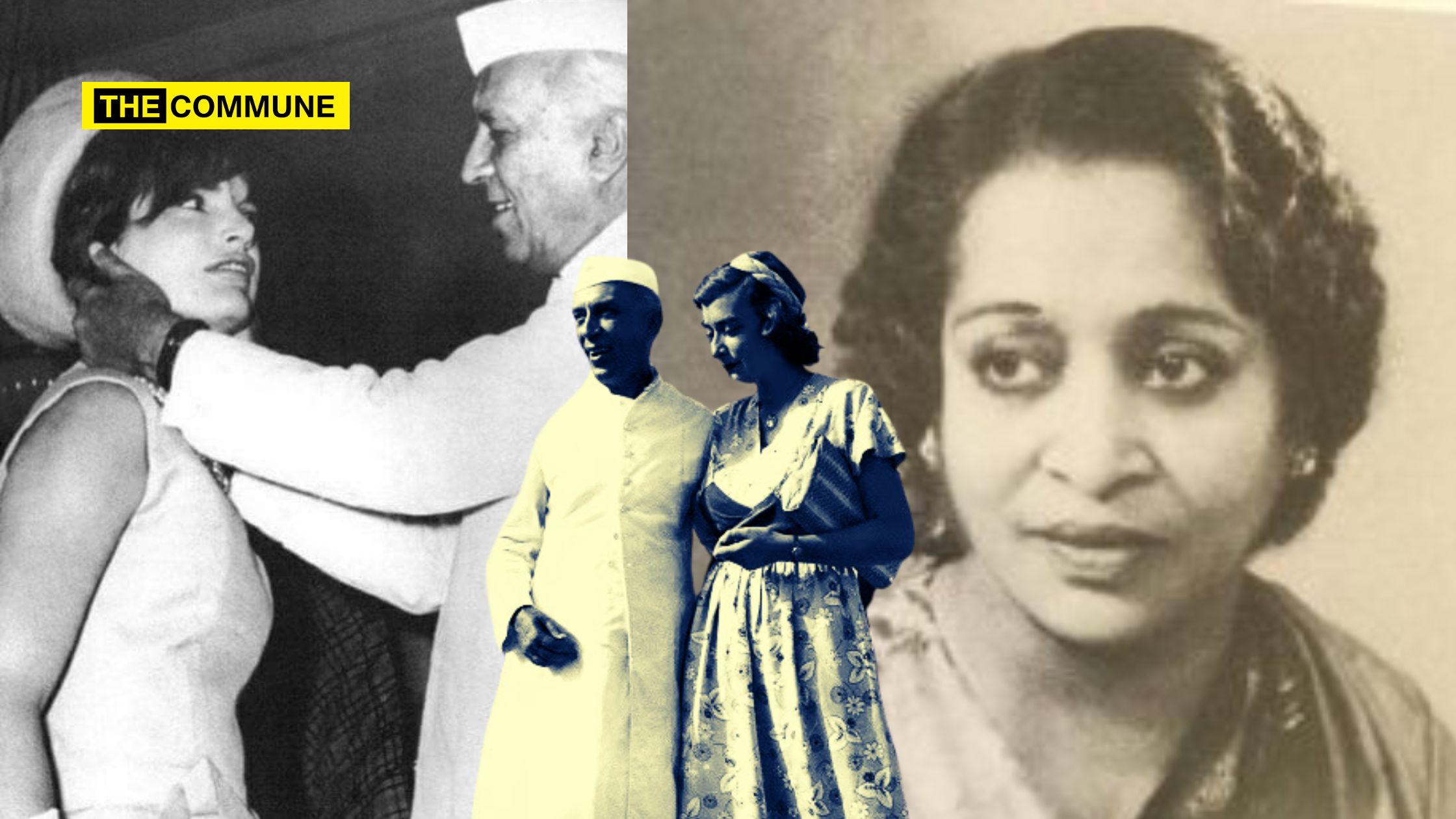
Jawaharlal Nehru, India’s first Prime Minister, is often portrayed by politicians as a visionary for a modern, secular India, but his personal life, particularly his relationships with prominent women of his time, has always left people wondering if this was the same Nehru that people praised so much. Historical accounts and letters suggest that Nehru’s flirtatious character, which is referred to as “charisma” to be politically correct, extended beyond his political sphere and earned him a reputation as a “ladies’ man.” His close relationships with women like Lady Edwina Mountbatten and his “admiration” for former American first lady, Jacqueline Kennedy have been the subject of considerable scrutiny.
It must be noted that Nehru and Kamala’s arranged marriage in 1916 began with challenges as the young Kamala struggled to fit into the politically active, English-speaking Nehru family. However, Kamala’s health declined in later years due to tuberculosis, and Nehru was deeply affected by her suffering. Her death in 1936 left an enduring void in his life, reflected in his writings. Did this “void” make him “seek” companionship with other women?
Let’stake a look at each one of these women in Nehru’s life.
Lady Edwina Mountbatten
The connection between Jawaharlal Nehru and Lady Edwina Mountbatten has been a topic of intense scrutiny for decades. Edwina, the wife of Lord Louis Mountbatten, the last Viceroy of British India, met Nehru during the final days of the British Empire’s rule in India. Their “friendship” blossomed rapidly, evolving into a deep, affectionate relationship that would span years. Historical records, including letters and memoirs, reveal intimate exchanges and a profound emotional bond between the two.
The Nehru-Edwina relationship was especially controversial because Edwina was married to a powerful British official, yet her affection for Nehru was open enough that Lord Mountbatten reportedly accepted their closeness. Louis Mountbatten’sown statements suggest that he saw Edwina and Nehru’s connection as one of mutual respect and emotional intimacy. For Nehru, Edwina was a “confidante with whom he could share personal thoughts“, particularly during the challenging early years of Indian independence.
Nehru was so close with Edwina that he sent the INS Trishul for her funeral!
Mountbatten’s daughter has acknowledged that her father used Edwina to influence Nehru in Kashmir. According to the book, Daughter of Empire: Life as a Mountbatten, first published in 2012 in the United Kingdom, Pamela claimed that Edwina and Nehru were in love buttheydidn’t have a physical relationship.
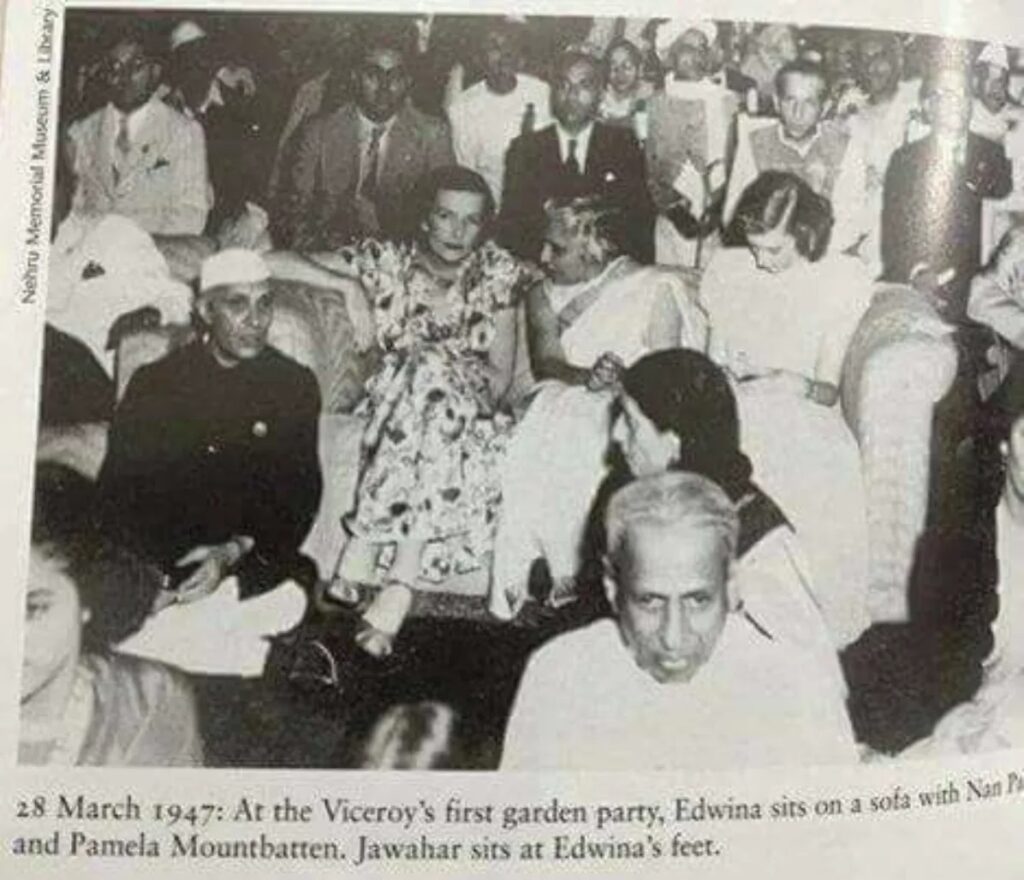
On February 21, 1960, Edwina Mountbatten was found dead, with a pile of letters from Jawaharlal Nehru by her side. The two shared a close relationship that began when Edwina and her husband, Louis Mountbatten, arrived in Delhi on 22 March1947, amidst India’s turbulent path to independence. While the Mountbattens had a strained relationship with Jinnah, they quickly bonded with Nehru. A photograph fromMarch 28, 1947, captured the closeness between Edwina and Nehru, who sat at her feet. Their relationship intertwined both affection and influence during a critical period in India’s history.
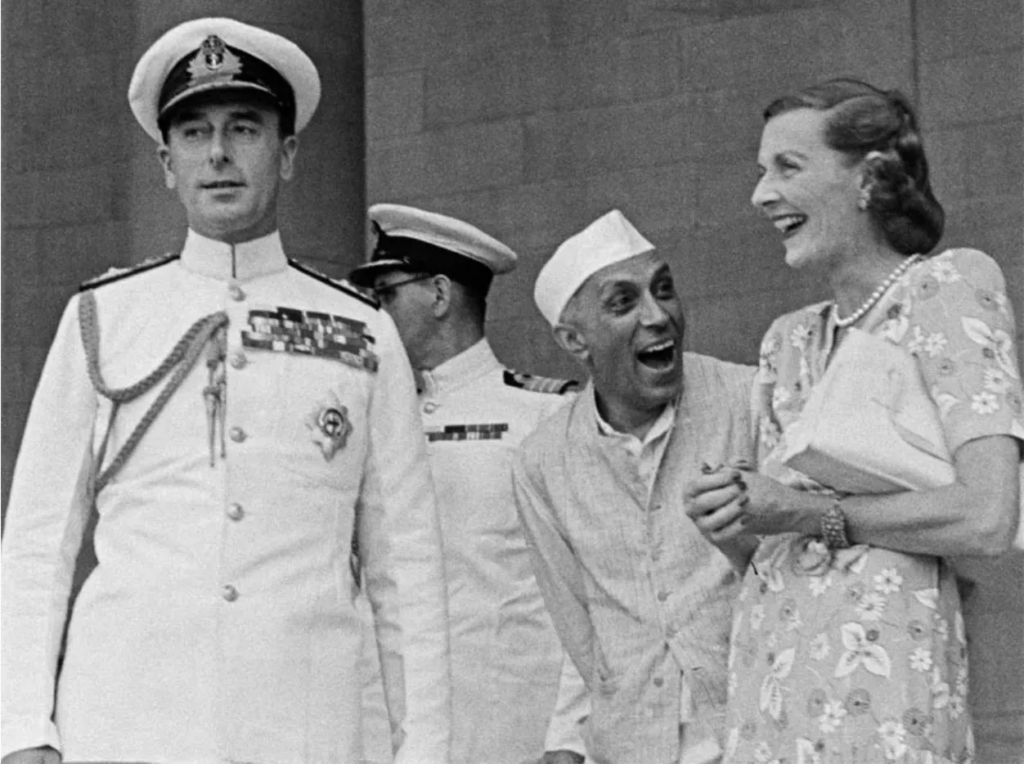
Nehru With Lord Mountbatten & Edwina Mountbatten
Edwina’s wish was to be buried at sea, a request honored in 1960 after her death at age 59. Family members, including Prince Philip’s mother, Princess Andrew of Greece, gathered as her coffin was taken aboard HMS Wakeful off Portsmouth. Lord Mountbatten and their daughters joined the Archbishop of Canterbury in a solemn ceremony, releasing her remains 12 miles out at sea. An additional tribute came from Nehru, who sent the Indian Navy frigate INS Trishul to accompany Wakeful“and, on Panditji’s instructions, marigolds were scattered upon the waves”.
The relationship between Jawaharlal Nehru and Edwina Mountbatten is featuredin the popular Netflix series The Crown, a historical drama that explores Queen Elizabeth’s life, reign, and the private lives of the British royals. In the very first episode of Season 1, during Queen Elizabeth and Prince Philip’s wedding, Winston Churchill seems to suggest that Lord Mountbatten played a key role in “losing India” for Britain. Others at the ceremony echo this sentiment. Later, in Season 2, Lord Mountbatten acknowledges his wife Edwina’s relationship with Nehru in a conversation with Queen Elizabeth.
Edwina’s presence in Nehru’s life and her impact on him is seen as profound, though her daughter Indira Gandhi reportedly viewed Edwina with disfavour due to her closeness with Nehru.
Nehru’s “vulnerability” to Edwina’s influence, even subconsciously, has led some to question the objectivity of his political choices concerning Britain.
Padmaja Naidu
Padmaja Naidu’s relationship with Nehru represents yet another facet of his associations with women – one allegedly based on shared intellectual and political ideals. Jawaharlal Nehru’s relationship with Padmaja Naidu, the daughter of Sarojini Naidu, was marked by deep personal and emotional ties. Nehru and Padmaja shared a very close bond, often communicating through letters, some of which reflected a more intimate and complex dynamic between them. Some of the letters have been published in the book Selected Works of Jawaharlal Nehru, Volume 1.
The love story between Jawaharlal Nehru and Padmaja Naidu is a poignant and complex chapter in Indian history. After the death of his wife, Kamala Nehru, in 1936, Nehru became emotionally isolated. During this time, he grew closer to Padmaja, the daughter of Sarojini Naidu, a fellow freedom fighter. Their relationship blossomed in the late 1930s, with Nehru writing nearly 50 personal letters to Padmaja, some of which were love letters. Nehru affectionately called her “Bebee” in his letters, expressing admiration for her affection.
At one point, Nehru is even alleged to have considered marrying Padmaja, who was 11 years younger than him. However, the marriage never took place. Nehru’s daughter, Indira Gandhi is said to have played a crucial role in this decision. After Kamala Nehru’s death, Indira was emotionally vulnerable and required Nehru’s care, leading him to cancel the marriage plans. Indira was reportedly not fond of their relationship and even removed pictures of Padmaja from Nehru’s room, which led to a heated argument between father and daughter.
The situation grew more complicated with the arrival of Edwina Mountbatten, whom Nehru became close to. Padmaja, feeling jealous, withdrew from Nehru and even threatened suicide, later offering to hand over all the letters Nehru had written to her to Indira. After Nehru’s death, Padmaja continued to live near his residence, at Teen Murti Bhawan, where she cherished memories of him. She passed away on May 2, 1975.
A letter dated November 1946, which is found in Selected Works of Jawaharlal Nehru, Volume 1, illustrates Nehru’s candid reflections during a turbulent time in India’s history.
In this particular letter, Nehru describes his emotional reaction to the violence that erupted in Bihar following the Noakhali massacre, where Hindu peasants had risen against the Muslim atrocities in Bengal. In a letter to Sarojini Naidu’s sister and his alleged lover, Padmaja Naidu, Nehru said he was “relieved” over the murder of 400 Hindus.
“My dear,
Why exactlyI am writing to you just at this present moment, nearing midnight, when I am tired out, I do not quite know. But suddenly after the excessive strain of the last two days, I had a feeling of reaction and relaxation and I thought of you and wanted to write.
This evening I returned by air from Bhagalpur. On arrival, I learnt that the military had fired on a peasant mob in the rural areas some miles from here, and about 400 had been killed. Normallysuch a thing would have horrified me. But would you believe it? I was greatly relieved to hear it! So we change with changing circumstances as layers of fresh experience and feeling cover up the past accumulation.”
“I have had horror enough during the past two days. Something incredible has happened here, or something that I would have refused to believe in, a few days ago. Hindu peasant mobs have behaved in a manner that is the extreme of brutality and inhumanity. How many have been done to death by them I do not yet know, but it must be a vast number. To think that the simple, unsophisticated, rather likable Bihar peasant can go completely mad en masse upsets all my sense of values.”
Without referencing the Hindu pogrom in Noakhali, he asserted that Hindus in Bihar had been unrestrained in their retaliation. In the letter, he emphasized that a careful equilibrium had been maintained by authorizing security forces to engage in large-scale killings of Hindus. He added,“For a few days they had it their own way, with few checks or hindrances. And so when the news came that they have been stopped at last in one place and that 400 of them had died, I felt that the balance had been very slightly righted.”
2/7
On Nov. 4th, Nehru threatened Hindus saying the “Govt. would not show any mercy…. they will be FIRED UPON & BOMBED from the air if necessary”. He exhorted Hindus whose families were raped & massacred at Noakhali to protect Muslims “even at the cost of sacrificing your all”! pic.twitter.com/zUiSXZMuyV
— Savitri Mumukshu – सावित्री मुमुक्षु (@MumukshuSavitri) November 14, 2023
The letter reveals a rather unsettling perspective of Nehru during this period, where he seemed to justify the deaths of Hindus in Bihar while failing to address the magnitude of the earlier atrocities in Noakhali.
“Admiration” For Jacqueline Kennedy
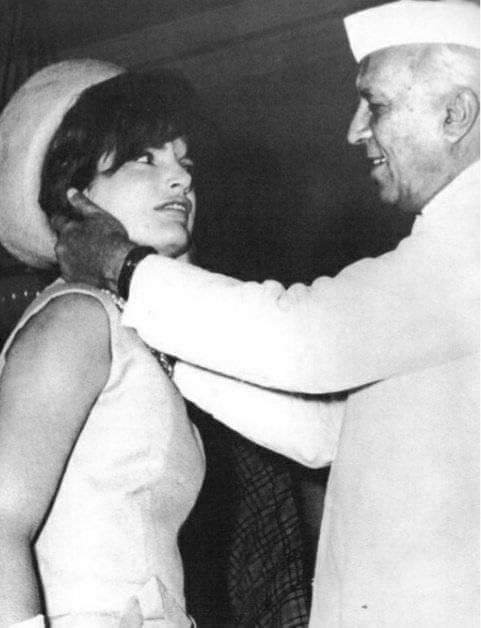
Nehru’s admiration with Jacqueline Kennedy, the young and glamorous First Lady of the United States, added another layer to his complex image. Their interactions began when Jackie visited India in 1962, a visit that generated significant media interest. Nehru was in his early seventies at the time, while Jackie was young and considered one of the most beautiful and fashionable women globally. Their public appearances together were closely documented, and photos often showed Nehru visibly charmed by Jackie’s presence.
Critics argue that Nehru’s enthusiasm for Jackie’s visit was a distraction at a time when India faced severe domestic issues, including economic challenges.
In a 2016 public event video, Bruce Riedel, a former CIA analyst and author of JFK’s Forgotten Crisis, discussed an interesting incident involving Jawaharlal Nehru and Jacqueline Kennedy. Riedel revealed that Nehru was “smitten” by the U.S. First Lady, mentioning that the Indian Prime Minister kept a photograph of her on his bedside table for the rest of his life. He quickly added that while the gesture was unusual, it highlighted the significant diplomatic role Jacqueline Kennedy played in fostering U.S.-India relations.
But here is what Jackie thought of Nehru. Jacqueline Kennedy, the First Lady of the United States, did not have a positive relationship with Jawaharlal Nehru or his daughter, Indira Gandhi, as revealed in the book ‘Jacqueline Kennedy: Historic Conversations on Life with John F Kennedy‘. When Nehru visited the U.S. in November 1961, John F. Kennedy referred to the visit as “the worst head-of-state visit” and made a derogatory comment about Nehru’s final days in power, describing it as “the town preacher being caught in the whorehouse.” Jackie Kennedy shared her distaste for Indira Gandhi, calling her a “real prune” and criticizing her as “bitter, kind of pushy, [and] horrible.” She also remarked that Indira always looked like “she’s been sucking a lemon.” These sentiments reflect the personal tension between the Kennedys and the prominent Indian leaders during their interactions.
Nehru’s relationships with powerful women—intellectual companions or political confidantes—reveal a man whose personal life was as complex and controversial as his leadership. While some revere him as a visionary architect of modern India, others see his flirtations and emotional dependencies as a distraction from the grave responsibilities of his office. His alleged infatuations with women like Edwina Mountbatten, Padmaja Naidu, and Jacqueline Kennedy raise serious questions about his focus and priorities during India’s tumultuous early years of independence. Was the man who shaped a nation too entangled in his personal whims to steer the course of history truly? The truth may be less flattering than the iconic legacy he carefully crafted.
Subscribe to our channels onTelegram, WhatsApp, and Instagram and get the best stories of the day delivered to you personally.
A violent incident at the Kalaignar Centenary Super Speciality Hospital (KCSSH) in Guindy, Chennai, on 13 November 2024, shocked the public after a relative of a patient allegedly assaulted a doctor. The incident created a sensation in the city, but there appears to be more to the story.
When questioned about the attack, the assailant’s mother shared her perspective, claiming that the doctors at the hospital had not provided proper care or adequate responses to her concerns. She described the hospital treatment as substandard, alleging that the doctor had been negligent and dismissive.
According to her, her son’s violent reaction stemmed from the frustration and emotional distress he felt due to the perceived neglect of his mother’s condition. She emphasized that the attack on the doctor was not premeditated, but rather a result of her son’s deep affection for her, which led to an outburst of anger and frustration after he felt that the hospital staff had failed to offer the care she deserved.
Vignesh’s mother, Prema, spoke to reporters and explained her son’s stabbing the doctor at the hospital, saying, “My son made a mistake because of the deep affection he has for me.”
She continued to share her side of the story, shedding light on the circumstances that led to the incident. “He also suffers from heart problems has fits. He went to work in Guduvancheri, he had a fall and was admitted to SRM Hospital. They asked for a simple thing, ‘a letter with seal from Rajiv Gandhi Hospital’, but my younger son and he spent wandering trying to get it. The hospital refused, strictly saying, ‘We can’t provide it.’ Isn’t this a government hospital? They are kids, right? As you have belittled them, my children face such a situation. Instead, if you had encouraged!” she said, criticizing the government’s role in the situation.
Prema went on to express her frustration with the lack of support, asking, “What does the government say? They say they provide education and employment opportunities, but in what way? With only in words, not in actions right. What have you done in action? I have three children what have you done for us? Tell me!”
When asked by the press whether the doctor had performed any scans or explained her medical condition, Prema replied, “Not once did the doctor say ‘You’ve this problem’ to me. Not a single time.” She then lamented the spreading of false rumours about her health, stating, “Recently, some are deliberately spreading fake news that I have stage 5 cancer. Tell me whose work is that first.”
What Prema said next came as a shock. She revealed, “From Dr. Balaji’s own mouth, I was told by the Adayar Institute Hospital that my cancer was in the second stage and not to panic, that it could be cured quickly. They said, ‘Other hospitals will give you 12 (treatments/fees), but I can cure you with just 4 (treatments/fees).’ But I didn’t have enough money, so I had to leave. If I could afford it, I would have gone to Adayar Institute, but I simply don’t have the financial means, so I had to refuse.”
She then recounted what happened after she was admitted for treatment a month and a half later: “After my admission, Dr. Balaji told me, ‘No need for another chemotherapy,’ and just left without even bothering to check on me.” Prema further explained how she learned what was he really saying learning of the conversation from the patient in the bed next to hers.
When the press asked Prema what she would request from the government and the public regarding the issue, her son, standing nearby, expressed his frustration, saying, “Change the doctor.” However, Prema calmly responded, “Whether they change the doctor or not, I just want one thing let them provide proper treatment. At least others should benefit from it. That’s all I ask, sir.”
On the youth’s side who has been arrested for stabbing Dr. Balaji gave his statement to the police, explaining the chain of events. “I’ve been taking my mother, who suffers from cancer to the Government Hospital in Guindy for the last six months. Over time, her condition worsened. The doctors there advised me to bring her home. Afterward, I took her to a private hospital, where the doctors told me that she had received excessive chemotherapy, which caused further damage.”
The youth continued, “I went to meet Dr. Balaji the day before yesterday and argued with him for an hour. I told him that if my mother had been treated properly, she wouldn’t be in this condition. But he didn’t seem to care or provide any satisfactory response. I left the hospital feeling frustrated and angry. I couldn’t bear to see my mother in such pain, and it made me extremely upset. The next morning, I took a knife from the kitchen and went to the hospital. In a fit of rage, I stabbed Dr. Balaji.”
The police have confirmed the youth’s statement, and a case has been registered under multiple sections of the law. These include Section 126(2) for trespassing, Section 115(2) for acting with intent to cause harm, Section 118(1) for causing injury with a dangerous weapon, Section 121(2) for injuring a public servant on duty, Section 109 for attempting murder, and Section 351(3) for intimidation that resulted in injury threatening life. The charges reflect the severity of the incident and the ongoing legal proceedings.
Subscribe to our channels onTelegram, WhatsApp, and Instagram and get the best stories of the day delivered to you personally.
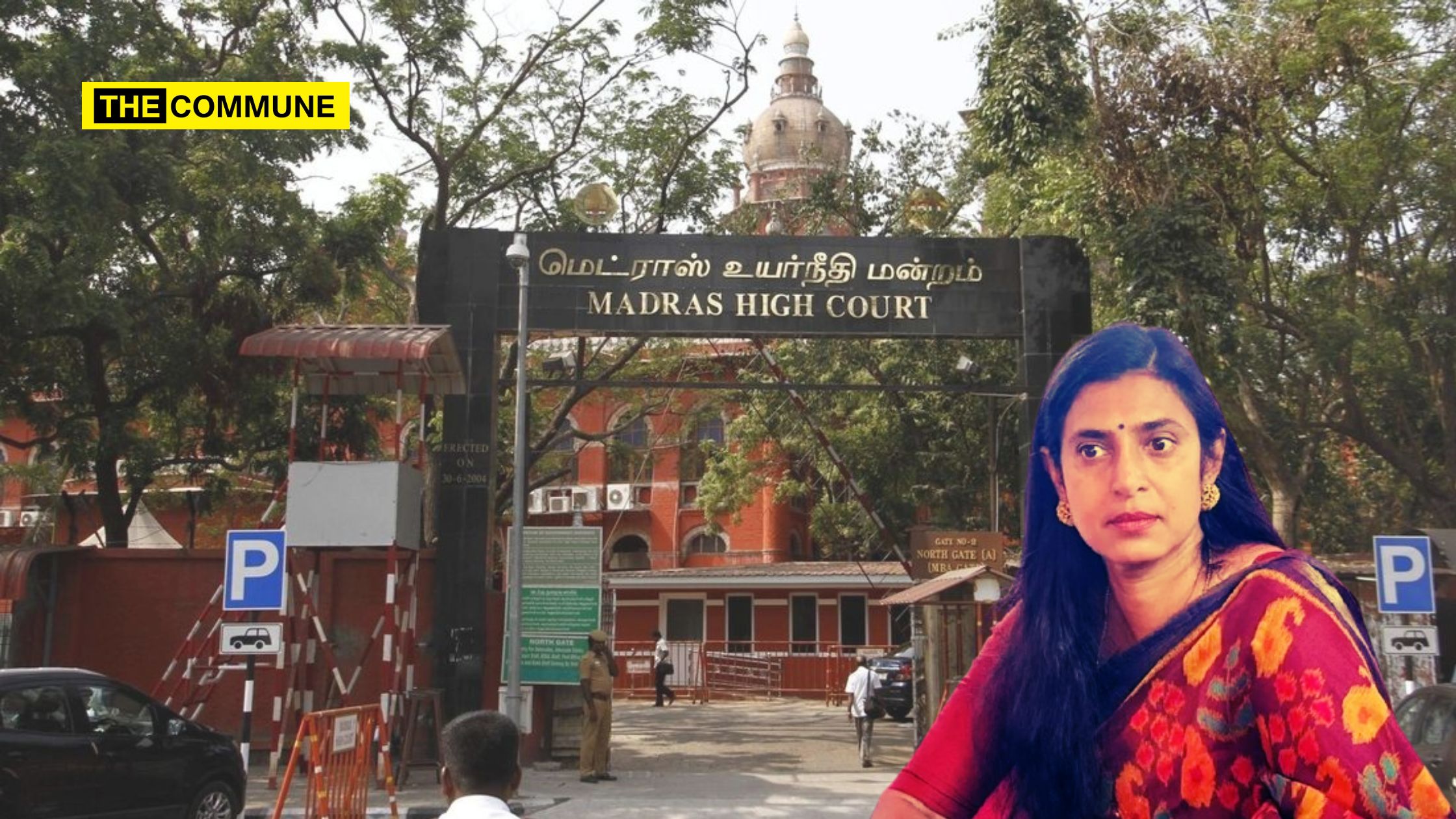
The Madras High Court on Thursday, 14 November 2024, denied anticipatory bail to South Indian actress Kasthuri, who is facing allegations over comments she made against the Telugu community in Tamil Nadu. A single-judge bench led by Justice Anand Venkatesh dismissed the anticipatory bail plea filed by the actress, who had been apprehensive of arrest following a complaint lodged by a member of the Naidu Mahajana Sangam.
The comments in question were made by Kasthuri at a Brahmin protest meeting in Chennai on 3 November 2024, asking for a law similar to PCR. During her speech, she allegedly remarked that the Telugu people, who had historically come to serve the courtesans of Tamil Kings, were now claiming to be of Tamil descent. The remarks sparked widespread backlash, prompting Kasthuri to apologise, stating that her comments were directed at a specific group of individuals, not the entire Telugu community.
Kasthuri had moved the court seeking anticipatory bail in light of the criminal complaint filed against her by the Naidu Mahajana Sangam. The Thirunagar Police had registered a case under various sections of the Indian Penal Code (IPC), including Section 196(1)(a), 197(1)(c), 296(b), 352, and 353(3) along with Section 67 of the Information Technology Act. These sections relate to defamation, promoting enmity between communities, and transmitting offensive material.
While hearing the plea, the court had previously remarked that Kasthuri’s comments were “completely unwarranted” and expressed disapproval over her decision to speak against women of the Telugu community. Justice Venkatesh noted that Kasthuri, also identified as a political commentator, should have refrained from making such comments, especially during a public event. The judge further pointed out that Kasthuri’s apology did not sufficiently address the offensive remarks made about women.
In her plea, Kasthuri claimed that the complaint against her was filed under instigation from the ruling party and criticized what she described as the state administration’s “intolerant and vindictive attitude.” She argued that no violence or public unrest had occurred as a result of her speech and that, on the contrary, she had received support from Telugu people across Tamil Nadu, Andhra Pradesh, and Telangana.
When questioned by the court about her remarks on Telugu women, Kasthuri clarified that her comments were not intended to attack the women of the community but were a general statement based on historical facts. She argued that the remarks were not derogatory and did not imply any malice toward the women of the Telugu community. Kasthuri contended that the complaints against her were based on a misinterpretation of her speech.
Opposing the bail, the Additional Public Prosecutor argued that Kasthuri’s comments were madewith malicious intent and could potentially disturb the social harmony of the state, especially given the already sensitive relations between Tamil Nadu and neighboring states such as Kerala and Karnataka. The prosecutor further stated that custodial interrogation was necessary, as the charges were serious and an anticipatory bail should not be granted.
The court,after considering the arguments, denied the anticipatory bail application, stating that the seriousness of the case warranted further legal scrutiny.
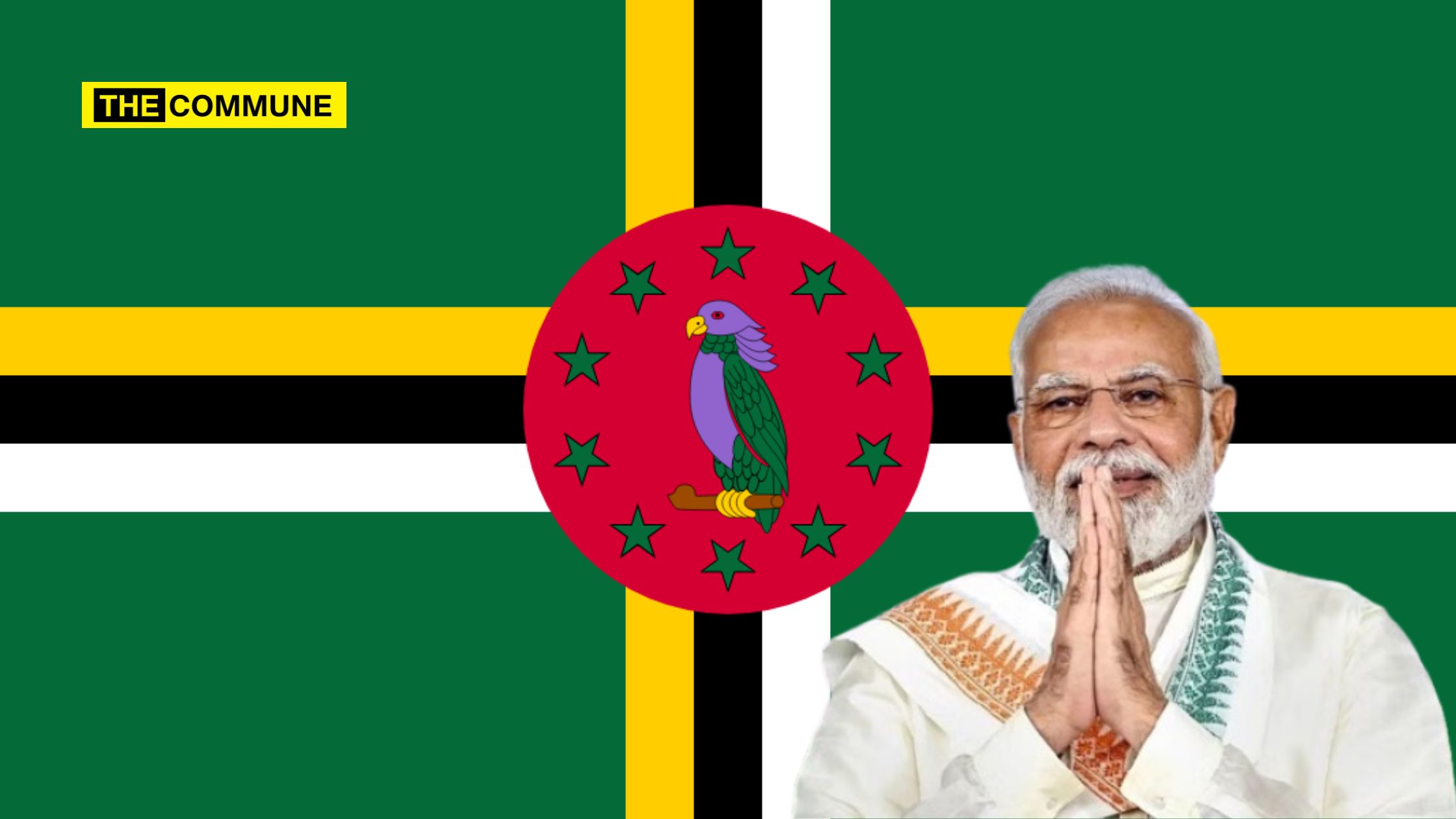
Prime Minister Narendra Modi will receive Dominica’s highest national award, the ‘Dominica Award of Honour,’ in recognition of his vital support to it during the COVID-19 pandemic and his commitment to strengthening India-Dominica relations.
According to a press release by the Government of Dominica, President Sylvanie Burton will bestow the award during the India-CARICOM Summit, set to take place in Georgetown, Guyana, from November 19 to 21.
In February 2021, Prime Minister Modi supplied Dominica with 70,000 doses of the AstraZeneca COVID-19 vaccine—”a generous gift which enabled Dominica to extend support to its Caribbean neighbours”, said the government of Dominica.
The award also recognises India’s support for Dominica in education and information technology under PM Modi’s leadership, as well as his role in promoting climate resilience-building initiatives and sustainable development on a global level.
Dominican Prime Minister Roosevelt Skerrit expressed the nation’s gratitude, stating, “Prime Minister Modi has been a true partner to Dominica, particularly during our time of need amid a global health crisis.
It is an honour to present him with Dominica’s highest national accolade as a symbol of our gratitude for his support and as a reflection of the strong ties between our countries.
We look forward to building on this partnership and advancing our shared vision of progress and resilience.” Accepting the award, PM Modi emphasised the importance of collaboration in tackling global challenges such as climate change and geopolitical conflicts and affirmed India’s commitment to working alongside Dominica and the Caribbean in addressing these issues.
This honour will be conferred as part of PM Modi’s diplomatic tour, which will include visits to Nigeria, Brazil, and Guyana. PM Modi will participate in the Second CARICOM-India Summit in Georgetown, Guyana and hold meetings with leaders of CARICOM member countries to further enhance India’s long-standing friendship with the region.
–IANS
Subscribe to our channels onTelegram, WhatsApp, and Instagram and get the best stories of the day delivered to you personally.
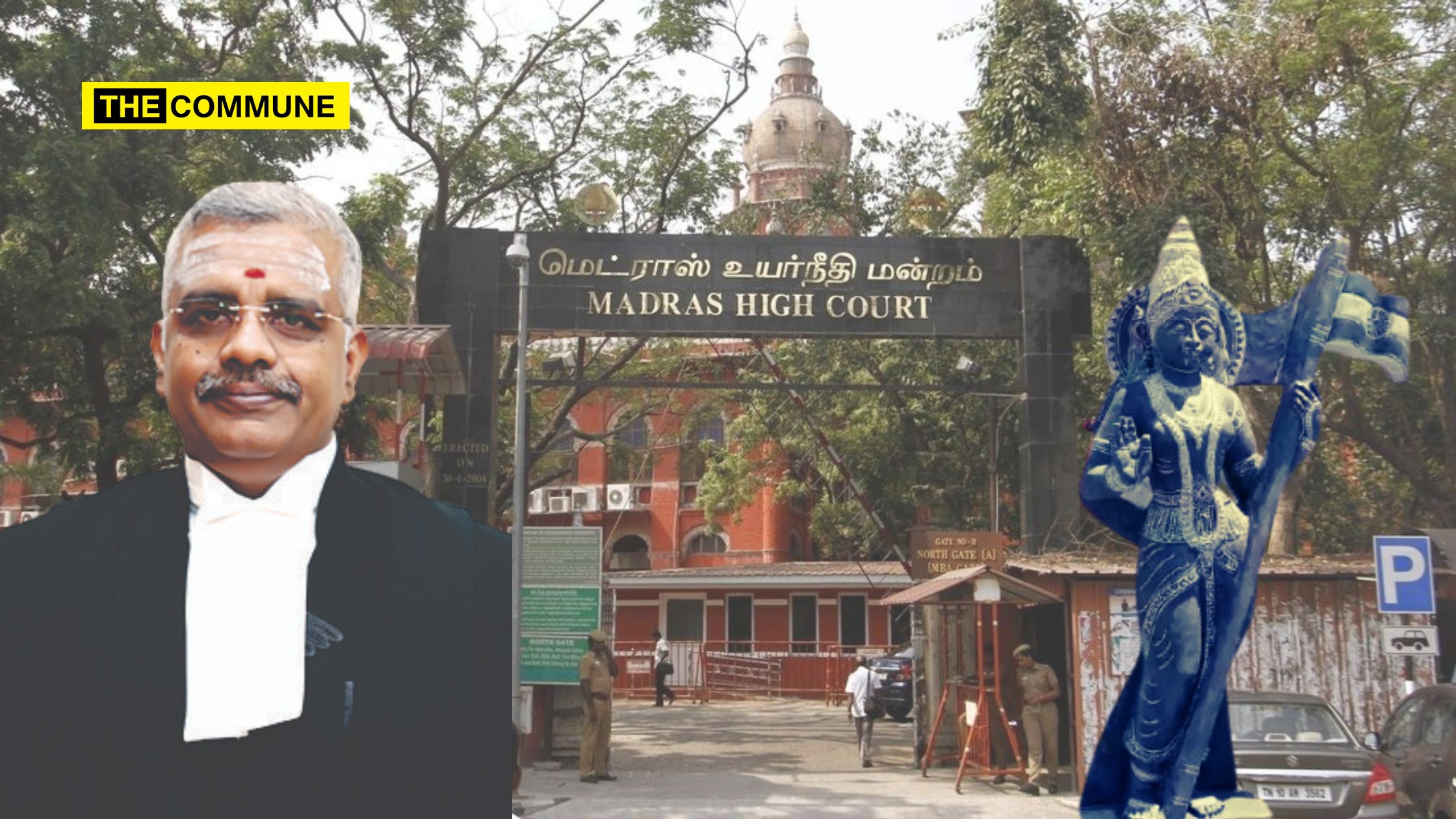
The Madras High Court has directed Virudhunagar district authorities to return a statue of Bharat Mata (Mother India) that was unlawfully removed from the Bharatiya Janata Party (BJP) office in Kottaipatti village. The ruling was issued in response to a petition filed by BJP District President G. Pandurangan, who sought the statue’s return and protection against future interference with their right to install it.
The statue, installed at the BJP office premises, was seized by local authorities in August 2023, who cited state regulations governing the installation of statues.
Statue of Bharat Mata Forcefully Removed: Tamil Nadu
In an atrocious incident, Tamil Nadu police removed the statue of Bharat Mata from the premises of the BJP district office in Virudhunagar, Tamil Nadu. This office was newly inaugurated a few months ago by J.P.Nadda.
— Anand #IndianfromSouth (@Bharatiyan108) August 8, 2023
A Bench of Justice N. Anand Venkatesh ruled that while state guidelines may regulate public installations, they do not extend to private properties such as homes or offices. “It is not the business of the State and its officers to control or regulate the affairs inside the private space of a citizen. Such a course is constitutionally forbidden,” Justice Venkatesh observed.
The Court condemned the manner of the statue’s seizure, suggesting it may have been influenced by “external pressure.” Justice Venkatesh remarked, “I have no doubts in my mind that the respondents have high-handedly taken away the statue of Bharatha Matha from a private property, probably due to pressure exerted elsewhere. This act on the part of the respondents is highly condemnable and should never be repeated in future.”
The Court emphasized that India is a welfare state governed by the rule of law, and arbitrary actions by government officials infringe on citizens’ rights. “We are living in a welfare State which is governed by Rule of Law. Therefore, such high-handedness can never be tolerated by a Constitutional Court exercising its jurisdiction under Article 226 of the Constitution of India,” the Court added.
Highlighting the symbolic importance of the statue, Justice Venkatesh stated that placing a Bharat Mata statue in one’s private space is “a deeply personal and symbolic gesture that embodies respect for the motherland.” The Court compared the act to creating a personal shrine, expressing values of “patriotism, unity, and national pride,” which are protected under Article 51-A of the Constitution. “No person in his right senses could seriously contend that expressing one’s patriotism and love for one’s country would imperil the interests of the State or the community,” the Court said, referencing the Constitution’s encouragement of values such as love and respect for the country.
The Court also asserted that statues representing one’s cultural and national identity on private property should not be subjected to the same restrictions as those of public figures, which may require permission to ensure they do not disturb public sentiment or community harmony. “While it is essential to respect local laws and community sentiments, the act of honoring Bharatha Matha is fundamentally an expression of love and pride,” the ruling stated.
Ultimately, the Madras High Court ordered the district authorities to promptly return the Bharat Mata statue to the BJP office. This decision underscores the Court’s view that patriotic expressions in private spaces should be safeguarded from undue state intervention, supporting citizens’ constitutional rights to personal expression and reverence for national identity.
The count of individuals reporting an annual income exceeding ₹50 lakhs surged to 9.39 lakh in 2023-24, up from 1.85 lakh in 2013-14, marking a remarkable increase of 407%. Similarly, the income tax collected from those earning above ₹50 lakhs grew by 282%, rising from ₹2.52 lakh crore in FY14 to ₹9.62 lakh crores in FY24.
For taxpayers in the ₹10-15 lakhs income range, the average tax liability dropped to ₹1.1 lakhs in FY24, compared to ₹2.3 lakhs in FY14. Meanwhile, those earning between ₹15-20 lakhs saw their average tax burden decrease to ₹1.7 lakhs, down from ₹4.1 lakhs.
According to official sources, approximately 76% of the income tax paid by individuals in FY24 came from those with annual incomes over ₹50 lakhs. This shift has eased the tax burden on the middle class.
The rise in tax contributions from high-income earners is attributed to strengthened tax governance, anti-evasion initiatives implemented over the past decade, improved compliance, and enhanced taxpayer engagement, according to the sources.
The data also indicates a significant 38.6% decline in the number of tax returns filed by individuals earning between ₹0-2.5 lakhs from FY14 to FY24, suggesting a shift towards higher income brackets.
Moreover, when adjusted for inflation, there is nearly a 60% reduction in tax liability for those in the ₹10-20 lakhs income segment, highlighting a substantial tax relief over the years.
According to senior Income Tax Department officials, the number of individuals declaring an annual income of over ₹50 lakhs in India has shot up to over 9.39 lakhs in 2023-24, marking a fivefold surge from 1.85 lakh in 2013-14.
The income tax liability of individuals earning above ₹50 lakhs has also risen by more than threefold, from ₹2.52 lakhs crore in 2014 to Rs 9.62 lakh crores in 2024.
Senior officials are of the view that the increase in number of people filing ITRs with annual income above ₹50 lakhs is due to “strong anti-tax evasion measures by the (Narendra) Modi government”.
The number of income tax returns filed by individuals have increased, from around 3.60 crores in 2013-14 to 7.97 crores in 2023-24, representing a robust increase of 121 per cent over the decade, which reflects a widening of the tax base and a stronger fiscal position.
Direct taxes are seen as a progressive way of raising funds as those with higher incomes have to pay more tax than those who earn less. The officials also point out that the tax burden on individuals earning less than ₹20 lakhs a year has come down during the last 10 years.
The percentage of income tax collected from taxpayers earning less than ₹10 lakhs has reduced from 10.17 percent of the total tax paid in 2014 to 6.22 percent in 2024. Individuals earning above ₹2 lakhs a year had to pay income tax before 2014.
However, because of various exemptions and deductions announced by the Modi government, individuals earning up to ₹7 lakhs need not pay any taxes.
This has led to more disposable income in people’s hands to spend on goods and services, which, in turn, spurs economic growth.
However, apart from better compliance due to the more efficient tax administration backed by modern technology, there has also been an increase in the number of taxpayers in the higher bracket because of rising incomes in a fast-growing economy.
A senior private sector executive said this is also a sign of better and more highly paid jobs in the economy.
–IANS
Subscribe to our channels onTelegram, WhatsApp, and Instagram and get the best stories of the day delivered to you personally.
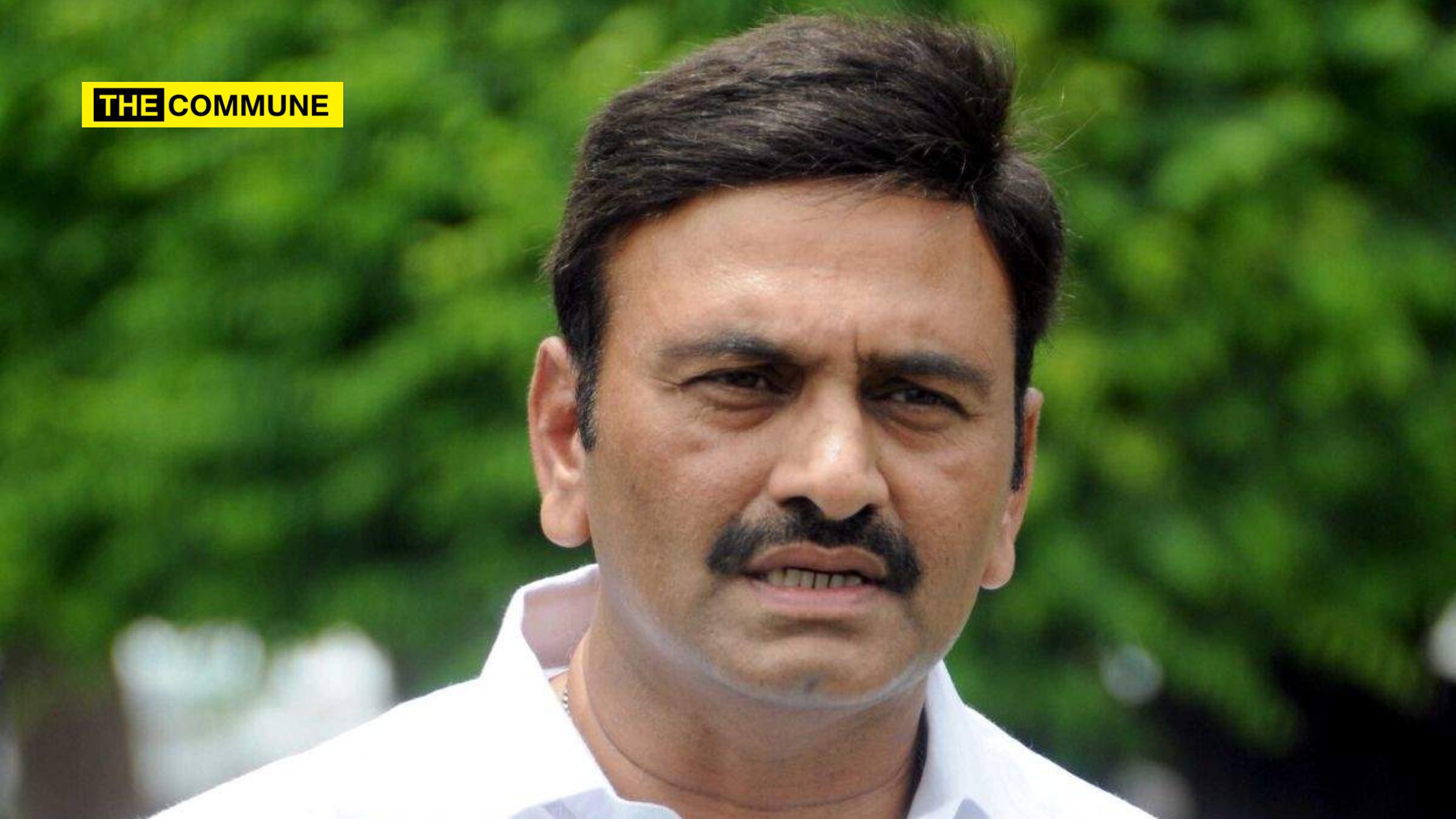
Telugu Desam Party (TDP) MLA K Raghurama Krishna Raju was unanimously elected on Thursday as the Deputy Speaker of the Andhra Pradesh Assembly.
As only one nomination was received for the post, Speaker Ayyannapatrudu announced Raju’s unanimous election. With this, the posts of both the Speaker and Deputy Speaker have gone to the TDP, which is heading the National Democratic Alliance (NDA) government.
Raghurama Krishna Raju had Wednesday filed his nomination and this was endorsed by both the Jana Sena Party (JSP) and the Bharatiya Janata Party (BJP). Several ministers representing the NDA coalition parties had submitted nomination papers to Assembly Secretary General Suryadevara Prasanna Kumar.
The YSR Congress Party (YSRCP), which is the only opposition party in the Assembly, is not attending the ongoing session to protest the denial of the Leader of the Opposition status to Jagan Mohan Reddy.
The TDP says both Ayyannapatrudu and Raghurama Krishna Raju were targeted with false cases by the YSRCP during its rule. Raju was elected to Lok Sabha from Narsapuram constituency in 2019 on a YSRCP ticket but later raised a banner of revolt against the YSRCP government. The MP was arrested on May 14, 2021, from his residence in Hyderabad in a sedition case.
He was booked for speaking against the government and allegedly instigating communal unrest in the state. Raju had alleged that he was tortured in police custody and claimed that there was an attempt on his life.
He had accused then Chief Minister Y.S. Jagan Mohan Reddy of witch-hunting. In February this year, he resigned from the YSRCP and joined the TDP just before the elections. The party fielded him from the Undi constituency in West Godavari district and he won the election held in May. With the TDP-led NDA government coming to power, Raju lodged a fresh complaint with the police, alleging an attempt on his life during police custody in 2021.
In July, Guntur police registered an attempted murder case against Jagan Mohan Reddy and two Indian Police Service (IPS) officers. Apart from Jagan Mohan Reddy, then CID chief P. V. Sunil Kumar, then Intelligence chief Seetharamanjaneyulu, then Additional SP R. Vijaya Paul, then Superintendent of Government General Hospital, Guntur, Dr Prabhavati and others were booked by the police.
Meanwhile, YSRCP parliamentary party leader V. Vijayasai Reddy has congratulated Raju on assuming the role of Deputy Speaker. “I am confident that you will uphold the dignity and decorum of this esteemed position leaving behind the instances of the past and rise above the shadows of yesteryears,” he posted on X.
–IANS
Subscribe to our channels onTelegram, WhatsApp, and Instagram and get the best stories of the day delivered to you personally.
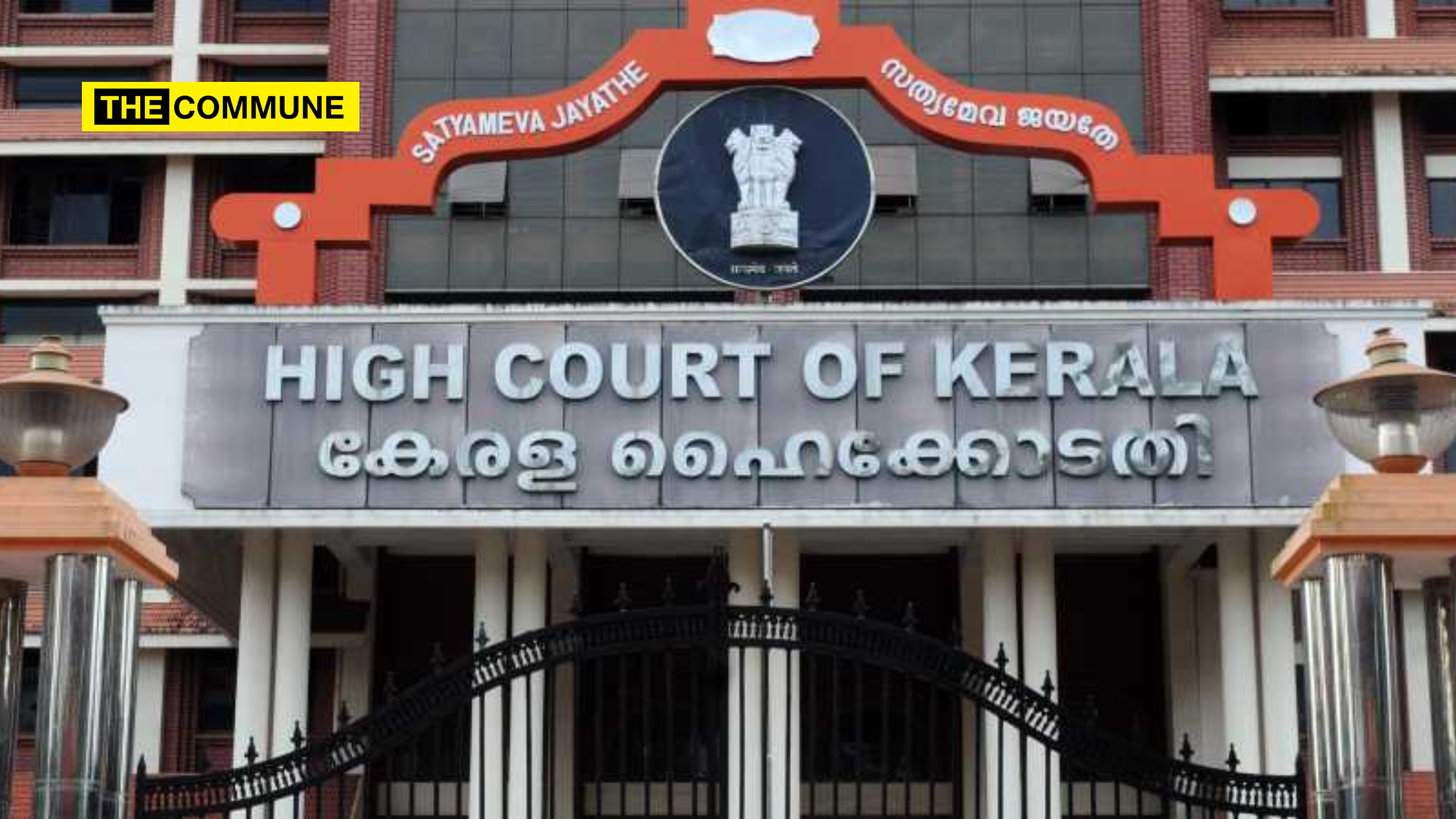
In a significant ruling, the Kerala High Court has decided that criminal prosecution cannot be pursued for occupying Waqf property if the occupation began prior to the introduction of Section 52A of the Waqf Act in 2013. Justice PV Kunhikrishnan issued the decision in response to a petition filed by two officials from the postal department who had been occupying Waqf land since 1999.
The case stemmed from a complaint lodged by the Kerala State Waqf Board against the Marikunnu Sub Post Master and the Senior Superintendent of the Calicut Postal Division. The Board accused them of encroaching on Waqf property, asserting that they had failed to vacate the premises even after a Waqf Tribunal order in 2018 instructed them to do so. The board filed criminal charges under Section 52A of the Waqf Act, a clause introduced in 2013, which stipulates that individuals occupying or transferring Waqf property without board permission could face up to two years in prison.
The Postal Department employees contended that they had been occupying the property since 1999—well before Section 52A’s enactment. They argued that there was no legal basis for prosecution, as the law did not apply retroactively. The High Court upheld their stance, quashing the criminal proceedings and stating that Section 52A could not be enforced against those who occupied Waqf land before its introduction.
Justice Kunhikrishnan emphasized, “The Department of Posts has been in possession of the property since 1999. I am of the considered opinion that the prosecution against the petitioners is unsustainable. All further proceedings against the petitioners are quashed.”
This ruling halts all ongoing legal action against the Postal Department employees and sets a precedent regarding the non-retroactive application of Section 52A of the Waqf Act. The High Court’s decision underscores that the 2013 statute on penalties for unauthorized Waqf property occupation cannot be retroactively applied to prior cases, providing clarity on similar cases involving pre-2013 Waqf land occupations.
On 13 November 2024, a violent assault on a doctor at the Kalaignar Centenary Super Speciality Hospital (KCSSH) in Guindy, Chennai, left the medical community and public shocked. Dr. Balaji Jagannath, an associate professor in the Department of Oncology, was critically injured when he was attacked by a man named Vignesh, who reportedly blamed the doctor for his mother’s health condition.
The altercation erupted around 10:30 AM when Vignesh, accompanied by several individuals, entered the oncology department under the pretense of a routine outpatient visit. The dispute escalated quickly as Vignesh confronted Dr. Jagannath regarding his mother Prema’s cancer treatment, resulting in a brutal assault in which Vignesh allegedly slashed the doctor’s neck and inflicted multiple injuries.
Onlookers intervened, allowing hospital staff to rush Dr. Jagannath to the ICU, where his condition remains critical. As a cardiac patient on anticoagulants, Dr. Jagannath suffered severe blood loss and injuries to his neck, head, and back. A multidisciplinary surgical team, including Cardiothoracic, Vascular, and Neurosurgery specialists, managed to stabilize him. KCSSH Director L. Parthasarathy confirmed that the incident has sparked serious concerns regarding the safety of healthcare workers, particularly in high-stakes, high-stress environments like government hospitals.
Following the attack, Tamil Nadu Chief Minister MK Stalin took to social media to express his shock, ordering an immediate investigation into the incident. He assured the public and healthcare workers of the government’s commitment to enhancing hospital security.
Additionally, Deputy Chief Minister Udhayanidhi Stalin and Health Minister Ma. Subramanian visited KCSSH, emphasizing the administration’s dedication to ensuring the safety of medical professionals across the state.
Actor Turned Politician Vijay Condemns Attack
Tamilaga Vettri Kazhagam chief Vijay joined the condemnation as he issued a public statement criticizing the Tamil Nadu government, accusing it of failing to protect doctors, government employees, and civilians alike.
On the official X handle, he wrote, “While our party’s executive committee had condemned through a resolution that the crimes taking place in broad daylight in Tamil Nadu show the breakdown of law and order, the daily crimes prove that this regime is a regime in which there is no security for government employees, traders and the general public. At the highly specialized Government Hospital in Guindy, Chennai, oncologist Mr. Balaji’s stabbing incident today has caused a great shock. The negligence of the Tamil Nadu government is the reason why the government doctor’s life is not safe in such a government super speciality hospital that provides the life-saving treatment. The doctor who was injured in the stabbing, Mr. Balaji, I pray for a speedy full recovery. The government of Tamil Nadu should take all legal measures to ensure the safety of hard-working doctors from time to time. The daily occurrence of various crime incidents in Tamil Nadu has created fear among the public. I urge the rulers who are supposed to maintain law and order to wake up and take all measures to protect the people.”
தமிழ்நாட்டில் பட்டப் பகலில் அரங்கேறும் குற்றச் செயல்கள் சட்டம் ஒழுங்கின் சீர்கேட்டையே காட்டுகிறது என்று எங்கள் கட்சியின் செயற்குழுக் கூட்டத்தில் தீர்மானம் வாயிலாகக் கண்டனம் தெரிவித்திருந்த நிலையில், அரசு ஊழியர்கள், வியாபாரிகள், பொதுமக்கள் என யாருக்கும் பாதுகாப்பு இல்லாத ஆட்சியாக…
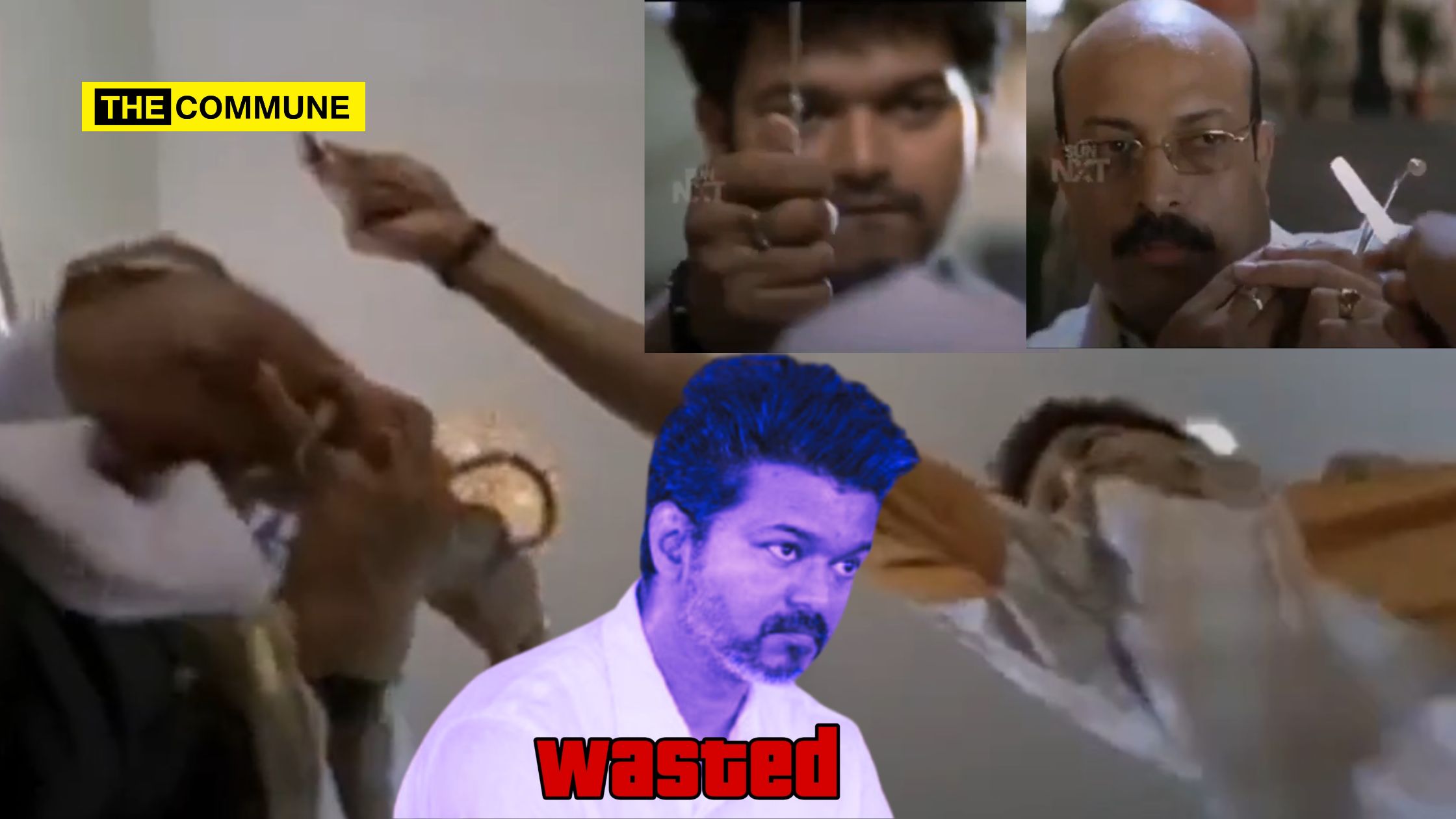
However, his condemnation has drawn backlash due to its perceived hypocrisy. His blockbuster “Pokkiri” includes a controversial scene where Vijay, playing the protagonist, storms into a hospital and violently confronts a doctor. Some argue that this depiction glamorizes such attacks and undermines the very message he now seeks to promote. Critics point out the irony of Vijay’s outrage, noting that his film portrays an assault on a healthcare professional, blurring the line between entertainment and irresponsible messaging.
தமிழ்நாட்டில் அரசு உயர் சிறப்பு மருத்துவமனையில் பணிபுரியும் டாக்டருக்கே பாதுகாப்பு இல்லாத நிலை ஏற்பட்டுள்ளது …
தமிழக அரசுக்கு நடிகர் விஜய் கடும் கண்டனம்
விஜய் நடித்து வெளியான போக்கிரி தமிழ் சினிமாவில் ஒரு காட்சி மேலே உள்ள காணொளியில் இருக்கிறது
In an environment already tense with instances of violence against healthcare workers, Vijay’s choice to rebuke the state government for this incident while profiting from a film scene that fictionalizes similar violence is being questioned. Critics have called on Vijay and other Tamil Nadu influencers to recognise the impact of their portrayals and use their platforms more responsibly.
The Tamil Nadu government has pledged to conduct a thorough investigation and implement necessary security enhancements in hospitals.
Subscribe to our channels onTelegram, WhatsApp, and Instagram and get the best stories of the day delivered to you personally.