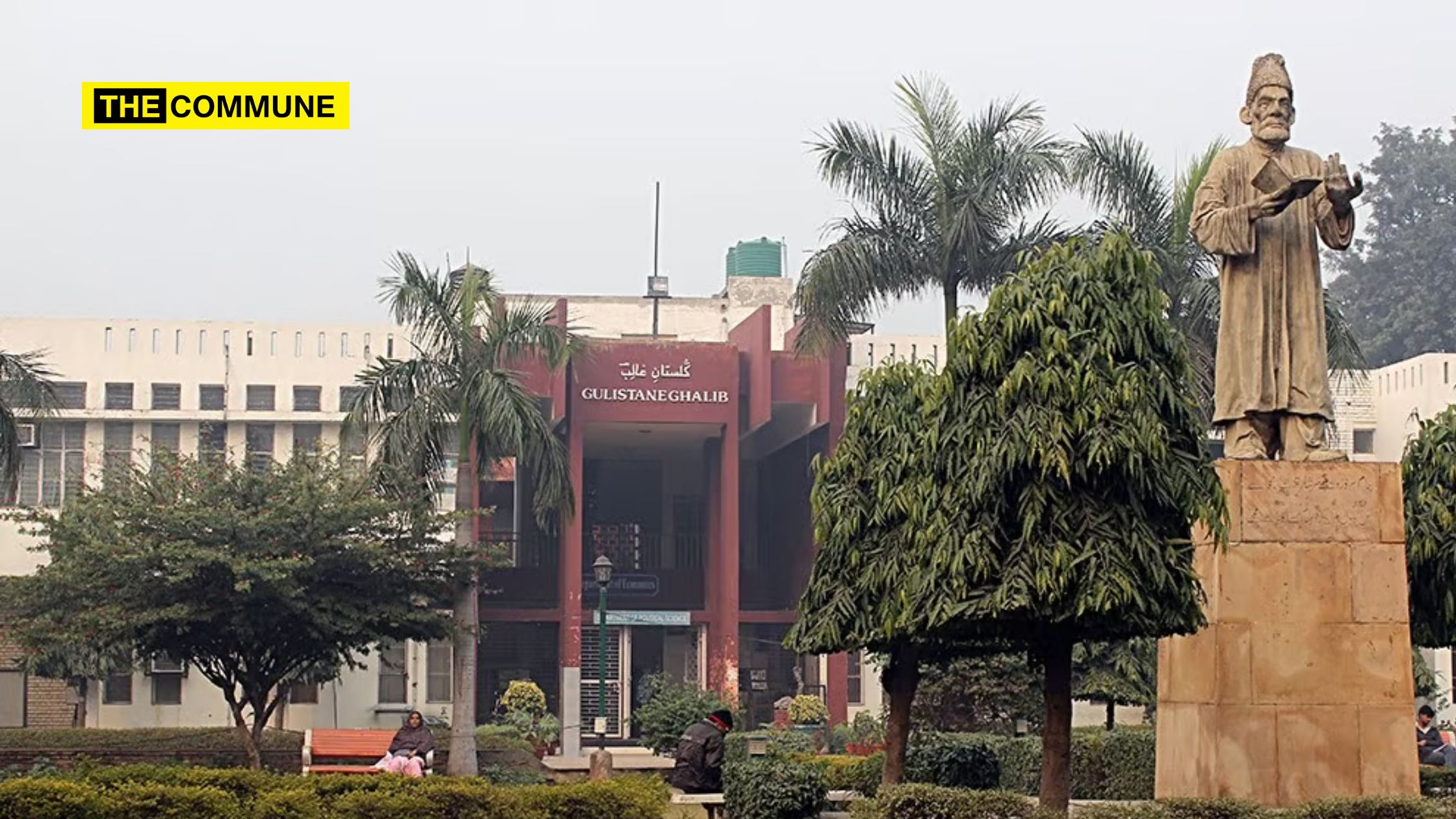
A fact-finding committee led by Justice (Retd.) SN Dhingra and former Delhi Police Commissioner SN Srivastava released their report on 14 November 2024, detailing allegations of discrimination against non-Muslims and instances of forced conversions at Jamia Millia Islamia (JMI), a minority institution in Delhi. The investigation was initiated by “Call for Justice,” an NGO, after receiving multiple complaints of harassment and religious bias within the university.
The report highlights forced conversions and systemic discrimination against non-Muslim students and faculty members in Jamia Millia Islamia. Witnesses testified that non-Muslim staff and students routinely faced harassment, unequal treatment, and derogatory remarks.
Key Findings
Harassment of Non-Muslim Faculty
An assistant professor reported consistent mistreatment by Muslim colleagues. She cited instances of a Muslim clerk disparaging her Ph.D. thesis, claiming it was valueless because she was a non-Muslim.
A non-Muslim faculty member from the SC community faced discrimination in the allocation of office facilities. He was denied basic amenities like a cabin and furniture, which were promptly provided to Muslim colleagues. When promoted to Assistant Controller of Examinations, Muslim staffers openly questioned how a “high-class” office could be given to a “Kafir.”
Discrimination Against Non-Muslim Students
The report documents harassment of tribal students, many of whom left the university due to religious discrimination.
A professor allegedly announced in class that students who did not follow Islam would not be allowed to complete their M.Ed. The professor reportedly cited examples of individuals who converted to Islam and subsequently secured favourable positions at the university.
Forced Conversions
Testimonies revealed that some Muslim staff and faculty at Jamia Millia Islamia exerted pressure on non-Muslim students and colleagues to convert to Islam.
Fact-finding committee releases the report on discrimination of non-Muslims and conversion of Non-Muslims to Islam in Jamia Millia Islamia University, Delhi
On Thursday a fact-finding report on the allegation of discrimination of non-muslims and conversion of non-muslims to… pic.twitter.com/lUIR7gtCLi
The committee was formed following protests at Jantar Mantar on 4 August 2024, led by members of the Scheduled Caste and Balmiki Samaj, who voiced concerns about the harassment faced by Ram Niwas, a non-Muslim employee at JMI. Preliminary investigations prompted the NGO to constitute a fact-finding panel to delve deeper into these allegations.
The report was presented to Minister of State for Home Affairs Nityanand Rai, the Ministry of Education, and the Lieutenant Governor of Delhi on 14 November 2024.
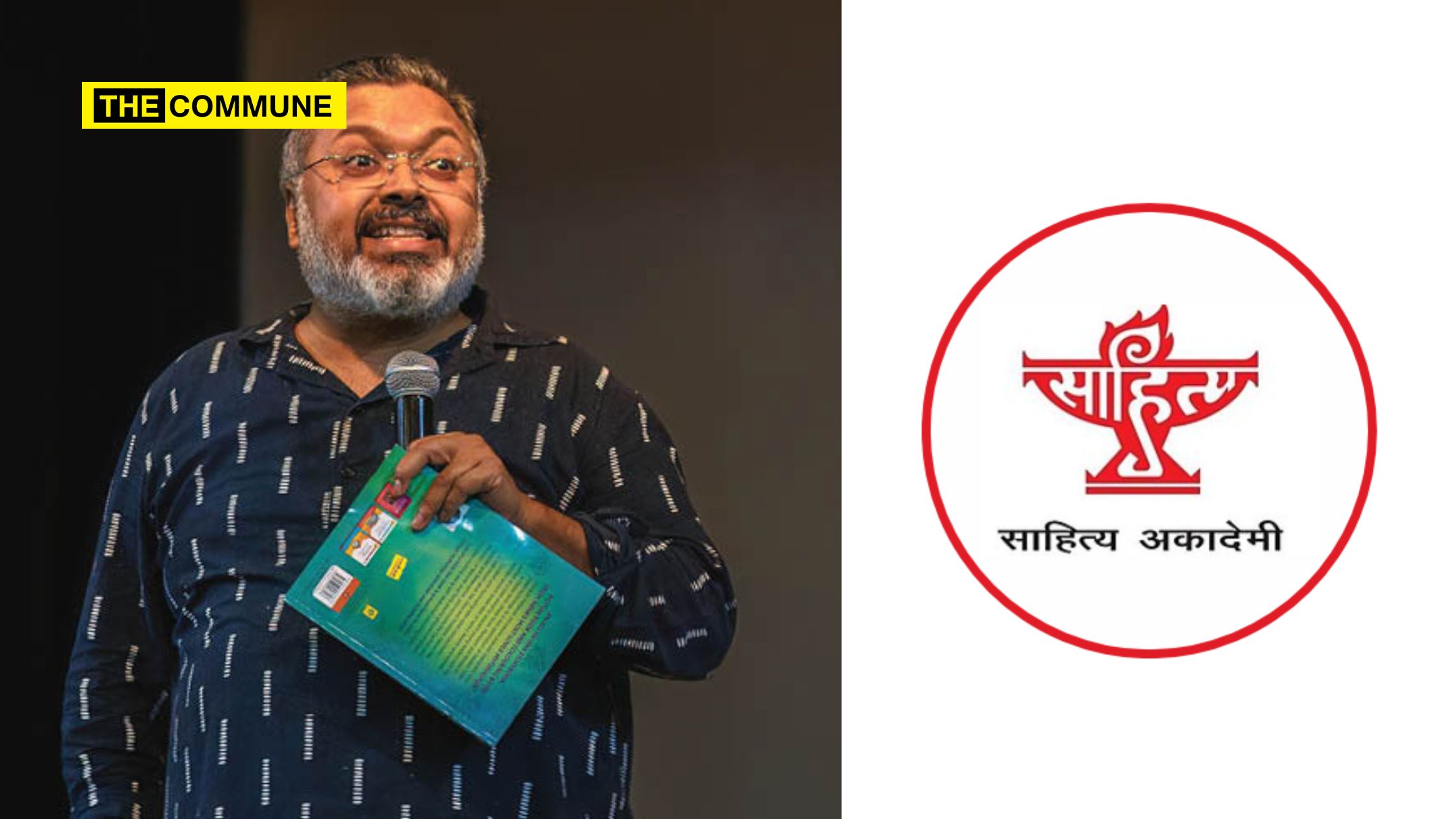
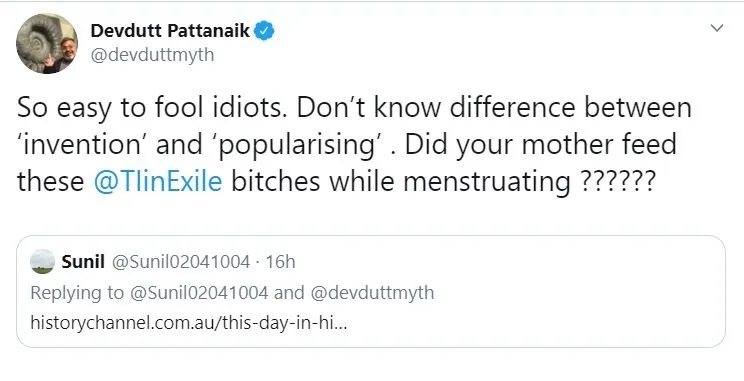
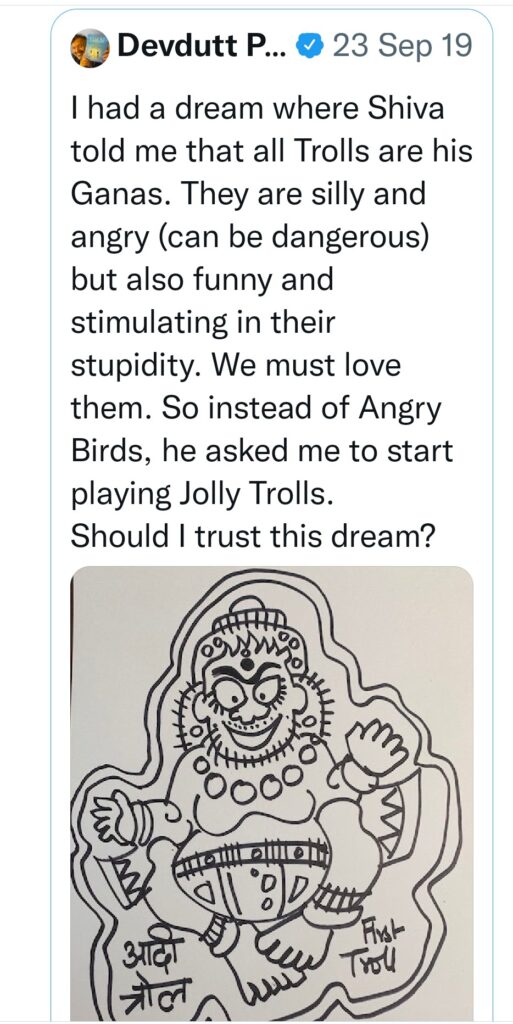
The Sahitya Akademi’s decision to invite Devdutt Pattanaik to speak at its upcoming seminar on “Indian Mythology: Memory, Retellings, and Translations” has sparked widespread outrage. Pattanaik, often described as a self-proclaimed “mythologist,” has been embroiled in numerous controversies for his questionable interpretations of Hindu scriptures, his abusive behaviour on social media, and his repeated anti-Hindu remarks.
Such a selection raises serious concerns about the credibility and inclusivity of a government-funded institution like the Sahitya Akademi.
Let’s take a quick look at Devdutt Pattanaik’s dubious history:
Misrepresentation Of Scriptures
Pattanaik is known for distorting Hindu scriptures. He has consistently drawn criticism for his flawed and provocative interpretations of Hindu scriptures. His translations often contain fundamental errors, distorting key Sanskrit terms. He injects sexual connotations into sacred texts, much to the dismay of scholars and practitioners of Sanatan Dharma.
His admiration for Wendy Doniger, another controversial figure in the domain of Indian history and culture, aligns with his tendency to sensationalize and misrepresent traditional Hindu texts.
Abusive Conduct on Social Media
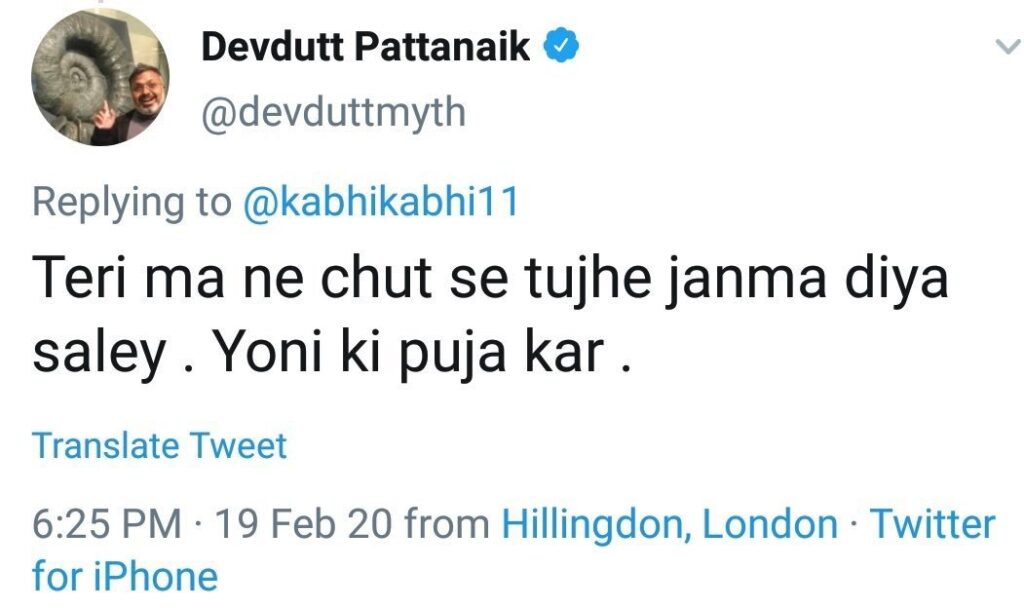
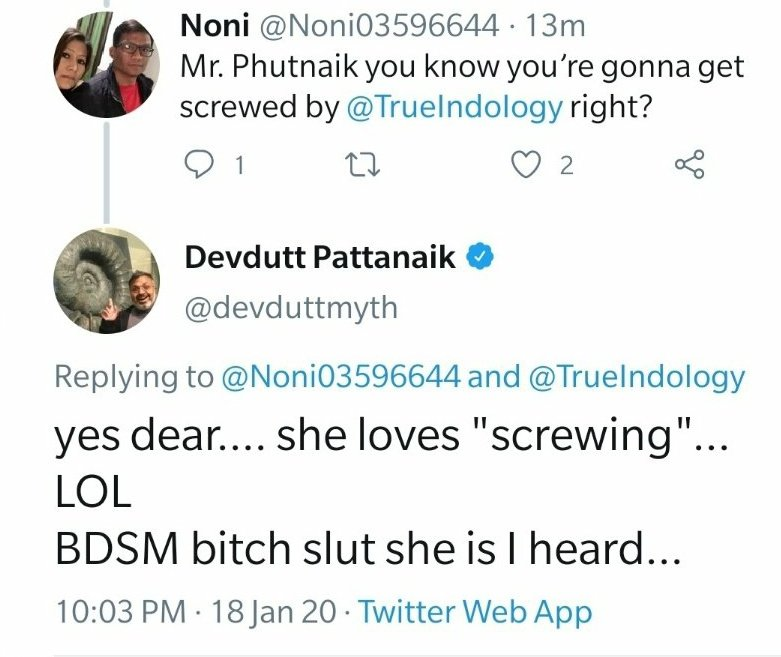
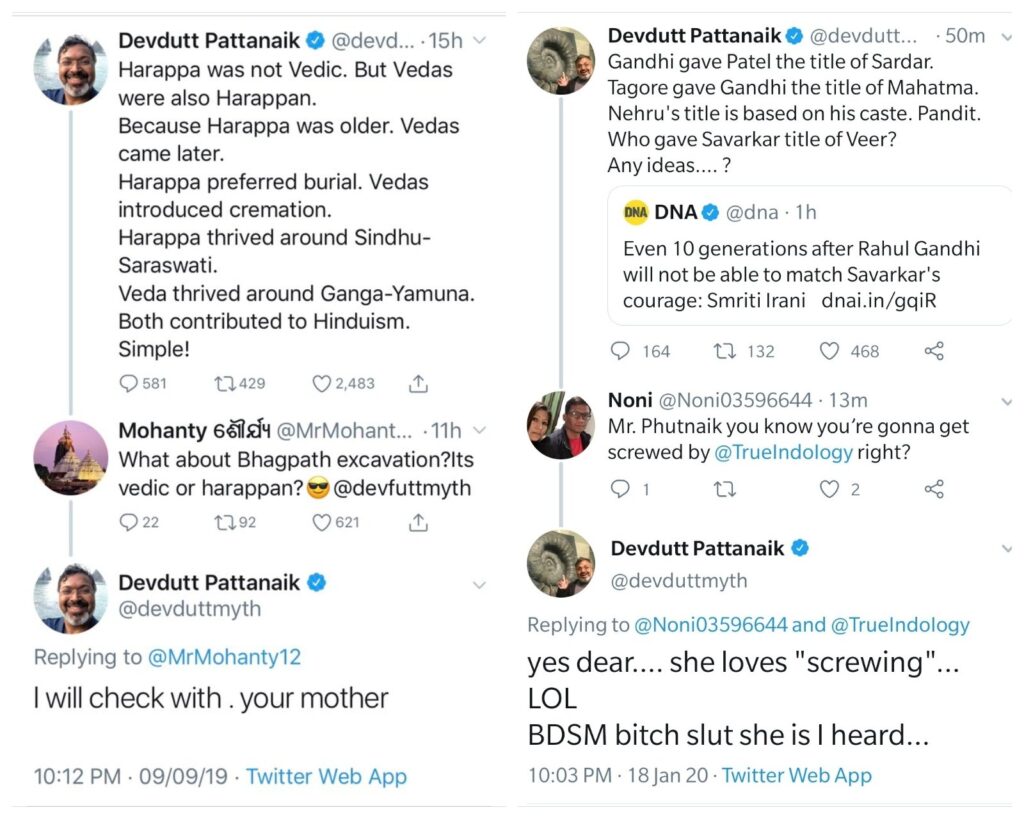
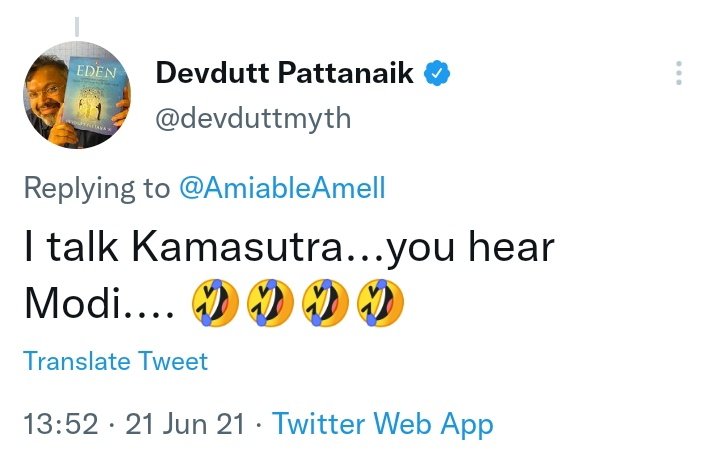
Pattanaik has a long record of using crass language and personal attacks against critics. He has resorted to misogynistic and abusive comments, once admitting to using rape as a tool of revenge in a widely condemned post issued in 2022. His behavior includes hurling insults at people’s families, including abusive references to their mothers.
What kind of message is @IndiaSports sending to women by including Devdutt Pattnaik as a speaker in its ‘National Youth Festival’ event? Abuse women and be hailed as an inspiration for youth? @ianuragthakurpic.twitter.com/7VEt5NL00a
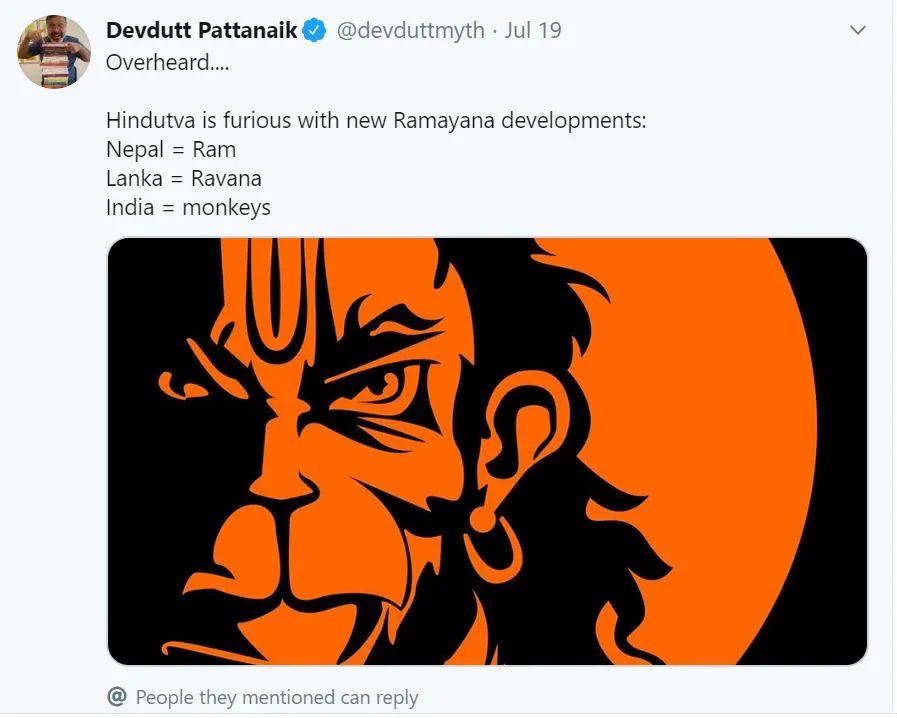
In July 2020, Pattanaik endorsed Nepal’sthen-PM’s claim that Bhagwan Ram originated from Nepal and insulted India by calling it a “land of monkeys,” mocking Bhagwan Hanuman.
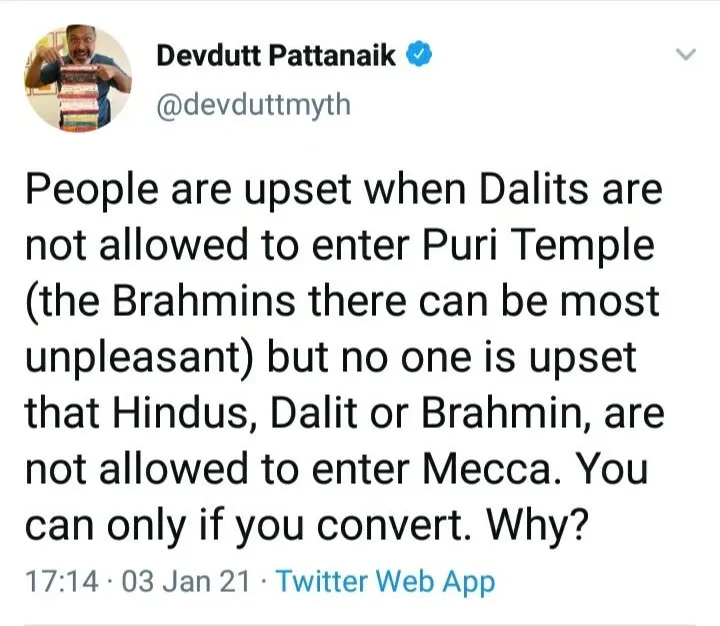
He has repeatedly targeted Brahmins, fueling divisive narratives and refusing to engage with constructive criticism. He falsely claimed Dalits are barred from entering the Puri Jagannath Temple, a statement that stoked communal tensions and was widely debunked.
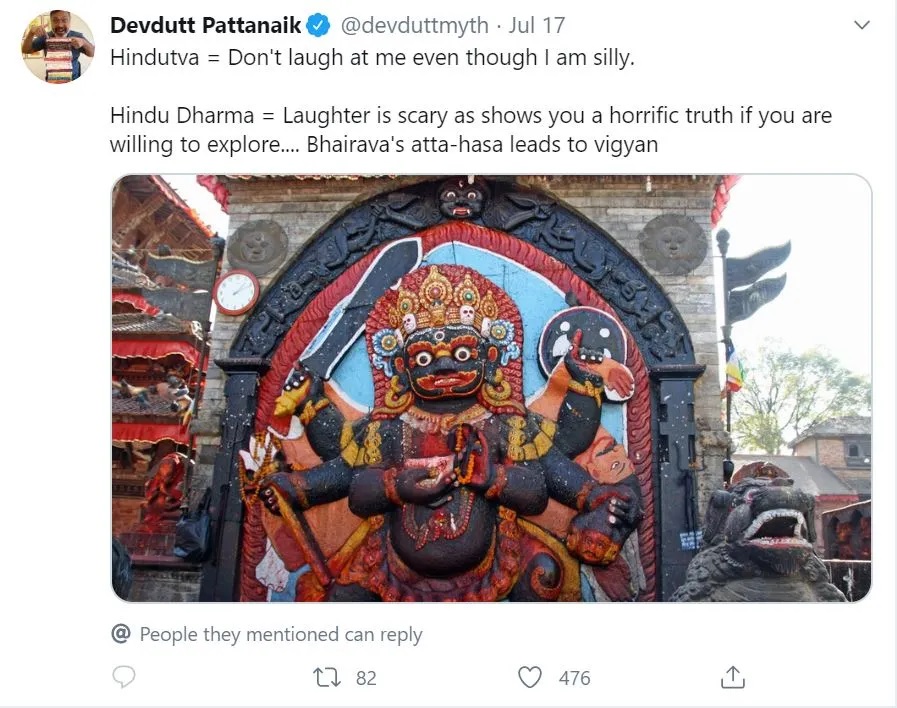
Here are a few Hinduphobic posts he made.
Misinformation Campaigns
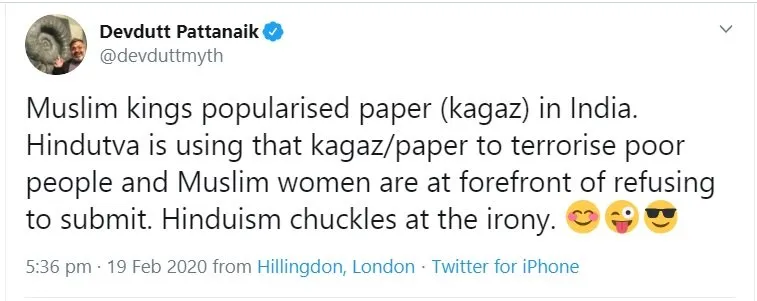
Pattanaik has spread falsehoods about the Citizenship Amendment Act (CAA), claiming that the Modi government was terrorizing Muslim women by asking for kagaz (documents). His assertions were proven baseless and were labeled as fear-mongering propaganda.
He has linked the origin of the word “India” to casteism, Brahminism, and intolerance, presenting an oversimplified and distorted narrative.
A Pattern of Provocation
Devdutt Pattanaik’s controversial remarks are not isolated incidents but part of a larger pattern of provocative behavior aimed at discrediting Hinduism and its adherents. For instance:
He claimed the idea of singularity in Indian culture was “Middle Eastern” while misrepresenting Indian pluralism.
He made bizarre connections between the Rigveda and Indumati, Lord Ram’s grandmother, in a way that conflates mythology and history without scholarly rigor.
His admiration for contentious ideologues like Wendy Doniger further cements his anti-Hindu inclinations.
Inviting Devdutt Pattanaik to a Sahitya Akademi seminar legitimizes his controversial views and abusive behavior, alienating those committed to preserving India’s cultural and religious authenticity. This decision undermines Akademi’s credibility as a guardian of Indian literature, disregards public sentiment, and overlooks genuine scholars who approach Indian mythology with respect and rigor.
Government-funded platforms must prioritize figures who foster inclusive and authentic discourse, rather than divisive individuals with questionable ethics. Institutions like Sahitya Akademi and the Ministry of Culture must be held accountable to ensure their events reflect India’s rich heritage and uphold their responsibility to public trust.
Subscribe to our channels onTelegram, WhatsApp, and Instagram and get the best stories of the day delivered to you personally.
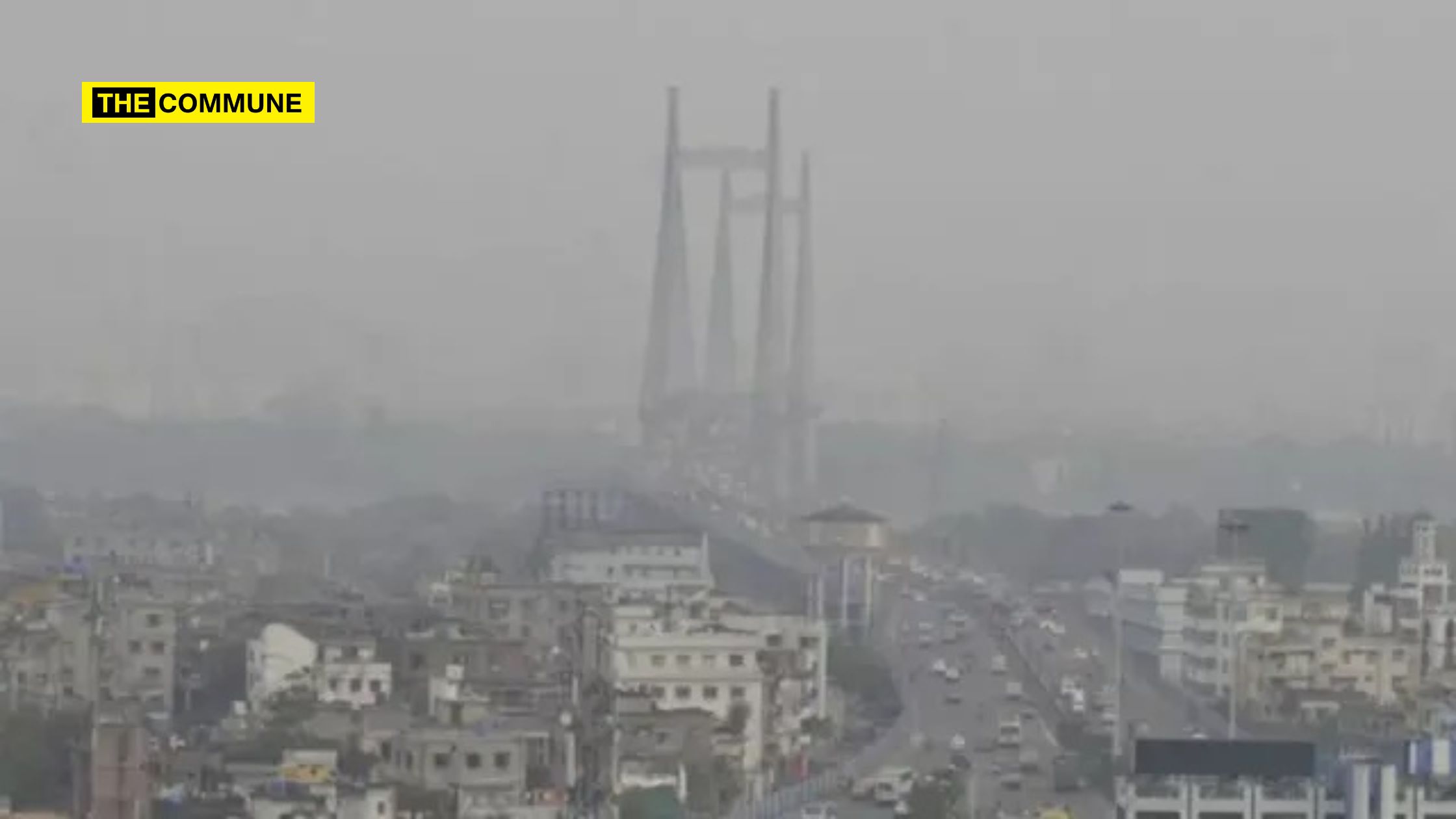
Air quality in Kolkata has started dipping with a drop in temperature as AQI levels ranged between 204 and 290 since Thursday. The AQI level range between 201 and 300 comes under the “purple” or “very unhealthy” category.
It involves health warnings of conditions where the entire population in a city is more likely to be affected.
The air quality level in Kolkata is just above the worst AQI level between 301 and 500, which comes under the “maroon” or “hazardous” category involving more serious health effects on the entire population.
Kolkata’s AQI quality remained good before the Diwali and Kali Puja because of the winds of Cyclone Dana. However, it started deteriorating sharply from the night before Diwali or Kali Puja because of the unbridled bursting of firecrackers.
Similar bursting of firecrackers during the Chhath Puja aggravated the deterioration further. According to green-technologist and environmental activist Somendra Mohan Ghosh the basic flaw lies in the fact that the Indian air quality standards are more lenient compared to the World Health Organization’s (WHO) guidelines.
“The permissible limits under the Indian National Ambient Air Quality Standards (NAAQS) for particulate matters like PM2.5 and PM10 as well as other items like nitrogen dioxide, ozone, carbon monoxide and sulphur dioxide is much more lenient than those permissible under WHO guidelines,” said Ghosh.
“Exposure to air pollution above WHO guidelines can lead to respiratory problems like asthma or COPD, cardiovascular diseases, lung cancer, neurological damage and premature mortality,” Ghosh pointed out.
According to him, there is an urgent necessity to revise NAAQS aligning with the WHO guidelines. “At that same time there should be stricter emission controls, promotion of clean energy resources and implementation of effective waste management. What is equally necessary is enhancing public awareness and education,” said Ghosh.
Meanwhile, Delhi-NCR’s air quality remained severely poor for the third consecutive day, with the national Capital’s Air Quality Index (AQI) reaching a severe level of 409 early on Friday morning and the readings being above the 300 mark in neighbouring cities in Haryana and Uttar Pradesh. According to the Central Pollution Control Board (CPCB), the region continues to suffer from hazardous pollution levels as winter approaches, with many of the cities in Delhi’s neighbourhood registering dangerously high AQI values.
–IANS
Subscribe to our channels onTelegram, WhatsApp, and Instagram and get the best stories of the day delivered to you personally.
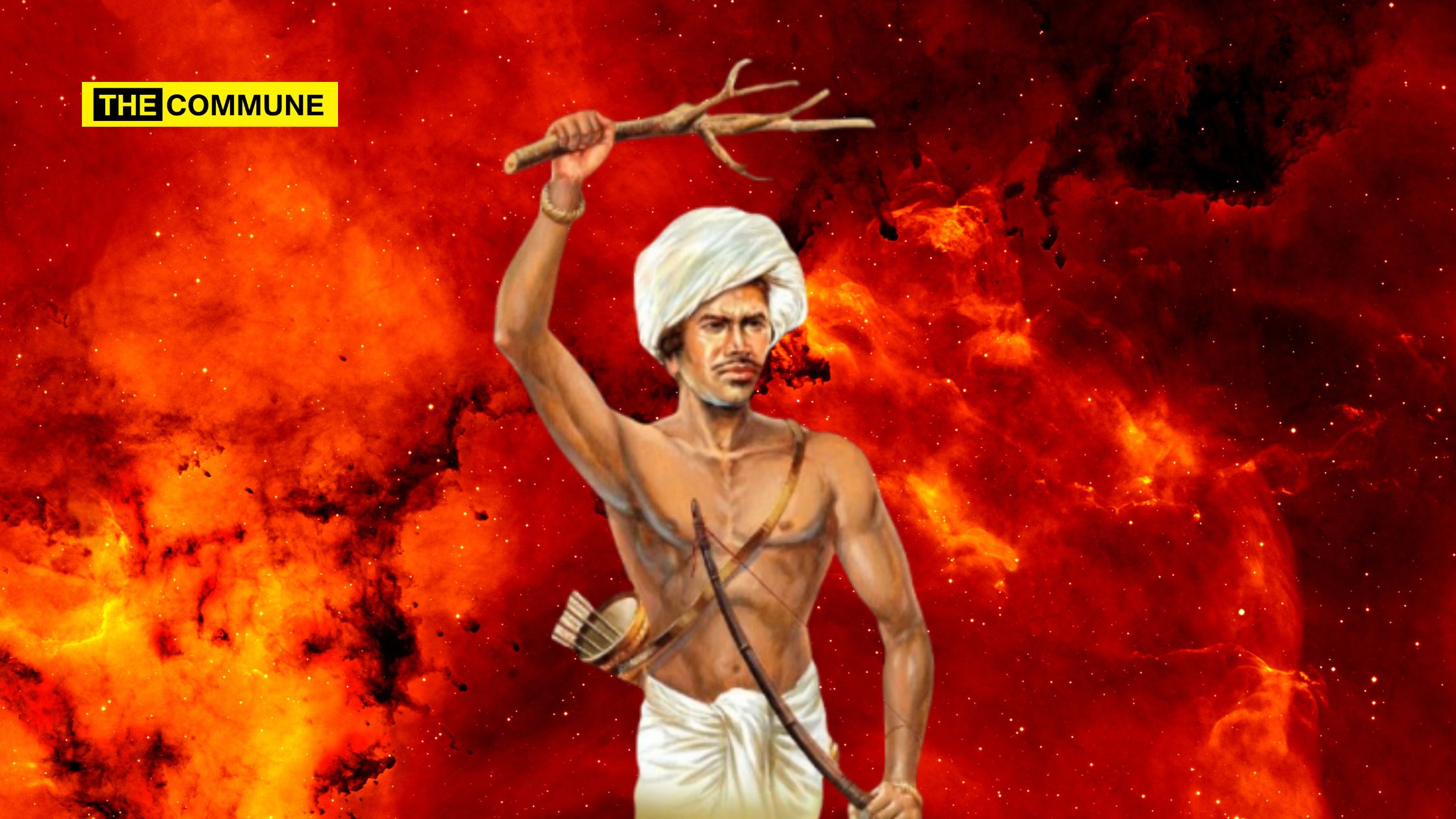
Girded by forests and hills, Ulihatu village in Jharkhand’s Khunti district, 66 km from state capital Ranchi, is the birthplace of charismatic tribal hero Birsa Munda, who led a popular revolt in the early 20th century that declared the end of British rule over large parts of the region and the beginning of ‘Abua Raj’ (self-rule).
His birth anniversary is celebrated as Tribal Pride Day and his 150th birth anniversary this year marks the beginning of the Tribal Pride Year, which will conclude on November 15, 2025. Birsa Munda, born on November 15, 1875, led a movement known as ‘Ulgulan’ (The Great Rebellion) among the tribals of Jharkhand.
During this uprising in 1899, thousands of his followers proclaimed in their native language: “Diku Raj Tuntu Jana – Abua Raj Ete Jana”, meaning “The rule of outsiders is over, our own rule has begun.”
The British, threatened by this movement, resorted to brutal suppression. Revered today as Bhagwan (Lord) Birsa Munda, he was an exceptional leader who recognised the impact of British rule on tribal traditions.
According to Vivek Aryan, a researcher at the Tribal Research Institute in Ranchi, Birsa Munda realised the erosion of tribal rights as a school student. His activism led to his expulsion from school in 1890.
Determined, he began raising awareness among tribal communities, rallying them for their rights. By 1895, Birsa Munday had become a significant threat to the British, leading to his arrest on August 24, 1895, from Chalkad village. Historical records show that he was sentenced to two years of rigorous imprisonment on November 19, 1895, under Section 505 of the Indian Penal Code.
After his release on November 30, 1897, the Munda tribes once again rallied under his leadership, setting the stage for a large-scale rebellion.
On December 24, 1899, Birsa Munda declared the start of ‘Ulgulan,’ asserting the tribal rights over water, forests, and land. By January 1900, the fire of rebellion had spread across the region.
The movement culminated on January 9, 1900, when thousands of Mundas gathered at Dombari Buru hill, armed with bows and arrows, and other traditional weapons.
The British, tipped off by informants, surrounded the hill with soldiers armed with guns and cannons. A fierce battle ensued, where Birsa Munda and his followers valiantly fought against the colonial forces.
According to reports published in The Statesman on January 25, 1900, around 400 tribals were killed in the brutal confrontation.
Their blood stained the hill, and the nearby Tajna river turned red. Though the British emerged victorious, they failed to capture Birsa Munda. However, his freedom was short-lived.
On the night of February 3, 1900, he was arrested from the dense forests of Chaibasa while he was sleeping. He was secretly brought to Ranchi and tried in the court of Magistrate W.S. Kutus, with Barrister Jackon representing him in what was merely a mock trial.
Birsa Munda was imprisoned in Ranchi jail, where he was subjected to severe torture. On June 1, 1900, the British authorities claimed that Birsa Munda had contracted cholera. Tragically, he died on June 9, under mysterious circumstances in jail.
His body was discarded near what is now the Distillery Bridge in Ranchi. A memorial now stands there, honouring his great sacrifice. The Ranchi jail where Birsa Munda died has since been converted into the Birsa Munda Smriti Sangrahalaya (Memorial Museum).
Every year on November 15 on Birsa Munda’s birth anniversary, Janjatiya Gaurav Divas is celebrated to honour his contribution to India’s freedom struggle. Tribal movements against British rule, like the Ulgulan led by Birsa Munda, were not only pivotal in challenging British oppression but also inspired a national awakening.
–IANS
Subscribe to our channels onTelegram, WhatsApp, and Instagram and get the best stories of the day delivered to you personally.
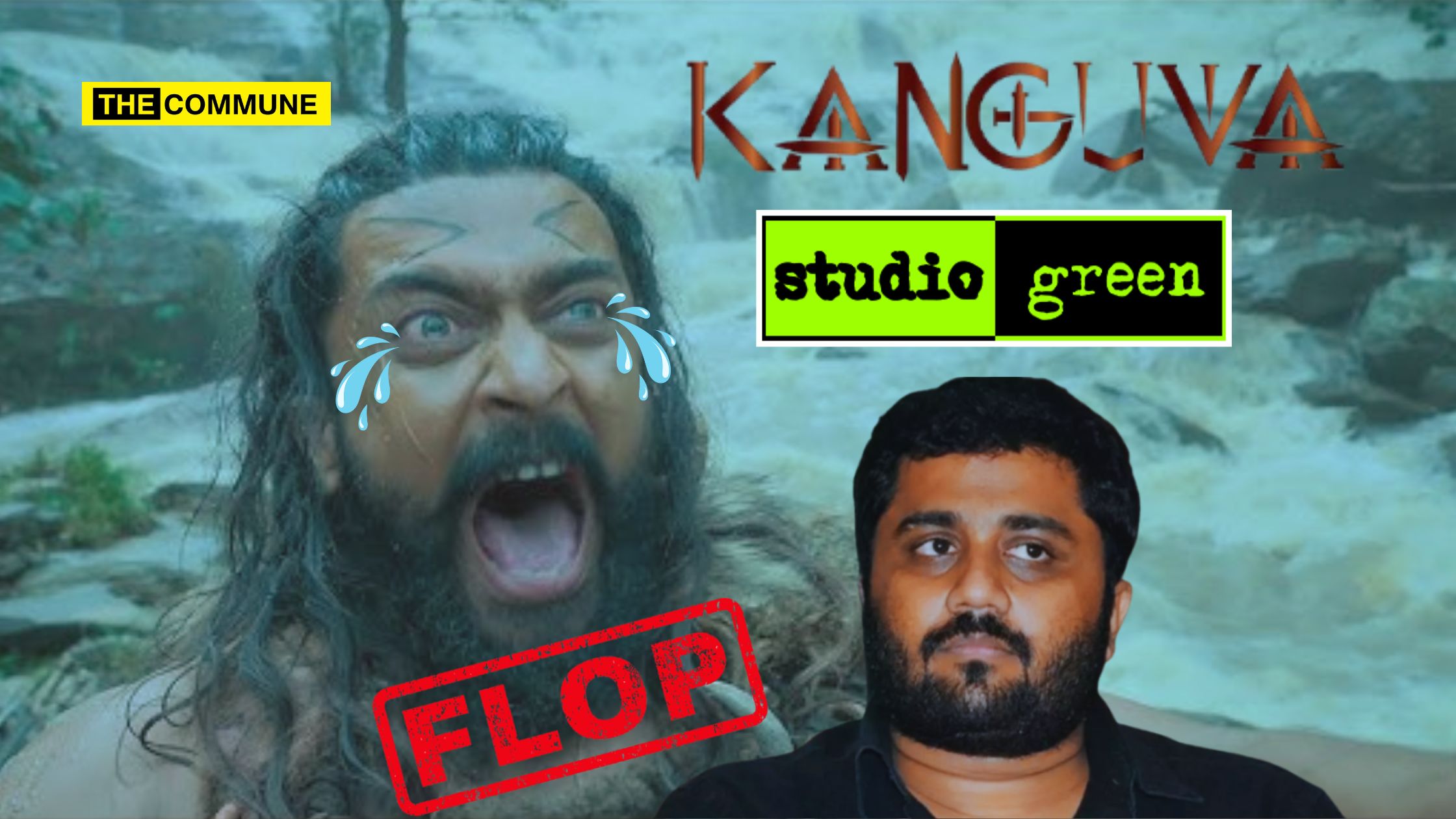
Alleged actor Suriya’s latest flop buster, Kanguva, left audiences numb and deaf at the end of the three-hour cringefest. The film is multilingual and has made the entire nation cuss at it. Here is a look at how Kanguva became the most nationally trolled film after Indian 2.
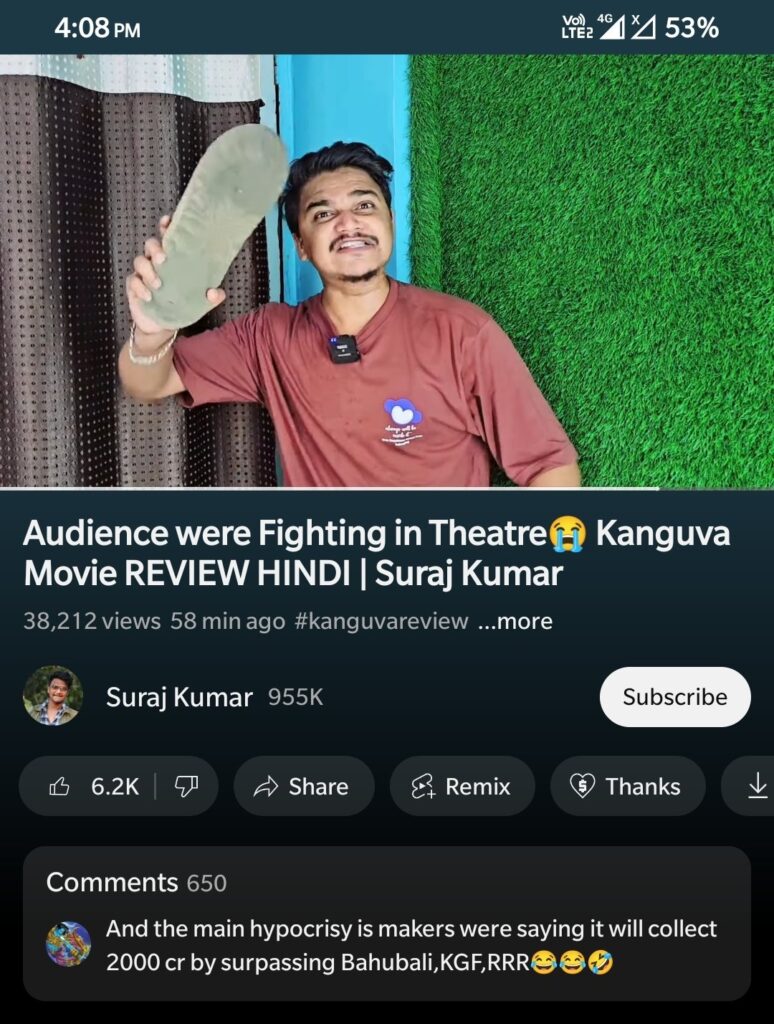
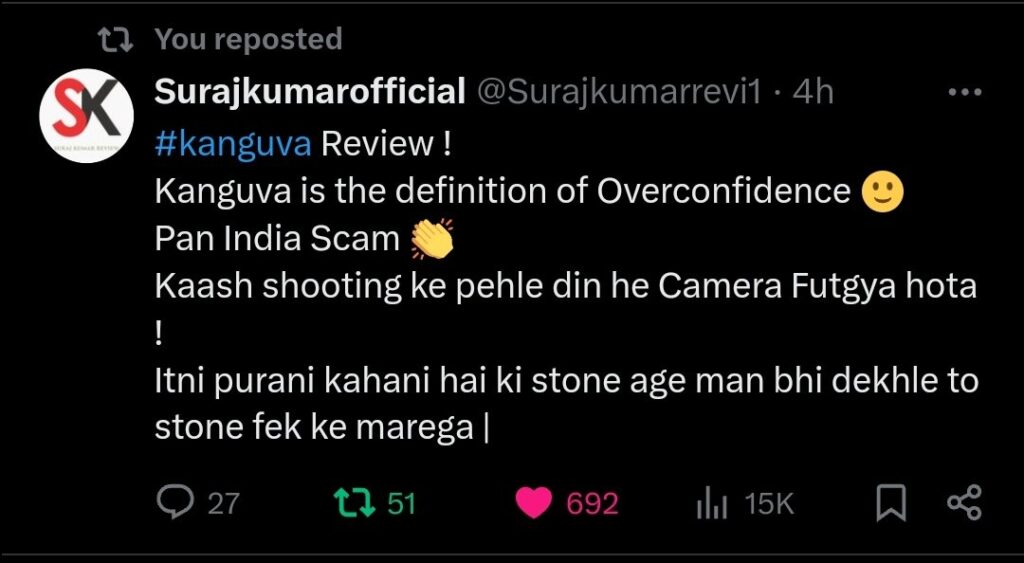
A reviewer named Suraj Kumar stated that the audience was fighting in the theatre! He said you may feel bad for Suriya for acting in such a film but also feel bad for yourself for watching it. He also said such a film should never have been made – the camera should have gone bust on the first day of shooting!
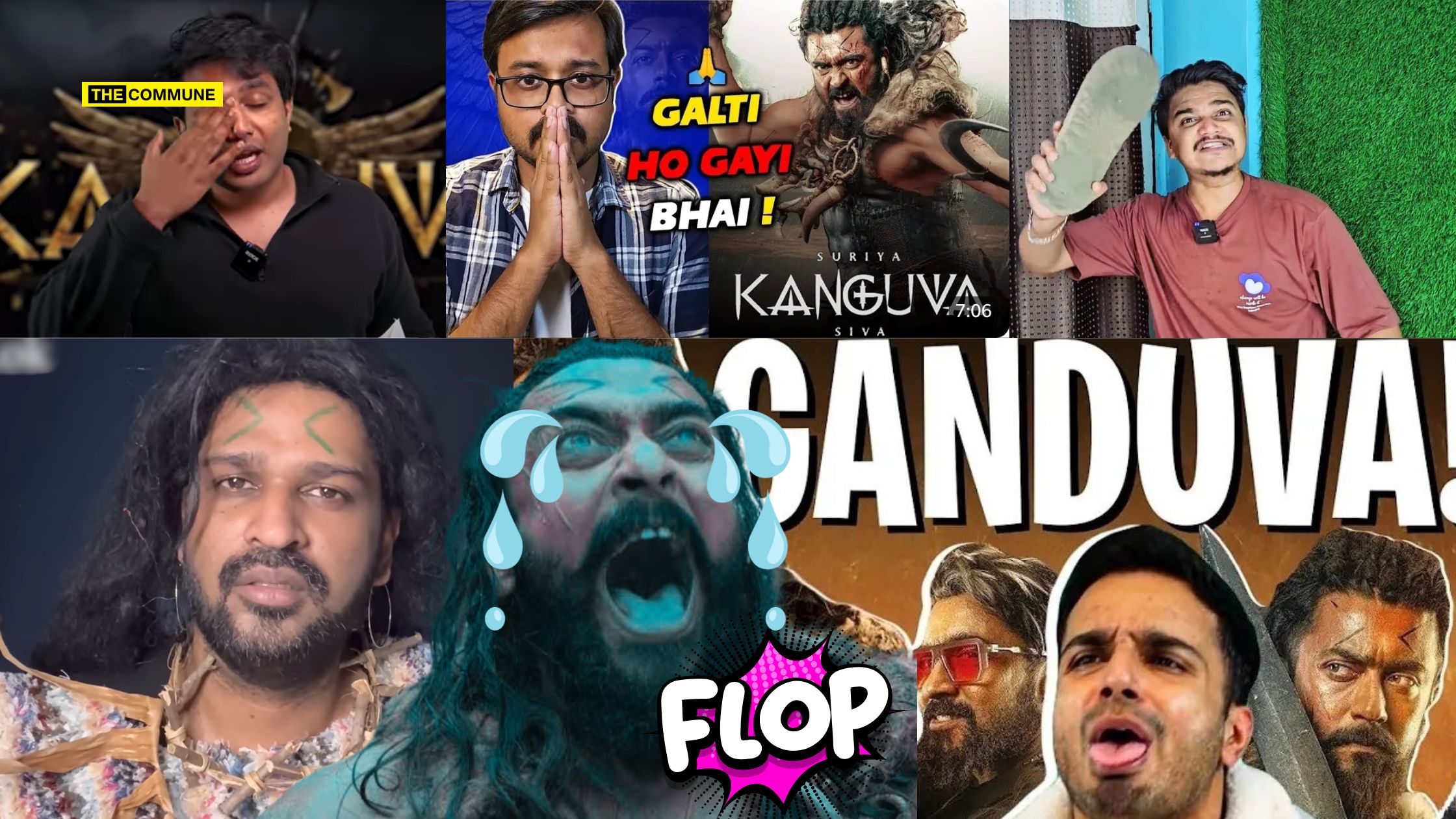
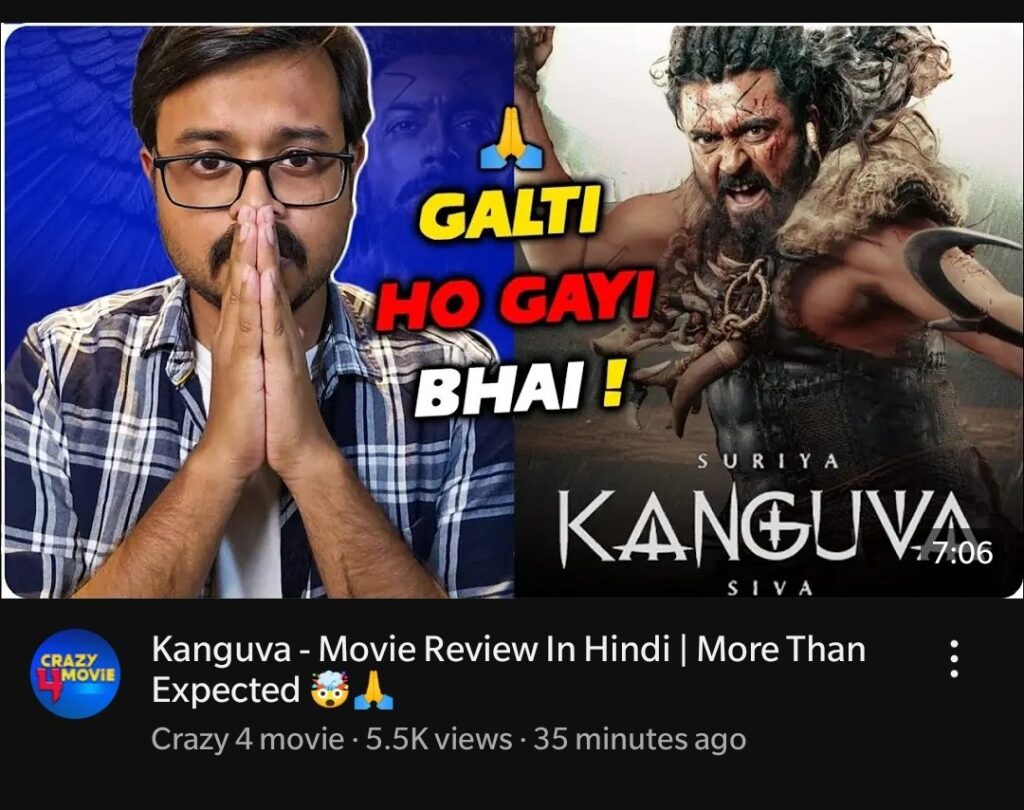
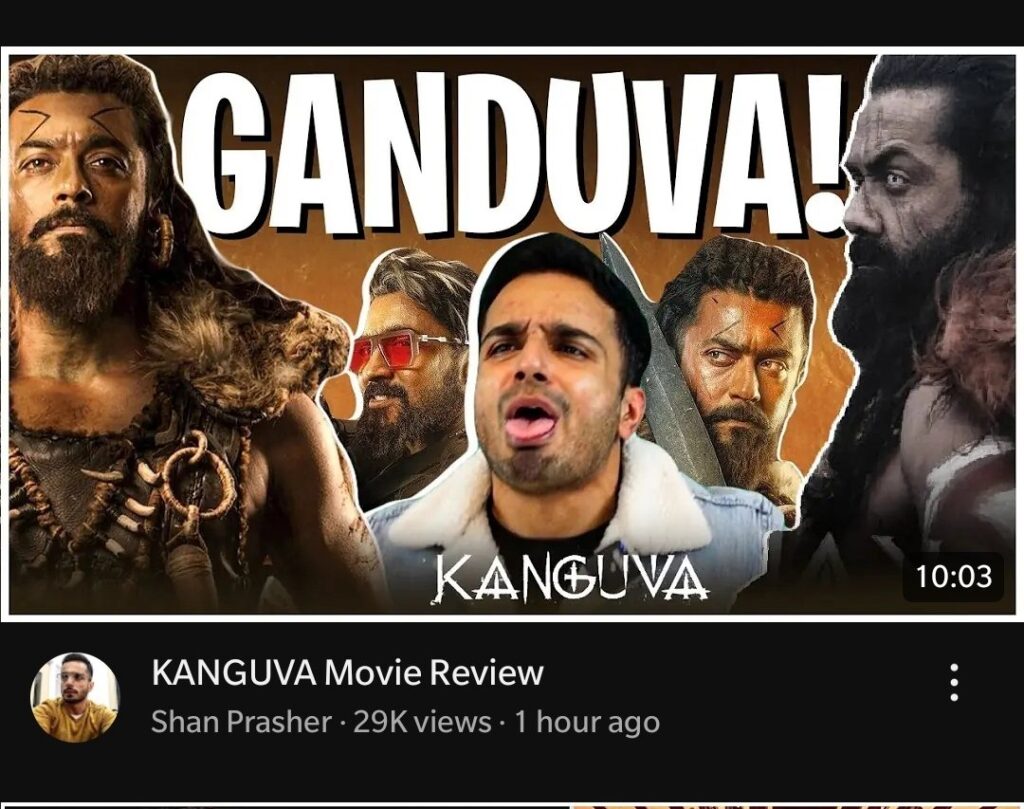
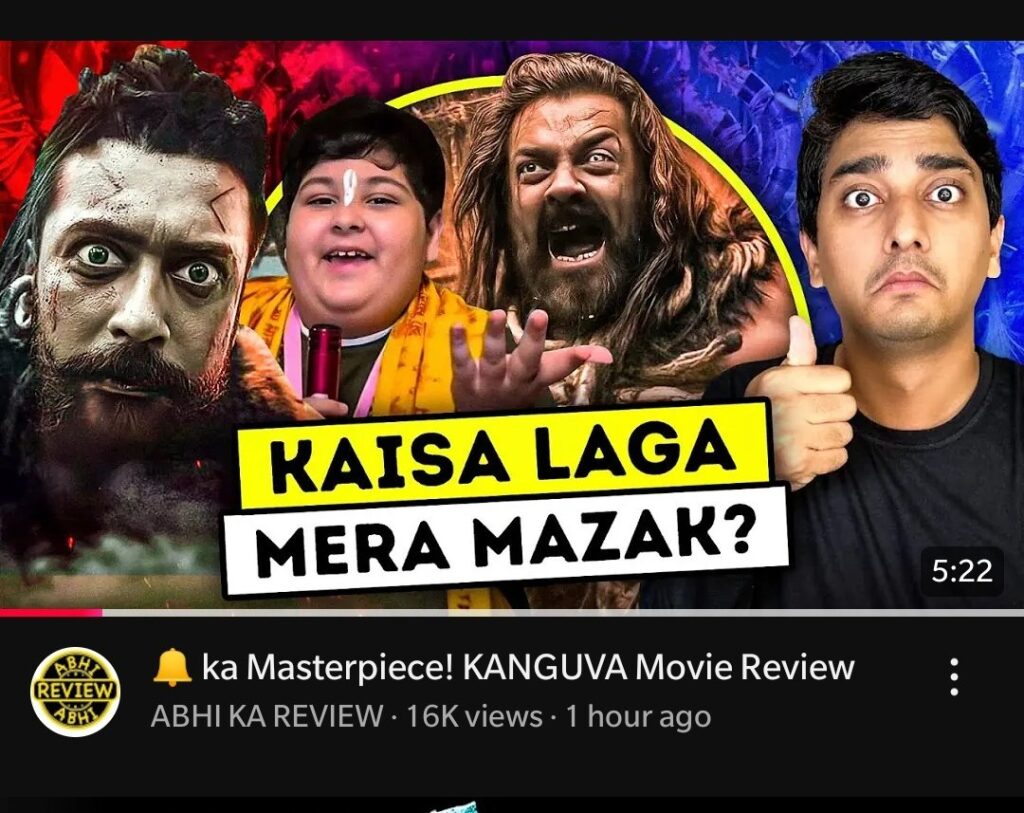
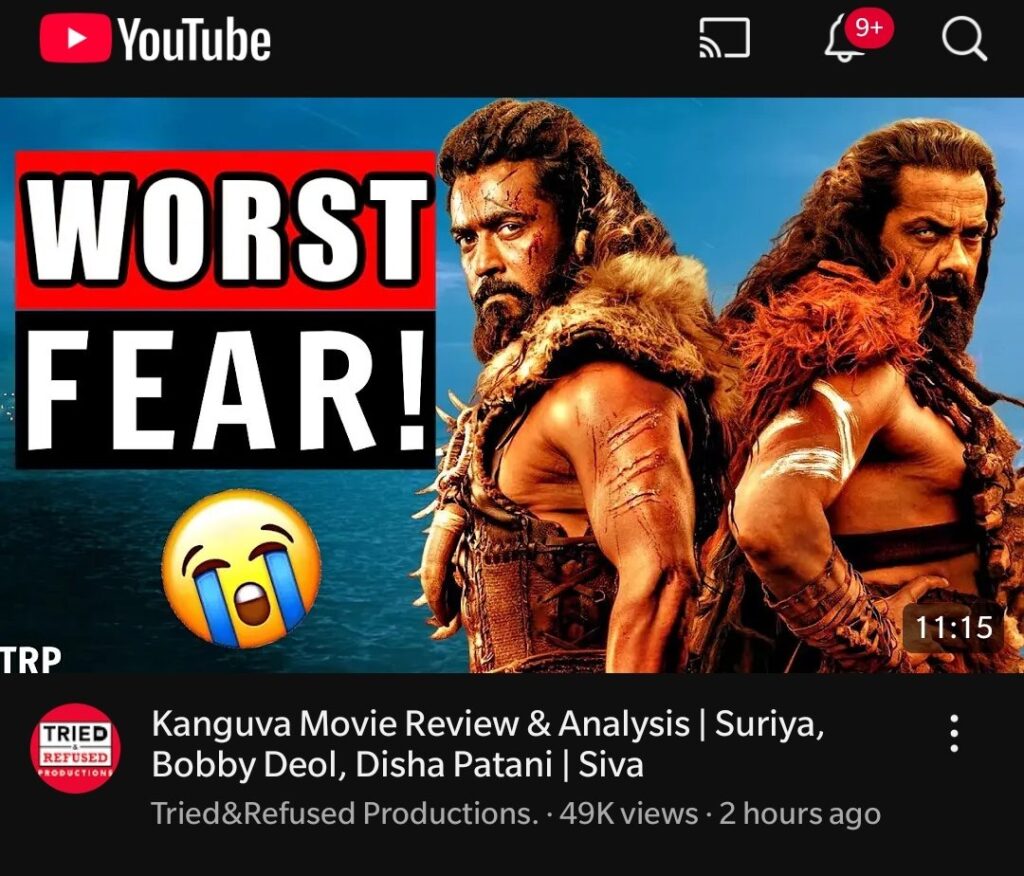
Other reviewers apologized and trolled the film even more badly. Here are some thumbnails of YouTube review videos!
Hindi film YouTubers and trackers mocked the makers of Kanguva and intensely trolled the film.
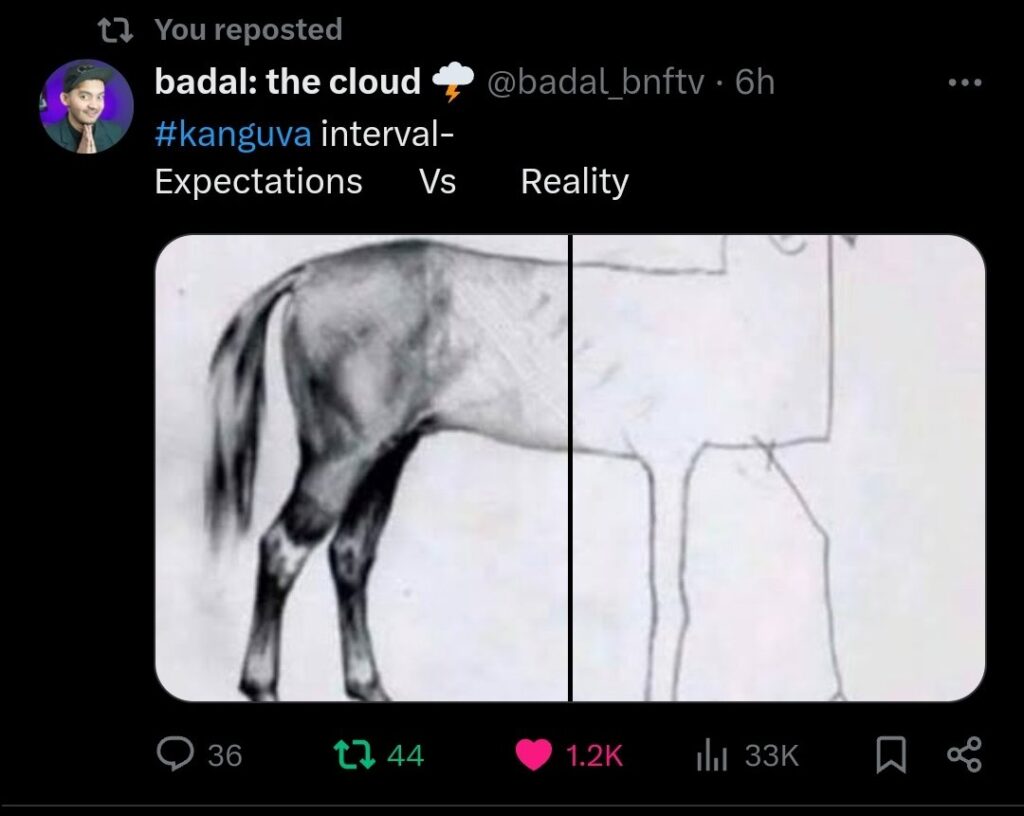
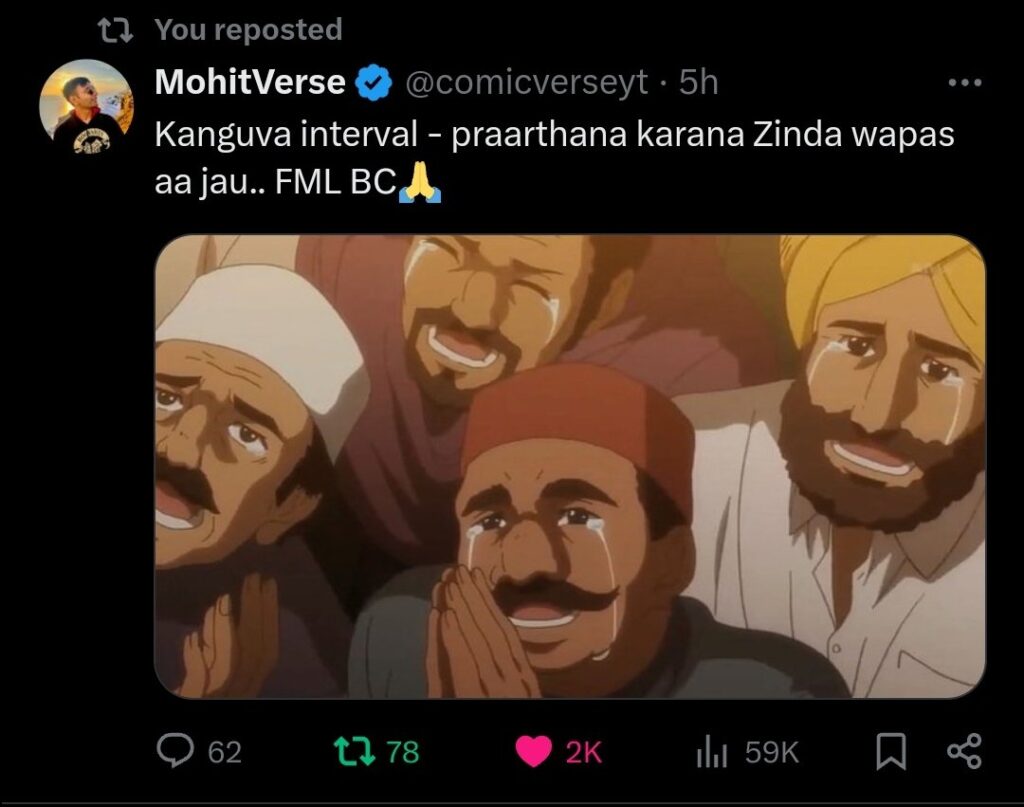
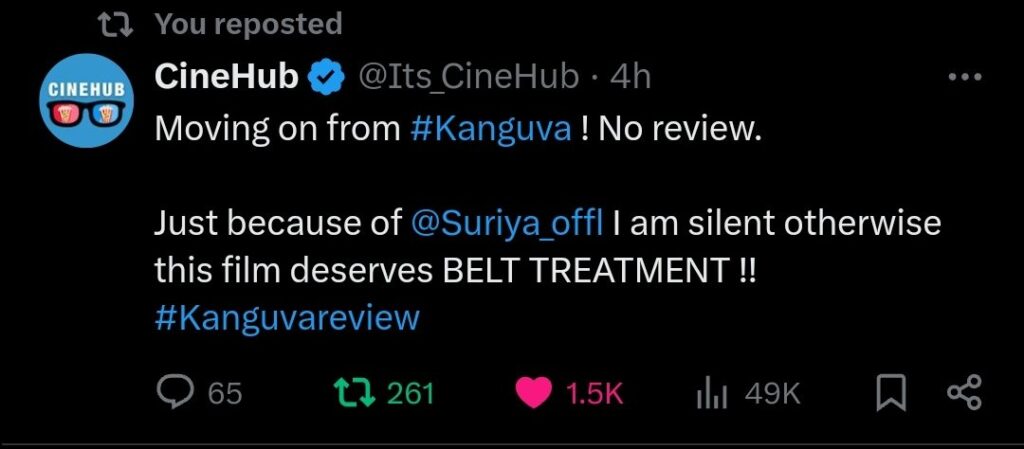
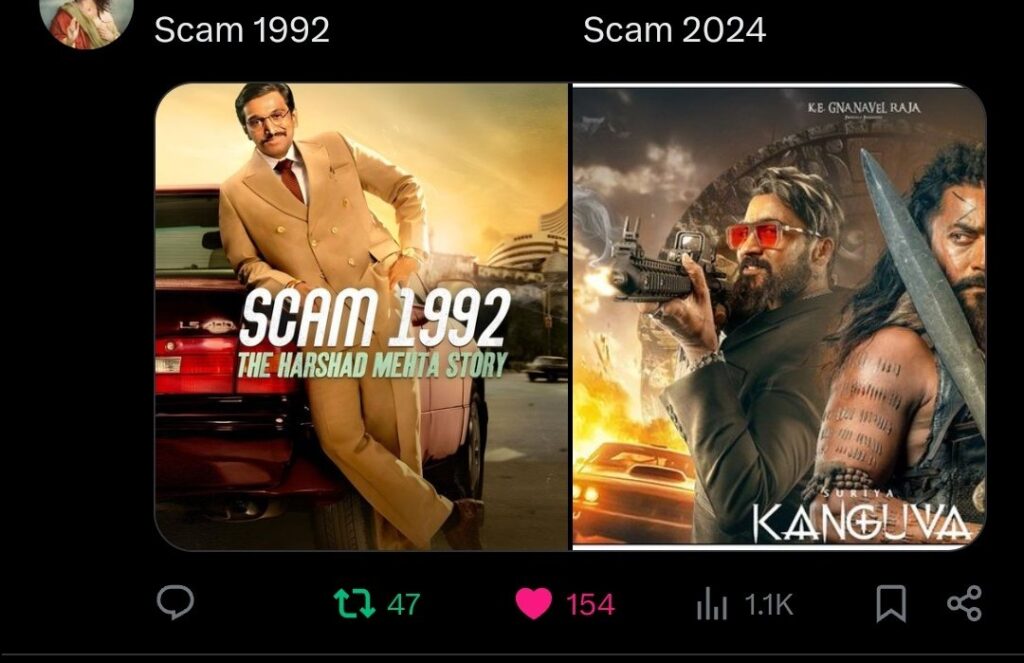
Even the audience heavily trolled the flop film Kanguva. Here are some posts from social media.
Another YouTube reviewer claimed he almost “died” after watching the film! He trolled the film even more for its extremely pedestrian screenplay, name cards, and whatnot.
The YouTube channel PJ Explained called it “Kanguva is a chaotic disaster that tries to be an epic but ends up as a shallow mess. With cringe-worthy performances, forced morality, hollow action, and a laughable attempt at violence, this movie is an overconfident flop that fails at every turn.”
Another Hindi YouTuber BnF TV also trolled it heavily.
The trolling was not limited to Hindi YouTubers, even Malayalam reviewers trolled it. Kerala-based film reviewer and YouTuber Aswanth Kokheavily trolled the film by wearing a humorous, fake costume of the character throughout his entire review video.
A Telugu YouTuber Barbell Pitch Meetings called it a visual blunder and warned audience of bleeding from ears and eyes if they watched the film.
The common points from all the reviews are that there is no proper story orscreenplay, and the inclusion of a song based on the acronym YOLO – You Only Live Once! 3D was overdone and things seemed to keep flying at the audience, it was okay at first but became too repetitive for the viewers.
The dubbing for Suriya in Hindi does not match his body language and persona and allege that the Hindi film was made as an afterthought. The Hindi reviewers feel the film would have been better in Tamil – but people in Tamil Nadu would beg to differ.
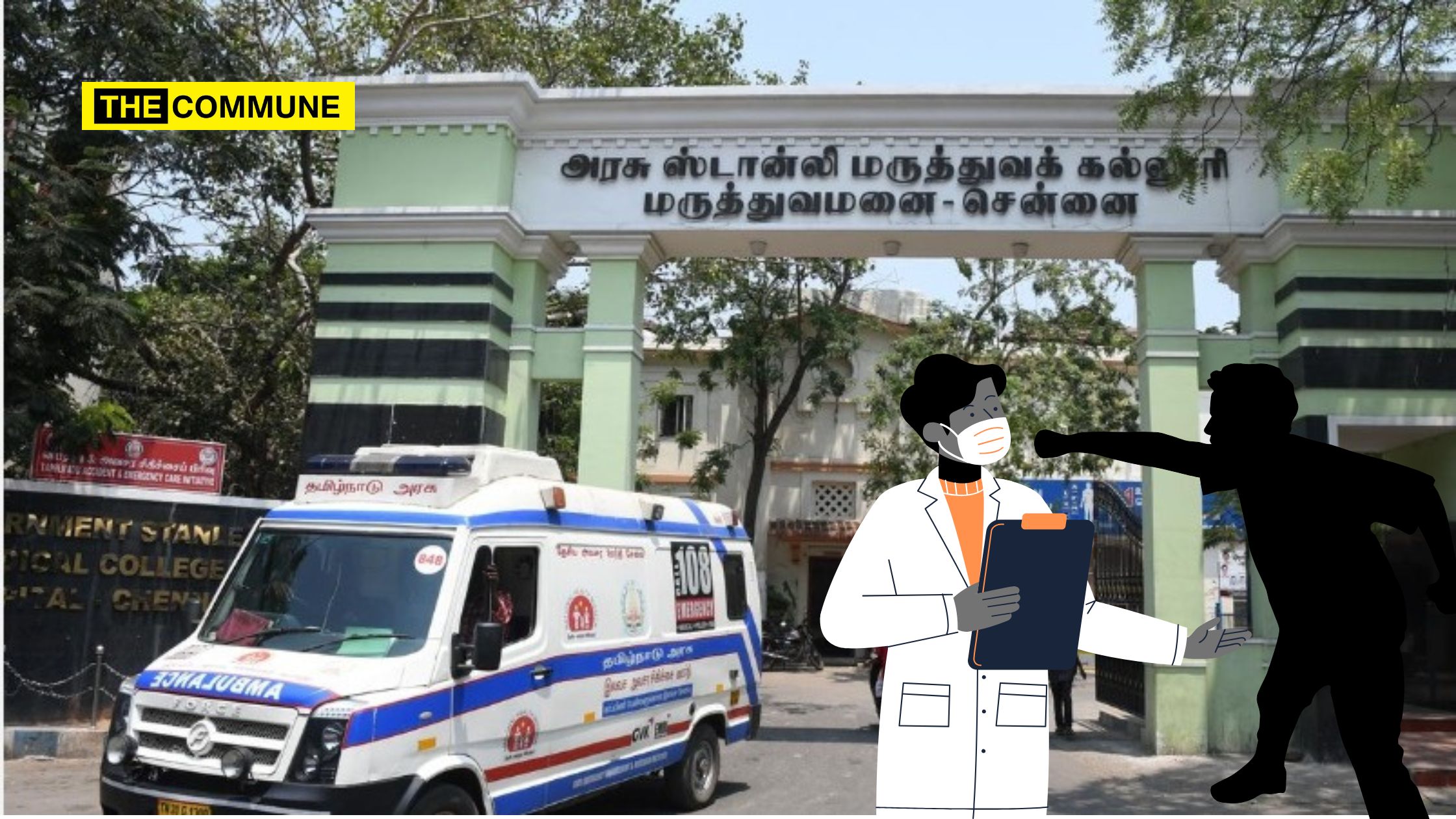
The doctors’ community is in shock after two separate attacks on medical professionals within hours of each other in Chennai. On 13 November 2024, shortly after an oncologist was stabbed by an aggrieved patient’s relative at Kalaignar Centenary Super-Speciality Hospital in Guindy, a psychiatrist was assaulted by a mentally unstable individual at Government Stanley Hospital.
Dr. P. Hariharan, 49, an Assistant Professor in the Psychiatry Department at Stanley Hospital, was attending to patients in the outpatient ward when he encountered 24-year-old S. Bharath, a resident of Neelankarai MGR Nagar. A brief disagreement escalated quickly, with Bharath attacking Dr. Hariharan before fleeing the scene.
Following the incident, the principal of Stanley Government Hospital, Balaji, filed a formal complaint with the Washermenpet police station, who investigated the attack. Initial reports suggest that Bharath was a patient at the hospital last year and had been receiving treatment for a month. The police are actively searching for the assailant.
ANOTHER DOCTOR ATTACKED IN GOVT STANLEY HOSPITAL
Hours after an Oncologist was stabbed by a aggrieved patient attendant at Kalaignar Centenary Super-Speciality Hospital in Guindy on Wednesday, another doctor, a psychiatrist, was attacked by a mentally challenged person at the…
On the same day, a doctor at Kalaignar Centenary Super Speciality Hospital (KCSSH) in Guindy, Chennai, was critically injured in a violent attack. Dr Balaji Jagannath, an associate professor in the Department of Oncology, was reportedly attacked by Vignesh, a man from Perungalathur, who allegedly blamed Dr Jagannath for his mother’s condition.
The altercation began around 10:30 AM, when Vignesh entered the oncology department with an outpatient pass, accompanied by a group. The disagreement escalated over the treatment provided to his mother, Prema, a cancer patient, during which Vignesh allegedly slashed the doctor’s neck and inflicted several injuries. Onlookers quickly intervened, and Dr Jagannath was rushed to the ICU, where he is reported to be in critical condition.
Dr Jagannath, who is a cardiac patient and on anticoagulants, suffered severe bleeding and injuries to his neck, head, and back. According to KCSSH Director L. Parthasarathy, he was immediately taken into surgery, where a team from the Cardiothoracic, Vascular, and Neuro Surgery departments stabilized his condition.
Following the incident, Tamil Nadu Chief Minister MK Stalin expressed shock on social media and ordered a thorough investigation. The Chief Minister assured that the government is committed to ensuring the safety of healthcare workers. Deputy Chief Minister Udhayanidhi Stalin and Health Minister Ma. Subramanian visited KCSSH in response to the attack.
Subscribe to our channels onTelegram, WhatsApp, and Instagram and get the best stories of the day delivered to you personally.
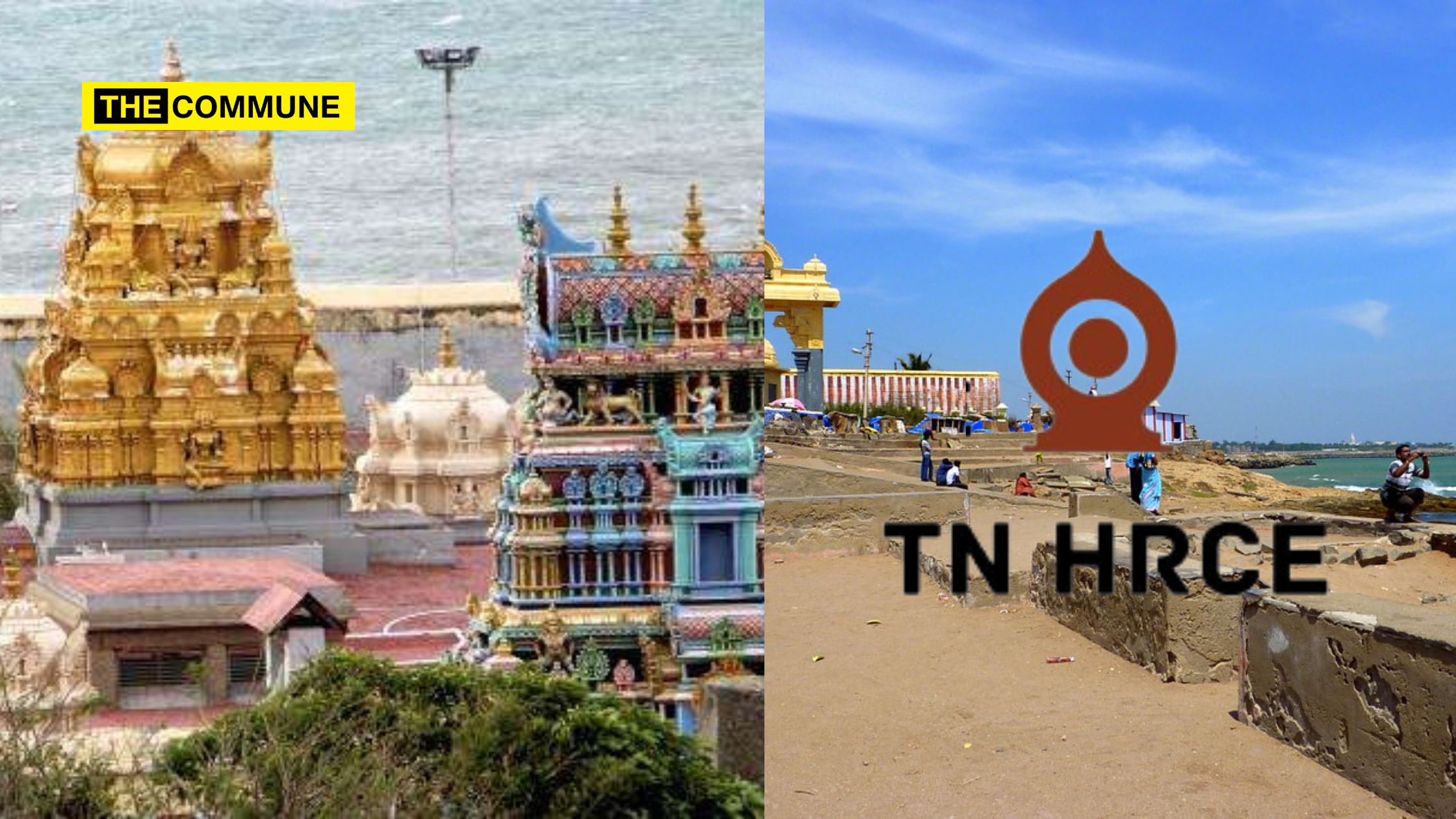
The Tamil Nadu BJP has strongly condemned the Hindu Religious and Charitable Endowments (HRCE) Department for not opposing the Kanyakumari district administration’s claim over 46.5 cents of land belonging to the Bhagavathi Amman Temple. The district administration had controversially declared this land as government “Poramboke” land.
The criticism follows an executive order issued by the Kanyakumari District Collector on 8 November 2024, which classified the 46.5 cents of land under Agastheeswara Circle, Plot No. 679/2, as government property. The order directed municipal departments to carry out maintenance work on this land, citing the construction of tourism-related facilities, such as restrooms and temporary sheds, as the primary reason. The order also instructed the HRCE Commissioner to hand over the land to the municipality.
This move has sparked outrage, particularly because the land in question is a sacred site used by lakhs of devotees during the Aadi month’s New moon day for the ritual of offering “Darpanam” . With the land now designated for construction, questions have arisen about where the devotees will go to perform these rituals in the future.
The Tamil Nadu BJP issued a statement condemning the HR&CE’s actions, questioning the legality and motives behind the transfer. The statement read, “Is it fair for the Hindu Religious and Charitable Endowments Department to atrociously hand over 46.5 cents of land at Triveni Sangam, which belongs to the Kanyakumari Sri Bhagavathi Amman Temple, to the Kanyakumari Municipality?”
“Traditionally, lakhs of people gather here on Ammavasai (new moon day) to perform Darpanam. Where will they go to offer their prayers now? Who is responsible for misrepresenting the temple land as government property for personal or political gain? Who misrepresented the temple land as a government Poramboke temple for personal gain?”, it added.
“From where did the District Magistrate and HR&CE got the authority to subsidize the use of temple space for political gain? I strongly condemn this. And since there are many such precedents, this government should ensure that temple lands are used only for the use of devotees. I also condemn the HRCE department for failing to protect the temple lands. For such atrocity, why is there a HRCE department?” It further added.
கன்னியாகுமரி ஸ்ரீ பகவதி அம்மன் கோவிலுக்கு சொந்தமான திரிவேணி சங்கமத்தில் உள்ள 46.5 சென்டு இடத்தை கன்னியாகுமரி பேரூராட்சிக்கு அறநிலயத்துறை அராஜகமாக தாரை வார்த்தது ஞாயமா?
இந்த இடத்தில்தான் தொன்று தொட்டு ஆடி அம்மாவாசை அன்று லட்சக்கணக்கான மக்கள் தர்பணம் கொடுப்பார்கள். இனி அவர்கள்… pic.twitter.com/pDTiRpJliO
For all the promotion and hype created around virtue-signalling actor Suriya, his multilingual “period film” Kanguva has turned out to be a disaster of the highest order. People who went into the theatres with great expectations set in motion by all the noise the PR team was creating for the film, came out numb, deaf, and agitated.
Here is a report on the various reactions of the public after watching the first day’s shows.
A group of youngsters who watched the film repeatedly used expletives to review the film. One youngster said, “The entire film rests on the last 2 minutes. The scene where Karthi makes his entry was good. The scenes with Suriya are shitty. The film is a totally wasted effort, worthless. My friend brainwashed me and brought me to this film. I haven’t watched any movie of late, not even Vettaiyan. A ticket costs 260 rupees and this fellow has made me waste it. I don’t have any money. In the entire film, he keeps on shouting, he stabs someone with a knife and the one who is stabbed holds on to a rope, for what reason I don’t know, then he kills himself, for what reason no one knows. It is a Karthi film, not a Suriya film. It could have been made into a short film instead. I would not have felt so bad at spending the money even. I don’t know why they took a 3-hour film and tortured us. The first half is horrible, second half is even worse. It is not even a film, there is no song, there is nothing. Let me go.”
Another youngster who watched the film said, “It is not Kanguva, the film must be named Mental Hospital. If you go to Kilpauk, you can find 15 people like Suriya howling. Suriya was screaming like a mental patient. And in the name of sound effects, we became deaf. He keeps on screaming Kanguva Kanguva, God knows why. That is his own name, why would he scream it if he was not mad? I request Siva and the team to let Suriya go, if he makes a film with Ajit, even his life will be over.”
A very agitated-looking senior gentleman vented out his frustrations for two whole minutes to media channels. He said, “Listen to my anguish. Who is that darned director who is making rubbish in the name of direction and films? If I find him, I’ll kill him. Are we fools to watch such a shitshow? My blood is boiling. We watched 2 films for Deepavali, they were masterpieces. Devi Sri Prasad is the music director. He is a crazy fellow. Ask Suriya to go to Bombay. Are we fools to watch such films? We pay our hard-earned money to watch them. There are no visuals or effects, there is absolutely nothing. Right from the first scene, he keeps screaming – that crazy fellow named Suriya. You call this a film? Are the people of Tamil Nadu mental? In the name of comedy, there were two people – Yogesh and Yogi Babu. I couldn’t stand it. They tortured us for 10 minutes. Then they took him into the forest. There are no proper visual/3D effects, absolutely pathetic. I would have torn the screen apart if I had the chance. The films released during Deepavali – Amaran – fantastic film. When we watch a film, there must be some honesty and sincerity since we are paying a big amount to watch on screen. There is absolutely nothing in this film. I was told this was a 3D film and with great expectations we went inside. But I think I am going mad and my head is going to burst. I couldn’t even see anyone’s face. They say they have spent crores to make the film but no one in the theatre is satisfied, find me someone who says the film is great. I am also someone from the industry. They should not make films like this and cheat the public. I want to bang my head somewhere but what is the use? I request the makers not to make such horrible films in Tamil Nadu. The people of TN are not fools; they will give the perfect response to them for making us go through this misery. The film will be removed from the theatres within a few days.”
#Kanguva படம் முழுக்க ஒருத்த கத்திக்கிட்டே இருக்கா! 🤣
நிருபர் ~ யாரு அவரு
தாத்தா ~ சூர்யா எனும் பயித்திக்கார! நாயிதா 😂😂😂😂🤣😂
Another set of youngsters were requesting people to not watch the film ever. They said, “Let me go, I cannot even review such a disastrous film. Please do not watch the film. I will not step into a theatre ever in my life.”
Another said, “My throat is aching, my ears are aching. Suriya was shouting at the top of his lungs all through the film.” Another said, “They were shouting non-stop in the film. Be it DSP or Suriya – both are screaming. The film is a screaming match to see who screams the furthest and he wins. It is not totally worthless, there is a 30-second silence in the climax. If you want to realize the importance of silence, you can watch the film.”
A lady theatregoer when asked about the box office collections said, “It would be a miracle if it runs for a week. They unnecessarily released it and prevented the further success of the wonderful movie Amaran. Since it was a Suriya film, I wanted to give it a watch. I am a big Suriya fan, why did they make such a film with him? They are pulling down his market. It is already down in the dumps. Compare the ticket bookings for GOAT and this film. I could easily book my tickets for this one, but I had a tough time booking the tickets for Vijay’s film. If it continues like this, the story is not at all nice, there is no story, no script, it is not at all interesting.”
Another viewer gave out a very sarcastic review, “It is superb, thescreenplay is fantastic. We have to congratulate Siruthai Siva for this. Be it the screenplay, story, ormusic, all are amazing. Every character has been nailed to perfection. Sentiment has worked out very well – I want to say all this but inside, they have literally taken revenge on us. I do not know where to pour out my anguish and agony. Is Siruthai Siva a human being in the first place? He has bagged 400 crores for the film, there are producers who cry to even give 10 crores. They spent 40 crores just for the promotions. This film is a mixture of Siruthai, Veeram, andViswasam.”
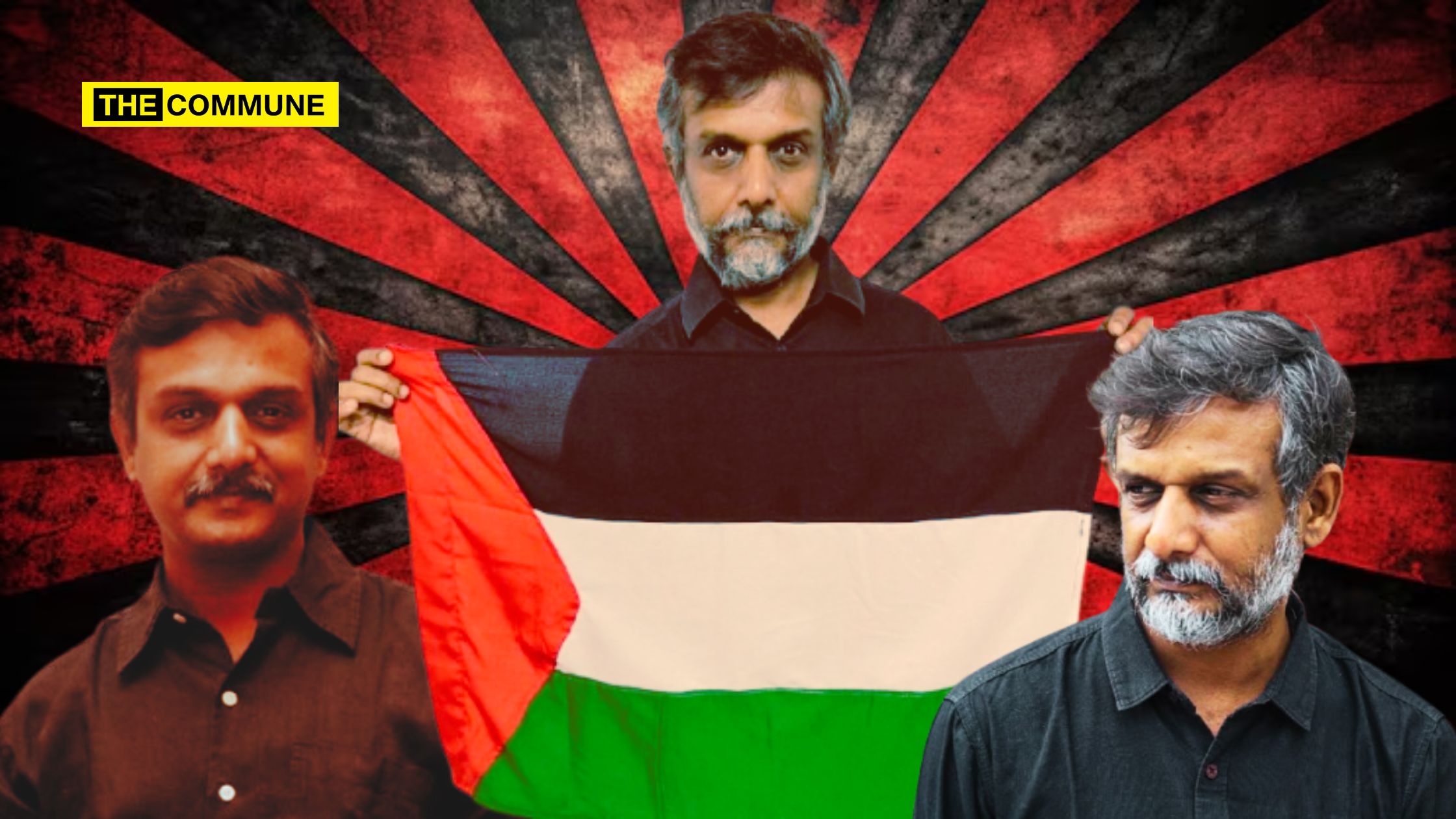
Thirumurugan Gandhi, a separatist who cloaks himself in the rhetoric of Tamil nationalism, is a simple political fringe, leading a small group called the ‘May 17 Movement’. While he presents himself as a UN speaker, human rights activist, and advocate for Tamil rights, he is nothing but a two-bit Dravidianist stooge who was propped by the DMK ecosystem. Despite his claims to champion Tamil nationalism, Gandhi has consistently worked to advance the political agenda of the DMK (Dravida Munnetra Kazhagam) and its parent organization, Dravidar Kazhagam. He has actively supported the DMK, particularly during times when it was in opposition.
In essence, Thirumurugan Gandhi can be seen as a loyal underdog of the DMK, a figure who promotes separatist rhetoric, fuels animosity against Hindu beliefs particularly targeting Brahmins, and create ruckus within the state — work that the DMK could not embrace. Recently, he appears to have been rattled by the resurgence of nationalist pride among Tamils, spurred by the success of the film ‘Amaran’, which highlighted the lives and sacrifices of Indian army officers. In a bid to undermine the growing nationalist sentiment, Gandhi tried to paint the film’s portrayal of the Indian Army as part of a Hindutva agenda, even going so far as to call the army’s line of actions in combating terrorists a “war crime.”
But, his attempts to undermine the growing sense of pride and unity only highlight the depth of his divisive agenda. Unfortunately, his inflammatory statements often go unchallenged, with many of his followers accepting his words without question. However, this time, his efforts fell flat.
Who is Thirumurugan Gandhi?
Thirumurugan Gandhi is far from the “rebel” his supporters may claim him to be, as portrayed on platforms like Wikipedia, where his followers frequently edit his page to downplay his controversial actions. A closer look reveals that he was most active when the DMK was in opposition, only to go quiet once the party came to power. Allegedly, Gandhi was once the proprietor of an advertisement company and later became involved in stage speeches. He took advantage of the Dravidianist and Periyarist platforms, which often hosted anti-Indian rhetoric, to further his own rise. He cleverly used dummy international platforms related to United Nations, which had no impact on sovereign government decisions, as a means to gain attention.
With his alleged background in advertising, Gandhi became known for promoting anti-India sentiments (Oh! The irony!) and advocating for separatist ideologies, including calls for separate states like Kashmir, Khalistan, and Tamils. His anti-national rhetoric gained traction with the DMK’s backing, as well as support from controversial businessmen like Lottery Martin’s son Jose Daison Martin, who many say was heavily involved in Gandhi’s protests and activities.
His modus operandi was exposed by his own colleague who Mallai Sathya to whom Gandhi had said that their strength is not campaigning for a party but against a party that is in power (except when the DMK is in power).
Against this backdrop, let’s examine the blatant lies he has peddled over the years and how shamelessly he has propagated them.
Thirumurugan Gandhi & His WTO Lies
In 2016, Thirumurugan Gandhi alleged that the newly formed BJP government at the center had secretly signed a Trade Facilitation Agreement under the World Trade Organization (WTO). He claimed that this would lead to the government halting the sale of food at subsidized prices, ending subsidies for power and fertilizers for farmers, and allowing multinational companies to flood India with imported food products, which he argued would devastate Indian farmers and destroy the economy.
However, the reality has been far different. The BJP has remained in power for a third consecutive term, and none of the dire predictions made by Gandhi have come to pass. In fact, the government has strengthened its support for citizens, ensuring continued access to high-quality rations at subsidized prices, and even providing free rations to the underprivileged, senior citizens, pregnant women, and children under six. Additionally, the BJP has worked to protect local industries from the adverse effects of foreign goods flooding the market, standing firm in the face of international pressure.
For example, when the US filed a complaint against India at the WTO, alleging that India had exceeded the allowed cotton subsidies. Despite this, India has stood its ground. Similarly, India has faced disputes over trade policies, such as a WTO ruling in favor of Japan regarding safeguard duties on steel imports, and US complaints about the underreporting of subsidies on wheat and rice. Despite these challenges, India has maintained its commitment to its citizens and local industries, refusing to back down in the face of external pressures.
For instance, on the issue of sugar exports, India has insisted that its subsidies are within WTO rules, rejecting claims that its support for domestic producers violates global trade norms. India continues to support its farmers and local industries while adhering to WTO guidelines, even as countries like Australia argue for equal competition with Indian industries.
In this context, Gandhi’s separatist and misguided rhetoric about the government’s policies is nothing more than a distortion of the truth. His failure to acknowledge India’s ongoing commitment to its citizens, particularly the underprivileged, only reveals his limited understanding of the country’s economic landscape and his disregard for the broader picture.
Thirumurugan Gandhi’s UN Stunt
Whenever Thirumurugan Gandhi is mentioned, his followers refer to him as “UN fame Thirumurugan Gandhi,” but it’s clear that many of them blindly believe whatever they’re told without any fact-checking. Yes, Gandhi did speak at the UN, but where exactly? It was at the Human Rights Council (UNHRC), right?
What exactly the UNHRC does? it serves as an international platform for discussing human rights issues, bringing together experts, states, civil society, and other stakeholders. It adopts resolutions, holds special sessions for urgent issues, and reviews the human rights records of UN member states. It can authorize commissions of inquiry and fact-finding missions, which gather evidence on serious issues like war crimes and crimes against humanity.
But how did Gandhi end up there? Likely through the ‘Complaint Procedure‘, which allows individuals and organizations to bring human rights violations to the attention of the Human Rights Council. This is different from the ‘Special Procedures’, which involve experts appointed to address specific human rights issues globally.
The important question to ask is: Does the UNHRC have the power to force any sovereign government to implement its decisions? The answer is ‘no’. The UNHRC can only offer suggestions, issue statements, or make recommendations, but it has no authority to impose binding terms on any country. It works through diplomacy and consensus, not enforcement.
Another point to consider is; If Gandhi was truly advocating for the Tamil people or seeking solutions to urgent issues like the ‘Sri Lankan Tamil crisis’ or the ‘fishermen’s issue’, why didn’t he raise these concerns at the UNHRC or the ‘International Court of Justice (ICJ) during his visit? The answer seems clear: Gandhi’s appearance at the UNHRC wasn’t about seeking real solutions, but rather about using the platform for political self-promotion and gaining publicity. In the end, these stunts appear more about creating a political persona and positioning himself as a capable leader, rather than genuinely addressing critical issues that affect his community.
Even in the video where he spoke at the UNHRC, Gandhi misrepresented the facts by claiming that the Indian government was responsible for shooting the Thoothukudi protesters. In reality, the tragic incident was carried out by the state police, which was under the control of the Tamil Nadu state government. In the aftermath, all officials involved were scrutinized and suspended, and a one-man commission recommended a criminal action into the matter. Therefore, it’s clear that this was a politically orchestrated stunt, designed to defame the ruling government during a period of DMK as opposition.
Dravidian Media’s Promotion
When Thirumurugan Gandhi was relatively unknown, the Dravidian media deliberately elevated him as a hero for a cause, framing narratives with sensational headlines. These headlines, which painted him as a champion of certain issues, continue to be cited on platforms like Wikipedia as references. For example, when the UNHRC panel members voiced concern over Gandhi’s arrest in 2017 under the ‘Goondas Act’, Vikatan media outlets reported that the UN had raised questions, a claim that was later used on Wikipedia to suggest that the Indian government had subsequently withdrawn the charges. In reality, the state government had filed the charges, but the court had discharged them. The Indian government played no role in the case, and neither the UN nor the UNHRC had any formal involvement. The UNHRC panel merely raised the issue during their discussions and submitted opinion papers.
Vikatan exclusively hosted an interview with Thirumurugan Gandhi’s father, and his supporters staged a scene, portraying him as a hero in the context of his 2017 arrest. However, critics point out that just five months earlier, in January of the same year, there had been a massive protest by youths over the Jallikattu issue. While the protest was initially peaceful, some anti-social elements infiltrated the crowd, causing chaos and disrupting the gathering. Critics argue that the government, having witnessed this disturbance, was unwilling to give another chance for such unrest to unfold again.
Thirumurugan Gandhi was heavily promoted during protests like those against the Methane Bed exploration project, the Neduvasal protest, and the GAIL pipeline projects. However, it is worth noting that the permissions for such exploration were granted by the DMK government but were vehemently opposed when the AIADMK was in power. Unfortunately, the gas pipeline project, which spans across Rajasthan, Haryana, Punjab, Gujarat, Uttar Pradesh, Andhra Pradesh, Madhya Pradesh, Karnataka, and Uttarakhand, could not enter Tamil Nadu due to the strong opposition from their lobbies.
Nakkheeran, a pro-Dravidian magazine, further amplified Thirumurugan Gandhi’s rhetoric, giving him more space to express his anti-Hindu and anti-Brahmin views while also targeting the BJP-led central government.
The News Minute, another pro-DMK Leftist-Dravidianist outlet keeps platforming and giving coverage to Thirumurugan Gandhi as an ‘activist’.
He was also instrumental in peddling propaganda against NEET which the DMK made it as its poll plank in 2019 Lok Sabha elections and 2021 Assembly elections.
Thirumurugan Gandhi’s Brahmin Hatred
Thirumurugan Gandhi’s disdain for Hinduism and its practices is clear, yet he seems unable to tolerate even the idea of the Brahmin community embracing other groups. In an interview, he accused Brahmins who accept members from other communities into their fold of doing so with ulterior motives — to make them “silent partners” in their supposed misdeeds.
He elaborated, saying, “They (Brahmins) should keep people like some carpenters (aasaris), blacksmiths (kollars), those who make gold jewelry for the gods, and chariot makers close to them. Even they will put ‘Poonool’ (sacred thread) to them because they are close to the divine and them (Brahmins). This is done so others see these individuals as ‘important,’ and they have been allowed to join. What do the wearers of ‘Poonool’ think? they will think they are also important. But what do they (Brahmins) think? these people will be complicit, staying silent about any wrongdoings so lets keep them among us. This is simply a tactic of divide and rule.”
Even Thirumurugan Gandhi couldn’t tolerate the linguistic exclusivity of Brahmins, mocking them and expressing his views with intense vitriol, much like how Hitler harbored hatred toward Jews.
Responding to Sumanth Raman, Thirumurugan Gandhi said, “Which community/caste has its own dialect other than the Brahmins? Kongu, Madurai, Nellai Tamil dialects are spoken by all communities. Brahminical dialect is not spoken by any other caste except Brahmins. The Brahminical dialect is racist in its own right. If Brahminical dialect is used to maintain friendships among themselves, to find their caste identity and to assert their caste superiority in public, how can we call it apart from racism?” Gandhi expressed concern that the Brahmin dialect may be employed to “assert dominance” in public settings.
Which community/caste has its own dialect other than the brahmins? Kongu, Madurai, Nellai Tamil dialects are spoken by all communities. Brahminical dialect is not spoken by anyother caste except brahmins. The braminical dialect is racist in its own right. If braminical dialect… https://t.co/PGxD8XTemV
Unfortunately, this selective hatred was quickly debunked, with many netizens sharing examples of dialects from different places, highlighting the linguistic diversity across regions. To further expose the flaws in this narrative, a video of Tamil director Mari Selvaraj’s remarks from an award show gained attention. In the video, Selvaraj pointed out that there is no single, distinct dialect for Tirunelveli. Instead, he emphasized that the region has multiple dialects, each associated with different caste communities. Hence, it’s not just the Brahmins, but all communities have their own distinctive tone and dialect, each shaped by their cultural and social contexts.
“There’s no slang exclusively for Tirunelveli. I want to register that here. The Tirunelveli slang shown in cinema is different. In Tirunelveli, there’s a slang for every caste. That’s the problem there. If you look minutely, they can identify the caste based on the slang someone speaks. They’ve identified a separate slang for cinema but Tirunelveli slang is not like that.”, Mari Selvaraj says in the video.
“I call my mother as ‘yemmov’. ‘Yemmov sapaadu iruka?’ (Mother, is there food?). My friend calls his mother as ‘Aatha’ and another friend calls as ‘Amma’ and one other friend calls as ‘Amme’. There are so many differences in just the way one calls Amma”, he says.
You are just lying out of venemous selective hatred. Director Mari Selvaraj from Tirunelveli confirms that caste based dialects are indeed present, there. In a society where caste rules supreme, the oppressed are unlikely to use the dialect of the landed/dominant castes. Next? https://t.co/zYp7oTVt4Tpic.twitter.com/tX8oRxKChJ
Moreover, Thirumurugan Gandhi, on the brink of frustration and hoping for the BJP to be defeated, incited violence by advocating for the formation of a “People’s Army” to confront and challenge the RSS (Rashtriya Swayamsevak Sangh). He further alleged that the BJP and RSS, as part of a fascist force, would resort to violence to retain power if they were defeated in the 2024 elections. This was because the BJP was actively monitoring and rooting out such unscrupulous elements.
In a direct call to action, Gandhi urged political and non-political groups to unite for the 2024 elections, and suggested forming a “People’s Army” to resist the RSS’s influence on the streets of Tamil Nadu. He further called for a march toward Nagpur, the headquarters of the RSS, demanding its removal and even going so far as to suggest that the heads of RSS leaders should be severed.
Gandhi peddled the blame on the RSS for orchestrating planned violence in Tripura, targeting ideological opponents such as Congress and Marxist Communists, and claimed that this was part of a broader strategy to establish a military-like structure capable of using terror across India. He fear-mongered that such violence could spread across the country, especially if the BJP faced electoral defeat.
He instigated violence by saying, “The next time we see brutality from the BJP or RSS, we should march toward Nagpur (RSS headquarters). We should fight until the RSS’s Headquarters is removed (demolished) from there. The battle must go on until the heads of those poisonous snakes (the RSS/Brahmins) are severed. Communist is capable of that sort of combat.”
Thirumurugan Gandhi’s Hate Peddling Towards North Indians
In 2018, the state government took decisive action to suppress fringe elements that had been using protests as a cover to create disturbances in the state. Meanwhile, the Indian government also decided to crack down on the social media pages of individuals, including Thirumurugan Gandhi, who were accused of instigating violence and spreading anti-Indian sentiments. These elements were seen as exploiting such protests to incite law and order problems and destabilize the situation, Gandhi quickly painted the move as a caste- and ethnicity-based attack, posting videos that designed to further fuel unrest and deepen divisions. He accused the Indian government of targeting Tamils in favor of “Maravadi” corporates and suppressing freedom of expression.
He said, “A massive genocide is being inflicted on the Tamils by the Modi government. They are doing this for the benefit of corporates and there is history of a huge donation from Vedanta’s Sterlite company received by the BJP. This government is doing white hunting of Tamils for corporate ‘Bania and Marwadi’.”
Not just that, Thirumurugan Gandhi had once made a hate speech saying that Marwaris in Tamil Nadu should be driven out of the state.
Then, in 2020, his social media accounts were blocked for condemning the Tamil Nadu government and police for charging three members of the Tamil Desiya Makkal Katchi under the Unlawful Activities Prevention Act (UAPA) for raising “anti-government” slogans at the funeral of the Maoist Manivasakam in Salem district. Gandhi portrayed the crackdown as an attack on freedom of expression. However, the real question is: When individuals openly support a banned Naxal organization like the Maoists and raise slogans against the government, will the government reward them with honors?
Thirumurugan Gandhi is someone who once told that Bharath Matha has no place in Tamil Nadu. Thirumurugan Gandhi is someone who openly and consistently advocates separatism of Tamil Nadu from India. Thirumurugan Gandhi is someone who harbours separatist views and supports/admires Islamist terror organization Hamas.
It is this rabid, hate-mongering anti-India element who has implicitly insinuated that Major Mukund Varadarajan, who heroically shot down the notorious Islamist terrorist Altaf Baba in Jammu & Kashmir, should be tried for war crimes.
Subscribe to our channels on Telegram, WhatsApp, and Instagram and get the best stories of the day delivered to you personally.
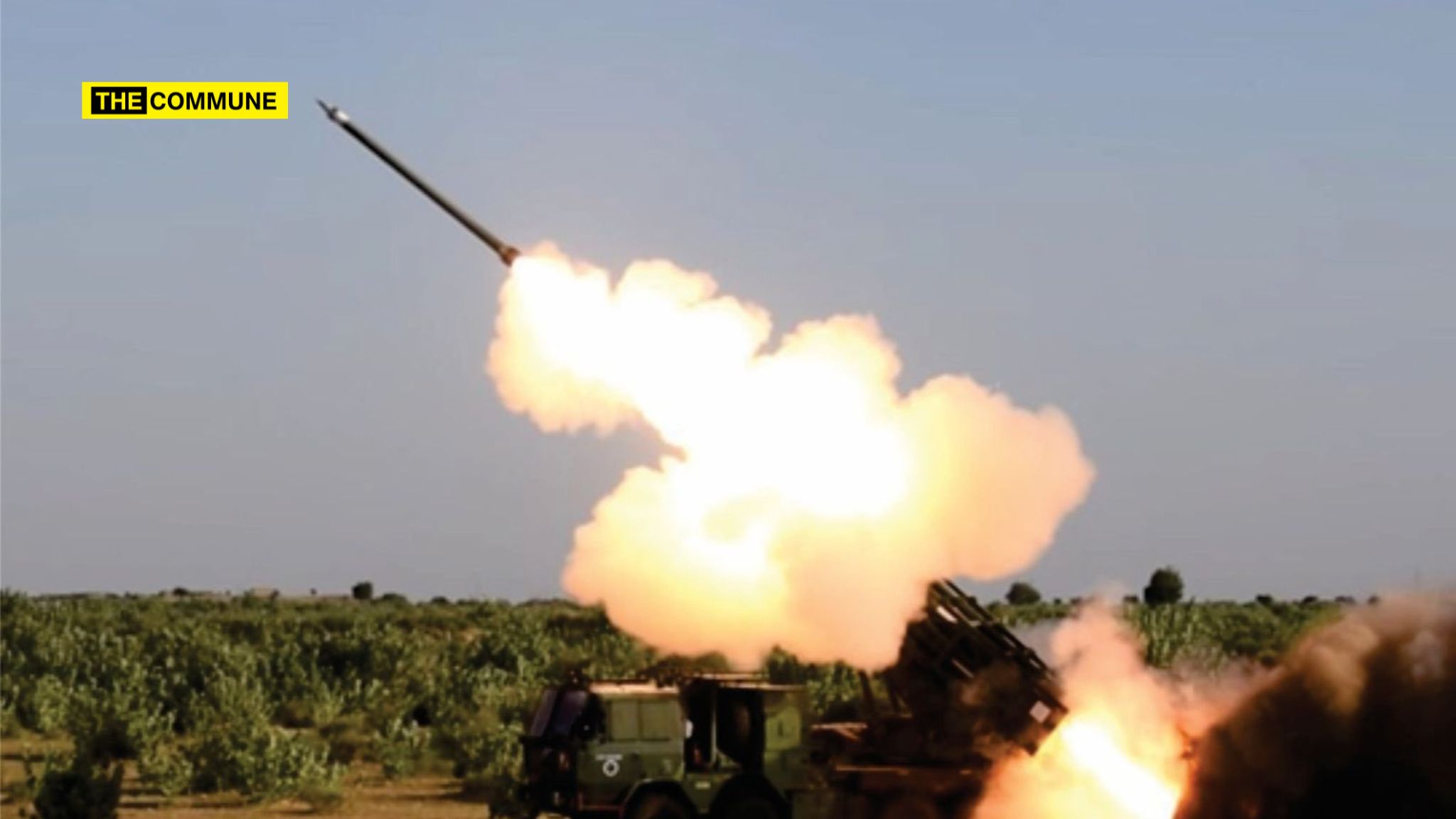
The Ministry of Defence (MoD) said on Thursday that the guided Pinaka Weapon System’s flight tests have been successfully completed. An MoD official said the tests were part of Provisional Staff Qualitative Requirements (PSQR) Validation Trials and that they were conducted in three phases at different field firing ranges.
Defence Minister Rajnath Singh has also complimented DRDO and the Indian Army for the successful PSQR validation trials of the system. “The induction of this guided Pinaka Weapon System will further boost the artillery fire-power of the armed forces,” the Defence Minister said. The MoD official said that during these tests, the PSQR parameters, which are range, accuracy, consistency, and rate of fire for multiple target engagements in a salvo mode, were assessed by extensive rocket testing. “Twelve (12) rockets from each production agency from two in-service Pinaka launchers upgraded by the launcher production agencies have been tested,” he said.
He added that the precision strike variant for the Pinaka Multiple Launch Rocket System is a totally indigenous weapon system. “It is designed and developed by Armament Research and Development Establishment in association with Research Centre Imarat, Defence Research and Development Laboratory, High Energy Materials Research Laboratory and Proof and Experimental Establishment with Munitions India Limited and Economic Explosives Limited as production agencies for ammunition and Tata Advanced Systems Limited and Larsen and Toubro for Pinaka launcher and Battery Command Post,” he said.
Secretary, Department of Defence R and D and Chairman DRDO Samir V Kamat also congratulated the teams associated with the trials. He said the rocket system completed all pre-requisite flight trials before induction into the Indian Army. On November 12, India conducted a maiden flight test of Long Range Land Attack Cruise Missile (LRLACM). The flight test was conducted from the Integrated Test Range (ITR), Chandipur off the coast of Odisha in November by the Defence Research and Development Organisation (DRDO). That test was conducted from a mobile articulated launcher. The missile was equipped with advanced avionics and software to ensure better and more reliable performance.
–IANS
Subscribe to our channels onTelegram, WhatsApp, and Instagram and get the best stories of the day delivered to you personally.

 எ.அ.பாலா (@AmmU_MaanU)