Home Blog Page 493

Dravidianist Leftist Film Director TJ Gnanavel Who Peddled Prejudice About Brahmins And Villainized Vanniyars In Jai Bhim Blames Prejudiced Opinion Of Reviewers For Vettaiyan Disaster
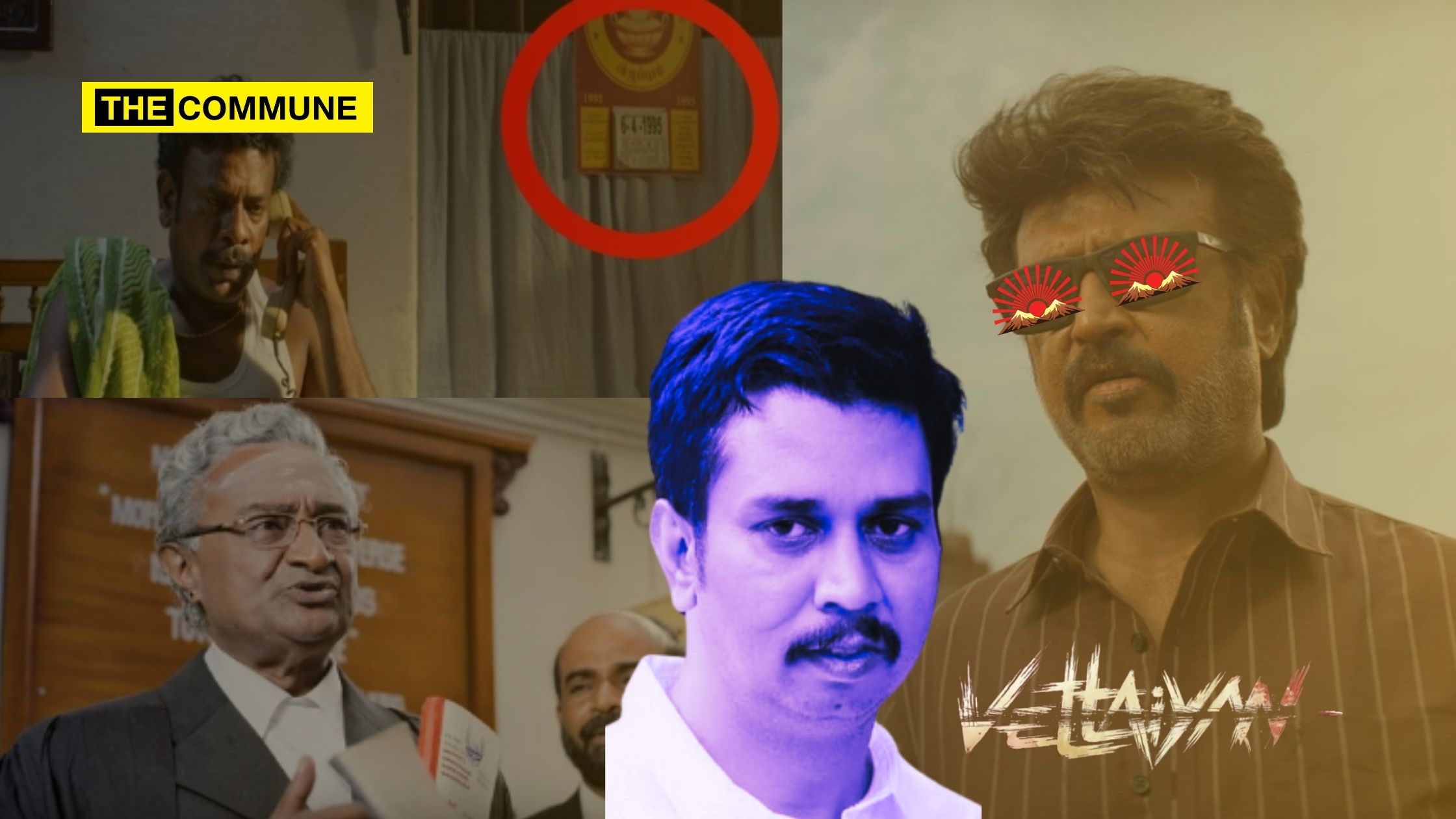
Dravidianist Leftist Film Director TJ Gnanavel Who Peddled Prejudice About Brahmins And Villainized Vanniyars In Jai Bhim Blames Prejudiced Opinion Of Reviewers For Vettaiyan Disaster

Dravidianist leftist director TJ Gnanavel, known for promoting narratives and prejudices that hurt the sentiments of the Brahmins and Vanniyar communities with distorted facts in his films, has recently blamed the failure of his latest movie ‘Vettaiyan’ hashtags trending on social media. Rather than taking responsibility for the criticism, he conveniently pushed the reviewers to the front to defend him, which is shameful for someone claiming to fight for justice in cinema.

In a recent interview with a private media channel, Gnanavel claimed that the opinions formed before the movie’s release led to its failure, suggesting that it would have been successful otherwise. However, this is far from the truth—no one, not even the general public, appreciated the film, as it was filled with fake information that a simple Google search would easily debunk. Yet, he chose to hide behind excuses and sought the reviewers to defend both him and his ideological stance.

In the interview, TJ Gnanavel stated, “If the movie ‘Vettaiyan’ releases overseas, a hashtag like ‘disaster’ came beforehand. Now, everyone’s accustomed to watch reviews through social media. Today, we have cultivated watching opinions. On the first day, when you go in with the mindset of it being a ‘disaster,’ it takes about two days to change. That shift happened only after audiences went in, watched it, and said they liked it. Since it’s a big-budget movie, able to sustain for two to five days. If it were a smaller-budget film, two days would be a very big time zone—once an opinion is formed, it will not have the strength to change because of fewer theatres, fewer screenings, and other practical challenges. They don’t take anyone these into considerations,” He then added, “I see this situation like giving ‘Kalli paal’ (infanticide). We’ve all heard the saying in childhood, “Give ‘Kalli paal’ if a girl child is born.” Similarly, a situation has arisen where if someone you dislike is involved in a movie; acted or directed give ‘Kalli paal’.”

Instead of addressing the issue and taking responsibility himself, he abruptly shifted the blame to the reviewers and commentators, criticizing them for not taking collective responsibility. He stated, “My question is, don’t the reviewers have any opinions on the hashtags that were circulating before the movie release? Shouldn’t they talk about that? The movie hasn’t even released yet, so why did this (hashtag) appear? I feel there’s a lack of collective responsibility here. Instead of constructive criticism, there seems to be a growing intention to attack them. I believe there are various reasons behind this, such as ideological ones. Suppose if we take the opposition ideologists who oppose what I speak are like an army on social media, they will speak out against me because of the ideology. I’m expecting a balance here, especially from the reviewers.”

Contradictory to Dravidianist leftist director TJ Gnanavel, the film Vettaiyan had a strong opening, earning ₹31.7 crore on its first day, followed by ₹24 crore on the second day and ₹26.75 crore on the third. However, it experienced a downturn during the weekdays, bringing in ₹5.6 crore on the first Monday, dropping to ₹4.3 crore on Tuesday and Wednesday. While the film’s crew attributes its poor performance to mixed reviews, higher earnings were anticipated at this stage. Unfortunately, the movie lacked substance, with subpar music being a major factor in its failure.

Hashtags Not The Reason For Failure

Vettaiyan, starring Rajinikanth, opened with a tribute to Thomas Babington Macaulay, setting a controversial tone right from the start. While the film aimed to tackle serious issues like drug abuse in government schools, it quickly devolved into a series of absurd scenarios that felt more like propaganda than genuine storytelling.

The film’s narrative introduced a series of implausible events, such as a petty thief making millions through fake QR codes, which raises unnecessary fears about digital transactions. The film’s depiction of the NEET exam further pushes an unfounded agenda, casting it as a tool of privilege without any real evidence.

Visually, Vettaiyan featured a musical number that, while colorful, hinted at cultural appeasement, which probably left audiences questioning the intent behind such choices.

As Rajinikanth’s character delivered lines that promoted Dravidianist ideology, the film reinforced negative stereotypes about Hindus while portraying minority communities in a predominantly positive light. This biased representation detracted from the film’s potential impact and alienated a segment of its audience.

In the end, Vettaiyan felt more like a vehicle for a specific political narrative than a well-crafted film. For longtime fans of Rajinikanth, this alignment with propaganda over storytelling came across as disheartening, making it difficult to reconcile the superstar’s legacy with his recent choices.

Subscribe to our TelegramWhatsApp, and Instagram channels and get the best stories of the day delivered to you personally.
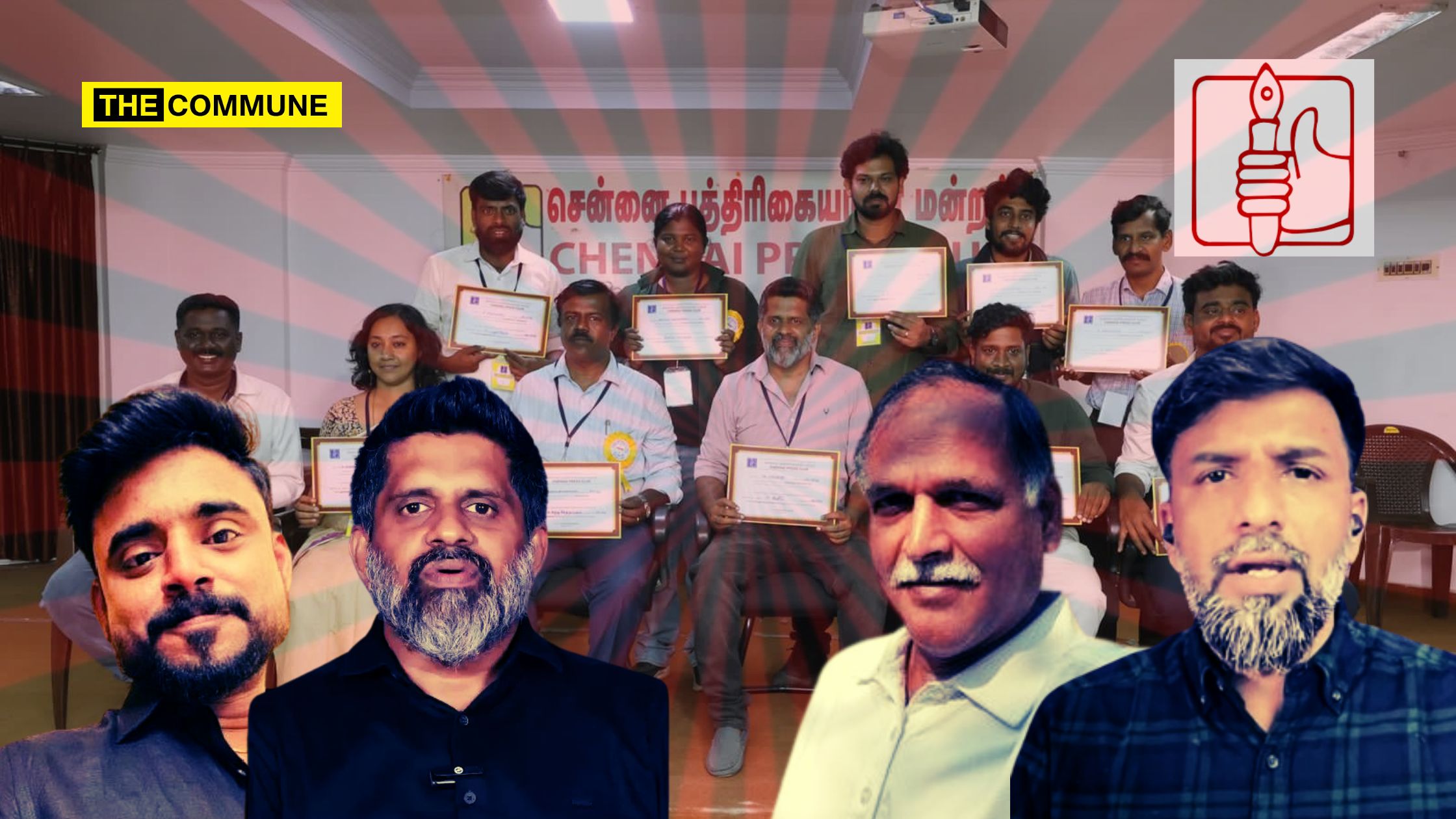
Ultra Pro-DMK Journo Team Defeats Less Pro-DMK Team In Chennai Press Club Elections

Ultra Pro-DMK Journo Team Defeats Less Pro-DMK Team In Chennai Press Club Elections

The Chennai Press Club witnessed a landmark moment on Sunday as elections to its managing committee were held after a 25-year hiatus, marking a significant event in the club’s history. With an impressive voter turnout of 91.27%, 1,371 of the 1,502 registered members cast their votes. The elections, last conducted in 1999, were revived following persistent efforts by the Special Guidance Committee (SGC) led by leftist journalist N Ram.

There is an obvious common thread running among the contestants – leaning towards the ruling party. At the outset, the election saw the ultra-pro-DMK faction decisively defeating the less pro-DMK faction, underlining the influence of political alignments within the press club.

Shabbir Ahmed of The News Minute was also contesting the elections under the Team Unity.

Team Justice had the below contestants.

It is noteworthy that members of Team Unity had recently been seen questioning the efficiency of the ruling government – albeit mildly.

A total of 44 candidates contested various positions, including president, vice presidents, general secretary, treasurer, joint secretary, and five committee members.

Members turned out in large numbers at the polling booths, with voting held from 10 AM to 5 PM. Retired Madras High Court judge Justice V. Bharathidasan, appointed as the election officer by the SGC, conducted the election with assistance from Assistant Election Officers P.E. Pandiarajan and Lakshmipriya Muthuramalingam.

The election was not without its unique moments. V.N. Swami, a 95-year-old member and the oldest voter, traveled all the way from Madurai to cast his vote.

The team comprising of members from Dinakaran, News18 Tamil Nadu, Puthiya Thalaimurai, One India Tamil, and The Hindu swept key positions in the committee.

  • President: M. Suresh Vedhanayagam (Dinakaran), elected with 659 votes.
  • Vice Presidents: J. Madhan (News18 Tamil Nadu) and K. Sundhara Bharathi (Puthiya Thalaimurai TV), securing 599 and 580 votes, respectively.
  • General Secretary: M. Haseef, a freelancer, emerged victorious with 734 votes.
  • Treasurer: S. Manikandan (Jaya TV), with an 803-vote margin.
  • Joint Secretary: Nelson Xavier (One India Tamil).
  • Committee Members: Akhila Easwaran (The Hindu), S. Palanivel (Polimer TV), M. Vijaya Gopal (ANI), P. Stalin (Puthiya Thalaimurai TV), and M. Gavaskar (Theekkathir).

Subscribe to our channels on Telegram, WhatsApp, and Instagram and get the best stories of the day delivered to you personally.
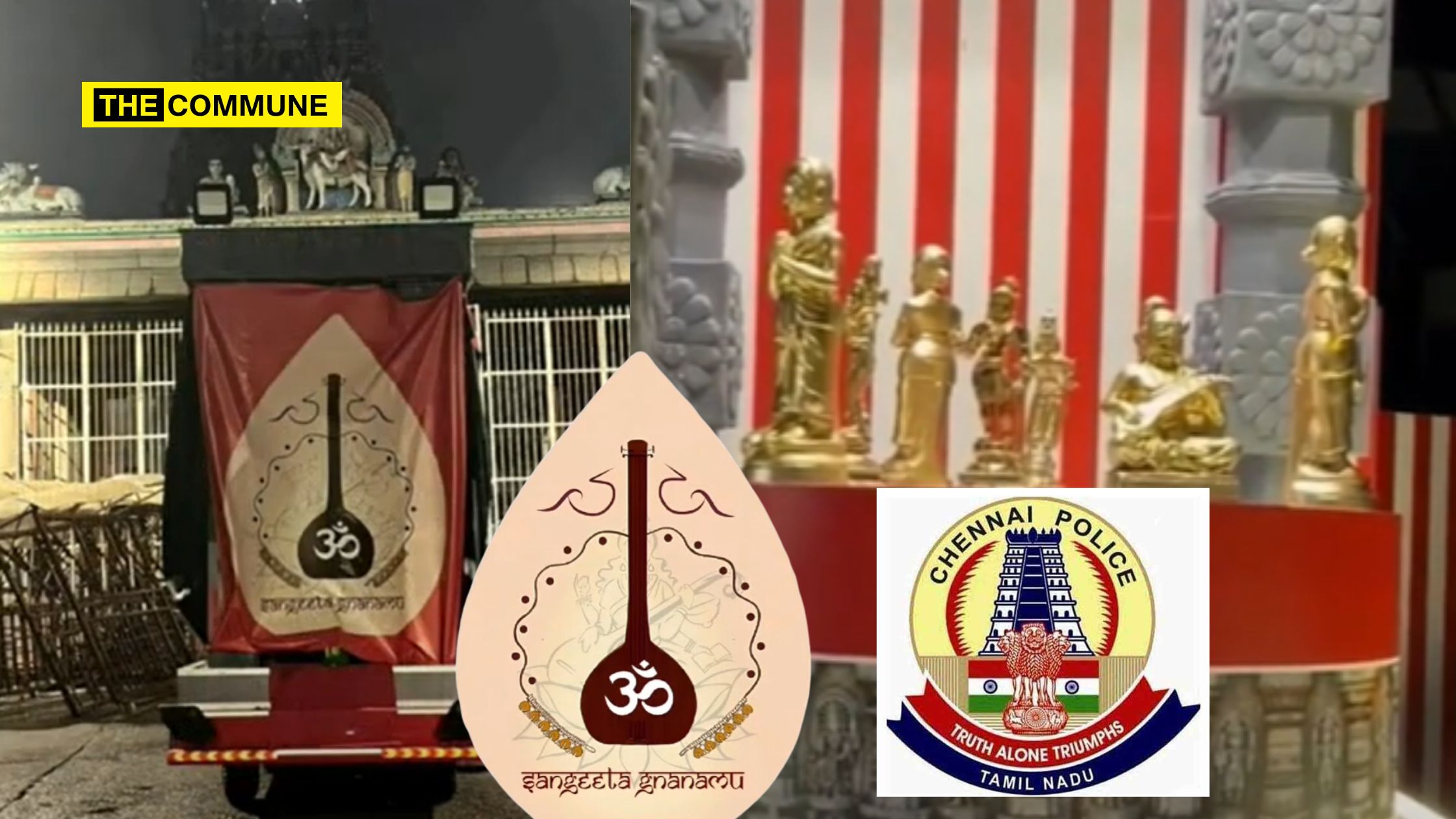
Chennai Police Halt “Sangeetha Bhakti Ratha Yatra,” Seize Chariot Midway Through Planned Temple Tour

Chennai Police Halt Sangeetha Bhakti Ratha Yatra, Seize Chariot Midway Through Planned Temple Tour

Chennai police have detained the chariot of the “Sangeetha Bhakti Ratha Yatra,” organized by the group Sangeetha Gnanamu. The yatra, intended to raise awareness about the divinity of music, involved a chariot featuring statues of Nayanmars, Andal, and other figures from Carnatic music and Tamil devotional literature.

The Sangeetha Bhakti Ratha Yatra event commenced on 12 December 2024 at the Kapaleeswarar Temple in Mylapore and was scheduled to visit various temples and sabhas in Chennai. The chariot journeyed from the Kapaleeswarar Temple to RR Sabha on its first day and later from Kesava Perumal Temple to Brahma Gana Sabha on 14 December 2024. On 16 December 2024, the chariot was supposed to proceed from Kanchi Mutt to RK Mutt, with the chariot parked at PS School in Mylapore for the night.

However, police intervened on Monday, 16 December 2024, and denied further permissions, citing potential traffic disruptions and concerns over law and order. They subsequently seized the chariot, halting the procession.

Organizers expressed deep disappointment, stating that the yatra was a heartfelt initiative to connect music and divinity through a series of processions and performances. They criticized the police’s actions, claiming it disrupted their plans and dampened the spirit of the event.

The yatra schedule featured daily processions starting at 6:15 AM, with activities including Mangala Isai, devotional songs, and cultural performances at the destination sabhas. Evening sessions included dance and music offerings near the chariot.

In response to the police action, the organizing committee announced their intent to submit a formal petition to the Chennai Police Commissioner.

Subscribe to our channels on Telegram, WhatsApp, and Instagram and get the best stories of the day delivered to you personally.

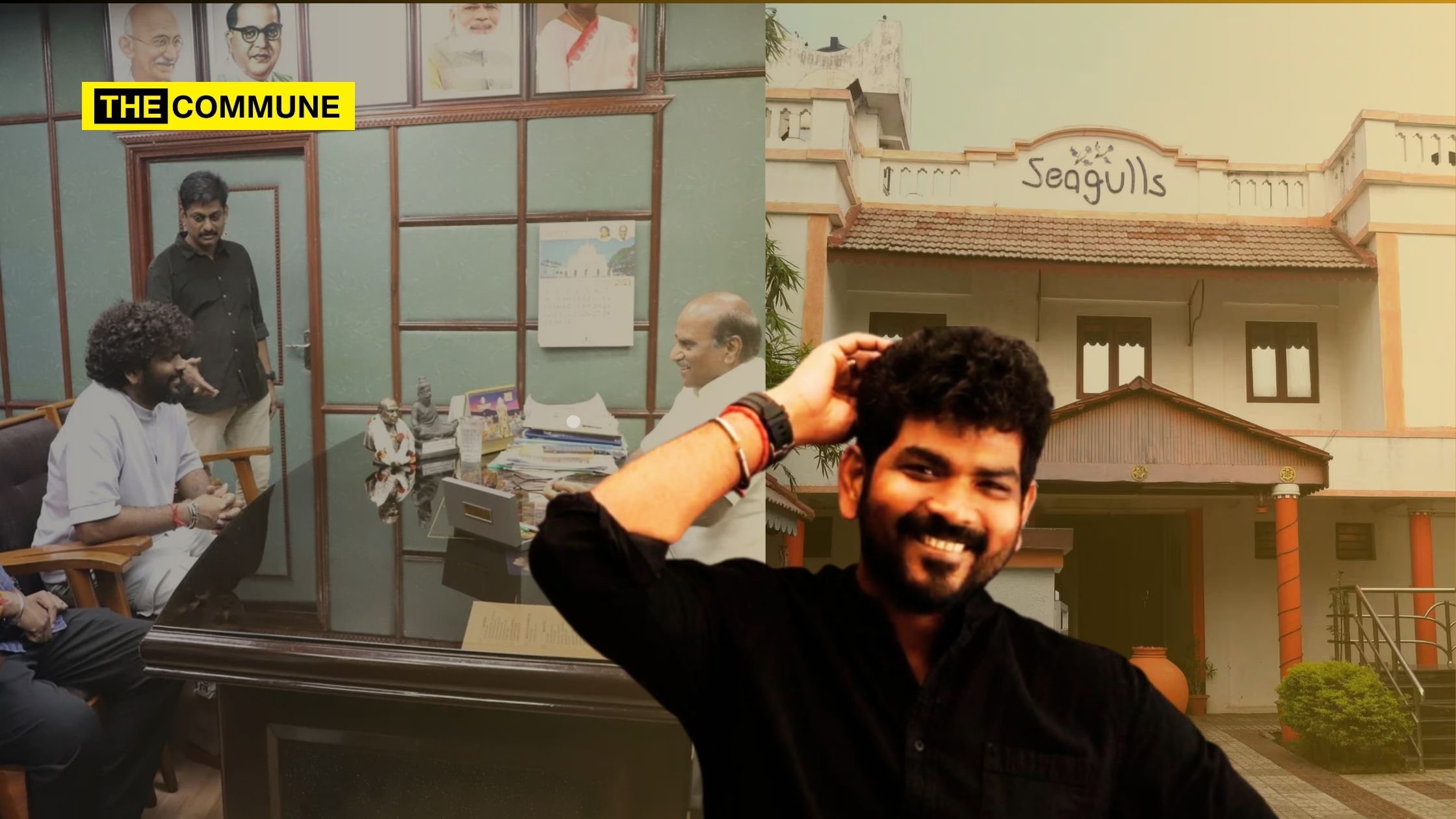
Nayanthara’s Husband Director Vignesh Shivan Denies Rumors Of Acquiring Puducherry’s Seagulls Hotel

Nayanthara's Husband Vignesh Shivan Attempts To Buy Seagulls Hotel Owned By Puducherry Govt, Denied

Film director Vignesh Shivan, husband of actress Nayanthara, recently became the subject of widespread controversies after reports circulated that he was attempting to acquire the government-owned Seagulls Hotel on Puducherry’s Beach Road. Shivan has issued a statement clarifying that these rumors were false and part of a fabricated narrative.

Speculation surfaced that Vignesh was trying to acquire a government-owned hotel in Pondicherry, with reports suggesting he had met with local officials about the matter. These rumors quickly gained traction, leading to widespread discussions and memes online.

Vignesh has since cleared the air, explaining that his visit to Pondicherry was solely for securing filming permissions for his upcoming movie ‘Love Insurance Kompany’. He clarified that while he met with the Chief Minister and the Tourism Minister as a gesture of respect, any inquiries made by a local manager during the trip were unrelated and mistakenly linked to him. He dismissed the rumors as unnecessary and reiterated that his focus remains on his film projects.

In an Instagram post, he wrote, “This is to clarify that a silly news circulating about me trying to acquire a govt property in Pondicherry! I had gone to Pondicherry to visit the airport and secure shooting permission for my film Love Insurance Kompany. As a matter of respect and courtesy, I met the Honourable Chief Minister and the Honourable Tourism Minister. Unexpectedly, the local manager who accompanied me inquired about something for himself after my meeting, and that has been mistakenly linked to me. The memes, videos, and jokes created were really funny and inspiring, yet unnecessary! Hence, I wanted to clarify this. Thank you.”

View this post on Instagram


A post shared by Vignesh Shivan (@wikkiofficial)

The incident has led to significant online backlash, with critics alleging that Shivan may be attempting to use his political connections to secure government-owned assets. His association with the DMK is under scrutiny, as he has previously helmed high-profile government projects, including directing the opening ceremony of the 44th Chess Olympiad in Chennai in 2022 and the “Road Raja” road safety campaign in collaboration with the Chennai Traffic Police.

The Chess Olympiad, held in Mahabalipuram from 28 July 2022 to 10 August 2022, featured a grand opening ceremony directed by Shivan. Similarly, the “Road Raja” campaign, conceptualized by Additional Commissioner of Police R. Sudhakar, utilized Shivan’s creative direction to deliver a road safety message through videos featuring popular celebrities like Yogi Babu and Shantanu Bhagyaraj.

Subscribe to our TelegramWhatsApp, and Instagram channels and get the best stories of the day delivered to you personally.
Music Maestro Ilaiyaraaja Allegedly Stopped From Entering Artha Mandapam At Srivilliputhur Andal Temple, Dravidianist Media Twist It To Peddle Anti-Hindu Propaganda

Music Maestro Ilaiyaraaja Allegedly Stopped From Entering Artha Mandapam At Srivilliputhur Andal Temple, Dravidianist Media Twist It To Peddle Anti-Hindu Propaganda

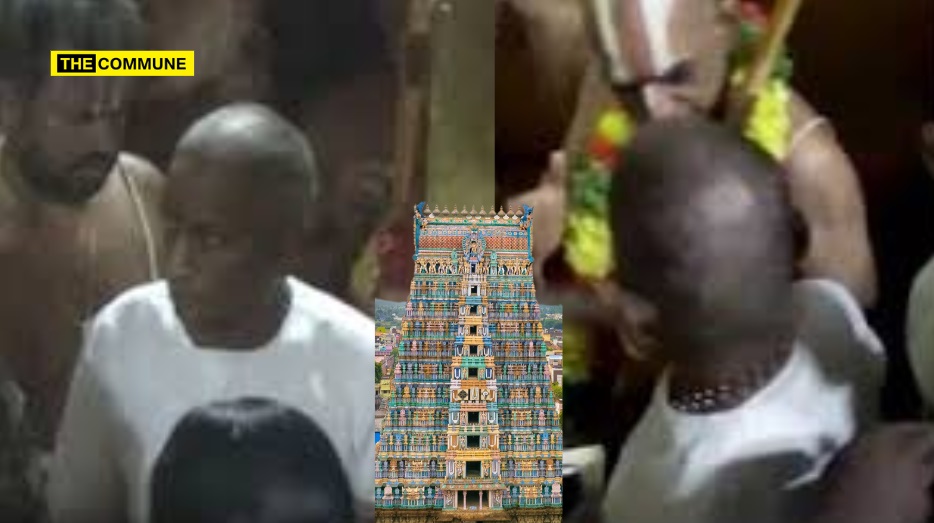
Renowned music composer Ilaiyaraaja recently visited the Srivilliputhur Andal Temple in Tamil Nadu, where he was reportedly stopped from entering the Artha Mandapam, a sacred area in front of the temple’s sanctum sanctorum. The incident has drawn widespread attention, with allegations of protocol violations and misinformation circulating in the media.

During his visit, Ilaiyaraaja was received by the temple’s Hindu Religious and Charitable Endowments (HR&CE) department and offered prayers at the Periya Perumal shrine, the Andal shrine, and the temple’s sacred garden, Nandavanam. However, when he allegedly attempted to enter the Artha Mandapam, temple officials and devotees reportedly stopped him, citing long-standing rules restricting space entry.

Some news channels reported that the Jeeyar himself asked Ilaiyaraja to leave the place. However, the video shared does not clearly indicate whether the Jeeyar explicitly asked Ilaiyaraaja to leave the Artha Mandapa, as the remarks were not audible.

Ilaiyaraaja, however, continued to be accompanied by the Jeeyar into the Sannidhi, where he received a traditional welcome on two separate occasions.

In the footage from various channels, the temple’s Jeeyar Swamigal can be seen paying respects to Ilayaraja not once, but twice, contradicting the rumors. Furthermore, the temple authorities clarified that access to the sanctum sanctorum was restricted not just for Ilayaraja but for everyone else as well, adhering to the temple’s standard practices.

These false claims have drawn sharp criticism, with many questioning the intentions behind spreading such misinformation.

At the Srivilliputhur Andal Sannidhi, access to the Artha Mandapam is limited to local priests, Jeeyars, or Madathipadis. The idols of Andal and Rangamannar are permanently seated in a golden mandapa within the Artha Mandapam, further emphasizing the sanctity of the area. Temple authorities clarified that Ilaiyaraaja’s entry appeared to be unintentional, as he was unaware of these restrictions.

Despite the incident, Ilaiyaraaja offered prayers from outside the restricted area and was honored with a garland by the temple priests. He later left the temple after completing his visit.

The event has triggered heated debates, with some media outlets spreading allegations of protocol breaches, while others accuse Tamil Nadu news media of malicious reporting alleging that the Jeeyars associated with the temple reportedly voiced strong objections during the incident.

Ilaiyaraaja’s visit was part of preparations for an upcoming event at the temple, where he is set to participate in the release of music he composed for Thiruppavai and the Naalayira Divya Prabandham. This event, scheduled for 15 December 2024, also featured a Natyanjali performance dedicated to Andal.

The Srivilliputhur Andal Temple, known for its intricate Dravidian architecture, holds immense religious and cultural significance as one of the 108 Divya Desams dedicated to Vishnu. It is also revered as the birthplace of Andal and Periyalvar, key figures in Tamil Vaishnavism. Thousands of devotees visit the temple daily, drawn by its rich history and connection to Andal’s devotion to Lord Vishnu.

Neither the temple administration nor the maestro himself have released an official statement on the controversy.

BJP TN leader Ashvathaman posted on his X account that a case can be filed under the Prevention of Atrocities Act against those responsible for spreading false news that the maestro was expelled from the temple/denied entry to a specific location. He wrote, “There is a case to be filed under the Prevention of Atrocities Act against those who spread false news that Ilayaraja was expelled from the temple and was not allowed to enter a specific place. It is better for the relevant media to remove that false news.”

Subscribe to our channels on Telegram, WhatsApp, and Instagram and get the best stories of the day delivered to you personally.
Temple Activist Arrested By Chennai Cyber Crime Police For Allegedly “Defaming” Udhayanidhi Stalin

Temple Activist Rangarajan Narasimhan Arrested By Chennai Cyber Crime Police For Allegedly "Defaming" Udhayanidhi Stalin

Srirangam temple activist Rangarajan Narasimhan was arrested on Sunday by the Chennai Cyber Crime Police over a controversial social media post allegedly targeting Tamil Nadu Deputy Chief Minister Udhayanidhi Stalin and Sriperumbudur Embar Jeeyar.

The arrest came after the Sriperumbudur Jeeyar lodged a formal complaint on Saturday, 14 December 2024, accusing temple activist Narasimhan of making derogatory remarks linking the Deputy Chief Minister Stalin to the Jeeyar in a post involving recent meetings with religious leaders.

A police team travelled to Srirangam to detain Narasimhan and transported him to Chennai for further interrogation. Authorities confirmed he would be presented in court following the investigation.

Narasimhan is known for his frequent Public Interest Litigation (PIL) filings related to the management of Tamil Nadu temples. He has previously faced legal scrutiny, including being ordered by the High Court to issue an apology over a separate social media controversy involving an industrialist.

As he was arrested, Narasimhan posted on his X account, Police @tnpoliceoffl today canlme to my house like a thrift l thief jumping the fence and is arresting me now without any info. I am on the way to the police station. Sriperumbudur jeeyar seems to have complained. I may be taken to Chennai now but they police days they are taking me to Srirangam. எப்பொழுதும் எதிராசன் வடிவழகு என் இதயத்துளதால் இல்லை எனக்கெதிர்! இல்லை எனக்கெதிர்! இல்லை எனக்கெதிரே!!!”

(With inputs from The Hindu)

Subscribe to our channels on Telegram, WhatsApp, and Instagram and get the best stories of the day delivered to you personally.
Kerala Hindu Leader Gifts Rig Veda To Pope Francis

Kerala Hindu Leader Gifts Rig Veda To Pope Francis

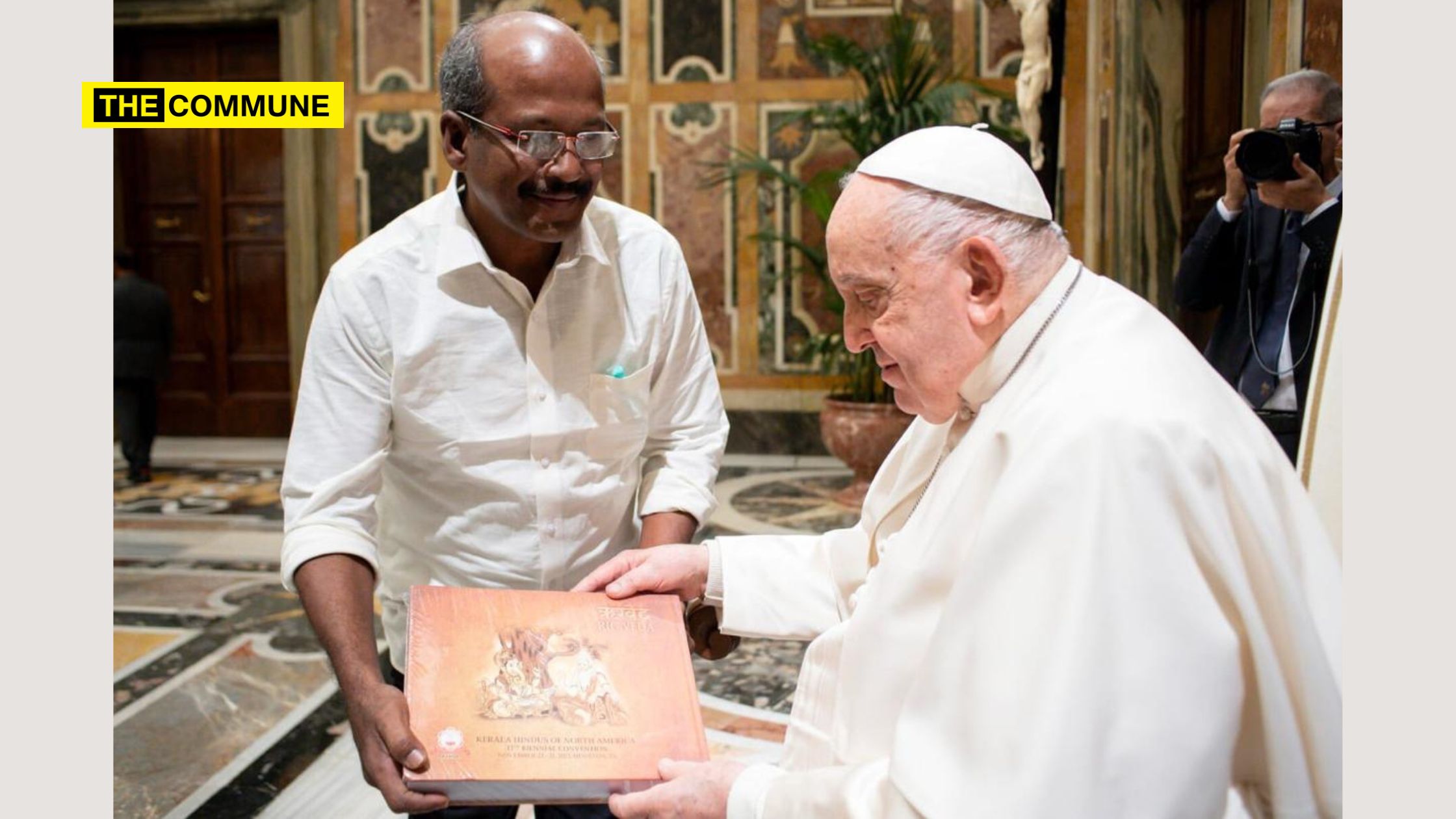
P Sreekumar, Kerala State Coordinator of Hindus of America and a senior leader of the RSS-affiliated Hindu movement in Kerala, has presented a copy of the Rig Veda to Pope Francis at the Vatican in Rome.

Sreekumar handed over the sacred text during his visit to the Vatican, where he attended the World Religious Convention. Pope Francis was the keynote speaker at the event.

Sreekumar told IANS: “If you recall, former Kerala Chief Minister and late CPI-M leader E.K. Nayanar gifted a copy of the Bhagavad Gita to Pope John Paul II during his Vatican visit in 1997. I felt the most appropriate gift this time would be the Rig Veda itself.”

He emphasised that the late Swami Satyānanda Saraswati, a renowned Kerala Hindu leader and saint, had often highlighted the importance of the Vedas as the foundational scripture of Hinduism, advocating that every Hindu household should possess a copy.

Building on this vision, Kerala Hindus of North America initiated the distribution of Rig Veda copies. At a convention in Houston in 2023, participants were gifted the sacred text, complete with Sanskrit verses and English translations.

Sreekumar, who is also a writer and journalist, contributed to the preparation of these editions. He explained that the gift was approved through prior security protocols at the Vatican.

Handing it over personally to the Pope, he remarked that the Rig Veda symbolises the essence of Hindu philosophy. Pope Francis accepted the gift with a thoughtful smile, asking, “Is this for me?” The World Religious Convention was organised by the Sivagiri Mutt, founded by Sree Narayana Guru.

President of Sivagiri Mutt, Swami Sachithananda, also presented Pope Francis with a replica of the Ashoka Pillar and an interfaith logo. Sreekumar shared a memorable moment from the convention, recalling how Pope Francis stepped off the stage after his speech to sit among children, engaging in prayer and personal conversations.

“The entire experience underscored shared values of respect, inclusivity, and the power of interfaith dialogue within a global community,” he noted. An Indian delegation led by Union Minister of State George Kurien visited the Vatican to witness the elevation of George Jacob Koovakad, a 51-year-old Keralite priest, to the rank of Cardinal by Pope Francis. Koovakad is the first Indian priest directly elevated to Cardinal.

Ordained in 2004, Cardinal Koovakad trained at the prestigious Pontifical Ecclesiastical Academy before beginning his diplomatic career at the Apostolic Nunciature in Algeria in 2006. By 2020, he had joined the Secretariat of State of the Holy See, overseeing the organisation of the Pope’s global travels.

–IANS

Subscribe to our channels on TelegramWhatsApp, and Instagram and get the best stories of the day delivered to you personally.
Lessons From Bangladesh: Liberation Of 1971 & Hindu Genocide

Lessons From Bangladesh: Liberation Of 1971 & Hindu Genocide

December 16 holds a significant place in South Asian history, marking the anniversary of the Bangladesh Liberation and a defining moment that reshaped the region’s political and social landscape. This day commemorates the struggle for independence and serves as a solemn reminder of the sacrifices made in the fight for a new nation.

As we celebrate Bangladesh’s victory, it is crucial to reflect on the long-standing plight of its minority communities, particularly Hindus, whose survival has been marked by continuous persecution. The echoes of 1971, when political, geographical, and ethnic struggles led to widespread violence against minorities, still resonate today.

The blood of these marginalised groups has flowed through the rivers of Bangladesh, both then and now, raising a pressing question: is history repeating itself in the ongoing fight for their survival and dignity? Struggle for identity and justice In 1948, Jinnah’s declaration of Urdu as the state language of Pakistan disregarded the linguistic majority of Bengali-speaking East Pakistanis, who comprised the largest population group.

Jinnah believed that their identity as Muslims should supersede their cultural and linguistic identity, declaring, “The essential condition for the success of Pakistan is complete internal solidarity… Urdu must be the State language of Pakistan.” This sidelined Bengali identity, fueling deep resentment and cultural suppression despite vague promises of regional language autonomy.

The (West) Pakistanis also perceived Bengalis as racially and ethnically inferior, systematically excluding them from military and administrative services. Despite accounting for 55 per cent of Pakistan’s population, Bengalis had negligible representation in civil, military, and bureaucratic services. The elite of West Pakistan considered Bengalis “lesser Muslims” due to their perceived Hindu cultural influence. The Pakistani government’s response to Cyclone Bhola in 1970 exposed its apathy.

The central government, dominated by West Pakistan, delayed and poorly coordinated relief efforts, further exacerbating tensions. President Yahya Khan visited the affected areas days later but took minimal action beyond declaring a day of national mourning. This indifference highlighted systemic neglect, fueling demands for autonomy. Decades later, echoes of such neglect persist. During the August 2024 floods in Bangladesh, similar concerns arose.

A leading television network shed light on distressing incidents of discrimination against Hindus in relief distribution. A viral video featured a man from the Hindu community in Cheoria, Tulabaria, in Kalidah Union’s Ward No. 8, Feni district, expressing anguish: “We have not received a single person for relief. Our only crime is that we are Hindus. People in Noakhali and Barisal are receiving aid, but when they see us, they turn away.” The video underscores ongoing inequities, urging authorities and humanitarian groups to address such biases and ensure equitable relief measures.

Temples like ISKCON have stepped in to fill the gap, offering shelter and aid to affected Hindu families. West Pakistan’s refusal to accept the 1970 election results—in which the Awami League, led by Sheikh Mujibur Rahman, won decisively—escalated protests in East Pakistan. On March 7, 1971, Sheikh Mujibur Rahman laid out conditions for talks, including troop withdrawal, halting reinforcements, and granting autonomy. He initiated a non-cooperation movement marked by strikes, tax refusal, and village-level liberation committees.

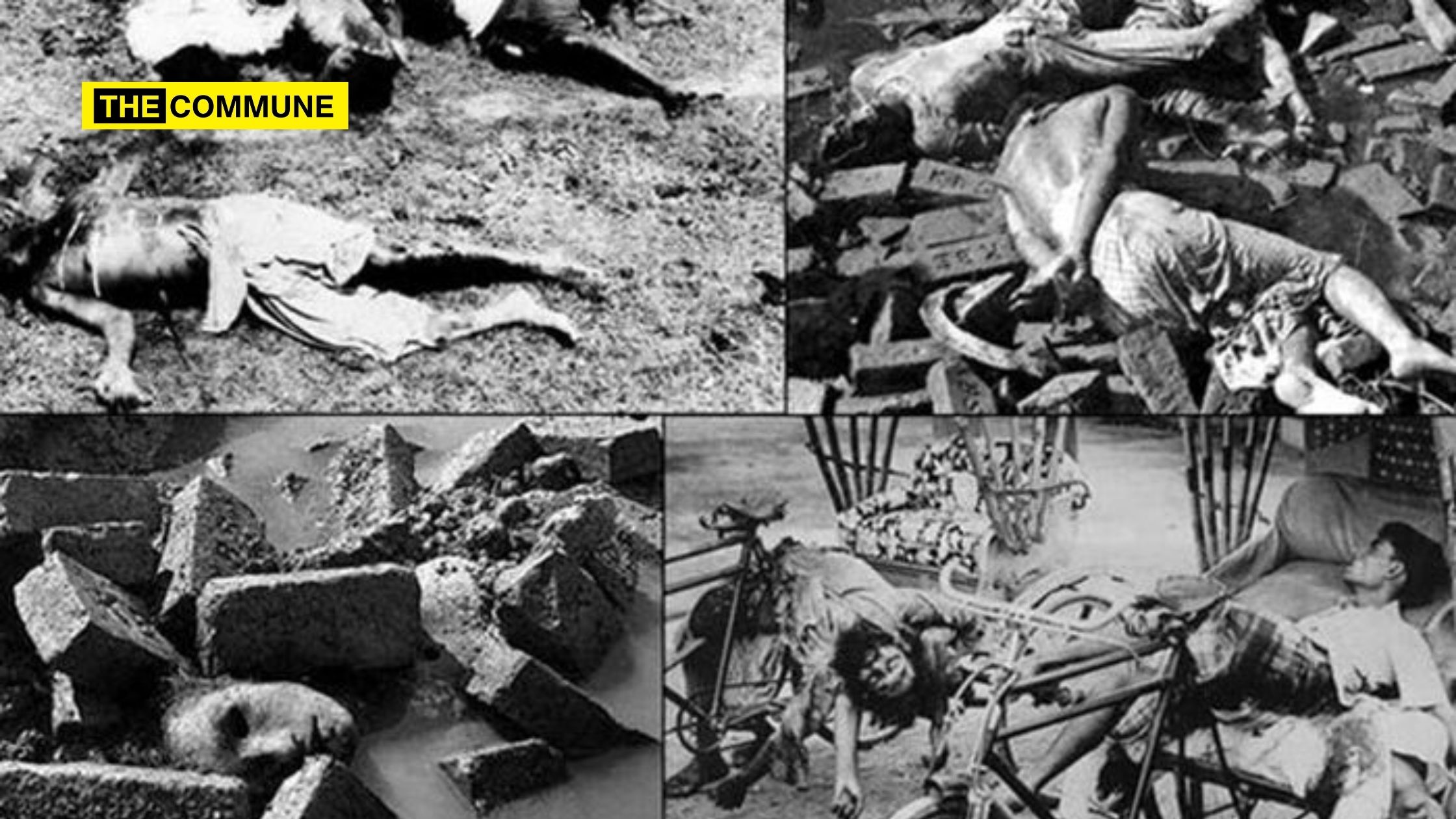
However, these demands for equality were met with violent suppression, culminating in the declaration of independence on March 26, 1971, by Sheikh Mujibur Rahman. Operation Searchlight: A genocidal prelude On March 25, 1971, the Pakistani military launched “Operation Searchlight,” a campaign of terror against civilians in East Pakistan. Intellectuals, students, and cultural leaders were targeted, with cities like Dhaka witnessing bloodbaths.

This systematic violence is a stark reminder of how unchecked power can devastate communities. According to Taqbir Huda’s article ‘Remembering the Barbarities of Operation Searchlight’ in The Daily Star, the campaign began with death squads killing 7,000 unarmed Bengalis in a single night. Military generals in West Pakistan, unwilling to relinquish power, decided that a genocidal campaign was necessary. President Yahya Khan infamously declared, “Kill three million of them, and the rest will eat out of our hands.”

The army targeted Dhaka University’s teachers and students, the core of the resistance, killing hundreds. Survivors recounted horrifying atrocities: slum dwellers gunned down as they fled burning homes, children witnessing their parents’ murders, and women abducted from dormitories. Journalist Anthony Mascarenhas, the first to report on the genocide internationally, quoted a Pakistani army major: “This is a war between the pure and the impure… They may have Muslim names, but they are Hindu at heart.”

According to a research paper published in the Security & Defence Journal titled ‘Genocide, Ethical Imperatives, and the Strategic Significance of Asymmetric Power: India’s Diplomatic and Military Interventions in the Bangladesh Liberation War (Indo-Pakistan War of 1971)’: The demand for independence in Bangladesh (then East Pakistan) was not initially universal, as pockets of support for Pakistan persisted.

Political groups like Jamaat-e-Islami and the Muslim League aligned with West Pakistan during the liberation war. Leaders such as Nurul Amin, Ghulam Azam, and Khwaja Khairuddin formed the Citizen Peace Committee, later called the East Pakistan Central Peace Committee (Shanti Bahini), which supported the Pakistani Army.

Shanti Bahini facilitated the recruitment of Razakars, a paramilitary force notorious for war crimes, including kill lists targeting Bengali nationalists, intellectuals, and Hindus, as well as systemic rape and sexual slavery.

With nearly 73,000 personnel, including Razakars, Al-Badr, and Al-Shams, these forces caused immense suffering, cementing the term “Razakar” as a symbol of betrayal in Bangladesh. While Mukti Bahini fought for Bengali independence, Shanti Bahini supported Pakistan’s efforts to suppress the rebellion, creating a tragic divide among citizens. As civil war erupted, violence consumed the local population.

The role of the Razakars, local collaborators with the Pakistani military, was particularly heinous. Razakars were infamous for their brutal attacks on Hindu villages, aiding in mass killings, and abducting women for exploitation. Their involvement amplified the genocide, as highlighted in ‘The Blood Telegram’ by Archer K. Blood, where the systematic targeting of Hindus was explicitly described.

The genocide statistics are staggering: Three million Bengalis were killed; the Pakistani military and collaborators raped 200,000 to 400,000 women; 10 million refugees fled to India; and over 942 killing fields were discovered across Bangladesh.

In 2024 the resurgence of ISI-backed Jamaat-e-Islami (JeI) in Bangladesh politics threatens both progressive forces in the country and Indian interests, given its five-decade-long record of fostering radicalism and supporting terror groups Role of India: A humanitarian and strategic response The Bangladesh Liberation War, lasting 13 days, witnessed significant contributions and sacrifices by India. Over 3,000 Indian soldiers lost their lives in the conflict, underscoring India’s resolute support for the liberation movement.

On December 16, 1971, approximately 93,000 Pakistani soldiers surrendered to the Indian forces marking the largest military capitulation since World War II. This decisive victory not only liberated Bangladesh but also showcased India’s commitment to defending human rights and supporting the oppressed.

India’s efforts included providing shelter to over 10 million refugees, extensive military and logistical support to the Mukti Bahini, and diplomatic manoeuvres to rally international backing for Bangladesh’s independence. The day is celebrated as Vijay Diwas, honouring the bravery and sacrifice of Indian forces and the shared vision of freedom.

On the present situation, India has strongly condemned the attack on Bangladeshi Hindus. During Indian Foreign Secretary Vikram Misri’s recent visit to Bangladesh, he reiterated India’s commitment to fostering strong bilateral ties, emphasising support for a stable, democratic, and inclusive Bangladesh.

He raised concerns about recent attacks on cultural and religious properties, highlighting the importance of cooperation to address these challenges. Plight of minorities: Then and now The Liberation was marked by atrocities, with the Hindu minority disproportionately targeted.

Fifty-two years later, targeted violence against Hindus in Bangladesh continues, including attacks on temples and forced conversions. The cycle of persecution has led to an alarming decline in the Hindu population in Bangladesh from 13.50 to 07.95 per cent.

Reports from The Daily Star and human rights organisations document a pattern of mob violence against Hindus, echoing the horrors of 1971. Lessons for present While we remember the courage of the Mukti Bahini and the determination of the Bangladeshi people, we must also reflect on the failure of the world to protect the Hindus of Bangladesh in 1971.

The international community’s inaction during that time must serve as a stark reminder that the protection of human rights remains a critical issue today.

This anniversary calls for urgent action from all governments and human rights organisations to ensure the safety and dignity of minorities, and to prevent further persecution and oppression. Let this be the wake-up call for the world to not fail the Bangladeshi Hindus again.

— Vinay Nalwa

(The writer is an author and columnist. Her latest book is Blood in the Sea: The Dark History of Hindu Oppression in Goa)

–IANS

Subscribe to our channels on TelegramWhatsApp, and Instagram and get the best stories of the day delivered to you personally.
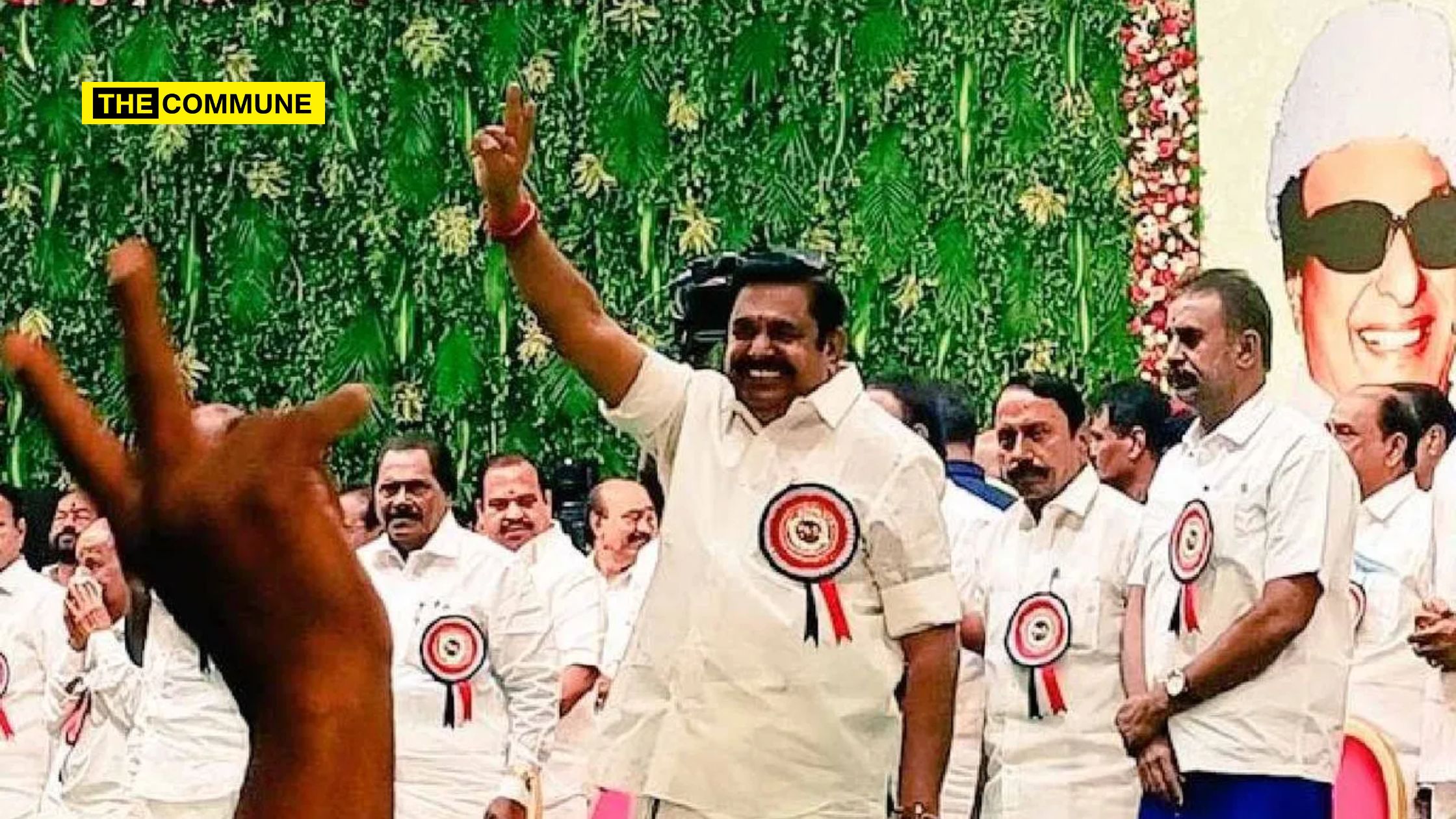
AIADMK Executive Council Meet Passes Sixteen Resolutions, Vows To Make Edappadi Palaniswami CM Again

AIADMK Executive Council Meet Passes Sixteen Resolutions, Vows To Make EPS CM Again

The AIADMK executive council meeting held at the Shrivaaru Venkataachalapathy Palace Hall in Vanagaram, Chennai, on Sunday passed sixteen resolutions.

Among these, the party resolved to make Edappadi Palaniswami (EPS) the Chief Minister of Tamil Nadu again in 2026. The session, chaired by AIADMK Presidium Chairman Tamil Magan Hussain, was attended by 2,523 general and executive committee members, along with 1,000 special invitees.

During the general body meeting, condolences were expressed for the death of senior Congress leader E.V.K.S. Elangovan. Tributes were also paid to industrialist Ratan Tata, CPM General Secretary Sitaram Yechury, former Karnataka Chief Minister S.M. Krishna, and late actor Delhi Ganesh. Another resolution also urged the Central government to abandon the construction of a tungsten mine near Melur, Madurai and condemned the Tamil Nadu government for its failure to halt the project despite public pressure.

The AIADMK in another resolution condemned the state government’s hypocritical stance on the cancellation of the NEET exam. The party also called on the Central government to amend the Constitution to return education to the state list.

The Tamil Nadu government was criticised for failing to address the basic needs of people impacted by Cyclone Fengal. The party condemned the rising prices and high taxes, stating these issues are severely affecting the livelihoods of Tamil Nadu’s people.

Another resolution criticised the DMK government for the deteriorating law and order situation and failure to fulfil election promises. The party urged the central government to declare the Thirukkural a national book and to make Tamil the language of litigation in the Chennai High Court. Additionally, it called for laws to be named in English instead of Hindi.

The DMK government was criticised for wasting funds on initiatives like Formula 4 racing and pen memorials. The AIADMK also condemned the discontinuation of the Kudimaramathu Scheme.

The party also condemned the lack of progress on the Godavari-Cauvery, Parambikulam-Aliyar, and Pandiyar-Punnambuzha irrigation projects. A resolution urged the DMK government to conduct a caste-wise census and criticized its inaction in releasing Muslim prisoners.

The AIADMK urged the central government to ensure fair financial distribution, noting Tamil Nadu contributes significantly to the central treasury but receives less than one-fourth in return.

It emphasised this disparity hinders development projects in the state. The AIADMK executive council reaffirmed its commitment to addressing the concerns of Tamil Nadu’s people and reiterated its goal of regaining power in the 2026 state elections.

–IANS

Subscribe to our channels on TelegramWhatsApp, and Instagram and get the best stories of the day delivered to you personally.
Illegal Gun Trade Backed By US-Based Handlers Busted In Punjab

Illegal Gun Trade Backed By US-Based Handlers Busted In Punjab

In an intelligence-led operation, Punjab Police’s State Special Operation Cell of Amritsar has busted an inter-state illegal gun trade backed by US-based handlers with the arrest of its two members and recovered 10 country-made pistols along with 20 magazines from them, said Director General of Police (DGP) Gaurav Yadav here on Sunday.

Those arrested have been identified as Satnam Singh and Manjit Singh, both residents of Batala. DGP Yadav said preliminary investigations have revealed that primarily, accused Satnam was in touch with his US-based handler, Sunny Masih alias Gulli, who is wanted in multiple cases of heroin smuggling.

For his convenience, accused Satnam also involved his relative Manjit in drug peddling and transportation of illegal weapons, he said. Yadav said investigations have also revealed that the accused were procuring illegal weapons from Madhya Pradesh and Jharkhand to supply them to Punjab-based gangsters further.

The DGP said investigations are going on to establish linkages to unearth the entire network of this module. Assistant Inspector General Sukhminder Singh Mann said they have received a tip-off that Sunny Masih is running an inter-state weapons smuggling module in the state with the help of his associates.

In pursuit of the input, the police launched an operation and arrested two members of this module after recovering a weapon consignment from their possession, he said. During questioning, the arrested accused Satnam revealed that Sunny Masih used to pay him courier charges on a delivery basis.

The accused also revealed that around one month ago, he smuggled four weapons from Madhya Pradesh to Punjab for which he was paid Rs 10,000 and for the current delivery, Sunny had promised him to pay ₹20,000. He said the accused Satnam Singh has a criminal history with at least three cases under the NDPS Act registered against him. He was released on bail on July 30.

–IANS

Subscribe to our channels on TelegramWhatsApp, and Instagram and get the best stories of the day delivered to you personally.