Home Blog Page 489

Indian Knowledge Systems: Bridging Ancient Wisdom And Modern Education In The Journey Towards A Civilizational State
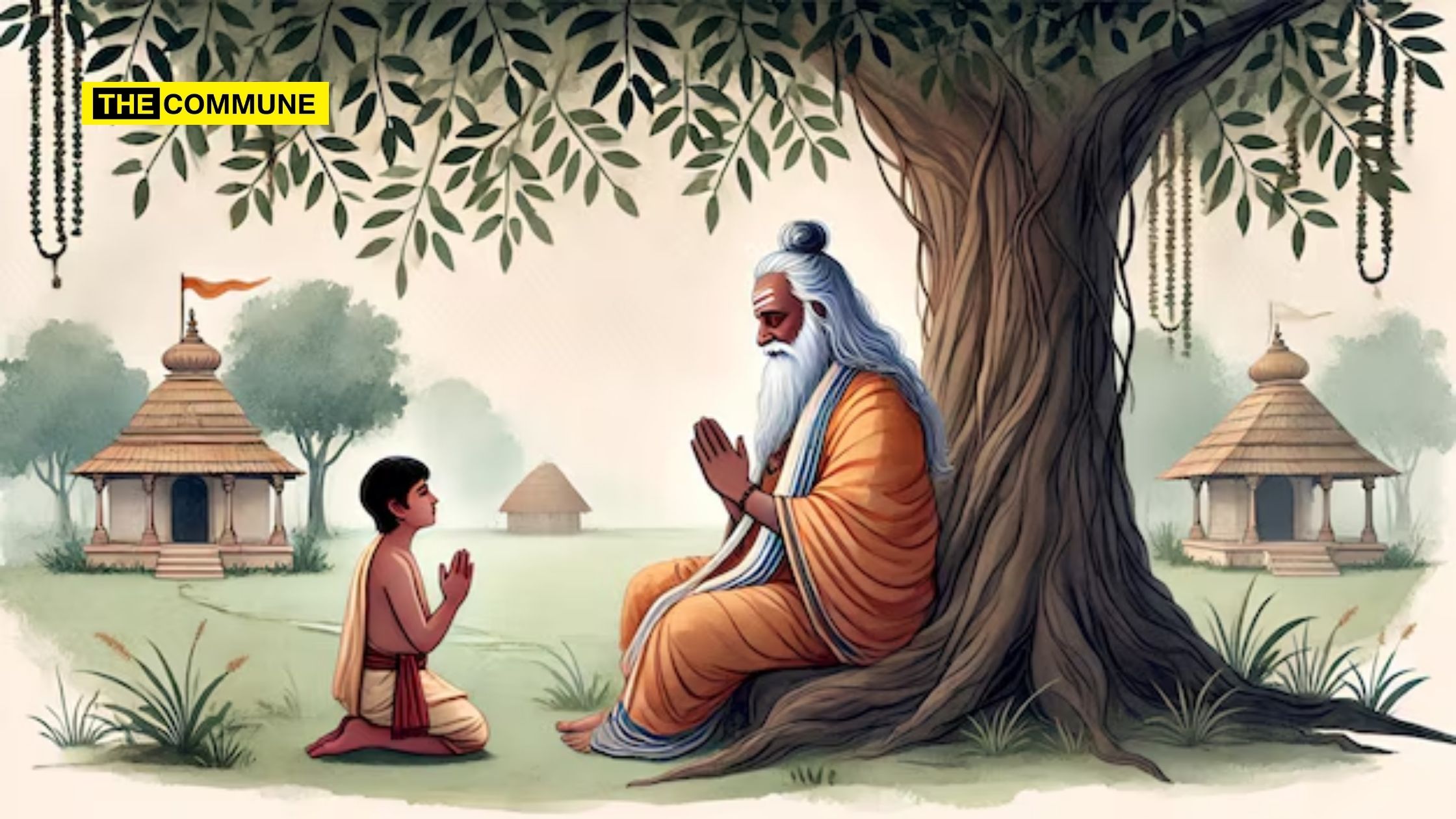
How Indic Knowledge Systems Can Revolutionize Education And Spark A Civilizational Renaissance

Indian Knowledge Systems (IKS) represent a repository of indigenous knowledge that remains relevant in modern contexts, such as wellness, sustainability, and interdisciplinary research. IKS is a term that has come into vogue recently and its meaning might be mostly unclear to many lay persons.

What is IKS? Is it a new development in studies of epistemology or is it of ancient provenance? Is it mostly a qualitative and incoherent jumble of superstitions and stories about an imaginary India where everything was just fine? Or were we just untamed savages waiting for the white man to come and educate us and make us civilized and after we got educated, are we trying to imagine something glorious in the past and ascribe everything we know to IKS? Still, others note that the government of a secular country should not indulge itself or support an education system that is rooted solely in the religious and socio-cultural beliefs of one community, namely the Hindus, even if they account for 80% of India’s population today. Even here, the naysayers hold that IKS is the property of savarna Hindus, and it is by no means inclusive in nature.

The meaning of IKS can be described by the three words Indian, Knowledge, and Systems. By Indian, we mean the entire land that is called Bhāratvarsha, namely all the land between Kandahar and Mandalay, from the Himalayas to the Indian Ocean, in today’s terminology consisting of all countries that are loosely clubbed together as South Asia. This is the geographical sacred space of Sanātana Dharma and when one refers to IKS, one refers to the knowledge systems that were developed and emanated from this sacred space. IKS uniquely belongs to Sanātana Dharma and may be enjoyed and appreciated by all who adhere to the principles of Dharma.

By Knowledge, we mean the entire corpus of written documentation and oral traditions accompanying Sanātana Dharma in addition to various allied bodies of knowledge that have accrued from experiences in day-to-day life, folklore, traditions, and customs that have enabled this sturdy civilization that is going strong after 5000 years, some say possibly longer. The written documentation is based around the 14 knowledge silos or chatrurdasa vidyasthanas, namely the four Vedas, the six darshanas, the epics, and the Puranas.

PurAna nyAya mimAngsA dharmshAstrAnga mishritAh |
VedAh sthAnAni vidyAnAm dharmasya cha chaturdasha ||

The Vedas are the blueprint and the Vedāngas, literally, the limbs of the Vedas, unlock the Vedas and make them accessible. The six Vedāngas are Siksha, Chhanda, Vyakarana, Nirukta, Jyotisha and Kalpa. These subjects were an integral and essential part of the ancient Vedic education system, aimed to promote an all-round development of the students with a better understanding of the Vedas and Vedic practices. The aspects from the Vedas that lead to better living for all are also a part of the knowledge corpus. These include the medicinal treatises of Chāraka and Susruta, the Arthasāstra of Chānakya, the Patanjali Yoga Sutras, the Kāvyas of Kalidasa and others, Bharatā’s Natyasastra, Sārangadeva’s Sangita Ratnākara and the Rasa Ratna Samuchchaya of Vāgbhata and Nagārjuna, the study of chemistry and materials. This is just a sampling. There was a time when Sāmaveda, which is just one among the four Vedas, had over a thousand branches! It is practically impossible to collect and collate all of the knowledge available to us within the Sanatani tradition.

In the context of IKS, the term Systems refers to structured frameworks of thought, practices, and disciplines developed in ancient and classical India that span various fields of knowledge. These systems are holistic and interdisciplinary, addressing subjects such as philosophy, science, arts, medicine, and governance. The key components are Philosophical Systems (Darshanas etc), Medical Systems (Ayurveda, Siddha), Linguistic and Grammatical Systems (Pānini), Mathematical Systems, (Aryabhata, Varāhamihira. Brahmagupta, Bhāskara), Artistic and Aesthetic Systems:
Political and Economic Systems (Arthshāstra, Nitisastra), Environmental and Ethical Systems, Spiritual and Ritualistic Systems. Systems refer to the manner in which these items are integrated into a holistic unity that is both contextual and practical.

In summary, IKS is intimately connected with our ancient scriptures. The Nyāya Darshana, or school of thought, centres on logic and epistemology, emphasizing rational inquiry to attain knowledge and truth. Key features include methods of debate, valid sources of knowledge (perception, inference, comparison, and testimony), and techniques to distinguish valid reasoning from fallacies. Its foundation is in Indian philosophy for developing rigorous logical methods. IKS is similarly based on a methodology of rigorous questioning and rejection of fallacies that fail the tests of logic. In the context of the scientific disciplines, the Vaiseshika Darshana focuses on categorizing reality into fundamental elements or dravyas. It emphasizes atomism, proposing that all physical substances are composed of indivisible atoms. Key features include exploring six categories or padārthas: substance, quality, action, generality, particularity, and inherence, aiming for liberation or moksha through knowledge of these universal principles. The strong influence of holism is again shared with IKS which should be imparted with the goal of being able to solve advanced scientific problems of the modern age.

There is little doubt that the time is ripe for an educational revolution in India. For too long, we have struggled with a system that had its roots in the Macaulay dictum and was then further corrupted after independence by a situation where a very limited amount of funding was available to educate a population that was just around 12-18% literate. This number has risen to 77% today but let us remember that being technically literate does not mean that one is educated. We still limp along and there is little connection between formal education as expressed by a school or college degree and employability. The economic problem more or less spontaneously led to a social problem with the limited funding available for education being cornered by special interest groups with political influence—an educational jati system. This was formalized in the institutionalization of reservations, initially for the SC ST communities but later going up to a minimum of 49.5% across the country with the inclusion of the OBC group, and further delinking merit from outcomes (in Tamil Nadu this number is an absurd 69%). Realizing these almost insurmountable contradictions between aspirations and abilities, the governments of the day sporadically instituted various commissions to look into the education system and make recommendations, specifically in 1948, 1964, 1986, and most recently in 2020, the National Educational Policy (NEP 2020). Most of the recommendations of these committees never saw the light of day.
It is in this disappointing context that one must look at the Indic Knowledge System (IKS) initiative, which attempts in its own way, a reversal of the education pattern to a system that is more reminiscent of what prevailed in this country before Macaulay, in other words, to go back to a cognitive system that relied on holism, inductive logic, and intuitive thinking. Holism is the essence of IKS and it embodies the holistic and integrative wisdom of ancient India, covering diverse domains like science, art, medicine, philosophy, and spirituality. Unlike modern Indian education, which often focuses on rote memorization and standardized testing, IKS nurtures critical thinking, contextual knowledge, and values-based education.

Rooted in texts like the Vedas and Upanishads, IKS emphasizes experiential learning, ethics, interconnectedness, and lifelong inquiry. There is no doubt that IKS is derived from Sanātana Dharma, and no one should artificially try to conflate it with woke ideas of Nehruvian secularism or try to integrate it with concepts that are unique to the Abrahamic faiths. The twain do not intersect, and IKS is and will only be a part of the Hindu Rashtra that is eagerly awaited by an overwhelmingly large section of our population, namely the 80% Hindus of India. IKS is based in the Hindu religion and as such it cannot be interpreted within the rubric of Abrahamic faiths.

India’s NEP 2020 recommends integrating the IKS into the educational curriculum to promote a deeper understanding of the country’s traditional wisdom, sciences, languages, and cultural heritage. This includes learning about ancient sciences, arts, linguistics, philosophy, and environmental conservation practices, along with modern subjects. The goal is to foster holistic education, instill pride in India’s diverse heritage, and bridge the gap between traditional knowledge and contemporary learning methods.

Now, all this is very well but it simply restates what is known about the nature of IKS. How exactly do schools and colleges go about in this business and is it really possible to integrate IKS within a Macaulay system that is fundamentally different, in that the very cognitive processes in the two systems are diametrically opposite? One option is to not even try and mix these two streams but rather set up universities like Nalanda University or Rishihood University to operate wholly within the IKS pattern, more or less like Jewish Yeshivas that are based on Talmudic principles, and yet are able to turn out graduates that easily take their place in the secular world outside. Operationally, an IKS curriculum needs appropriate teachers and at present, we see the need for teachers with expertise in three different areas: (i) the domain expertise in the subject being taught; (ii) the Sanskrit language, and; (iii) a working knowledge of the Vedas. It will be difficult to find people with simultaneous expertise in all three areas till two or so generations of IKS students graduate at the PhD level. Faculty in IKS departments need therefore to be wisely chosen.

The Government of India needs to actively fund IKS programmes in private universities because many extraneous political factors might creep in if IKS is aggressively pushed in public universities especially state universities in Tamil Nadu and other places. IKS should be taken forward in as many places where there is eagerness and willingness to learn subjects through IKS. Once it is seen that there are employment opportunities for IKS-trained graduates, its popularity and relevance are bound to grow.

Overall, for IKS to be a practical reality in India, we need a civilizational reworking, in other words integrating India’s re-awakening with respect to its identity. IKS cannot be treated as a purely educational exercise, nor even as a subpart of the overall educational policy of the country as most recently articulated in NEP 2020. IKS can only have viability and relevance when a nation-state, namely India, remakes itself as a civilizational state, namely Bhārat.

This is a major exercise that needs reforms in all aspects of governance: the judiciary, the executive, and the legislature. The reforms should be directed towards a redefinition of the country as a Hindu Rashtra. For, if Sanātana Dharma lives, Bhārat lives—if Sanātana Dharma dies, Bhārat dies. Education can and must be viewed as a part of a grand design in which a country comes out of a millennium of physical, mental, intellectual, and above all, civilizational servitude.

The colonial mindset that has persisted even after 75 years of independence from Britain has been a really serious problem in India partly because the upper echelons of decision makers, the highest-level politicians and bureaucrats, were largely Macaulayist in their thinking till the mid-1970s, conservatively speaking. The diplomatic and organizational aspects of governance were, inter alia, gravely impaired. The matter of the rediscovery of India and its remaking as Bhārat its origins in the very nature of Sanātana Dharma.

The civilizational revolution is an immediate and short-term priority. The several policy and governmental changes during the past decade can only increase the feelings of self-confidence and self-pride among vast sections of Indians. We are mostly concerned here with the effects of the civilizational and cultural revolution on bringing in a dharmic educational system, governance institutions, and overall social regulation that will give a long-term, resilient thrust to India’s economic expansion. It is in this context that IKS should be considered, and its practitioners should ideally be aware that the synergy of IKS with the overall movement towards a Hindu Rashtra can certainly lead to a fundamental change in our educational policies for the better.

Gautam Desiraju is Professor Emeritus in the Indian Institute of Science, Bengaluru.

Subscribe to our TelegramWhatsApp, and Instagram channels and get the best stories of the day delivered to you personally.
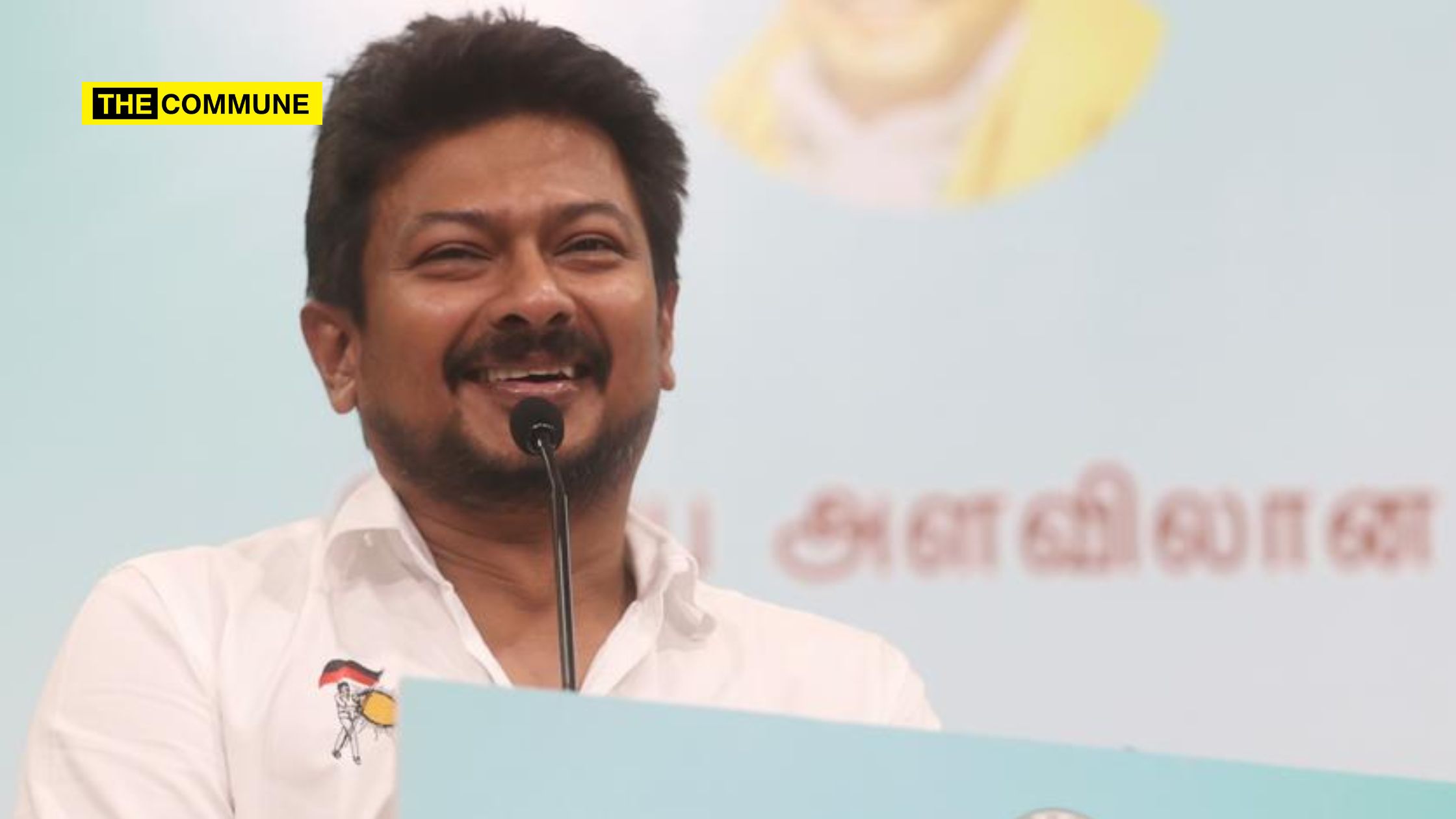
“I’m Telling You Again And Again, I’m Proud To Be A Christian”: DMK Scion Udhayanidhi Stalin Who Wants To Eradicate Sanatana Dharma Says

I'm Telling You Again And Again, I'm Proud To Be A Christian: DMK Scion Udhayanidhi Stalin Who Wants To Eradicate Sanatana Dharma Says

The Christmas and welfare program, organized by the Synod of Pentecostal churches, was held at Bethel Metropolitan Cathedral in Coimbatore. DMK scion and Tamil Nadu Deputy Chief Minister Udhayanidhi Stalin and delivered a ‘heartfelt’ speech celebrating the spirit of Christmas at the event, even as he proudly declared himself a Christian and Muslim.

Addressing the gathering, Udhayanidhi reflected on the ‘universal joy’ of the Christmas season. “If there is a festival that brings happiness to the whole world, it is Christmas. I am even happier when Christmas arrives,” he remarked.

He spoke about his personal connection to Christian institutions, sharing that he had studied at Don Bosco School and Loyola College. Referring to a statement he made at a Christmas event last year, he said, “I proudly declared, ‘I am also a Christian.’ Immediately many ‘Sanghis’ had stomach burns. Today, I say it again—I am proud to say that I am a Christian.”. 

Though ‘Sanghi’ is a term referring to a devout Hindu, a subscriber of Hindutva ideology, a support of BJP and Prime Minister Narendra Modi and everything in that spectrum, it is used by leftists, Islamists and Dravidianists to derogate their ideological and political opponents.

The Deputy CM later went on to play it safe, stating, “If you think of me as a Christian, I am a Christian. If you think of me as a Muslim, I am a Muslim. If you think of me as a Hindu, I belong to all. The foundation of all religions is love. Every religion teaches us to love one another.”

Repeat From The Past

In 2022, speaking at a Christmas celebration event organized on 22 December 2022) at Chennai’s Harbour constituency, he said“I’m proud to call myself a Christian. Today, all Sanghis (a colloquial reference denoting devout Hindus and supporters of RSS-BJP) will be burning. Because Sekarbabu (Tamil Nadu Hindu Religious & Charitable Endowments Minister) is saying ‘Hallelujah’, Udhayanidhi is saying ‘I’m a Christian’. Yes, I will say that I’m a Muslim too.”

Addressing the audience, Udhayanidhi Stalin said “From the same platform last year, the speech I made became a big topic of discussion. I said that I’m proud to be a Christian, I studied in Don Bosco school and Loyola College. Again I’m saying, I’m a Christian and I am proud to call myself a Christian.

Earlier in 2022, Udhayanidhi Stalin speaking at the Christmas celebrations organized in the same Harbour constituency said that he and his wife are Christians.

However this time, the DMK scion went on to play safe saying “But I am not going to stop there this time. If you call me a Christian, I’m a Christian. If you call me a Hindu, I’m a Hindu. If you call me a Muslim, I’m Muslim. I don’t have any caste or religion. I will keep telling that everybody is equal by birth. Our leaders – ‘Thanthai’ Periyar, ‘Perarignar’ Anna, ‘Muthamizharignar’ Dr. Kalaignar (Karunanidhi), our leader CM (Stalin) has taught us only this. I will keep talking about it anywhere, anytime, how many ever times. I am sure that you will agree with what I say.

In 2023, during the Christmas celebrations held in Chennai’s Harbour constituency, Tamil Nadu Hindu Religious & Charitable Endowments Minister PK Sekar Babu, Chennai Mayor Priya, and several Christian pastors shared the dais with the attendees.

Addressing the audience, Udhayanidhi Stalin once again said “From the same platform last year, the speech I made became a big topic of discussion. I said that I’m proud to be a Christian, I studied in Don Bosco school and Loyola College. Again I’m saying, I’m a Christian and I am proud to call myself a Christian.

Trying to play safe, he said, “But I am not going to stop there this time. If you call me a Christian, I’m a Christian. If you call me a Hindu, I’m a Hindu. If you call me a Muslim, I’m Muslim. I don’t have any caste or religion. I will keep telling that everybody is equal by birth. Our leaders – ‘Thanthai’ Periyar, ‘Perarignar’ Anna, ‘Muthamizharignar’ Dr. Kalaignar (Karunanidhi), our leader CM (Stalin) has taught us only this. I will keep talking about it anywhere, anytime, how many ever times. I am sure that you will agree with what I say.

Udhayanidhi Stalin had landed himself in soup in September 2023 when he called for the ‘eradication of Sanatana Dharma’ also known as Hinduism saying “Mosquitoes, dengue, flu, malaria, corona – we should not oppose these things. They’ve to be eradicated completely. Same is the case with Santanam (Hinduism). Our first work should be to abolish/eradicate Sanatanam instead of opposing it.” This had led to a national outrage with even the I.N.D.I. allies distancing themselves from the DMK.

Subscribe to our channels on TelegramWhatsApp, and Instagram and get the best stories of the day delivered to you personally.
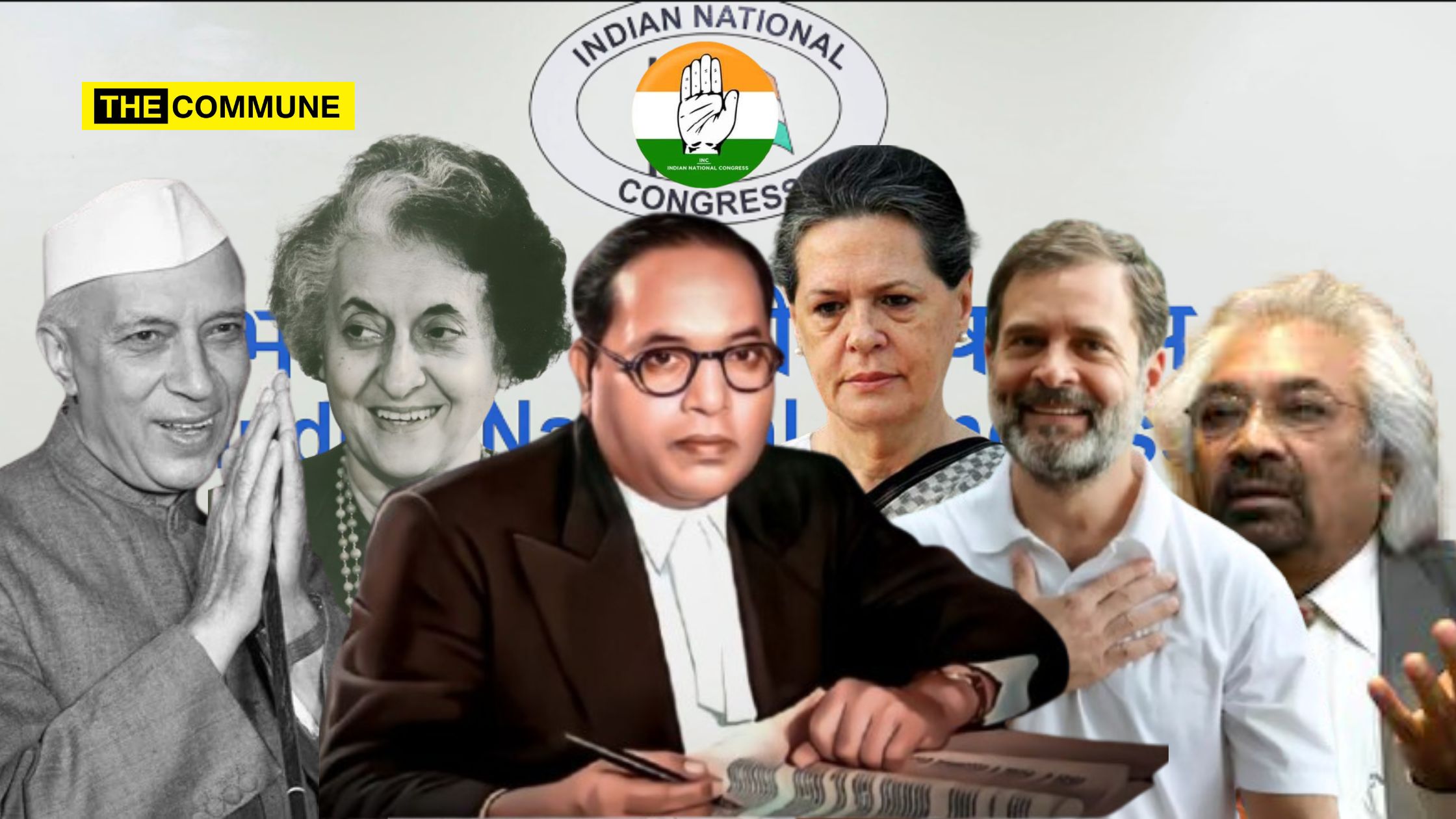
How Congress And Nehru Gandhi Family Have Insulted Ambedkar

How Congress And Nehru Gandhi Family Have Insulted Ambedkar

Even as the Congress-Leftist-Dravidianist falsely accuses Home Minister Amit Shah of being ‘anti-Ambedkar’ after misrepresenting a 12-second video,  the full context reveals Shah’s support for Ambedkar’s principles, exposing Congress’s long history of undermining the Dalit icon. From Nehru’s efforts to defeat Ambedkar in elections to Rahul Gandhi’s recent blunders, the Congress has repeatedly insulted Ambedkar, casting doubts on their commitment to his vision.

The entire Congress-Leftist-Dravidianist ecosystem has stirred up a controversy by spreading a false narrative by clipping a 12-second video of Home Minister Amit Shah, and attempting to convince the public that Amit Shah and the BJP are ‘anti-Ambedkar,’ ‘anti-Constitution,’ or ‘anti-Dalit.’ However, this narrative crumbled once the full context of Shah’s statement was revealed, debunking the claims. Rather than disrespecting Ambedkar, Shah’s comments exposed the propaganda machine of Congress and its allies, showing that they have disrespected Ambedkar and his principles both in the past and present.

In this context, it’s important to consider how Congress and its leaders have consistently undermined Babasaheb Ambedkar, primarily to preserve their dynastic politics. Ambedkar’s knowledge and influence were seen as a threat to the Nehru-Gandhi family’s control, prompting Congress to sideline him tactically after the first parliamentary elections. Much like how they adopted the surname “Gandhi” instead of “Nehru,” Congress and its leaders have used Ambedkar’s name as a mere political tool for survival and vote bank politics, without truly upholding or following his principles.

Nehru Worked To Defeat Ambedkar In Elections

The Congress party has long exhibited an anti-Ambedkar sentiment, dating back to the era of Jawaharlal Nehru. Nehru’s Congress treated Dr. B.R. Ambedkar with contempt, actively working to ensure his defeat in the 1952 parliamentary elections in North Bombay and the 1954 by-election in Bhandara. Infact, Nehru made defeating Ambedkar as a matter of his prestige.

The 1952 Lok Sabha elections in the North Bombay reserved constituency marked a calculated effort to sideline Dr. Ambedkar, one of India’s greatest intellectuals and visionaries. The Congress, treating the election as a battle of prestige, ensured a meticulously orchestrated campaign under the supervision of Prime Minister Nehru, with active involvement from S.K. Patil and Communist leader Shripad A. Dange. Their objective was clear: defeat Dr. Ambedkar at any cost. To achieve this, they rallied behind an unknown candidate, Narayanrao Kajrolkar, who ultimately won by a slim margin of 14,374 votes (Kajrolkar: 137,950; Ambedkar: 123,576).

This defeat wasn’t just political—it was symbolic. It demonstrated the extent to which the Congress and its allies would go to suppress towering figures like Dr. Ambedkar, whose contributions to shaping modern India remain unmatched. The election revealed an unwillingness to accommodate independent thinkers of his caliber, prioritizing political dominance over merit and vision. In doing so, the Nehruvian establishment attempted to erase the legacy of one of the nation’s most critical and transformative leaders.

Denied A Portrait In Central Hall Of Parliament & Bharat Ratna

It was only in 1990, under the National Front government supported by the BJP, that Dr. Ambedkar’s portrait was finally placed in the Central Hall of Parliament. For decades, the Congress also denied him the Bharat Ratna, which was conferred on him only by the National Front government in 1990.

Shaming Ambedkar In School Textbooks

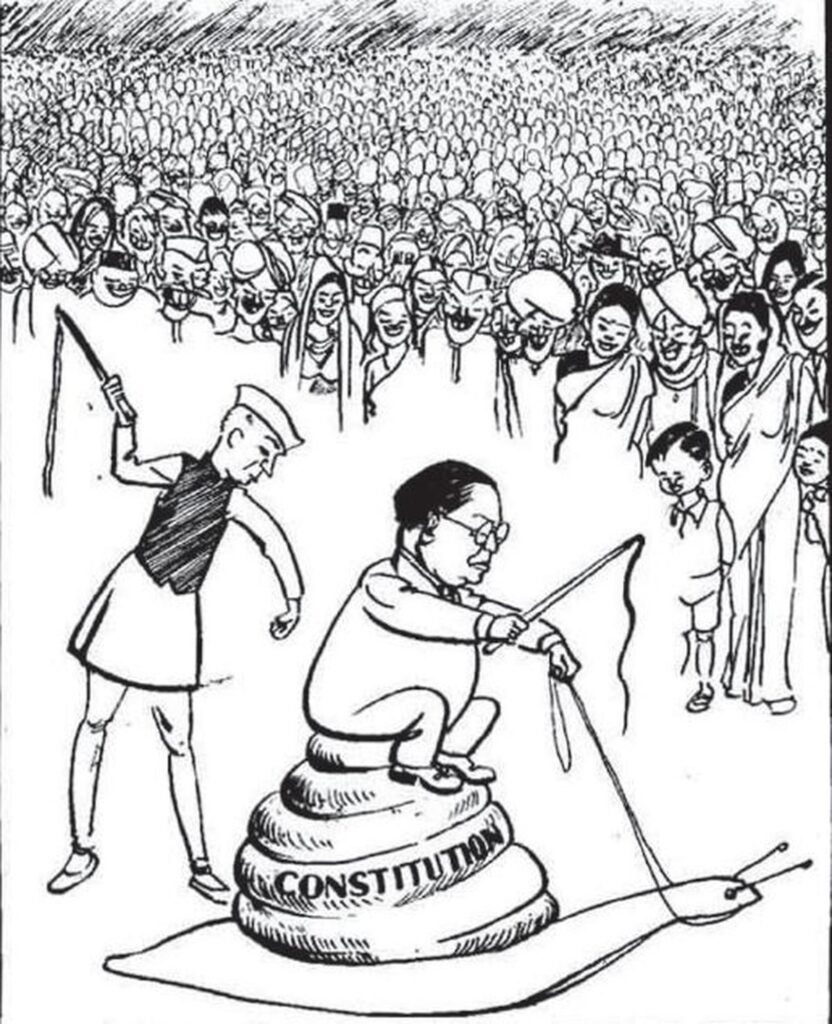
In 2012, a controversial cartoon of Dr. B.R. Ambedkar featured in the NCERT political science textbook for Class XI sparked outrage in both houses of Parliament. The cartoon, which was deemed derogatory, led to the government issuing an apology and ordering its removal from the textbook. Originally published in 1949, the cartoon had been included continuously, seemingly to mock Ambedkar. It depicted Ambedkar riding a snail labeled “Constitution,” which was moving slowly, while Jawaharlal Nehru was shown wielding a whip. The cartoon was intended to reflect the two years it took to draft the Constitution, but it ignited widespread controversy. In response to the backlash, the Congress government apologized and ensured the sketch was removed from NCERT textbooks.

Rahul Gandhi’s Mentor Sam Pitroda Insulted Ambedkar

Recently, Rahul Gandhi’s mentor, Sam Pitroda, insulted Dr. Ambedkar by endorsing a tweet/article that outrageously claimed that the greatest falsification of modern history was the idea that Ambedkar was the father of the Indian Constitution.

Rahul Gandhi Called For Cancelling Reservation

The Congress party’s approach to Ambedkar’s legacy is a notable aspect of its political strategy. There are several factors contributing to the shortcomings of Rahul Gandhi’s social justice efforts. While the party publicly supports a caste census and calls for greater representation for political gain, its actual practices tell a different story; Congress-led states have not demonstrated any commitment to these principles. Recently, during his visit to the USA, Rahul Gandhi suggested moving away from reservations in India, a remark that sparked considerable backlash, as it contradicts Ambedkar’s vision for upliftment and the protections enshrined in the Constitution.

Rahul Gandhi Was Seated In A Chari While Ambedkar’s Photo Was On The Ground

Recently, Rahul Gandhi faced heavy criticism on social media after a photo surfaced showing him posing with Dr. B.R. Ambedkar’s portrait placed on the floor during a meeting with representatives of the Valmiki community at his mother’s residence in Janpath. Netizens accused him of disrespecting Ambedkar, sparking widespread backlash.

The criticism directed at Rahul Gandhi arises in the context of his recent visit surrounding Valmiki Jayanti on 17 October 2024. On this occasion, he visited the Valmiki Temple on Mandir Marg to offer prayers and later met with the representatives of the Valmiki community at his mother Sonia Gandhi’s residence. During a meeting with delegations, members brought souvenirs and gifts to Rahul Gandhi and took photos with him. These images were shared by Gandhi and the Congress on their respective social media platforms. However, one picture drew significant backlash: it showed a photo of Dr B.R. Ambedkar carelessly placed on the ground among the attendees. This caused considerable outrage, as many felt it disrespected Ambedkar’s legacy.

Netizens criticized Gandhi, pointing out the contradiction between his praise for Ambedkar and the perceived disrespect in the photo. The incident went viral, with many expressing their disappointment over what they saw as hypocrisy while honoring Maharishi Valmiki, a respected figure among Dalit communities and the author of the Ramayana, they felt it was wrong to disregard Ambedkar in the same setting.

In stark contrast, Prime Minister Narendra Modi paid a heartfelt tribute to Ambedkar during his 125th birth anniversary, marking the first-ever celebration of Constitution Day. He introduced the term “Panchteerth,” committing to develop five significant locations related to Ambedkar’s life into pilgrimage sites and declared Samvidhan Diwas. In 2018, Modi granted constitutional status to the BC Commission, supported the election of India’s first tribal woman president, and led the passage of a constitutional amendment to ensure women’s reservations.

Subscribe to our channels on TelegramWhatsApp, and Instagram and get the best stories of the day delivered to you personally.
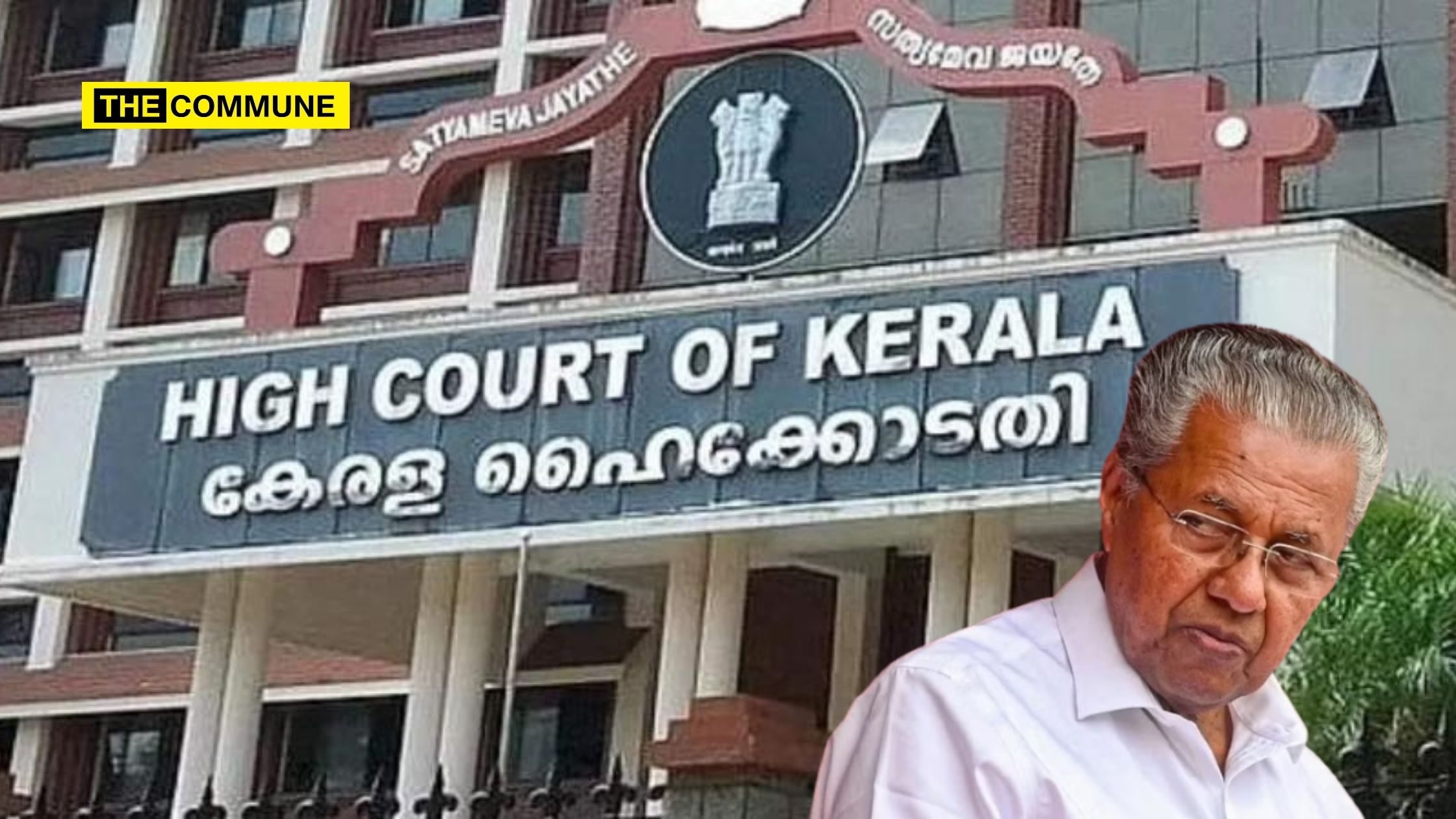
Kerala High Court Quashes Case Against Govt Employee For ‘Sarcastic Comment’ On CM Vijayan

Kerala High Court Quashes Case Against Govt Employee For ‘Sarcastic Comment’ On CM Vijayan

The Kerala High Court has quashed legal proceedings against a state government employee who made a “sarcastic comment” in a WhatsApp group about Chief Minister Pinarayi Vijayan’s appeal for government employees to donate a month’s salary to the 2018 flood relief fund.

The employee, a manager at the state-owned SupplyCo, had shared a post in the WhatsApp group of SupplyCo employees in Kasargod. The post included a picture of the Chief Minister’s appeal captioned, “Malayalees will happily donate their one-month salary, but you have to reduce the expenditure.”

The post further criticized certain government expenditures and remarked that the Chief Minister should lead by example before giving advice. The employee was charged under Sections 166 and 167 of the Indian Penal Code (IPC) for allegedly disobeying the law and preparing an incorrect document.

He approached the High Court seeking to quash the case. In its judgment, the Court said, “It is also pertinent to note that the comment posted by the petitioner quoting the appeal of the Chief Minister to donate one month’s salary to the Flood Relief Fund, is not one exhorting others to refrain from contributing their monthly salary as requested by the Chief Minister. On the other hand, the opening words of that comment itself show that the people of Kerala would wholeheartedly give their monthly salary for the land, but there shall be austerity measures on the part of the Government to reduce the expenditure. Thus, it is not possible to say that a person reading the comment would be motivated to avoid payment of his monthly salary to the Flood Relief Fund. In that view of the matter, it cannot be said that the act of the petitioner making the above post in the WhatsApp group of the employees of SupplyCo in Kasaragod, was intended to cause injury to any of the beneficiaries of the Flood Relief Scheme.”

The Court ruled that the charges under Section 166 IPC, which pertains to a public servant disobeying the law with intent to cause harm, were not applicable. The Court clarified that the term “person” under the IPC does not extend to the government. Similarly, it found that Section 167 IPC, related to preparing an incorrect document with intent to cause injury, was also not applicable in the case. “The facts and circumstances of this case are in no way related to the preparation or translation of any document or electronic record as part of the petitioner’s official duty, in a manner intended to cause harm to any individual,” the Court stated. “It has to be stated that the offense under Sections 166 and 167 the IPC is prima facie not attracted in the facts and circumstances of this case,” the court added and quashed the proceedings against the employee.

–IANS

Subscribe to our channels on TelegramWhatsApp, and Instagram and get the best stories of the day delivered to you personally.
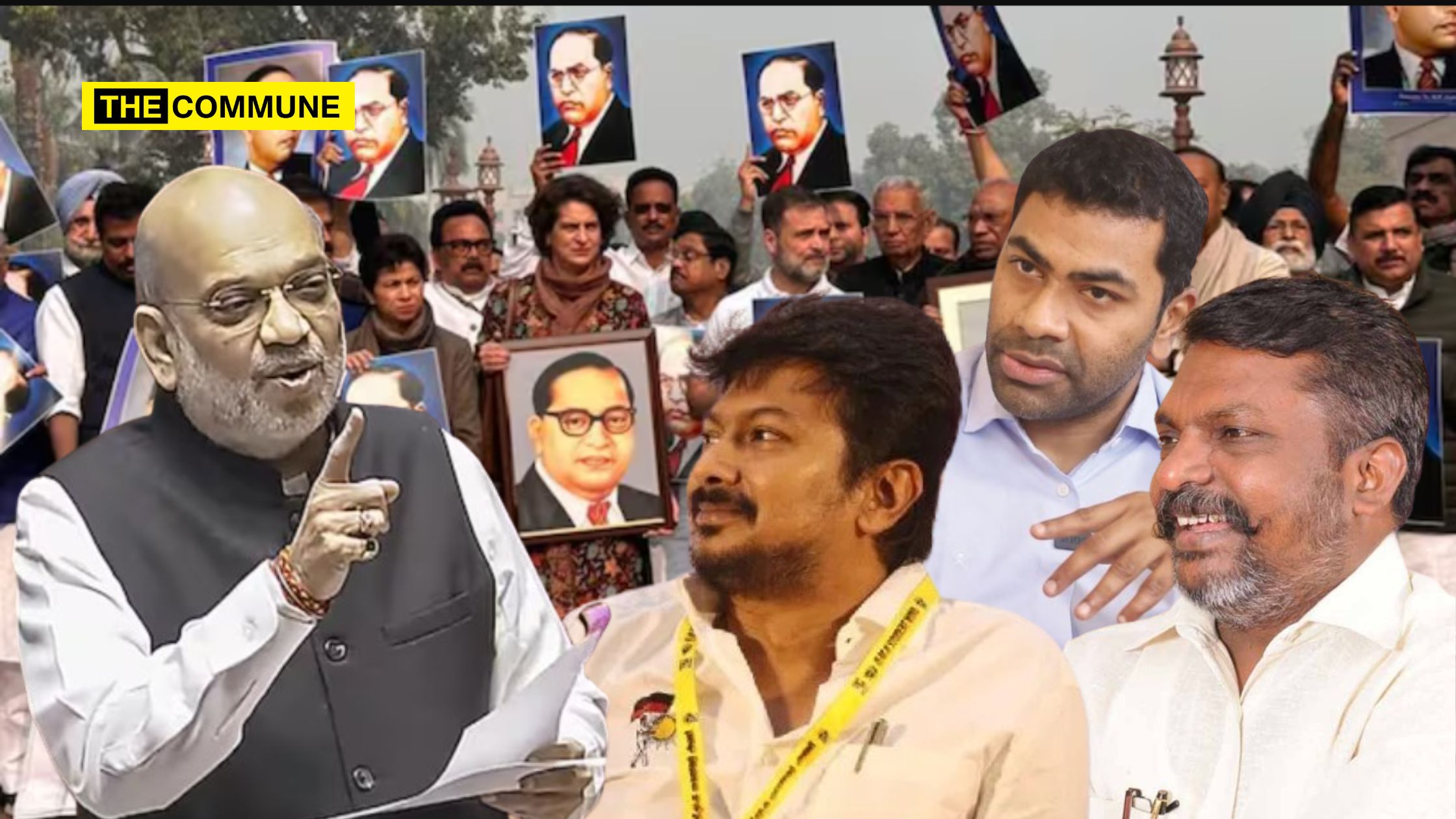
DMK Scion Udhayanidhi Stalin, VCK Chief Thirumavalan, Expelled VCK Dy. Gen Sec. Aadhav Arjuna Peddle False Claims About Home Minister Amit Shah’s Comments On Dr. Ambedkar

DMK Scion Udhayanidhi Stalin, VCK Chief Thirumavalan, Expelled VCK Dy. Gen Sec. Aadhav Arjuna Peddle False Claims About Home Minister Amit Shah's Comments On Dr. Ambedkar

Following the Congress and its allies at the centre, who have been spreading a narrative accusing the BJP of being “anti-Ambedkar” and “anti-Dalit,” the DMK and Dravidianist ecosystem have jumped on the bandwagon, falsely claiming that Union Home Minister Amit Shah insulted Dr BR Ambedkar in his Rajya Sabha speech on December 17, 2024. However, when viewed in full context, Shah’s remarks aimed to criticise the Congress, not disrespecting Ambedkar. Despite this, the narrative was manipulated through selective video clipping and further propagated by political leaders like Udhayanidhi Stalin and others in the DMK ecosystem.

However, when viewed in full context, Amit Shah was not disrespecting the father of the Constitution, Ambedkar, but rather criticizing the Congress party. Despite this, the Congress and DMK ecosystem pushed a narrative by selectively clipping a 12-second segment of Shah’s speech, falsely claiming he spoke against Ambedkar.

After Congress and its allies peddled the narrative, the Dravidian ecosystem, grappling with administrative failures, seized the opportunity and further propagated it in the state.

In this regard, DMK scion and Deputy Chief Minister of Tamil Nadu Udhayanidhi Stalin said, “We strongly condemn the slanderous statement made by Union Home Minister Amit Shah, “No matter what, they say Ambedkar.. Ambedkar…” Instead of working as a tourist guide to find out where to go, Amit Shah should first properly take care of his responsibilities as Home Minister. If the fascists who are roaming around with a determination, thinking that they can somehow destroy the Constitution given by Ambedkar and gets irritated just by hearing Ambedkar’s name, then let us raise our voices, say his name a hundred more times! Long live Ambedkar! May Ambedkar’s fame rise!”

VCK chief Thirumavalavan stated, “How can Savarkar’s descendants tolerate the fact that the entire country is talking about revolutionary Ambedkar? #AmitShah has revealed how much they are fed up. He has torn off his own veil. This is the true face of the Sangh Parivar. The Constitution and revolutionary Ambedkar are their real enemies. This is what the Viduthalai Chiruthaigal has been continuously exposing. All the praise given by the Sangh Parivar to the revolutionary Ambedkar is a great act of deceiving the common people. The revolutionary Ambedkar takes the form of ‘universal form’ (Vishwaroopam). The conspiracy attempts of the Sanadhanis will be in ashes!”

Expelled VCK General Secretary Aadhav Arjun stated, “Union Home Minister Amit Shah, who came to power according to the Constitution of India, said, ‘Just saying Ambedkar, Ambedkar will not get you to heaven. It is condemnable that he said in Parliament that it has become fashionable to say ‘Ambedkar’. The Constitution brought by that Ambedkar is the reason why many sons of poor mothers, including the Prime Minister and the Home Minister, have achieved political power. That is what has led to widespread political rights for everyone today. Let those who go to heaven in the name of God shall go. But, let us go to the Legislative Assembly and Parliament on the path laid down by the revolutionary Ambedkar, travel on the legal path shown by the political system to win power for the people and create a government and an egalitarian society for all. Therefore, we say loudly, Long live the revolutionary Ambedkar!”

But contrary to the misleading claims propagated by the DMK and its ecosystem, Home Minister Amit Shah did not insult Dr. Ambedkar. Instead, he launched a fierce criticism of the Congress party, accusing it of treating the Constitution as its “private property.

During the debate on the “Glorious Journey of 75 Years of the Constitution of India,” Minister Shah remarked, “It has become a fashion to say Ambedkar, Ambedkar, Ambedkar, Ambedkar, Ambedkar, Ambedkar. If they had invoked God’s name that many times, they would have earned a place in heaven.”

Shah expressed that while the BJP welcomed the Congress’s acknowledgment of Dr. Ambedkar, the party should also express its genuine feelings towards him. He pointed out that Ambedkar had resigned from the first Cabinet due to disagreements with the Congress-led government’s policies, including its stance on Article 370. Shah further accused Congress of making several amendments to the Constitution for its own benefit, citing how Prime Minister Jawaharlal Nehru had enacted the first constitutional amendment before the country’s first elections, which “limited freedom of expression.” “You treat the Congress like your family’s property, and now you treat the Constitution the same way,” Shah stated.

The Minister also criticized the Congress and opposition for blaming the Electronic Voting Machines (EVMs) after electoral defeats. He attacked Congress for its appeasement politics, accusing the party of attempting to break the 50% limit on quotas to extend reservations to the Muslim community.

Subscribe to our channels on Telegram, WhatsApp, and Instagram and get the best stories of the day delivered to you personally.
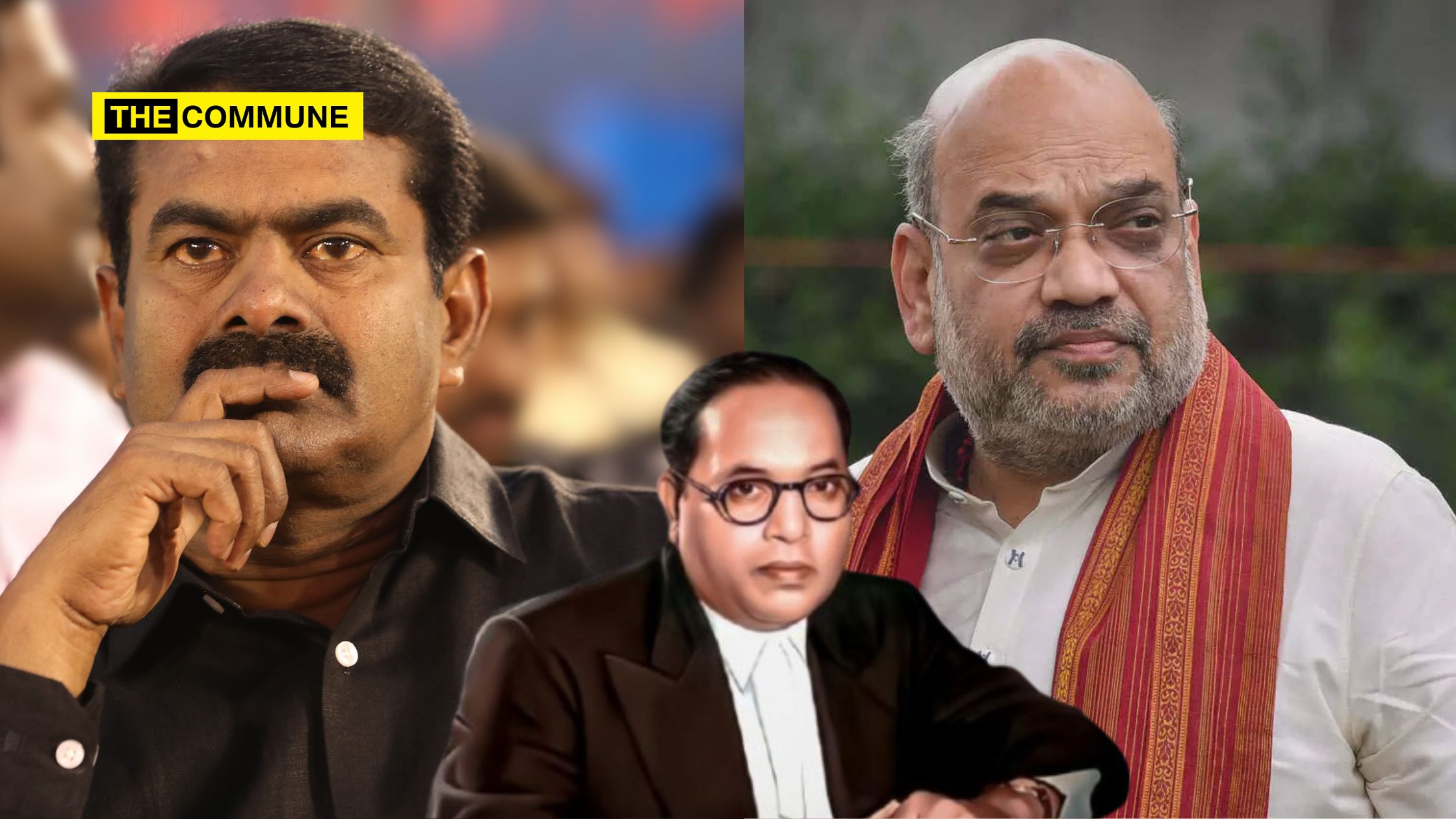
NTK Chief Seeman Peddles False Propaganda On Home Minister Amit Shah’s Comments On Dr. Ambedkar

NTK Chief Seeman Peddles False Propaganda On Home Minister Amit Shah’s Comments On Dr. Ambedkar

The Congress seems to have mobilised non-BJP allies, like NTK and TVK, to speak up on their edited clip, which showed only a portion of what Union Home Minister Amit Shah said about Dr BR Ambedkar today in Parliament. This misleading attack stems from an edited 12-second clip of Shah’s Rajya Sabha speech on 17 December 2024. However, the full context of his remarks reveals that Shah was criticizing Congress for manipulating the Constitution, not disrespecting Ambedkar.

After Tamilaga Vettri Kazhagam chief Vijay peddled false claims, it was the turn of Naam Tamilar Katchi chief Seeman to join the bandwagon.

Taking to his X handle, he wrote, “”Slogans like ‘Ambedkar! Ambedkar’ have become ‘fashionable’ now. Instead, chanting the name of God will at least secure a place in heaven.” Says the Honorable Union Home Minister Amit Shah. How can we believe that a God who does not give us food while we are alive will give us heaven after we die? Does heaven exist? No one knows. But if we say the name of the wise Ambedkar, we can turn the living earth into heaven. That is what the great Ambedkar lived and guided for. “I strive to create a beautiful and fulfilling life not in heaven but on the earth we live on,” said our grandfather Jeevanandam, the father of the philosophy of communism. Just as he taught us how to live in such a heaven, Ambedkar also tried to make his people live on the earth they live on. “You, who always chanted the name of God, were the ones who lost in Ayodhya. The one who chanted the name of Ambedkar won there. Now tell me, whose name are we to chant?”

What Congress Did

On 17 December 2024, Congress’s official social media account shared a 12-second clip of Amit Shah’s address during a two-day discussion in the Rajya Sabha marking 75 years of the Constitution. The clip included Shah saying, Now it has become a fashion- Ambedkar, Ambedkar, Ambedkar, Ambedkar, Ambedkar, Ambedkar… If you take the name of God this much, you would attain heaven for seven lives.” Amit Shah has said something very disgusting. This shows that the BJP and RSS leaders have a lot of hatred for Baba Saheb Ambedkar. The hatred is such that they are even irritated by his name. These are the same people whose ancestors used to burn the effigies of Baba Saheb, who themselves used to talk about changing the constitution given by Baba Saheb. When the public taught them a lesson, now they have become irritated with those who take the name of Baba Saheb. Shameful! Amit Shah should apologize to the country for this.”

What Amit Shah Actually Said

During the debate on the Glorious Journey of 75 Years of the Constitution of India,” Minister Shah remarked, “It has become a fashion to say Ambedkar, Ambedkar, Ambedkar, Ambedkar, Ambedkar, Ambedkar. If they had invoked God’s name that many times, they would have earned a place in heaven.”

Shah expressed that while the BJP welcomed the Congress’s acknowledgment of Dr. Ambedkar, the party should also express its genuine feelings towards him. He pointed out that Ambedkar had resigned from the first Cabinet due to disagreements with the Congress-led government’s policies, including its stance on Article 370. Shah further accused Congress of making several amendments to the Constitution for its own benefit, citing how Prime Minister Jawaharlal Nehru had enacted the first constitutional amendment before the country’s first elections, which “limited freedom of expression.” “You treat the Congress like your family’s property, and now you treat the Constitution the same way, Shah stated.

Contrary to the false accusations from Congress and other political party leaders, Amit Shah did not insult Dr. Ambedkar. Instead, he highlighted how Congress has manipulated the Constitution to serve its own political interests.

Subscribe to our channels on TelegramWhatsApp, and Instagram and get the best stories of the day delivered to you personally.
Part-Time Work-From-Home Politician TVK Chief Vijay Brazenly Peddles False Claims About Home Minister Amit Shah’s Comments On Dr. Ambedkar

Part-Time Work-From-Home Politician TVK Chief Vijay Brazenly Peddles False Claims About Home Minister Amit Shah's Comments On Dr. Ambedkar

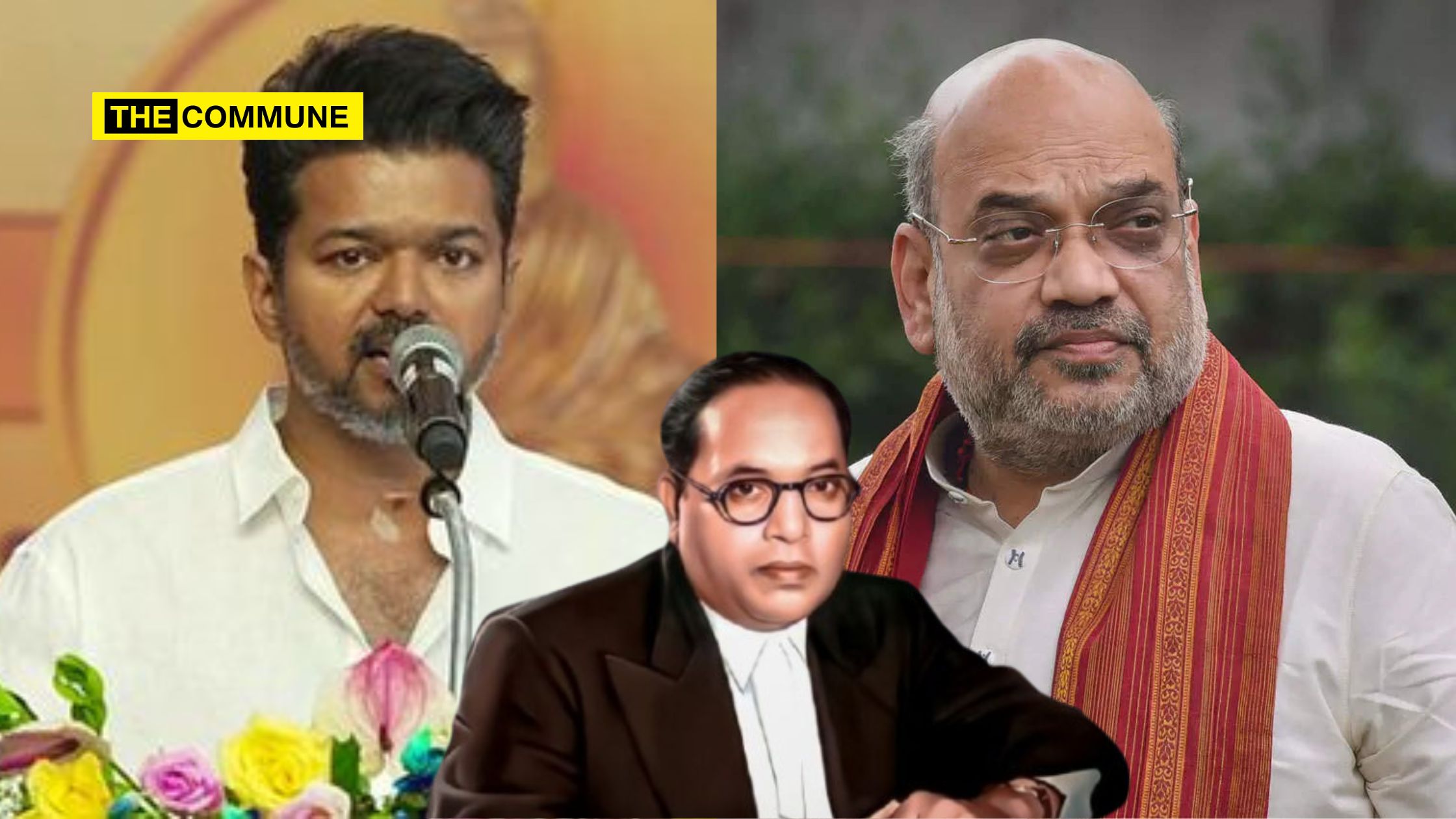
Tamil actor and Tamilaga Vettri Kazhagam (TVK) chief Vijay joined the growing chorus of accusations against Union Home Minister Amit Shah, accusing him of insulting Dr BR Ambedkar. Vijay’s condemnation comes after Congress shared an edited video of Shah’s remarks in Parliament, where he allegedly disrespects Ambedkar.

However, when considering the whole context, Shah’s comments directly criticised Congress, not an attack on Ambedkar. During the debate on the 75th anniversary of the Constitution, Shah accused Congress of manipulating the Constitution for its political benefit and highlighted Ambedkar’s historical disagreements with the party. Despite the context, Congress and its allies continue propagating a distorted narrative.

Congress’s Doctored Video

Yet another time, the Congress has ensured a narrative is set to send the ruling Bharatiya Janata Party on the backfoot. Just like how they peddled the edited video of Union Home Minister Amit Shah allegedly saying BJP will remove reservation, this time the Congress shared an edited video of HM Amit Shah speaking in Parliament.

Congress leaders and their allies’ efforts to portray Amit Shah and the BJP as ‘anti-Ambedkar,’ ‘anti-Constitution,’ or ‘anti-Dalit’ crumble when the full context of Shah’s statement is considered.

On 17 December 2024, Congress’s official social media account shared a 12-second clip of Amit Shah’s address during a two-day discussion in the Rajya Sabha marking 75 years of the Constitution. The clip included Shah saying, Now it has become a fashion- Ambedkar, Ambedkar, Ambedkar, Ambedkar, Ambedkar, Ambedkar… If you take the name of God this much, you would attain heaven for seven lives.Amit Shah has said something very disgusting. This shows that the BJP and RSS leaders have a lot of hatred for Baba Saheb Ambedkar. The hatred is such that they are even irritated by his name. These are the same people whose ancestors used to burn the effigies of Baba Saheb, who themselves used to talk about changing the constitution given by Baba Saheb. When the public taught them a lesson, now they have become irritated with those who take the name of Baba Saheb. Shameful! Amit Shah should apologize to the country for this.”

Vijay Joins The Congress Bandwagon

After the Congress and other political party leaders peddled the narrative, joining the bandwagon is Tamilaga Vettri Kazhagam leader, actor Vijay.

Taking to his official X account, he wrote, Some people may be allergic to the name Ambedkar. He was an incomparable political and intellectual figure who was held in high esteem by all the people of India who breathed the air of freedom. Ambedkar Ambedkar Ambedkar His name May the heart and lips rejoice. Let’s keep pronouncing it. We can never allow insults to our political leader. On behalf of the Tamil Nadu Victory Party, I strongly condemn the Union Home Minister for insulting the Prime Minister.”

During the debate on the Glorious Journey of 75 Years of the Constitution of India,Minister Shah remarked,It has become a fashion to say Ambedkar, Ambedkar, Ambedkar, Ambedkar, Ambedkar, Ambedkar. If they had invoked God’s name that many times, they would have earned a place in heaven.”

Shah expressed that while the BJP welcomed the Congress’s acknowledgment of Dr. Ambedkar, the party should also express its genuine feelings towards him. He pointed out that Ambedkar had resigned from the first Cabinet due to disagreements with the Congress-led government’s policies, including its stance on Article 370. Shah further accused Congress of making several amendments to the Constitution for its own benefit, citing how Prime Minister Jawaharlal Nehru had enacted the first constitutional amendment before the country’s first elections, whichlimited freedom of expression.” “You treat the Congress like your family’s property, and now you treat the Constitution the same way, Shah stated.

Contrary to the false accusations from Congress and other political party leaders, Amit Shah did not insult Dr. Ambedkar. Instead, he highlighted how Congress has manipulated the Constitution to serve its own political interests.

Subscribe to our channels on TelegramWhatsApp, and Instagram and get the best stories of the day delivered to you personally.
“Clip Katua Congress”: Congress Shares Edited Clip Of Amit Shah To Peddle Propaganda

"Clip Katua Congress": Congress Shares Edited Clip Of Amit Shah To Peddle Propaganda

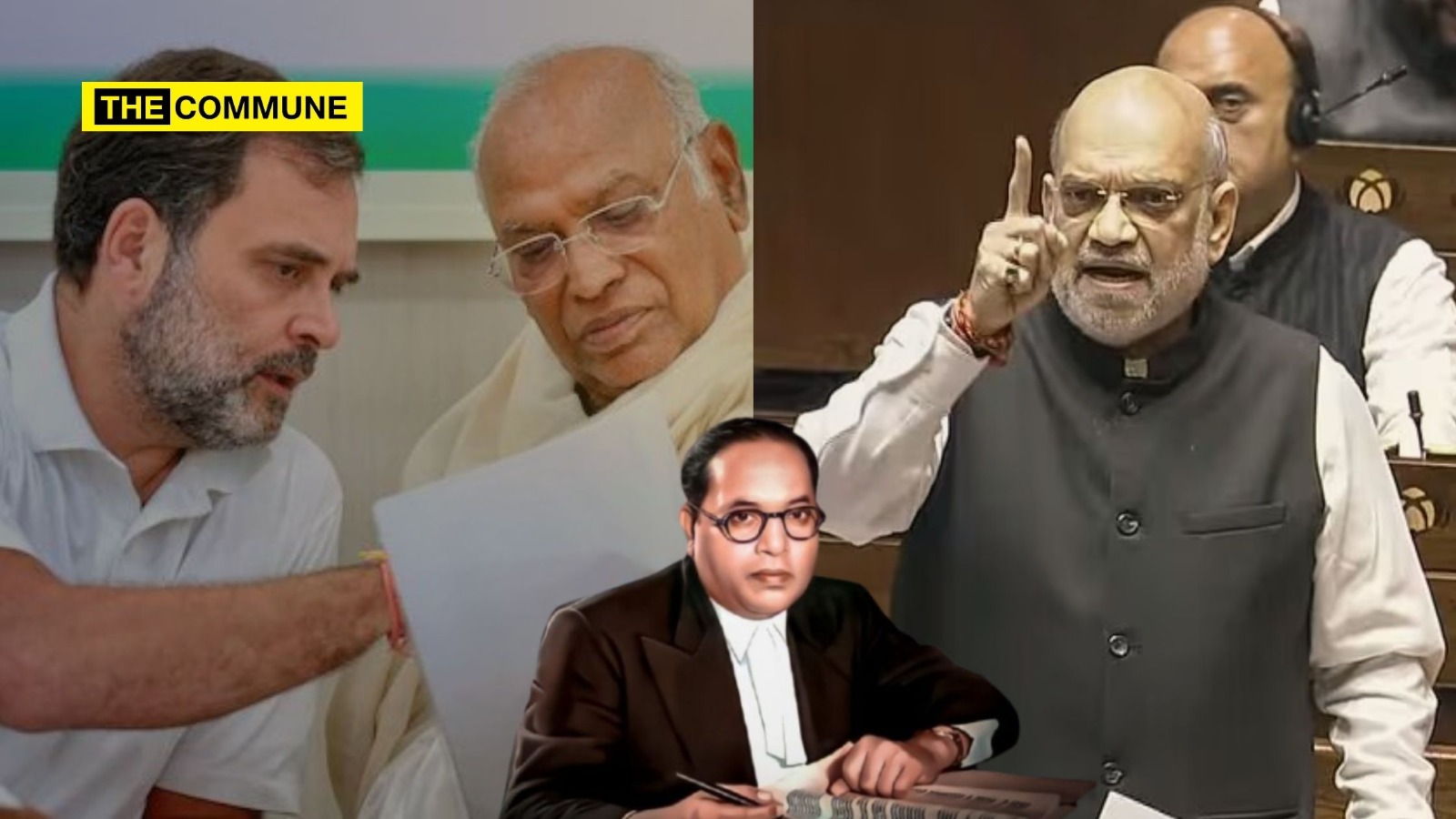
The Congress party, along with its parliamentary allies, has launched a new narrative in the House, accusing Union Home Minister Amit Shah of allegedly insulting Dr BR Ambedkar in his Rajya Sabha speech on 17 December 2024. In the latest chapter of deep spins the party has woven a web of falsehoods, claiming that Shah’s comments disrespected Ambedkar.

While the Congress is known for spreading misinformation about its political opponents, this latest claim seems more about the party’s desperate attempt to score cheap political points against the BJP, rather than a genuine concern for Ambedkar’s legacy. It highlights the Congress’s tendency to create fabricated stories when reality doesn’t align with their political goals. The effort by Congress leaders and their allies to portray Amit Shah and the BJP as ‘anti-Ambedkar,’ ‘anti-Constitution,’ or ‘anti-Dalit’ crumbles when the full context of Shah’s statement is considered.

On 17 December 2024, Congress’s official social media account shared a 12-second clip of Amit Shah’s address during a two-day discussion in the Rajya Sabha marking 75 years of the Constitution. The clip included Shah saying, “Now it has become a fashion- Ambedkar, Ambedkar, Ambedkar, Ambedkar, Ambedkar, Ambedkar… If you take the name of God this much, you would attain heaven for seven lives.” Amit Shah has said something very disgusting. This shows that the BJP and RSS leaders have a lot of hatred for Baba Saheb Ambedkar. The hatred is such that they are even irritated by his name. These are the same people whose ancestors used to burn the effigies of Baba Saheb, who themselves used to talk about changing the constitution given by Baba Saheb. When the public taught them a lesson, now they have become irritated with those who take the name of Baba Saheb. Shameful! Amit Shah should apologize to the country for this.”

Following suit, Congress Scion Rahul Gandhi stated, “Those who believe in Manusmriti will definitely have problems with Ambedkar ji.”

Congress leader and MP Jairam Ramesh stated, “Now it has become a fashion- Ambedkar, Ambedkar, Ambedkar, Ambedkar, Ambedkar, Ambedkar… If you take the name of God this much, you will attain heaven for seven lives.” Amit Shah has said something very disgusting. This shows that the BJP and RSS leaders have a lot of hatred for Baba Saheb Ambedkar. The hatred is such that they are even irritated by his name. These are the same people whose ancestors used to burn the effigies of Baba Saheb, who themselves used to talk about changing the constitution given by Baba Saheb. When the public taught them a lesson, now they have become irritated with those who take the name of Baba Saheb. Shameful! Amit Shah should apologize to the country for this.”

Kerala Congress leader KC Venugopal took his criticism further stated, “HM @AmitShah, in case you didn’t know – Babasaheb Dr. Bhimrao Ambedkar is equivalent to God and the Constitution he drafted is a Holy Book for crores of people across the world. How dare you speak about Dr. Ambedkar with such disdain? The BJP’s disgust towards Dr. Babasaheb Ambedkar was always well known, and the Home Minister’s pathetic statements in the Rajya Sabha today further confirm how much they hate and detest Dr. Ambedkar. The worshippers of Manusmriti will always have scorn towards Dr Ambedkar, who rejected the horrible ideas espoused by the casteist RSS and their Manusmriti. Those who spoke of changing the Constitution if they won 400+ seats, are now openly mocking our country’s reverence for Dr. Ambedkar. Those who pretended to bow before him could not hide their true feelings for too long, and this dangerous statement from the BJP top brass shows they have lost the right to speak about Dr. Ambedkar ever again.”

Despite the original context being clarified on 17 December, the opposition’s attempt to label the BJP as ‘anti-Ambedkar’ or ‘anti-Dalit’ persisted. The Communist Party of India (Marxist) and West Bengal Chief Minister Mamata Banerjee continued to promote their narrative, disregarding the fact that it was being debunked and criticized.

On 18 December 2024, the Communist Party of India (Marxist) stated, “#AmitShah’s insensitive remarks insulting Babasaheb #Ambedkar, have once again revealed the casteist, #Manuwadi mindset of the BJP-RSS.”

TMC chief and West Bengal chief minister Mamata Banerjee said, “The mask has fallen! As Parliament reflects on 75 glorious years of the Constitution, HM @AmitShah chose to TARNISH this occasion with DEROGATORY remarks against Dr. Babasaheb Ambedkar, that too in the temple of Democracy. This is a display of BJP’s CASTEIST and ANTI-DALIT mindset. If this is how they behave after being reduced to 240 seats, imagine the damage they would’ve inflicted if their dream of 400 seats had been realised. They’d have rewritten history to entirely erase Dr. Ambedkar’s contributions. HM Amit Shah’s remarks are an insult to the millions who look up to Babasaheb for guidance and inspiration. But what else can you expect from a party that has internalised HATE and BIGOTRY? Dr. Babasaheb Ambedkar is the Father of the Constitution, this outrageous remark is not only an outright attack on him but all members of the Drafting Committee of the Constitution, which symbolised India’s unity in diversity with members from all castes, creeds, ethnicities, and religions.”

Contrary to the misleading claims spread by the Congress ecosystem, Home Minister Amit Shah did not insult Dr. Ambedkar. Instead, he launched a fierce criticism of the Congress party, accusing it of treating the Constitution as its “private property.

During the debate on the “Glorious Journey of 75 Years of the Constitution of India,” Minister Shah remarked, “It has become a fashion to say Ambedkar, Ambedkar, Ambedkar, Ambedkar, Ambedkar, Ambedkar. If they had invoked God’s name that many times, they would have earned a place in heaven.”

Shah expressed that while the BJP welcomed the Congress’s acknowledgment of Dr. Ambedkar, the party should also express its genuine feelings towards him. He pointed out that Ambedkar had resigned from the first Cabinet due to disagreements with the Congress-led government’s policies, including its stance on Article 370. Shah further accused Congress of making several amendments to the Constitution for its own benefit, citing how Prime Minister Jawaharlal Nehru had enacted the first constitutional amendment before the country’s first elections, which “limited freedom of expression.” “You treat the Congress like your family’s property, and now you treat the Constitution the same way,” Shah stated.

The Minister also criticized the Congress and opposition for blaming the Electronic Voting Machines (EVMs) after electoral defeats. He attacked Congress for its appeasement politics, accusing the party of attempting to break the 50% limit on quotas to extend reservations to the Muslim community.

Contrary to the false accusations from Congress, Amit Shah did not insult Dr. Ambedkar. Instead, he highlighted how Congress has manipulated the Constitution to serve its own political interests.

Subscribe to our channels on TelegramWhatsApp, and Instagram and get the best stories of the day delivered to you personally.
Two Electricians Die Of Electrocution During Scheduled Maintenance In Trichy, Netizens Slam TANGEDCO Which Had Glorified Men Working Without Safety Measures

Two Electricians Die Of Electrocution During Scheduled Maintenance In Trichy, Netizens Slam TANGEDCO Which Had Glorified Men Working Without Safety Measures

Netizens are criticizing the Tamil Nadu Electricity Board (TNEB) and TANGEDCO following the tragic deaths of two contract electricians due to electrocution during a scheduled maintenance in Trichy.

Kalamani and Manickam, both working as contract electricians at the KK Nagar power station, were involved in the maintenance work on the Olaiyur Ring Road. Kalamani climbed a high-voltage electricity transmission tower for the maintenance, where he was electrocuted on the spot. Manickam, who was assisting him on the ground by holding the earth wire, was also electrocuted. He was rushed to the hospital but was declared dead upon arrival at the Trichy government hospital.

Despite claims by the electricity department that power had been shut off for the scheduled maintenance, this incident still occurred. A viral video of Kalamani being electrocuted on the tower has sparked outrage, with netizens criticizing TANGEDCO. The department had previously shared a video showcasing an electricity worker walking on live wires to trim tree branches, calling it an example of “dedication,” further fueling the backlash.


On 14 December 2024, TANGEDCO via its official X account stated, “The height of dedication to duty! The power outage that occurred in the Mukudal Express electrification station, which supplies river water to the electrification stations due to the floods that occurred in the Mukudal area of ​​Kallidaikurichi Kottam, Tirunelveli on 12.12.24 & 13.12.24, has been repaired.” The video quickly went viral, with many netizens criticizing their social media department.

Subscribe to our channels on TelegramWhatsApp, and Instagram and get the best stories of the day delivered to you personally.

Centre Pays ₹4,820 Crore To 2.75 Lakh Farmers For Pulses Under MSP Scheme

Centre Pays ₹4,820 Crore To 2.75 Lakh Farmers For Pulses Under MSP Scheme

The Centre, during the 2023-24 rabi season, has procured 6.41 lakh metric tonnes of pulses at an MSP value of ₹4,820 crore which has benefited 2.75 lakh farmers, according to a statement issued by the Ministry of Agriculture & Farmers Welfare on Wednesday.

The procurement to support the farmers included 2.49 lakh metric tonnes (LMT) of masoor, 43,000 MT of chana, and 3.48 LMT of moong. Similarly, 12.19 LMT of oilseeds of ₹6,900 crore of MSP value were procured from 5.29 lakh farmers.

During the start of the ongoing Kharif season, market prices of soyabean were ruling much below MSP prices, leading to great hardship to farmers. With the intervention of the Centre under the PSS scheme (a component of PM AASHA), 5.62 lakh LMT of soyabean has been procured at an MSP value of ₹ 2,700 crore, as of December 11 this year which has benefited 2.42 lakh farmers.

This is also the highest quantity of soyabean ever procured, the statement said. The procurement data since 2018-19, shows that around 195.39 LMT of pulses, oilseeds, and copra have been procured at an MSP value of ₹10.74 lakh crore benefiting 99.3 lakh farmers under the Centre’s Pradhan Mantri Annadata Aay SanraksHan Abhiyan” (PM-AASHA) scheme.

The government is also promoting a Price Deficiency Payment Scheme (PDPS) as an option for oilseeds. This scheme aims at ensuring remunerative prices to the producers of oilseeds whose MSPs are notified by the Centre.

The PDPS envisages the direct payment of the price difference between the MSP and the selling price in notified markets up to 15 per cent of MSP value by the Central government to the pre-registered farmers selling the oilseeds, the official statement said. Another important component of PM AASHA is the Market Intervention Scheme (MIS) meant for perishable agricultural commodities such as tomato, onion and potato, known as TOP crops not covered under MSP.

This scheme will immensely benefit the farmers growing these price-sensitive crops and consumers. The scheme is implemented at the request of the state/UT government when there is a reduction of prices in the market by at least 10 per cent over the rates of the previous normal season in the states/UTs, the statement said.

Under MIS, in place of physical procurement, states may have an option to make a differential payment between the market intervention price and selling price, subject to coverage of 25 per cent of the production of crops and a maximum price difference up to 25 per cent of MIP.

Further, in the case of TOP crops, where there is a price difference between the production and consuming states, in the interest of the farmers, the operational costs incurred by Central nodal agencies (CNAs) like NAFED and NCCF in storing and transporting crops from producing states to other consuming states will be reimbursed by the government, the statement said.

Moreover, there is a price disparity in these crops – prices are very low in producing states in contrast to very high prices in consuming states. This scheme will therefore play a critical role in bridging the price gap and countering the effect of price volatility, the statement added.

–IANS

Subscribe to our channels on TelegramWhatsApp, and Instagram and get the best stories of the day delivered to you personally.