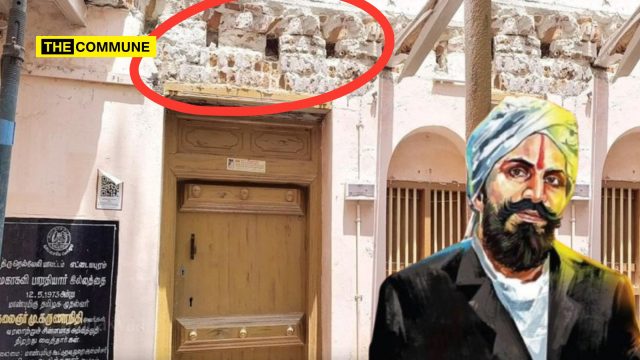
Three months have passed since the roof above the first-floor verandah of Mahakavi Bharathiyar’s home in Ettayapuram collapsed, yet restoration work has still not commenced. This delay has sparked public outcry, with residents and activists urging the government to commence restoration work without further delay.
In March 2025, K. Annamalai, who was then the President of the Tamil Nadu BJP, strongly criticized the ruling DMK government for its failure to properly maintain Bharathiyar’s historic residence. On 25 March 2025, the roof over the verandah on the first floor of the house collapsed. Annamalai condemned the DMK for allocating vast sums for statues of figures with no ties to Tamil Nadu while neglecting the preservation of Bharathiyar’s birthplace—a symbol of Tamil heritage.
The incident occurred in the evening, when the roof of the traditional two-story structure, built in the Madras terrace style (known locally as Kattakuthu), gave way. Fortunately, no injuries were reported, as the caretaker and watchman were outside at the time.
Declared a memorial by the Tamil Nadu government in 1973, the house also features a photo gallery showcasing images and works of Bharathiyar. It is currently under the care of the state’s Public and Information Department.
Following the collapse, Annamalai took to his official X account to voice his concern. He recalled visiting the site during his En Mann En Makkal yatra on 12 August 2023, describing the experience as spiritually moving. He criticized the DMK government for allowing such an important cultural site to fall into disrepair, reiterating his frustration over government priorities.
தூத்துக்குடி மாவட்டம் எட்டயபுரத்தில், மகாகவி பாரதியார் பிறந்த வீடு, முறையான பராமரிப்பு இல்லாமல் இடிந்திருக்கிறது. கடந்த 2023 ஆம் ஆண்டு ஆகஸ்ட் மாதம் 12 அன்று, என் மண் என் மக்கள் பயணத்தின்போது, மகாகவி பிறந்த இல்லத்தைத் தரிசிக்கும் பாக்கியம் எனக்குக் கிடைத்தது. மகாகவியின் புரட்சி… pic.twitter.com/pdzsUsRo58
Even after three months have passed since the incident, no progress has been made toward restoration. As a result, local residents and activists continue to press the government to initiate renovation work immediately.
Subscribe to our channels on Telegram, WhatsApp, and Instagram and get the best stories of the day delivered to you personally.
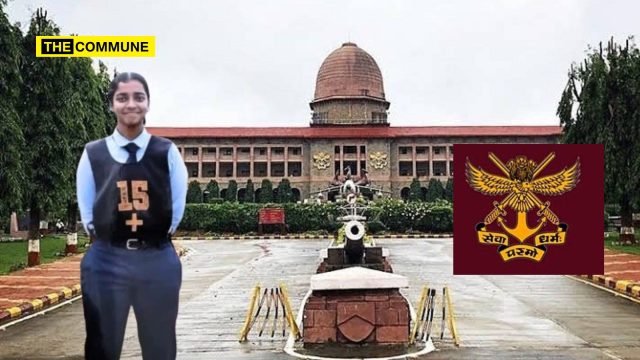
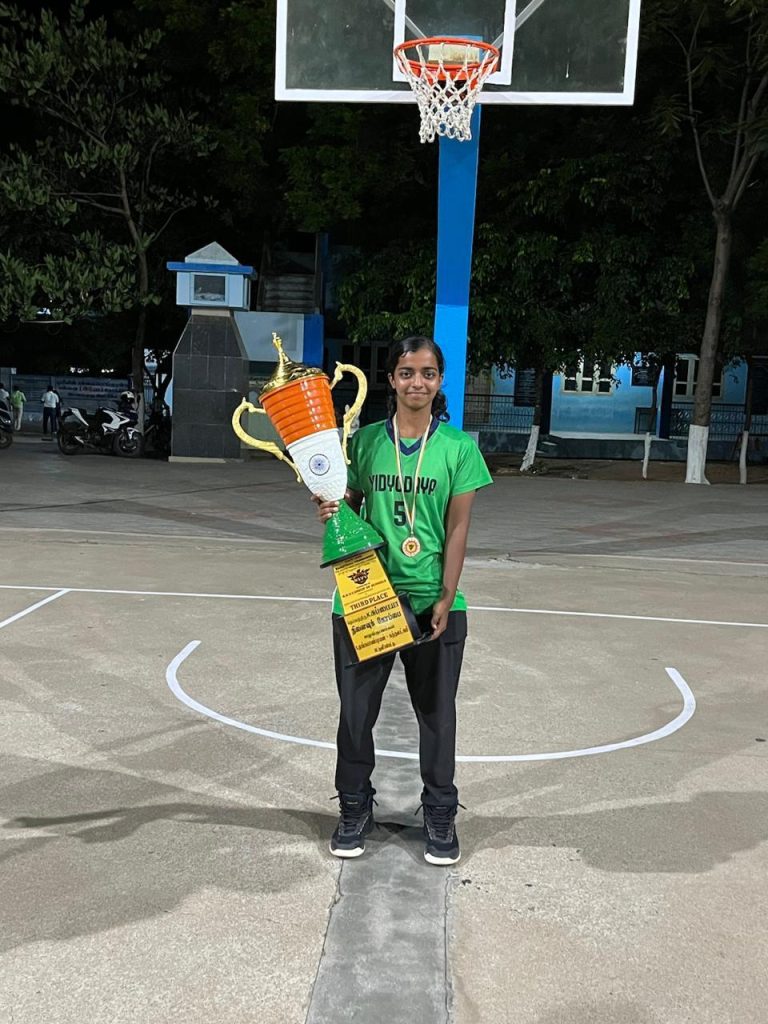
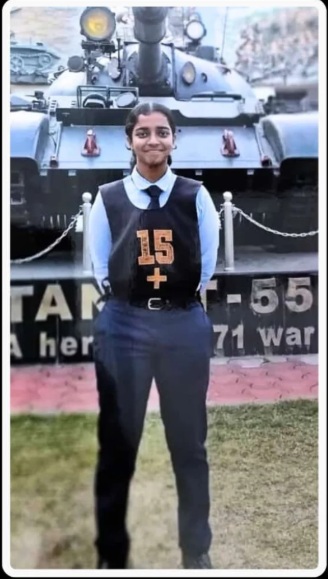
In a state where cinema and hero worship dominate popular culture, meet 18-year-old Harini Raghavendran from Chennai – a rising star with grit and ambition who has carved a unique path. She’s the first girl from Tamil Nadu to be selected for the National Defence Academy (NDA) after the armed forces opened up the opportunity to women three years ago. Selected in the first attempt, she also made it to the Indian Naval Academy (INA) simultaneously – a rare feat achieved by only a few. From representing Chennai in basketball to making it to the final NDA merit list out of 10 lakh applicants, Harini’s story is nothing short of inspiring.
Harini, tell us a bit about yourself.
Harini: I’m 18 years old, from Chennai. I completed my 12th grade in 2024 and wrote the NDA entrance exam. In January 2025, I got recommended from 33 SSB Bhopal, which also qualifies me for entry into the Indian Naval Academy.
Why did you choose the NDA route? It’s known for its rigorous training. You could have gone for engineering or medicine like most students.
Harini: Both my parents are in the IT field, but I didn’t want that life. That’s why I didn’t even consider engineering or medicine. I’ve always been physically active; I’m a basketball player and fitness has been a part of my life since childhood. NDA requires physical and mental preparation, and I felt drawn to that path.
What was your friends’ reaction when you told them about your NDA plans?
Harini: I didn’t tell them initially. I was still figuring things out after my 12th. Once I made the decision, I shared it with them. They didn’t know much about the NDA, so I explained everything. They were supportive once they understood.
You took a break year to prepare. That’s a big decision when most of your friends were already in college. How did you deal with that pressure?
Harini: I discussed it with my father. I had three chances to attempt the exam, in September, April last year, and April 2025. He said I could prepare full-time, but if I didn’t clear it in two attempts, I’d have to join college and continue preparing alongside.
How supportive was your mother during this phase?
Harini: My mother was extremely supportive. She did a lot of research for me about NDA, SSB, and other things. She helped me with studies and information. Her support made a huge difference.
What do you think helped you crack the exam in your first attempt?
Harini: I love studying, especially Math and Physics. But I wasn’t always disciplined. That changed from Class 10. Before that, I didn’t study regularly. Once I got into a daily routine, everything became easier. Consistency was key.
You mentioned you’re a basketball player. Did that help you during SSB and medicals?
Harini: Definitely. Basketball helped me build stamina and mental resilience. It also helped during the medicals; I cleared them in my first attempt. In fact, in my interview, 1/4th of the questions was about basketball. It really gave me an edge.
How early should someone start preparing for NDA, ideally?
Harini: Starting in 12th is not enough. Ideally, one should start from Class 10, it will also help if they studied for around 8 hours daily – not necessarily at a stretch.
Your generation is very into social media. How did you avoid distractions like Instagram?
Harini: Self-control is important. I’m not on any social media except WhatsApp. Yes, I lost touch with many friends, but that’s okay. My goal was more important.
What motivated you to join the armed forces?
Harini: Initially, I was interested in the merchant navy. Then my mom came across a video of Bhavani Shankar, who got recommended for NDA last year. That inspired her, and then me. I enrolled in the National Defence Institute, met new friends, and got further motivated by their stories.
What’s the selection process like for NDA?
Harini: Around 5 lakh students write the exam each year. About 8000 clear the written part and are called for SSB. Out of these, around 800 get recommended, but only 400 seats are available. Many get merit-out or medical-out. In my batch, 96 girls were recommended, but only 27 were selected.
NDA involves military training along with academics. How are you preparing mentally?
Harini: I’m excited! NDA is a prestigious academy, and though competition is high for girls, the struggle is worth it. To parents and students, don’t be afraid. If your child wants to go for it, support them.
What are your career goals after joining NDA?
Harini: First, I want to enter the academy and make the most of the 4 years of training. I want to join the Executive Branch of the Indian Navy, and I aim to become the best cadet I can be.
So Navy is your top preference?
Harini: Yes, always. It’s been my first choice from the beginning.
How long do you hope to serve in the armed forces?
Harini: If I get a Permanent Commission, it’s a 20-year tenure. But I’d love to serve for 26 years.
What would you say to parents hesitant to let their daughters pursue NDA/OTA?
Harini: There are many girls already succeeding in these academies. The girls selected are tough, intelligent, and inspiring. The NDA is one of the safest and most prestigious institutions. It offers immense knowledge and privileges.
Can you share 4 pieces of advice for NDA aspirants?
Harini:
Join only if you’re genuinely interested, don’t do it for show.
Self-discipline and self-motivation are essential.
Play a sport, it’ll help in ways you cannot imagine.
Prepare with a like-minded group of friends; it keeps things enjoyable.
How do you see the interest in defence careers in Tamil Nadu?
Harini: There’s a lot of interest here. Many are aiming for defence roles – through engineering or NDA. I only see that number increasing.
How did your parents support your journey?
Harini: First by allowing me to take a year off. Then by taking genuine interest in the process – be it watching videos or helping with preparation. That made me want to give my best and succeed.
Do you watch movies? Any favourite hero or idol?
Harini: I do watch movies, but I don’t have a favourite hero. I don’t idolise anyone, they’re just doing their jobs.
What helped you stay sane during the preparation phase?
Harini: I wasn’t on social media — not even Instagram. I think not creating an account is a great first step to staying focused. My hobbies helped too – crocheting, cross stitch, solving the Rubik’s cubes. I went to the gym with my dad and played basketball in my free time.
Who is your biggest inspiration?
Harini: I am my own inspiration. My parents inspire me too. But I believe people should give credit to themselves for showing up every day, being consistent, and staying disciplined. I take inspiration from those around me – not celebrities – because I find them relatable. I don’t work based on motivation. I just love what I do.
Finally, why do you say you are your own inspiration? Most people cite a tough phase or another person.
Harini: Because I believe in acknowledging my own efforts. I set small goals and work towards them. I’m not very emotional; I’m practical. I don’t dwell on the past, I just focus on what’s next.
Harini Raghavendran’s story is a reminder that passion, discipline, and inner clarity can go a long way. With her sights firmly set on the Indian Navy, she is not just a beacon of hope for aspiring defence candidates in Tamil Nadu but an emblem of India’s new generation of leaders.
Subscribe to our channels on Telegram, WhatsApp, and Instagram and get the best stories of the day delivered to you personally.
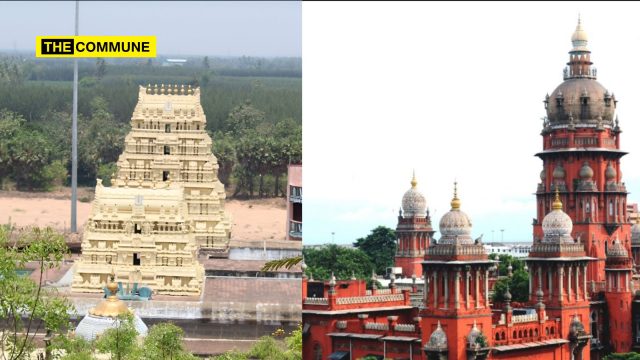
On 25 June 2025, the Madras High Court issued contempt notices to five senior IAS officers and two officials from the Hindu Religious and Charitable Endowments (HR&CE) Department for not complying with a 2024 court order concerning the relocation of a school operating on temple-owned land in Cuddalore district.
The order stems from a contempt petition filed by BJP functionary S. Vinoth Raghavendran, who serves as the State Secretary for the party’s Spiritual and Temple Development Wing. He alleged that despite a High Court directive more than a year ago, authorities have failed to move the St. Joseph Matriculation Higher Secondary School, which has been situated on land belonging to the Devanathaswamy Temple in Thiruvanthipuram, Cuddalore District for over five years.
A division bench consisting of Justice K.R. Sriram and Justice Sunder Mohan directed the following officials to appear before the court on 10 July 2025:
P. Amudha, Secretary, Revenue and Disaster Management
S. Madhumathi, Secretary, School Education
Dr. B. Chandramohan, Secretary, Tourism, Culture, and HR&CE
P.N. Sridhar, Commissioner, HR&CE
Sibi Adithia Senthilkumar, Collector, Cuddalore
Two unnamed Joint Commissioners from the HR&CE Department
According to the petition, although the court had, in April 2024, given the state a six-month extension to identify alternative land for the school to ensure minimal disruption to students, no meaningful action was taken. The petitioner emphasized that the land in question is reserved for religious purposes and must be preserved as part of the temple’s heritage.
The court criticized the continued inaction and delay by the state machinery, noting that the matter had been dragging on for more than five years. The issuance of contempt notices and the call for personal appearance underline the court’s seriousness in holding government officials accountable.
The upcoming hearing on 10 July is expected to be pivotal, as it may lead to further legal repercussions for the officials involved if the court finds continued non-compliance with its directive.
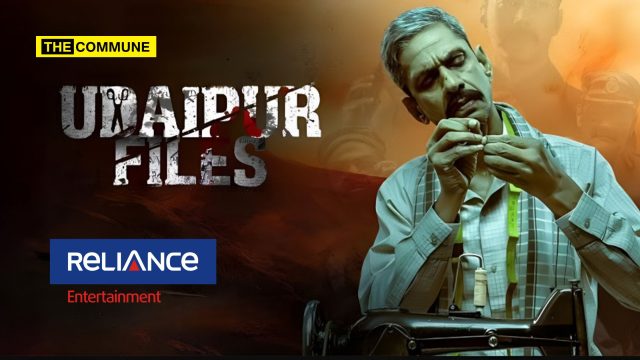
Reliance Entertainment has finally released the highly anticipated trailer of “UDAIPUR FILES – Kanhaiya Lal Tailor Murder”, a gripping film that delves into one of the most disturbing and emotionally charged real-life crimes in recent Indian history. Ever since the first look poster dropped in April 2025, audiences have been eagerly awaiting more details about the film, which recounts the brutal murder of Kanhaiya Lal, a tailor from Udaipur.
In an official update shared on X, Reliance Entertainment shared, “An untold story that shook the soul of the nation. “UDAIPUR FILES – Kanhaiya Lal Tailor Murder” is a hard-hitting film based on the horrifying real-life incident the brutal daylight murder of Kanhaiya Lal in Udaipur. This film dives deep into the events, the silence, the outrage, and the battle for justice. A powerful true-story narrative. A voice for the voiceless. BASED ON TRUE EVENTS Inspired by the real-life murder of Kanhaiya Lal Sahu in Udaipur.”
An untold story that shook the soul of the nation.
“UDAIPUR FILES – Kanhaiya Lal Tailor Murder” is a hard-hitting film based on the horrifying real-life incident the brutal daylight murder of Kanhaiya Lal in Udaipur. This film dives deep into the events, the silence, the… pic.twitter.com/8b0I62udDT
— Reliance Entertainment (@RelianceEnt) June 23, 2025
Scheduled for theatrical release on 11 July 2025, the film is directed by Bharat S. Shrinate and produced by Amit Jani. It’s not just a cinematic retelling, but a powerful attempt to shed light on a tragedy that deeply impacted the nation. With a cast that includes Vijay Raaz, Rajniesh Duggal, Preeti Jhangiani, and Kamlesh Sawant, Udaipur Files aims to be an emotional and intense portrayal of the aftermath of violence. The filmmakers describe the project as “a voice for the voiceless,” supported by a screenplay co-written by Jayant Sinha and Amit Jani. The story intends to portray the heartbreak, anger, confusion, and silence that followed the horrific 2022 incident.
A Crime That Shook the Nation: The Murder of Kanhaiya Lal
On 28 June 2022, Kanhaiya Lal Teli, a modest tailor from Udaipur’s Dhanmandi area, was killed in an unthinkably violent act that left the entire country stunned. Two men, Muhammad Riyaz Attari and Ghaus Muhammad, entered his shop under the guise of being customers and viciously attacked him with cleavers. The chilling murder, carried out in broad daylight, was filmed by the perpetrators and shared online as a self-proclaimed act of retribution.
The attack was allegedly in response to Kanhaiya Lal’s support for a social media post related to Nupur Sharma, a BJP spokesperson whose controversial comments about the Prophet Muhammad had earlier sparked nationwide unrest—later referred to as the 2022 Muhammad remarks controversy.
The attackers first subdued Kanhaiya Lal while he was taking a customer’s measurements. They dragged him out of the shop and attempted to behead him using a handmade dagger, leaving him with multiple fatal stab wounds. A shop assistant named Ishvar was seriously injured while trying to intervene, but other bystanders were reportedly too shocked to help. The killers fled the scene on a motorcycle after escaping on foot.
Shortly after the murder, the assailants posted a second video, boasting about the killing and issuing threats to Prime Minister Narendra Modi, further inflaming public outrage. The videos spread rapidly online, sparking national and international condemnation.
Global Reaction and Government Response
On 30 June 2022, the United Nations condemned the killing through spokesperson Stéphane Dujarric, who emphasized the need for religious tolerance and called for calm. The UN expressed concern about the incident’s potential to incite further unrest.
Back in India, tensions escalated quickly. Udaipur witnessed protests and shutdowns, with around 7,000 people joining a silent march to demand justice. The Rajasthan government imposed a 24-hour curfew, restricted internet access across the state, and enforced Section 144 of the CrPC to prevent large gatherings. Several police officers were suspended due to alleged lapses in preventing the crime, though they were later reinstated.
The case was handed over to the National Investigation Agency (NIA), India’s leading anti-terrorism force, which arrested the accused in the Rajsamand district on the same day. Investigations uncovered links between the attackers and Dawat-e-Islami, a religious group based in Pakistan. Ghaus Muhammad had reportedly attended training sessions with the organization in Karachi in 2014. A detailed chargesheet has since been filed, and the suspects remain in judicial custody at Ajmer Jail.
In response to the tragedy, the Rajasthan government announced ₹50 lakh compensation for Kanhaiya Lal’s family and government jobs for his sons. Kapil Mishra, a BJP leader, visited the family on 2 July 2022, and pledged ₹1 crore, along with ₹25 lakh for the injured assistant Ishvar, and ₹5 lakh for a police constable hurt during subsequent unrest.
With its release on the horizon, Udaipur Files is set to revive public memory of a harrowing chapter in modern Indian history. The filmmakers hope the movie will not just retell a crime but also encourage deeper reflection on the social, communal, and emotional wounds left behind.
Subscribe to our channels on Telegram, WhatsApp, and Instagram and get the best stories of the day delivered to you personally.
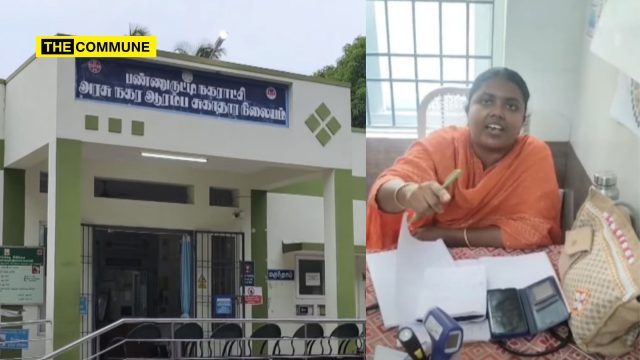
A video recently surfaced from the Panruti Government Primary Health Center in Cuddalore district, showing a heated exchange between a government doctor and the parent of a young patient. The doctor, who was on duty at the time, is seen speaking in a hostile tone and allegedly threatening to file a police case against the parent who was seeking answers regarding his child’s treatment.
According to reports, a fourth-grade student had received an injection at the health center after sustaining injuries from a fall. However, when the injection site later became swollen and infected, the child’s parents returned to the hospital to raise concerns. When they questioned the doctor about the reaction, she reportedly refused to provide a proper explanation and instead responded with threats, asserting that she could file a case and that the parent had no power to act against her.
The parent/relative of the child, who was recording the interaction, asked, “Madam, you can file a complaint. My child isn’t well, and I’m here to ask you a question because they’ve given injection and tablet in your hospital. If you ask, how can they put without asking me then how are you allow this in your hospital? We’ve been waiting for an hour. You arrive at 10 AM, and my child, who has school, has been waiting since 9 AM.”
In response, the doctor is heard saying in a dismissive tone, “There are doctors here spending two hours in the OT all with political influence and leave so just shut up and be quiet.”
The situation escalated further as the parent objected to the tone, saying, “you don’t need to use words like ‘shut up’ and ‘be quiet.’ Do you understand what you’re saying? A child waits to see you, and then you ask if we have any sense? You tell us to go complain wherever we want, and to anyone we want. Is this how you talk?”
The doctor allegedly replied, “There’s no need to talk to you. We can file a case for work obstruction under IPC.”
Undeterred, the parent responded, “Go ahead and file one against me. I’m standing here with your first token. What are you talking about? You’re using vulgar words. You tell me to sit in a chair, and see? Is this what you say in a hospital?”
The doctor then said, “You come and try working here.”
To which the parent replied, “Isn’t that why you’re here? You’re using disrespectful language, and talking rudely?”
The exchange ended with the doctor reportedly cursing the family saying, “You can create this kind of scene and post videos wherever you want, but God will take his course.”
The video has since drawn public criticism online, with many users calling for accountability and better patient care standards in government hospitals. Authorities have yet to release an official statement regarding the incident.
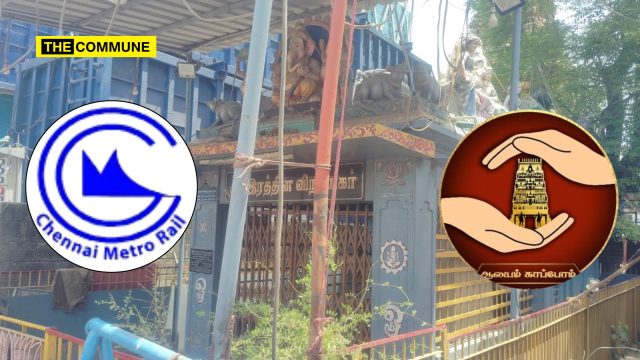
In a significant development, the Aalayam Kaappom Foundation has announced that the Sri Rathinavinayagar Temple will be rebuilt at its original location, following a decisive consultation meeting held on 25 June 2025. The Chennai Metro Rail Limited (CMRL) has officially issued a written assurance confirming this decision. Additionally, the traditional Balalayam ceremony—marking the temporary relocation of the deity will be conducted with the consent of devotees on 29 August 2025.
The announcement was made by Vijaynarayanan, Director of Aalayam Kaappom Foundation, after the final round of discussions took place at the Arulmigu Durgai Amman Temple premises. The meeting included representatives from the Devotee Community, HR&CE Department, CMRL, the Tamil Nadu Police, and the Foundation itself.
As part of the agreed plan, a temporary structure will be established at a location identified by CMRL to house the deity during the reconstruction. Construction responsibilities for both the interim and permanent structures will be handled by CMRL’s contractor, URC.
The Foundation extended deep gratitude to the HR&CE Department for its unwavering support and cooperation. Special appreciation was also directed toward the devotees, whose steadfast unity, faith, and dedication were key to reaching this positive outcome.
“This resolution stands as a testament to the strength of collective community action and divine grace,” the statement noted. “Through transparency, mutual respect, and shared commitment, we have taken a vital step in preserving our spiritual and cultural heritage.”
The statement read, “A final and decisive consultation meeting regarding the relocation and reconstruction of Sri Rathinavinayagar Temple was held today at the premises of Arulmigu Durgai Amman Temple. Participants in the meeting included representatives from the Devotees’ Community, Aalayam Kaappom Foundation, HR&CE Department, CMRL (Chennai Metro Rail Limited) officials, and senior officers from the Tamil Nadu Police Department.
CMRL has officially provided a written assurance confirming that Sri Rathinavinayagar Temple will be rebuilt at its original location Survey No. 327/1 & 327/2. The Balalayam ritual (temporary relocation of the deity) will be conducted with the consent of devotees on 29th August 2025.
A temporary temple structure will be erected at the site identified by CMRL for the interim period. The construction responsibility will be undertaken by CMRL’s contractor, URC.
We extend our sincere thanks to HR&CE officials for their steadfast support throughout this process. A heartfelt appreciation goes out to all the devotees whose faith, unity, and unwavering commitment played a crucial role in achieving this milestone. This development is a testament to divine grace and the power of collective community action. Through transparency, unity, and trust, we have together scripted a remarkable chapter in the preservation of our sacred heritage.”
ஆலயம் காப்போம் அமைப்பினரின் சட்ட நடவடிக்கை,கோயில் பக்தர்களுடன் இடைவிடாத முயற்சிக்கு வெற்றி. ஸ்ரீதுர்க்கையம்மன், ஸ்ரீரத்ன வினாயகர் திருவிளையாடல். ஸ்ரீரத்ன விநாயகர் மெட்ரோ பணிகளுக்குப்பின் முன்பிருந்த இடத்திலேயே ஆட்சி செய்வார். வரும் விநாயக சதுர்த்தியை விமரிசையாக கொண்டாடுவோம்! pic.twitter.com/YAzehVQ4Jw
— FreeHinduTemples / Aalayam_Kaappom/ ஆலயம்_காப்போம் (@AalayamKaappom) June 26, 2025
Subscribe to our channels on Telegram, WhatsApp, and Instagram and get the best stories of the day delivered to you personally.
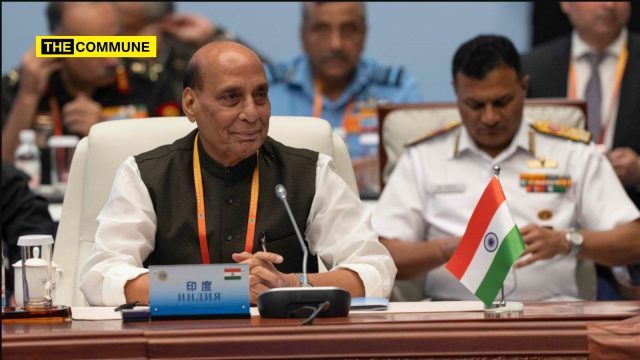
Hours after the Defence Ministers of the Shanghai Cooperation Organisation (SCO) failed to adopt a joint statement following their meeting in China’s Qingdao on 26 June, India said that it wanted concerns on terrorism reflected in the document, which was not acceptable to one particular country and therefore the statement was not adopted.
Defence Minister Rajnath Singh attended the meeting where he called for united global action against terrorism, radicalisation, and extremism, citing them as the biggest threats to regional peace and trust. “I understand that they (Defence Ministers) could not adopt a joint statement. I also understand that certain member countries could not reach consensus on certain issues and hence the document could not be finalised. On our side, India wanted concerns on terrorism reflected in the document, which was not acceptable to one particular country and therefore the statement was not adopted,” Ministry of External Affairs (MEA) spokesperson Randhir Jaiswal told reporters at a weekly media briefing.
Addressing the gathering, Defence Minister Singh referred to the heinous 22 April Pahalgam terror attack that killed 26 civilians — including a Nepali national — saying that India exercised its right to self-defence through Operation Sindoor to dismantle cross-border terror infrastructure. He also urged the SCO nations to reject double standards and hold terror sponsors accountable. “Raksha Mantri in his articulation and in his address called upon the SCO member countries to come together, unite to fight terrorism in all its forms and manifestations… He also reiterated the need to uphold the perpetrators, organisers, financers, sponsors of reprehensible acts of terrorism, including cross-border terrorism, to be held accountable and bring them to justice. He also urged all SCO members, saying that we must all be in lockstep in our endeavour in strengthening stability and security in our neighbourhood,” said Jaiswal.
Singh’s visit to China comes just over a month after Operation Sindoor, under which India conducted targeted airstrikes on nine high-value terrorist infrastructures in Pakistan and Pakistan-occupied Kashmir (PoK) following the deadly Pahalgam terror attack. “Epicentres of terrorism are no longer safe,” he declared at the SCO meeting, reaffirming India’s zero-tolerance policy.
The two-day SCO meeting hosted by China that ended on Thursday saw participation of Defence Ministers from member countries of the grouping, including Iran, Pakistan, Russia, Belarus, Kazakhstan, Kyrgyzstan, Tajikistan and Uzbekistan.
-IANS
Subscribe to our channels on Telegram, WhatsApp, and Instagram and get the best stories of the day delivered to you personally.
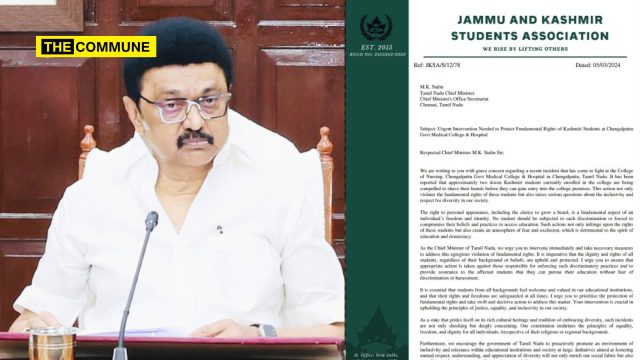
A Kashmiri doctor was allegedly forced to forgo a prestigious super-speciality seat at a Tamil Nadu hospital after being asked to shave his beard, triggering outrage and a call for intervention from the Jammu and Kashmir Students Association.
Dr. Zubair Ahmad, a practicing Muslim from Kashmir, had secured a DrNB (Nephrology) seat at Kovai Medical Centre and Hospital (KMCH), Coimbatore, through NEET-SS second counselling conducted by the National Board of Examinations in Medical Sciences (NBEMS). Upon reporting for admission, he was allegedly told to shave his beard to comply with hospital dress code norms.
National Convenor of the Jammu and Kashmir Students Association Nasir Khuehami said that the hospital was unequivocal in its demand that Dr. Zubair shave or trim his beard in order to enroll. “He was categorically asked to shave or trim his beard to be permitted to study at the super-speciality hospital,” the association’s letter stated.
The J&K Students Association has written to Tamil Nadu Chief Minister M.K. Stalin, terming the incident as “religious discrimination” and a violation of Article 25 of the Constitution, which guarantees freedom of religion. “The hospital’s insistence on a so-called ‘clean-shaven, corporate appearance’ is neither essential to medical education nor aligned with patient care, ethics, or hygiene, the core pillars of the medical profession,” the association argued.
Khuehami added, “Such appearance-based restrictions are not only unnecessary but are also discriminatory and exclusionary. The lack of prior disclosure and the imposition of this requirement after seat allotment is unjust and violates both the spirit and the letter of the Constitution.” The letter further pointed out that had this beard policy been transparently disclosed during the counselling process, Dr. Zubair would not have opted for the institute. “With no alternative left, Dr. Zubair was compelled to withdraw from the programme, despite having secured the seat on an all-India merit basis. He has since requested NBEMS to allow his participation in the third round of counselling and to refund his ₹2 lakh security deposit submitted during the admission process”, it said.
The Association urged CM Stalin to take urgent steps to ensure that religious freedoms are protected across educational and healthcare institutions in Tamil Nadu. “We request your intervention to discourage discriminatory institutional policies that infringe upon constitutional rights and to help restore the confidence of students and professionals who look up to Tamil Nadu as a beacon of progress, tolerance, and justice,” the letter stated.
-IANS
Subscribe to our channels on Telegram, WhatsApp, and Instagram and get the best stories of the day delivered to you personally.
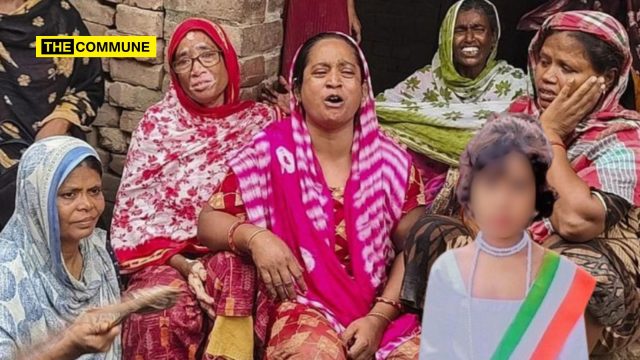
The family members of the 13-year-old girl, who was killed in a bomb blast at Kaliganj in West Bengal’s Nadia district, have refused the compensation extended by Trinamool Congress legislator. The parents of the minor girl said they would go to extremes, including approaching the Calcutta High Court for an investigation by a central agency.
“We have our farmland. We do not need any money. All we want is that my daughter gets justice and her killers are punished appropriately,” the victim’s mother said. She also made it clear that the refusal of any compensation was not just in relation to anything offered by the state government but also from any leader of Trinamool Congress, either in the individual capacity of that leader or on behalf of the party.
On 25 June evening, a former Indian Police Service (IPS) officer and Trinamool Congress legislator from Debra Assembly constituency in West Midnapore district, Dr Humayun Kabir, reached the residence of the victim and offered her mother an amount on behalf of a voluntary organisation that he claimed to be associated with. However, the victim’s mother refused to accept the money and told the ruling party legislator that her only aim now was to get justice for her daughter and ensure punishment for the culprits and not any compensation.
So far, five persons have been arrested in connection with the killing of the minor girl, Tamanna Khatun. The victim’s family members and the local people have alleged that the minor girl was killed after being hit by splinters of a bomb that was hurled during a victory procession of the ruling Trinamool Congress to celebrate the victory of its party candidate Alifa Ahmed in Kaliganj bypolls, the results of which were declared on 23 June.
The victim’s mother accused the investigating officials of the district police of ignoring the political angle behind the event of hurling bombs from the victory procession, exclusively targeting her residence, in which her daughter was killed. She said that her residence was specially targeted since her entire family is ideologically inclined to and was actively associated with the CPI-M for a long time.
Secondly, she questioned how just five persons have been arrested so far, despite around 40 to 50 bombs being hurled targeting her residence within a short period, which was not possible by just four miscreants. On 24 June, the National Commission for Women (NCW) took suo motu cognisance of the case and sought answers to some queries in the matter from the Krishnanagar District Superintendent of Police, Amarnath K, under whose jurisdiction Kaliganj comes.
-IANS
Subscribe to our channels on Telegram, WhatsApp, and Instagram and get the best stories of the day delivered to you personally.
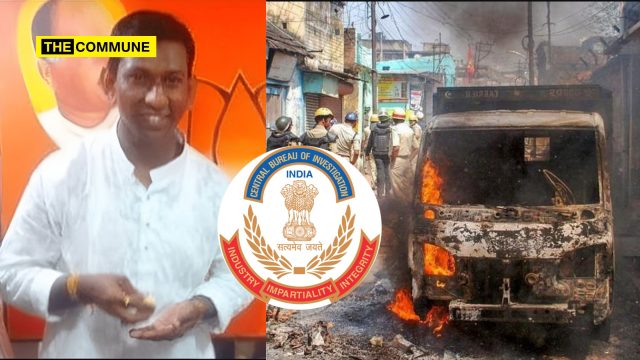
After four years, a prime absconding accused in the killing of a BJP worker, Abhijit Sarkar, in the 2021 post-poll violence was arrested by the Central Bureau of Investigation (CBI) on 26 June 2025.
The arrested person was identified as Arun Dey, for whom the CBI had earlier announced a reward of ₹50,000. He was one of the five main accused persons in the murder of Sarkar, a resident of the Kankurgachi area in North Kolkata, during the violence that broke out after the 2021 West Bengal Assembly election. Sources said Dey was finally arrested on Thursday from a secret hideout in the North 24 Parganas district of West Bengal. However, further details on the matter are still awaited.
Four other prime accused persons in the case, namely Sukhdeo Podder a.k.a. Sukha, Gopal Das a.k.a. Vishal, Amit and Biswajit Das a.k.a. Bomba, are still absconding. All five of them were identified as Trinamool Congress strongmen in the area and were also known as close confidants of the ruling party legislator from Belegahta Assembly constituency in North Kolkata, Paresh Paul and Trinamool Congress councillor in Kolkata Municipal Corporation (KMC), Swapan Samaddar.
Paul has already been questioned by the CBI sleuths in this connection. However, his name was not in the charge sheet filed by the CBI in the matter, which angered the family members of the slain BJP worker. To recall, Abhijit Sarkar was killed on 2 May 2021, soon after the results of the 2021 Assembly elections were declared, where Trinamool Congress bagged a landslide victory. The CBI took over the investigation from the Kolkata Police following an order of the Calcutta High Court.
In September 2021, a trial court in Kolkata declared the five accused absconders. Thereafter, CBI declared a reward of ₹50,000 on each of them. Finally, after over four years, one of the five accused and absconding persons has been arrested by the CBI sleuths. He might be presented at a special court in Kolkata later in the day, and the CBI counsel is expected to seek his custody for further interrogation, sources said.
-IANS
Subscribe to our channels on Telegram, WhatsApp, and Instagram and get the best stories of the day delivered to you personally.