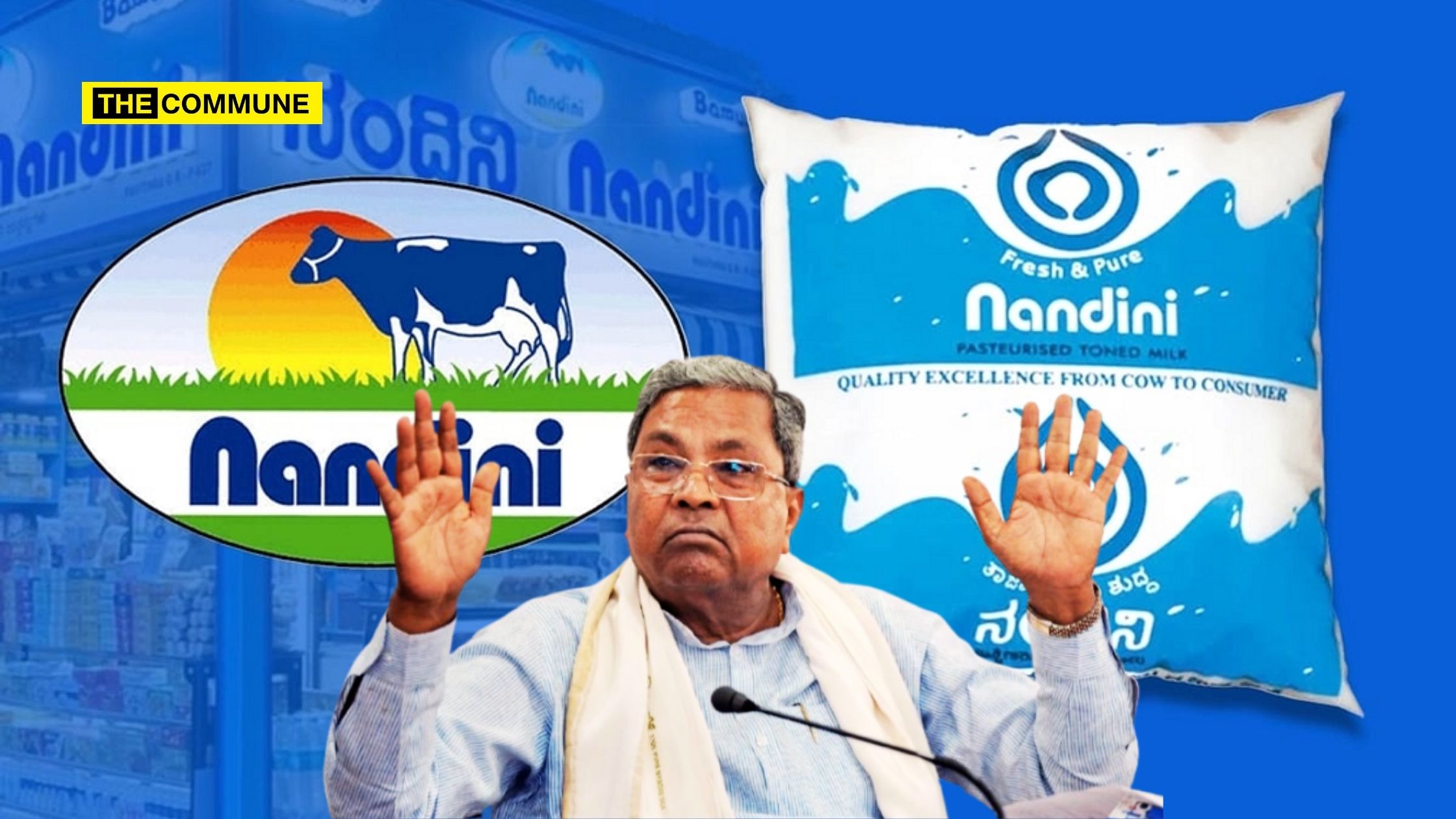
Karnataka government said on Wednesday that it is all set to increase the price of milk of popular Nandini milk supplied by the Karnataka Milk Federation (KMF) in the state.
“We will definitely increase the price of milk. The discussion on how much to increase will be held with the Chief Minister,” said Minister for Animal Husbandry K. Venkatesh on the floor of the house.
Minister Venkatesh made the statement in the Question and Answer session in the Legislative Council on Wednesday. The question in this regard was raised by the Congress MLC and former minister B. Umashree and BJP MLC M.G. Muley. Minister Venkatesh stated that the government owes subsidies amounting to Rs 656.07 crore to milk producers. 9.04 lakh beneficiaries needed to be paid the pending amount.
“We have asked the finance department for release of pending money. Once the finance department clears the funds, the pending amount would be released to the beneficiaries. We will do it soon. The farmers are demanding hike in milk price by Rs 10. We will increase the prices of milk for sure. The quantum of hike would be decided after discussion with the Chief Minister,” he stated.
Earlier, the Karnataka Milk Federation (KMF) sources stated that despite its pressure, the state government is yet to take a call on hiking the price of milk by Rs 5 per litre. Sources revealed that the government is in the final round of discussions with authorities and experts, as the KMF is strongly advocating for the increase.
However, the government is proceeding cautiously, anticipating potential backlash over the issue. The demand for a price hike is coming from farmers, various organisations, and the Department of Animal Husbandry. However, the government has not yet reached a final decision, Naik added. Milk federations across the state are supporting the price hike. Minister for Animal Husbandry K. Venkatesh held a meeting with KMF officials to discuss the necessity of increasing milk prices.
The federation representatives argued that rising costs in dairy farming have made a price hike inevitable. Farmers’ organisations and milk federations have repeatedly demanded an increase of Rs 5 per litre. On February 10, the Karnataka Rajya Raitha Sangha and Green Brigade staged a protest at the KMF office in Bengaluru, demanding an increase in the milk procurement price to at least Rs 50 per litre.
They also called for an interim support price of Rs 10 per litre until the implementation of a Minimum Support Price (MSP). The Karnataka government revised the price of milk in the state by Rs 2 on June 25, 2024, with an additional 50 ml of milk added to each packet, which led to criticism.
The most popular blue packet of 1 litre of Nandini milk now costs Rs 44, up from Rs 42. Speaking to mediapersons after announcing the price revision, Bheema Naik had said the decision was made to avoid losses for the KMF. The milk price per litre in Gujarat and Maharashtra is Rs 56, in Kerala it is Rs 54, while in Andhra Pradesh it is Rs 58, he said. “Our rate is Rs 16 less compared to the other states. There will be no price hike for any of the other Nandini products,” Naik said.
–IANS
Subscribe to our channels on Telegram, WhatsApp, and Instagram and get the best stories of the day delivered to you personally.
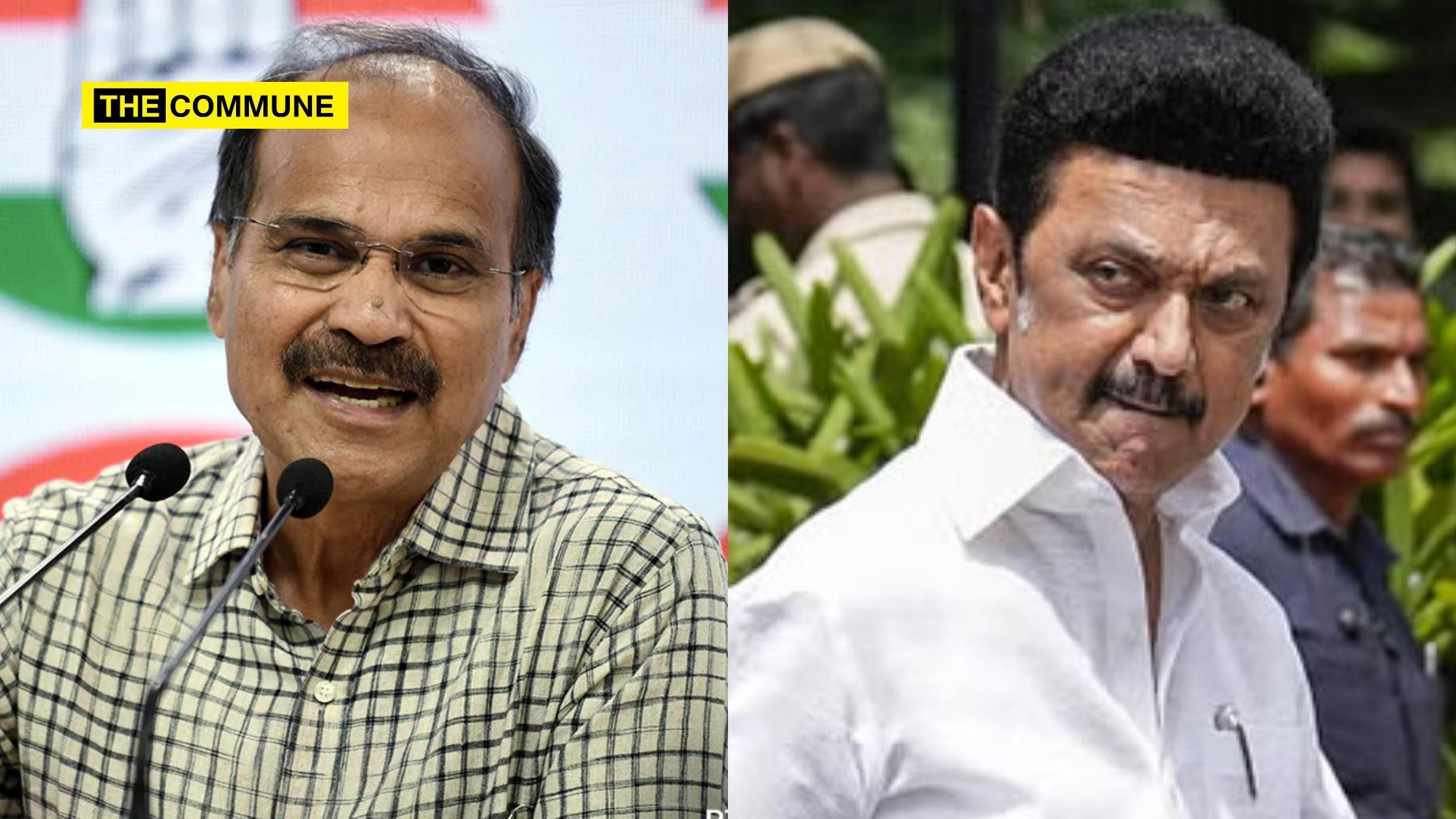
The provincial languages that are widely spoken in different states of India will never lose their relevance due to the acceptance of Hindi as the state language of the country, former state Congress chief in West Bengal Adhir Ranjan Chowdhury said on Wednesday. “Hindi has been accepted as the official state language of the country.
However, besides Hindi, there are several other provincial languages which are spoken in many states concerned. It is wrong to think that the provincial languages will lose their relevance because of accepting Hindi as the state language of the country,” Chowdhury told IANS on Wednesday. He pointed out that besides Hindi, 22 other languages are accepted by the Union government. “Each language has its own relevance. It would be wrong to consider the differences over language as the rift between North and South. If there are differences, those could be settled through discussions,” Chowdhury said.
Chowdhury’s comments come amid a statement by Tamil Nadu Chief Minister M.K. Stalin’s comments on Tuesday where he accused the BJP of and the Union government of imposing Hindi through the three-language formula under the National Education Policy (NEP). He also issued a statement claiming the Tamils never demanded the North Indians to learn the Tamil language or any other South Indian language to preserve them.
He said that the demand from Tamils is that Hindi should not be imposed on them. “If BJP-ruled states want to teach three languages or even 30, let them! Just leave Tamil Nadu alone,” Stalin said in his statement. Recently in West Bengal, several pro-Bengali groups have surfaced who had accused the BJP of not just trying to impose Hindi on the Bengali but also introducing “cow-belt culture” in the state. Some of these groups have also demanded that it should be mandatory to learn and speak Bengali for anyone staying in West Bengal.
–IANS
Subscribe to our channels on Telegram, WhatsApp, and Instagram and get the best stories of the day delivered to you personally.
The Bharatiya Janata Party (BJP) maintains the lead in the Telangana Legislative Council election from Medak-Nizamabad-Adilabad-Karimnagar Graduates’ constituency as the counting of votes continued for the third day on Wednesday.
BJP candidate Anji Reddy was leading by about 5,000 votes over his nearest competitor V. Narender Reddy of the Congress party in the counting of second preference votes.
Anji Reddy polled 78,635 votes while Narender Reddy secured 73,644 votes. Prasanna Harikrishna of Bahujan Samaj Party (BSP) was in third place with 63,404 votes.
Out of 56 candidates, 53 were eliminated in the second preference round. The counting of second-preference votes was taken up after no winner emerged in the first-preference votes. The BJP polled around 34 per cent of the total first preference votes while the Congress secured 31.5 per cent and the BSP 27 per cent votes.
Since none of the candidates got over 50 per cent votes, the counting of second preference votes was taken up. The MLC election was held on February 27 in the preferential voting system through ballot papers. Due to the big size of the ballot paper, it took more than a day for the counting staff to sort the votes.
A large number of invalid votes also delayed the process of counting. Out of 2,52,100 votes (including postal ballots) polled, about 28,000 were declared invalid. A total of 2,50,106 voters cast their ballots in the Graduates’ MLC polls on February 27 sealing the fate of 56 candidates. Ruling Congress and opposition BJP are locked in a direct fight in this constituency, which is currently represented by senior Congress leader and former minister T. Jeevan Reddy.
In the election held on February 27, a total of 70.4 per cent of voters exercised their franchise. Polling was also held the same day for Medak-Nizamabad-Adilabad-Karimnagar and Warangal-Khammam-Nalgonda teachers’ constituencies. BJP-backed candidate Malka Komaraiah won the election from Medak-Nizamabad-Adilabad-Karimnagar teachers’ constituency spread across 15 districts.
He won the seat with a margin of more than 5,700 first preference votes against his nearest rival Vanga Mahender Reddy of the PRTU (TS). PRTU (TS) bagged the Warangal-Khammam-Nalgonda seat. Its candidate P. Sripal Reddy emerged winner in second-preference votes. He secured 13,969 votes. Sitting MLC Narsi Reddy of UTF finished second.
–IANS
Subscribe to our channels on Telegram, WhatsApp, and Instagram and get the best stories of the day delivered to you personally.
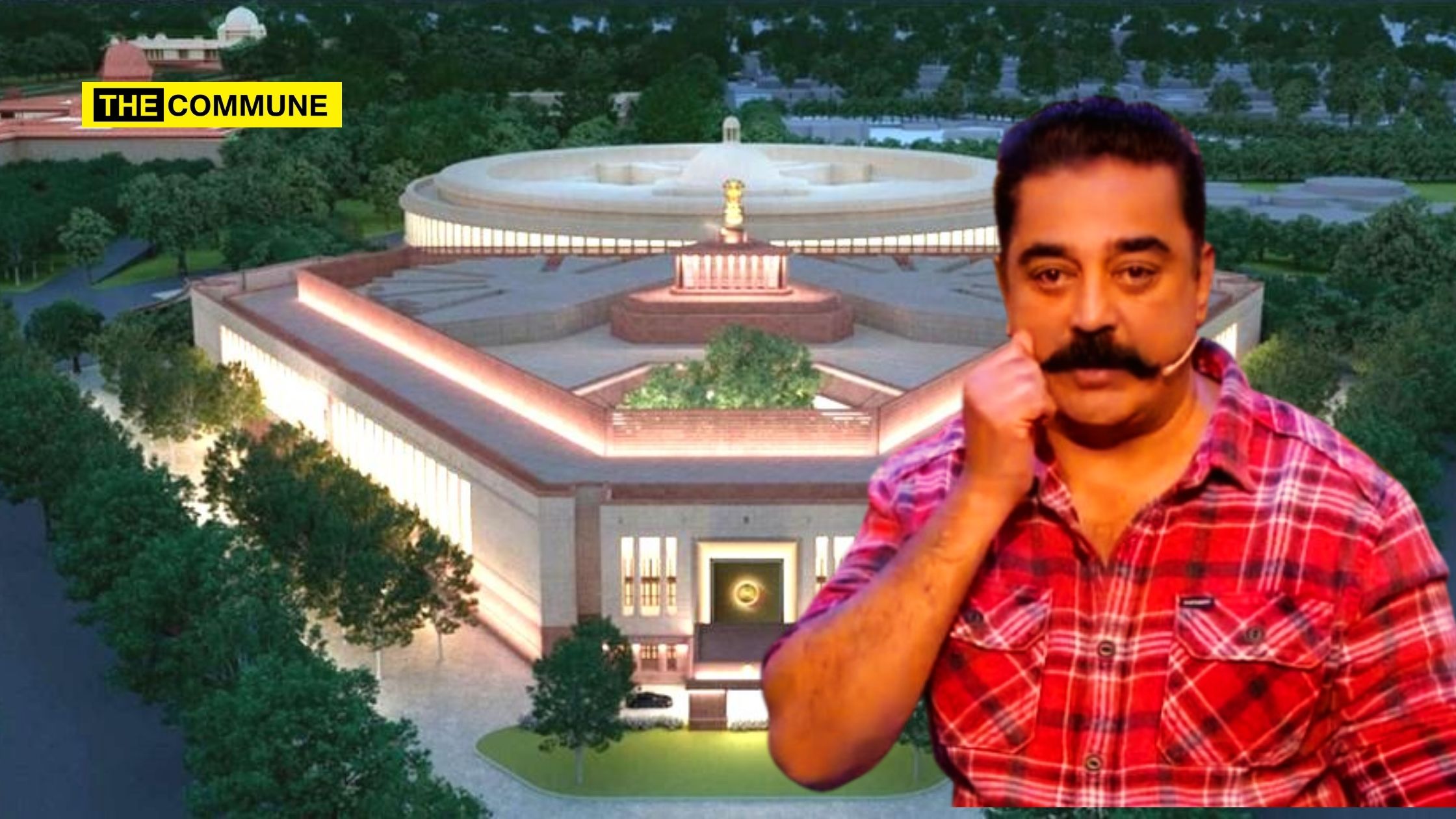
The Lok Sabha consists of 545 seats, with elections held for 543 of them by the Election Commission. The remaining two seats were previously reserved for Anglo-Indian representatives, nominated by the President if the community was deemed underrepresented. However, the part-time politician and full-time actor Kamal Haasan, who has pledged his party with the ruling DMK in hopes of securing a single Rajya Sabha seat for himself, made an erroneous claim, stating, “This 453 (seats) need not change.”
Speaking to reporters amid the ongoing delimitation debate—a controversy initially fueled by the DMK’s strategy to deflect attention from Hindi imposition which backfired—Haasan argued, “My opinion is that this 453 (seats) need not change. Even when it was 145 crore, these 453 members led the country to this position today…they are sufficient. If at all, they have to increase the number of seats, all govt decisions made in the centre are executed by the states. If at all they want to increase number of people’s representatives, let the Assembly seats be increased…”
#WATCH | Chennai: Actor and Makkal Needhi Maiam chief Kamal Hassan leaves after the all-party meeting over the delimitation issue, chaired by Tamil Nadu CM MK Stalin.
He says, ” My opinion is that this 453 (seats) need not change. Even when it was 145 crore, these 453 members… pic.twitter.com/YqWcJsecIh
His statement, based on incorrect figures, has sparked criticism, with many mocking and ridiculing his lack of understanding of parliamentary composition and the complexities of the delimitation issue. Critics have also questioned the DMK’s decision to back him for a Rajya Sabha seat, wondering whether he would truly grasp state rights and effectively represent the people.
Subscribe to our channels on Telegram, WhatsApp, and Instagram and get the best stories of the day delivered to you personally.
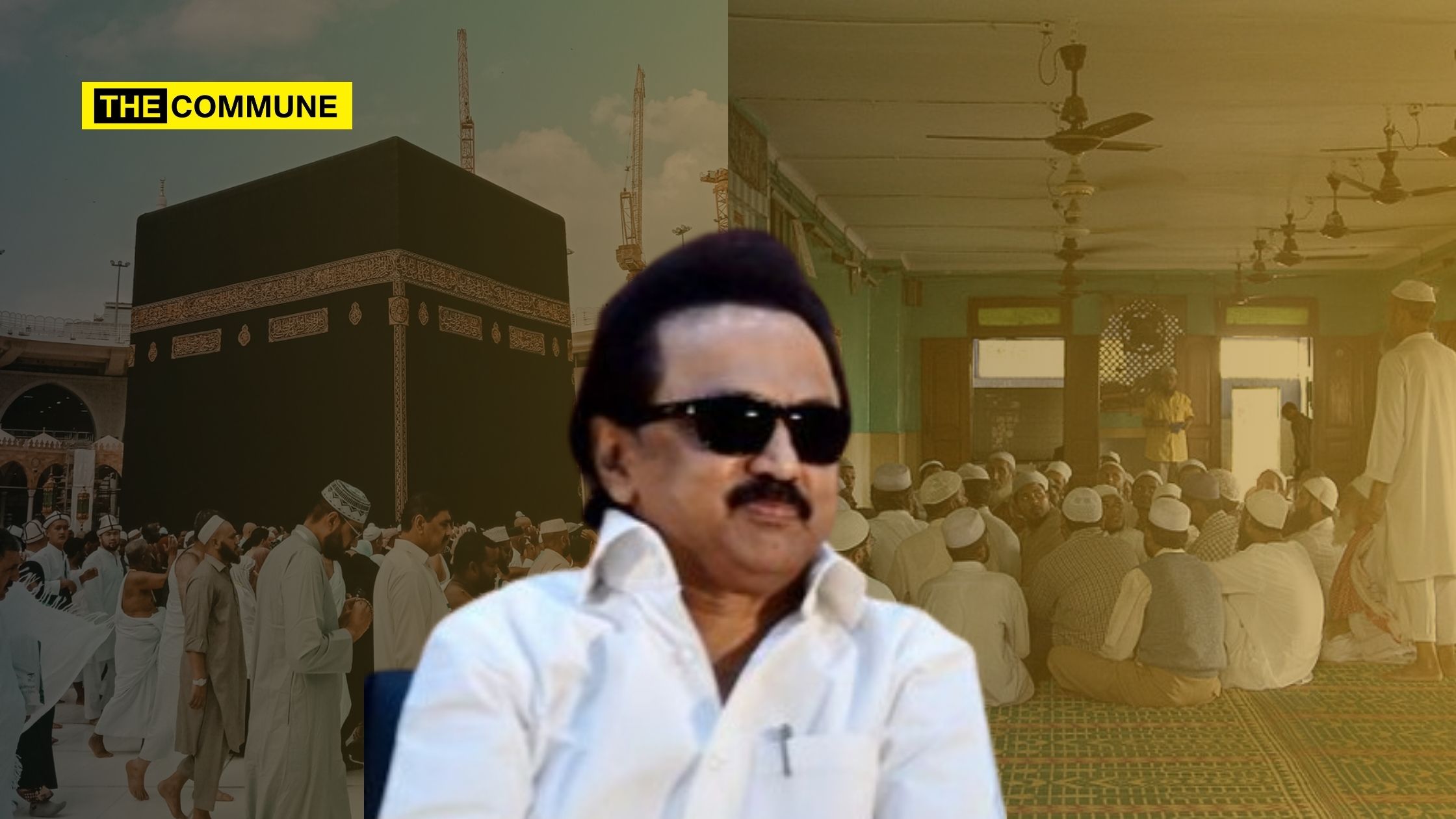
The ruling DMK government is facing severe criticism following its recent announcement to establish a Tamil Nadu Haj House in Nanganallur, near Chennai Airport, at a cost of ₹65 crore. Critics have questioned the necessity of building another Haj House when one already exists near Nungambakkam.
This controversy comes against the backdrop of what many see as the DMK ramping up minority appeasement efforts, particularly towards the Muslim community, as election season draws closer. Moves such as the promotion of Urdu have fueled accusations of selective favoritism, with critics pointing out the party’s unfulfilled election manifesto promise of allocating ₹1,000 crores for temple development.
Tamil Nadu Chief Minister M.K. Stalin, while laying the foundation stone for multiple projects in Nagapattinam district, announced the Haj House initiative, stating that it would bring joy to the Muslim community.
The announcement of the Haj House continues to spark debate, with opposition voices questioning the DMK’s priorities and its strategic spending ahead of the elections.
Netizens demanded answers from the DMK government over the need for another Haj house when there is already one in operation.
The proposed ₹65 crore Hajj House in Nanganallur has sparked widespread criticism, particularly given the upcoming elections and concerns over misuse of taxpayer money for vote-bank politics. Critics argue that Tamil Nadu already has a government-funded Hajj Committee House in Periyamedu, Chennai, making a new facility unnecessary.
Meanwhile, Hindu temples across the state remain neglected, with poorly maintained facilities, especially temple toilets under the Hindu Religious and Charitable Endowments (HR&CE) Department. Despite this, the DMK government seemingly continues to divert temple revenue while prioritizing a new Hajj House for minority appeasement.
Furthermore, Nanganallur is a predominantly Hindu locality, known for its temples and peaceful atmosphere. The construction of a large Hajj House in this location raises law and order concerns, as well as suspicions about its proximity to the airport, with fears that it could facilitate drug and gold smuggling, an issue that has reportedly worsened under the DMK regime.
சென்னை பெரியமேட்டில் ஏற்கனவே ஹஜ் கமிட்டிக்கான இல்லம் இருக்கும் போது நங்கநல்லூரில் ஹஜ் இல்லம் கட்ட வேண்டிய அவசியம் என்ன?யார் அப்பன் வீட்டு பணம் 65கோடி?பெரும்பான்மை மக்களின் வரிப்பணத்தில்! தேர்தல் அறிக்கையில் கோயில்களுக்கு 1000 கோடி கொடுப்போம் சொன்னது என்னாச்சு?@hindumunnani_tnpic.twitter.com/AM4ciqFWt1
ஏற்கனவே சென்னையில் ஹஜ் கமிட்டி இல்லம் இருக்கும் போது எதற்காக புதியதாக கட்டி தர வேண்டும்? யார் அப்பன் வீட்டு பணத்தை எடுத்து முஸ்லிம்களுக்கு கொடுக்கிறீங்க? ஓட்டு பிரச்சனைக்காக மக்கள் வரி பணத்தை வீணடிக்கும் ஸ்டாலின் அரசு.@mkstalin@CMOTamilnadupic.twitter.com/osXePPMTUy
இந்த ரம்ஜான் பரிசாக சிறுபான்மையினருக்கு.. நம்ம.. சாரி.. சிறுபான்மை இன மொடல்வர்.. நங்கநல்லூரில் ₹65 கோடியில் ஹஜ் இல்லம் கட்டிக் கொடுக்கிறாராம்…!! அதுக்கு அவனுங்க நன்றி சொல்லி இருக்கானுங்க… இந்துக்கள் மத்தியில ஒற்றுமை வந்து அது ஓட்டு வங்கியா மாறுற வரைக்கும் pic.twitter.com/orvxpOCIPo
நங்கநல்லூரில் ஹஜ் இல்லமாம்.. இது அங்குள்ள ஹிந்துக்களின் பொறுமையை சோதிப்பதாக அமையாதா!?.
இதே போல் மேலப் பாளையத்தில் ஒரு கத்தோலிக்க தேவாலயமும், CSI தேவாலயமும் கட்டிக் கொடுக்க இவர் முயன்றால் சமூக நீதியின் காவலர் எனப் பாராட்டலாம்!! pic.twitter.com/JP2QjoPGLV
Given these factors, many question why the government is spending ₹65 crore on a new Hajj House while failing to provide similar facilities for Hindu pilgrims traveling to Badrinath or Kedarnath. The move is widely seen as an election-driven ploy to secure Muslim votes ahead of the 2026 Assembly elections, rather than a genuine necessity.
Subscribe to our channels on Telegram, WhatsApp, and Instagram and get the best stories of the day delivered to you personally.
Government high and secondary schools across Tamil Nadu are yet to receive their allocated funds for retail expenses, including electricity bills, for the 2024-2025 financial year. As a result, school principals have been forced to cover these costs from their own pockets, raising concerns over the delay in fund disbursement.
Under the existing scheme, the Tamil Nadu government provides up to ₹50,000 annually in two installments for various school expenses, including stationery, official travel allowances, and electricity bills. The allocation depends on the number of students in each school, and principals are required to submit expense details to the treasury by the end of March each year.
However, principals have expressed frustration over the delay in receiving funds for both the current and previous financial years. They revealed that while schools received the first installment for 2023-2024, the second installment never arrived. Similarly, the 2024-2025 funds have not yet been released, forcing many to pay electricity bills ranging from ₹10,000 to ₹60,000 using personal funds.
For primary and middle schools, electricity bills are paid directly by the respective district education officers. However, for over 9,000 government high and secondary schools, the current system requires principals to pay first and claim reimbursement from the government.
Amid growing concerns, School Education Minister Mahesh had earlier assured that the government would take over the responsibility of paying electricity bills for these schools. However, this promise remains unfulfilled.
With March already underway and the deadline for submitting expense details fast approaching, principals are urging the government to release the pending funds immediately and implement a direct payment system for electricity bills without further delay.
In a landmark achievement, India has nearly eradicated extreme poverty, with only 1% of households falling below the international poverty line in 2024, according to a recent analysis of government survey data. This remarkable progress marks a significant milestone in the country’s development journey and challenges long-held assumptions about the role of industrialization in poverty alleviation.
From Deprivation to Prosperity
Three decades ago, India’s poverty landscape was starkly different. In 1995, nearly half of India’s population lived below the international poverty line, then set at 1.08 a day (now adjusted to 2.15 at purchasing-power parity). Villages were marked by mud huts, primitive farming tools, and widespread deprivation. Ram Dass, a villager from northern India, recalled the hardships of his youth, working long days for meager wages and struggling to afford even basic necessities like quilts or shoes.
Fast forward to 2024, and the story has transformed. The latest survey data, analyzed by Surjit Bhalla, a former executive director of the IMF, and Karan Bhasin of the State University of New York, Albany, reveals that extreme poverty in India has plummeted to just 1%. This achievement underscores the country’s success in lifting hundreds of millions out of destitution over the past three decades.
A New Path Out Of Poverty
India’s progress challenges the conventional wisdom that poverty eradication requires a manufacturing boom and mass migration from farms to factories. Surprisingly, more than 40% of India’s workforce remains employed in agriculture, yet poverty has declined dramatically. This suggests that people can escape poverty without leaving the land, thanks to improvements in rural wages, crop yields, and landholdings.
A new study by economists Vincent Armentano, Paul Niehaus, and Tom Vogl from the University of California, San Diego, supports this finding. Their research, which tracks generational progress in five emerging economies—China, Indonesia, Mexico, South Africa, and India—shows that poverty reduction often occurs within rural communities. For instance, in India, many families escaped poverty through modest improvements in agricultural productivity or by benefiting from rising rural wages driven by urban migration.
Generational Progress
The study also highlights how each generation in India has fared better than the last. Ram Dass, for example, moved to Mumbai in his youth, working in dyeing factories and saving enough to buy land in his village. His eldest son, educated and employed as a state school teacher, represents the next step in this upward trajectory. “I’ve tried to ensure that the children develop as much as they can,” the son told writer Siddharth Dube, as reported in The Economist. “Their future should be better than what I have lived.”
This generational progress is a testament to India’s investments in education, nutrition, and rural development. While older generations improved their lives through hard work and migration, younger generations are benefiting from better opportunities and higher aspirations.
With extreme poverty now affecting just 1% of the population, economists argue that the $2.15 international poverty line has outlived its usefulness. Bhalla and Bhasin recommend adopting a higher poverty threshold to capture the bottom quarter or third of the population. While these individuals may no longer lack basic necessities like food, clothing, or shelter, they still face financial hardships, such as medical expenses or education costs.
A Bright Future Ahead
India’s success in reducing extreme poverty is a cause for celebration, but it also highlights the need for sustained efforts to address broader economic disparities. The country’s experience demonstrates that poverty eradication does not always require industrialization; instead, it can be achieved through a combination of rural development, education, and generational upliftment.
As India continues its journey toward prosperity, the dreams of millions—like Ram Dass and his family—serve as a powerful reminder that progress is possible, even in the absence of a manufacturing miracle. With continued focus on inclusive growth, India’s future looks brighter than ever.
The National Human Rights Commission (NHRC) has taken serious note of the alarming rise in dog bite incidents across India, particularly in Haryana, and has directed the Animal Welfare Board of Haryana to investigate the matter and submit an Action Taken Report (ATR) within four weeks. This directive comes in response to a complaint highlighting the failure of state governments to effectively address the stray dog menace and ensure public safety.
The issue gained attention following a news report based on data provided by the Union Minister of Fisheries, Animal Husbandry, and Dairying in the Lok Sabha. The data revealed that a staggering 21.95 lakh dog bite cases were reported in 2024, with 5 lakh victims being children and 37 fatalities recorded. These figures underscore the severity of the problem and the urgent need for intervention.
The complaint was filed by Anubhav Shrivastava Shahai, who pointed out the complete failure of state governments to control the stray dog population. He criticized the authorities for irregular sterilization drives, inadequate infrastructure to implement Animal Birth Control (ABC) guidelines, and the lack of animal shelter homes to house aggressive and ferocious dogs as per the 2023 ABC guidelines.
Shahai emphasized that the absence of proper monitoring committees at the central, state, and local levels had exacerbated the situation. He stated that the stray dog population was increasing unchecked, posing a significant threat to citizens, especially children, and urged the authorities to act immediately to ensure public safety.
Taking cognizance of the complaint, NHRC Assistant Registrar (Law) Brijveer Singh issued a directive to the Chairman of the Animal Welfare Board of India (AWBI) in Faridabad, Haryana. “Let the complaint be transmitted to the Chairman, Animal Welfare Board of India, Ministry of Fisheries, Animal Husbandry and Dairying, Faridabad, Haryana, with directions to get the allegations made in the complaint looked into and to submit an Action Taken Report within four weeks for perusal of the Commission,” the order stated.
The NHRC also instructed that a copy of the complaint be sent as an annexure for necessary action and requested the ATR to be submitted within four weeks from the date of receipt of the letter.
The complaint has brought to light the urgent need for effective stray dog management and the implementation of ABC guidelines. Shahai urged the government to take immediate steps, including:
Strengthening sterilization programs.
Establishing adequate animal shelter homes.
Ensuring the proper functioning of monitoring committees at all levels.
The NHRC’s intervention highlights the gravity of the issue and the need for coordinated efforts between the central and state governments to address the stray dog menace and safeguard public health.
The Animal Welfare Board of Haryana is now tasked with investigating the allegations and submitting a detailed report to the NHRC within the stipulated timeframe. The findings of this investigation could pave the way for stricter enforcement of ABC guidelines and better infrastructure to manage the stray dog population.
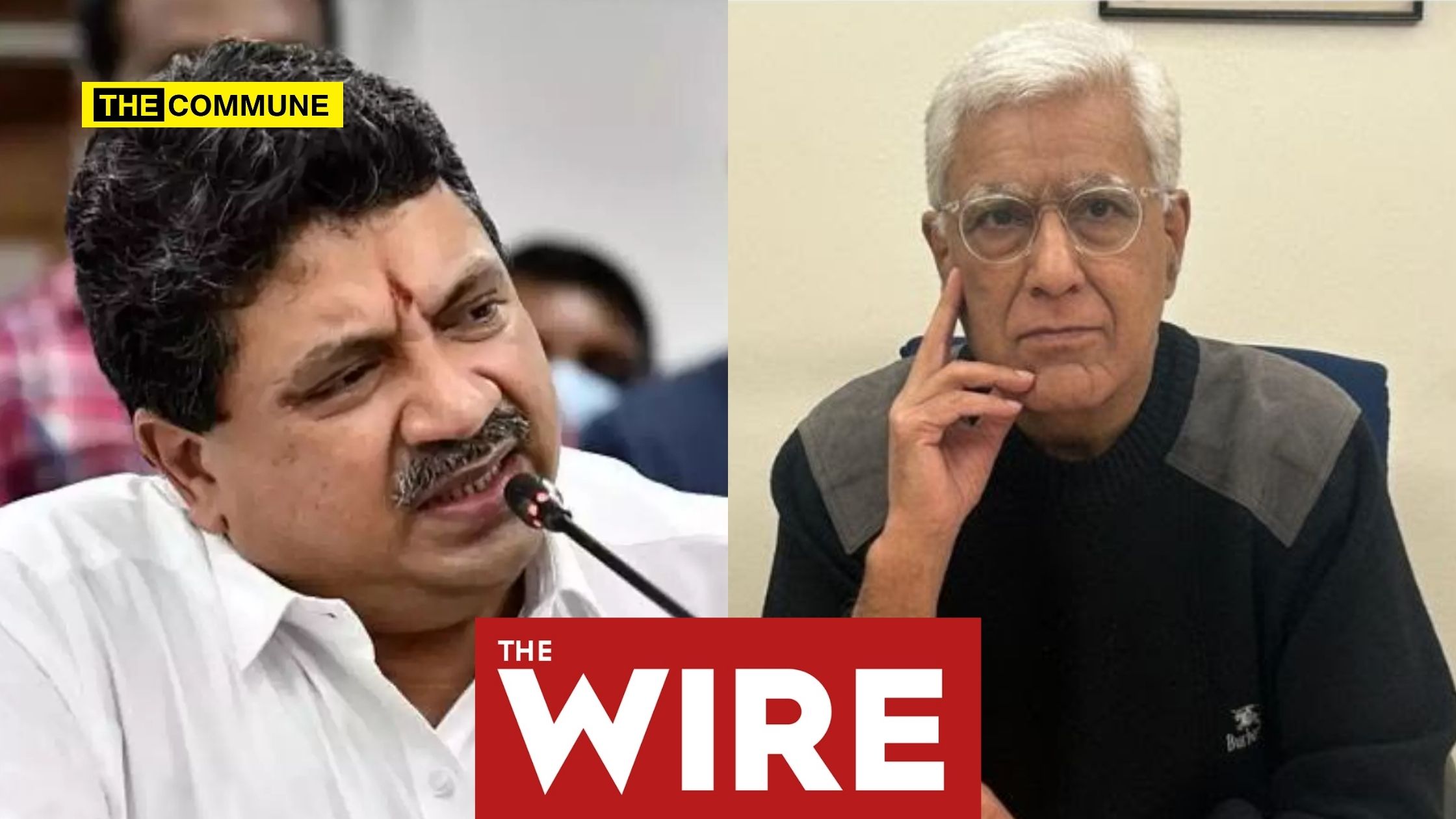
In a recent interview with Karan Thapar on The Wire, Tamil Nadu’s Minister for Information Technology and Digital Services, P.T.R. Palanivel Thiagarajan (PTR), showcased a level of arrogance and hypocrisy that has become emblematic of the DMK’s approach to governance and policy. While defending Tamil Nadu’s two-language policy and opposing the National Education Policy (NEP), PTR’s arguments were riddled with contradictions, elitism, and a blatant disregard for facts. Here’s a breakdown of why his stance is not just flawed but deeply hypocritical.
Pompous Arrogance: Dismissing Experts And Interviewers Alike
Barely minutes into the interview, PTR, as expected, kicked off his usual self-promotion tour—this time by flashing his holy grail of credentials from the Massachusetts Institute of Technology (MIT) Sloan School of Management.
PTR’s interview was a masterclass in condescension. He dismissed Yogendra Yadav, a respected academic and political analyst, by saying,“I don’t have any emphasis or value on Mr. Yadav’s opinion compared to any of the remaining 1.4 billion people in the state.” He went further, implying that even Karan Thapar, a seasoned journalist, was unqualified to discuss education policy because he lacks a Ph.D. He said,“Even you, I say are not erudite enough, you are not a PhD in education, you are not a man who has done 10 years of research, even if you tell me that you think the three-language formula is right, I said that is not adequate for me. We have 70 years of data, we have 70 years of outcomes and certainly neither you nor Yogendra Yadav nor anybody in this Union government has the scientific qualifications nor even the people who formed the NEP have the basis of data points around the world to tell us, why a three language formula given the resource constraints that we all have we are a developing country we have limitations in our school system why should we move to a policy because you say so.”
PTR’s dismissal of well-researched arguments and his condescending tone toward Karan Thapar reflect an elitist mindset. Instead of engaging with constructive criticism, PTR chose to belittle his interlocutors, suggesting that only those with a Ph.D. in education are qualified to comment on policy. This is not just arrogant but also anti-democratic. Policymaking should be open to scrutiny and debate, not confined to a self-appointed elite.
Insulting Children Of Uttar Pradesh And Hindi-Speaking States
One of the most jarring moments in the interview was PTR’s demeaning remarks about children in Uttar Pradesh and Bihar. He asked,“How many children in Uttar Pradesh know three languages? How many children in Bihar know two languages?”This not only reeks of elitism but also ignores the systemic issues plaguing education in these states. Instead of addressing the root causes of educational disparities, PTR used these states as punching bags to justify Tamil Nadu’s two-language policy. Such rhetoric is divisive and undermines the spirit of federalism.
PTR’s comments about Uttar Pradesh and Bihar were not just factually incorrect but alsodeeply insensitive.It is noteworthy that with the implementation of the NEP, children in UP are learning languages such as Tamil, Kannada, andTelugu.
Additionally, the people of UP are not just conversant in Hindi but the various dialects and languages of adjoining states and regions.
By mocking these states, PTR ignored the broader context of India’s educational inequities. His remarks also revealed his deep-seated bias against Hindi-speaking states, which is ironic given Tamil Nadu’s claims of being a progressive and inclusive society.
Hypocrisy Of DMK Politicians Running CBSE Schools
If the two-language policy is so superior, why do DMK politicians run and send their children to CBSE schools that follow a three-language formula? The Commune had earlier reported on the many schools run by DMK politicians that follow the NEP curriculum and offer 3 languages to the students as a part of the curriculum which includes Hindi.
Chief Minister MK Stalin’sdaughter runs a CBSE school that offers Hindi as a part of the curriculum in Chennai. DMK MP Kathir Anand runs a CBSE school near Vellore, DMK MLA GV Markandeyan is one of the managing trustees of a CBSE school named Sri Ambal Vidhyalaya in Vilathikulam, Thoothukudi. This is an English-medium CBSE school.
You can read the entire list of schools run by DMK members here.
The DMK’s opposition to the three-language policy is not just hypocritical but also detrimental to Tamil Nadu’s students. While PTR’s children enjoy the benefits of a world-class education that includes multiple languages, the children of ordinary Tamilians are denied the same opportunities. This elitism is a hallmark of the DMK’s approach to governance: one set of rules for the privileged, and another for the rest.
The Real Issue: Chickening Out Of The SSA Agreement
PTR and Karan Thapar conveniently sidestepped the core issue: Tamil Nadu’s refusal to sign the agreement required to access Samagra Shiksha Abhiyan (SSA) funds. The central government’s condition for releasing ₹2,400 crore was not an imposition but a contractual obligation. By refusing to sign, the DMK government has effectively chickened out of its responsibilities, leaving Tamil Nadu’s schools underfunded. The SSA funds are crucial for improving infrastructure, teacher training, and learning outcomes in Tamil Nadu’s schools. By refusing to sign the agreement, the DMK government has deprived its own students of these resources. PTR’s grandstanding about “extortion” is a smokescreen to hide his government’s failure to negotiate in good faith.
The central government’s conditions are standard practice for ensuring accountability and alignment with national educational goals. The real issue is the DMK’s unwillingness to compromise on its ideological stance, even at the cost of Tamil Nadu’s children.
Three-Language Policy: Proven Success In India And Abroad
PTR’s claim that the two-language policy is superior is not backed by evidence. States like Andhra Pradesh, Kerala, and Karnataka, which implement a three-language policy, consistently outperform Tamil Nadu in learning outcomes, as evidenced by the Annual Status of Education Report (ASER). Reading levels of students in TN were much below “Hindi” speaking states like Bihar, Rajasthan, Gujarat, Maharashtra.
Andhra Pradesh, Kerala – where three language policy has been the norm show better reading skills among students compared to those of TN.
These states have created a more robust educational ecosystem by embracing multilingualism, which enhances cognitive abilities and cultural understanding.
Internationally, countries like Israel have successfully implemented multilingual education. Hebrew, Arabic, and English are taught in Israeli schools, fostering national unity and global competitiveness. High schools also offer additional foreign languages like French, Russian, or Spanish. Germany mandates learning a second foreign language in secondary school, effectively implementing a three-language policy. France also requires students to learn French and two other languages. These examples prove that multilingual policies exist globally for national and global competitiveness.
Even within India, the three-language policy has been a cornerstone of the education system for decades, with states like Maharashtra and Gujarat reaping its benefits.
DMK’s Hypocrisy: Elite Education For Their Children
The ultimate irony lies in the educational choices of DMK leaders. While PTR’s children, Palani and Vel, studied at The American School in Chennai, an institution that emphasizes multilingualism and global education, other DMK politicians send their kids to elite institutions that prioritize multilingualism and global exposure.
PTR’s interview was a missed opportunity to engage in a meaningful dialogue about education policy. Instead, it exposed the DMK’s arrogance, hypocrisy, and disregard for evidence-based policymaking. By dismissing experts, insulting children from other states, and refusing to acknowledge the success of the three-language policy, PTR has revealed the hollowness of the DMK’s stance.
If Tamil Nadu is to truly excel in education, it must move beyond divisive rhetoric and embrace policies that prepare its students for a globalized world. The DMK’s two-language policy is not just outdated; it’s a disservice to the very people it claims to protect. It’s time for PTR and his party to stop playing politics with education and start prioritizing the future of Tamil Nadu’s children.
Education should either instill humility or eradicate ignorance—unfortunately, for PTR, it has done neither.
Subscribe to our channels on Telegram, WhatsApp, and Instagram and get the best stories of the day delivered to you personally.
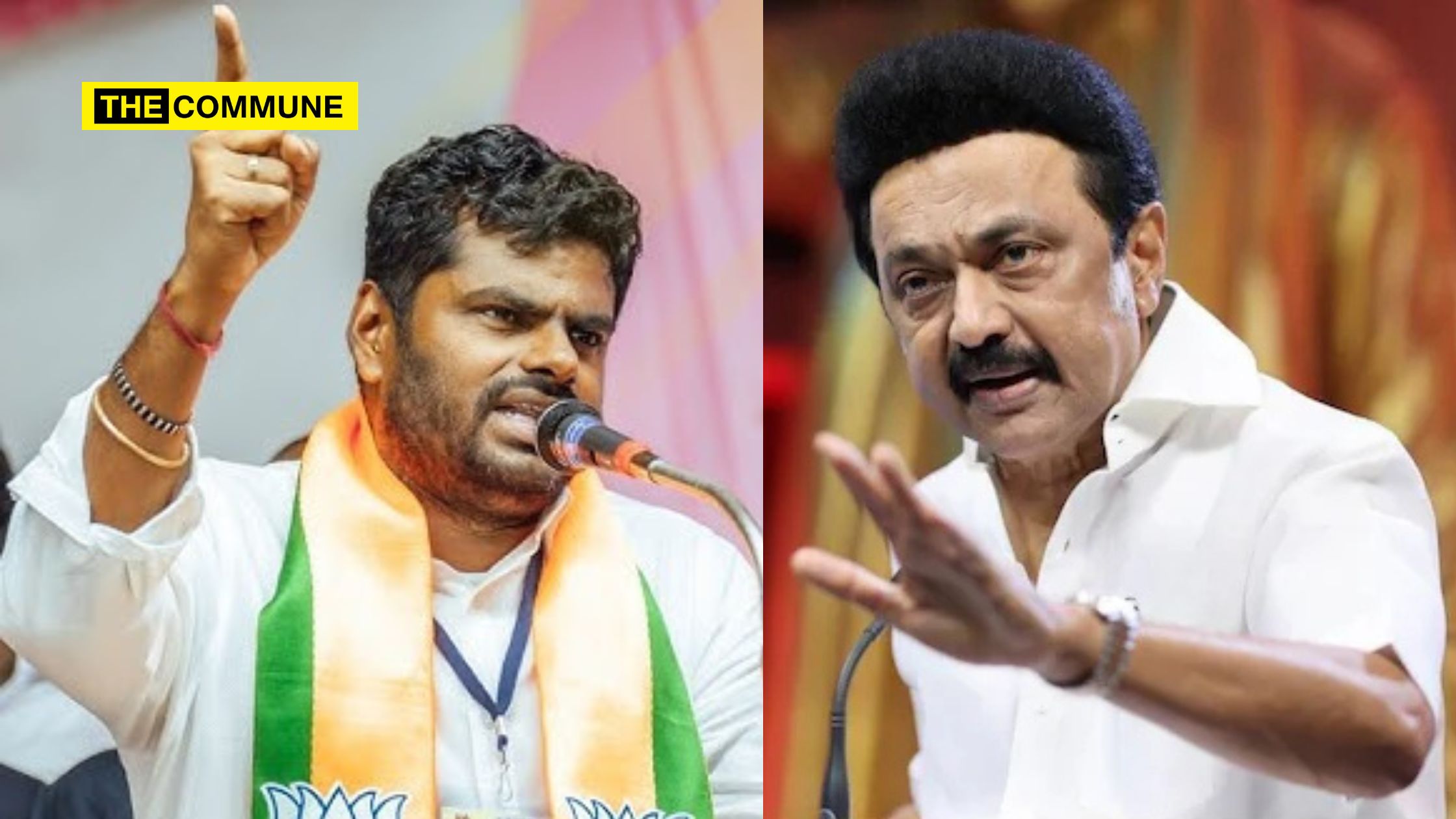
Tamil Nadu BJP President Annamalai strongly criticized Chief Minister M.K. Stalin after the latter questioned the central government’s contributions to the Tamil language while pushing an ‘imaginary’ Hindi imposition agenda. Accusing Stalin and the DMK of diverting the attention from core issue, Annamalai called out the Chief Minister’s hypocrisy.
He questioned Stalin’s silence when the DMK’s ally, the Congress, was in power at the Centre and allegedly failed to allocate funds. “What were you doing back then?” Annamalai asked, further pointing out that former Union Home Minister P. Chidambaram, a Congress leader, had submitted over 170 recommendations to promote Hindi nationwide.
Annamalai, through his official X account, responded to Chief Minister M.K. Stalin’s claims, stating, “Thiru @mkstalin, instead of listing what you have done to propagate our Tamil language beyond the confines of our State, knowing there aren’t any, you’ve decided to move on to the next topic. It was not our claim; it is a reality, and the Sengol today also stands as a testament in the Parliament to our Hon PM Thiru @narendramodi avl’s commitment to spreading the Tamil language and culture. Only a Hypocrite would ask about the increased allocation of funds to Sanskrit over Tamil, knowing the rationality behind it very well. We are calling you a “HYPOCRITE” because this is the allocation for the development of Sanskrit & Tamil between 2006-14. Sanskrit: ₹675.36 Crores Tamil: ₹75.05 Crores What were you doing back then? What were you doing while former Home Minister Thiru P Chidambaram submitted over 170 recommendations to popularise Hindi nationwide? Thiru MK Stalin, you deliberately despirtualised Thiruvalluvar to suit your propaganda. Search for cheerleaders elsewhere for your defunct propaganda. Your hatred has blinded you from seeing a locomotive named after our great Rani Velu Nachiyaar. You had a problem with Vande Mataram back then and have a problem with Vande Bharat today. Doesn’t come as a surprise to us!”
Thiru @mkstalin, instead of listing what you have done to propagate our Tamil language beyond the confines of our State, knowing there aren't any, you've decided to move on to the next topic.
It was not our claim; it is a reality, and the Sengol today also stands as a testament… https://t.co/KgENSZBvJS
Annamalai’s criticism comes in response to Chief Minister M.K. Stalin’s recent remarks, where he questioned what the Prime Minister had done for the Tamil language. Stalin, pushing his party’s narrative, challenged the Prime Minister to prove his commitment to Tamil culture. Taking to his official X account, CM Stalin asked, “If the BJP’s claim that our Hon’ble PM has great love for Tamil is true, why is it never reflected in action?
Rather than installing Sengol in Parliament, uninstall Hindi from Union Government offices in Tamil Nadu. Instead of hollow praise, make Tamil an official language on par with Hindi and allot more funds for Tamil than a dead language like Sanskrit.
Stop the desperate attempts to saffronise Thiruvalluvar and declare his timeless classic, Thirukkural, as India’s National Book. Quoting Kurals during the Union Budget will not cut it. Honour them by ensuring special schemes, a prompt disaster relief fund, and new railway projects for Tamil Nadu.
Stop wasting taxpayers’ money on the nonsense of ‘Hindi Pakhwadas’ in Tamil Nadu. End the absurdity of imposing Sanskrit names like Antyodaya, Tejas, and Vande Bharat on Tamil Nadu’s trains. Revert to the practice of naming them in Tamil, like Chemmozhi, Muthunagar, Vaigai, Malaikottai, Thirukkural Express, etc. Love for Tamil is proven through deeds, not deception.”
If the BJP’s claim that our Hon'ble PM has great love for Tamil is true, why is it never reflected in action?
🎯Rather than installing Sengol in Parliament, uninstall Hindi from Union Government offices in Tamil Nadu. Instead of hollow praise, make Tamil an official language on… pic.twitter.com/4Yppzj1N4N