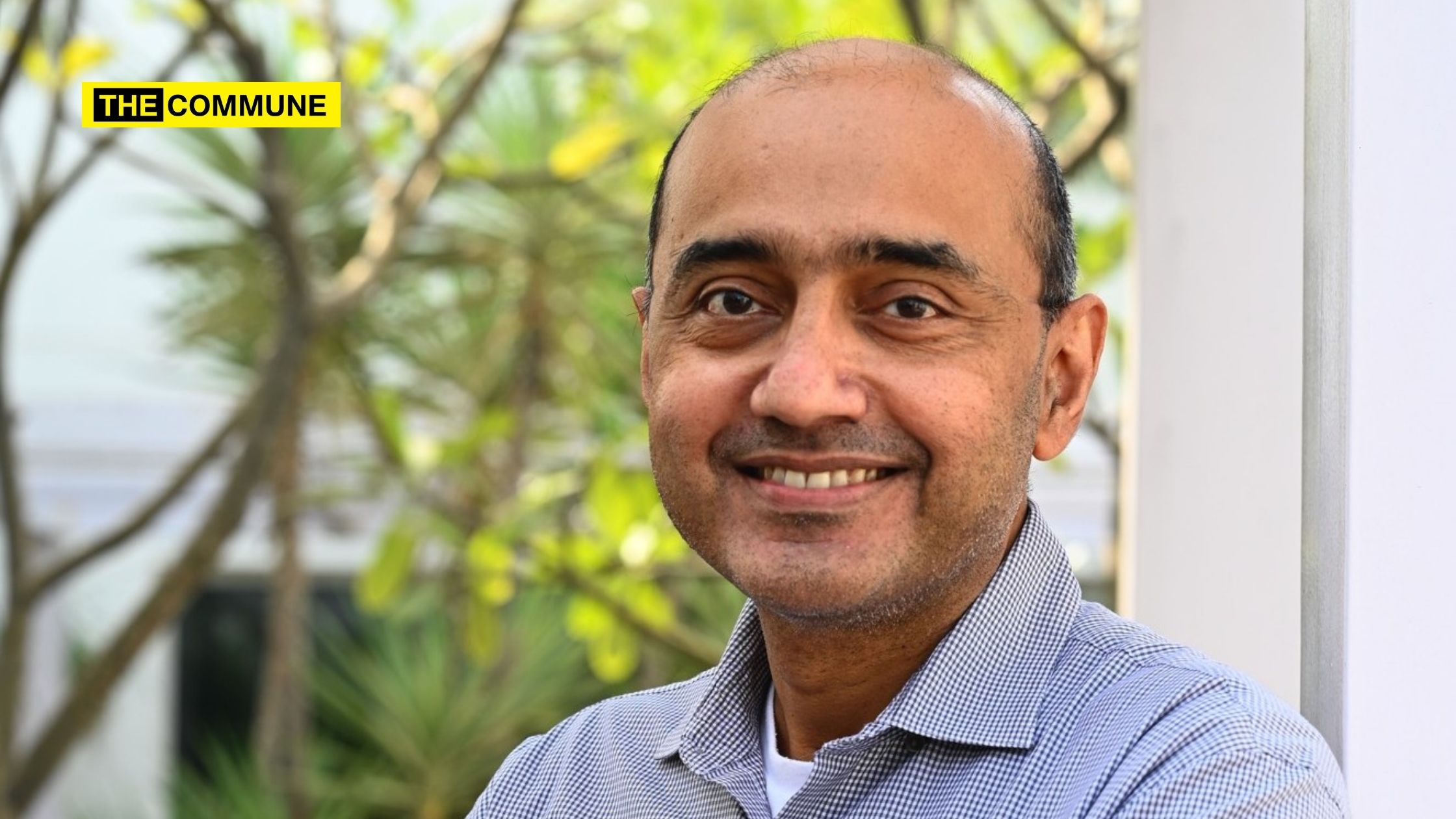
GSMA, a global organisation which represents mobile network operators worldwide, has elected Bharti Airtel Vice Chairman and MD, Gopal Vittal, as its new Chairman until the end of 2026, it was announced on Monday. Vittal is currently the acting Chair of the GSMA board and is only the second Indian to chair the prestigious telecom industry body, after Sunil Bharti Mittal.
In his new role, Vittal will oversee the strategic direction of the GSMA. The members of this prestigious body include 1,000 telecom companies from around the world, handset and device companies, software companies, equipment providers, internet companies, as well as organisations in adjacent industry sectors.
“I am honoured to be elected as the Chair of the GSMA Board. The mobile industry contributed $6.5 trillion to the global economy in 2024 and is the spine on which much of the innovation in the world is built,” said Vittal. The GSMA, as a global organisation unifying the mobile ecosystem, is fundamental to discover, develop and deliver innovation that impacts positive change for all.
“I look forward to working closely with the GSMA team and the rest of the Board to continue this important work,” he added. The appointment also highlights the significant influence Airtel has in the global telecom industry, with both Mittal and Vittal having held key positions on the GSMA Board for years.
Mats Granryd, Director General of the GSMA, said “I have worked with Vittal for many years and am delighted that he has been appointed Chair of the GSMA Board”. “His knowledge and experience make him very well positioned to lead the Board and the industry through the current challenges and opportunities, including how to leverage AI and complete 5G for new business models and revenues streams,” Granryd added.
The GSMA Board will announce the election of a new Deputy Chair in due course. Airtel is a global communications solutions provider with over 550 million customers in 15 countries across India and Africa.
–IANS
Subscribe to Telegram, WhatsApp, and Instagram channels and get the best stories of the day delivered personally.
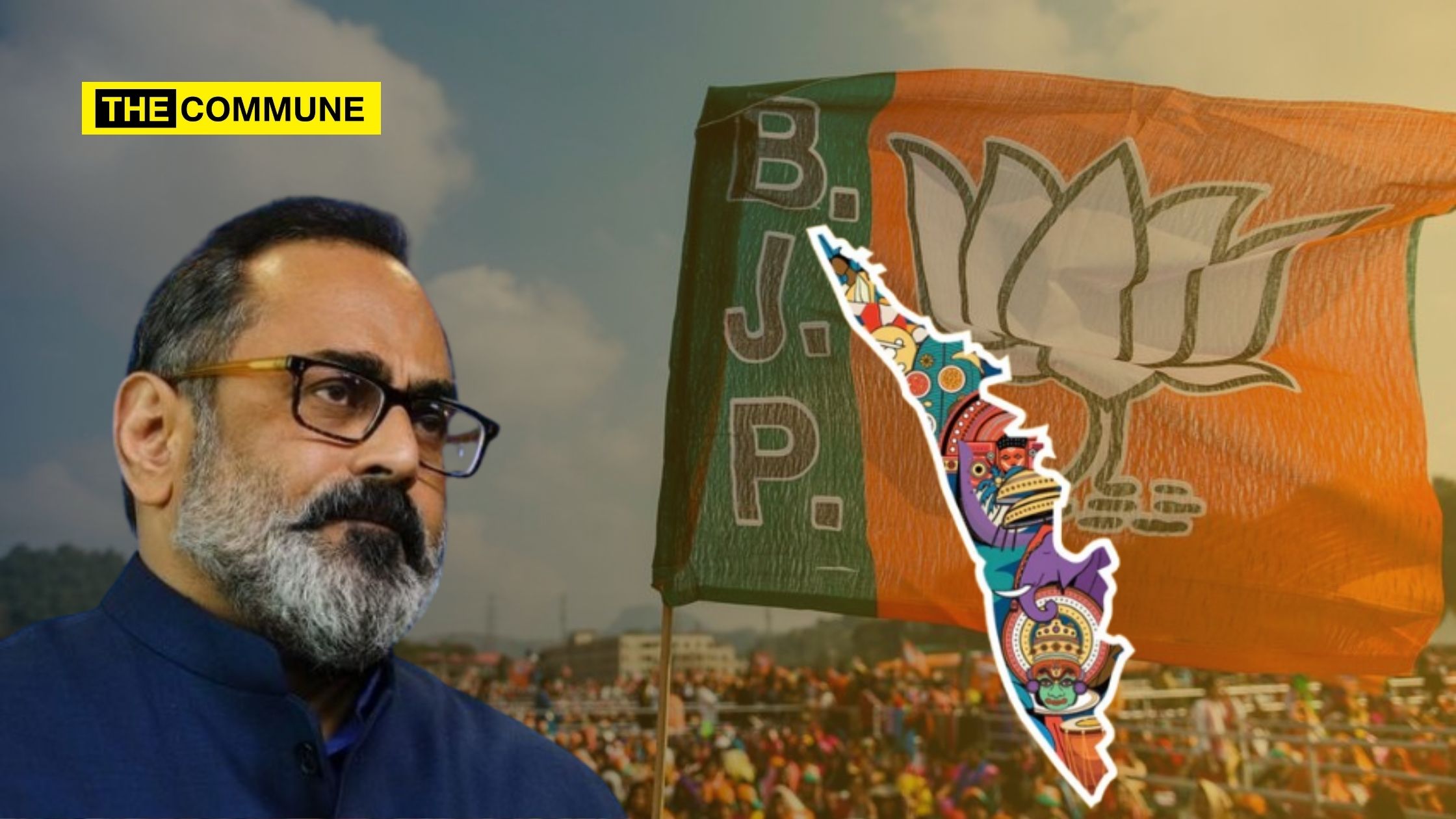
Newly appointed Kerala BJP President Rajeev Chandrasekhar on Monday said his mission is ‘Viksit Keralam’ inspired by Prime Minister Narendra Modi’s ‘Viksit Bharat’.
“Born to a man with an Indian Army background in Gujarat, studied in Thrissur (Kerala) and other schools and then worked in the US and India. Then I had 18 years of experience in the Rajya Sabha. My high command and all of you have entrusted me with this job and I will assure all of you that I will return only after bringing a BJP-led NDA government in Kerala,” said Chandrasekhar.
On Sunday, he was the only person who filed the nomination for the post of the party’s president, and on Monday Union Minister Pralhad Joshi made the announcement of Chandrasekhar becoming the new Kerala BJP chief. The outgoing president, K. Surendran handed over the party flag and the minutes book signalling the new president has taken over.
Chandrasekhar spoke at length about the hard work put in by Prime Minister Narendra Modi in the past 11 years and said his vision and mission are also the same as that of PM Modi. “Eleven years ago when PM Modiji took over, just like Kerala which is reeling under bad governance, our country was facing the same. But now due to PM Modiji, we have reached the top 4. A new India has been built by Modiji’s hard work, policies and good governance,” said Chandrasekhar.
“We owe this to the politics of performance in 11 years as the political governance helped India to rise. That’s what we the BJP will do in Kerala and that is my mission and vision,” said Chandrasekhar.
“In the country, we are now seeing changes in technology, trade and manufacturing. This will be there to be seen in Kerala too. Investment will come to places where talent is there and talent will go to places where opportunities are there. This is the reality and we will build a Kerala where there are no ‘nokku kooli (gawking wages)’ and opportunities,” added Chandrasekhar.
“The job of our party and the workers is to spread this to every household. Viksit Keralam is our vision and mission and all should benefit irrespective of religion or community,” said the 60-year-old former Minister of State. He then said Kerala has huge potential but opportunities are not there and hence our youths are hugely successful outside.
“When they get chances they turn successful. The reason why Kerala is lagging behind is that our state government survives on borrowed money. Just look 500 km from here in Karnataka there are thousands of job opportunities but not here,” said the new president. “Answers to why Kerala has not progressed have to be found out. Is it because of the economy, is it because of the huge debt, is it because of the drug influence or is it due to radicalization? These are all huge challenges,” said Chandrasekhar.
“In the past 70 years, Kerala has seen only assurances from the Left and Congress. So a change is needed and that’s why we the BJP have a mission and that is to bring change. We will achieve what Modiji did for the country,” added Chandrasekhar. Incidentally, this is the first time that the Kerala unit of the national ruling party has brought in a person with little political hardcore experience to lead the party.
The only experience in Kerala that Chandrasekhar has was when he was asked to take on three-time sitting Congress Lok Sabha member Shashi Tharoor at the Thiruvananthapuram Lok Sabha constituency during the 2024 Lok Sabha polls. At the polls, he gave a tough fight to Tharoor who eventually won by around 16,000 votes.
His appointment also raised eyebrows as even the RSS leadership in Kerala was also caught unawares, and with the party, which is deeply divided between faction leaders in the state, it remains to be seen how smooth will Chandrasekhar’s new assignment be.
–IANS
Subscribe to Telegram, WhatsApp, and Instagram channels and get the best stories of the day delivered personally.
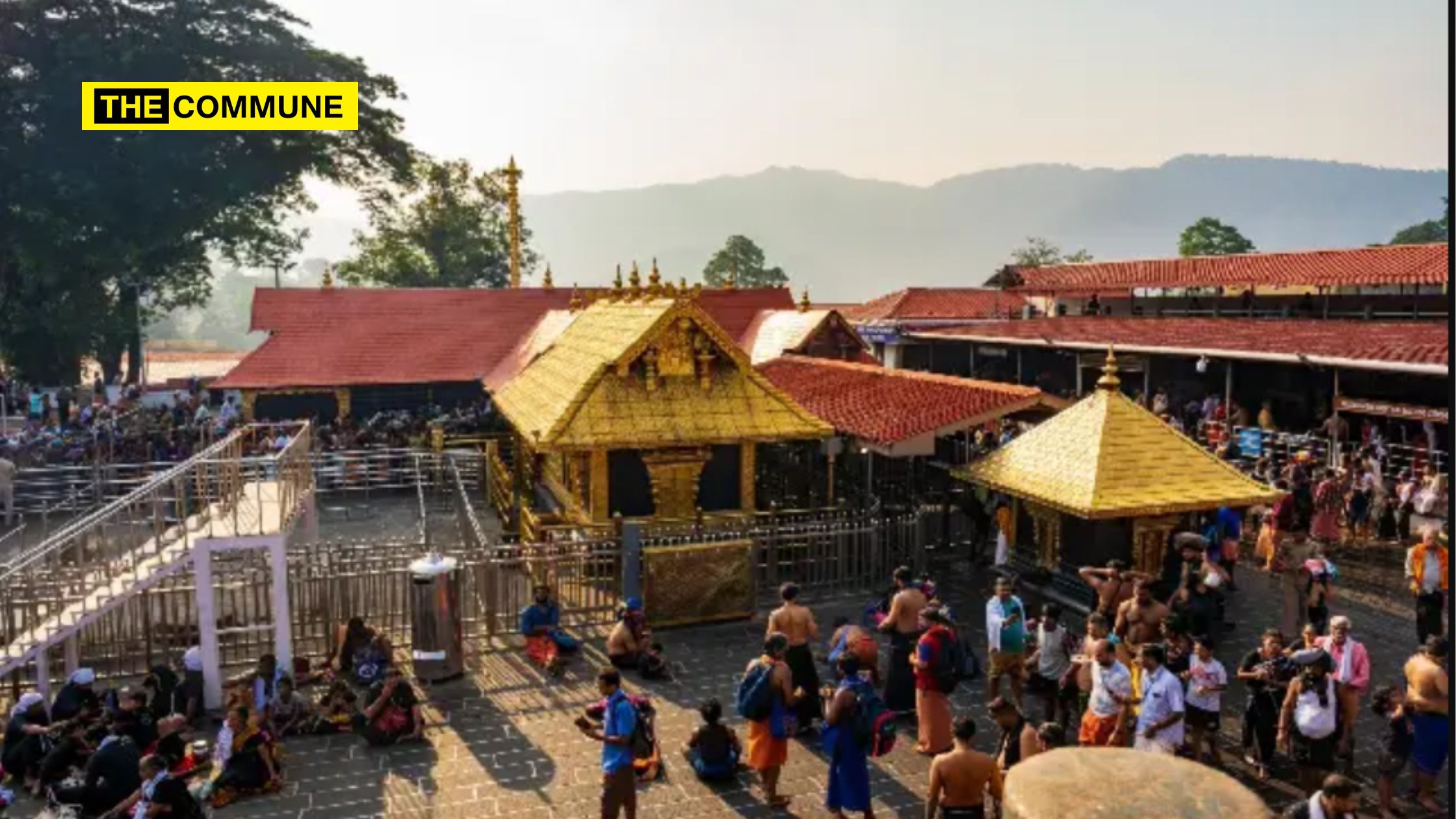
On 23 March 2025, a group of individuals led protests in the Lord Ayyappa temple in Perunadu without removing their shirts, challenging a long-standing tradition that requires male devotees to do so before offering prayers.
The demonstrators, affiliated with the SNDP Samyuktha Samara Samithi, were seen forming a queue inside the Travancore Devaswom Board (TDB)-managed temple, openly defying the customary practice. Despite this, neither the temple authorities nor the police intervened, allowing the protest to proceed without disruption.
Following their act of defiance, the protesters called for the permanent abolition of the upper garment removal rule for male devotees. A police official later confirmed that the temple management had no objections to worshippers keeping their shirts on, though the tradition had been widely observed for generations.
This protest comes months after Swami Satchidananda, head of the Sivagiri Mutt, advocated for the practice’s removal in all temples across Kerala. Last year, he labeled it a socially regressive custom, claiming that it was historically enforced to distinguish Brahmins by checking for the sacred thread (poonool). The Sree Narayana Dharma Paripalana (SNDP) Yogam, an influential organization representing the Ezhava community, has been vocal in its stance against such discriminatory traditions.
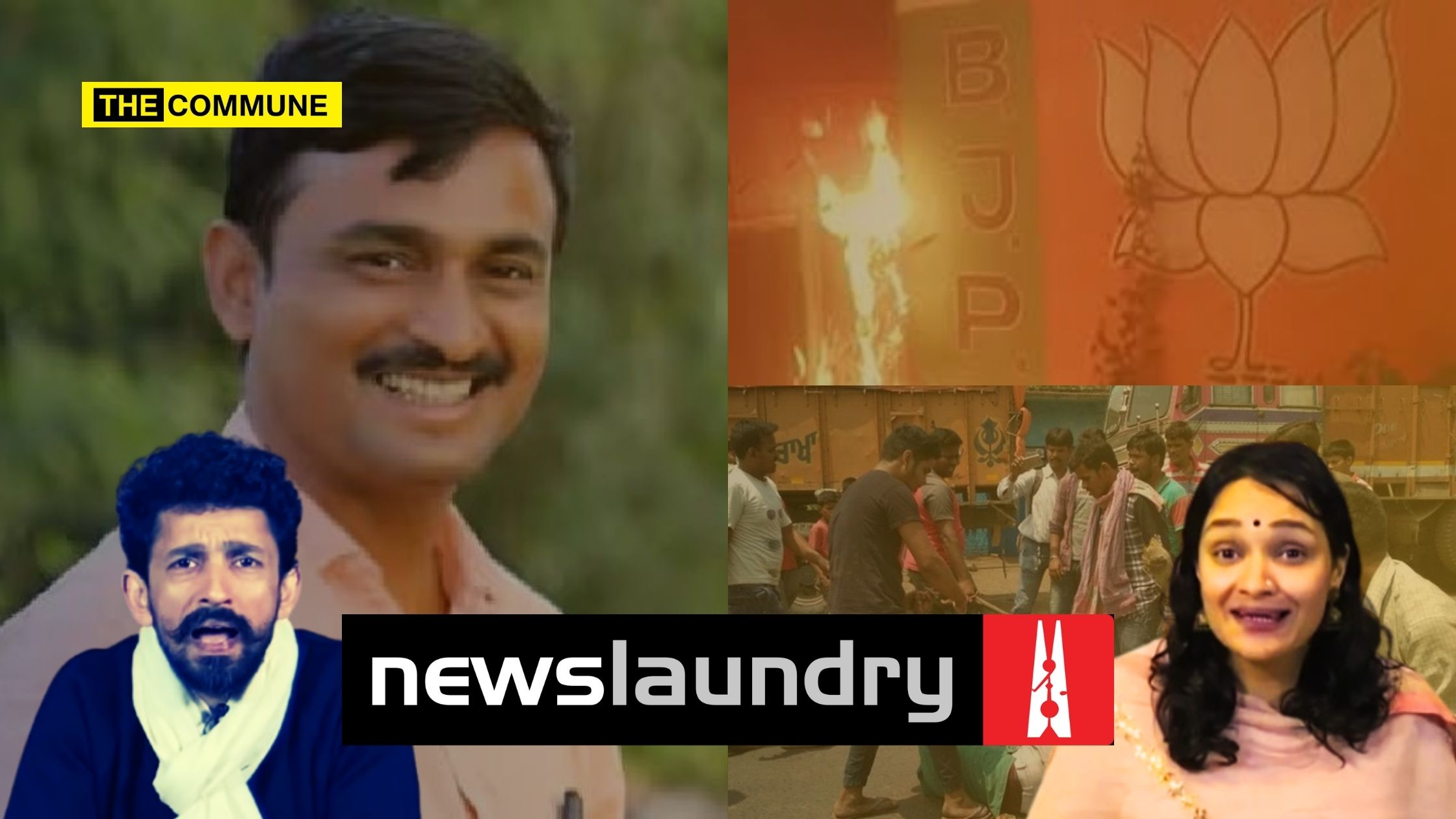
The pro-Congress and ultra-biased leftist rag NewsLaundry, always itching to find any opportunity to target the BJP, has once again seized the moment with its infamous show, “News Sense.” Known for shielding Congress-allied governments while relentlessly attacking the BJP, the show features propagandist journalist Manisha Pande, who carefully defends and overlooks the shortcomings of opposition-led states. Ironically, this time, the left-leaning propaganda outlet has decided to scrutinize the Maharashtra government—run by the BJP— over the case of Santosh Deshmukh, a sarpanch from Massajog village in Beed district, who was abducted, brutally beaten, and tortured to death by an unidentified mob.
In a recent 19-minute video, journalist Manisha Pande states, “In 2024, a Sarpanch was brutally murdered in Maharashtra’s Beed district. The victim, Santosh Deshmukh, was tortured and killed. One video showed him half-naked and severely bleeding, while another depicted one of the accused urinating on him. Deshmukh was a BJP supporter, and his murder was linked to a BJP government minister in Maharashtra. NCP leader Dhananjay Munde’s close aide was one of the main accused in this case. Munde was eventually forced to resign, and the Maharashtra opposition seized the moment to attack the BJP government. The opposition parties in Maharashtra demanded action and planned to corner the government in the Vidhan Sabha. But guess what happened next? The media suddenly shifted focus. The news of Deshmukh’s murder was pushed aside, and instead, headlines were dominated by reports on Aurangzeb.”
In the video, Manisha Pande attempted to push the narrative that the BJP-led Maharashtra government deliberately amplified the Aurangzeb controversy to divert attention from the brutal murder of Sarpanch Santosh Deshmukh, which implicated NCP MLA and Minister Dhananjay Munde’s close aide.
The tensions surrounding Aurangzeb’s controversy had already escalated due to calls for the removal of a 17th-century Mughal ruler’s tomb, sparking communal violence and prompting a curfew. Additionally, reports suggested that some individuals had displayed Aurangzeb’s image as their WhatsApp status in solidarity. Thus, the BJP did not manufacture the Aurangzeb issue—it was already a developing situation. Yet, Pande distorted the facts to fit her biased agenda, selling her narrative with sensationalism to mislead her audience.
Even in this video, the hypocritical journalism of the outlet is evident. They even featured ethnic violence in Manipur, calling it inhumane act and government inaction. But when it comes to Congress-allied government ,its a complete silence.
For example, how do you think they have reacted to the political violence in West Bengal, where 48 people were killed and over 400 were injured? If you think they would have called out Mamata Banerjee’s government with the same intensity, you’d be mistaken. Instead of taking the violence seriously, they mocked the situation, portraying it as something normal while subtly shielding the TMC government.
On 15 July 2023, during a Chhota Hafta podcast, Manisha Pande read out, “At least 45 people have been killed in West Bengal since the panchayat polls in the state were announced on June 8th. Incidents of destruction of ballot boxes and intimidation of voters were reported from many areas of the state. Meanwhile, the TMC on Tuesday swept the panchayat polls with the BJP as a distant second. The Kolkata High Court, however, has said that the poll results will be subject to ‘our ultimate order’.”
Immediately after reading this, Pande expressed surprise, questioning, “When did the last time you had heard the court say that?” pushing a narrative suggesting the court was biased in favor of the BJP.
Abhinandan Sekhri, the host, quickly joined in, saying, “Yeah, that was highly unusual.” Another panelist explained that the High Court had been monitoring the situation from the start, which is why paramilitary forces were deployed.
Sekhri, however, had a different agenda—propagating against the BJP. He immediately turned to panelist Monideepa Banerjee with a leading question, “It’s not a unique phenomenon, right? The violence in Bengal polls. Why is that so? Why is this tradition of such violent panchayat polls unique to a few states, and Bengal is one? What makes it such?” His framing of the question subtly shielded the Mamata Banerjee government, making it seem as though such violence was simply part of Bengal’s history, rather than a failure of the ruling TMC.
Even in the promo video, Sekhri showed zero concern for the victims of West Bengal’s violence. Instead, he joked about the situation, saying with laughter, “If someone wanted violence, they would just do it. That’s what Holi was for many people. I think it’s a thesis worth exploring—if someone has enmity with another person, they might just wait for elections. I think that’s a very reasonable and rational theory.”
This blatant display of bias once again proves that the media outlet selectively amplifies incidents based on political convenience, refusing to hold Congress-allied governments accountable while exaggerating issues under BJP rule.
So Newslaundry wants media to hold BJP govt in Maharashtra accountable for murder of sarpanch in Beed
Agree 100%
But don’t forget this old video of Newslaundry folks laughing and making jokes about dozens of political murders in Bengal panchayat polls. pic.twitter.com/f34e2DQIat
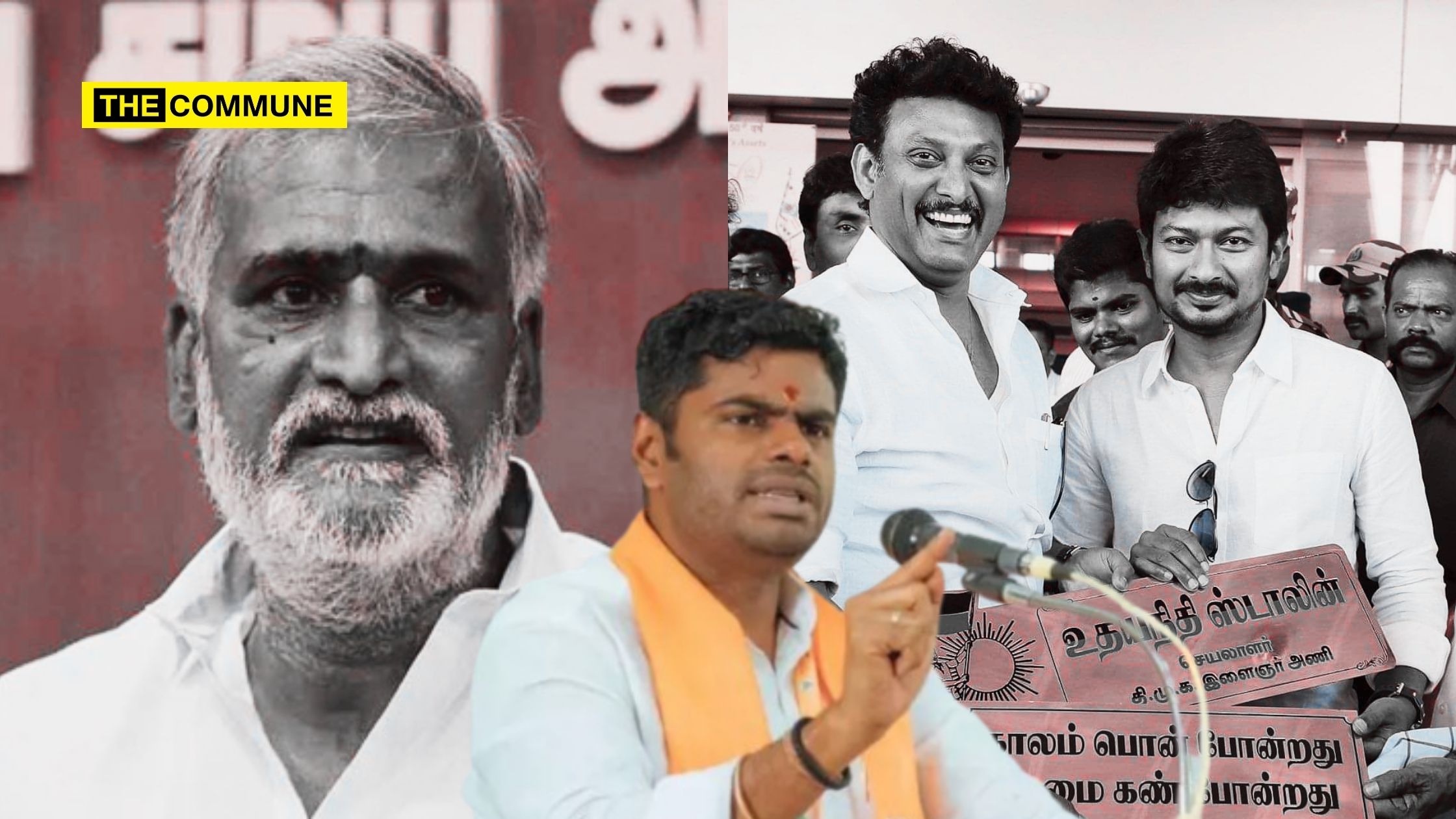
Tamil Nadu BJP president K. Annamalai has bashed on the DMK’s stance against the National Education Policy (NEP), countering their anti-national education narrative. Speaking at a public meeting in Trichy on 23 March 2025, organized by the Tamil Nadu BJP to explain the new education policy, Annamalai emphasized the massive public support for the signature campaign launched by the BJP. He revealed that the campaign had already gathered 27 lakh signatures in just 18 days, with a goal of reaching 1 crore signatures by the end of May.
Refuting the DMK’s claims, Annamalai reminded the public that education policies in India were not introduced by the BJP. He explained that the first National Education Policy (NEP) was implemented in 1968, followed by the second in 1986, which was later revised. The current NEP, introduced under Prime Minister Narendra Modi, is only the third in independent India’s history.
A committee was formed under PM Modi’s directive to revise and modernize the education system, and its recommendations were submitted in 2019. One of its key proposals was that students should study in their mother tongue from Classes 1 to 5, a practice that has led to remarkable educational progress in countries like Japan, China, and Germany. Despite Tamil being recognized as the primary language of instruction under the NEP, the DMK deliberately misleads the public, refusing to acknowledge this.
Furthermore, the policy aimed to extend Tamil-medium instruction to Classes 6, 7, and 8, while recommending that students learn an additional Indian language instead of making Hindi mandatory. Contrary to DMK’s accusations, it was actually the Congress-DMK alliance that had historically imposed Hindi when they were in power.
In a fiery attack, Annamalai criticized several DMK ministers, questioning whether those with criminal backgrounds and corrupt histories should have any say in shaping Tamil Nadu’s education policies.
He pointed out that Tamil Nadu’s Education Minister, Anbil Mahesh Poyyamozhi, seemed more interested in promoting Udhayanidhi Stalin than focusing on education. Mocking his priorities, Annamalai called him the ‘real leader’ of the Akhil Ulaga Udhayanidhi Fan Club, stating that instead of working for education reforms, he spends his time organizing events for Udhayanidhi Stalin.
Annamalai said, “Why don’t the DMK members understand the power because no one earned it through studies. Sister Tamilisai said, ‘Look at this! I studied and passed in how many subjects.’ Do we know if Udhayanidhi Stalin has a degree? We don’t know. Where did he study? Unknown. Who wrote his exam papers? Unknown. The Education Minister of Tamil Nadu, Anbil Mahesh Poyyamozhi, hails from this town, yet he seems to have a more important responsibility than this (overseeing education). He is the leader of the Akhil Ulaga Udhayanidhi Fan Club. I’m not saying this for applause. The real head of Agila Ulaga Udhayanidhi Fan Club (Global Udhyanidhi Fan Club) Anbil Mahesh Poyyamozhi. He spends his time organizing song launch events, following Udhayanidhi Stalin around. After all this, if he finds any spare time, he might talk about the education department. But what do they actually know about education? Think about it. Do they know what your children should study? They don’t.”
Highlighting the tainted pasts of DMK’s Textile Minister R. Gandhi, Annamalai said, “Take an individual named Gandhi—one might assume he is like (Mahatma) Gandhi. But in the 1990s, he was jailed under the Goondas Act for brewing bootleg liquor and later became the Minister Gandhi. Look at the history of each.”
Calling out DMK Minister Prohibition and Excise, He said, “Senthil Balaji who jumped five parties and become Liquor Minister. He served one and a half years in jail. Who knows if he’ll serve another five or ten years? Yet, he is a minister.”
Then taking out the DMK Minsiter of HR&CE, He said, “Then there’s Sekar Babu, the Minister of the Hindu Religious and Charitable Endowments Department . He was once in the Chennai’s rowdy sheeter. A person whose name was in the rowdy history register is now Minister of Hindu Religious and Charitable Endowments Department. Can you imagine? Will the country prosper this way?”
Taking out on DMK’s Law Regupathy, He said, “Minister Regupathy, from a neighboring district, has an ongoing case against him for amassing assets beyond his income. He is in charge of the Prisons & Law Department. Think about it—Will the country prosper this way?”
Annamalai warned that criminals and corrupt politicians deciding education policies would only lead to disaster, saying, “Look at the history of each and every minister. These joint thieves, are coming together to decide what our children should study. If a rowdy teaches a class, we will get rowdy students. If a good teacher teaches, we will get good students. These thieves who have been to jail, looted public money, been a rowdy, and engaged in bootlegging are discussing about how Tamil Nadu’s education policy should be, Will you agree to that?”
Annamalai emphasized that while the educational vision of Karmaveer Kamaraj, the policies of MGR, and the reforms introduced by Prime Minister Modi can be respected and accepted, an education system shaped by corrupt politicians, criminals, and lawbreakers cannot be trusted.
He urged the people of Tamil Nadu to reject the DMK’s misleading propaganda and support an education system built on merit and integrity.
Subscribe to our channels on Telegram, WhatsApp, and Instagram and get the best stories of the day delivered to you personally.
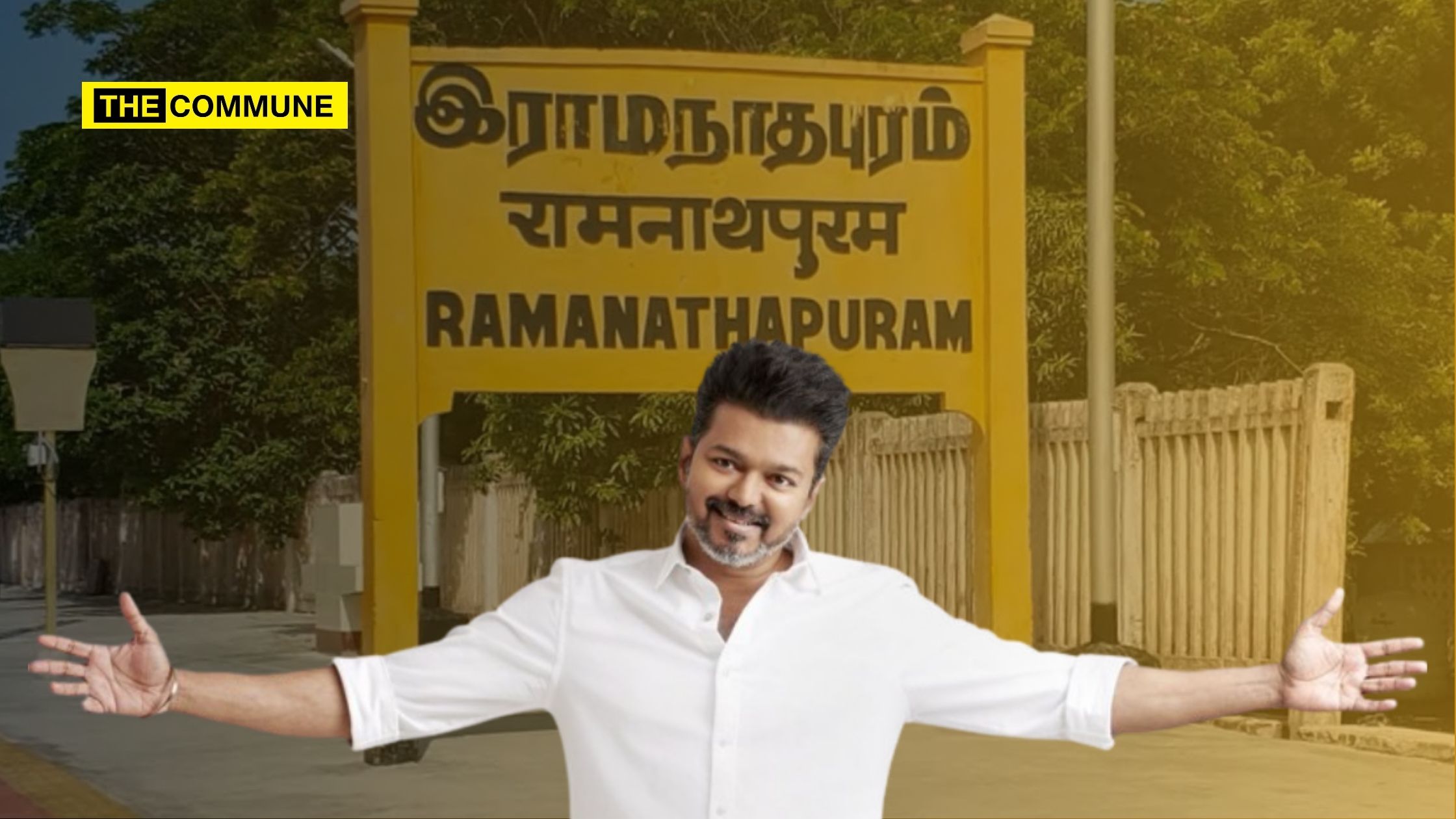
Actor, part-time politician and founder of Tamilaga Vettri Kazhagam, Vijay, is likely to contest from a constituency in the Ramanathapuram district during the 2026 Tamil Nadu Assembly elections.
Though the elections are still a year away, preparations are already underway. TVK has begun groundwork, including conducting multiple surveys across several constituencies to assess its prospects.
Sources within the party indicate that Vijay is considering Ramanathapuram due to its significant coastal and fishing community population.
The actor-politician has been vocal about issues affecting Tamil Nadu fishermen and has previously addressed public meetings highlighting their plight.
Notably, Vijay spoke out at a major rally in Nagapattinam against the frequent arrests of Tamil fishermen by the Sri Lankan Navy for allegedly crossing the International Maritime Boundary Line (IMBL).
During that address, he openly criticised both the ruling DMK government in the state and the NDA government at the Centre for their inaction.
A senior TVK leader, speaking on the condition of anonymity, said: “Vijay wants to be among the downtrodden and take up their cause as a politician. Ramanathapuram, being a coastal district constantly in the news due to the recurring arrests of fishermen, is a natural choice for him.”
The decision is also reportedly being shaped by election strategist Prashant Kishor, who is currently serving as an advisor to Vijay. Kishor was also present at the first anniversary celebrations of TVK held recently in Kancheepuram district.
TVK’s political symbolism was further established on August 22, 2024, when Vijay unveiled the party’s official flag and song at its headquarters in Panaiyur, Chennai. This was followed by the party’s first major political conference on October 27, 2024, in Vikravandi, Villupuram district. The event drew an estimated crowd of three lakh people. At the Vikravandi rally, Vijay delivered a fiery speech, launching scathing attacks on both the DMK and the BJP.
He labelled the DMK as his political adversary, and the BJP his ideological opponent. He accused the DMK of being a family-run party that exploits the Dravidian identity for personal gain, while also denouncing the BJP’s divisive agenda.
The DMK dismissed these allegations, claiming that Vijay was indirectly aiding the BJP. Senior DMK leaders even referred to TVK as the “C team” of the BJP in an attempt to downplay its political impact. It is noteworthy to mention that Prashant Kishor had previously worked for the DMK during the 2021 Assembly elections. Along with him, ‘Lottery’ Martin’s son-in-law Aadhav Arjuna who had also previously worked as a strategist for the DMK is now in Vijay’s TVK. With the entry of TVK, it is but natural for the anti-DMK votes to split which leads to the conclusion that TVK is the B-Team of DMK unless Vijay strikes an alliance with the AIADMK.
With momentum building, all eyes are now on TVK’s upcoming General Council meeting on March 28. Vijay is expected to unveil the party’s electoral roadmap and future plans for the 2026 Assembly.
–IANS
Subscribe to our channels on Telegram, WhatsApp, and Instagram and get the best stories of the day delivered to you personally.
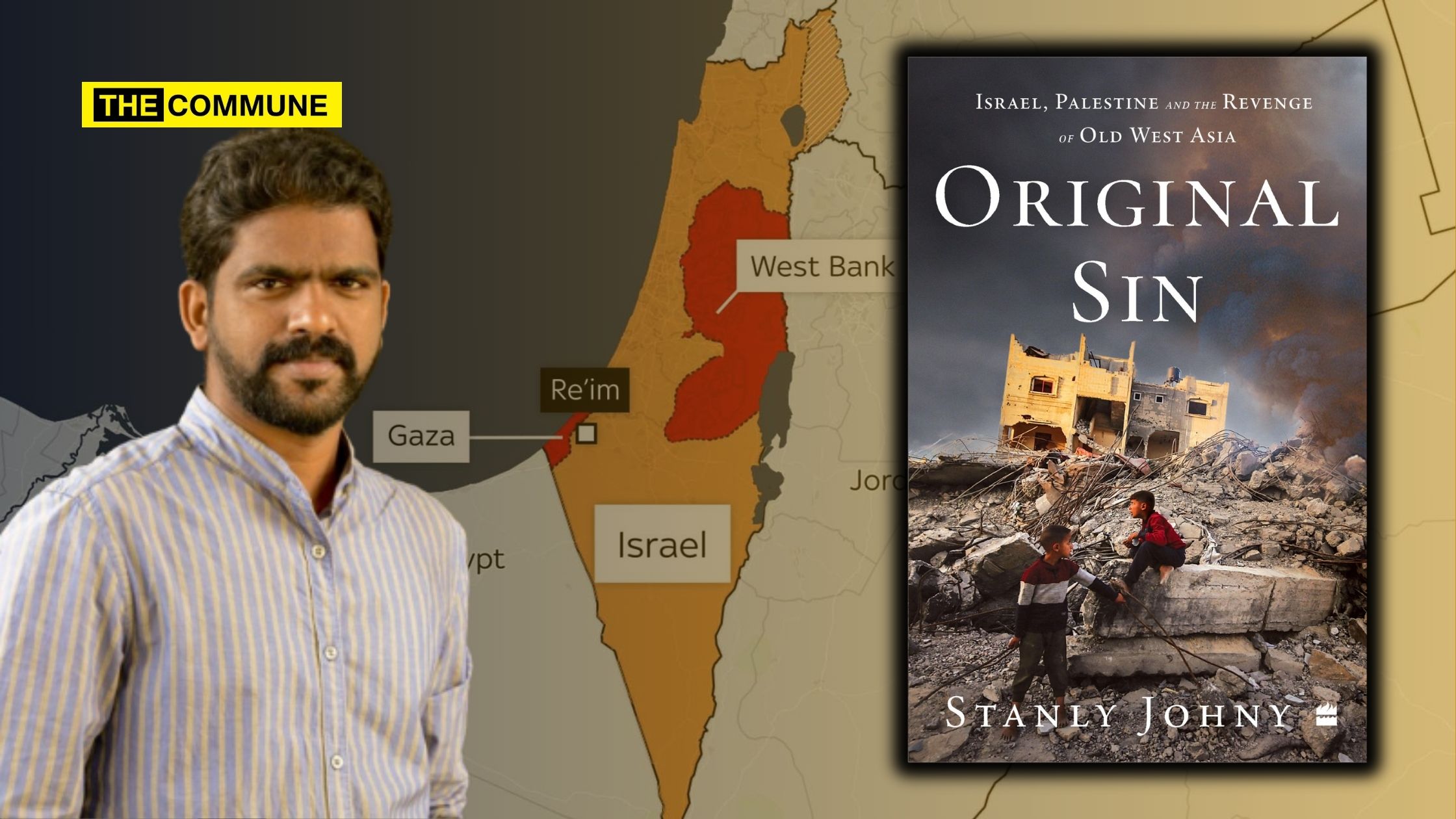
The Israel-Palestine conflict remains one of the most enduring and contentious disputes in contemporary history, shaping geopolitical dynamics far beyond its immediate vicinity. This multifaceted conflict encompasses religious, intra-religious, and geopolitical aspects, all of which are expertly examined by Stanly Johny in his latest book, Original Sin: Israel, Palestine and the Revenge of Old West Asia. In this work, he traces the historical origins of the conflict up to the Hamas attack on Israel on October 7, 2023, along with the ensuing retaliation and its ramifications.
The author structures the book into seven chapters, beginning with an examination of the origins of the Arab-Israeli conflict. He delves into the roots of Zionism, the events leading to the Balfour Declaration, and the internal divisions within the Zionist movement. Additionally, the text explores how the establishment of a Jewish state provoked a violent reaction from Arab nations. Immediately following its creation, Israel faced military aggression from four Arab countries, and by the conclusion of the war, it had acquired more territory than was allocated in the United Nations’ 1948 plan. The subsequent experience of the Palestinians is referred to as the naqba (catastrophe), during which approximately 750,000 Palestinians were forcibly removed from their homes. Stanly identifies a recurring theme in this narrative, referencing a 1937 diary entry by David Ben-Gurion, Israel’s first Prime Minister, in which he wrote, “We must expel Arabs and take their place.”
The book elaborates on all the Arab-Israeli conflicts, particularly highlighting the Six-Day War, which significantly altered the region’s trajectory, notably by establishing Israel as a strategic ally of the United States in West Asia. Following this, the Yom Kippur War forced Israel to acknowledge the concept of a Palestinian state for the first time, leading to recognition from a prominent Arab country, Egypt. Additionally, the Oslo Accords and the emergence of Hamas are interconnected, as the Oslo agreement contributed to the decline of the Palestine Liberation Organization (PLO) in its struggle for dominance against Hamas. The book is enriched with personal anecdotes that the author gathers throughout his journeys in the conflict zone. He describes Ramallah as “one of the most challenging government administrative centres to reach due to Israeli occupation.” Regarding Jerusalem, he astutely notes that it is “a city where history is frozen in every corner.” Stanly also clarifies the importance of the Temple Mount, Haram esh-Sharif, and the Church of the Holy Sepulchre for the three Abrahamic faiths: Judaism, Islam, and Christianity.
In his examination of Iran’s Axis of Resistance, the author characterizes Iran as the “strategic octopus of West Asia,” with the Ayatollah-led regime at its center and militias such as Hamas, Hezbollah, the Houthis, and Islamic Jihad serving as its extensions. Hezbollah was established by Iran in response to Israel’s assault on Lebanon in the early 1980s, while Hamas emerged independently but has since received Iranian support to confront its adversaries, Israel and the United States. Through this Axis of Resistance, Iran effectively maintains a buffer against conflict at its borders, employing asymmetric warfare tactics against Israel within the region.
The book also includes a chapter on India’s approach to the crisis. Since the era of Nehru, when India distinctly supported Palestine, there has been a notable shift under Prime Minister Modi, characterized by a clear inclination towards Israel. This shift, often referred to as the de-hyphenation of India’s policy on Israel and Palestine, began during the premiership of P.V. Narasimha Rao in 1991. The concluding section of the book examines the transformation of India’s stance on the Israel-Palestine conflict. Officially, India endorses a two-state solution that envisions a sovereign and independent Palestine. Following the Hamas attack on October 7, 2023, India expressed solidarity with Israel; however, the subsequent indiscriminate bombings of Palestinian territories prompted India to advocate for a ceasefire and urge Israel to consider civilian casualties in Palestine. Despite this criticism, Israel has largely minimized these concerns, and the amicable relationship between the two nations persists.
Stanly perceives Israel’s confrontational and aggressive posture, characterized by its reliance on military force, as a moral, geographical, and historical entrapment. The Jewish nation continues to bear the consequences of this stance, as peace in the Middle East remains unattainable—a situation that will persist until the fundamental issue of the Palestinian question is addressed. During a visit to Bethlehem, located less than 10 kilometers from Jerusalem and recognized as the birthplace of Jesus, the author reflects deeply. His insights encapsulate the conflict: “On one side, you have the place where Jesus was born; just a few hundred meters across the square, you have a mosque where Islam’s second Caliph prayed. And in between, a pub where you can sit back and deliberate on what went wrong over the centuries.”
Foreign policy is primarily grounded in practical considerations and is characterized by a pragmatic approach. Ethical and moral principles typically fall outside the realm of geopolitics. The global perspective on this conflict is influenced by realpolitik. When India interacts with Israel while simultaneously advocating for a sovereign and independent Palestine, it appears to diverge from its pro-Palestine stance maintained for nearly four decades. Nevertheless, India exemplifies the notion articulated by Palmerston: “Nations have no permanent friends or enemies, only permanent interests.”
Original Sin offers a compassionate viewpoint on the West Asian conflict, showcasing the author’s profound emotional engagement with the topic, in addition to the extensive first-hand research he has conducted. This book is essential reading for anyone seeking to understand the origins of the conflict, the diverse stakeholders involved, and the far-reaching consequences of the war.
Kanishk Shekhar is a columnist and also teaches students preparing for Civil Services Exam.
Subscribe to our channels on Telegram, WhatsApp, and Instagram and get the best stories of the day delivered to you personally.
The Legal Rights Protection Forum (LRPF) has lodged an urgent complaint with the Sambalpur District Superintendent of Police and District Collector, calling for the registration of an FIR against Christian missionary Pastor Sunny Kurre and PS Hadibandhu Sandha. The complaint alleges that their upcoming event, “2 Days Prophetic Encounter,” scheduled for March 25-26 in Batemura, Manesar, Odisha, is an attempt at illegal religious conversion and the promotion of alleged supernatural healing practices.
The primary objective of this gathering, as evident from its promotional materials, is to deliberately mislead, manipulate, and convert vulnerable tribal communities under the pretense of performing ‘supernatural healings’ and ‘miraculous interventions.’
According to the complaint, the event targets vulnerable tribal communities, misleading them with claims of miraculous healings and divine interventions. The LRPF argues that these activities violate multiple laws, including the Drugs and Magic Remedies (Objectionable Advertisements) Act, 1954, and the Odisha Freedom of Religion Act, 1967. The forum has submitted digital evidence, including videos from social media and YouTube, allegedly showing Pastor Kurre claiming to heal illnesses through supernatural means.
A video uploaded on Pastor Sunny Kurre’s official YouTube channel (Time Stamp 2:40) provides clear evidence of him exploiting a woman by coercing her to believe he could heal her child’s supposed cancerous tumor through supernatural means:
The organization has urged authorities to take immediate action, including:
Filing an FIR against the organizers.
Banning the event to prevent unlawful conversions.
Investigating financial transactions related to the event, citing potential fraudulent inducements involving monetary aid, food, and resources in exchange for conversion.
The complaint has also been forwarded to the Chief Minister’s Office of Odisha for further intervention. Authorities have yet to issue an official response regarding the demands for action against the event and its organizers.
Subscribe to our channels on Telegram, WhatsApp, and Instagram and get the best stories of the day delivered to you personally.
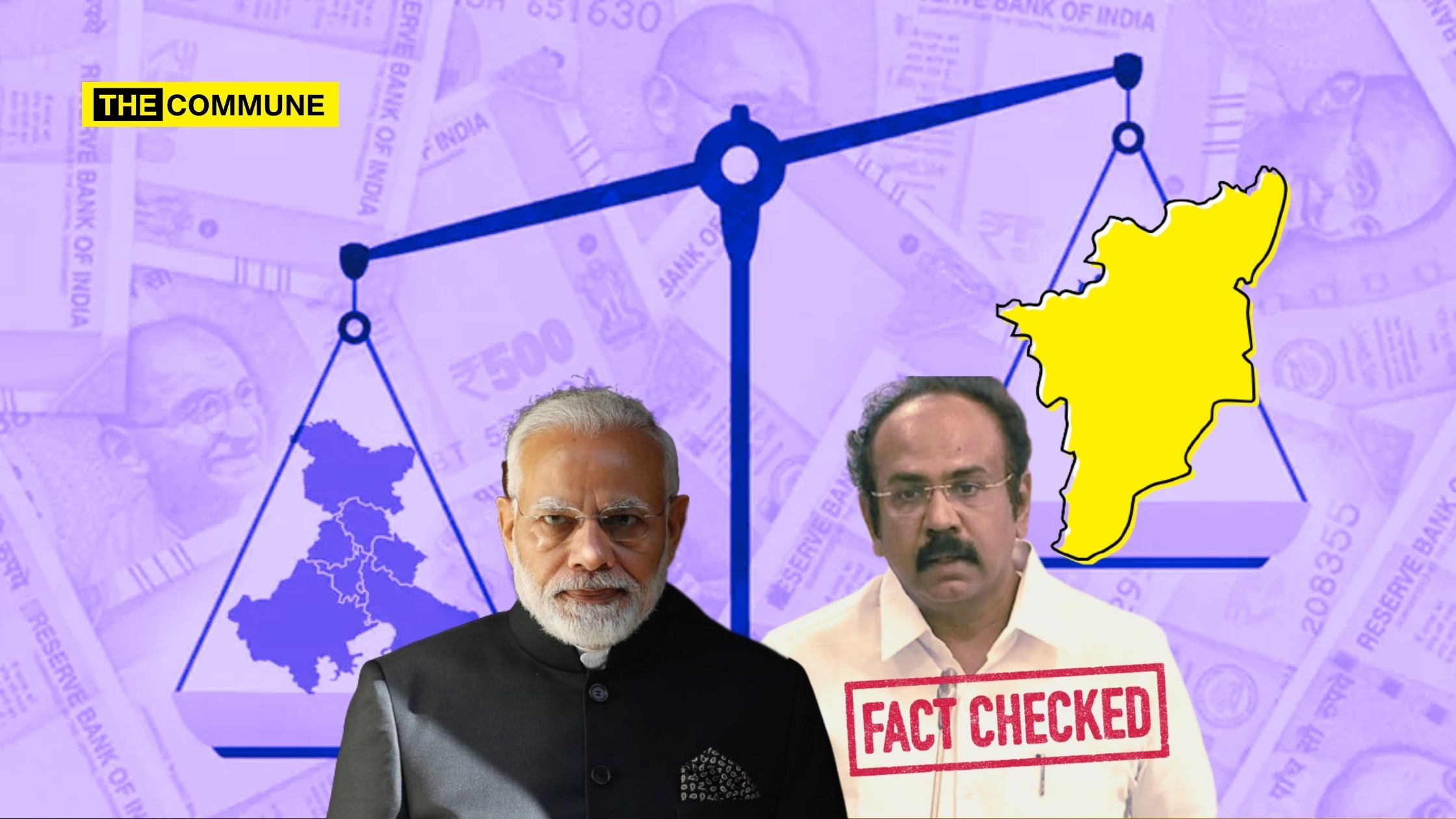
The ruling DMK government has once again attempted to deflect criticism by blaming the central government whenever its policies or actions come under scrutiny. This time, in response to opposition parties like the BJP and AIADMK highlighting Tamil Nadu’s growing debt crisis under the DMK regime, the state government has shifted blame to the fiscal sharing mechanism between the central and state governments. The DMK alleges that Tamil Nadu is losing revenue under the BJP-led central government. Tamil Nadu’s Finance Minister Thangam Thennarasu claimed that the devolution for Tamil Nadu reduced from more than 7% before to 4.079% implying that the state got less money under the Modi government —a claim that does not hold up to scrutiny.
Fact Check: Who Decreased Tamil Nadu’s Share?
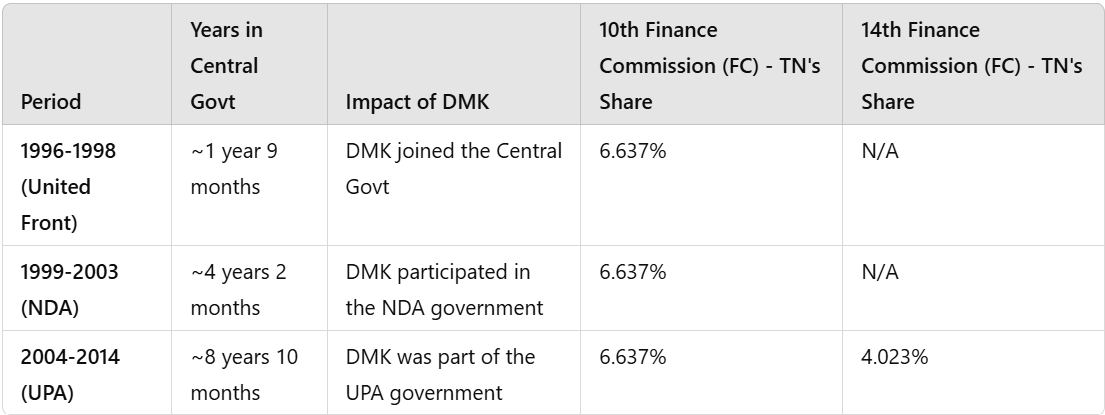
The DMK argues that Tamil Nadu’s share in Finance Commission devolution has declined from 7.931% during the 9th Finance Commission to 4.079% under the 15th Commission. However, the reality is that Tamil Nadu’s share had already dropped to 4.02% before Prime Minister Modi assumed office in 2014.
This decline occurred due to the 14th Finance Commission, which was constituted under the Congress-led UPA government, where DMK was a coalition partner. Between 1996 and 2014, when DMK shared power in Delhi, Tamil Nadu’s share dropped from 7% to 4.02%. Thus, blaming Prime Minister Modi for this reduction is misleading.
Has The Modi Government Provided More Funds To Tamil Nadu?
Comparison of Central Funds to Tamil Nadu
Under the Modi government (2014-2023), Tamil Nadu has received more central funds compared to the Congress-DMK period (2004-2014):
During the Congress-DMK regime (2004-2014): Tamil Nadu received only ₹1.58 lakh crore over ten years.
Under the Modi government (2014-2023): Tamil Nadu received ₹4.75 lakh crore over just eight years—three times more than the previous decade.
Additionally, Tamil Nadu paid ₹6.24 lakh crore in direct taxes and received ₹6.97 lakh crore in return—a net gain of over 90% of the amount paid.
Did Congress And DMK Betray Tamil Nadu?
Despite Tamil Nadu’s declining share in the Finance Commission’s allocation during DMK’s tenure in Delhi (1996-2014), the party never raised concerns or took corrective action when they had the opportunity. The question arises: If DMK truly cared about Tamil Nadu’s financial interests, why did they not protest or take steps to safeguard the state’s share when they were in power?
What Has The Modi-Led BJP Government Done for Tamil Nadu?
The BJP government has implemented several initiatives that have significantly benefited Tamil Nadu:
Financial Aid: Tamil Nadu received ₹4.75 lakh crore in central funds over eight years, a substantial increase from previous administrations.
Population Control Incentives: Modi’s policies reward states that manage population growth, benefiting Tamil Nadu.
Development Initiatives:
Security programs
Employment schemes
Textile parks
Free food grains for nearly 3 crore people
Free cooking gas for 40 lakh women
Is DMK’s “Loss” Real?
The DMK claims that Tamil Nadu has lost ₹2.63 lakh crore, basing this argument on an outdated 7% share figure. However, the fiscal allocation framework changed during the Congress-DMK era, and Tamil Nadu has actually received more funds under the Modi government.
In reality, Tamil Nadu’s share increased under the 15th Finance Commission, rising from 4.023% to 4.079%, whereas other southern states saw a decline.
Key Factors In 15th Finance Commission’s Allocation Under BJP:
Criteria
Weightage
Tax & Fiscal Efforts
2.5%
Demographic Performance
12.5%
Result: Tamil Nadu’s share increased to 4.079%.
Conclusion
The DMK’s claims about fiscal injustice under the Modi government are false and misleading. The reduction in Tamil Nadu’s share happened under the Congress-DMK era, and the DMK did nothing to challenge it. Under Modi’s leadership, Tamil Nadu has received more funds, better opportunities, and favorable policies.
The DMK’s attempts to divert attention from its governance failures by blaming the BJP do not stand up to facts.
பாரதப் பிரதமர் திரு.மோடி அவர்கள் தமிழ்நாட்டுக்கு துணை! மதிப்பிற்குரிய அமைச்சர் திரு. தங்கம் தென்னரசு அவர்கள் சொல்லாமல் விட்ட உண்மைகள்! pic.twitter.com/IoCtzXbQLU
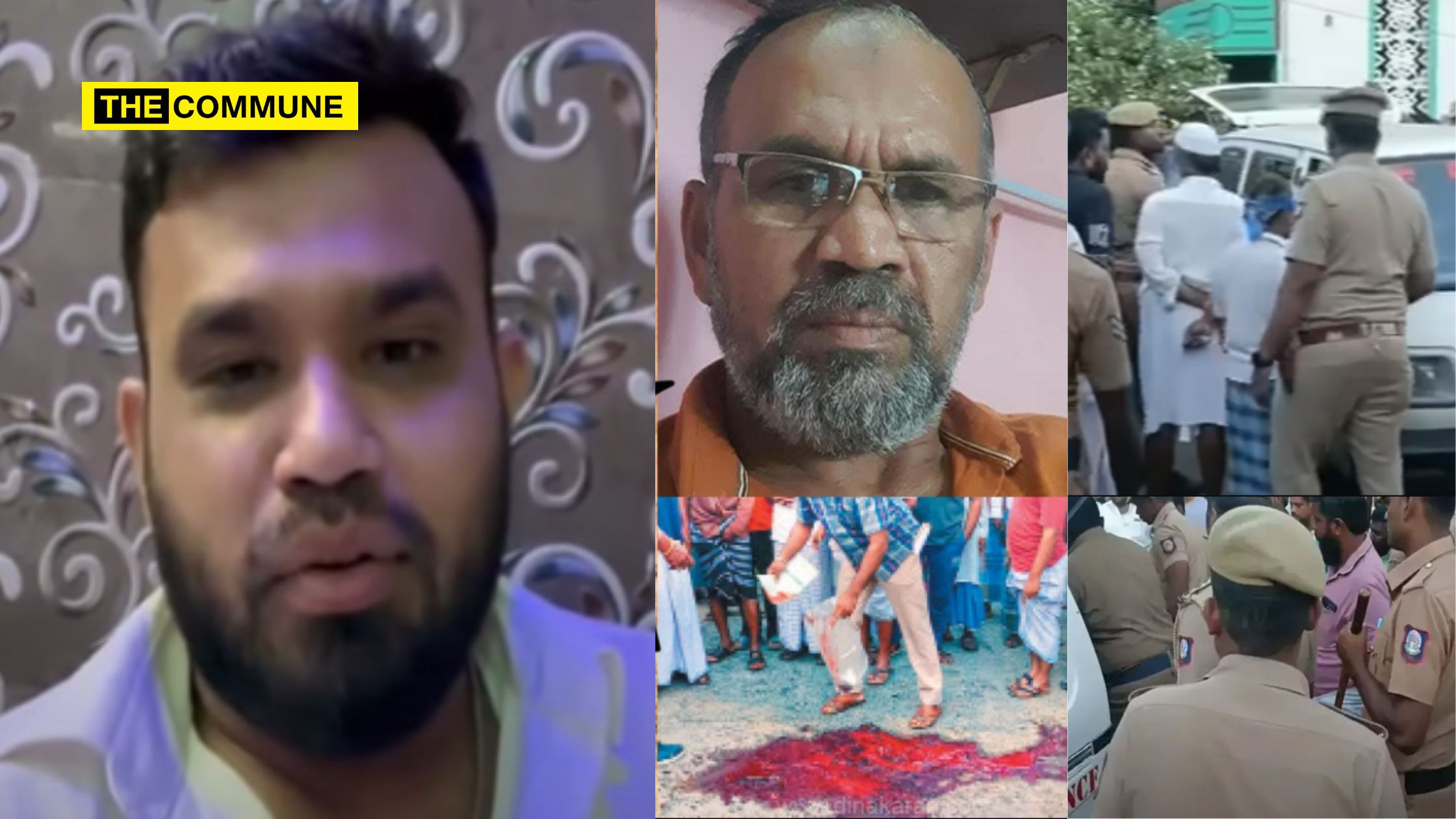
A new video released by Isir Rahman Bijli, son of slain former sub-inspector Zakir Hussain, has sparked concern after he claimed that he could be the next target.
Zakir Hussain Bijli (58), a resident of Totti Balatheru in Tirunelveli, was a Muttawalli (caretaker of Waqf property) of the Murdeen Jahan Taikka descendants. Zakir Hussain, a retired assistant inspector, had served in the Tamil Nadu police for 25 years before opting for voluntary retirement. On the morning of 18 March 2025, while returning home after offering prayers at the Samiya Thaika mosque during Ramzan fasting, Zakir was attacked near the Town Kajah Beedi office. Unknown assailants, armed with sickles, fatally struck him on the head before fleeing the scene. He succumbed to his injuries on the spot.
Following a detailed investigations, police confirmed that Tawfik alias Krishnamurthy, along with his relatives, was responsible for the murder. On the same day, Tawfik’s younger brother Karthik and his wife Noorjahan’s brother, Akbar Shah, surrendered in the Tirunelveli court. Meanwhile, Tawfik, who was on the run, was later shot dead by police in Rediyarpatti. A special team was dispatched to Thiruvananthapuram to arrest Noorjahan. The incident led to disciplinary actions, including the suspension of Inspector Gopala Krishnan for negligence in handling the case. Additionally, Tirunelveli Town Assistant Commissioner Senthil Kumar was transferred to Coimbatore’s Special Intelligence Unit, with the DGP recommending his suspension.
Amidst these developments, Ijur Rahman Bijli released a video stating that unknown individuals were constantly monitoring his movements. He claimed that a person wearing a helmet was seen filming their house earlier that day and expressed fears that he might be the next target.
Ijur Rahman said, “How is this case going now? It feels like we are the next target. That’s why we will make a video and record what’s going on so that if something happens in the future, this record will be very useful. Just like what happened to my father at the state level, we may go to the national level. Now, why am I telling you this? Today, someone came wearing a helmet and took a video of the house while I was inside. When I went out, he took the vehicle and left. I don’t know who it was. We are not afraid of death, but we are afraid of the responsibility that will come after death. My father and I talk a lot about it. Whatever happens, we have never been afraid of death. It is just a moment of pain for a minute or two, but beyond that, there is a responsibility. Why did we come to this place? The goal is the biggest concern. Why am I telling you this? It has been four days since we filed these FIRs. The fourth culprit has not been caught yet. Even though that woman worked in the Tirunelveli High Court. They have said that they shot and arrested the husband but have not been able to catch the wife. If she was outside, what would she do? She will move for bail and try to dilute the case. She will try to spoil all the evidence right! When are you going to catch her? You are saying today and tomorrow.”
The video which has since gone viral has caused widespread alarm prompting Tamil Nadu police to give protection to his house.
Notably, before his murder, Zakir Hussain had released a video urging the Chief Minister to take action, alleging that a gang was plotting to kill him and that his police complaints had been ignored. His death, which followed soon after, had already created a major controversy. Now, with his son also raising concerns about threats to his life, the situation has further escalated.
Motive Behind Murder
A retired police officer Zakir Hussain who previously served in the security wing of former Tamil Nadu Chief Minister M. Karunanidhi was brutally murdered in Tirunelveli. The police have launched an investigation into the incident. Notably, he was part of former CM Karunanidhi’s security team and later worked under current CM M.K. Stalin when the latter was Chennai’s Mayor and Minister for Rural Development & Local Administration.
Authorities suspect that a long-standing land dispute over a Waqf land may have played a role in the killing. Reports indicate that Zakir had ongoing tensions with a local youth, Toufiq, who had converted to Islam and was allegedly involved in a dispute over a 30-cent waqf property. Zakir had previously been arrested under the Protection of Civil Rights (PCR) Act and Scheduled Castes and the Scheduled Tribes (Prevention of Atrocities) Act concerning this matter but was out on bail. The disagreement escalated as Zakir had been actively gathering details related to the property. Both Zakir and Toufiq had previously lodged complaints against each other over the land issue.
The dispute is said to have stemmed from a plot of land adjacent to Zakir’s property, which was owned by Toufiq’s wife. Zakir allegedly occupied the land, asserting that it was Waqf property, whereas Toufiq’s family maintained that it had been privately gifted to her by her mother. The conflict intensified over time and is believed to have culminated in Zakir’s murder.
The police confirmed that Zakir had built a shed on the disputed land, leading to legal cases between both parties. Officials also revealed that a case was registered against Zakir in January 2025. The murder is being treated as a result of the prolonged civil dispute over the property.
The police are investigating whether the attack was linked to this dispute or had other motives. The incident has heightened tensions in the Tirunelveli Town and Pettai areas, prompting heavy police deployment.
Following his murder, a February 2025 video recorded by Zakir resurfaced, in which he claimed his life was in danger. In the video, Zakir alleged that around 20 to 30 individuals were threatening him, singling out Toufiq as the primary instigator. He accused Toufiq of using his conversion for financial gain, alleging that he had married a woman after pressuring her to divorce her first husband to acquire land.
Zakir also accused two police officers—Inspector Gopalakrishnan and Sub-Inspector Senthil Kumar—of ignoring his complaints and enabling threats against him.
Subscribe to our channels on Telegram, WhatsApp, and Instagram and get the best stories of the day delivered to you personally.