Home Blog Page 329

Bengal Burning: A Timeline Of Communal Violence Under Mamata’s Regime

west bengal mamata banerjee persecution hindus

West Bengal’s descent into recurring communal violence under Chief Minister Mamata Banerjee’s administration reveals a disturbing pattern when examined chronologically. This timeline analysis connects the dots between policy decisions, inflammatory rhetoric, and outbreaks of violence from 2017 to 2025, demonstrating how political posturing often preceded unrest.

Let us first take a look at 5 major incidents of unrest in the Mamata regime.

#1 Murshidabad Violence (April 2025)

In April 2025, Murshidabad became the epicenter of violent protests against the Waqf (Amendment) Act. The unrest led to the destruction of over 200 Hindu homes and numerous vehicles. More than 500 Hindus reportedly fled the area, and 15 policemen sustained injuries. Chief Minister Mamata Banerjee described the violence as “pre-planned,” attributing it to certain factions within the BJP, Border Security Force (BSF), and central agencies. In response, the Calcutta High Court directed the deployment of central forces to restore order.

#2 Anti-CAA Protests In West Bengal (2019)

After the Citizenship Amendment Act (CAA) was passed in December 2019, large-scale protests broke out across West Bengal. Chief Minister Mamata Banerjee led rallies, declaring that neither the CAA nor NRC would be allowed in the state. The protests turned violent in several districts, prompting the suspension of internet services in six areas. The Calcutta High Court ordered the state government to submit a report on the law and order situation. Despite unrest, Mamata remained defiant, calling the CAA discriminatory and unconstitutional, and continued to mobilize public opposition through mass demonstrations and political rhetoric.

#3 Howrah Ram Navami Clashes (2023)

In March 2023, violence broke out during a Ram Navami procession in Howrah, involving stone-pelting, arson, and armed participants. Vehicles were torched, and police deployment intensified. Chief Minister Mamata Banerjee condemned the violence, blaming right-wing groups for inciting riots by deviating from approved routes and entering Muslim-majority areas during Ramzan. She questioned the use of swords and bulldozers in the rally and warned of strict action against conspirators. Mamata maintained that rallies were not banned but must avoid provocative routes. She accused the organisers of deliberately targeting communities and pledged not to spare those responsible for the unrest.

#4 Asansol Riots and Rise in Communal Clashes (2018)

In March 2018, violent clashes erupted during Ram Navami celebrations in Asansol, leading to five deaths and widespread unrest. Internet services were suspended, and Section 144 was imposed. The NHRC and Centre sought reports on the state government’s response. Mamata Banerjee’s administration faced criticism for poor handling and inadequate relief. The BJP blamed her appeasement policies, while she accused the BJP of inciting violence. Union Home Ministry data showed a steady rise in communal violence in Bengal since 2015, with 58 incidents and 9 deaths in 2017 alone, highlighting worsening communal tensions under Mamata’s rule despite national comparisons.

#5 Basirhat Riots (2017): Mishandling and Appeasement Politics

In July 2017, communal riots broke out in Basirhat, West Bengal, over an objectionable Facebook post by a teenager. The violence led to arson, attacks on police stations, and destruction of property. The Mamata Banerjee government faced criticism for its poor handling and alleged appeasement of Muslims. Internet services were suspended, and central forces were deployed late. One person died, and public transport was disrupted. Opposition parties, including BJP and CPM, accused Mamata of prioritizing vote-bank politics over law and order. The incident highlighted a surge in communal clashes under her second term, amid rising dissatisfaction over corruption and governance failures.

Anti-India Stance

Let us take a look at the anti-India stance of Mamata Banerjee.

#1 Mamata’s Stance on Bangladesh Raises Infiltration Concerns

On 21 July 2024, at a Trinamool Congress ‘Martyrs’ Day’ rally, Mamata Banerjee offered to shelter victims of violence-hit Bangladesh, citing UN refugee norms. Critics argue this stance has weakened border control, enabling illegal infiltration by Bangladeshi Muslims into border districts like Malda, Murshidabad, and Cooch Behar, altering local demographics. Mamata also pledged support to Bengal residents with affected relatives in Bangladesh. Meanwhile, she targeted the BJP-led Centre, predicting its downfall. Samajwadi Party chief Akhilesh Yadav echoed this sentiment at the rally, applauding Bengal’s resistance to BJP dominance and hinting at a broader political shift against the ruling party.

#2 Against CAA, NRC, and UCC, Vows To Block Them In Bengal

On 11 April 2024, during an Eid-ul-Fitr gathering in Kolkata, West Bengal Chief Minister Mamata Banerjee declared strong opposition to the CAA, NRC, and UCC, stating they would not be implemented in the state. She asserted, “We are ready to shed blood for the country but won’t tolerate tyranny,” emphasizing harmony among religions and people’s safety. Criticizing the BJP for misusing central agencies like the NIA, she warned against communal provocation. Mamata extended Eid greetings, calling it a festival of peace and strength.

#3 Supported Rohingya Refugees, Opposed Centre’s Deportation Plan

On 15 September 2017, West Bengal Chief Minister Mamata Banerjee backed Rohingya refugees, asserting they are common people, not terrorists. Aligning with the UN’s humanitarian appeal, she criticized the Modi government’s plan to deport 40,000 Rohingyas, emphasizing compassion over security fears. Mamata tweeted, “All commoners are not terrorists. We are really concerned.” Her government also supported issuing UNHCR identity cards to Rohingya children in juvenile homes. This stance came amid Centre-issued advisories warning states about illegal migrants, and growing protests in Kolkata demanding shelter for Rohingyas while condemning the Centre’s bias toward Hindu over Muslim refugees.

Anti-Waqf Act Protests

Let us now take a look at Mamata’s and the TMC’s history of provocation and how they instigated people into riots. First, we look at the provocations for anti-Waqf Amendment protests.

#1 Murshidabad Violence “Pre-Planned”

In April 2025, amid rising communal violence during Ram Navami celebrations in Murshidabad, Chief Minister Mamata Banerjee deflected responsibility for the unrest, instead blaming it on a “pre-planned” conspiracy. She accused factions within the BJP, the Border Security Force (BSF), and central agencies of inciting tensions and enabling cross-border movements from Bangladesh. Despite the worsening law and order situation, Banerjee chose to shift blame rather than address the violence directly.

Mamata Banerjee Meets Clerics, Slams Centre Over Waqf Law and Riots

On 16 April 2025, West Bengal CM Mamata Banerjee met Muslim clerics to oppose the new Waqf law, accusing the BJP of bypassing constitutional procedure by passing it with a simple majority. Calling the riots pre-planned , she blamed BJP-linked media for spreading fake videos. Denying TMC’s role in the violence, she criticized NDA allies Nitish Kumar and Chandrababu Naidu for their silence. Mamata alleged BJP aims to polarize Bengal, citing food bans in Bengali areas of Delhi, and warned that the UCC is next. She urged INDIA bloc unity against what she called BJP’s anti-Muslim agenda.

#2 TMC MP Bapi Halder’s Violent Threat Amid Waqf Protests Sparks Outrage

Amid Waqf Amendment Act protests in Murshidabad, a video of TMC MP Bapi Halder threatening to “gouge out eyes and break limbs” went viral, sparking political uproar. BJP’s Sukanta Majumdar slammed the Mamata Banerjee-led government for inaction, alleging the remarks targeted Hindus and encouraged fundamentalist violence.

At least three people died and hundreds fled to Malda amid the unrest. While 180 arrests were made, TMC has remained silent on Halder’s comments. BJP leaders accused the state administration of shielding violent elements, as communal tensions and calls for accountability escalate ahead of elections.

#3 TMC Minister Siddiqullah Chowdhury Threatens Traffic Siege Over Waqf Bill

On 10 April 2025, TMC Minister Siddiqullah Chowdhury threatened to mobilize 10,000 people at 50 locations in Kolkata to block traffic if the Waqf Amendment Act is not withdrawn. Speaking at a rally organized by Jamiat-e-Ulema Hind, Chowdhury demanded the immediate withdrawal of the legislation and emphasized that protests would escalate in West Bengal. He claimed that the TMC government provides safety to Muslims, accusing the BJP of targeting the community. Chowdhury also stated that Chief Minister Mamata Banerjee assured the Act would not be implemented in the state and urged peaceful protests.

#4 Mamata Banerjee Asserts Waqf Act Won’t Apply in Bengal

On 9 April 2025, West Bengal Chief Minister Mamata Banerjee announced that the Waqf (Amendment) Act would not be implemented in the state. Speaking at a Jain community event in Kolkata, she assured minorities that their rights and properties would be protected. Banerjee urged people not to be provoked into political movements, emphasizing unity and peaceful coexistence. Referring to the unrest in Murshidabad and the impact of the Waqf Act, she vowed to protect Bengal’s 33% minority population, calling for solidarity and trust.

#5 Waqf Bill Brought To Divide Country, Mamata Banerjee Vows to Nullify Waqf Bill After New Government Takes Office

On 3 April 2025, West Bengal CM Mamata Banerjee condemned the Waqf (Amendment) Bill, claiming it was designed by the BJP to divide the country. She pledged that once a new government is formed, her administration would bring amendments to nullify the bill. Banerjee criticized the BJP’s divisive agenda and called for protests against the bill. Muslim organizations and civil society groups in Kolkata planned peaceful demonstrations, with the All India Muslim Personal Law Board vowing to launch a nationwide campaign against the “black law,” accusing the government of ‘oppressing Muslims’.

#6 TMC MP Kalyan Banerjee Calls Waqf Bill Unconstitutional in Parliament

On 2 April 2025, Trinamool Congress MP Kalyan Banerjee strongly opposed the Waqf (Amendment) Bill in Parliament, calling it unconstitutional and a violation of Muslim rights under Article 26. He argued the bill attacks the community’s right to manage religious affairs, divides Waqf boards by sects, and removes safeguards for property disputes. Banerjee claimed Parliament lacks authority to legislate on state-controlled Waqf matters and accused the government of aiming to seize Waqf properties and deepen Hindu-Muslim divisions. He labeled the bill “misconceived, irrational, and arbitrary,” and vowed that TMC would vote against it.

Anti-CAA Riots

The provocation and riots are not happening for the first time. When the CAB was announced, similar riots broke out in West Bengal.

In December 2019, violent protests erupted across West Bengal, with Murshidabad district witnessing some of the worst unrest. Protesters set fire to railway stations and trains, and vandalized public property. The West Bengal Police faced criticism for failing to respond swiftly and effectively, allowing the violence to spiral out of control.

#1 TMC MP Mamata Thakur Slammed CAA Citizenship Process As ‘Dehumanising’

In August 2024, Trinamool MP Mamata Thakur criticized the Citizenship Amendment Act (CAA) in the Rajya Sabha, calling its citizenship process “degrading” and “immensely dehumanising.” Representing the Matua community, she condemned the requirement for ancestral documents and the threat of detention camps for those unable to comply. Thakur argued that forcing longtime residents to renounce Indian citizenship and reapply was unjust. Citing Olympic unity, she urged for unconditional citizenship, free from religious, linguistic, or caste-based discrimination. Her remarks drew strong protests from the treasury benches but highlighted deep concerns within her community.

#2 TMC Leader Abhishek Banerjee Accused BJP Of Branding Migrants As Bangladeshis Via CAA

At a rally in Ranaghat, Nadia in April 2024, TMC leader Abhishek Banerjee alleged that the BJP is using the Citizenship Amendment Act (CAA) to label Bengali Hindu migrants as Bangladeshis, even those who are already Indian citizens. He warned that applying for CAA citizenship could delegitimize genuine citizens. Banerjee criticized the NDA for being anti-Matua and accused the Centre of withholding MGNREGA funds and suppressing dissent. He also condemned the BJP’s “one nation, one election” plan as a threat to democratic rights and challenged BJP leaders to apply for citizenship under the CAA themselves.

#3 TMC Leader Majid Memon Makes ‘Hindu Terrorist’ Remark On CAA

On 14 March 2024, TMC leader Majid Memon made a controversial statement while criticizing the implementation of the Citizenship Amendment Act (CAA). Speaking to India TV, Memon questioned the law’s exclusion of Muslims, asking, “What kind of law is this that you will take in a Hindu terrorist and not a holy Muslim religious leader?” He later clarified he was contrasting a dishonest Hindu with a pious Muslim. Memon also called Indians “half-naked, homeless, unemployed” and argued the government was burdening itself further by accepting more people through CAA.

#4 Mamata Banerjee Claims CAA Turns Citizens into Refugees

On 12 March 2024, West Bengal CM Mamata Banerjee alleged that applying through the CAA portal strips individuals of citizenship and makes them refugees. She accused the Centre of using CAA to take away rights, not grant them, and warned of detention camps and future NRC implementation. Mamata raised concerns over property, jobs, and education becoming “illegal” and called the CAA rules “bluff.” While she opposed any NRC or detention camps in Bengal, Matua community members welcomed the CAA rules.

#5 Mamata Banerjee Said TMC Will Oppose CAA if Rights Are Infringed

On 11 March 2024, West Bengal CM Mamata Banerjee stated that the Trinamool Congress will oppose the CAA if it infringes on citizens’ rights. Calling it potential “election publicity” by BJP, she said protests would follow if there’s any attempt to deprive people or create disparity. Banerjee added she would study the newly released rules before making detailed comments.

#6 TMC’s Partha Chatterjee Vows to Fight CAA

On 19 January 2020, TMC leader Partha Chatterjee declared the party’s readiness to fight against the Citizenship Amendment Act (CAA), stating they are actively reaching out to the public. In a press conference, he criticized Congress leaders Kapil Sibal and Salman Khurshid for suggesting states can’t legally oppose CAA and urged them to convince their own party members. Chatterjee also slammed BJP’s Dilip Ghosh for insulting intellectuals opposing CAA, including a Nobel laureate. He accused the BJP of ignoring national issues like the economic crisis and farmers’ distress, focusing only on Hindus, unlike TMC’s inclusive approach.

Subscribe to our channels on Telegram, WhatsApp, and Instagram and get the best stories of the day delivered to you personally.
NIA Files Chargesheet, Uncovers ISIS Terror Plot In 2022 Coimbatore Blast; Disproves DMK Govt’s “Gas Cylinder Blast” Narrative

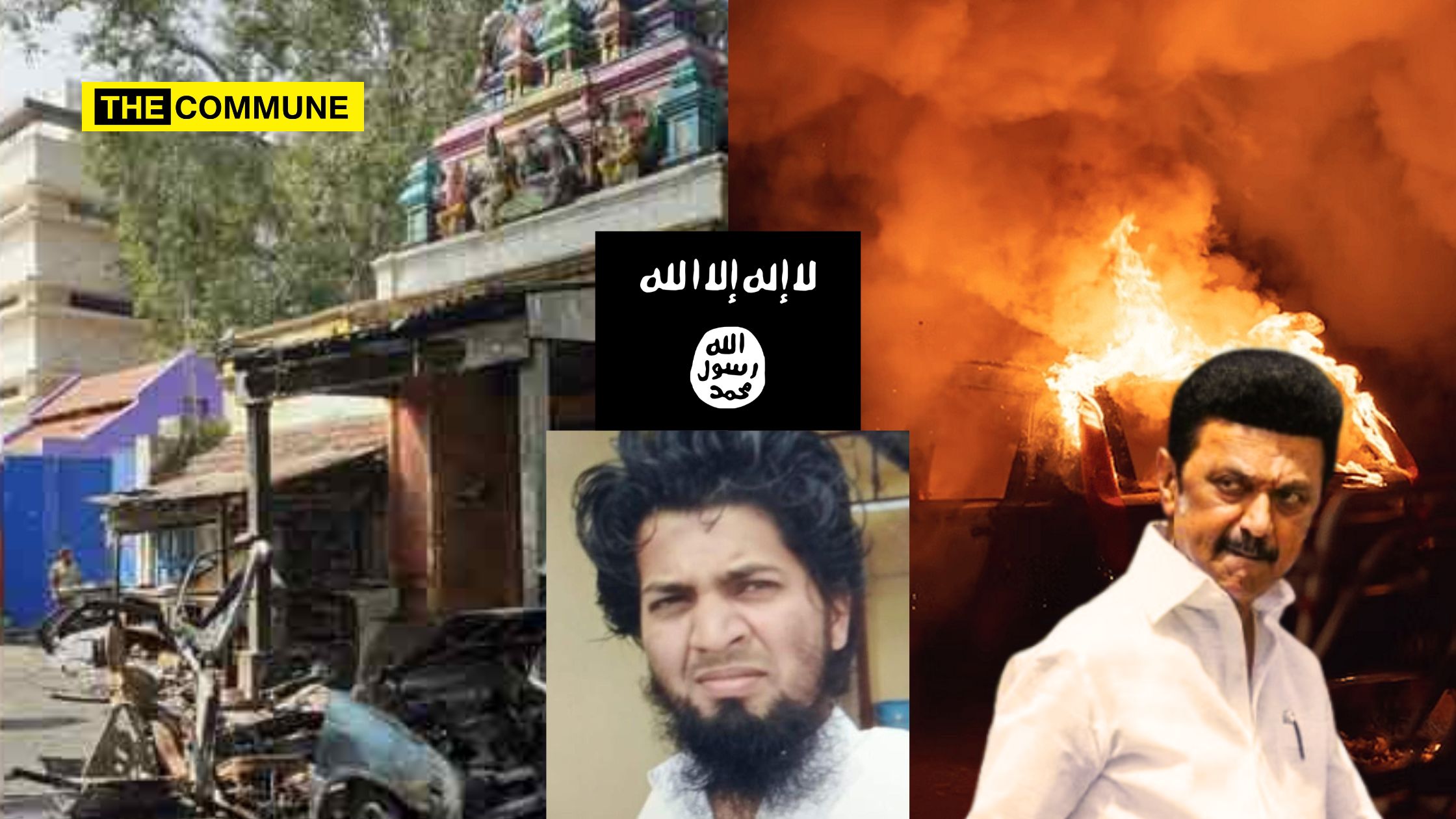
The National Investigation Agency (NIA) has revealed that the 2022 Coimbatore car blast was part of a larger ISIS-backed conspiracy to wage jihad against non-believers, with Hindu temples and Christian churches as potential targets. A total of 17 people have now been arrested in connection with the case, and five more individuals were formally charge-sheeted on Thursday in the agency’s fourth supplementary chargesheet.

The suicide attack, which occurred in October 2022 near the Kottai Sangameshwarar Temple in Coimbatore, killed the bomber, Jamesha Mubeen. Originally reported as a cylinder blast, the incident was later uncovered to be a failed vehicle-borne improvised explosive device (IED) attack. Mubeen, allegedly inspired by ISIS ideology, had packed his car with ball bearings, nails, and other shrapnel to maximize casualties, but the bomb detonated prematurely.

As reported in India Today, according to the NIA, the conspiracy was part of a broader ISIS plot aimed at targeting religious institutions in India. The agency’s findings indicate that the accused held secret meetings in remote forest locations and were actively radicalized to carry out attacks on what they referred to as “kafirs” or non-believers.

A notable revelation in the latest chargesheet is the financing of the terror operation through a fraudulent COVID-19 vaccination certificate racket. The NIA stated that accused Sheikh Hidayathullah, Umar Farooq, and Amir (already charge-sheeted) generated funds by selling fake vaccine certificates, with the scam being facilitated by Pavas Rahman and Sharan Mariappan. The proceeds were used to purchase bomb-making materials. Another accused, Aboo Hanifa, allegedly provided financial assistance for the fake documentation.

The NIA also linked the attack to an act of retaliation for the 2019 arrest of a known Salafi-jihadist. Investigations are still underway to identify and apprehend more individuals involved in the radical network behind the terror plot.

The agency emphasized the premeditated and ideologically-driven nature of the attack, underlining the growing threat of ISIS-inspired terrorism within India’s borders.

Subscribe to our channels on Telegram, WhatsApp, and Instagram and get the best stories of the day delivered to you personally.
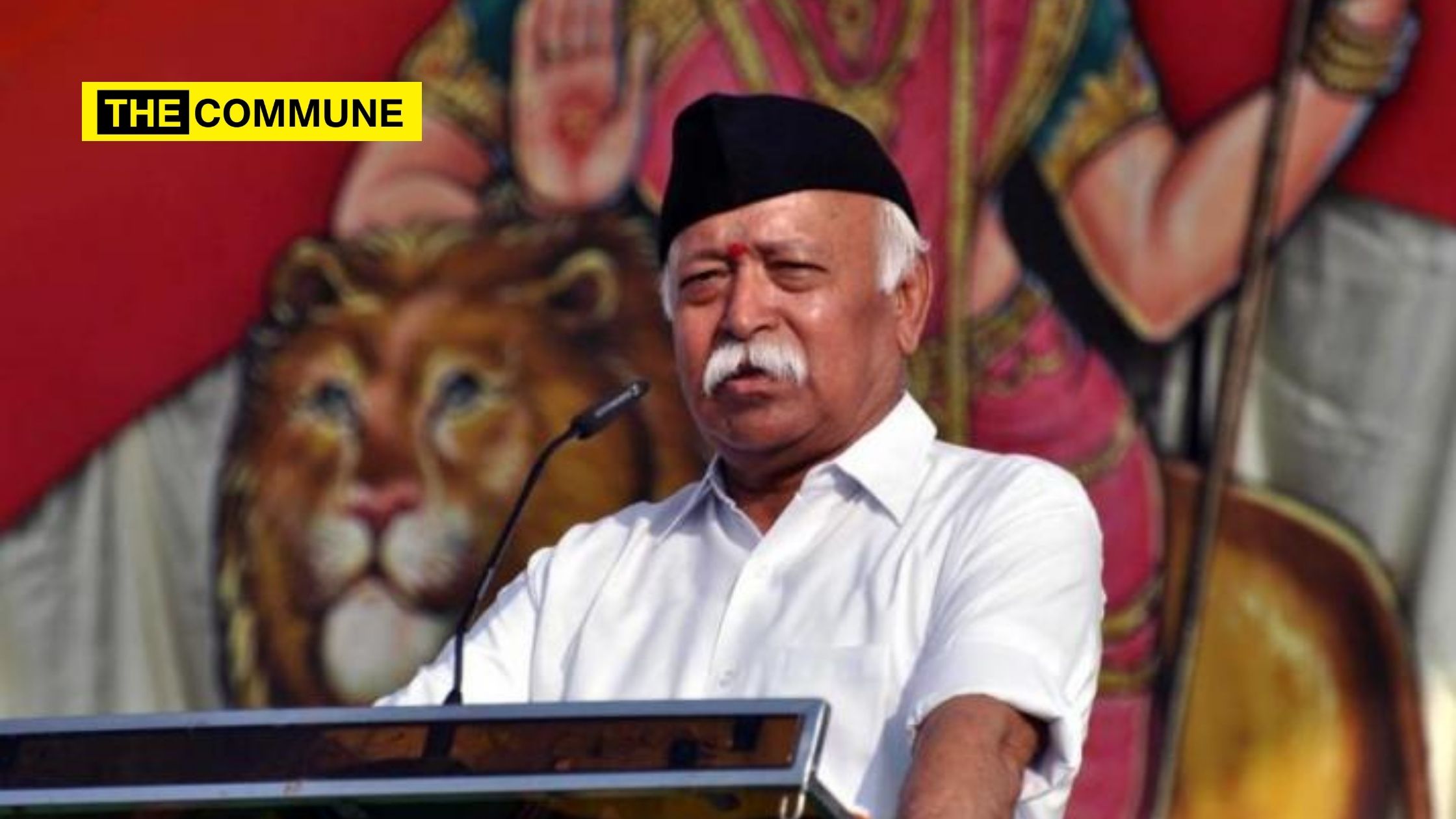
RSS Chief Mohan Bhagwat Advocates ‘One Temple, One Well, One Cremation Ground’ To Promote Social Equality

We Need To Completely Eradicate Untouchability, Says RSS Chief Mohan Bhagwat

On 20 April 2025, Rashtriya Swayamsevak Sangh (RSS) chief Mohan Bhagwat, during his ongoing visit to Aligarh, emphasized the need for greater social unity within the Hindu community by advocating the principle of “one temple, one well, and one cremation ground” for all, aiming to reduce caste-based divisions.

As part of his five-day tour, Bhagwat addressed swayamsevaks at two shakhas held at HB Inter College and Panchan Nagri Park. He underscored that genuine social cohesion is vital for India to fulfill its role as a beacon of peace on the global stage.

Citing RSS sources, Bhagwat stressed the importance of sanskar—cultural and moral values—as the cornerstone of Hindu society. He encouraged swayamsevaks to embrace these values and foster a sense of inclusivity by engaging with all sections of society and inviting them into their homes to promote grassroots unity.

He also reiterated the role of the family as the foundational unit of society, stating that strong family bonds stem from shared values. Additionally, he urged the collective celebration of festivals as a way to nurture both national pride and societal harmony.

Bhagwat’s visit, which began on 17 April, includes daily interactions with RSS pracharaks from the Braj region. The trip is part of the Sangh’s larger preparations for its 100th anniversary celebrations, which will commence on Vijayadashami later this year.

Subscribe to our channels on TelegramWhatsApp, and Instagram and get the best stories of the day delivered to you personally.

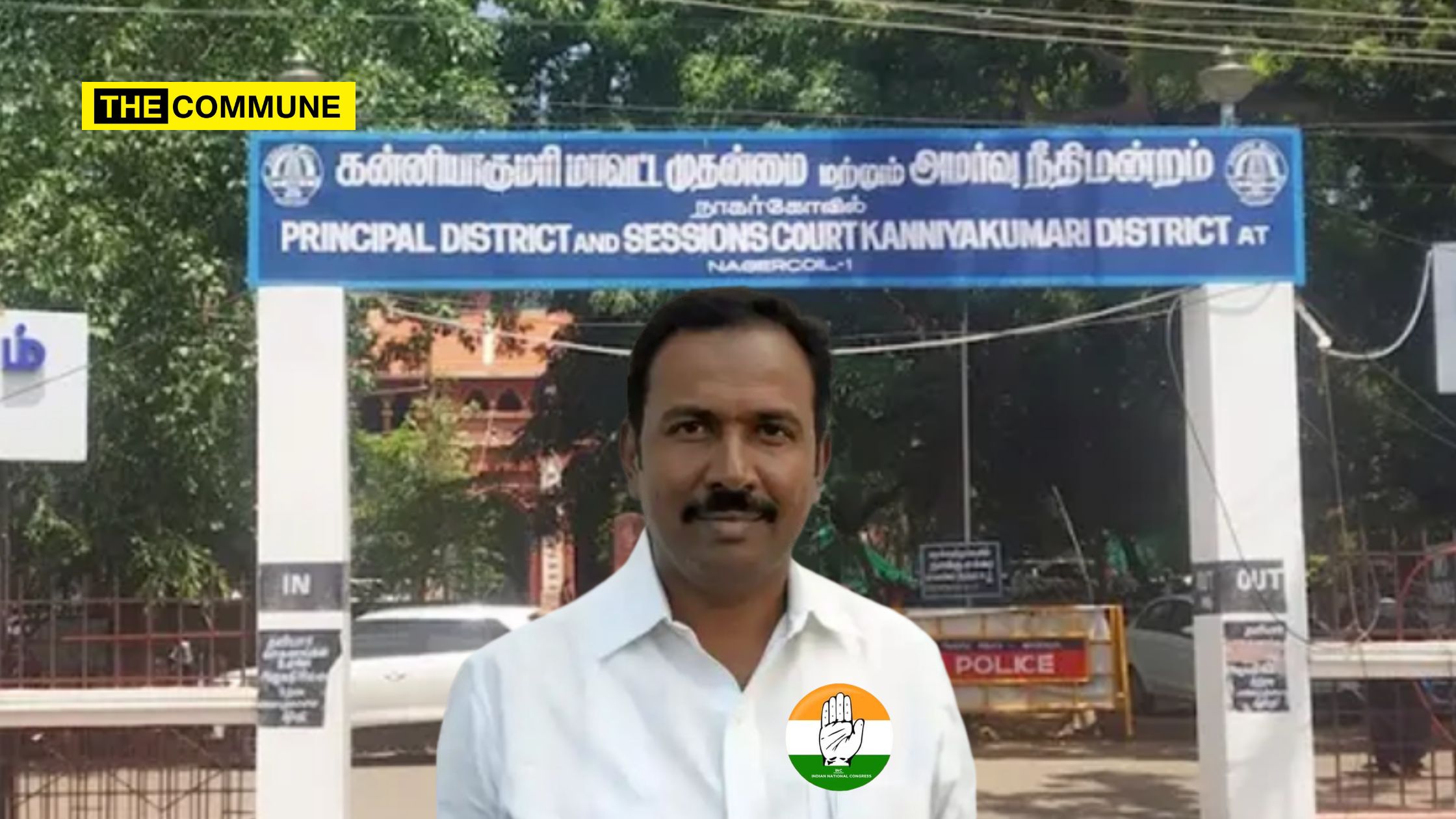
Killiyoor Congress MLA Rajesh Kumar, Two Others Sentenced To Three Months Jail For Obstructing Govt Officials From Carrying Out Their Duties

On 21 April 2025, the Nagercoil Principal Sub Court sentenced Killiyoor MLA and Congress representative S. Rajesh Kumar, along with two others, to three months in prison for obstructing government officials from carrying out their duties during an incident that took place in 2014.

According to the prosecution, a man named Joseph, along with his son Pauldurai and daughter-in-law Subitha, had allegedly encroached upon government-owned “Kalam Poramboke” land to build a house. Following a complaint, revenue officials from the Vilavancode taluk inspected the site and confirmed the unauthorized construction. They subsequently issued notices demanding removal of the encroachment.

When the officials arrived at the site with an earthmover to carry out the demolition, they were reportedly obstructed by Joseph, Pauldurai, Subitha, Amos, Ditto, and MLA Rajesh Kumar. A heated exchange ensued as the group allegedly tried to prevent the demolition work.

A case was later filed at the Karungal police station against all six individuals, charging them under various legal provisions including obstruction of public servants, attempted murder, and assault. During the lengthy legal proceedings, three of the accused Joseph, Pauldurai, and Ditto passed away.

After more than a decade, Assistant Sessions Judge S. Assan Mohamed of the Nagercoil Principal Sub Court pronounced the verdict, sentencing Rajesh Kumar, Subitha, and Amos to three months of imprisonment and imposing a fine of ₹100 on each. Special Public Prosecutor J.R. Hercules represented the government during the trial.

(With inputs from The Hindu)

Subscribe to our channels on TelegramWhatsApp, and Instagram and get the best stories of the day delivered to you personally.

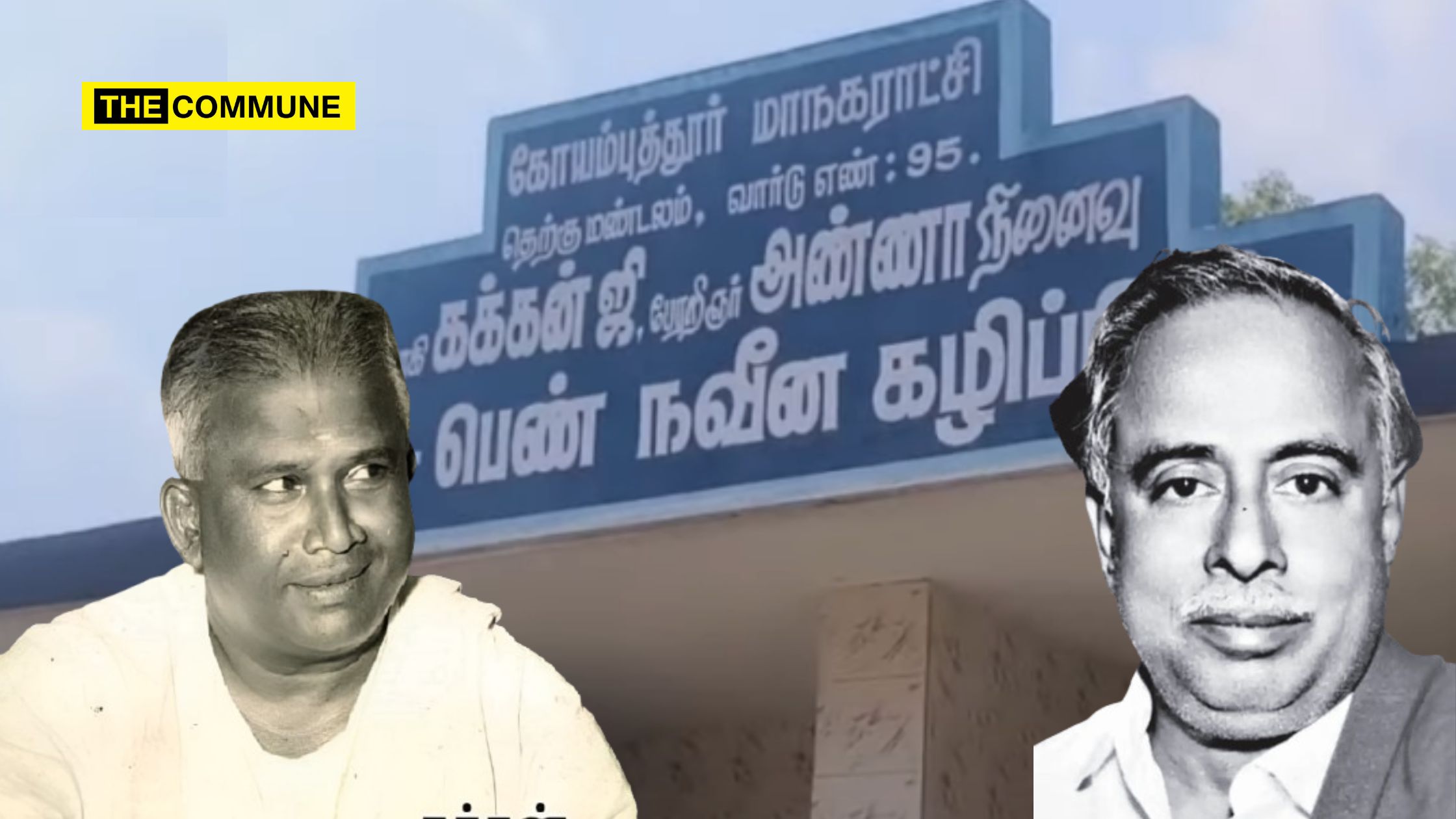
Dravidian Model: Coimbatore Corporation Names Public Toilet After Annadurai & Kakkan

A new controversy has erupted in Coimbatore after the city corporation named a public toilet after two highly respected political leaders—late former Home Minister Tyagi Kakkan and the late former Chief Minister C.N. Annadurai. The decision has sparked outrage among political parties and the public, who see it as a sign of deep disrespect.

Tyagi Kakkan was one of Tamil Nadu’s most revered Dalit leaders, known for his honesty, simplicity, and integrity. He served the state in various roles including as an MLA, MP, and Minister. Likewise, Annadurai, the former Chief Minister, was a visionary who championed the values of duty, dignity, and discipline.

Despite their towering legacies, a public toilet located in Anna Nagar’s Silver Jubilee area, under Ward 95 of the Coimbatore South Zone, now bears their names. The inscription on the facility reads, “Coimbatore Corporation South Zone, Ward No. 95, Tyagi Kakkanji, Perarignar Anna Memorial Modern Male and Female Toilet.”

Local residents and leaders argue that the memory of such esteemed figures should be honored in more meaningful ways—by building libraries, community halls, or naming welfare schemes after them. Associating their names with a public restroom is seen as diminishing their stature and contributions.

Former AIADMK councillor Vijayan condemned the move, stating, “It is insulting to inscribe the names of Annadurai and Tyagi Kakkan on a toilet. It should be removed immediately.”

Echoing this sentiment, DMK Metropolitan District Secretary Karthik added, “These are leaders who dedicated their lives to public service. Using their names in this manner is inappropriate and offensive. The issue will be taken up with the corporation, and corrective action will be demanded.”

When approached for a statement, Corporation Commissioner Sivaguru Prabhakaran clarified, “The corporation has not officially named any toilet. No such resolution was passed. I will investigate how these names appeared there.”

BJP leader K. Annamalai strongly criticized the Coimbatore Corporation over the controversy, expressing his condemnation through a post on his official X account. He wrote, “The names of former Tamil Nadu Chief Minister Annadurai and the honest leader Kakkan, who served in Perunthalaivar Kamaraj’s cabinet, have been used for naming a public toilet by the Coimbatore Corporation. I strongly condemn this demeaning act of the Coimbatore Corporation that insults two humble leaders. Chief Minister @mkstalin, who adorns his father’s name on bus stands and government buildings with public taxpayers’ money, has allowed the names of leaders far greater than him to be placed on a toilet—with what other intention but to humiliate them? I urge Chief Minister @mkstalin to immediately remove their names of leaders from the toilet and take strict action against those responsible.”

Subscribe to our channels on TelegramWhatsApp, and Instagram and get the best stories of the day delivered to you personally.

Who Started It? The Full Story Behind The IAF Officer-Biker Road Rage In Bengaluru

In a case that has drawn widespread public attention and media scrutiny, a road rage incident in Bengaluru involving a serving Indian Air Force (IAF) officer and a call centre employee has taken multiple turns as new evidence and eyewitness accounts emerged. The altercation, which occurred in the early hours of 18 April 2025 near CV Raman Nagar, involved Wing Commander Shiladitya Bose and his wife Squadron Leader Madhumita Bose on one side, and a two-wheeler rider, Vikas Kumar, on the other. Both parties now face criminal charges under the Bharatiya Nyaya Sanhita (BNS).

Initial Allegations And Arrest

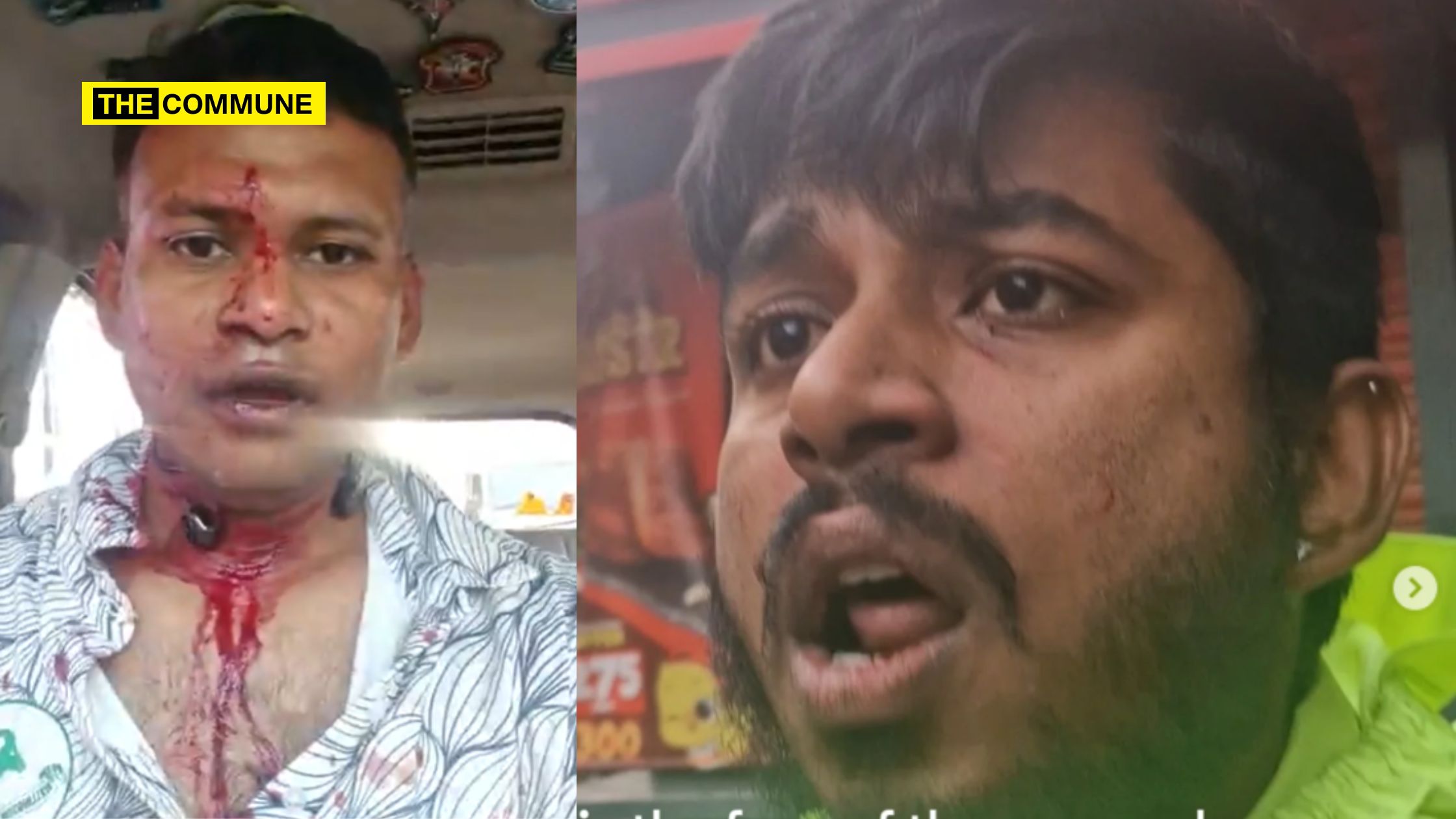
According to the initial version shared by the IAF couple, they were en route from the DRDO quarters to catch an airport bus when a biker riding rashly allegedly forced their car to stop and launched an unprovoked attack. Wing Commander Bose, in a video later posted online, appeared with visible injuries to his face and claimed he had been hit with a key and a stone by a local resident who allegedly became aggressive upon seeing a DRDO sticker on their vehicle. The officer also claimed that the biker had verbally abused him and his wife in Kannada, framing the attack as targeted aggression against defence personnel and “outsiders.”

Following a complaint lodged by Squadron Leader Madhumita at the Byappanahalli police station, the Bengaluru police arrested the biker, Vikas Kumar, a call centre employee. At that time, no counter-complaint had been registered.

Emergence Of CCTV Footage

However, the narrative shifted significantly after CCTV footage from private establishments near the scene surfaced. Contrary to the initial portrayal of the incident as a one-sided attack, the footage revealed a violent altercation in which Wing Commander Bose appeared to be the aggressor. He was seen indulging in physical assault, pushing Kumar to the ground, punching him repeatedly, placing him in a chokehold, and even throwing his phone in an apparent attempt to destroy it.

Squadron Leader Madhumita was also captured verbally engaging with Kumar.

The footage also showed passersby attempting to break up the fight, with some witnesses later describing the assault as excessive and disproportionate. One eyewitness claimed on Times Now that Bose hit Kumar at least 30 times and expressed concern that the latter could have died from the beating.

Police Response And Booking Of Both Parties

Deputy Commissioner of Police (East), D Devaraj, confirmed that both parties had engaged in physical violence and labelled the incident a road rage case rather than a targeted attack against defence personnel or non-Kannadigas. He stated that the initial arrest had been made based on the FIR filed by the IAF officer’s wife, but further investigation—including the video evidence—necessitated filing charges against both individuals.

Wing Commander Bose has been booked under various sections of the BNS, including charges of voluntarily causing hurt, attempt to murder, intentional insult, and mischief. Vikas Kumar, too, faces charges of causing hurt and grievous hurt under separate provisions of the law.

Statements from Vikas Kumar’s Family and Supporters

Vikas Kumar’s mother, Jyoti, claimed that the confrontation started when the silencer of her son’s bike accidentally touched the officer’s car. She alleged that Madhumita became verbally abusive and that when her son questioned this, Bose stepped out of the vehicle and pushed the bike over. According to her, the situation escalated when Kumar attempted to retrieve his bike and was physically assaulted.

Initially reluctant to escalate the matter, the family decided to file a counter-complaint only after seeing the IAF officer’s version gain traction online. Jyoti questioned the morality of Bose’s actions, asking whether it was acceptable for a senior officer to respond with such violence.

Pro-Kannada activists have also weighed in, accusing Bose of wrongly portraying the incident as a linguistic and regional issue. They argue that the visuals clearly show the IAF officer attacking Kumar, and have announced legal support for the call centre employee.

Police Investigation Continues

The Bengaluru police are continuing their investigation, analysing multiple video clips and statements from eyewitnesses. The case remains complex, with both sides presenting divergent narratives. While the IAF couple maintains that they were attacked and verbally abused in a targeted manner, the available CCTV evidence and public testimonies suggest a mutual altercation that escalated beyond control.

Authorities have emphasised that this was not an incident of targeted hate based on regional identity, but a volatile case of road rage that could have been avoided by both parties.

Subscribe to our channels on Telegram, WhatsApp, and Instagram and get the best stories of the day delivered to you personally.
Actor Balakrishna’s ‘Daaku Maharaj’ Completes 100-Days Run In Theatres

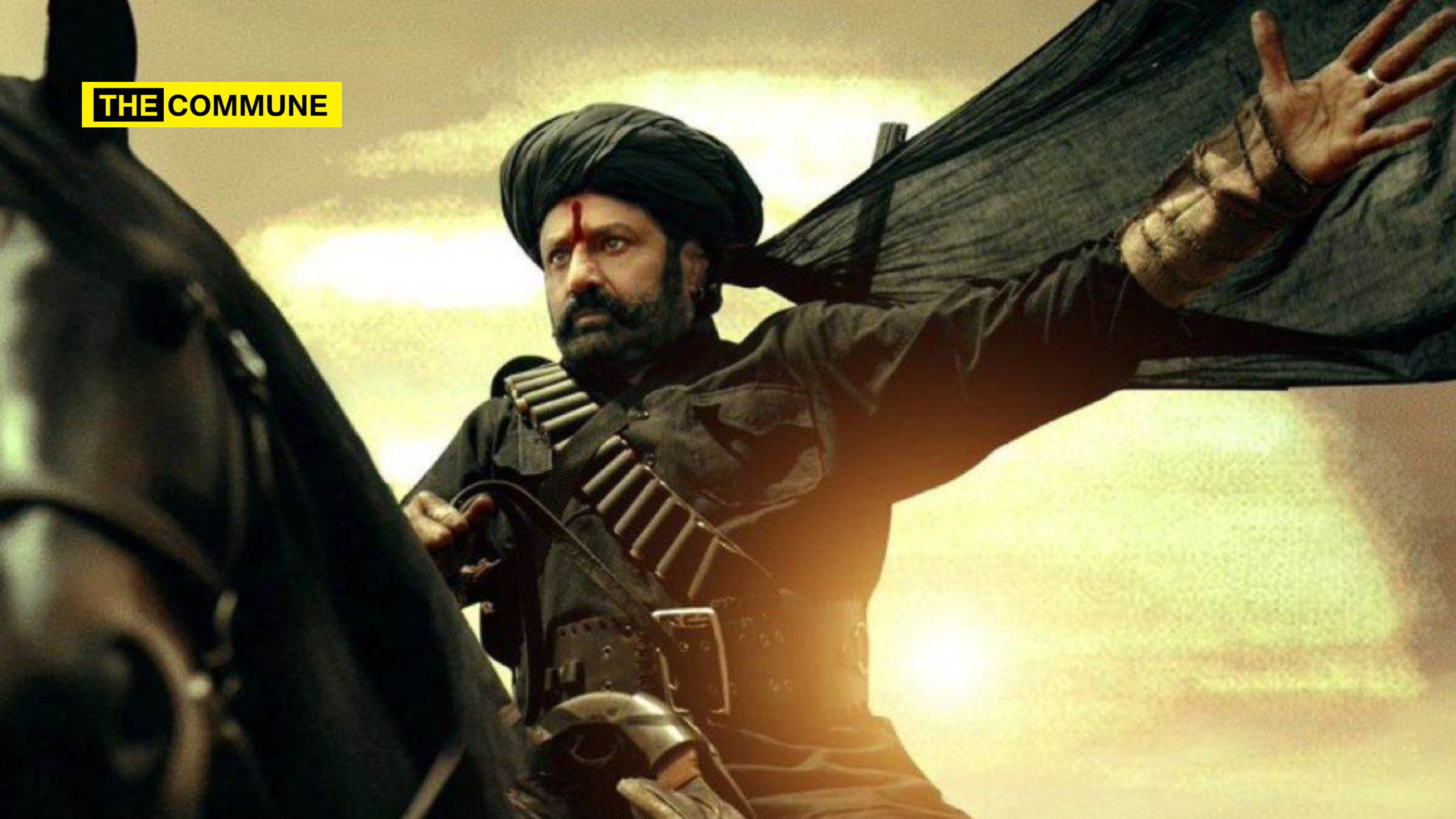
Director Bobby Kolli’s action entertainer ‘Daaku Maharaaj’, featuring Telugu star Balakrishna in the lead, has completed an impressive 100-day run in theatres. Music director Thaman S, whose music for the film played an important part in its success, shared a poster announcing the film’s completion of a 100-day run in theatres on his X timeline.

The film, which released on January 12 for the festival of Sankranti, is the fourth consecutive film of actor Balakrishna to have completed 100 days in theatres. The three other films of the actor that completed a 100 days in theatres prior to ‘Daaku Maharaj’ are ‘Akhanda’, ‘Veerasimha Reddy’ and ‘Bhagavanth Kesari’. ‘Daaku Maharaj’, which had cinematography by Vijay Kartik Kannan, was edited by Niranjan Devaramane and Ruben. Screenplay for the film was by K Chakravarthy Reddy while dialogues had been penned by Bhanu and Nandu. Stunts were choreographed by V Venkat.

It may be recalled that the actor, pleased with the music that Thaman had been providing for his recent films, which had all emerged blockbusters, had recently presented a brand, new Porsche car to the ace music director. Thaman, who is currently scoring the music for actor Balakrishna’s upcoming film Akhanda2, has become the actor’s favourite music director ever since he composed music for Balakrishna’s Akhanda 1. In fact, so Balakrishna was pleased with Thaman’s songs for all his films, that soon after ‘Daaku Maharaj’, he went to the extent of saying the music director was now considered like family during the course of an interview.

“People don’t call him Thaman, they call him as Nandamuri Thaman,” he said during an interview to a media entity. Thaman is now scoring music for Balakrishna’s ‘Akhanda 2: Thandavam’, which is to hit screens on September 25 this year for Dussehra.

–IANS

Subscribe to our channels on TelegramWhatsApp, and Instagram and get the best stories of the day delivered to you personally.
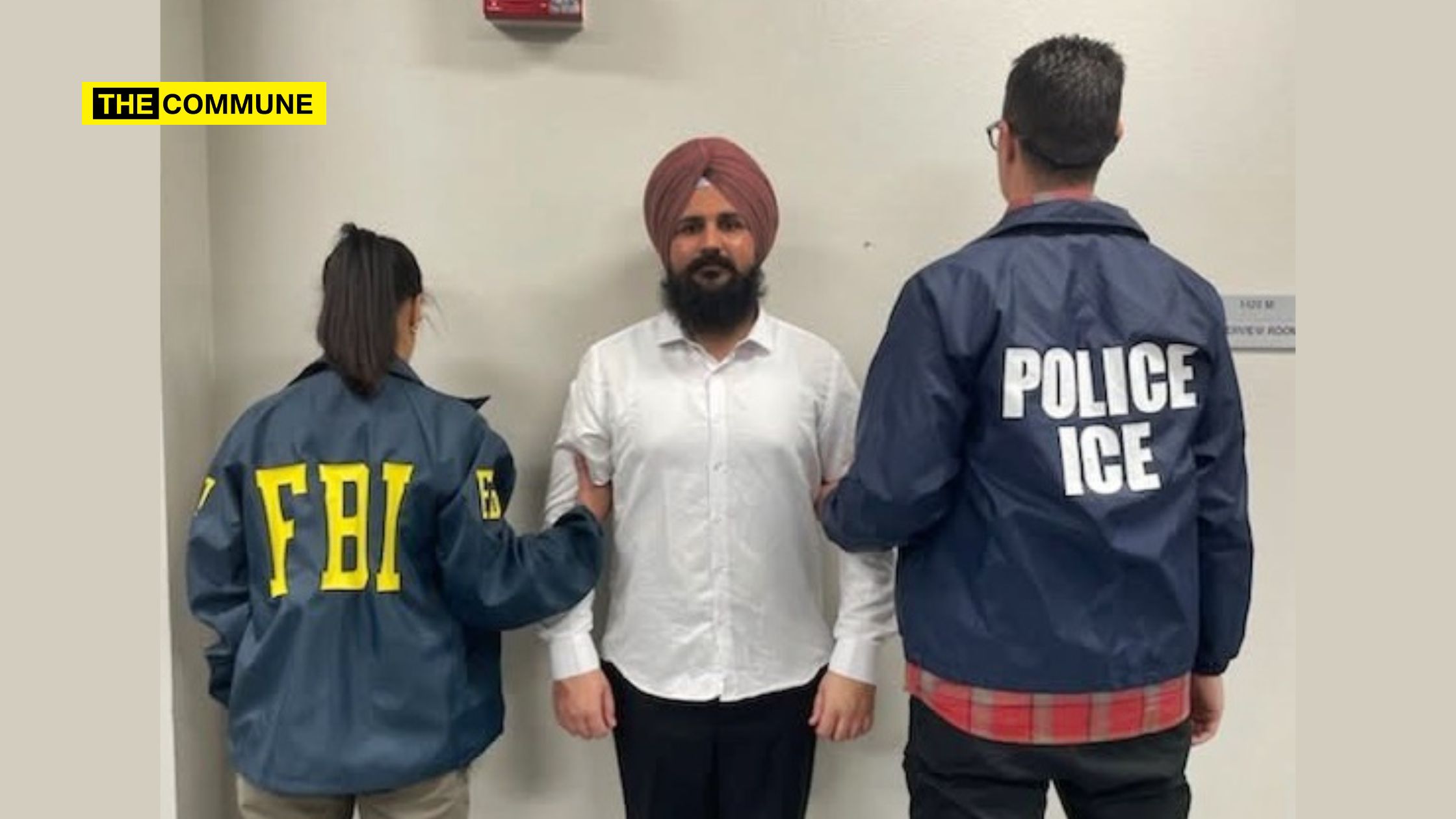
Captured Punjab-Origin Terrorist Harpreet Singh Behind Multiple Attacks, FBI Chief Reveals

The captured Punjab-origin Harpreet Singh was part of an alleged foreign terrorist gang in America, who “we believe was involved in planning multiple attacks on police stations both in India and the US”, Federal Bureau of Investigation (FBI) Director Kash Patel has said.

“@FBISacramento conducted the investigation coordinating with our partners locally as well as in India,” he wrote on X on Tuesday (IST). “Excellent work from all, and justice will be done. The FBI will continue finding those who perpetrate violence — no matter where they are,” Patel added.

Punjab Police have said that their efforts led to the arrest of Harpreet Singh, alias Happy Passia, a key operative of the Pakistan’s ISI-backed Babbar Khalsa International (BKI) and close associate of Pakistan-based terrorist Harvinder Rinda, at Sacramento in the US. Director General of Police (DGP) Gaurav Yadav had termed it a major success.

Soon after the arrest was made public on April 18, he had said: “Today marks a major milestone in the sustained crackdown on ISI-backed terror networks, with the announcement of detention of Happy Passia by the US authorities. This is the outcome of excellent international cooperation and exchange of information between the United States and India.” I

n a statement, Yadav said the Punjab Police have consistently shared intelligence inputs with the Central agencies. DGP Yadav said Happy Passia, a native of Passia village in Amritsar, began his criminal career with gangster Jaggu Bhagwanpuria, and his US-based associates Darman Kahlon and Amrit Bal.

Later, Happy Passia became a key associate of Pakistan-based terrorist Harvinder Rinda, operating under the direct guidance of the ISI. He said Passia was the primary handler of ISI-backed terror modules in Punjab and played a central role in orchestrating targeted killings, grenade attacks on police establishments, and extortion across the state between 2023 and 2025.

“Our investigation has found direct involvement of Happy Passia in majority of terror acts, which took place in the state after September 2024,” said the DGP, while adding Passia was masterminding the terror activities sitting in the US, using a network of vulnerable youth struggling with addiction, recruiting them to carry out these acts in exchange for money and narcotics.

Punjab Police have meticulously tracked all the terror modules raised by Happy Passia and successfully dismantled them, said DGP Yadav, adding an extensive dossier on Passia’s activities was shared with Central agencies and subsequently with the US authorities, leading to his arrest. “Punjab Police has already taken up the matter with Central agencies to initiate the process for Passia’s extradition to India as per the law,” he added.

–IANS

Subscribe to our channels on TelegramWhatsApp, and Instagram and get the best stories of the day delivered to you personally.
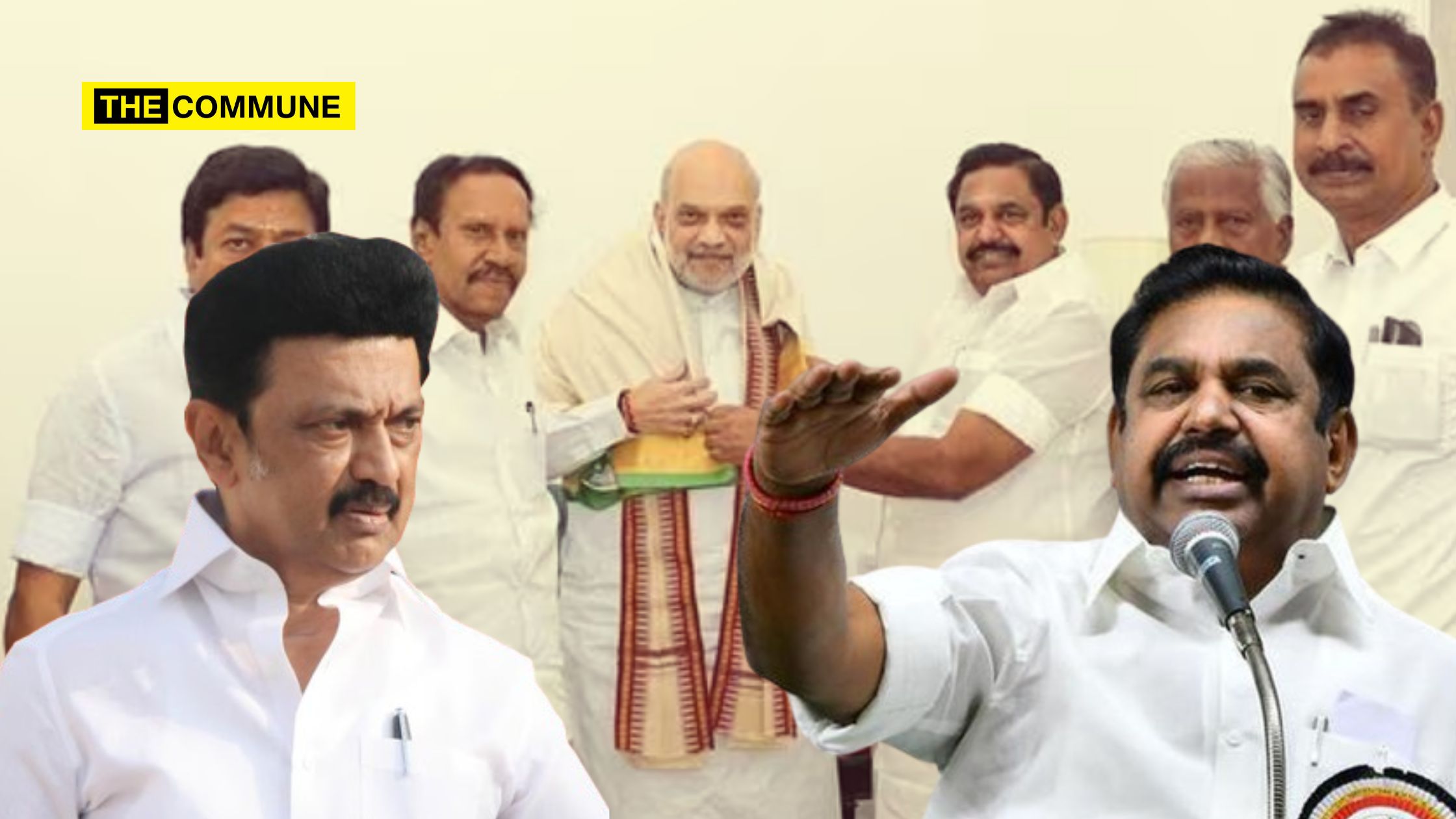
“Why Panic?”: EPS Fires Back At DMK & Its Allies Over AIADMK-BJP Alliance

Leader of the Opposition and AIADMK General Secretary Edappadi K. Palaniswami (EPS) strongly criticized the DMK and its allies for repeatedly expressing concern over his party’s renewed alliance with the BJP as part of the NDA in Tamil Nadu. EPS accused the DMK-led bloc of issuing such statements out of fear, suggesting they are rattled by the AIADMK’s growing strength and the implications of the newly restructured alliance in the state.

During a heated exchange in the Tamil Nadu Assembly on 21 April 2025, Chief Minister M.K. Stalin and EPS locked horns over several issues, including NEET.

Addressing the Chief Minister directly, Palaniswami said, “NEET was introduced during the DMK-Congress regime. You are the ones responsible for its implementation.” In response Chief Minister MK Stalin challenged, “the AIADMK still has the power to resolve the NEET issue, by demanding  cancellation of NEET as a condition to remain in the alliance?”

Speaking to the media later in the Assembly complex, EPS elaborated further slamming the DMK on NEET exam, “The foundation for NEET was laid in December 2010 during the DMK-Congress rule. The AIADMK has always stood against NEET and has consistently worked to have it scrapped. I have spoken about this issue on numerous occasions.”

EPS also took aim at the DMK and its political alliances. “Every time you look at DMK members and the parties in their alliance, they keep bringing up the AIADMK’s alliance with the BJP. In all the statements, be it the Communist Party or the Viduthalai Chiruthaigal Katchi (VCK). Today, the Chief Minister himself is speaking with anxiety. If we have formed an alliance, why are you panicking in the assembly? Why this anger? What are you so afraid of? The AIADMK will form an alliance with anyone. That is our wish. Our parties focus is to win the 2026 Assembly elections. Every party is forming alliances with the intention of winning. Every time you claim you are a ‘strong alliance’ right? Likewise, we, the AIADMK too will form a strong alliance for the 2026 elections—and we will definitely win.”

Calling out the DMK’s double standards regarding political alliances, Edappadi K. Palaniswami (EPS) accused Chief Minister M.K. Stalin of reacting with visible fear and nervousness to the AIADMK-BJP alliance. “Looking at the Chief Minister’s anxiety and the way he spoke anxious, I could tell he was rattled. As he thought in mind that the AIADMK-led alliance will trigger a regime change in Tamil Nadu dethroning the DMK. It is clearly visible. In the Assembly, I saw it firsthand—his unease, his words, his tone,” EPS said.

He continued, “As far as the AIADMK is concerned, we will bring together all parties that are united in their goal of defeating the DMK. We will ensure there is no vote split. In the 2026 Assembly elections, we will decisively defeat the DMK-led alliance and AIADMK will form the next government.”

EPS then pointed out the DMK’s past alliance with the BJP, accusing the party of hypocrisy. “Let me remind you—when the DMK allied with the BJP in 1999, the late Karunanidhi himself said, ‘Religiosity is not more dangerous than corruption.’ That was his justification.”

In Parliament, Murasoli Maran, representing the DMK, defended the alliance, saying that despite past differences, including with the Congress during the Emergency, they had now come together with the BJP, the Jana Sangh, and the Marxist comrades to protect the rights of the marginalized and minorities.

EPS added, “In 1993, Murasoli article penned to the DMK cadres that, ‘some people were spreading false propaganda about the BJP being anti-minority and said that it was the responsibility of DMK youth to counter that narrative’. Back then, the BJP was considered a ‘good ally’ by the DMK.”

“And yet today, when the AIADMK aligns with the BJP, the DMK questions our choices. This is the DMK’s typical behavior—praise their alliances when it benefits them and criticize others when it doesn’t. That’s the political tradition they follow,” EPS concluded.

Subscribe to our channels on TelegramWhatsApp, and Instagram and get the best stories of the day delivered to you personally.
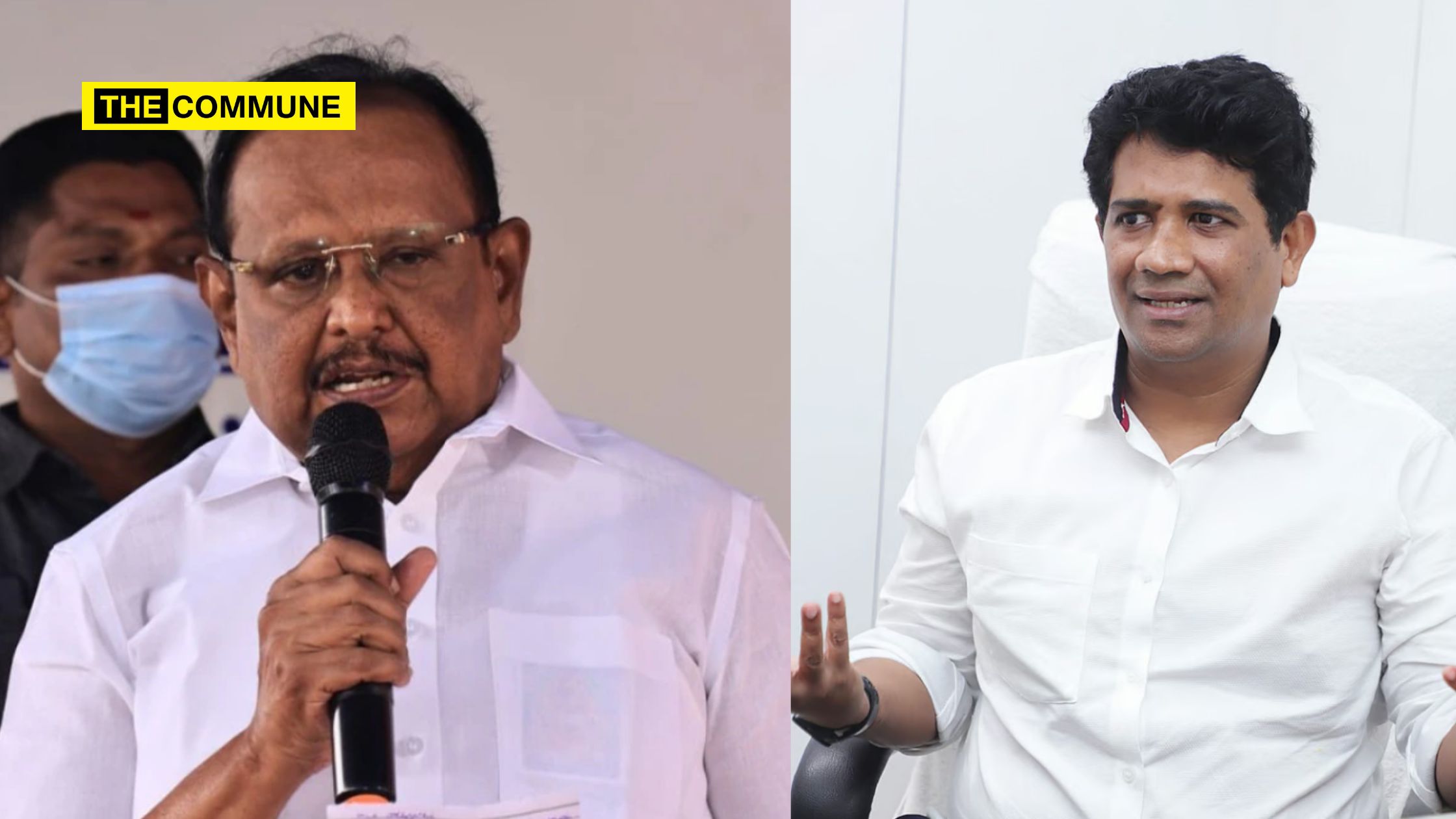
DMK Law Minister Rejects Proposal From Fellow DMK MLA For Anti-Superstition Law, Cites Constitutional Freedoms

On 21 April 2025, Tamil Nadu’s Law Minister S. Regupathy turned down a proposal from DMK MLA N. Ezhilan, who had urged the government to introduce a dedicated law aimed at eradicating superstitions in the state. Speaking in the Assembly, the Minister argued that enacting such a law would neither eliminate one belief nor safeguard another.

He emphasized that individuals are entitled to their personal beliefs, noting that what one person may see as superstition could be regarded as religious faith by another. “Under the Constitution, everyone has the right to protect their own beliefs. It’s not feasible to pass a law that either bans a belief or upholds another,” Regupathy stated.

Addressing Ezhilan’s concerns, the Minister added, “There is nothing wrong with adhering to one’s own principles. But we must consider whether imposing them on others is justifiable or acceptable.”

Earlier in the debate, Ezhilan cited Article 51A(h) of the Indian Constitution, which calls upon citizens to cultivate scientific temper, humanism, and a spirit of inquiry and reform. He questioned whether the State would consider bringing in legislation to eliminate superstitions and assist people in meeting these constitutional responsibilities.

(With inputs from The Hindu)

Subscribe to our channels on TelegramWhatsApp, and Instagram and get the best stories of the day delivered to you personally.