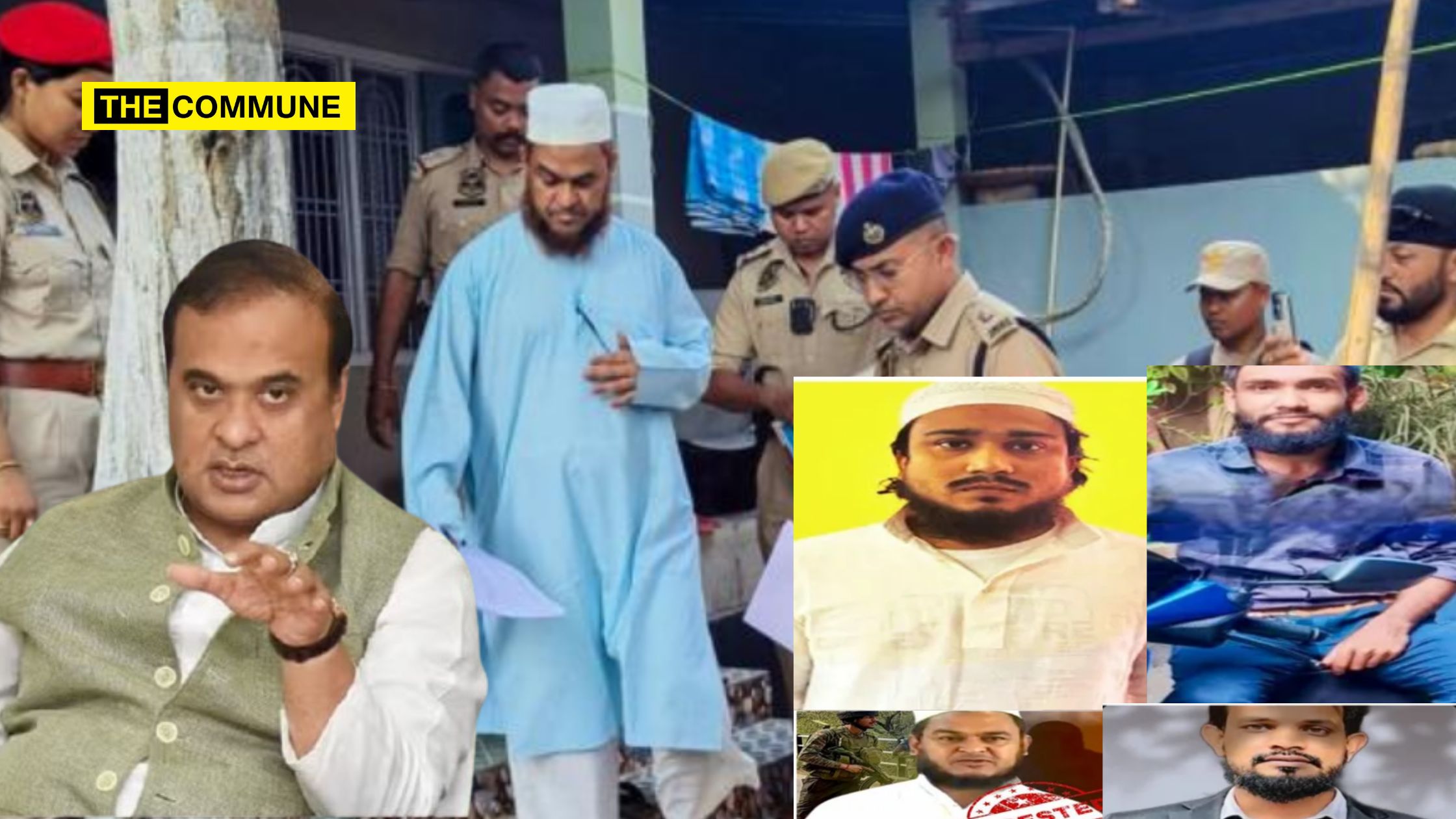
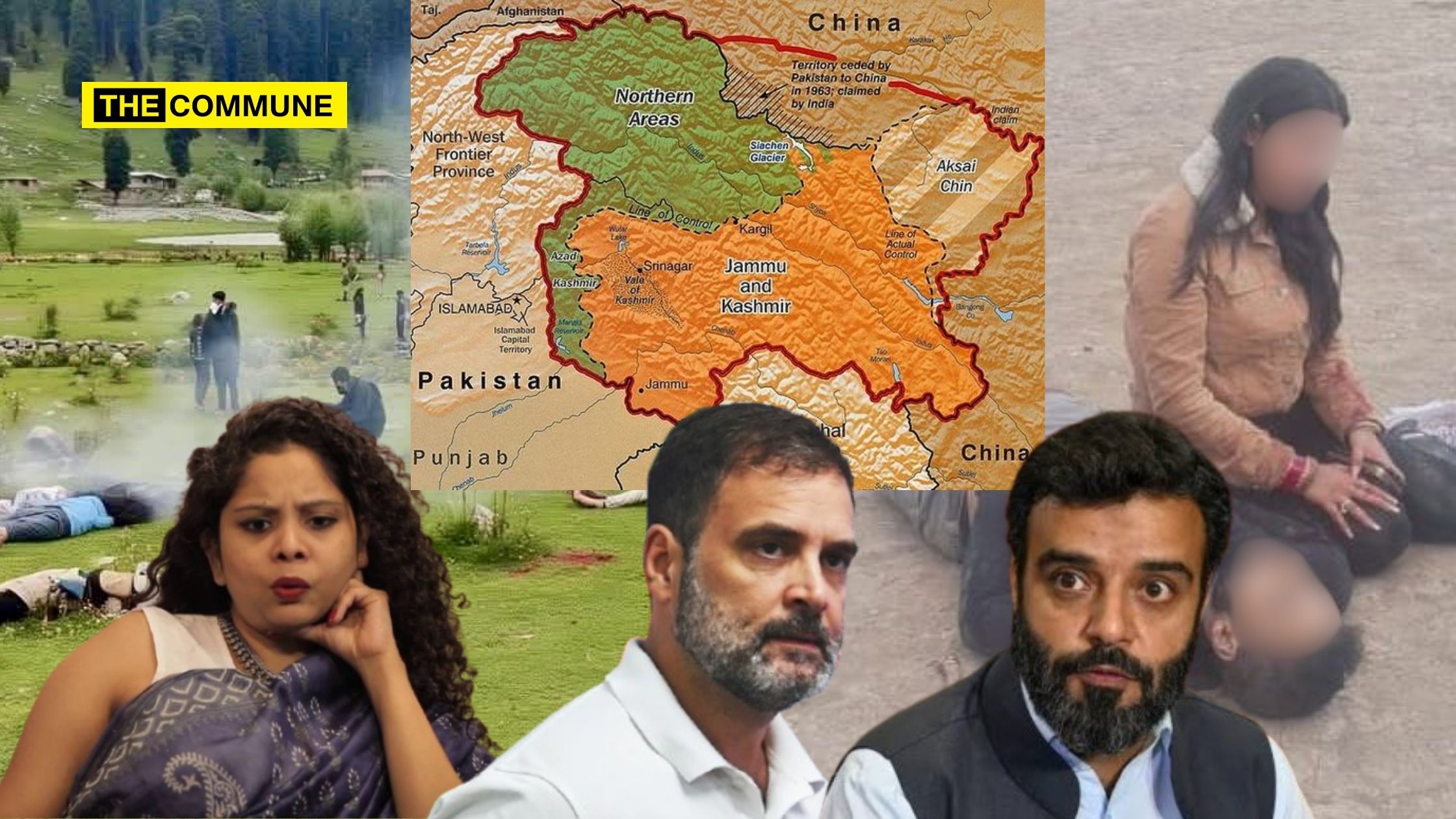
In response to a wave of controversial and allegedly anti-national social media posts following the recent terror attack in Pahalgam, Jammu and Kashmir, Assam Police have arrested six individuals from various districts across the state. Among those taken into custody are a sitting Member of the Legislative Assembly, a lawyer, a journalist, a university student, and others.
Those arrested include AIUDF legislator Md. Aminul Islam from Nagaon; Md. Jabir Hussain, a journalist from Hailakandi; lawyer Md. Javed Mazumder from Cachar; Md. A.K. Bahauddin, a student at Assam University in Silchar; Md. Mahahar Mia, also known as Md. Mujihirul Islam, from Morigaon; and Md. Sahil Ali from Sivasagar.
According to police sources, the arrests were triggered by social media content posted by the accused that either expressed support for Pakistan or appeared to defend or rationalize the April 22 Pahalgam attack, which resulted in the deaths of at least 26 civilians and injured many more.
Legal Professional and Journalist Among Those Detained
Md. Javed Mazumder, an advocate from the Sonai area of Cachar, was arrested on Friday for allegedly sharing provocative posts that were seen as favorable to Pakistan and capable of inciting communal tensions. He was apprehended at his home in Nagdirgram by Sonai Police.
In a separate incident, Md. Jabir Hussain, a journalist working for a regional publication, was taken into custody by Panchgram Police in Hailakandi. Authorities allege he questioned the legitimacy of the Pahalgam attack on Facebook, implying it might have been orchestrated to distract from the ongoing Waqf Act controversy being heard by the Supreme Court.
Social Media Post Praising Attack Leads to Arrest
Md. Mahahar Mia, who also goes by the name Md. Mujihirul Islam, was detained in Morigaon after he referred to the killing of civilians in Pahalgam as a “good job” in a Facebook post. His comments sparked outrage online and prompted swift action from law enforcement.
University Student and MLA Also Booked
A.K. Bahauddin, a student at Assam University, was arrested in Silchar for allegedly posting hate-filled and communal content in defense of the attack. Authorities say his posts used inflammatory language and attempted to justify the violence, further contributing to social tension.
Meanwhile, AIUDF MLA Aminul Islam was arrested in Nagaon under charges of sedition and other serious offenses listed in the Bharatiya Nyaya Sanhita (BNS). Islam reportedly claimed the Pahalgam attack was orchestrated by the central government, drawing widespread criticism for what many deemed an anti-national statement. Police have registered an FIR against him under BNS Sections 152, 196, 197(1), 113(3), and 352, relating to sedition, incitement, and spreading misinformation.
Government’s Strong Response
Assam Chief Minister Himanta Biswa Sarma issued a firm warning via X (formerly Twitter), stating, “Assam will not tolerate anyone who, directly or indirectly, supports or justifies Pakistan in connection with the brutal Pahalgam attack. More arrests will follow as part of our uncompromising action.”
Assam will not tolerate any individual who, directly or indirectly, supports or defends Pakistan in connection with the heinous attack in Pahalgam.
So far, the following individuals have been arrested by @assampolice for directly or indirectly promoting the cause of Pakistan in…
The terror incident in Pahalgam on 22 April has deeply shocked the nation. With public grief and anger mounting, several civil society groups in Assam have staged protests—not only denouncing the attack but also condemning the controversial social media reactions. State officials have reaffirmed their zero-tolerance policy toward attempts to spread communal unrest or glorify acts of terror.
Viduthalai Chiruthaigal Katchi (VCK) chief Thol. Thirumavalavan, who had recently called for Union Home Minister Amit Shah’s resignation following the horrific terror attack in Pahalgam, Jammu and Kashmir—where innocent Hindu tourists were targeted appeared to backtrack when questioned about a similar demand for Tamil Nadu Chief Minister M.K. Stalin. The question referred to the Kallakurichi hooch tragedy, which resulted in 68 deaths.
While speaking to the press in Trichy during a Dravidar Kazhagam event, a reporter brought up a circulating rumor, asking, “There is talk that this terror attack was staged as a distraction from the public protests against the Waqf Act.”
Thirumavalavan responded, “We cannot make comments based on speculation. An attack of this scale could not have been planned in just a day or two after the Act came into the being. These activities likely began many months ago, especially after the repeal of Article 370. They could not have planned and implemented this plan in a day or two.”
Another reporter challenged him, saying, “There is an accusation against you that, ‘You demanded Amit Shah’s resignation. But over 40-50 have died due to the hooch tragedy, Why haven’t you asked the Chief Minister to step down?”
Caught off guard, Thirumavalavan stood up from his seat, smiled, and dismissed the question, saying, “That’s a trivial accusation. It has nothing to do with this and that, what does that incident have to do with the Kallakurichi incident?”
The reporters continued pressing him, with one reporter noting, “Owaisi himself has said the attack was religiously motivated, but Tamil Nadu MPs are being accused of targeting the BJP out of spite.”
Thirumavalavan responded, “Why would we be envious of the BJP? They are a major political party, a national party, and the nation’s ruling party. What can we gain opposing them out of spite.”
When the reporter reminded him that Owaisi is a Muslim leader, Thirumavalavan replied, “Right, that’s his view. But we can’t say for certain that the incident was driven by religion. They have draw attention by attacking the Union Government of India. If you send people here, we will continue such attacks.’ They are warning the public, discouraging tourism, and urging people not to trust the Union Government. This is the message of the terrorists. We should understand it as it is—there’s no need for further interpretation.”
Subscribe to our channels on Telegram, WhatsApp, and Instagram and get the best stories of the day delivered to you personally.
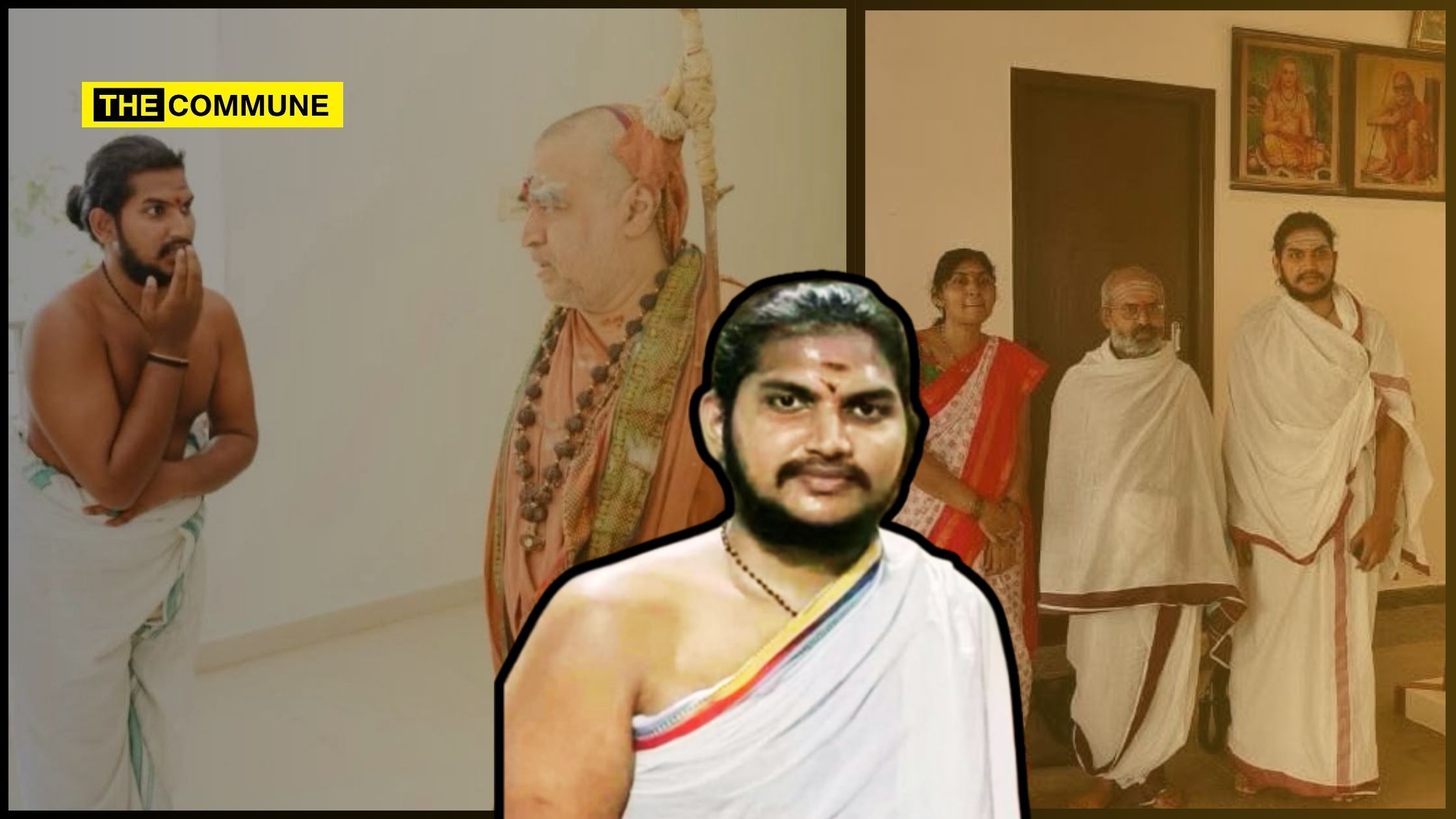
A distinguished Rig Veda scholar from the holy town of Annavaram in Andhra Pradesh is set to become the 71st Shankaracharya of the Kanchi Kamakoti Peetham. Duddu Satya Venkata Surya Subramanya Ganesha Sharma Dravid will be anointed on April 30, 2025, coinciding with Akshaya Tritiya—an auspicious day in the Hindu calendar—at a ceremony in Kanchipuram. The announcement was made by the Kanchi mutt.
The Kanchi Kamakoti Peetham claims an unbroken lineage spanning over 2,500 years, tracing back to Adi Shankaracharya, who is believed to have founded the institution in 482 BCE. The installation of the 71st pontiff also coincides with the 2534th birth anniversary of Adi Shankaracharya on May 2, making the occasion even more significant. Vijayendra Saraswathi Shankaracharya, the 70th pontiff who has led the Peetham for nearly four decades, will oversee the anointment.
Early Life
Sri Duttu Satya Venkata Surya Subramania Ganesha Sharma was born in 2001 in Dhuni, Andhra Pradesh. His father, Srinivasa Surya Subramania Dhanvanthri, serves as a Vratha Purohit at the Sri Veera Venkata Satyanarayana Swamy Temple in Annavaram. His mother is Alivelu Mangadevi.
Sri Sharma received his Vedic education under the tutelage of Chandukutlu Hosamane Ratnakara Bhat Sharma of Karnataka.
He further pursued studies in Shabdamanchari, Dhaaturupavali, Samasa Kusumavali, and other Sanskrit texts under Pallamudi Sathya Venkata Ramanamurthy, a Vedic scholar associated with the Tirumala Tirupati Devasthanams. Additionally, he began learning Vedic interpretation and Sanskrit grammar under Sri Kammampalli Satheeshacharyar, a Rig Veda scholar and Sanskrit teacher.
Besides his traditional Vedic training, Ganesha Sharma also pursued formal education, completing studies up to Class 10, beginning from LKG (Lower Kindergarten) in Annavaram.
Vedic Journey
In May 2009, during a summer vacation, his grandfather, the late Sri Duttu Subramaniam, took young Subramania Ganesha Sharma to visit his maternal uncle’s home in Tirupati. There, they had darshan of Sri Kanchi Kamakoti Peetham’s Shankaracharya from a distance.
Noticing the boy, the Acharya called them close, blessed him, and advised that the boy should be enrolled in Vedic studies under Sri Ratnakara Bhat Sharma, a renowned Rig Veda scholar and Salakshana Ganapati serving at the holy Dwaraka Tirumala.
Following the Acharya’s guidance, young Ganesha Sharma was enrolled under Sri Ratnakara Bhat Sharma.
Under his Guru’s watchful guidance, he remained for 12 years, serving diligently and learning the Rig Veda Samhita, Aitareya Brahmana, Aranyaka, and Upanishads. He also studied Pada and Krama recitations.
Later, he received advanced training in related Vedic texts like Pratishakhya and Vyali Shiksha under the guidance of Sri Srinivasa Sharma, the son of Ratnakara Bhat Sharma, who was famous for his expertise in Mantra Ucchadana and served at the Suryanarayana Temple in Arasavalli.
His immersion in Sanskrit, Vedic texts, and Vedanta studies laid deep foundations for his scholarship in Vedic philosophy.
Service at Temples And Association With The Mutt
Ganesha Sharma served as a Rig Vedic Parayana scholar at the Gnana Saraswathi Temple in Basara, Telangana.
During the Chaturmasya observance at Vijayawada, he had the darshan of Sri Jayendra Saraswathi Shankaracharya. He also had the rare opportunity to have darshan during the Mahamaham festival, which takes place once every 12 years in Kumbakonam, and during the 2019 Athivaradar Darshanam at Kanchipuram.
When Shankaracharya camped at Mahabubnagar, he informed him of completing his Vedic studies and temple service Later, during the Chaturmasya celebrations at Kakinada in 2022, he participated in the Pratishakhya Sadas, receiving further blessings.
Before embarking on a pilgrimage to Kashi, he continued to have regular darshan and perform Vedic recitations at the Shankaracharya’s camp at Nizamabad, expressing his deep interest in Sanskrit learning.
On December 16, 2023, after completing his pilgrimage to Kashi, he visited Basara Saraswathi Temple, received Teertha Prasadam from Shankaracharya, and submitted a report on his progress in Sanskrit learning and his study of Vedarthas (interpretations of the Vedas).
He also mentioned his efforts to teach Rig Veda Padapatha to two young students, earning the Acharya’s affectionate blessings and encouragement to participate in Paramacharya’s Aradhana festivals.
Recent Activities
In January 2024, he participated in Rig Veda Samhita Parayanam at Skandagiri as part of Paramacharya’s Aradhana celebrations, expressing his growing interest in Vedantic studies.
He also undertook pilgrimages to holy places like Dandalam (the pre-ascetic village of Vijayendra Saraswathi), Kakavakkam, and Soolameni Agraharam.
Following Acharya’s guidance, he spent ten days at Tirupati in March 2024, participating in Jayendra Saraswathi Swamigal’s Aradhana Mahotsavam.
On April 12, 2024, he personally performed abhishekam for Saraswathi Devi at Basara, praying for permission to continue his higher education at Kanchipuram. The next day, he visited Kanchipuram, had darshan of Kamakshi Devi, and paid respects at the Brindavanams (samadhis) of Paramacharya and Jayendra Saraswathi Swamigal.
On April 14, 2024, Shankaracharya personally outlined a detailed study and practice plan for him under his direct supervision.
With the blessings of the Peetham, Sri Ganesha Sharma continues his advanced studies in Yajur Veda, Sama Veda, Shadangas, Dashopanishads, and various Shastric disciplines.
As the 71st head of the Kanchi Kamakoti Peetham, Sharma Dravid will guide one of India’s most prestigious Advaita Vedanta centers, located near the revered Kamakshi Amman Temple in Kanchipuram. The mutt is recognized for its role in Vedic education, manuscript preservation, spiritual discourse, and social welfare initiatives.
Subscribe to our channels on Telegram, WhatsApp, and Instagram and get the best stories of the day delivered to you personally.
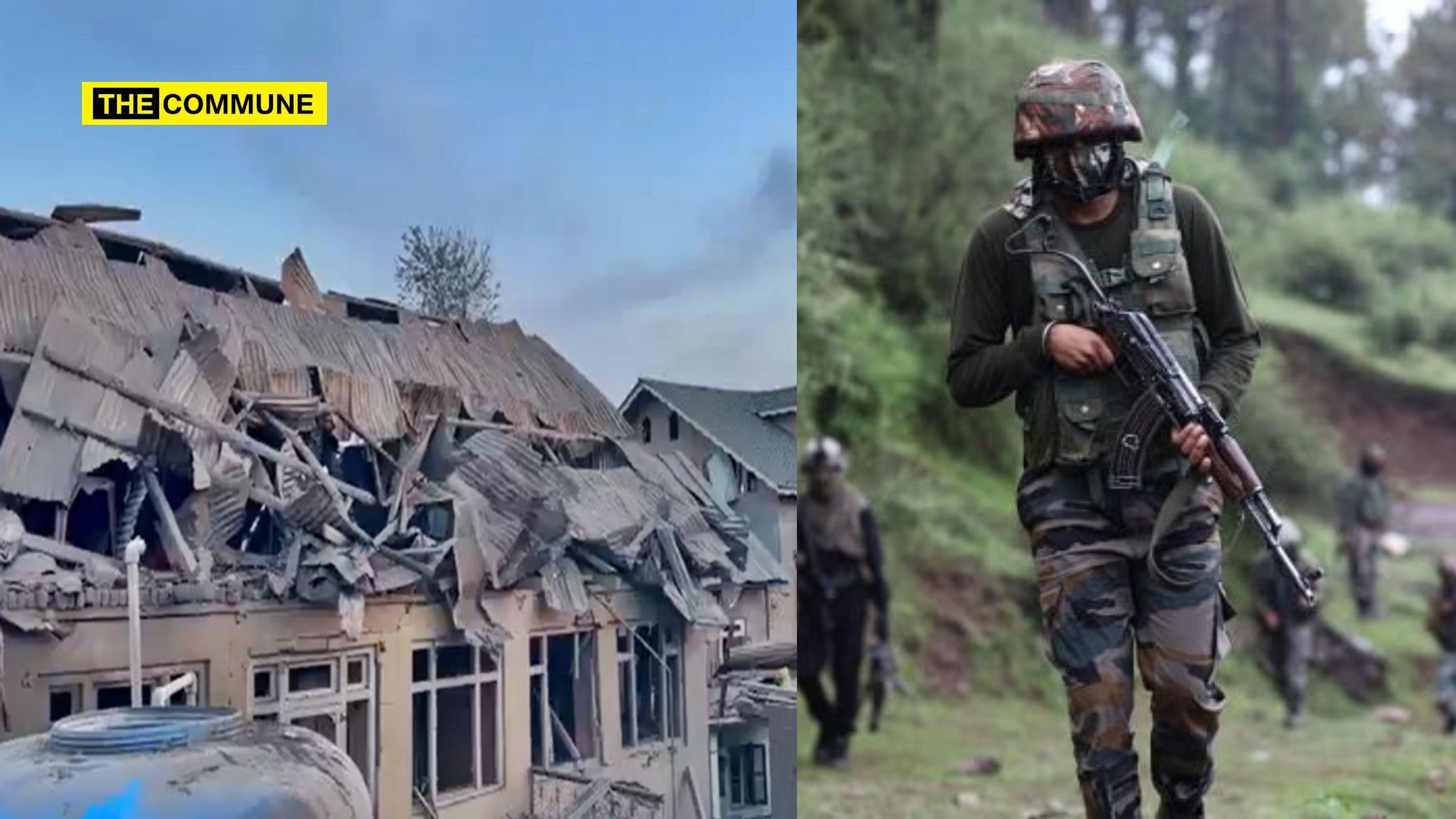
Houses of three active terrorists of the Lashkar-e-Taiba (LeT) outfit were demolished in Jammu and Kashmir’s Shopian, Kulgam and Pulwama districts, officials said on Saturday.
Officials said that the house of the terrorist, Ehsan-ul-Haq Sheikh, was destroyed in Muran village of the Pulwama district late Friday evening. In Kulgam district, in a similar action, the house of terrorist Zakir Ahmad Ganie was demolished in Matalhama village. He has been an active terrorist since 2003.
In the Shopian district, the house of terrorist Shahid Ahmad Kutay was also demolished in Chotipora village. He has been an active terrorist since 2002. On Friday, the houses of two terrorists, Asif Ahmad Sheikh Tral and Adil Thoker Bijbhera, were demolished after their involvement in the Pahalgam attack surfaced.
In his first reaction to the Pahalgam terror attack, Prime Minister Narendra Modi said that the terrorists, their handlers and backers would be given such punishment which they could not even have imagined.
PM Modi said that India will hunt down terrorists responsible for the Pahalgam attack to the ends of the earth. J&K Lt Governor Manoj Sinha, while reviewing security with Army Chief Upendra Dwivedi, asked the security forces to use whatever force is required to hunt down the killers of innocent civilians in Baisaran meadow of Pahalgam on April 22.
A massive search operation assisted with technology using drones, helicopters, etc has been going on for the last six days to trace and hunt down the terrorists responsible for the killings of innocent civilians.
As the country prepares to take required kinetic and diplomatic steps to ensure that attacks like this do not get repeated, security across Jammu and Kashmir has been tightened following intelligence reports that terrorists could target soft targets like minority Kashmiri Pandits and non-locals working in the Valley, the officials said.
–IANS
Subscribe to our channels on Telegram, WhatsApp, and Instagram and get the best stories of the day delivered to you personally.
Following the recent terrorist attack in Jammu and Kashmir’s (J&K) Pahalgam area in which 26 people were killed and scores were injured, Rajasthan authorities have initiated the process of identifying and sending back Pakistani citizens currently residing in the state. This action comes after clear directives to this effect from the Central government.
It has been reported that over 400 Pakistani nationals are staying in Rajasthan. Union Home Minister Amit Shah has instructed Chief Ministers across the country to take immediate action in this regard, with specific emphasis on Rajasthan to ensure the return of all Pakistani citizens present within its borders via the Attari border, which remains open for their return.
In response to these directives, the Rajasthan Intelligence Department and the state police have been actively working to identify individuals who arrived from Pakistan on various visas. They are currently verifying records to ascertain who has already returned and who remains in the state.
The Intelligence Wing of the Police Headquarters has issued clear instructions to all District Superintendents of Police (SPs) and Intelligence officers to facilitate the return of all Pakistani citizens who entered India on tourist, religious, student, medical, or any other short-term visa.
Sources indicate that a number of Pakistani citizens have already left India following the increased scrutiny from both the central and state governments.
Notably, Hindu and other minority refugees who have migrated from Pakistan to escape persecution, will be exempt from this expulsion order.
Initial reports indicate that out of approximately 30 Pakistani citizens in Jaipur, 7 have already returned, while 23 residing in Jodhpur have contacted the Foreigners Regional Registration Office (FRRO) to facilitate their return. According to Intelligence sources, the FRRO is actively contacting all Pakistani citizens in the state, instructing them to return to Pakistan via the Attari border.
Concerned District SPs are also being informed about the Pakistani citizens residing in their respective jurisdictions to verify their return status. Officials said that the district-wise breakdown of Pakistani citizens (as per initial reports) confirmed that Jaipur had 30 such people out of which 7 have returned, Barmer has 29, Ajmer has 9, Kota has 28, Sriganganagar has 3, Jodhpur has 23 who have contacted the FRRO to return home and Banswara has one.
Chief Minister Bhajan Lal Sharma has directed the Home Department to strictly implement the central government’s instructions regarding Pakistani citizens. He had earlier assured Home Minister Amit Shah of full compliance. Consequently, Additional Chief Secretary (Home) Anand Kumar convened a review meeting, issuing directives to cancel SAARC visas of Pakistani citizens starting Saturday and all other valid visas (excluding long-term visas for Hindu refugees, diplomatic, and official visas) from Sunday.
Immediate expulsion of Pakistani citizens with illegal visas has also been ordered. The state government has commenced stringent action in this regard. Sanjay Agarwal, Director General of Intelligence, Rajasthan, confirmed that all FROs and District SPs have been instructed to ensure the return of all Pakistani citizens residing within their jurisdiction. Director General of Police (DGP), U.R. Sahu stated that approximately 30,000 refugees are reported to be in Rajasthan.
The police will undertake a verification process to distinguish between genuine refugees and others. Further action will be determined based on the guidelines received from the central government. “Currently, the focus is on sending back those who arrived on visas. A clearer picture of the total number of Pakistani citizens to be sent back from Rajasthan will emerge after data is collected from all districts,” he added.
–IANS
Subscribe to our channels on Telegram, WhatsApp, and Instagram and get the best stories of the day delivered to you personally.
In the wake of the recent terrorist attack in Pahalgam in which 26 people were killed, tensions have escalated along the Line of Control (LoC), especially in the border district of Poonch in Jammu and Kashmir (J&K).
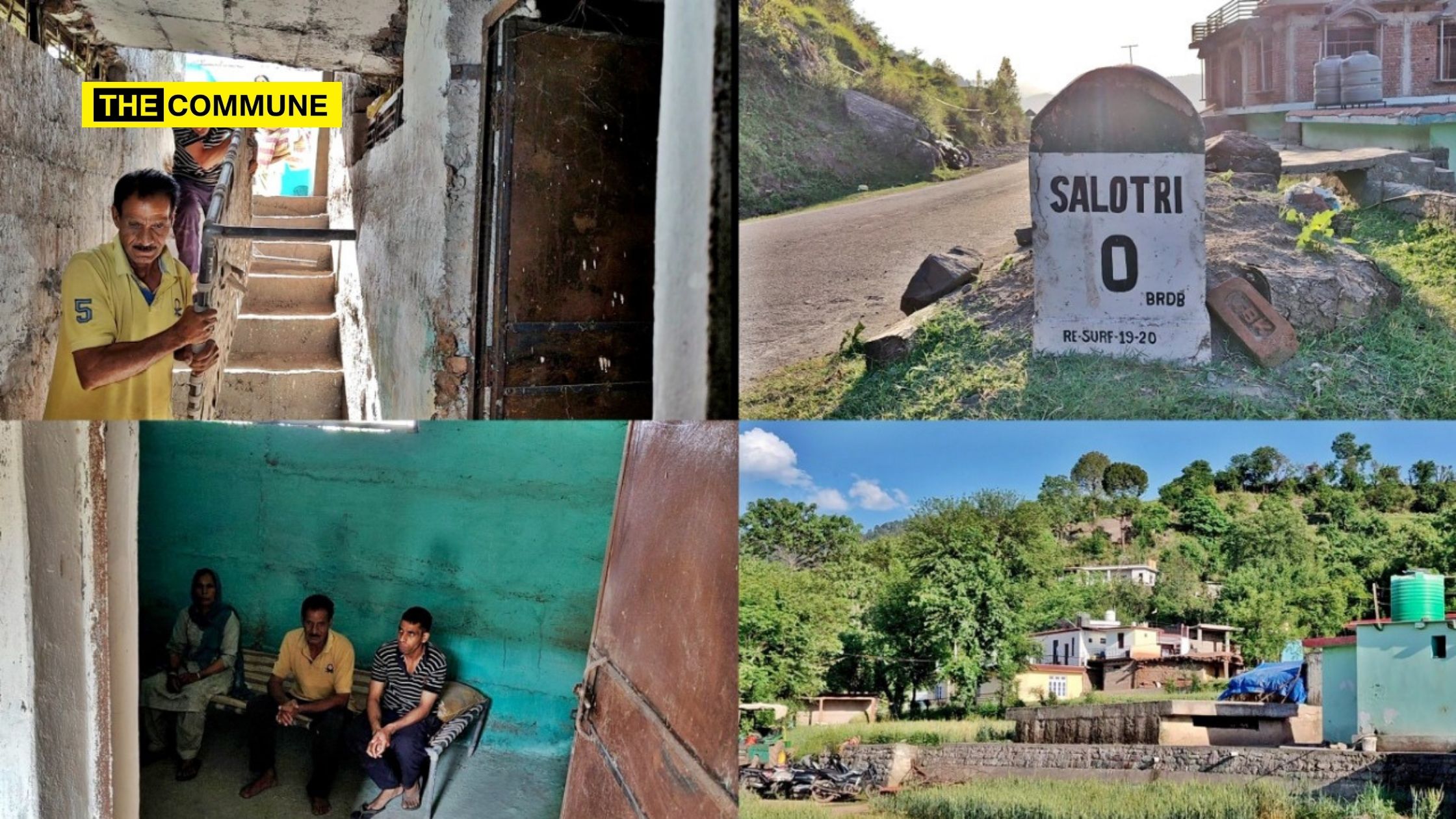
Salotri, the last Indian village situated right across from Pakistani military posts, is witnessing a flurry of activity as residents clean out and stock their underground bunkers, anxious but prepared for any escalation in cross-border hostilities.
The villagers, residing at the very edge of the LoC, have begun reinforcing their bunkers after Pakistan initiated unprovoked ceasefire violations over the past two days. Pakistani forces have been targeting Indian positions with small-arms fire, drawing a “strong and appropriate response” from the Indian Army, according to official sources.
No casualties have been reported so far. Salotri residents credit their sense of security to the bunkers provided by the central government under Prime Minister Narendra Modi’s leadership. These reinforced shelters, built about 10 feet underground, are reportedly bulletproof and well-structured to provide safety during shelling and firing incidents.
“We live in a border area, and the bunkers provided by PM Modi for civilians here are very strong, bulletproof, and built 10 feet underground. There is no danger inside them. We are very thankful to PM Modi because we feel completely safe while staying in our own homes,” said one villager.
He added, “What the terrorists did in Pahalgam was a cowardly act. They killed our Hindu brothers. It is necessary to retaliate for this act. We are prepared because once the retaliation begins, we will have to take care of our safety. So we are ready with our bunkers.”
In the village of Hunderman on the LoC as many as 217 villagers had protected themselves during the Kargil War in a bunker that was smaller than the current ones and till date they maintain that bunker. Salotri village had no such bunkers, and the residents were forced to flee to Poonch town. However, they feel confident at present time in their ability to stay safe within their village, even during heightened conflict.
–IANS
Subscribe to our channels on Telegram, WhatsApp, and Instagram and get the best stories of the day delivered to you personally.
The recent horrific terror attack in Pahalgam that claimed over 26 tourist lives – mainly Hindus, has once again brought Kashmir to a painful crossroads. But beyond the immediate tragedy lies a deeper, more insidious narrative battle—one where Kashmir’s economic renaissance through tourism is being deliberately framed as “colonization” by those who benefited from its isolation -the radical Islamists.
The Tourism Boom: Revival Or “Invasion”?
Since the abrogation of Article 370 in 2019, Kashmir has experienced an unprecedented tourism surge—from fewer than 831,000 visitors in 2018 to a record-breaking 34.98 lakh visitors in 2024. Hotels at capacity, thriving homestays, and bustling markets had finally begun healing Kashmir’s conflict-scarred economy. For ordinary Kashmiris dependent on tourism—taxi drivers, shopkeepers, hoteliers, and artisans—this represented not invasion but survival and a decent living.
Yet curiously, as the valley prospered, a chorus of voices began characterizing this economic lifeline as “cultural invasion” and “settler colonialism.”
The “Colonisation” Rhetoric: Manufactured Victimhood For Separatists
The idea that Kashmir is being “colonised” by Indians—particularly Hindus—hinges on a simple but poisonous assumption: that Islam is the inherent nature of Kashmir, Kashmir does not belong to India, and Indians are foreign to Kashmir.
This is the core logic behind every tweet, every op-ed, and every seminar that calls tourism a threat. It is the same logic that once justified ethnic cleansing of Kashmiri Pandits. It’s the same mindset that legitimized stone pelting, supported “Azadi” sloganeering, and glorified Burhan Wani as a “rebel” rather than a terrorist.
When people call Hindu tourists visiting Kashmir and Hindus moving to Kashmir for business as “colonisation,” they are not being clever—they are revealing the very supremacist mindset that views the Valley as an exclusive Islamist ethno-theocracy.
The Architects of the “Colonization” Narrative
This framing didn’t emerge spontaneously. It has been carefully cultivated by four distinct but overlapping groups:
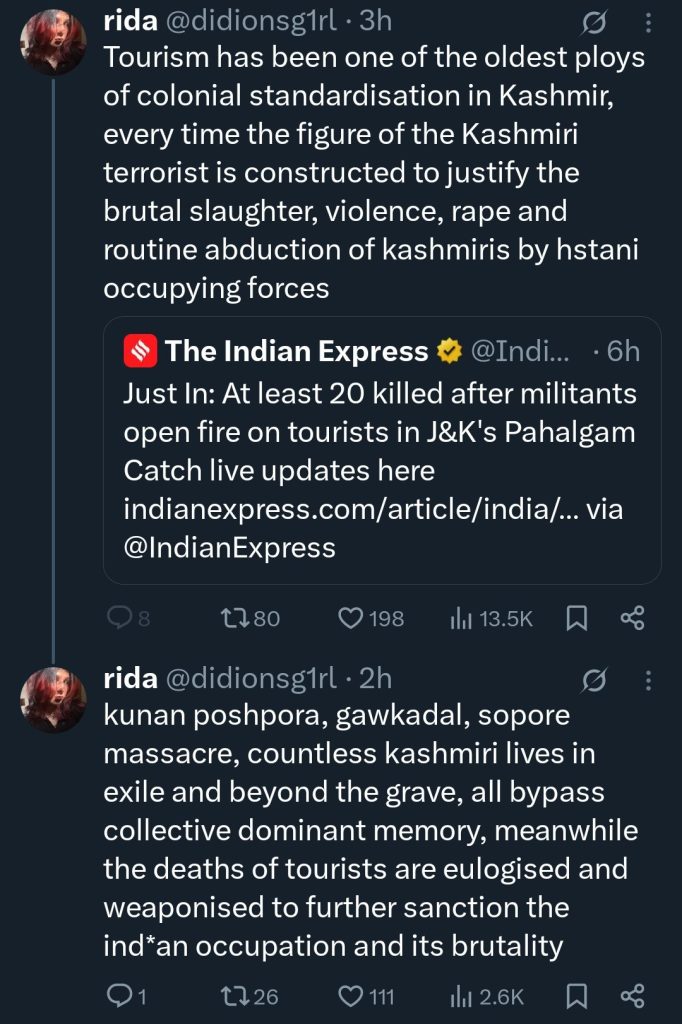
Separatist Sympathizers: Those who once provided intellectual cover for separatism now repackage their ideology in academic post-colonial jargon. When Maktoob Media’s Rida Fathima describes tourism as “a colonial ploy” and accuses Indian tourists of participating in “occupation,” she’s recycling separatist propaganda in scholarly language.
Local Political Elites: Politicians like Aga Syed Ruhullah Mehdi, who characterized tourism as a “cultural invasion,” represent those who thrived under Article 370’s protection. The abrogation stripped away their extraordinary powers and privileges. Their opposition isn’t about protecting Kashmiri culture but preserving political fiefdoms.
Barely months after Congress leader Rahul Gandhi launched his campaign for the Jammu and Kashmir Assembly elections with a promise to “restore statehood” and “empower the people,” terrorists struck in the heart of the Kashmir Valley. Rahul Gandhi should be held accountable for mainstreaming this political rhetoric amid a fragile security environment.
Rahul Gandhi, who addressed back-to-back rallies in Ramban and Anantnag in September 2024, claimed that Jammu and Kashmir is under the rule of a “king” — referring to the Lieutenant Governor — and promised to roll back the current Union Territory status. He framed the removal of Article 370 and the reorganization of J&K as an affront to democracy, ignoring the fact that these measures have led to a significant drop in terror-related incidents over the past five years.
In his 4 September 2024 speech, Gandhi accused the BJP government of “snatching wealth from Kashmiris and giving it to outsiders.” He said, “Not just has your state been snatched away, your rights, your wealth, everything is being snatched away from you. In 1947, we removed Rajas and made a democratic government. We gave Constitution to the country. Today in Jammu Kashmir, there’s a Raja sitting and his name is LG, but he is a Raja. And your wealth is being snatched away from you and given to outsiders. Be it contracts, all the benefits are being enjoyed by outsiders and is being snatched away from Jammu Kashmir people.
On 23 September 2024, he said, “And what was yours, first ‘your’ government used to take decisions, the decisions that were taken in ‘your’ interest, the decisions that were taken in consideration of ‘your’ future, today, ‘people from outside’ are taking decisions. ‘You’ don’t have a voice in running ‘your’government. ‘Your’ government runs from Delhi.”
This rhetoric, critics argue, stokes regional resentment and revives the us-vs-them language that Pakistan-backed terror networks exploit.
This week’s terror strike in Pahalgam reminds the nation of what is at stake. By aggressively championing the rollback of central authority and aligning with parties like the National Conference, which have a long and complicated history with separatist narratives, Rahul Gandhi had effectively signaled to hostile actors — both domestic and cross-border — that a political window may be opening.
Urban “Intellectuals”: Media figures and academics who built careers as Kashmir’s “interpreters” find themselves increasingly irrelevant as the region integrates with mainstream India. Their carefully constructed narratives of perpetual victimhood collapse when Kashmiris prosper under Indian administration.
Radical Islamists: Groups like the self-proclaimed “Kashmir Resistance,” which claimed responsibility for the Pahalgam attack, openly declare war against “outsiders,” revealing the religious exclusivity underlying this rhetoric.
Decoding The Strategy
The “colonization” narrative serves multiple strategic purposes:
First, it delegitimizes economic development. By portraying tourists not as visitors but as invaders, and development not as progress but as erasure, it attempts to make ordinary Kashmiris reject prosperity itself.
Second, it maintains the separatist ecosystem. When a Kashmiri hotelier welcomes Hindu pilgrims, or a shopkeeper befriends Gujarati tourists, the barriers of otherness essential to separatist ideology begin crumbling. Cultural exchange threatens those who profit from division. Add to this the popularity of Hindu shrines in the region – one video circulating on social media shows a lay Muslim calling “idol worship a bigger sin” according to their god when compared to heinous crimes like rape.
Third, it provides moral cover for violence. By framing tourists as agents of occupation, it rationalizes attacks like Pahalgam as “resistance” rather than terrorism.
Islamists: The Real Colonizers
Before Article 370 was abrogated in 2019, Kashmir was ruled by a political class that actively excluded Indian laws, stifled women’s rights, blocked land reforms, prevented progressive Indian laws from applying to Kashmir, and redirected development funds into personal coffers while violently suppressed dissenting voices—from Kashmiri Pandits to Balti Shias. These parties treated Kashmir like their fiefdom, while urban elites in Delhi and foreign-funded NGOs provided intellectual cover for this separatism.
This was the real colonisation: the ghettoisation of an Indian state under a religious-political elite that turned the Valley into a hotbed of Wahhabi radicalism.
Where was this outrage when thousands of Kashmiri Pandits were driven out in 1990 with slogans like “raliv, galiv ya chaliv”? Where were the cries of “occupation” then? Why did it take until 2020 for so-called secularists to discover their love for the Kashmiri street vendor, but only when Hindus began returning?
Kashmiri Hindus were the original inhabitants of Kashmir while the invaders were the Islamist Mughals who colonized the region, grew in number, and ultimately threw out the Hindus. Now they cry “colonization”?
What’s Really At Stake
What’s being defended isn’t Kashmiri culture but a political system that enables terrorism that thrives on Kashmir’s isolation. The real fear isn’t cultural erasure but cultural exchange—the possibility that Kashmiris and other Indians might discover their shared humanity through daily interactions.
Kashmir’s development threatens those who need perpetual crisis. A prosperous, peaceful Kashmir renders obsolete the entire intellectual and political infrastructure built around its “special status.” It undermines those who positioned themselves as intermediaries between Kashmir and India and dismantles the grievance industry that provided comfortable careers for many.
The Way Forward
The path ahead must recognize this narrative manipulation for what it is—not a legitimate cultural concern but a calculated strategy. Development and tourism aren’t perfect solutions to Kashmir’s complex challenges, but they create spaces where ordinary Kashmiris can build economic autonomy and engage with India on their own terms, without self-appointed mediators.
True respect for Kashmiri identity comes not from isolation but from enabling Kashmiris to participate fully in India’s economic and cultural life while preserving their unique heritage. This doesn’t require Article 370’s discriminatory provisions but inclusive policies that recognize Kashmir’s distinct character while enabling its full integration.
The greatest threat to those peddling the “colonization” narrative isn’t India’s heavy hand but its open palm – welcoming Kashmir to prosperity rather than perpetual conflict. And that is precisely why they fight so desperately against it.
Subscribe to our channels on Telegram, WhatsApp, and Instagram and get the best stories of the day delivered to you personally.
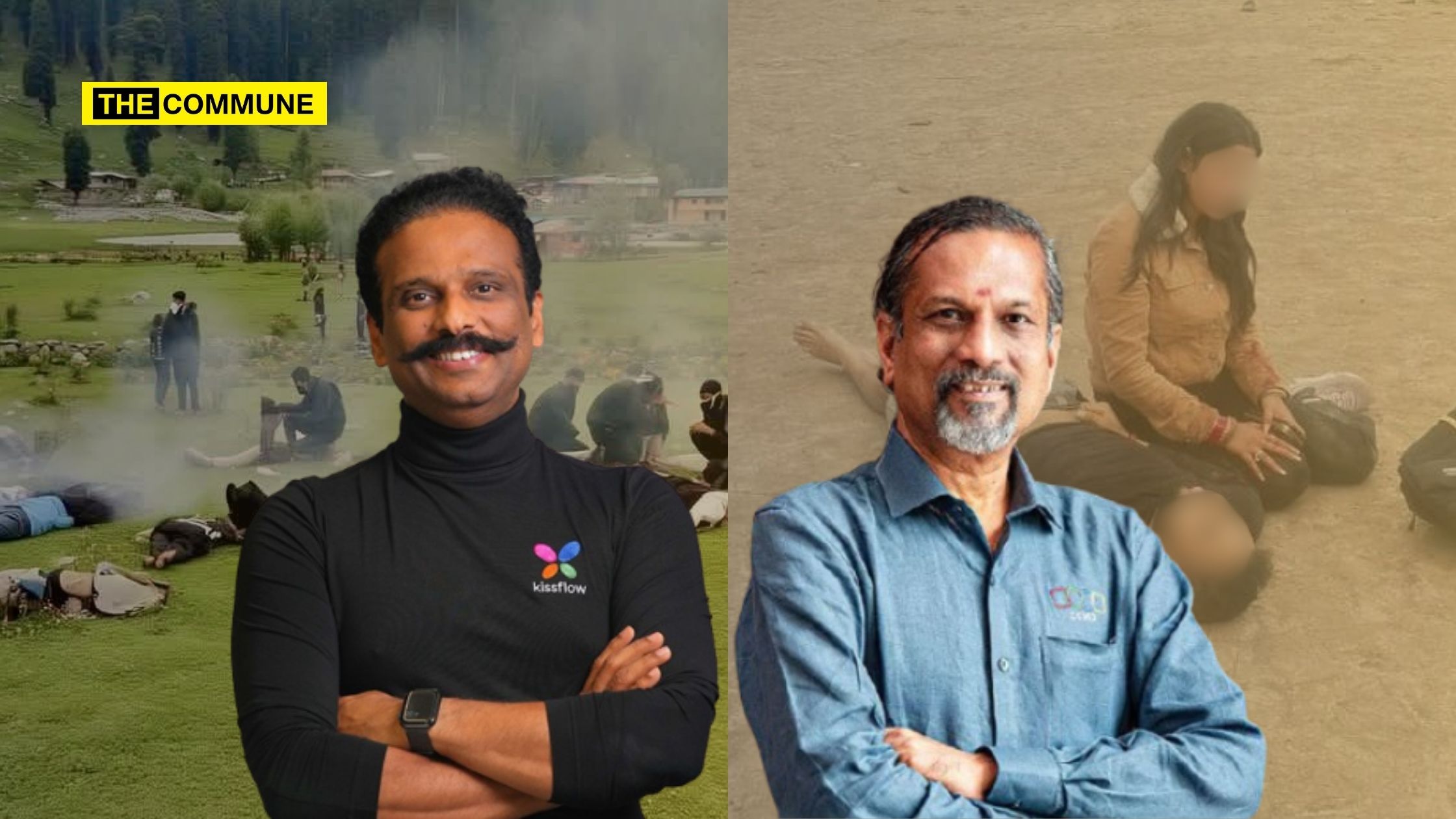
In a baffling display of misdirected outrage, Kissflow CEO Suresh Sambandam, a Dravidianist sympathizer who thinks he can become Steve Jobs by wearing a black turtle-neck, chose to criticize Zoho founder Sridhar Vembu instead of condemning the terrorists responsible for the horrific Pahalgam attack. The assault in Jammu and Kashmir’s Anantnag district claimed the lives of 26 Hindu tourists.
On 24 April 2025, posting from his official X account, Sambandam wrote, “What happened in #pahalgam makes me angry and it is most inhuman uncivilised act. But this is not the time to peddle hatred among the people of our country. True character is about restraint in the time of Crisis. This is what #Gandhi taught us and were the only country who got independence without a war in a peaceful way. I truly respect Sridhar for this great contribution to the ecosystem by building Zoho. But feeling very very disappointed seeing this. 🥲🥲🥲 . I only hope he retracts this and calls for solidarity and harmony among fellow citizens of our country instead of flaring the flames . Please 🙏🏻 🙏🏻🙏🏻”
What happened in #pahalgam makes me angry and it is most inhuman uncivilised act. But this is not the time to peddle hatred among the people of our country. True character is about restraint in the time of Crisis. This is what #Gandhi taught us and were the only country who got… https://t.co/sHQPaH52lX
This came in response to Zoho founder Sridhar Vembu, who on 23 April 2025, pointed out how Hindus were being targeted across the nation, highlighting the plight of the Hindus as minority community. He stated, “I have met many Sindhi Hindus living in the US who told me the same thing Prakash-ji says below about his family’s experience of partition. I have heard the same thing from Bengali friends. We have the experience of Kashmiri pandits in living memory. All this should give us the resolve to make sure it never happens in our nation again. These terrorist attacks are a reminder of what is at stake for us.”
I have met many Sindhi Hindus living in the US who told me the same thing Prakash-ji says below about his family's experience of partition. I have heard the same thing from Bengali friends. We have the experience of Kashmiri pandits in living memory.
Zoho founder Sridhar Vembu responded to Prakash Dadlani’s X post, which recounted his family’s harrowing 1947 Partition experience as Hindus forced to abandon their home in Sindh and flee to India for safety. Dadlani highlighted his distrust of the persistent labeling of Hindus as “Kafirs” and warned that history might repeat itself. He urged India to reclaim Pakistan-occupied Kashmir, Sindh, and Balochistan to secure the safety of its people and honor families displaced like his own.
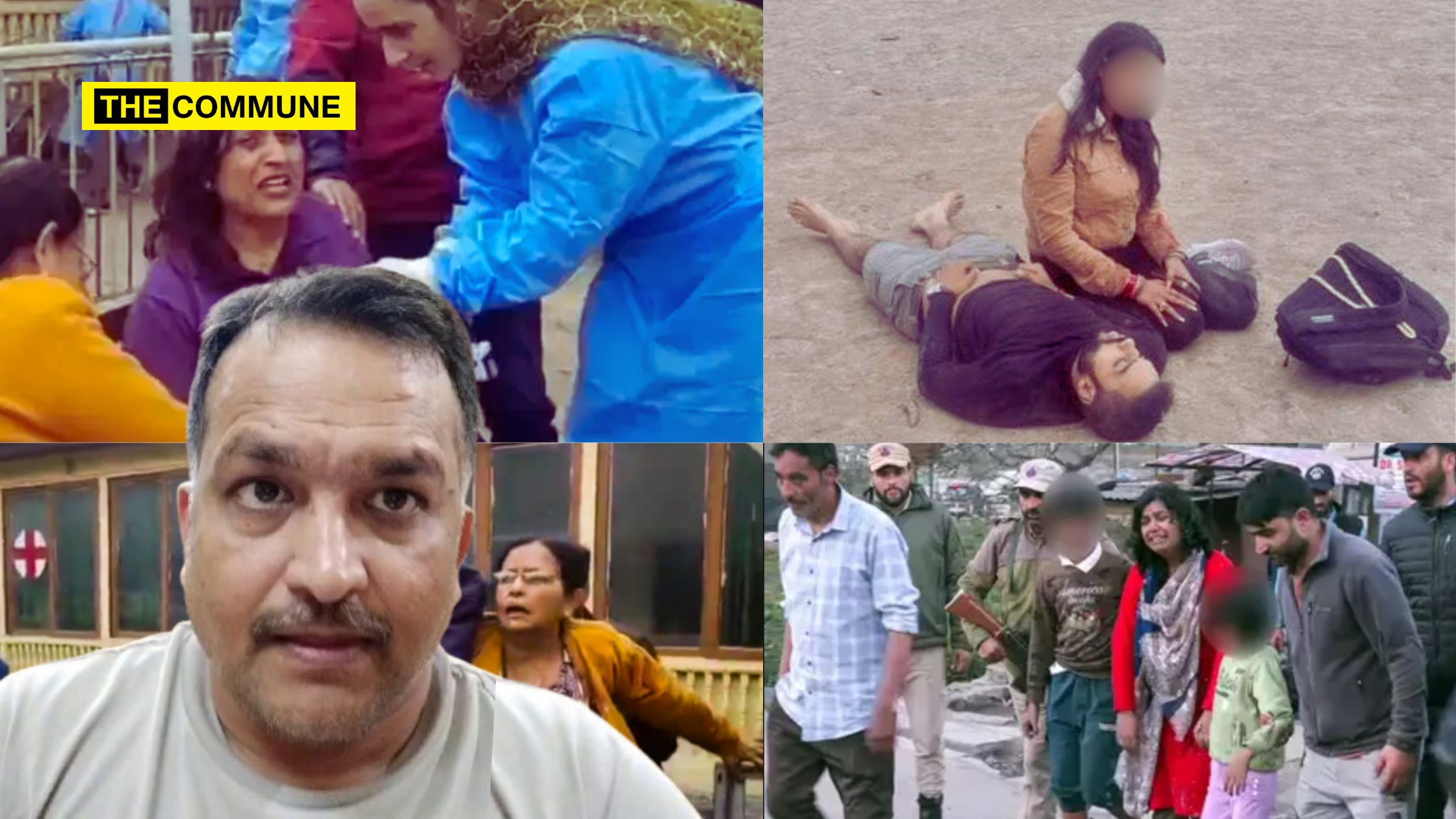
Despite eyewitness reports confirming that the victims were singled out for being Hindu—forced to strip, made to recite the kalma, and then executed—Sambandam had the audacity to downplay the religious motivation behind the attack. Instead of standing with the victims or condemning the jihadist brutality, he used his platform to criticize Vembu for daring to call it what it was: a cold-blooded Islamist terror strike.
Subscribe to our channels on Telegram, WhatsApp, and Instagram and get the best stories of the day delivered to you personally.
Instead of condemning the horrific Pahalgam terror attack that claimed 26 lives, self-styled environmentalist and Anti-National Dravidianist Piyush Manush chose to spew a conspiracy-laced rant, accusing the BJP of orchestrating the attack for political gain. His video statement, posted on 24 April 2025, on his official X account, shamelessly aligned with the usual anti-national narrative, sidestepping the perpetrators and instead targeting the Indian state.
In his video, Manush mocked Prime Minister Narendra Modi, saying, “On one side, Modi has launched his campaign and is preparing for the Bihar elections. He his usual line—‘Hota hai… we will chase the terrorists till the last one,’ in Bihar. But this time, he said it differently, in English—the same dialogue he used during in the Pulwama. 350 kgs of RDX entered India. It wasn’t a small package—it was 350 kilograms of RDX! Have they arrested anyone who sent in that RDX?”
He laughed and continued, “To who are you showing off? Listen carefully—Modi has compromised India’s security. Let me tell you how. There’s a place called Khavda in the Rann of Kutch, just 1 km from the India-Pakistan border. A massive 445 sq. km of land four times the size of Paris. A 445 sq. km 40km x 100 like this, did you get it? Sorry it’s 10×40 km—total’s 440 sq.km. 440 sq.km of land has been handed over to Adani, where? Just 1 km from the border! to install solar panels. Now, do you think he’ll go to war? They’re bragging about reclaiming PoK. Yogi Adityanath, Amit Shah—will make it. Is there a chance? Can you do? Will Adani even let you? Won’t he crush you (b*lls) under? What kind of scam is this! Cheating the nation.”
He didn’t stop there. He went on to allege that General Bakshi had revealed how 1.8 lakh army positions were cut and left unfilled under the Agniveer scheme, weakening the armed forces. Several battalions were disbanded, and in some areas, only two sectors were deployed where there used to be one, significantly reducing military strength.
He then questioned the targeting of Kashmiris, pointing out that during times of crisis—like avalanches—it was the Kashmiri people who came forward to help. Yet, instead of acknowledging their support, a narrative was being pushed comparing Kashmir to Gaza, calling for harsh measures. Despite such inflammatory rhetoric, he noted, no police action was taken against those spreading it.
Piyush Manush questioned, “Are you hitting the Kashmiri people? How will he stand/stay with us? Why should he? You won’t let him become Chief Minister, you won’t hold elections, you will decentralise the state turn into a Union Territory, denied him political representation, and appoint a Brahmin to govern. Since then, an ‘Iyer’ has been in charge. No political representation for them. Isn’t that cruel? It’s disgusting to even think about.”
He concluded by saying, “The death of 26 people is a horrific tragedy. But remember this well—whoever was behind Pulwama has done the same thing now. So think carefully about who I’m pointing at.” — strongly suggesting that the BJP may have orchestrated the terrorist attack for political gain.
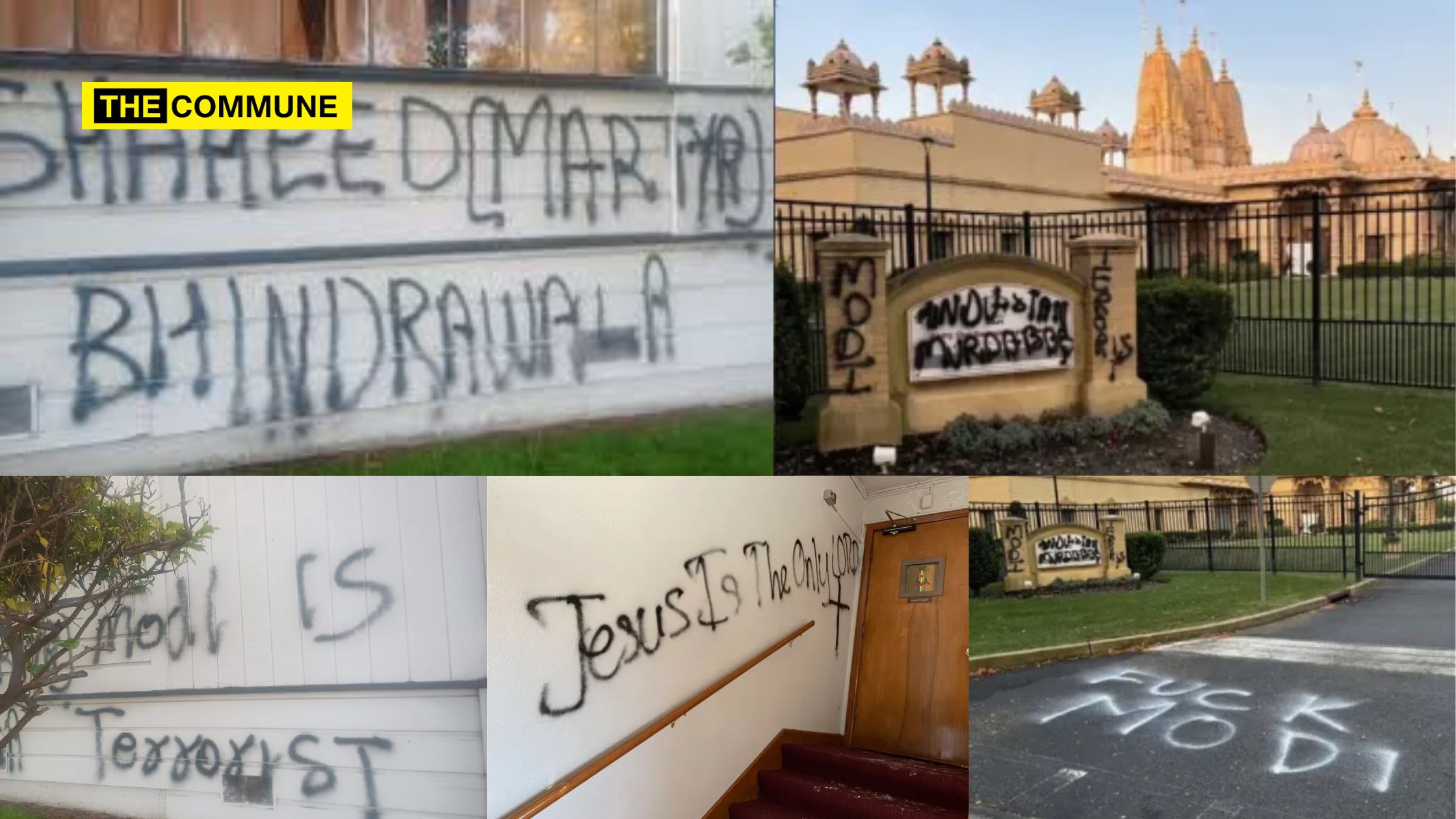
Over the past several years, Hindu temples across the United States have faced a disturbing trend of vandalism and hate crimes. Below is a timeline of nine major incidents, reflecting a growing concern over Hinduphobia and religious intolerance.
On 20 April 2025, the Lakshmi Narayan Mandir in Surrey, Canada, was defaced with pro-Khalistan graffiti. The vandals not only sprayed graffiti but also caused damage to the property. This report compiles 25 incidents of attacks on Hindu temples abroad from 2015 to 2025, spanning countries such as the United States, Canada, and Australia.
On 20 April 2025, the Lakshmi Narayan Mandir in Surrey, Canada, was defaced with pro-Khalistan graffiti, following the recent vandalism of a Gurdwara in Vancouver. Indian-origin MP Chandra Arya condemned the act, linking it to the growing influence of Khalistani extremism in Canada. The Khalsa Diwan Society, which oversees the Ross Street Gurdwara in Vancouver, also condemned the graffiti, calling it part of an ongoing campaign by extremist forces. Arya urged the Hindu and Sikh communities to demand swift action from authorities. The rise in religious vandalism in Canada continues to spark concern.
#2 BAPS Temple Vandalized With Anti-India Messages In California (March 2025)
On 9 March 2025, the BAPS Shri Swaminarayan Mandir in Chino Hills, California, was vandalized with anti-India messages, marking another hate crime against the Hindu community in the U.S. The Bochasanwasi Akshar Purushottam Swaminarayan Sanstha condemned the attack, stressing the resilience of the Hindu community in the face of hate. This incident coincided with the upcoming Khalistan referendum in Los Angeles, raising concerns over rising religious tensions. The Coalition of Hindus of North America (CoHNA) condemned the attack, urging authorities to investigate. This follows similar vandalism incidents at BAPS temples in Sacramento and New York.
#3 Swami Narayan Temple Vandalized In Sacramento, California (September 2024)
A Hindu temple in Sacramento, California, was vandalized for the second time in 10 days, on 26 September 2024, with anti-Hindu slogans like “Hindus go back” spray-painted on its walls.
The incident mirrors a similar attack on a Swaminarayan temple in New York on 16 September 2024, where anti-India slogans were written, and suspicion of Khalistani involvement arose. In Sacramento, the temple’s pipeline was also damaged. Local officials, including California Assembly member Stephen Nguyen, visited the temple after the attack. The Indian Consulate in New York and U.S. leaders condemned these hate crimes, calling them cowardly and deeply concerning for religious freedom in America.
#4 BAPS Shri Swaminarayan Mandir Vandalized In New York (September 2024)
The BAPS Shri Swaminarayan Mandir in Melville, New York, was vandalized by extremists on the night of 16 September 2024. The temple was defaced with offensive slogans, including “Fuck Modi,” “Modi is Terrorist,” and “Hindustan Murdabad,” with a derogatory gap in the word “Hindustan” implying insult to Hindus.
Yet another Hindu temple has been vandalized in US with a video released by a coordinated bot network.
The temple is the BAPS Swaminarayan Temple in Melville NY
Sukhpal Singh was arrested for the last temple vandalization in NY state in Queens. pic.twitter.com/ionj3X8YzS
The BAPS Swaminarayan Sanstha condemned the act and prayed for the perpetrators to overcome their hatred. Local authorities were informed, and the Indian Consulate in New York also condemned the vandalism, urging U.S. law enforcement to take swift action against those responsible for the hate crime.
#5 BAPS Temple Vandalized In Edmonton, Canada, With Anti-India Graffiti (July 2024)
A Hindu temple, BAPS Shri Swaminarayan Mandir, in Edmonton, Canada, was vandalized with graffiti by Punjab separatists on 23 July 2024. The Vishva Hindu Parishad (VHP) of Canada strongly condemned the act, calling it Hinduphobic and an attack on the peaceful Hindu community. The VHP urged the Canadian government to take decisive action against the growing extremist ideology fueling such incidents. This act follows a pattern of increasing anti-India activities by Khalistan supporters, particularly after the death of Khalistani terrorist Hardeep Singh Nijjar.
#6 Sri Panchamukha Hanuman Temple Vandalized In Dublin, California (January 2024)
On 11 January 2024, the Sri Panchamukha Hanuman Temple in Dublin, California, was vandalized, marking a disturbing incident in a series of attacks on Hindu temples in the United States. The Coalition of Hindus in North America (CoHNA) condemned the act, linking it to growing anti-Hindu sentiments and the approaching “Khalistan referendum” event in Los Angeles. The Ministry of External Affairs (MEA) also condemned the desecration, urging local law enforcement to take stringent action and enhance security at places of worship. This attack follows several others on temples across California and beyond.
#7 Vijay’s Sherawali Temple Vandalized In Hayward, California (January 2024)
The Vijay’s Sherawali Temple in Hayward, California, was vandalized with pro-Khalistani slogans such as “Khalistan Zindabad” and “Modi is terrorist.” The incident, which occurred in late December 2023, was confirmed by the temple administration on 2 January 2024. Police have classified it as a hate crime. The Hindu American Foundation (HAF) noted that this attack followed similar defacement of the Swaminarayan Mandir and a theft at the Shiv Durga temple in the same area. HAF is working closely with temple leaders, the Alameda Police Department, and the Department of Justice’s Civil Rights Division to investigate the crime.
#Breaking: Another Bay Area Hindu temple attacked with pro-#Khalistan graffiti.
The Vijay’s Sherawali Temple in Hayward, CA sustained a copycat defacement just two weeks after the Swaminarayan Mandir attack and one week after a theft at the Shiv Durga temple in the same area.… pic.twitter.com/wPFMNcPKJJ
— Hindu American Foundation (@HinduAmerican) January 5, 2024
#8 SMVS Shri Swaminarayan Mandir, Vandalized In Newark, California (January 2024)
On 2 January 2024, the SMVS Shri Swaminarayan Mandir in Newark, California, was vandalized with anti-India graffiti, allegedly by pro-Khalistan activists. The graffiti was discovered by a nearby devotee, who promptly reported it to local authorities. Temple spokesperson Bhargav Raval expressed shock at the display of anti-Indian sentiments on the temple walls. The Newark Police Service has initiated a targeted investigation, with Police Captain Jonathan Arguello stating that they will review surveillance footage from nearby residences to piece together the events leading to the vandalism.
#9 Shri Omkarnath Temple Burglarized In Brazos Valley, Texas (January 2024)
On 5 January 2024, the Shri Omkarnath Temple in Brazos Valley, Texas, was burglarized, shocking the local Indian community. Burglars broke in through a side window, stealing the temple’s donation box and a safe containing valuables. Board member Srinivasa Sunkari described the incident as an invasion of privacy and reported that the priest and his family, who live nearby, are safe. Security footage captured the suspect bypassing the shrine to access the donation box. The Brazos County Sheriff’s Office is investigating the burglary, while temple officials are taking extra precautions for safety and security.
#10 Shri Mata Bhameshwari Durga Temple Vandalized In Surrey, Canada (September 2023)
On 7 September 2023, the Shri Mata Bhameshwari Durga Temple in Surrey, Canada, was desecrated with anti-India and pro-Khalistan graffiti. The incident occurred just a month after a major Hindu temple in Canada was similarly vandalized with Khalistan referendum posters. The Royal Canadian Mounted Police (RCMP) was alerted, and the graffiti was promptly removed. The defacement included derogatory messages targeting Indian Prime Minister Narendra Modi and promoting the Khalistan movement. This follows other recent attacks on Hindu temples by Khalistani supporters, raising concerns about the safety of religious institutions in Canada.
#11 Hari Om Radha Krishna Mandir Burglarized In Sacramento, California (October 2023)
On 30 October 2023, burglars raided the Hari Om Radha Krishna Mandir in Sacramento, California, stealing a donation box. The break-in occurred around 2:15 AM, with six suspects seen on surveillance footage, including two inside the temple. The box, weighing about 100 pounds, was taken in a getaway car. The Coalition of Hindus of North America (CoHNA) condemned the incident, urging the Sacramento Police to investigate it as a potential hate crime. The temple community expressed shock and sadness, emphasizing the impact on their efforts to support others.
#12 Lakshmi Narayan Temple In Surrey Vandalized By Khalistani Supporters (August 2023)
On 13 August 2023, two Khalistani supporters vandalized the Shri Lakshmi Narayan Mandir in Surrey, British Columbia, by defacing the temple with anti-Hindu and anti-India graffiti. The intruders, a male and a female, entered the temple premises, placed Khalistan referendum posters on the main gates, and trespassed on the property. The incident is part of a rising wave of attacks on Hindu temples in Canada, condemned by India and local religious groups. India has urged the Canadian government to take strong action against the perpetrators and address the growing threat from Khalistani extremists.
#13 BAPS Shri Swaminarayan Mandir In Sydney Defaced With Anti-India Graffiti (May 2023)
On 5 May 2023, the BAPS Shri Swaminarayan Mandir in Sydney was defaced with anti-India graffiti, weeks before Prime Minister Narendra Modi’s visit to Australia. Authorities suspect pro-Khalistani elements were behind the vandalism, as a Khalistani flag was found on the temple gate. In a statement, the temple expressed sadness and disappointment over the attack, emphasizing its commitment to peace and harmony. This incident is part of a growing trend of Hindu temple vandalism in Australia, with similar attacks occurring in Melbourne and Brisbane earlier in the year.
On 4 March 2023, pro-Khalistan supporters vandalized the boundary wall of the Shree Laxmi Narayan Temple in Brisbane. Temple President Satinder Shukla confirmed the attack, stating that the priest and devotees alerted him about the incident. Sarah Gates, Director of Hindu Human Rights, condemned the vandalism, calling it part of a global pattern by Sikhs For Justice (SFJ) to intimidate Hindus. This follows a series of attacks on Hindu temples in Australia, including vandalism in Melbourne. India raised the issue with the Australian government, urging swift action against the perpetrators.
#15 Ram Mandir In Mississauga, Canada, Defaced With Anti-India Graffiti (February 2023)
On 15 February 2023, the Ram Mandir Temple in Mississauga, Canada, was defaced with anti-India graffiti, allegedly by pro-Khalistan extremists. The Consulate General of India in Toronto condemned the attack and urged Canadian authorities to investigate and take prompt action. The graffiti included slogans against Prime Minister Narendra Modi and praise for Khalistan leader Sant Jarnail Singh Bhindranwale. Mayor Patrick Brown and MP Iqwinder S. Gaheer condemned the act, emphasizing Canada’s commitment to religious freedom.
#16 ISKCON Temple In Melbourne Defaced With Khalistan Slogans (january 2023)
On 23 January 2023, the Hare Krishna Temple (ISKCON) in Melbourne’s Albert Park was defaced with anti-India graffiti, including slogans like “Khalistan Zindabad” and “Hindustan Murdabad.” The perpetrators also praised slain Khalistani terrorist Jarnail Singh Bhindranwale. ISKCON’s Director of Communication, Bhakta Das, expressed shock and outrage, stating that a complaint was filed with Victoria Police, and CCTV footage was provided to assist in identifying the culprits. This was the third such attack on Hindu temples in Australia within two weeks, following similar incidents at Shri Shiva Vishnu Temple and BAPS Swaminarayan Mandir.
#17 Gauri Shankar Mandir In Brampton, Canada Defaced with Anti-India Graffiti (January 2023)
On 23 January 2023, Gauri Shankar Mandir in Brampton, Canada, was vandalized with anti-India graffiti, sparking outrage within the Indian community. The Indian Consulate General in Toronto condemned the act, highlighting the deep hurt caused to the community. Brampton Mayor Patrick Brown also condemned the vandalism, asserting that such hate has no place in Canada. Canadian authorities, including Peel Regional Police, are investigating the incident. This follows a pattern of similar attacks, including the defacing of BAPS Swaminarayan Mandir in September 2022, fueling concerns among the Hindu community in Canada.
#18 Shri Shiva Vishnu Temple Vandalized By Khalistan Supporters In Australia (January 2023)
On 16 January 2023, Shri Shiva Vishnu Temple in Carrum Downs, Australia, was defaced with anti-India and anti-Hindu graffiti, including the slogan “Hindustan Murdabad.” This attack follows a similar incident at BAPS Swaminarayan Temple earlier in the week. The vandalism, allegedly by Khalistan supporters, occurred during the Tamil Hindu community’s Thai Pongal festival. Long-time devotee Usha Senthilnathan condemned the act and called on Premier Dan Andrews and Victoria Police for action.
#19 BAPS Swaminarayan Temple Vandalized by Khalistan Supporters in Melbourne (January 2023)
On 12 January 2023, the BAPS Swaminarayan Temple in Mill Park, Melbourne, was vandalized by unidentified miscreants, reportedly Khalistan supporters. The temple’s walls were defaced with anti-India graffiti, including the slogan “Hindustan Murdabad” written in black paint. The temple management condemned the act, emphasizing that the temple stands for peace, harmony, and universal Hindu values. Spiritual leader Mahant Swami Maharaj has called for unity and peace, urging devotees to remain calm. This attack follows a similar incident in Canada in September 2022, where Khalistani extremists also targeted a BAPS temple.
#20 Shree Umiya Dham, New Jersey (October 2022)
On 30 October 2022, the Shree Umiya Dham Hindu Temple in Edison, New Jersey, was vandalized with “Free Palestine” graffiti. The Coalition of Hindus of North America (CoHNA) condemned the act, linking it to a Hinduphobic narrative promoted by certain academics who portray Hindus as “colonizers.” CoHNA noted that the temple had previously joined over 50 organizations in opposing a Hinduphobic resolution by the Teaneck Democratic Municipal Committee. This incident has heightened concerns within the Hindu community in New Jersey, prompting calls for swift justice against the perpetrators.
Shree Umiya Dham Hindu Temple in Edison, NJ vandalized with “Free Palestine” graffiti. CoHNA strongly condemns this & stands with the temple in demanding that the perpetrators be brought to swift justice! Happened yesterday, when…1/n pic.twitter.com/KJt09KiNZs
— CoHNA (Coalition of Hindus of North America) (@CoHNAOfficial) October 31, 2022
#21 Anti-India Graffiti Defaces BAPS Swaminarayan Temple In Toronto (September 2022)
On 15 September 2022, the BAPS Swaminarayan Mandir in Toronto was defaced by anti-India graffiti in what is believed to be a hate crime by Canadian Khalistani extremists. The Indian High Commission condemned the incident, urging Canadian authorities to take swift action against the perpetrators. Canadian MP Chandra Arya expressed concern over the increasing targeting of Hindu temples, emphasizing that this is not an isolated incident. Brampton South MP Sonia Sidhu also condemned the act, calling for those responsible to be held accountable. The BAPS Swaminarayan Sanstha promotes Hindu values of unity and selfless service.
#22 Shri Tulsi Mandir Vandalized In Queens, New York (August 2022)
On 16 August 2022, Shri Tulsi Mandir in Queens, New York, was vandalized by a group of five to ten miscreants armed with sledgehammers. They defaced a statue of Mahatma Gandhi placed outside the temple and spray-painted the word “Dog” in front of the temple and down the block. The vandals fled in two cars. This incident marks the second attack on the Gandhi statue in less than two weeks, the first occurring on 3 August 2022. The local community expressed heartbreak and concern over the rise in hate crimes targeting the temple.
In January 2019, the Swaminarayan Temple in Louisville, Kentucky, was vandalized in a hate crime. Miscreants sprayed black paint on the deity, broke windows, and left inappropriate messages and graffiti on the walls. A knife was found stabbed in a chair, and cabinets were emptied. The police are investigating, but there are currently no suspects. Local officials, including Mayor Greg Fischer and Kentucky State Representative Nima Kulkarni, condemned the act, emphasizing its impact on the Indian American community and the need for compassion and respect among all religions.
#24 The VHP Temple, North Carolina (July 2015)
In North Carolina, a sign for a planned Hindu temple was shot at, resulting in over 60 holes, between noon on 4 July 2015 and 1 PM on 8 July 2015. The Forsyth County Sheriff’s Office reported that empty shell casings consistent with birdshot were found nearby, indicating a shotgun was used. The vandalism, which caused approximately $200 in damage, is being investigated as vandalism, and no suspects have been identified. The Om Hindu Organization of North Carolina, which plans to build the temple, expressed disappointment but remains committed to their project despite the incident.
#25 North Texas Hindu Mandir, Dallas, Texas (April 2015)
In a disturbing incident, the North Texas Hindu Mandir in Lake Highlands, Dallas, was vandalized, with symbols of devil worship and the tag of the Mara Salvatrucha gang painted on its door and nearby structures. The attack occurred on a Monday in April 2015, shocking both the Hindu community and local residents, some of whom offered assistance in cleaning the damage. Krishna Singh, a temple board member, expressed deep sadness over the vandalism. The Dallas police gang unit is investigating the case. Universal Society of Hinduism president Rajan Zed called for better education about Hinduism to counter such attacks.
Subscribe to our channels onTelegram, WhatsApp, and Instagram and get the best stories of the day delivered to you personally.