Home Blog Page 307

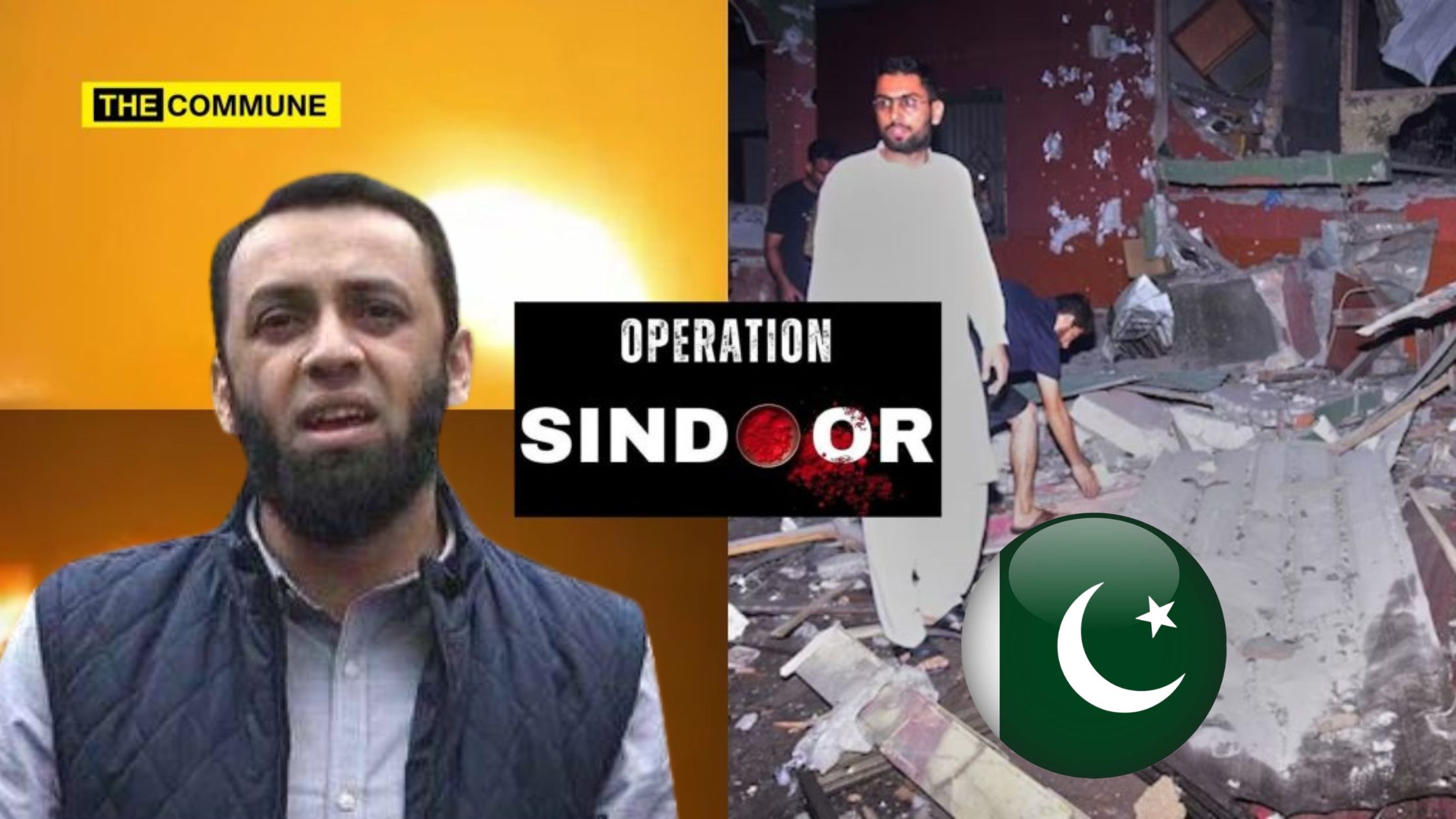
“Pakistan Is Victim Of Terrorism”, Pak Information Minister Flounders On Live TV As News Anchor Exposes Terror Denial After Indian Strikes

pakistan terrorism

Just hours after India carried out precision missile strikes on terror launchpads in Pakistan and Pakistan-occupied Jammu & Kashmir (PoJK), Pakistan’s Information and Broadcasting Minister Attaullah Tarar was left visibly cornered on live television after being confronted with his own government’s record of supporting terrorism.

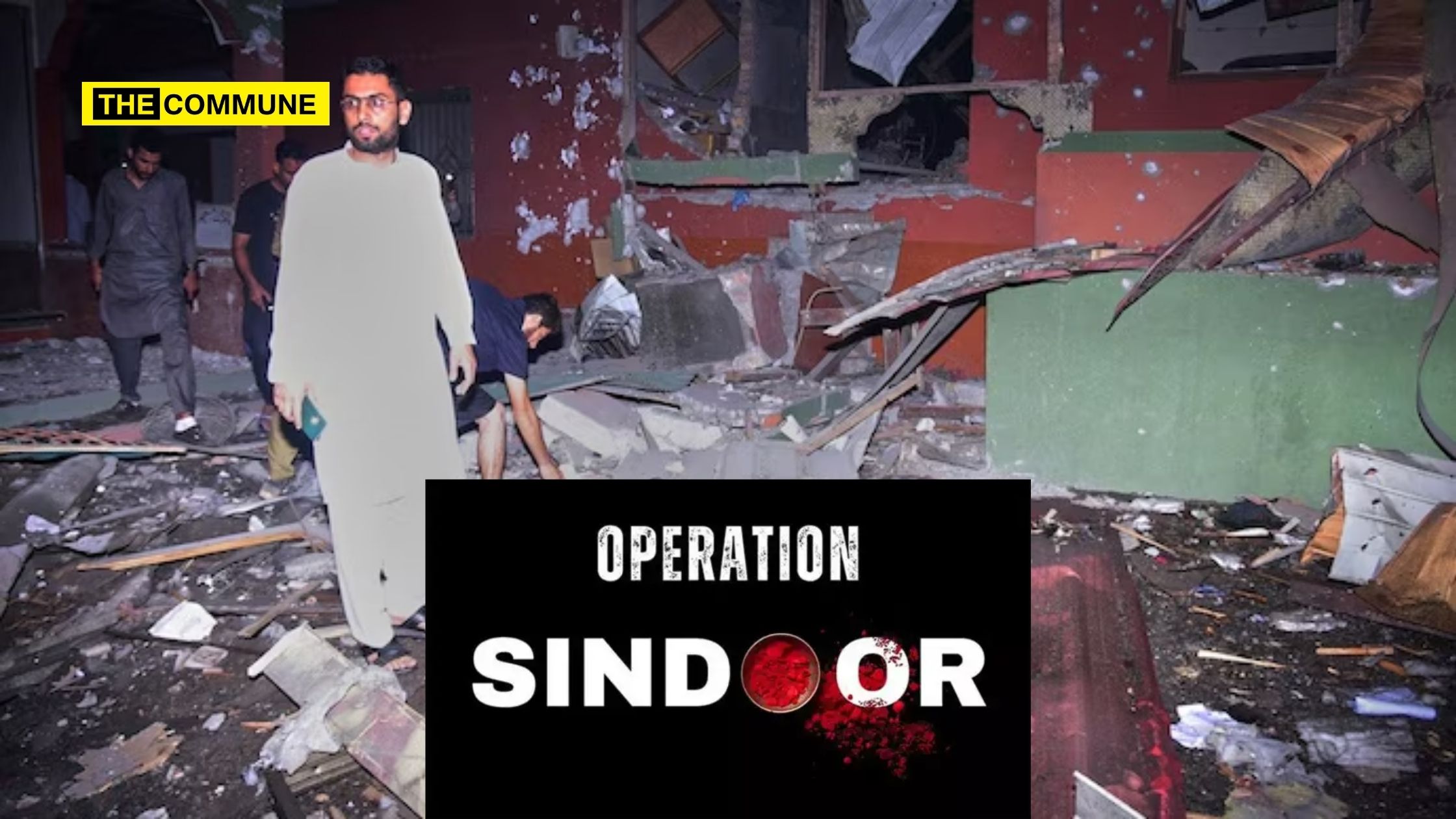
The Indian military’s carefully coordinated offensive, dubbed Operation Sindoor, was launched in the early hours of Wednesday in response to the April 22 terror attack in Pahalgam, which claimed the lives of 26 civilians, mostly tourists. According to military sources, nine key terror infrastructure sites were struck, including facilities linked to Jaish-e-Mohammed (JeM), Lashkar-e-Taiba (LeT), and Hizbul Mujahideen. Indian authorities have confirmed that the strikes were focused, non-escalatory, and deliberately avoided Pakistani military targets.

Appearing on Sky News, Minister Tarar attempted to deflect blame onto India, accusing New Delhi of targeting civilian areas. However, anchor Yalda Hakim swiftly dismantled the narrative. “The Indian armed forces have said they only targeted terrorist camps and not Pakistani military facilities,” Hakim reminded the minister.

In response, Tarar flatly denied the existence of terror camps in Pakistan. “Let me make it very clear: there are no terrorist camps in Pakistan. Pakistan is a victim of terrorism. We are the frontline state against terrorism,” he said.

But Hakim pushed back, citing statements from Pakistan’s own top officials. “On my programme just a week ago, your Defence Minister Khawaja Asif admitted that Pakistan has for decades had a policy of funding, backing, and using terrorist groups as proxies,” she said. “In 2018, President Donald Trump cut military aid to Pakistan because he accused Pakistan of playing a double game.”

Hakim went on to cite former Pakistani leaders including Gen. Pervez Musharraf and Benazir Bhutto, both of whom had publicly acknowledged Pakistan’s links with terror groups. “So when you say there are no terrorist camps in Pakistan, that contradicts what your own leaders have said—including what your Defence Minister said just last week,” she added.

Tarar, visibly struggling, doubled down with a sweeping statement, “Pakistan is the guarantor of world peace.”

He then extended an invitation to the anchor to visit Pakistan—only to be met with a pointed retort. “I have been to Pakistan,” Hakim replied. “And we know that Osama Bin Laden was discovered in Abbottabad in Pakistan.”

The interview highlighted the growing international scrutiny over Pakistan’s long-standing role in sheltering and supporting militant groups—a charge consistently denied by Islamabad, despite mounting evidence to the contrary.

As tensions spiked across the region, Pakistan’s Prime Minister Shehbaz Sharif condemned India’s actions, calling the missile strikes an “act of war” and promising a “befitting reply.” Pakistan’s military claimed that at least eight civilians were killed and 35 injured in what they alleged were missile strikes on cities in Punjab and PoJK.

However, Indian military sources refuted these claims, stating that over 80 terrorists were neutralised and that no civilian or military Pakistani infrastructure was targeted.

Operation Sindoor marks one of the most assertive Indian military responses in recent years, underscoring New Delhi’s shift toward kinetic retribution in the face of persistent cross-border terrorism.

(With inputs from India Today)

Subscribe to our channels on TelegramWhatsApp, and Instagram and get the best stories of the day delivered to you personally.

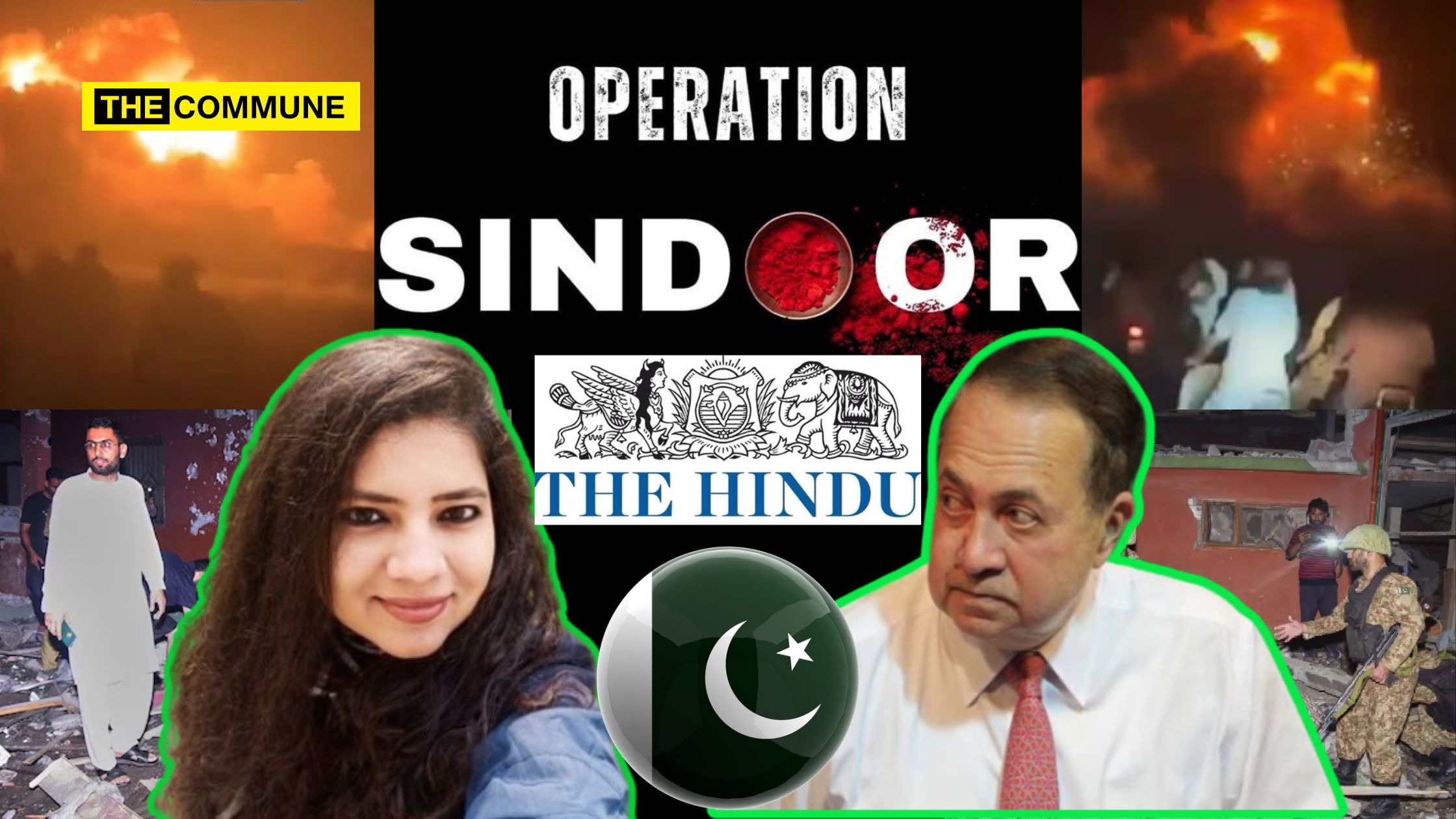
The Hindu Publishes Report Peddling Pakistani Propaganda Amid Operation Sindoor, Silently Deletes Post Later

the hindu vijaita singh apology n ram pakistan operation sindoor

In the wake of India’s precision strikes under Operation Sindoor, aimed at dismantling terror infrastructure in Pakistan and Pakistan-occupied Jammu & Kashmir, sections of Indian media have come under sharp scrutiny for parroting enemy propaganda and amplifying disinformation. Chief among the culprits is The Hindu, whose coverage—particularly by senior journalist Vijaita Singh—has once again raised concerns about biased, irresponsible, and inflammatory reporting.

Operation Sindoor: Amplifying Pakistani Propaganda

The latest controversy erupted following India’s precision counter-terror strikes, Operation Sindoor, targeting terror launchpads in Pakistan-occupied Kashmir. While the Indian Army emphasized the operation’s surgical nature, Pakistani media and propaganda networks immediately circulated false claims of retaliatory strikes and downed Indian jets.

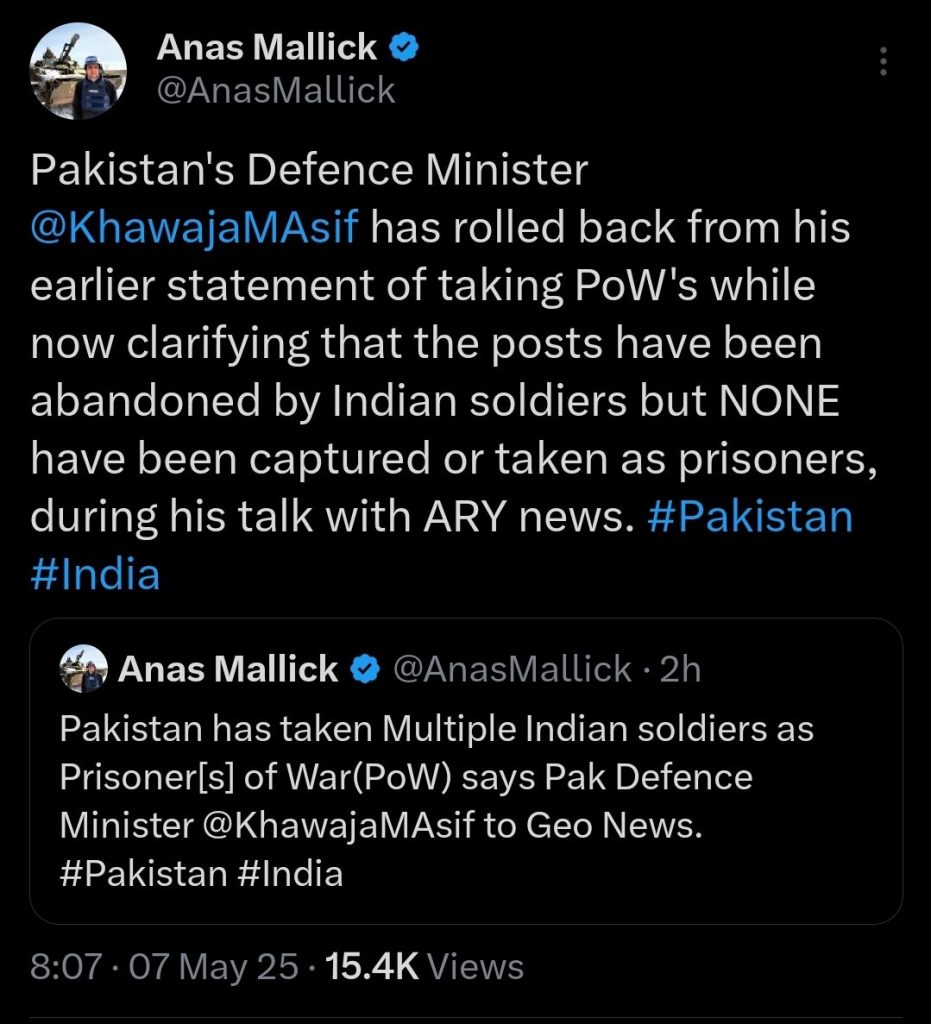
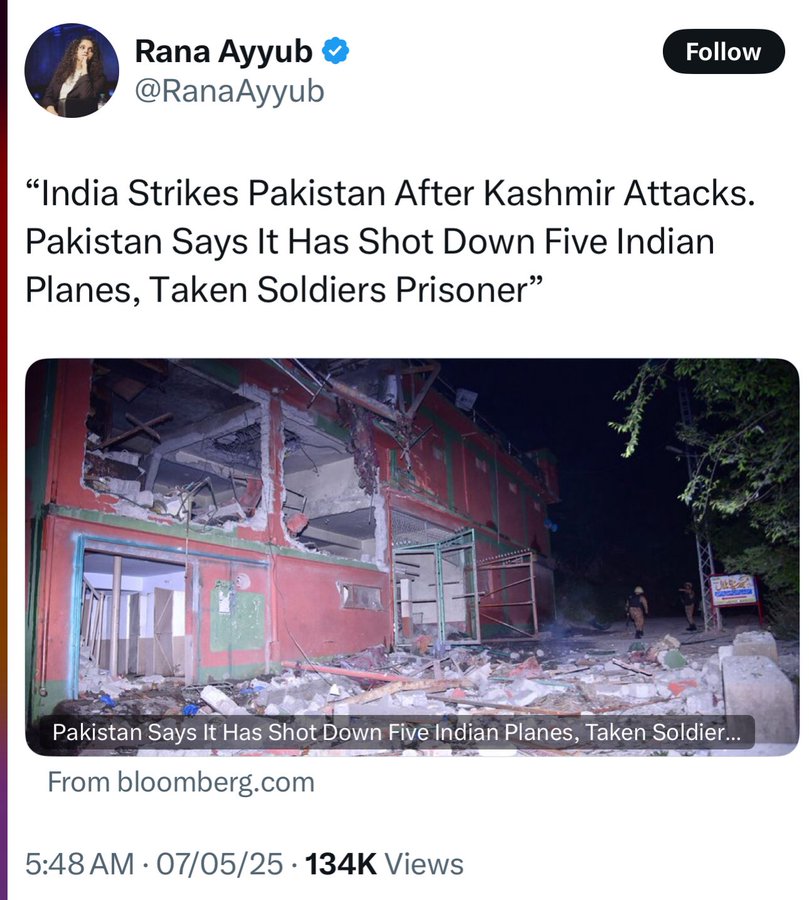
Amid this disinformation campaign, alleged journalist Rana Ayyub had earlier amplified a Bloomberg report titled “India Strikes Pakistan After Kashmir Attacks. Pakistan Says It Has Shot Down Five Indian Planes, Taken Soldiers Prisoner,” despite Pakistan’s own Defence Ministry later debunking the claims.

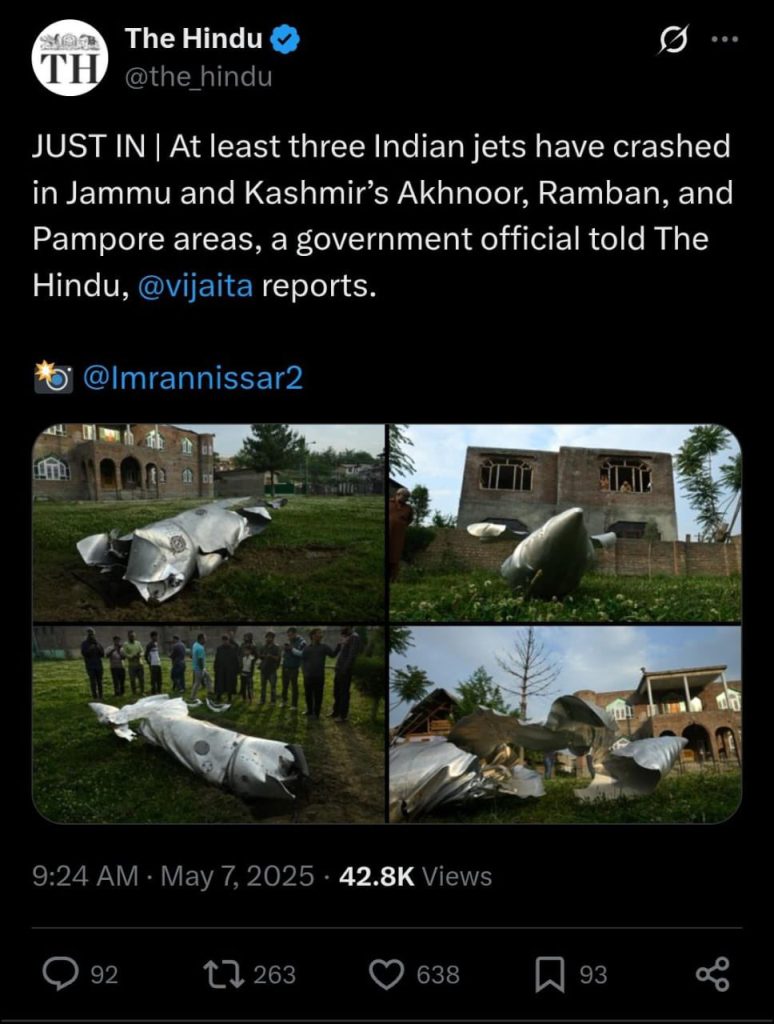
Equally concerning was The Hindu’s now-deleted social media post falsely suggesting Indian jet crashes—a claim swiftly refuted by defense experts as mere fuel tank jettisoning. The post read, “Just In|At least three Indian jets have crashed in Jammu and Kashmir’s Akhnoor, Ramban, and Pampore areas, a government official told The Hindu, @vijaita reports.”

The publication’s quick deletion of the post, without clarification, only deepened suspicions of deliberate misinformation.

The Hindu’s Dubious Track Record: A Pattern Emerges

This is far from the first time The Hindu has shown questionable editorial judgment in matters of national interest. In fact, under the guise of “independent journalism,” the publication and journalists like Vijaita Singh have repeatedly eroded public trust through selective, inflammatory, and often erroneous reporting.

During the Rafale controversy, The Hindu was accused of editing and misrepresenting official documents to manufacture a scandal. Now, as India defends its citizens after a brutal terrorist attack in Pahalgam, the paper once again published misleading reports suggesting aircraft crashes—claims immediately debunked by defense experts as misinterpreted fuel tank jettisoning. After facing backlash, The Hindu quietly deleted the post—without apology or correction—underscoring the dangerous impact of real-time misinformation.

Vijaita Singh’s Coverage of Manipur: Irresponsible And Inflammatory

Beyond the Kashmir-Pakistan narrative, Vijaita Singh’s reporting during the Manipur ethnic conflict stands out for its recklessness. Since violence erupted in May 2023, her articles have repeatedly highlighted unverified claims, inflammatory statements, and misleading headlines that have only deepened the rift between the Meitei and Kuki-Zo communities.

In March 2025, Singh quoted a protester who accused security forces of saying, “We are not Indians”—a claim that was later walked back by the protester themselves. Still, Singh chose to amplify the quote without context, potentially stoking anti-security sentiment in a state already teetering on the edge.

In January 2024, she authored a report claiming that “Meitei MLAs call for positive action,” which was later clarified by The Hindu itself to be factually incorrect. The resolution in question had not been passed exclusively by Meitei MLAs, as originally reported—an error with significant communal implications.

In another instance, Singh reported on Chief Minister N. Biren Singh skipping a North Eastern Council meeting, framing it as a rebuke of the central government. Once again, her narrative placed the state and Centre at odds during a period requiring collaboration and restraint.

Vijaita Singh has also been accused of leaking sensitive information, including the names of Army officers stationed in Manipur. This reckless act drew comparisons to the infamous 2008 Barkha Dutt controversy, where journalism blurred into national compromise.

The Real Cost of Misinformation

In a volatile democracy like India, journalistic irresponsibility can escalate crises. Reports like those by Vijaita Singh not only inflame public sentiment but also risk undermining the very institutions tasked with maintaining order. The Hindu, by repeatedly pushing such narratives, is no longer just failing at journalism—it is actively eroding national cohesion and aiding disinformation networks, wittingly or not.

Subscribe to our channels on TelegramWhatsApp, and Instagram and get the best stories of the day delivered to you personally.

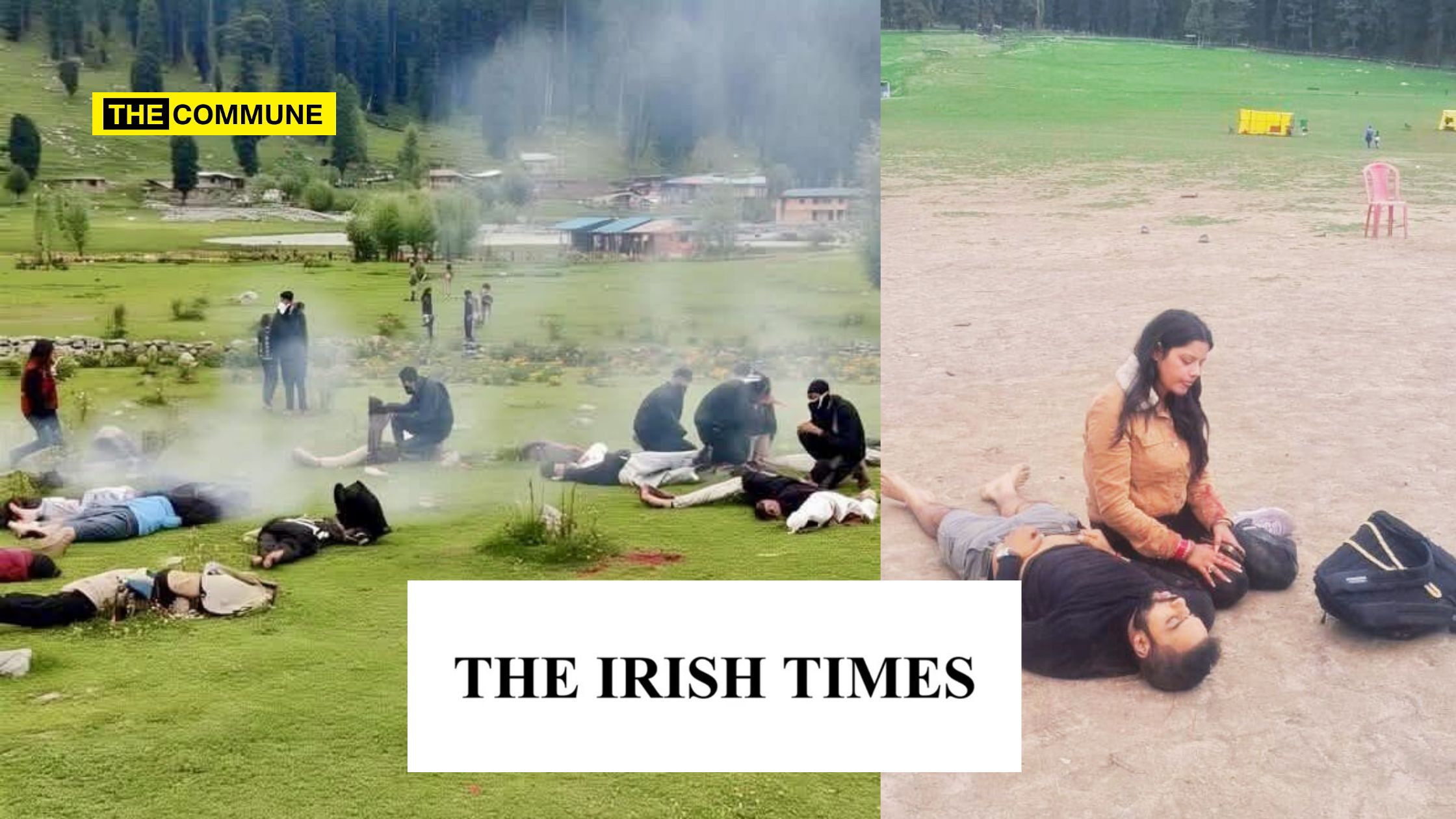
India Slams Irish Times Editorial For ‘False Equivalence’ In Wake Of Pahalgam Terror Attack

irish times pahalgam terror attack

The Indian Ambassador to Ireland, Akhilesh Mishra, issued a strong rebuttal to an editorial published by The Irish Times on April 28th, which called for international mediation between India and Pakistan in the aftermath of the Pahalgam terrorist attack. In a formal letter to the editor, Ambassador Mishra criticized the editorial for what he called a “lack of professional objectivity” and for drawing a false equivalence between India and Pakistan.

The Irish Times editorial, titled “The Irish Times view on India and Pakistan: wider conflict must be avoided”, urged restraint from both sides and advocated for intervention by the United Nations and global powers to prevent further escalation. It expressed concern over retaliatory military action by India, following the April 22nd massacre in Pahalgam, in which 26 civilians — including one Nepali tourist — were brutally killed by terrorists.

In his response, Ambassador Mishra emphasized the premeditated and communal nature of the attack, calling it a “barbaric, targeted massacre” in which Hindus were killed after their religion was confirmed. He strongly rejected the editorial’s framing of the incident as a generic act of violence against “tourists,” arguing that such language downplays the severity and ideological motivation behind the killings. “What happened in Pahalgam was not a mere ‘attack’ on ‘tourists’ or a random act of violence. It clearly bore the trademark of an operation executed by the military-establishment of Pakistan,” Mishra wrote.

The Ambassador also noted that the global response to the attack, including a unanimous UN Security Council condemnation and statements from leaders such as European Commission President Ursula von der Leyen, was entirely omitted by The Irish Times. The UN resolution emphasized the importance of holding the perpetrators and sponsors of the attack accountable — a key element that Ambassador Mishra accused the editorial board of ignoring.

Refuting suggestions that Prime Minister Narendra Modi was “rattling sabres,” Mishra condemned the paper for what he called “providing cover fire for the terrorists.” He called out the attempt to portray India and Pakistan — the latter described as a “global epicentre of terrorism” — as equally culpable actors.

The Ambassador also pushed back against the editorial’s portrayal of Kashmir. He pointed out that, contrary to claims of repression following the 2019 revocation of Article 370, Jammu and Kashmir has since seen significant development, increased foreign investment, and a revival of democratic processes, including a 63.9% voter turnout in the 2024 elections. “India, the mother of democracy, and its elected leadership, has an accountability and obligation to its 1.4 billion citizens to provide them with a terror-free environment for a normal life,” Mishra stated.

He concluded by underscoring the unprecedented national unity in India following the Pahalgam attack, with support cutting across political, religious, and regional lines — including from Kashmiri Muslims and opposition leaders — in backing the government’s resolve to bring the perpetrators to justice.

The Indian government’s Operation Sindoor, launched in response to the terror strike, involved targeted attacks on nine terror hubs inside Pakistan and Pakistan-occupied Jammu and Kashmir. While India emphasized that the operation was “measured and non-escalatory,” Pakistani media and some international voices have continued to frame the situation in terms of mutual aggression.

Subscribe to our channels on Telegram, WhatsApp, and Instagram and get the best stories of the day delivered to you personally.

Alleged Journalist Rana Ayyub Caught Peddling Pakistani Propaganda After Operation Sindoor

rana ayyub operation sindoor

In the aftermath of India’s precision strikes on terror hubs inside Pakistan, journalist Rana Ayyub has faced severe backlash for amplifying unverified claims from Pakistani sources, including false reports of downed Indian jets and captured soldiers.

Operation Sindoor: India’s Retaliation

The Indian Army confirmed early Wednesday (7 May 2025) that it had struck nine terror launchpads in Pakistan and Pakistan-occupied Jammu & Kashmir in Operation Sindoor, a direct response to the devastating Pahalgam terror attack that killed 26 civilians, mostly tourists. The military emphasized that the strikes were “focused, measured, and non-escalatory,” deliberately avoiding Pakistani military installations.

The Indian Army also posted on its official X handle, “Justice is Served. Jai Hind.”

Pakistan’s Disinformation Push, Rana Ayyub Plays Her Part

As India’s operation unfolded, Pakistani media and online propaganda networks began circulating false narratives about retaliatory strikes. Among the most prominent voices echoing these claims was ‘journalist’ Rana Ayyub, who shared a Bloomberg article titled, “India Strikes Pakistan After Kashmir Attacks. Pakistan Says It Has Shot Down Five Indian Planes, Taken Soldiers Prisoner.”

This claim, now widely debunked, was not corroborated by Pakistan’s own military, as clarified by the Pakistani Defence Minister, who publicly confirmed that no Indian aircraft were shot down and no Indian soldiers were captured.

Despite mounting evidence that the reports she amplified were false, Ayyub did not retract or delete her tweet. Experts and fact-checkers have also confirmed that videos and images circulated to support Pakistan’s narrative are outdated, including footage from sectarian clashes in Khyber Pakhtunkhwa in 2024 and an old IAF jet crash in Rajasthan.

Netizen Reaction

Here are some netizen reactions debunking Ayyub.


Independent security analysts noted that Pakistan’s information operations relied heavily on misinformation in the wake of Operation Sindoor’s success. Several Pakistani social media handles pushed fabricated content, falsely claiming attacks on Srinagar Air Force base and other Indian installations—none of which occurred, according to verified reports.

The Indian Army is expected to provide a detailed briefing on Operation Sindoor later today, but has emphasized its intent was to punish terror actors, not escalate tensions between the two nuclear-armed nations.

(With inputs from Financial Express)

Subscribe to our channels on Telegram, WhatsApp, and Instagram and get the best stories of the day delivered to you personally.
Operation Sindoor Explained: How Indian Armed Forces Crossed The Line Without Crossing The Line

Operation Sindoor, executed on May 6, 2025, marks a pivotal moment in India’s counter-terrorism strategy, reflecting a shift towards precise, intelligence-driven military responses. The operation targeted terrorist infrastructure in Pakistan and Pakistan-administered Kashmir, specifically focusing on groups like Lashkar-e-Taiba and Jaish-e-Mohammad, which India holds responsible for the April 22 Pahalgam attack that killed 26 civilians.

The operation’s nomenclature, “Sindoor,” symbolizing a sacred red mark, underscores India’s intent to deliver a measured yet potent response without escalating into full-scale warfare. By avoiding Pakistani military installations and refraining from airspace violations, India demonstrated strategic restraint while conveying its resolve to counter cross-border terrorism.

 Operational Execution: Precision, Restraint, and Messaging

The operation unfolded over a 40-minute window, with 24 missile strikes launched from mobile platforms across the LoC and international border. Operation Sindoor was executed as a tri-services mission, leveraging the Indian Army, Air Force, and Navy, with a focus on intelligence-driven targeting and technological superiority. The strikes commenced at around 1:00 AM, using a combination of stand-off precision-guided munitions (PGMs), likely including air-launched cruise missiles (such as BrahMos-A), glide bombs, and loitering munitions. The Air Force’s Su-30 MKI and Mirage-2000 platforms were reportedly involved, launching munitions from within Indian airspace to minimise exposure and escalation risk. Army artillery and special forces provided real-time target confirmation, while naval assets maintained maritime deterrence.

Several high-value terror sites linked to Jaish-e-Mohammed (JeM) and Lashkar-e-Taiba (LeT) were targeted during the operation, including launch pads, militant training grounds, and radicalisation centres.

Markaz Subhan Allah, Bahawalpur (JeM) – This site has long been the ideological and operational base of Jaish-e-Mohammed, frequently hosting advanced training programs for senior operatives.

Markaz Taiba, Muridke (LeT) – Spanning 200 acres, this complex has served as Lashkar-e-Taiba’s primary centre for indoctrination, strategic planning, and logistical operations. It was among the most heavily defended locations struck.

Markaz Abbas, Kotli (JeM) – Known for grooming suicide bombers and distributing weapons, this facility supported terrorist activities in Pakistan-occupied Kashmir.

Syedna Bilal and Shawai Nalla camps, Muzaffarabad (JeM and LeT) – These camps were used as transit and training points for sleeper cell operatives preparing for cross-border infiltration.

Markaz Ahle Hadith, Barnala (LeT) – Operated as a key logistics base and support outpost for LeT.

Sarjal, Tehra Kalan (JeM) – Functioned as a staging area for newly enlisted militants prior to their infiltration missions.

Mehmoona Joya, Sialkot (HM) – Despite Hizbul Mujahideen’s reduced presence in Kashmir, this lesser-known camp remained active as a training ground.

In total, nine terror facilities were neutralized, resulting in the elimination of over 90 militants.

These strikes came in retaliation to a gruesome act where Pakistani terrorists executed Hindu men in front of their families after asking their religion, saying, “Jao, Modi ko batao” (Go tell Modi).

Prime Minister Modi ne ghar mein ghuskar bata diya! PM Modi responded by sending a message loud and clear in the language Pakistan understands.

Notably, the operation avoided all Pakistani military installations, underscoring India’s intent to limit the engagement strictly to terror infrastructure. This restraint was not only operational but also political, signalling to the international community that India’s actions were defensive, proportionate, and in line with international law. The messaging was further reinforced by immediate government statements emphasising accountability for the Pahalgam attack, focus on terrorist targets, and a non-escalatory approach. The blackout in Muzaffarabad and reports of secondary explosions suggest significant damage to command-and-control nodes and ammunition stores. The tri-services coordination, seamless intelligence fusion, and use of advanced warlike stores exemplify a maturing Indian military doctrine-one that is responsive, credible, and mindful of escalation dynamics.

 Strategic Intent: Punishment, not War

The Indian political and military leadership demonstrated three core objectives:

  1. Punish non-state actors without drawing in the state: By not hitting Pakistan Army bases or ISI hubs, India limited escalation bandwidth while still imposing costs.
  2. Restore deterrence: After years of Pakistani adventurism under the nuclear umbrella, New Delhi signaled that proxy attacks on civilians would be met with surgical retribution.
  3. Shape escalation dominance: By operating below the conventional war threshold, India retained escalation control and international diplomatic cover.

This approach mimics the “Gray Zone” doctrine often employed by adversaries like China and Pakistan—only this time, it was India demonstrating hybrid escalation superiority.

Tactical Gains Vs. Strategic Disruption

The tangible tactical impact of Operation Sindoor is the elimination of approximately 70 operatives, including senior trainers, quartermasters, and two mid-level Lashkar commanders. The immediate effect is the attrition of key leadership and infrastructure. By striking in Bahawalpur and Muridke-the ideological and operational heartlands of JeM and LeT-India has signaled its intelligence penetration and long-range strike capability. The destruction of satellite camps in Muzaffarabad and Kotli will disrupt militant rotation cycles and training throughput for at least 6–8 months.

The destruction of safe houses and communication nodes will degrade operational tempo and complicate recruitment, training, and planning cycles.

But Pakistan’s terror infrastructure is not built on tactical convenience—it’s rooted in strategic design. Groups like Lashkar-e-Taiba are enmeshed with the Pakistani military-intelligence complex. Safe houses can be rebuilt, networks reconstituted. Therefore, the value of Sindoor lies less in damage metrics and more in:

  • Discrediting the idea of sanctuary in PoJK.
  • Forcing the Pakistan Army to recalibrate its risk calculus.
  • Elevating the cost of asymmetric warfare.

This is disruption, not dismantlement. It buys time and space for internal security forces and international diplomacy to work in tandem.

Pakistan Military’s Reaction

 The Pakistan military’s reaction is predictable, yet complex:

Military Posture:

Pakistan’s military will likely respond with a combination of denial, diplomatic escalation, and calibrated military signaling (heightened air defence alerts, LoC violations, and possible proxy attacks). Direct kinetic retaliation is improbable, given India’s avoidance of military targets and the risk of escalation dominance by India, especially under global scrutiny.

Internal Dynamics:

The operation exposes the Pakistani military’s inability to shield its proxies, potentially eroding the credibility of the “strategic asset” doctrine. However, it may also incentivize the deep state to double down on asymmetric warfare, seeking deniability while maintaining pressure on India.

Strategic Continuum: Where India Goes from Here

1. Institutionalize Cross-Domain Deterrence

India must avoid treating Sindoor as an isolated episode. The operation should signal a shift to a new deterrence regime—one that integrates cyber, economic, diplomatic, and kinetic levers. The message must be: “If you export terror, expect consequences beyond the battlefield.”

2. Dominate The Information Space

Narrative warfare matters. India needs a coherent strategic communication doctrine that leverages real-time imagery, damage assessment, and legal justification for its strikes. Global perception management is not a luxury—it’s a battlefield.

3. Decouple Nuclear Blackmail From Proxy Terror

For too long, Pakistan has used its nuclear arsenal as a shield behind which it wages low-intensity conflict. India must continue to erode that utility by exploiting gaps below the nuclear threshold. Precision missiles, UAV-based decapitation strikes, and covert assets must become the norm—not exceptions.

4. Create A Doctrine Of Persistent Pressure

Operation Sindoor should not be viewed as retaliation—it must be the first step in a doctrine of persistent pressure. This means:

  • High-tempo, low-visibility strikes on terror infrastructure.
  • Disruption of cross-border financial and logistic channels.
  • Psychological operations (PsyOps) targeting terrorist morale and recruitment.

Let Pakistan become the hunted, not the hunter.

5. Prepare for Escalation Windows

While Sindoor was contained, future operations may not be. India must invest in readiness for rapid air-land mobilization, civilian infrastructure hardening, and strategic stockpiling. Deterrence without capacity is bluff. Bharat must make deterrence credible.

Conclusion

Operation Sindoor is not a silver bullet—it is a scalpel. It signals strategic patience married to precision lethality. Once again, India has demonstrated that it can punish without provoking, dominate without crossing the line, and disrupt without declaring war.

Pakistan’s terror factories will adapt, but they now operate under a new paradigm: sanctuary no longer guarantees safety. India has changed the rules of the game. The burden of escalation now lies with Rawalpindi.

The task ahead is not celebratory—it is structural. Bharat must entrench this new posture into policy, procurement, and posture. While tactically successful, its strategic utility will depend on sustained intelligence dominance, escalation control, and leveraging international partnerships to impose costs on the Pakistani state for its continued sponsorship of terrorism. The operation is a necessary, but not sufficient, condition for dismantling the terror infrastructure; it must be embedded within a broader, multi-domain, and persistent counter-terror strategy.

Subscribe to our channels on TelegramWhatsApp, and Instagram and get the best stories of the day delivered to you personally.

‘Justice Is Served’: Indian Armed Forces Carries Out ‘Operation Sindoor’ Hitting 9 Sites Deep Inside Pakistan

operation sindoor dravidianists

The Indian Army on Wednesday said that it has hit nine locations deep inside Pakistan in retaliation for the Pahalgam terror attack. “A little while ago, the Indian Armed Forces launched ‘Operation Sindoor’, hitting terrorist infrastructure in Pakistan and Pakistan-occupied Jammu and Kashmir from where terrorist attacks against India have been planned and directed,” the army in a press release said. The Indian Army also posted on its official X handle, “Justice is Served. Jai Hind.”

“Altogether, nine (9) sites have been targeted. Our actions have been focused, measured and non-escalatory in nature. No Pakistani military facilities have been targeted. India has demonstrated considerable restraint in the selection of targets and the method of execution,” the army said. It added that these steps come in the wake of the barbaric Pahalgam terrorist attack in which 25 Indians and one Nepali citizen were murdered. “We are living up to the commitment that those responsible for this attack will be held accountable. There will be a detailed briefing on ‘Operation Sindoor’, later today,” the army said.

Meanwhile, the Pakistani Inter-Services Public Relations (ISPR) Director General, Lt Gen Ahmed Sharif Chaudhry, also confirmed the strike on his country. “The missile strikes were fired by India at Kotli, Bahwalpur and Muzaffarabad in a cowardly attack amid intense tensions between the two countries in the wake of a militant attack in occupied Kashmir,” the Pakistan army confirmed. The tension between the two nuclear nations comes in the wake of the Pahalgam terror attack in which 26 civilians were killed, mostly tourists.

–IANS

Subscribe to our channels on TelegramWhatsApp, and Instagram and get the best stories of the day delivered to you personally.

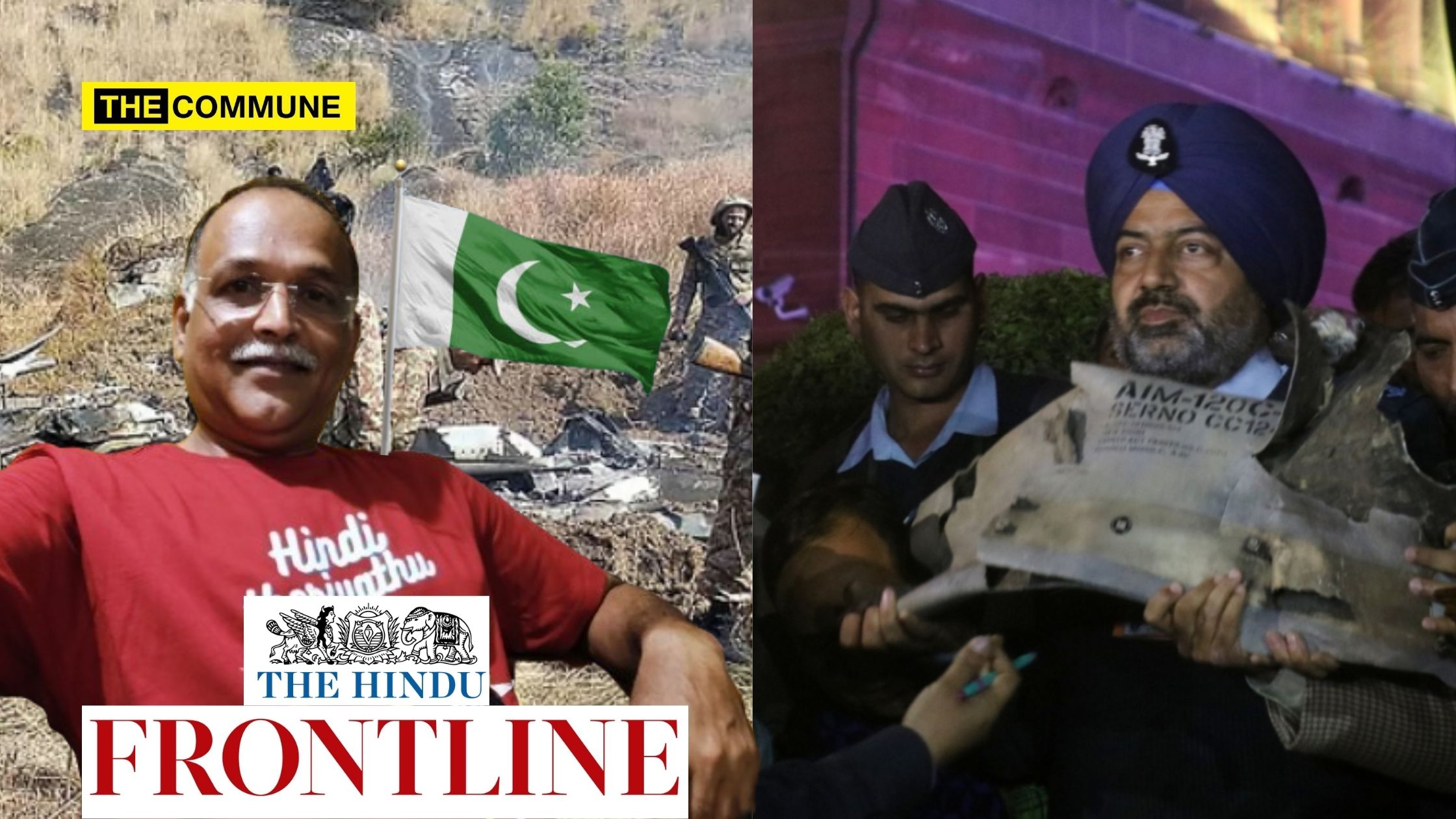
The Hindu’s Frontline Editor R.K. Radhakrishnan Parrots Pakistan’s Line, Dismisses IAF’s F-16 Shoot Down, Gets Schooled By Retired Army Colonel With Official Proof

Congress-leaning journalists often seem incapable of accepting any major Indian achievement, especially when it comes to the capabilities of our armed forces. Instead of acknowledging India’s military strength, they’re quick to parrot the narratives of China, Pakistan, or extremist elements—dressed up as “journalism.” A recent example is The Hindu’s Frontline editor R.K. Radhakrishnan, who first downplayed the Pahalgam terror incident as “non-religious” and has now gone a step further—publicly denying that the Indian Air Force shot down a Pakistani F-16 during the 2019 Balakot conflict.

During a recent private media debate on India-Pakistan tensions, Radhakrishnan dismissed any claim that India downed a Pakistani F-16. Retired Lt. Col. Thiagarajan, who was also part of the panel, called out Congress sympathizers for echoing Pakistani propaganda and reminded the panel that Indian Air Marshal Kapoor had officially confirmed the F-16 takedown.

Clearly rattled, Radhakrishnan interrupted, saying, “No, no, that’s false information. You’re registering false claims, sorry.” When Col. Thiagarajan stood his ground, citing official IAF confirmation, Radhakrishnan doubled down and said, “No, sorry, you are lying, sir. You are a colonel—please don’t do this. There is no evidence of a Pakistan’s F-16 being down ever. Please, do not provide misinformation.”

When Col. Thiagarajan asked what gave him the authority to refute an Air Force Marshal’s official statement, Radhakrishnan audaciously claimed, “I’m saying sir. I’ve examined every piece of evidence that has been given. Don’t speak with the IT cell evidence here—that can be spoke by Suryah, not you.” To which the Colonel rightly responded, “You’re not the examining authority. The Indian Air Force is. Air Marshal Kapoor has confirmed it.”


Following the on-air clash, Retired Lt. Col. Thiagarajan took to social media to school Congress-sympathizing journalist R.K. Radhakrishnan with official evidence. Posting via his X account, Thiagarajan tagged Radhakrishnan and wrote, @RKRadhakrishn sir, this is the official @IAF_MCC diary of events. As an Indian and a veteran, I stand by the #IAF‘s statement. I must respectfully express my strong disagreement with your remarks. @ThanthiTV #IndiaPakistanWar.” 

In the post, he shared the Indian Air Force’s official diary of events from 27 February 2019. It clearly stated that IAF radars had detected a large formation of Pakistani aircraft entering Indian airspace near Rajouri. In response, Indian fighters including the MiG-21 Bison, Su-30MKI, and Mirage-2000 were scrambled to intercept. A dogfight ensued, and one Pakistani F-16 was confirmed shot down by a MiG-21 Bison, with its wreckage falling across the LoC. IAF Wing Commander Abhinandan, who also lost his aircraft during the encounter, was captured and later returned by Pakistan.

But unsurprisingly, Radhakrishnan refused to accept defeat. He replied, “Thank you for this but I’m sorry. There is no proof of an F-16 being brought down, barring claims from our side. You should hold our government to a minimum standard of proof instead of just consuming what is put out. Please remember I’m not alone in saying this. As Noam Chomsky said, do not trust any government; question the claims they make. As you righty pointed out on the show, Sam Manekshaw told Indira Gandhi that he won’t lead the Army to war to suit her politics. Find me a General who will do the same now? Can you?

Unfazed, Thiagarajan hit back with more damning evidence, “#Proof 1 Official joint statements of our Tri-Services on the F-16 issue. At a joint briefing, the Indian Air Force presented parts of an AMRAAM missile used exclusively by Pakistani F-16s recovered from Rajouri in Indian territory. This directly exposes Pakistan’s false denial of using F-16s in their offensive strike. “Press statement by tri service”. youtu.be/f3OqLotTbcw?si #Proof 2 The Indian Air Force also released radar images showing the presence and engagement of Pakistani F-16s on Feb 27. Digital evidence like radar signatures don’t lie. When such technical proof is given, there should be no room for denial or doubt. “Press statement by @IAF_MCC  youtu.be/5RosQOdTsH4?si Regarding Field Marshal Sam Manekshaw asked Prime Minister Indira Gandhi for time before launching the military operation during the 1971 Indo-Pak war for strategic, tactical and op readiness reasons. Not for political reason. Noam Chomsky’s quotes may suit their soil, but for our nation and its soul, we have the timeless wisdom of our forefathers like Thiruvalluvar. I hope this puts to rest any doubts about the integrity of our Defence Forces.”

Still unable to accept facts, Radhakrishnan doubled down, “It doesn’t put anything to rest. As I said, provide proof, which can be verified by #OSINT community and international actors. I’m ok with you believing it. I’m stunned that you insist I believe your propaganda pushed by BJP.

To this, Col. Thiagarajan firmly closed the argument, “The digital evedance and part of AMRAAM provided by the Indian Airforce is more than enough for me. If you’re choosing to doubt the integrity of our armed forces, that’s your call, but I won’t be part of that. I stand with those who protect this nation. There is no place here for giving it a political colour or dragging politics into it.”

Subscribe to our channels on TelegramWhatsApp, and Instagram and get the best stories of the day delivered to you personally.

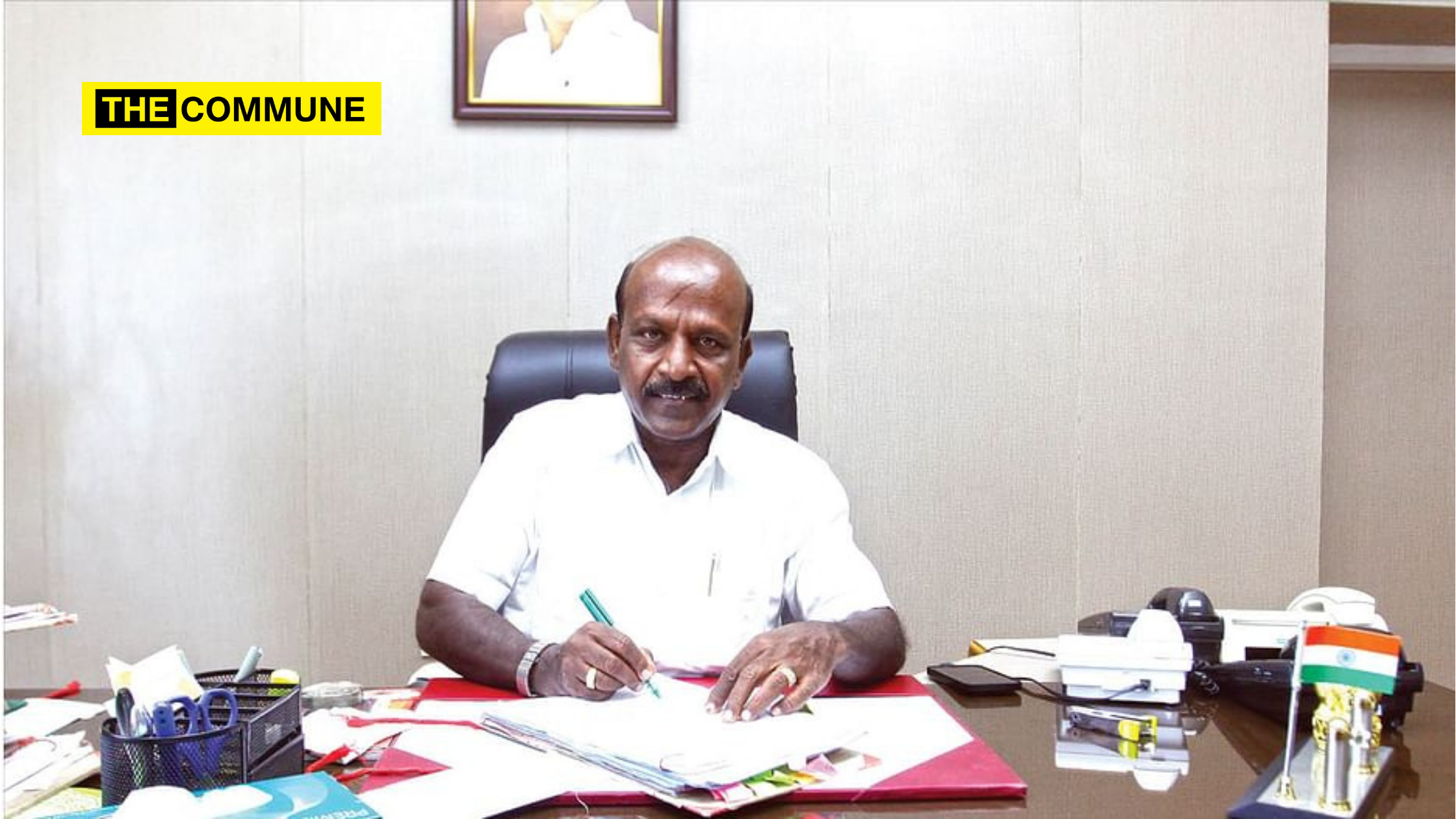
DMK Minister Ma Subramanian, Wife Summoned By Special Court In Land Grabbing Case

ma subramanian land grabbing

The Chennai Special Court has directed DMK Minister of Public Welfare Ma Subramanian and his wife Kanchana to appear in person on 23 May 2025 in connection with a case involving the alleged illegal transfer of government land.

The case pertains to a plot in the workers’ colony at Guindy, originally allotted by the Tamil Nadu Small Industries Development Corporation (CIDCO) to one S.K. Kannan. The land was allegedly transferred to Kanchana’s name using forged documents during Subramanian’s tenure as Mayor of Chennai.

A complaint was filed by a Saidapet resident, Parthiban, accusing Subramanian of abusing his official position to facilitate the fraudulent transfer. Following the complaint, the Central Bureau of Investigation Crime Investigation Department (CBI-CID) registered a case under sections related to forgery, cheating, criminal conspiracy, and the Prevention of Corruption Act. A chargesheet was filed in 2019.

The court has warned that if the minister and his wife fail to appear on the scheduled date, formal charges will be framed in their absence.

(With inputs from Tamil Samayam)

Subscribe to our channels on Telegram, WhatsApp, and Instagram and get the best stories of the day delivered to you personally.
Largest Nationwide Civil Defence Drill Since 1971 War – Here’s What To Expect

civil defence drill

In an unprecedented move since the Indo-Pak war of 1971, the Indian government is set to conduct a nationwide civil defence mock drill on 7 May 2025, aimed at preparing civilians and authorities for potential wartime scenarios or hostile attacks.

The exercise, announced by the Ministry of Home Affairs (MHA) on 5 May 2025, will be conducted across 250 locations in 33 states and union territories, including major centres like Delhi, Assam, Andhra Pradesh, West Bengal, Goa, and Tamil Nadu. This decision comes just weeks after the terror attack in Pahalgam, underscoring the growing emphasis on national security preparedness.

What Will Happen During The Drill?

The drill will simulate wartime conditions, including air raid sirens, blackout protocols, and evacuation rehearsals. A key aspect will be public participation, especially from school and college students, to test the effectiveness of emergency response systems and civil awareness.

Key activities include:

  • Air Raid Sirens & Communication Tests: Sirens will sound nationwide to simulate an imminent aerial attack. Communication lines with the Indian Air Force will be activated to assess readiness and coordination.
  • Control Room Checks: Emergency control rooms will be tested for response efficiency and communication capabilities in handling mock emergency scenarios.
  • Civilian & Student Training: Citizens will be trained in basic civil defence techniques, including how to take shelter, respond to sirens, and administer basic first aid.
  • Crash Blackout Simulations: Entire neighborhoods and cities will participate in blackout exercises, turning off lights and blocking visibility to simulate conditions during enemy surveillance or aerial strikes.
  • Camouflaging Strategic Infrastructure: Power stations, fuel depots, and telecom towers will undergo mock camouflaging using nets and natural materials to avoid detection.
  • Evacuation Drills: Authorities will rehearse evacuation plans in high-risk areas. Shelters such as bunkers and underground spaces will be cleaned and prepared, while Civil Defence Services—including fire brigades, rescue teams, and depot staff—will be fully mobilized.

Citizen Guidelines: How To Participate

The government has released a Civil Defence Mock Drill Preparation Guide to help citizens understand their role. Here are the key steps for public participation:

Air Raid Sirens:

  • Recognize siren patterns (long wails for alert, short bursts for all-clear).
  • Identify your nearest shelter or safe zone.
  • Keep an emergency kit with a flashlight, food, water, and first-aid supplies.

Training Participation:

  • Attend local training sessions.
  • Teach children to take cover, identify safe spaces, and apply basic first aid.

Blackout Measures:

  • Use blackout curtains or dark materials to block light.
  • Turn off lights and electronic devices during the drill.
  • Avoid outdoor movement during blackout periods.

Camouflage Support:

  • Stay away from restricted areas during the camouflaging exercise.
  • Avoid posting or photographing strategic locations or drills on social media.

Evacuation Preparation:

  • Learn your nearest evacuation route.
  • Pack a “go-bag” with ID, medicines, snacks, and contact information.
  • Participate calmly in evacuation rehearsals and assist vulnerable individuals.

How It Differs From Disaster Drills

Unlike regular local fire or earthquake drills, this exercise simulates full-scale wartime conditions, including direct military coordination, public blackouts, strategic camouflaging, and national-level mobilisation.

According to MHA officials, the drill’s objectives are to test air raid warning systems, improve civilian-military coordination, train the public in wartime survival, and evaluate the readiness of India’s civil defence network.

Citizens are encouraged to stay updated through local authorities and media channels, and actively participate to enhance collective preparedness in the face of emerging security threats.

(With inputs from Business Today)

Subscribe to our channels on Telegram, WhatsApp, and Instagram and get the best stories of the day delivered to you personally.
Dravidian Model Law And Order: BJP Woman Functionary Beheaded Near Thanjavur; Stepson Among Accused In Gruesome Murder

murder dravidian model law and order

In a shocking incident near Thanjavur, a 38-year-old BJP functionary, B. Saranya, was brutally beheaded by an armed gang on 5 May 2025. The incident has sent shockwaves across Tamil Nadu. Saranya, a former women’s wing secretary for the BJP in Madurai, had previously made headlines in 2022 for allegedly throwing footwear at Minister Palanivel Thiaga Rajan’s vehicle during an event near Madurai.

On 6 May, three individuals—including Saranya’s stepson—surrendered to police in Madurai, admitting their involvement in the murder. Investigators have dismissed any political motive, instead attributing the crime to a long-standing domestic dispute.

Originally from Madurai, Saranya had moved to Udayasuriyapuram village in Thanjavur district with her second husband, Balan. The couple, who married in 2023, operated a photocopy shop and a travel agency in the area. On 5 May night, around 9 p.m., Saranya was walking home after closing her shop when a group of armed assailants ambushed and killed her just meters from her residence.

After she failed to return home, concerned family members began searching for her—only to find her lifeless, decapitated body nearby. Her remains were sent to Pattukottai Government Hospital for autopsy. Thanjavur Superintendent of Police R. Rajaram confirmed that the killing stemmed from a family feud.

In the 2022 incident, Saranya was among nine individuals arrested for throwing a slipper at then Finance Minister PTR’s car while he was leaving after paying respects to a martyred soldier. She was later granted bail.

Police say that tensions escalated in Saranya’s household over property disputes. Her stepson, B. Kapilan, allegedly grew resentful after she opposed dividing her husband Balan’s assets to include him. Along with two accomplices—Parthiban and Gugan—Kapilan is said to have plotted and executed the murder.

All three accused surrendered in a Madurai court and confessed to the crime. A police team has since been dispatched to take them into custody.

Summary of Recent Murders in Tamil Nadu In 2025 Alone

Let’s take a look at the murders that took place in the state in the past few months.

  • 1 May –  An elderly couple, Ramasamy (75) and Bhakiyammal (65), who lived alone in a farmhouse near Sivagiri in Erode were found murdered. The assailants also stole 12 sovereigns of gold jewellery from their home.
  • 27 AprilDMK functionary Praveen Kumar was brutally hacked to death in Sivaganga.
    Three suspects were arrested, claiming they killed him for allegedly instigating a legal case against one of their brothers.
  • 03 March – 70-year-old Seethalakshmi and her daughter Ramajayanthi, home alone, murdered near Thoothukudi in a suspected robbery.
  • 04 March – Retired Aavin employee Indrani found murdered in Madurai.
  • 05 March – Mahendran killed in Tirunelveli following a drunken brawl.
  • 05 March – Rowdy Uthira kumar murdered near Paramakudi due to previous enmity.
  • 06 March – Loganathan murdered near Villupuram.
  • 06 March – Elderly man killed by a drunkard near Ooty.
  • 07 March – Velu burned to death near Nagercoil after refusing to pay for liquor in a dispute.
  • 08 March – Rowdy Srinivasan murdered near Sholingar due to rivalry.
  • 11 March – Multiple murders reported:
  • 12 March 
  • 13 March – Suresh murdered near Coimbatore in a liquor dispute.
  • 14 March – Harihara suthan burned alive near Kanyakumari over a drug-related conflict.
  • 15 March – A series of murders reported:
  • 16 March 
  • 17 March – Ganesan murdered near Erode over a liquor dispute.
  • 18 March 
  • 19 March – Rowdy John hacked to death near Erode.
  • 21 March 
  • 22 March – Rowdy “Glamour” Kali murdered in Madurai.
  • 23 March – Kalimuthu killed near Coimbatore over a liquor dispute.
  • 25 February – Youth kills father near Kudankulam after years of alcohol-fueled harassment toward family.
  • 27 February – Fisherman Satyanarayanan killed in Manamelkudi due to past enmity.
  • 28 February – Loan recovery agent Siva murdered in Kumbakonam while attempting to collect dues.

(With inputs from Times Of India)

Subscribe to our channels on TelegramWhatsApp, and Instagram and get the best stories of the day delivered to you personally.