Home Blog Page 287

Dravidian Model Champions Talk Of Making TN A $1 Trillion Economy While DMK Govt Struggles To Pay Salaries For Madras University Staff

$1 trillion economy tn dravidian model dmk

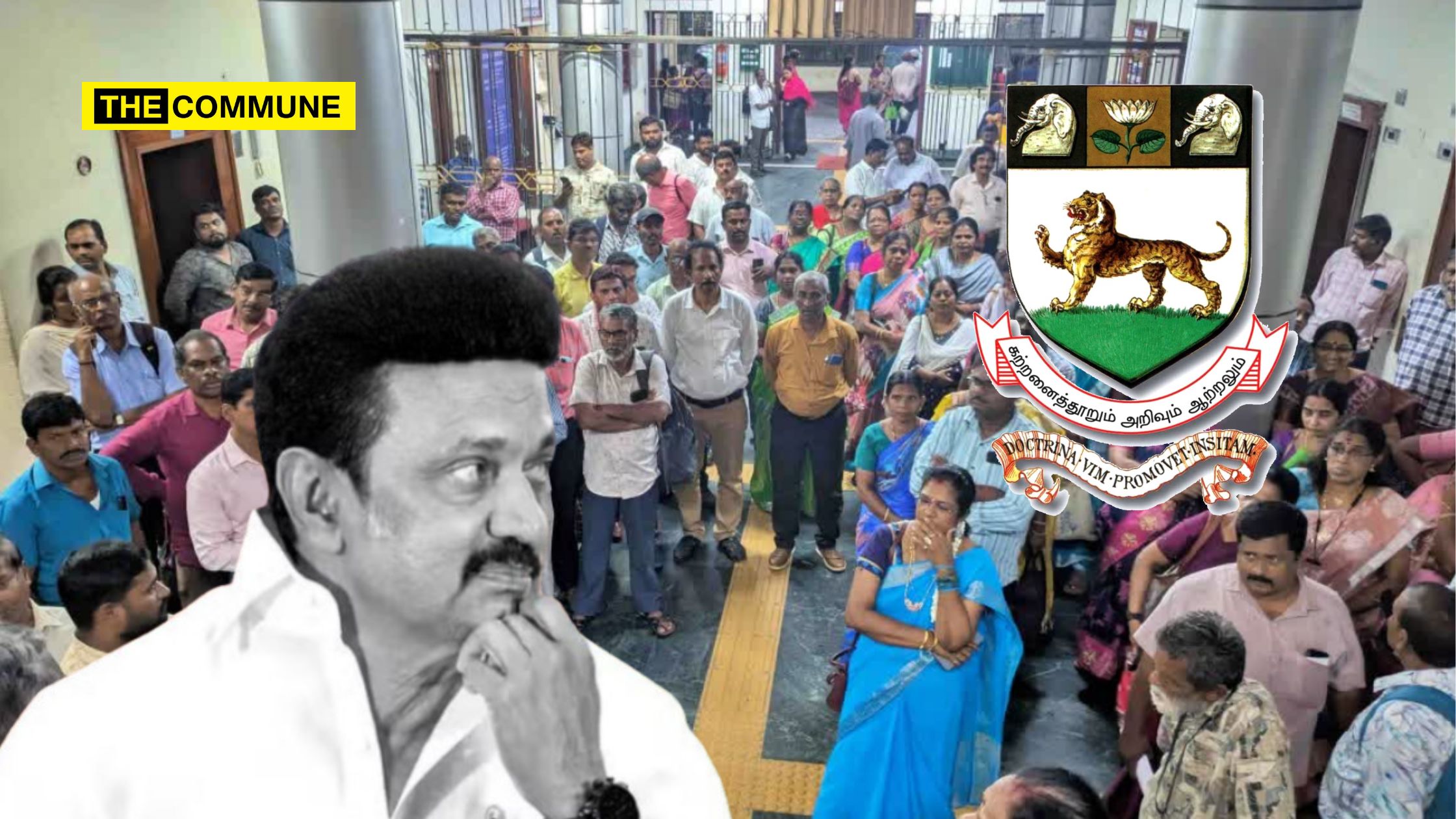
The Dravidian model government, which has set an ambitious goal of transforming the state into a $1 trillion economy by 2030, seems to face challenges in managing basic financial responsibilities such as paying university staff and professors on time. Recently, employees at the University of Madras staged a sit-in protest due to a three-day delay in receiving their monthly salaries.

Higher Education Secretary C. Samayamoorthi announced that staff salaries would be disbursed by 3 June 2025. The protest, which began on 30 May at the university’s centenary building, continued into the following week.

Under normal circumstances, salaries are issued at the end of each month. However, the absence of a Vice-Chancellor and significant budget reductions by the Finance Department earlier this year contributed to the delay.

Samayamoorthi noted that efforts are underway to stabilize the university’s finances. One proposed solution involves increasing student intake in departments that currently enroll very few students.

Addressing the necessity of budget cuts, he explained that while the government has fulfilled its funding obligations and pending dues are expected, expenditures must be carefully managed. Although funds were allocated for certain purchases, the administration decided to hold off to prioritize essential spending. He added that streamlining operations could help further reduce financial strain.

(With inputs from The Hindu)

Subscribe to our channels on TelegramWhatsApp, and Instagram and get the best stories of the day delivered to you personally.

DMK Supporting Dravidianist Journo Makes Casteist Remarks Against TN DGP Shankar Jiwal, Accuses TN Police Of Caste Bias

shankar jiwal tn dgp casteist remark damodharan prakash brahmin davidson devasirvadham

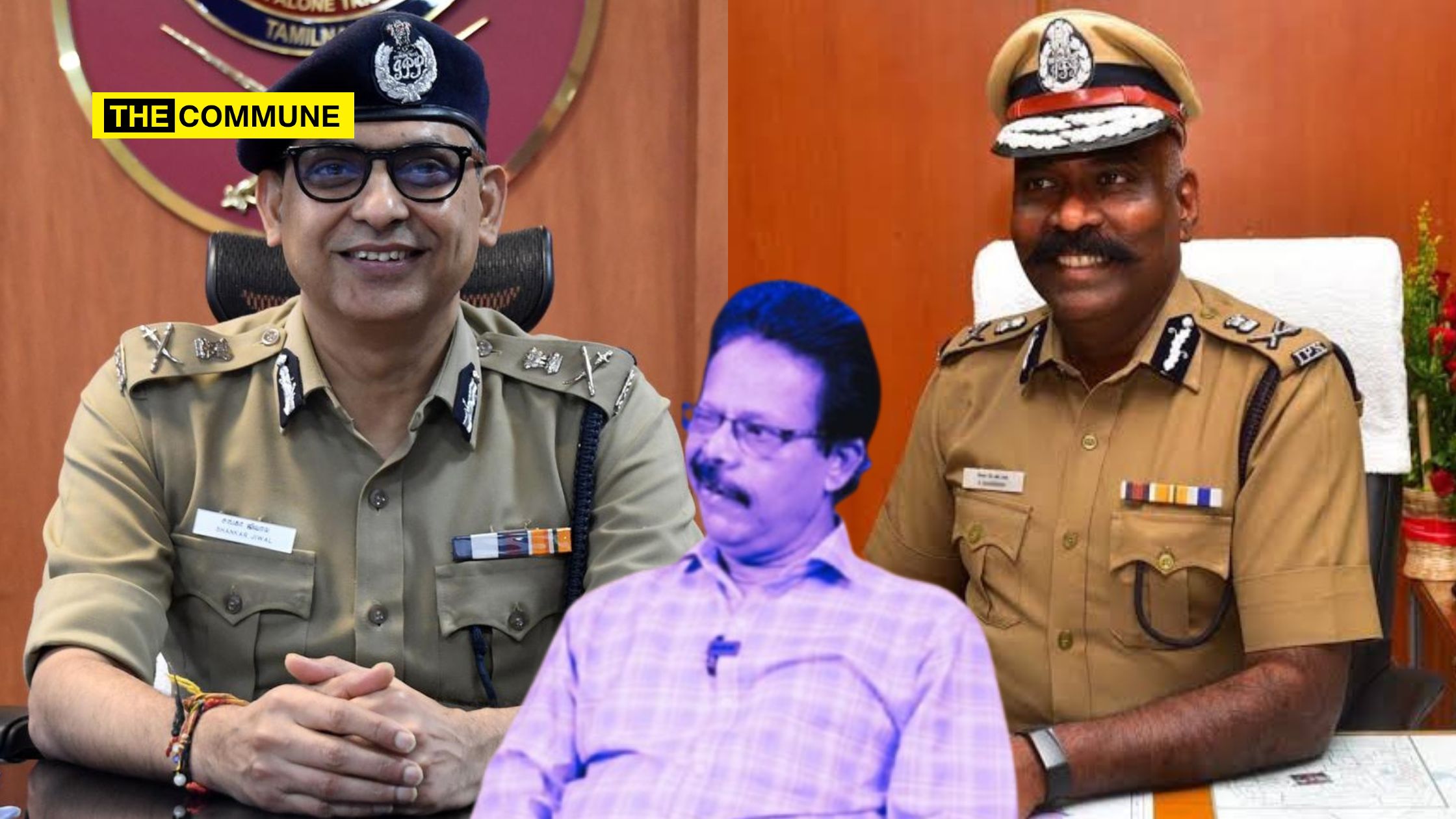
A controversy has erupted over casteist and inflammatory remarks made by self-proclaimed senior journalist Damodharan Prakash, a DMK supporting Dravidianist, during an interview on a YouTube channel. Prakash, who has been accused of inciting caste tensions in Tamil Nadu, specifically targeted senior government officials, making derogatory references to their caste identities and alleging conspiracy along caste lines.

In his interview, Prakash referred to Tamil Nadu Director General of Police (DGP) Shankar Jiwal as a “Brahmin” and accused him of being visually identifiable by a shikha (kudumi) beneath his cap. He went on to claim that Intelligence Department officers, particularly Davidson Devasirvatham and others, belong to the Nadar community and are purportedly working in tandem with Thevar officers to create a hostile environment for Devendra Kula Vellalars in the southern districts of Tamil Nadu. Prakash alleged, adding that the Tamil Nadu government has not taken serious note of rising tensions and selective targeting of communities. He further insinuated that the law-and-order situation in the state is deteriorating, claiming a bias in police investigations, particularly in recent multiple-murder cases in Erode.

He said, “Law and order is becoming a headache now. The DGP who has to address law and order, Shankar Jiwal, is a Brahmin.” When asked if he can make such a casteist mention, he says, “He sports a shikha (kudumi) just beneath his cap. The one who is with him is Davidson Devasirvatham is a Nadar. All the officers in the Intelligence department are Nadars. What happens is that, Thevars and Nadars together are creating an environment to bash up the Devendra Kula Vellalars in South districts of TN. DMK has not addressed this. A double/triple murder occurs in Erode and they identify the accused as regular accused but there is no proof that it was them who committed the crime, there is such a counter claim also. So as regards law and order issue, the TN govt must concentrate a lot more.”

Called Operation Sindoor A Failure

In a reckless and baseless social media post, DMK-supporting Nakkheeran “journalist” Damodharan Prakash, declared India’s Operation Sindoor a “failure,” echoing Pakistani disinformation. He falsely claimed that India’s Rafale, MiG, and Sukhoi jets—worth ₹15,000 crore—were shot down by Pakistani Chinese-made C10s, alleging India suffered heavy losses and pilot casualties. He further accused India of poor planning and declared the operation a disgrace despite official reports confirming its strategic success. His comments contradict verified assessments and have sparked criticism for spreading misinformation and undermining national morale during a sensitive military engagement.

Spread Canards About Hindu Priests

In a controversial interview, Dravidian journalist Damodharan Prakash made deeply offensive remarks against Hindu practices and Prime Minister Narendra Modi. He claimed that temple priests urinate near the Lingam, which devotees unknowingly consume as Theertham. He further mocked the sanctity of the Triveni Sangam in Prayagraj, suggesting that if someone, including Modi, urinates during a holy dip, others may end up drinking that contaminated water. He implied the presence of fecal bacteria in the river water was due to people defecating there. His inflammatory comments sparked public outrage and led to a complaint by Hindu Munnani.

Subscribe to our channels on Telegram, WhatsApp, and Instagram and get the best stories of the day delivered to you personally.

“Do Not Purchase A Foreign Wife”: Chinese Embassy Cautions Citizens Against Marrying Bangladeshi Women Amid Online Romance Scams

In a cautionary note, Chinese state media has confirmed a directive issued by the Chinese Embassy in Bangladesh on 1 June 2025, advising Chinese men against marrying Bangladeshi women. The message served as a reminder, warning citizens about the growing number of dating apps and matchmaking services that falsely promise foreign brides, including those from Bangladesh. According to Chinese law, such cross-border matchmaking is strictly prohibited, whether facilitated by agencies or individuals.

The embassy urged Chinese nationals in Bangladesh not to fall for misleading dating content circulating on video platforms and to reject the notion of “purchasing” a foreign spouse. Citing legal restrictions, the embassy emphasized that no licensed marriage agency in China is permitted to arrange international unions for profit or through deceit.

Chinese citizens were also cautioned to steer clear of commercialized cross-border marriage services and to be alert to online romance scams, which often lead to significant emotional and financial harm. Victims were advised to report incidents immediately to Chinese public security authorities.

Furthermore, the embassy reminded citizens that Bangladesh enforces strict anti-human trafficking laws. Anyone involved in unauthorized or deceptive cross-border marriages could face arrest under suspicion of trafficking. Given the slow pace of the judicial system in Bangladesh, such legal proceedings can take years from arrest to sentencing.

An investigative report revealed that China is currently facing a demographic imbalance, with an estimated 35 million more men than women—a legacy of the former one-child policy, which resulted in widespread gender-selective abortions and child abandonment. Marriage rates have also declined sharply, with only 6.1 million marriage registrations in 2024, down from 7.7 million in 2023.

This growing gender gap has led to the emergence of the term “Shengnan Shidai”, meaning the “Era of Leftover Men.” It refers to the period between 2020 and 2050, during which an estimated 30 to 50 million Chinese men may remain unmarried due to the lack of women.

In response to rising concerns, China’s Ministry of Public Security launched a campaign in 2024 targeting the trafficking of women from neighboring countries. Authorities uncovered a pattern in which brokers lured women and girls with promises of high-paying jobs in China, only to sell them to Chinese men for prices ranging from $3,000 to $13,000.

(With inputs from Times Of India)

Subscribe to our channels on TelegramWhatsApp, and Instagram and get the best stories of the day delivered to you personally.

Andhra Pradesh: Complaint Filed With MHA Seeking ED Probe Into FCRA Violations, Benami Operations By Four Anantapur NGOs

fcra

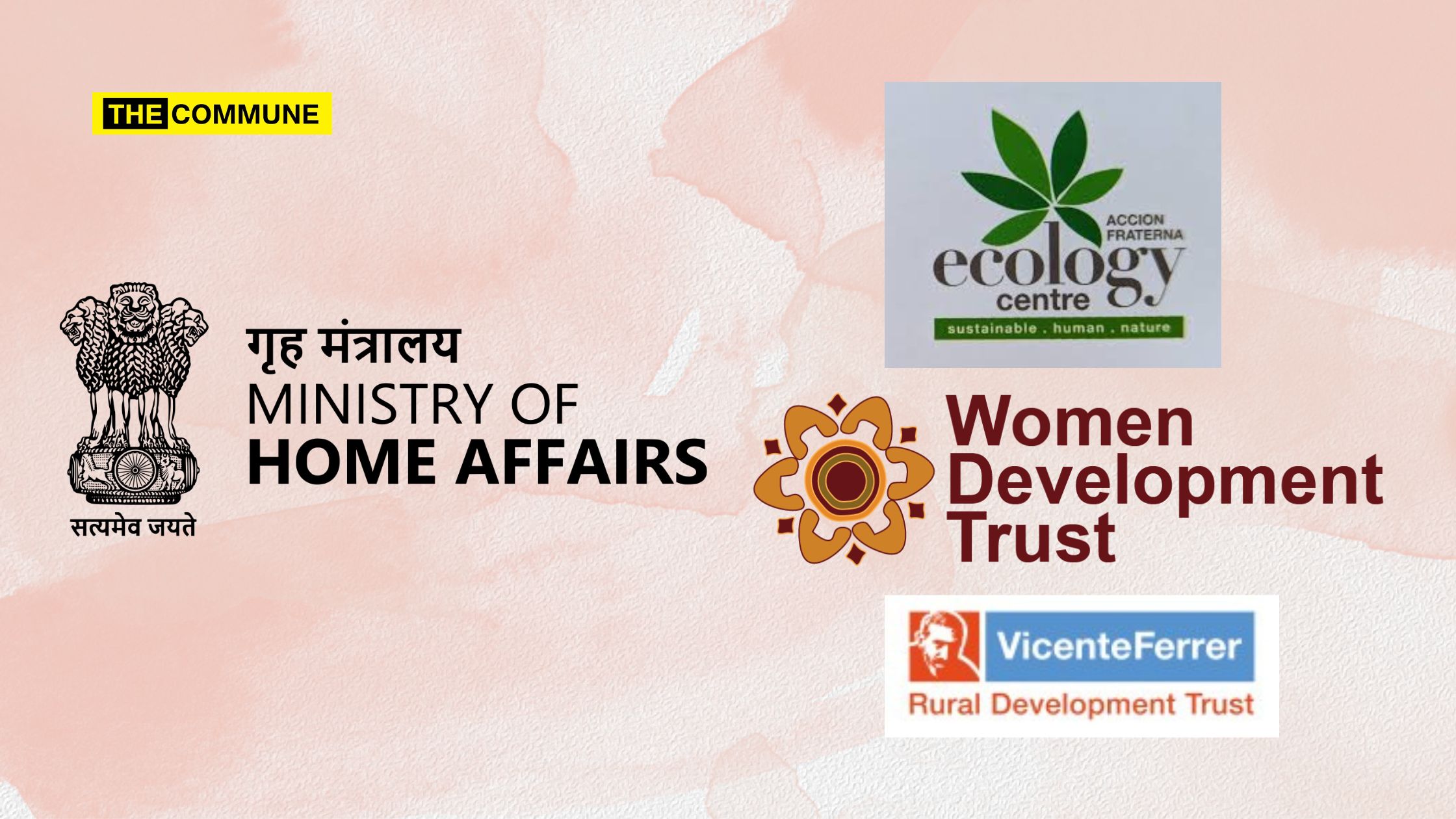
A detailed and explosive complaint has been submitted to the Ministry of Home Affairs (MHA), raising serious allegations of systemic violations of the Foreign Contribution (Regulation) Act, 2010 (FCRA), suspected benami transactions, and financial misconduct involving four prominent FCRA-registered NGOs based in Anantapur district, Andhra Pradesh.

The complaint filed by NGO watchdog Legal Rights Protection Forum (LRPF), addressed to the Joint Secretary and Director of the FCRA Division, MHA, seeks an immediate and thorough investigation by the Enforcement Directorate (ED). The complaint concerns the activities of the following organizations:

  1. Rural Development Trust (RDT) – FCRA No. 010120001
  2. Rayalaseema Development Trust (RyDT) – FCRA No. 010120012
  3. Accion Fraterna Trust (AccF) – FCRA No. 010120029
  4. Women’s Development Trust (WDT) – FCRA No. 010120013

The complainant has submitted multiple annexures comprising FCRA returns filed by these organizations from FY 2011-12 to FY 2014-15 and has called for scrutiny under multiple statutes including the Prevention of Money Laundering Act (PMLA), the Prohibition of Benami Property Transactions Act, and the Income Tax Act.

Backdrop Of Regulatory Crackdown

The complaint builds upon prior action already taken by the MHA against RDT, whose FCRA license renewal was denied on 21 April 2025, citing the diversion of over ₹26 crore—allegedly collected from hospital patients despite the hospitals being built with ₹60 crore in foreign funds—into non-FCRA domestic bank accounts. The MHA’s audit also noted unauthorized fund transfers to non-FCRA registered entities, thus intensifying compliance violations.

Allegations of Coordinated Benami Operations

The heart of the complaint centers on the claim that RDT, along with RyDT, Accion Fraterna Trust, and WDT, operate not as independent legal entities but as a closely interconnected network designed to circumvent regulatory scrutiny and layer foreign funds under the guise of charitable activities. These NGOs allegedly share overlapping personnel, field offices, and project declarations, as well as proximity in registered addresses in Anantapur.

An extensive list of identical Door Numbers and project sites declared by the three NGOs was presented to bolster allegations of fraudulent duplication of activities and misrepresentation in FCRA returns.

The repetition of the same project locations by multiple NGOs raises suspicion of circular utilization of funds and potential money laundering practices.

Conflict of Interest and Donor-Recipient Duality

The complaint highlights that Mr. Moncho Ferrer, named as Chief Functionary of RDT, RyDT, and AccF, also serves as Director of foreign donor organizations—Vicente Ferrer Foundation (USA) and Fundación Vicente Ferrer (Spain). This dual control allegedly creates a conflict of interest, allowing for centralized control over both inflow and outflow of foreign contributions, and possibly undermining the independence required under FCRA regulations.

WDT’s Questionable Hospital Funding

One particularly damning charge concerns the Women’s Development Trust, which reportedly received large foreign contributions in FY 2011–12 to support “WDT Hospitals” in Kalyandurgam and Kanekal. However, there is no evidence that WDT owns or operates such hospitals. Moreover, identical photographs of hospital infrastructure were found in both WDT’s 2017–18 Annual Report and RDT’s official website, but each displaying different branding—suggesting deceptive presentation to inflate project credentials and mislead stakeholders.

This has raised red flags about fund diversion, asset misappropriation, and possible benami ownership of key infrastructure.

Suspicious Inter-Organizational Transfers

According to the complaint, inter-NGO financial transfers indicate layering of funds:

The ₹23 crore transferred in FY 2015–16 by WDT to RDT for a vague “Social Purpose” has especially drawn concern, with the complaint describing this as indicative of money laundering and non-arm’s-length fund movements.

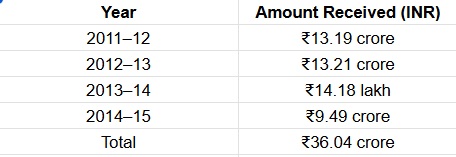
Unreported Foreign Contributions Totaling ₹36 Crore

WDT is also accused of failing to disclose donors or purposes for foreign contributions received across four years:

These unexplained receipts, with no donor information or program details, reportedly violate Sections 18 and 19 of the FCRA, which mandate full transparency on both foreign source and fund utilization.

Call for ED Probe

Given the grave nature of the allegations—ranging from FCRA violations, benami asset creation, suspected money laundering, and tax evasion—the complainant has urged the Ministry of Home Affairs to immediately refer the matter to the Enforcement Directorate for a comprehensive, in-depth, and time-bound investigation.

The complaint concludes by asserting that this case poses a serious threat to the transparency and credibility of foreign-funded NGOs operating in India and should be treated with the “utmost seriousness” in the interest of national integrity and financial probity.

Subscribe to our channels on Telegram, WhatsApp, and Instagram and get the best stories of the day delivered to you personally.
104-Year-Old Declared Innocent After 43 Years In Jail For A Crime He Never Committed, Judiciary Had Set ‘Timeline’ For President/Governor To Take Action On Bills

allahabad high court lakhan lal 104-year-old acquitted innocent justice

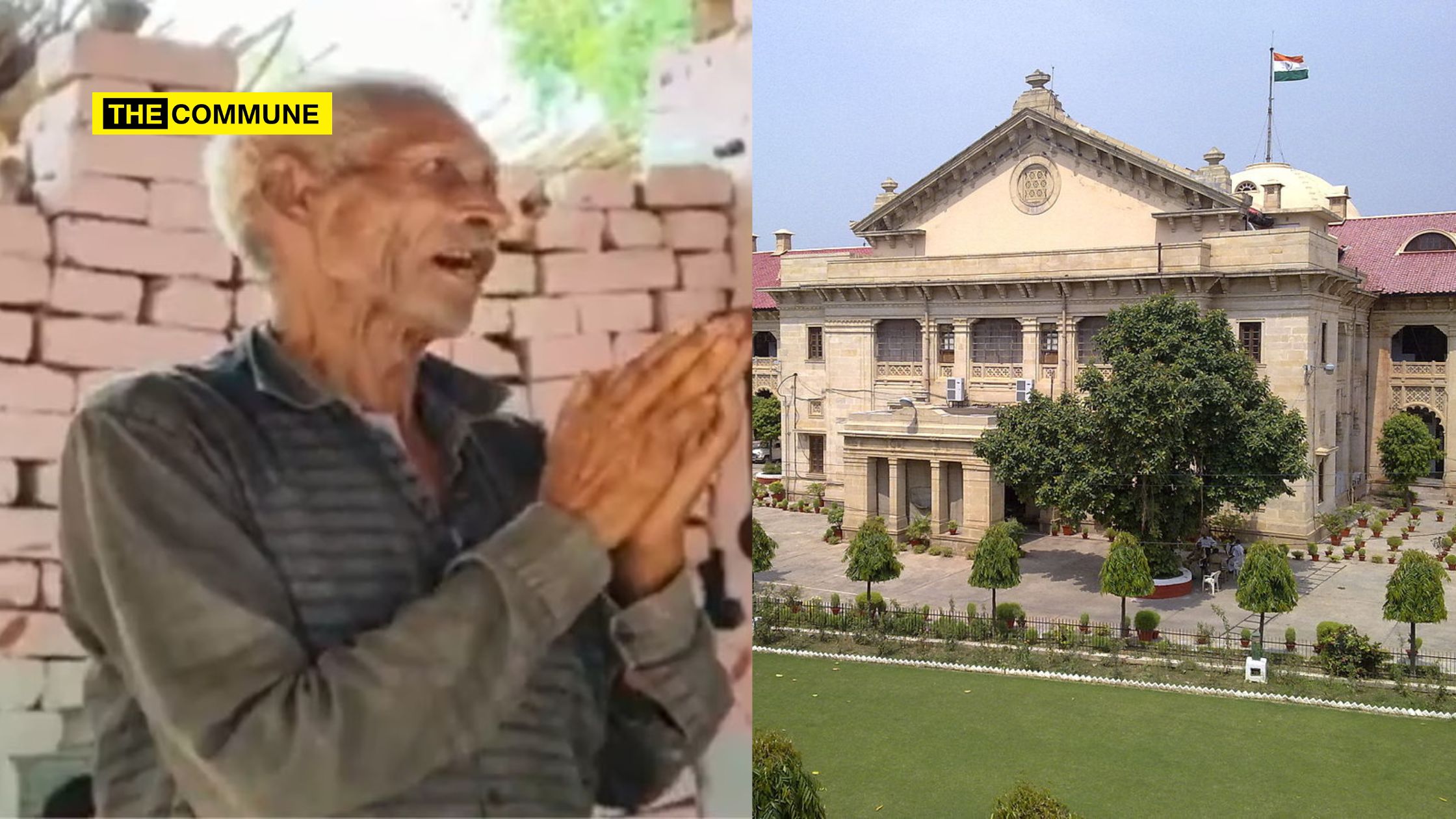
In a haunting example of delayed justice, 104-year-old Lakhan Lal — who spent more than four decades in prison for a crime he did not commit — was finally acquitted and released a couple of weeks ago, exposing yet again the crushing weight of judicial apathy and procedural inertia in the country.

A resident of Kaushambi district in Uttar Pradesh, Lakhan Lal was arrested in 1977 for the murder of fellow villager Prabhu Pasi and sentenced to life imprisonment by a district court in 1982. He fought for justice ever since, and despite the Allahabad High Court eventually overturning his conviction, it took relentless efforts by his family and legal activists to secure his release.

That release, however, was not automatic. Astonishingly, even after the High Court’s acquittal, prison authorities cited “technical issues” and continued to hold him unlawfully. His family approached the Supreme Court, the Chief Minister, and the Law Minister, all to no avail. Only after Secretary of the District Legal Services Authority (DLSA), Purnima Pranjal, and legal advisor Ankit Maurya brought the case to the notice of Chief Minister Yogi Adityanath and re-appealed to the High Court, was an order for his immediate release issued.

Lakhan Lal walked out of prison on 20 May 2025. He was taken to his daughter’s home, where the frailty of age and memory meant he could not recognize some of his relatives after such a long separation.

This case is not just a personal tragedy but a searing indictment of a justice system that is bloated, indifferent, and disastrously slow. That a man could be wrongfully imprisoned for 43 years, and even after being acquitted, be denied freedom due to bureaucratic negligence, reveals a judiciary more concerned with procedure than with human dignity.

Lakhan Lal’s story is a cruel reminder of how the wheels of Indian justice can grind not just slowly, but destructively — consuming lives, families, and decades in the process. It lays bare the urgent need for judicial reform and accountability in a system that has long ceased to prioritize the very people it was designed to protect.

It it noteworthy to mention that the Supreme Court had waded into the executive’s domain, dictating timelines and procedures to the President and Governor to take action on bills as if it were an administrative overseer.

(With inputs from Republic)

Subscribe to our channels on Telegram, WhatsApp, and Instagram and get the best stories of the day delivered to you personally.
Rajasthan: BJP Demands Strict Action Against Former MLA’s PA Arrested In Pakistan Espionage Case

Pokharan BJP MLA, Mahant Partap Puri, alleged on Monday that Shakur Khan Mangalia, the former private secretary of ex-Congress minister Saleh Mohammad, had political backing and travelled to Pakistan without official clearance. He emphasised that not just Khan, but those who provided him political protection, will also be investigated thoroughly.

MLA Mahant Partap Puri stated that Shakur Khan was closely associated with Saleh Mohammad for a long time and had access to sensitive events, including military programmes held in the region.

“There is every possibility that confidential information may have been leaked,” Partap Puri said. “It is a matter of deep concern and regret that the minister was unaware of the activities of someone so closely associated with him,” he said.

He further informed the media that he had brought the matter to the attention of Chief Minister Bhajan Lal Sharma and BJP state president Madan Rathore, and had also written to the party’s central leadership.

Both Sharma and Rathore, he said, have taken serious cognisance of the issue and assured appropriate action. Union Minister Gajendra Singh Shekhawat is also reportedly taking the matter very seriously.

Pratappuri raised concerns about ongoing suspicious activities in border areas and stressed the need for monitoring institutions established by former public representatives in the name of religion and education.

He also recalled that in 2013, a history sheet had been opened on Saleh Mohammad’s father, Ghazi Khan, by the then SP Pankaj Choudhary, but the case was later shelved due to political pressure. He questioned whether political influence in local development schemes had led to irregular land allocations and called for an investigation into the assets and foreign visits of regional public representatives.

Pratappuri also alleged that a pornographic CD case involving Saleh Mohammad had been suppressed due to political patronage. “No one involved in matters concerning national security should be treated lightly,” he said. “Following the arrest of Shakur Khan, locals are now questioning whether, had SP Pankaj Choudhary’s actions been supported back then, such security breaches could have been avoided,” he said.

–IANS

Subscribe to our channels on TelegramWhatsApp, and Instagram and get the best stories of the day delivered to you personally.
India’s Spiritual Surge Under PM Modi

“We must keep our culture, civilisation and values alive, preserve and enhance our spirituality and diversity, while continuously modernising technology, infrastructure, education and health systems.”

These are the words of Prime Minister Narendra Modi that reflect his vision, which has been a cornerstone of India’s cultural and civilizational resurgence over the last 11 years. Under his visionary and guiding leadership, India has not only reconnected with its ancient spiritual roots but has also modernised how those roots are experienced—through better infrastructure, restored monuments, and global cultural diplomacy.

The result is a vibrant reawakening of Bharat’s soul, one that is both timeless and forward-looking. Under the leadership of PM Modi, India has undergone a remarkable cultural transformation over the last 11 years. This journey has been much more than a revival—it is a renaissance that blends deep civilizational pride with the dynamism of a modern nation. India’s cultural resurgence stands as a defining feature of the Modi era.

This could be felt from restoring ancient temples and preserving spiritual traditions to reimagining cultural infrastructure and reconnecting with forgotten heroes. Reclaiming civilizational roots India’s cultural revival has been anchored in bold projects that reconnect people with their spiritual heritage.

Transformative efforts like the Kashi Vishwanath Corridor, the Mahakaal Lok Project, and the inauguration of the Ram Mandir in Ayodhya have reshaped the pilgrim experience, blending spiritual sanctity with world-class amenities.

These initiatives reflect the government’s mission to protect sacred sites while enhancing accessibility and comfort.

From Kedarnath to Kamakhya, and from the reconstruction of the Juna Somnath Temple to the development of the Parvati Mandir promenade, these projects have brought once-forgotten heritage sites back to the national consciousness.

Boosting pilgrimage and connectivity Infrastructure upgrades like the Char Dham Highway Project and the approved Hemkund Sahib Ropeway have strengthened pilgrimage connectivity. Special emphasis on circuits like the Buddhist Circuit and the Kartarpur Sahib Corridor underscores India’s commitment to inclusive spiritual tourism.

These efforts are not just about preserving faith—they drive local economies, foster tourism, and connect India’s cultural fabric across states and borders. Inclusive heritage development India’s spiritual mosaic includes every faith, and the government has honoured this diversity through schemes like PRASAD– Pilgrimage Rejuvenation And Spiritual Augmentation Drive, which has rejuvenated major places of worship across religions.

Over Rs 1,900 crore has been invested in these efforts, while the Swadesh Darshan scheme has funded over Rs 5,000 crore in projects that boost spiritual tourism. Complementing these, the HRIDAY scheme has helped modernise 12 heritage cities. This integrated development is transforming how Indians and the world experience the country’s spiritual and cultural heritage. Repatriation of lost heritage Restoring pride also means bringing back what was lost.

Before 2013, only 13 stolen antiquities had been returned to India. But since 2014, 642 antiquities have been traced and many brought back, including 578 from the United States—a record for any country. These efforts reflect India’s global influence and determination to reclaim its heritage.

Celebrating unsung heroes From the Azadi Ka Amrit Mahotsav to statues, museums, and memorials, India is rediscovering its true nation-builders. Initiatives like the National War Memorial, National Police Memorial, and the Pradhan Mantri Sangrahalaya honour heroes from all walks of life, transcending political divides.

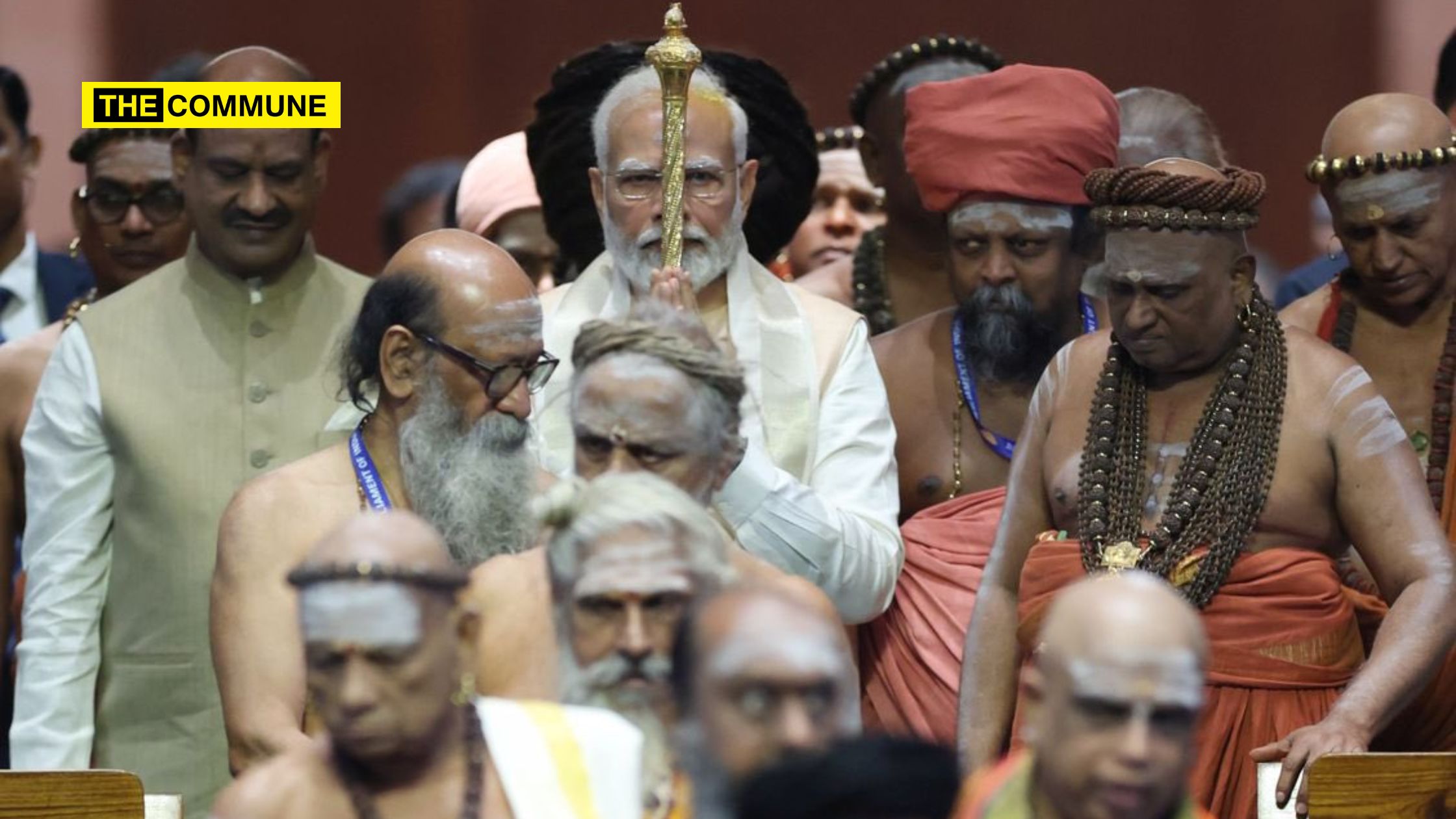
The newly inaugurated New Parliament House, with its Sengol and Constitution Hall, embodies India’s spiritual values and democratic legacy. Structures like the Bharat Mandapam, with the world’s tallest Nataraja statue, echo India’s stature as a civilizational force.

Strengthening unity in diversity Programmes like ‘Ek Bharat Shreshtha Bharat’ and events like the Kashi Tamil Sangamam showcase India’s living unity.

From Guru Parvs to the Global Buddhist Summit, and from Mahakumbh 2025—which saw over 66 crore devotees—to the Waqf (Amendment) Act, 2025, India is actively strengthening its spiritual and cultural harmony. WAVES 2025: Cultural diplomacy in action The World Audio Visual Entertainment Summit (WAVES 2025), inaugurated by PM Modi in Mumbai, showcased India as a global creative powerhouse. With delegates from 100-plus countries and MoUs worth over Rs 8,000 crore, WAVES emphasised India’s cultural leadership in the digital era.

Yoga and Ayurveda: India’s gifts to the world Yoga continues to unite the globe. From more than 35,000 people performing Yoga on Rajpath in 2015 to 23 crore participants in 2023, the International Day of Yoga has become a worldwide movement. The 2025 theme—’Yoga for One Earth, One Health’—reflects a universal message. Meanwhile, Ayurveda is establishing India as a hub for holistic wellness. Through 24 international MoUs, Ayush visas, and recognition from the WHO, India’s ancient healing science is gaining global trust. The Ayurveda Day 2024, celebrated across 150 countries, underlined this rising influence.

UNESCO recognition: Preserving cultural icons India now boasts 43 UNESCO World Heritage Sites, with 62 more on the tentative list. The recent addition of Moidams of the Ahom Dynasty from Assam further strengthens India’s global cultural presence. Each site is a portal to the past and a promise to the future. A cultural revolution for the future India’s civilisational journey is not just being preserved—it is being revitalised with vision and vigour. As temples are restored, heroes remembered, and traditions celebrated, the country stands tall as both an ancient civilisation and a modern power. With improved infrastructure, spiritual vibrancy, and cultural pride, India is showcasing its identity to the world—not as a relic of the past, but as a beacon of timeless wisdom and forward-looking strength.

–IANS

Subscribe to our channels on TelegramWhatsApp, and Instagram and get the best stories of the day delivered to you personally.

AIADMK Slams TNDIPR For Acting Like ‘DMK IT Wing’ After Calling Deputy CM Udhayanidhi Stalin “DMK Youth Wing Secretary” In Official Government Communication

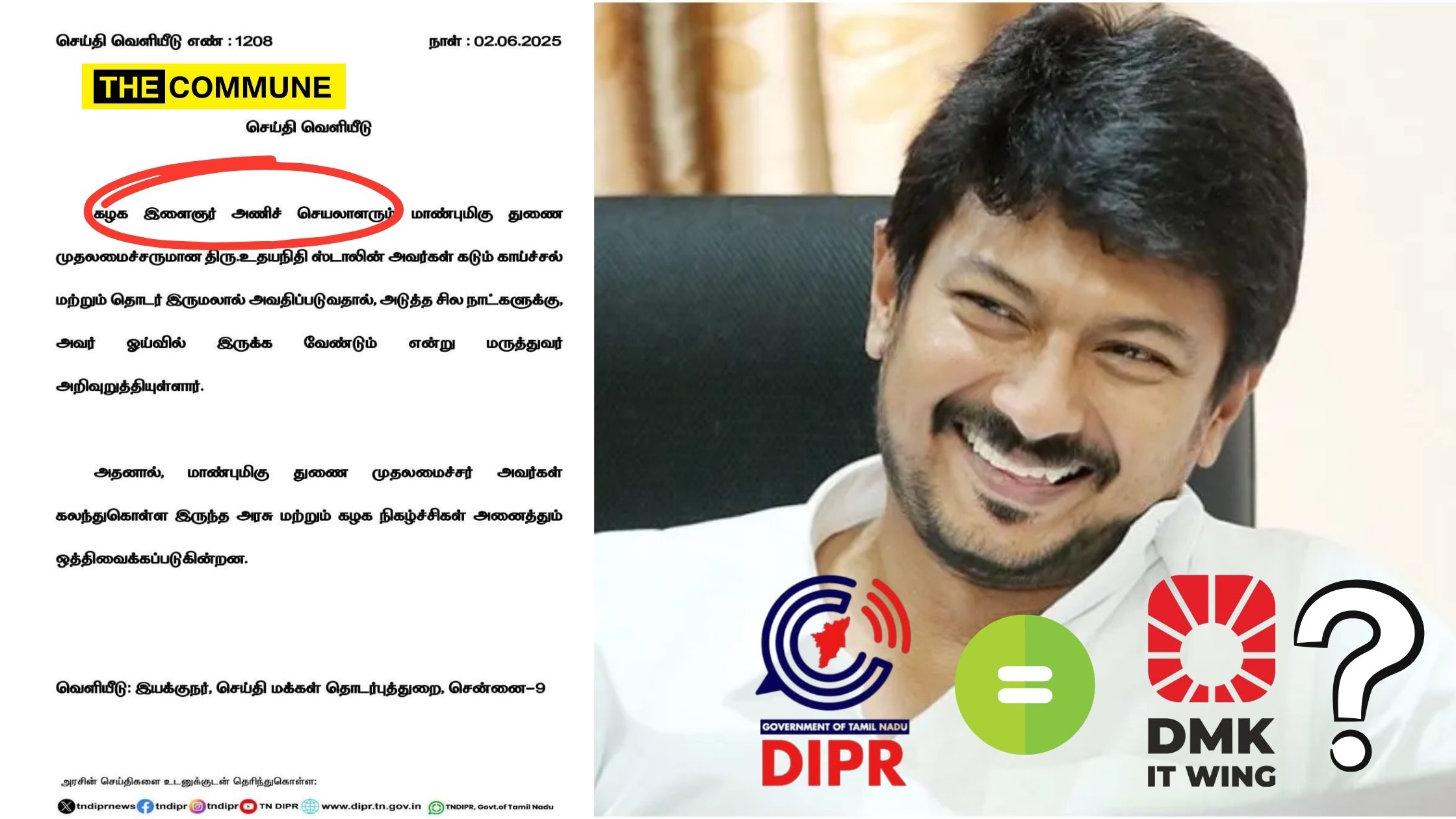
The AIADMK IT Wing has taken a jab at the Tamil Nadu Department of Information and Public Relations (TNDIPR) after it referred to Deputy Chief Minister Udhayanidhi Stalin as the “DMK Youth Wing Secretary” in an official communication announcing his ill health. This has sparked criticism, as government departments are expected to maintain neutrality and avoid using political party titles in official announcements.

The AIADMK’s IT wing mocked the move, suggesting that the TNDIPR is acting no differently than the DMK’s own IT Wing. According to them, by including a party designation like “Kazhagam (DMK) Youth Wing Secretary” in a government statement, the department has effectively blurred the lines between the state machinery and the ruling party’s political apparatus.

The Department of Information and Public Relations is tasked with disseminating information about government welfare programs, press releases, and official statements, ensuring that these reach the general public through newspapers and media channels. However, this incident has led to questions about its impartiality.

Posting from its official X (formerly Twitter) handle, the AIADMK IT Wing wrote, The Tamil Nadu government department @TNDIPRNEWS has referred to Udhayanidhi as the ‘DMK Youth Wing Secretary’. Is there such a post in the Tamil Nadu government? Looks like they’ve fully transformed into @DMKITwing!”

The remark was a clear critique of the department’s apparent political bias and a callout of the increasing overlap between the ruling DMK party and official state communications.

Subscribe to our channels on TelegramWhatsApp, and Instagram and get the best stories of the day delivered to you personally.
Pakistan Blocking Appointment Of Chairs Of UN Security Council Committees Dealing With Terrorism

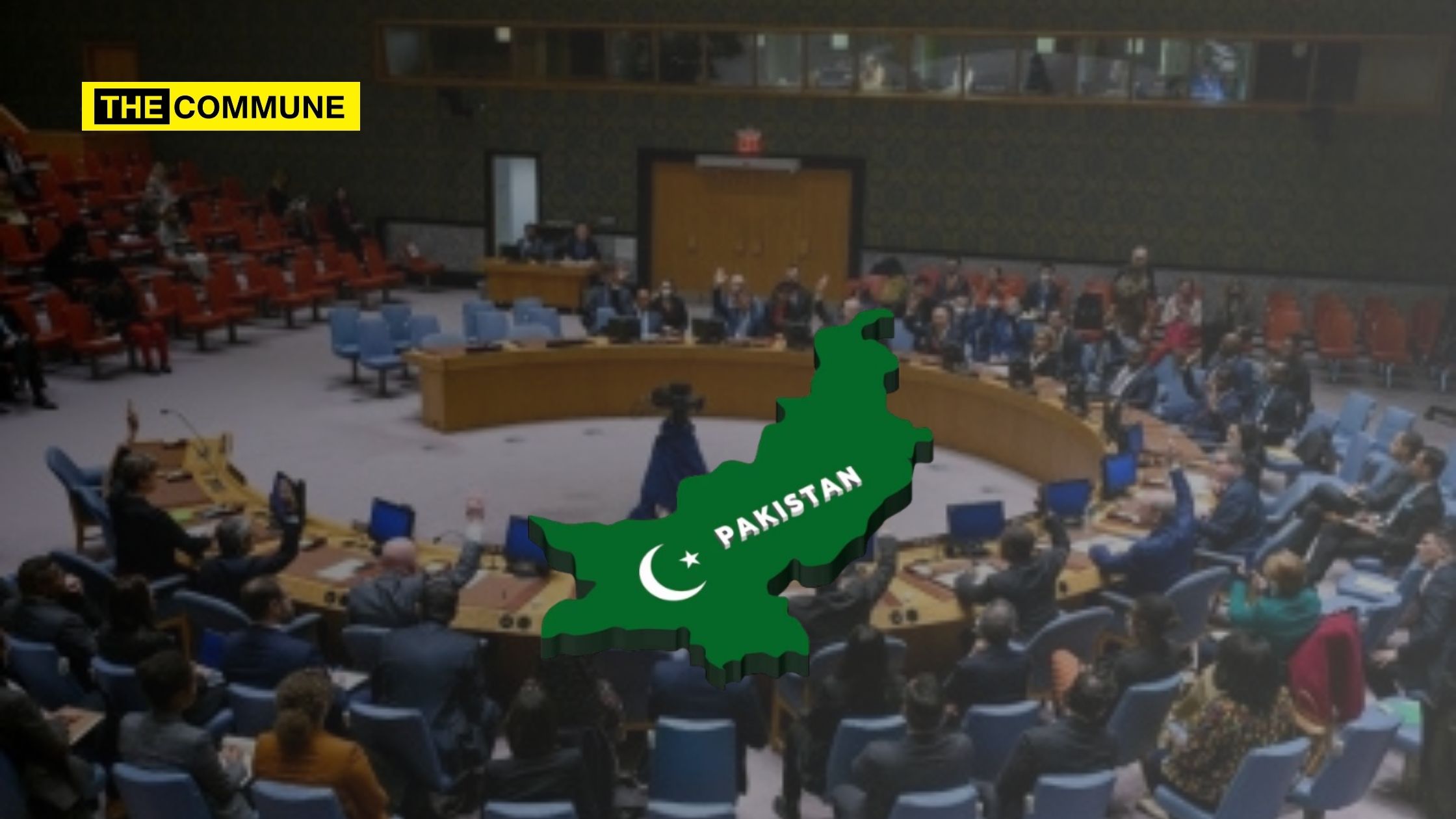
The UN Security Council committees dealing with terrorism are without chairs halfway through the year because of Pakistan’s insistence on getting control of one or more of the three panels. Mainly, the Western countries on the Council have opposed Pakistan becoming the chair of any of the panels – the Counterterrorism Committee, and the committees on sanctions against al-Qaeda and other terrorist actions, and the Taliban, according to diplomatic sources.

They said that the countries against Pakistan becoming the chair of any of the committees pointed out that Islamabad had a conflict of interest because it harboured terrorist organisations like the Lashkar-e-Taiba and Jaish-e-Mohammed, and its leaders, and had contentious relations with the Taliban ruling neighbouring Afghanistan. Consensus governs many functions of the Council, and taking advantage of it, Pakistan, an elected member, is able to block the appointment of the chairs of the committees. The discussions about these issues are held informally.

Greece’s Permanent Representative, Evangelos Sekeris, who was the President of the Council last month, conceded that it has not been possible to agree on the leadership of the panels, and said they were working on proposals for a solution. Without chairs in place for the committees, the country holding the rotating presidency of the Council is the interim head of the panels. If the chairs are not in place, Pakistan, which takes over the rotating presidency of the Council next month, will head the panels in July by default.

When India was on the Council from 2020 to 2022, it headed the Counter-Terrorism Committee, and India’s Permanent Representative Ruchira Kamboj even arranged for the panel to meet in Mumbai at the sites of the 26/11 terror attacks by Pakistan-based terrorists. Pakistan, which cited India’s chairmanship of the Counterterrorism Committee, was ruled out as chair of the panel, the sources said.

The 1267 Committee, which gets its name from the Council’s resolution and deals with the affiliates of al-Qaeda and the Islamic State, posed a direct conflict of interest for Pakistan, where organisations and individuals sanctioned by it are based. Pakistan is now insisting that it should at least get the chair of the 1988 Taliban Sanctions Committee, named for the number of the 2011 Council resolution on sanctions against the Taliban, according to the sources.

Pakistan, which has a contentious relationship with the Taliban, expects to use the chair of the committee – if it gets it – to influence Afghanistan. It could then push for tightening sanctions or loosening them to manipulate the Taliban, which it has accused of giving sanctuary to forces operating against Pakistan. As of now, Pakistan faces an uphill task in trying to clinch the deal because of its conflicts with the Taliban.

–IANS

Subscribe to our channels on TelegramWhatsApp, and Instagram and get the best stories of the day delivered to you personally.
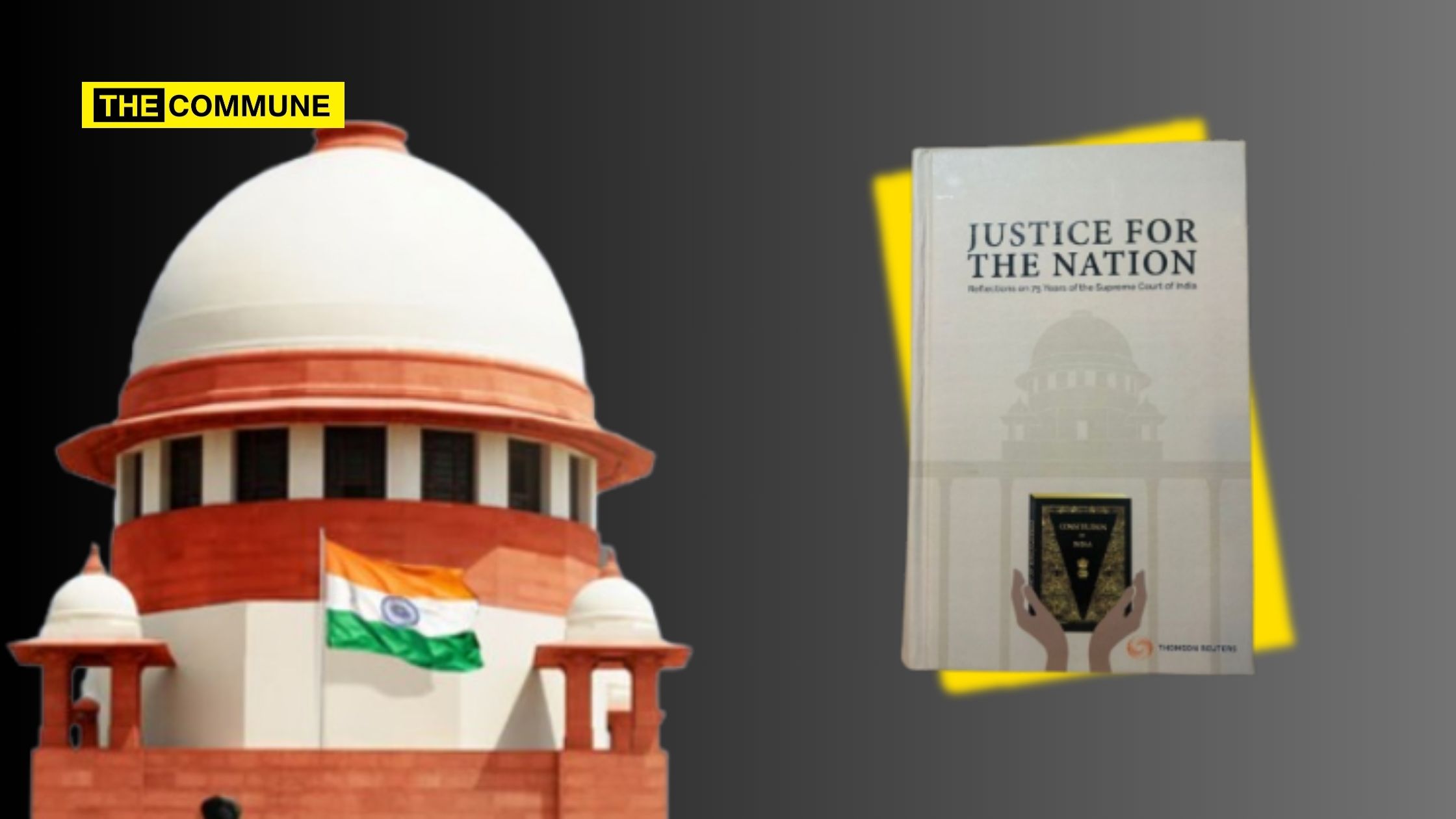
‘Justice For The Nation’: A Book About The Supreme Court Through The Eyes Of Its Defenders

‘Justice for the Nation, Reflections on 75 years of the Supreme Court of India’ is published by Thomson Reuters and was launched by the Honourable President of India in November 2024. This work is a compilation of essays created to honour the 75th anniversary of the Supreme Court and addresses various subjects related to the Supreme Court’s involvement with constitutional and other rights. It features contributions from judges of the Court, distinguished practitioners, learned jurists, and respected academicians. It serves as a reflection on the jurisprudence of the Court and its influence across various aspects of constitutional and social life in India.

The book starts with Justice D.Y. Chandrachud’s essay ‘Bending the Arc of Indian History Towards Justice: 75 Years of the Supreme Court’, which presents a significant analysis and serves as an appropriate summary from one of the foremost authorities on the topics of Constitution. In this essay, he emphasizes the constitutional responsibilities of the apex court and elaborates on its establishment, which was rooted in idealism, aiming to act as a safeguard against injustice and tyranny. Justice Chandrachud articulates how the framers of the Constitution, through Article 32 and Article 226, envisioned a direct connection between citizens and the higher judiciary. He particularly clarifies the function of Special Leave Petitions under Article 136 and discusses its broader scope compared to Article 32. In the initial rulings concerning the interpretation of fundamental rights, the Supreme Court adopted a textual perspective regarding personal liberty and individual autonomy. Subsequently, particularly following the emergency period (1975-77), the apex court embraced a broader interpretation of rights, placing greater emphasis on individual liberties and dignity over strict textual readings of the Constitution. This shift has led to the emergence of a wide array of derivative rights, particularly stemming from Article 21, which has also facilitated the rise of Public Interest Litigations (PILs) as a significant legal instrument where the requirement for locus standi is relaxed. This essay further explores themes such as gender justice, religious rights, disability rights, and environmental rights, democratic reforms, and live streaming of the judicial proceedings. Overall, the essay is a gripping narration by a scholar judge that captivates reader’s mind. It tells us whether through its function as the ultimate interpreter of the Constitution, serving as the court of last resort, enhancing the administration of justice throughout the nation, or acting as a platform for public accountability, the Supreme Court plays a vital role in shaping the democratic future of India. 

Justice R. V. Raveendran’s essay ‘Role of Constitutional Courts’ delves deeper into the judiciary’s function as a ‘sentinel on the qui vive’. He warns of the necessity for courts to exercise restraint when conducting judicial reviews, particularly concerning policy issues that remain solely within the purview of the Executive. Justice M. N. Venkatachiliah refers to ‘judicial review as an adjunct of limited government’ and elaborates on the principle of proportionality, which mandates that the administration should not be more drastic than necessary to achieve the intended outcomes. The judicial review process continues to be informed by the ‘Wednesbury principles’, which help to ensure its stability.

Justice A. K. Sikri discusses ‘the dark matter of the Indian Constitution,’ elucidating the distinction between the two schools of constitutional interpretation: the textualist and the living constitutionalist. He delves on the manner in which the Supreme Court has addressed constitutional ambiguities through significant rulings that are rooted in the moral principles of the Constitution and the changing desires of the populace. He attributes the landmark Keshavanand Bharti case as ‘the foundational moment of the living constitutionalist approach.’ 

A key theme present in all these illustrative contributions is the role of the Apex Court in defining and maintaining the constitutional values of India. These themes resonate in the chapters that follow. Fali S. Nariman presented his insightful analysis of the Preamble’s values shortly before his demise. K. K. Venugopal and Ankur Talwar have explored the basis and influence of the basic structure doctrine, where they describe this doctrine as ‘auxiliary precaution a judicial check on the power of the electoral majority’. The Attorney General of India, R. Venkataramani, elaborates on how the Court’s role in constitutional governance is supported by lawyers who prioritize principle over power. Madhavi Goradia Diwan asserts that without provocative thought & the freedom to disagree, human intellect will suffer stagnation. 

The volume comprises a collection of twenty stimulating essays that offer insights into the institutional evolution of the Supreme Court and its shifting relationship with other branches of State. They reflect on the Court’s operations in the past, analyse its current state, and envision its future course of actions. In this process, it showcases a vivid, complex and colourful journey from various viewpoints. The honourable Supreme Court of India has not only delivered a succession of judgements but also stands as a testament to the living stories of aspirations, dreams, and resilience of the Indian populace. It’s landmark judgements have influenced daily lives of almost all the Indian citizens and even beyond, as the judgements have acted as precedents for Courts in other countries too. Peruse this volume to understand and appreciate the remarkable trends in the jurisprudence of the Court over the last seventy-five years.

Kanishk Shekhar is a columnist & also teaches students preparing for Civil Services Exam.

Subscribe to our channels on TelegramWhatsApp, and Instagram and get the best stories of the day delivered to you personally.