Home Blog Page 283

UPA-Era Indian Army Chief Reveals How Congress Under Sonia Gandhi Wanted To Hand Over Siachen To Pakistan In 2006

congress sonia gandhi pakistan siachen

Did you know? Back in 2006, the Congress-led UPA government under Sonia Gandhi was reportedly engaged in behind-the-scenes efforts to hand over the strategically crucial Siachen Glacier to Pakistan India’s long-standing adversary without consulting the Indian Armed Forces or intelligence agencies. This secretive move, had it gone through, would have severely undermined the sacrifices of countless soldiers who have risked and given their lives defending one of the world’s most unforgiving military outposts.

The shocking revelation came from one of the Indian Army’s most respected and battle-hardened leaders, former Chief of Army Staff General J.J. Singh. In a candid disclosure, he accused the then government of bypassing the military leadership and national security apparatus while pursuing backchannel negotiations with Pakistan over a mutual troop withdrawal from Siachen.

According to General Singh, the discussions in 2006 were held without taking the Indian Army or intelligence agencies into confidence. This claim gains further credibility as a former Foreign Secretary also later confirmed that both India and Pakistan were indeed working on a proposal for demilitarizing the glacier region that same year.

General Singh questioned the rationale behind such a move, especially when Indian soldiers had never once asked the government to pull back despite the extreme weather, treacherous terrain, and frequent casualties. He emphasized that India holds a significant advantage in high-altitude warfare, making Pakistan the side struggling more in Siachen, not India.

What stunned him most was the complete lack of consultation. General Singh stated that even as Army Chief at the time, he was kept in the dark about these diplomatic overtures. He saw it as a grave insult to the memory of the soldiers nearly 890 of whom, including officers, laid down their lives during Operation Meghdoot in 1984 to secure the glacier.

He strongly condemned the Congress government’s assumption that peace with Pakistan could be achieved by simply vacating a territory so hard-won by Indian forces. If this was their definition of peace, he said, it was nothing short of delusional.

This incident stands as a stark reminder of how political miscalculations can risk national security and disregard the courage, sacrifice, and commitment of India’s armed forces.

In a old private TV debate General JJ Singh said, “In this particular case, we made our stand very clear. No withdrawal unless the Pakistani army agrees to authenticate on map and satellite imagery of their present position and tell their nation that they are nowhere near Siachen Glacier – there is a Saltoro Ridge between them and us. Till that time, I think we should not do any withdrawal And this is not going to work out. It will land us into a trap. We’ll be embarrassed. The nation would be embarrassed and the army would always be very very unhappy to take a task like this.”

The near handover of the strategically vital Siachen Glacier to Pakistan in 2006 was not only highlighted by former Army Chief General J.J. Singh but also confirmed by former Foreign Secretary Shyam Saran. Both revealed that the Congress-led UPA government, under Prime Minister Manmohan Singh, had almost finalized an agreement to demilitarize the glacier — a crucial position from which Indian forces monitor both Pakistan and China along the northern frontiers. This deal, however, was ultimately derailed by the intervention of then National Security Advisor (NSA) M.K. Narayanan.

In his book How India Sees the World, Shyam Saran provides detailed insights into how close India and Pakistan came to formalizing a mutual troop withdrawal from the Siachen region. The plan also involved setting up a joint monitoring mechanism to oversee the area after demilitarization. According to Saran, this wasn’t the first time such discussions had occurred. Similar negotiations had taken place in 1989 and 1992 — both under Congress governments — but had failed to materialize due to unresolved disagreements, particularly on Pakistan’s side.

The earliest effort, during Rajiv Gandhi’s tenure in 1989, failed due to Pakistan’s unwillingness to agree to key terms. Another attempt was made in 1992 under Prime Minister P.V. Narasimha Rao, focused on mutual withdrawal from the Actual Ground Position Line (AGPL), but the political leadership then decided to defer the issue to future rounds of dialogue.

The most serious effort came in 2006, when Saran, then Foreign Secretary, and his Pakistani counterpart Riaz Mohammad Khan reached a tentative agreement under directions from the Manmohan Singh government. Saran disclosed that the draft deal even included clauses for authenticating troop positions before any withdrawal would take place — a key demand from the Indian side. Both sides agreed that the main agreement and its annexure would hold equal legal standing.

Manmohan Singh reportedly urged Saran to work toward sealing the deal, but also instructed him to secure consensus from all key stakeholders, including top officials in the ministries of Defence, Home Affairs, and Finance, all of whom were part of the Cabinet Committee on Security (CCS). Despite this groundwork, the proposal failed to move forward, largely due to strong reservations from the defence establishment and security advisors.

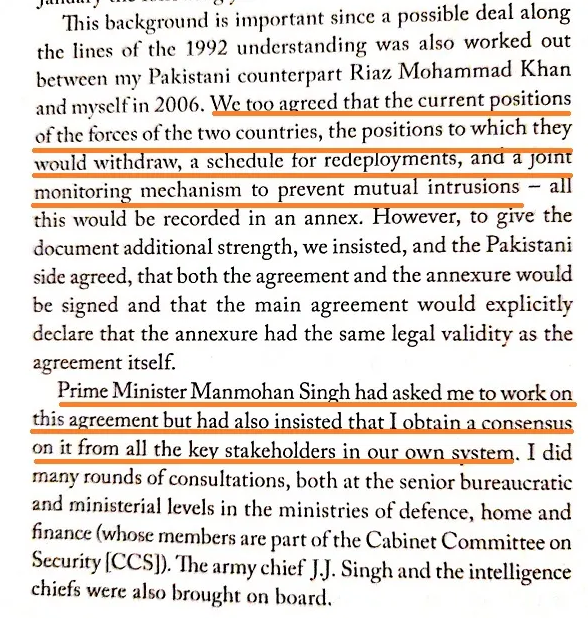
The book read, “To give the document additional strength, we insisted, and the Pakistani side agreed, that both the agreement and the Annexure will be signed and that the main agreement will explicitly declare that the annexure had the same legal validity as the agreement itself,” writes  Sharan.

“Prime Minister Manmohan Singh had asked me to work on this agreement but had also insisted that I obtain a consensus on it form all the key stakeholders in our own system. I did many rounds of consultations, both at the senior bureaucratic and ministerial levels in the ministries of defence, home and finance (whose members are part of the Cabinet Committee on Security (CCS).”
According to Saran, the proposal had initially gained the support of key members of the security establishment, including then-Army Chief General J.J. Singh and the heads of India’s intelligence agencies.

The Indian Army had reportedly agreed to the draft framework, which outlined specific details such as the current troop positions of both India and Pakistan, their respective withdrawal lines, a timeline for redeployment, and a joint monitoring arrangement to prevent cross-border incursions. These technical components were to be formalized in an annexure accompanying the main agreement.

Once this draft received preliminary approval from the stakeholders, it was presented to the Cabinet Committee on Security (CCS) — the country’s apex body for national security decisions — for final clearance.

However, during the CCS discussions, National Security Advisor (NSA) M.K. Narayanan voiced strong objections. He warned that Pakistan was an unreliable negotiating partner and cautioned that such a withdrawal would not only trigger political and public backlash but could also weaken India’s military posture in the region — particularly in relation to both Pakistan and China. His intervention proved pivotal. Saran notes that, surprisingly, General J.J. Singh, who had earlier supported the plan, shifted his stance during the meeting and aligned with Narayanan’s concerns. He expressed that moving forward with the Siachen deal could jeopardize national security. This change of heart effectively stalled the agreement.

Interestingly, while Defence Minister Pranab Mukherjee and Home Minister Shivraj Patil remained non-committal during the CCS meeting, they reportedly did not endorse the deal either. Prime Minister Manmohan Singh, who was keen on sealing the agreement with Pakistan, refrained from pushing back once key security officials raised objections.

Narayanan also suggested that the Siachen issue be removed from the India-Pakistan negotiation agenda entirely. Though Pranab Mukherjee is said to have later supported the idea of demilitarization, citing former Prime Minister Rajiv Gandhi’s earlier openness to such talks, the plan was ultimately abandoned due to mounting security concerns.

Saran’s revelations are not the only source confirming this behind-the-scenes episode. A separate WikiLeaks cable had previously exposed how the UPA government, led by Sonia Gandhi and Manmohan Singh, was prepared to cede control of the Siachen Glacier despite resistance from the Indian military, which warned of the long-term risks.

These disclosures underscore a troubling pattern in the Congress party’s approach to national security and territorial integrity. Had the deal gone through, India could have lost control over one of its most strategically important military zones — the Siachen Glacier, often referred to as the world’s highest battlefield, crucial for monitoring activities of both Pakistani and Chinese forces in the region.

In the end, it was the strong opposition from NSA M.K. Narayanan that prevented what could have been a major strategic misstep, ensuring that Siachen remained under Indian control.

These revelations underscore the extent to which the UPA government was willing to compromise on a highly sensitive and strategic frontier — risking a hard-won military advantage and the legacy of over 890 Indian soldiers who laid down their lives to defend Siachen during Operation Meghdoot and beyond.

(With inputs from Organiser & OpIndia)

Subscribe to our channels on TelegramWhatsApp, and Instagram and get the best stories of the day delivered to you personally.

Woman Killed, Several Passengers Injured After Dravidian Model Bus Suffers Mechanical Failure Near Alangulam

dravidian model bus

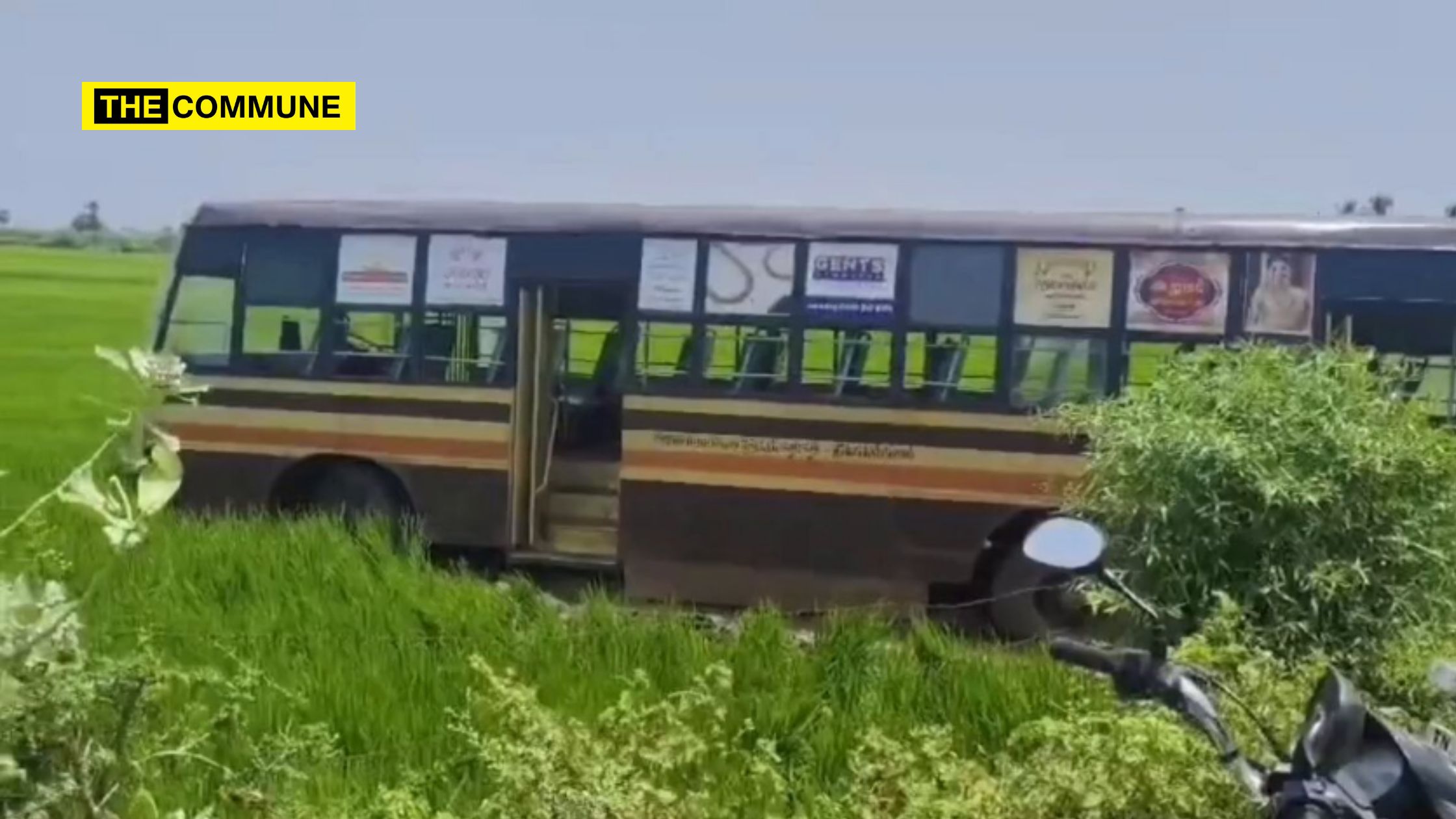
A 34-year-old woman lost her life after being ejected from a Tamil Nadu State Transport Corporation (TNSTC) bus following a suspected mechanical failure near Alangulam on 5 June 2025.

According to police reports, the incident occurred around noon as the bus was traveling from Idaikaal to Alangulam. While passing through Nadarpatti, the vehicle veered off the road and crashed into a nearby field after the driver reportedly lost control, possibly due to a broken axle.

The victim, identified as Jayalakshmi from Idaikaal, had been standing near the front entrance of the bus when the accident happened. She was flung from the vehicle and sustained severe head injuries. Tragically, she succumbed to her injuries before she could be taken to a hospital.

Other passengers on board sustained minor injuries and were treated at the Alangulam Government Hospital. Eyewitnesses stated that the bus began to wobble noticeably just before reaching Nadarpatti, raising suspicions about its roadworthiness.

Alangulam police have registered a case and launched an investigation into the incident.

(With inputs from The Hindu)

Subscribe to our channels on TelegramWhatsApp, and Instagram and get the best stories of the day delivered to you personally.

90–95% Of Tamil Nadu Temples Lack Night Lamps And Traditional Music, Says Former Idol Wing Chief Ponn Manickavel

Fmr Idol Wing IG Ponn Manickavel's Anticipatory Bail Postponed. Varadharajan defends him. tamil nadu madurai bench

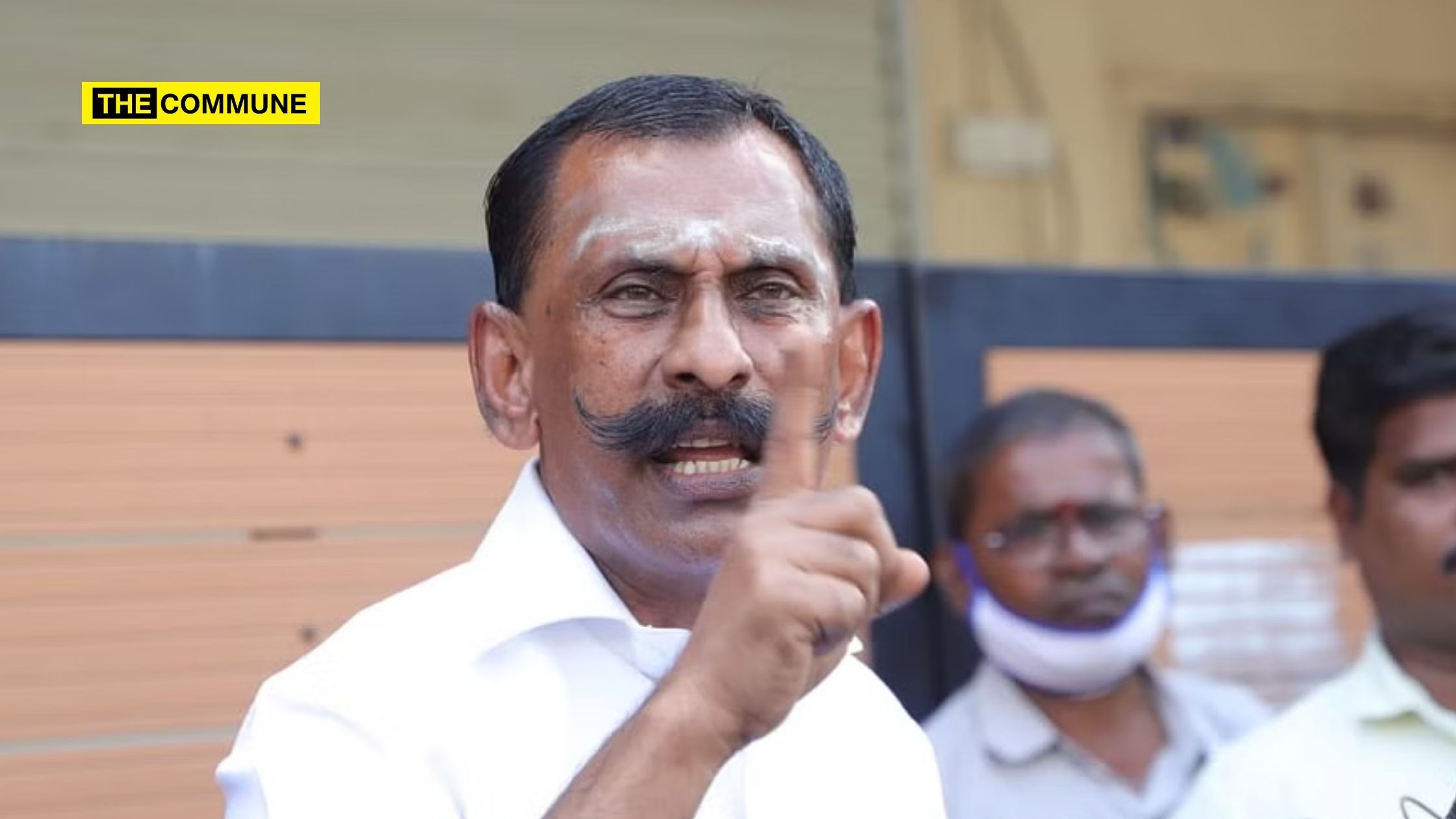
Former Idol Wing Chief A.G. Ponn Manickavel has raised serious concerns about the state of temple management in Tamil Nadu. Speaking to the media after visiting the Akilandeswari-Jambukeswarar Temple in Thiruvanaikaval, Trichy, he criticized the Hindu Religious and Charitable Endowments (HR&CE) Department for mismanaging temple funds.

According to Manickavel, temples across the state collect around ₹1.79 crore in donations each day amounting to nearly ₹53.7 crore every month all of which is taken by the HR&CE Department. Yet, despite this substantial revenue, basic infrastructure in temples remains severely lacking. He pointed out that nearly 90 percent of temples do not have proper lighting at night.

He further noted that at the Chandrasekara Swamy Temple in Tiruchendurai, operations now begin only after 9 a.m. a cost-saving measure to reduce electricity usage rather than in the early hours as per tradition. Moreover, priests who have been performing daily rituals for decades are still being paid as little as ₹50 a day.

Manickavel also highlighted that 95 percent of temples lack traditional Nagaswaram instruments, which are an essential part of temple ceremonies. Calling the situation deeply concerning, he urged for immediate reforms. He stressed that temple assets must be protected, and revenues should not be siphoned off by politicians, officials, or contractors. To achieve this, he said, the Endowments Department must be dismantled.

Speaking to the press A.G. Ponn Manickavel said, “In every temple, they should play mangalavadyam (auspicious music) in this temple too. But whether that will happen or not, I really don’t know. Because this is a very wealthy temple, there is a chance it might happen. After all, shouldn’t the musicians who rely on this for their livelihood be able to eat or not? 

So what did she did for the sake of having mangalavadyam played at all times — not just for a year, but for 100, 200, 300, or even 400 years, she donated another five kalanch (a unit of gold). That is, they gave gold. And to whom she gave it? The Mahasabha (great council) of the Esan Mangalam temple. When “Mahasabha” is written in Tamil, it appears as “Parudaiyar”. That gold was given to the Parudaiyar, and with that, they bought six ma of land (a traditional measurement of land area). Ma is used in Tanjore but I’m not aware of that.

This land was purchased and assigned to the family who played the pipi (a traditional wind instrument). In Thanjavur, they refer to them as mozhakkarars (instrumentalists). Here, it is mangalavadyam. These people were considered prominent and respected back then. Some of them would play right near the sanctum (karuvarai), slightly farther outside. They were given the means to live, and this tradition continued for over 100 years.

But today, if you look at the situation the salary payments had already stopped for past 20 years. That kind of event is no longer followed in the temple. This is a temple with great antiquity, the HRCE since 1925, but now have brought to streets (abandoned). This is the truth.”

Former Idol Wing CID Inspector-General A.G. Ponn Manickavel launched a scathing attack on the Hindu Religious and Charitable Endowments (HRCE) Department and Minister Sekar Babu, accusing them of mismanagement, historical ignorance, and moral failure in preserving temple heritage.

He stated that anyone can download critical documents related to temple records — and that these can even be submitted in Tamil Nadu courts or the High Court. However, he alleged that the authorities will either claim such records don’t exist or point to a single file buried in a pile, ignoring the rest.

He emphasized that key records, especially those detailing ancient temple properties and donations, are not held by the HRCE department but can be found with the Department of State Archaeology or through institutions in Delhi or the Madras circle. “If the Archaeological Survey of India is asked, they will produce the documents,” he added.

Among the vital documents he mentioned are files numbered 316, 316E, 291, 294, 298, 300, 310, 319, 320, and most importantly, 325. He pointed out that these records, detailing temple land, gold donations, and service grants, were meticulously documented by British Christians over 120 years ago — long before the HRCE Department or even the Waqf Board Act came into existence.

Manickavel questioned the minister’s claims of spending ₹100 crores on Palani Murugan statue, asking, “What moral authority do they have to make such statements when they have no knowledge of or access to the actual historical records?”

He also revealed that records show donations like six ma (traditional units) of land and five kalanju of gold made to temple musicians likely Molakars, those who perform mangalavadyam (auspicious music). He criticized the current temple administration for allowing traditions to vanish, pointing out that many temples now open only after 9 AM to save electricity, and most remain poorly lit at night.

Speaking passionately about a specific temple, he described it as a sacred space — likening the Shivalingam to the feet of the Supreme — now neglected and encroached upon. Families that once served the temple have disappeared, and modern ministers, instead of preserving the legacy, are complicit in its decline.

Manickavel lamented, “Isn’t it all destroying? There’s no mangalavadyam (traditional temple music), no lamps in the temple. My stomach burns seeing this, that’s why I keep criticizing the HRCE Department. I pray to God that they should get destroyed. Why I pray that this department should get destroyed? Do I have some personal grudge against the department? No. In a democratic country, I’ve had to come and beg you. If this were the time of the old kings, the conversation would be over. I’m a southern man, I would have taken what belonged to us and barge in because this is our heritage. I’ve already mentioned the revenue. Just in one day, the HRCE Department collects ₹1.75 crore from Tamil Nadu temples. I have lied in due to little lost of memory — it’s actually ₹1.79 crore daily. They take over ₹54.75 crore every month. Yet in 275 temples, there are no lights at night. In 90% of temples, night-time lighting is missing. The mangalavadyam is no longer played. That entire tradition is vanishing. The art, the culture — everything is slowly fading away.”

Ponn Manickavel also exposed how deep-rooted corruption operates in temple renovations and Kumbabishekam (consecration ceremonies). He highlighted that while authorities claim to spend ₹100 crores on such projects, including ₹20 crores is quietly siphoned off. This isn’t mere theft—it’s a calculated manipulation and a serious breach of public trust, punishable by life imprisonment under the law but court doesn’t issue but god will. He compared corruption to cancer—spreading quietly and destructively. It begins with officials in charitable and religious administrative circles. Finally, contractors step in and take what’s left.

Subscribe to our channels on TelegramWhatsApp, and Instagram and get the best stories of the day delivered to you personally.

DMK Stooge And Self-Proclaimed ‘Rationalist’ Kamal Haasan Files Nomination For Rajya Sabha On Muhurtam Day After Rahu Kalam

kamal haasan dmk stalin rajya sabha mnm karur stampede

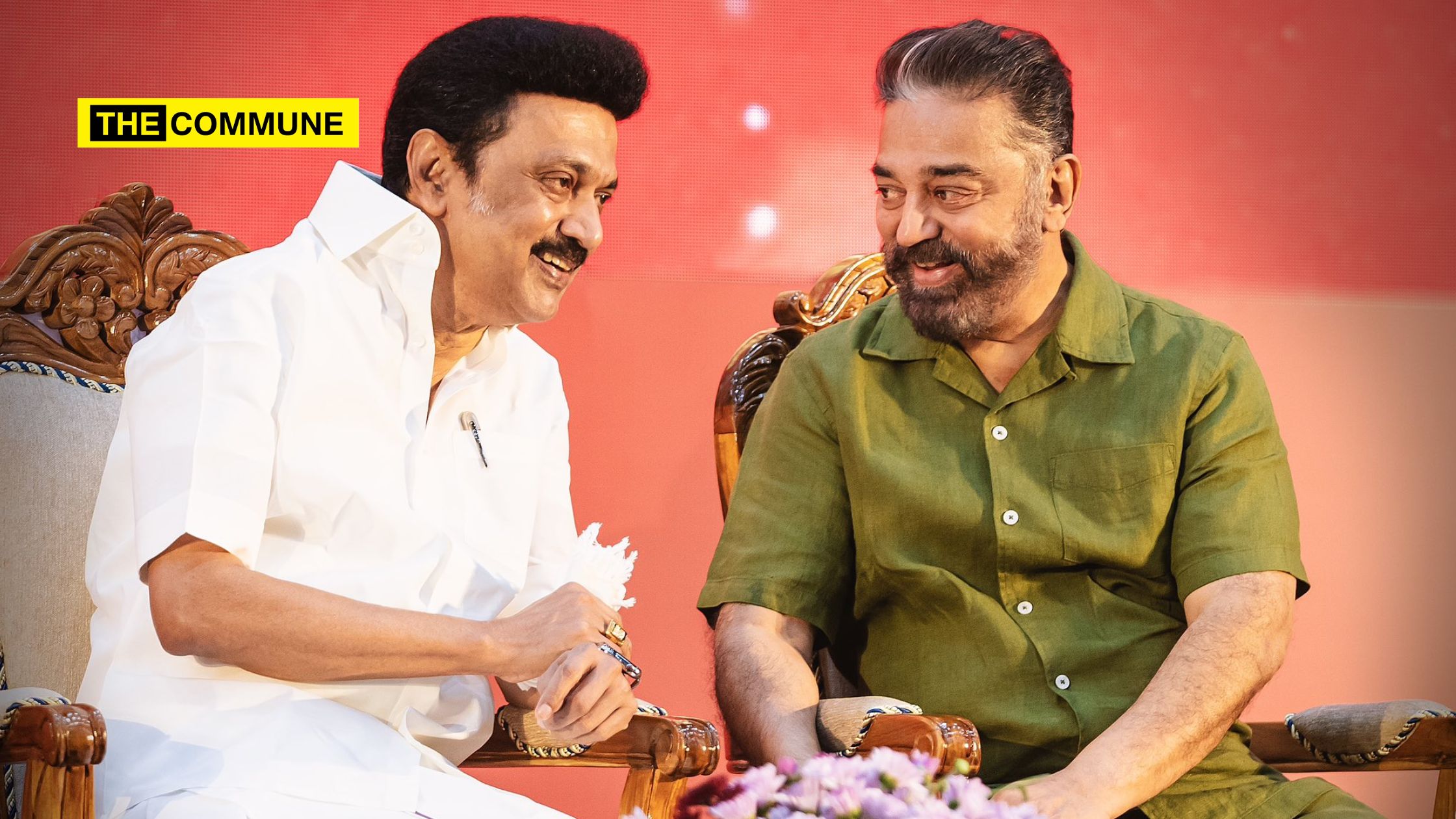
Actor-turned-politician Kamal Haasan, who has long projected himself as a staunch rationalist and outspoken critic of religious customs, filed his nomination for the Rajya Sabha on Friday, 6 June 2025 — notably on an astrologically “auspicious” muhurtam day, and conspicuously after the Rahu Kalam window had ended.

The event, held at the Tamil Nadu Secretariat, was attended by a full roster of DMK brass, including Chief Minister M.K. Stalin and Deputy CM Udhayanidhi Stalin, as well as leaders from alliance parties like VCK’s Thol. Thirumavalavan, MDMK’s Vaiko, and Tamil Nadu Congress chief K. Selvaperunthagai. The nomination marks Kamal Haasan’s formal entry into the Rajya Sabha as a representative of the DMK-allied Makkal Needhi Maiam (MNM), which he founded in 2018.

Haasan, who once infamously declared that “saffron is the colour of violence” and has regularly dismissed religious rituals as superstitious nonsense, now finds himself partaking in the very traditions he ridiculed — filing his nomination at a carefully calculated time to avoid Rahu Kalam, an inauspicious time period in traditional Tamil astrology.

MNM’s Quid Pro Quo With The DMK

The DMK, which leads the INDIA bloc in Tamil Nadu, had earlier allocated one Rajya Sabha seat to MNM as part of a political deal. In the 2024 Lok Sabha elections, MNM did not field any candidates but instead campaigned for the DMK alliance. In return, the party was promised a Rajya Sabha seat. MNM had won just 2.62% of votes in the 2021 Assembly elections — an electoral performance that wouldn’t merit a Rajya Sabha nomination under normal democratic merit, but political patronage evidently writes a different story.

With 158 MLAs between the DMK and its allies in the 234-seat Assembly, Kamal Haasan’s victory in the June 19 Rajya Sabha election is practically guaranteed. The other candidates fielded by the DMK are poet Salma, legal heavyweight and incumbent MP P. Wilson, and S.R. Sivalingam.

While Kamal Haasan may have acted in the mega flop Thug Life, the real “thug life” may be Kamal Haasan’s political trajectory — from self-declared rationalist and anti-establishment voice to a backroom-deal beneficiary of the Dravidian elite, bowing to both political power and astrological custom in a matter of days.

(With inputs from The Hindu)

Subscribe to our channels on Telegram, WhatsApp, and Instagram and get the best stories of the day delivered to you personally.
“Same Sex Couples Can Form A Family”: Says Madras High Court

In a ruling that reinforces the rights of LGBTQIA+ individuals in India., the Madras High Court has held that while same-sex marriages may not yet be legally recognised, queer individuals are fully entitled to form families and live with partners of their choice.

A Division Bench comprising Justice G.R. Swaminathan and Justice V. Lakshminarayanan made these observations while adjudicating a habeas corpus petition filed by a woman whose same-sex partner had been allegedly abducted and detained by her natal family.

Referring to the recent Supreme Court ruling in Supriyo @ Supriya Chakraborty v. Union of India (2023 INSC 920), the High Court acknowledged that, “While Supriya Chakraborty v. Union of India case may not have legalised marriage between same sex couples, they can very well form a family. Marriage is not the sole mode to found a family. The concept of ‘chosen family’ is now well settled and acknowledged in LGBTQIA+ jurisprudence.”

The Court also echoed earlier sentiments expressed by Justice N. Anand Venkatesh of the Madras High Court, who had advocated for the recognition of civil unions among same-sex couples.

Background: Abuse, Confinement, Police Inaction

The case was brought before the Court after the petitioner alleged that her partner had been forcibly taken and detained by her family. The local police, instead of intervening to assist the couple, reportedly pressured the detenue into going with her parents, who then subjected her to physical abuse and coercive “corrective” rituals aimed at changing her sexual orientation.

The detenue’s mother accused the petitioner of manipulating her daughter and alleged drug addiction. However, during a direct interaction in court, the Bench dismissed these claims.

“The detenue is aged about 25 years. She is well qualified. She appeared to be a perfectly normal looking young woman. It would be unfair to accuse her of any kind of addiction. To a specific question from us, the detenue replied that she is a lesbian and in relationship with the writ petitioner. She made it clear that she wants to go with the petitioner. She confirmed the allegation that she is being detained against her will by her natal family. It appeared that she was forcibly taken to her home and beaten.”

Yogyakarta Principles And A Mother’s Prejudice

In support of their ruling, the judges referred to the Yogyakarta Principles — an international legal framework adopted in 2006 on the application of human rights in relation to sexual orientation and gender identity.

They also drew a poignant comparison with Justice Leila Seth, the late Chief Justice of Himachal Pradesh and mother of renowned author Vikram Seth, who had openly supported her son’s coming out as gay.

“The mother of the detenue is no Leila Seth. We could understand her feelings and temperament. She wants her daughter to be like any other normal, heterosexual woman, get married and settle down in life. We endeavoured in vain to impress upon her that her daughter, being an adult, is entitled to choose a life of her own.”

The Court lamented that Justice Seth did not live to witness the Navtej Singh Johar v. Union of India judgment that decriminalised homosexuality in India.

Critique Of Terminology And Final Orders

In an aside, the Court expressed discomfort with the term “queer,” stating that conventional dictionary meanings such as “strange” or “odd” still carry pejorative undertones.

Upholding the detenue’s right to live freely with her partner, the Court delivered a strong rebuke to the authorities. “We censure the rank inaction on the part of the Police and the insensitivity shown by them. The Yogyakarta Principles affirm the right to security of the person concerned. When there is a right, there has to be a correlative duty. We hold that the Government officials, in particular the jurisdictional Police, have a duty to expeditiously and appropriately respond whenever complaints of this nature are received from the members of the LGBTQIA+ community.”

To ensure continued safety, the Court issued specific directives: “We also restrain the detenue’s natal family members from interfering with her personal liberty. We issue a writ of continuing mandamus to the jurisdictional Police to afford adequate protection to the detenue as well as the petitioner as and when required.”

Advocate M.A. Mumtaj Surya appeared for the petitioner, while Additional Public Prosecutor E. Raj Thilak represented the Respondents.

(With inputs from Verdictum)

Subscribe to our channels on TelegramWhatsApp, and Instagram and get the best stories of the day delivered to you personally.

AIADMK Slams DMK After 80-Year-Old Woman Sexually Assaulted And Murdered In Ranipet

aiadmk dmk

In the aftermath of a horrific crime in Ranipet district, the AIADMK IT Wing has strongly criticized the ruling DMK government, accusing it of failing to maintain law and order. This follows the arrest of a 19-year-old man by Arcot Town Police for the sexual assault and murder of an 80-year-old woman in a village under Arcot taluk.

On 5 June 2025, the AIADMK IT Wing, through its official X account, posted, “Sexual assaults happening under Vidya’s regime from young girls to elderly women! If this is the condition of elderly women, what about the plight of young girls?”

This statement came in response to a disturbing incident that occurred on 3 June 2025. The accused, identified as S. Nandakumar from Kathiyavadi village, allegedly entered the elderly woman’s residence in an intoxicated state around 5:30 PM. The woman, a brick kiln owner, lived with her son, granddaughter, and great-grandchildren in a small house within her mango grove.

According to preliminary investigations, Nandakumar forcibly entered the home and assaulted the woman. When she tried to flee, she fell and sustained injuries. He then dragged her out of the house. The entire incident was captured on CCTV installed at the property.

Later that evening, upon returning home, the victim’s granddaughter checked the footage on her phone and was horrified to witness the assault. She rushed to the scene and found her grandmother critically injured. Authorities were immediately alerted, and the woman was taken to the Government Medical College Hospital in Vellore, where doctors declared her brought dead.

Police registered a case under Sections 64(1) (rape) and 103(1) (murder) of the Bharatiya Nyaya Sanhita (BNS). Investigators learned that Nandakumar, who had been working as an electrician in the area for the past three years, was familiar with the woman’s residence and had been seen frequently lingering nearby.

To locate the suspect, police reviewed CCTV footage from surrounding roads and public junctions. After matching the images with local residents’ input, officers traced his native village and apprehended him near a hillock on the evening of 4 June. Nandakumar was formally arrested, and further investigations are underway.

Subscribe to our channels on TelegramWhatsApp, and Instagram and get the best stories of the day delivered to you personally.

Kollywood P** Film Factory: Dravidian Model Curse Is Sinking Tamil Cinema Into A Propaganda Pit Of Flops While Mollywood, Tollywood And Sandalwood Shines

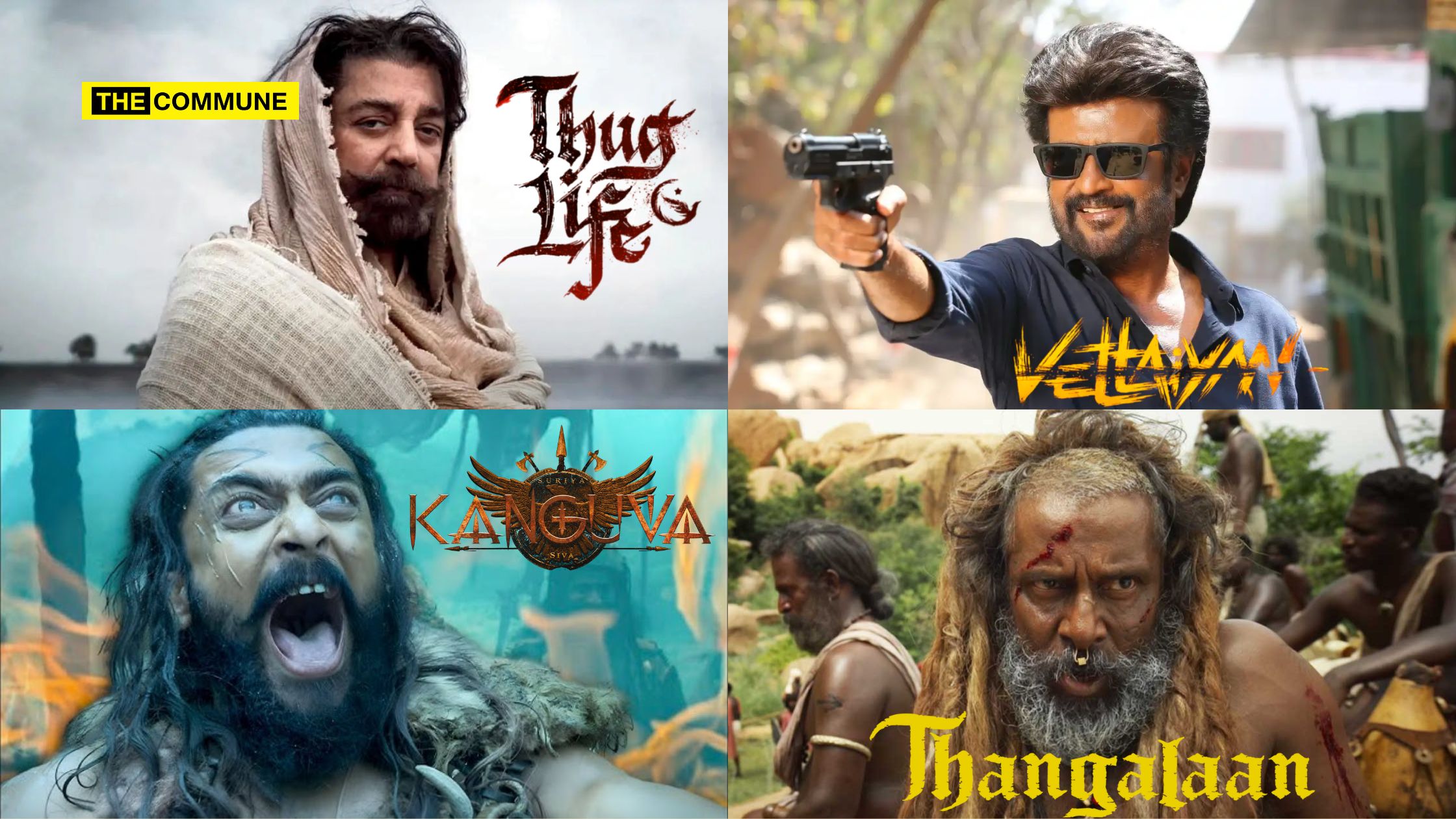
The past few years have exposed a dramatic shift in South Indian cinema—Telugu and Kannada films are conquering pan-India audiences with record-breaking hits, while even A-list Tamil stars are facing shocking rejections in their own backyard. Blockbusters like Hanu ManPushpa 2, and KGF dominated screens across India, whereas Tamil cinema’s biggest bets—Indian 2Lal SalaamVettaiyan, and Kanguva—have crashed spectacularly.

What explains this growing divide? Is it purely about content, or is there a deeper political backlash at play? This analysis dives into:

  • Tamil cinema’s shocking flop streak—why star power alone isn’t working anymore
  • Telugu & Kannada’s winning formula—how universal emotions and rooted storytelling beats propaganda films
  • The DMK factor—are audiences rejecting films from politically aligned stars or is it a jinx?
  • The future of Tamil cinema—can it recover lost ground, or will Malayalam, Telugu & Kannada keep leading?

The numbers don’t lie—this isn’t just a slump, but a seismic shift in South Indian cinema’s power dynamics. Let’s break it down.

Tamil Cinema’s Dismal Performance Over The Past Few Years

The Tamil film industry has experienced one of its most challenging years in 2024, with staggering financial losses and an alarming number of box office failures. Producers incurred ₹1,000 crore in losses from ₹3,000 crore spent on film production. There’s abysmal success rate as only 18 out of 241 released films succeeded, marking a 7% success rate with 223 flops.

Big-Budget Disasters Due To Dravidian Model Curse

High-profile films with major stars failed spectacularly:

1. Indian 2 – Hyped for reunion of Kamal-Shankar combo, the film tried to peddle DMK rhetoric and ended up as a disaster

2. Kanguva – DMK simp Suriya’s alleged 3D film turned out to be trash

3. Vettaiyan – Made by two-bit Dravidian propagandist TJ Gnanavel against NEET became another consecutive flop Rajinikanth

4. Lal Salaam – Another Dravidian Model propaganda on secularism turned out to be the worst film ever in Rajini’s career, courtesy his daughter

5. Thangalaan – A wannabe KGF turned into typical Dravidianist diarrhoea — with a pathetic storyline and worse visuals, it peddled anti-Brahmin stereotypes, de-Hinduised village deities, distorted Varna and Vishnu references, misused Buddha and Ramanuja, and glorified Christianity and Islamist tyrant Tipu Sultan

6. Viduthalai 2 – The communist-themed movie directed by the Dravidianist filmmaker Vetrimaaran, ended up as epic bore that glorifies Maoist violence and forces ideological propaganda through lectures

7. RetroOverrated director and another Dravidianist propagandist Karthik Subbaraj gave another flop for DMK simp Suriya

8. Thug Life – DMK stooge Kamal Haasan’s outing with Mani Ratnam turned out be torture that is not even worth an OTT watch

These are just a few P** films of famous stars that ended up as disasters. There are so many nondescript heavily ideological indoctrinating films that have come and gone.

Kollywood seems cursed by the Dravidian Model — actors and directors who simp for the DMK dynasty are watching their careers nosedive. If you trace the common thread running through these cinematic disasters, the pattern is as clear as daylight — either the actor, the director, or the film itself was neck-deep in Dravidianist, DMK propaganda. And Tamil audiences have had enough.

Take Suriya, for instance — who shamelessly morphed into a DMK lapdog ahead of the 2021 Assembly elections. In Soorarai Pottru, he distorted the real-life story of Captain Gopinath — a proud Kannada Brahmin — by portraying him as a follower of E.V. Ramasamy Naicker. Facts were twisted to fit a toxic ideological narrative.

Then came Jai Bhim, directed by the ever-consistent Dravidianist propagandist T.J. Gnanavel. Again based on a real incident, the film not only vilified Brahmins but went a step further by maligning the Vanniyar community. The villain, SI Anthony Sami, is shown alongside the sacred Agni motif — a clear nod to the Vanniyars. But in reality, the actual sub-inspector who brutalised Rajakannu was named Anthony Sami and was not Vanniyar, but a converted Christian. Truth, once again, took a backseat to ideological storytelling.

Gnanavel doubled down with Vettaiyan, where he glorified British colonialists — a classic Dravidianist move — and launched a full-scale propaganda war against NEET, with Rajinikanth parroting the script. No surprise that Rajini’s films, ever since Kabali and Kaala, have struggled to recreate the magic. When you replace substance with sermon, the audience tunes out.

Pa. Ranjith’s Natchathiram Nagargiradhu and Thangalaan? Box office duds. Vetri Maaran, another loud leftist-Dravidianist voice, faced a serious setback with Viduthalai Part 2. And Kamal Haasan — now reduced to a DMK mascot — has delivered back-to-back disappointments with Indian 2 and Thug Life.

The message from Tamil people is unmissable: stop selling us political trash dressed up as cinema. We go to the theatre to be inspired, entertained, and told stories — not to be preached at, stereotyped, or subjected to ideological indoctrination.

When filmmakers trade creativity for caste-baiting, Hindu-bashing, and dynasty worship, the people respond the only way they know how — by staying home. And the box office shows no mercy to those who mistake propaganda for art.

The Telugu-Kannada Domination: How They’re Rewriting Pan-Indian Cinema

While Tamil films flounder, Telugu and Kannada cinema are setting new benchmarks, proving that content—not just star power—drives success. Their winning streak isn’t accidental; it’s a masterclass in modern filmmaking.

  • Lucky Bhaskar (Dulquer Salmaan) didn’t just earn ₹111.9 crore—it swept state awards, proving mass appeal and critical acclaim can coexist.
  • Pushpa and RRR aren’t just films—they’re cultural phenomena, with global fandom and Oscar-level recognition for RRR.
  • Even mid-budget films like Hanu Man explode beyond expectations, thanks to visionary storytelling.
  • KGF didn’t just break records—it redefined what regional cinema could achieve, with a pan-India frenzy rarely seen before.
  • Kantara became more than a film—it sparked a nationwide revival of South Indian folklore, grossing ₹400+ crore while turning the ancient Bhoota Kola ritual into a cultural talking point. Its raw authenticity and mystical storytelling resonated globally, earning a National Award and setting the stage for a highly anticipated prequel

The Tamil Film Crisis: A Perfect Storm Of Failures

The recent string of high-profile Tamil flops reveals deeper issues plaguing the industry. Kamal Haasan’s much-anticipated Thug Life, reuniting with legendary director Mani Ratnam, was panned as a “bloated, incoherent gangster drama” filled with political undertones and cringe-worthy monologues. Similarly, Indian 2—despite Shankar’s direction and Kamal’s star power—was criticized for its “hollow script, absurd action sequences, and virtue-signaling narrative.”

Suriya’s Kanguva became a national laughingstock, with audiences mocking its “repetitive 3D visuals and disastrous screenplay.” Even Rajinikanth couldn’t save Vettaiyan, which saw a sharp drop after its opening weekend due to accusations of ideological propaganda and weak storytelling.

Industry analysts point to several key reasons for this downturn:

Overdependence On Star Power – Tamil cinema has long relied on its megastars to carry films, but audiences are now rejecting hollow scripts masked by big names.

Political Fatigue – Films perceived as promoting Dravidianist (DMK)-aligned narratives, such as Lal Salaam and Vettaiyan, are facing backlash from viewers who prefer entertainment over propaganda.

Weak Scripts & Recycled Tropes – Many recent Tamil films suffer from outdated storytelling, poor character development, and forced messaging, while Telugu and Kannada cinema invest in fresh, universal narratives.

Telugu-Kannada’s Winning Streak: What Are They Doing Right?

In stark contrast, Telugu and Kannada industries are thriving by focusing on strong content, innovative marketing, and pan-Indian appeal.

Kantara’s Success Story – Rishab Shetty’s Kantara became a cultural phenomenon by blending Karnataka’s tradition with a gripping, universally relatable conflict. Unlike Tamil films burdened with political baggage, Kantara stayed true to its roots while appealing to a national audience.

Pushpa & KGF’s Mass Appeal – Both franchises transcended regional boundaries with raw, high-energy storytelling, proving that strong scripts and bold execution matter more than star power alone.

Hanu Man’s Surprise Win – The Telugu superhero film Hanu Man outperformed expectations by delivering a visually stunning experience without leaning on political or ideological crutches.

The Road Ahead For Tamil Cinema

For Tamil films to regain lost ground, industry insiders suggest a return to basics:

Depoliticize – Stop alienating audiences with politically (Dravidianist)-aligned messaging. Cut your service to the DMK first family. Enough is enough. Don’t push an industry into abyss for your political virtue-signalling.

Innovate – Move beyond star vehicles and formulaic scripts. Big stars who are past their heydays should either gracefully retire or do character roles or atleast act their age. Rajiinkanth and Kamal can learn a thing or two from Mohanlal and Amitabh Bachchan.

Think Bigger – Craft universal but rooted stories, not just focus on propaganda.

With major Tamil releases like Coolie (Rajinikanth), Idly Kadai (Dhanush), Dhruva Natchathiram (Vikram), etc lined up for 2025, the industry has a chance to course-correct. But unless it learns from Telugu and Kannada cinema’s success, the decline may only deepen.

Vallavaraayan is a political writer. 

Subscribe to our channels on Telegram, WhatsApp, and Instagram and get the best stories of the day delivered to you personally.
Dravidian Model Hospital Management: Tiruvallur Govt Hospital Mistakenly Dispatches TN Man’s Corpse To Bihar

tiruvallur govt hospital dravidian model corpse bihar

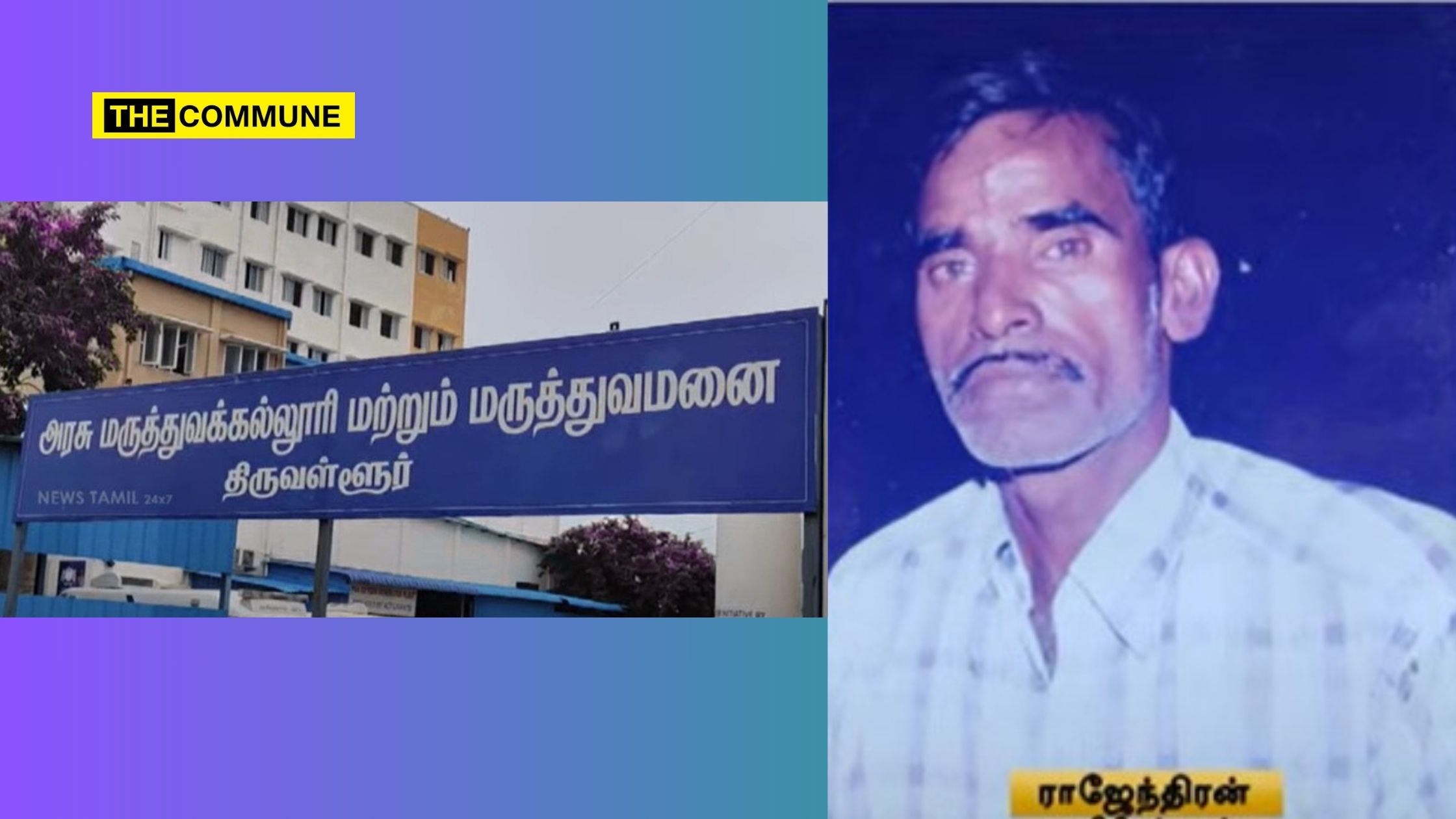
In a deeply troubling case of alleged medical negligence under the Dravidian model of medical health care management, the body of a deceased Tamil Nadu man was mistakenly sent to Bihar from the Tiruvallur Government Hospital, sparking outrage among family members and demands for urgent action against those responsible.

The incident began when Rajendran, a 60-year-old agricultural labourer from Pooji Reddy Palli village near Tiruttani in Tiruvallur district, consumed pesticide in a suspected suicide attempt, reportedly due to severe stomach pain. He was initially admitted to Tiruttani Government Hospital and later referred to Tiruvallur Government Hospital for further treatment. Tragically, he died before receiving any medical care.

Following his death, hospital staff instructed Rajendran’s family to store his body in the hospital mortuary and obtain a police clearance for an autopsy. However, when the family returned with the necessary documents, Rajendran’s body had gone missing.

According to Rajendran’s younger brother Vignesh, the family was left confused and devastated when they found another unidentified body in place of Rajendran’s. “We searched everywhere. When we saw that the body wasn’t his, we were in shock. His features didn’t match. Still, hospital staff kept insisting it was him and tried to convince us otherwise,” Vignesh said, recounting the incident.

The twist emerged when it was discovered that Rajendran’s body had been mistakenly handed over to the relatives of another deceased individual — a migrant worker from Bihar named Manoj Mansi, who had also died at the same hospital around the same time. Both bodies, classified as unidentified due to a lack of proper documentation, were kept in the same mortuary. In a critical error, Rajendran’s body was taken in an ambulance to Bihar under the assumption that it was Mansi’s.

The family’s lawyer and local advocates worked overnight to trace the ambulance and contacted the police, who managed to stop the vehicle en route. The hospital and ambulance service, meanwhile, reportedly remained evasive and uncooperative. “From 11 AM to 3 AM, they gave vague responses,” Vignesh said. “It was only after media intervention and our own efforts that we found out Rajendran’s body had been sent to Bihar.”

The police were eventually able to locate the vehicle transporting the body and instructed it to return to Tamil Nadu. The family now awaits the repatriation of Rajendran’s remains.

Relatives, including their legal representative Muthu, have demanded swift intervention from the Tamil Nadu Health Minister and strict action against the hospital staff responsible for the blunder.

“This isn’t a small mistake. A human body was mishandled, and a grieving family was put through unimaginable trauma,” said Muthu. “The Health Minister must intervene directly, identify those at fault, and ensure they are held accountable — publicly. Only then will the public regain trust in the state’s medical system.”

The incident has raised serious concerns about the hospital’s morgue management and record-keeping practices. No official response has yet been issued by the Tamil Nadu Directorate of Medical Education or the Health Department.

Subscribe to our channels on Telegram, WhatsApp, and Instagram and get the best stories of the day delivered to you personally.
“Delimit Your Corruption First”: AIADMK General Secretary EPS Tears Into CM Stalin’s Delimitation Outrage

AIADMK Gen Sec Edappadi Palaniswani Demands DMK Govt End 'Cruel' Use Of Students For Agricultural Survey. stalin anna university sexual assault case eps delimitation

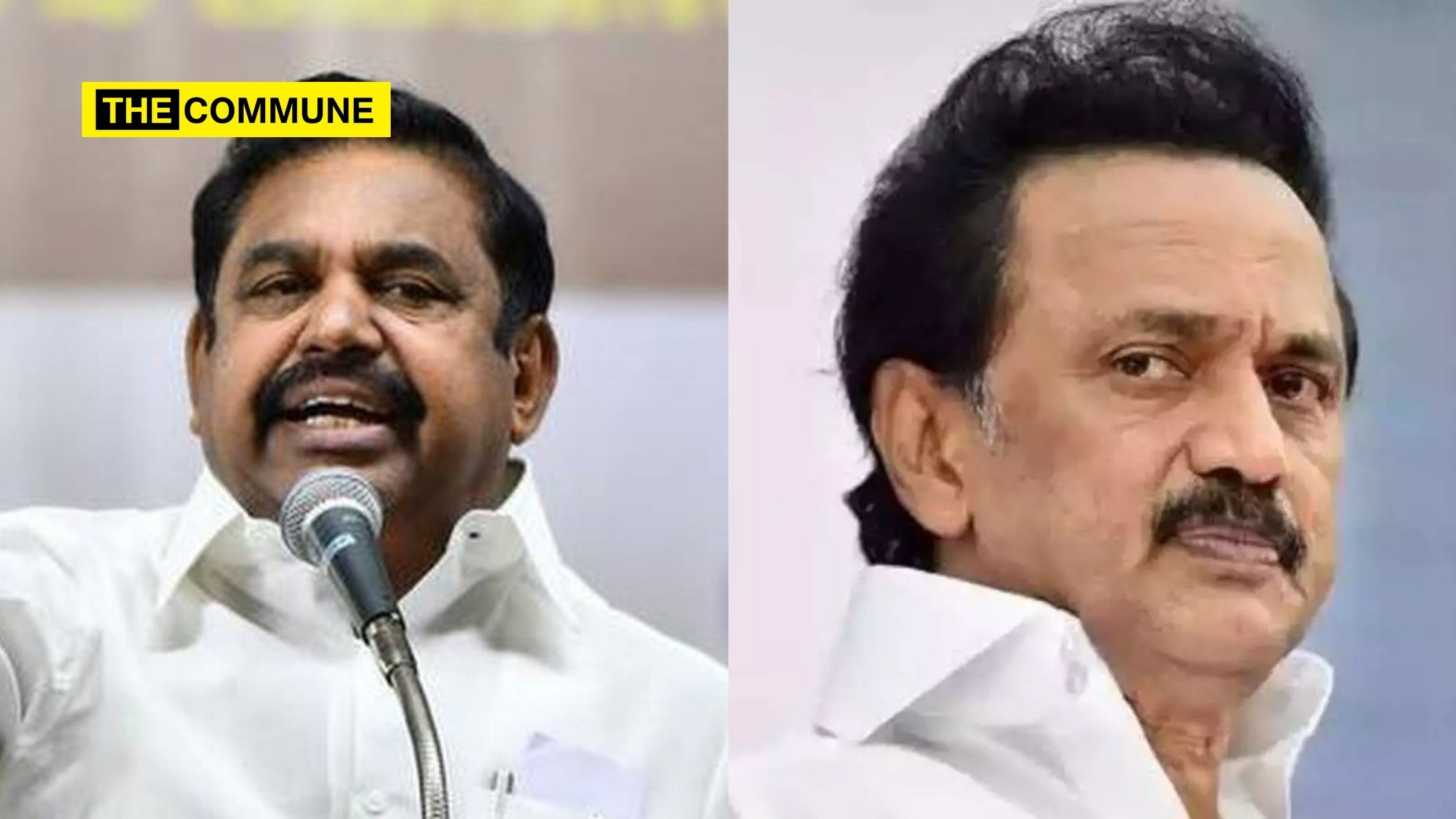
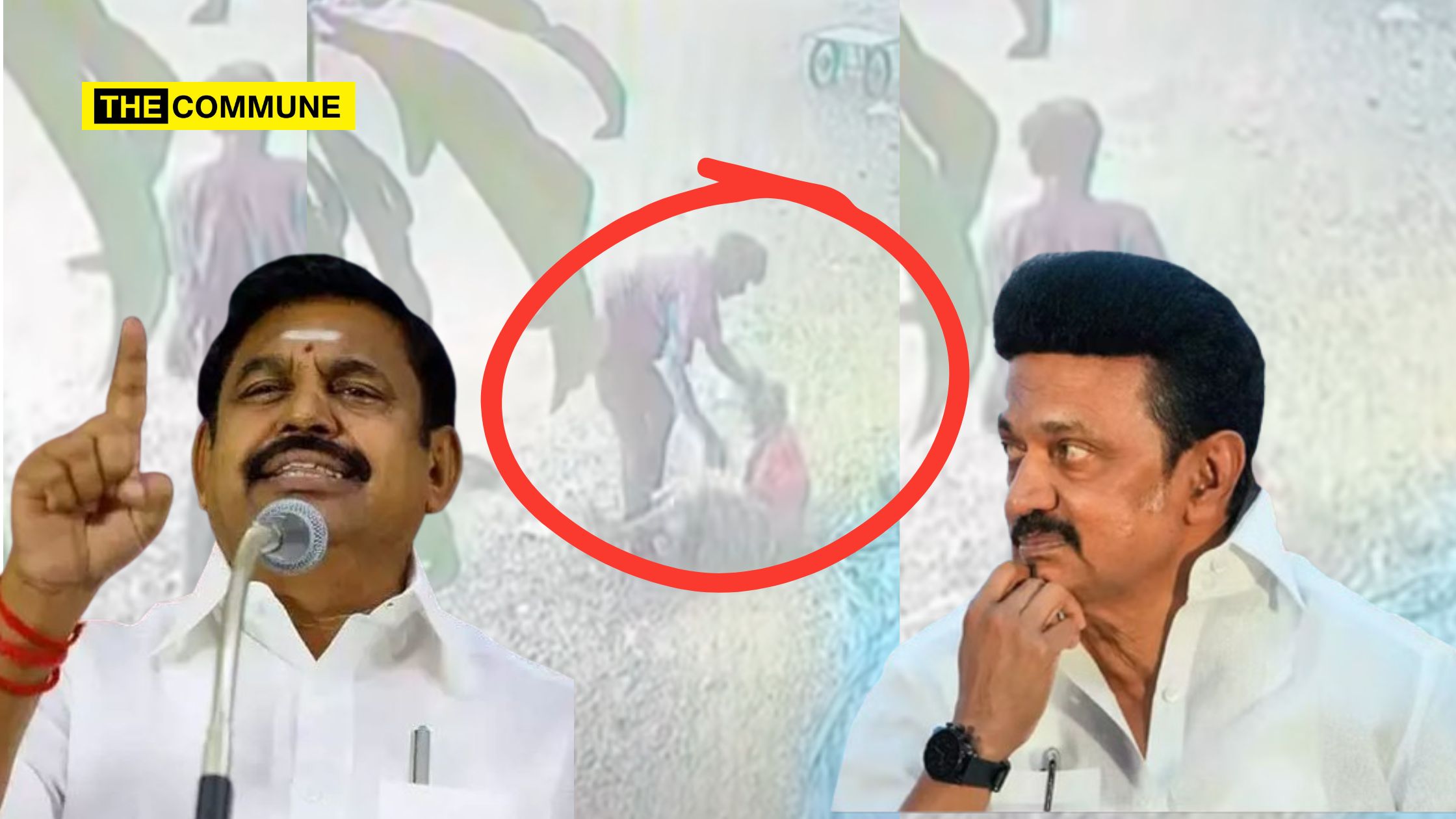
In a fiery rebuttal to Chief Minister MK Stalin’s recent statement on the Centre’s proposed delimitation and census delay, AIADMK General Secretary Edappadi K. Palaniswami (EPS) launched a scathing attack, accusing the DMK regime of hypocrisy, corruption, and dynastic arrogance.

Responding to Stalin’s claims that the BJP-led Union government was attempting to reduce Tamil Nadu’s representation through unfair delimitation, EPS countered that the real injustice lies within the DMK’s own rule. He lashed out at the DMK government, demanding a “delimitation” of what he called rampant TASMAC corruption, drug mafia operations, illicit liquor networks, and the growing influence of political rowdyism.

EPS invoked the legacy of AIADMK icons — Perarignar Anna, M.G. Ramachandran, and J. Jayalalithaa — emphasizing their lifelong struggle for Tamil Nadu’s dignity, water rights, and caste-based reservations. Dismissing Stalin’s criticism of the Centre as political theatre, EPS accused the DMK of manufacturing a “fear narrative” around delimitation to divert attention from the administration’s alleged failures. He reminded the public that he had already conveyed Tamil Nadu’s concerns to Union Home Minister Amit Shah and reiterated that AIADMK would never support any move that compromises the state’s representation.

EPS accused the DMK of abandoning real issues faced by the public — such as rising unemployment, law and order failures, and women’s safety — while indulging in theatrics over future hypotheticals like delimitation.

On his X handle quoting Stalin’s statement, EPS wrote, The puppet CM speaks of “Fair delimitation” while presiding over the most unfair, corrupt, and dynastic regime Tamil Nadu has ever seen. First, Delimit the TASMAC loot. Delimit the drug mafia. Delimit illicit liquor. Delimit rowdyism. Delimit the corruption of your ministers. And most importantly, delimit your family’s arrogance and stranglehold over Tamil Nadu. The AIADMK stands firm on the immortal principles of Perarignar Anna, Puratchi Thalaivar MGR, and Puratchi Thalaivi Amma — towering leaders who fearlessly fought for Tamil Nadu’s dignity, Cauvery rights, and caste-based reservation. I vow before every Tamilian: We will never allow our representation to be reduced or our voice to be silenced. In 2027, or whenever delimitation may come, #AIADMK — back in power — will fiercely defend Tamil Nadu’s rightful voice and future. And to the puppet CM, a humble message: Stop using this distraction to cover up your failures and scams. The people of Tamil Nadu are tired of your drama and crocodile tears.”

In tamil, he continued, “It’s 6 in the morning, mother,” is like a comedy movie. I told the Honorable Union Home Minister when I met him that whenever the constituency reorganisation takes place, the rights of Tamil Nadu should not be affected. There is no change in my position. If there is a situation where Tamil Nadu’s representation decreases, I will be the first voice to oppose it! The DMK alliance includes parties that write the slave charter at the time of the alliance announcement, but no one here is like that!

Stalin continues to do the work of “The tiger is coming; the tiger is coming” to show something that has not yet come. The people of Tamil Nadu will no longer believe Stalin’s usual Goal Post changing politics, which tries to hide the miseries of his regime with this.

In fact, the people of Tamil Nadu are clearly in their minds about #Delimitation and Hindi imposition. But under the rule of this Thieves Progress Association in Tamil Nadu, people are losing their livelihoods every day, carrying shame, without employment opportunities, and without security for their women at home! Mr. Stalin – stop the politics of change and first talk about how to address the rowdiness and thefts happening under your rule, not with bullets, but on the ground! @CMOTamilnadu”

Stalin Slams Centre Over Census Delay, Targets EPS

On 4 June 2025, Tamil Nadu Chief Minister MK Stalin launched a scathing attack on the BJP-led central government, accusing it of using the delay in the national census to manipulate the upcoming delimitation of parliamentary constituencies, potentially diminishing Tamil Nadu’s representation in the Lok Sabha.

In a strongly worded statement, Stalin demanded transparency from the Centre, questioning how delimitation would be conducted in the absence of updated census data.

Stalin also targeted AIADMK leader Edappadi K. Palaniswami (EPS) for reviving ties with the BJP, accusing him of betraying Tamil Nadu’s interests. “EPS has surrendered to Delhi’s domination,” he remarked.

On his X handle, he wrote, The Indian Constitution mandates that #delimitation must follow the first Census after 2026. The BJP has now delayed the Census to 2027, making their plan clear to reduce Tamil Nadu’s Parliamentary representation. I had warned about this. It is now unfolding. By siding with the BJP, Palaniswami is not just silent but complicit in this betrayal. It’s now clear that he has surrendered to Delhi’s domination. The people of Tamil Nadu are united as one in their demand for a Fair Delimitation. We need clear answers from the Union Government.”

The core concern revolves around population-based delimitation, which critics say would disproportionately benefit northern states with higher population growth, while penalising southern states like Tamil Nadu that have successfully controlled their population over the past decades. Currently, Tamil Nadu holds 7.2% of Lok Sabha seats.

Southern leaders fear that the delimitation exercise, based on outdated or skewed data, could erode the political voice of their states in Parliament. A few months ago, Stalin convened a major conclave in Chennai, bringing together regional leaders and chief ministers to demand a more equitable approach.

The BJP has dismissed such fears as “unfounded and baseless.” Union Home Minister Amit Shah had previously sought to allay concerns, assuring that Tamil Nadu would “not lose even a single seat” during the next delimitation.

(With inputs from NDTV)

Subscribe to our channels on Telegram, WhatsApp, and Instagram and get the best stories of the day delivered to you personally.
800-Year-Old Shiva Temple Unearthed In Madurai: A Stunning Discovery From The Pandya Era

madurai shiva temple pandya era

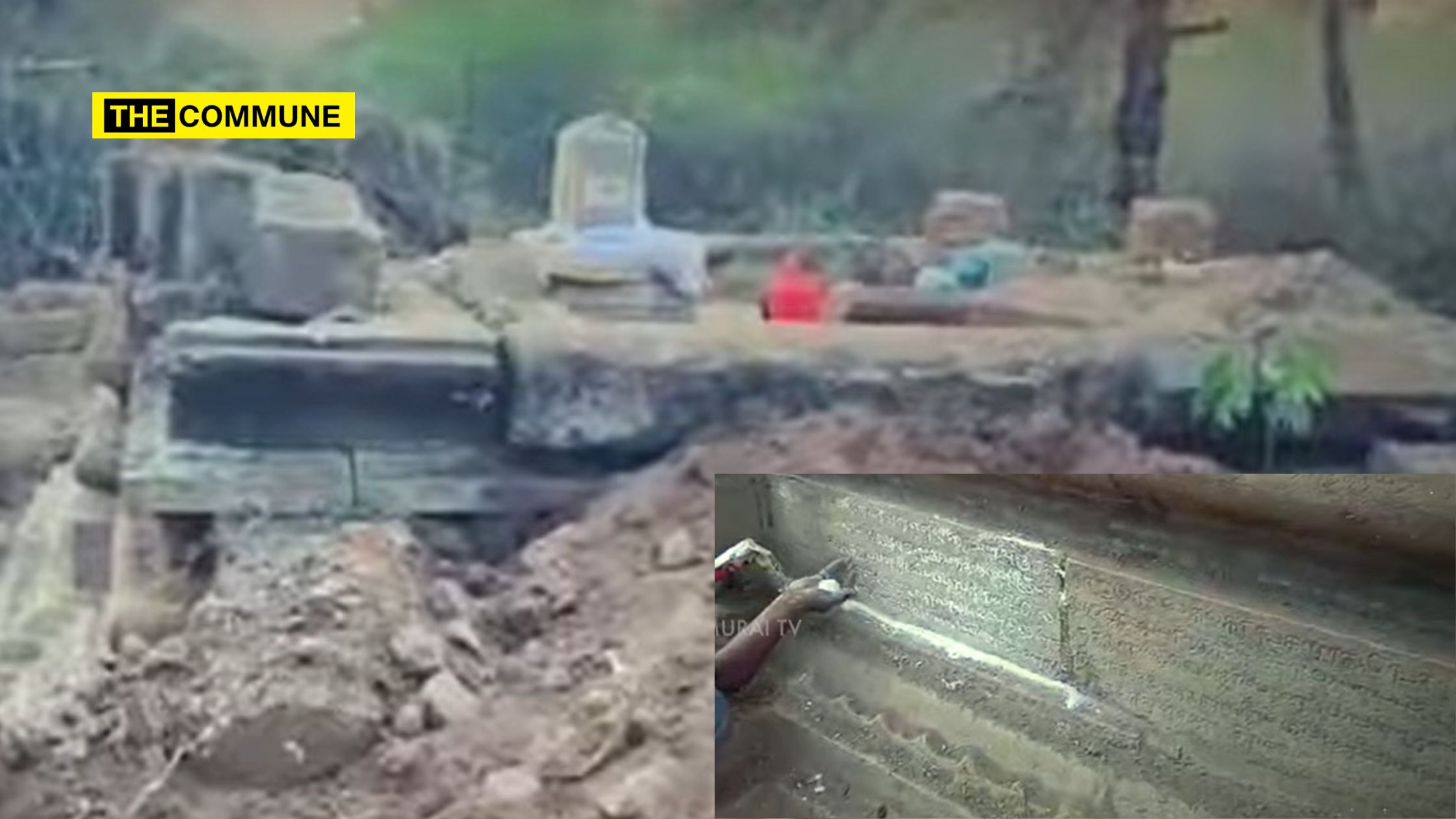
In a remarkable archaeological find, an 800-year-old Shiva temple has been unearthed in Udanpatti village near Melur, in Madurai district. The temple, which had been buried underground for centuries, came to light during routine excavation work in April this year.

Following the discovery, experts from the sculpture department, including archaeologist Arivu Selvam from the Devi Archaeological Research Centre, began a detailed investigation of the site. Their research has revealed stunning insights into the temple’s origins and historical significance.

Careful examination of statues and inscriptions at the site confirmed that the temple dates back to the reign of Maravarman Sundara Pandyan I, with inscriptions dated between 1217 and 1218 AD. The temple’s original name was identified as Thennavan Eeswaram, and the village of Udanpatti was historically known as Attur, according to the inscriptions found.

The architecture reflects the distinct style of the Pandya dynasty, with stone carvings and idol placements typical of that era. Notable idols found at the site include those of Lord Vinayagar, Dakshinamoorthy, and Amman.

The discovery has drawn large numbers of locals and devotees, who are visiting the site in awe. Archaeologists consider this find a significant addition to Tamil Nadu’s rich temple heritage and continue to study the site for further insights.

Subscribe to our channels on Telegram, WhatsApp, and Instagram and get the best stories of the day delivered to you personally.