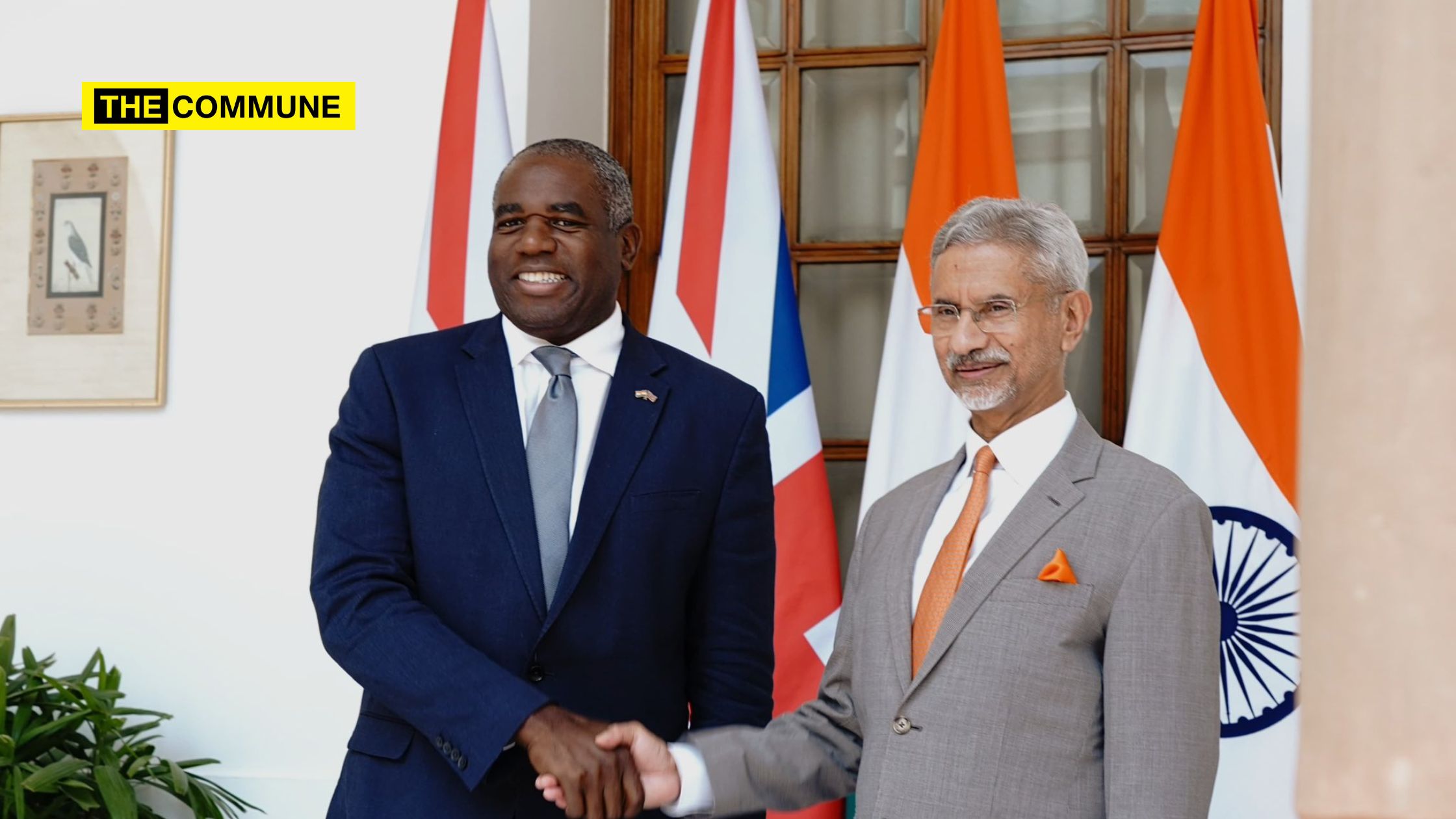
External Affairs Minister (EAM) S Jaishankar on 7 June 2025, thanked the government of the United Kingdom for standing shoulder to shoulder with India in its fight against terrorism to bring the perpetrators of heinous 22 April Pahalgam terror attack to justice.
“At the outset, let me thank the Government of the United Kingdom for the strong condemnation of the barbaric terrorist attack in Pahalgam in the Union Territory of Jammu and Kashmir and for your solidarity and support to India in the fight against terrorism. We practice a policy of zero tolerance against terrorism and expect our partners to understand it, and we will never countenance perpetrators of evil being put at par with its victims,” EAM Jaishankar said in his opening remarks during the delegation-level talks with David Lammy, Foreign Secretary of the UK at the Hyderabad House in New Delhi.
Lammy arrived in the Indian capital on 7 June morning for a crucial two-day official visit aimed at reviewing and advancing the UK-India economic and migration partnership. He called on Prime Minister Narendra Modi before engaging in bilateral discussions with the External Affairs Minister.
“David, very pleased to welcome you back to India. You have just had a very good meeting with Prime Minister Modi, and I think your visit at this time gives us an occasion to assess our comprehensive strategic partnership, which I believe has strengthened across all sectors in recent times. We have had very regular high level political and official interactions,” said the EAM.
Lammy’s day-long India visit follows the recent historic Free Trade Agreement (FTA) signed between the two countries on 6 May which, along with the Double Contribution Convention, said Jaishankar, is truly a milestone which will not only propel the two-way trade and investment but will have also have a positive effect on other strategic aspects of India-UK bilateral ties besides also contributing to the strengthening of supply and value chains.
“Since your last visit to India, there have been significant initiatives which both of us have taken and those initiatives have progressed well. I would single out the Technology Security Initiative (TSI) which will enable deeper collaboration in strategic technology sectors of AI, Semiconductors, Telecom, Quantum, HealthTech/ Bio-Tech, Critical Minerals and Advanced Materials,” the EAM stated.
“We have also launched the Strategic Exports and Technology Cooperation Dialogue, the first meeting of which was held, I believe, this week. This will enhance among others the TSI’s effectiveness in promoting trade in critical and emerging technologies, including the resolution of relevant licensing or regulatory issues,” he added.
The UK Foreign Secretary’s visit is seen as an important step in preparing the ground for a potential visit to India by UK Prime Minister Keir Starmer in the near future. EAM Jaishankar said that the UK-India infrastructure financial bridge can unlock quality long term capital flows from the United Kingdom to India, and that would also surely contribute to infrastructure development. As per UK government projections, the new trade deal will increase bilateral trade by over £25 billion annually, raise UK’s GDP by £4.8 billion, and enhance wages by £2.2 billion each year, resulting in tangible economic benefits for working-class citizens.
“There is very good collaboration in the education sector with many more universities, I believe, planning to establish their campuses in India, and on the people – to – people ties front, we had the privilege – I myself had the honour – to open two new consulates in Manchester and Belfast. So, there is so much more that we can talk about and that is indeed why we are meeting,” he remarked. After meeting PM Modi and holding talks with EAM Jaishankar, Lammy is scheduled to engage with key figures in the Indian industry to explore ways to increase Indian investment in the UK and unlock new opportunities in both markets.
In addition to meetings with the top Indian officials, he will also hold discussions with Union Minister of Commerce and Industry Piyush Goyal, later in the day. Ahead of his visit, the UK Foreign Office said that Lammy is also expected to address the recent escalation in tensions following the Pahalgam terrorist attack and how the welcomed sustained period of peace can be best supported in the interests of stability in the region.
-IANS
Subscribe to our channels on Telegram, WhatsApp, and Instagram and get the best stories of the day delivered to you personally.
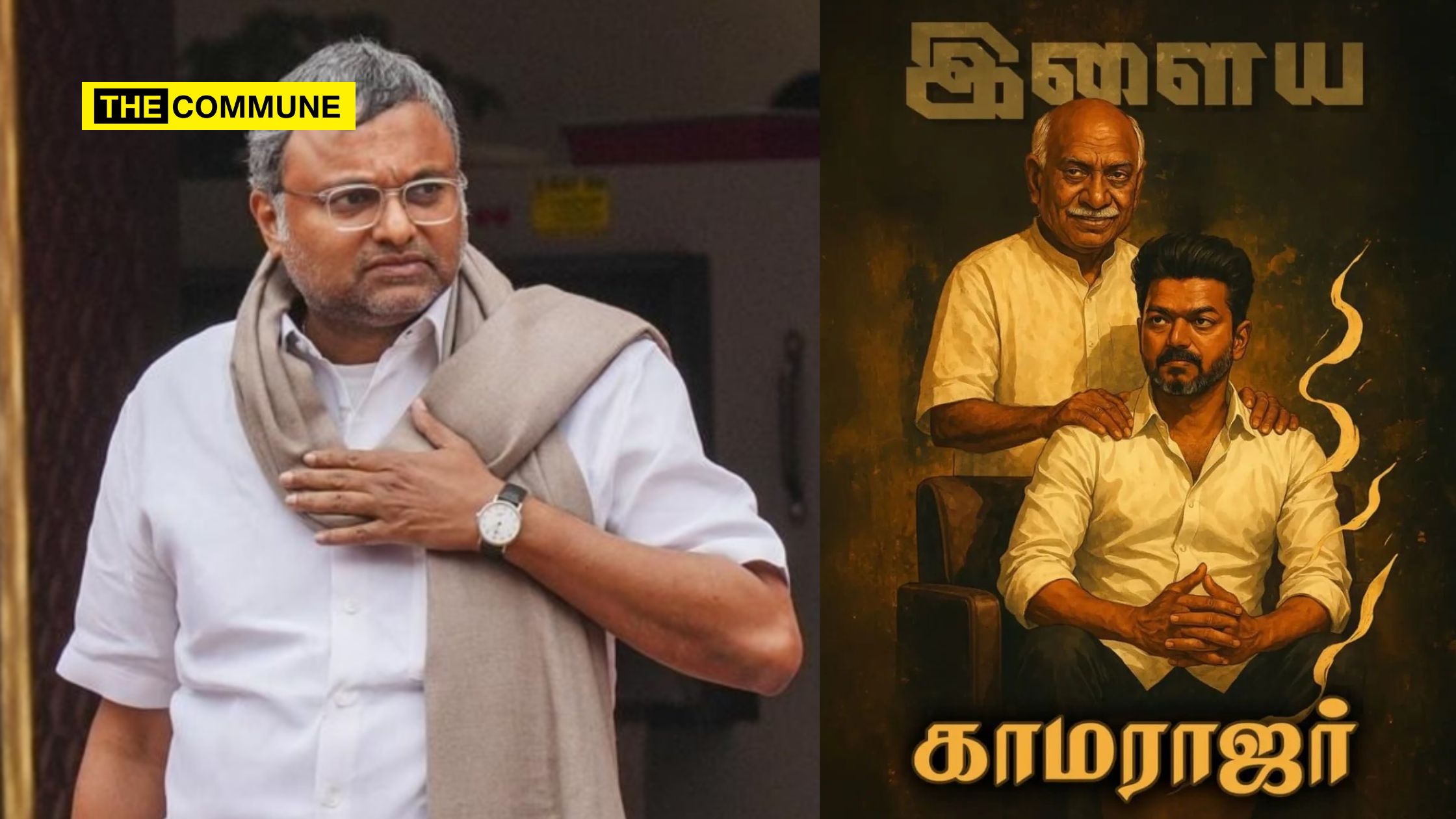
Sivaganga Congress MP Karti Chidambaram has sharply criticized the Tamilaga Vettri Kazhagam (TVK) for calling its party president and actor-turned-part-time-politician Vijay as “Ilaya Kamarajar” comparing him with the revered former Chief Minister K. Kamaraj, whose legacy transcends political boundaries in Tamil Nadu.
In a social media post, Karti wrote, “This is an outright insult to Perunthalaivar, those who posted this expose their lack of political & historical knowledge.”
This is an outright insult to Perunthalaivar, those who posted this expose their lack of political & historical knowledge. https://t.co/TEHum7N1UG
His remarks reflect widespread public sentiment condemning as an inappropriate comparison between a cinematic celebrity with minimal political experience and a statesman of Kamaraj’s stature.
Kamaraj was widely admired for his simplicity, integrity, and selfless dedication to public service. A lifelong bachelor, he lived modestly and passed away in 1975 without owning any property. At the time of his death, his personal belongings amounted to just ₹130 in cash, two pairs of sandals, four sets of shirts and dhotis, and a handful of books.
Known for embodying Gandhian values, Kamaraj wore a simple khadi shirt and dhoti throughout his life. His humble lifestyle and deep commitment to ethical politics earned him the affectionate title “Black Gandhi” among the people. He consistently refused special privileges and luxuries. For example, during his tenure as Chief Minister, when the municipality of Virudhunagar installed a direct water connection to his house, he promptly ordered it to be removed, insisting that public utilities were meant for the people, not for individual benefit. He also declined police protection, viewing it as an unnecessary use of public resources.
Though he had no formal higher education, Kamaraj displayed remarkable wisdom, keen insight, and a deep understanding of human nature—qualities that led to him being known as Padikkatha Methai (the unlettered genius). He believed that any goal could be achieved through the right means and emphasized action over rhetoric, earning him titles like Karma Veerar (Man of Action) and Perunthalaivar (Great Leader) in Tamil Nadu.
His influence extended beyond India. Former U.S. Vice President Hubert Humphrey once described Kamaraj as one of the greatest political leaders in the world.
Kamaraj, fondly remembered as the Father of Education in Tamil Nadu, made landmark contributions during his tenure as Chief Minister from 1954 to 1963. Despite lacking formal education himself, he revolutionized the state’s education system. He introduced free education for the underprivileged, initiated the Midday Meal Scheme to tackle child hunger and school dropouts, and raised the literacy rate from a dismal 7% to 37%. He expanded access to education, extended the academic calendar, and reformed the curriculum to meet diverse student needs.
Kamaraj was also instrumental in laying the foundation for Tamil Nadu’s industrial and infrastructural growth. He played a key role in establishing IIT Madras and oversaw major irrigation projects such as the Lower Bhavani Dam, which alone brought over 2 lakh acres under cultivation. His tenure also witnessed the rise of major industries like Neyveli Lignite Corporation, BHEL in Trichy, and the Manali Refinery, along with significant progress in sectors like paper, sugar, and cement. His governance model remains a benchmark for political integrity and public welfare.
In stark contrast, actor Vijay’s political foray is relatively new, and critics argue that his contributions to public service are negligible so far. More controversially, while Vijay opposed the National Education Policy (NEP) claiming it would promote Hindi, but he simultaneously runs a CBSE school, Vijay Vidyashram, where Hindi is taught and tuition fees run into lakhs. It is also a known fact that actor Vijay has been living a life of comfort and riches all his life, so the comparison is inappropriate and fallacious.
The decision by his party or supporters to liken him to Kamaraj has been met with backlash from both the public and political circles. Many argue that such comparisons trivialize the enduring legacy of a leader like Kamaraj, whose achievements were grounded in decades of grassroots public service, sacrifice, and visionary leadership not celebrity status or media hype.
Here are some of the reactions from netizens who mocked and criticized TVK’s claim of calling Vijay ‘Ilaya Kamaraj’.
Since 2006, Suriya’s Agaram Foundation has been quietly transforming student lives with real impact. Meanwhile, a half-baked new politician cum actor hands out ₹5000 and calls himself ‘Ilaya Kamarajar’ 🤡 At this rate, we need a law that says we’re not allowed to laugh! 😂 pic.twitter.com/JolamrVnvh
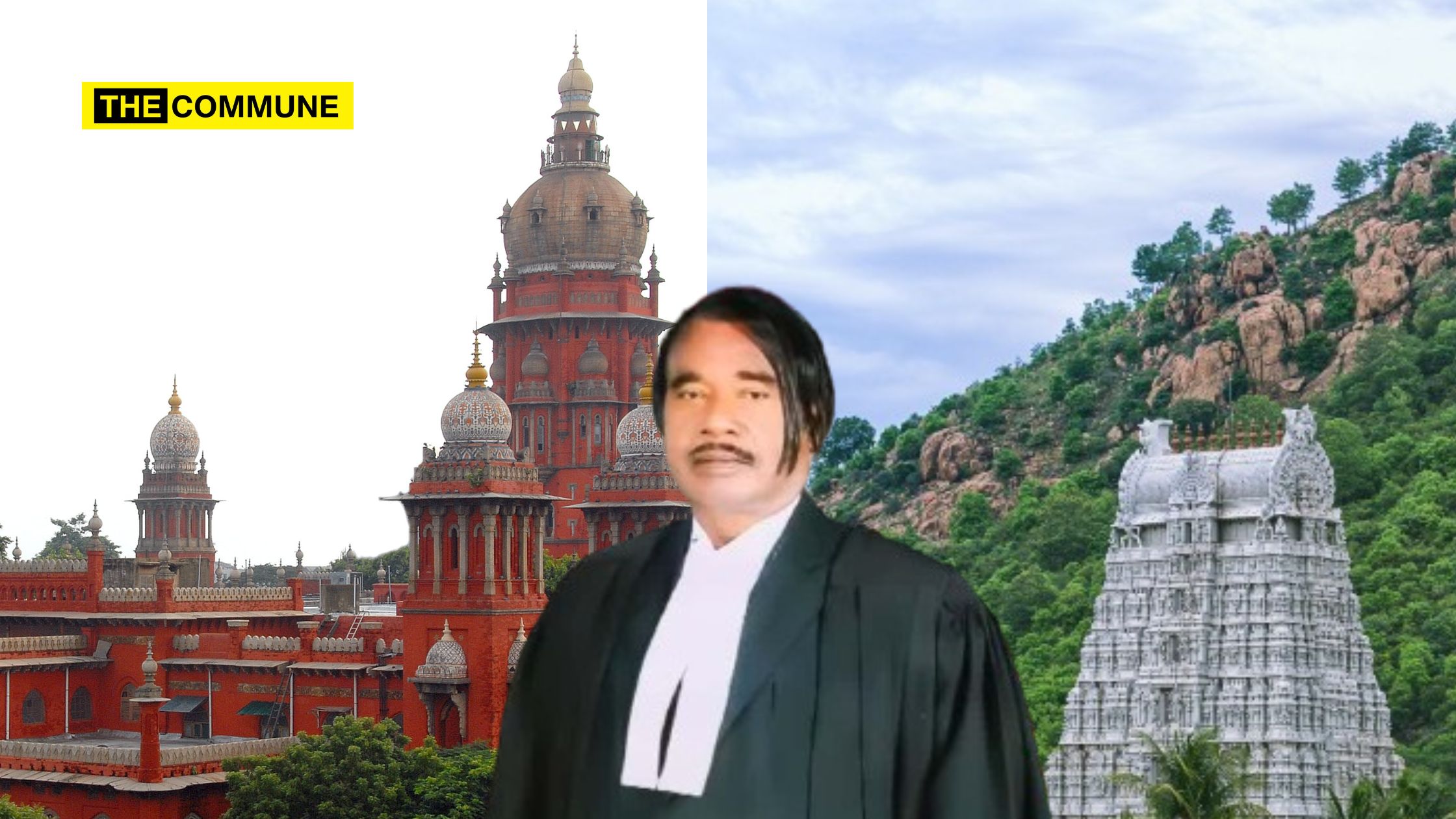
The Madras High Court has instructed the District Collector of Tiruvannamalai to submit a detailed report on the measures taken to remove 1,535 unauthorized constructions on the sacred Arunachala hill in Tiruvannamalai.
This directive follows a public interest litigation (PIL) filed by Advocate ‘Elephant’ Rajendran, who raised concerns over the increasing number of illegal buildings on the hill, home to the revered Arunachaleswarar Temple. In response to the PIL, the High Court had earlier constituted a special committee led by retired Justice Govindarajan, with representatives from both the Forest and Revenue Departments, to identify and initiate action against such structures.
During a hearing on 6 June 2025, presided over by Chief Justice S.V. Gangapurwala and Justice Sundar Mohan, the committee reported that 1,535 constructions had been raised without proper approvals. The court took serious note of the findings and ordered the District Collector to provide a status update on the actions taken to address the issue. The matter has been scheduled for the next hearing on 20 June 2025.
In a related matter, another PIL by Advocate Rajendran concerning encroachments on water bodies in the Tiruvannamalai region was also heard. According to a report from the Commissioner of Land Administration, out of the 170 locations identified by the petitioner, only 84 have been officially recorded as water bodies. The court instructed the state government to inspect these 84 locations for any encroachments and submit a report detailing the steps taken for their removal. This case has been adjourned until July.
Notably, nearly ten months ago, Advocate Rajendran had filed two significant PILs—one addressing the illegal encroachments on Tiruvannamalai hill and another focused on the protection of around 140 local water sources, including ponds and canals. At the time, the High Court appointed an Advocate Commissioner to assess the situation. The Commissioner’s report, which revealed over 1,000 illegal structures within temple and forest land, led to the appointment of a retired High Court judge to further examine the matter.
Despite initial assurances from the government that the encroachments would be cleared by 31 March 2025, the removal process has reportedly stalled following the transfer of a proactive District Collector. Advocate Rajendran brought this inaction to the attention of the court during the recent hearing, prompting the bench to express its dissatisfaction with the lack of progress. The Court has now directed the District Collector to file an affidavit detailing the steps taken so far. Final orders are expected by 27 June, potentially marking a turning point in restoring the sanctity and ecological balance of the Tiruvannamalai region.
Tiruvannamalai – Holy Temple – Holy Mountain – Holy Tanks – all endangered by encroachers – with Govt turning a blind eye for more than 15 years.
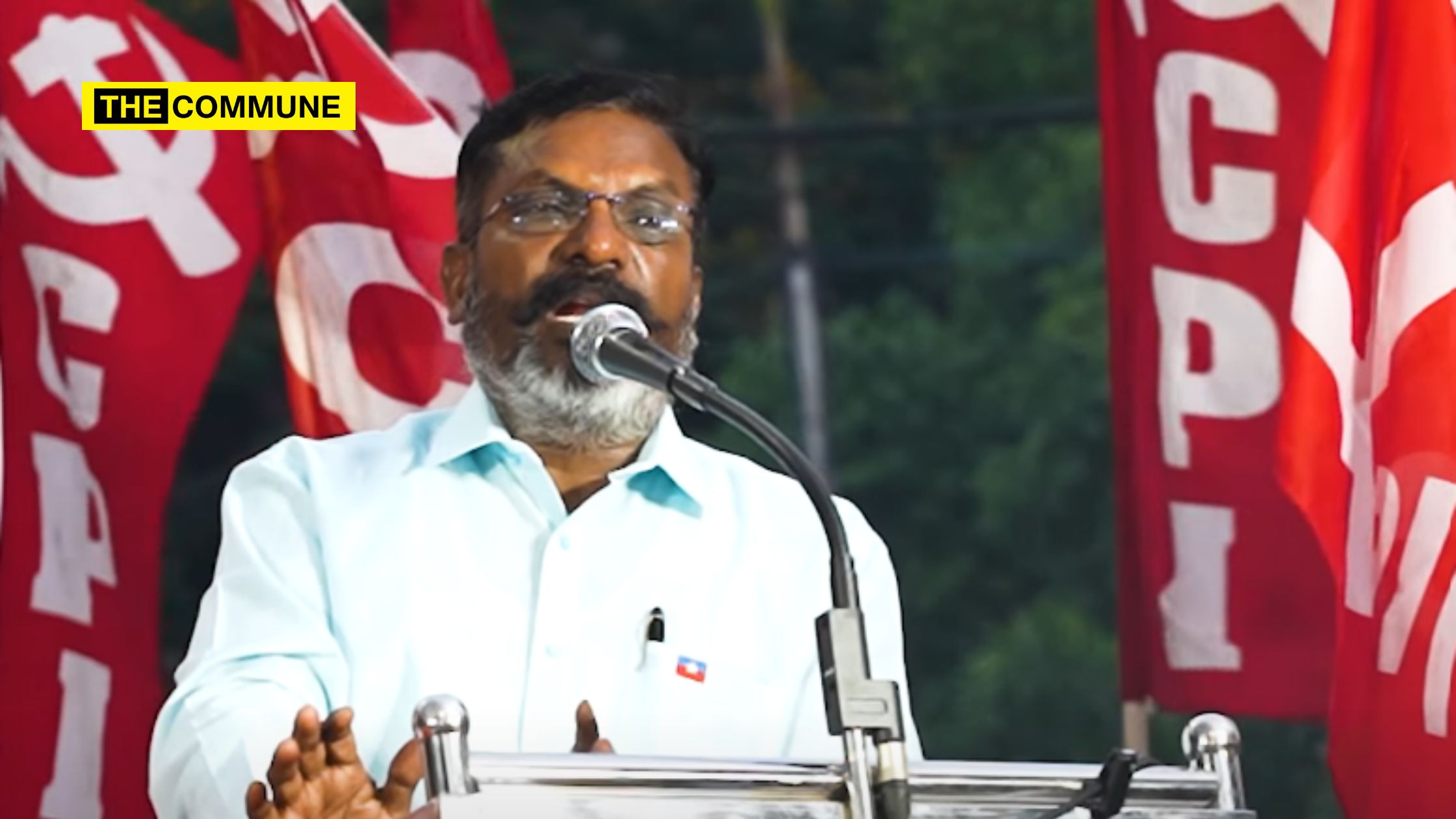
VCK chief and Chidambaram MP Thol. Thirumavalavan has once again expressed his support for the notorious Maoist group known for operating a parallel government in forest regions and often accused of interfering with tribal rights. He strongly condemned the Indian government’s recent crackdown under Prime Minister Narendra Modi, particularly criticizing ‘Operation Kagar’, during which a key leader of the banned CPI (Maoist), General Secretary Nambala Keshava Rao alias Basavaraju, was killed in an encounter with security forces.
In response to the incident, communist parties in Tamil Nadu including the CPI(M) and CPI(ML) organized a meeting to voice their opposition to the Centre’s actions. Leaders and participants at the event denounced the ongoing operation and expressed solidarity with those affected.
Participating in the event Thirumavalavan said, “Within the country, the Modi government is aggressively engaging in illegal actions and carrying out a brutal extermination campaign against the indigenous tribal communities and the Maoists who support them. Although leftist movements have openly stated that they do not agree with the Maoists’ ideology of ‘annihilation’ the so-called extermination policy and that they also do not support the belief in armed struggle or the use of weapons, they cannot simply stand by and watch the repression being carried out against them. These actions are neither legal nor just. It is not only the Maoists who are being mercilessly killed, but ordinary civilians are also being brutally massacred. Therefore, our primary demand is that this military operation, known as ‘Operation Kagar’, and the associated repression and killings, must be immediately stopped.”
He stated that the Maoists should not be seen as enemies of the people and urged the government to adopt a diplomatic approach by initiating dialogue with them. “Engage in talks,” he said, adding that the bodies of those killed in encounters should be returned to their families with dignity.
He emphasized that it’s not just Maoist leaders, but also social activists and human rights defenders who are standing up for the rights of the people. Dialogue should be extended to such democratic voices as well. A key demand he raised was the urgent need to halt the exploitation of natural resources. Mining operations that extract minerals from tribal lands, he warned, are threatening the very livelihoods of indigenous communities. Protecting these livelihoods must be a priority, he said.
Thirumavalavan attempted to portray the notorious Maoists as defenders of the people, stating, “Maoists are not anti-people. We may differ in opinion from their beliefs, and we may disagree with their idea of an armed revolution, but they are still on the side of the people. They are not anti-people, nor are they anti-national. Their goal is to establish a revolutionary democracy within a united India. They say they have no faith in the electoral process and therefore do not participate in elections, and they do not accept parliamentary democracy. But they have never called for the country to be divided. They are not against India’s unity, nor are they against the unity of its people. So how can they be labeled as anti-people? How can they be called anti-national? How can the idea of annihilating them be considered acceptable or justifiable in any way?”
Subscribe to our channels on Telegram, WhatsApp, and Instagram and get the best stories of the day delivered to you personally.
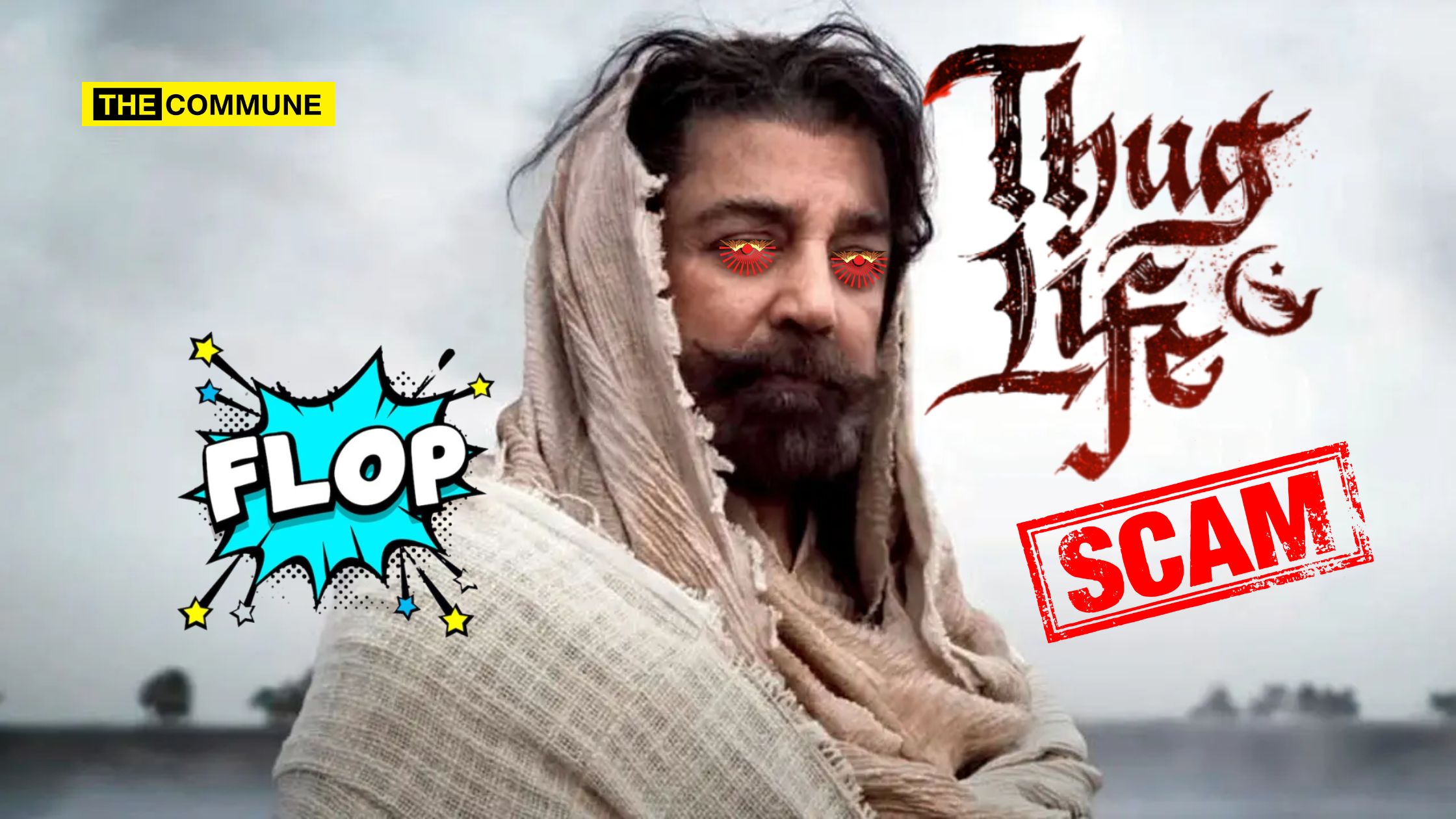
In what is emerging as one of the most audacious allegations in Tamil cinema, veteran actor Kamal Haasan is being accused not just of making a trashy crap film but of using the movie Thug Life as a front to launder crores of black money for the DMK’s first family. What began as confusion over the film’s bizarre plot and lackluster editing has now morphed into a serious financial scandal—with Haasan squarely at the centre.
A Story That Doesn’t Add Up
At the heart of the Thug Life movie is a disturbing story: a father figure searching for a missing daughter, inexplicably looking for her in a brothel instead of filing a police report. Eventually, he brings home a different girl, whom his adopted son later takes away. The two men, father and son, then enter a conflict, not over ideology or power—but over a woman. This is not a Shakespearean tragedy, but a script straight of ‘Thidal’ which has left audiences bewildered and disgusted.
The film features dialogues that have shocked many, including a supposed punchline justifying his ‘pombala soku’ (lusty behaviour for women). Many have asked: is this art or degeneracy posing as cinema? But it turns out, the story may be the least scandalous part of Thug Life.
The Real Plot: A Financial Heist?
According to critics, Thug Life isn’t really about storytelling—it’s about accounting. The real drama is offscreen, and it’s a tale of money trails, fake bills, and calculated laundering. Kamal Haasan allegedly inflated the film’s budget to a massive ₹300 crore (as stated in the petition by Raajkamal Films International), while actual production costs were estimated to be under ₹40 crore.
But why inflate costs? The answer lies in the magic of fake billing. In cinema, bills can be raised for anything: scouting a location, shooting a song, hiring a technician. Haasan and his team, critics allege, wrote up expenses for every inch of the film—overcharging, double-counting, and showing inflated payments for actors and crew. All of this, they say, was done to manufacture white money on paper.
By roping in four or five producers and distributors as fronts, Haasan was able to distribute the risk and shield himself from direct scrutiny by Income Tax or Enforcement Directorate officials. Critics say he cleverly structured the project to give the appearance of a ₹270 crore production, while actually spending just ₹40 crore.
Who Bought It—and Why?
The most explosive claim? That Thug Life was eventually “sold” for around ₹350 crore—allegedly to the DMK’s top leadership family. This conveniently “justifies” a profit of ₹80 crore to ₹100 crore on paper, all while helping turn a suspected ₹210 crore of black money into clean, white revenue.
If true, this is not mere tax evasion—it’s public betrayal. Not only is the film industry being used as a vehicle for laundering funds, but Tamil audiences are unknowingly part of the scheme, duped into supporting a cinematic fraud.
A Film Made To Fail?
It’s no wonder, then, that the film feels thrown together. Those who have seen the film point out the poor editing, wooden dialogues, and an overall lack of creative effort. This wasn’t an oversight—it was deliberate. Because the success or failure of Thug Life at the box office didn’t matter. Its real success was in laundering money under the radar of the public and authorities.
Do you really think the makers—or those at the edit table—didn’t realize they had made a trainwreck of a film? Do you think a director like Mani Ratnam, a master cinematographer like Ravi K. Chandran, or a National Award-winning editor like Sreekar Prasad would’ve been content with such an underwhelming final product? Many in the industry suspect that Thug Life was designed as a bad product on purpose. The goal wasn’t entertainment; it was evasion. By appearing to produce a legitimate film on inflated expenses, the masterminds could “whitewash” huge sums of black money—all while putting on a theatrical show of cinematic virtue.
Kamal Haasan: The Periyarist “Virtue” Mask
The ideological fig leaf for all this, is the ‘rationalist’ Kamal Haasan’s who has pledged his self-respect along with his party to the DMK family. Some suspect that the bizarre plot of Thug Life—featuring a father and son pitted against each other over a woman—was designed to subtly promote Periyarist ideals – disdain for traditional family structures and promoting open relationships. But this philosophical posturing, they say, is just a façade to distract from the financial sleight of hand at play.
A Scam Dressed In Cinema
Ultimately, Thug Life appears to be less of a movie and more of a scam. Allegations leveled by critics suggest it was a tool used by Kamal Haasan to help powerful political players—possibly the DMK family—convert hundreds of crores of unaccounted wealth into legally clean income.
Tamil Nadu’s moviegoers, who once looked up to Kamal Haasan as a cultural icon, now face a bitter truth: they may have unknowingly subsidized a massive financial crime. The people of Tamil Nadu deserve to know —was this a film, or a fraud?
Subscribe to our channels on Telegram, WhatsApp, and Instagram and get the best stories of the day delivered to you personally.
Education is meant to enlighten, but in the wrong hands, it can become a tool for propaganda. A shocking parallel emerges when comparing Nazi Germany’s racial curriculum with Tamil Nadu’s state-prescribed history textbooks, which propagate a divisive Dravidian-Aryan racial theory eerily similar to Hitler’s Aryan supremacy myth.
Both systems weaponized education to instill racial pride in one group while demonizing another, rewriting history to fit a political agenda. Here’s how Tamil Nadu’s textbooks follow the Nazi playbook—step by step.
Rewriting History To Fit A Political Agenda
The Nazi regime completely overhauled Germany’s education system to promote its racial ideology. History books were rewritten to portray Germanic tribes as the “pure Aryan race” while framing Jews as parasitic outsiders responsible for Germany’s decline. Biology classes taught pseudoscientific racial hierarchies, and even math problems included anti-Semitic word problems.
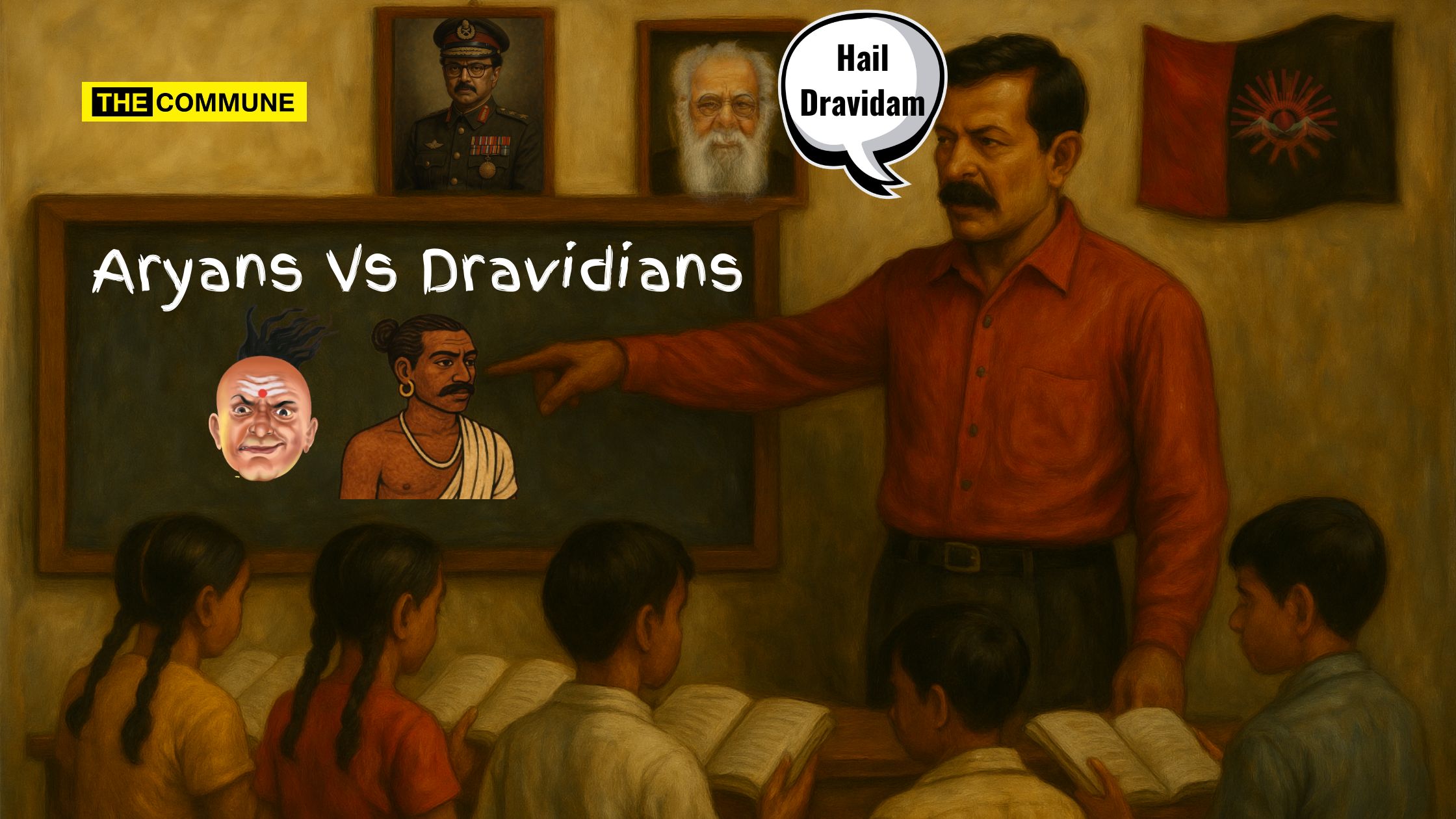
Similarly, Tamil Nadu’s school history textbook presents a rigid Dravidian-Aryan binary with no basis in modern genetics or archaeology. It describes Dravidians as dark-skinned, urban, and intellectually advanced, while Aryans are depicted as fair-skinned, rural, and violent. The text implies Aryans “invaded” and oppressed Dravidians—a debunked colonial-era theory still taught as fact. Like the Nazis, Tamil Nadu’s curriculum replaces historical nuance with political mythmaking. Just as the Nazis indoctrinated young minds with hateful stereotypes against Jews, the Dravidianazis are doing the same today — vilifying Aryans (Brahmins in their framework), through propaganda disguised as education.
Racial Typologies in Textbooks: Echoes of “Rassenkunde”
Nazi Germany made “racial science” (Rassenkunde) a core component of school curricula. Children were taught pseudoscientific classifications that glorified “Aryan” (Nordic) traits while vilifying Jews, Slavs, and Roma as racially inferior. These ideas were reinforced through textbooks, classroom posters, and biology lessons.
Compare this with a chapter from Tamil Nadu’s school textbooks (as accessed from www.tntextbooks.net), where students are explicitly taught physical and cultural distinctions between “Dravidians” and “Aryans”:
The framing of this content—without critical nuance or historical qualification—bears an eerie resemblance to the Nazi model. It promotes binary thinking, ethnic essentialism, and a subtle valorization of one group over the other. Such deterministic profiling risks reducing entire cultures to stereotypes, breeding prejudice under the guise of “history.”
Teaching Racial Superiority And Demonizing The “Other”
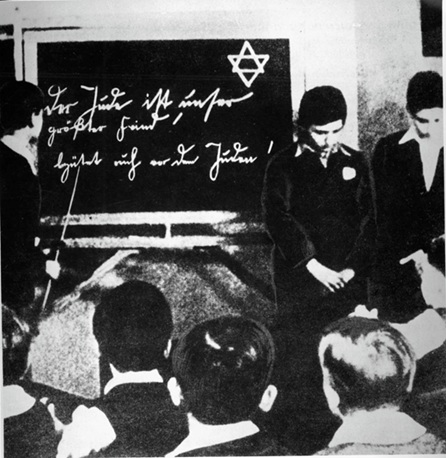
Nazi schools drilled into children that Jews were the “greatest enemy.” Posters, textbooks, and classroom exercises reinforced the idea of Aryan biological supremacy while dehumanizing Jews. Jewish students were humiliated in front of peers, and Hitler Youth programs trained children to see them as subhuman.
This image shows a Nazi-era classroom. In it, a teacher stands before a blackboard pointing to a hand-written slogan: “The Jew is our greatest enemy. Beware of the Jews.” Two young Jewish pupils stand at the front of the class, heads bowed, shamed in front of their peers. The other children sit silently, witnessing not just a lesson in reading, but a lesson in exclusion, hate, and hierarchy.
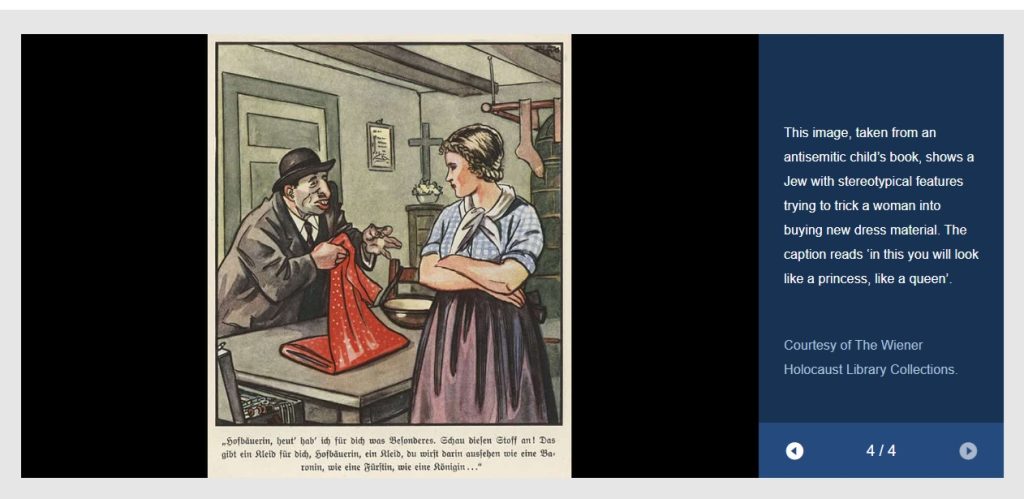
Here’s another example from a Nazi-era anti-semitic child’s book. It shows a Jew with stereotypical features trying to trick a woman into buying new dress material.
Tamil Nadu’s textbooks follow a similar pattern. They glorify Dravidian culture as inherently superior while framing Aryans (often conflated with North Indians and Brahmins) as oppressive outsiders. There is no mention of the centuries of cultural synthesis between Indo-Aryan and Dravidian traditions—only a divisive narrative that fuels regional and caste tensions. Just as Nazi propaganda erased Jewish contributions to German society, Tamil Nadu’s textbooks ignore the shared heritage of India’s diverse communities.
Indoctrination Through Youth Movements
The Nazis ensured ideological conformity through organizations like the Hitler Youth and League of German Girls, where children were trained in Nazi doctrine. Schools prioritized physical training and propaganda over critical thinking, ensuring loyalty to the regime.
In Tamil Nadu, Dravidian nationalist groups like the DK and DMK have long-run youth wings that promote anti-Brahmin and anti-North Indian/anti-Hindi rhetoric. School events often celebrate the Dravidianist ideologue EV Ramasamy Naicker (hailed as Periyar)’s ideology, which framed Brahmins as “Aryan invaders.” While not as extreme as Nazi indoctrination, the goal is similar: molding young minds to accept a divisive political narrative without question.
Suppressing Dissent and Controlling Academia
The Nazis purged Jewish scholars from universities and burned books that contradicted their ideology. Teachers had to join the Nazi Teachers’ Association, ensuring only approved ideas were taught.
In Tamil Nadu, historians challenging the Aryan-Dravidian divide face backlash, and alternative perspectives—such as the cultural continuity between the Indus Valley and Vedic traditions—are often dismissed. The state’s control over education ensures that only the Dravidian nationalist version of history dominates classrooms.
Long-Term Consequences: Generational Prejudice
Studies show that Germans educated under Nazism retained higher levels of anti-Semitism decades later, proving how deeply indoctrination can root itself.
Similarly, generations of Tamil students have grown up believing in a rigid Aryan-Dravidian divide, fostering unnecessary regional and social divides. When education is used to manufacture historical grievances, the scars last for decades.
The Danger of Ideological Education
The parallels between Nazi Germany and Tamil Nadu’s textbooks are undeniable. Both systems share the below similarities:
Invented racial categories to suit political agendas.
Taught pseudoscience as fact.
Suppressed dissenting historical research.
Used schools to breed loyalty to a divisive ideology.
The solution is clear: Education must be based on evidence, not propaganda. A national standard for history textbooks—free from political interference—is essential to prevent history from being weaponized. Otherwise, we risk repeating the same mistakes that led to some of humanity’s darkest chapters.
Subscribe to our channels on Telegram, WhatsApp, and Instagram and get the best stories of the day delivered to you personally.
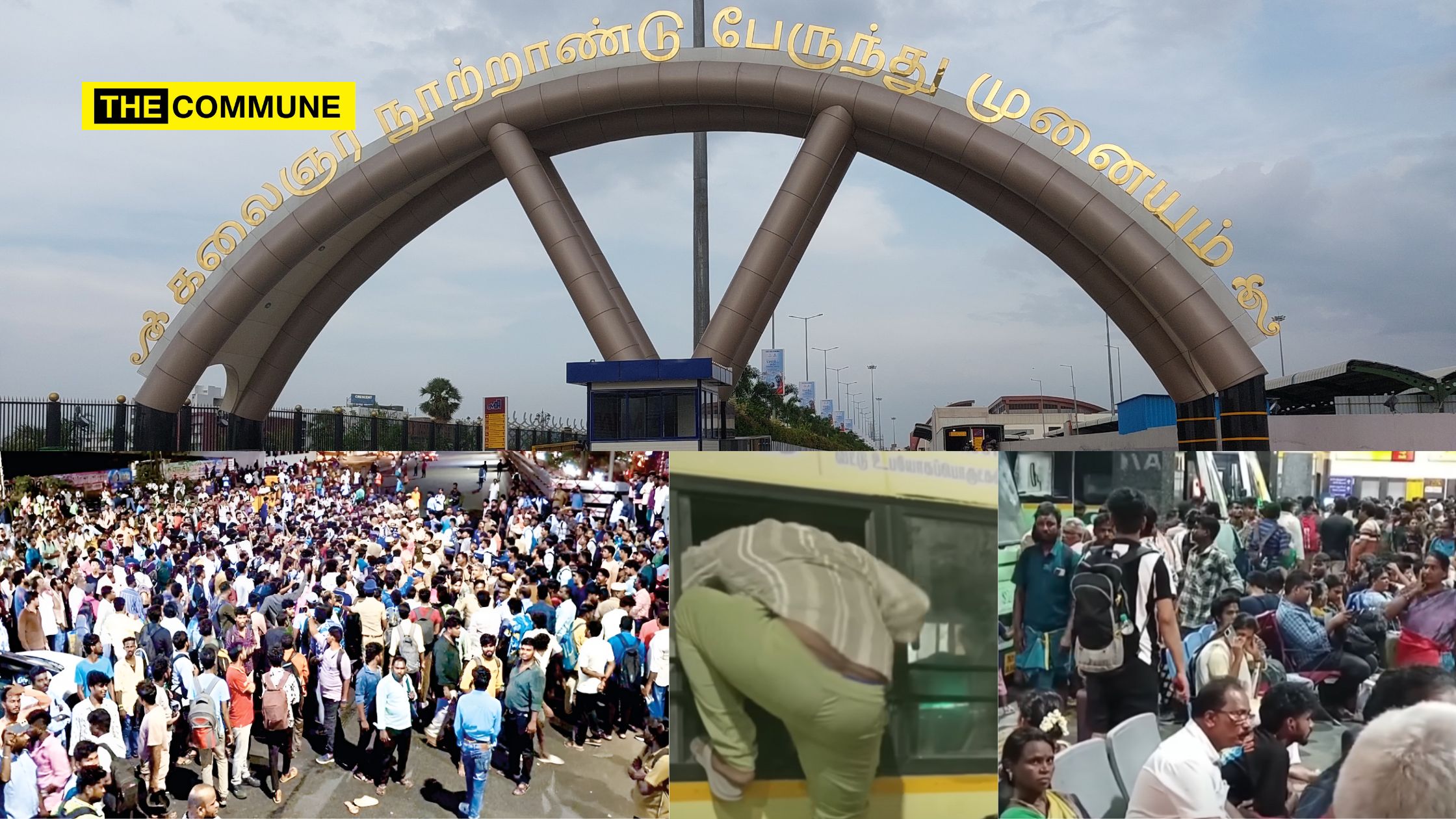
If you’re from a middle-class family that has moved from the southern parts of Tamil Nadu or any other region to the capital city in search of better job opportunities, it often feels like stepping through a one-way door: you can enter, but going back becomes nearly impossible. This is largely due to the government’s poor management of public transport, infrastructure, and related services. Every year, during festival seasons or auspicious times (muhurthams), there’s a massive rush of people trying to return to their hometowns. Yet, the ruling DMK government has consistently failed to address the situation, leaving ordinary citizens stranded on platforms, waiting endlessly for buses that never arrive.
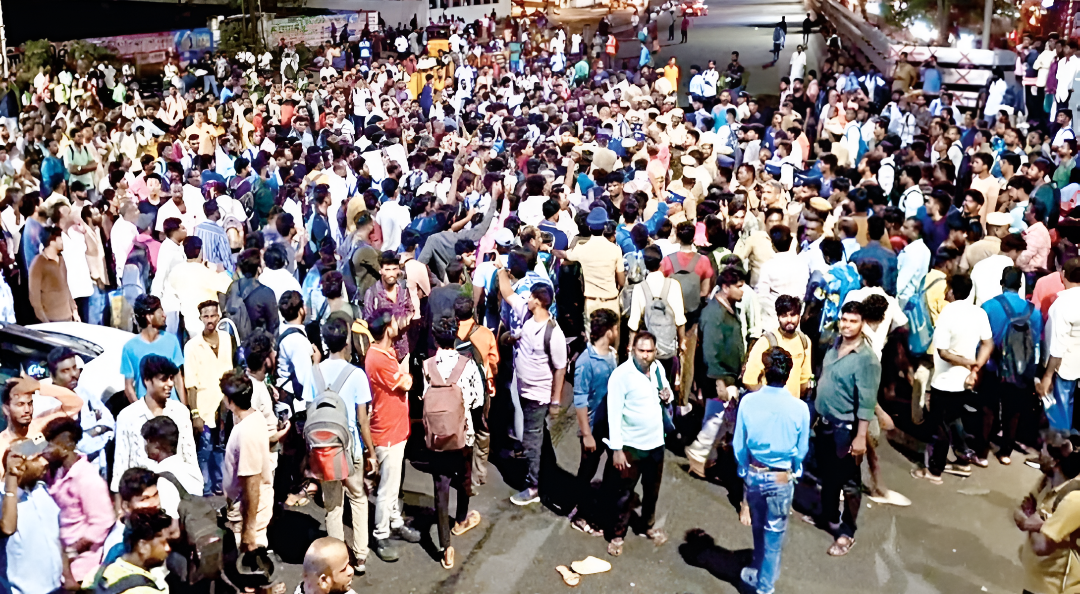
From 5 June 2025 to 8 June 2025, except for the 7th, each day was a Subha Muhurtham—an auspicious day for weddings. On top of that, 7 June 2025 coincided with Bakrid, a major Muslim festival. Given this rare convergence, one would expect the so-called “Dravidian model” government, which prides itself on being socialist and people-centric, to have been well-prepared. But what unfolded was complete chaos not only at the Kilambakkam bus terminus, but on the roads leading to it from across Chennai.
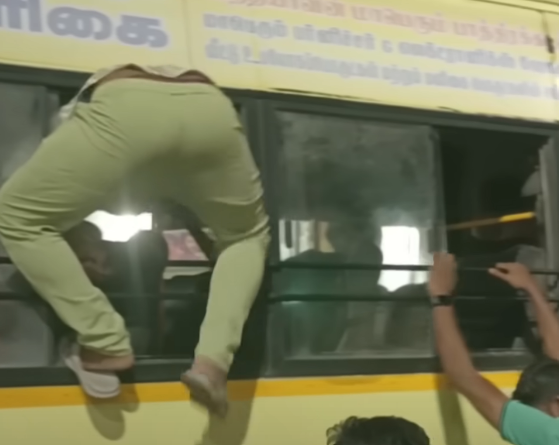
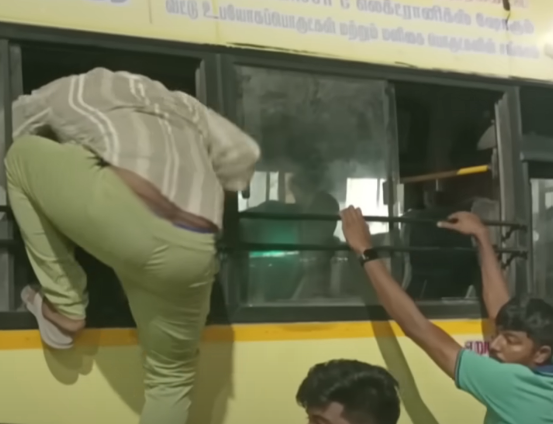
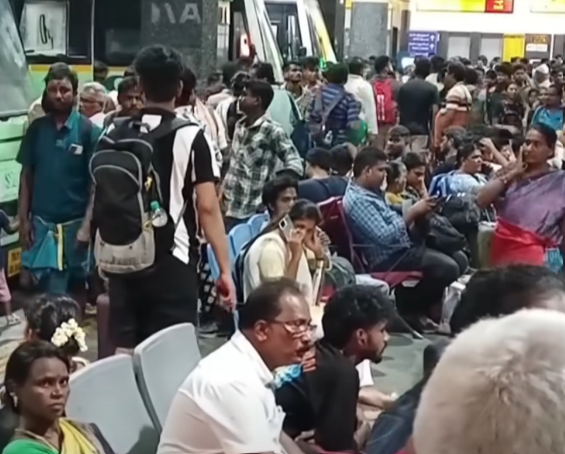
Kilambakkam is located nearly 30 kilometers away from key city areas like T. Nagar. All regular long-distance SETC buses ranging from AC to semi-sleeper and sleeper coaches were fully booked well in advance. By Thursday night (5th June), people arriving at the terminus were left stranded. Only a few non-reserved buses were available, with one bus arriving every 3-5 hours. Families, elderly people, and solo women travelers were forced to watch helplessly as others pushed, shoved, and fought to grab seats. The scene was both chaotic and disheartening.
குறைந்தபட்ச அரசு நிர்வாகத்தை கூட தர முடியாததற்கு பேர்தான் #கோபாலபுர_கோமாளி மாடல்… ஓராண்டுக்கு குறைந்தது 1000 பேருந்துகளாகது வாங்க வேண்டும் ஆனால் #கோபாலபுர_கோமாளி ஸ்டாலின் மாடல் அரசு நான்கு ஆண்டுகளுக்கு 500 பேருந்துகள் கூட வாங்கவில்லை…
— Gowri Sankar D – Say Yes to Women Safety&AIADMK (@GowriSankarD_) June 6, 2025
When questioned, bus inspectors admitted they were powerless. They claimed that unless a minister intervenes, nothing could be done. One even criticized the government directly, saying they were aware of the situation but consistently chose inaction. The buses, most of which are over 10 years old, haven’t been replaced or upgraded. Authorities argue that such rushes happen only during festival times and that buses run empty otherwise. Yet even basic improvements like deploying upgraded city buses are ignored.
On 5th and 6th June, passengers at Kilambakkam had to wait up to 4 hours for a bus. Why? Because of a baffling traffic plan implemented by the Greater Chennai Police. From Chengalpattu toll gate, incoming traffic to Chennai was allowed only through a single service lane, while six full lanes were allotted for vehicles leaving the city. This left inbound buses stuck in traffic for hours. As a result, a bus that departed Kilambakkam at 10 PM didn’t even cross Chengalpattu until 2 AM.
This was the fate of those lucky enough to board the one bus that arrived. But for the remaining 1,000+ passengers—including solo travelers, couples, families, and those with young children—they were left standing all night, exhausted and in pain from hours of waiting. With no other option, the crowd eventually blocked the Trichy National Highway in protest. Only then did the police arrive—not with buses, but merely to calm the angry crowd. Even after that, no immediate action was taken to get buses running. The question that now haunts every common citizen is, where are the ministers during times like this? Were they unaware that a four-day holiday combined with Subha Muhurthams and Bakrid would lead to a surge in travel? Did they not anticipate that people would suffer under these conditions?These are the unanswered questions that everyday people are left struggling with—again and again.
This isn’t a one-time incident it’s a reflection of how the Dravidian model governance often plays out. While the government makes grand claims, it’s the common man who suffers the consequences, time and again.
Subscribe to our channels on Telegram, WhatsApp, and Instagram and get the best stories of the day delivered to you personally.
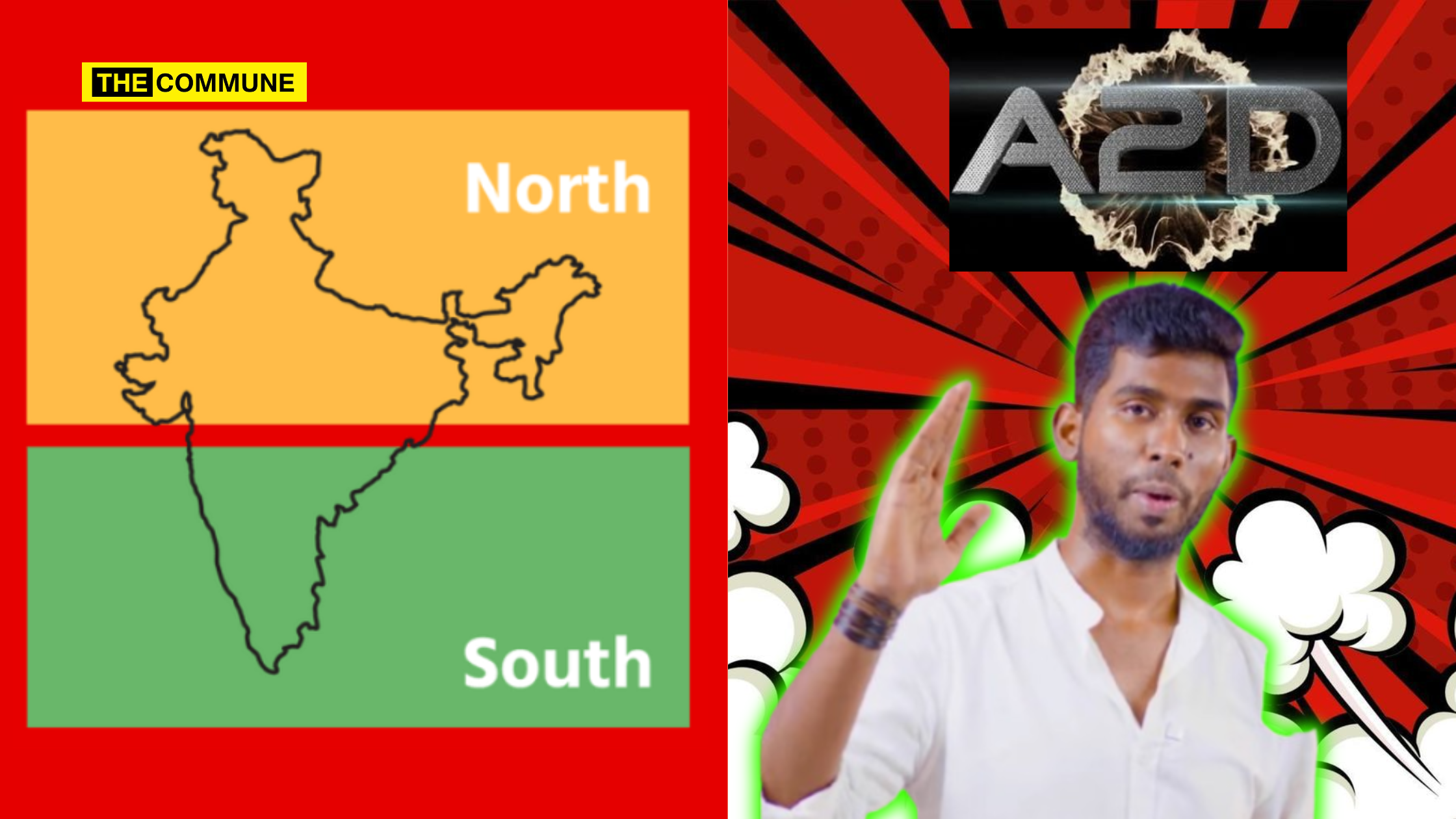
YouTuber A2D Nanda Kumar’s recent video titled “அழியும் நிலையில் தமிழர்கள் – South vs North ☠️ | Need More Babies 🥲”, that is focused on the recent controversy about delimitation, is not just riddled with factual inaccuracies—it’s a textbook example of how divisive political propaganda is cloaked in demographic fearmongering to serve partisan narratives. His alarmist predictions about the “extinction” of Tamils and the “end” of Tamil Nadu are not grounded in demographic science, but rather in a deliberate distortion of facts designed to push the DMK’s anti-Delhi, anti-North narrative.
A2D Nanda Kumar, known for his infinite love for Pakistan and vilification of India amid Operation Sindoor is also accused of scamming his subscribers earlier. His credibility is as true as a ₹3 coin—nonexistent, laughable, and only circulated by those who don’t know better.
Below is a detailed rebuttal to the claims made in his video—backed by data, historical context, and constitutional realities.
Fabricated Demographic Doomsday To Vilify Federal Policies
Claim:“Tamil population will collapse to 1 crore by 2100–2500, leading to ethnic extinction.”
Reality: Tamil Nadu’s Total Fertility Rate (TFR) of 1.4 aligns with developed nations like Japan and South Korea, reflecting socioeconomic progress, not collapse. Demographic projections show that while Tamil Nadu’s population may peak and then gradually decline, it will not collapse to a mere 10 million by 2100. The United Nations and Indian census projections indicate a gradual aging and slow decline, not a demographic collapse.
The video’s apocalyptic framing mirrors DMK’s fearmongering about delimitation, which it claims will reduce Tamil Nadu’s political representation.
Misleading Comparison With Japan
Yes, Japan has a TFR of 1.3 and faces an aging crisis. But equating Tamil Nadu with Japan ignores key differences:
India’s population is younger.
Tamil Nadu continues to receive migration from other parts of India, which Japan does not.
Economic structures, urbanization rates, and welfare systems differ dramatically.
To suggest that Tamil Nadu will become a retirement home by 2040 like Japan is lazy, fear-based analogizing. And at this point, he is once again creating a fear of “invasion” subtly when he speaks of internal migration because it would only point to the “north Indians” moving down south.
Alarmism Over Cultural Disappearance
Claim:“If it continues like this, eventually, the Tamil ethnic group itself might disappear. End of Tamils.”
Reality: The idea that “Tamils will disappear” is absurd and not just alarmist—it’s dangerously misleading. Tamil culture, spoken by over 75 million people across the globe and sustained by a vibrant diaspora, is far from extinction. Even with a low fertility rate, populations do not vanish within a few generations. These panic-driven claims ignore demographic science and serve only to manufacture ethnic anxiety rather than inform policy.
Tamil Nadu is a state with rich linguistic, cultural, and political history. No demographic model predicts its disappearance, and the only people talking about such doomsday scenarios are those who benefit politically from portraying Tamils as victims.
In addition to this, Nanda Kumar also mentions how sparse the Tamil population in Singapore and Malaysia is as if they were the original inhabitants of those regions. Nanda Kumar might need some anthropology lessons to understand that Tamils from India, Sri Lanka migrated as plantation workers to Malaysia, Singapore and other Far East nations during British rule. The Tamils in these regions assimilated very well into the population and are present in a sizeable number that one of the official languages in Singapore and Tamils are in significant political roles.
Delimitation Fearmongering To Stoke Regional Hostility
Claim: “Delimitation will erase Tamil Nadu’s political voice, leading to a ‘North Indian dictatorship’.”
Reality: Delimitation is a constitutional process to ensure proportional representation based on population. Southern states’ contributions to India’s GDP and federal institutions like the Rajya Sabha ensure continued influence. Union Home Minister Amit Shah has assured the people that the Southern states’ concern on delimitation will be taken care of. And since steps for delimitation has not even commenced, one wonders what the need for such fearmongering is.
Claim: “If delimitation happens, the voice of the South will not be heard in Parliament at all. This will lead to a dictatorship for South India.”
Reality: While the South’s relative representation in Parliament may decrease if seats are reallocated strictly by population, the claim that this will result in a “dictatorship” or complete disenfranchisement is hyperbolic. As mentioned earlier, no concrete steps have been taken for delimitation process so far, and Union Home Minister Amit Shah has assured the political leaders from south of India that their concerns will be addressed. The Indian political system includes multiple checks and balances, and Southern states will continue to have significant influence through other mechanisms (Rajya Sabha, federal negotiations, economic contributions, etc.).
Claim: “North Indian migration to Tamil Nadu is due to low population caused by family planning.”
Reality: Labor migration is driven by economic opportunities, not population decline. Tamil Nadu’s thriving industries attract workers nationwide, a sign of economic integration, not “invasion.”
Claim: “The Indian government forced sterilization in the 1970s, especially in South India, but not in North India.”
Reality: Forced sterilization during the Emergency (1975-77) was a nationwide policy, but it was particularly aggressive in North Indian states like Uttar Pradesh, Haryana, and Delhi, with quotas and police coercion, not just the South. The suggestion that only South India followed family planning is misleading and factually incorrect; implementation varied, but forced sterilization was not a South-only phenomenon.
To selectively highlight the South is either ignorance or deliberate distortion.
Claim: “States like UP and Bihar did not follow population control, so their population increased, and now Tamil Nadu will be punished by losing MP seats after delimitation.”
Reality: This trope—popular in DMK circles—feeds into a grievance narrative that Southern states are being “punished” for responsible governance. While it is true that Northern states like UP and Bihar have higher TFRs, they also have higher poverty, illiteracy, and health challenges. The demographic transition occurs at different paces in different regions.
Delimitation is a constitutional mandate meant to ensure fair representation based on population. Calling it “punishment” is emotional manipulation.
Claim: “North Indian states give a baby bonus of ₹3,000 for the second child.”
Reality: While the baby bonus is real, there is a factual error in his statement. Truth is that the Pradhan Mantri Matru Vandana Yojana (PMMVY), under the Ministry of Women and Child Development, supports every pregnant and lactating woman from disadvantaged backgrounds all over the country. Under PMMVY 2.0 (from April 2022), ₹5,000 is provided in two instalments for the first child, along with ₹1,000 under Janani Suraksha Yojana (JSY), totaling ₹6,000. For the second child, a ₹6,000 benefit is given in one instalment if the child is a girl, promoting positive attitudes towards daughters and improving the sex ratio at birth. In cases of miscarriage or stillbirth, the mother remains eligible for full benefits in subsequent pregnancies.
Claim: “Because of low population, there are no people to work in Tamil Nadu, so North Indians are being imported. This is a problem caused by family planning.”
Reality: Migration for work is a complex phenomenon influenced by economic opportunities, wage differentials, and labor market needs. While Tamil Nadu does have a lower TFR, labor migration from North India is driven more by economic disparities and the demand for labor in growing Southern economies, not solely by population decline.
Blaming labor migration on low TFR is a flawed and ethnocentric analysis. Tamil Nadu’s economy is advanced and industrialized—it needs workers, and North Indians are filling that gap. This is not a problem, it’s federal economic cooperation. But in the hands of propagandists like Nanda Kumar, it’s turned into a xenophobic narrative.
Family Planning – A Western Conspiracy?
Claim: “After WWII, Western powers forced India to adopt family planning as a condition for loans, to prevent communism and poverty.”
Reality: While international agencies like the World Bank and IMF did encourage population control in developing countries, the claim that it was a Western conspiracy to prevent communism is speculative and not backed by mainstream historical research. India’s family planning policies were influenced by both international advice and domestic concerns about resource constraints and poverty.
But off all the bizarre claims, Nanda Kumar goes on to make an inflammatory analogy, comparing South India to a repressed sister and North India to an irresponsible brother. He claims that while the ‘sister’ (South India) earns and sustains the household, she is denied basic freedoms simply because she’s a woman, while the ‘brother’ (North India) enjoys unchecked liberty. He asks, “Won’t the girl want to leave the house?” — a thinly veiled call for separatism, cloaked as concern. This kind of rhetoric dangerously normalizes anti-national sentiment.
The Bigger Picture: Pushing the DMK’s Narrative Under The Guise Of Social Commentary
Nandakumar is not an independent commentator. His views reflect long-standing DMK propaganda points:
South India vs. North India
Hindi vs. Tamil
“North Indian” suppression vs. Tamil self-respect
Population control as an anti-Tamil plot
This video fits neatly into that template—weaponizing half-truths and demographic anxiety to fuel regionalist sentiment. It’s political theatre masquerading as social concern.
Beware The New Age Propagandist
A2D Nandakumar isn’t just misinformed—he’s misleading thousands. His video is not a cry for Tamil survival; it’s a DMK-adjacent political tract dressed up in demographic pseudo-science. Tamil Nadu deserves better than fear-based narratives and falsified history.
For real empowerment, we need facts, federal cooperation, and informed debate—not shrill YouTube propaganda where the host oscillates like a pendulum spouting nonsense that is Dravidian populism in disguise.
Subscribe to our channels on Telegram, WhatsApp, and Instagram and get the best stories of the day delivered to you personally.
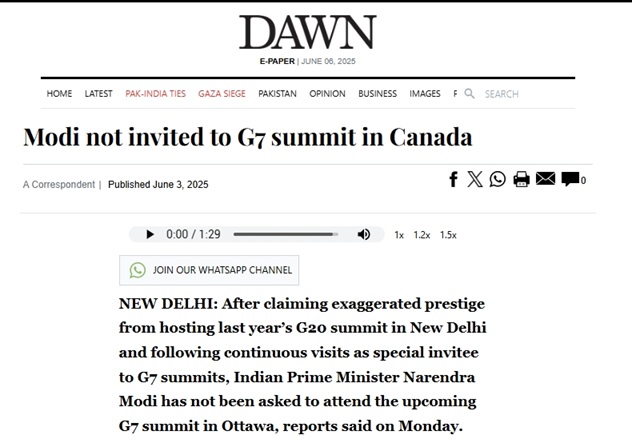
Prime Minister Narendra Modi on Friday confirmed that he will attend the upcoming G7 summit in Canada, putting to rest media speculation and political criticism over India’s participation. The summit is scheduled to take place from 15 June 2025 to 17 June 2025 in Kananaskis, Alberta.
Taking to X, the Prime Minister stated, “Look forward to our meeting at the Summit,” confirming that Canadian Prime Minister Mark Carney had personally extended the invitation.
Glad to receive a call from Prime Minister @MarkJCarney of Canada. Congratulated him on his recent election victory and thanked him for the invitation to the G7 Summit in Kananaskis later this month. As vibrant democracies bound by deep people-to-people ties, India and Canada…
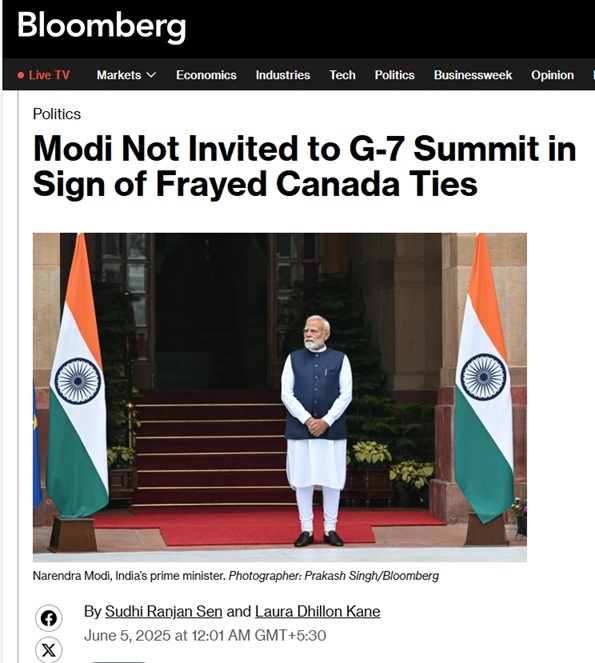
The announcement comes in the wake of reports suggesting that India had not been invited to the summit, allegedly due to strained diplomatic ties between New Delhi and Ottawa. Bloomberg led the narrative with a report on 5th June titled “Modi Not Invited to G-7 Summit in Sign of Frayed Canada Ties.” The article, citing unnamed officials in Delhi, claimed that PM Modi had not received an invitation, emphasizing that invitations to non-member countries are at the discretion of the host nation.
Following Bloomberg’s report, several Indian and international media outlets, including the Financial Times, National Herald, and Pakistan’s Dawn, echoed the same claim. Indian political opposition quickly seized upon the reports to criticize the Modi government’s diplomatic handling.
The Congress party labeled the alleged non-invitation as a “big diplomatic bungle.” Senior Congress leader Jairam Ramesh remarked that when the G7 included Russia as the G8 prior to 2014, then-Prime Minister Manmohan Singh had been a regular invitee. He added that invitations continued post-2014, and the supposed omission this year represented “yet another major diplomatic blunder.”
G7 शिखर सम्मेलन 15 जून 2025 से कनाडा के अल्बर्टा प्रांत के कानानास्किस में आयोजित हो रहा है। इस सम्मेलन में अमेरिका और फ्रांस के राष्ट्रपतियों, ब्रिटेन, जापान, इटली और कनाडा के प्रधानमंत्रियों तथा जर्मनी के चांसलर की भागीदारी होगी।
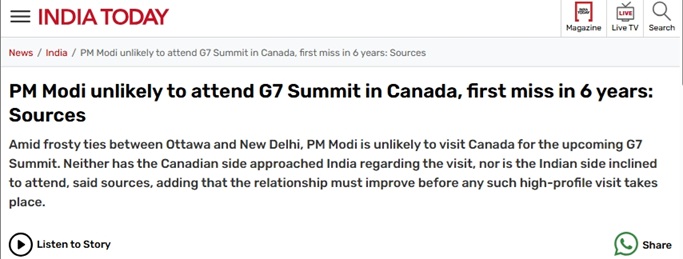
Additionally, several other media reports suggested that even if invited, PM Modi was unlikely to attend the summit. India Today, citing government sources, claimed the Indian leadership was not inclined to participate due to tense bilateral relations and unresolved security concerns tied to rising Khalistani activities in Canada.
Times of India also reported that a last-minute invitation would be difficult to accommodate due to logistical challenges.
Contrary to these reports, PM Modi’s confirmation affirms India’s continued engagement with the G7 grouping, where it has been a regular guest since 2019. The invitation from PM Carney and PM Modi’s acceptance effectively nullify earlier media claims and opposition accusations.
The G7 comprises the United States, United Kingdom, Germany, France, Italy, Canada, and Japan, with non-member countries invited annually by the host nation.
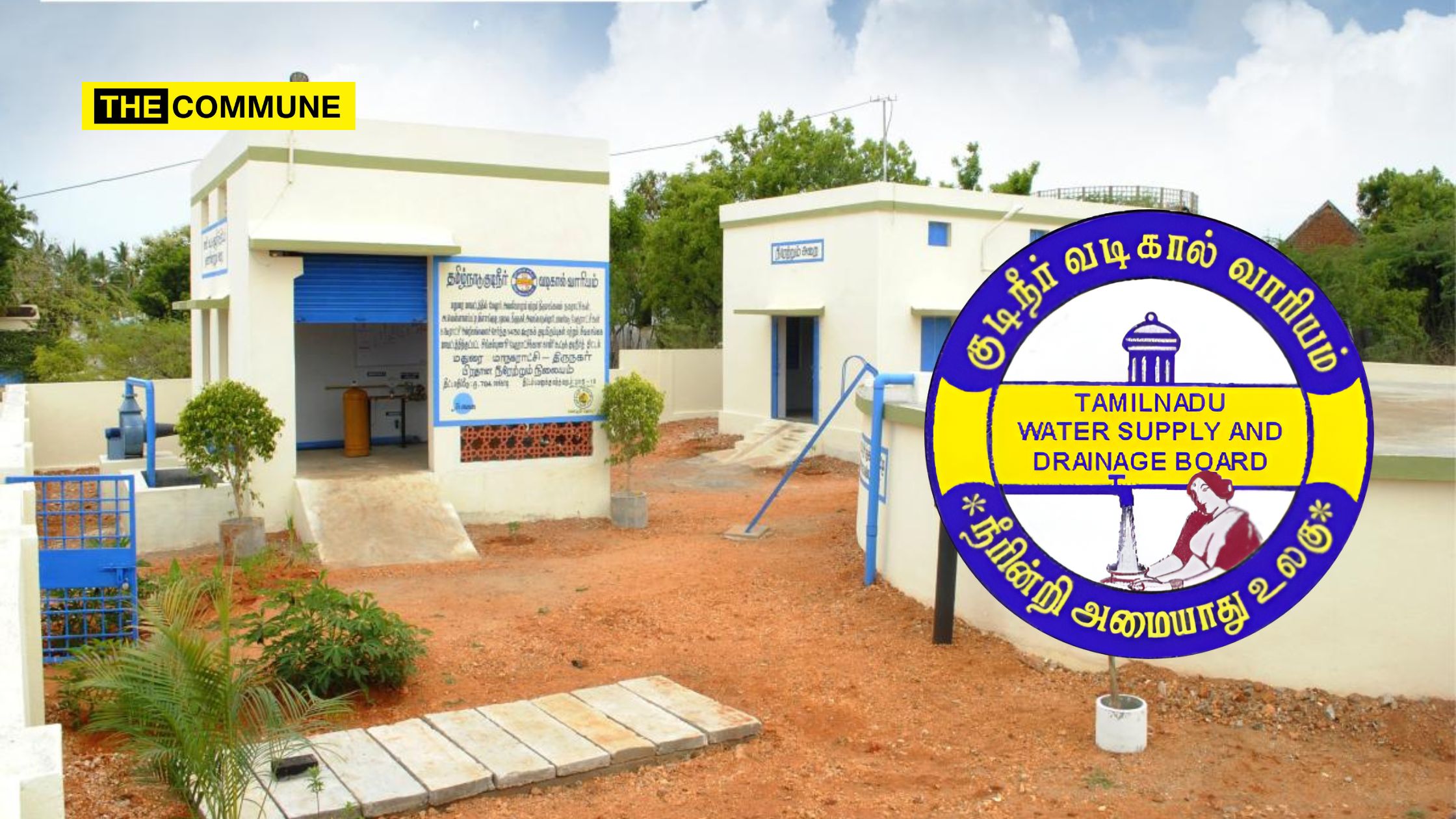
In what appears to be a long-running case of systemic corruption, officials and contractors associated with the Tamil Nadu Water Supply and Drainage (TWAD) Board are allegedly embezzling close to ₹90 crore each year by underpaying contract workers through a well-organized scheme. This malpractice reportedly affects thousands of labourers employed in the Combined Water Supply Schemes (CWSSs) throughout the state.
A formal complaint was submitted last month by the Tirunelveli-Tenkasi Bharathiya TWAD Board Contract Labourers Union to TWAD Managing Director Kiran Gurrala. It stated that although the mandated monthly minimum wage for around 12,000 workers is ₹15,401, labourers are being paid only ₹7,500 to ₹9,800 a reduction of 40–50%. The remaining portion of the salary roughly ₹7.42 crore per month is allegedly being misappropriated by corrupt board officials and contractors.
The contract workers claim they’ve been campaigning for fair wages for over two decades. Despite various departments including the labour department, Employees’ Provident Fund (EPF) office, and even the Chief Minister’s office acknowledging irregularities and recommending reforms, the workers allege that influential parties within the system have persistently blocked any corrective measures.
According to former TWAD MD V. Dakshinamoorthy, who shared relevant details with the union in 2022, approximately 11,597 workers serve in the CWSS network across Tamil Nadu, mostly in roles such as electricians, pump operators, and maintenance personnel. All are legally entitled to the government-prescribed minimum wage.
In their petition, the union claimed that the wages are not being directly deposited into workers’ accounts, as required. Instead, they receive reduced amounts in cash, without official documentation. Meanwhile, salary records falsely show full payments an arrangement allegedly orchestrated with the help of Executive Engineers in various districts. The union estimates that over each three-year contract cycle, around ₹267 crore is being siphoned off.
Supporting the workers’ claims, a 2018 showed that a committee was to be formed to investigate wage discrepancies, as ordered by then MD C.N. Maheswaran. However, workers say no inquiry was ever conducted.
Moreover, despite tender documents clearly stipulating that payments must be made via cheque or direct bank transfers, this guideline has largely been ignored. In a 2018 review meeting, then Chief Minister Edappadi K. Palaniswami raised concerns about wage distribution irregularities. Following that, several senior TWAD officials, including Chief Engineer P. Manimohan and Superintending Engineer S. Rajasekar, issued urgent directives between 2021 and 2024, instructing compliance with wage regulations. Another such directive came in August 2024 from MD Dakshinamoorthy, urging adherence to the legally mandated pay structure.
Despite these directives, a contract agreement valid until March 2026 signed between contractor S. Balasubramania Pandian and the TWAD Board’s Chief Engineer (Madurai) committed to following the Madras High Court’s 2022 wage order. Yet, workers allege that this commitment has also not been honored.
Furthermore, according to reports, enforcement officers from the Central EPFO and inspectors from the State Labour Department were denied access to essential documents like salary registers by TWAD’s Executive Engineers and CWSS contractors in Tirunelveli and Tenkasi.
Current MD Kiran Gurrala was unavailable for comment, while Minister for Water Supply K.N. Nehru stated on 25 May that he would inquire with the involved parties.