Home Blog Page 225

Dravidian Model CPI-M MP Su Venkatesan Pastes His Sticker Over Modi Govt Incorporating All Indian Languages In Parliament Proceedings
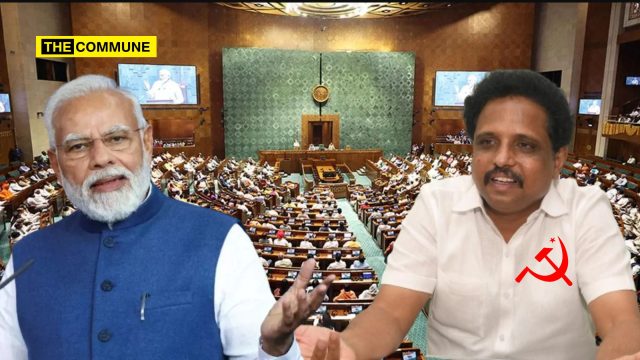
While the Narendra Modi-led central government has actively promoted regional languages from incorporating them into competitive examinations to expanding their use in Parliament, CPIM MP from Madurai, Su. Venkatesan has claimed that such linguistic inclusivity is a result of efforts by parties like his, which are supportive of the so-called “Dravidian Model”. However, this assertion has drawn criticism for misrepresenting ongoing initiatives spearheaded by the central government.

In a post on social media, Su. Venkatesan stated, “The Official Languages Committee of the Parliament is continuously working to Hindify the entire nation. But we, those who fight for language equality, are continuously fighting to Indianize the Parliament. The first stage of that is the right to speak in one’s mother tongue. The next stage is the right to have translations in all languages, no matter which language one speaks. Now, the parliamentary proceedings documents are available in all languages. Great joy. It is not a coincidence that this facility is not available for Sanskrit.”

However, contrary to his implication, the Lok Sabha has been steadily expanding multilingual access under the direction of Speaker Om Birla. In February 2025, the Lok Sabha introduced translation services for six new languages: Bodo, Dogri, Maithili, Manipuri, Urdu, and Sanskrit. This expanded the number of supported regional languages in Parliament from 10 to 16, reinforcing the government’s commitment to India’s linguistic diversity.

By March 2025, simultaneous interpretation was available in 18 languages during Lok Sabha sessions, making it one of the most linguistically inclusive platforms in the country surpassing even the number of commentary options for IPL matches. Live proceedings are now accessible in languages including Assamese, Bengali, Gujarati, Kannada, Malayalam, Marathi, Odia, Punjabi, Tamil, Telugu, Hindi, English, and more. Additional languages like Kashmiri, Konkani, Nepali, Sindhi, and Santhali are also in the pipeline.

Each language booth is staffed with trained interpreters, working in pairs due to the demanding nature of real-time translation. While some languages, such as Sanskrit and Urdu, have not yet been included in the YouTube livestream feed, backend interpretation is already in place.

Given these documented developments, it is misleading to credit leftist or Dravidian parties alone for these advancements. The narrative appears to be a political maneuver aimed at stickering on central government efforts, rather than an honest acknowledgment of the groundwork laid through national policy.

Subscribe to our TelegramWhatsApp, and Instagram channels and get the best stories of the day delivered to you personally.
Christian Pastors Accused Of Illegally Holding Scheduled Caste Certificates In Telangana; FIR Filed Seeking Cancellation Of Certificates Held By Accused

fraud pastor christian pastors complaint filed fir scheduled caste certificate

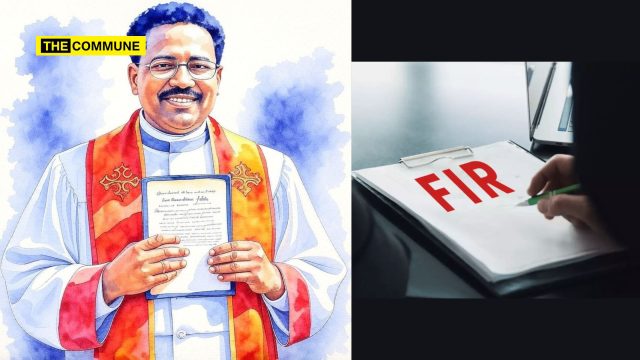
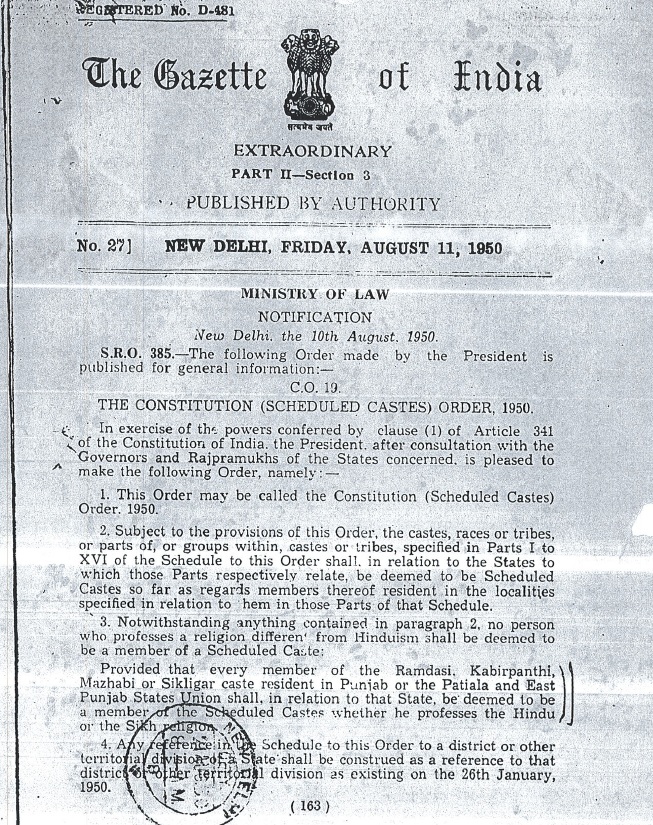
A formal complaint has been lodged with the Bhadradri Kothagudem District Collector by NGO watchdog, Legal Rights Protection Forum (LRPF), alleging that three Christian pastors in Yellandu Mandal are fraudulently holding Scheduled Caste (SC) certificates in violation of the Constitution (Scheduled Castes) Order, 1950. The organization has sought immediate cancellation of these certificates, as well as criminal and departmental action against both the beneficiaries and officials involved in their issuance.

The complaint names Muppalla Poul Dhinakar (40), Ubbani Laxmaiah (64), and Ginnarapu Jacob (45), all residents of Yellandu Mandal, who are reportedly active members of the Yellandu Mandal Pastors Fellowship. According to LRPF, these individuals have been openly professing Christianity and engaging in evangelical activities, including distributing religious pamphlets and Bibles, while simultaneously availing benefits reserved for Scheduled Castes.

It is noteworthy that one of the pastors, Muppalla Poul Dhinakar, filed an FIR with the Yellandu Police on 18 July 2025 in which he explicitly declared his identity as a Christian Pastor. In the complaint, Dhinakar stated that on 17 July 2025, he and his church members were distributing gospel pamphlets in the 21 Pit area of Yellandu when they were allegedly attacked by a group of ten individuals. The assailants reportedly tore and burned the pamphlets and Bibles, hurled caste- and religion-based insults, and attempted to incite communal disharmony.

The FIR was registered under various sections of the Bharatiya Nyaya Sanhita (BNS), including Sections 189(2), 126, 191, 196, 299, 307, and 326, along with Sections 3(1)(r)(s) and 3(2)(v) of the SC/ST (Prevention of Atrocities) Act. Those named in the FIR include Narasimha Reddy, Janakiram, Prashanth, Ramesh, Rajath Kumar, Satish Kumar, Sandeep, Pawan, Akhil, and Jayaprakash.

While the complaint was initially filed to report the alleged assault, LRPF has pointed out that the pastors’ own admission of their religious identity in the FIR establishes that they are ineligible for SC status under Paragraph 3 of the Constitution (Scheduled Castes) Order, 1950, which excludes persons professing any religion other than Hinduism, Sikhism, or Buddhism from being considered Scheduled Castes.

The complaint also referenced a 2019 circular (No. 12017/02/2018-SCD (R.L. Cell)) from the Ministry of Social Justice and Empowerment, directing states to cancel such caste certificates and take legal action against both the holders and the issuing officials.

Calling the case a “serious systemic failure,” LRPF demanded retrospective cancellation of the certificates and prosecution of the beneficiaries for alleged offences such as cheating, forgery, and fraud under BNS provisions. They also urged disciplinary action against the revenue and welfare officials involved.

Subscribe to our channels on Telegram, WhatsApp, and Instagram and get the best stories of the day delivered to you personally.
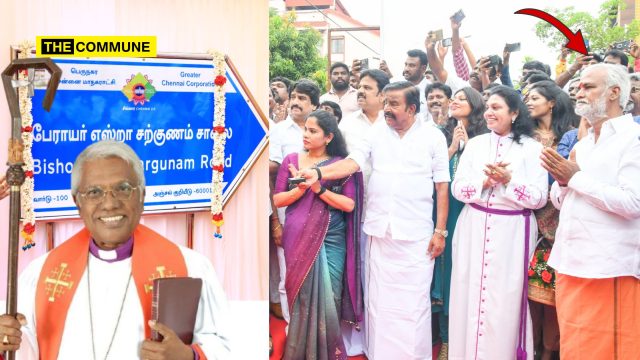
DMK Govt Names Street In Chennai After Pastor Ezra Sargunam Who Said Hindu Religion Doesn’t Exist And Instigated Christians To Punch Hindus In The Face

The DMK government has officially renamed Waddells Road in Kilpauk, Chennai, as ‘Archbishop Ezra Sargunam Road’, in honor of Ezra Sargunam the now-dead rabid Christian pastor who has made several provocative speeches against Hindus. The new nameplate was unveiled by DMK Minister Nehru during a formal ceremony accompanied by Hindu Religious & Charitable Endowments (HR&CE) Minister Sekarbabu, Chennai Mayor Priya, and DMK MLA Inigo Irudhayaraj.

The move has sparked significant controversy and backlash, with critics accusing the state government of Christian appeasement. Many have raised concerns over Archbishop Ezra Sargunam‘s past remarks and his anti-Hindu stance, describing him as a polarizing figure and hardline Christian fundamentalist. The decision has ignited debate over the appropriateness of naming public infrastructure after individuals with divisive reputations.

Who Is Ezra Sargunam?

Ezra Sargunam, the rabid Christian fundamentalist and anti-Hindu, passed away at the age of 86 following a prolonged illness in Chennai. Under his leadership, the Evangelical Church of India (ECI), which began in 1954, saw significant growth. Sargunam, who maintained a notable presence in political circles, often was involved in controversies. He had set a goal to establish 1,000 churches by 2000, a milestone he reached by 1997.

Ezra Sargunam, a Christian evangelist and bishop with solid ties to the DMK, is widely recognized for his controversial speeches against Hindus. Here is a quick look at his anti-Hindu speeches from the past.

In 2018, Ezra Sargunam urged the SDPI, a radical Islamic organization, to take aggressive action against Hindus who were challenging them, particularly following the murder of PMK member Ramalingam, who had opposed Islamic conversions. He also pledged his support to Vaiko, Thirumavalavan, and M.K. Stalin if they pursued this course of action.

He claimed that the Hindu religion did not exist and provoked Christians to punch Hindus in the face and make them bleed if they refused to acknowledge the ‘truth‘.

At another event in the presence of members from the DMK, Ezra Sargunam derided Prime Minister Modi. He said Whatever we are speaking here, it should echo in Delhi. It should fall in the ears of Modi. He is not going to change his mind anyway. He is a man who has come to loot the country and is doing his job correctly. His duty is to support the four rich men. He doesn’t care about the poor. But he will keep saying ‘I was born poor, I sold tea, I am living my life for the poor’. But friends, he keeps doing exactly the opposite.”.

He further said Anybody with an iota of fear for God will not go against his conscience. That fellow, though he keeps talking about God is not God fearing! Neither does he fear people. Only if a man had lived with his wife at least for 5 days would he know the difficulties of everyday life.”

Asking others on the stage to not mistake him, Ezra Sargunam also said, Can’t you live with your wife after marriage even for a week?! What merits do you have to rule this country? This fake man… We will be facing difficulties like these until this Modi is removed. He doesn’t know any difficulties. Only if he had raised children would he know the difficulties! We don’t even know with whom he lived! We are now stuck with him. Let us all pray to destroy him.”

These remarks were made in the presence of DMK leader M.K. Stalin and other opposition figures.

Subscribe to our channels on TelegramWhatsApp, and Instagram and get the best stories of the day delivered to you personally.
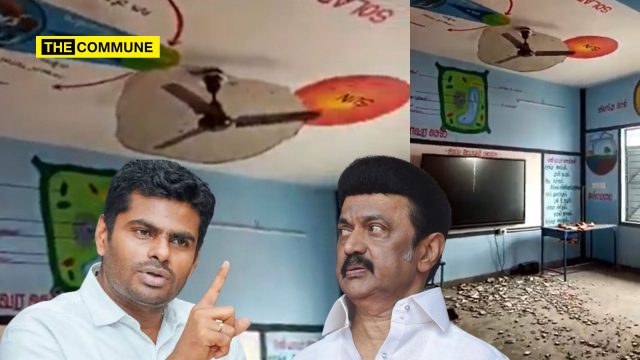
Dravidian Model: Ceiling Of Recently Renovated Govt School Classroom Collapses In Erode; BJP Leader Annamalai Demands Accountability From Ruling DMK

dravidian model school ceiling collapse govt classroom dmk annamalai

The roof of a Dravidian Model government school building constructed just a year ago in Tamil Nadu’s Erode district collapsed on Sunday (20 July 2025), triggering concerns over the quality and safety of public infrastructure projects. The incident occurred at the Panchayat Union Middle School in Kugalur near Gobichettipalayam. The building, inaugurated by Chief Minister M.K. Stalin in July 2024, had been built at an estimated cost of ₹64.33 lakh.

Fortunately, the collapse happened on a holiday when the school was closed, and no students or teachers were present at the time. The incident has reignited public criticism over recurring structural failures in government school buildings across the state.

Over the past year, similar roof collapses have been reported from various districts, sparking allegations of poor construction standards and lack of accountability. While no injuries were reported in this particular incident, parents and local residents have expressed growing fears about the safety of children attending government-run schools.

In response to the incident, former BJP state president K. Annamalai issued a sharp statement demanding transparency and accountability from the ruling DMK government. In a post on his X account, Annamalai questioned the lack of action against the contractors responsible for such unsafe constructions. He wrote, In July 2024, the roof of the middle school building in Kugalur Panchayat Union, near Gobichettipalayam in Erode district, constructed at a cost of ₹64.33 lakh and inaugurated by Chief Minister @mkstalin, collapsed yesterday. Fortunately, as it was a holiday, there were no students or teachers in the classroom, narrowly avoiding a major accident. Across Tamil Nadu, the collapse of government school building roofs has become daily news. It is utterly unacceptable that the DMK government acts so carelessly even in constructing buildings for school children. Have the lives of children from poor and humble backgrounds, studying in government schools, become so insignificant to the DMK government? Over the past four years, we have already raised questions about which districts the DMK government has built new school buildings in. In response, the School Education Minister, who is also the president of the Udhayanidhi fan club, merely wrote letters to every constituency MLA and left it at that. The School Education Minister, busy with publicity shoots, must transparently inform the public about who the contractors were for the collapsed school buildings and what actions the DMK government has taken against them. Furthermore, subjecting all the buildings constructed by the DMK government over the past four years to quality assurance testing would be beneficial for people from all sections of society.”

A Look At Dravidian Model Schools

Ceiling collapses in Dravidian Model schools, that too newly renovated ones are not new. Here is a list of such instances from the past few months.

#1 Krishnagiri

On 27 August 2024, three Class 11 students were injured when ceiling plaster fell at a newly opened government school in Krishnagiri. Built with MP funds, the incident sparked protests by over 50 parents demanding action against the contractor for alleged poor construction. Authorities assured accountability and safety measures.

#2 Thiruporur

On 9 August 2024, the ceiling of a classroom at a government school in Thiruporur collapsed, injuring five female students and sparking protests from parents who questioned the quality of the construction. The incident occurred at the Government Higher Secondary School in Siruthavur village, which serves over 350 students. At around 2 PM on 8 August 2024, a section of the ceiling in a Class 10 room gave way while 48 students were inside. Five girls sustained injuries and were promptly transported to the Thiruporur government hospital. According to police sources, two of the students were treated and sent home, while Suji, Prathikshaw, and Tamilrasi were admitted with multiple injuries.

#3 Kanchipuram

In another incident in July 2024, the ceiling of a newly constructed Panchayat Union Middle School near Kanchipuram collapsed, causing significant concern. The building, completed three months prior at an estimated cost of ₹62 lakhs, had its ceiling in one classroom suddenly give way. The incident resulted in a fan blade bending. Fortunately, the students were on the ground at the time, offering their prayers, and no one was injured. In response, parents demanded an immediate investigation by the District Collector into the building’s stability and called for strict action against those responsible. The Panchayat Union Primary and Middle Schools in Kuruvimalai had three new structures erected at a cost of ₹61.73 lakhs before the last parliamentary elections.

#4 Tirupattur

On 3 March 2024, three students from a government school near Vaniyambadi were seriously injured when the roof of a newly inaugurated classroom gave way. The collapse occurred at a panchayat union primary school in Shankarapuram, Tirupattur district.

#5 Vaniyambadi

Three students were seriously injured when the roof of a newly inaugurated classroom collapsed at a panchayat union primary school in Shankarapuram, Vaniyambadi, Tirupattur district, on 4 March 2025. The building, constructed in 2023–2024 at a cost of ₹21 lakh with funds from AIADMK MLA Senthilkumar, had been inaugurated in August 2024. The injured students, Praneeth (Class 1), Sudarsan (Class 3), and Vishek, were rescued and taken to a private hospital.

#6 Dindigul

Seven students were injured on 7 March 2025 when the roof of a recently repaired fourth-grade classroom collapsed at Dindigul Corporation Middle School. The school, built in 2009 during the DMK government, has faced structural issues, prompting ₹1 crore worth of repairs, including the affected classroom. The incident sparked panic among parents and led to the suspension of Assistant Executive Engineer Thiagarajan. Former AIADMK Minister C. Sreenivasan blamed substandard construction, while DMK Minister I. Periyasamy defended government efforts, attributing the collapse to an older faulty repair.

#7 Tiruvarur

On 7 April 2025, a roof collapse at a government middle school in Sekalangiri village, Tiruvarur district, injured four students during class. One student was seriously hurt and taken to Tiruvarur Medical College, while three others were treated for minor injuries. The building, less than a year old, has sparked public outrage over construction quality. Parents and locals demanded an immediate investigation and accountability for the substandard work. The incident follows a similar accident in Kanchipuram a day earlier, intensifying concerns about student safety in Tamil Nadu’s government schools. Many parents are now hesitant to send their children to school.

#8 Ranipet

In Ranipet, a 13-year-old boy from Thenkadappanthangal sustained serious head injuries when a boundary wall collapsed at his government school during lunch break. The eighth-grade student of the Government Panchayat Union Middle School was playing near the wall when it suddenly gave way. He was first rushed to Walajapet Government General Hospital and later transferred to CMC Hospital in Ratnagiri for advanced treatment. The incident prompted visits from education officials and has sparked concern among local residents.

Subscribe to our channels on TelegramWhatsApp, and Instagram and get the best stories of the day delivered to you personally.
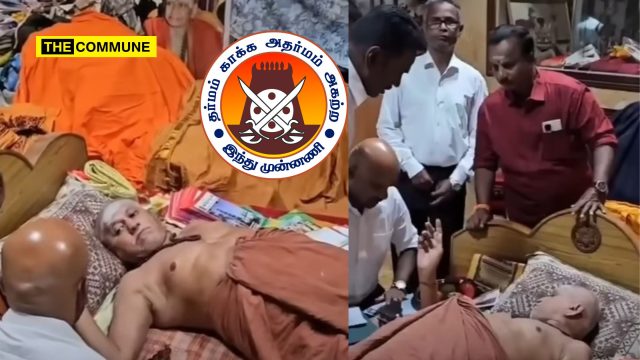
Hindu Munnani Slams Police For Allegedly Interrogating Ailing Madurai Aadheenam Without Legal Support

hindu munnani madurai aadheenam

Hindu Munnani has sharply criticized the Tamil Nadu Police, accusing them of harassing Madurai Adheenam Gnanasambanda Desika Swamigal during an inquiry conducted on 20 July 2025. The organisation’s condemnation comes in light of the Aadheenam’s recent recovery from intestinal surgery. Despite his fragile health, he was reportedly interrogated without the presence of legal counsel or an assistant, which, according to Hindu Munnani, compromised his ability to respond effectively during the investigation.

Posting on its official X account, Hindu Munnani stated, “Tamil Nadu Police harassing Madurai Aadheenam in the name of investigation… Police trespassing by entering the ancient Aadheenam Mutt, expelling everyone? Hindu Munnani strongly condemns the Tamil Nadu Police, who are acting in a way that humiliates Hindu pontiffs and spoils the sanctity of Hindu Aadheenams..!!”

The statement came after the Cyber Crime Wing of the Greater Chennai Police conducted an inquiry with the Madurai Aadheenam on 20 July 2025, as part of an investigation into his allegations of an attempted assassination.

The controversy stems from an incident on 2 May, when the pontiff claimed that a group deliberately tried to kill him by crashing their vehicle into his car near Ulundurpettai, while he was en route to Chennai. However, after reviewing CCTV footage, police concluded that the accident was not intentional and labelled the claim as false. Subsequently, a case was registered against him under four sections of the Bharatiya Nyaya Sanhita (BNS), including charges related to promoting religious enmity and spreading misinformation. Based on this, the police registered the case and sought to question him, even though the Chennai court had granted him anticipatory bail on the condition that he cooperate with the investigation.

On the day of the inquiry, Cyber Crime officers arrived at the Aadheenam premises in Madurai at 11 a.m. Despite reports of the Aadheenam’s poor health, the police proceeded with the questioning. Supporters, including members of the BJP, staged a protest outside, arguing that the Aadheenam was unfit to be questioned and should not be disturbed.

According to sources, the pontiff was still recovering from intestinal surgery and was lying in bed when the police arrived. He struggled to sit up during the interrogation and requested that an assistant be allowed to help him retrieve documents relevant to his defense. This request was reportedly denied, and the police also refused to permit any legal counsel to be present during the inquiry.

Despite the circumstances, the Aadheenam answered the police’s questions, and the interrogation lasted for nearly an hour before the team departed.

The incident has triggered political and religious backlash, with questions raised about the handling of sensitive religious figures, the conduct of the police, and the broader implications for religious freedom and institutional respect in Tamil Nadu.

Subscribe to our channels on TelegramWhatsApp, and Instagram and get the best stories of the day delivered to you personally.
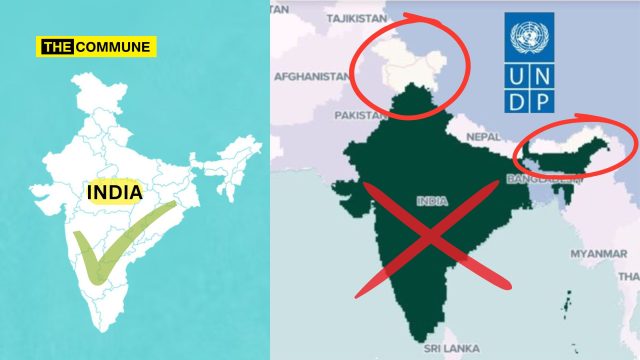
UN Misrepresents India’s Borders Once Again – UNDP Map Excludes J&K, Arunachal Pradesh From Indian Territory

undp un india's borders

It has become increasingly evident that certain Western-dominated international bodies are displaying a troubling pattern of misrepresentation when it comes to India’s territorial integrity. The United Nations, an institution whose foundational charter emphasizes the protection of sovereignty and territorial boundaries, has repeatedly come under fire for what many perceive as cartographic bias, particularly benefiting strategic rivals like China.

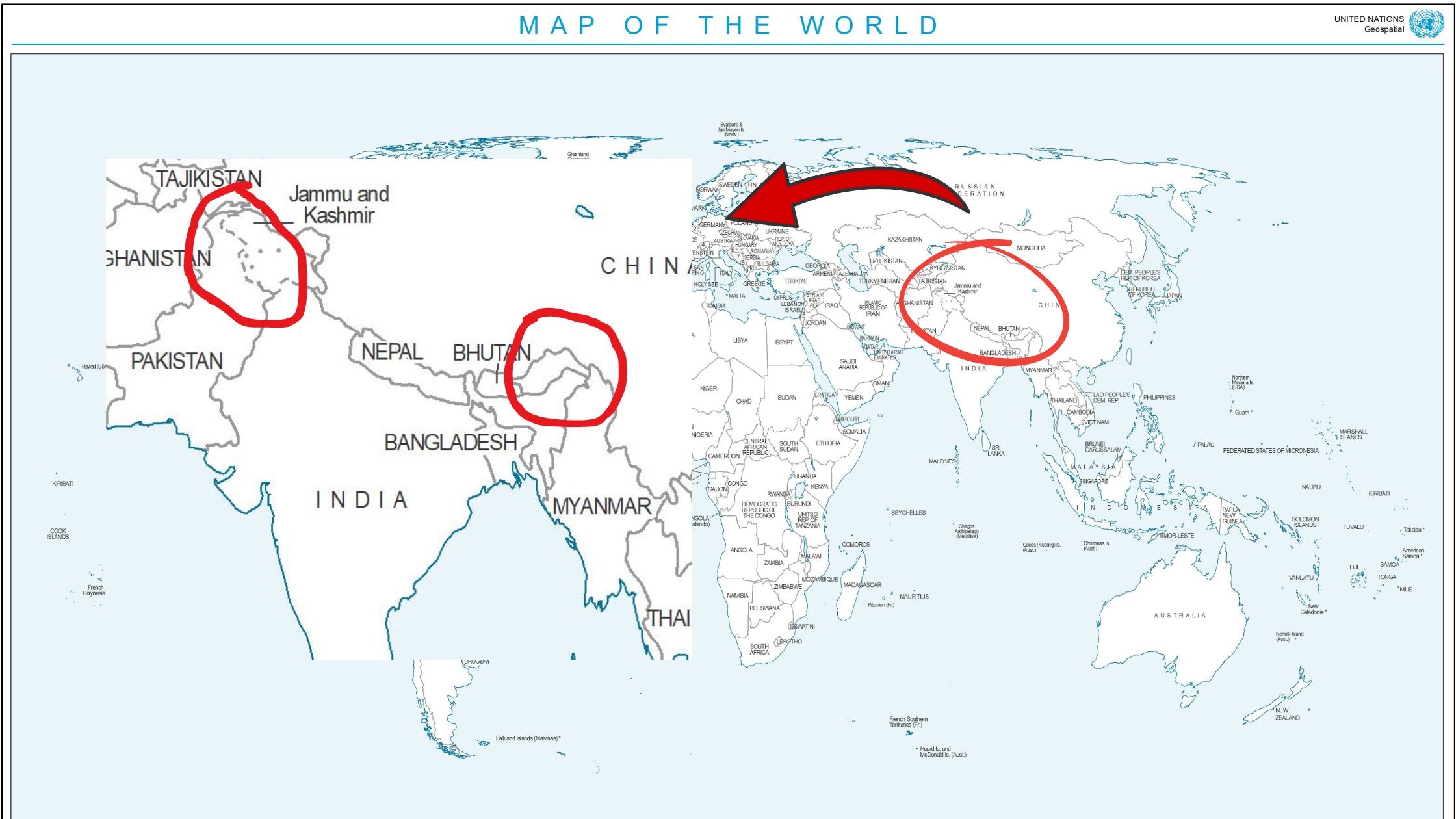
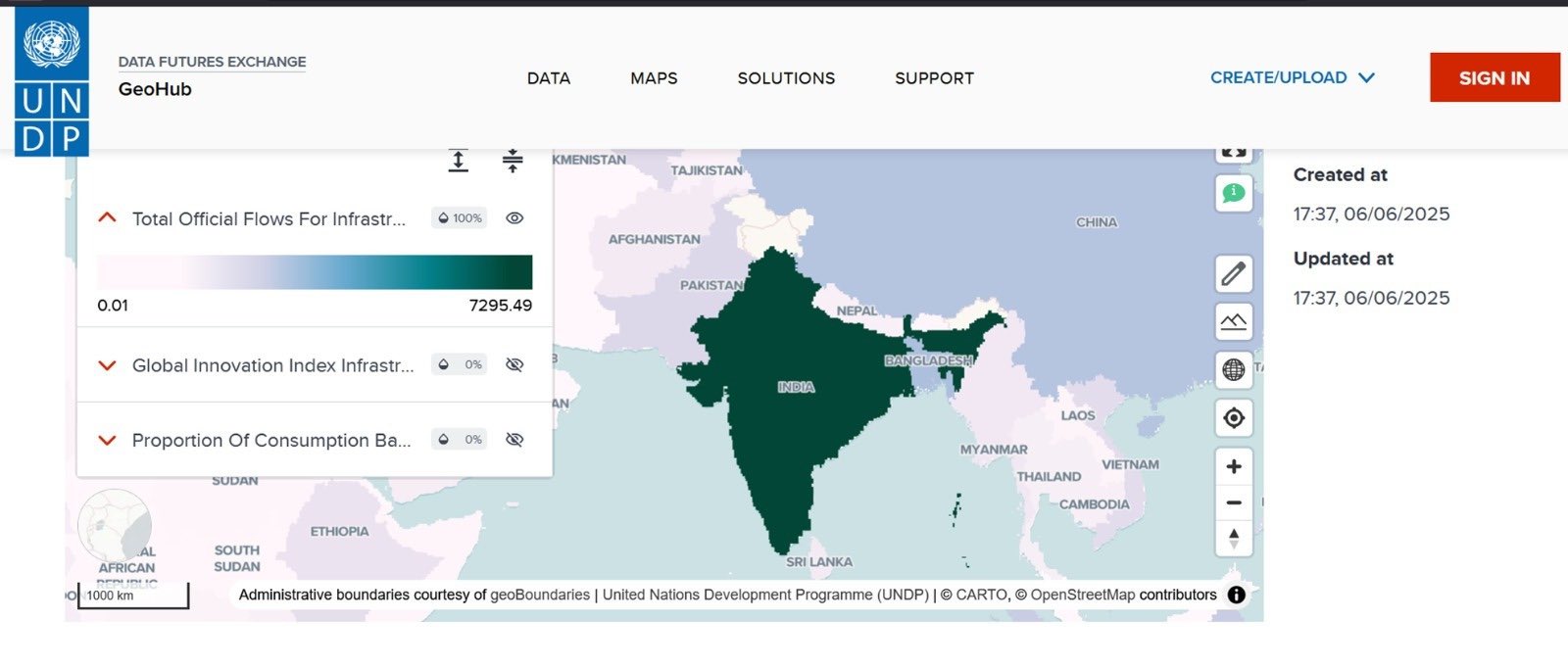
A recent controversy arose from a UNDP map which excluded Jammu & Kashmir and Arunachal Pradesh from Indian territory. This sparked widespread backlash for what is being described as another act of “cartographic aggression” a consistent trend, rather than an isolated mistake.

Over recent years, UN maps have frequently misrepresented India’s internationally recognized boundaries, especially by omitting regions such as Arunachal Pradesh (67,522 sq. km), Jammu & Kashmir (185,947 sq. km), including Aksai Chin (30,425 sq. km)

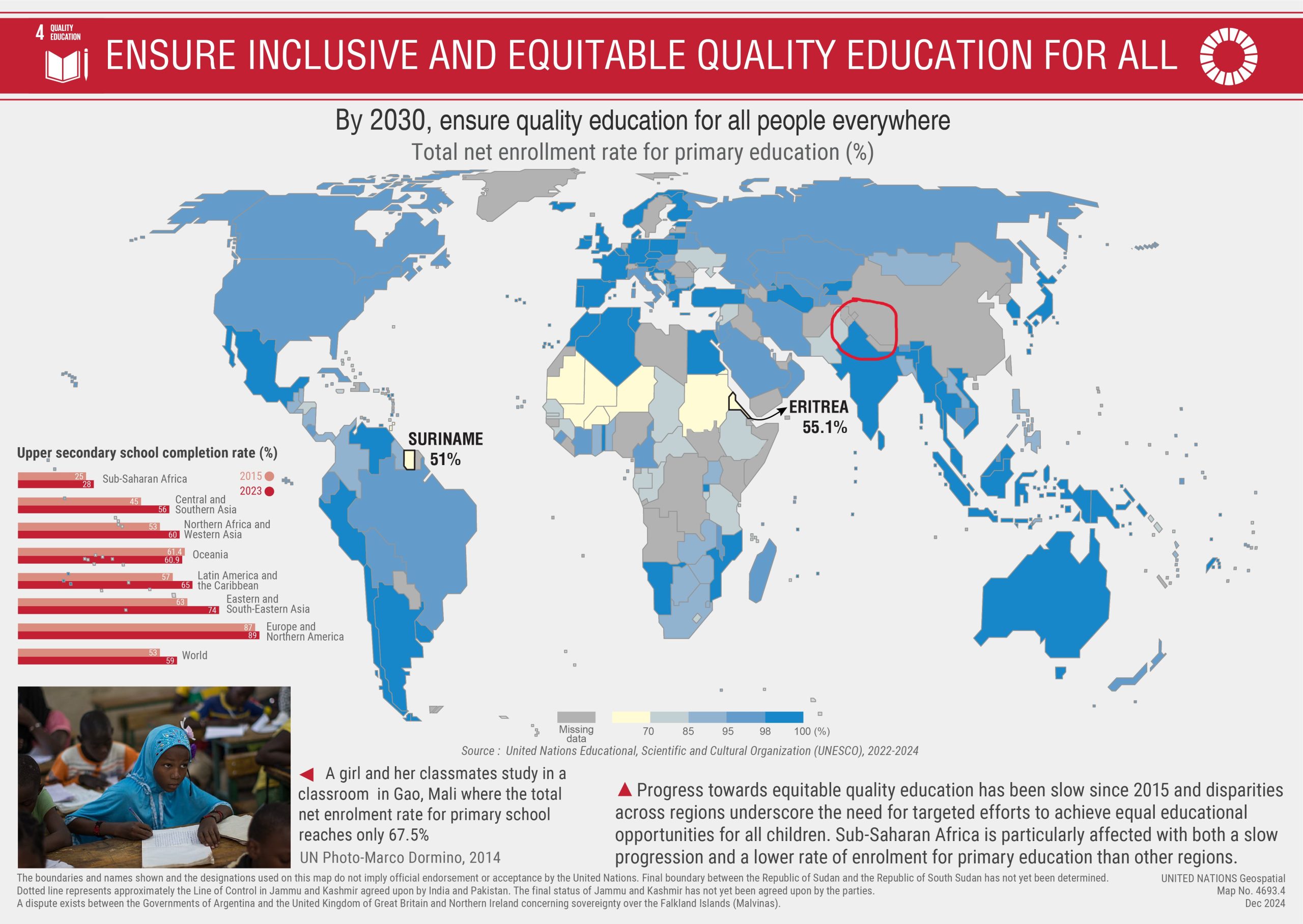
These territories are often depicted as “sovereignty unsettled”, which results in maps showing a truncated version of India, missing both its northern crown and eastern extension. These inconsistencies have surfaced across various UN agencies and platforms, including datasets related to trade, environment, development, and sustainable goals, raising serious questions about the intent and transparency behind such depictions.

SDG04_QualityEducation2024

Notably, no official explanation has been provided in UN records or public communications, leaving observers to question whether these changes are influenced by external pressures, particularly from China.

WHO’s Role in Reinforcing Disputed Depictions

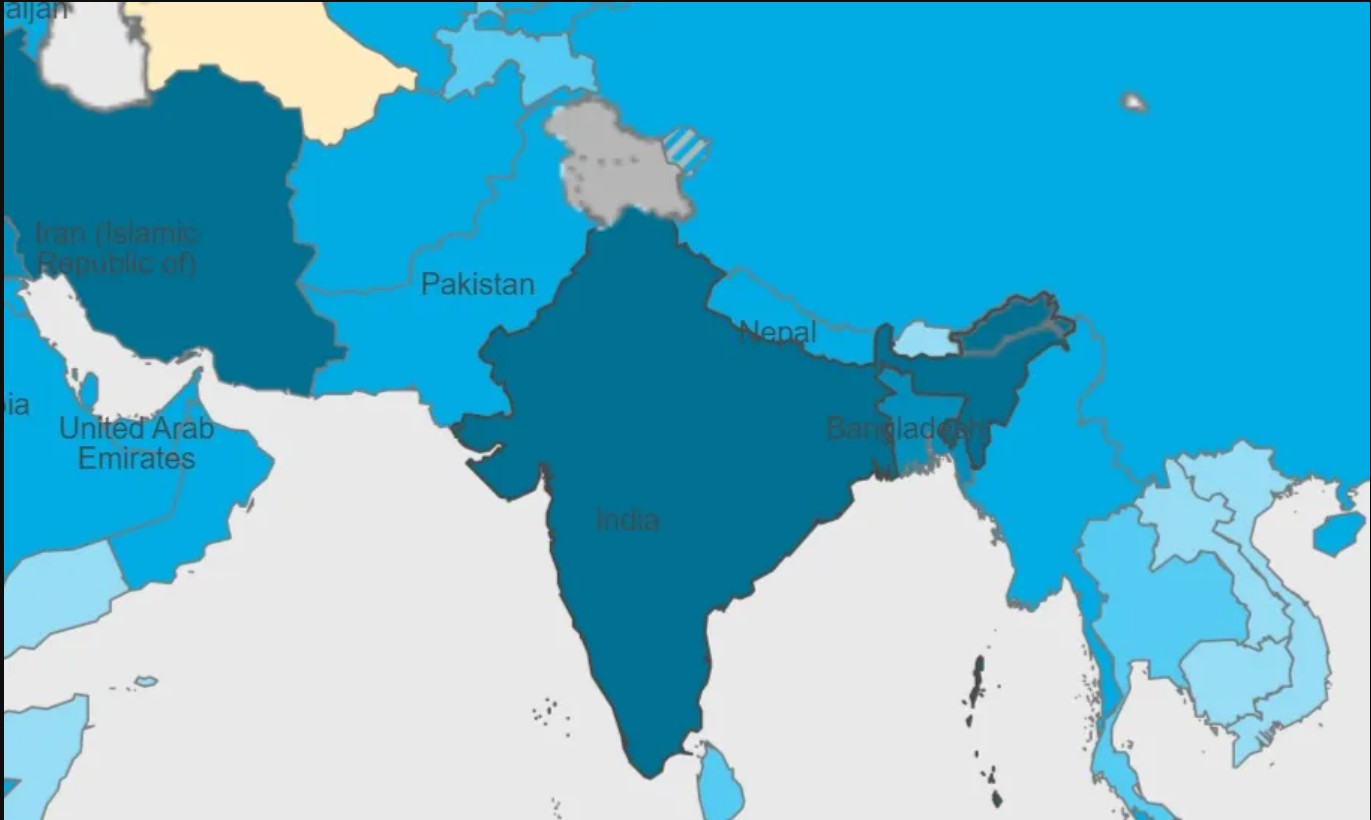
In January 2021, during a COVID-19 data presentation, the World Health Organization (WHO) drew criticism by coloring Jammu & Kashmir and Ladakh in grey, separate from the navy blue used for the rest of India. Though WHO claimed adherence to UN cartographic conventions, the visual segregation of these Union Territories sparked concern.

(Image Credit: OpIndia)

Further scrutiny of WHO’s maps reveals deeper issues. Arunachal Pradesh, although shaded in blue, was shown as a distinct landmass (polygon), implying separation. In a “Detailed Boundary Disputed Areas” map, Arunachal’s entire boundary is dotted, indicating territorial dispute. Another map depicts Arunachal’s internal border with Assam as contested a recent and alarming development, especially as China continues to rename locations in Arunachal as part of its South Tibet claims.

Meanwhile, WHO’s administrative boundary (ADMO) map does reflect India’s claims, yet still marks PoK and Aksai Chin separately, creating inconsistencies within WHO’s own mapping systems.

UN-Wide Discrepancies Across Platforms

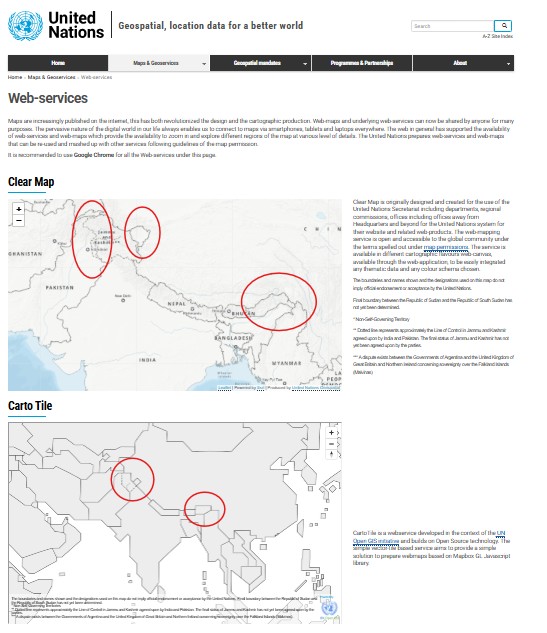
The issue isn’t limited to WHO. The UN Geospatial Information Section, which offers a service called ‘Clear Map’ for internal use, includes maps where:

  • J&K is outlined with dotted lines, visually detaching it from India
  • Arunachal Pradesh appears isolated, resembling neighboring sovereign nations like Nepal or Bhutan

Even the interactive Carto Tile map omits labeling for Arunachal, further implying ambiguous sovereignty. While disclaimers exist regarding the Line of Control (LoC) in J&K, no such caveats accompany the disputed borders of Arunachal, leading to uneven representation.

Several UN-affiliated platforms mirror this inconsistency, for example, the FAO uses outdated maps, while the Global Administrative Areas Database (GADM) v4.1 depicts all of J&K and Arunachal as separate from India, a significant shift from previous versions, which excluded only PoK and Aksai Chin. Similarly, the UNCTAD database presents no data for Arunachal and J&K when hovered over, as if these territories were not part of India. While it includes a disclaimer, this only reinforces the perception of intentional segmentation.

Agencies like UNFCCC and UNEP largely rely on the visual framework set by the UN Geospatial Division, but variations remain in how they present Arunachal Pradesh. On the UN’s Sustainable Development portal, India is shown in yellow, but Arunachal and J&K are marked with dotted boundaries, symbolizing dispute.

Why This Matters: More Than Just Lines on a Map

Though the UN insists its maps are neutral and includes a standard disclaimer — “Boundaries and names shown and designations used on this map do not imply official endorsement or acceptance by the United Nations” the influence of visual representation is far-reaching.

Incorrect maps do not remain confined to UN databases:

  • They inform diplomatic briefings, academic curricula, and international development strategies
  • They misguide global opinion, distort legal narratives, and undermine India’s territorial claims
  • They impact aid distribution, misrepresent populations, and isolate residents of the “disputed” areas
  • Such cartographic distortions benefit aggressive claimants like China and weaken trust in the UN’s credibility as a neutral global body.

A Call for Accountability

In the face of escalating geopolitical tensions and rising cartographic hostilities, it is imperative that the United Nations adhere to the principles of neutrality and consistency in territorial representation. The upcoming 2025 sessions of the UN Global Geospatial Knowledge and Innovation Centre and the UN Committee of Experts on Global Geospatial Information Management (UN-GGIM) in August present an opportunity to re-evaluate these inconsistencies.

As the global custodian of geospatial standards, the UN bears a unique responsibility to ensure its mapping practices respect the administrative realities of member states. Anything less not only compromises its credibility but also amplifies the very disputes it is meant to mediate.

Subscribe to our channels on TelegramWhatsApp, and Instagram and get the best stories of the day delivered to you personally.
Riverside Park Turns Into A Rotting Garbage Dump, Shows Why Dravidian Model Chennai Is One Of The Most Unclean Cities In India

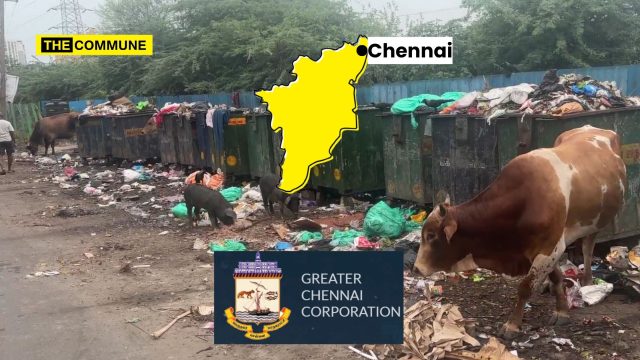
It’s no surprise that Chennai has plummeted from its previous fifth-place position to rank 104th in Tamil Nadu in the Swachh Survekshan 2024–25 survey. The assessment covered 651 locations across the state, and Chennai’s sharp decline highlights growing concerns over urban cleanliness.

One glaring example is the banks of the Cooum River near Nolambur, which clearly reflect the inefficiencies of the Greater Chennai Corporation (GCC) in implementing the Swachh Bharat Mission. Garbage from wards 91, 92, and 93 is left to rot in the open, creating an eyesore and a health hazard.

Following a Times of India report in December last year, GCC initially responded by removing about ten garbage bins and attempted to convert the area into a riverside park. However, they retained a garbage transfer station on the site, which now holds between 100 and 150 tonnes of waste for up to 48 hours, with insufficient bins to manage the load. What was once envisioned as a park is now overrun with filth pigs forage through the trash, and cows drag waste onto the streets.

This stretch of road is a key route for around 50,000 residents of Mogappair, Nolambur, Golden George Nagar, and Padikuppam, who use it to access Poonamallee High Road. Nearby, several gated communities and students from Dr. MGR University also rely on this thoroughfare.

Ward 93 councillor Uma Santhanam acknowledged the issue, stating that officials are actively seeking an alternative site to relocate the garbage sorting station. “We plan to gradually remove all the bins,” she said. She also mentioned that when officials tried to capture the pigs last week, a group of herders attacked sanitation workers, including some sanitary inspectors. A police complaint is expected to be filed soon.

Meanwhile, GCC has shut down all local wet waste processing units, such as micro-composting and vermi-composting centres in the affected wards. This has led to unsegregated waste being dumped directly in open spaces. “Even when residents make an effort to separate waste, it ends up getting mixed and dumped outside,” said K. Radhika, a resident of Mogappair East. She urged the corporation to reopen composting facilities to manage organic waste more effectively and reduce the overall load on open dumping grounds.

(With inputs from Times Of India)

Subscribe to our channels on TelegramWhatsApp, and Instagram and get the best stories of the day delivered to you personally.
All 12 Convicted In 2006 Mumbai Local Train Blasts Acquitted By Bombay High Court

bombay high court 2006 mumbai local train blasts bombings

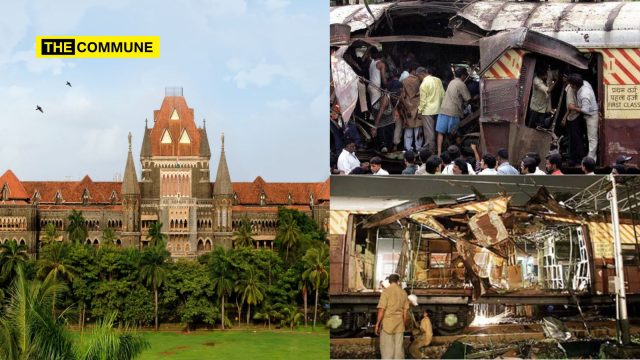
Nearly two decades after the 2006 Mumbai local train bombings that killed 189 people and injured over 800, the Bombay High Court on Monday, 21 July 2025, acquitted all 12 men who had been convicted in the case by a special trial court in 2015.

A division bench comprising Justice Anil Kilor and Justice Shyam Chandak set aside the lower court’s verdict, citing serious lapses in the prosecution’s case. The bench ruled that the prosecution had “utterly failed” to establish the guilt of the accused beyond reasonable doubt.

“The prosecution has utterly failed to prove the case against the accused. It is hard to believe that the accused committed the crime. Hence, their conviction is quashed and set aside,” the court stated. The judges directed that all the accused be released from prison, provided they are not implicated in any other case.

The bench observed that the accused were being given the “benefit of doubt,” pointing to inconsistencies in witness testimonies and the lack of conclusive forensic evidence. It questioned how eyewitnesses could reliably identify suspects more than 100 days after the incident. The court also noted that the materials allegedly recovered during the investigation – explosives, arms, and maps, appeared to be unrelated to the bombings. Furthermore, the prosecution had failed to establish the exact type of explosive devices used in the attacks.

The blasts, which occurred on 11 July 2006, involved seven pressure cooker bombs placed in first-class compartments of Mumbai suburban trains. The coordinated explosions took place over an 11-minute span during the evening rush hour, targeting trains near Matunga Road, Mahim Junction, Bandra, Khar Road, Jogeshwari, Bhayandar, and Borivali stations.

In 2015, a special Maharashtra Control of Organised Crime Act (MCOCA) court had convicted 12 men. Five of them, Faisal Sheikh, Asif Khan, Kamal Ansari, Ehtesham Sidduqui, and Naveed Khan were sentenced to death. The remaining seven, Mohammed Sajid Ansari, Mohammed Ali, Dr. Tanveer Ansari, Majid Shafi, Muzzammil Shaikh, Sohail Shaikh, and Zamir Shaikh, were given life sentences for their alleged roles in the conspiracy.

Following today’s High Court ruling, all 12 men are expected to be released after spending nearly 19 years behind bars.

(With inputs from NDTV)

Subscribe to our channels on Telegram, WhatsApp, and Instagram and get the best stories of the day delivered to you personally.
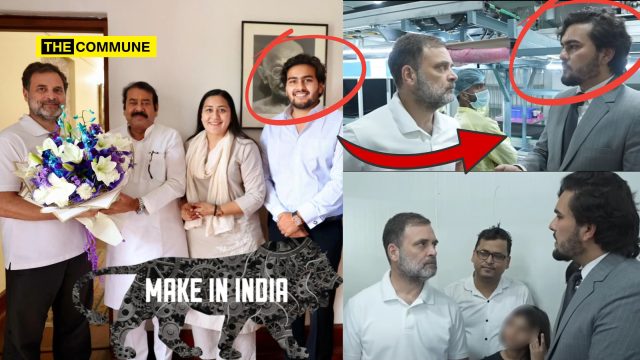
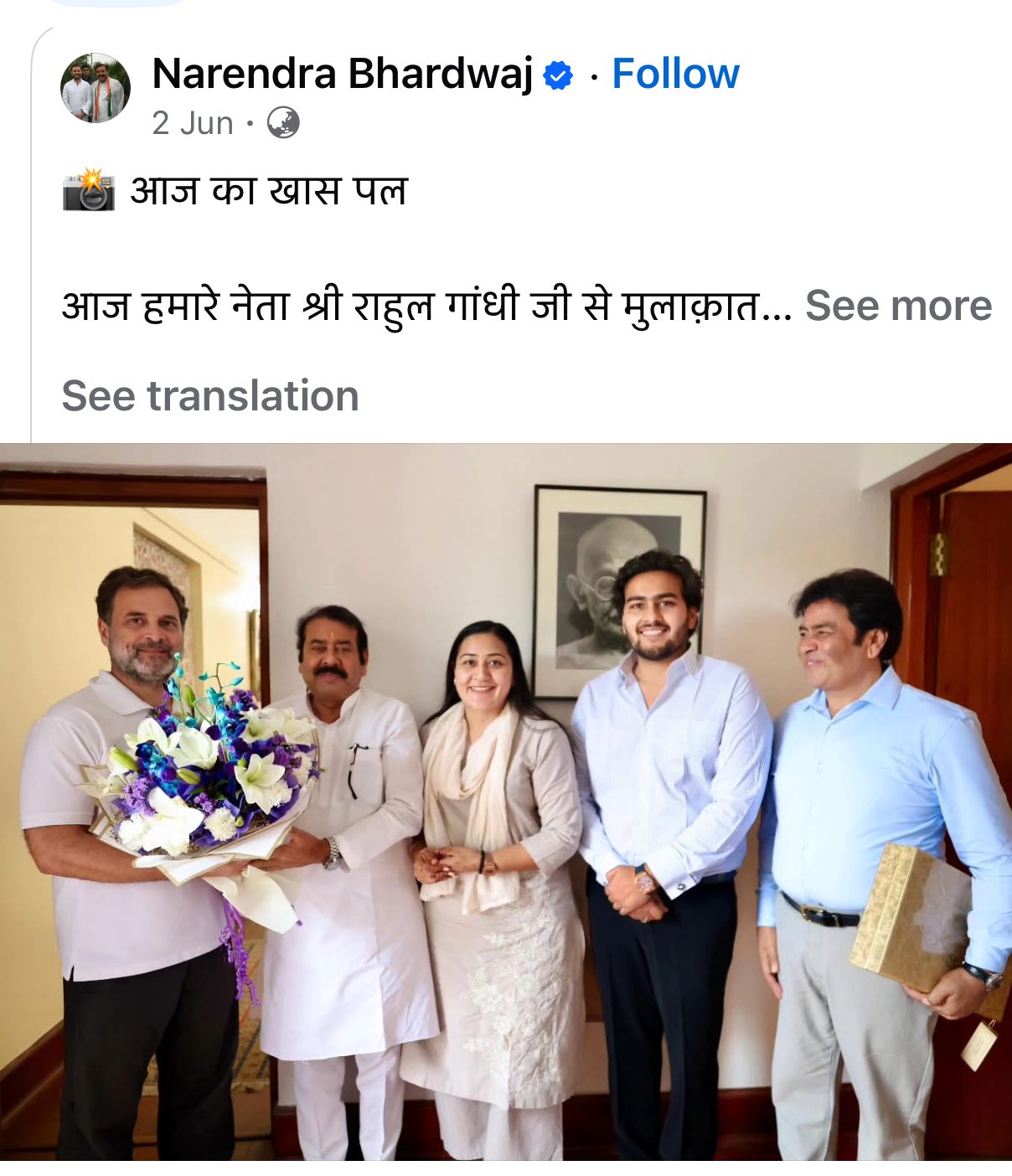
Manish Bhardwaj, Who Wanted $3 Billion In Unsecured Loans, Is A Congress Leader’s Kin

manish bhardwaj congress

On 19 July 2025, Leader of Opposition Rahul Gandhi criticized the current state of manufacturing under the ‘Make in India’ initiative, arguing that India is primarily engaged in assembling products rather than truly manufacturing them. He emphasized the need for a fundamental shift at the grassroots level to transform India into a genuine manufacturing powerhouse.

In a post on X, he questioned the authenticity of the ‘Make in India’ campaign, stating, Do you know that 80% of the components of most TVs made in India come from China? In the name of ‘Make in India,’ we are merely assembling not truly manufacturing. From iPhones to TVs the parts come from abroad, we just put them together. Small entrepreneurs want to manufacture, but there’s neither policy nor support. On the contrary, heavy taxes and the monopoly of select corporates which have gripped the country’s industry. Until India becomes self-reliant in production, talks of jobs, growth, and “Make in India” will remain mere speeches. Ground-level change is needed so that India moves beyond the assembly line to become a true manufacturing power and can compete with China on equal footing.”

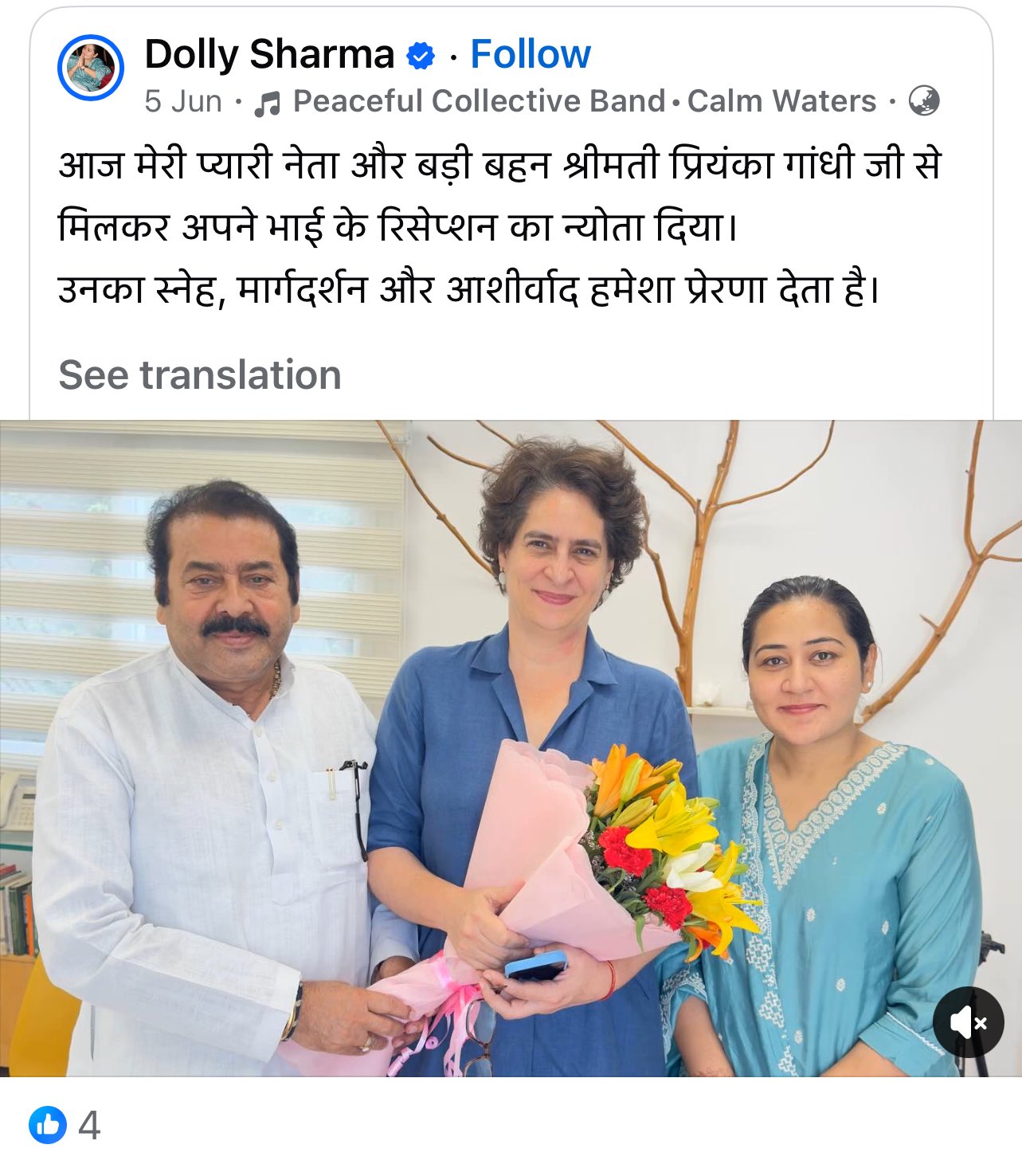
While Gandhi’s criticism sparked discussion, what really drew attention was a public relations stunt involving Congress’s 2024 Lok Sabha candidate Dolly Sharma’s brother, Manish Bhardwaj. In a widely circulated video, Manish controversially sought an unsecured loan of $2 to $3 billion from the government, raising eyebrows across the political spectrum.

In the viral video, Manish Bhardwaj says, “If the government is going to support, to benefit, and manufacture these important components in India, then we can do it immediately. We have the…” Rahul Gandhi interrupts and questions, “But why can’t you do?” In response Manish Bhardwaj replies, “I need a leverage amount of capital. I don’t have any unsecured capital. The banks cannot support me. Government is giving a CGTMSE scheme of ₹10 crore rupees to the startups. Tell me, the whole infrastructure and everything, nobody can start up this in ₹5 crore, ₹10 crore, ₹15 crore, ₹20 crore. How much money if I have to invest [in a] semiconductor factory? I need at least $2 billion, $3 billion. I can invest a certain amount, but rest of the money I need some support from [the] government.”

Who Is Manish Bhardwaj?

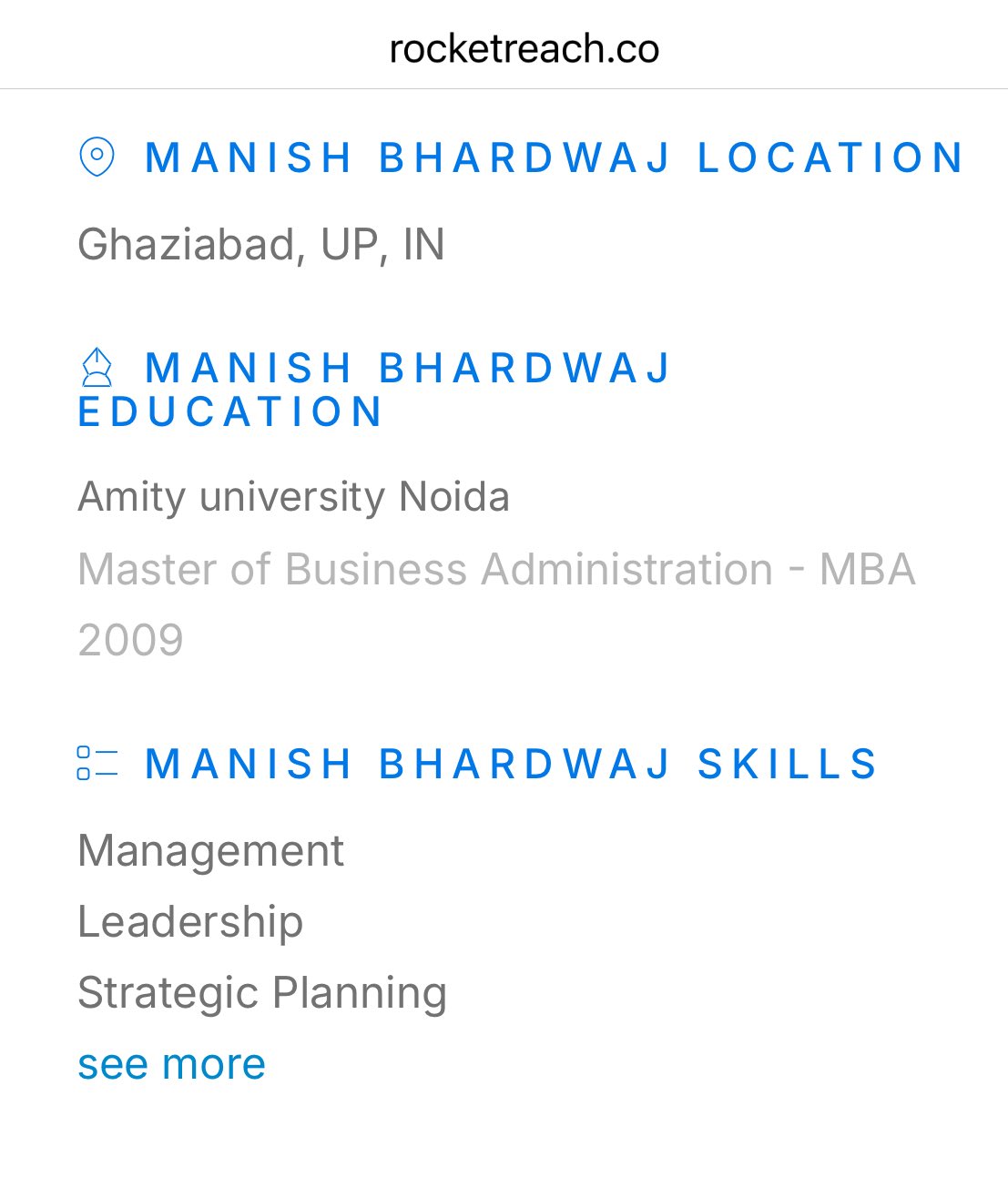
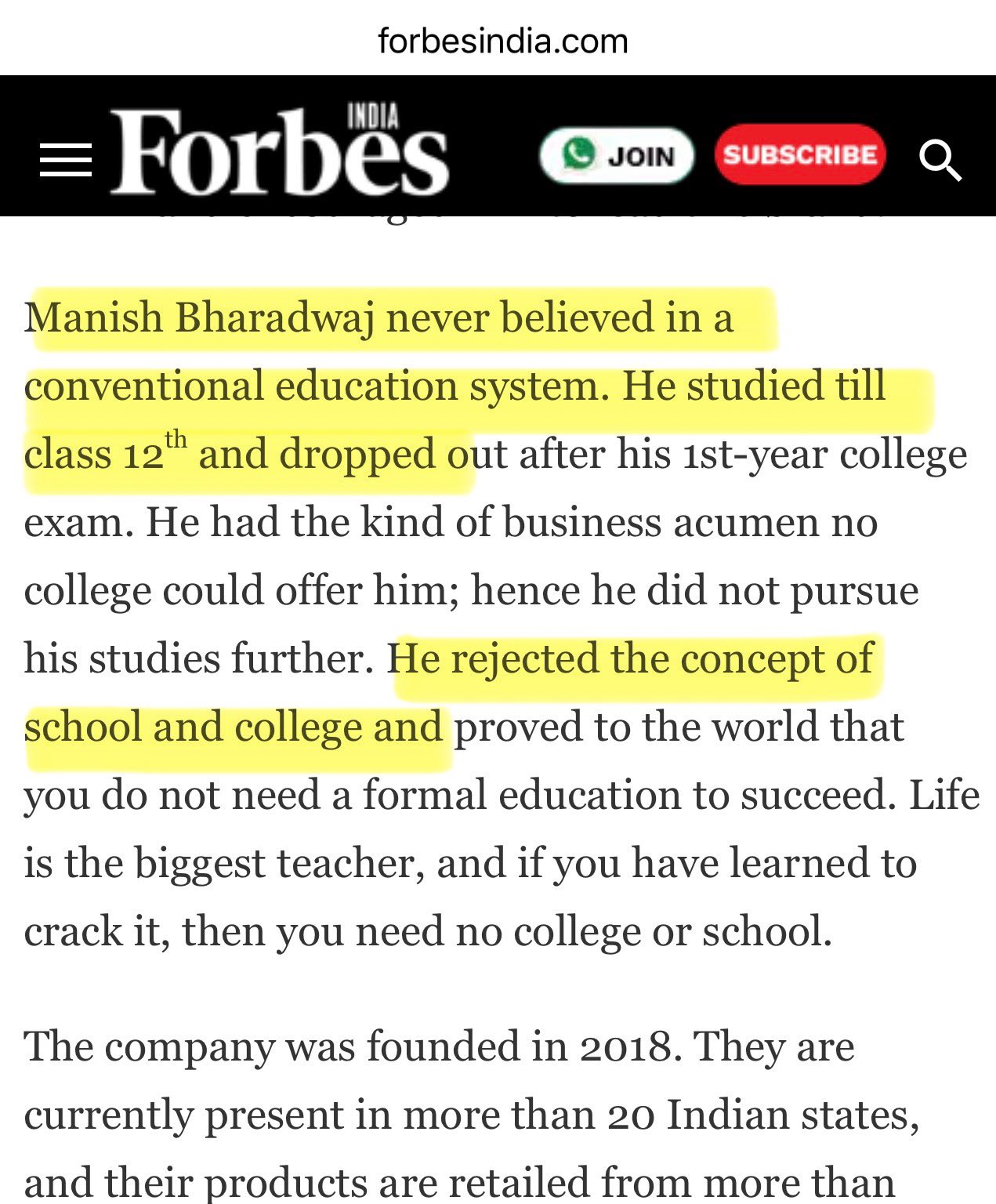
Manish, a polarizing figure in business and political circles, comes from a well-connected family. Despite public claims of holding an MBA from Amity University, an old, sponsored article in Forbes India suggests he disregarded formal education and dropped out after completing 12th grade, favoring a practical approach to business.

His father, Narendra Bhardwaj, is a long-time Congress loyalist and managing director of Foxsky, an electronics brand co-founded by Manish in 2018. The family maintains close ties with the Gandhi family, though this was notably absent from the PR video, which appeared to be aimed at criticizing government policy while downplaying their own privileges.

Ironically, Manish’s business thrived during the very environment shaped by initiatives like ‘Make in India’, ‘Digital India’, UPI expansion, and improved logistics infrastructure. His company, Foxsky, currently has over 1,000 retail points and has partnered with Amazon for e-commerce distribution. In the past, Manish endorsed local manufacturing and openly supported India’s assembly ecosystem including using Chinese components.

Now, in a dramatic shift, he portrays himself as a struggling entrepreneur, despite riding the wave of pro-business policies and luxuries such as a Mercedes with a “James Bond” plate and designer accessories.

Critics argue that the issue isn’t wealth or privilege, but the hypocrisy of condemning a system that allowed such businesses to flourish, while attempting to discredit the very reforms that enabled their growth. Moreover, the Congress track record on recklessly granting massive loans, many of which ended in default or flight of borrowers, further undermines this new PR strategy.

India’s Electronics Manufacturing: Reality Check

According to the Consumer Electronics and Appliances Manufacturers Association (CEAMA), as of 2020, around 95% of consumer electronics sold in India were assembled locally. However, 25% to 70% of their components still came from China, depending on the product. This dependency, built over decades, is not easy to eliminate quickly.

CEAMA also noted that companies had begun diversifying their supply chains well before calls for boycotting Chinese products  driven largely by COVID-19-induced disruptions.

Why ‘Make in India’ Was Launched

India’s economic growth was largely fueled by the services sector over the past two decades, particularly IT and BPO. However, by 2013, although services contributed 57% to GDP, they provided just 28% of total employment. This mismatch, especially in a young and growing workforce, revealed the need to strengthen the manufacturing sector, which could absorb more labor and reduce trade deficits.

India’s manufacturing contribution to GDP stood at a modest 15%, significantly lower than East Asian economies. The aim of ‘Make in India’ was to:

  • Increase manufacturing sector growth to 12–14% annually.
  • Create 100 million new jobs in manufacturing by 2022.
  • Boost the manufacturing share of GDP to 25%.
  • Equip rural migrants and the urban poor with manufacturing skills.
  • Enhance domestic value addition and technological depth.
  • Promote environmentally sustainable industrial growth.
  • Improve global competitiveness.

The idea was never to replace China overnight, but to take incremental steps that attract investment, deepen domestic capabilities, and reduce import reliance over time. As businesses grow, they would naturally begin to localize parts if it made economic sense. This is a market-driven process, not something that can be dictated entirely by government fiat.

Advantages Final Assembly in India

  • Employment Generation : Assembly plants hire large numbers of semi- and low-skilled workers.
  • Local Economic Uplift: Boosts local services like logistics, warehousing, and packaging.
  • Lower Import Burden: Importing parts (instead of finished products) cuts customs duty and reduces prices.
  • Ecosystem Building: Lays the groundwork for deeper manufacturing capacity in the future.

While criticism of policy is part of a healthy democracy, it’s important to differentiate between genuine concerns and politically motivated arguments. India’s manufacturing journey is long-term and layered, requiring policy, private investment, and innovation to align. PR-driven narratives that ignore these realities may win attention but do little to help the real cause of economic transformation.

(With inputs from The Hawk Eye)

Subscribe to our channels on TelegramWhatsApp, and Instagram and get the best stories of the day delivered to you personally.
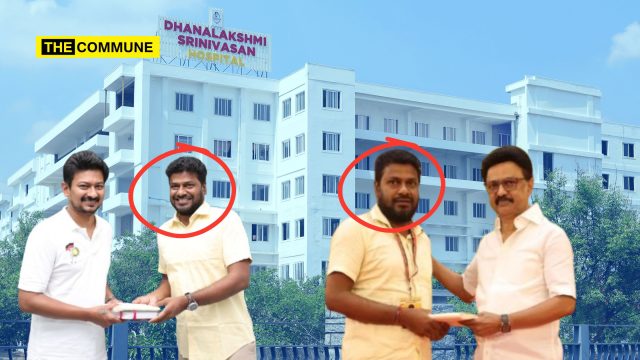
Namakkal Kidney Trafficking Scandal: DMK MLA-Linked Hospital, Dhanalakshmi Srinivasan Group, Under Investigation For Alleged Illegal Organ Trade

A widening kidney trafficking scandal has brought intense scrutiny upon Dhanalakshmi Srinivasan Hospital, a prominent private healthcare chain in Tamil Nadu, over its alleged role in conducting illegal kidney transplants involving trafficked organs from poor women. The hospital’s political links, particularly through DMK MLA Kathiravan, son of the hospital’s founder Srinivasan, have sparked allegations of systemic protection and deliberate obstruction of regulatory action.

DMK MLA’s Hospital at Centre of Organ Trafficking Network

According to investigations initiated following a regional news exposé, over 90 women, most of them daily wage laborers from Pallipalayam and Kumarapalayam in Namakkal district, were targeted by a kidney trafficking network that facilitated illegal transplants at Dhanalakshmi Srinivasan Hospital in Perambalur and Siddhar Hospital in Trichy.

The racket allegedly used forged Aadhaar cards and medical documents to carry out surgeries on women lured with offers of ₹5 to ₹10 lakh. In some cases, victims were reportedly coerced into agreeing to the transplants under financial and social pressure.

At the heart of the operation is M. Anandan, a 52-year-old DMK party speaker from Anampalayam Perur, known locally as “Dravida Anandan.” He is accused of brokering the kidney deals and transporting women to the hospitals. Anandan is currently absconding, and police have recovered forged documents, fake government seals, and official uniforms from his locked residence in Pallipalayam.

Political Shield Alleged

The Dhanalakshmi Srinivasan Group, which operates hospitals and medical colleges across Tamil Nadu, has been mired in multiple controversies in the past, including allegations of wrongful treatment, trainee doctors attending patients unsupervised, and deaths due to inadequate care during the COVID-19 pandemic. Yet, no significant penalties or legal action have materialized, a fact many attribute to the political influence of DMK MLA Kathiravan, who represents Mannachanallur.

Local sources claim the hospital’s political clout has prevented the establishment of a government medical college hospital in Perambalur, despite the project being announced over 12 years ago. The suspicion is that the private hospital chain actively blocked progress on the government facility to avoid competition, leveraging its MLA ties to do so.

In a show of apparent public service, the hospital reportedly offers free treatment to residents of Kathiravan’s constituency and holds annual free medical camps. However, recent allegations suggest that these medical camps may have served as cover for illegal organ harvesting, raising fresh concerns about the ethics and operations of the institution.

Fake Patient Setup, Regulatory Evasion

Insiders have revealed that when national-level inspection teams visited the hospital, staff were instructed to bring villagers — particularly pregnant women — by bus and stage them as patients to meet regulatory expectations. These women were allegedly paid ₹800 a day to pose as patients. Meanwhile, hospital records reportedly showed inflated patient data and procedures, raising questions about fraud and misreporting.

A prominent display board at the hospital boasts of having conducted over 200 kidney transplants, which, in the current context, has only amplified public anxiety.

Victim Testimony – Aadhar Tampering

In an interview with News Tamil 24×7, a victim detailed how his worsening financial condition led him into the hands of what appears to be an organ trade network operating through private hospitals.

According to the victim, the ordeal began when he was discussing his debt problems with acquaintances at a local tea shop. “Even a ₹5,000 loan would attract ₹250 in interest. I couldn’t keep up with it,” he said, adding that he was struggling to cover basic expenses. During the conversation, an unidentified individual approached him and suggested a way to “solve” his problems by visiting a hospital for a “procedure.”

He was subsequently taken to Dhanalakshmi Srinivasan Hospital in Perambalur district. There, he said, he handed over his Aadhaar card, which bore his original address in Pallipalayam, Namakkal district. However, he later discovered that a different Aadhaar card, with altered address details, had been used for official documentation, raising concerns of identity tampering and falsification.

He stated that he was provided with a private room and ₹1,000 per day for expenses during his hospital stay. Following the surgery, he was allegedly paid ₹5 lakhs by intermediaries who arranged the operation. He described the presence of brokers, who instructed him on where to sit, what to wear, and how to respond during hospital formalities.

“I didn’t know my Aadhaar details were being changed. I just gave them my card. The doctor said everything would be fine,” Bagir said. He emphasized that the decision to undergo the procedure was not made lightly, but out of desperation due to spiraling debt and lack of support. “I couldn’t bear the financial pressure. This felt like the only way.”

The victim also alleged that no government authorities had contacted him after the incident. “They should be coming to help people like us, but we are left to deal with middlemen.”

The organ trafficking case, first exposed by News Tamil, has prompted a government-level probe involving the Health, Revenue, and Police Departments. A complaint has been lodged by Dr. Veeramani, medical officer at Pallipalayam Government Hospital, against Anandan. The investigation team led by Namakkal Joint Director of Health Services Dr. Rajmohan and instructed by District Collector Durga Moorthy has been actively pursuing leads but has yet to apprehend the main accused.

Tamil Nadu Health Minister M. Subramanian condemned the incident, reiterating that only voluntary organ donation is legal in the state. He promised strict action against all those involved.

Despite the growing evidence, police officials acknowledge that many victims are hesitant to file formal complaints due to fear, stigma, and possible retaliation. This reluctance may impede legal action against those operating behind the scenes, including hospital administrators and middlemen.

Subscribe to our channels on Telegram, WhatsApp, and Instagram and get the best stories of the day delivered to you personally.