Home Blog Page 194

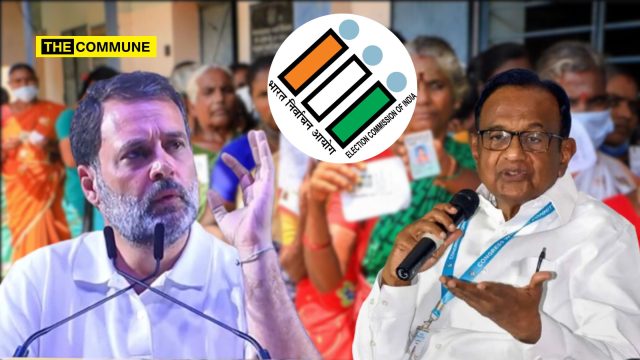
ECI Busts Congress MP P Chidambaram And Rahul Gandhi’s Allegations Of Electoral Roll Manipulation
eci rahul gandhi chidambaram

On 3 August 2025, the Election Commission of India (ECI) firmly rebutted allegations made by Congress MP P. Chidambaram, who claimed that voters were being shifted and migrant workers were being added to Tamil Nadu’s electoral rolls in a questionable manner. The ECI labeled these accusations as “misleading and without foundation.”

ECI Busts P Chidambaram’s Claim

In a strongly worded response, the Commission criticized Chidambaram for spreading misinformation regarding the Special Intensive Revision (SIR) process, which is a nationwide exercise. The statement read, “There is no need for political leaders to spread false information with respect to the SIR exercise being conducted by ECI at national level. It has come to the notice of the ECI that such information is being deliberately peddled in the media with a view to obstruct the exercise.” The EC went on to say that such statements appear to be intentionally circulated in the media to disrupt and discredit the process.

Addressing the issue of voters who have moved permanently from Bihar to other states, the EC clarified that accurate data would only be available once the SIR is completed. It emphasized that, under the Indian Constitution and the Representation of the People Act, 1950, individuals are eligible to register as voters in the constituency where they ordinarily reside. The EC also rejected claims of 6.5 lakh voters being added in Tamil Nadu, stating that SIR has not yet begun in the state, and linking it to the Bihar exercise is baseless.

It added, “As far as voters who have permanently shifted from Bihar to other states and are ordinarily resident in those states, the exact figures can be known only after the SIR has been conducted. The Constitution of India read with RP Act 1950 envisages Enrollment of voters with respect to the constituency in which they are ordinarily resident. It is for the voters to come forward and get enrolled in the constituency where they are eligible. But, it is noticed that some false figures are being floated about enrollment of 6.5 lakh voters in Tamil Nadu. SIR has not yet been rolled out in T.N. It is therefore absurd to connect the SIR exercise in Bihar with TN. Such peddling of false statements with respect to SIR should be avoided.”

EC Clarifies Legal Framework on Voter Registration

The Commission issued five key points to counter the Congress leader’s claims:

  • Article 19(1)(e) of the Constitution gives every citizen the right to live and settle anywhere in India.
  • Section 19(b) of the Representation of the People Act, 1950, allows individuals to be registered in a constituency where they are ordinarily residents.
  • Section 20 of the same Act defines “ordinary residence.”
  • A person originally from Tamil Nadu living in Delhi has the right to register as a voter in Delhi.
  • Similarly, a migrant from Bihar residing in Chennai is eligible to vote in Chennai if they meet residency requirements.

Earlier in the day, Chidambaram took to social media platform X (formerly Twitter) to criticize the ECI for what he described as a suspicious increase in Tamil Nadu’s electoral roll by 6.5 lakh migrant workers, while simultaneously removing about 65 lakh names from Bihar’s voter list, labeling them as “permanently migrated.” He called this trend both “alarming and illegal,” and accused the Commission of interfering with the democratic rights of Tamil Nadu voters. He questioned why migrant workers couldn’t simply return to their home state to vote during elections, as many do for festivals like Chhath Puja.

The SIR exercise is getting curiouser and curiouser While 65 lakh voters are in danger of being disenfranchised in Bihar, reports of “adding” 6.5 lakh persons as voters in Tamil Nadu is alarming and patently illegal Calling them “permanently migrated” is an insult to the migrant workers and a gross interference in the right of the electorate of Tamil Nadu to elect a government of its choice Why should the migrant worker not return to Bihar (or his/her home state) to vote in the State Assembly election, as they usually do? Does not the migrant worker return to Bihar at the time of the Chhath puja festival? A person to be enrolled as a voter must have a fixed and permanent legal home. The migrant worker has such a home in Bihar (or another state). How can he/she be enrolled as a voter in Tamil Nadu? If the migrant worker’s family has a permanent home in Bihar and lives in Bihar, how can the migrant worker be considered as “permanently migrated” to Tamil Nadu? The ECI is abusing its powers and trying to change the electoral character and patterns of States This abuse of powers must be fought politically and legally @CMOTamilnadu he asked.

Chidambaram alleged that this move was aimed at altering the electoral demographics of Tamil Nadu and accused the EC of misusing its authority, calling for political and legal resistance.

ECI Busts Rahul Gandhi’s Claim

Similar to Congress MP P. Chidambaram, the official Congress social media handle also amplified Rahul Gandhi’s recent claims, asserting that the 2024 Lok Sabha elections were manipulated. Referring to alleged discrepancies, the Congress post peddled, “How is the Lok Sabha election stolen? Out of 6.5 lakh voters, we found 1.5 lakh to be fake. It’s all documented; we obtained physical papers from the Election Commission. The election system in India is dead. Remember, the Prime Minister of India holds office with a very slim majority. If 15 seats were rigged and we suspect the number to be much closer to 70 to 100. If 15 seats hadn’t been rigged, he wouldn’t be the Prime Minister of India. And we’ll prove to you that the Lok Sabha can be and was rigged. The institution that holds, protects, and defends this has been taken over. I now have 100 percent proof.”

In response to these statements, the Election Commission of India issued a firm rebuttal, accusing Rahul Gandhi of spreading unverified and misleading narratives. The Commission stated, “Shri Rahul Gandhi has repeatedly made unsubstantiated and misleading allegations, including baseless claims such as “vote chori,” and has threatened lakhs and lakhs of hardworking election officials across the country. It appears that these unfounded allegations are intended to discredit their impartial and transparent hard work, attempt to exert undue pressure on the election machinery, and even threaten them without even filing an appeal against electoral roll or even an EP against the conduct of elections as per law.”

The EC further revealed that Rahul Gandhi was invited to discuss these concerns in a formal setting on 12 June 2025, but he did not respond to the invitation. It added, “when the Election Commission extended an invitation to Shri Rahul Gandhi for an interaction on 12 June 2025, there has been no response from him so far.”

EC Clarifies Election Procedures Were Followed

To address the controversy, the Election Commission clarified that during the preparation for the 2024 Lok Sabha elections, both draft and final voter rolls were shared with all political parties, including the Indian National Congress. These lists were open to challenge under Section 24 of the Representation of the People Act, 1950, yet very few objections were raised by the Congress across all 36 states and union territories.

Additionally, following the elections, only eight election petitions were filed by INC candidates under Section 80 of the Representation of the People Act, 1951, suggesting limited formal contestation of the results.

Subscribe to our channels on TelegramWhatsApp, and Instagram and get the best stories of the day delivered to you personally.

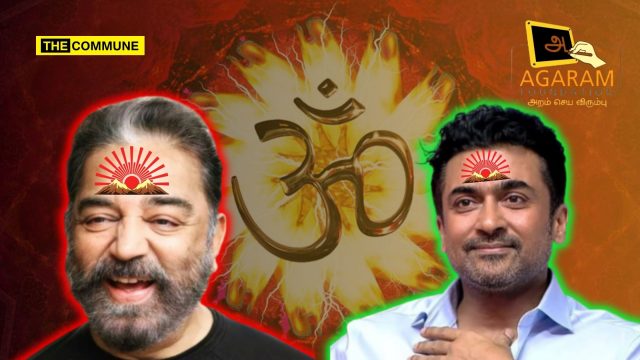
DMK Stooge MP Kamal Haasan Derogates Sanatana Dharma, Peddles Anti-NEET Propaganda At Fellow DMK Stooge Actor Suriya’s Agaram Foundation PR Event

What was billed as a celebration of 15 years of social service by the Agaram Foundation turned into a carefully curated public relations event for actor Suriya and his political allies. While the event aimed to highlight educational initiatives for underprivileged students, the presence of actor-politician Kamal Haasan and the nature of Suriya’s own speech made it difficult to ignore the underlying political messaging and image management at play.

Actor-politician and Makkal Needhi Maiam chief Kamal Haasan, now Rajya Sabha MP at the mercy of the DMK, on Sunday 3 August 2025, abused Sanatana Dharma during his address at the 15th anniversary celebrations of the Agaram Foundation in Chennai, calling education “the only weapon that can break the chains of dictatorship and Sanatan”.

What DMK Stooge Kamal Haasan Said

Speaking at the event organised by actor Suriya’s education charity, Haasan emphasised the transformative power of education and called for deeper investment in knowledge systems and social empowerment.

“Don’t take anything else in your hands, only education. We cannot win without it, because the majority can make you lose. Majority fools (Moodargal) will make you lose; knowledge alone will seem defeated. That’s why we must hold on to it (education) firmly,” he said.

Haasan drew a clear line between performance in cinema and service to society, saying, “In cinema, we are crowned for our performances. But in social work, we are given a crown of thorns. It takes a strong heart to accept that crown. No one else will do this for us, we have to do it ourselves.”

He praised the Agaram Foundation for providing educational support to underprivileged children, stating, “True education and unconditional love are hard to come by. Apart from our mothers, institutions like Agaram Foundation are among the few places where we can still find them.”

Taking a direct swipe at the NEET policy implemented in 2017, Haasan said the exam had crushed the dreams of medical aspirants from marginalised communities in Tamil Nadu. “You can’t see doctors of such a batch next year. There is a reason for what I’m saying, as after 2017, they are unable to continue their efforts. Now do you understand why we oppose NEET? Since 2017, that law has made such children unable to get education,” he said.

“Even Agaram Foundation, despite its best efforts, cannot help students beyond a point because the law doesn’t allow it. To change the law, we need strength and that strength can only come from education,” he added.

Sharing a recent conversation with Tamil Nadu Chief Minister M.K. Stalin, Haasan said, “Yesterday, I told the Chief Minister that NGOs were not asking for anything like money, they’re only asking for permission to work. He assured me that steps are being taken in that direction. I am proud to be involved in this cause.”

Concluding his address, Haasan offered a reflection on leadership: “Leadership is that which disappears (with time) into the society and not that stands and rules. It took me 70 years to understand this.”

Haasan’s invocation of “Sanatan” also echoes a the DMK scion’s derogatory statements to “eradicate Sanatana Dharma in 2023 at a conference by that name which caused an uproar all across the country. Udhayanidhi Stalin had stated that ‘Sanatana Dharma’ must be eradicated like diseases caused by mosquitoes, linking it to caste discrimination. While multiple cases were filed against him, the Supreme Court later barred the registration of further cases on the matter.

DMK Stooge Suriya Makes His PR

Suriya’s speech was packed with emotional appeals, crafted in a tone of humility and gratitude, but layered with subtle self-promotion and political signaling. His repeated emphasis on how alumni of Agaram are now “giving back” through volunteerism, and how ₹300 a month could change a life, served dual purposes – maintaining the foundation’s crowd-funded image while elevating Suriya as a selfless philanthropist.

“I ask with all due respect… contribute at least ₹300 per month so that the right student can reach the right student and their life will also change like this,” Suriya pleaded, subtly shifting the focus from systemic educational failures to individual generosity – a tactic often used to draw attention away from government accountability.

Suriya said, “More than 6,000 students from extremely humble backgrounds have received an education and gone on to achieve great things. Many were orphans. Today, our former students are running the programme with empathy and social awareness.” He further added, “in 2026, there will still be first-generation students.” – While he says this, he does not question the reality of the so-called Dravidian Model that he supports. Why will there be first-generation students in the 21st century if the Dravidian model has done wonders?

With this event, we have seen two leading Kollywood actors hosting “educational support” events, each carefully crafted to serve personal agendas under the guise of social service. Both talk about NEET and why it must be abolished, the importance of education, social equality, and women’s empowerment – clearly aligned with political narratives, especially as the hosts, want to build up on their PR image.

While actor Vijay, has now formally entered politics was touted as “younger Kamaraj”, Suriya portrayed him as a selfless crusader for education, with supporters likening him to a “living Abdul Kalam” – a transparent attempt at image-building. While one used the platform for direct political positioning, the other indulged in high-gloss PR, reinforcing the idea that both events, though cloaked in the language of upliftment, were ultimately about self-promotion.

While Suriya makes great claims about the foundation, it is noteworthy that Agaram Foundation, a “non-profit” organization ironically applies its own stringent selection criteria to determine which students deserve financial aid. Despite promoting the cause of educational equality, Agaram uses a rigorous scoring system to shortlist applicants, directly contradicting its stated mission.

Subscribe to our channels on Telegram, WhatsApp, and Instagram and get the best stories of the day delivered to you personally.
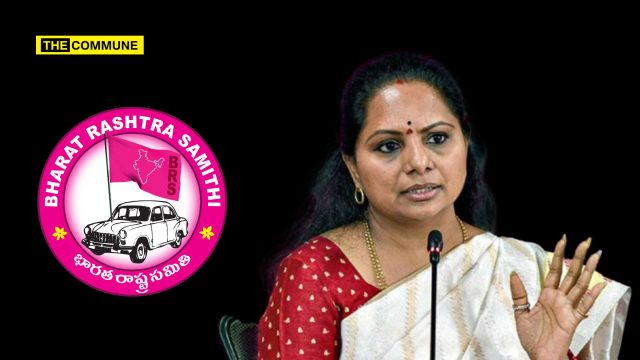
Rift Deepens In BRS As Kavitha Accuses Party Insiders Of Malice

brs kavitha rift attack

The rift within the Bharat Rashtra Samithi (BRS) widened further on Sunday with party President and former Telangana Chief Minister K. Chandrasekhar Rao’s daughter and MLC K. Kavitha launching an open attack against party MLA and former minister G. Jagadish Reddy.

Kavitha blamed some “insiders” for derogatory comments made by suspended Congress MLC Chintapandu Naveen alias Teenmaar Mallanna against her.

Talking to media persons, she alleged that a top leader of BRS was behind the comments, and that is why the BRS leaders remained silent. In a personal attack on Jagadish Reddy for his certain comments, she called him “Lilliput”.

Kavitha remarked that the leader “who survives only in the shadow of KCR (as Chandrasekhar Rao is popularly known)” destroyed the BRS in the Nalgonda district.

“If KCR is not there, who are you?” she asked. Jagadish Reddy had reportedly made certain remarks about her position, recognition, and deviation from the party.

“Another small leader who joined the party later is also questioning my credibility. Telangana society will not spare such leaders,” Kavitha said.

Kavitha said that some leaders stooped so low to encourage derogatory comments against her. “Your efforts to sideline me and make me lonely will be paid back as I believe in Karma,” she said. Kavitha, who heads the Telangana Jagruthi, seen as the cultural arm of the BRS, has been targeting a section of senior leaders, including her brother and BRS Working President K.T. Rama Rao, since her confidential letter to KCR was leaked a few months ago.

Calling KCR a “god”, she had remarked that he is surrounded by devils. Meanwhile, Jagadish Reddy responded to Kavitha’s comments. He wrote on X that he salutes her for her knowledge about his journey in the Telangana movement. He also said he expressed sympathy for her efforts to use the words spoken by KCR’s enemies.

Responding to BJP MP C.M. Ramesh’s comments on the BRS-BJP merger, Kavitha said his comments were taken out of her leaked letter written to KCR. The BRS MLC said that the government has not yet given her permission for a dharna over the demand for 42 per cent reservation for BCs and hoped that the High Court would protect her rights.

The High Court will be hearing, on Monday, the Telangana Jagruthi’s petition for direction to the government to give permission for a 72-hour hunger strike. She said that the hunger strike would follow the Gandhian path of peaceful resistance.

Stating that there are 112 BC castes in Telangana, she said that the idea behind the 72-hour dharna is to give 40 castes every day an opportunity to express their problems. Kavitha said if Congress was sincere in its fight for 42 per cent reservation for BCs, its leaders, Rahul Gandhi and Priyanka Gandhi, should have raised their voice in the Parliament.

She slammed the BJP for not approving the two Bills sent to the Centre by the state for 42 per cent reservation of BCs in education, employment and local bodies.

-IANS

Subscribe to our channels on TelegramWhatsApp, and Instagram and get the best stories of the day delivered to you personally.

“Don’t Give Funds Just Because Someone Is A Woman”, Says Veteran Kerala Filmmaker Adoor Gopalakrishnan

adoor gopalakrishnan sc women funds kerala

Veteran filmmaker Adoor Gopalakrishnan stirred a controversy at the Kerala government’s Film Policy Conclave with comments perceived as dismissive towards women and Scheduled Caste (SC) filmmakers who receive financial support from the Kerala State Film Development Corporation (KSFDC).

During his speech, Adoor expressed concern that the Rs 1.5 crore allocated for SC and ST filmmakers could be misused.

“I had earlier pointed out to the Chief Minister that this amount could lead to corruption. But no corrective action has been taken,” he said. He suggested that instead of awarding Rs 1.5 crore to a single filmmaker, it would be more effective to support three filmmakers with Rs 50 lakh each. He further said that structured training was essential before providing such financial aid.

“Those selected from the SC community should undergo at least three months of intensive training by experts to learn budgeting and basic film production skills,” he said.

In a remark that drew strong reactions, Adoor said, “Don’t give funds just because someone is a woman,” though he added that several talented women filmmakers are now emerging. He criticised the current approach of allocating funds, arguing that public money collected through taxes should not be distributed arbitrarily.

“Many people believe that just by applying, they are entitled to receive money to make a film. That’s a wrong notion,” he said. Several filmmakers, including Dr Biju, objected to his remarks during the session and attempted to respond, but Adoor continued his address uninterrupted. He also took a swipe at the recent protests at the K.R. Narayanan National Institute of Visual Science and Arts, claiming that the agitation was aimed at undermining attempts to restore discipline at the institute.

According to him, the protests ultimately contributed to the institution’s decline. Adoor concluded by reiterating that government funding should not be directed towards commercial ventures but should promote quality cinema.

His remarks have sparked backlash from sections of the film industry and civil society, with many criticising the tone and timing of his statements at a conclave aimed at shaping inclusive film policy.

-IANS

Subscribe to our channels on TelegramWhatsApp, and Instagram and get the best stories of the day delivered to you personally.

BJP Must Bring OPS Back Into Fold, Says AMMK Leader TTV Dhinakaran

ttv dhinakaran ammk ops bjp dmk admk nda

AMMK General Secretary TTV Dhinakaran has stepped into the escalating tussle between Tamil Nadu BJP President Nainar Nagenthran and former AIADMK coordinator O. Panneerselvam. He has urged both state and national BJP leaders to initiate steps to bring OPS back into the NDA fold.

Dhinakaran, in a statement, said, OPS was associated with the BJP even before I joined the NDA. The BJP leadership must act to bring him back. He will never align with the DMK.” His remarks came as tensions flared between OPS and Nainar Nagenthiran over claims of failed communication regarding a meeting with Prime Minister Narendra Modi.

The controversy began after Nainar, addressing reporters at Bhavani in Erode district, denied having received any communication from OPS seeking an appointment with the Prime Minister during the latter’s recent Tamil Nadu visit last month.

“OPS never contacted me. In fact, I was the one who reached out to him the day before he met Chief Minister M.K. Stalin,” Nainar said, adding that he chose not to respond to OPS’s accusations.

OPS hit back within hours, showing reporters at the Madurai airport, screenshots of text messages he claimed to have sent to Nainar. But when quizzed about the messages later in the day at Odanilai, Nainar dismissed the evidence, stating that “displaying messages on a phone is not enough proof.”

The feud prompted OPS to issue a statement warning his supporters and party functionaries not to make any remarks about political alliances.

“Speak only about the failures of the DMK government. Conduct public rallies to expose how the AIADMK is crumbling. Any violation of this directive will invite strict action,” he cautioned.

In a related development, senior AIADMK leader C. Ponnaiyan accused OPS of maintaining a “secret understanding” with the DMK, further complicating the former deputy chief minister’s political positioning.

With the 2026 Assembly elections drawing closer, the exchange underscores the ongoing churn within Tamil Nadu’s opposition landscape, as former allies spar in public and third parties like the AMMK attempt to play mediator.

-IANS

Subscribe to our channels on TelegramWhatsApp, and Instagram and get the best stories of the day delivered to you personally.

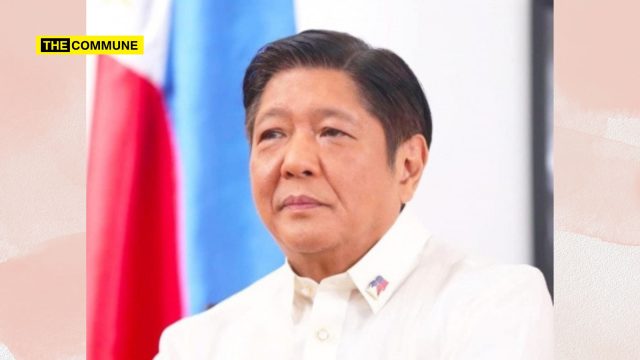
Philippines President Marcos Begins First India Visit To Boost Defence And Trade Ties

president marcos philippines india visit defence

Philippines President Ferdinand R. Marcos Jr is scheduled to arrive in New Delhi on Monday for a five-day state visit aimed at strengthening defence and trade relations between India and the Philippines. This marks his first official visit to India since assuming office in 2022.

President Marcos will land at New Delhi Airport in the afternoon, accompanied by First Lady Louise Araneta Marcos and a high-level delegation comprising Cabinet Ministers, senior officials, and business leaders. His visit coincides with the 75th anniversary of diplomatic relations between the two countries, adding symbolic significance to the engagements planned over the coming days.

The visit is expected to culminate in deeper strategic and defence cooperation, especially in the maritime domain. The Philippines, notably, became the first foreign country to procure India’s BrahMos supersonic cruise missile system. The first consignment of BrahMos missiles was delivered to the Philippines on April 19, 2024.

An agreement to enhance defence collaboration, particularly focusing on maritime security, is anticipated during the visit. President Marcos is scheduled to hold bilateral talks with Prime Minister Narendra Modi on August 5. He will also meet President Droupadi Murmu and will be called on by External Affairs Minister Dr. S. Jaishankar, with their meeting scheduled for Monday in New Delhi.

The Philippine President is also expected to visit Bengaluru before departing India on August 8. India’s Ministry of External Affairs emphasised that the Philippines is a key partner in India’s Act East Policy, Vision MAHASAGAR, and Indo-Pacific strategy. The relationship is anchored not only in strategic interests but also in deep historical and cultural ties.

The Tagalog language contains numerous words of Sanskrit origin, and archaeological findings like the Laguna Copperplate inscription and the Agusan Tara statue testify to centuries-old connections.

Diplomatic ties between India and the Philippines were formally established in November 1949. With the launch of India’s Look East Policy in 1992, and its subsequent transformation into the Act East Policy, bilateral relations have grown substantially, particularly through ASEAN cooperation.

President Marcos and PM Modi last met briefly on the sidelines of the 21st ASEAN-India Summit and the 19th East Asia Summit in Lao PDR in October 2024, and earlier in Jakarta during the 20th ASEAN-India Summit in 2023.

-IANS

Subscribe to our channels on TelegramWhatsApp, and Instagram and get the best stories of the day delivered to you personally.

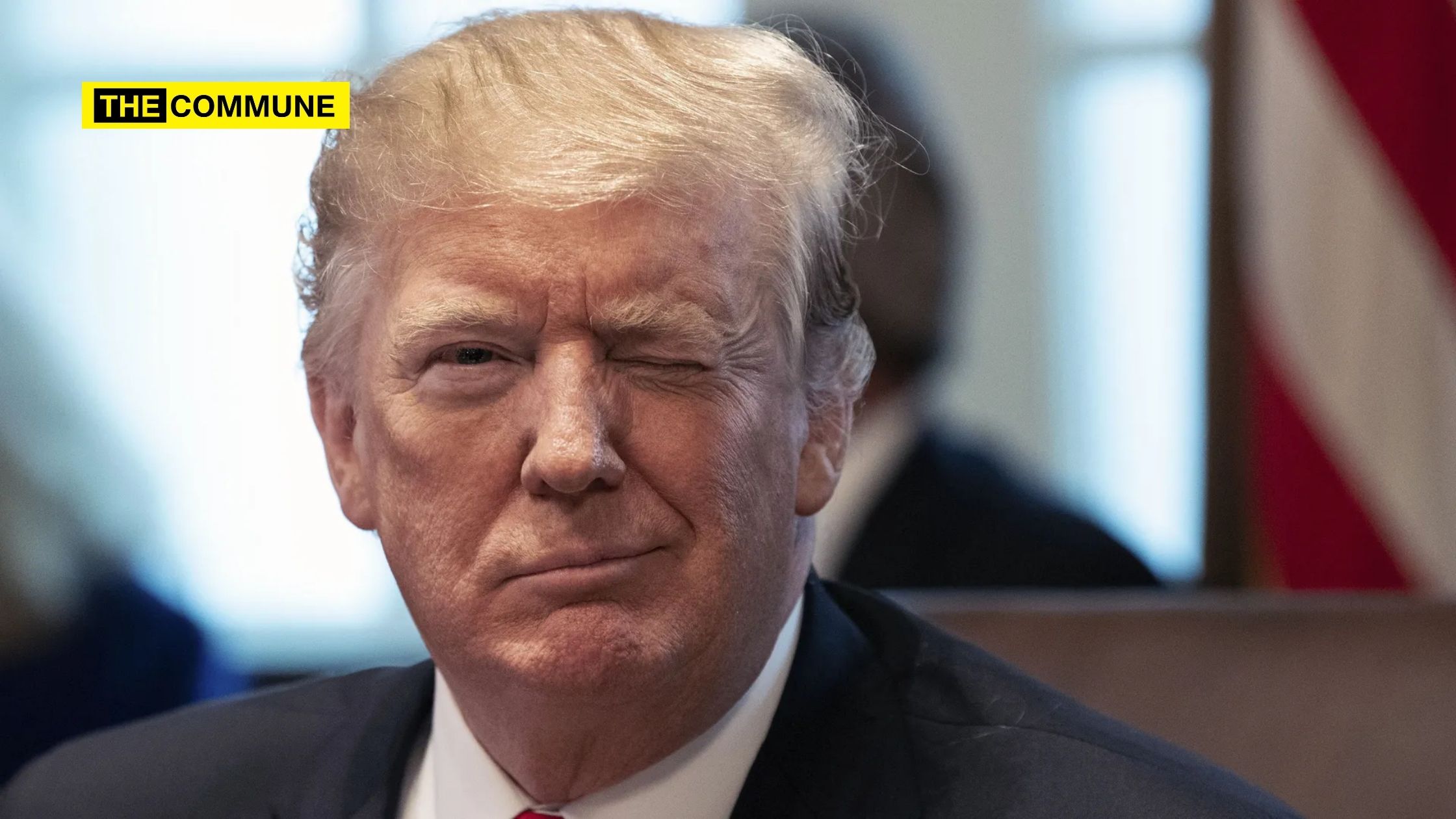
Trump Once Again Says He Ended India-Pakistan Conflict

trump india pakistan tantrums

US President Donald Trump reiterated his claims of mediating the recent ceasefire between India and Pakistan as well as helping to resolve several other global conflicts.

Trump on Sunday took to his social media, slamming American radio host and author Charlamagne Tha God. He said that the author knows nothing about him and what he has done, including ending “5 wars”.

“Like just ending 5 Wars, including a 31-year bloodbath between the Republic of the Congo and Rwanda, where Seven Million people have died, and there was no end in sight. He didn’t know that, or India and Pakistan or wiping out Iran’s nuclear capabilities, or closing the horrendous open Border, or creating the greatest economy,” Trump posted on Truth Social.

The latest remarks came days after White House Press Secretary Karoline Leavitt asserted that the US President ended several conflicts around the world, including the one between India and Pakistan, during his six months in office and therefore should be awarded the coveted Nobel Peace Prize.

“The President has now ended conflicts between Thailand and Cambodia, Israel and Iran, Rwanda and the Democratic Republic of the Congo, India and Pakistan, Serbia and Kosovo, and Egypt and Ethiopia. This means President Trump has brokered, on average, about one peace deal or ceasefire per month during his six months in office. It is well past time that President Trump was awarded the Nobel Peace Prize,” she said at a White House press briefing.

Last week, during a Rajya Sabha debate on Operation Sindoor, External Affairs Minister (EAM) S.Jaishankar categorically stated that no phone conversations occurred between Prime Minister Narendra Modi and US President Trump between April 22 and June 16.

Addressing concerns raised during the discussion, Jaishankar also underlined India’s unwavering policy against third-party mediation in its dealings with Pakistan. He reiterated that any dialogue must be strictly bilateral and contingent upon formal communication through the Director Generals of Military Operations (DGMO).

“When Operation Sindoor was initiated, several countries reached out to understand the situation,” the EAM said. “We conveyed a consistent message – we were not open to any external mediation. Any issue between India and Pakistan would be settled bilaterally. We were responding to an attack, and that response would continue unless Pakistan formally requested a cessation of hostilities through the appropriate military channel,” he added.

-IANS

Subscribe to our channels on Telegram, WhatsApp, and Instagram and get the best stories of the day delivered to you personally.
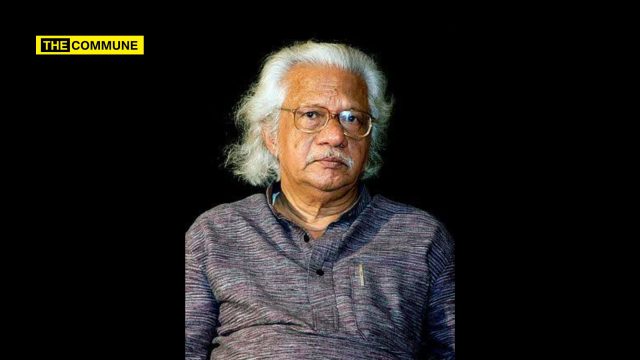
13 Times E-Commerce Companies Disrespected Hindu Deities

Photos of a printed floor mat featuring the face of Lord Jagannath on Chinese-owned e-commerce platform AliExpress went viral on 29 July 2025, triggering widespread outrage. The product, described as a “non-slip soft water uptake carpet” and priced at around ₹787, prompted strong backlash on Twitter, where users demanded the removal of all Hindu deity images from such products.

This incident is the latest in a series of offensive depictions – this report compiles 13 documented cases between 2005 and 2025 where images of Hindu gods appeared on inappropriate or disrespectful products sold online.

#1 AliExpress Sells Lord Jagannath Doormat  

A major controversy erupted in Odisha after Chinese e-commerce platform AliExpress listed a doormat featuring the sacred image of Lord Jagannath.

BJP MP Baijayant Panda condemned it as deeply offensive and alleged a larger conspiracy to demean Sanatan Dharma. Rajya Sabha MP Sujeet Kumar and Congress MLA Sofia Firdous also slammed the act, demanding an apology and removal of the product. Renowned sand artist Sudarsan Pattnaik called for stringent laws to prevent such depictions.

#2 Walmart Sells Lord Ganesha-Themed Underwear and Footwear

On 6 December 2024, Walmart sparked global outrage among Hindus for selling slippers, underwear, and swimsuits featuring images of Lord Ganesha. The products, sold under the “Celestial Ganesh Blessings Collection,” were criticized as deeply disrespectful.

Social media users and Hindu advocacy groups, including Insight UK, Hindu Jagruti, and the Hindu American Foundation, condemned the move and demanded a public apology. Activist Rajan Zed also urged Walmart to stop misusing religious symbols. Following widespread backlash, Walmart removed several items from its website, but some swimsuits with Ganesha imagery reportedly remained available.

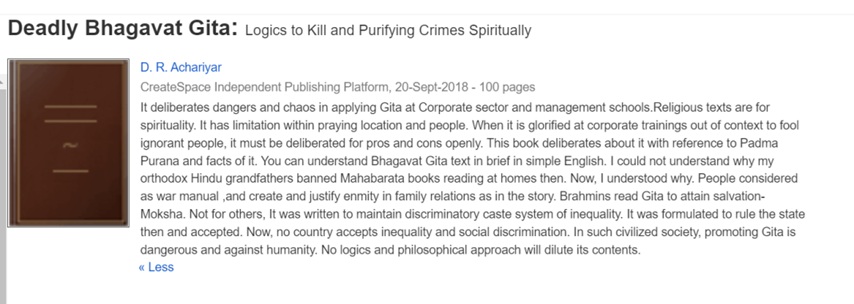
#3 Amazon Pulls Controversial ‘Deadly Bhagavat Geeta’ After Protests in Nagpur

On 23 August 2023, Amazon quietly removed the book Deadly Bhagavat Geeta after Hindu groups protested outside its Nagpur office. Written by Dr. Achariyar and published via Amazon’s self-publishing service in 2018, the book was accused of distorting Hindu scripture and promoting anti-Hindu views. Protesters, linked to MNS, also demanded removal of Pakistani flags sold on the site.

Image Source: HinduPost

Hindu activists and organizations condemned the book’s content, calling it offensive and sacrilegious. Amazon later delisted the book, but criticism also fell on media outlets like PTI and IANS for allegedly downplaying the protest’s religious context.

#4 Sahara Ray Swimwear Uses Hindu Deities On Bikinis

On 24 April 2022, Australian swimwear brand Sahara Ray Swim, owned by influencer and model Sahara Ray, triggered controversy for printing images of Hindu deities on bikinis and micro string tops in its “Aura Collection 2022.” Social media users condemned the move as disrespectful, accusing the brand of misusing sacred symbols for profit and aesthetic appeal. Images from the collection went viral, sparking global outrage among Hindus. Critics questioned the selective targeting of Hinduism for such fashion choices and demanded accountability, urging brands to treat all faiths with equal sensitivity and avoid commodifying religious icons.

#5 Amazon Faces Backlash for Offensive Depictions of Hindu Deities

On 3 December 2020, Amazon came under fire in India for selling products like doormats and underwear featuring sacred Hindu symbols and deities, including Lord Ganesha. The Hindu Mahasangh protested and submitted a memorandum to the Prime Minister and Chief Minister, demanding action against the company and its CEO. The hashtag #BoycottAmazon trended widely as public outrage grew. Amazon responded by stating that it had removed the offensive listings and reiterated that all sellers must comply with its guidelines. This was not the first incident – similar controversies erupted in 2017 and 2019 over products disrespecting Indian sentiments.

#6 Amazon Removes Products Featuring Hindu Symbols After India Outrage

On 10 November 2020, Amazon faced intense backlash in India for listing products like doormats, briefs, and toilet seat covers featuring sacred Hindu symbols, including Lord Ganesha, on its U.S. website. The incident triggered the #BoycottAmazon trend on Twitter, forcing the company to remove the items. Amazon clarified that third-party sellers had posted the listings and that violators would face action.

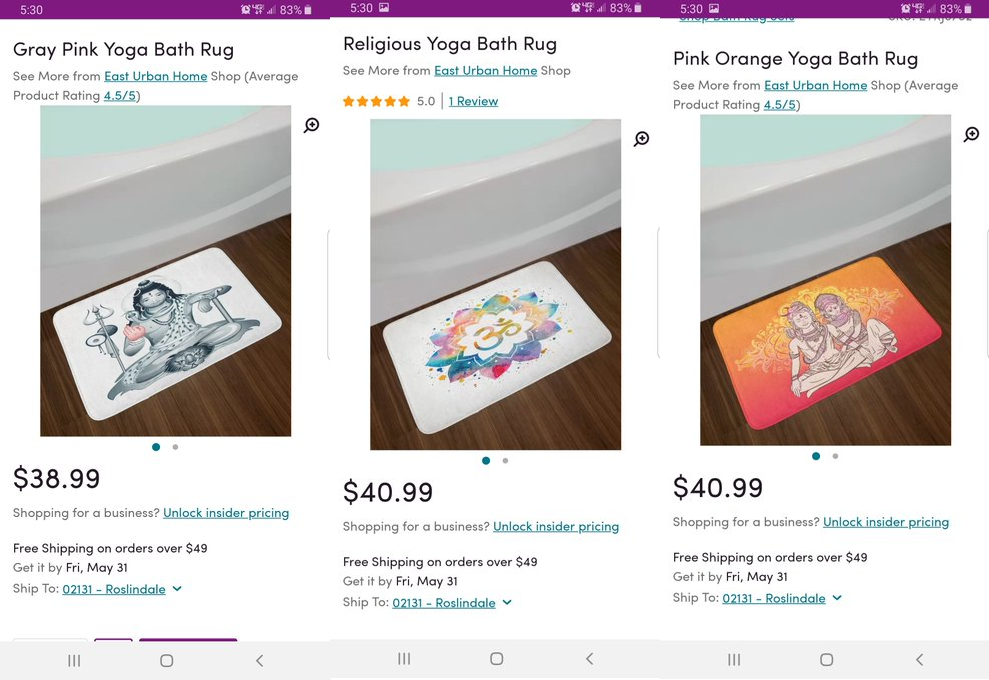
#7 Wayfair Sells Bathmats with Hindu Deities

On 19 May 2019, U.S.-based e-tailer Wayfair came under fire for selling bathmats featuring sacred Hindu deities Lord Ganesha and Lord Shiva, priced between $38 and $41.99. The listings sparked outrage from Hindu activists, who called the products deeply offensive.

This wasn’t Wayfair’s first controversy; earlier, it faced protests for selling a cutting board with Ganesha’s image, which was later removed with an apology. The latest backlash comes amid ongoing global protests against e-commerce platforms like Amazon for similar offenses. Activists continue to demand apologies and removals of disrespectful depictions of Hindu religious icons.

#8 Amazon Sells Shoes and Toilet Stickers Featuring Hindu Gods

On 17 May 2019, outrage erupted after shoes, slippers, and toilet seat stickers featuring images of Hindu deities were found on global e-commerce platforms, including Amazon. The products were condemned for hurting religious sentiments, with many accusing the platforms of repeated disrespect towards Hindu beliefs. Twitter user Anshul Saxena amplified the issue, leading to a widespread #BoycottAmazon campaign. Though the items were not listed for sale in India, the backlash was global. Amazon has faced similar criticism before, notably in 2016, for selling doormats featuring Hindu gods, prompting calls for accountability and removal of offensive listings.

#9 Amazon Removes Ganesha Socks, Om Flip-Flops After Hindu Outrage

On March 6, 2018, Amazon withdrew socks bearing Lord Ganesha’s image and flip-flops featuring the sacred Hindu symbol Om following protests from Hindu communities. Rajan Zed, president of the Universal Society of Hinduism, led the campaign, calling the items disrespectful and demanding a formal apology from Amazon CEO Jeff Bezos. Zed emphasized that Lord Ganesha is revered and should not be used on items worn on the feet. While the products were removed, Zed urged Amazon to train executives in cultural sensitivity to prevent future offenses. Hindus have previously protested similar depictions on Amazon’s platform.

#10 Amazon Removes Ganesha-Themed Pants After Hindu Protests

On 21 January 2014, Amazon removed a controversial item titled “Ganesha’s Hot Dream Pant” from its catalogue following protests by the Hindu community in the U.S. The yoga pants, priced between $66–$79 and made by California-based brand Teeki, featured Lord Ganesha’s image. The incident echoes past controversies, such as Urban Outfitters’ socks featuring Ganesha and Jesus, which were also withdrawn after backlash. Similar protests targeted beer companies in the U.S. and Australia for using Hindu deities Shiva and Lakshmi on alcoholic beverage labels.

#11 Malaysia Slippers With Hindu Deity Spark Outrage

On 12 February 2011, several Malaysian Hindu groups, including the Malaysia Hindu Sangam (MHS), condemned the sale of slippers featuring images of a Hindu deity in Kuala Lumpur’s Chow Kit area. MHS President R.S. Mohan Shan called it a blatant act of disrespect toward Hinduism and urged authorities to take immediate action against the importers and distributors. The president of the Sri Maha Mariamman Temple also demanded the product be withdrawn. This incident follows past controversies involving religious imagery on T-shirts, CDs, and playing cards, sparking concerns over recurring disrespect toward Hindu symbols in consumer products.

#12 Odisha Seeks Action Against US Site for Selling Lingerie With Hindu Deities

On 21 December 2007, the Odisha government strongly objected to US-based website CafePress.com for selling lingerie featuring images of Hindu gods, calling it an affront to religious sentiments. State Law Minister B.B. Harichandan wrote to the Centre and the US Embassy, urging immediate action against the platform. Letters were sent to External Affairs Minister Pranab Mukherjee and Home Minister Shivraj Patil, requesting intervention to prevent such offensive depictions. The state demanded that the website refrain from using sacred Hindu imagery on intimate apparel, citing deep hurt caused to the religious beliefs of millions of devotees.

#13 CafePress Withdraws Offensive Hindu Deity Underwear After Protests

On 7 February 2005, US-based online store CafePress faced backlash for selling women’s undergarments featuring Hindu deities like Lord Shiva and sacred symbols such as Om. Products like the “Hindu God Shiva Classic Thong” and “iGod Shiva Classic Thong” angered the Hindu community, with the American Hindus Against Defamation (AHAD) condemning the items as deeply disrespectful. Sikh groups also protested similar products displaying their religious symbols. Following public outcry and formal complaints from Hindu and Sikh organisations, CafePress withdrew the offensive product lines from its site, acknowledging the religious sensitivities of both communities.

Subscribe to our channels on Telegram, WhatsApp, and Instagram and get the best stories of the day delivered to you personally.
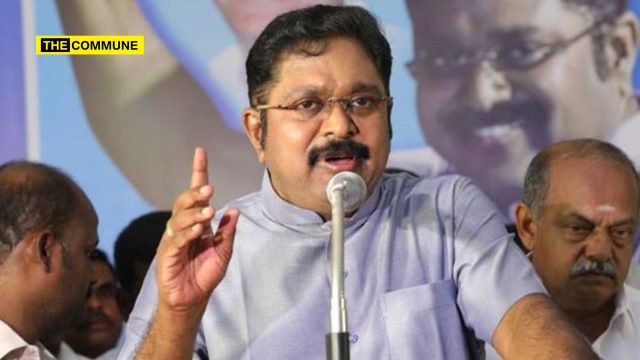
Dharmasthala Mass Burial Case: 6 Sites Searched But No Female Skeletons Found, Doubts Emerge Over ‘Whistleblower’ Claims And Intention

dharmasthala mass burial grave nhrc sit mass burial masked man soujanya murder case

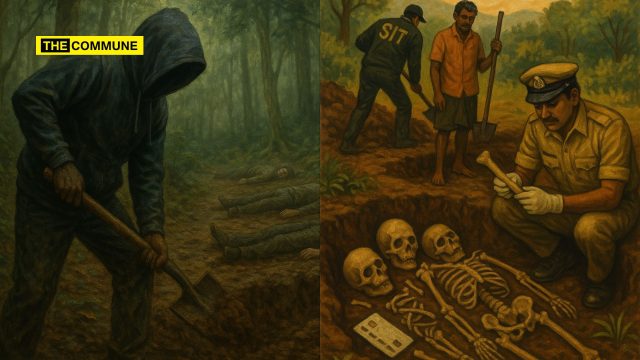
The investigation into sensational allegations of mass graves in Dharmasthala has entered a critical phase, with the Special Investigation Team (SIT) yet to find any evidence supporting claims of the secret burial of women. The accusations, initially made by a former sanitation worker who claimed to have been involved in clandestine burials over the years, have come under increasing doubt as forensic digs progress.

The SIT launched the excavation operation on July 29 at multiple sites the whistleblower identified. Over the following two days, five locations were examined with no human remains found. On July 31, at a sixth site located near the Netravathi river in a forested area, skeletal fragments were finally unearthed. Preliminary analysis by a forensic specialist indicated that the remains likely belonged to a male, though full laboratory testing is still underway to determine age, identity, and cause of death.

Roughly 15 bone fragments were recovered, many of them fractured, and notably, no skull was discovered at the site. As of August 3, digging had been conducted at ten of the thirteen marked spots.

In a twist, investigators also retrieved a woman’s debit card and a man’s PAN card at the site. The PAN card was traced to a deceased man named Suresh from Bengaluru Rural district, who reportedly died of jaundice earlier in 2025. His family said he had battled alcoholism and had visited Dharmasthala shortly before his passing, leading authorities to believe he might have lost his card during the trip. Bank records have been sought to learn more about the woman linked to the debit card.

The slow pace of significant findings has led to skepticism around the sanitation worker’s statements, especially his claims that several of the buried victims were women or young girls who may have suffered abuse. So far, there is no indication of any criminal wrongdoing at the excavation sites.

Man Claims First-Hand Witness Account Of Burials

Amid the faltering evidence, a man named Jayanth T came forward on August 2 in Belthangady, asserting that he had personally witnessed what he described as illegal burials. He offered to share details with the SIT and later reiterated his claims to local media.

Judge Steps Away From Case Over Alleged Conflict Of Interest

The investigation took another turn when Judge Vijaya Kumar Rai B of the 10th Additional City and Civil Sessions Court in Bengaluru recused himself from hearing matters related to the case. His decision followed public scrutiny over his past affiliations with institutions linked to the Dharmasthala temple trust. Reports indicated that he had studied at temple-run schools and once worked under a legal team that represented MP Veerendra Heggade.

Judge Rai B had previously granted an injunction—sought by Heggade’s brother, D Harshendra Kumar—blocking media outlets and social platforms from reporting on the burial allegations. Kumar had alleged that numerous online posts and reports defamed his family and the temple trust, prompting him to seek legal action to remove over 8,000 digital links.

The Allegations: A Summary

The whistleblower, a former sanitation worker, alleges:

  • He was forced to bury hundreds of bodies (mostly women and minors) between 1998 and 2014.
  • The bodies showed signs of sexual assault, strangulation, and acid burns.
  • He fled Dharmasthala in 2014 after his niece was molested by someone linked to the temple.
  • He returned in 2025, exhumed one skeleton, and filed an FIR seeking witness protection.
Critical Flaws In The Allegations

With so many allegations and exaggerated numbers floating around, there seems to be no evidence to prove any of those. However, several questions crop up in the mind owing to the following flaws in the allegations made.

#1 No Physical Evidence Or Independent Verification

The whistleblower claims to have buried hundreds of bodies, yet only one skeleton has been presented. No forensic reports, DNA tests, or autopsy records have corroborated his claims.

The locations of these alleged burials remain undisclosed, despite his offer to guide police.

Here’s what needs to be asked – If hundreds of bodies were buried over 16 years, why has no one else – locals, pilgrims, or workers – ever reported foul smells, suspicious activities, or mass graves?

#2 Contradictions In The Whistleblower’s Account

He claims he was forced to bury bodies secretly, yet Dharmasthala is a highly frequented pilgrimage site with thousands of visitors daily.

He alleges superiors threatened him, but no names have been disclosed, even in his FIR. He fled in 2014 but returned only in 2025 – why the 11-year delay?

Here’s what needs to be asked – If he was truly traumatized, why did he wait so long to speak up? Was he influenced by external forces?

#3 Panchayat Records Dispute The Claims

Dharmasthala Panchayat Vice President Shrinivas Rao stated that all unclaimed bodies are officially documented and disposed of lawfully.

Records of burials (including suicides near the Netravati River) have been maintained since the 1980s, with receipts and official approvals.

The panchayat denies any clandestine burials and challenges the whistleblower to provide proof.

Here’s what needs to be asked – If the panchayat has maintained records, why hasn’t the media scrutinized them instead of relying solely on unverified claims?

#4 The Sowjanya Case: A Separate Tragedy, Not Proof Of A Conspiracy

The 2012 rape and murder of Sowjanya, a 17-year-old student, was a horrific crime that remains unresolved. However, linking it to the current allegations is misleading. Santhosh Rao, the accused, was acquitted in 2023 due to lack of evidence.

The CBI and courts found no proof of involvement by temple officials. Sowjanya’s family’s grief is genuine, but activists are exploiting their pain to push unverified claims.

Here’s what needs to be asked – If the temple was involved in a cover-up, why did the CBI, CID, and Karnataka HC find no evidence in Sowjanya’s case? And if these were connected, why were there no protests at that time? As per the witness, the murder and burials were a decade before Sowjanya’s rape and murder occurred.

#5 Why Did Only One Whistleblower Come Forward After So Long?

The lone witness says he remained silent for over a decade, that is, throughout years of major protests about other tragedies in the same town, only coming forward now, after living “in hiding”. Why didn’t his conscience or fear for his life drive him to speak up during previous waves of scrutiny?

The whistleblower admits to having no identifiable information regarding the deceased – he claims he never knew their names, origins, or details, and cannot explain why no families except one (Ananya Bhatt) have stepped forward even after massive publicity

#6 Why Are There No Missing Persons Records Or Family Testimonies?

The magnitude of “hundreds” and “thousands” of rape, murder, and disappearances would, in any scenario, be expected to provoke multiple missing persons reports, press coverage, or at least numerous families demanding action. Since the claims surfaced, only one family (Ananya Bhatt’s mother) has registered a fresh case supporting the exhumation request. Is it credible that all other families have been silenced, lost, or uninterested?

Panchayat and police protocols mandate notices in newspapers, week-long waits for bodies to be claimed, and official registration of every natural or unnatural death in the area.

Al Jazeera claims “How did anyone not notice so many people were missing? Well, here’s the thing. They did. For years, people in the area have reported the sudden disappearance of girls and women. Families and activist groups say their complaints went nowhere as influential people, even the police, covered up the questions surrounding the town.”

Here’s what must be asked – Are there factual gaps in the audit trails? Where are the records of missing, untracked individuals to support these extraordinary claims?

Is Dharmasthala Being Targeted By Leftist Communal Forces?

Is this a coordinated attack on Dharmasthala’s religious and social influence? If the whistleblower’s claims are true, why has no one else, no grieving families, no co-workers, no local witnesses come forward in 20+ years?

Dharmasthala is located in Dakshin Kannada, a communally sensitive region with Islamist forces trying to gain foothold like they did in Malappuram region of Kerala. Over the past decades, Dakshin Kannada has seen several instances of communal violence and murders linked to religious or community-based issues. There have been cases of ISIS-recruitment in the region as well.

It is possible that Dharmasthala which has deep religious significance for Kannadigas and Hindus in general has been fighting the Islamist jihadi forces and preventing from converting the masses.

While there may be truth to the murders of Sowjanya, Ananya, and other young girls, tying it to the institution, the temple is not right. Investigation is necessary for each of the cases and the perpetrator must be brought to justice. But to malign an entire institution, an entire community just for the sake of the leftist agenda is so not done.

Instances Of Waqf Land Grab In Tamil Nadu

It came as a shock to many villagers across Tamil Nadu when they suddenly found themselves unable to sell or transfer ownership of their own land to family members all due to sweeping claims made by the Waqf Act. While recent amendments have aimed to curb the arbitrary powers of Waqf Boards, the burden on ordinary citizens hasn’t eased entirely.

The latest flashpoint emerged from Virudhachalam, where a villager was reportedly blocked from transferring his land to his son. The incident reignited public concern and drew attention to a series of similar cases unfolding across the state.

Recent Instances Of Waqf Land Grabs

Mangalampettai, Virudhachalam

Villagers gathered in protest outside the Mangalampet sub-registrar’s office after officials refused to process a land transfer, claiming the plot belonged to the Tamil Nadu Waqf Board. The issue arose when Periyasamy, a resident of M. Akaram village, attempted to register land in his son Karthikeyan’s name. The protest, backed by Hindu Munnani and BJP representatives, was eventually resolved after talks with local authorities.

Kattukollai, Vellore 

In April 2025, around 150 families received notices stating that their land now belonged to a dargah. The notice, issued by one Syed Ali Sultan Shah, demanded they vacate or pay tax to the religious institution, triggering widespread unrest.

Thiruchendurai, Trichy 

In September 2022, the Tamil Nadu Waqf Board claimed ownership of the entire Thiruchendurai village in Tiruchirapalli, including temple lands, sparking significant concern among residents. This claim emerged when local farmer Rajagopal was required to obtain a No Objection Certificate from the Waqf Board to register his land sale, despite having proper revenue documents. The claim was recently debated in parliament, including over the 1,500-year-old Manendiyavalli Sametha Chandrasekhara Swamy temple. The Tamil Nadu Registration Department has acknowledged issues with encroachments and disputed properties but struggled to justify the Waqf Board’s claims over temple lands.

Thiruparankundram, Madurai

Indian Union Muslim League member and Ramanathapuram MP Navas Kani, who also serves as the Tamil Nadu Waqf Board chairman, has claimed that the dargah at the Thirupparankundram Temple hill is Waqf property.

Peyazhwar Temple, Chennai

Tamil Nadu Waqf Board President Abdul Rahman announced that many Hindu temples are present on Waqf properties, including the 1000-years-old Peyazhwar Temple, on land allegedly owned by the Kutchery Road Mosque.

Balasamudram, Dindigul

In a striking parallel to the Thiruchendurai village land dispute, another property conflict involving the Tamil Nadu Waqf Board has come to light, this time in the Balasamudram Municipality of Dindigul district. With claims dating back to 2020, the Waqf Board asserts ownership over the entire municipality, leaving around 10,000 residents in limbo. Unable to sell their ancestral properties due to unresolved legalities, the community’s frustration culminated in a petition to local authorities in May 2023.

Anganakaundan Puthur, Erode

In 2023, the Tamil Nadu Waqf Board asserted ownership over land allocated to 73 Scheduled Caste families in Anganakaundan Puthur, Erode District. The Tamil Nadu government provided this land in 1980 after a flood, and since then, it has been their home for 40 years. The Waqf Board’s claim has caused significant challenges, including transferring land titles, registering deeds, and obtaining loans.

Veppur Village, Ranipet 

In January 2023, the DMK government wrongly reclassified 57 acres of agricultural land in Veppur village, Ranipet District, as Waqf Board property. This land, which Hindu families had farmed for decades, was abruptly claimed by the Waqf Board without proper notice or due process, causing considerable distress among the affected farmers.

Min Nagar, Kanchipuram 

In January 2025, residents of Min Nagar in Kanchipuram district faced challenges after the Tamil Nadu Waqf Board claimed 2.43 acres of land they’ve lived on for over 40 years. The Kanchipuram Registrar’s Office confirmed the claim, hindering property registrations. The land was purchased in 1982 by employees of the Kanchipuram Electric City Office.

While amendments to the Waqf Act have tried to introduce checks, unresolved disputes continue to impact thousands across Tamil Nadu. Many of these claims date back decades or lack transparency, leaving ordinary citizens entangled in legal and administrative deadlock. As protests grow and more cases surface, pressure is mounting on both state and central authorities to review and address these recurring land conflicts with urgency and fairness.

Subscribe to our channels on TelegramWhatsApp, and Instagram and get the best stories of the day delivered to you personally.