Home Blog Page 187

Dravidian Model: Ambattur Home Receives ₹91,993 Electricity Bill For 2-Month Consumption

dravidian model electricity bill

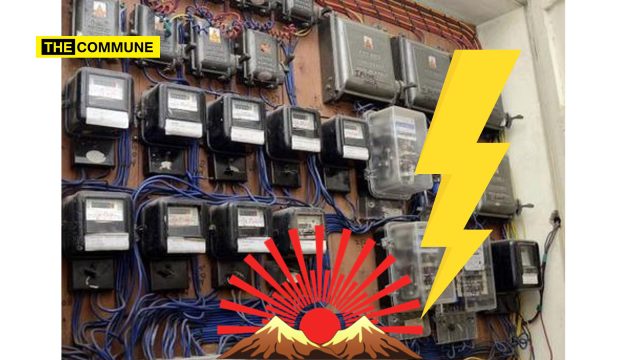
In what comes as a shocking example of Dravidian model governance, a household in Ambattur, Chennai, was left stunned after receiving an electricity bill of ₹91,993 for the July billing cycle, a figure vastly exceeding their average bi-monthly bill of ₹1,500 to ₹2,000.

Nandakumar, a resident of Thiruvalleeswarar Nagar in Ambattur, reported the incident after receiving the bill, which claimed his household had consumed 8,370 units over two months. Typically, the household consumes around 450 units during that period.

According to Nandakumar, he immediately approached the Tamil Nadu Electricity Board (TNEB) office on 11th Main Road, Anna Nagar West, to lodge a complaint. EB officials acknowledged the issue and assured him that the matter would be investigated.

TNEB authorities stated that the meter reading has been sent for re-examination under the MRT (Meter Relay Testing) process. Preliminary observations suggest the bill may be the result of a meter reading error, an issue that has reportedly occurred in other isolated cases as well.

The incident comes at a time when residents across Tamil Nadu are already concerned about rising electricity tariffs. As per Tamil Nadu Electricity Regulatory Commission (TNERC) norms, electricity tariffs are revised annually. The last hike of 4.8% was implemented in July 2024. This year, the TNEB has proposed another increase between 3% and 3.16%, citing debt levels and rising power generation costs.

(With inputs from News18 TN)

Subscribe to our channels on Telegram, WhatsApp, and Instagram and get the best stories of the day delivered to you personally.

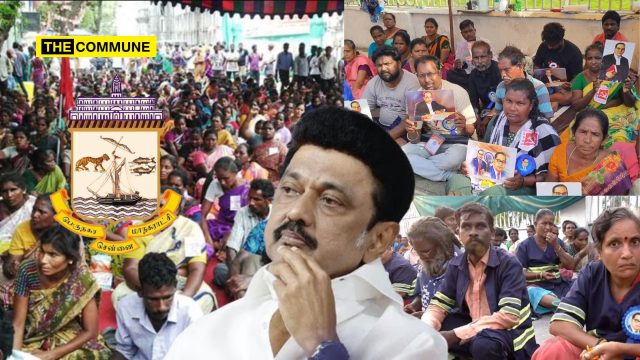
Sanitation Workers Protest For Fourth Day Against Dravidian Model Waste Management Privatization In Chennai

sanitation workers protest dravidian model

For the fourth straight day, sanitation workers under the National Urban Livelihoods Mission (NULM) from the Royapuram, Thiru Vi Ka Nagar, and Ambattur zones continued their protest outside the Ripon Buildings. They are demanding that the Greater Chennai Corporation (GCC) reverse its decision to privatize solid waste management in their localities under the Dravidian model.

The protest has seen over 300 conservancy workers abstaining from duty, significantly disrupting garbage collection in the affected zones. As a result, personnel from neighboring areas have been forced to work overtime to manage the mounting waste backlog.

The workers, who have served for over a decade, expressed frustration over the sudden shift to outsourcing, which officially began on 1 August 2025.

“We’ve been doing this job for 15 years with the hope of being made permanent. In 2021, the Chief Minister assured us of regularization. But now, our zones have been handed over to private contractors, and we’ve been removed from our roles,” said R. Prasanth, a conservancy worker from Thiru Vi Ka Nagar. “It’s been four days of protesting, but no officials, including Commissioner J. Kumaragurubaran, have addressed us.” Many women participating in the protest were seen in tears, lamenting that their years of dedication had been discarded as though they were waste themselves.

The protesting workers argue that privatization, while being promoted by officials as a way to enhance efficiency, could instead lead to exploitation. “Private contractors might cut salaries from ₹23,000 to ₹15,000. On top of that, various deductions labeled as ‘benefits’ will make it difficult for workers to make ends meet,” warned J. Dinakaran from the Labour Rights Movement (Uzhaipor Urimai Iyakkam).

CPM Councillor P. Vimala of Ward 41 emphasized the need for the GCC to balance efficient waste management with worker welfare. “There is no assurance of job security, and there’s a real threat of significant pay cuts,” she said.

Despite the mounting protests, Deputy Mayor M. Mahesh Kumar stated that the decision to privatize waste collection remains unchanged. He suggested that workers submit formal petitions to the relevant minister or the Deputy Chief Minister, instead of continuing demonstrations.

(With inputs from Times Of India)

Subscribe to our TelegramWhatsApp, and Instagram channels and get the best stories of the day delivered to you personally.
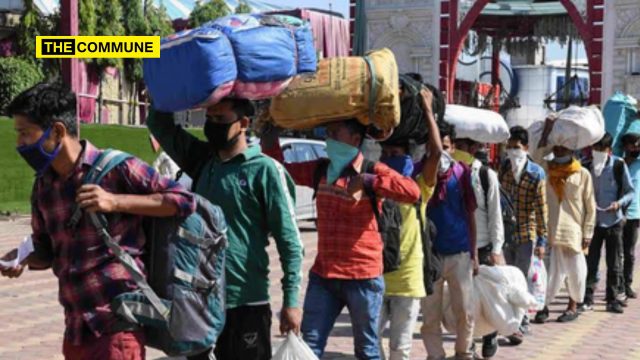
Tamil Nadu Registers Over 12 Lakh Migrant Workers Amid Ongoing SIR Debate

migrant workers tamil nadu sir migrant labourers

While poll-bound Bihar is grappling with the exclusion of over lakhs of migrant workers from the ongoing Special Intensive Revision (SIR) of electoral rolls, Tamil Nadu has emerged as a model state in documenting its inter-state migrant (ISM) workforce.

According to official data, Tamil Nadu has registered over 12.17 lakh guest workers employed across various sectors. Of these, more than 2.51 lakh workers hail from Bihar, making them the second-largest ISM group in the state, next only to Odisha, which accounts for 2.89 lakh workers.

The state’s pioneering initiative to map and monitor migrant workers began in early 2020 amid the Covid-19 pandemic. The Tamil Nadu government launched a dedicated web portal, urging ISMs, their employers, and district authorities to register the workforce.

The initiative aims to facilitate the delivery of welfare schemes under the Building and Other Construction Workers (BOCW) Act, 1996, and the Inter-State Migrant Workmen (Regulation of Employment and Conditions of Service) Act, 1979. A senior government official noted a significant surge in registration over the past six months.

“We enrolled nearly three lakh workers recently through online registration and targeted drives at work sites. The total registrations jumped from around nine lakhs to over 12 lakhs in just four months,” the official said. However, he acknowledged that reaching workers in small shops, plantations, and independent units remains a major challenge.

Experts believe that the registered number reflects less than 25 per cent of the actual ISM population in the state, where migrants are drawn by steady employment and relatively better living conditions.

According to government data as of 31 July 2025, workers from northern and northeastern states comprise 9.28 lakh of the total ISMs in Tamil Nadu. Besides Odisha and Bihar, significant numbers come from Jharkhand (1.95 lakh), West Bengal (1.91 lakh), Assam (93,175), and Uttar Pradesh (91,497). The top employment sectors for ISMs in Tamil Nadu are manufacturing, construction, and textiles, accounting for over 80 per cent of the jobs. Notably, 26,106 workers registered as self-employed, and 41,723 are employed in catering establishments.

Among districts, Tirupur leads with 1.22 lakh ISM workers in the textile and garment sector and 72,463 in manufacturing. Kancheepuram follows with 1.61 lakh workers, driven by its construction and industrial projects. Coimbatore and Chennai have 1.32 lakh and 1.29 lakh ISM workers, respectively.

-IANS

Subscribe to our TelegramWhatsApp, and Instagram channels and get the best stories of the day delivered to you personally.
Sri Lankan Navy Detains 14 TN Fishermen For Allegedly ‘Crossing IMBL’

sri lankan navy details tn fishermen protest rameswaram

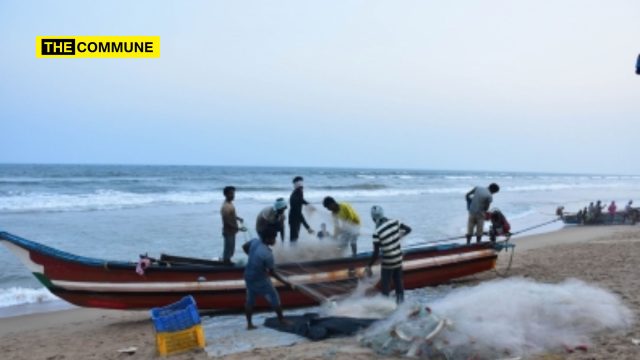
At least 14 Indian fishermen from Tamil Nadu were apprehended by the Sri Lankan Navy in the early morning hours of Wednesday.

The fishermen were in two boats, with 10 in one and four in the other. They were apprehended for allegedly crossing the International Maritime Boundary Line (IMBL) and engaging in fishing activities in Sri Lankan waters.

Reports indicate that the arrests took place in the Kalpitiya lagoon area, where the fishermen were accused of violating maritime borders. Following their detention, the fishermen were taken to the Sri Lankan Navy camp in Puttalam for interrogation. This is the latest in a series of incidents where Tamil Nadu and Puducherry fishermen have been arrested by the Sri Lankan Navy for allegedly crossing into their waters.

Apart from arrests, the Sri Lankan authorities have been seizing high-powered fishing boats and, in some cases, undertaking procedures to nationalise them — a move that has severely impacted the livelihoods of the coastal fishing communities in Tamil Nadu.

Tamil Nadu fishermen have also repeatedly reported instances of harassment by Sri Lankan naval personnel and even attacks by Sri Lankan sea pirates. These developments have intensified fears among fishing communities and triggered repeated diplomatic interventions by the Tamil Nadu government.

Chief Minister M.K. Stalin has consistently taken up the matter with the Union government, writing multiple letters to Prime Minister Narendra Modi and External Affairs Minister S. Jaishankar, urging them to secure the release of arrested fishermen and their impounded fishing vessels.

Meanwhile, concerns have also been raised about fines being imposed on the arrested fishermen and reports of gunfire and violent confrontations during their capture.

The Tamil Nadu government continues to press for a lasting diplomatic resolution to protect the rights and livelihood of Indian fishermen operating near the maritime boundary.

-IANS

Subscribe to our TelegramWhatsApp, and Instagram channels and get the best stories of the day delivered to you personally.
BSF Nabs Smugglers With Gold Worth ₹1 Crore Hidden In Slippers Near Indo-Bangladesh Border In Nadia

bsf gold smugglers indo-bangladesh border

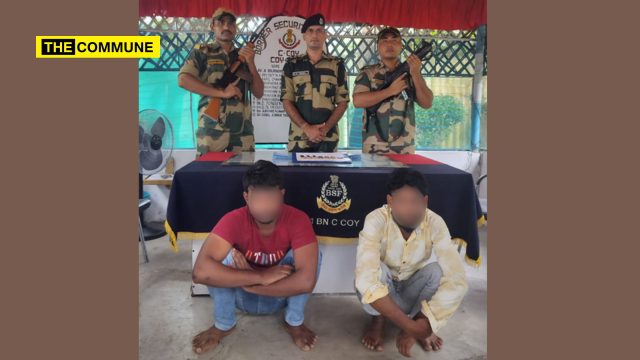
The Border Security Force (BSF) arrested two smugglers and seized gold worth over Rs 1 crore from them along the Indo-Bangladesh Border (IBB) in the Nadia district of West Bengal on Tuesday.

“Troops of the 11 Bn BSF of the South Bengal Frontier, posted at the Vijaymath Border Out Post, acted on reliable intelligence inputs and nabbed the smugglers travelling by bus from Karimpur to Krishnanagar. The gold was cleverly hidden in their slippers,” a senior BSF official said.

A special team was formed to apprehend the smugglers who were transporting the gold from Bangladesh to India. Around 10 am, the jawans spotted the bus, mentioned in the intelligence input, near the Mahisbathan area. The jawans pursued the bus and stopped it.

A search led to the seizure of seven pieces of gold hidden in cavities in the slippers of the two smugglers. “Two mobile phones were also seized. The two men were arrested and taken to the Vijaymath BOP,” the official added.

Upon questioning, it came to be known that the smugglers are residents of the neighbouring Murshidabad district and work as labourers. They claimed that they received the gold from someone in Jalangi (Murshidabad). They were to hand it over to a person who would meet them at the Krishnanagar bus stand. They were to receive some money for this work.

“During further questioning, some important clues related to this particular smuggling racket were unearthed. An in-depth investigation of the entire matter is underway, so that all involved in this illegal activity can be identified and appropriate action can be taken accordingly,” the official said.

The weight of the seized gold is 1030.720 grams, and its estimated value is Rs 1,05,75,187, the BSF said. The smugglers, along with the gold and the mobile phones, have been handed over to the concerned department for further legal action. The official said this is the third time that the BSF has foiled gold smuggling attempts along the IBB in West Bengal over the last few days. This was possible due to the dedicated and tireless efforts of the jawans guarding the border.

“I would again appeal to the border population to share any information about gold smuggling through the BSF’s ‘Seema Sathi’ helpline number 14419. People can also send voice or text messages with information to the WhatsApp number 9903472227. Those providing credible information will be suitably rewarded and their identities kept strictly confidential,” he said.

-IANS

Subscribe to our TelegramWhatsApp, and Instagram channels and get the best stories of the day delivered to you personally.
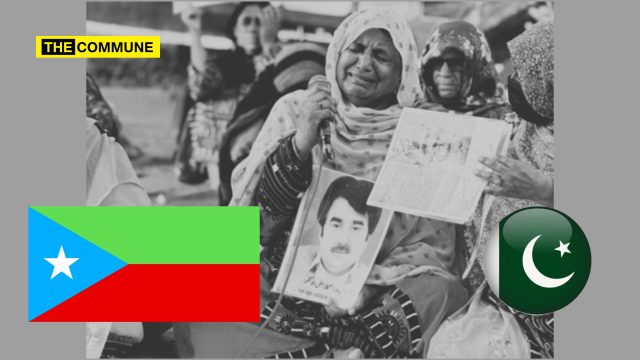
Three Baloch Youth Forcibly Disappeared By Pakistani Forces In Kech District

Three Baloch Youth Forcibly Disappeared By Pakistani Forces In Kech District

At least three Baloch youth were forcibly disappeared by the Pakistani forces in the latest wave of enforced disappearance across Balochistan as the cycle of persecution continues in the region, a leading human rights organisation said on Tuesday.

Paank, the Baloch National Movement’s Human Rights Department, mentioned that Pakistani security forces carried out a violent raid on the residence of Sadiq Baloch, a school teacher in Kech district of Balochistan.

During the operation, women and children in the household were physically assaulted. The rights body stated that “in a blatant act of repression”, the forces forcibly disappeared Sadiq’s young son, Sanjar Sadiq.

In a similar incident, Paank highlighted on Tuesday that Pakistani forces detained and forcibly disappeared Dadshah Baloch, a medical assistant affiliated with the health sector, from Singabad, while he was returning home from duty in Turbat, the main city of the Kech district of Balochistan.

Additionally, the rights body stated that Shunas Baloch, a resident of Sari Kallag in Kech’s Gowarkop area, was forcibly detained by the security forces, on August 2.

“Earlier, he, along with others in a local car, was stopped at Pidrak Check Post for around an hour and asked unnecessary questions. When they were permitted to go, their way was then blocked a few minutes later, and he was arrested illegally by the forces. Until now, his whereabouts have not been disclosed to his family, nor has he been produced before a formal court of law,” Paank stated.

In early hours on Monday, the rights body stated that Zahid, a resident of Kuros Tank, in Kech district, was forcibly disappeared by Pakistani security forces from Pakeer Colony in Gwadar. His whereabouts still remain unknown. Revealing another incident of violence against a Baloch youth, Paank stated that Shah Jahan Murad was executed in police custody and dumped in Panjgur district of the province on Monday.

“He was forcibly disappeared by the security forces from the Chitkan area of Panjgur on 29 July 2025. After severe torture in custody, his lifeless body was dumped. We are observing a rise in the cases of in-custody murders, which is ingesting our people,” the rights body stated.

The human rights body denounced “such murders and demand accountability at the international level against the various forms of Baloch genocide,” including the present-day in-custody murders after forcibly disappearing the Baloch.

Pank strongly condemned the latest incident of enforced disappearance and expressed grave concern over the growing trend of abductions targetting Baloch students and civilians.

-IANS

Subscribe to our TelegramWhatsApp, and Instagram channels and get the best stories of the day delivered to you personally.
Defence Ministry Approves ₹67,000 Crore Military Hardware Boost For Armed Forces

defence ministry military india

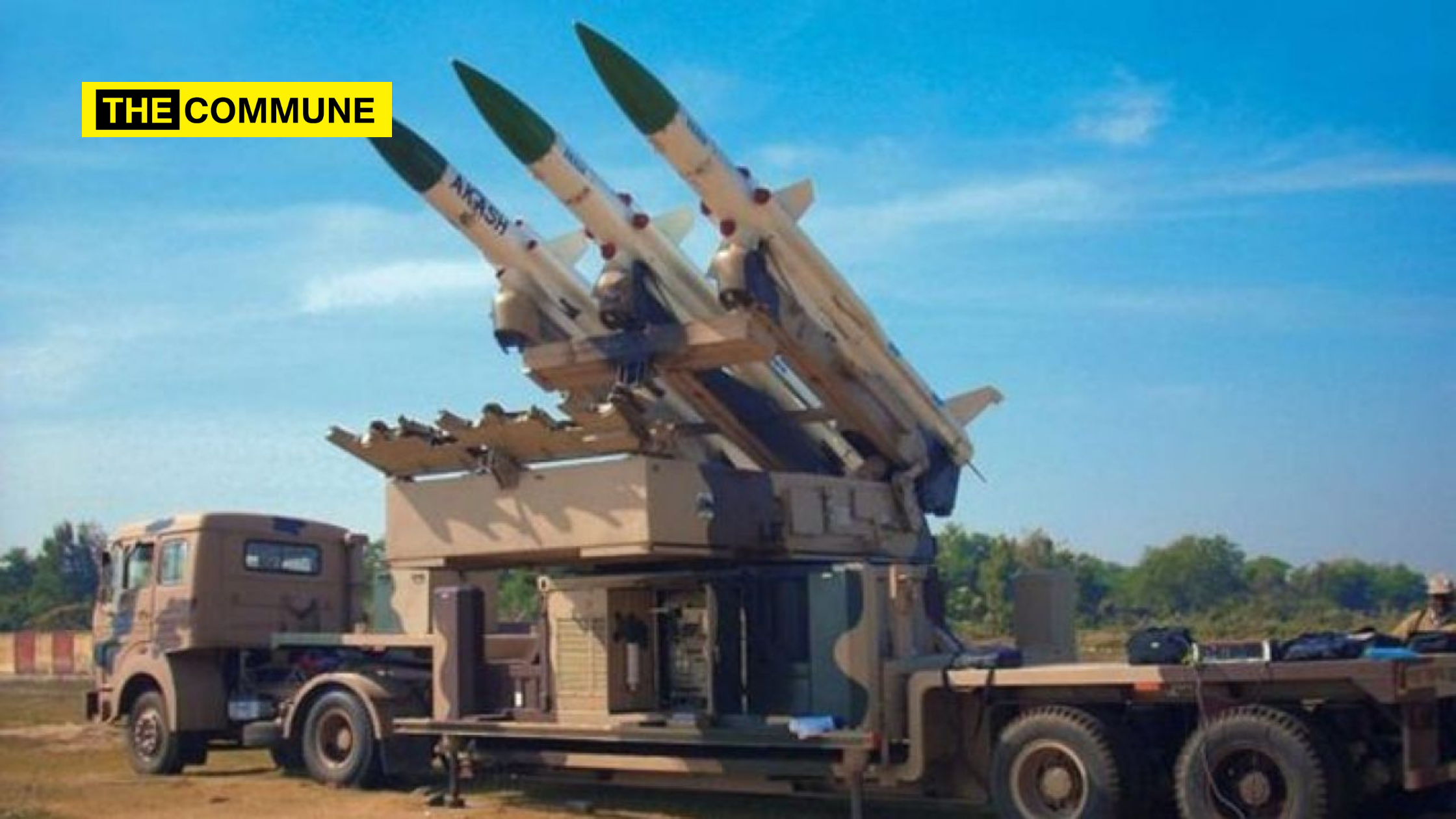
The Defence Acquisition Council, under the chairmanship of Defence Minister Rajnath Singh, on Tuesday approved various proposals for buying military hardware at a total cost of about Rs 67,000 crore.

Acceptance of Necessity (AoN) was accorded for the procurement of Thermal Imager-based Driver Night Sight for the Indian Army’s BMP fleet. This will enhance the night driving capability of BMPs and provide higher mobility and operational advantage to the Mechanised Infantry, according to an official statement.

For the Indian Navy, AoN was accorded for the procurement of Compact Autonomous Surface Craft, BrahMos Fire Control System & Launchers, and upgradation of BARAK-1 Point Defence Missile System.

The procurement of the Compact Autonomous Surface Craft will provide the capability to the navy for detection, classification and neutralisation of threats in anti-submarine warfare missions, the statement said.

For the Indian Air Force, AoN was accorded for the procurement of mountain radars and the upgradation of the SAKSHAM/SPYDER weapon system. The procurement of mountain radars will enhance the air surveillance capability along and across the borders in the mountainous region.

The upgradation of SAKSHAM/SPYDER System for integration with the Integrated Air Command and Control System will enhance the air defence capability, the statement said. AoN was also accorded for the procurement of Medium Altitude Long Endurance (MALE) Remotely Piloted Aircraft (RPAs) for the three Services.

The proposed MALE RPAs can carry multiple payloads and weapons and operate at longer ranges for long endurance missions. They will significantly enhance round-the-clock surveillance and combat capability of the armed forces, the statement said. In addition, the DAC has also accorded AoN for sustenance of C-17 and C-130J planes of the Indian Air Force fleet and a comprehensive annual maintenance contract of the S-400 Long Range Air Defence Missile System, the statement added.

The Ministry of Defence had also last month signed a contract with public sector defence company Bharat Electronics Limited (BEL) for the procurement of Air Defence Fire Control Radars for the army, worth approximately Rs 2,000 crore. With a minimum 70 per cent indigenous content, these Fire Control Radars will be able to detect all forms of airborne threats, including fighter aircraft, attack helicopters and enemy drones.

This would mark a significant milestone in the modernisation of the Air Defence Regiments and enhance the army’s operational readiness.

-IANS

Subscribe to our TelegramWhatsApp, and Instagram channels and get the best stories of the day delivered to you personally.
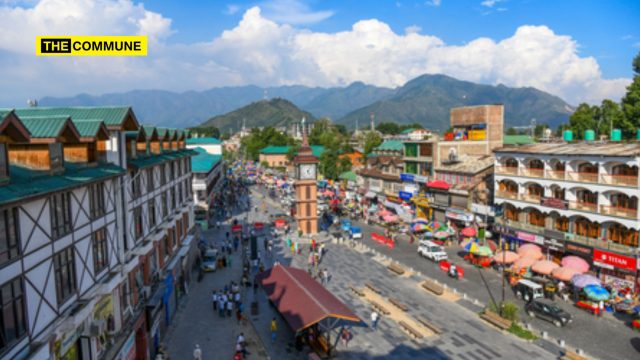
Jammu & Kashmir After Article 370: Integration, Infrastructure, And Investment

Kashmir Marks August 5 With Normalcy Amid Rumours of Change Jammu & Kashmir After Article 370: Integration, Infrastructure, And Investment

Six years after the abrogation of Article 370 and Article 35A, J&K stands transformed – not just in its constitutional status, but in its developmental trajectory.

The decision taken on 5 August 2019, marked a watershed moment in India’s political history, ending decades of special status and ushering in a new era of integration, reform, and revitalisation for the region.

What followed was not merely administrative reconfiguration but a concerted effort to reimagine Jammu and Kashmir as a dynamic contributor to India’s growth story.

One of the most striking changes has been the expansion of physical connectivity. All-weather roads now traverse the mountainous terrain, linking remote valleys to urban centres.

Railway lines have reached Srinagar, and the Chenab Bridge, now the world’s tallest single-arch railway bridge, symbolises the region’s integration with the national grid. These infrastructural feats are more than engineering marvels; they are lifelines of commerce, mobility, and inclusion.

The economic indicators reflect this momentum. For the fiscal year 2025–26, the Union Territory’s budget allocation stands at Rs 41,000 crore, with Rs 9,325 crore dedicated to policing and security.

The Economic Survey Report for 2024–25 projects an 11.19 per cent rise in nominal Gross State Domestic Product (GSDP), reaching Rs 2.65 lakh crore. Real GSDP is expected to touch Rs 1.45 lakh crore, with a compound annual growth rate of 4.89 per cent over the past decade. Per capita income is also on the rise, estimated to grow by 10.6 per cent to Rs 1,54,703 – an indicator of improving livelihoods.

Sectoral contributions to the GDP reveal a balanced economic structure; the primary sector contributes 20 per cent, the secondary 18.3 per cent, and the tertiary sector leads with 61.7 per cent.

Investment interest has surged, with over 8,500 applications proposing Rs 1.69 lakh crore in capital and employment opportunities for more than six lakh individuals. Land allotments under the Industrial Policy 2016–26 and the Industrial Land Allotment Policy 2021–30 have facilitated industrial expansion, with 213 non-locals and 1,751 locals receiving plots for economic activity.

Entrepreneurship has emerged as a cornerstone of this transformation. The “Jammu Kashmir Konnect programme,” launched in January 2025, formalised a partnership between the Department for Promotion of Industry and Internal Trade and the Jammu and Kashmir Entrepreneurship Development Institute. The Startup Policy has already registered 988 ventures and conducted 601 awareness programmes across 20 districts, supported by incubators at IIT-Jammu, IIM-Jammu, and NIT-Srinagar.

A Rs 250 crore venture capital fund has further catalysed innovation in agri-tech, handicrafts, and digital services, a report published in The Geostrata magazine said.

Agriculture and horticulture have also seen renewed focus. The area under key horticulture crops has expanded by 10,000 hectares, and production has increased by 4.13 lakh metric tonnes. The Holistic Agriculture Development Plan envisions fruit cultivation across 50,000 hectares by 2047, aiming to boost rural incomes and diversify the agrarian economy.

Lavender farming under the Aroma Mission and integration of mandis into the electronic National Agricultural Market (e-NAM) have brought transparency and profitability to farmers. Tourism, long considered the backbone of Kashmir’s economy, has experienced a dramatic resurgence.

In 2024, tourism contributed 7 per cent to the Union Territory’s GSDP, amounting to Rs 18,550 crore in nominal terms and Rs 10,150 crore in real terms. The government has allocated Rs 390 crore for tourism capital expenditure in 2026, with non-tax revenue from the sector expected to double from Rs 50 crore in 2025 to Rs 100 crore in 2026.

The administration’s tourism policy, launched in 2020, aims to generate 50,000 jobs annually and attract Rs 2,000 crore in investment each year. In 2024, a record 2.36 crore tourists visited Jammu and Kashmir.

Air connectivity has expanded significantly, with Indian Airlines operating 4,300 flights to Srinagar between April and June 2025 – an increase of 12 per cent over 2024 and 21 per cent over 2023. Srinagar’s recognition as a UNESCO “World Craft City” and the successful hosting of the G20 Tourism Working Group Meeting have elevated the region’s global profile.

Gulmarg remains a major attraction, with its Gondola ride drawing over 7.68 lakh visitors in 2024 and generating Rs 103 crore in revenue. The ski resort has hosted four editions of the Khelo India Winter Games, reinforcing its status as a premier destination for adventure tourism.

The Indira Gandhi Memorial Tulip Garden also broke records, welcoming over 6.71 lakh visitors in just 20 days after its opening in March 2025. Srinagar’s first international marathon in October 2024 added another feather to the cap, with 2,005 participants and Rs 39.26 lakh in registration fees.

Infrastructure development has been central to this transformation. The Valley is witnessing a highway renaissance, with 47 projects spanning 810 km and Rs 41,735 crore in investment reshaping its terrain. The rollout of wayside amenities, including EV charging stations and rest areas, signals a future-ready approach to mobility.

Railway expansion, including the electrification of the Baramulla–Sangaldan line and the inauguration of the Banihal–Sangaldan stretch, has further enhanced connectivity. Education and healthcare have not lagged.

The IIM Jammu campus, three IITs, and dozens of Navodaya and Kendriya Vidyalayas reflect a commitment to nurturing talent. AIIMS Jammu, operational since August 2024, and the upcoming AIIMS Awantipora promise world-class medical care within the Valley.

Under Ayushman Bharat–PMJAY SEHAT, over 21 lakh golden cards have been issued, providing free health insurance coverage of Rs 5 lakh per family per year. Together, these developments reflect a region in transition – not just politically, but economically and socially.

The abrogation of Article 370 catalysed a shift from isolation to integration, from stagnation to growth. Jammu and Kashmir is no longer defined solely by its past; it is shaping a future rooted in opportunity, inclusion, and resilience.

From the quiet waters of Dal Lake to the heights of the Chenab Bridge, the region now stands poised – not just for development, but for dignity and lasting peace.

-IANS

Subscribe to our TelegramWhatsApp, and Instagram channels and get the best stories of the day delivered to you personally.
WB CM Mamata Banerjee Claims ‘SIR’ Exercise Is Backdoor Attempt To Impose NRC In State

mamata banerjee NRC SIR

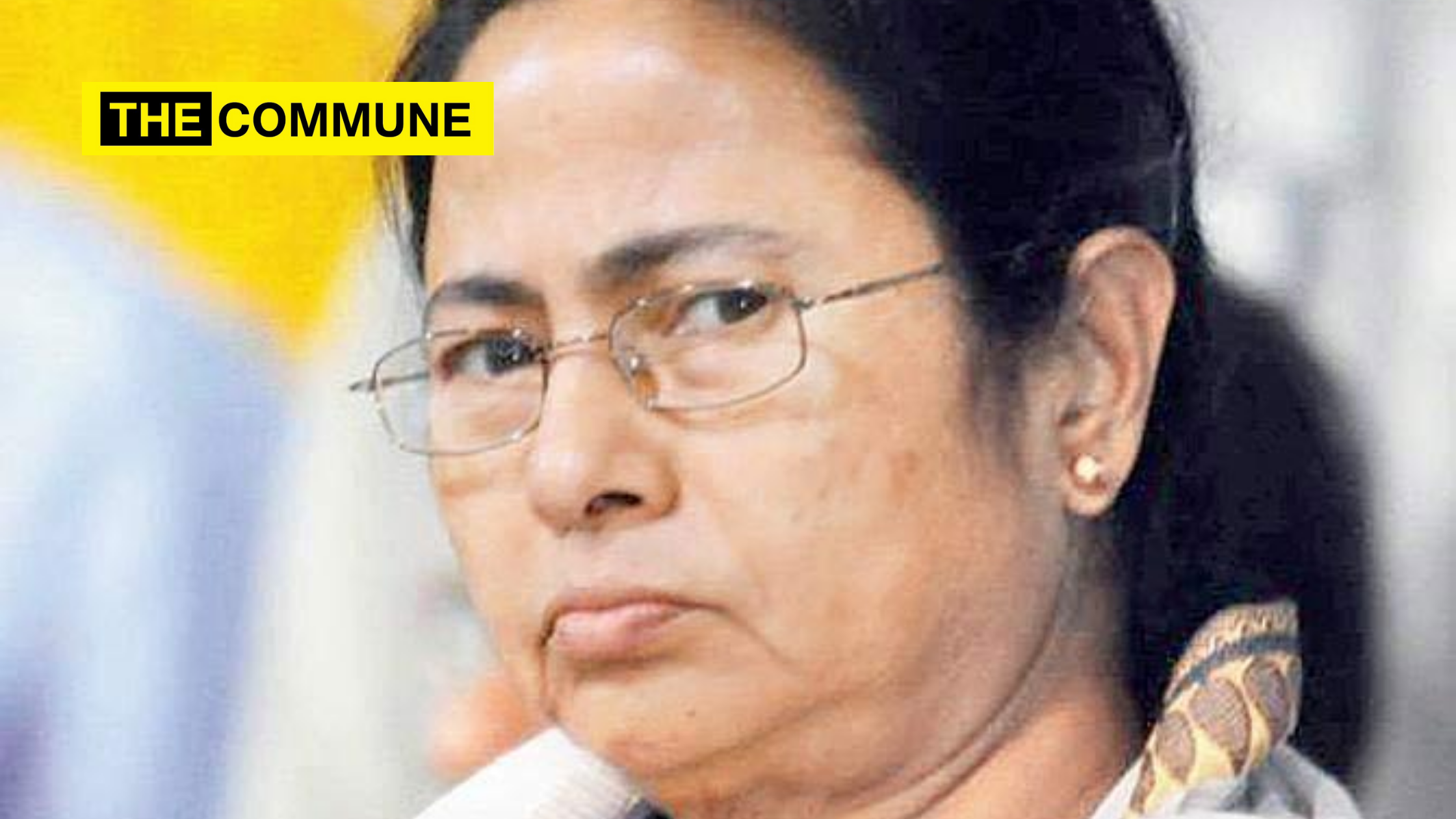
West Bengal Chief Minister, Mamata Banerjee, on Tuesday, reiterated her allegation that the BJP-led Union government wants to impose the National Register of Citizens (NRC) in West Bengal through Election Commission of India’s Special Intensive Revision (SIR) exercise.

“A plan to slap NRC is being hatched in the name of conducting SIR. Ensure that your name is on the voter’s list. Every individual must have his name on the voter’s list. If anyone’s name is excluded, then bring it to the notice of the concerned authorities. We will stand by those people. We will not tolerate if people are sent to Bangladesh after deleting their names from voters’ list. Indian citizens shouldn’t be branded as Bangladeshis,” Banerjee said.

Speaking to media persons after visiting flood-affected areas in Ghatal of West Midnapore district, the Chief Minister also added that it was the Election Commission of India that planned the idea of the EPIC card.

“Who came up with Aadhaar cards? Crores of rupees were spent to make these cards. Why won’t these cards, along with ration cards, be considered proof of citizenship? It is a planned game by the BJP government at the Centre with the help of the ECI. We do not tolerate this,” CM Banerjee said.

Speaking on the occasion, the Chief Minister once again criticised the Damodar Valley Corporation (DVC) for releasing its water to West Bengal and vowed to erect a dam and channel the water back to Jharkhand after coming to power post the 2026 state Assembly polls.

“I come to Ghatal every time. This place witnesses floods everywhere. This time, the DVC has broken all records by releasing water. They do not dredge there. They have not dredged for 20 years. When it rains, water is released into Bengal. After the 2026 state Assembly polls, we will plan how to stop the release of water. It will cost money. But we will also build a dam and then release it somewhere else. We are fed up with taking this pain. This time we will also make a game plan,” CM Banerjee said.

The Chief Minister also hit out at the Union government for its alleged step-motherly attitude towards Bengal.

“Earlier, the Union government used to give money to prevent the erosion of the Ganges. Now we have to do everything by ourselves. I have been telling the Union government about the Ghatal Master Plan for a long time. They have not done anything. It was supposed to be done by them. But we have already made a plan worth Rs 1,500 crore. The work has started. More work will be done after the monsoon season. A committee has been formed,” she said.

She again criticised the BJP for its stance on the Bengali language and Bengali migrant workers. “Now they (BJP) are saying that Bengali is not a language. Instead, they are demanding that I (Chief Minister) be arrested under the National Security Act for raising these questions. I am speaking in Bengali again. How dare they say that there is no language called Bengali,” she said.

Earlier on Tuesday, CM Banerjee said that West Bengal has registered a 12 per cent year-on-year growth in gross GST collections for July 2025.

In a social media post, CM Banerjee said the state collected Rs 5,895 crore in GST revenue last month, up from Rs 5,257 crore in July 2024. “Glad to share that West Bengal has reported a robust 12 per cent year-on-year growth in gross GST collections for July 2025, recording a collection of Rs 5,895 crore, compared to Rs 5,257 crore in the same month last year, according to provisional figures just released by the Union government,” she said.

“Cumulative growth rate in our state’s GST revenue till July is 7.71 per cent. This marks a steady improvement in business and consumption in West Bengal, which is a sign of good economic health,” CM Banerjee added.

-IANS

Subscribe to our TelegramWhatsApp, and Instagram channels and get the best stories of the day delivered to you personally.
Trump’s Tariff Threats Risk Undoing 25 Years Of India-US Progress, Says Report

trump russia ceasefire pakistan oil threat tariff

With his actions in the recent weeks, US President Donald Trump is now in the process of tanking the India-US relationship built over 25 years. His actions will affect the bilateral ties after more than 20 years of bipartisan effort to transform the relationship between India and the US, including during his own first term, US-based Carnegie Endowment for International Peace detailed in a report on Tuesday.

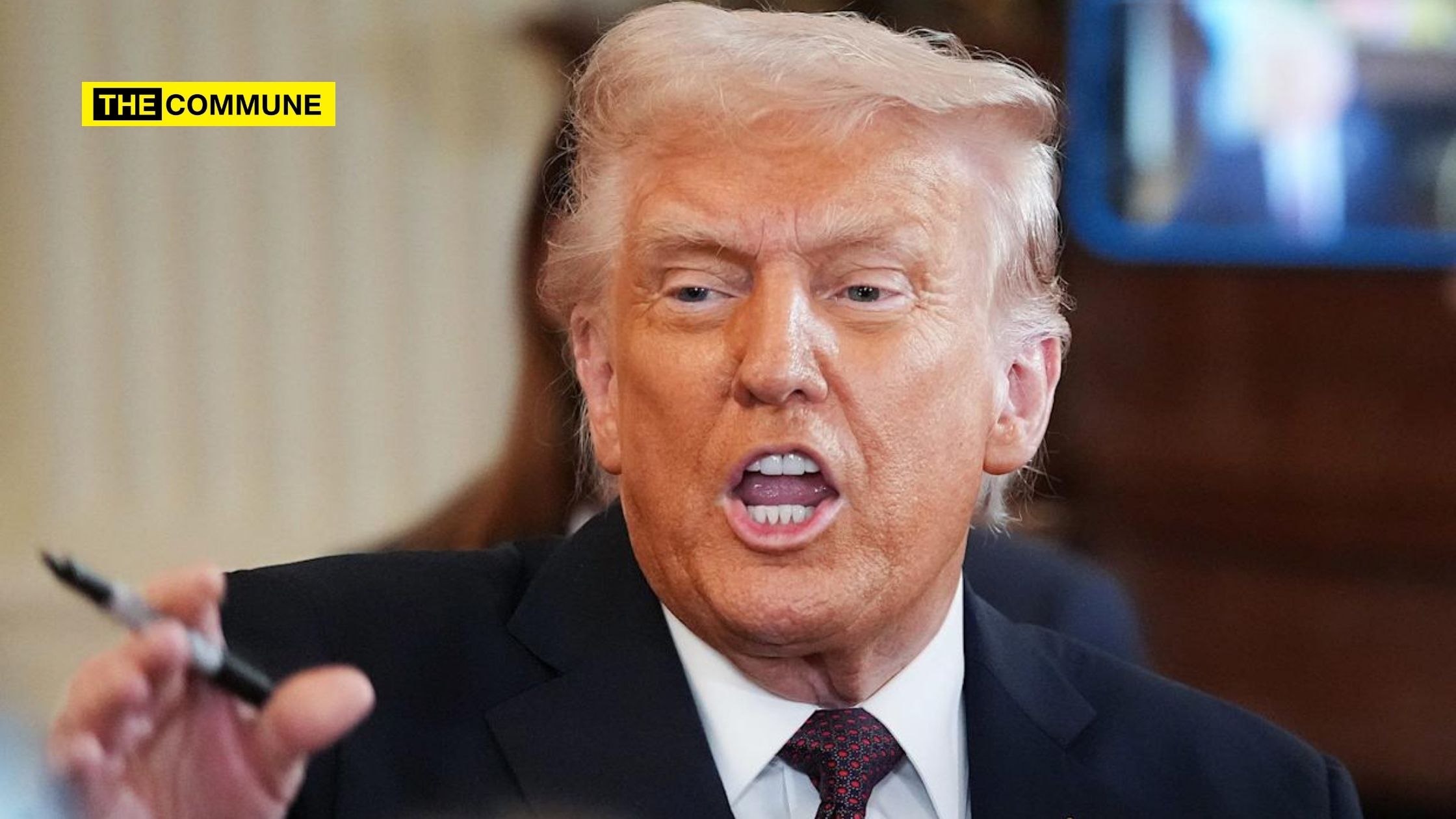
Trump has threatened to substantially raise tariffs on India and impose more for buying oil from Russia. In a post shared on his social media platform Truth Social, Trump stated, “India is not only buying massive amounts of Russian Oil, they are then, for much of the Oil purchased, selling it on the Open Market for big profits.” “They don’t care how many people in Ukraine are being killed by the Russian War Machine. Because of this, I will be substantially raising the Tariff paid by India to the USA,” he stated.

In the Carnegie report, Evan Feigenbaum stated that Trump’s decision will be considered by India as “blunt coercion, gross interference in Indian foreign policy, impractical given India’s oil import needs, and a cynical effort to ‘blame India’ for the West’s (and Trump’s own) collective failure to get Moscow to stop its war on Ukraine”.

Trump had even threatened to impose additional tariffs on India for its participation in the BRICS grouping alongside Brazil, China, Russia, South Africa, and others. Analysts reckon Trump’s this decision also as gross interference and coercive. Trump has criticised and threatened US firms that manufacture in India while encouraging them to invest in the US or face financial penalties.

His statements have sharpened the contradiction between Trump’s “America First” and Modi’s “Make in India” visions, according to the report. US President’s meeting with Pakistan’s Army Chief General Asim Munir at the White House within weeks of terrorist attack in Jammu and Kashmir and the decision to jointly explore Pakistan’s oil reserves has also set alarm bells ringing.

“Trump’s fulsome praise for Islamabad and dealmaking with Pakistan’s army and government now raise obvious concerns in New Delhi that this too has gone by the wayside. And these concerns have been amplified exponentially because Trump’s moves came within weeks of the April 22 terrorist attack that killed twenty-six Indian civilians in Pahalgam and led to a new outbreak of hostilities between the two countries,” the report detailed.

It stated that the US administration under Trump has continued to promote a new American technonationalism, wherein technology sharing with foreigners is seen with skepticism. Some around Trump want to keep American technology close to home while reducing exports and co-innovation with foreign partners, as per the report.

For the first time in 20 years, Trump’s actions, statements and coercive tone has made ties with the US a combustible domestic political issue in India, it added. The opposition, the media, and the people in India have urged government to avoid showing weakness in the face of Trump’s threats.

Issues that directly affect India are among the most partisan and explosive in the US, including H1B visas for tech workers, offshoring and overseas manufacturing by US companies, immigration and deportation and technology sharing and co-innovation with foreigners, the report said.

This seems to be a bad sign for the next 20 years of US-India ties as overcoming domestic politics and partisanship has been perhaps the achievement since the first decade of the 2000s.

-IANS

Subscribe to our TelegramWhatsApp, and Instagram channels and get the best stories of the day delivered to you personally.