Home Blog Page 174

Congress’s ‘Vote Chori’ Drama Exposes Its Own Electoral Manipulations
congress rahul gandhi vote chori

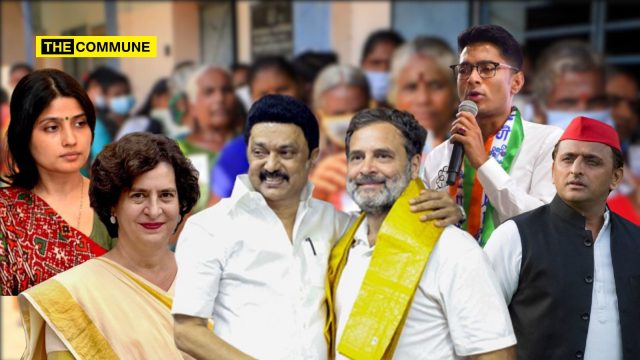
A shocking turn has emerged in Congress’s “Vote Chori” allegations against the Election Commission of India colluding with the BJP. The latest developments suggest that the party, which accused the Election Commission (ECI) of orchestrating the largest electoral theft may have inadvertently unearthed embarrassing truths about itself and its own leaders since independence. This current issue spans multiple constituencies: in Wayanad (Rahul Gandhi, Priyanka Vadra), Rae Bareli (Rahul Gandhi), Diamond Harbour (Abhishek Banerjee), Kolathur (M.K. Stalin), and Kannauj/Mainpuri (Akhilesh Yadav, Dimple Yadav).

Historically, Congress has repeatedly been implicated in manipulating election outcomes:

  • 1952: Allegedly engineered Dr. Ambedkar’s electoral defeat alongside Communist support.
  • 1957: Accused of orchestrating a booth takeover in Begusarai.
  • 1967: Won 61 seats in Jammu & Kashmir via uncontested wins and disqualifying rival nominations.
  • 1975: Indira Gandhi’s 1971 Rae Bareli victory was overturned due to confirmed electoral fraud—Justice Sinha found her guilty on two counts.
  • 1987: Congress and the National Conference were accused of rigging the elections in Kashmir.

The Nehru–Gandhi family has frequently turned against institutions and voters when electoral outcomes didn’t favor them:

  • After losing in 1977, Indira Gandhi called the electorate “a bunch of fools.”
  • Following the 1989 defeat, Rajiv Gandhi blamed the faulty ballot papers.

Rahul Gandhi appears to be following the same playbook: launching unsubstantiated claims to deflect defeat, refusing to back them with evidence or formal declarations, failing to file official complaints despite EC invitations, and undermining democracy with misinformation. For instance, neither the INC nor the RJD lodged any official protest with the Election Commission in Bihar.

Despite repeated invitations from the Election Commission to discuss concerns regarding the voter roll, Rahul Gandhi failed to appear. No formal evidence has been submitted by Congress, nor has any candidate filed an electoral petition under Section 80 of the Representation of the People Act to challenge the results.

Several of his claims have been contradicted by available data:

  • New Voter Additions in Maharashtra: Historical trends show high voter increases in both 2004 (4.7%) and 2009 (4.1%), which favored the UPA, while the 2024 increase was actually lower (4.4%).
  • Late Evening Voting Surge: Alleged post-5 PM surges are not supported by data before 5 PM averaged 58 lakh/hr, while after 5 PM dropped to 32.5 lakh/hr. All INC booth agents signed Form 17C without dispute, and no election petitions were filed.
  • Karnataka Voter Roll: Contradicted by Congress’s own state minister, K.N. Rajanna, who reminded that the voter list was prepared under a Congress-run government—pointing to inconsistency in Rahul Gandhi’s claims.

Rahul also criticized the BJP’s win but remained silent about the Congress’s 2024 Lok Sabha performance in Dhule, Maharashtra:

  • BJP secured about 5.75 lakh votes across 5 of 6 assembly seats, while INC managed 3.84 lakh.
  • BJP led by 1.9 lakh votes in those seats.
  • In Malegaon Central, largely supported by minorities, INC won by a massive margin of 1,94,327 votes (94.52%), with BJP only at 4,542 votes (2.21%).

So why this huge drama around “Vote Chori”? Many believe it is a tactic to divert attention from the more pressing issue: the “ghuspaithiya vote bank” a term coined to describe alleged opposition strategies that involve appeasement politics, engineered infiltrations, and the protection of illegal voters.

Key methods allegedly used in this strategy include:

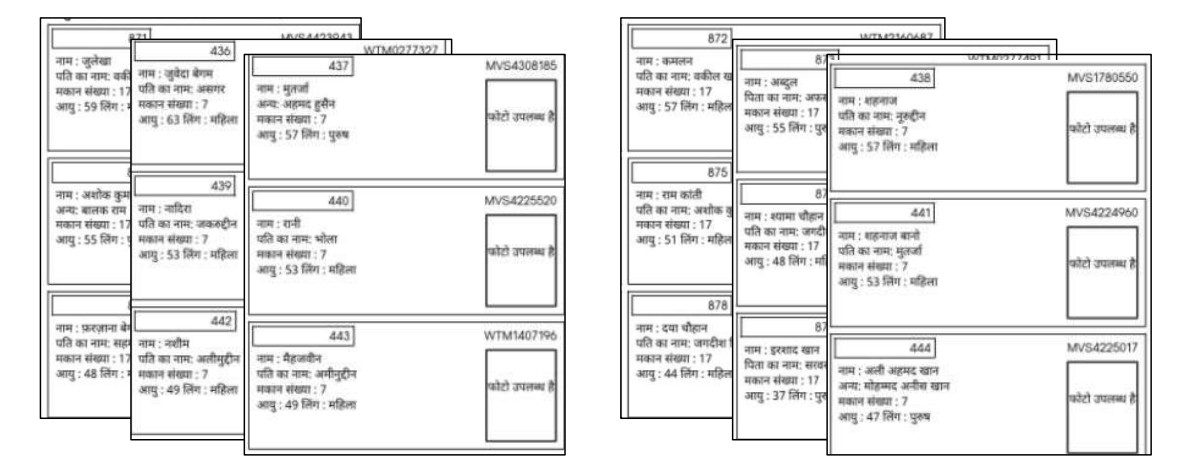
  • Duplicate Voters – Same people registered across multiple polling booths (e.g., Mohd Kaif Khan in Rae Bareli).
  • Fake Addresses – Multiple voter IDs tied to a single address (e.g., House No. n0011 in Diamond Harbour or House No. 189 in Rae Bareli).
  • Fake Relatives – Shifting identity of relatives across years (e.g., Khurshid Alam’s father’s name changing across voter rolls in Diamond Harbour).
  • Manipulated Ages – Extremely elderly new voters registering for the first time (e.g., voters aged 102, 101, and 99 in Wayanad’s Nilambur).
  • Mass Voter Additions – Booths with spiking voter numbers over a short period (in Diamond Harbour, 301 of 1,724 booths saw over 15% growth in four years; TMC strongholds saw gains in the range of 32–92%).

It appears that whenever Congress shouts “Vote Theft,” they are essentially describing their own strategy. The opposition is relying on the “Ghuspaithiya” (infiltrator) vote bank to ensure their political survival. This involves compromising national security and usurping the legitimate mandate of genuine Indian citizens. A detailed analysis of six constituencies governed by the opposition has uncovered this Ghuspaithiya Vote Bank, specifically in Wayanad (Rahul Gandhi and Priyanka Vadra), Raebareli (Rahul Gandhi), Diamond Harbour (Abhishek Banerjee), Kolathur (MK Stalin), Kannauj (Akhilesh Yadav), and Mainpuri (Dimple Yadav).

A Deep Dive into 6 Opposition Strongholds Reveals the Scale:

WAYANAD – 93,499 QUESTIONABLE VOTERS

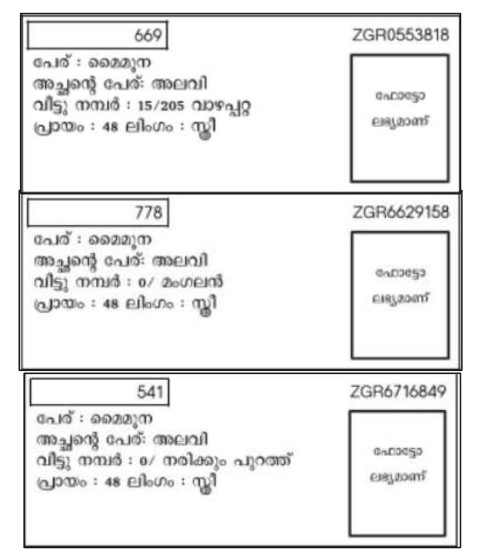
20,438 Duplicate Voters: For example, Maimoona appears multiple times in different booths within the Eranad Assembly:

  • Booth #135: EPIC ZGR0553818
  • Booth #115: EPIC ZGR6629158
  • Booth #152: EPIC ZGR6716849

17,450 Voters with Fake Addresses: There are 52 voter IDs registered at House No: o/ Kotangodaan, booth 52, Wandoor Assembly.
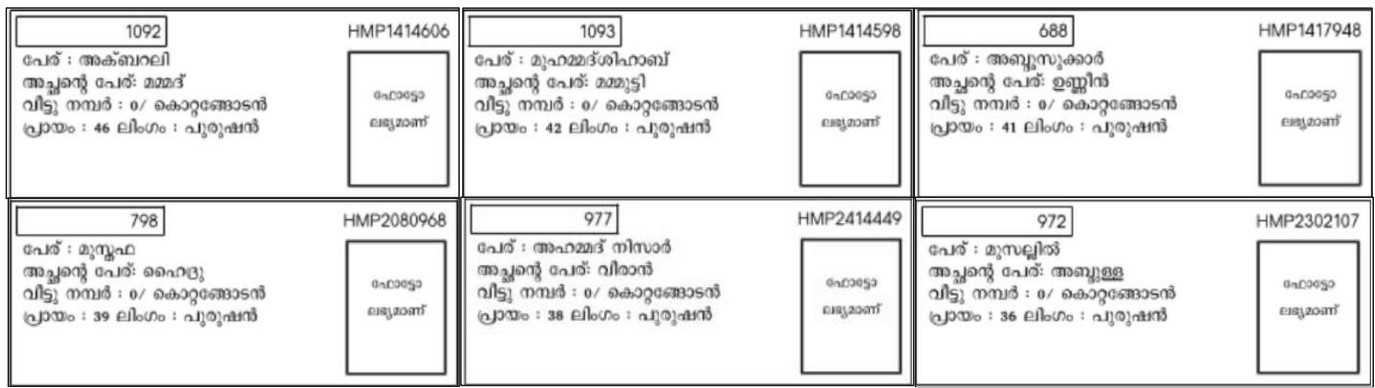
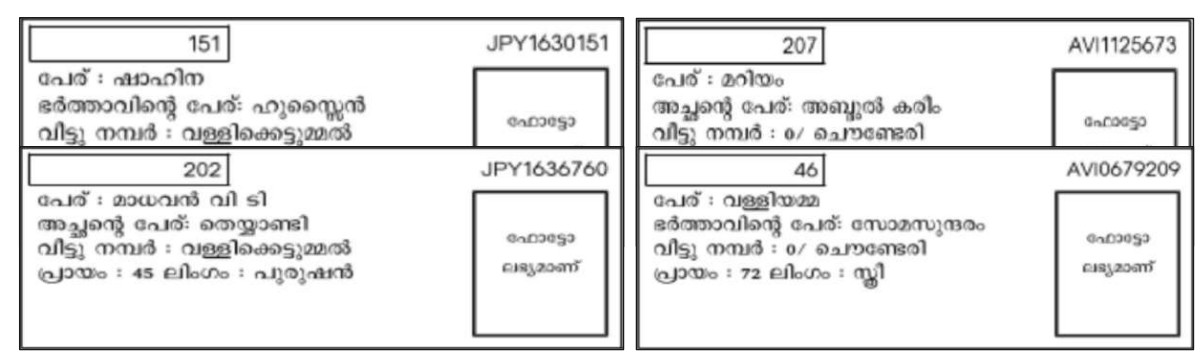
4,246 Voters from Mixed Households: Voters belonging to multiple religions are registered in the same households such as:

  • House No: Vallikattummal, booth 24, Thiruvambady Assembly
  • House No: o/Chaunderi, booth 41, Kalpetta Assembly
51,365 Voters Added via Mass Addition: Instances of very elderly voters recently added include:

  • Lillikutty, age 102, booth 25, Nilambur (EPIC: NIA0705657)
  • Kamalamma, age 101, booth 90, Nilambur (EPIC: NIA0842245)
  • Paru, age 101, booth 97, Nilambur (EPIC: NIA1915214)
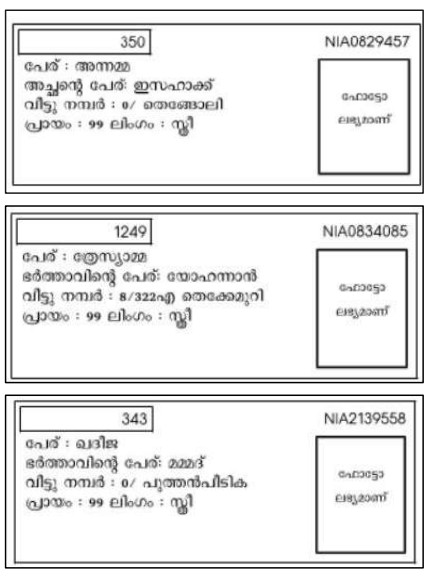
  • Annamma, age 99, booth 56, Nilambur (EPIC: NIA0829457)
  • Thresiamma, age 99, booth 56, Nilambur (EPIC: NIA0834085)
  • Khadeeja, age 99, booth 46, Nilambur (EPIC: NIA2139558)
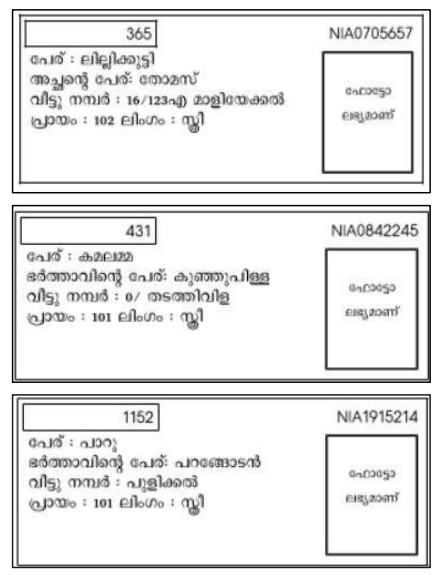
Following his defeat in Uttar Pradesh, Rahul Gandhi shifted focus to Kerala, aiming to win by depending on votes from a single community. The voter rolls there are plagued with irregularities such as duplicate registrations at identical addresses and bulk entries from one community. Both UDF and LDF have contributed to Islamic radicalization in Kerala. Now, as BJP challenges them, they accuse BJP of voter fraud in response to their losses. Will Priyanka Gandhi step down after allegations of “Vote Chori” (vote theft) in Wayanad?

RAE BARELI – 200,089 QUESTIONABLE VOTERS

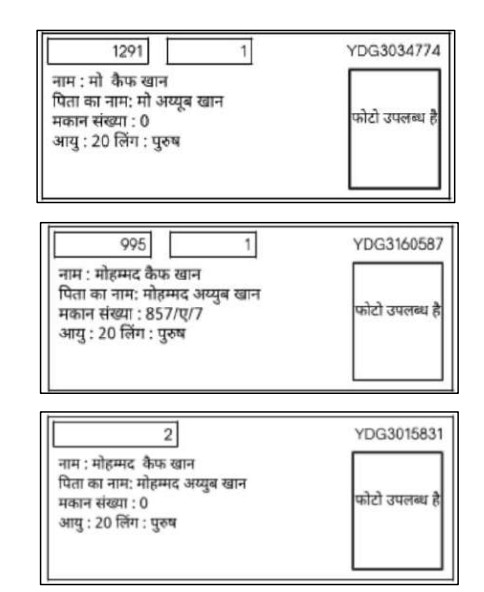
19,512 Duplicate Voters: For example, Mohd Kaif Khan appears in multiple booths in Rae Bareli Assembly:

  • Booth #83: EPIC YDG3034774
  • Booth #151: EPIC YDG3160587
  • Booth #218: EPIC YDG3015831

71,977 Voters with Fake Addresses: Examples include:

  • 47 voter IDs at House No 189, booth 131, Rae Bareli Assembly
  • 31 voter IDs at House No 86, booth 32, Harchandpur Assembly
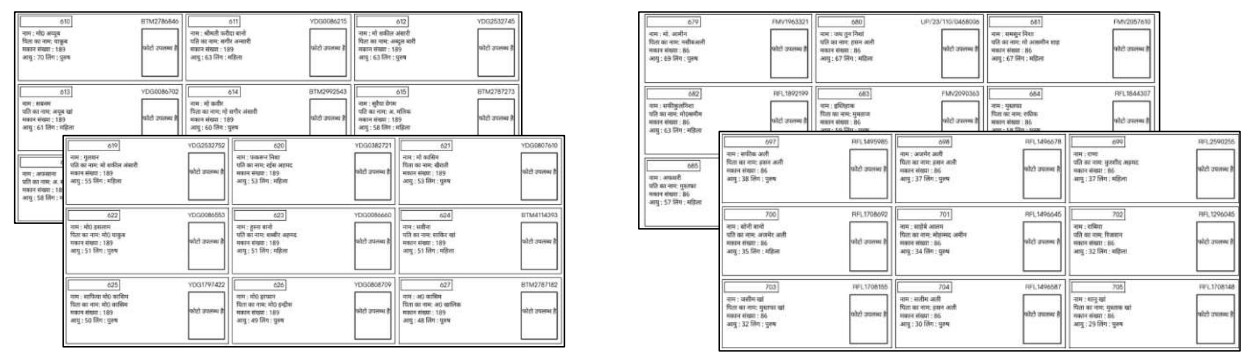
15,853 Voters with Mixed Households: Multiple religions registered at:

  • House No 7, booth 292, Harchandpur Assembly
  • House No 4, booth 232, Sareni Assembly

92,747 Voters via Mass Addition: Newly added elderly voters include:

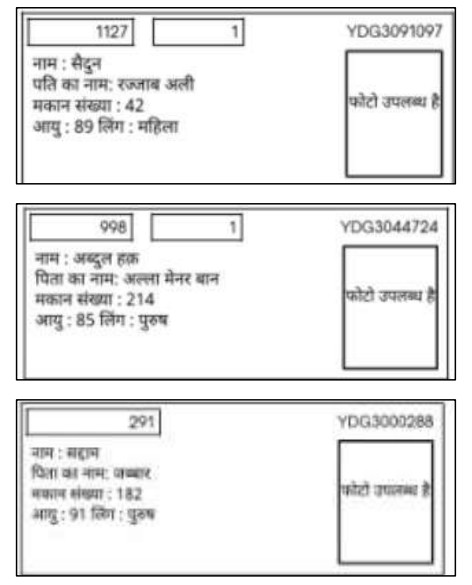
  • Saidun, age 89 (EPIC: YDG3091097)
  • Abdul Haq, age 85 (EPIC: YDG3044724)
  • Saddam, age 91 (EPIC: YDG3000288)
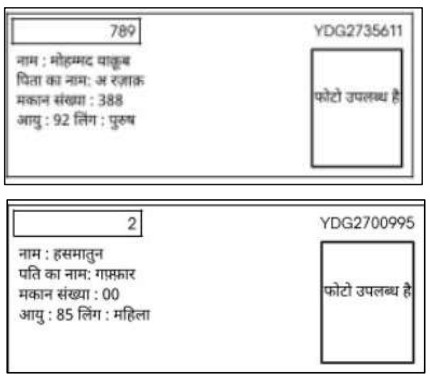
  • Mohd Yaqub, age 92 (EPIC: YDG2735611)
  • Hasmatun, age 85 (EPIC: YDG2700995)

The hidden reality behind the Gandhi stronghold reveals strange anomalies in the voter lists: multiple people registered at one house and many with nonexistent addresses. Investigations uncovered over 52,000 fake birth certificates linked to bogus locations. Evidence indicates these fake identities were fabricated to build a loyal voter base for the future. Rae Bareli’s consistent wins may not be solely due to trust or charisma but possibly aided by manipulation of the voter base. This story reflects less about political legacy and more about how power, when held too tightly, can distort the system.

Will Rahul Gandhi resign following accusations of “Vote Chori” in Rae Bareli?

DIAMOND HARBOUR – 259,779 QUESTIONABLE VOTERS

3,613 Duplicate Voters: Examples include:

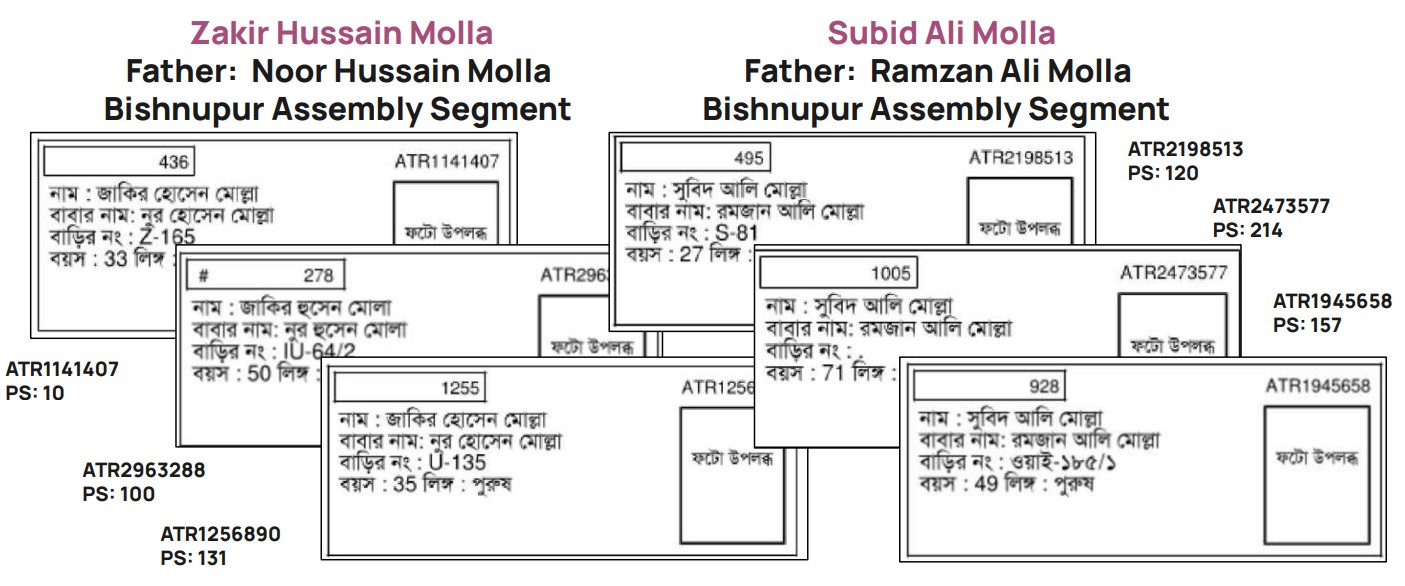
  • Zakir Hussain Molla, Bishnupur Assembly
  • Subid Ali Molla, Bishnupur Assembly
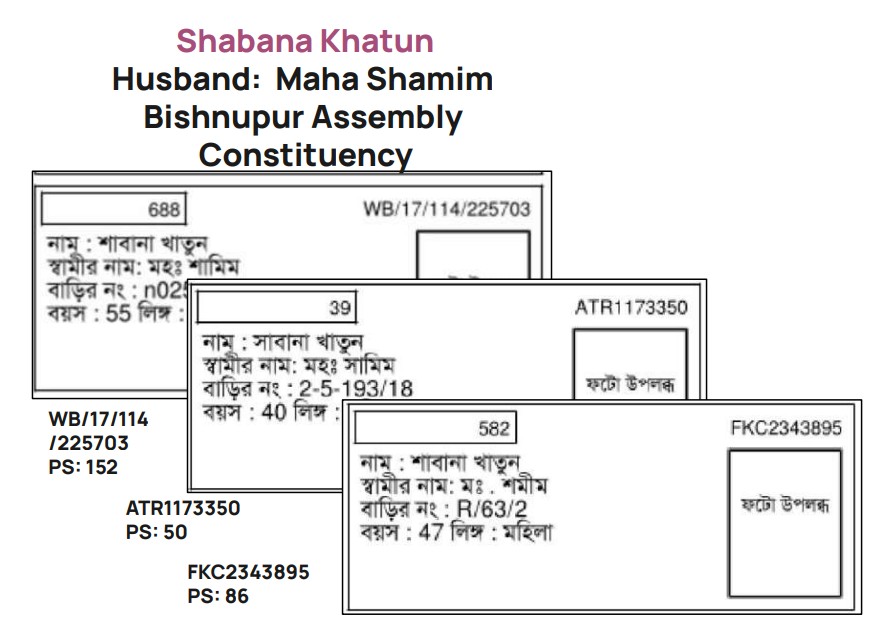
  • Shabana Khatun, Bishnupur Assembly

155,365 Voters with Fake Addresses: Examples include:

  • 28 voter IDs at House No n001, booth 265, Diamond Harbour Assembly
  • 111 voter IDs at House No n0097, booth 66, Falta Assembly

290 Voters with Fake Relatives: Khurshid Alam’s father’s name changed over the years in Diamond Harbour rolls. Abdul Majeed (unknown year) → Tojdel Laskar (2024), EPIC: FLL3178274. This tactic of using fake or “rented” parents is common for infiltrators to enter electoral rolls.

43,947 Voters from Mixed Households: People from different religions registered at:

  • House No n0011, booth 103, Falta Assembly
  • House No n0026, booth 248, Bishnupur Assembly
  • House No N00, booth 225, Budge Budge Assembly

56,564 Voters via Mass Addition: Newly added elderly voters include:

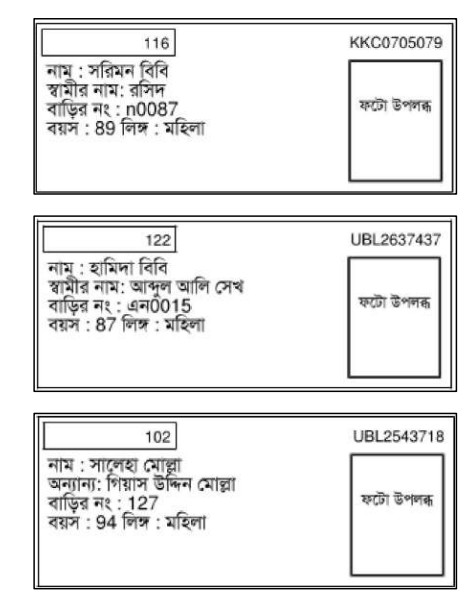
  • Sariman Bibi, age 89, Satgachia (EPIC: KKC0705079)
  • Hamida Bibi, age 87, Bishnupur (EPIC: UBL2637437)
  • Saleha Molla, age 94, Bishnupur (EPIC: UBL2543718)
  • Ramjan Sekh, age 86, Bishnupur (EPIC: UBL2565828)
  • Ajufa Molla, age 93, Bishnupur (EPIC: NYH1374933)
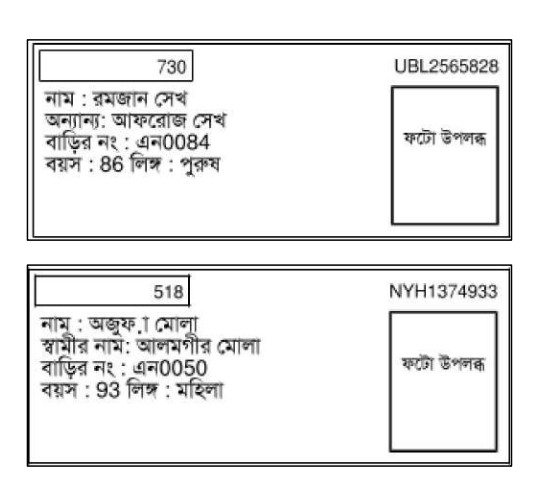
Out of 1,724 booths, 301 saw more than a 15% increase in voter strength in just 4 years. Constituencies like Bishnupur and Maheshtala have seen significant spikes in voter additions recently. West Bengal is on the brink of demographic invasion as the Left and TMC parties have promoted illegal immigration purely for political benefit. This demographic shift has caused irreversible damage to Bengal’s people and identity. The system has been exploited so deeply that West Bengal risks becoming “West Bangladesh.”

Will Abhishek Banerjee resign after charges of “Vote Chori” in Diamond Harbour?

KANNAUJ (Akhilesh Yadav) – 291,798 QUESTIONABLE VOTERS

16,163 Duplicate Voters: Examples include:

  • Akeel, son of Khaleel, Rasulabad Assembly (EPIC MVS4313300, WTM0065920)
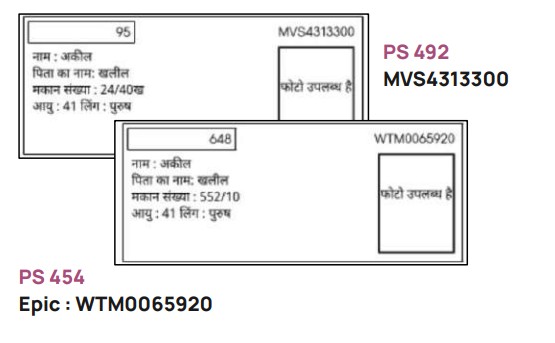
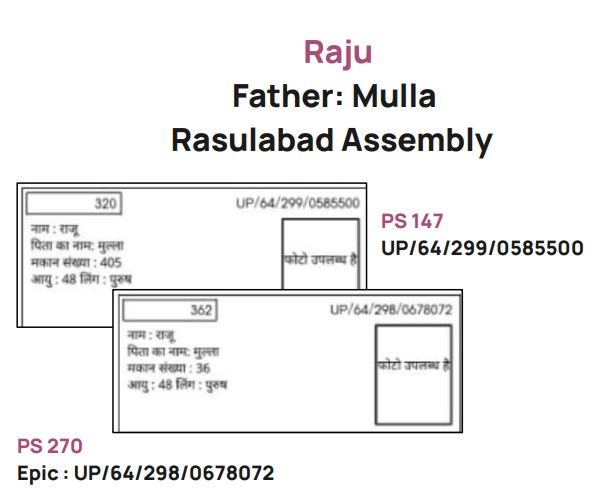
  • Raju, son of Mulla, Rasulabad Assembly (EPIC UP/64/299/0585500, UP/64/298/0678072)
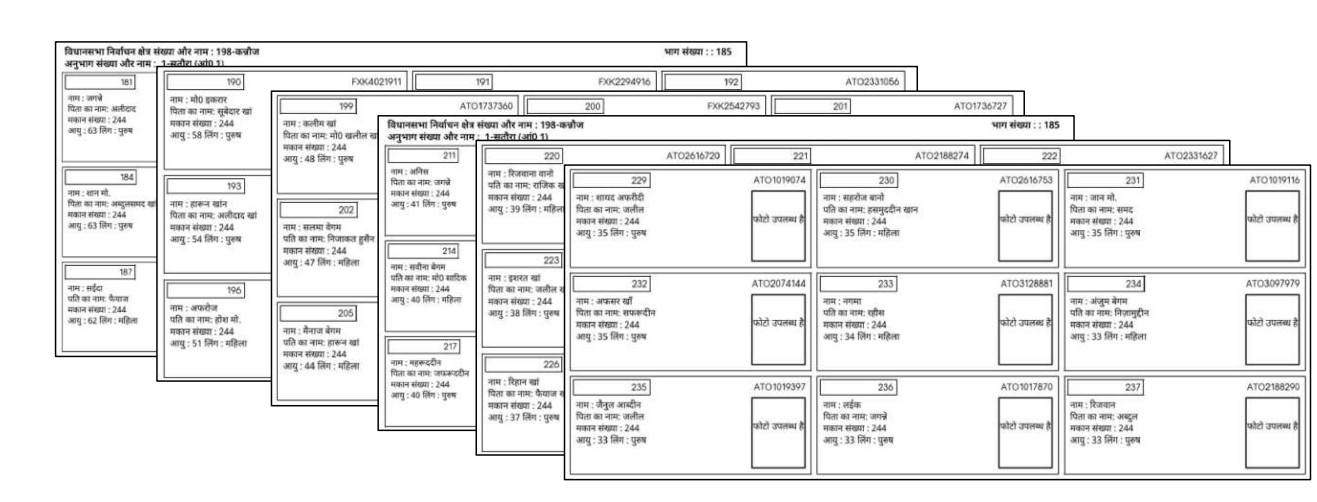
153,919 Voters with Fake Addresses: For example, 79 voter IDs are registered in House No 244, booth 185 of Kannauj Assembly.
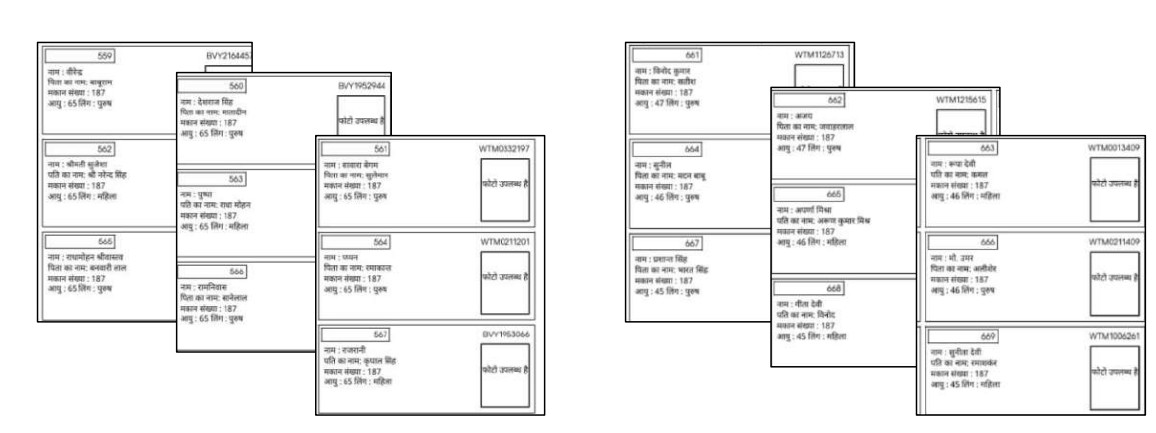
25,772 Voters from Mixed Households: Voters from multiple religions registered in:

  • House No 187, booth 150, Chhibramau Assembly
  • House No 7, booth 484, Chhibramau Assembly
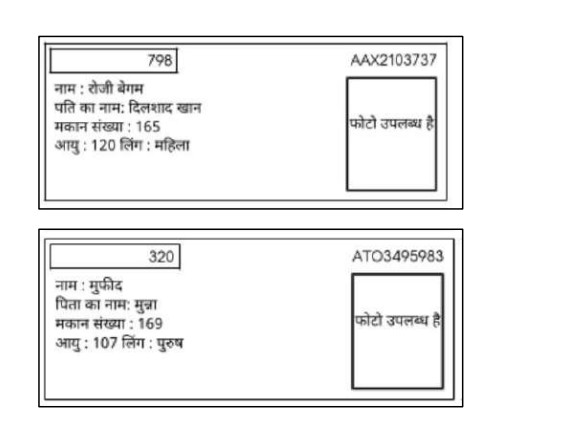
74,531 Voters via Mass Addition: Newly added elderly voters include:

  • Rozi Begam, age 120, Rasulabad (EPIC: AAX2103737)
  • Mufeed, age 107, Kannauj (EPIC: ATO3495983)
Will Akhilesh Yadav resign following accusations of “Vote Chori” in Kannauj?

MAINPURI (Dimple Yadav) – 255,914 QUESTIONABLE VOTERS

176,078 Voters with Fake Addresses: Examples include:

  • 65 voter IDs at House No 82, booth 330, Jaswant Nagar Assembly
  • 37 voter IDs at House No 38, booth 228, Bhongaon Assembly
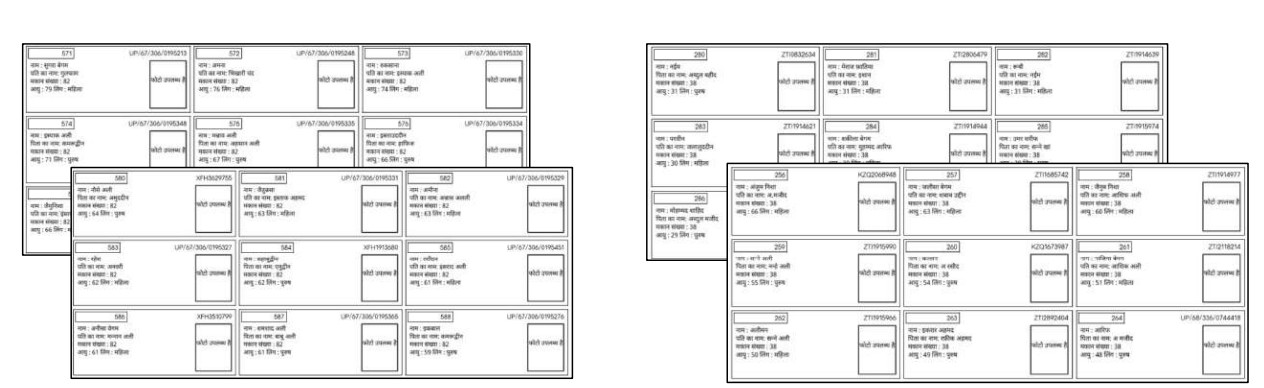
16,216 Voters from Mixed Households: Multiple religions registered in:

  • House No 135, booth 58, Karhal Assembly
  • House No 1, booth 142, Karhal Assembly
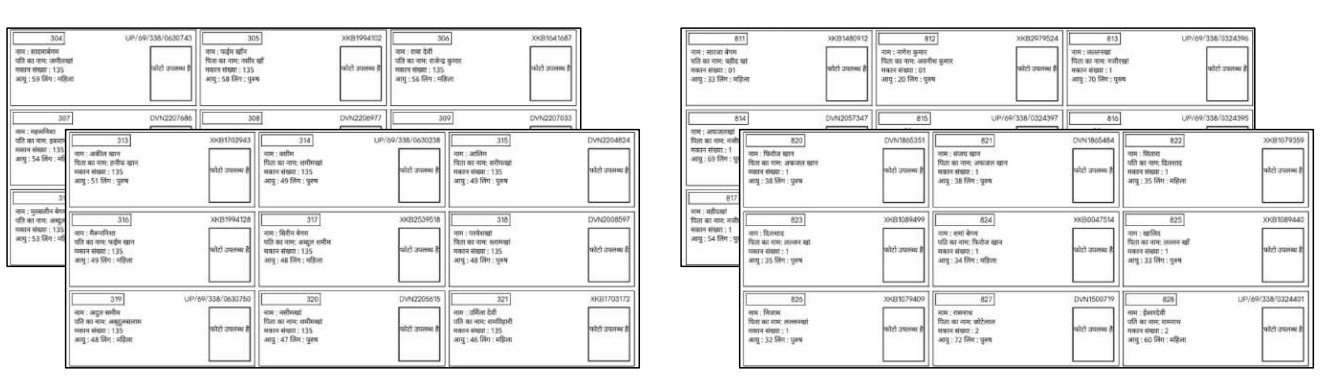
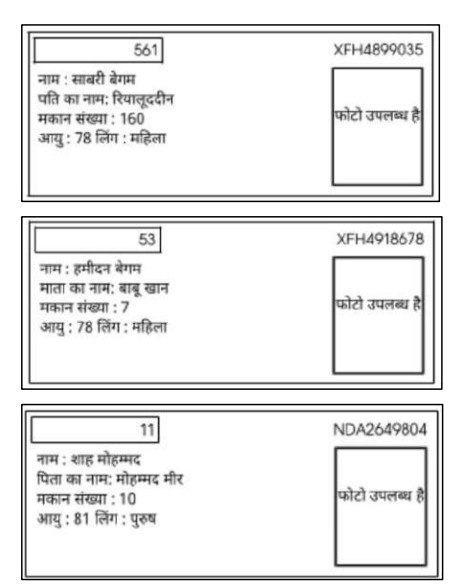
49,532 Voters via Mass Addition: Newly added elderly voters include:

  • Sabri Begum, age 78, Jaswant Nagar (EPIC: XFH4899035)
  • Hameedan Begum, age 78, Jaswant Nagar (EPIC: XFH4918678)
  • Shah Mohammad, age 81, Kishni Assembly (EPIC: NDA2649804)
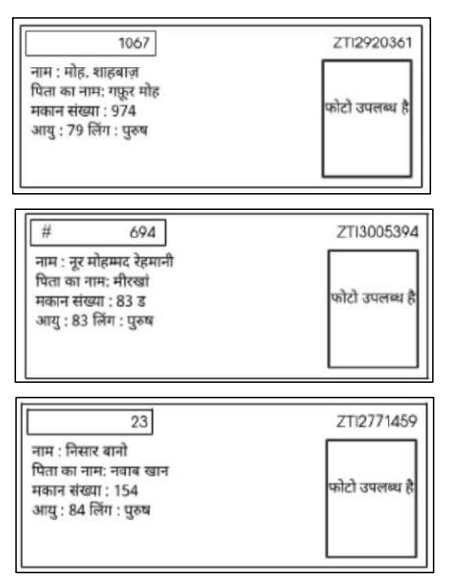
  • Mohd. Shahbaz, age 79, Bhongaon Assembly (EPIC: ZTI2920361)
  • Noor Mohammad Rehmani, age 83, Bhongaon (EPIC: ZTI3005394)
  • Nisaar Bano, age 84, Bhongaon (EPIC: ZTI2771459)
Will Dimple Yadav resign after allegations of “Vote Chori” in Mainpuri?

KOLATHUR (MK Stalin) – 19,476 QUESTIONABLE VOTERS

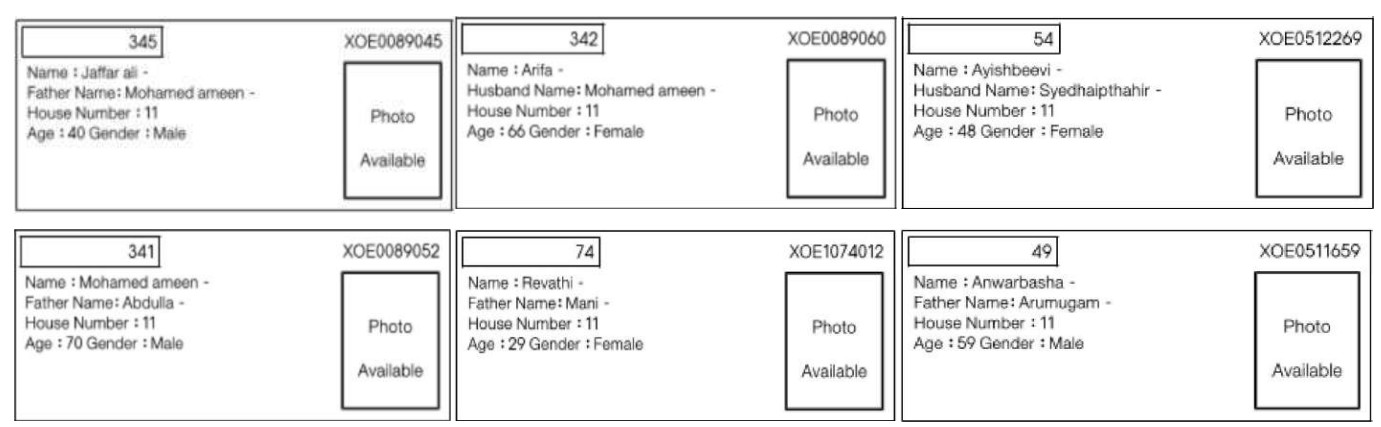
9,133 Voters with Fake Addresses: 30 voter IDs registered at House No 11, booth 84, Kolathur Assembly.
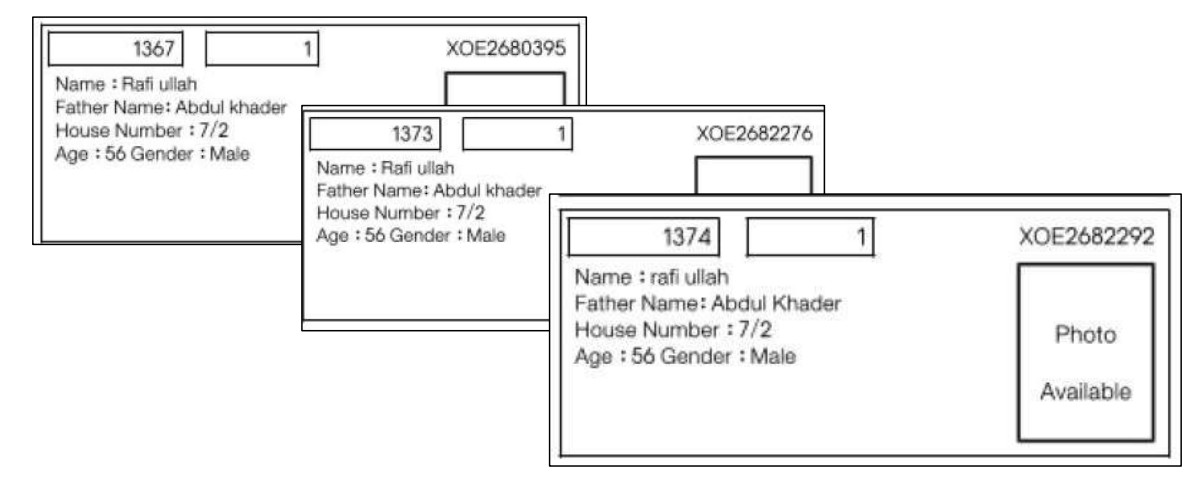
4,379 Duplicate Voters: RAFI ULLAH appears three times with different EPIC numbers in booth 157 of Kolathur.
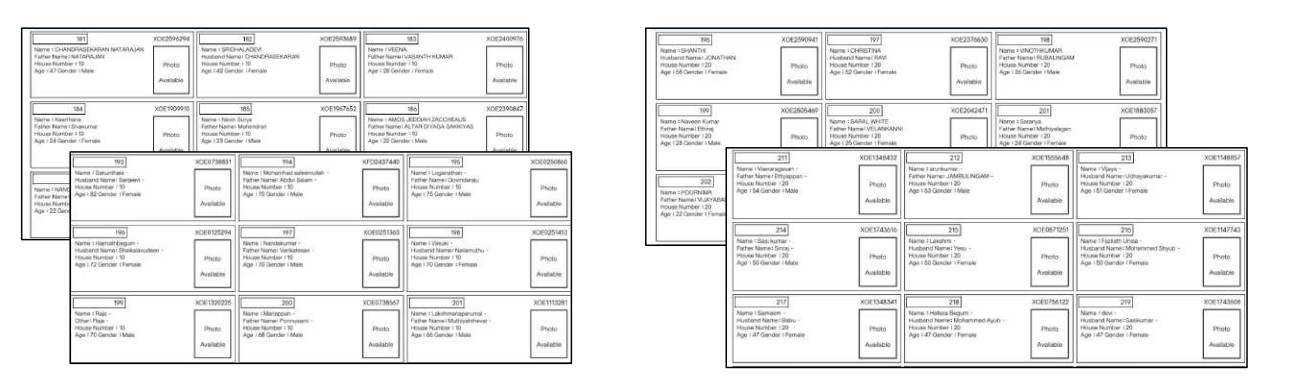
5,964 Voters from Mixed Households: Multiple religions registered in:

  • House No 10, booth 140, Kolathur (80 voter IDs)
  • House No 20, booth 187, Kolathur (62 voter IDs)
Will MK Stalin resign after accusations of “Vote Chori” in Kolathur?

Why Is Rahul Gandhi Targeting SIR?

The Congress narrative attacks SIR (Special Intensive Revision), a standard Election Commission procedure meant to clean voter rolls by eliminating: Duplicates, Ghost entries, Fake IDs. SIR isn’t new it was accepted during similar exercises in Bengal (2002) and Bihar (2003) without resistance. Today, it’s seen as a threat because it jeopardizes the vote bank politics built over years. By targeting SIR, Rahul Gandhi and others are seen as trying to shield these engineered voter blocks.

In reality, SIR represents an essential effort to restore electoral credibility. So, if the opposition cries “Vote Theft,” perhaps they’re just revealing their own political blueprint.

Subscribe to our channels on TelegramWhatsApp, and Instagram and get the best stories of the day delivered to you personally.

Dharmasthala Mass Burial Case: How Trustworthy Are Sujatha Bhat’s Claims? Asianet Suvarna News Investigation Reveals

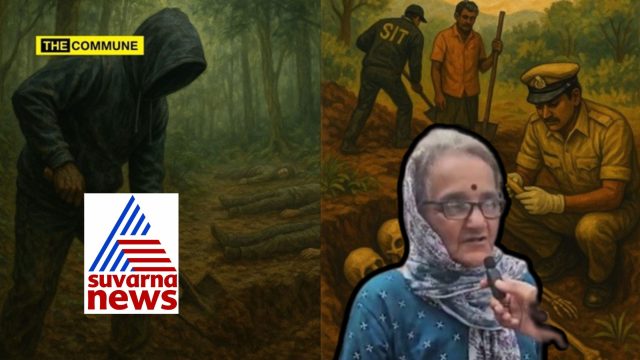
Dharmasthala Mass Burial Case: Suvarna News Investigation Challenges Sujatha Bhat’s Claims

The high-profile Dharmasthala “mass burial” case investigation that has been amplified by leftist news portals like The News Minute and Al Jazeera has taken a dramatic turn, with a series of revelations from Suvarna News casting serious doubt on the credibility of key complainant Sujatha Bhat.

Bhat, who had alleged that her daughter Ananya Bhat was raped and murdered in Dharmasthala in 2003 and buried on temple premises, became the trigger point for the Special Investigation Team’s (SIT) ₹50-lakh, 15-day excavation operation. The search, which ran from July 28 to August 13, recovered only one skull and a few bones despite targeting 13 sites allegedly identified by a “masked witness.”

Now, televised investigative reports have unearthed multiple inconsistencies in Sujatha Bhat’s account.

Key Findings From Suvarna News Investigation

Kannada news channel Suvarna News has been reporting on the issue regularly and their investigation has revealed startling details about Sujatha Bhat.

No Record of CBI Employment

Although Bhat has claimed she was working as a stenographer with the CBI in Kolkata in 2003, Suvarna News reports that a verification with the CBI and relevant authorities in West Bengal found no record of any Sujatha Bhat employed as a stenographer in Kolkata or anywhere in the state.

No Record of Daughter’s Medical College Admission

Bhat’s claim that her daughter was studying MBBS at Kasturba Medical College (Manipal) in 2003 has been contradicted by the institution’s records. Police inquiries covering the period from 1998 to 2005 reportedly found no student named “Ananya Bhat, daughter of Anil Bhat” enrolled in MBBS at either KMC Manipal or KMC Mangaluru.

No Documentary Proof of Daughter’s Existence

The complainant has failed to produce even a single photograph of Ananya Bhat or supporting documents such as SSLC or PUC marks cards, college admission letters, or identity records. Bhat has claimed these were destroyed in a house fire years ago.

No Marriage Record With “Anil Bhat”

While Sujatha has presented herself as the mother of Ananya Bhat, alleged to be the daughter of one Anil Bhat, there is no documentary proof of such a marriage.

Background: Suvarna News Alleges “Hidden Past”

In a string of investigative segments, the channel traced Bhat’s movements between 1999 and 2005 and claimed she was in a live-in relationship in Ripponpet, Shivamogga, with a man named Prabhakar Baliga. Neighbours interviewed on camera asserted the couple was childless and treated their dogs as “family members.” A 2003 article in a local magazine featuring their photograph corroborates these accounts.

These findings directly contradict Bhat’s timeline of working in Kolkata in 2003 and being a CBI staffer at the time.

Police Doubts and SIT Frustration

According to police sources cited in the reports, Bhat’s complaint raised several red flags:

Why wait 22 years to file a missing persons report, especially if working in a central investigative agency?

Why not approach other police stations or the courts if the local station refused to file a case in 2003?

Why is there total absence of corroborative evidence for the daughter’s existence, from school records to identity documents?

The SIT is also reportedly perplexed that despite her serious allegations against Dharmasthala Dharmadhikari Veerendra Heggade and his brother Harshendra Heggade, Bhat has since been non-cooperative with investigators and could not be contacted for a period of time.

Sujatha Bhat’s Video Statement: “I Am Not Missing”

Amid reports that she was untraceable, Sujatha Bhat released a video message from an undisclosed location, denying she was missing and reiterating her demand for the remains of her alleged daughter: “All I am asking is that if you find my daughter’s remains and there is a DNA match, give them to me so I can perform her last rites according to Hindu tradition,” she said.

Sujatha Bhat has now released a video countering Suvarna news allegations that she has fled the #Dharmasthala. She’s yet to answer on other parts including personal ones which her alleged brother in law revealed. #DharmasthalaCase #DharmasthalaFiles #DharmasthalaMassBurial pic.twitter.com/BL9jRYsyzb

However, she did not address any of the discrepancies raised by the media or provide fresh evidence supporting her claims.

Subscribe to our channels on Telegram, WhatsApp, and Instagram and get the best stories of the day delivered to you personally. 

“Seen Videos Of People Eating Meat And Claiming To Be Animal Lovers”, Solicitor General Tushar Mehta’s Hard-Hitting Argument In Stray Dogs Case

tushar mehta solicitor general stray dog case supreme court

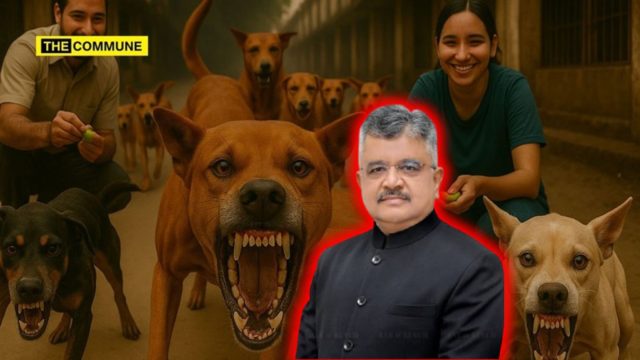
Solicitor General of India Tushar Mehta, appearing for the Government of NCT of Delhi before a three-judge bench of the Supreme Court, on Wednesday described the current debate on stray dog management as being dominated by “a loud vocal minority” while “a silent suffering majority” continues to face daily threats.

The bench of Justice Vikram Nath, Justice Sandeep Mehta, and Justice NV Anjaria was hearing pleas seeking a stay on the August 11 directions of a two-judge bench mandating the immediate removal of stray dogs in Delhi-NCR to shelter homes.

“I have seen people posting videos of eating meat and then claiming to be animal lovers,” the Solicitor General said, questioning the perceived double standards of some activists opposing the relocation order.

Citing grave public safety concerns, Mehta told the court that several children have lost their lives to rabies caused by dog bites. “Sterilisation does not stop rabies. Even if the dogs are immunised, that won’t stop them from mutilating children,” he said, referring to Economic Times data estimating 37 lakh dog bites every year in India – averaging about 10,000 per day – and World Health Organization figures showing 20,000 annual rabies deaths.

Drawing a parallel, he added, “Only four or five species of snakes are poisonous. But we don’t keep them at homes. Nobody is saying kill dogs. They need to be separated. Kids are not able to play outside or go to school.”

The Solicitor General’s remarks came amid mounting legal and political disputes over the August 11 order, which activists say conflicts with earlier Supreme Court rulings and the Animal Birth Control (ABC) Rules. Opponents have argued that mass relocation could lead to overcrowded shelters, disease outbreaks, and eventual culling.

The bench has reserved its order on whether to stay the August 11 directions, with sharp divisions remaining between public safety advocates and animal rights groups.

Subscribe to our channels on Telegram, WhatsApp, and Instagram and get the best stories of the day delivered to you personally.
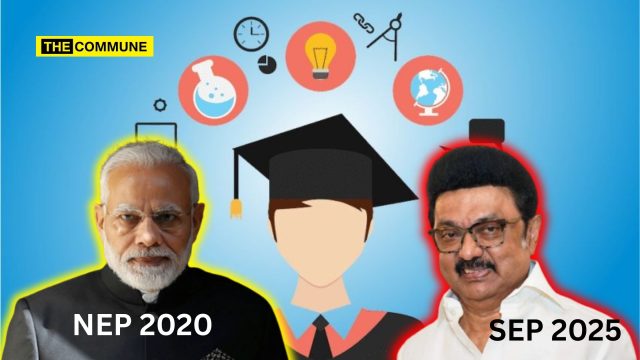
Copy-Paste Education Policy? Tamil Nadu’s SEP 2025 Mirrors NEP 2020, Just With A Dravidian Spin

nep 2020 sep 2025 copy cat education policy dmk tn

When the DMK government in Tamil Nadu released its State Education Policy (SEP) 2025, it framed the document as a proud, locally crafted alternative to the National Education Policy (NEP) 2020. The stated intent was to resist “central imposition,” protect Tamil Nadu’s linguistic-cultural identity, and set a distinct course for education in the state.

But a detailed comparison of the two policies tells a different story. SEP 2025 borrows heavily from NEP 2020, often reproducing its core reforms almost word-for-word, while omitting some of NEP’s most far-reaching, system-wide changes. What emerges is less a radical state innovation and more a politically rebranded adaptation of a national framework the DMK had earlier opposed.

NEP 2020’s Comprehensive Vision

NEP 2020 was the first overhaul of India’s education policy in 34 years. It set out a unified reform blueprint integrating school education, vocational pathways, and higher education under one framework. Its design was ambitious and long-term, linking foundational literacy to global competitiveness.

Some of its hallmark features included:

  • Structural redesign: A new 5+3+3+4 curriculum structure, replacing the 10+2 system.
  • Curriculum flexibility: Multidisciplinary subject choices and credit mobility from early grades onwards.
  • Teacher standards: A National Professional Standard for Teachers, career progression frameworks, and structured professional development.
  • Assessment reform: Creation of a National Assessment Centre (PARAKH) to guide testing standards and shift away from high-stakes board exams toward modular, competency-based evaluation.
  • Vocational integration: Mandating skill-based modules, industry-linked internships, and career exposure from Grade 6.
  • Higher education transformation: Phasing out the affiliation system, promoting multidisciplinary universities, and fostering research collaboration with global institutions.
  • Equity at scale: National schemes for disadvantaged groups, including scholarships, special education zones, and flexible learning pathways.
  • Global outlook: Explicitly aiming to position India as a knowledge superpower, aligning curricula with international standards while promoting multilingualism.
SEP 2025’s Localised Approach

Tamil Nadu’s SEP 2025 positions itself as a state-centric policy focused on school-level reforms, cultural preservation, and decentralised governance. It places emphasis on:

  • Foundational Literacy and Numeracy (FLN) as a mission to be achieved by Grade 3.
  • Mother-tongue instruction in Tamil, with a strong cultural and heritage component.
  • Activity-based, experiential learning rooted in local traditions. Vocational exposure from middle school with focus on local crafts and trades.
  • Continuous and non-punitive assessment aligned to classroom-level learning outcomes.
  • Equity measures targeting SC/ST, CWSN, and economically disadvantaged groups through hostels, scholarships, and special schools.
  • Community governance through School Management Committees and local bodies.

While these goals resonate with Tamil Nadu’s socio-cultural priorities, they do not address higher education reform, national assessment integration, or large-scale research and innovation infrastructure, all central to NEP’s long-term strategy.

The Copycat Elements

A close reading reveals that many SEP provisions mirror NEP 2020 almost directly. Let’s take a look.

Foundational Literacy & Numeracy (FLN)
NEP: National mission, Grade 3 target, community mobilisation, remedial teaching.
SEP: Identical mission structure, Grade 3 target, and community-based strategies, rebranded for Tamil Nadu.

Mother-Tongue Instruction
NEP: Home/regional language till Grade 5 (preferably Grade 8).
SEP: Same principle, replacing “regional language” with “Tamil” and adding cultural emphasis.

Competency-Based, Experiential Learning
NEP: Inquiry-led, activity-based teaching with integrated arts, sports, and vocational education.
SEP: Same pedagogy, rephrased for local context.

Vocational Exposure from Grade 6
NEP: Mandated internships and skills training from Grade 6.
SEP: Same grade entry point, focus on local trades.

Continuous & Formative Assessment
NEP: Competency-based, non-punitive assessment, portfolios, and peer evaluation.
SEP: Same model, without NEP’s national PARAKH benchmarking system.

School Management Committees (SMCs)
NEP: Parent–teacher–community bodies for school governance.
SEP: Nearly identical in structure and role.

Equity & Inclusion
NEP: Lists disadvantaged groups, designs targeted schemes.
SEP: Same categorisation and interventions, with Tamil Nadu programme names.

Where NEP 2020 Stays Ahead

Despite these overlaps, NEP 2020 goes further in several critical areas. These include:

Higher Education Reform: NEP’s restructuring of universities, research funding, and international collaboration is absent from SEP.
Teacher Professionalisation: NEP’s binding standards and career pathways are national in scope; SEP focuses only on in-service development.
National Benchmarking: NEP’s PARAKH offers inter-state comparability; SEP’s assessments remain inward-looking.
Integrated Vision: NEP connects school, vocational, and higher education into one reform arc; SEP confines itself to primary and secondary schooling.
Global Orientation: NEP balances regional language promotion with English proficiency for global competitiveness; SEP prioritises Tamil-medium without equal weight on international readiness.

Political Counter or Policy Innovation?

The DMK’s promotion of SEP 2025 as a bold counter-policy rests on political positioning rather than fundamental pedagogical divergence. The party’s opposition to NEP was framed around fears of central overreach and cultural dilution. Yet, by adopting most of NEP’s core school-level reforms almost wholesale, SEP implicitly acknowledges the soundness of NEP’s ideas.

The key difference lies in scope: SEP avoids NEP’s higher education governance changes, national assessments, and centralised standards, moves that could integrate Tamil Nadu into broader national systems but might be seen as compromising state autonomy.

NEP 2020 set a unified national vision that bridges foundational learning, vocational skills, teacher careers, assessments, higher education, and global competitiveness. SEP 2025 delivers a politically acceptable local version of NEP’s school reforms, stripped of the national integration mechanisms and global competitiveness agenda.

For Tamil Nadu, the irony is unavoidable: the much-publicised SEP is not a rejection of NEP’s educational principles but a selective, rebranded adoption of them. In substance, NEP 2020 remains the more ambitious, systemic, and future-ready policy, while SEP 2025 is a narrower, politically framed adaptation.

Subscribe to our channels on Telegram, WhatsApp, and Instagram and get the best stories of the day delivered to you personally.
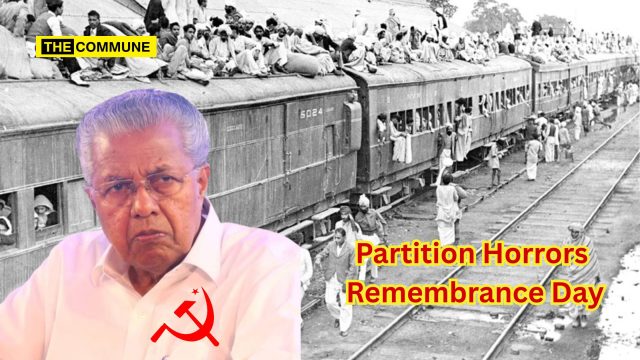
Kerala CPI(M) Government Opposes Observing ‘Partition Horrors Remembrance Day’ In Academic Campuses

Tensions have intensified in Kerala over the observance of ‘Partition Horrors Remembrance Day,’ with the CPI(M)-led state government clarifying that participation in the event is not mandatory for universities or affiliated colleges.

Higher Education Minister R. Bindu announced on 13 August that official communications had been issued through the Directorates of Collegiate and Technical Education, advising institutions that they are not obliged to comply with Governor Rajendra Vishwanath Arlekar’s directive to hold events on 14 August, the eve of Independence Day.

Speaking to the media, Dr. Bindu stated the state does not endorse such observances on academic campuses. “The Kerala government believes that such events should not take place in educational institutions, as they risk becoming platforms for communal discord, contradicting the inclusive spirit of our educational policy,” she said.

She further emphasized that Kerala traditionally marks Independence Day by highlighting unity and the sacrifices of freedom fighters, in line with the values enshrined in the Constitution. Introducing a commemoration focused on the tragedies of Partition, she warned, could promote sectarian tension rather than national unity.

Opposition leader V.D. Satheesan also denounced the Governor’s move, describing it as a grave misstep and part of a broader effort by the Sangh Parivar to sow division. He alleged that the initiative reflects the RSS’s ideological goals, accusing the BJP of deploying a new tactic—invoking the trauma of Partition—to fuel communal divisions. “When attempts to polarize Christian and Muslim communities failed, they resorted to this new narrative,” Satheesan claimed.

Meanwhile, the Students’ Federation of India (SFI) held statewide protests against the directive. Demonstrators at Kerala University burned effigies of both the Governor and the Vice-Chancellor, drawing strong condemnation from BJP-aligned Syndicate members.

(With inputs from The Hindu)

Subscribe to our channels on TelegramWhatsApp, and Instagram and get the best stories of the day delivered to you personally.

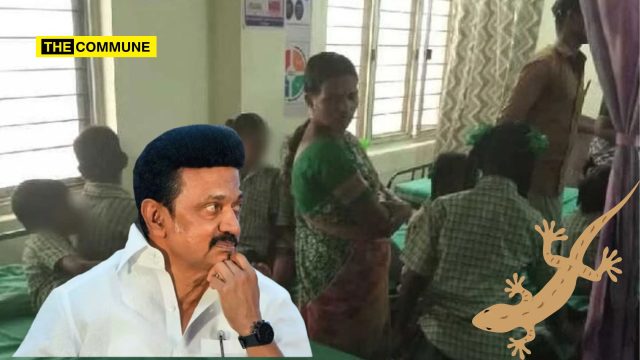
Eight Govt School Students Hospitalised After Lizard Found In Chief Minister’s Breakfast Scheme Meal In Thiruvarur

breakfast scheme lizard

In a disturbing incident from Thiruvarur district, eight students were rushed to the Kumbakonam Government Hospital on 13 August 2025 morning after consuming food from the Chief Minister’s breakfast scheme, where a dead lizard was allegedly discovered in the meal.

The students, enrolled at Punairuppu Government Primary School, had been served rava khichdi as part of the morning meal initiative. While eating, a lizard was reportedly spotted in the food, prompting immediate concern. The affected students were quickly admitted for medical observation and treatment.

This isn’t the first time serious lapses in food safety have been reported under the school meal programmes in Tamil Nadu.

Back in June 2025, a similar incident occurred at the Panchayat Union Primary School in Anaivari village, near Thiruvennainallur in Villupuram district, where more than 50 students fell ill after consuming a breakfast that allegedly contained a lizard. Many students began vomiting and fainting soon after eating and were taken to the Kalpattu Government Primary Health Centre. In response, two temporary kitchen staff were dismissed, and an inquiry was initiated by the School Education Department, overseen by the Assistant SSA Project Director.

Earlier, on 12 June 2025, yet another food safety breach was reported from Kallakurichi district, where students at a government school were served spoiled mid-day meals contaminated with worms and bugs. According to reports, the rice used had been stored improperly for over a month during the summer holidays, leading to contamination. A viral video showed distressed students pleading with the Education Minister for access to clean and safe food, highlighting the gravity of the issue.

These recurring cases have sparked growing concern about the quality control and safety measures in place for meals provided under state-run welfare schemes. Parents, activists, and educationists are calling for stricter monitoring, accountability, and immediate corrective action to ensure children’s health is not compromised.

Subscribe to our channels on TelegramWhatsApp, and Instagram and get the best stories of the day delivered to you personally.

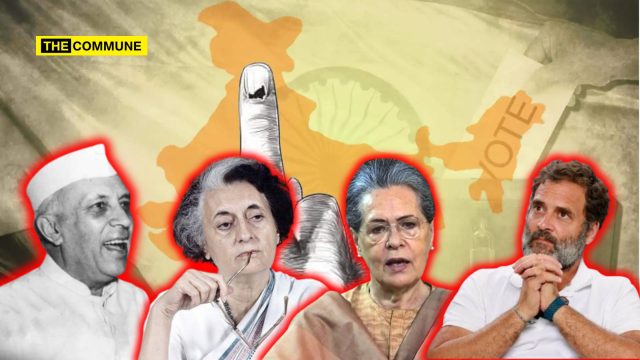
Rahul Gandhi’s ‘Vote Chori’ Hypocrisy: A Look At Nehru-Gandhi Dynasty’s Long Legacy Of Vote Fraud

vote chori vote fraud nehru-gandhi family congress rahul gandhi

Congress scion Rahul Gandhi thought he managed to pull off a massive blow to the BJP with his so-called “atom bomb” – allegations of “vote chori”. However, a closer look at the Nehru-Gandhi family will tell you that vote chori runs deep in their veins and he is in fact trying to protect his family’s interests by deflecting the blame on to the central government, thereby confirming that Rahul Gandhi is a hypocrite.

The political history of the Gandhi–Nehru family, critics claim, is deeply intertwined with repeated acts of vote chori – electoral manipulation and subversion of democratic processes – stretching back to the pre-independence era. The following list compiles major incidents as described in historical accounts and allegations:

#1 1939 – Subhas Chandra Bose Forced Out Despite Winning Congress Presidency

In 1939, Netaji Subhas Chandra Bose contested for the Congress presidency for a second consecutive term. Mahatma Gandhi opposed his candidature, fearing Bose’s rise would diminish Jawaharlal Nehru’s stature, and fielded Pattabhi Sitaramayya against him.

Despite Gandhi’s open appeal that Sitaramayya’s defeat would be his “personal defeat,” Bose won. Following the victory, the Gandhi–Nehru faction allegedly obstructed Bose’s functioning by boycotting Working Committee meetings and creating administrative hurdles. Bose resigned, formed the Forward Bloc, and eventually left the country to lead the Indian National Army. This was labelled the first instance of ‘vote chori’ – winning a democratic mandate but being denied the ability to function.

#2 1946 – Saradar Patel Denied Premiership Despite Majority Support

In September 1946, with independence and partition imminent, provincial Congress committees were to nominate the next Congress president – who would become interim Prime Minister. All but one proposed Sardar Patel. The lone exception lacked any name and was returned with instructions to propose Nehru’s name – but the deadline had passed.

Allegedly, Gandhi intervened, persuading Patel to withdraw via a letter drafted by Acharya Kripalani. Patel signed, and Nehru assumed leadership. Critics call this the second ‘vote chori’, where Patel’s clear majority was bypassed to install Nehru.

#3 1949 – Purushottam Das Tandon Forced to Resign as Congress President

In 1949, Patel backed Purushottam Das Tandon for Congress president against Nehru’s candidate Acharya Kripalani. Tandon won. Allegedly, the Gandhi–Nehru faction repeated the Bose episode, boycotting Working Committee meetings to paralyse the party. After Patel’s death, Tandon resigned under pressure.

#4 Early 1950s – Nehru Overrides Decision to Appoint S. Nijalingappa as Congress President

During Nehru’s premiership, party consensus favoured S. Nijalingappa as the next Congress president. In the Working Committee meeting, Nehru allegedly backed a surprise proposal  moved by U.N. Dhebar to appoint Indira Gandhi instead. Govind Ballabh Pant reportedly objected, but Nehru insisted, saying she was unwell and to undo that she needed to be given president post.

#5 1952 – Alleged Manipulation of Rampur Election Result

In the first general election, Maulana Abul Kalam Azad contested from Rampur against a Hindu Mahasabha candidate, who reportedly won by 20,000 votes. Jawaharlal Nehru allegedly pressured UP Chief Minister Govind Ballabh Pant to reverse the result. According to Basant Das Tandon’s own account, ballot papers were physically shifted from the opponent’s box to Azad’s, declaring him victorious. Critics cite this as proof that vote manipulation was practised at the very birth of India’s electoral democracy.

#6 Nehru–Communist Collusion Toppled Ambedkar in 1952

In the 1952 North Mumbai elections, Jawaharlal Nehru’s Congress fielded Narayan Kajrolkar against Dr. B.R. Ambedkar, while Communist leader S.A. Dange campaigned alongside Congress, branding Ambedkar a “traitor” and circulating defamatory pamphlets. Nehru personally campaigned twice in Mumbai. Allegations of large-scale malpractice arose, including 78,000 cancelled votes, which Ambedkar and socialist leader Jayaprakash Narayan questioned. Ambedkar accused Dange of conspiring with Congress to defeat him. Despite filing legal challenges, he lost again in the 1954 Bhandara by-election.

#7 1975 Verdict: Indira Gandhi’s Win Voided for Electoral Malpractice

On 12 June 1975, the Allahabad High Court annulled Prime Minister Indira Gandhi’s 1971 Rae Bareli victory for electoral malpractice. Justice Jagmohan Lal Sinha found her guilty of illegally using government machinery, officially arranged loudspeakers, stages, security, and appointing aide Yashpal Kapur before his resignation from government service. Other charges, like bribery or misuse of the Air Force, were dismissed. The court barred her from elected office for six years, sparking nationwide political upheaval. A Supreme Court partial stay let her remain PM, but the verdict triggered the Emergency, cementing this case as one of India’s most consequential election scandals.

#8 Sonia Gandhi’s Voter Registration Before Acquiring Indian Citizenship

Sonia Gandhi married Rajiv Gandhi in 1968. By 1980, her name appeared on the voters’ list, despite retaining Italian citizenship until April 1983. Under Indian law, only citizens can be voters. Her name was reportedly removed after protests, but reinstated in January 1983, still before she became a citizen. This is alleged as another violation of voter eligibility norms.

#9 Sonia Gandhi as Director of Maruti Company Before Citizenship

Before 1980, Sonia Gandhi was reportedly a director in Sanjay Gandhi’s Maruti company. Indian company law required directors to be Indian citizens, yet she allegedly held the position before acquiring citizenship in April 1983. Critics call this another instance of bypassing legal requirements.

#10 1987 J&K Elections: Rigging That Fueled Terrorism

The 1987 Jammu & Kashmir Assembly polls, contested between the Congress–National Conference alliance and the Muslim United Front (MUF), were marred by widespread rigging. In seats like Amira Kadal, where MUF’s Syed Salahuddin led by a large margin, counting was abruptly halted and results reversed. Reports detailed booth capturing, ballot boxes pre-stamped for NC, opposition agents expelled from counting centres, and arrests of MUF leaders and workers. Complaints of manipulated counts and voter suppression poured in from across the Valley. The alliance swept 66 of 76 seats, but the blatant electoral fraud deepened public resentment, fueling terrorism by 1989.

#11 1999 – Sonia Gandhi’s Claim to Form Government Without Majority

After the Vajpayee government fell by one vote, Sonia Gandhi approached President K.R. Narayanan claiming to have a majority. Critics allege she did not have the requisite numbers and attempted to form a government without actual legislative backing.

#12 2004 – Sonia Gandhi’s Attempt to Become PM Amid Citizenship Controversy

In 2004, Sonia Gandhi was invited to form the government but did not assume the prime ministership. Allegations persist from critics that questions about her citizenship and political legitimacy played a role.

#13 Rahul Gandhi’s Alleged British Citizenship Declaration

Rahul Gandhi reportedly served as a director in a UK-registered company, declaring British citizenship in official filings. Indian law automatically terminates Indian citizenship upon acquiring foreign nationality. The matter remains in court, but critics link it to the family’s alleged history of citizenship-related violations.

#14 2018 – 10,000 Fake Voter ID Cards Seized in Bengaluru

Just days before the Karnataka Assembly elections in May 2018, the Election Commission seized 9,746 voter ID cards from a Bengaluru apartment in Jalahalli, along with laptops, printers, and thousands of voter application acknowledgment slips. The flat was allegedly linked to Congress’s Rajarajeshwari Nagar candidate and sitting MLA Munirathna, who was later named as an accused in the FIR.

The BJP and JD(S) accused the Congress of attempting to subvert free and fair elections. The Congress countered by claiming the property belonged to a BJP leader. The Election Commission ordered a full probe, and the case became one of the most high-profile voter fraud controversies in recent state election history.

Pattern and Alleged Motive

Critics argue these episodes, from Bose’s ouster in 1939 to modern-day voter roll controversies, reveal a consistent pattern: undermining democratic processes to protect or expand the family’s political control. The accusations suggest that electoral rules, party norms, and even constitutional provisions were bent or bypassed when necessary to secure power and it continues even today. Just yesterday, BJP leader Anurag Thakur listed out all the fake voters, newly registered “aged” voters in various I.N.D.I. alliance members’ constituencies.

Subscribe to our channels on Telegram, WhatsApp, and Instagram and get the best stories of the day delivered to you personally.
Supreme Court Reserves Order On Pleas To Stay Delhi-NCR Stray Dog Removal Directions

supreme court stray dogs rabies new delhi ncr

The Supreme Court on Wednesday reserved its order on pleas seeking a stay on the August 11 directions of a two-judge bench mandating the removal of stray dogs in Delhi-NCR to shelter homes.

The matter, earlier being heard by a bench of Justice JB Pardiwala and Justice R Mahadevan in a suo motu case, was shifted to a three-judge bench comprising Justice Vikram Nath, Justice Sandeep Mehta, and Justice NV Anjaria after some lawyers mentioned before the Chief Justice of India that the directions conflicted with previous orders of other benches.

Solicitor General Flags “Silent Suffering Majority”

At the outset, Solicitor General Tushar Mehta, appearing for the Government of NCT of Delhi, said there was “a loud vocal minority and a silent suffering majority.” He remarked, “I have seen people posting videos of eating meat and then claiming to be animal lovers.”

Citing public safety concerns, Mehta said several children have died due to rabies from dog bites. “Sterilisation does not stop rabies. Even if the dogs are immunised, that won’t stop them from mutilating children,” he said, quoting Economic Times figures of 37 lakh dog bites annually – about 10,000 per day. He added, citing WHO data, that about 20,000 rabies deaths occur every year.

“Only four or five species of snakes are poisonous. But we don’t keep them at homes. Nobody is saying kill dogs. They need to be separated. Kids are not able to play outside or go to school,” he argued.

Kapil Sibal Seeks Stay Of August 11 Directions

Senior Advocate Kapil Sibal, representing the NGO Project Kindness, countered that the Animal Birth Control (ABC) Rules and relevant parliamentary legislation must be complied with.

“This is the first time I hear the Solicitor General say don’t look at the legislation which occupies the field… Where are the shelters? Where are the pounds? They will be culled,” Sibal said, seeking a stay on four of the August 11 directions that mandated picking up stray dogs.

He warned that overcrowded shelters could lead to dogs attacking each other and spreading disease, “That will also affect humans.” He further sought the release of dogs already picked up.

Justice Nath queried whether authorities had already started picking up dogs before the order was uploaded. Sibal replied in the affirmative.

Other Senior Advocates Flag Conflicts with Past Orders

Senior Advocate Dr Abhishek Manu Singhvi said the August 11 order ignored at least six earlier Supreme Court orders that barred mass removal of dogs and required strict enforcement of the ABC Rules.

Senior Advocate Siddharth Dave submitted that the order was passed based only on submissions of the Solicitor General and amicus curiae without hearing animal rights activists.

Senior Advocate Aman Lekhi argued that the directions relied on anecdotal reports and unauthenticated videos. Senior Advocate Colin Gonsalves said sterilisation and proper feeding would bring down the dog population.

Senior Advocate Krishnan Venugopal pointed out that there are about 1 million dogs in Delhi-NCR but shelters can accommodate only around 1,000. Justice Mehta remarked that these figures too were “anecdotal” and asked, “Where is the evidence?”

Senior Advocate Siddharth Luthra said the Delhi Government had filed an affidavit expressing readiness to comply with ABC Rules.

Bench Questions MCD and Local Authorities

Turning to Additional Solicitor General Archana Pathak Dave for the MCD’s stand, Justice Nath said, “What is your stand? This is happening because of the inaction of the Municipal Corporation. The Government does nothing. The local authorities do nothing.”

“Local authorities are not doing what they should be doing. They should be here taking responsibility. Everyone who has come here to file intervention should take responsibility,” Justice Nath added before concluding the hearing.

Background of the August 11 Directions

On 28 July 2025, a bench of Justices Pardiwala and Mahadevan took suo motu cognisance of a Times of India news report titled “City hounded by strays and kids pay price.” On August 11, it ordered immediate shifting of all stray dogs in Delhi to shelters, directing authorities to create infrastructure for 5,000 dogs within 6–8 weeks, maintain daily capture records, create a dog-bite helpline, ensure no captured dog is released, and track vaccine stocks.

The order warned that “No sentiments should be involved in the entire exercise” and that “Infants and young children, not at any cost, should not fall prey to rabies.”

The three-judge bench will now decide whether to stay these directions.

(With inputs from Live Law)

Subscribe to our channels on Telegram, WhatsApp, and Instagram and get the best stories of the day delivered to you personally.
Petition Filed With NHRC Over Use Of Schoolchildren In Khammam Pro-Palestine Rally

ncc uniform misuse khammam telangana complaint school children pro-palestine rally lrpf nhrc

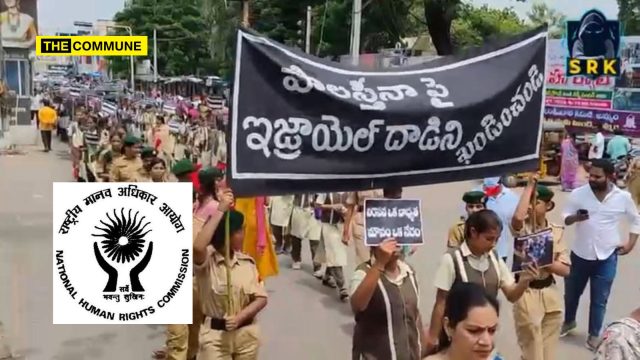
The Legal Rights Protection Forum (LRPF) has lodged a petition with the National Human Rights Commission (NHRC) seeking an urgent inquiry into the alleged involvement of schoolchildren in a politically and religiously charged protest held in Khammam, Telangana, on 7 August 2025.

According to LRPF General Secretary A.S. Santhosh, the rally, organised by the Palestine Solidarity Committee with participation from Communist parties, Muslim organisations, and local leaders of the Congress and BRS, saw minors from nearly 25 educational institutions take part. The petition claims that around 100 buses were used to transport students to the venue, where they were made to enact plays depicting victims in Gaza and exposed to graphic props such as dolls wrapped to resemble dead or injured children.

Citing reports from VSK Telangana and The Siasat Daily, LRPF alleged that the rally carried slogans on the Gaza conflict, criticised the Indian government, and employed religious symbolism. The group argued that forcing children into such events caused emotional distress, violated constitutional protections under Article 39(f), and breached multiple child protection laws, including the Right to Education Act, 2009, and the Juvenile Justice Act, 2015.

The petition also referred to NHRC and National Commission for Protection of Child Rights (NCPCR) precedents where children’s participation in protests was deemed exploitative. It warned that such activities risk “brainwashing” minors with politically and religiously charged narratives.

LRPF identified political and organisational figures allegedly involved in facilitating student participation, including leaders from CPI, CPI(ML), CPM, Jamaat-e-Islami Hind, as well as local educational management representatives.

The forum requested that NHRC direct the Khammam District Collector to conduct a fact-finding inquiry, identify schools and organisers responsible, and recommend strict action. It also called for the Telangana School Education Department to consider suspending recognition of the implicated institutions, provide counselling for affected students, and initiate legal proceedings under the Juvenile Justice Act and the Bharatiya Nyaya Sanhita, 2023.

The petition noted that the rally took place despite the Bombay High Court’s July 25 observation advising Communist parties to focus on domestic issues rather than foreign conflicts.

Subscribe to our channels on Telegram, WhatsApp, and Instagram and get the best stories of the day delivered to you personally.
Complaint Filed Over NCC Cadets’ Participation In Gaza Protest In Telangana, Citing Uniform Misuse

ncc uniform misuse khammam telangana complaint

NGO watchdog, Legal Rights Protection Forum (LRPF), has lodged a formal complaint with the Director General and Additional Director General of the National Cadet Corps (NCC), alleging that minors wearing NCC uniforms participated in a politically and religiously charged rally in Khammam, Telangana, on 7 August 2025.

According to the complaint, the rally was reportedly organised by the Palestine Solidarity Committee with the involvement of Communist parties (CPI, CPI(ML), CPM), Muslim minority organisations including Jamaat-e-Islami Hind, and local political leaders from the Congress and BRS. The LRPF stated that students from nearly 10 large schools and 15 smaller institutions took part, with several minors allegedly made to wear full NCC uniforms while participating.

The procession was said to feature slogans related to the Gaza conflict, criticism of the Government of India, and religious symbolism. The LRPF claimed that the event included graphic dramatizations, such as objects resembling dead bodies wrapped in white cloth with red colouring to simulate blood, which it said created fear among children and posed a risk of psychological trauma.

Citing Rule 45(5) of the National Cadet Corps Rules, 1948, the LRPF pointed out that NCC cadets are permitted to wear the uniform only during official functions, military parades, or prescribed ceremonies. It argued that participation in a political or religious gathering in uniform constituted misuse, punishable under NCC Rules 38–39, and potentially under Section 11 of the National Cadet Corps Act, 1948.

The LRPF also said the incident violated provisions of child protection laws, including Article 39(f) of the Constitution, Section 17 of the Right to Education Act, 2009, Section 75 of the Juvenile Justice (Care and Protection of Children) Act, 2015, and guidelines from the National Commission for Protection of Child Rights (NCPCR) prohibiting minors’ involvement in political protests.

The organisation requested the NCC Headquarters to initiate an inquiry, identify the cadets and schools involved, and take disciplinary action to prevent similar incidents.

Subscribe to our channels on Telegram, WhatsApp, and Instagram and get the best stories of the day delivered to you personally.