Home Blog Page 1708

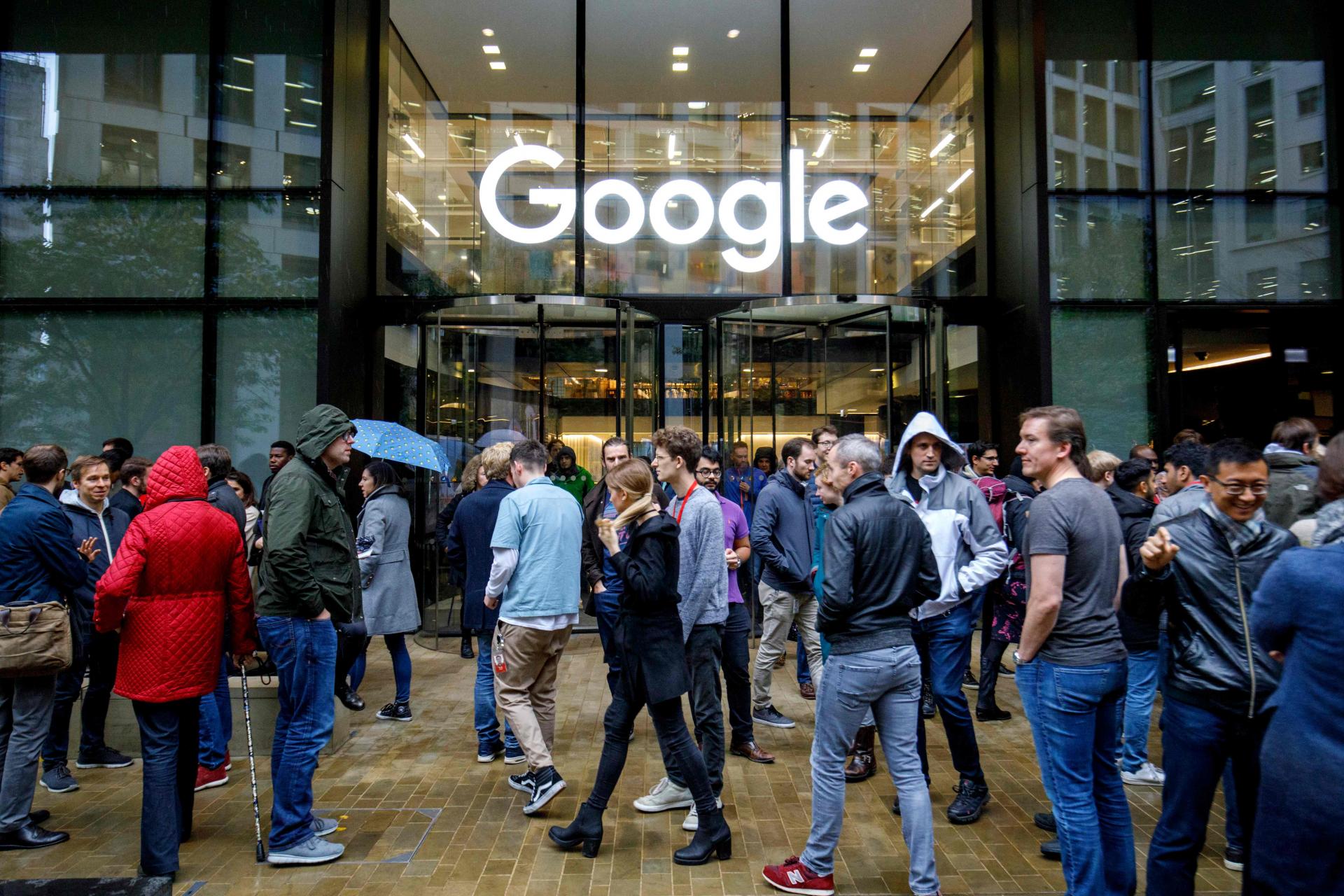
Google to extend work from home till June 2021

Alphabet Inc.’s Google said on Monday that it will be extending its work from home policy till June 2021 for all the employees who need not necessarily be inside the office. This comes following the announcement in May by Google saying that it will reopen office globally by September this year. Later, after a discussion with its CEO Sundar Pichai, it was decided that they would not reopen the offices completely until June 2021.

“To give employees the ability to plan ahead, we are extending our global voluntary work from home option through June 30, 2021, for roles that don’t need to be in the office,” wrote Google CEO Sundar Pichai in an email to employees as quoted by The Verge. “I hope this will offer the flexibility you need to balance work with taking care of yourselves and your loved ones over the next 12 months,” Pichai wrote.

The Wall Street Journal, which first reported the news, said nearly all of the 200,000 Google employees and contractors worldwide would see an extension of the option which had been set to end in January.

Google’s decision puts pressure on other tech firms, who had been planning to reopen later this year. Twitter has meanwhile given its employees the option to choose to work from home indefinitely.

Teenagers from Gujarat discover Earth-bound asteroid

Two teenage girls from Surat, Gujarat have discovered an Earth-bound asteroid, after looking through the telescope images belonging to the University of Hawaii. These two girls, Vaidehi Vekariya Sanjaybhai and Radhika Lakhani Prafulbhahas, who are class 10 students, had discovered the asteroid as a part of an asteroid search campaign. This was conducted by SPACE India, along with International Astronomical Search Collaboration (IASC), which is a NASA affiliated citizen scientist group. The institute is among the few private space education initiatives in India.

The asteroid which is currently called HLV2514 may be officially named only after NASA confirms its orbit. This has been found to be present near Mars, and its orbit is expected to cross Earth in about 1 million years.

The two 14-year-olds had received training from SPACE India prior to this. The girls had used specialised software to analyse the images snapped by the Pan-STARRS telescope in Hawaii, and made the discovery in June, SPACE India said.

Asteroids and comets pose a potential threat to Earth, and scientists discover thousands of them each year. In 2013, an asteroid heavier than the Eiffel Tower exploded over central Russia, leaving more than 1,000 people injured from its shockwave.

20 cm knife found in 28-year-old’s stomach

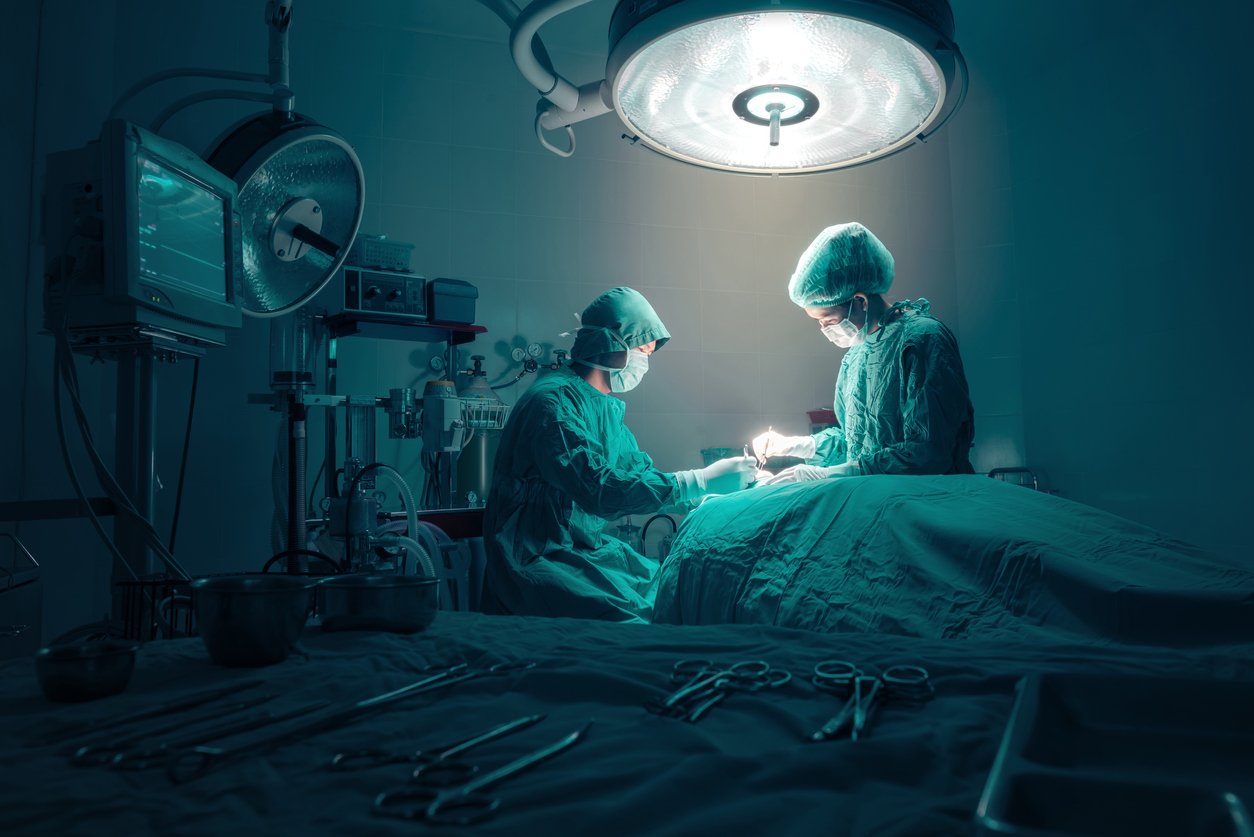
After a challenging 3 hour surgery, AIIMS doctors removed a 20 cm long knife from a man’s liver who claims he had swallowed it in a fit of psychosis. His vital organs are not damaged, which had amazed the doctors.

This man, who is a daily wage worker from Palwal in Haryana, has the habit of smoking cannabis on a regular basis. He had said that due to the one and half month coronavirus lockdown, he had been smoking up quite often. When he was under the influence of the psychotropic substance, he had felt like eating the knife and had done so with a bit of initial difficulty. There had been no complaints initially, but after a month he had developed issues like weight loss, difficulty in eating and abdominal pain which later became unbearable. After he was taken to Safdarjung Hospital, he was found to have ingested this knife.

The doctors had anticipated the challenges involved and had referred him to the Gastrointestinal Surgery and Liver Transplant wing in AIIMS. After he had been admitted in the emergency ward on July 12, he was tested negative for coronavirus. Following this, surgery was carried out after several medical diagnostic scans.

The doctors had initially put him through antibiotics and attached various tubes to arrest the blood loss and to control sepsis. After this had failed, they had performed surgery on him.

Uttar Pradesh sets the pace in COVID testing, conducts 1 lakh Covid tests in 24 hours

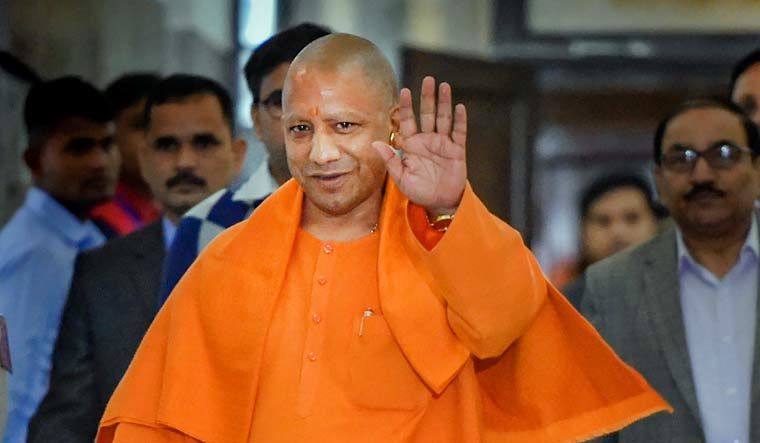
The UP government under the leadership of Chief Minister Yogi Adityanath set a milestone by conducting 1 lakh Covid-19 tests in 24 hours on Monday (July 27), the Times of India reported.

According to reports, 1.06 lakh was the maximum number of tests done by any state in a single day.

Alok Kumar, who is the Secretary to CM overseeing Covid-19 testing work in the state, attributed the achievement to rapid antigen test kits which confirm the presence of coronavirus in high viral load persons within half an hour.

“About 52% of the tests were done with the help of ICMR recommended antigen kits while 45% tests were done through the RT PCR method – the gold standard in COVID-19 testing. The remaining was done with the help of TruNat machines,” he said, adding, “UP is the only state in India to be having such an aggressive testing strategy.”

Additional Chief Secretary of Health and Family Welfare Department, Amit Mohan Prasad said,“UP’s COVID case positivity rate has remained between 3-4% despite the surge in case only because we stayed ahead through aggressive testing,”.

The number of tests conducted by the state of Uttar Pradesh since February was 19.4 lakh of which over 11.3 lakh were done in July alone. Across UP, 32 government labs and 14 private labs did all the tests and over 95% of the tests were done in government labs while nearly 83% of the tests were conducted using the RT-PCR method.

UP ranks number three in terms of the total tests conducted after Tamil Nadu and is competing with Maharashtra to grab the second place.

Pakistan attempts to convert Gurdwara Shahidi Asthan Sahib into a Mosque

According to reports, Pakistan plans to convert Gurdwara Sri Shahidi Asthan Sahib, a historic gurdwara located in Lahore into a mosque.

This action by Pakistan was immediately condemned by Punjab Chief Minister Amarinder Singh on Tuesday (July 28) and the former Indian Army officer called upon the Centre to communicate the state’s concerns to Pakistan.

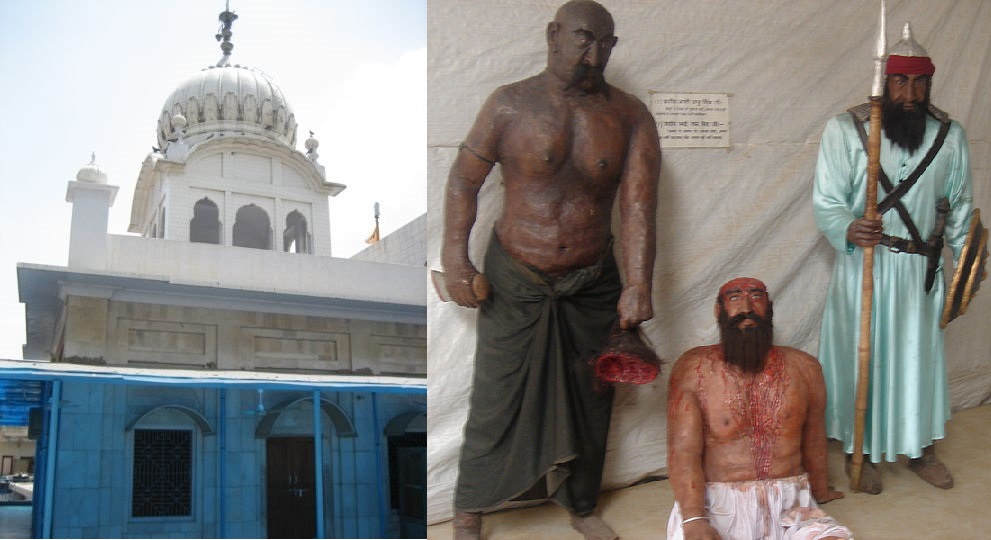
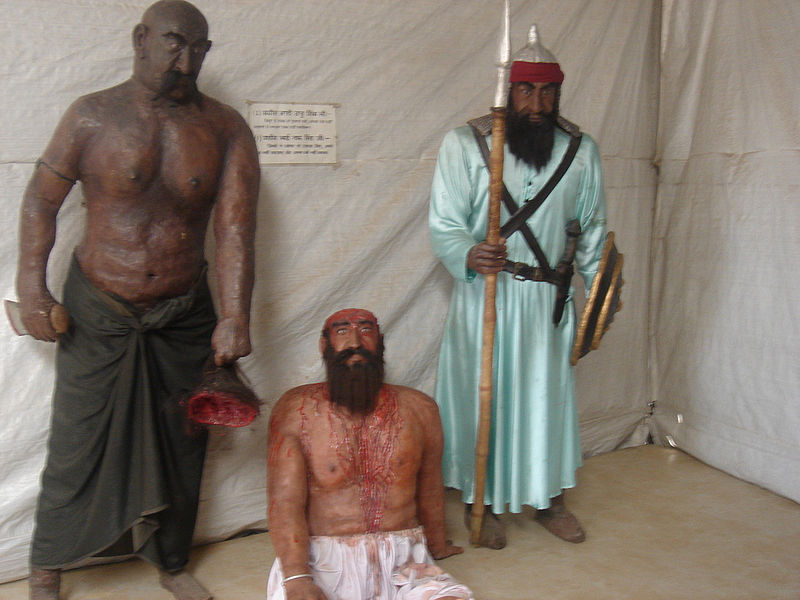
Gurdwara Shahidi Asthan Sahib is a historical shrine built at the spot where Bhai Taru Singh, a Sikh leader was brutally tortured and his head scalped by Mughal soldiers for not converting to Islam.

Sculpture depicting Bhai Taru Singh being scalped by Mughal soldiers

The Punjab CM also urged Minister of External Affairs Dr. S. Jaishankar to take necessary action.

India has already lodged a strong protest with Pakistan over the issue and MEA Spokesperson Anurag Srivastava, on Monday said, “A strong protest was lodged with the Pakistan high commission today on the reported incident whereby Gurdwara Shahidi Asthan, site of martyrdom of Bhai Taru Singhji at Naulakha Bazaar in Lahore, Pakistan, has been claimed as the place of Masjid Shahid Ganj and attempts are being made to convert it to a mosque,”.

“The gurdwara is a place of reverence and considered sacred by the Sikh community. This incident has been viewed with grave concern in India. There have been calls for justice for the minority Sikh community in Pakistan,” Mr. Srivastava added.

Pakistan has a long history of persecuting minorities and it was just a few days back authorities had demolished Ahmaidya burial grounds. The Ahmaidyas of Pakistan are not considered as Muslims as per their Constitution.

Pakistan has never kept its promise of safeguarding minorities in Pakistan including the protection of their religious rights and cultural heritage.

Earlier, Muslims of Pakistan stopped the construction of a Hindu temple in Islamabad.

China tells Afghanistan and Nepal to be more like Pakistan and promote BRI during the Four-Country Meet

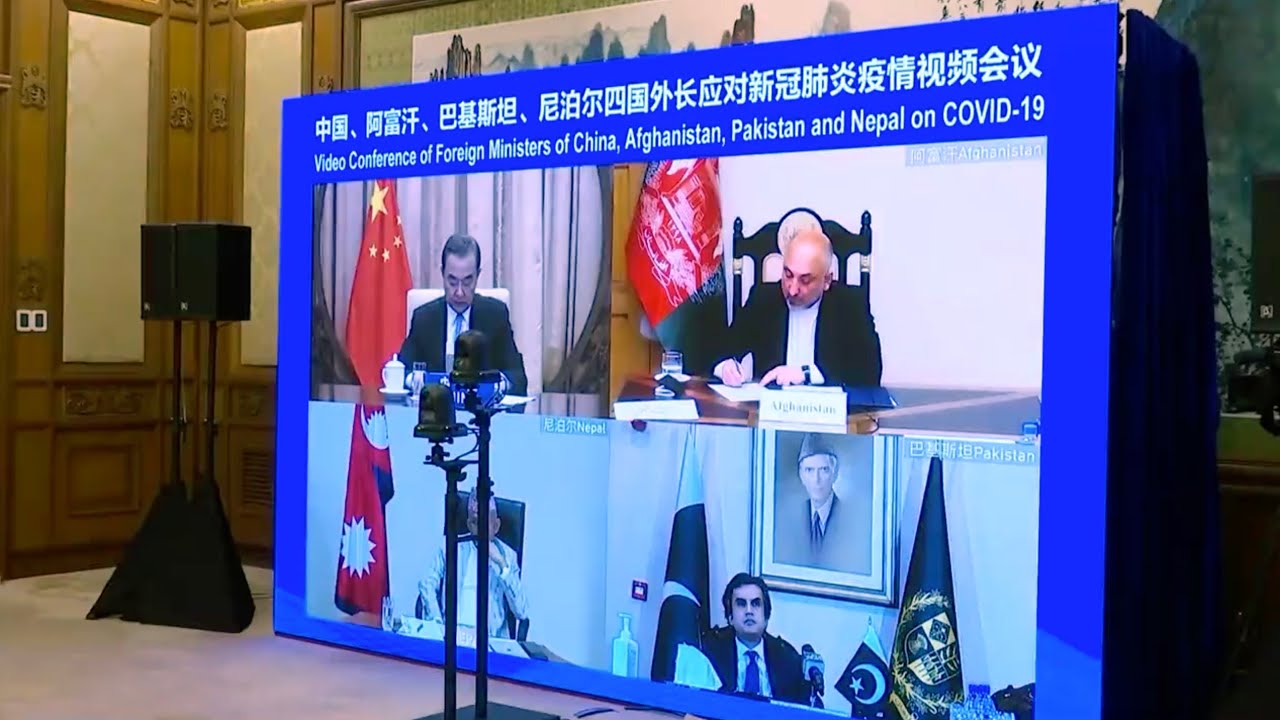
During the “four countries meet” with Afghanistan, Nepal and Pakistan, China has urged them to join forces to overcome the Covid-19 crisis and lend support to the Belt and Road Initiative (BRI), including the China-Pakistan Economic Corridor (CPEC).

Afghanistan, Nepal and Pakistan are three of the poorest Asian countries who share a border with India and have dismal infrastructure to tackle with the Wuhan Virus.

The virtual meeting was presided by China’s Foreign Minister Wang Yi who said that the four states should work together to extend CPEC to Afghanistan.

The online meeting was attended by Pakistan’s Minister of Foreign Affair Shah Mahmood Qureshi and Minister of Economic Affairs Khusro Bakhtiar. Foreign Minister of Nepal Pradeep Gyawali and acting Foreign Minister of Afghanistan Hanif Atmar were present in the meeting.

Wang, who is one of China’s senior-most diplomats and a State Councillor, said the four states should give “full play to geographic advantages, strengthen exchanges and connections between the four countries and Central Asian countries, and maintain regional peace and stability”, according to a statement in Mandarin issued on Monday (July 27) night.

China is literally in control of roads in Pakistan and now has set eyes on extending CPEC to Afghanistan.

The reason for that is, Afghanistan is a mountainous landlocked country in Central Asia and shares borders with Tajikistan, Turkmenistan, and Uzbekistan to the north, Iran in the west, Pakistan in east and south. It also shares a border with India along the Durand line.

The small stretch of border is along the Gilgit Baltistan province presently in Pakistan-Occupied-Kashmir.

It is very clear that the cover for this meeting was to discuss the Covid-19 pandemic, but the real reason was to develop a consensus to promote BRI and CPEC.

The meeting also comes in the light of the months-long India-China border standoff which has still not defused completely. India is currently going through a period of strained ties with Nepal. Foreign policy experts in India are seeing this meeting as a clear intent of China to isolate India with all its neighbours.

During the meeting, Wang stressed upon the importance to “actively promote the construction of the China-Pakistan Economic Corridor and the trans-Himalayan three-dimensional interconnectivity network, support the extension of [CPEC] to Afghanistan, and further release the regional interconnection dividend”.

By ensuring India is not part of this meeting, China has declared its intent to drive a wedge between our relationship with Nepal and Afganistan.

China’s foreign ministry made it clear that Beijing wants to develop a more permanent cooperation mechanism with the three South Asian countries and not just working together to counter the pandemic.

As the Americans leave Afghanistan, China now wants to play a bigger role and will have the full support of “Iron Brother” Pakistan who is still providing material support to the Taliban.

There are already credible reports that it is the Chinese embassy in Katmandu who is running the show for Prime Minister K P Sharma Oli and that has led the strained relations between India and Nepal.

During the meeting, Wang said, the four countries under the principle of anti-epidemic cooperation, should open up “fast channels” and “green channels” for personnel and logistics as soon as possible.

There were talks on joint prevention and control in border areas, along with standard operating procedures for epidemic notification, prevention, management and control, he said.

Wang abundantly made it very clear that the environment was right and any post-pandemic recovery and economic development, between the four countries, should be the joint construction of BRI. He also said it is important to promote and start the resumption of key cooperation projects to help maintain the stability of industrial and supply chains and create new economic growth points in the digital field.

Ram Mandir will have a small contribution from the traditional tribal community of Jaintia hills

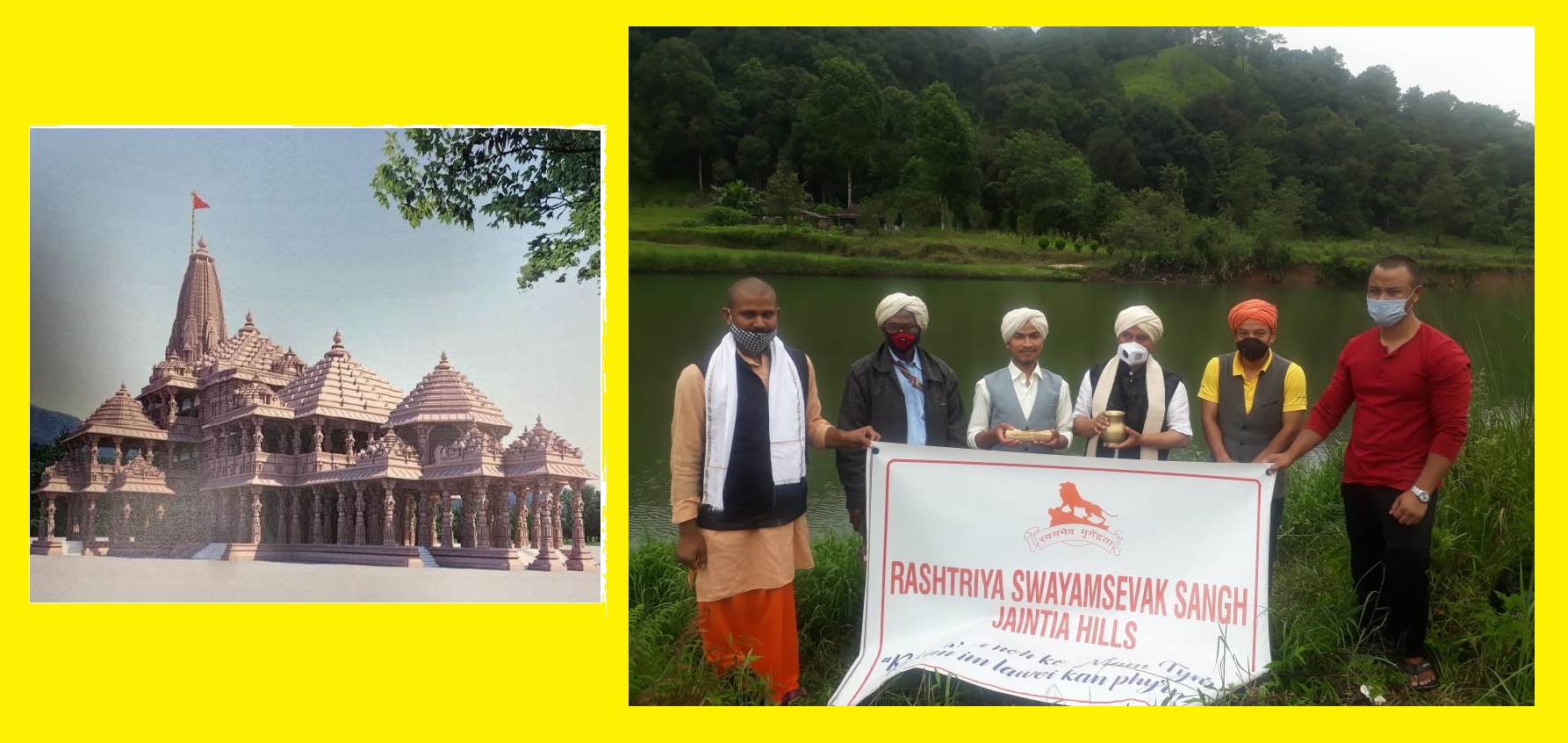
The foundation of the grand temple at Ram Janmabhoomi will also see a small token of devotion coming in from Pnar tribals of Meghalaya who follow the ancient indigenous “Niamtre” faith. The Dolloi (traditional village chieftains) of Elaka Jowai, Puramon Kynjing and the Dolloi of Elaka Nartiang, Hep Dhar collected water and soil from the Myntdu River in Jowai and Myntang River in Nartiang respectively for the foundation laying ceremony of Ram Mandir on August 5. The soil and water was sent to Ayodhya on Monday, RSS Pracharak for Jaintia Hills Gaurov Tiwari said.

The Myntdu River is considered sacred by the indigenous communities living in the Jaintia hills. It also has a connection with the Jaintia rebellion as it is the place where Kiang Nangbah was made the leader of the fight against the British.

“We the Pnar people want to be part of the construction of the Ram Mandir since we believe in Ram as our household God”, Kynjing was quoted saying by the Nagaland Post. The Dollois had obtained permission of traditional head of the tribal community and prayers were conducted according to the traditional religion.

RSS Pracharak Gaurov Tiwari said that the grand temple will be taken from all parts of ancient Integrated India that includes Afghanistan, Indonesia and other countries.

Source: Nagaland Post, Syllad.com

Rural development audits to get stricter and stronger

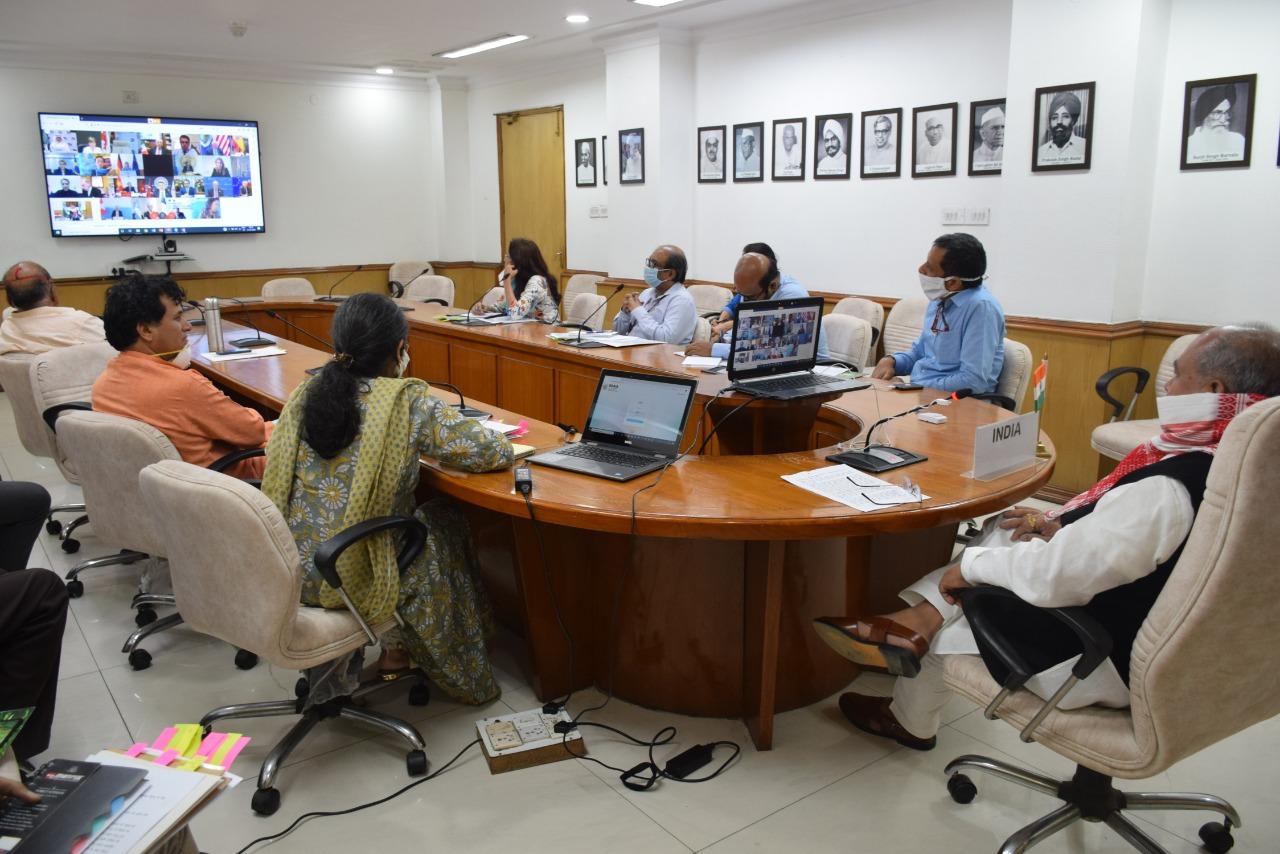
Video conference on “Strengthening of the Risk Based Internal Audit of Rural Development Programmes” was inaugurated by Narendra Singh Tomar, the Union Minister for Panchayati Raj and Agricultural Welfare on Monday. This was also attended by Sadhvi Niranjan Jyoti, the Union Minister for Rural Development and N. N. Sinha, the Additional Chief Secretary for Rural Development and senior bureaucrats from 10 states.

Tomar, in his address, had said that the Union Rural Development Ministry will be working closely with the respective ministries of states and work towards schemes that contribute to socio-economic growth. He added that these schemes will aim towards holistic development of those in rural areas. He went on to say that in order to achieve this, the Centre will work towards creating more employment opportunities, encouraging entrepreneurship in rural areas, construction of proper houses and roads as well as increasing the safety and security measures in these regions.

He said that this year’s financial budget has had a provision of 120,000 crores allocated towards this. Due to the pandemic, an additional 40,000 crores has been allocated towards the same, to provide employment opportunities under the MNREGA. The Rural Development Ministry is touted to spend 2 lakh crores towards rural welfare and development. Furthermore, 90,000 crores have been allocated towards the welfare of Union Territories.

He released the Financial Management Index to rank the performance of the States on the basis of – preparing annual plans, presenting financial requirements for the financial year, expediting the role of the state, timely utilization of allocated funds, timely submission of utilization certificates, maximum implementation of Public Finance Management System (PFMS) and Direct Money Transfer (TPD) and internal audits.

Shri Tomar said that the performance of the States on the parameters of the Index would also promote the spirit of competitive, cooperative federalism amongst States. He advised the States to ensure optimum utilization of the funds so as to ensure efficient implementation of all the programmes.

India – Sri Lanka sign $400 mn currency swap agreement

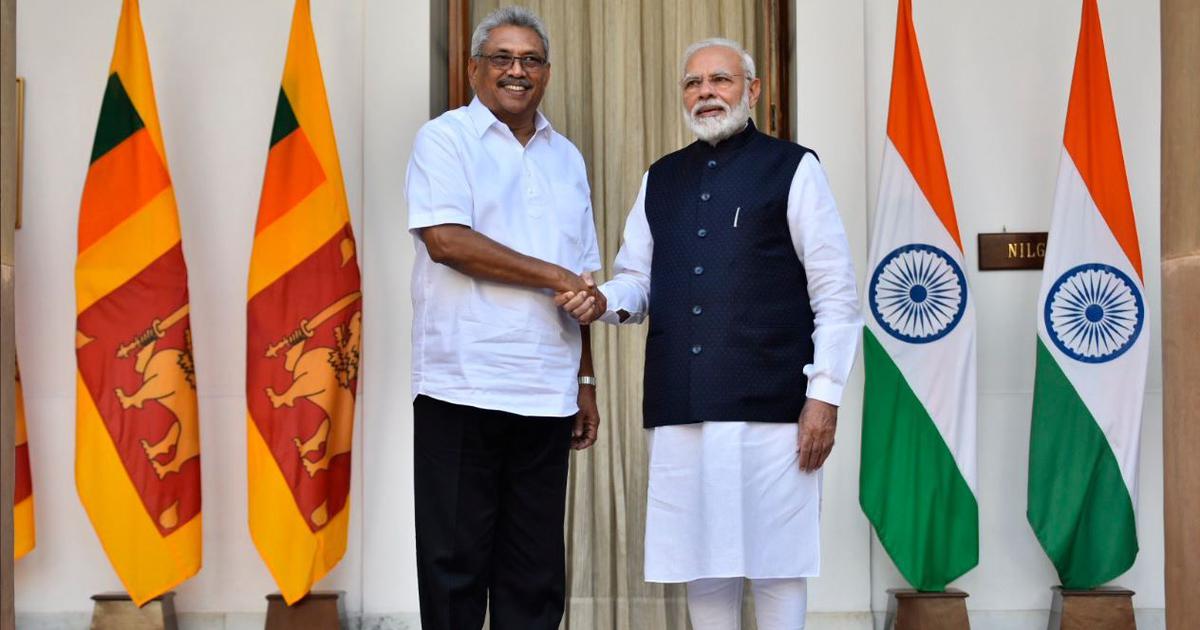
The Government of Sri Lanka signed an agreement for currency swap of $ 400 million, or about ₹ 3000 crores with the Indian Government. This has been done for the two South Asian countries to boost forex reserves of their respective countries. Co-Cabinet spokesman Information and Communication Minister Bandula Gunawardena has said that an MoU will be signed with regard to this between the two countries.

This was followed by discussions at various levels at the level of the Central Reserve Bank of the two countries and at the level of the Ministry of Foreign Affairs. Sri Lankan President Gotabaya Rajapaksa and Prime Minister Mahinda Rajapaksa held separate telephone consultations with Prime Minister Modi on the agreement.

In the swap arrangement, a country provides dollars to a foreign central bank, which, at the same time, provides the equivalent funds in its currency to the former, based on the market exchange rate at the time of the transaction. The parties agree to swap back these quantities of their two currencies at a specified date in the future, which could be the next day or even two years later, using the same exchange rate as in the first transaction. In this case, the agreement is for two years.

According to the Indian Embassy in Sri Lanka, the Reserve Bank of India is working on the documents required to provide $ 400 million to Sri Lanka. The Indian embassy said the agreement was signed following talks between the two sides on restructuring India’s debt. The agreement is said to be in effect until November 2022.

Women And Media: Start sensitizing men, stop sensationalizing women

The century-long movement of women’s rights and empowerment achieved another level after the rise of a new media in the eve of globalization. The portrayal of women in media has changed over time and has had both positive and negative impact on the image and position of women. Some mediums such as documentaries, radio, political and social content on TV, print news, digital platforms, etc. have played an essential role in shaping public discourse on gender through dissemination of information, positive stories of women empowerment, reporting on achievements and progress of women in society.

Ad content and portrayal of women in cinema are also changing by giving women lead roles, positive depiction of women, and breaking gender stereotypes. Positive stereotypes help women to become assertive, independent, and tackle gender abuse and discrimination. More brands and production houses utilize successful, career-oriented women roles, and they are mostly shown as strong and independent persons, instead of being vilified.

However, there is still a long way to go. Negative stereotypes of women in media such as submissive, timid, and ultra-modern portrayal of woman influence how women are perceived by society. It prevents women’s abilities by limiting their choices and opportunities, which directly and indirectly cause an increase in gender and sexual violence.

Women and mass media

Coverage on women related issues in media seem to be centered around sensationalism. Feature movies and television soap operas, still portray women in stereotypical roles either as ‘eye candies’ or as inferior, subordinate, and a submissive gender. Women are also seen mostly in decorative roles or as domestic caregivers of family, reinforcing the gender stereotypes in the family system. Sexual objectification and commodification of women are prevalent in movies and advertisements. Advertisements depict their version of an ideal women – slim, fair complexioned, glamorous, which plants insecurities among adolescents and young women. Advertisements, especially for home, kitchen, jewelry, sanitation, and hygiene products, mirror the gendered view of society. Those ads depict women mostly as home-makers, concerned only with maintaining their houses, beauty, and taking care of their families. It is justified by the producers as the demand of the masses.

Many gender studies scholars have highlighted the sexist nature of advertisements. Though there have been some changes in the way corporates and product companies depict women, the tendency has always been towards reinforcing traditional regressive gender roles. The fashion and cosmetics industry also plays a negative role in the gender discrimination of women. Objectification of women’s bodies is subtly promoted by beauty pageants and the fashion industry that curtails diversity in beauty. Women are treated as trophies, celebrated for how they look, instead of intelligence, skill, character, and their contribution. There have been many women’s rights movements in the US and around the world against beauty pageants and the stereotypes they reinforce. But, gender stereotypes continue to exist even there.

News about women also revolve around only specific issues. According to a survey by ‘Media Cloud,’ rape receives maximum media coverage. Other social issues related to women are largely ignored. The media does not offer any serious analysis of economic conditions and inter-relationships of social issues. Rape, dowry deaths, and other serious violence against women are framed as criminal occurrences rather than the outcomes of institutionalized inequality.

Even here, the coverage given depends on the socio-economic status of the individual. The coverage given by the media is more if the case is high-profile or if it involves statements from politicians about a case belonging to an oppressed community. Even there, selective highlighting of issues to suit a certain narrative comes into play.

Nevertheless, these depictions influence how women are perceived and treated in society. These electronic media, including news channels, can play a crucial role in the reconstruction of women’s image, shaping gender norms, socio-cultural values, and perceptions.

Women and social media

The advent of the internet and social media platforms such as Facebook, Instagram, Snapchat, Twitter, etc. has broadened the social space for women to raise their issues, reach out, network and collaborate for their common causes. Women blogging, NGO websites, and women platforms have advanced the empowerment of women through technology. There is also a gender digital divide creating unequal spaces in digital media. Some of the reasons for this gender gap are lack of textual literacy, the wage gap, lack of context in local languages, gender division of labor causing time constraints for women, etc. According to Women’s Rights Online Network, women are 50% less likely to access the internet than men. At the same time, the same platforms reinforce gendered online behaviors and sex-role stereotypes.

Women receive rape, death threats, and gendered abuses for expressing their opinions online. UN’s Broadband Commission for Digital Development notes that 73% of women have already experienced cyber violence Social media also tend to create negative body image and low self-esteem by emphasizing obsessive celebrity culture, physical perfection, and beauty. In India, the UN Women survey reports that , 28% of women who faced online abuse reduced their online presence and stopped posting on specific issues.

These gendered online abuses effectively silence women’s voices and discourses around women’s issues. Cyber-crime against women is also on the rise. Stalking women online, sending unsolicited and persistent messages through different social media, developing pornographic content, and morphed photos to target women are just a few ways women are harassed on social media.

What is more, women do not know where to report such issues and how to deal with them. Women subjected to such cyber crimes and problems are vulnerable to mental health issues such as emotional stress, depression, and hypertension, further affecting their lives. Trolling on social media of women who defy sexism and gender bias is another dangerous trend that has to be taken note of. Trolls are abusers who push defamatory, personally abusive content targeting individuals. Women, especially those who voice non-mainstream and anti-modernization views, are trolled exceptionally on social platforms. Regular phishing, the attempt to gain sensitive information such as a username and password and intent to obtain personal information, becomes a major threat for women in the digital world. Despite laws and regulations, practical actions against perpetrators are not taken. As per the NCRB data, around 15000 cybercrime incidents were registered in 2018. The investigation is pending for the same amount of crimes that were reported in the previous year.

Sensitize men and not sensationalize women

The question is not just about breaking stereotypes but also of creating a secure,  inclusive, and gender unbiased media. Content that we put should balance the gender roles and also respect the diversity of 50% of the world’s population. Things will not change just by having more women occupy managerial roles in the newsroom and higher positions in the field of print journalism, television, web channels, and publications. Things will not change through an equal pay scale for female media workers and development programs to increase their skills and leadership abilities. It is important that the state to come out with interventions to protect women through strict laws and effectively meting out justice to women facing harassment.

But it is important that we as citizens take a few steps in making this world a better place for women. While it is not possible for men to effectively cover gender issues; on the other hand, he must be made aware of women’s needs and perspectives. Sensitization of men on gender issues is a must. Atleast to those who have the privilege and who are in a position to understand.