One of the worst hit countries by the Wuhan virus pandemic is the USA. But a man from the Indian state of Tamil Nadu is helping people conquer the virus.
Chef Arun Rajadurai, a native of Meensurutti near Jayankondam in Ariyalur district, moved to New Jersey after completing his hotel management studies at a college in Trichy. He has been working at the Anjappar hotel in Princeton.
When the pandemic hit the United States, he used to give the rasam made with turmeric, ginger and garlic to a corona patient who was being treated at a hospital in the area and the patient’s condition improved. Since then, rasam has become an essential menu in the restaurant there.
The rasam menu has now been introduced at the New York, New Jersey and Canada branches of Anjappar. Currently about 500 to 600 cups of rasam are sold per day.
“We never thought it would be a success.” Arun Rajathurai was quoted saying in a Tamil media report.
Arun Rajathurai was awarded the Best South East Asian Chef of the Year 2018. The world hopes the United States will bring a medical miracle to deal with corona. At the same time it is noteworthy that residents of New York, New Jersey and Princeton support South Indian food to beat the corona.
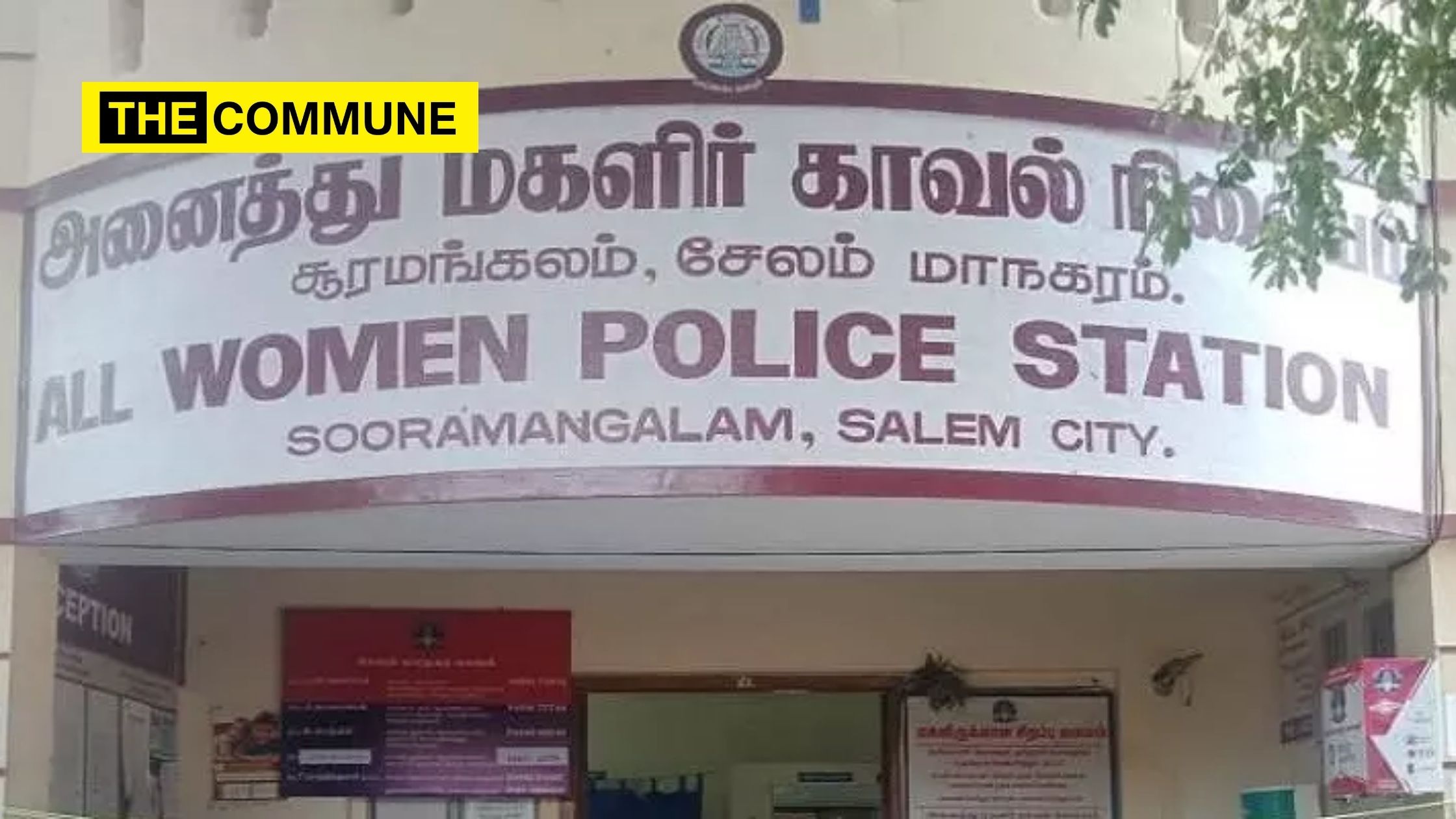
Salem’s Sooramangalam All Women’s Police Station in Tamil Nadu has been ranked 2nd among the top 10 police stations in the country. At a police conference in Kutch, Gujarat in 2015, Prime Minister Modi announced that the best performing police stations at the national level would be selected and honored every year.
Accordingly, 16,671 police stations have been inspected this year and 10 best police stations have been selected. Details of them have been released by the Union Home Ministry. The announcement was made at the 55th DGP, IGP Police Conference attended by Prime Minister Modi and Home Minister Amit Shah.
According to the report, the Nagbok Shekmai police station in Manipur’s Daupal district has taken the top spot. Sooramangalam All Women Police Station in Salem is ranked 2nd. Various guidelines have been issued on behalf of the Union Home Ministry to select these best police stations, on the basis of which this study was conducted.
These 10 police stations were selected on the basis of statistics on police stations, direct surveillance and public opinion. In particular, the rankings were based on how crimes related to property, crimes against women, crimes against the disabled, disappearances, and unidentified bodies were handled.
Police stations had been graded on the basis of 19 types of criteria on how police stations serve the people and how they make the most use of technology to detect crime.
In the first place in that category was given to the Nagbok Shekmai police station in the Daupal district in the state of Manipur. The 2nd place was given to Sooramangalam All Women Police Station in Salem, Tamil Nadu. The 3rd place was given to Karsang BS Police Station in Sanglang, Arunachal Pradesh. It is a matter of pride that the Salem Suramangalam Women’s Police Station in Tamil Nadu has been ranked 2nd for best performance at the national level.
The mystery of how a metal monolith appeared in the Utah desert remains, but the riddle of its removal seems to have been solved. Similar ones had later disappeared and reappeared in Romania, and California.
“The three-sided obelisk appeared to be made of stainless steel, 10-feet tall and 18 inches wide. The object was welded together at each corner, with rivets attaching the side panels to a likely steel frame inside,” the Atascadero News reported.
The reflective material used for the latest monolith gives the obelisk a mesmerising shine in the sun as picturesque Santa Lucia Mountain range is visible on its side, making it popular among locals who are now rushing to get photos and videos.
The monolith, after appearing in Utah caused a storm on social media. However, a few days after the pictures and videos circulated of the monolith, the Bureau of Land Management in Utah was informed that the monolith had disappeared. Images emerged Tuesday of four men working in the dead of night to remove the strange, triangular pillar that has garnered global attention from its remote resting place in the western United States desert. This effectively put an end to plethora of conspiracy theories that arose around the monolith, ranging from alien invasions to art installations. Many even compared it to the monolith from Stanley Kubrick’s classic sci-fi film “2001: A Space Odyssey.”
The Yogi Adityanath government in Utter Pradesh has set plans in motion to withdraw a scheme that has encouraged interfaith marriages for almost 44 years.
After bringing in the anti-conversion law to check forced religious conversions and counter the growing menace of love jihad, the UP CM now plans to do away with the Inter-caste and Interfaith Marriage Incentive Scheme which was introduced in 1976 and was initiated by the national integration department in Uttar Pradesh.
“In UP, 11 interfaith couples were beneficiaries of the scheme last year and got Rs 50,000 each,” said a government spokesman.
“The scheme will be reconsidered after the Uttar Pradesh Prohibition of Unlawful Conversion of Religion ordinance. In any case both work at cross purposes,” the spokesman added.
The ordinance, signed by Governor Anandiben Patel on Saturday, makes way for punishment for the forced conversions, including those by marriage.
In 2017, when Yogi became CM of UP, the BJP added a caveat to the scheme wherein interfaith couple could not convert after they got married, or they would lose the incentive.
Uttarakhand, another state ruled by the BJP plans to withdraw the same.
Uttar Pradesh Minister Shrikant Sharma said, “The scheme does exist for now. I cannot comment on its continuation. The ordinance means to stop forced conversion and punish those who hide their identity to cheat their partners.”
Union Minister Dharmendra Pradhan addressing the webinar organized by Swarajya on Wednesday (December 2) said that India is all for a reasonable and responsive pricing of crude. Delivering his key note address for the event titled “Vision 2030 India’s Oil and Energy Sector” as part of Swarajya’s ‘Road to Atmanirbhar Series’, he said that gone are the days of monopoly, and the producers should take into account the consumers’ viewpoint also. The Minister said that India is currently using only 6% of the world’s primary energy and the per capita consumption of energy is still one-third of the global average. But, this is rapidly changing. India will drive the growth in global energy demand as its energy consumption is projected to grow at 3 percent per annum up to 2040, faster than all major economies of the world. India’s share of total global primary energy demand is set to roughly double to about 11% by 2040, driven by strong economic development.
Minister Pradhan said that Hon’ble Prime Minister Narendra Modi has envisioned a clear roadmap for India’s energy justice, which rests on five key enablers of energy availability and accessibility to all, energy affordability to the poorest of the poor, energy efficiency, energy sustainability and energy security. He said that Prime Minister has highlighted seven key drivers of India’s energy strategygoing forward. “Apart from achieving the renewable energy target of 450 gigawatts by 2030, India will focus on developing in an integrated manner a gas-based economy, cleaner use of fossil fuels, greater reliance on domestic fuels to drive biofuels, increasing the contribution of electricity, moving into emerging fuels, like hydrogen and promoting digital innovation across all energy systems.Our energy agenda is inclusive, market-based and climate-sensitive. We have adopted multiple pathways for energy transition.”, he added.
The Minister said that India is in the midst of a major transformative shift in its energy sector to end energy poverty in India. “While doing so, our twin objectives are to enhance availability and affordability of clean fossil fuels and green fuels and to reduce the carbon footprint through a healthy mix of all commercially-viable energy sources. Our Government is also committed to reducing the emissions’ intensity of its GDP by 33 to 35% from 2005 levels. We are consistently taking energy policy initiatives. We are developing next generation infrastructure based on five guiding key enablers of energy availability and accessibility to all, energy affordability to the poorest of the poor, efficiency in energy use, energy sustainability to combat climate change as a responsible global citizen, and security for mitigating global uncertainties.”, he mentioned.
Talking about the Atmanirbhar Bharat, Minister Pradhan said that India has faced the COVID-19 situation with fortitude and a spirit of self-reliance. He said that the Five pillars of Atmanirbhar Bharat focus on Economy, Infrastructure, System, Vibrant Demography and Demand. “The Aatmanirbhar Bharat package and Pradhan Mantri Gareeb Kalyan Yojana have provided relief to all sections of the society and provided necessary support to all sectors during the Covid-19 pandemic. These will enable India to bounce back quickly and start scripting the next chapter of Indian growth story. In the midst of coronavirus pandemic, Indians resolve to become self-reliant and ‘Aatmanirbhar Bharat’ is on the mind of India. This dream is turning into a pledge. Aatmanirbhar Bharat has become a ‘mantra’ for the 130 crore Indians today.”, he added.
The Minister said that ‘Aatmanirbhar Bharat’ is about transforming India from being just a passive market to an active manufacturing hub at the heart of global value chains. “An Aatmanirbhar Bharat is a strong Bharat with robust manufacturing sector, self-reliant yet globally integrated economy. A Self-reliant India will be a Force Multiplier for the global economy. The mindset of free India should be ‘vocal for local’. We should appreciate our local products, if we don’t do this then our products will not get the opportunity to do better and will not get encouraged. Today, Multi-national Companies from across the world are coming to India. We have to move forward with the ‘mantra’ of Make in India as well as Make for World.”
Talking about efforts to shift towards a gas-based economy, the Minister said that it is a vital low carbon pathway enabling the energy transition. “We have already laid over 16,800 km long gas pipeline network, while an additional 14,700-km gas pipelines are under different stages of construction. Largest ever roll-out of city gas distribution networks across India has been undertaken to enable inclusive growth. Plans have been chalked out to provide Compressed Natural Gas (CNG) and Piped Natural Gas (PNG) infrastructure in most parts of the country. The CNG and PNG infrastructure will be provided in 407 districts. PNG connection for household has increased from 25 lakh in 2014 to 63 lakh now and is being further provided to 40 million and similarly CNG connection has increased from 938 in 2014 to 2350 now is being further put up to 10,000 CNG stations. After expanding these facilities, 70 per cent of the population will get clean energy. We are also making natural gas easily available at doorsteps for users through mobile dispensing. Recently, we have laid the foundation stone for the first 50 LNG fueling stations across the golden quadrilateral and major National Highways. Our goal is to set up 1000 LNG stations within 3 years. An estimated investment of 66 billion US dollars is lined.”, he said.
The Minister indicated that despite our various initiatives, including transition to renewables and other alternate energies, India’s oil demand would double and gas demand would triple by 2040. “To ensure energy security for our economic growth, we are expanding our refining capacity from the current 250 MMTPA to 450 MMTPA. This will help India maintain its self-sufficiency in supply of petroleum products.”, he added.
Minister Pradhan said that we have successfully transitioned to Bharat – VI emission norms since April 2020. This initiative is part of our effort in curbing emissions in the road transport sector, which in turn will lead to better air quality for citizens across the country. He talked about the National Biofuel Policy (NBP), 2018 to promote biofuels in mass scale, with a target of 20% ethanol blending in petrol and 5% of bio-diesel by 2030. The Minister informed that the ethanol-blending percentage has risen from 0.67% in 2012-13 to now 6%. Twelve 2G Ethanol Bio-Refineries in 11 States are being set up with an overall capacity of 1100 kilo litre per day (KLPD). He said that we are also working towards conversion of Used Cooking Oilto Biodiesel in select cities.
Talking about the roadmap for SATAT (Sustainable Alternative Towards Affordable Transportation), the Minister said that it is an important initiative of government, which targets to setup 5000 compressed biogas plants with a target of 15 MMT per year with an investment potential for US $ 20 billion. Indian oil marketing companies are offering to private entrepreneurs assured price and offtake guarantee. He said that the SATAT initiative is in line with the goals of AatmaNirbhar Bharat, Swachh Bharat Mission and boosting MSME sector. Reserve Bank of India has included CBG projects under Priority Sector that will help in getting loan for setting up CBG plants. He informed that a total of 1500 CBG plants are at various stages of execution.
Talking about increased push to adopt hydrogen fuel mix, he said that last month, we launched the Hydrogen enriched-Compressed Natural Gas (HCNG) plant and dispensing station in Delhi and also rolled out the first set of buses with HCNG.
Minister Pradhan said that Our Government set out a road map for reducing India’s crude oil imports by 10% by 2022. We are in the process of developing new strategies and initiatives to achieve this target. Enhancing indigenous oil and gas production is our utmost priority.
Regarding the several transformational policy reforms undertaken to revitalize the E&P ecosystem and establish a conducive business environment, the Minister mentioned about the Discovered Small Field Policy, HELP, OALP, Setting up of National Data Repository, Policy to Promote and Incentivize Enhanced Recovery Methods for Oil and Gas, Policy framework for exploration and exploitation of unconventional hydrocarbons and so forth. “Since 2014 onward, Government has been progressively moving towards marketing and pricing freedom regime of natural gas. We have allowed complete pricing and marketing freedom for domestic gas discoveries done after February 2019 and Premium Price for Gas from difficult area (Deep water, Ultra deep and HP-HT) area. “
The Minister said that in the oil & gas sector, we see open spaces for Start –Up in both within the existing domain of oil & gas as well as upcoming areas like Fuel Cells, Solar Energy, Hydrogen, Alternative Sources of Energy, Electric Vehicles, etc. he announced that currently about 175 Start Ups are at various stages of incubation under Oil & Gas PSUs with allocated fund of Rs 200 Cr to Selected Start-Ups, which is 62.5 % of pledged fund committed during Start Up Sangam. Incubation and mentoring support to Start-ups is provided thru’ Tie-ups with educational / professional institutions like IITs / IIMs / NITs / established startup hubs. Oil & Gas PSUs have further committed ~ Rs 300 Cr for next three years period.
The Minister said that oil and gas companies in India including oil PSUs are investing in developing renewable energy projects by focusing more on green energy investments such as renewables, biofuels and hydrogen going forward.
Minister Pradhan said that as mentioned by Hon’ble Prime Minister, India is progressively becoming a favoured destination for investment in Oil and Gas sector including renewables. Ensuring “Ease of doing business” is our utmost priority. Our continuous focus is on maintaining sanctity of contracts and safeguarding investments. We have established dedicated Project Development Cells (PDC) and Foreign Direct Investment (FDI) cells in all Ministries for handholding and facilitating domestic and foreign investors. Adequate measures and safeguards have also been undertaken to address the concerns of businesses and investors arising out of the Covid pandemic.
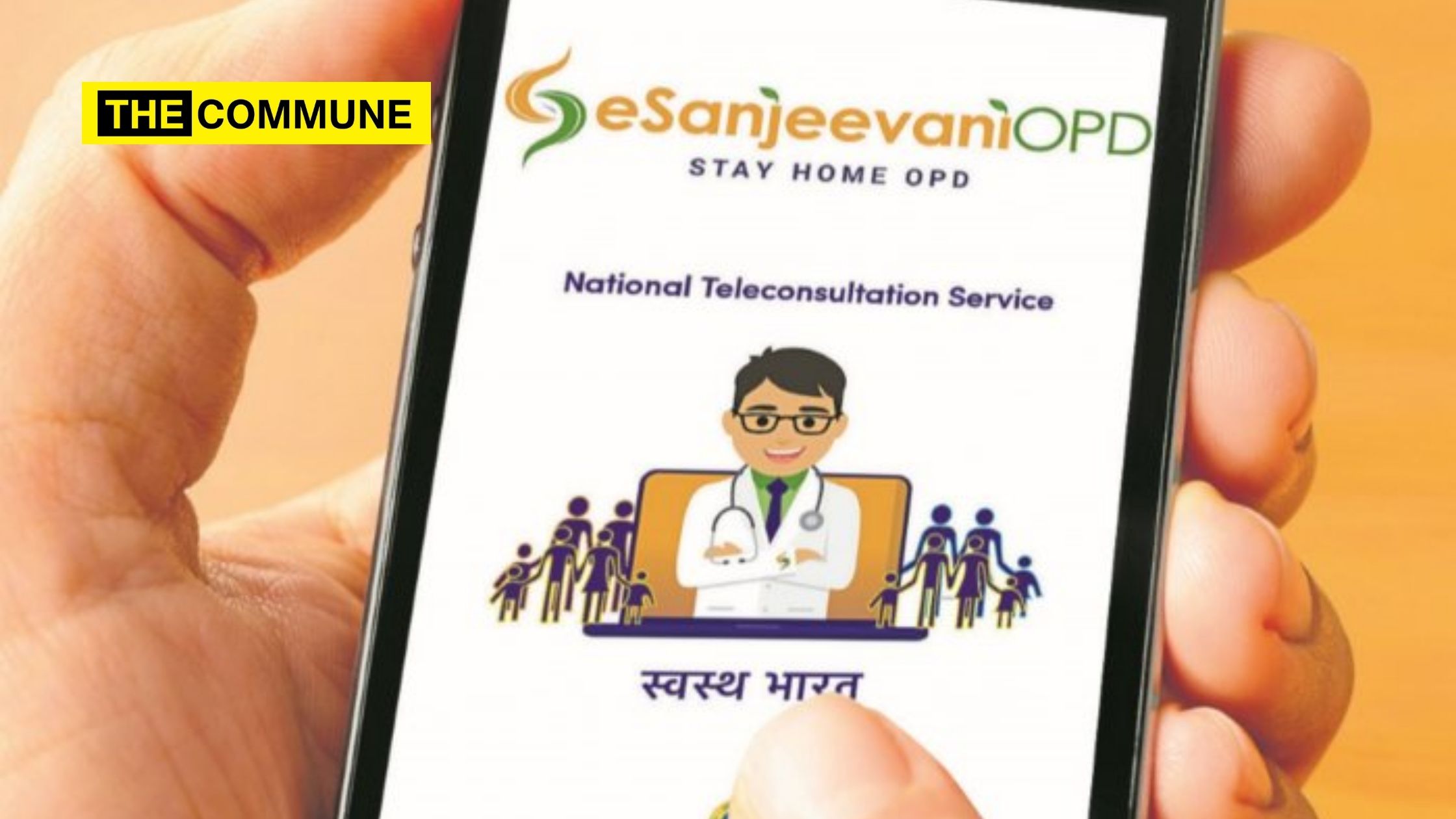
In a landmark achievement, eSanjeevani, Health Ministry’s national telemedicine initiative today completed 9 lakh consultations. The top ten States with highest consultations through eSanjeevani and eSanjeevaniOPD platforms are Tamil Nadu (2,90,770), Uttar Pradesh (2,44,211), Kerala (60,401), Madhya Pradesh (57,569), Gujarat (52,571), Himachal Pradesh (48,187), Andhra Pradesh (37,681), Uttarakhand (29,146), Karnataka (26,906), and Maharashtra (10,903).
Telemedicine is a new modality for remote diagnosis and treatment of patients over internet. eSanjeevani enables virtual meetings between the patients and doctors & specialists from geographically dispersed locations, through video conferencing that occurs in real time. At the end of these remote consultations, eSanjeevani generates an electronic prescriptions which can be used for sourcing medicines. In order to enable delivery of outpatient services remotely during COVID-19 pandemic as many as 28 States have on-boarded the Ministry of Health’s eSanjeevani initiative. These States are aggressively working towards long term enablement of telemedicine services.
Ministry of Health & Family Welfare has launched two variants of eSanjeevani namely – doctor to doctor (eSanjeevani AB-HWC) in hub and spoke model and patient to doctor (eSanjeevaniOPD). It has been one year now that eSanjeevani Ayushman Bharat-HWC was rolled out. Andhra Pradesh was the first State to roll out eSanjeevaniAB-HWC services in November 2019 and since then around 240 hubs and over 5000 spokes have been set up by various States. eSanjeevani AB-HWC has completed over 1,83,000 consultations.
eSanjeevaniOPD is a telemedicine variant for public to seek health services remotely, it was rolled out on 13th of April 2020 during the first lockdown in the country. So far, over 7,16,000 consultations have been recorded on eSanjeevaniOPD that is hosting over 240 online OPDs which include general OPDs and speciality OPDs. Both the variants of eSanjeevani are rapidly evolving in terms of use and capacity and functionalities.
eSanjeevani Team at C-DAC Mohali is closely working with Ministry of Health to address the requirements of States. The Health Ministry is in regular touch with States to formulate strategies for extending the reach of eSanjeevani services to the underprivileged section of the society too. Few States like Tamil Nadu, Uttar Pradesh, Gujarat etc., are experimenting various models to provision eSanjeevani services for non-IT savvy as well as poor patients who do not have access to the Internet.
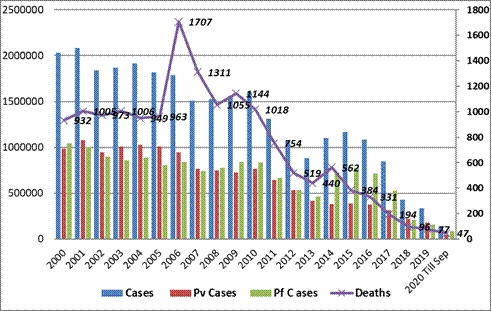
The World Malaria Report (WMR) 2020 released by WHO, which gives the estimated cases for malaria across the world, based on mathematical projections, indicates that India has made considerable progress in reducing its malaria burden. India is the only high endemic country which has reported a decline of 17.6% in 2019 as compared to 2018. The Annual Parasitic Incidence (API) reduced by 27.6% in 2018 compared to 2017 and by 18.4% in 2019 as compared to 2018. India has sustained API less than one since year 2012.
India has also contributed to the largest drop in cases region-wide, from approximately 20 million to about 6 million. The percentage drop in the malaria cases was 71.8% and deaths was 73.9% between 2000 to 2019.
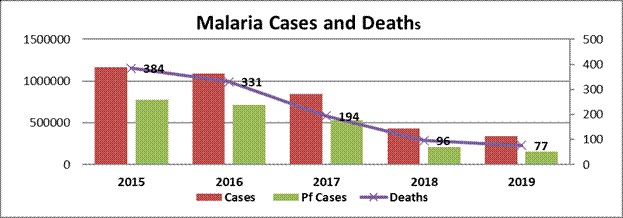
India achieved a reduction of 83.34% in malaria morbidity and 92% in malaria mortality between the year 2000 (20,31,790 cases, 932 deaths) and 2019 (3,38,494 cases, 77 deaths), thereby achieving Goal 6 of the Millennium Development Goals (50-75% decrease in case incidence between 2000 and 2019).
Decrease in incidence of Malaria cases is also exhibited in the year-on-year tally. The cases and fatalities have declined significantly by 21.27% and 20% in the year 2019 (3,38,494 cases, 77 deaths) as compared to 2018 (4,29,928 cases, 96 deaths). The total number of malaria cases reported in 2020, till October, (1,57,284) has further decreased by 45.02 percent as compared to corresponding period of 2019 (2,86,091).
Malaria Elimination efforts were initiated in the country in 2015 and were intensified after the launch of National Framework for Malaria Elimination (NFME) in 2016 by the Ministry of Health and Family Welfare. National Strategic Plan for Malaria Elimination (2017-22) was launched by the Health Ministry in July, 2017 which laid down strategies for the next five years.
The first two years saw a 27.7% decline in cases and 49.5% reduction in fatalities; 11,69,261 cases and 385 deaths in 2015to 8,44,558 cases and 194 deaths in 2017.
States of Odisha, Chhattisgarh, Jharkhand, Meghalaya and Madhya Pradesh disproportionately accounted for nearly 45.47 percent (1,53,909 cases out of India’s 3,38,494 cases) of malaria cases and 70.54 percent (1,10,708 cases out of India’s 1,56,940 cases) of falciparum Malaria cases in 2019. 63.64% (49 out of 77) of malaria deaths were also reported from these states.
Due to the efforts made by the Government of India in provision of microscopes, rapid diagnostics Long Lasting Insecticidal Nets (LLINs) – about 5 crores have been distributed in 7 North-East States, Chhattisgarh, Jharkhand, Madhya Pradesh and Odisha up to 2018-19 and another 2.25 crore LLINs are being supplied/distributed during current financial year to high burden areas leading to reduction in endemicity in these otherwise very high endemic states. Additional procurement of 2.52 crore LLINs is initiated.Use of LLINs has been accepted by the community at large and has been one of the main contributors to the drastic malaria decline in the country.
WHO has initiated the High Burden to High Impact (HBHI) initiative in 11 high malaria burden countries, including India. Implementation of “High Burden to High Impact (HBHI)” initiative has been started in four states i.e. West Bengal and Jharkhand, Chhattisgarh and Madhya Pradesh in July, 2019. A key strategy to reignite progress is the “High burden to high impact” (HBHI) response, catalyzed in 2018 by WHO and the RBM Partnership to End Malaria continued to make impressive gains in India, with 18% reductions in cases and 20% reductions in death respectively, over the last 2 years.
Malaria has been made notifiable in 31 states/UTs (Andhra Pradesh, Arunachal Pradesh, Assam, Chhattisgarh, Goa, Gujarat, Haryana, Himachal Pradesh, Jammu & Kashmir, Jharkhand, Karnataka, Kerala, Madhya Pradesh, Manipur, Mizoram, Nagaland, Odisha, Punjab, Rajasthan, , Sikkim, Tamil Nadu, Telangana, Tripura Uttar Pradesh, Uttarakhand, West Bengal, Pudducherry Chandigarh, Daman & Diu, D&N Haveli and Lakshadweep) and decline has been observed in the hitherto high endemic states. Percentage of decline in the year 2019 as compared to 2018 is as follows: Odisha – 40.35%, Meghalaya- 59.10%, Jharkhand – 34.96%, Madhya Pradesh –36.50% and Chhattisgarh –23.20%.
The figures and trends between last two decades clearly show the drastic decline in malaria. The malaria elimination target of 2030 looks achievable building on the Union Government’s strategic interventions in this regard.
For the year 2018-19, India saw a record food grain production of 285.21 million tonnes. The fourth advance estimate of production of food grains for the year 2019-20 placed the total food grain production at 296.65 million tonnes i.e., 11.44 tonnes more than what was achieved in 2018-19. The first advance estimates for the current year 2020-21 (kharif only) has put the total food grains production at 144.52 million tonnes.
Now, that is a lot of food that we have but where to sell them?
Earlier, farmers had to sell their produce at the local APMC mandis which are heavily politicised and controlled by commission agents and middlemen. These commission agents and middlemen having political influence gulp a major portion of the profit leaving the producer (farmer) parched.
But with the new farm laws, the farmers have been empowered by giving them the choice to sell their produce where they get a better price. Those who want to sell in the APMC can continue to do so and those wanting to explore the market have been given the choice to. What these farm laws have done is to create one more route for the farmer to sell the produce and realize higher incomes.
Also, how much can the government alone buy? Even after the government procures grains through Food Corporation of India (FCI) to ensure food security and to maintain a buffer stock, tonnes of food grains remain left to be sold. Doesn’t it make sense to make these grains available to individual private small and medium businessmen to be sold in the open market for consumption?
So, if these farm laws are a boon to the farmer then why are the ‘farmers’, especially those from Punjab protesting in Delhi?
Here are some numbers that sheds some light.
Food grain production and GVA
The 5 states that topped food production for the year 2018-19 are:
From the data, it can be seen that Punjab, which produces 2 million tonnes more food grains than Rajasthan has a GVA much less than the latter. Haryana which produces 1.7 times less food grains has a GVA almost equal to Punjab’s.
Even states with lesser food grain production compared to Punjab have a better GVA in agriculture and allied sector. Andhra Pradesh which recorded a food grain production of 1 million tonnes (3.1 times more than Punjab) had ₹1.8 lakh crores GVA. Tamil Nadu with 1.03 million tonnes food grain production recorded a GVA of ₹1.2 lakh crores in the agriculture and allied sector.
Now, the question that arises is – how come a state, that benefitted the most from the green revolution emerging as the wheat bowl of India have lesser GVA in agriculture sector when compared to other states. Who is eating away the money in between?
The middlemen/commission agents, known as ‘arhtiyas’ in Punjab.
The powerful middlemen and the hapless farmer
The middle men not just eat into the farmer’s gains but also into the nation’s GVA. They take large chunks of the profits as commissions that should ideally reach the farmer.
A report by Tribune India notes how the presence of middlemen in Punjab is killing the aspirations of farmers to increase their incomes. One of the farmers was quoted saying that they are compelled to sell their produce to middlemen who sell it at double the rate in the market leaving the farmer with nothing.
In 2013, the vegetable growers of Punjab decided to explore avenues for direct marketing of their produce. “We are exploited by middlemen, who take large chunks of our profits as their commission. To get rid of this menace and to achieve various benefits from the central government policies for the vegetable growers of the country, we have joined hands with the Vegetable Growers Association of India” Jaswinder Singh Sangha, newly elected president of Punjab Vegetable Growers Association was quoted saying in the Business Standard.
The middlemen walk away with huge commissions for virtually doing nothing. They have no significant role in procuring the rice or wheat produced by the farmer. All that these middlemen do is provide for contract labour in the mandis. The FCI which procures the food grains from the farmer at Minimum Support Price (MSP) routes its payment to the farmers through the ‘arhtiyas’ who take a 2.5% commission on the payment.
And these arhtiyas are a powerful lobby in Punjab. Back in 2010, when the FCI decided to directly pay the farmer bypassing the middlemen, they threatened to boycott procurements from the farmer and successfully lobbied the Punjab government. In the next few days, the FCI retracted its order saying “direct payment order of minimum support price to farmers is kept under abeyance for Punjab and Haryana up to Sept 30, 2011 or till further orders”.
The most common mode of exploitation of farmers is the indirect payment system, wherein the commission agents receive payment of the sale of produce from farmers. Other tools of exploitation like non-registration as moneylenders, system of indirect payment of farm produce, non-issuance of J-form, slip mechanism, multiple licences and multiple business constitute the modus operandi through which the business of commission agents flourishes.– Page 59, Commission Agent System: Significance in Contemporary Agricultural Economy of Punjab, Economic and Political Weekly.
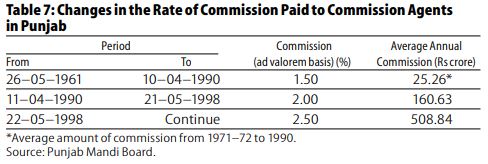
The study also explains how paying farmers through the commission agents, an exploitative mechanism remains the backbone of the procurement system in Punjab. Commission agents with their political clout have managed to increase their commission rates from 1.5% to 2.5%, time to time by pressuring the state government.
Source: Dr. Sukhpal Singh and Shruti Bhogal’s paper in EPW
Another issue that the study points out is that most of the commission agents are also moneylenders not registered with the government, acting detrimental for both the farmers and the government. “The prime motive of commission agents for not getting registered is to evade taxes, pursue malpractices like exorbitant rate of interest, use of blank promissory notes, and so on.”, the paper says.
The commission agents also follow a practice of called ‘damami’ during times of low productivity by which these commission agents charge the farmer equivalent to the previous year’s commission, irrespective of the low produce.
There are also other ways through which the farmer is essentially bound to the middlemen. The slip mechanism is one. Farmers in need of money for their day-to-day needs are not paid cash but are given ‘slips’ for obtaining items from their owned or connected shops where goods are sold at a much higher price than market rate.
The study notes
“..the commission agents earn about Rs 1,034 crore, amounting to an average of Rs 5.11 lakh for each commission agent in the state. Thus, during 2012–13 the commission agents earned about Rs 2,407 crore from various sources. Each commission agent received about Rs 12 lakh per annum by acting as commission agent. Above all, the commission agents enhance their income through slip mechanism, supply farm inputs and domestic articles and act as middlemen in all transactions related with farming and domestic articles, cheating in weighing and pricing, etc. There is a need to inhibit the commission agents which have now become an integral part of the agrarian economy, and are flourishing at the expense of the government and farmers in Punjab.” – Page 61, Commission Agent System: Significance in Contemporary Agricultural Economy of Punjab, Economic and Political Weekly.
None of the mainstream media has brought this out in light. Worse, some of them have portrayed this oppressive relationship between the arhtiyas and the farmer as something that is ‘friendly’. An Indian Express article dated December 3 noted that the arhtiyas and farmers ‘enjoy a friendship and bonding’ going back decades adding that they take care of the farmers’ financial loans and timely procurement at ‘adequate prices’.
Political parties like the Congress and Shiromani Akali Dali (SAD) too, as expected are on the side of the middlemen. Punjab Chief Minister Amarinder Singh had justified that the arhtiya system was the “backbone of Punjab’s successful agricultural model, with the farmers and arhtiyas sharing a very close bond”.
Farm laws – shifting the balance in favour of the hardworking farmer
The farm laws passed by the Centre will break the monopoly of the commission agents and relieve the farmer from their mercy. With the definition of ‘trade area’ getting changed to ‘any place of production, collection, and aggregation of farmers’ produce’, farmers can directly sell their produce to anyone they want at the farm gate. By giving the option to the farmer to directly trade with anyone in the market who offers a better price, the middlemen who have been gobbling up the farmer’s profits will be hit.
There are a total of 28,000 licensed arhtiyas in Punjab who wield great social, economic and political power. As soon as the farm bills were passed by the Parliament, the Arhtiyas Association passed a resolution condemning the Centre. It is these arhtiyas and the farmers tied to them (and instigated by them?) who are behind the protests in Delhi, not the hapless farmer who is longing for getting out of the clutches of these arhtiyas.
Ofcourse, those comfortable with the arhtiya system can continue to sell their produce through commission agents. Mandis will continue to function and trading through these state government run mandis will continue as before. The Centre has categorically stated that MSP will not be affected by these laws and that the government will continue to procure from the farmers at MSP rates. In fact, the government paddy procurement from Punjab accounted for 20.28 million tonnes or 67% of the 31.8 million tonnes of paddy bought across the country as per the Press Information Bureau release.
Many experts have called for reducing the role of middle in procurement and agricultural trade. Former RBI Governor Raghuram Rajan too in 2014 said the there is a need to wedge the gap between what the farmer gets and what is paid by the household by reducing the role, number, and monopoly power of middlemen as well as by improving logistics.
HS Dhaliwal, Director of Punjab Agricultural Management and Extension Training Institute (PAMETI), said that agriculture in the state had achieved production heights but farmers who toiled hard make meagre profits as middle men walk away with major share.
He said that there was a pressing need to reduce the role of middle men and encourage farmers to sell their produce directly to consumers.
The new farm laws aims to do precisely that – empower the poor farmer by giving him the option to directly sell the produce to any trader or consumer who offers a better price. This will not just shift the balance of power towards the poor farmers of Punjab but also help in increasing the state’s share of the GVA in agriculture and allied industries.
But this true picture has been lost in the noise behind the protests by ‘farmers’ who are just people wanting the exploitative status-quo to continue.
What the government should now do is to bring out this picture and address the genuine concerns of farmers entangled in the arhitya system. It should not let the protests get hijacked by inimical forces to become another Shaheenbagh episode.
This article was inspired from the Twitter thread of Krishna Kumar Murugan (@ikkmurugan).
Farm Bill politics Thread:
Indian Food grain Production for the year 19-20: Top 5 states
The temple trust chairman in Bandi Atmakur Mandal Prathap Reddy, on Monday (December 30) beat two Hindu priests, Murugu Phani Sarma and Chakrapani Sarma, with a cane.
As per a report by The New Indian Express, temple staff Eswaraiah and Nagaraju also joined Reddy in the act of caning the temple priest.
The priest had apparently questioned the chairman for violating the Covid-19 regulations and issuing tickets for darshan even after 5 PM.
Both the wounded priests were later taken to the Nandyal government hospital and a case has been filed with regards to this incident according to Superintendent of Police (SI) Raja Reddy
In recent times there have been multiple reports of priests being physically assaulted in Andhra Pradesh (AP) has come into light.
In November 2018, a 68-year-old Hindu pujari of the Sai Baba temple in Warangal was attacked by his Muslim neighbour over the utilization of loudspeaker at the shrine. The priest and later he succumbed to his injuries.
Just days after Uttar Pradesh Governor Anandiben Patel had given assent to the Uttar Pradesh Prohibition of Unlawful Conversion of Religion Ordinance, 2020, against forcible or fraudulent religious conversions, the UP police has made its first arrest under the new anti-conversion law, reports The Deccan Chronicle.
A father had raised a complaint his daughter was being regularly harassed in a bid to change her religion, officials said on Thursday (December 3).
“This is the first arrest under the new law. Accused Owais Ahmad was arrested from the Richha railway gate in the Bahedi area here on Wednesday. He was produced before a local court and was sent to 14 days judicial custody,” Deputy Inspector General (DIG) of Police, Bareilly, Rajesh Kumar Pandey said.
Under the Vidhi Virudh Dharmantaran 2020 ordinance, a person could face a prison term of 5-10 years for indulging in forced religious conversions and it also carries a maximum fine of Rs 50,000 under different categories.
The case was registered at the Devarniya police station in Bareilly district on November 28 against Ahmad, under the state new law.
Based on a complaint from Tikaram, the father of the Hindu girl who happens to be a resident of Sharif Nagar village in Devarniya, a case was registered under sections of the Indian Penal Code and the anti-conversion law.
The complainant has accused Ahmad, a resident of the same village, of trying to convert his daughter through “allurement”, police said. The boy and girl had gone to same school and had studied together in Class 12.
As per the complaint, Ahmad started pressurising his daughter three years ago to undergo religious conversion and perform ‘nikaah’ (marriage) with him. However, when the girl refused he threatened to kidnap her which is quite similar to the Nikita Tomar case that took place in Haryana.
The complainant’s daughter married someone else in June but Ahmad continued to harass her and her family members, he has alleged.
Under the Uttar Pradesh Prohibition of Unlawful Conversion of Religion Ordinance, 2020, a marriage will be declared “null and void” if the conversion of a woman is solely for that purpose to change her religion and if a change of religion is required after marriage they must apply to the district magistrate.
The law was implemented just four days ago by the Yogi Adityanath government in the state.