Home Blog Page 1673

MSP and APMC will remain: Union Minister Piyush Goyal
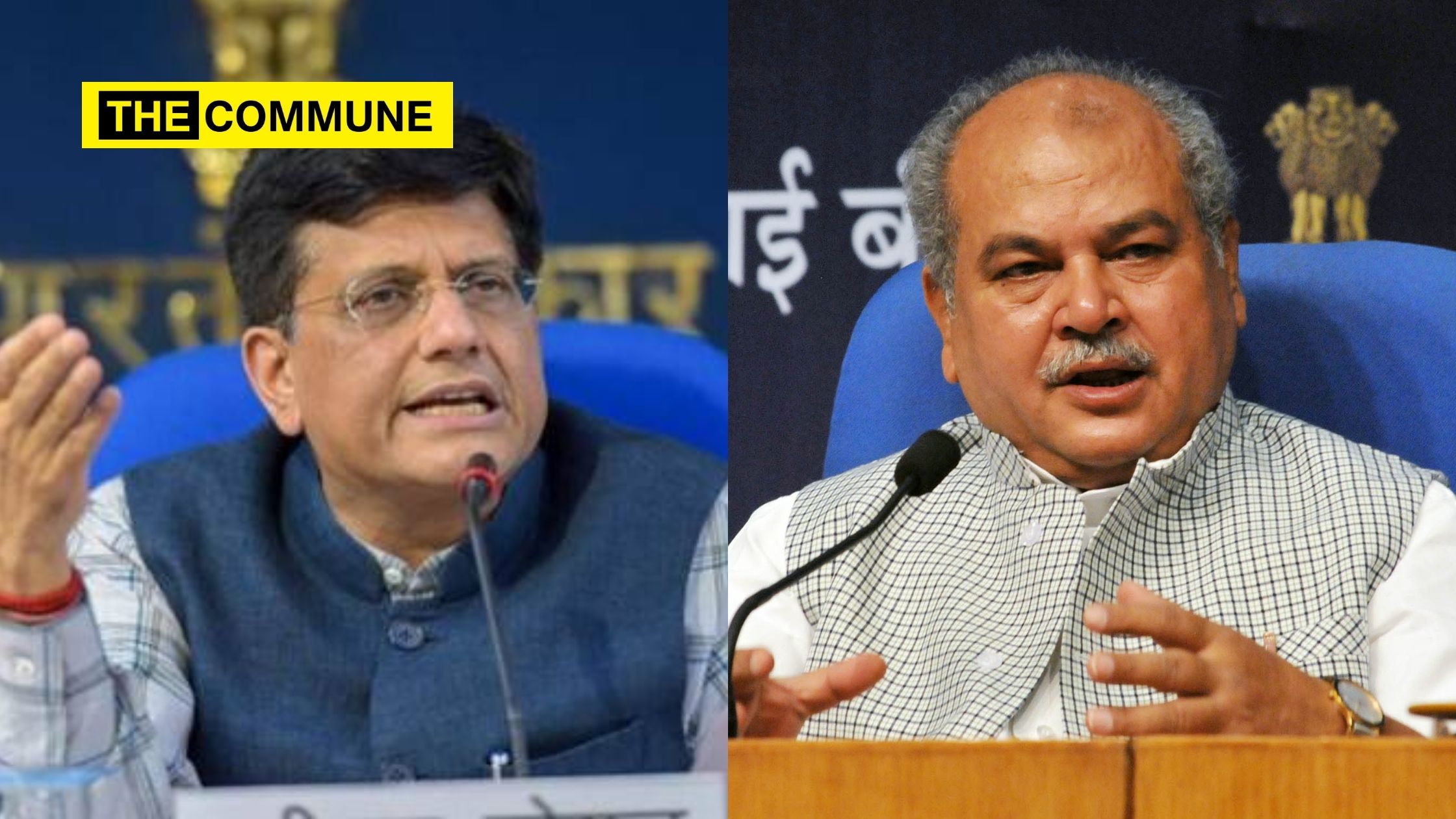
In order to find an amicable solution to the ongoing protests over the newly enacted farm laws, Union Ministers Piyush Goyal and Narendra Singh Tomar outlined the various suggestions that have been given to farmers in a proposal to address their concerns about the Farm Acts. They were speaking to media at a Press Conference in New Delhi today.

The Farmers Produce Trade and Commerce (Promotion and Facilitation) Act 2020 and Farmers (Empowerment and Protection) Agreement on Price Assurance and Farm Services Act 2020 and the Essential Commodities Amendment Act 2020 are the biggest agricultural reforms in the country so far. The reforms will provide farmers market freedom, encourage entrepreneurship, access to technology and they will transform agriculture.

The Ministers said that Union Government is willing to give assurance on MSP and procurement and added that the government wants to ensure a level playing field in transactions inside and outside the existing APMC Mandis. Government has said that the farmers can approach civil courts in disputes besides the SDM courts and that the Government is willing to address concerns regarding penalty for stubble burning and in the proposed electricity amendment Bill. It has also assured that farmers land will be protected under the new farm Acts.

Both the Union Ministers spoke about the various measures that the Modi government has taken since its inception to improve the lot of farmers and towards strengthening the Agriculture sector. They said the latest Acts were reforms undertaken after many rounds of consultations with stakeholders. They give the farmers freedom to sell anywhere and strengthen farmers with a protective legal framework when dealing with private companies. Agriculture Minister gave an example of a farmer from Maharashtra who got immediate payment from the trader after the grievance was successfully addressed under the new laws. They said when the Centre makes a law it is for the whole country. The Central Government is well within its Constitutional Rights while making laws on Agricultural trade. The Budgetary allocations for agriculture have seen a significant rise from 2014-2020 and this shows the commitment of the Govt. towards farmers and the rural sector. An allocation of 75,000 crore has been made for just PM Kisan initiative under which farmers get ₹6000 per year of direct income support. ₹1 lakh crore Agri Infrastructure has been set up for the development of farm gate infrastructure. Neem coated urea scheme was introduced by Modi Govt. for reduced use of chemicals and improved soil health. The Modi Government announced MSP hikes based on the recommendations of the Swaminathan Commission and on the formula that farmers must get at least 1.5 times the cost of production. The Government has also ensured greater procurement and greater payment to farmers. Under the PM Kisan Maan Dhan Yojna, farmers are given pension support. Farmer Producer Organisations (FPO’s) bring farmers together and provide them with a greater say in their future. 10,000 such FPO’s are being created.

All these initiatives are aimed towards the farmer whose welfare and whose income occupies the central place in the Government’s schemes for Agriculture.

(Published from PIB)
Cabinet approves setting up of Public Wi-Fi Networks, will provide public Wi-Fi service with no license fee

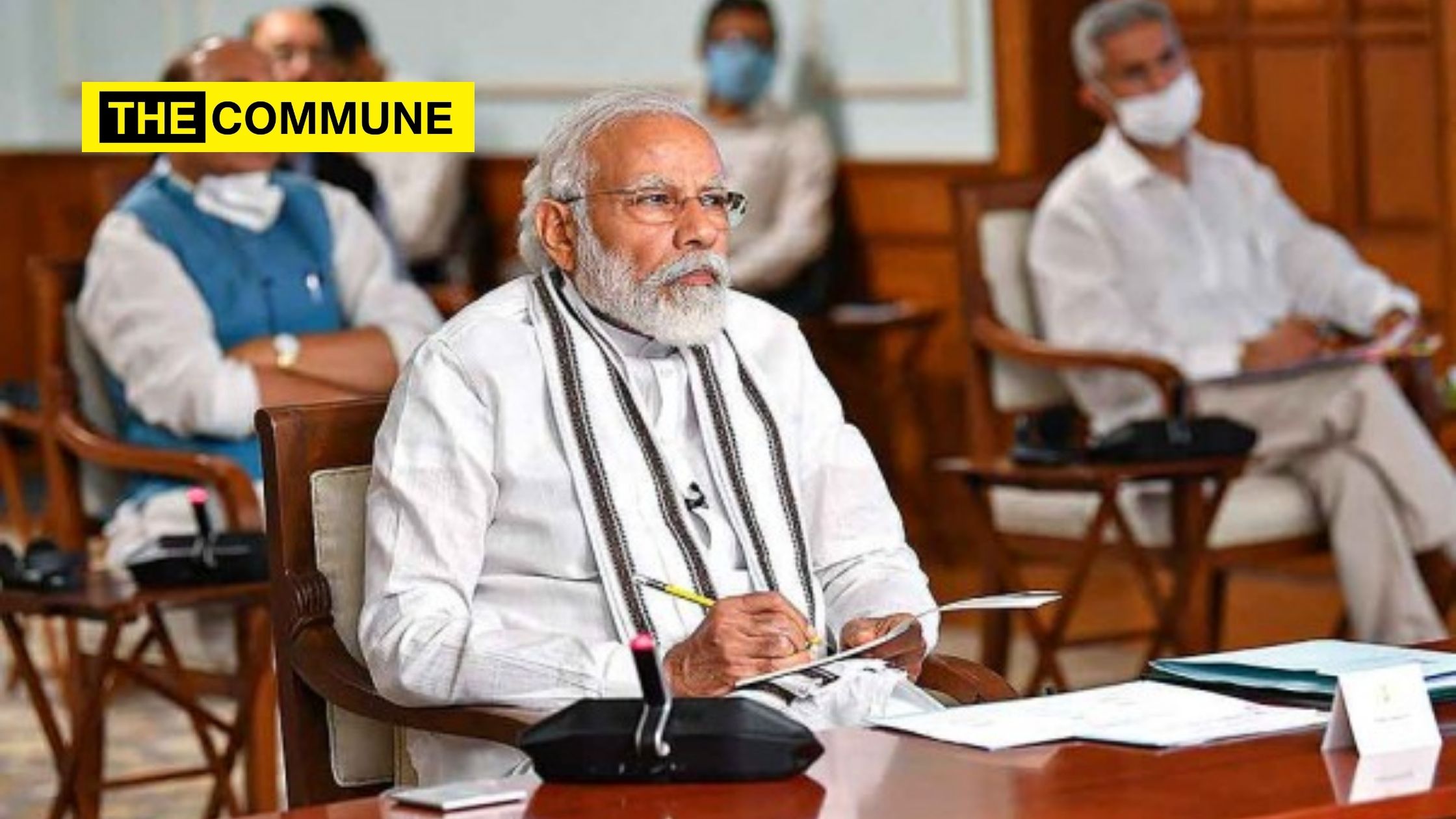
The Union Cabinet chaired by the Prime Minister Narendra Modi gave its approval for the proposal of Departmetn of Telecommunications for setting up of Public Wi-Fi Networks by Public Data Office Aggregators (PDOAs) to provide public Wi-Fi service through Public Data Offices (PDOs) to accelerate proliferation of Broadband Internet services through Public Wi-Fi network across length and breadth of the country. There shall be no license fee for providing Broadband Internet through these public Wi-Fi networks.

The proposal will promote the growth of Public Wi-Fi Networks in the country and, in turn, will help in proliferation of Broadband Internet, enhancement of income and employment and empowerment of people.

This Public Wi-Fi Access Network Interface will be known as PM-WANI which will be operated by different players.

The Public Data Office (PDO) will establish, maintain, and operate only WANI compliant Wi-Fi Access Points and deliver broadband services to subscribers.

The Public Data Office Aggregator (PDOA) will be an aggregator of PDOs and perform the functions relating to Authorization and Accounting.

An App Provider will develop an App to register users and discover WANI compliant Wi-Fi hotspots in the nearby area and display the same within the App for accessing the internet service.

A Central Registry will maintain the details of App Providers, PDOAs, and PDOs and the C-DoT will maintain the Central Registry intially.

“This is expected to be more business friendly and in line with efforts for ease of doing business.COVID-19 pandemic has necessitated delivery of stable and high speed Broadband Internet (data) services to an increasingly large number of subscribers in the country including areas which do not have 4G mobile coverage. This can be achieved by deployment of Public Wi-Fi. Further, the proliferation of public Wi-Fi will not only create employment but also enhance disposable incomes in the hands of small and medium entrepreneurs and boost the GDP of the country. Proliferation of Broadband Services through public Wi-Fi is a step towards digital India and consequential benefit thereon. ” the press release released by the PMO said.


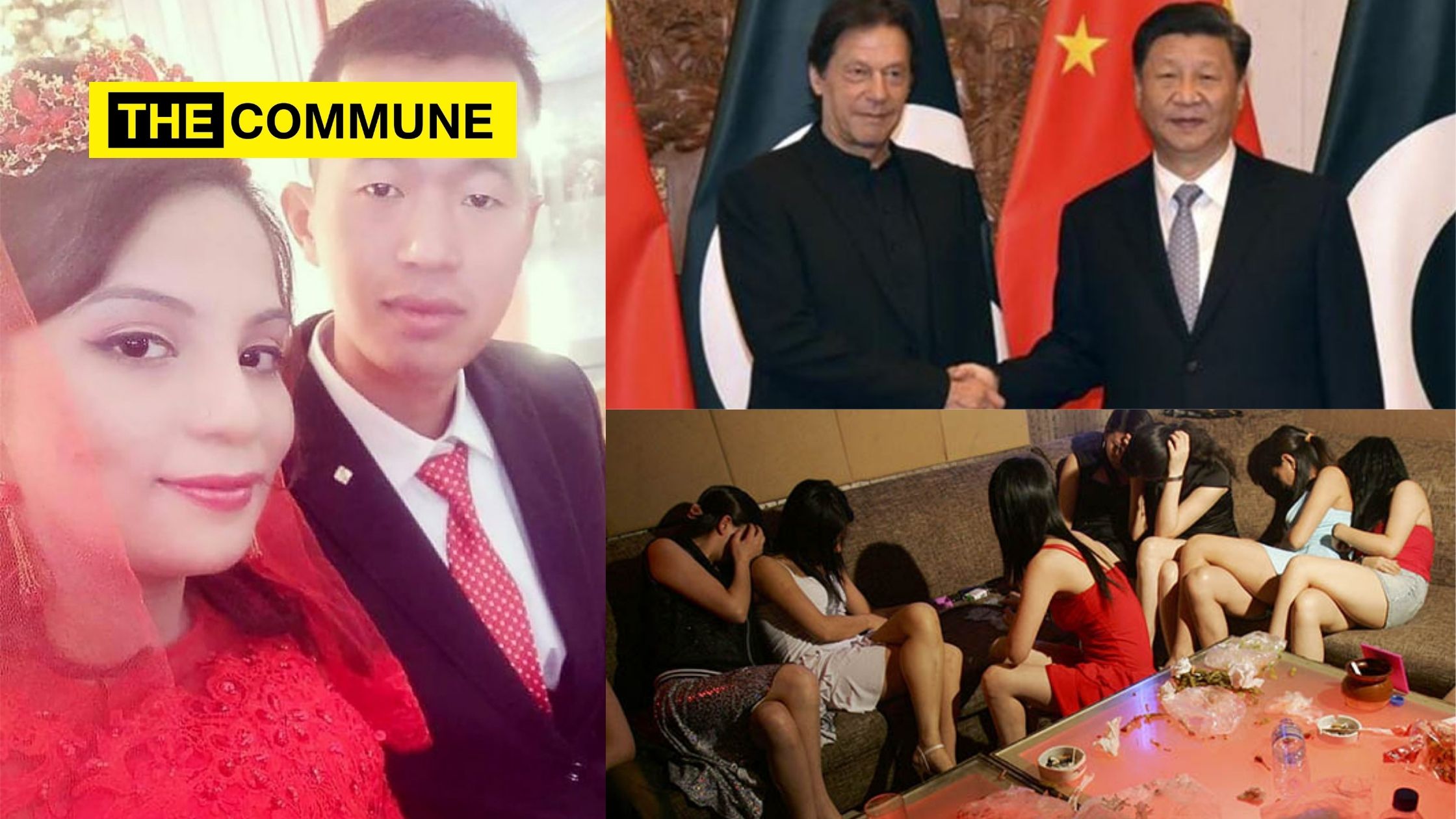
Hindu and Christian women from Pakistan ‘marketed’ as ‘concubines’ to China through fraudulent marriage, says top US diplomat

According to a very troubling revelation made by a top US diplomat for religious freedom, Ambassador-at-Large Samuel Brownback, Hindu and Christian women in Pakistan are being ‘marketed’ as ‘concubines’ under the pretext of marrying them to wealthy Chinese men.

Brownback told reporters on Tuesday (December 10) that Pakistan is selling girls who belong to the religious minorities as “forced brides” for Chinese men. Christians and Hindus are a minority in Pakistan and often targets of majority Sunni Muslims and Hindu and Christian girls are an easy target to be sold as concubines or as brides into China.

Due to years of the one-child policy imposed by China, there is an acute imbalance in the sex ratio and given the cultural preference for a male child, many Chinese couples would either have undergone abortion or simply abandoned the girl child after giving birth.

This skewed sex ration has led to Chinese men importing women from other countries as brides, mistresses and labourers. As per Brownback, “Once married in China, these women are often isolated, neglected, abused and, at times, sold as prostitutes.”

According to Brownback, this was happening “because there’s not effective support and there’s discrimination against religious minorities that make them more vulnerable.

In November of this year, Ambassador-at-Large Brownback also spoke about the plight of Ahmadi Muslims and raised concern on Pakistan “because of the harshness of the persecution atmosphere and the number of people getting killed or the inability for the Ahmadi Muslims to function in the country, because they – the Pakistanis won’t let them register as Muslims.”

And it is not just Hindus or Christians, even poor Muslim woman in Pakistan are lured in to the Chinese trap.

The New York Times in November 2019 had covered a story of one Rabia Kanwal who was married to a Chinese man. Rabia was married to Zhang Shuchen who she thought was a wealthy farmer in China. He had paid $14,500 to a Chinese broker in the hopes of bringing home a Pakistani bride. He had told Rabia’s family that he was Muslim and used Chinese-Urdu dictionary to communicate and strike a bond with the family. After the marriage, Zhang had taken her to China. His house was located in the Henan province. The girl upon reaching was shocked to find that the man turned out to be duck farmer with not even a toilet at his home. The report notes that at least 150 women were brought to China as brides under false pretenses and in some cases were forced into prostitution.

He mentioned this as one of the reasons for designating Pakistan as a country of particular concern (CPC) under the International Religious Freedom Act.

The US Commission on International Religious Freedom (USCIRF) had also recommended placing India also on the CPC, citing the Citizenship Amendment Act (CAA). However, Secretary of State Mike Pompeo rejected the recommendation to designate India as a violator of freedom of religion on Monday (December 7).

Brownback, however, said that Washington was watching the Indian situation closely and “these issues have been raised in private discussions at the government, high government level, and they will continue to get raised”.

The main issue of contention is that CAA expedites citizenship for Hindus, Christians, Buddhists and Sikhs fleeing religious persecution in neighbouring Islamic or Muslim majority countries. However, the laws also do not prevent Muslims from getting citizenship after following the usual procedures.

Brownback reservations are in fact quite unfounded as the US has a legal provision similar to the CAA which is known as the Specter Amendment. This law allows individuals to get asylum and there is a sizeable budget tucked into this bill to help non-Muslim minorities from Iran and other no Christian countries, while pointedly excluding Muslim.

When he was asked why Pakistan is on the CPC list and if there is a double standard in Pompeo giving not giving the same designation to India, Brownback said, “Pakistan has half of the world’s people that are locked up for apostasy or blasphemy,”.

The countries that are on CPC in addition to Pakistan are China, Myanmar Eritrea, Iran, Nigeria, North Korea, Saudi Arabia, Tajikistan and Turkmenistan.

Antitrust lawsuit filed against Facebook, calls for unwinding of its acquisitions of WhatsApp and Instagram

An antitrust lawsuit has been filed against social media giant Facebook by the Federal Trade Commission (FTC) and 48 other states on Wednesday (Dec 9), and if this antitrust lawsuit is a success, it could lead to the court-ordered breakup of the company, The Wall Street Journal reported.

Antitrust motions are filed when a company indulges in monopoly and the FTC has accused Facebook of buying and freezing out small startups to choke competition.

The suit also sought to end Facebook’s control over WhatsApp and Instagram and called for unwinding its acquisitions of WhatsApp and Instagram, two of its landmark deals.

“Facebook recognizes that its continued ownership and operation of Instagram and WhatsApp…neutralizes their direct competitive threats,” the FTC lawsuit states.

“Facebook continues to monitor the industry for competitive threats, and likely would seek to acquire any companies that constitute, or could be repositioned to constitute, threats to its personal social networking monopoly.” the suit added.

The FTC is seeking “divestiture of [Facebook] assets, divestiture or reconstruction of businesses (including, but not limited to, Instagram and/or WhatsApp), and such other relief sufficient to restore the competition that would exist absent the conduct alleged in the Complaint.”

“Facebook’s actions to entrench and maintain its monopoly deny consumers the benefits of competition,” said Ian Conner, director of the FTC’s Bureau of Competition. “Our aim is to roll back Facebook’s anticompetitive conduct and restore competition so that innovation and free competition can thrive.”

In a tweet sent out by New York Attorney General Letitia James says, “#BREAKING: I’m leading a bipartisan coalition of 48 attorneys general in a lawsuit against @Facebook to end its illegal monopoly. We are taking action to stand up for the millions of consumers and many small businesses that have been harmed by Facebook’s illegal behavior.”

PM Modi lays foundation stone for new Parliament building

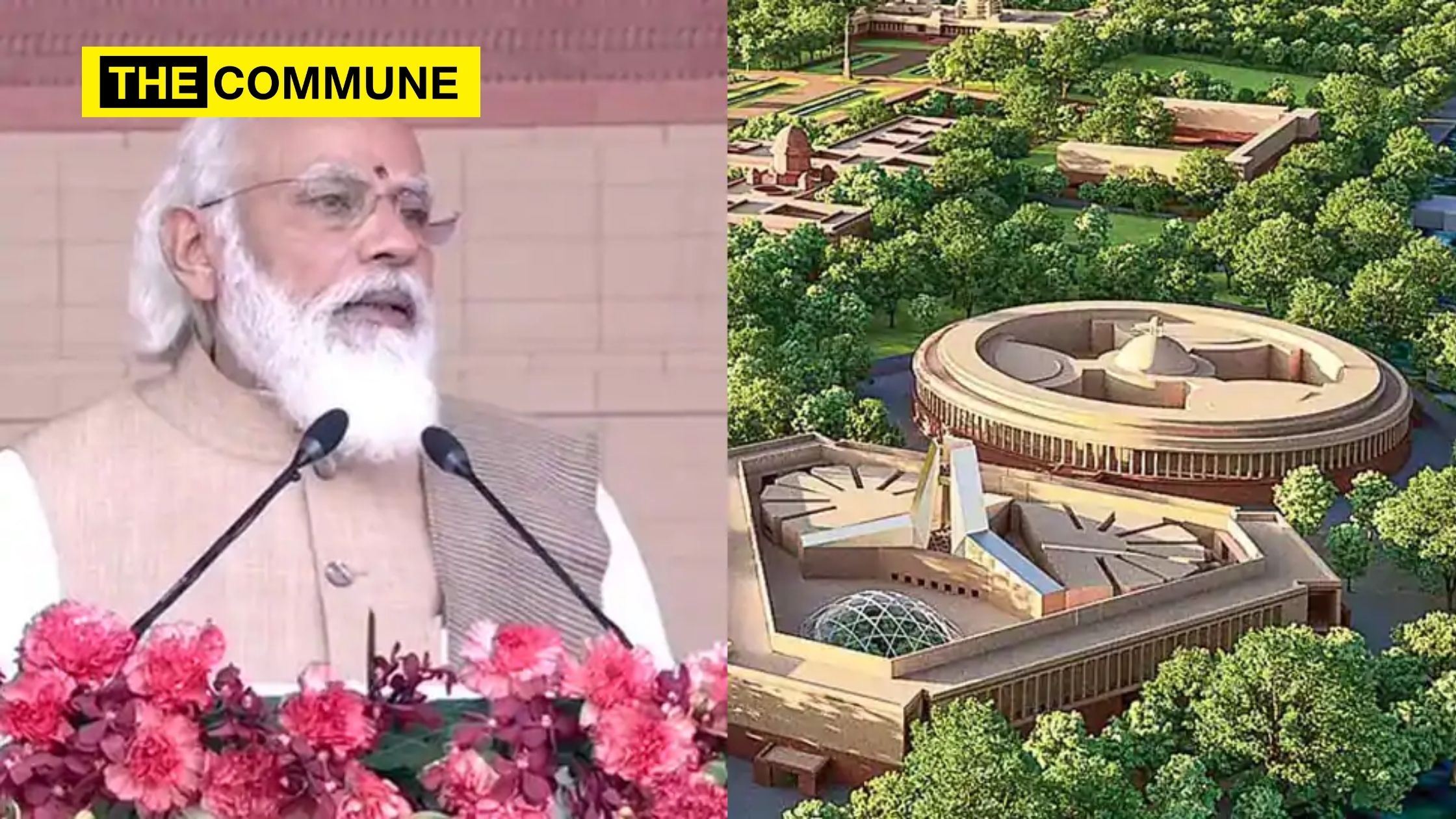
Prime Minister Narendra Modi laid the foundation stone for the new Parliament building being built as part of the Central Vista Project on Thursday (December 10).

The rituals of the ‘bhoomi pujan’ at the site of the new Parliament building were performed by the pundits belonging to the Sringeri Math in Karnataka which was followed by a ‘sarva dharma prarthana’ (inter-faith prayer).

Lok Sabha Speaker Om Birla, Parliamentary Affairs Minister Pralhad Joshi, Urban Development Minister Hardeep Singh Puri, Rajya Sabha Deputy Chairman Harivansh, TATA Trusts Chairman Ratan Tata also offered prayers during the ceremony.

Tata Projects Ltd has been given the contract for the project. “It is an impressive project and I wish it all success. I am privileged to be invited to the foundation stone laying ceremony,” Mr. Ratan Tata, Chairman Tata Trusts was quoted saying in a ANI report.

Prime Minister Narendra Modi called the day as a milestone in India’s democracy. He said that many new facilities are being made available  in the new Parliament House, which will increase the efficiency of the MPs and change the work culture.

He said that democracy in India is a way of life and is embedded in the nation’s soul. ” India’s democracy is a system developed through centuries of experience.”, the Prime Minister said.


When Dvaitam and Advaitam met for Sri Rama Janma Bhumi

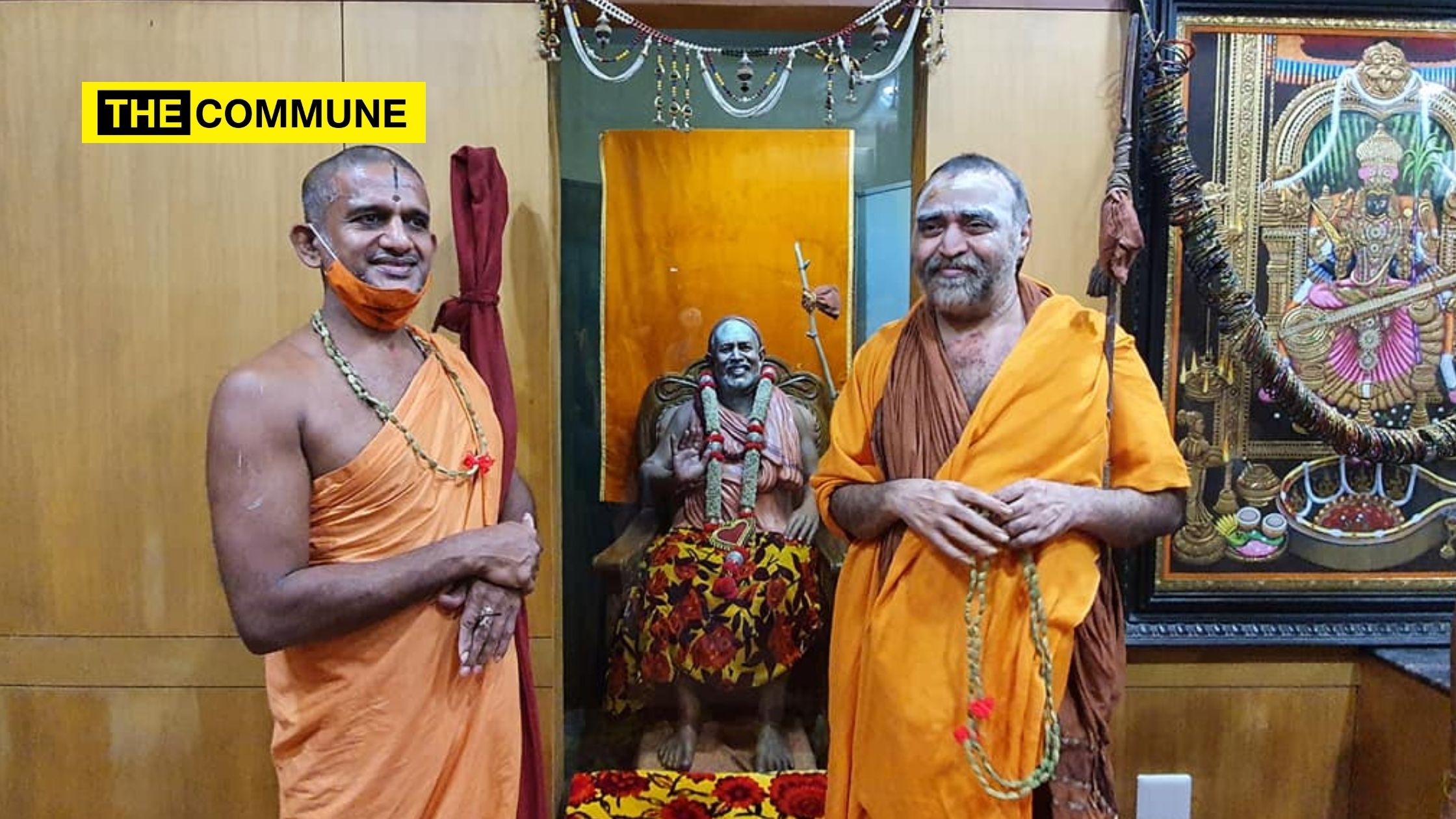
On Wednesday evening, Sri Vishwaprasanna Teertha Swami visited Kanchipuram and met Sri Vijendra Saraswati Swami of the Kanchi Kamakoti Peetam to seek the seer’s support for the upcoming fundraising campaign for the construction of the Ram Mandir at Ayodhya and also other temple related activities.

Sri Vishwaprasanna Teertha Swami was given a traditional welcome and honoured by the Kanchi Mutt who explained the process of construction and requested the Kanchi seer’s support for the upcoming fundraising campaign and other construction activities.

Sri Rama Janmabhoomi Theertha Kshetra trust has decided to conduct a campaign for the construction of Ram Mandir for 45 days, starting from January 15, 2021, Sri Vishwaprasanna Teertha Swami, the Peetadhipathi (Mutt Head) of Pejawar mutt is the only representative of the Trust from South India.

On November 1 2020, Sri Vishwaprasanna Teertha Swami inspected the construction site at Ayodhya followed by the trustees meeting. Post the meeting , Sri Vishwaprasanna Teertha Swami will be travelling across the country, meeting the Hindu religious leaders to brief about the construction process, funding and expenditures. Last month Swami visited Patanjali Ayurved Peeth at Haridwar and met Swami Baba Ramdev.

On December 8, Sri Vishwaprasanna Teertha Swami at a Press meet in Chennai said that Kumbabishekam of Ram Mandir is expected to happen by 2024.  Sri Ram Mandir construction is estimated to cost around ₹1,400 crores and the contribution of devotees for the construction is prioritized, said Swamiji who is in Chennai on a 3 day visit. Earlier, the Pejawar Mutt head met the Honorable Governor of the State, Banwarilal Purohit and seeked his support for the construction of Sri Ram Mandir.

Sri Vishwa Prasanna Teertha Swami also visited Vyasaraja Mutt and Uttaradhi Mutt at Kanchipuram on Wednesday

The meeting between the heads of Kanchi Mutt and Pejawar Mutt gains significance as the seers belonging to two diametrically opposite schools of thought in Hindu philosophy – Dvaita and Advaita came together for the construction of Sri Ram Mandir.

Small onions puts smiles on the faces of Tiruchirapalli prison inmates

Small onions grown by the inmates in the garden at the Trichy jail premises are being harvested and sold for ₹80 per kg. The Trichy Central Jail holds about 1,500 inmates, including convicts, who have been sentenced to life imprisonment. On the basis of number of years in prison they are assigned to work in the gardens, workshops and prison shops on the prison premises.

The proceeds from their work are used for the livelihood of the families of the prisoners involved. Every year vegetables, paddy and sugarcane are grown in the garden of the prison premises. Small onions are cultivated every year. This year, about 500 kgs of small onions cultivated by the prisoners were harvested. These are produced in organic method with natural fertilizers.

Earlier, the DIG of Trichy Jail Prisons visited the small onion harvesting program. Kanagaraj, Prison Superintendent Shankar, Prison Store Superintendent Thirumurugan and many others were present.

Malankara Church dispute: CRPF to take over Church if Kerala govt fails to implement court order before Jan 8

Following a long-standing dispute between two Christain denomination, the Syrian Orthodox and Jacobite of the Malankara Church, the Kerala High Court has issued an ultimatum to the Left Democratic Front (LDF) government of Pinarayi Vijayan stating that the Central Reserve Police Force shall take over the Church if the court order is not implemented. 

The High Court has said that the Communist Party of India-Marxist (CPM) ruled government, has to take over the St Thomas Church at Kothamangalam in Ernakulam district by 8 January or face the deployment of the Central Reserve Police Force (CRPF).

The dispute over the control of about 1000 Churches and its properties  has been long simmering between Jacobite and Orthodox factions. The Malankara Church dispute is an important one. The High Court refused to accede to the Jacobite faction plea to maintain status quo.

According to Malayalam daily, Malayala Manorama, the State government sought three months time to take over the Church as many of its officials have been deployed tackling the coronavirus pandemic.

The Kerala CM also had raised concern with regards to law and order problem if the Church was to be taken over but the High Court came down heavily on the government for its inaction.

The hypocrisy of the Left government Kerala came out in the open when in 2018, the Kerala government followed the instructions of Supreme Court ruling to allow women aged between 10 and 50 years into the Sabarimala Ayyappa Temple, despite the law and order situation it had created.

When protests broke out, the Vijayan government did not hesitate using force to implement the rules in various parts of the state, particularly at Sabarimala.

The historicity of the dispute 

The conflict between the Jacobite and Orthodox groups in Kerala started in 1912 when the Malankara Church was split into the Jacobite and Orthodox groups. However, they reunified in 1959 only to break up again in 1973.

In 2017, the Supreme Court had ordered that the Kerala government take over the Jacobite churches and hand them over to the Orthodox faction.

Since then, both the factions have been at each other throat over the control of the churches and properties of the Malankara Church. This dispute over 1,000 churches led to the closing of many churches for years now and some are in dilapidated condition.

In 2017, the Supreme Court’s ruled after a petition was filed by the Orthodox Church, demanding that all churches under the Malankara Church be governed as per the Church Constitution of 1934.

However, the Kerala government has not made any attempt to implement the apex court ruling.

FM Nirmala Sitharaman, HCL CEO Roshni Nadar and Biocon Director Kiran Mazumdar Shaw get featured in Forbes’ list of World’s Most Powerful Women

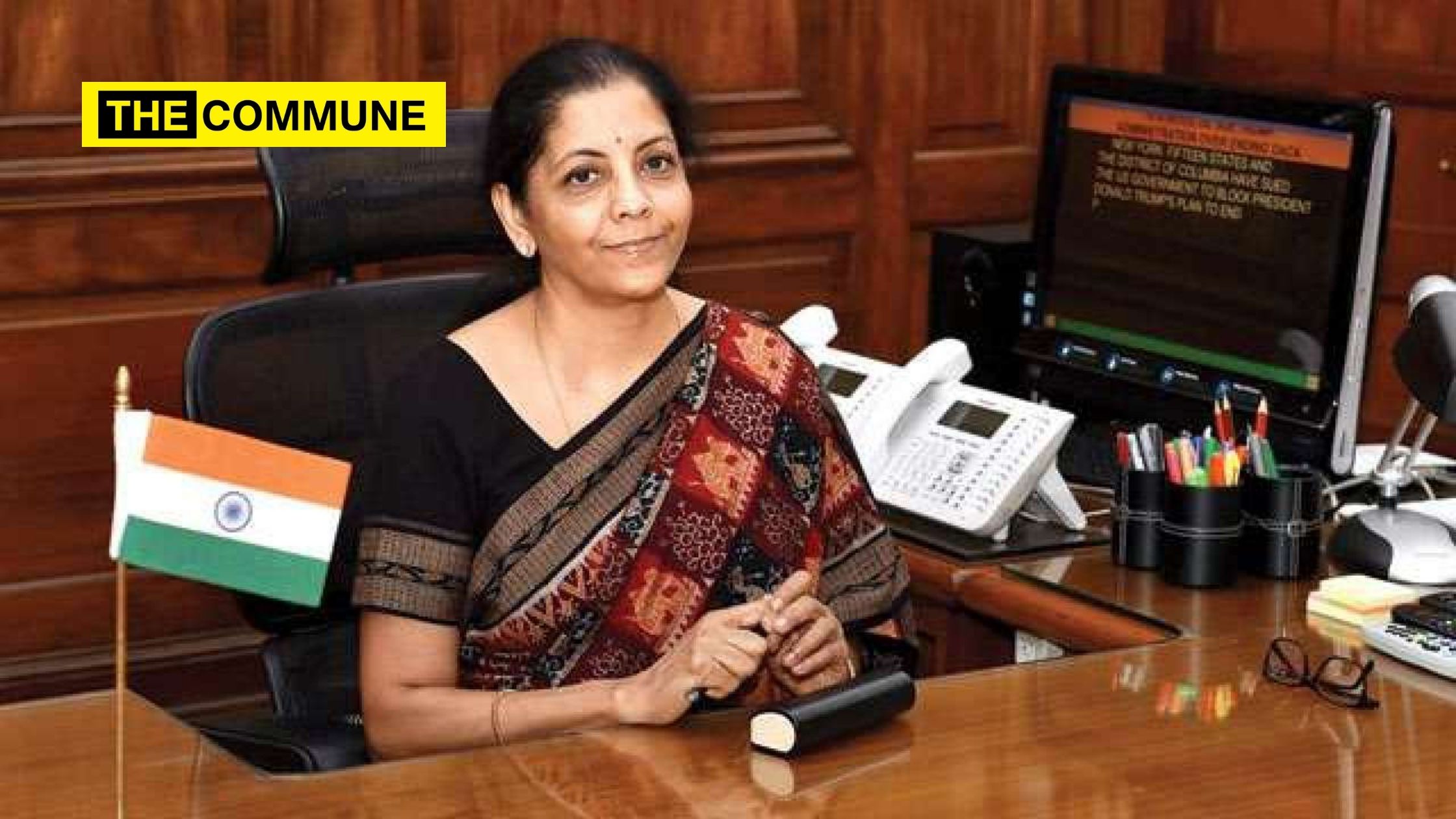
Finance Minister Nirmala Sitharaman has found place in the list of most powerful women in the world in the recent edition brought out by Forbes Magazine. 

The first full-time Finance Minister that India has had till now has been ranked 41. She was ranked 34 in the same list last year.

German Chancellor Angela Merkel tops the Forbes 2020 list, followed by European Central Bank president Christine Lagarde and US Vice-President-elect Kamala Harris, who has made her debut on the list at No.3. Merkel has bagged the No.1 slot every year since 2006, barring 2010 when then-US First Lady Michelle Obama topped the list. The list also includes women who have fought against the coronavirus. Also present were New Zealand Prime Minister Jacinta Artern and Stacy Abrams.

“From fighting the pandemic to re-engineering American politics, these influential women, including New Zealand Prime Minister Jacinda Ardern, Vice President-elect Kamala Harris and voting rights advocate Stacey Abrams, are making history,” Forbes said.

HCL Corporation CEO and Executive Director Roshni Nadar Malhotra has been ranked 55, and Biocon founder Kiran Mazumdar-Shaw has been ranked 68.

Pandiyan-era Murugan Temple managed by HR&CE in shambles

An ancient Subramania Swamy Temple at Ellinganayakanpatti near Senkundrapuram in Virudhunagar district managed by the Tamil Nadu Hindu Religious and Charitable Endowments department (HR&CE), lies in a state of neglect with the vimanam, structure and walls of the temple being damaged. Trees and bushes have grown unrestrained within the premises of the temple.

The Dinamalar Tamil daily has brought to attention the despair condition of this Murugan temple that is said to belong to the era of Pandiyas.

This temple is said to be referred in the ‘Thiruppugazh’ (a Tamil anthology of hymns dedicated to Lord Murugan) with the line that goes “‘செங்குன்றாபுரம் வாழ் குமரா எனும் முருகோனே” (Senkundrapuram Vaazh Kumaraa Enum Murugone).

Said to have been constructed during the time of Varaguna Pandiyan, there exists no inscriptions about it yet. However, archaeologists and epigraphists who are currently studying the era hope to find one.

An official of the HR&CE was quoted saying Dinamalar that the temple has been added to the list of dilapidated temples to be rebuilt and that work will begin soon and the temple will be renovated.