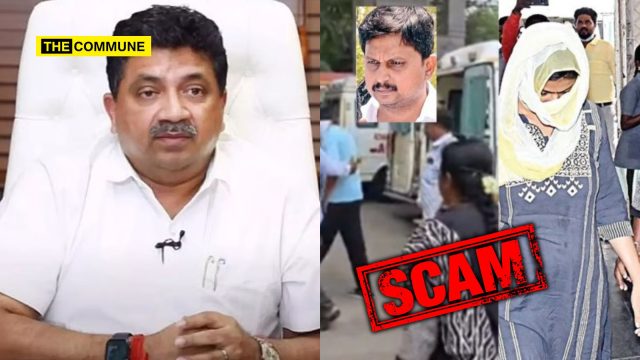
Police in Madurai have arrested the former aide of Minister P. Thiagarajan and his wife for allegedly cheating a construction company owner of several crores by misusing the names of the minister and former Mayor Indirani’s husband Pon Vasanth.
The accused was identified as S.M. Balaji, 42, a real estate operator from Kalaignar Nagar, Madurai, who had served as an assistant to Minister Thiagarajan until about a year ago. His wife Kalavathi, 42, was also arrested in connection with the case.
According to police and the complaint, in 2024 Balaji approached a prominent builder in Ponmeni, Madurai, who was constructing and selling houses, seeking to purchase two plots. When the builder informed him that each plot along with a house would cost ₹3.50 crore, Balaji stated that he did not require a house and wanted only vacant plots.
When the builder refused to sell land without the house package, Balaji allegedly invoked his political links and warned that he was Minister Thiagarajan’s aide and that former Mayor Indirani’s husband Pon Vasanth was “known to him.” He reportedly claimed that it was his responsibility to secure all corporation permits without difficulty and spoke in a threatening manner.
Fearing business repercussions, the builder agreed to sell only the plots. Balaji then registered the two plots in his wife’s name by paying only the document registration charges amounting to approximately ₹77 lakh. However, he failed to pay the actual land cost.
Despite repeated demands, Balaji allegedly delayed payment, stating that he would secure corporation approvals without expenses instead of paying the due amount.
The matter escalated after Pon Vasanth was arrested in a separate municipal tax irregularities case. Realising the situation, the builder lodged a complaint with Madurai Police Commissioner Loganathan.
Based on the complaint, the Central Crime Branch registered a case and arrested Balaji and Kalavathi.
Police stated that Balaji had also cheated several members of the public of crores of rupees by advertising real estate schemes in which buyers could acquire plots by paying monthly instalments over three years. When victims demanded refunds, he allegedly threatened them using the minister’s name.
Police further said that Minister Thiagarajan had removed Balaji from his aide position about a year ago after learning of these activities. Investigators also noted that a similar land and financial fraud case had been registered against Balaji in 2019 by the Vellore Economic Offences Wing.
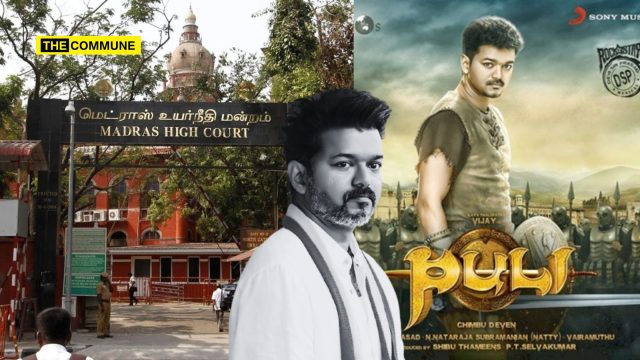
The Madras High Court on Friday, 6 February 2026, dismissed a plea filed by actor and founder of Tamilaga Vetri Kazhagam (TVK), Vijay, challenging a ₹1.5 crore penalty imposed by the Income Tax Department for alleged non-disclosure of income during the 2015–16 assessment period.
Justice Senthilkumar Ramamoorthy passed the order while rejecting the petition challenging the demand notice issued by the department.
According to Vijay, he had declared an income of ₹35.42 crore for the financial year 2016–17. However, based on documents seized during an income tax search conducted at his residence in 2015, the department alleged that he had failed to disclose ₹15 crore in income earned from the film Puli.
Based on these findings, the department imposed a penalty of ₹1.5 crore through an order dated June 30, 2022. Challenging this order, Vijay moved the High Court. When the plea was admitted on 16 August 2022, a single judge granted an interim stay on the operation of the penalty order.
Before the court, Vijay contended that the penalty order ought to have been issued before 30 June 2019, and argued that since the order was passed belatedly, it was liable to be set aside.
Opposing the submissions, the Income Tax Department maintained that the penalty imposed on Vijay was valid under the Income Tax Act and that the petition should be dismissed.
Concurring with the department’s submissions, the High Court dismissed the plea.
Background of Proceedings
The case originated from income tax searches conducted at Vijay’s residence in September 2015. An assessment order was passed in December 2017, followed by initiation of penalty proceedings under Section 271 AAB (1) in December 2018.
Vijay challenged the assessment before the Commissioner of Income Tax (Appeals), who partly ruled in his favour. The department then approached the Income Tax Appellate Tribunal (ITAT), which partly ruled in its favour, including on certain expenses linked to Vijay’s fan association.
Separately, penalty proceedings continued in respect of the ₹15 crore income surrendered during the search. In July 2019, the department issued a notice under Section 263 seeking revision of the assessment, arguing that penalty proceedings had not been properly initiated. The ITAT set aside that revision in May 2022, holding that no further proceedings were warranted once penalty proceedings had already been initiated.
Before the High Court, the issue narrowed to whether the final penalty order had been passed within the limitation period prescribed under Section 275 of the Act. At an interim stage, another bench had observed that the order appeared to be barred by limitation and stayed recovery of the penalty.
With the present ruling, the High Court dismissed Vijay’s plea while granting him liberty to challenge the notice and order before the appellate tribunal on grounds other than limitation.
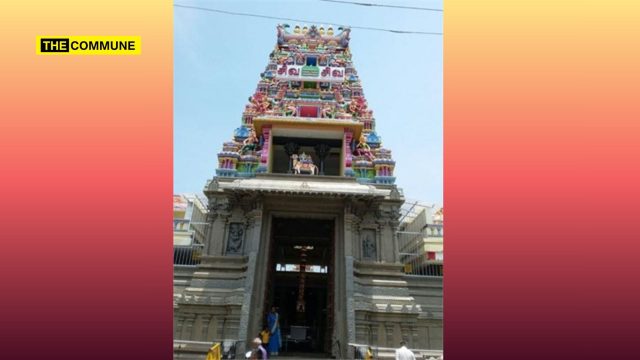
A resolution has been passed seeking the reinstallation and consecration of deities at the historic Shiva temple located on Padmagiri Hill in Dindigul, a shrine believed to have been built by the Chera kings.
The demand calls for the idols of Padmagireeswarar and Abirami Ambal to be re-installed at the temple, with an appeal to both the Central and State governments to take necessary steps to facilitate the consecration (pratishta). The resolution was adopted at a special executive committee meeting of the All Pillaimar Perumakkal Association.
The meeting was presided over by Honorary President Raghuraman Pillai, while Association President Chandran Pillai led the proceedings.
Notably, a similar demand had been raised earlier in January 2026 by the Okkaligar (Kappu) Youth Association during its district executive committee meeting in Dindigul. The youth body had also urged authorities to reinstall the idols of Padmagireeswarar and Abirami Amman at the Padmagiri Hill temple and to take steps to restore consecration and regular worship at the hilltop shrine.
Subscribe to our channels on Telegram, WhatsApp, and Instagram and get the best stories of the day delivered to you personally.
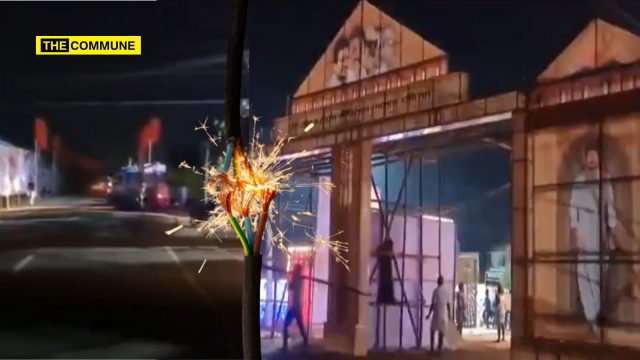
Two workers died of electrocution while erecting party flagpoles ahead of Deputy Chief Minister Udhayanidhi Stalin’s visit to Thanjavur, in an incident that has cast a shadow over the planned political and family events in the district.
The deceased were identified as Karthik and Gokul, both natives of Salem. The accident occurred when preparatory arrangements were underway to welcome the Deputy Chief Minister, who was scheduled to visit the Delta region to unveil a statue of former Chief Minister M Karunanidhi and attend the wedding of a DMK functionary’s family member.
According to reports, a group of workers had been engaged in installing large party flags and banners near a marriage hall in anticipation of Udhayanidhi Stalin’s arrival. During the process, they were erecting a steel flagpole estimated to be around 30 feet in height when it came into contact with a live wire.
The pole reportedly brushed against the electric wire, resulting in a powerful electric shock that electrocuted Karthik and Gokul on the spot. Bystanders and co-workers rushed the victims to a nearby hospital, but doctors declared them dead on arrival.
The bodies have been sent to Thanjavur Medical College Government Hospital for post-mortem examination.
Police have registered a case and initiated an investigation into the circumstances surrounding the incident, including safety precautions at the installation site.
The tragedy has caused distress among local party functionaries and residents, while also reviving concerns raised by social observers about recurring accidents linked to the erection of political banners and flagpoles during public events.
Subscribe to our channels on Telegram, WhatsApp, and Instagram and get the best stories of the day delivered to you personally.
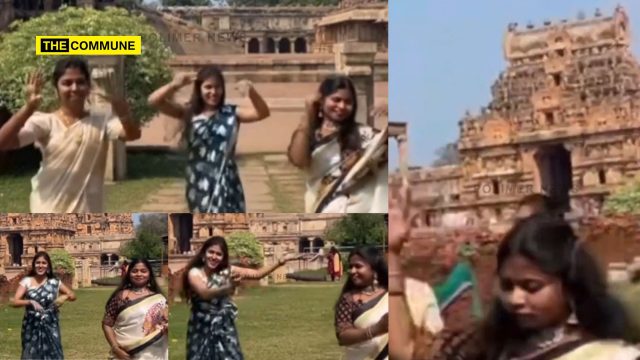
A video showing three young women dancing to Tamil film songs inside the premises of the Brihadeeswarar Temple, popularly known as the Thanjavur Big Temple, has triggered reactions online and raised questions over temple security.
According to visuals circulated on social media, the women were seen performing to songs such as “Banaras Pattu Katti, Singapore Seematti” and other film tracks before uploading the clips as reels online.
The incident has drawn criticism from netizens, who questioned how such recordings and dance performances were permitted within the temple complex despite the presence of police personnel and private security deployed for the protection of the heritage site.
Authorities have not yet issued an official statement regarding the incident or whether any action will be taken.
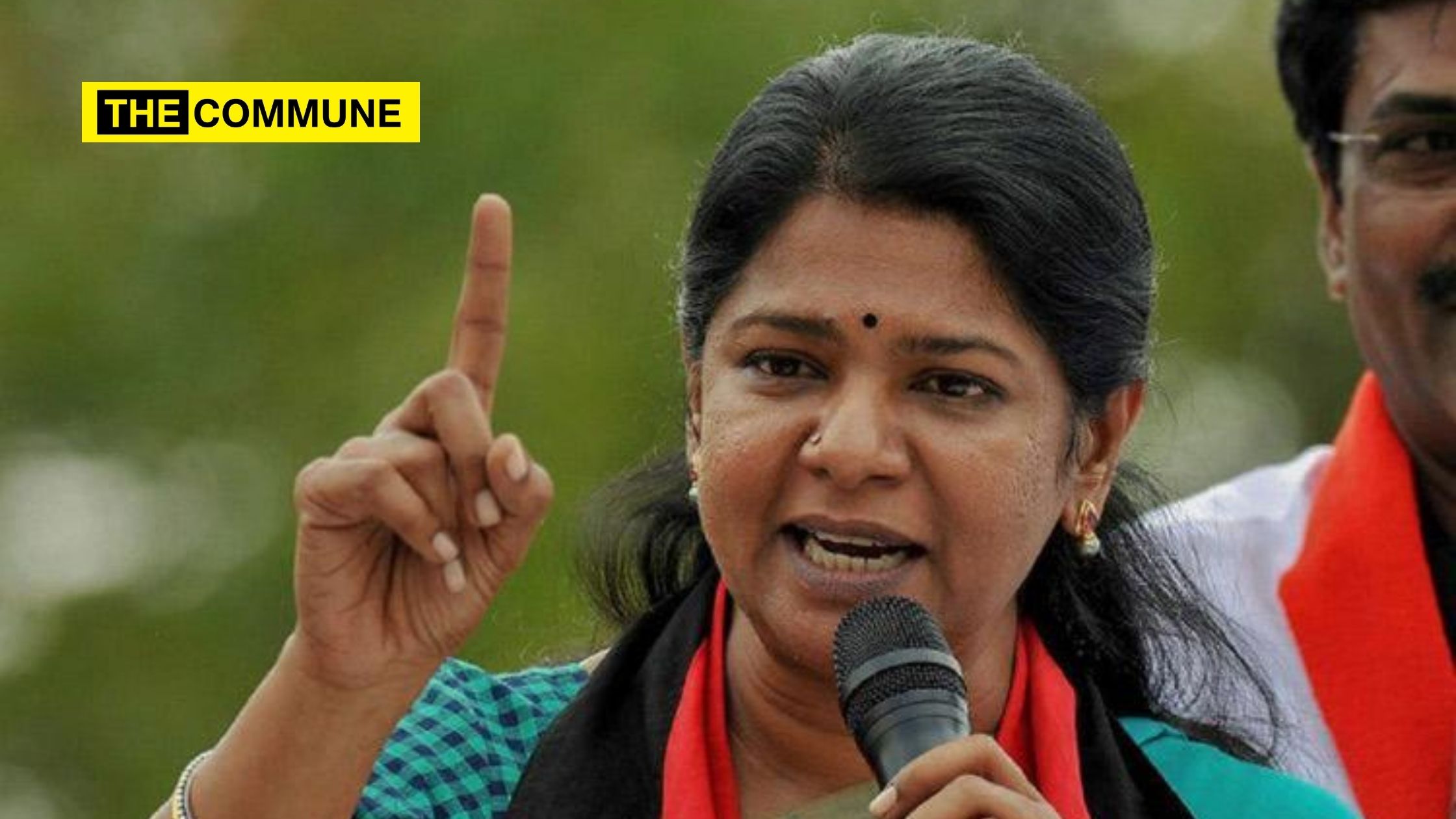
DMK MP and the party’s Deputy General Secretary Kanimozhi has been accusing the central government of “imposing” Hindi in Tamil Nadu, escalating the party’s ongoing confrontation with the Centre over language policy.
On 29 January 2026, the Lok Sabha member shared a photograph on social media platform X of a railway station nameboard in Chennai, claiming it had been “changed from English to Hindi.” Referring to the signage at Park Town suburban railway station near Chennai’s MGR Central, Kanimozhi objected to what she described as the replacement of predominantly English display with Hindi.
Posting the image, she wrote, “It started in Kallakudi and continues to Chennai Park. They are not going to stop imposing it, and we are not going to stop opposing it”.
கல்லக்குடியில் தொடங்கியது, சென்னை பூங்கா வரை தொடர்கிறது. அவர்கள் திணிப்பதை நிறுத்தப் போவதுமில்லை. நாம் அதை எதிர்ப்பதில் ஓயப்போவதுமில்லை. https://t.co/Y9hKti0KDL
Her remarks came amid renewed tensions between the DMK and the Union government on the language issue, with the party repeatedly alleging that the Centre is promoting Hindi in non-Hindi-speaking states through administrative measures and education policy interventions.
On 4 February 2026, she again shared an image – a photograph of signage at Sivakasi railway station and sharpened her attack, writing: “This Hindi imposition virus that is spreading across the land like an infectious disease must be controlled. Following Chennai Park Railway Station, name boards prioritising Hindi have now been installed in Sivakasi as well.”
நோய்த்தொற்றைப் போல ஊரெங்கும் பரவிடும் இந்த இந்தித் திணிப்புக் கிருமியைக் கட்டுப்படுத்தியாக வேண்டும்.
It is noteworthy that the signage displays three languages, Tamil, Hindi, and English, with Tamil placed at the top. In this context, it remains unclear why the issue has drawn criticism from DMK leaders and other Dravidian voices, given that Hindi does not appear as the sole language on the nameboard.
Subscribe to our channels on Telegram, WhatsApp, and Instagram and get the best stories of the day delivered to you personally.
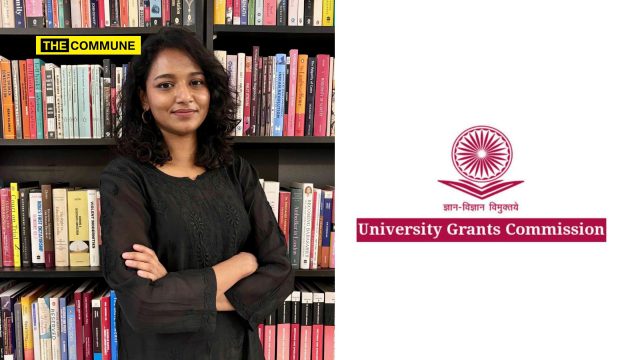
Amid the intensifying national backlash over the University Grants Commission’s new equity guidelines, advocate Disha Wadekar, one of the key figures associated with the regulatory framework has publicly defended the rules, attributing the protests largely to “misinformation” and misreading of the provisions.
Speaking in a YouTube interview following the Supreme Court’s decision to stay implementation of the guidelines, Wadekar maintained that critics had exaggerated both the scope and consequences of the regulations.
While she sought to reassure critics that the rules are limited to civil remedies and grounded in due process, her reasoning, particularly on caste discrimination, has drawn sharp scrutiny from legal observers, students, and policy commentators.
However, her arguments were weak and based on flawed assumptions. We break it for you.
“Only Civil Remedies” – But Very Real Punishments
Wadekar repeatedly reassures viewers that the regulations are harmless because they do not create new crimes.
“Firstly, this whole idea that these regulations are going to put our kids in jail and behind bars is completely unfounded. These are completely regulations that operate in civil realm. Okay? No equity committee has the power to put someone behind the bars or to incarcerate someone,” she says.
This framing quietly equates “no jail” with “no serious problem.” But on a campus, the most life‑altering sanctions are non‑criminal: suspension, expulsion, loss of hostel facilities, permanent adverse entries in a student’s file, or withdrawal of degrees. These are all “civil” or administrative measures, yet they can destroy a young person’s career as effectively as a conviction.
By focusing only on imprisonment, she downplays the very real coercive power that equity committees will wield over students’ futures.
“Nothing New” About Going To The Police?
On the question of police involvement, Wadekar argues that the regulations change nothing substantial: “The one provision that UGC has added which is that the college will have to approach the police if a penal provision is attracted – that is anyway there… it’s not like there will be a suicide on campus and that suicide complaint will go to the committee and the committee will decide… it will have to… lodge an FIR… So it’s not like these regulations have brought something new.”
Formally, suicide has always been an IPC matter. But the moment the regulator writes that institutions “will have to approach the police” whenever they think a penal section “is attracted,” it converts a discretionary judgement into a mandatory obligation. In real life, administrators will err on the side of over‑reporting even marginal cases to protect themselves from later accusations of non‑compliance.
To say “this is anyway there” ignores how written duties reshape behaviour. The text may look familiar; the incentives will not.
Who Counts As a Victim Of Caste Discrimination?
The sharpest controversy is over the definition of caste‑based discrimination. Wadekar defends the clause that ties it specifically to SC, ST and OBC students: “Clause 3C defines caste discrimination as discrimination based on caste or race against scheduled caste, scheduled tribes and OBCs… Everyone has a problem with… who should it include? If that should be a caste‑neutral definition… then what is the point of that provision… then there is no discrimination, right?”
She doubles down with an analogy: “It’s like saying that in the definition of gender‑based discrimination, you should have men who say that I am being discriminated on the basis of gender. The basis is important.”
There are several problems here.
She sets up a false choice – either the law protects only SC/ST/OBC students, or “there is no discrimination.” In reality, one can acknowledge that these groups suffer structural oppression and still allow any student to complain if they are abused or excluded purely on caste grounds.
Her gender analogy is misleading. Modern equality law accepts that both women and men can, in specific situations, be victims of gender discrimination. Recognising that possibility does not deny patriarchy; it simply keeps the definition even‑handed while applying it with context‑sensitive judgement.
By insisting that critics of the SC/ST/OBC‑only wording are objecting to the mere inclusion of caste, she avoids the real issue: a built‑in asymmetry where some students can invoke a special definition and others cannot, even if the underlying conduct is similar.
When she says, “So I am not understanding the selective outrage against the inclusion of caste‑based discrimination,” she collapses a nuanced concern about drafting into a crude anti‑caste backlash, which is not what many critics are arguing.
An Idealised Picture of Committees
To address fears of misuse, Wadekar offers a textbook description of how equity committees will function: “It’s not like the complaint is going to be taken on its face value and suddenly the committee is going to be like now you will be punished… If they don’t find any merit… they will dismiss that complaint right, then and there… If they think that there is some merit… they will have to issue notice to the respondent… Their side will be heard. The complainant side will be heard. Both sides will be equally heard… after following all principles of natural justice… they will then suggest a proportionate punishment.”
This is an ideal picture. She assumes that committees are independent and immune from campus factionalism; that they never succumb to political pressure, media storms or administrative preferences; that they apply evidence standards consistently and resist the temptation to “send a message.”
Anyone who has seen internal complaints committees or disciplinary bodies at Indian universities knows that reality can look very different: ex parte interim orders, leaks, social ostracism based on mere allegations, and decisions framed more by ideology than by facts.
By repeatedly invoking “principles of natural justice” as though their presence in the rulebook guarantees their observance, Wadekar appeals to an imagined best‑case scenario, not the messy world in which students actually live.
Labelling Dissent as “Misinformation”
Throughout the interview, Wadekar returns to a familiar refrain: “There is a lot of misinformation around the regulations… hyperbole and hyperactive ways in which people are talking about these regulations… from the responses I feel that the regulations have not even been read properly.”
Later she calls it “complete and utter lies” to say the regulations are only for SC/ST/OBC students.
Of course, some social‑media outrage is poorly informed. But to fold all criticism into “misinformation” is to poison the well. Many objectors, including faculty, lawyers, and students who have read both the 2012 and 2026 texts, are raising precise questions about the breadth of committee powers, the asymmetric caste definition, the chilling effect on ordinary interactions and classroom debate and the risk of politicised enforcement.
These are not “utter lies”; they are contestable but serious concerns. A regulator who is confident in her framework should engage them directly instead of treating dissent as proof of ignorance.
“Every Protective Law Faces Backlash”
At one point, Wadekar contextualises the protests as just another conservative reaction: “Honestly this is also a backlash that every protective law we’ve seen in this country has faced.”
This statement smuggles in a conclusion: because other protective laws (say, anti‑dowry or anti‑harassment laws) faced opposition and later proved necessary, the current regulations must belong in the same moral category. But some “protective” laws have also been overbroad, poorly drafted, or misused, and have needed serious judicial trimming.
Whether these UGC regulations are justified cannot be inferred from the fact that they are called protective. It must be assessed from their text, their structure, and their likely implementation. Invoking the history of other laws is a rhetorical shield, not a substitute for that analysis.
The Real Debate, Not the Straw Man
The interview shows that Disha Wadekar is right about one thing: the issues at stake are serious. Caste, gender, religious and disability‑based discrimination on campuses is real, and institutions have failed victims far too often. But that reality does not automatically validate any particular regulatory design.
When she says “there are no extreme consequences… this is only civil remedies” and caricatures critics as people who think committees will “suddenly… be like now you will be punished,” she sets up a straw man. The real worry is more nuanced: powerful committees, armed with vague definitions and operating in politicised environments, can inflict severe non‑criminal penalties on young people without the robust checks that accompany regular courts.
If the goal is genuine equity, the conversation must move beyond slogans about “misinformation” and “backlash” to an honest examination of how these rules will work in the hands of real administrators on real campuses, not in the idealised setting imagined by their drafters.
The same Disha Wadekar was also against EWS reservation. In an older interview, she is heard saying how absurd the need for EWS reservation is. In this clipping circulating on social media, she says, “Women get reservation in local bodies. Patriarchy is a reality; it has not ended, and we don’t know for how many more years it will take to end. So, if we have given 33% reservation to women there, suppose tomorrow the government brings a new law, Parliament brings a new law, which says that men will get reservation – that economically weaker men should get reservation. What will happen then? However absurd that sounds, EWS reservation is just as absurd, because it is based on the same logic. My argument is that this EWS reservation is not economic reservation at all. It is “economic” only in name – what is this supposed economic criterion? If you actually look at the language of it, no one wants to name it, but it is upper‑caste reservation, that much is clear. So, as I was saying, this is the only caste‑based reservation for the upper castes.”
She drafted the 10 specific suggestions to be put in the UGC bill. (Most were accepted by the BJP Gov).
Btw! You can see her arguing here against the EWS.
Look at the contempt in her voice even for our poor brethren!
Disha Wadekar’s defence of the UGC equity guidelines has only deepened public distrust. By downplaying harsh campus penalties as “only civil,” defending an asymmetric caste definition, and dismissing critics as misinformed, she appears to minimise genuine due-process concerns. Her earlier opposition to EWS reservation further reinforces perceptions of ideological bias rather than neutral regulatory design. The debate, therefore, is no longer about whether discrimination must be addressed, but whether the framework does so fairly.
Subscribe to our channels on Telegram, WhatsApp, and Instagram and get the best stories of the day delivered to you personally.
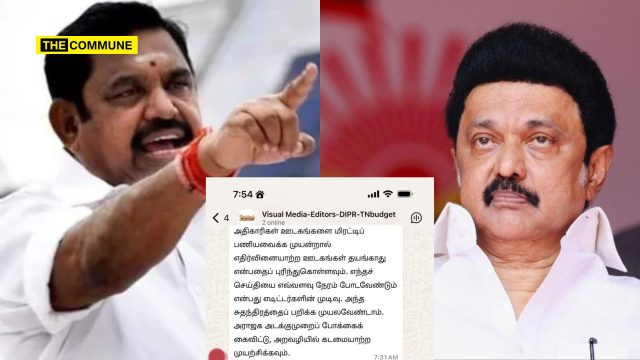
The AIADMK on Thursday. 5 February 2026, accused the Tamil Nadu government of attempting to stifle press freedom, citing messages shared in a WhatsApp group of visual media editors linked to the State’s Department of Information and Public Relations (DIPR).
Referring to a conversation in the “Visual Media Editors – DIPR TN Budget” group, the AIADMK stated that concerns had been raised internally about pressure being exerted on media houses over news coverage.
In a statement on its social media handle, the party questioned the nature of governance in the State, asking: “Is what is happening in Tamil Nadu today democracy or monarchy? Is it democratic rule or authoritarianism?”
Calling the media “the voice of the people,” the AIADMK said any attempt to suppress that voice was “an act against the very philosophy of democracy.”
The party alleged that interference in media freedom, coupled with officials being used to issue threats and pressure, reflected what it termed the government’s “high-handed and anarchic functioning.”
Citing the WhatsApp exchange, the statement said a senior television editor had directly expressed anger against what was described as the government’s “repressive approach,” terming it a sign of mounting frustration within journalistic circles.
The AIADMK further asserted: “Deciding how and for how long a news item should be broadcast is the professional right of media editors. Interference in that is an authoritarian mindset.”
Recalling the recent incident where journalists were attacked by a DMK MLA for investigating and reporting on the illegal quarrying, the party said the episode had already exposed the government’s “anti-media face,” adding that such acts amounted to attacks on citizens’ right to information.
Issuing a warning to officials, the opposition said those “drawing salaries from taxpayers’ money and acting at the behest of the regime” should remember that political change was inevitable.
The party also addressed Chief Minister MK Stalin directly, urging the government to “immediately abandon such anti-democratic attempts to suppress the media.”
It concluded by assuring that if neutral media organisations or journalists faced intimidation, the AIADMK would stand “as a protective shield” to defend press freedom.
தமிழ்நாட்டில் இன்று நடப்பது மக்களாட்சியா,
இல்லை மன்னராட்சியா?
ஜனநாயகமா, அல்லது சர்வாதிகாரமா?
ஊடகம் என்பது மக்களின் குரல்.
அந்தக் குரலை ஒடுக்க நினைப்பது
மக்களாட்சி தத்துவத்திற்கே எதிரான செயல்.
ஊடக சுதந்திரத்தில் தலையிட்டு,
அரசு அதிகாரிகளை ஏவி
மிரட்டலும் அழுத்தமும் கொடுக்கும்… pic.twitter.com/6gGN03uNTK
— AIADMK – SayYesToWomenSafety&AIADMK (@AIADMKOfficial) February 5, 2026
Subscribe to our channels on Telegram, WhatsApp, and Instagram and get the best stories of the day delivered to you personally.
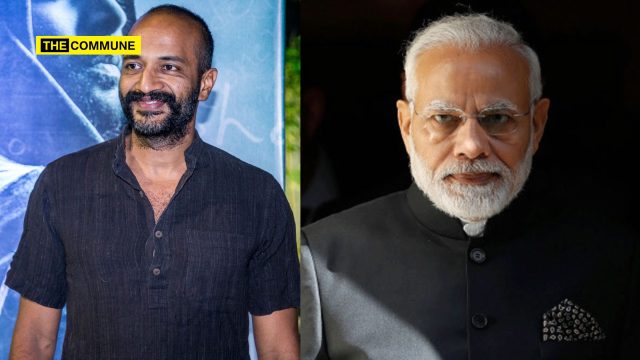
Actor Kishore, whose latest film Mellisai recently hit theatres, has stirred political debate following remarks he made against PM Modi during an interview with a YouTube channel while promoting the film.
When asked what he would change if given an opportunity, Kishore responded with a sharply political answer.
“I don’t know if you’ll telecast it, but I’ll say it anyway. I’ll go back to 2014 and change the Prime Minister. Will you telecast this? Go ahead, let’s see. India itself would have been different. So the amount of hatred we see today, oh, it’s very dangerous. It will take decades to change this. If it continues like this, very dangerous people.”
He went on to link what he described as rising hatred to global political trends.
“No, now even in this movie we are promoting, we talk about that love/affection. Without love, nothing exists. Humans can’t even live together without it. So, if you hate each other, how can you live together? That hatred is what they invest in to, and one man comes to power. So, they are very dangerous people. For any community, whether a small community, a country, or the whole world, very dangerous. Such people are in power now. Everywhere, majority it is them. Look at Trump, look at him (Modi), everyone’s like that. So, it’s quite dangerous for social animals like human beings.”
Speaking about the Jana Nayagan issue and political participation, Kishore said he had not been able to take part in protests physically.
“I did not have time to go on the ground and protest so we only indulge in online activism. But everyone must have a chance. Anybody who wants to enter public life, politics isn’t a power position; it’s a job serving people. They are working for the people, servant.”
Drawing comparisons with past leaders, he added: “Jawaharlal Nehru said the same thing. He said he was the Pratham Sevak – the first servant. Modi said ‘Pradhan Sevak’ – when you say Pradhan, it indicates you are the main one. Jawaharlal Nehru said otherwise, in the socialist movement that is what happened.”
Kishore further spoke about democratic participation and institutional functioning.
“Everyone must have a chance. Anybody who wants to serve the people must have a chance. Politics that is curbing that is on the rise these days. Be it misusing democratic institutions, all this is there.”
He concluded by reiterating that his film’s core message of love and coexistence also applied to politics.
“Mainly the biggest damage they are doing is manufacturing hatred between people. We are living in one country, we cannot live without each other, we cannot sideline/exclude anyone, we have to live together and see each other daily, like a family. That is how we relate to the film Mellisai and the politics, how love and affection are important and if we destroy that, it is like destroying a house. All politicians are doing only that.”
Subscribe to our channels on Telegram, WhatsApp, and Instagram and get the best stories of the day delivered to you personally.
A political war of words has erupted between the BJP and the DMK over railway budget allocations to Tamil Nadu, after DMK MP Kanimozhi alleged that the state had been sidelined in Union Government funding priorities.
The controversy began after a post highlighting railway budget allocations noted that Maharashtra had received the highest outlay, nearly ₹24,000 crore, under the Union Budget 2026–27 for railway projects.
— Maharashtra Progress Tracking (@abhirammodak) February 3, 2026
Reacting to the figures, Kanimozhi wrote “Tamil Nadu, a key contributor to India’s growth, receives less than one-third of Maharashtra’s Railway Budget allocation, clearly revealing the Union Government’s skewed priorities. BJP seeks the Tamil people’s votes, but not their development.”
Tamil Nadu, a key contributor to India’s growth, receives less than one-third of Maharashtra’s Railway Budget allocation, clearly revealing the Union Government’s skewed priorities.
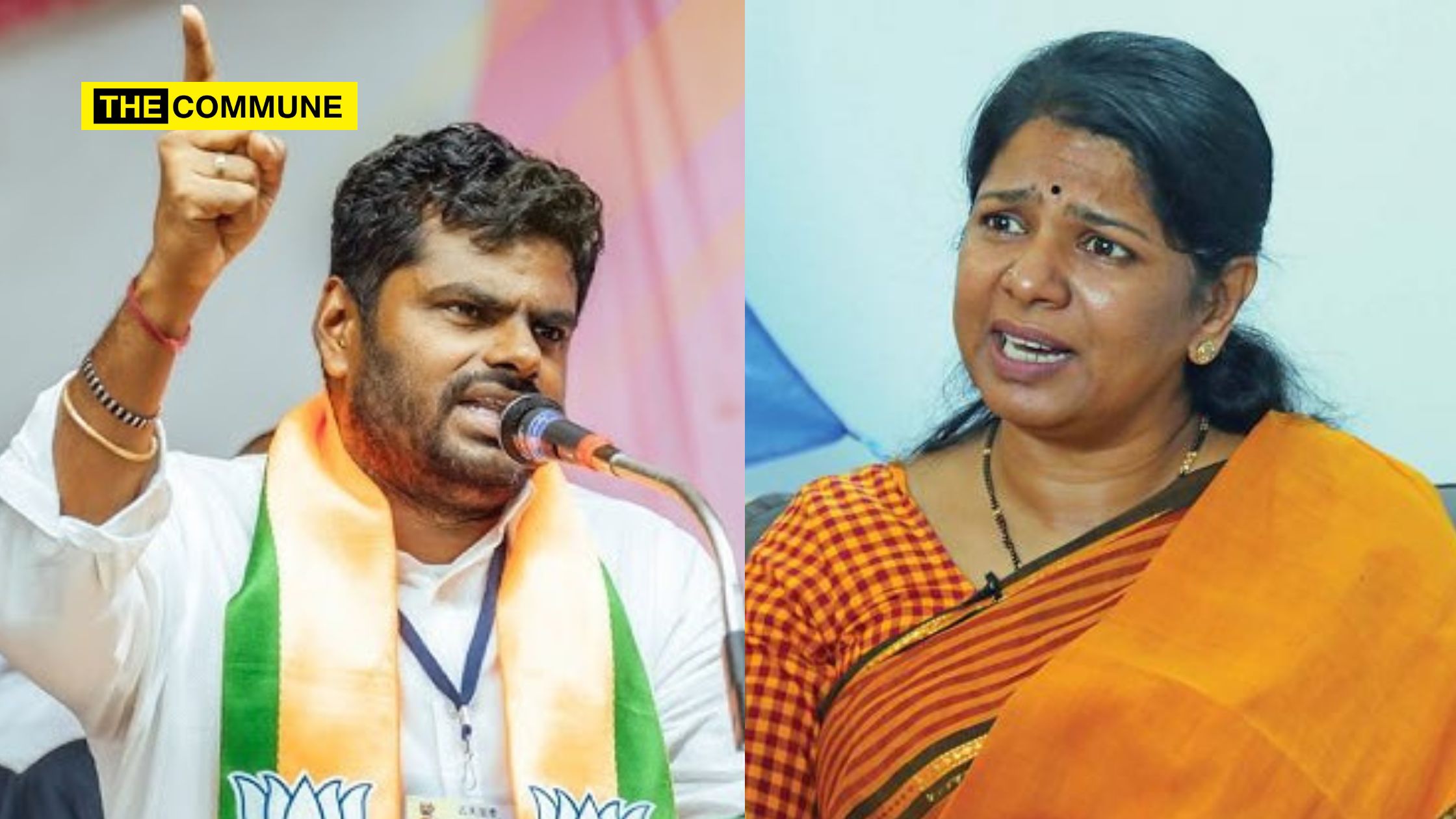
Her remarks drew a sharp rebuttal from BJP leader K Annamalai, who accused the DMK of misrepresenting facts and deflecting responsibility for project delays.
Responding on social media, Annamalai wrote, “DMK MP Smt @KanimozhiDMK is ignorant of the facts, as always, and has no clue what is happening in Tamil Nadu under the Corrupt leadership of her brother & TN CM Thiru @mkstalin.
₹35,701 Crore worth of Railway projects are currently underway in Tamil Nadu, but their execution is delayed due to the Government of Tamil Nadu’s failure to expedite land acquisition. Of the 4,326 Hectares of land required to carry out these railway projects, the Tamil Nadu Government has, as of December 2025, acquired only 24% of the required land. There are plenty of projects that have been pending for land acquisition for almost 5 years now.
The same applies to the National Highway projects sanctioned for Tamil Nadu. The roadblocks deliberately imposed by the Corrupt DMK Government have caused exorbitant delays in the execution of the already sanctioned project. Instead of peddling lies all day, Smt Kanimozhi should ask her brother why there is a delay in acquiring lands to complete the already sanctioned projects.”
Supporting his claims, Annamalai cited parliamentary data and railway ministry documents indicating that multiple railway infrastructure works in Tamil Nadu, covering sanctioned track length of over 2,400 km were facing delays primarily due to land acquisition bottlenecks.
Official figures presented in Parliament also indicated that out of 4,326 hectares required for railway projects in Tamil Nadu, only about 1,052 hectares, roughly 24%, had been acquired as of late 2025, leaving a substantial portion pending.
DMK MP Smt @KanimozhiDMK is ignorant of the facts, as always, and has no clue what is happening in Tamil Nadu under the Corrupt leadership of her brother & TN CM Thiru @mkstalin.