During the special meeting of the National Green Tribunal (NGT) nominated Permanent Committee to discuss the stray dogs menace at IIT-Madras (IIT-M) campus, Padma Shri Dr. Ashok Jhunjhunwala, a professor at the institute representing the concerns of the professors staying inside the campus said that stray dogs were adversely affecting the reputation of the institute both nationally and globally.
In the meeting held on December 3, Prof. Ashok Jhunjhunwala mentioned that visiting faculty and students from foreign countries had expressed serious concerns over the dog menace, adversely affecting the reputation of the institute which is ranked number 1 in the country thereby indirectly affection the reputation of the nation too.
“IIT Madras has been granted the position of ‘Institute of Eminence’ and it is expected that more number of foreign faculty and students will visit and stay on campus in the coming years. If this dog menace continues it will give us negative feedback among the foreign faculty and students. It will severely affect our institute reputation among world class institutions.” Prof. Jhunjhunwala said in the meeting. He also urged the committee and the NGT to consider these aspects while taking any decision regarding the stray dog menace in the campus.
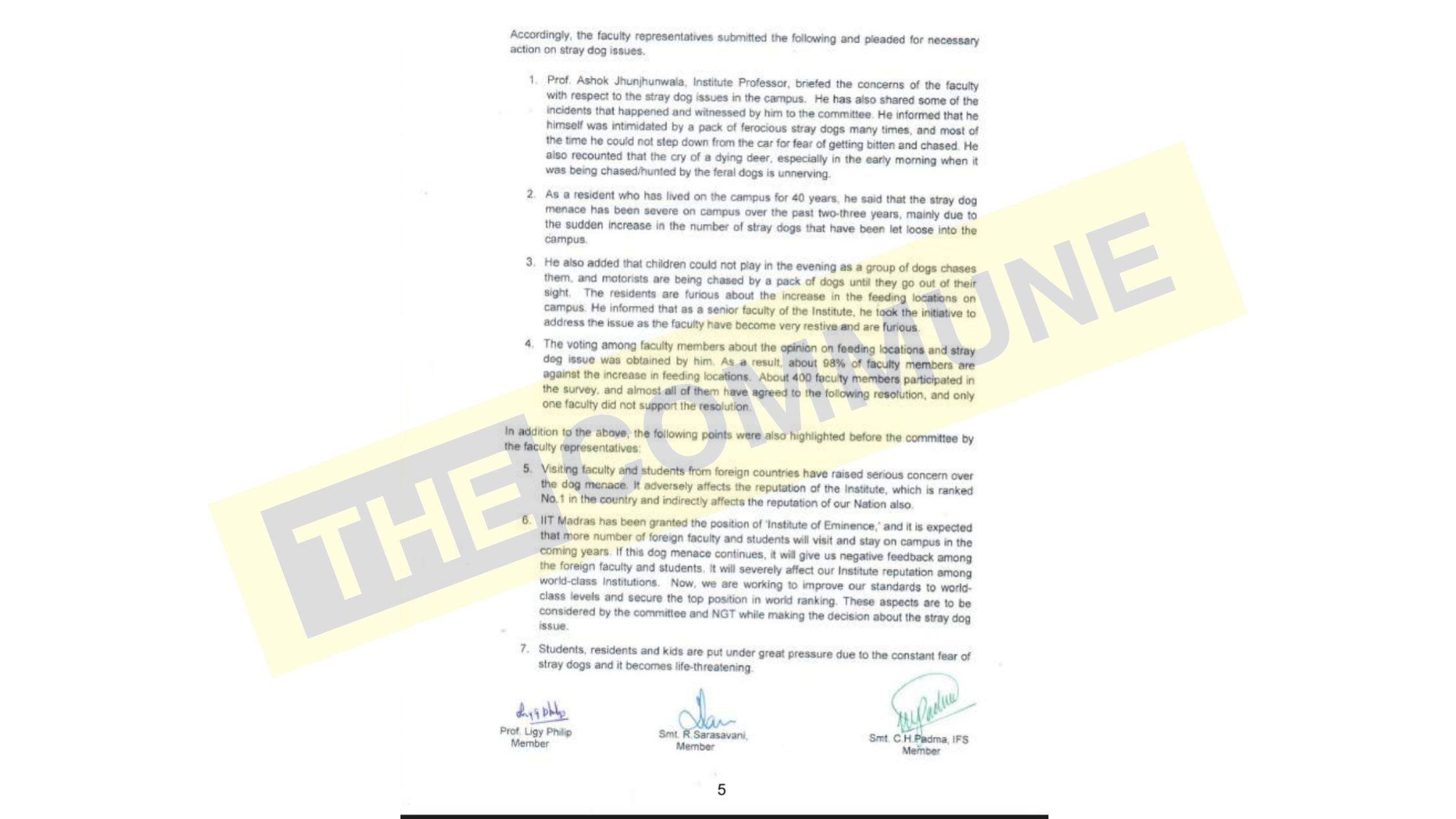
Prof. Jhunjhunwala said that he himself was intimidated by packs of ferocious stray dogs many times inside the campus and that most of the time he could not step out of the car for fear of getting chased and bitten.
He said that as a resident who had lived in the campus for 40 years, the stray dog menace has gotten severe in the past 2-3 years mainly due to the sudden increase in the number of stray dogs that have been let loose in the campus.
Recently, the Chennai Wildlife Warden CH Padma who is also part of the committee constituted by the NGT has increased the number of feeding centres inside the campus for stray dogs to from 5 14 after pressure from ‘dog-lover’ groups in the campus. She had also permitted feeding of home-cooked food.
Prof. Jhunjhunwala mentioned that a survey conducted among 400 faculty members living in the campus on the opinion of increasing feeding locations resulted in 98% of them vehemently being against the move. He said that residents were furious about the increase in feeding centres adding that neither people travelling in two wheelers could travel in peace nor children could play outside as rabid dogs chase them.
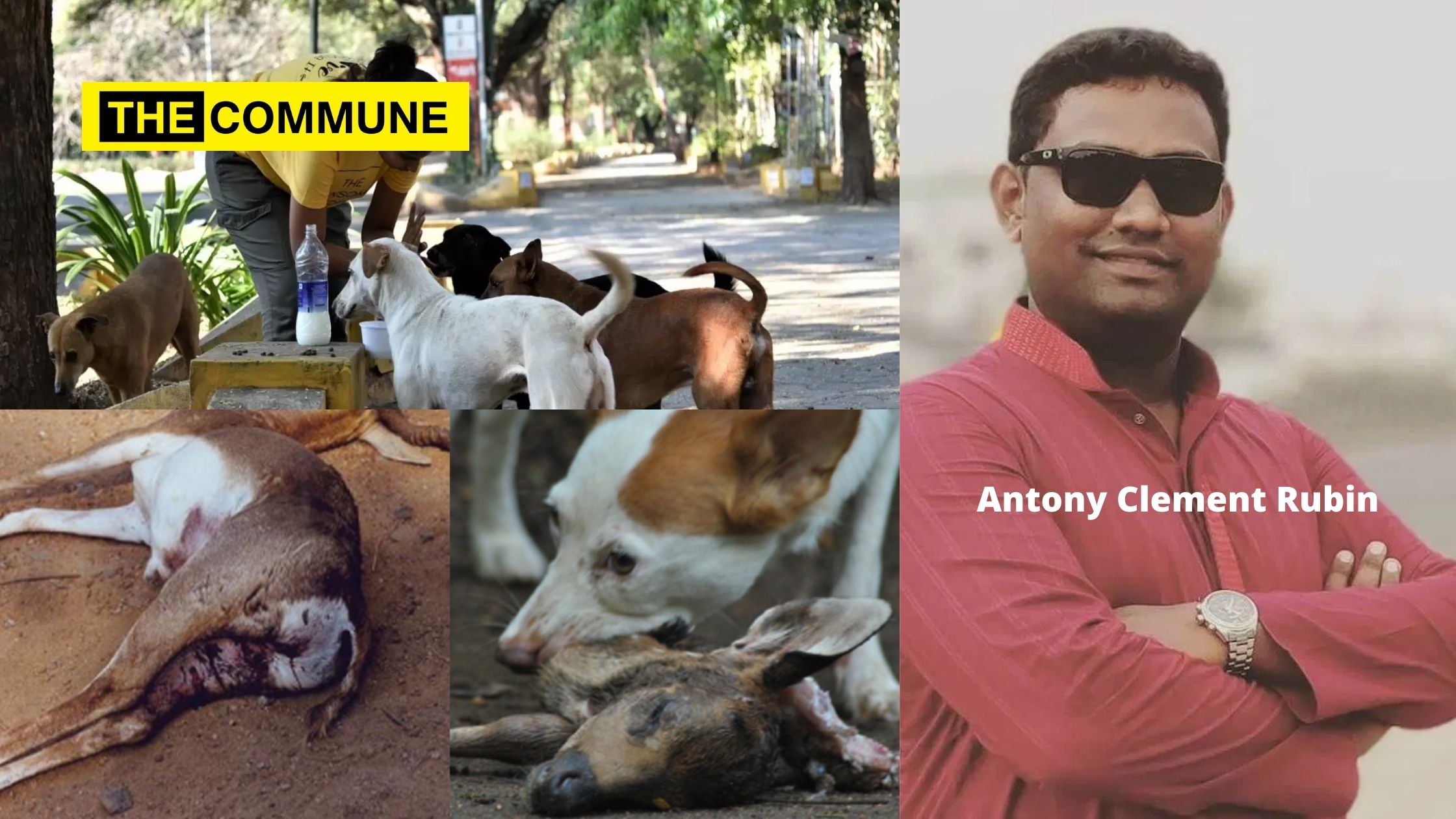
He also highlighted the endless attacks by the feral dogs on the deers and blackbucks which has drastically reduced their population.
Dr. Jhunjhunwala also submitted a number of recommendations asking the number of free-ranging dogs to be kept at a number that does not disrupt the academic life in the campus including sterilization, electronically tagging the dogs, caging the feral dog pack leaders and restricting the feeding points to 3-4 locations. However, any attempt to remove the stray dogs and bring in regulations to protect the endangered species is being obstructed by ‘dog-lover’ groups in the campus and ‘animal activists’ who try to engage NGOs run by them or their known circles to take care of these rabid stray dogs. The NGO that has been engaged in IIT-Madras to ‘take care’ of these dogs is Jeeva Karunya Animal Welfare Trust run by Shoba Chellathurai and Joe Prakash Jacob.
There have been allegations that the incumbent Registrar of the institution Dr. Jane Prasad has been favouring Christians primarily those from the Nagercoil district in appointments. She is said to have brought Jeeva Karunya Animal Welfare Trust of Nagercoil for feeding, sterilization and microchipping of the stray dogs.
On the other hand, self-proclaimed ‘animal activist’ Antony Clement Rubin has challenged Dr. Jhunjhunwala’s appeal to the NGT nominated Permanent Committee. He has been advocating the institute to spend money out of its coffers to set up dog parks, dog clinics,dog feeding spots. He has presented with an action plan on ‘how to save deers from stray dogs’. It is to be noted that Anthony Clement Rubin, an anti-Jallikattu campaigner has been going after several temple elephants in Tamil Nadu and trying to oust them from the temples to be sent to elephant camps run by the government.
Indu Makkal Katchi (IMK), the only political party in Tamil Nadu which has been voicing out against the rampant stray dog menace at IIT-M has been calling for protecting the deers, blackbuck and native wildlife species in the campus.
Speaking to The Commune, Mr. Sathyanarayanan, spokesperson of the IMK said “even a child knows that the only way to save wildlife in the campus is to remove stray dogs that have invaded the reserved forest area and not provide them ‘shelters’.”
S Muralidharan, a Chennai based animal activist told The Commune that it is outrageous that a reserve forest is being used as a feeding and breeding ground for stray dogs. “We all love dogs and there are a plenty of them on the streets. But to bring them into a reserve forest, feed them mindlessly which later goes on to kill native wildlife in the forest is just ridiculous”. Mr. Muralidharan said.





Rajini is already sending tremors down the spine of DMK
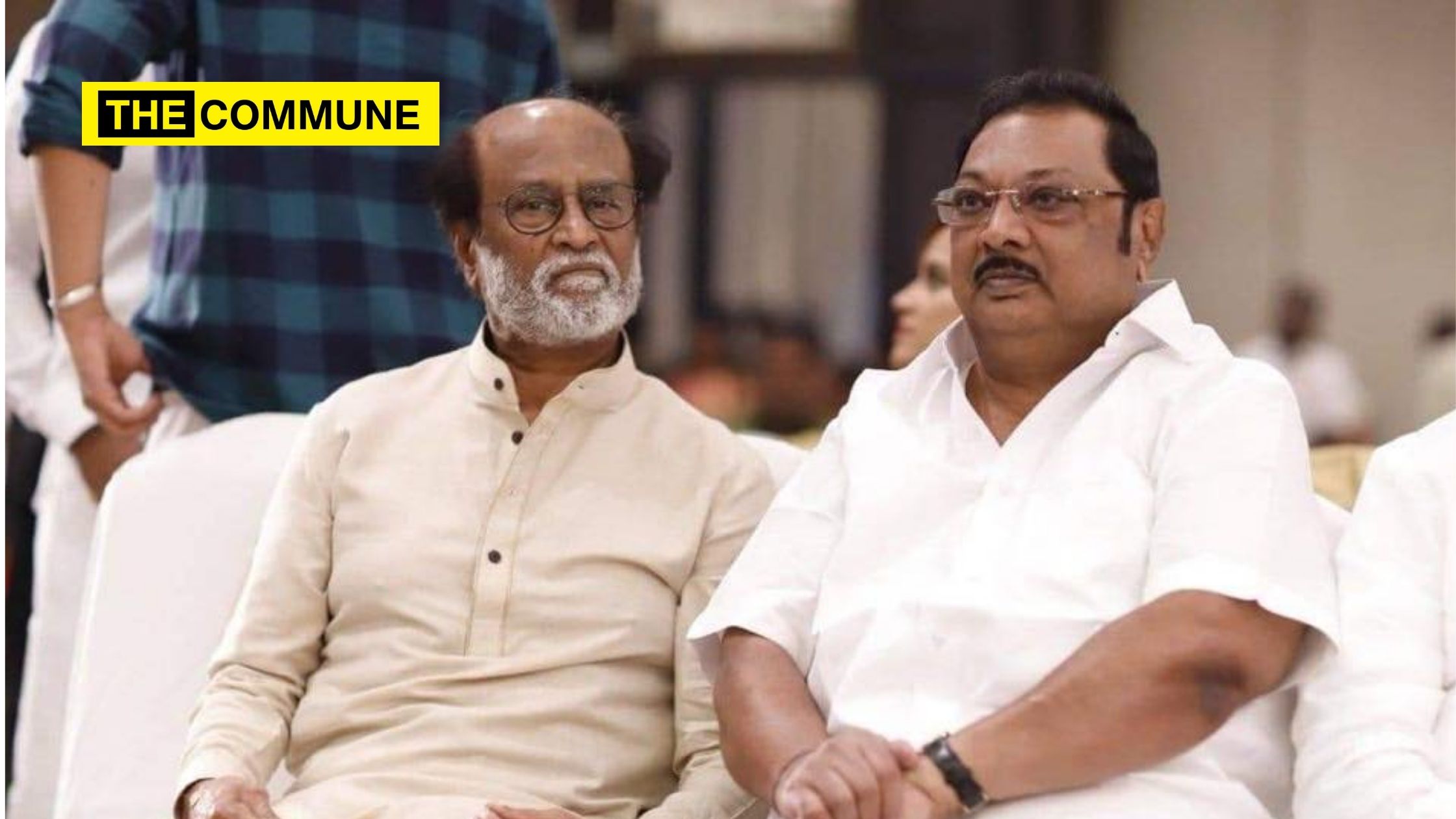
Just days after his official announcement about his political party, Superstar Rajinikanth has already put the DMK on the defence. Addressing the DMK cadres of Ramanathapuram as part of the “Tamizhagam Meetpom” virtual campaign, the DMK chief took an indirect dig at Rajinikanth on his birthday saying “Today.. there are some people who think they can defeat the DMK by citing spirituality”.
In a first, the DMK chief even quoted Swami Vivekananda to say that service to people is the greatest spiritual deed.
While it was expected that the DMK would up the ante against Rajinikanth closer to the elections, the DMK chief attacking Rajinikanth even before the man has started his party is a sign of a meltdown.
Rajinikanth the super star was keeping everyone guessing on whether he was going to enter politics or not. The DMK echo system as usual was hoping against hope that he doesn’t jump into the electoral fray. All its cronies and stooges are now shocked after Rajini declared that he would start a political party and also contest in the 2021 assembly elections. DMK is desperate to come to power and after the mammoth win in the parliamentary elections, DMK, its allies were sure that they would emerge successful and somehow make Karunanidhi’s handpicked son, M.K. Stalin the Chief Minister. Whether it is paying Prashant Kishore the political strategist a whooping ₹380 Crores, or the wife of the DMK chief running from one astrologer to another and one temple to another, the DMK’s minions in the media while brushing all these under the carpet continue their tirade against BJP, AIADMK, and Rajini. Well, the desperation is evident.
The last time DMK was in power was from 2006 to 2011 and that too it was a minority government. The12 to15 hrs power cuts made the people cut DMK’s power in Tamil Nadu. DMK was accused of monumental corruptions but that is not new to them. Who can forget the epithet “scientific corruption” coined by the Sarkaria Commission for describing the DMK! If DMK comes back to power, it will obviously find every opportunity to loot the state with their whole eco system benefitting from the spoils of the electoral victory.
As Stalin eagerly waits to grab the chair, to spoil his chances comes Rajinikanth. Intelligence reports seem to suggest that he remains a crowd puller and can dash the hopes of not only the DMK but even the AIADMK. Rajini declared that his politics will be based on spirituality, something that is in sharp contradiction to the pseudo-secular and anti-Hindu hate politics of the DMK.
When Rajini was speaking at the Tamil magazine Thuglak’s 50th anniversary function, he heaped praises on the late editor Cho Ramaswamy’s fearless journalism, Rajini said that Cho had cultivated a whole breed of common people into intelligent readers through Thuglaq. He further added that “If someone reads “Murasoli” (DMK’s daily mouthpiece) one can ascertain that the person belongs to the DMK and if someone reads the “Thuglak” one can presume that he or she is intelligent. This remark had created a furore with the DMK and its accomplices in the media camouflaged as neutral journalists feeling outraged with many making the corollary whether Rajini called ‘Murosoli readers as ignoramuses.
While the DMK might put up a brave face, the flutter that is created every time Rajini says or does something, is evidence of the command the man has over Tamil Nadu.
All said and done, it is Tamil Nadu that needs Rajini and not the vice-versa. As he himself said “The system has become rotten”. Unless it is mended now, it can never be done for the decades to come.
(Views expressed here are the author’s own)