Home Blog Page 1504

Kaithi: A movie that has been jailed in the mind for an year

A year since its release, we look back at why Kaithi is a great example of how star vehicle movies can be made even without the usual cliché template sequences.

To start off, the most impressive thing in Kaithi was that the build-up to an introduction of a lead character was in line with the events of the movie. We generally see a forced introduction sequence for the stars in the movie and not for the characters.

It is impressive to see that a Lokesh Kanagaraj (director) has stuck to the point that unless there is utmost necessity for a character to be there in a scene or even in the whole arc of events, the character reveal before its cue would not do justice to the character itself. Dilli’s is probably one of the best introduction build-ups for a character.

The first half goes on with an intensity and pace quite similar to an Express train. The sequences keep building up the premise of the storyline brilliantly. At the end of first half, one would believe that the time works directly relative to the speed of the lorry that Dilli (Karthi) drives in the movie.

Cinematography by Sathyan Sooryan could probably be one of the best of the best works in recent times. The lightings and the shot settings were technically prominent to the nascent eye.

The eagle-eye view shots of the Lorry chases, the trap setting sequence with the Bamboo tree branches and the beer bottle attack sequences could not have been this perfect without Sathyan’s vision.

The technical aspects of cinematography was so strong that it elevated the quality of the movie to a completely different level altogether.

Editing by Philomin Raj has to be given an equal credit as well. Unless the editing is being done perfectly, we wouldn’t have got an intriguing and an immersive experience. Particularly, the first half had a lot of edge-of-the-seat moments, which heavily contributed to the screenplay using crisp editing. The action choreography during the fight sequences and the lorry chase sequences requires more than just a mention. Incredible choreography on the stunts.

Music director Sam CS was terrific with his background score. The habit of having a quality output from every department has indeed seeped into the music department as well. The background score and the sound design of the movie seems to have strengthened the movie in every aspect. Particularly, the placement of the old songs was just perfect, which was like an icing-on-the-cake thing to have such cute moments in some serious situations.

Karthi as an actor has grown manifold in the last few years and Kaithi gives Karthi a lot of scope to perform. The scenes involving his daughter brings out the best in him. His eyes speak what his lips cannot. The vulnerability that he shows during the scenes where he is being forced by the police is just brilliant. And in the action sequences, the vulnerability changes form into anger as the situations delay his meeting with his own daughter.

There are a couple more characters that stood out along with Karthi. It was good to see Naren back on the Tamil screens after a long time. His role of an honest cop (Bejoy) looked picture perfect for him, his performance was commendable. A memorable movie for Naren.

Arjun Dass as Anbu was terrific. The kind of ferocity he shows throughout the movie is just brilliant. Not to forget that his booming, Magizh Thirumeni kind of a voice comes as a surprise and delight as well. The scene where the students cry due to a loss of a friend, but he just laughs it off like a victory lapse brought out the ultimate “villain”-ism in his character.

Last but not the least, the character of Napoleon, played by George Maryan, should unanimously be listed as one of the best characters in recent times. The character starts off as a slightly feared person, with a vulnerability that George Maryan is capable of vending off easily. With this, he guards the Commissioner Office from a major attack.

There is this one “mass” scene for George Maryan, which fuels the intensity of the situation quite brilliantly and evokes the much needed hype for the final face-off.

However, the incredibly staggering premise that was set in the first half was just let off wandering a little in the Dilli parts in the second half. Dilli fighting off 15-20 goons felt a little recursive. But the George Maryan part of the half held its place strongly.

The climax felt a little too open-ended for the build-ups set for the character of Adaikalam (Harish Uthaman), but since the director had said that there is going to be a prequel to show how Dilli is linked to all of this, it was quite alright. However, if there had been a small premise set on what the prequel would offer, it would have been extraordinarily satisfying.

Remembering one such we had at the end of Viswaroopam 1. The connection between Wasim and Omar Bhai shown as a montage during the end credits set the premise of what to expect in the second part. Something similar would have made the movie entirely complete in all aspects.

In an interview with Film Companion’s Baradwaj Rangan, Lokesh emphasized on the fact that it was entirely possible to present a Star-vehicle movie without the clichéd template scenes, and he also confidently put across that a movie with technical brilliance in terms of vision and storytelling can achieve everything that the former would achieve with all the so-called required commercial elements in it.

Theeran Adhigaaram Ondru is one such example. It was almost an entirely content driven movie, ALMOST. The scenes involving Karthi and Rakul invariably slowed down the flow of the movie. The kind of compromise H. Vinoth had to make for this made the movie as just a commercial one with an incredibly great content. However, Lokesh Kanagaraj strictly stuck to what he wanted. He believed that a movie with no songs, no female leads, no flashbacks, not even flashback montages can achieve more than what it would if it had all these “template” things.

A similar idea sealed the success of his first film, Maanagaram, a movie that was well guarded from the commercial clichés of multi-story movies.

Kaithi makes way to a whole lot of opportunities for the young crop to draw a lot of inspiration from this. We are already seeing a lot of such thriller movies – Dhuruvangal 16, Vellai Pookal, Game Over, and many more, but Kaithi is an important movie to show the directors, producers and the actors that it is indeed possible to make a story driven movie with a touch of commercial elements infused into the screenplay.
Law-making in South Asia on Intersex Rights: Breaking free from the binary

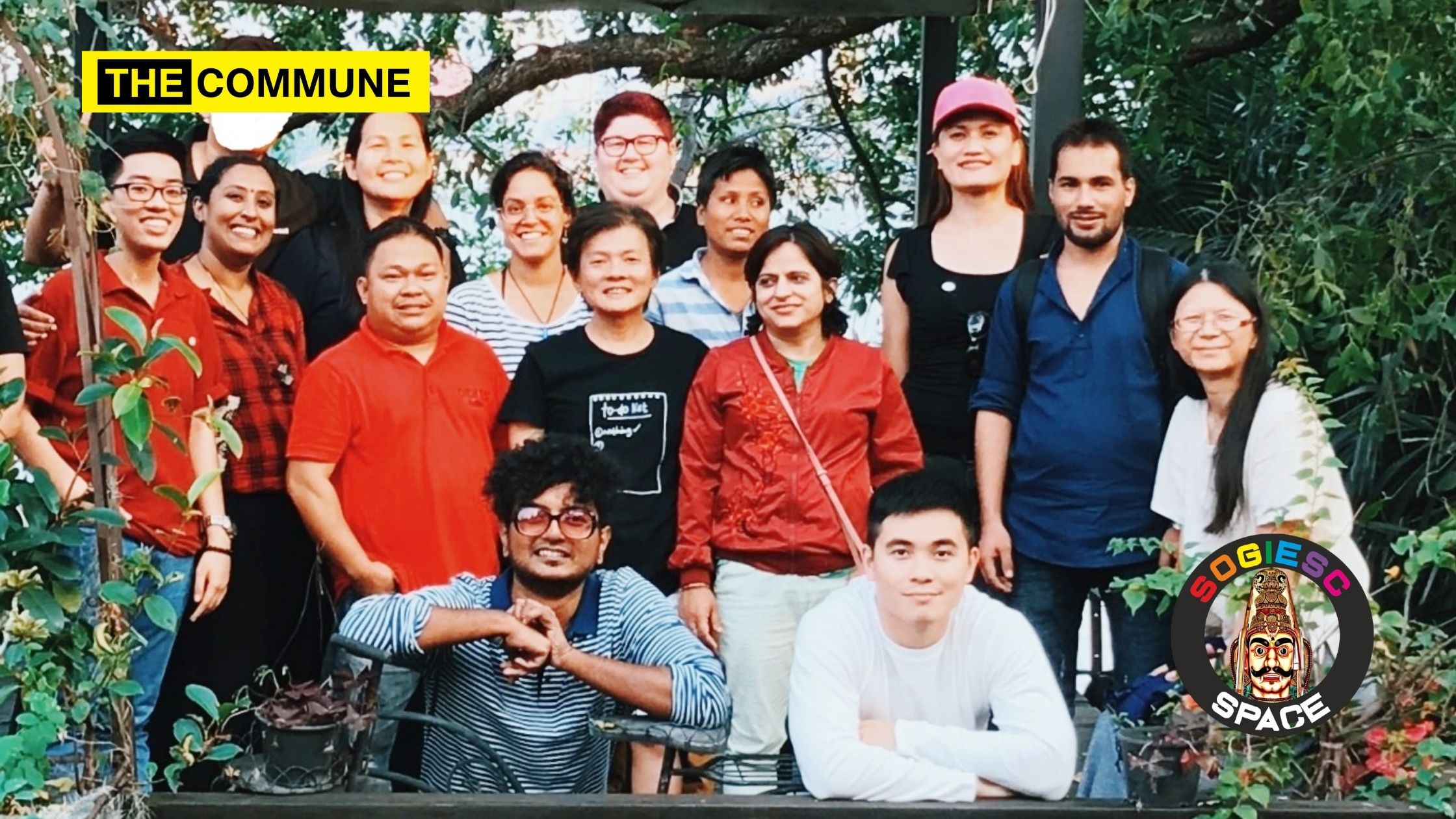
The equal rights movement in the South Asian region has seen several milestones in the last decade. Issues related to sexual orientation, gender identity and expression and sex characteristics (SOGIESC) are increasingly becoming part of the mainstream civil rights discourse. Several South Asian countries including India, Pakistan, Bangladesh, Nepal have taken steps to create a legal protection regime for the rights of people with diverse SOGIESC identities. However, it has been observed that the understanding of SOGIESC identities in most South Asian countries continues to be driven by a Eurocentric lens. It is important to mention here that the above-mentioned countries were under the colonial rule of British or other European countries. It was in the colonial era when these identities were criminalised by law, and most countries retained such laws even after independence. As a consequence, the law-making on issues related to gender and sexuality continues to be rooted in heteronormative notions and results in erasure of several SOGIESC identities. Intersex people are often invisiblised in the public discourse in general and legal arena in particular. While the recent developments in South Asia need to be celebrated, it is also important to examine the extent to which intersex people are protected by such laws.

Queer Rights in Asia: Historical Perspective

The queer liberation movement has taken different trajectories in different countries in the South Asian region. For decades, decriminalisation of homosexuality has remained the focus of the queer movement and therefore, the discussion on issues related to gender identity and sex characteristics were always eclipsed by the discourse around sexual orientation. This led to further marginalisation of transgender and intersex persons. While there have been several progressive judgments from Constitutional Courts in the above-mentioned countries which recognised the rights of transgender persons, the subject of intersex human rights continues to remain off the grid in the legal sphere.

To understand the current state of affairs, it is important to trace the origins of the erstwhile legal framework in India, Pakistan, Nepal, and Bangladesh. Except for Nepal, the countries of India, Pakistan, and Bangladesh were not distinct states prior to 1950s, and the undivided region was ruled by the British for more than two centuries. During this phase, the British enacted a comprehensive criminal law regime in which one particular provision i.e. Section 377 of the Indian Penal Code, 1860 penalised adult consensual same-sex relationships. This provision remained on the statute book till it was finally outlawed by the Indian Supreme Court in the year 2018. When it comes to other SOGIESC identities, the British enacted Criminal Tribes Act, 1871 which homogenised all the indigenous gender variant communities and criminalised them.

Since then, gender variant groups have been at the receiving end of serious discrimination and abuse due to continuance of unjust laws. It is important to mention here that members of transgender community have had a long-standing history, and they have even been visible in their own identities which are known by different names in the region. However, it is not the same for intersex people who do not have a community of their own. More often than not, they are considered to be a transgender person which is essentially a gender identity as opposed to intersex which is a biological sex characteristic. This distinction is overlooked in public discourse as well as legal parlance. The recently enacted Indian law – Transgender Persons (Protection of Rights) Act, 2019 is a case in point. Moreover, the judicial pronouncements in the above-mentioned Asian countries have also not been able to appreciate the distinction between transgender people and intersex people. In each of these legal developments, the history of law-making on this subject has played a vital role in determining the course of the discussion on intersex human rights.

Emergence of Intersex Human Rights Movement

As mentioned earlier, the intersex human rights as a subject have remained an undercurrent in the queer movement across the South Asian region. There is hardly any conversation at the national level in any of the countries on this subject. The issue of invisiblisation of intersex people was aptly highlighted in the First Asian Intersex Forum which stated the following in its Public Statement: “Throughout Asia, lack of awareness about intersex issues from medical professionals leads to unnecessary and inhumane medical procedures, which include ‘normalising’ surgeries and treatments on intersex infants, adolescents and adults.” This section is aimed at examining the legal developments in each of the mentioned Asian countries from the perspective of intersex human rights.

As mentioned in the Public Statement of Asian Intersex Forum, the harrowing practice of unnecessary ‘normalising’ surgeries on intersex infants and children is still continuing. In this regard, a major breakthrough was achieved last year in 2019 when Madras High Court in India passed a remarkable judgment directing a ban on unnecessary medical surgeries on intersex infants and children in the state of Tamil Nadu. The Tamil Nadu government passed a Government order giving effect to the directions of the Court. It was hoped that this practice would also be declared unlawful while the Indian Parliament discussed the draft law for transgender persons. Early this year, the Transgender Persons Act was passed. The enacted version came under heavy criticism from the intersex activists as it did not place a legislative ban on intersex surgeries.

In 2007, the Nepalese Supreme Court recognised a ‘third gender’ category, which comprised of intersex people and also called for a “declaration for full fundamental human rights for all sexual and gender minorities-lesbian, gay, bisexual, transgender, and intersex citizens.” While the Court did recognise the right to self-determine one’s identity, it homogenised the gender diversity under one category. Few years later, the Indian Supreme Court in 2014 repeated the same error in a judgment and created a ‘third gender’ category. These judgments need to be appreciated for recognising the constitutional rights of various transgender communities. At the same time, it needs to be remembered that these judgments have created to a problematic narrative for gender diverse people. In Pakistan, the discourse on this issue began with a 2009 Supreme Court judgment which took cognisance of human rights violations against the Hijra community and declared that they are entitled to constitutional rights.

When it comes to the legislative definition, the recently enacted Pakistan law defined “transgender person” as an “intersex (Khunsa) with mixture of male and female genital features or congenital ambiguities” or a male who “undergoes genital excision or castration”, or “any person whose gender identity and/or gender expression differs from the social norms and cultural expectations based on the sex they were assigned at the time of their birth”. Again, the intersex people have not been distinguished from transgender people. When it comes to Bangladesh, the 2013 ordinance promulgated by the government suffers from similar anomalies as it does not distinguish between a transgender person and intersex person. As per the law in Bangladesh, ‘third gender’ was introduced as an option in the identity documents, and people from gender diverse groups could identify themselves as ‘Hijra’. Clearly, the legal developments in each of the above-mentioned jurisdictions are at complete variance with the demands of the intersex community. Among other demands, the public statement of the Asian Intersex Forum in 2018 particularly highlighted the distinction between transgender people and intersex people in the following words:

“to recognise that being intersex relates to biological sex characteristics, and is distinct from a person’s sexual orientation or gender identity.”

Going forward, it is hoped that demands of intersex people will be given due consideration in the legal systems. It is critical to legally recognise the distinction between the needs of transgender people and intersex people. Lastly, it is also imperative that the law provides for a complete ban on unnecessary medical surgeries on intersex infants and children. The state of Tamil Nadu has showed the way in this direction. It is instructive for the Indian Parliament and the Union legislatures in the neighbouring countries Nepal, Pakistan and Bangladesh to emulate the model adopted by the state of Tamil Nadu.

NSA Ajit Doval: New India will take the fight to enemy territory to nip security threats

ajit doval

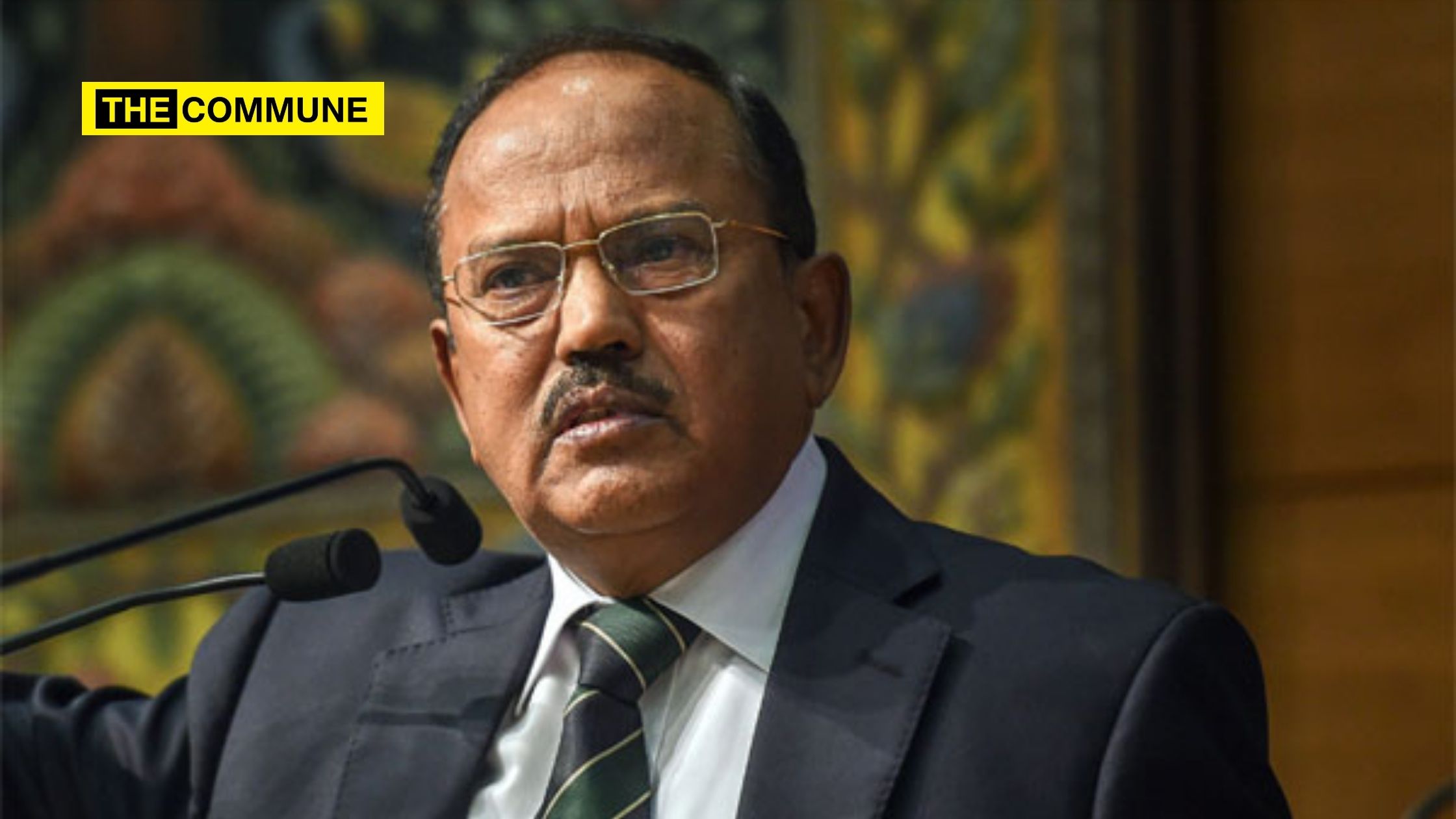
India’s National Security Advisor (NSA) Ajit Doval, who was addressing a religious function in Rishikesh on Saturday (24 October) said that India will not only fight on its own territory but also take its fight to the place where the threat originates in the interest of national security.

Doval who was in Rishikesh’s Parmarth Niketan Ashram, addressing the devotees about the spiritual power of India said, “You said we have never attacked anyone and there are many views about it. If there is a threat to the country, then we should have attacked as it is important to save the country,”

NSA Doval emphasised the doctrine of “New India”, and said, “India will take the battle to where the threat originates.”

“We never became aggressors to serve our personal interest. We will surely fight on our soil as well as on foreign soil, but not for personal interest. But in the interest of Parmarth spirituality.” Mr. Doval said.

He was also quite blunt when he said that in past India could have been more proactive to nip security threats in the bud and now there is new strategic thinking.

This speech is now being closely monitored by China which has refused to deescalate the situation on the Line of Actual Control (LAC) where the Indian Army, Indian Air Force, and the Indo-Tibetan Border Police (ITBP) forces standing firm against the Chinese People’s Liberation Army (PLA).

This speech would also be closely read by Pakistan where there is sectarian strife in the Sindh and Balochistan province between the civilians and the Pakistani Army.

AP Govt’s G.O. extending Scheduled Caste benefits to converted Christians challenged

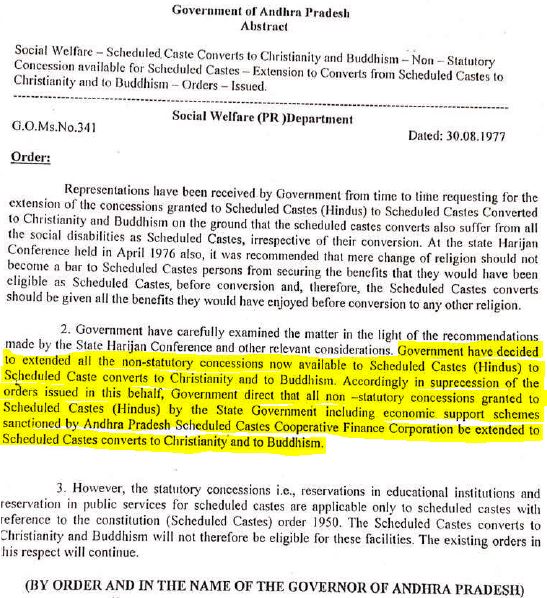
The Legal Rights Protection Forum (LRPF), a legal activism non-profit organization has written to the Centre flagging the order issued in 1977 by the Andhra Pradesh government that extends concessions provided for Scheduled Castes to converted Christians.

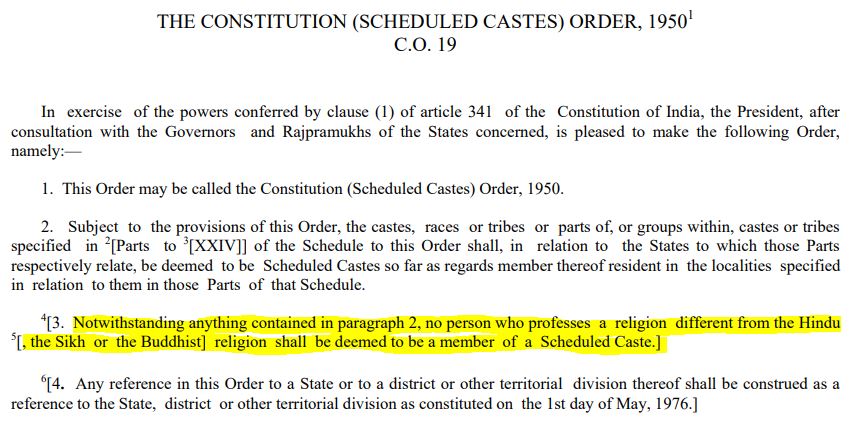
In its letter to the Union Ministry of Social Justice and Empowerment, the LRPF stated that the G.O. released by the Social Welfare Department of Andhra Pradesh Government on 30.08.1977 arbitrarily divided the Scheduled Castes benefits into ‘Statutory’ and ‘non-Statutory’ benefits violating The Constitution (Scheduled Castes) Order 1950 and the Constitution of India.

“Ever since, the above referred G.O was issued, over the period of last 43 years, almost all the benefits like allotment of land/house, free electricity, loans which are intended to benefit SCs have been extended to Christian converts. With an estimated 80% conversion from SC into Christianity in the state of Andhra Pradesh, it is quite clear that lion’s share of SC benefits is being enjoyed by Christian converts with the help of above referred G.O.”, the LRPF observed in its complaint.

It stated that the Andhra Pradesh government has no power to alter constitutionally safeguarded reservations or the provisions of The Constitution (Scheduled Castes) Order 1950 promulgated by the President of India.

The Constitution (Scheduled Castes) Order 1950 states that any person who professes a religion different from Hinduism, Sikhism or Buddhism shall cease to be a member of the Scheduled Caste (SC).

“The moment an existing SC person stops practising and professing the above religions, he/she ceases to be a member of the Scheduled Caste and no benefit meant for the welfare of SCs can be extended to such person”, the LRPF noted in its complaint.

The complaint stated that since the G.O. was issued in 1977 when Andhra Pradesh was undivided, this arbitrary division of Scheduled Caste benefits into ‘Statutory’ and ‘non-Statutory’ was being implemented in Telangana too.

Adding further, the complaint noted that the 1977 G.O.  MS No. 341 gives dual benefits to converted Christians, as a separate category of Backward Classes – C (Converted Christians from SC community) already existed within the OBC category.

“Thus, by converting from SC to Christianity, a person is entitled to: 1) SC benefits as per the 1977 G.O. of Government of Andhra Pradesh, 2) Benefits under BC-C (SC Converts to Christianity) under OBC quota, 3) various schemes of AP Christian Minority Finance Corporation and 4) various schemes of AP State SC Finance Corporation.”, the LRPF complaint said.


The complaint observed that successive governments have placed special emphasis in various government document records that they are meticulously implementing the said G.O MS No. 341.

Speaking to The Commune, Working President of LRPF A.S. Santhosh, said “this injustice to the people of Scheduled Castes has been going on for the last 43 years.. no other state in the country has such an arbitrary and unconstitutional provision in place.”

He further added that the implementation of the said G.O since 1977 and the gradual expansion of its scope have snatched away a big chunk of the funds provided by the Centre and State governments meant for the people of original Scheduled Caste communities.

“The extent of diversion of funds can be gauged from the fact that, for the year 2019-20, the Andhra Pradesh government has allocated funds of the order of ₹15,000 crores under the Scheduled Caste component. These are meant for the welfare and development of original Scheduled Caste communities.”, Mr. A.S. Santhosh said adding that all these provisions are acting as direct incentives for conversion from SC Community to Christianity.

It is in light of this that the LRPF has requested the Union Ministry of Social Justice and Empowerment to examint eh legality of the said G.O. MS No. 341 of the Andhra Pradesh Government.

The letter has also been forwarded to the National Commission for Scheduled Caste and the Rashtrapati Bhavan.

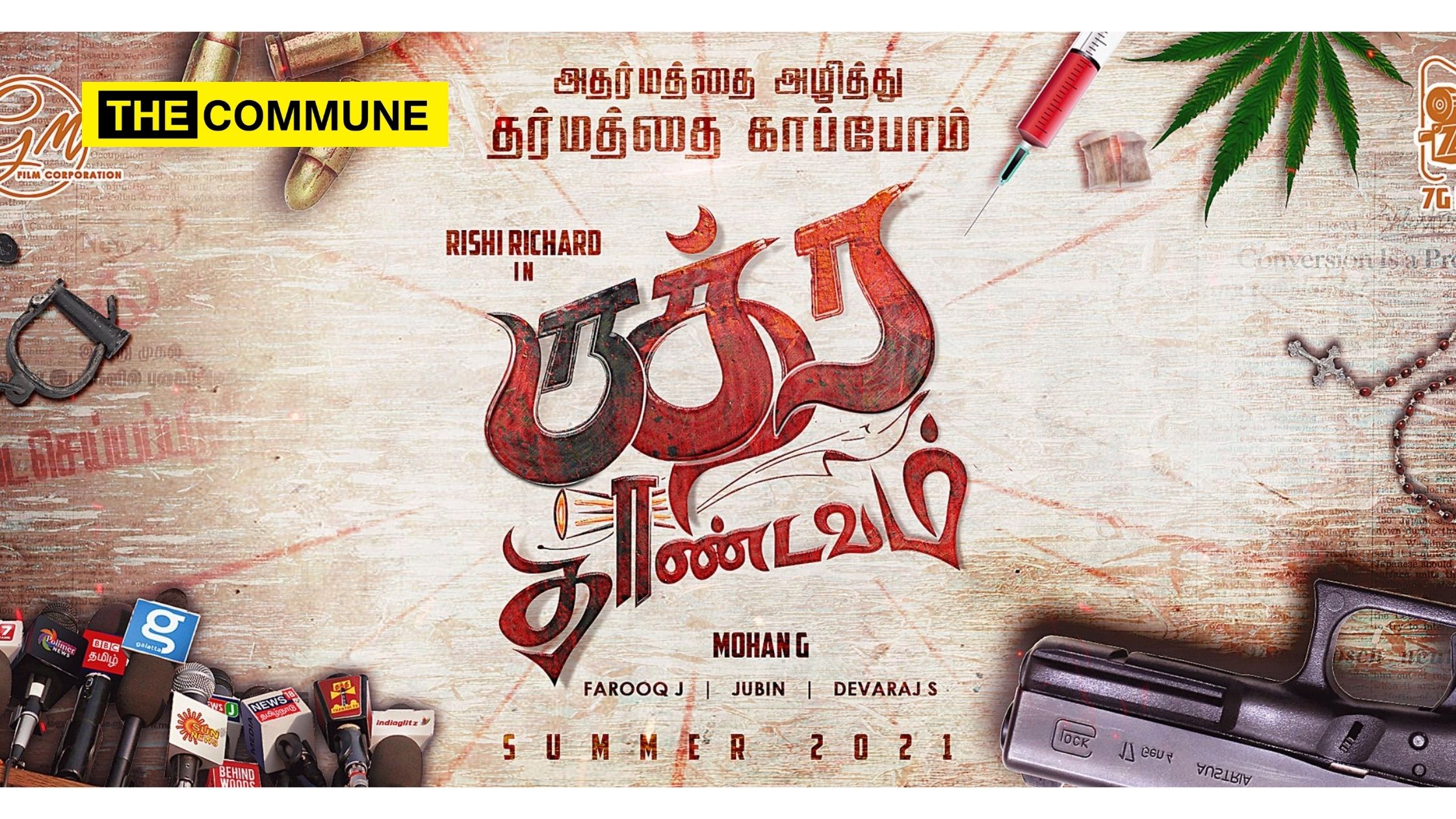
‘Rudra Thandavam’ is Mohan G’s next

Mohan G of ‘Draupathi’ fame announced the title of his next film on the day of Ayudha Pooja / Saraswathi Pooja.

Titled ‘Rudra Thandavam’, the film will have Rishi Richard play the lead role who also played the male lead in Draupathi.

The film produced by GM Film Company will go on the floors by the end of December and is slated for release in May 2021.

Farooq will be handling the camera and Jupin who scored for Draupathi has been roped in as the composer for this film too. 

The markers presents in the poster suggests that it will be a crime-thriller with a strong message. The poster has a leaf of cannabis, syringe and what seems to be like a drug packet, conveying that the film could be about drug cartel and youngsters. At the bottom left is a set of mikes of various Tamil mainstream media and Youtube channels. It is to be noted that Mohan G’s earlier venture was criticised severely by several of these media houses. There is also a garland with a Christian cross amulet while the name ‘Rudra Thandavam’ has a ‘udukai’, the musical instrument of Lord Shiva, tied around.

Director Mohan G. Kshatriyan took to his social media to announce about the project with the caption “Let us destroy adharma and protect Dharma

Director Mohan’s film Draupathi was a crowd funded film that released in February 2020. The film which did not have any big names or banners became one of the films to look forward to since the release of the trailer which had ruffled some feathers. The film received an rave reviews from the masses while it was critiqued by many.


32 Maoist surrender to police under the Lon Varratu, ‘Return Home’ policy

Coming as another blow to the Communists and naxals, 32 Maoists have surrendered at Dantewada in Bastar division to the authorities out of which six of them had bounties on their head.
 
Dantewada SP Abhishek Pallava said, “the surrendered Maoists were influenced by the ‘Lon Varratu’ campaign being carried out by the police in the district. Lon Varratu means ‘Return Home’ in the local tribal dialect Gondi.”

The government has been working very hard with their overreach programs under the “Chhattisgarh Surrender and Rehabilitation policy”.

In recent times many Maoists have surrendered to the police due to government outreach programs. Also, due to internal squabbles, five Naxals who carried bounty ranging from ₹1 lakh to ₹3 lakh on their heads were killed by their colleagues in Chhattisgarh’s Bijapur district.
 
So far 150 Maoists have surrendered under the ‘Lon Varratu’ campaign.

The Maoists are a violent armed wing of the left and have been waging a relentless campaign for decades against the Indian state. Over the years they have been responsible for killing many civilians and security forces. However, in the last few years, they have lost significant momentum.


What you should know about the Manu Smriti

On 25th June 1822, Thomas Munro, the then Governor-General of Madras province commissioned an extensive of survey of the indigenous education system in his province. He ordered the district collectors to collect information on the state of village schools.  Around the same time (1819-1827), the Governor-General of Bombay, Mountstuart Elphinstone gave orders to the Commissioner in Deccan and to the district collectors of Gujrat and Konkan to report on the state of education in their respective districts. A similar exercise was carried out in Bengal in the 1835 when Governor-General of Bengal William Bentnick appointed William Adam to survey the indigenous education systems in the regions.

In all these surveys, it was found that neither was the Manu Smriti taught nor was it used as a syllabus material.

The early European travellers to India have all reported repeatedly that the country overall, was working in a sustainable manner with a decentralized system of administration in place where most of the disputes were settled at the village level itself, by and large, to the satisfaction of all.

Such a dispute redressal system, surprisingly for the British onlookers, was not based on any one legal book of the land. This was indeed surprising for the British administrators, because back home in England, justice was dispensed based on a legal book. Thus, William Jones, who served as a pusine judge at the Supreme Court of Judicature established at Fort Williams in Bengal, began the search for a book on laws through which they can administer the native subjects.

William Jones’s search for a book of law for the Hindus, exposed him to the world of Smritis and the decided that Manu Smriti was the legal code, best suited to be practiced for the Hindus in India. He took out components from Manu Smriti, and incorporated it into the law book of India.

However, he didn’t have any problem with finding a law book for the Muslims because they had only one book – the Quran and the Hadiths which draws from the Quran.

He thus made a separate digest of Hindu and Muslim laws.

Even today one can find the Marble Frieze of Sir William Jones in Chapel of University College, Oxford, inscribed with the words, “HE FORMED A DIGEST OF HINDU AND MOHAMMEDAN LAWS”

Wake Up India: Change History Books! Aryan Theory Fake! Manu Smriti Fake! Real meaning of "Varna" found! Plaque in Oxford found! 12K yrs old Dwarka discovered! We all are Indians! End fake

The marble frieze depicts William Jones learning law from 3 Indian scholars.

For this effort, the British referred to him as “Justinian of India”.

It was this singling out of Manu Smriti by Sir William Jones that gave Manu Smriti the pre-eminent position in favour of other Smritis. Until then, a host of other smritis had equal status and were used by different communities, in different places and in different eras, depending upon the need and applicability of the Smriti.

The comment of Warren Hastings, an English statesman , confirms how, Manu Smriti was not the only and standardized law book of India and how, India had been following many law books until William Jones standardized Indian law based on Manu Smriti.

This standardization by William Jones even sowed seeds of hatred among different communities of India, especially towards the Brahmins, as if it was the Brahmins who had imposed Manu Smriti on the society.

In fact, the law codes, Smriti, change regularly with periods of time, Yuga. It is mentioned in Manu Smriti that it was created for a particular period in societal evolution, namely the Krta Yuga (1,72,800 years ago).

We are now living, two Yuga thence, in the Kali Yuga and one of the suggested referral law code texts for the Kali Yuga is Parasara Smriti, which too remains unheard of for today’s practicing Hindus.

Sacred Scriptures

PPT - Sacred Scriptures PowerPoint Presentation, free download - ID:178585

Sir William Jones took Manu Smriti out of obscurity in 1776. It was this Manusmriti that Dr. Ambedkar burnt on December 25, 1927.

Since the time William Jones came out with the translated Manu Smriti, for the past 200 years and more, the codes of suggestive law in this Smriti, meant for a different Yuga, have continued to stay imposed on the Indian polity.

This erroneous perception and the myth has to be cleared first, for clarity in the political dialogues of the current decade.

The rabble rousers who hide behind Dr. Ambedkar’s coat, should know that even Dr. Ambedkar was careful enough to not demean the entire Sanatana Dharma in the name of being progressive. As much as he hated Manu, he did acknowledge the high respect given to women in ancient India.

That at one time a woman was entitled to upanayana is clear from the Atharva Veda, where a girl is spoken of as being eligible for marriage, having finished her Brahmacharya. From the Shrauta Sutras, it is clear that women could repeat the mantras of the Vedas and the women were taught to read the Vedas. Panini’s Ashtadhyayi bears testimony to the fact that women attended Gurukul (college) and studied the various Shakhas (Sections) of the Veda and became expert in Mimamsa. Patanjali’s Maha Bhashya shows that women were teachers and taught Vedas to girl students. The stories of women entering into public discussions with men on the most abstruse subjects of religion, philosophy and metaphysics are by no means few. The story of public disputation between Janaka and Sulabha, between Yajnavalkya and Gargi, between Yajnavalkya and Maitrei and between Sankaracharya and Vidyadhari shows that Indian women in pre-Manu’s time could rise to the highest pinnacle of learning and education. That at one time women were highly respected cannot be disputed. Among the Ratnis who played so prominent a part in the coronation of the King in ancient India was the queen and the king made her an offering, as he did to the others. Not only the king-elect do homage to the queen, he worshipped his other wives of lower castes. In the same way, the king offers salutation after the coronation ceremony to the ladies of the chiefs of the Srenies (guilds). This is a very high position for women in any part of the world.

Dr. Babasaheb Ambedkar Writing and Speeches, Vol.17: Part-2, Ed. Vasant Moon, Education Department, Govt. of Maharashtra, 1995 (p.122)

He even quoted Manu when the Parliament was debating on the Hindu Civil Code Bill to make a point on succession and property rights.

There is no doubt that the two Smritikars whom I have mentioned — Yagnavalkya and Manu — rank the highest among the 137 who had tried their hands in framing Smritis. Both of them have stated that the daughter is entitled to one-fourth share. It is a pity that somehow, for some reason, custom has destroyed the efficacy of that text: otherwise, the daughter would have been, on the basis of our own Smritis, entitled to get one-fourth share.

Dr. Babasaheb Ambedkar Writing and Speeches, Vol.14 [Part One], , pp.280-1

So, before Thirumavalavan, Periyarist cabals and other Hinduphobic elements call for the ban on Manusmriti, a text that 99% of the Hindus do not even care about, let them at least make an effort to what Dr. Ambedkar has said about it in different writings and speeches.

Hindus should realize that when Dr. Ambedkar critiqued Manu Smriti he did not spew venom on a particular faith or community unlike these foul mouthed coolies of breaking India forces.

(With inputs from Autobiography of India: Breaking the Myths, Volume 2, by Dr. K. Hari and Dr. K. Hema Hari)

Views expressed here are author’s own.

Moon photobombs Sun in a recent NASA picture

In a recent image released by NASA, the moon has been seen to be photobombing the sun. The short clip, released by the space agency’s NASA Sun & Space’s Twitter account shows the moon passing in front of the sun, resulting in a swift-moving silhouette.

According to NASA, the phenomenon was captured on October 16 by the agency’s Solar Dynamics Observatory (SDO), which has been observing the Sun since 2010.

The post was shared on NASA Sun and Space Twitter profile a few days ago. “On Oct. 16, our Solar Dynamics Observatory saw a lunar transit in space when the Moon passed through the satellite’s view of the Sun. The transit lasted about 50 minutes, with the Moon covering about 44% of the Sun at peak,” they wrote while sharing the GIF. The post is complete with a link which further explains the occurrence in details.

NASA’s Solar Dynamics Observatory was launched on February 11, 2010, as a part of the Living with a Star (LWS) program to develop a scientific understanding of the Sun-Earth system and its effects on life and society.


Perambalur ‘dinosaur eggs’ revealed to be old marine fossils

The giant egg-like orbs found in Gunnam Lake near Perambalur have been revealed to be fossils of marine contrary to rumours of it being dinosaur eggs.

Giant egg-shaped orbs were found while deepening the Kunnam Lake near Perambalur. Immediately rumours started going around that these were dinosaur eggs. However, a subsequent study revealed that they were not dinosaur eggs, but fossils of marine life.

Sivakumar, curator of the Trichy Museum said that ammonite deposits on the fossils of marine life such as snails were the main reason for the formation of such rocks. Ramesh Karuppia, one of the group’s members, was quoted as saying that Ariyalur and Perambalur were submerged in the sea billions of years ago.

“Marine species must have been trapped in the concurrent process for centuries. It was misquoted as a dinosaur egg,”, he said.

Ammonites are extinct marine species that existed some 416 million years ago. The name “ammonite” is inspired by their fossil shells’ spiral shape, which somewhat resembles the horns of tightly covered rams. These organisms are more closely related to living colloids such as octopus, squid, and cuttlefish.

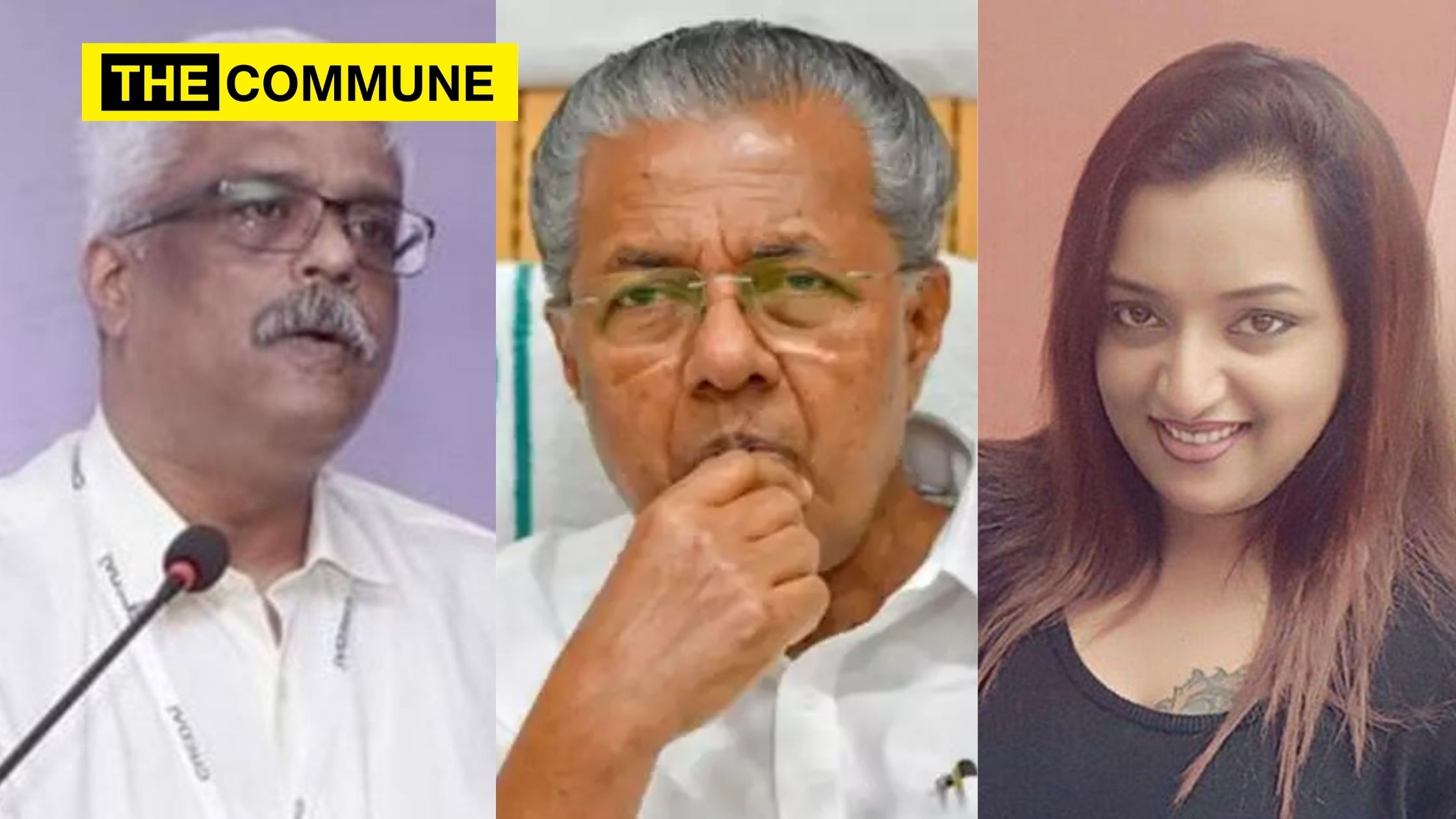
Leaked WhatsApp chat reveals that Pinarayi’s Principal Secretary asked CA connected with Swapna Suresh case to flee

A recent chat history of M Sivasankar that was revealed during an investigation by the Enforcement Directorate, showed that he had directed his Chartered Accountant Venugopal to leave Kerala immediately after the arrest of Swapna Suresh. The chats also revealed that the duo expressed concerns over a certain locker maintained by Swapna and Venugopal jointly.

Venugopal had reportedly been questioned by the customs officials regarding the same which he had later discussed with M Sivasankar about. It also brought out the fact that the Chartered Accountant had been alerted about the probe and that these conversations had been used as a bait in order to trap the main criminal by the officials conducting the investigation.

Venugopal informed Sivasankar that the customs questioned him about the locker while chatting with him. Responding to this, Sivasankar had expressed concerns over the media reports noting that ‘Venugopal had told the probe team that he opened the locker with Swapna as directed by Sivasankar’.

The WhatsApp chat also notes Venugopal informing Sivasankar of media personnel camping in front of his house and that he managed to remain indoors. In reply, Sivasankar advised him to leave Kerala and recommended him to choose places like Nagercoil or a safe hideout.


Swapna Suresh had been arrested in the Kerala gold smuggling case on September 11, following which a lot of other kingpins in this operation had been arrested and questioned by the Enforcement Directorate.