
Home Blog Page 1071

Gujarat Becomes First Indian State To Sign MoU With Isha Outreach To Save Soil
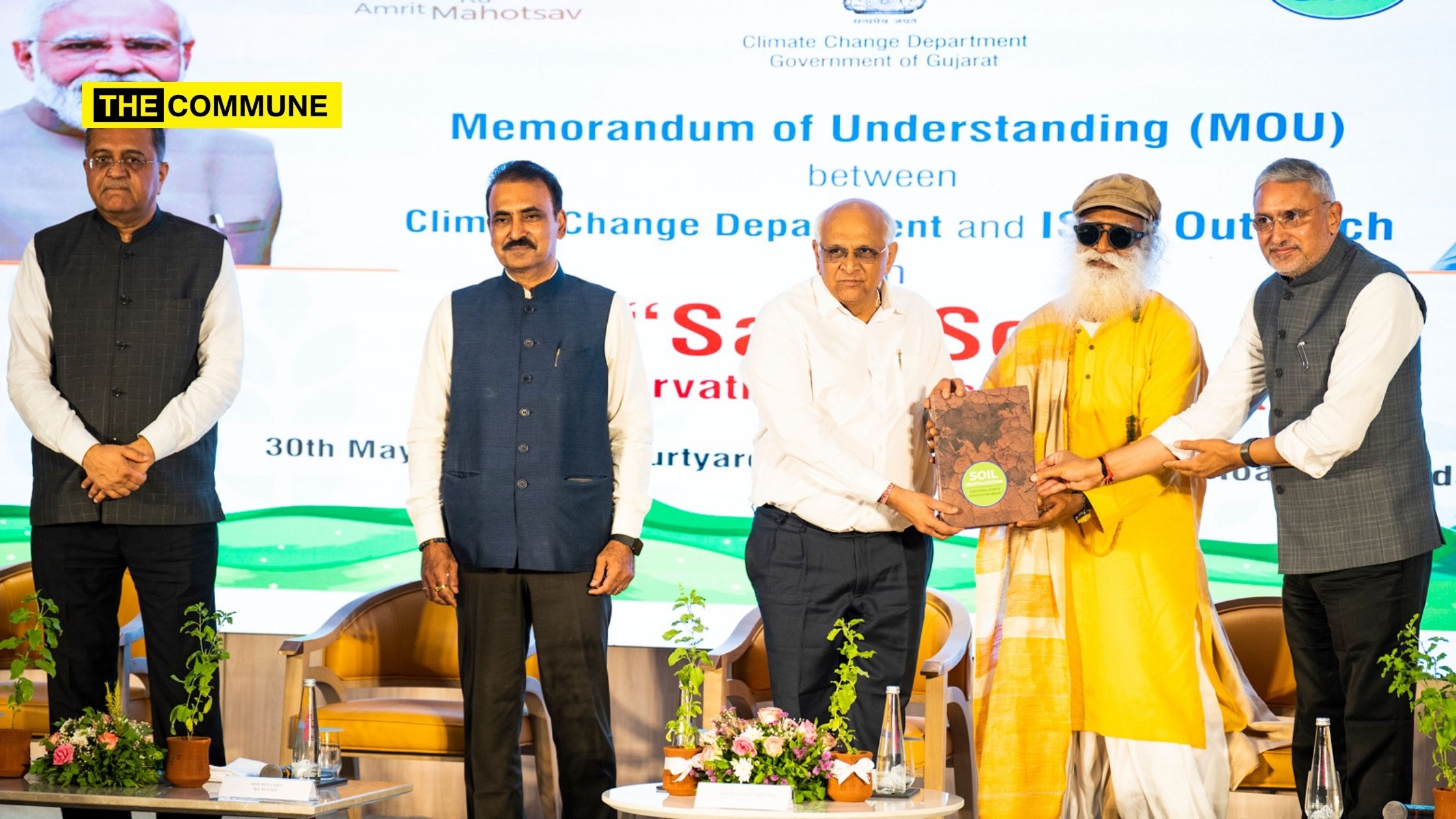
The Government of Gujarat signed a Memorandum of Understanding (MoU) with Isha Outreach to conserve soil in the state making Gujarat the first Indian state to officially join the Global Movement to Save Soil. The MOU was signed in the presence of Gujarat Chief Minister Shri. Bhupendrabhai Patel and Sadhguru, founder – Isha Foundation. Several cabinet members and government officials from the Climate Change Department, the Govt. of Gujarat were also present in the event which happened in Ahmedabad.

The Chief Minister spoke of the importance of soil for our survival and affirmed that “the Gujarat state will take the lead in conserving the soil and all the other organisms which are crucial for our existence on this planet.”

Sadhguru expressed his happiness on Gujarat becoming the first Indian state to sign the MoU and appreciated the response he received in the state since his arrival from a journey of 26 nations across Europe, Central Asia and Middle East. Explaining the MoU he said, “the handbook has simple principles with which the government can make a policy.” Normally the government has to prepare the concept and then make the policy but, “we have made the concept so that the government can make the policy quickly,” he added.

Sadhguru, had earlier met the Chamber of Commerce and industry leaders. Further speaking with the media on the sidelines of signing the MoU, he reiterated the appeal to industry to “work out a carbon credit scheme for the farmers” and consider it as their responsibility.  He said, “In southern India, we’ve worked with over 130,000 farmers, i.e. 1.3 lakh farmers, but last seven years we have been trying so hard to get the carbon credit for them. It’s almost impossible because the carbon credits scheme is essentially designed for industry, not suited for farmers. Farmers are not able to get it. Though they can sequester an enormous amount of carbon they’re not able to get the carbon credit.”

Sadhguru launched the Movement to Save Soil in March this year to prevent a phenomenon that UN agencies are referring to as ‘soil extinction’ – the death of fertile soils worldwide posing an existential threat to the human race. Sadhguru is currently on a 100-day, 30,000-km lone motorcycle journey across Europe, Central Asia and the Middle East to build consensus for urgent policy-driven action globally to prevent soil extinction.

The Movement comes in the wake of alarming degradation of fertile soils across the world, posing a clear and present threat to global food and water security. In India, nearly 30% of fertile soils in the country have already become barren and are incapable of yield.

The primary objective of the Save Soil Movement is to urge all nations to mandate a minimum of 3-6% organic content in agricultural soils through urgent policy reforms. Without this minimum organic content, soil scientists have warned that death of soil is imminent. To achieve its objective, the Movement aims to demonstrate the support of 3.5 billion people across the world – 60% of the world’s electorate – to Save Soil which will empower governments to act to prevent soil extinction.

The Save Soil Movement is supported by the United Nations Convention to Combat Desertification (UNCCD), the United Nations Environment Programme (UNEP), the UN World Food Programme, and the International Union for Conservation of Nature (IUCN). 74 nations around the world have pledged concrete action to save soil in their countries since Sadhguru began his lone motorcycle journey from London on 21st March.

A host of global influencers including agriculture experts, conservationists, soil scientists, political, business, cultural and environmental leaders besides celebrities and millions of citizens across the world have pledged support for the Movement.

(This is an official press release from Isha Foundation. The Commune was not involved in creating this content.)

Click here to subscribe to The Commune on Telegram and get the best stories of the day delivered to you personally.
Temple Elephants: Cruelty Or Protection?

Animals and birds take up a significant portion of our Hindu Puranas and Itihasas. Out of all birds and animals, the elephant is one animal that finds repetitive mention. Starting with Lord Ganesha, whom Hindus pray to before starting any endeavour, elephants are found across all our epics and stories. It includes Airavata- the vahana (mode of movement) of Indra; Gajendra- the bhakta (devotee) of Lord Narayana; Ashwathama- the elephant that dies in the Kurukshetra war; so on and so forth.

Even in our contemporary world, elephants have an integral part to play in Hinduism. As we see when we enter most big temples, elephants are present, and they play a role in the festivals for the deity. Every temple has a specific space dedicated to the elephant where it is bathed, fed and rested. Ancient temples were built along with a portion of the complex dedicated to elephants. While these are well-known things, there are some other unknown aspects about temple elephants. Why do we have the practice of temple elephants in the first place? Which breed of elephants do temples select? What gender of elephants are preferred by temples predominantly?

Speaking about why we have elephants in temples, Kulithalai Ramalingam, a saivaite religious preacher said, “According to the Agamas, we have elephants for two purposes. Firstly, the agamas say that the water for abhisheka (thirumanjanam) for the deity is to be brought from the river or tank to the temple by placing it on the elephant. Secondly, in bigger temples with 5 Prakaras, the deity is to be brought in circumambulation around the temple on the elephant, during nityotsavam (daily festival). This also extends to when the deity comes out of the temple during festivals.” In essence, the temple elephant is an essential part of the day-to-day activities for the temple deity.

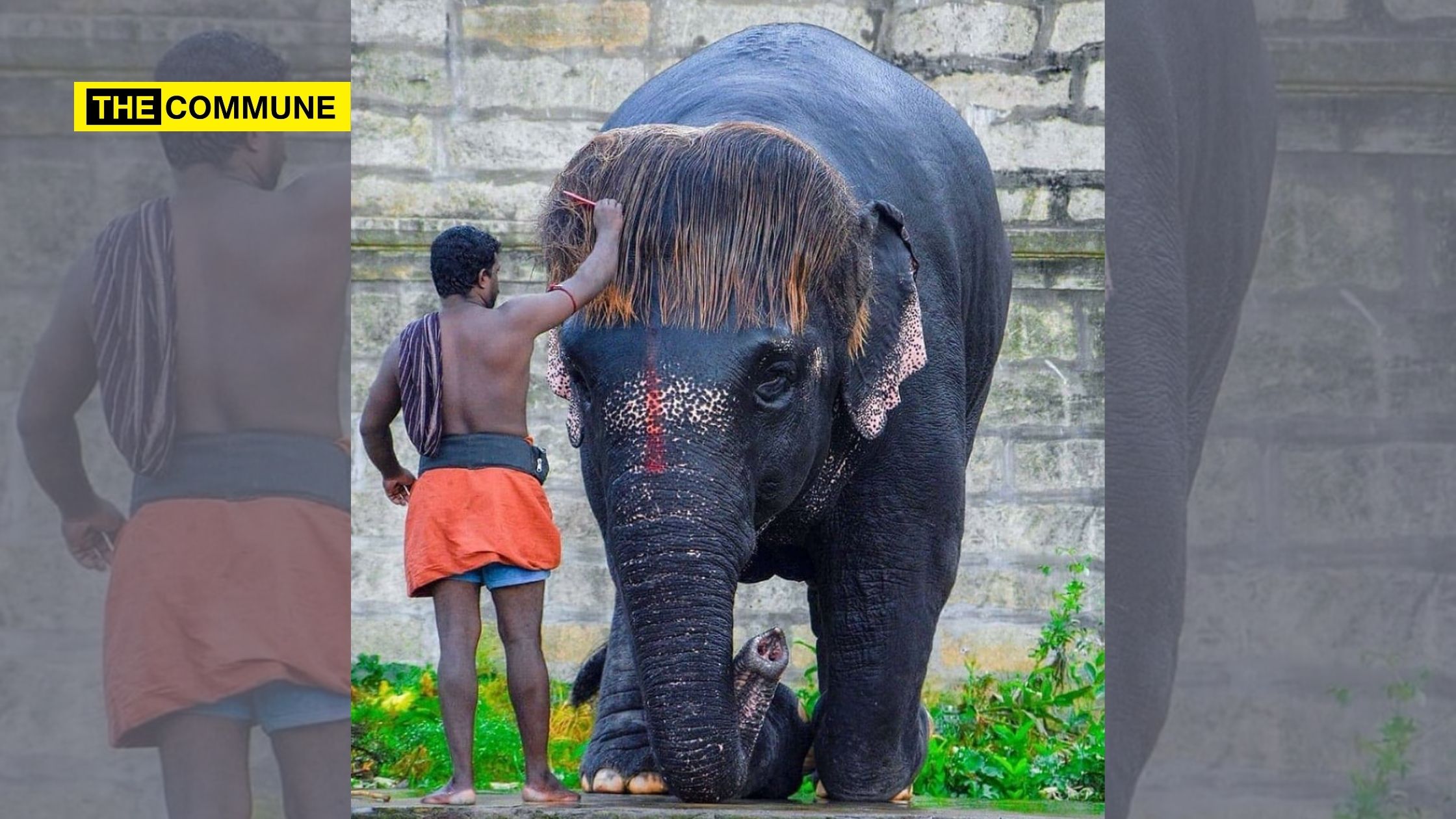
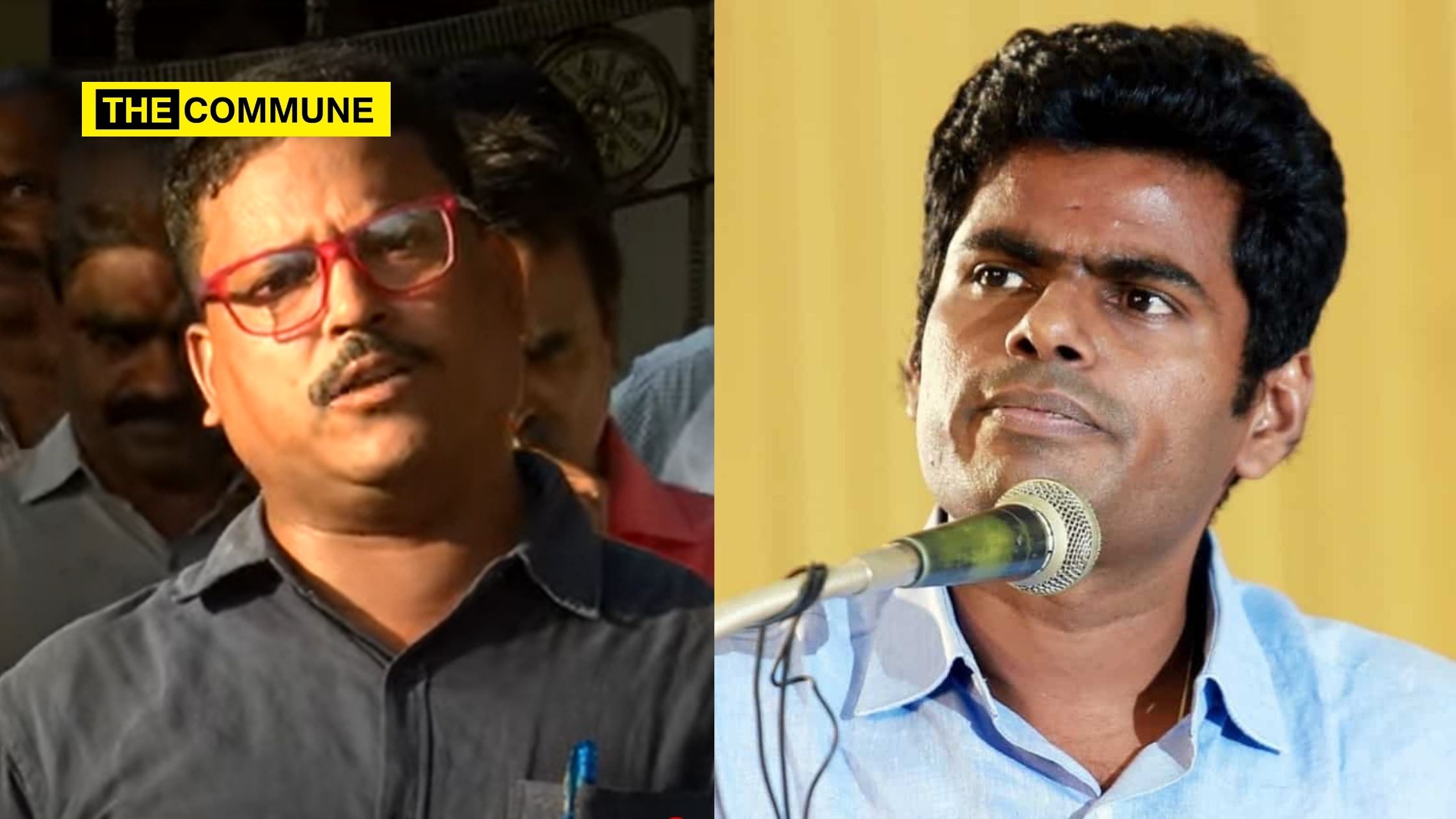
While talking about Bob-cut Sengamalam, the elephant of the Mannargudi Rajagopalaswamy Temple, Rajagopal, the Mahout said, “She came to our temple in the year 2002, when she was 14. Now, she is 34 years old. Before her, we had Senior Sengamalam who lived for 86 years as the temple elephant and passed away due to old age. Junior Sengamalam was donated to our temple by Ms Sasikala’s brother, Mr Dhivakaran.” Rajagopal has been associated with the temple elephant since his birth, but he has taken it up as a profession only after his father passed away in 2018.

In most temples, elephants are donated and not bought. So, the breed and gender of the elephant are not pre-fixed, as the temple cannot demand a specific breed from the person donating. In Mannargudi, the elephants have been females. However, this differs from temple to temple. But generally, mostly only the Indian breed of elephants are taken up for temple service. “Temples prefer female elephants as they’re easier to manage during their musth period than their male counterparts,” Rajagopal mentioned.

Considering the size of an elephant, the food intake of the animal is also beyond imagination. For example, Sengamalam generally takes 5 Kg of Venn Pongal in the morning and night. In the afternoon, she is given 250 Kg of cattle feed including reed, coconut leaves and hay. “Per day cost of the cattle feed is ₹200. This is sponsored and provided by the HR&CE department,” he said.

While mahouts have been taking quite good care of their elephants, many have gone to court against this practice, asking for a complete ban on this tradition of temple elephants. Even recently, the Tamil Nadu forest department constituted a seven-member team of experts to investigate whether temple elephants in the state are being subjected to harassment and whether these elephants are in a position to be held in captivity. The argument placed by these animal activists and the forest department is that the elephants are not taken care of properly, and are subjected to loneliness and torture. Therefore they have been trying to seek a ban on this tradition.

Speaking about the so-called torture of temple elephants, Saraswathi, an animal activist who has been fighting for the preservation of this practice, said, “You would assume that we have elephants in temples because of the Agamas of the temples. Well, while that may be true, the practice of temple elephants was initiated to protect wild elephants from fatality and death. A recent study says that 130 wild elephants died in 15 months in the Western Ghats, due to casualties like electrocution and railway accidents. However, in temples, elephants are taken very good care of, with appropriate feeding and healthcare facilities. It is important to understand that elephants are rather protected through this practice than tortured.”

Many who has asked for a ban on this practice also argued that the elephants are subjected to loneliness, and therefore they should not be separated from their habitat. When Rajagopal was asked about this, he said, “How can Sengamalam ever be lonely when I am always with her? She is like my elder daughter, not just any elephant. If she falls sick, I won’t even feel like eating or sleeping. That is the bonding I have with her. She keeps talking to me, and rightfully asks me whatever she requires, like water, rest or food. So, Sengamalam is never lonely.”

About loneliness, Saraswathi added, “A temple elephant will never feel alone because it will not only be surrounded by the mahout, but also by the devotees of the temple at all times. For the elephant, the Mahout and his assistant are its mother and father. They will have an irreplaceable bonding from a very young age.”

Those who seek a ban on this tradition also site that elephants are mostly tortured when trained. Speaking about how he trained Sengamalam, Rajagopal said, “Elephants are trained using the positive-reward system. There are a few command words which we ensure that the elephants are familiarised with. For Sengamalam, I used jaggery as a reward, and every time she obeyed a command, I would reward her with jaggery. So, even now, when she perfectly obeys my command, she gets her piece of jaggery. We mahouts rarely use violence. Maximum of elephants will get trained using the reward-system itself.”

Many have also said that a complete ban on the practice of temple elephants is not possible, as it is a deeply rooted cultural practice. “The reason why many animal welfare organisations are fighting this practice is that they want to end this domestication of elephants and instead build sanctuaries for them. They want to make money from these sanctuaries by making these elephants a matter of exhibition. The elephants are very safe now in temples, and they will be tortured if they’re put in sanctuaries. Therefore, this practice should not be stopped,” Saraswathi concluded.

While the courts have still not decided whether the domestication of elephants for temples should be continued or not, Mahouts and some animal activists still strongly believe that this practice should continue. For mahouts and the priests in temples, the elephants are like the deity himself/herself. They do not differentiate between humans and the elephant, and in fact, take more care of the animal as they create a special bond over the years. If this practice is prohibited, then it would mean that another Hindu tradition is attacked and ceased from existence.

Click here to subscribe to The Commune on Telegram and get the best stories of the day delivered to you personally.
Alleged ‘journalist’ gives death threats to BJP TN chief Annamalai

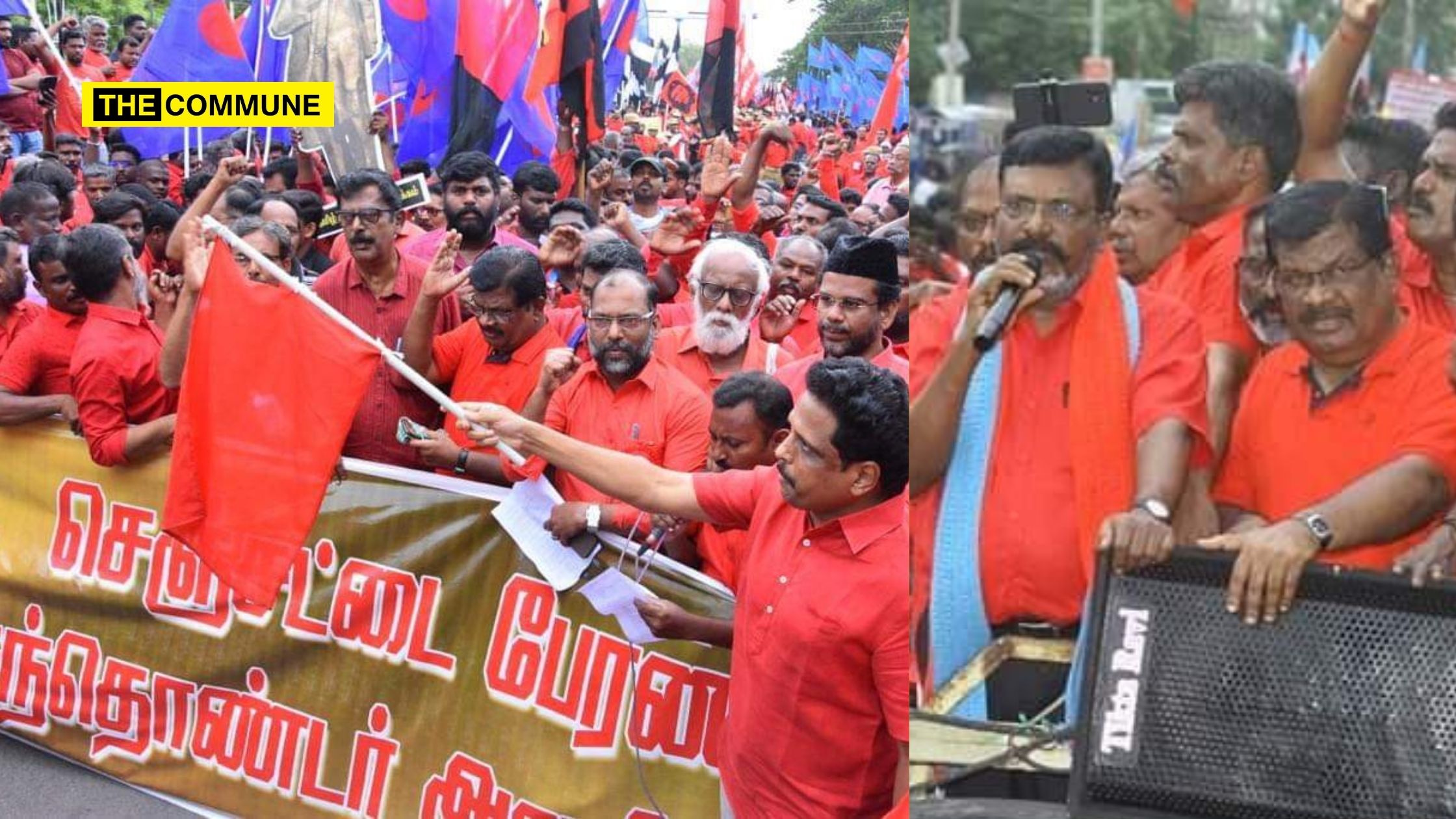
Following the episode where BJP Tamil Nadu President K. Annamalai called out a journalist for his inherent bias, a body which identifies itself to be the Chennai Press Club conducted a protest against Mr. Annamalai’s remarks.

Alleged ‘journalists’ popularly known for towing the DMK line participated in the protest. Shabbir Ahmed, Senior News Editor of The News Minute; former journalist Mani; Lakshmi Subramanian, Senior Correspondent with The Week were a few who were part of the protest.

One of the journalist gave death threats while speaking against Annamalai saying that no matter how much ever influence he has, he won’t be able to survive.

“Vanakkam to BJP’s symbol of disgrace. I can’t talk to his level. If he speaks like that, even we’ve to show that there is someone to talk like that. Else it would mean we’re submissive. Ignorant Annamalai, either learn to talk or come to press club and learn from us on how to talk. Learn Tamil Nadu’s political history. Learn Tamil Nadu’s political background. There have been many leaders who have headed BJP. Nobody talked lacking political civility.”, he said.

He also went on to attack Annamalai family’s goat farming background saying that he should stick to such business in Karur or Shimoga.

The alleged journalist also claimed that they were not the types who would take money and write.

“Annamalai should control his tongue. Else, our pens will pierce or throw papers at you. Annamalai can’t go anywhere. He could be the leader of a big party to which the Indian Prime Minister too belongs. But nobody can save everyone at all points of time. We will surround and hit Annamalai’s car wherever it goes. We know how to hit and give back. We know how to write too.”, the alleged journalist threatened.

“Annamalai, we’re warning you again. Apologize for what you spoke. We had planned to organize this protest at BJP office. But this protest is happening here on the insistance of my colleagues. Annamalai, if not today, we will hit you on some day or the other. We will hit you until you apologize. So, apologize for what you spoke. Else, you won’t be there in the position of BJP Tamil Nadu President.”, the alleged journalist went on to give threats.

“We (journalist fraternity) may have differences but when it comes to protest, Annamalai won’t be able to bear the hard-hit that we give. So, my comrades, let us stand together. What Annamalai spoke was wrong. Annamalai has to realize his mistake and unconditionally apologize. Else, we will throw and pierce pens at Annamalai wherever he goes.”, the alleged journalist concluded.

A section of journalists in Tamil Nadu took to protest against BJP Tamil Nadu chief K. Annamalai in light of his pressmeet where he called out the bias of a journalist and took jibes that he would get his renumeration for the day from DMK.

Click here to subscribe to The Commune on Telegram and get the best stories of the day delivered to you personally.
Fringe Outfits Take Rally Abusing Hindu Gods In DMK-Ruled TN

In yet another instance of spewing venom against Hindus and Hindu Gods, fringe outfits in Tamil Nadu took a rally abusing Goddess Amman, Lord Krishna, Lord Ayyappan and also insulted followers of the Hindu faith.

Rabid anti-Hindu fringe outfits like Dravidar Viduthalai Kazhagam (DVK), Thol Thirumavalavan’s Viduthalai Chiruthaigal Katchi (VCK), Popular Front of India, Communists, and other “Periyar”-ist  organizations had organized a ‘mega-rally’ under the name of “Periyariya Unarvalargal Kottamaippu” in Madurai on Sunday (May 29, 2022).

This rally was publicized as the “Sensattai Rally”, or the rally of red-shirts.

In the rally, members belonging to the DVK led by the outfit’s Namakkal district head raised slogans abusing Hindu Gods and Hindus.

“That Maari (Goddess Amman) who asks for sacrifice of goats and pigs a God? Is Kannan (Lord Krishna), who raped woman, a God? Will a child be born if a man and man have sex? Is calling Ayyappan a God rational?”, the men clad in red shirts can be heard shouting.

“Hey you devotee who comes dancing taking piercings in the body.. Why don’t come piercing it through your chest once? Hey you devotee who comes dancing taking piercings in the jaw. Why don’t you try piercing it through your throat once. Hey you devotee who comes walking with needles in the tongue.. Why don’t you come piercing it through your eyes once?”, the rabid “Periyar”ists went about shouting in the middle of the road.

This video has now gone viral on social media with Hindu organizations lashing out at the rabid organization for brazenly abusing Hindu Gods.

The ‘Sensattai’ rally saw the participation of leaders and outfits aligned with the ruling DMK. VCK MP from Chidambaram Thol. Thirumavalavan, CPI-M MP from Madurai Su. Venkatesan, senior CPI-M leader G. Ramakrishnan, DVK chief Kolathur Mani were some of the prominent leaders who attended the rally.

Click here to subscribe to The Commune on Telegram and get the best stories of the day delivered to you personally.
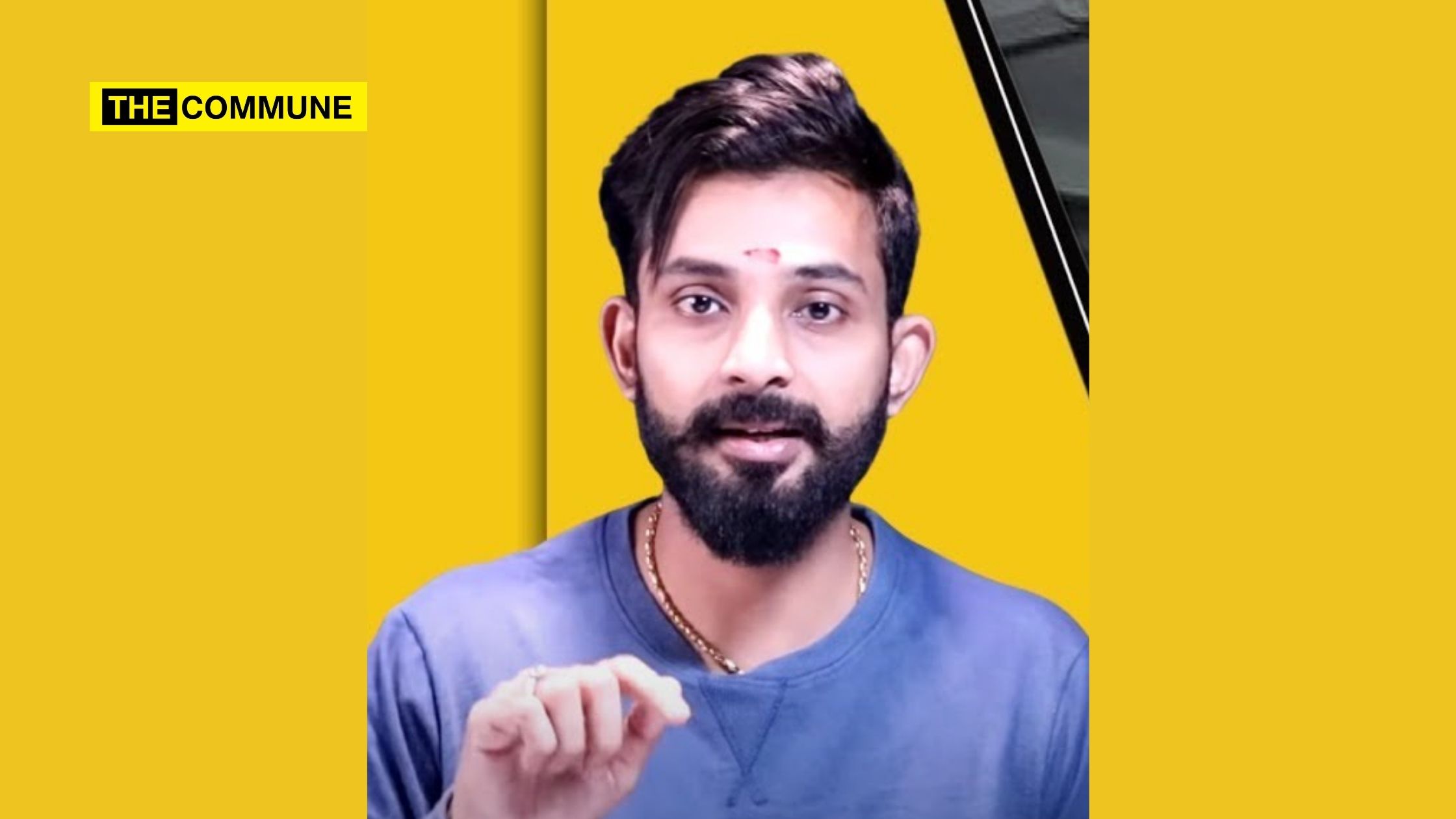
DMK critic YouTuber Karthik Gopinath arrested

Karthik Gopinath, a prominent Tamil YouTuber who runs the Ilaya Bharatham YouTube channel, was arrested by the Tamil Nadu police on Monday (May 30, 2022).

Karthik who identifies himself as a nationalist, is known for his videos criticising the DMK.

He has reportedly been arrested over the issue of raising money for temples at Siruvachur in Perambalur district.

In the months of October and November 2021, miscreants had vandalized the Periyasamy – Chelliyamman Temple and the Sengamalayar Temple on different occassions. Miscreants had also vandalized the idols of temples associated with the Madurakaliamman temple which falls under the Tamil Nadu Hindu Religious & Charitable Endowments department.

It was reported that Karthik Gopinath had collected funds through fund-raising app Milaap to renovate the desecrated temples at Siruvachur.

However there has been debate over his collection of money for a temple under HR&CE control.

Elements supportive of the ruling DMK in Tamil Nadu have used the issue to launch a witch-hunt against the YouTuber.

A police complaint was filed following which Karthik was arrested on the morning of May 30. He has been charged with sections 420 and 409 of the India Penal Code.

BJP Tamil Nadu President K. Annamalai has condemned the arrest stating that the DMK government in Tamil Nadu is resorting to intimidating tactics to muzzle voices of critics.

YouTuber Maridhas extended solidarity stating that the arrest of Karthik Gopinath is condemnable.

This is not the first time the Tamil Nadu police has gone after critics of the ruling DMK.

Earlier, Maridhas was arrested by the Tamil Nadu police for a video about Tablighi Jamaat and for a tweet that came in the light of the late Chief of Defence Staff Bipin Rawat.

However, the DMK government received a knock on the head from the Madras High Court which quashed the FIRs registered against the YouTuber.

Prior to that Kishore K Swamy, another vocal critic of the DMK was slapped with Goondas Act and was incarcerated for 6 months.

Very recently, the Tamil Nadu Police had filed FIRs against the editors of Tamil magazine Vikatan, Maridhas and political commentator ‘Savukku’ Shankar for speaking about G Square, a real-estate firm with alleged ties to the DMK family.

Click here to subscribe to The Commune on Telegram and get the best stories of the day delivered to you personally.
Devadasi System: The Myths And Misconceptions

Recently, a Telugu movie called Shyam Singha Roy spoke about an ancient traditional practice of temple worship. For the unversed, the movie portrayed West Bengal in 1969, and the ill effects of the Devadasi system, which was still not fully abolished back then. While the movie was commended for speaking about the flaws of the system, some aspects of the system were portrayed incorrectly, as the movie only showcased how the system became eventually. The movie failed to focus on what the system really was. For example, the movie shows the Devadasi clan bound inside the temple, not being able to step out at all. However, this portrayal is false, as even in Mrcchakatika (Sanskrit play by Shudraka) times, Devadasis were recorded as women with free movement.

While this was recent, let us have a look at the Devadasi system. Was it only a flawed system like the film portrayed? Why was it in practice for so many years in India?

According to a book called ‘Varalatril Devadasigal’ written by CS Murugesan, the Devadasi system has been mentioned in the Padma Purana itself. According to the book, the Devadasis are the wives of Devas, who were molested by the Asuras during a war between the Devas and the Asuras. Indra, the chief of Devas, then decided to send these wives of Devas to Earth, to indulge in service to God and return to the Devaloka after they have regained their purity. So, according to the Purana, Devadasis are wives of Devas, who had to take birth on Earth, just for serving God.

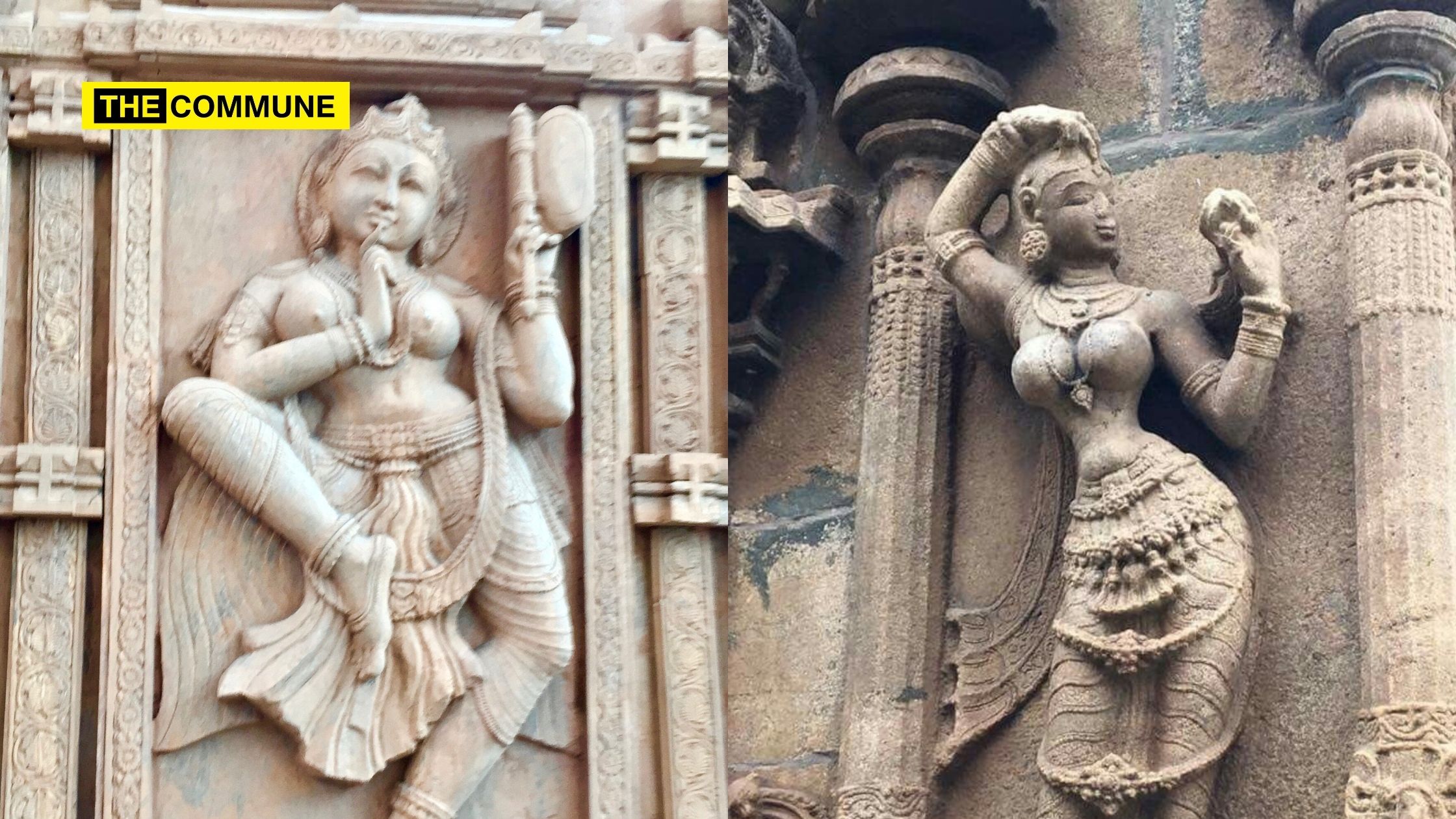
The word ‘Devadasi’ literally means ‘Servant of God’ largely referring to women. The Devadasis were female artists, who, at a very young age, were dedicated to the temple, for worship and service of the deity, for the rest of their lives. Through a ceremony called Pottukattu, these Devadasi women were dedicated to the temple. This ceremony is similar to the traditional marriage ceremony, except that these women were considered ‘wives of God’. During the 6th to the 13th Century CE, the Devadasis had a very high rank in society. They were experts in various art forms including dance and music, as performing arts were a part of Temple worship, during that period.

“The Devadasis would have essentially lived in the Agraharams or other housing facilities near the temple. There is no direct historical evidence to prove that the members of this community were priests in Saivaite or Vaishnavite temples. But, you can predominantly see historical evidence that the Devadasis were serving at Shakta temples (temples of the Shakthi). They were mostly found in places with a lot of Kali temples, like West Bengal. So, the Devadasis were associated with temples of the Shakthi (Shakta temples),” said Epigraphist and Archaeologist Kalvettu S Ramachandran.

Today, the Devadasis are largely associated with Temple prostitution. This is because the glory of the Devadasis began to wane with the Mughal and the British rule. Following their successful capture of Nothern India, the Mughals started destroying Hindu temples, in an attempt to spread Islam. This rendered the Devadasis institution-less and forced them to fend for themselves. With the destruction of temples, the Devadasis lost their patronage, and there began their exploitation. Devadasis, who once only performed as a means of worship to God, were then forced to perform for entertainment at weddings and other occasions. At that point, Dance was highly associated with prostitution, leading to the Devadasis’ exploitation. Further, the British rule helped spread this misuse throughout the subcontinent.

Many theories suggest that the Devadasi system was created for the exploitation of women. These theories attack Hinduism and the Hindu practice for such a system. However, it is important to note that the meaning of the Devadasi system changed only after the Mughal and British influences.

When asked whether early references to the Devadasi system indicated its existence for the misuse of women, Ramachandran said, “The word Mannequin used to denote dolls comes from the Dutch root ‘Manikin’. This might have come from the Tamil word ‘Manickam’ that we use today. However, this Manickam does not refer to the gem or ruby as understood today. It refers to a position or designation that the Devadasis had in their practice. The ‘Maan’ in Manickam refers to a person who assisted in Pujas conducted in temples. This is found in many inscriptions. So, the term ‘Maan’ is a posting that might have been an apprenticeship in temples. While this ‘Maan’ refers to male apprentices, the term ‘Manickam’ refers to the female ones, which became an important posting in the Devadasi tradition. So they were considered second to Archakas (priests) or could have been Archakas themselves as well. So, the origin of the Devadasi system had women performing arts as a tradition of worship. It was in no way associated with courtesanship or prostitution.”

In 1934, the then British government brought in the Bombay Devadasi Protection Act. The act was to protect Devadasis and to prevent the dedication of women to Hindu deities, idols, objects of worship and religious institutions in the State of Bombay. This was then adapted in Madras as the Madras Devadasis (Prevention of Dedication) Act, 1947. This act gave Devadasi women the right to marry and prohibited the dedication of Hindu girls to Temples. Similar acts were further adapted in Karnataka and Andhra Pradesh, with Maharashtra being the latest. As per the National Commission for Women’s 2015 data, there are still at least 44,000 active Devadasis in India. The NCW also noted that this number could be as high as 2,50,000. The same NCW data also says that they are predominantly found in Karnataka, followed by Andhra Pradesh and Maharashtra.

Talking about the Bombay Act, Srividhya P, a Madras High Court Advocate said, “Bombay Devadasi Act is one of the stepping stones towards the abolishment of the practice of Devadasis and considered the practice as illegal. In my point of view, this act is so crucial in the life of women. Today Devadasis are exploited sexually and only very few victims come to report the harassment they are facing. The second point is that the girls have been sent as Devadasis during their minor age itself which means their consent was also not there. Of course, I don’t say it’s wrong one has so much dedication toward god until there are not under any coercion or influence.”  She also added that the most latest amendments to the Act were made in the year 1960 and that the Act is still in use to protect Devadasis who are vulnerable to exploitation.

It goes without saying that the Act has been highly beneficial in ensuring that the Devadasis of the modern age are safeguarded from how the system is being misused today. However, the Act was brought only in the British rule, that too in the 20th Century, towards the fag end of their rule. This clearly suggests that the British and the Mughals have played a fundamental role in redefining the system. As given by the traditional Hindu practice, this system seems like one that was created to empower women, and also involve them in the procedures of the temple. However, over the years, the narrative has changed that the system itself is flawed and that it was a system meant for the misuse of women. Movies like Shyam Singha Roy, which have portrayed the system in its incomplete manner, are adding more fuel to the fire.

Click here to subscribe to The Commune on Telegram and get the best stories of the day delivered to you personally.
Karunanidhi statue unveiled in Chennai, #StatueOfCorruption trends on social media

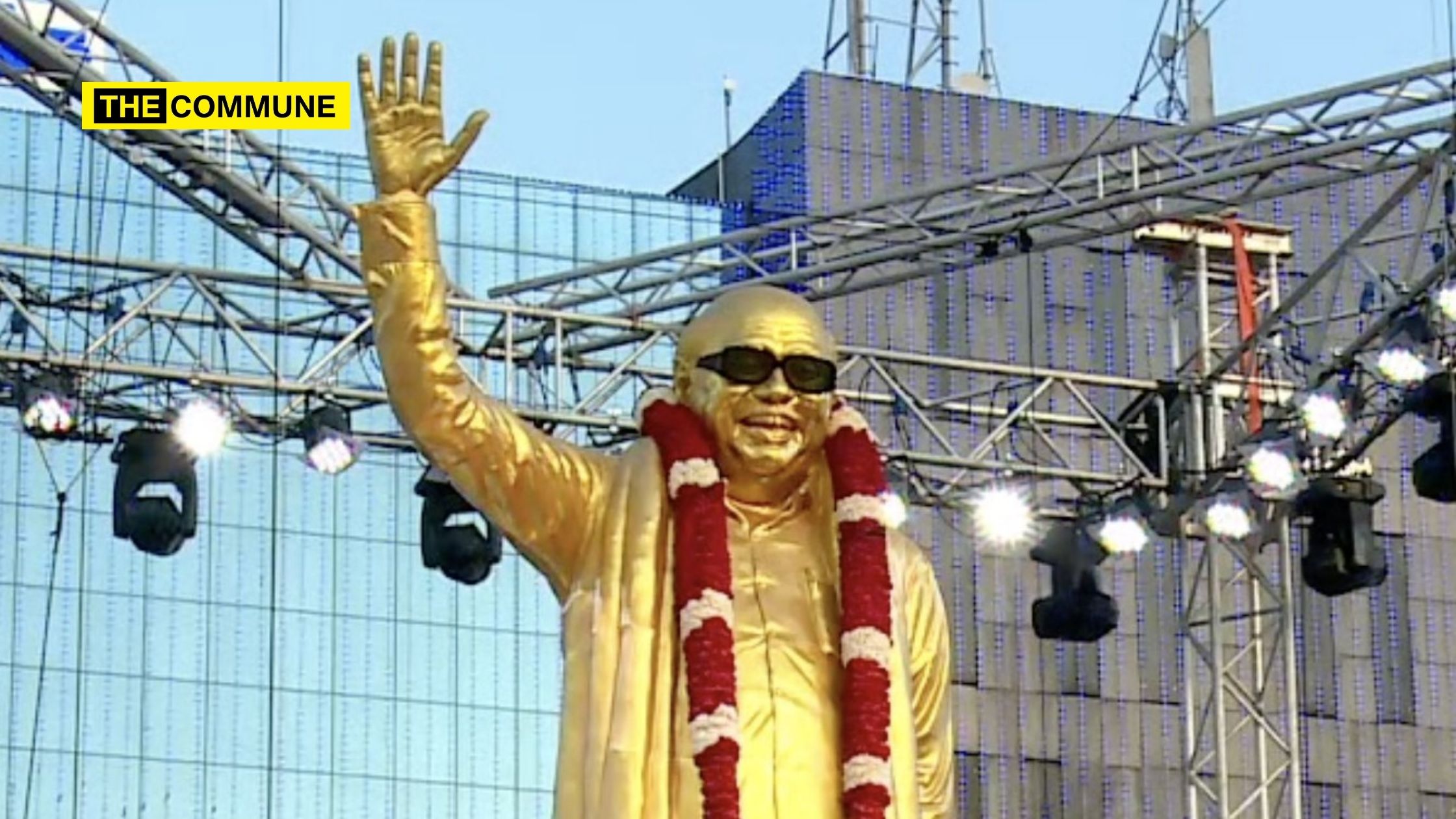
Late DMK patriarch M. Karunanidhi’s statue was unveiled by Vice President M. Venkaiah Naidu on Saturday (May 29, 2022).

The statue made of bronze is 16-ft high and is placed on a 14-ft high pedestal. The statue has Karunanidhi wearing his distinctive glasses with the right hand raised signalling the DMK’s symbol (open palms depicting the rising sun).

The statue has been installed at the campus of the multi super specialty government hospital at Omandurar Estate in Chennai, a few hundred meters away from the place where the original one was vandalised 35 years ago in the wake of AIADMK founder M G Ramachandran’s death.

In light of this, the hashtag #StatueOfCorruption was trending on social media.

Netizens took to reminisce past incidents when the DMK patriarch who was a five-time Chief Minister was accused of corruption.

The DMK under Karunanidhi is guilty of several other corruption charges and failures. The party was part of the biggest ever corruption case in the history of India – 2G spectrum case. Karunanidhi in order to save his seat, went soft on the UPA government headed by its alliance partner Congress, by organizing lip service protests while thousands of Tamils in Sri Lanka were killed in the civil war in Sri Lanka. He is said to have undertaken the ‘fastest fast’ by starting the fast after breakfast and ending it before lunch.

Click here to subscribe to The Commune on Telegram and get the best stories of the day delivered to you personally.
Chennai-Based Media Org Releases Song Dedicated To Delivery Professionals

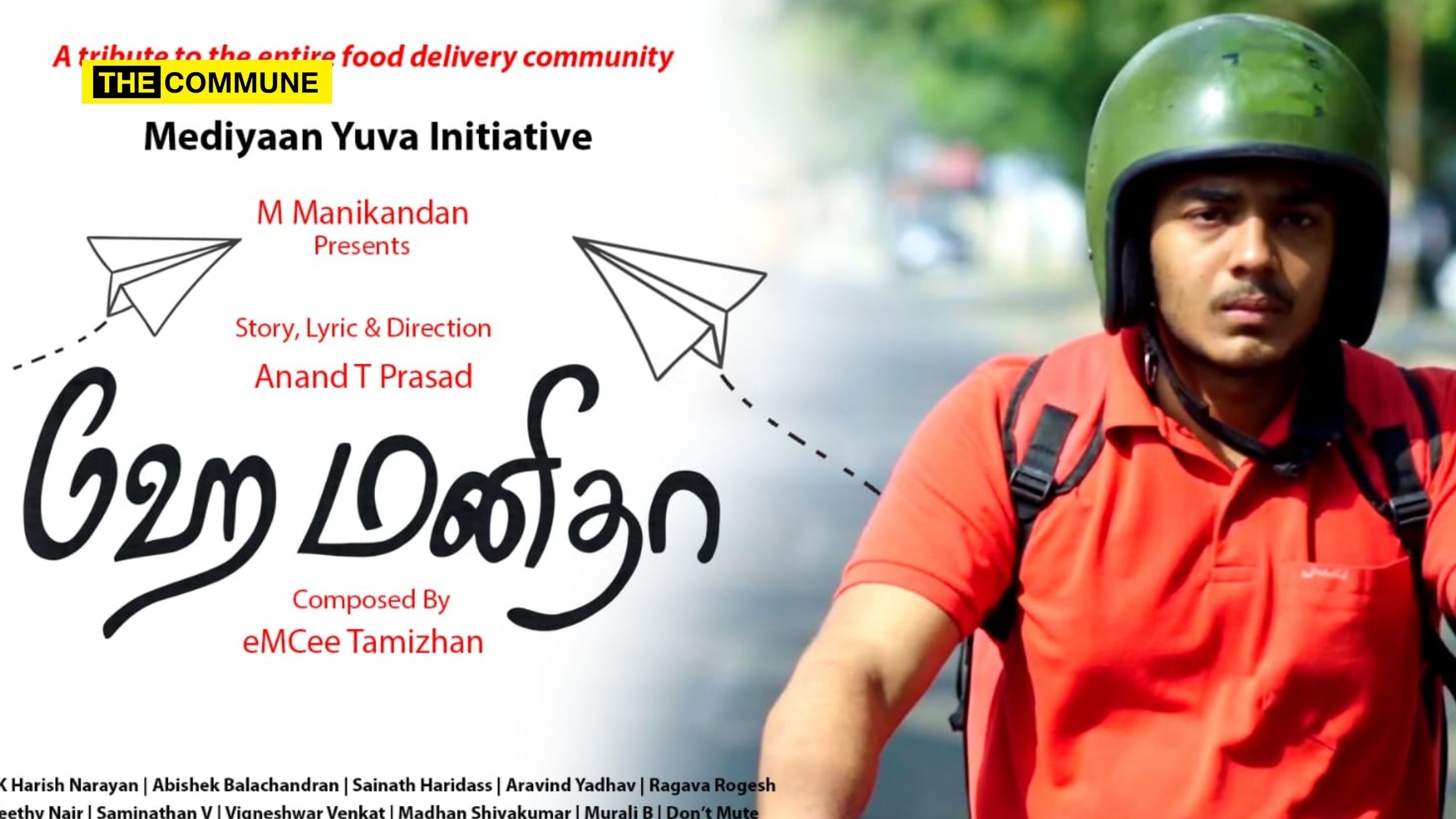
Mediyaan, a Chennai-based media organization has released a song to honour the people working as delivery professionals.

The song is set around a young man who loses his job and becomes a delivery professional. The lyrics and visuals of the song portrays the trials and tribulations of delivery professionals who brave through sun and rain to make a living.

The song composed by eMCee Tamizhan has Dr. K Harish Narayan on the vocals. The lyrics has been penned by Anand T Prasad, the Editor-in-Chief of Mediyaan who has also written the story and directed the music video. The cinematography for the video has been done by Abishek Balachandran and M. Manikandan has produced the video. Sainath has played the role of the young man.

Speaking to The Commune, Anand T Prasad said that the song is a tribute to those working as delivery professionals in platforms in Swiggy, Zomato, Dunzo, etc.

Watch the song here.

Click here to subscribe to The Commune on Telegram and get the best stories of the day delivered to you personally.
BJP TN State Secretary SG Suryah To Pen Biography Of Veer Savarkar In Tamil

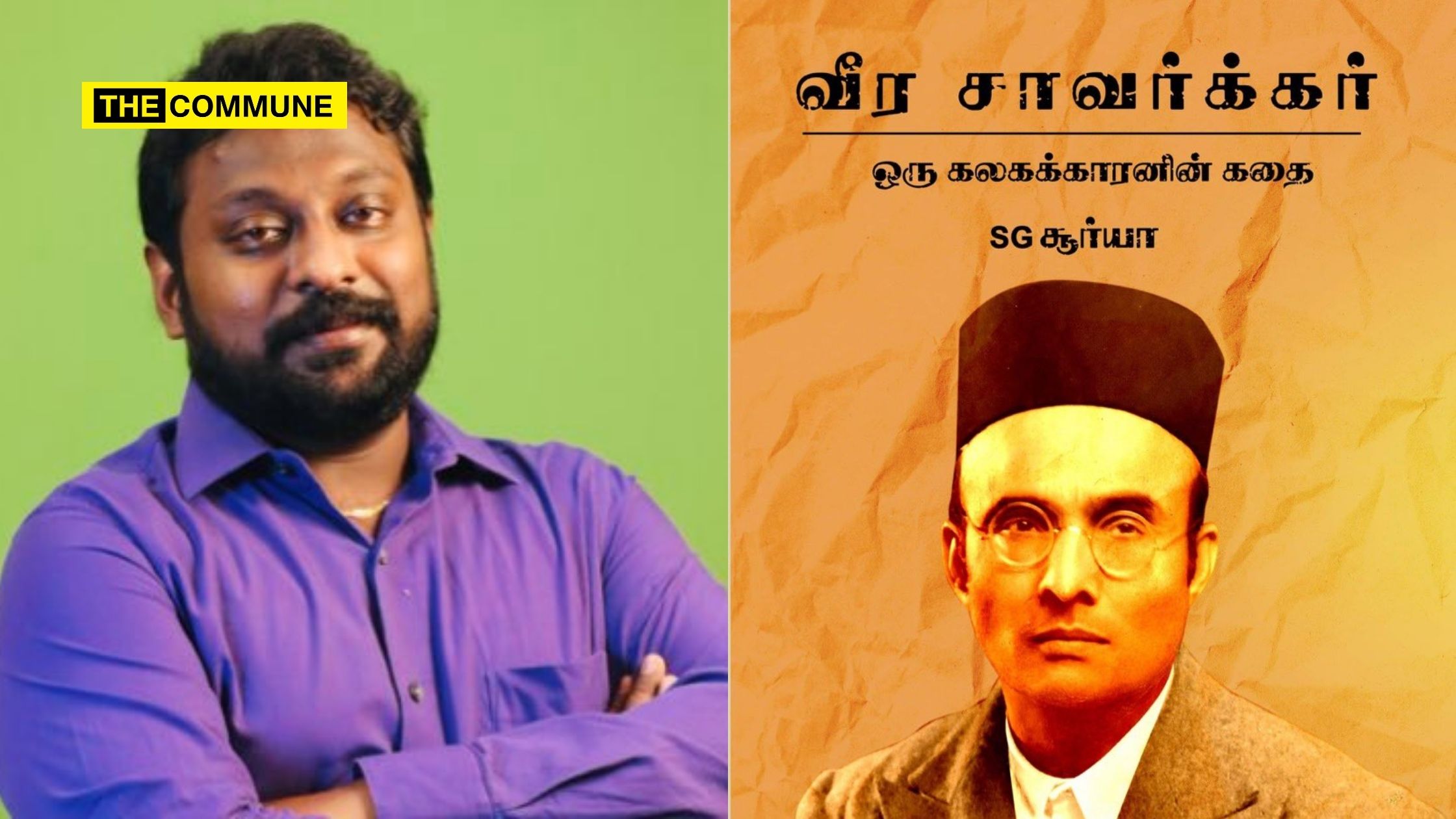
On the occassion of birth anniversary of Veer Savarkar, BJP Tamil Nadu State Secretary SG Suryah shared on his social media that he will be penning a biography of the Indian revolutionary freedom fighter.

The book titled ‘Veer Savarkar – Oru Kalakaararin Kadhai’, which translates to ‘Veer Savarkar – A Story Of A Rebel’ will document the entire life of Savarkar from his birth to his last days including the time spent in the Cellular Jails of Andaman.

The book is being published by Footprints Publications.

The cover pic of the book was released by BJP National General Secretary (Organization) B.L. Santhosh.

SG Suryah had earlier translated Veer Savarkar’s autobiography of ‘My Transportation For Life’ in Tamil which was originally written in Marathi titled ‘Majhi Janmathep’.

Click here to subscribe to The Commune on Telegram and get the best stories of the day delivered to you personally.

India Needs ‘Moditva’ To Become ‘Vishwaguru’ Bharat

Everyone agrees that India has seen a drastic change since 2014. Some see the change positive and some negative. But one intangible change that is being witnessed is a change from India which was progressing no doubt but without its citizens having the sense of pride, confidence and appreciation of their rich civilization to a Bharat in which its citizens swell with civilizational pride. The inferiority complex which existed earlier is no more there. Politics in Delhi which was decided by champagne socialists has become the politics of the common man.

India needs Modi now and ‘Moditva’ to continue after he retires in order to become the Vishwaguru Bharat it once was.

So what is this Moditva?

It is the principles that brand ‘Modi’ stands for.

1. Incorruptible

There have been no scams at the Central Government level since Modi took over in 2014 which is such a whiff of fresh air for Indians who were vexed with the unlimited loot that plagued our nation a decade earlier and even before that. Modi does not have any family for whom he has to amass wealth. Once his tenure his done, he might just go the Himalayas with a small bag of clothes. His mother and relatives are still living a humble and modest life. He doesn’t have crores of properties like dynasts of certain political parties. Only a fearlessly honest man or woman can create a non-corrupt environment around him or her without having to fear about any secret that might be exposed. So the first and primary aspect of Moditva is non-corrupt individuals should be in power for the holistic development of a nation.

2. People-centric

It is intriguing why there was no focus on a basic human requirement like toilets in every household in every village for decades. Was it very difficult for them to come up with something like Jan Dhan yojana that sent money directly to the bank accounts of the poor, unless they wanted to keep a window open for corruption by dealing with cash? It took 70 years to talk about a Swacch Bharat. A house with electricity and piped tap water remained a luxury in remote areas for decades. Nobody could think of the plight of rural women who spent time fetching firewood and spoiling their health until someone thought of providing free LPG connections. Were all these too difficult to conceptualize and implement? It all boils down to the intent and the will to serve the nation wholeheartedly that was starkly missing earlier. The second aspect of Moditva is bringing smart people-centric policies that will help mitigate real grassroot level problems.

3. Bold & Decisive

Modi has taken several uncomfortable decisions that the prior governments never could muster the courage to take fearing loss of vote banks. Demonetization, GST, Article 370, there’s many. Thanks to demonetization, terror funding has been greatly hit. Thanks to Demonetization, digital payments revolution happened. Today, even a small time vendor or a tea stall is transacting through UPIs.

The surgical strike was a masterstroke that changed India to Bharat overnight as a nation that believed in itself and will not take things lying down in the face of terror. Modi government continues the legacy of Operation Vijay and Shakti through its policy of defensive offence.

The farm laws was another great decision but Modi government had to retreat its steps keeping in mind the larger national security threat the farmers protest posed. Triple Talaq is another decision that other parties would have not dared to venture fearing loss of votebank.

This third aspect of Moditva is to take uncomfortable, unpopular decisions for the greater good of the nation.

4. National Interest

Modi has kept the nation first in all his actions. He has kept the security of the nation at the top of the list through a great foreign policy. Bharat is the equal of the equals today and no one will dare to harm her. No major bomb blasts have happened post 2014 like it used to happen regularly. The fear of a strong retaliation from Bharat is in the minds of the visible and non-visible enemies. That’s a great achievement of Modi. It is a fact that China will think twice today before raging any kind of war on Bharat.

Therefore, the fourth aspect of Moditva is that the duty of the government is to keep its country strong and secure through its foreign policies.

5. Nurture The Culture And Future

Modi is a leader that has worked his way up and that inspires every youth of the nation. He is a leader that has his own style, religious beliefs and who is not hesitant to appear what he is. Bharat loves this attribute in the leader. India didn’t get one earlier like him. Modi is also creating next rung of nation loving, non-corrupt leaders in his party that will continue to inspire the nextgen. Yogi Adityanath, Tejasvi Surya, K. Annamalai, Anurag Thakur, Jyotiraditya Scindia, Hemanta Biswa Sarma, the list goes on. A leader’s duty is not just to lead but create a great team around him or her which he has done with style. The fifth aspect of Moditva is that a great nation deserves a great leader that personifies its civilizational values and with whom the people of the nation can relate themselves to. A leader shouldn’t just be leading but appear to be leading to the masses which inspires the nation to march ahead and create history. A leader should create a great legacy that can take the vision of the country forward.

A strong foundation is being built by PM Modi today. It is incumbent on us to take the legacy forward.

Click here to subscribe to The Commune on Telegram and get the best stories of the day delivered to you personally.