Home Blog Page 1069

When Will Indian History Be Unshackled From Its Past
“The most effective way to destroy people is to deny and obliterate their own understanding of their history.” ― George Orwell.

Many in school dread history as a subject. While the other subjects like mathematics, sciences, geography, economics apart from the languages that we study in schools are likely to have a palpable role to play in providing us with some pragmatic, practical, purposeful knowledge for our progress in future life, one is prone to ponder as to what pertinent purpose is going to be provided at all in studying history. Why should we know the past on which we do not have any control at present and consequently cannot attempt any corrective action?  Is it not an absolutely futile exercise?

But, the answer is ‘no’. An emphatic ‘NO’. We are the products of the collective history of our nation, the crux, completion, culmination and consummation of our past. We derive our customs, conventions, creed, culture and civilisation from the past. We take pride, a justifiable pride at that, at our hoary history, its heroes, their honourable feats, the hallowed values bequeathed to us by them. In addition and more importantly, we can learn vital lessons from the past and, in case our predecessors had faulted somewhere, we can avoid, at least, monotony in making mistakes.

But what do we have as history today?

Do we get such lofty emotions or, for that matter, any worthwhile lessons while reading our history now? No. The reason is simple. What we are studying in our schools is not the real history, but false, fabricated, fictitious, farcical fish stories by a forum of fake, fraudulent pseudo historians. Yes. It is just a concocted, counterfeit, corrupted, camouflaged chronicle compiled by colonial/pseudo-secular/communists cloaked as history. 

In every lesson, we are loaded with ginormous conquests of foreigners over us: Starting from Alexander, through the Moghul invaders and upto the British rulers. We are told to repeat parrot-like, Alexander the Great, Akbar the Great etc. But, were they really great? Alexander was in fact, miserably defeated by Chandragupta Maurya and he ran away to save his life. Akbar was defeated by Maharana Pratap of Mewar. Also, the atrocities of Akbar were no less gruesome than that of the notorious Aurangzeb. But, these facts are never revealed to us. And as for as Asoka is concerned, he is grudgingly included as ‘Asoka the Great’, only for the sole reason that he switched over to Buddhism, which has now been conveniently misinterpreted by the pseudo historians as absolutely hostile to Hinduism in furtherance of their sinister agenda.

We are stuffed with the complete genealogy of the Moghul rulers, the succession of British viceroys; we are indoctrinated with imaginary stories of their victories, their ‘humanitarian’ approach towards their subjects, while our own native kings are either completely ignored or relegated to the background with as much negative statements as they can, as a result of which the nascent minds of the young neophytes are nurtured with favourable feelings about the foreigners vis-a-vis a dismal, depressing, disheartening, demoralising, discouraging perspective of our own rulers. We routinely repeat with awe and ardour names of Babar, Humayun, Akbar, Jehangir, Shah Jehan, Aurangzeb  as also Robert Clive, Warren Hastings, Corwallis, Wellesley, Minto etc. But, how much do we know of the details of the abilities, adventures, achievements about our own Chola, Chera, Pandya, Pallava, Chalukya, Maurya, Gupta, Haryanka, Vijayanagara, Hoysala, Shishunaga, Sungas, Kanvas apart from the sixteen mahajanpadas? The list is just indicative, not exhaustive. 

Okay. We understand. The reason is simple. Before independence our history books were written by our alien rulers and one should not be puerile enough to presume that they will project the positive side of our nation, since, apart from pillage and plunder of our properties and possessions, propagation of and pushing their faith on the provincial population was their prime purpose. For achieving their diabolical aim, they deliberately disparaged and deprecated all our glorious past and thus succeeded in creating an indelible inferiority complex in the credulous common man. 

Still, the perplexing question is that why are we still continuing the same curriculum even after seven long decades? Should we not have promptly and painstakingly pored into the pages of our past to present the positive records of our rulers with precision and perfection?

Incidentally, a deep analysis of history will reveal that even those ‘victories’ of the foreigners were not achieved by any innate talent or intrinsic superiority in them but only thanks to the pathetic fact that the enemies were able to ignite the basic weakness of jealousy among the different local rulers successfully and defeat one with the help of the other. Consequently, the vital lesson that we should learn today from our original history is the most elementary axiom, ‘United we stand; divided we fall’. This is the first chapter in our ancient Panchatantram stories, titled, ‘Mithra Bedham’. Unfortunately, even today, looking into the dirty feuds and despicable disputes we are dealing in day in and day out, it seems that we have not learnt that cardinal, crucial lesson at all.

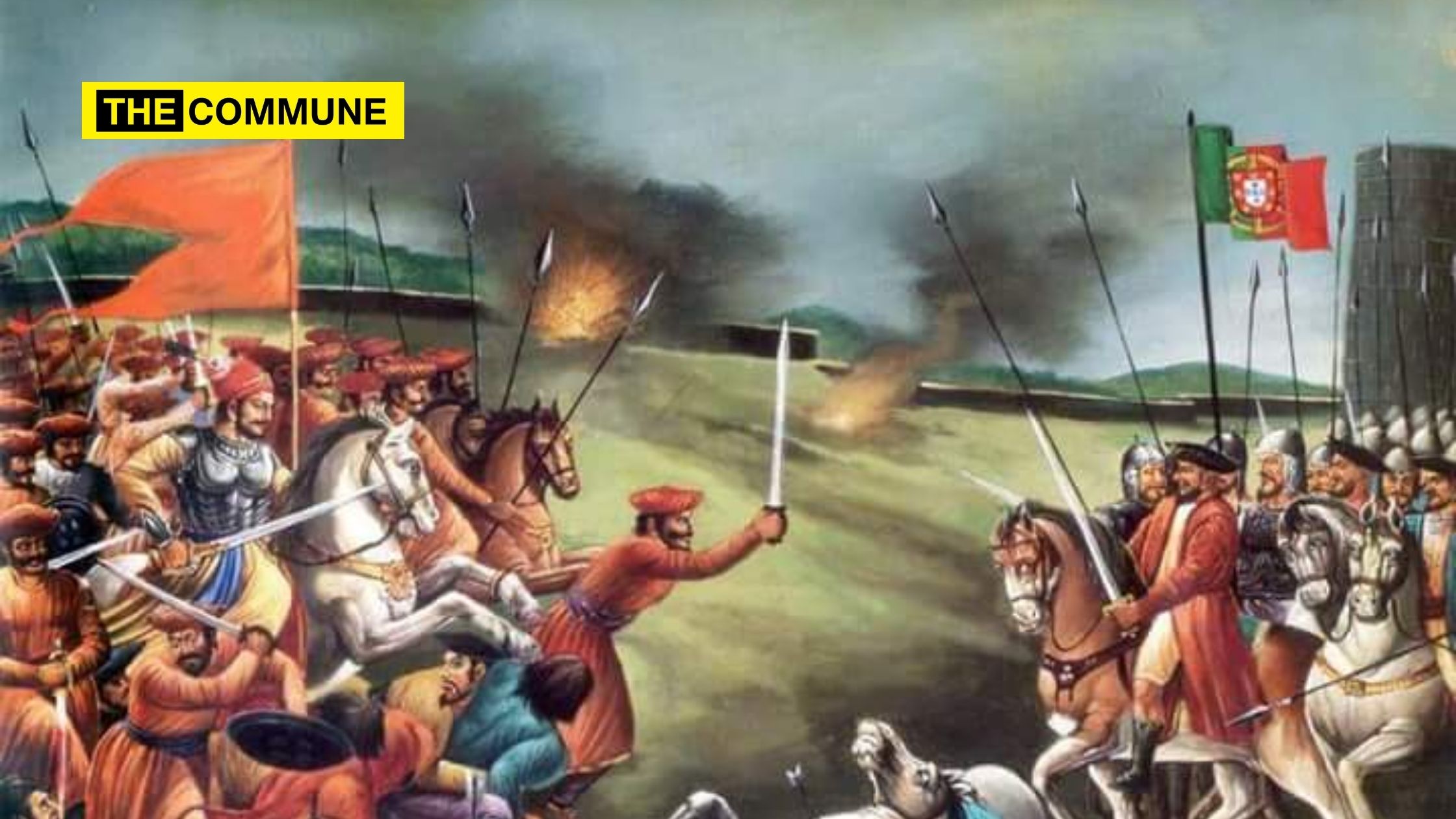
Now, here are a just few names: Lachit Borphukan, Chhatrasal, Banda Bahadur, Tanaji Malusare, Durgadas Rathore, Kittur Chennamma, Velu Nachair, Abbakka Rani, Onake Obavva. Do our history books tell anything about them? Does anyone know that they are warriors of extraordinary valour, indomitable spirit, ever ready to sacrifice their lives for the honour of our motherland and have fearlessly fought with the foreign intruders and defeated their mighty armies in many cases? Many of them are women possessed with vigour, valour and valiance. Still, they may be, at best, known in their local areas, mostly as folklores. That is all. [In fact, such restrictive localised knowledge within the limited vernacular area will have pernicious effect and will impregnate narrow parochialism instead of a nationalistic perspective in the pliable mind.]  But, the exploits of Allauddin Khilji, Timur,  Gazni, Robert Clive etc. are eulogised with extreme extravagance in all our history books. Further, flagrant falsehood and fanciful fables are unabashedly forced into the books to create an impression that the aliens were altruistic in their approach. The time has now come for us to execute a tectonic shift in the teaching text of our school books and provide our children with the genuine history of our motherland, legacy of her nonpareil heroes, glory of her heritage, elegance of her lineage, the pride of place that our nation had been occupying till invasion by the aliens, so that our future generation grow up with their heads held high, hearts brimming with patriotic spirit, propelling them to face the world with courage, confidence and composure, with pride, poise and a positive perspective.

Click here to subscribe to The Commune on Telegram and get the best stories of the day delivered to you personally.
Dravidian Maya: Book exposing fallacies of ‘Dravidian Model’ to be released

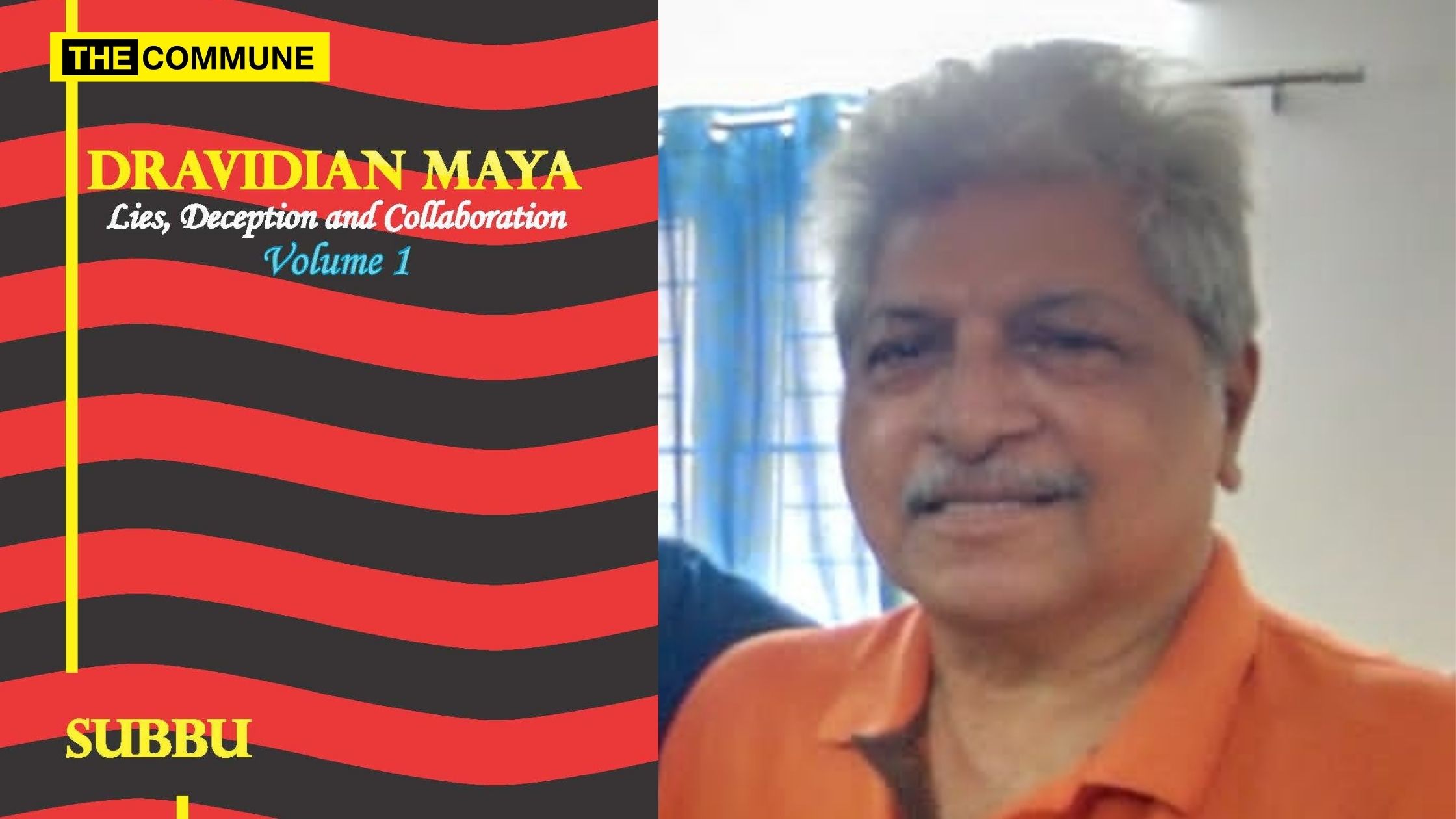
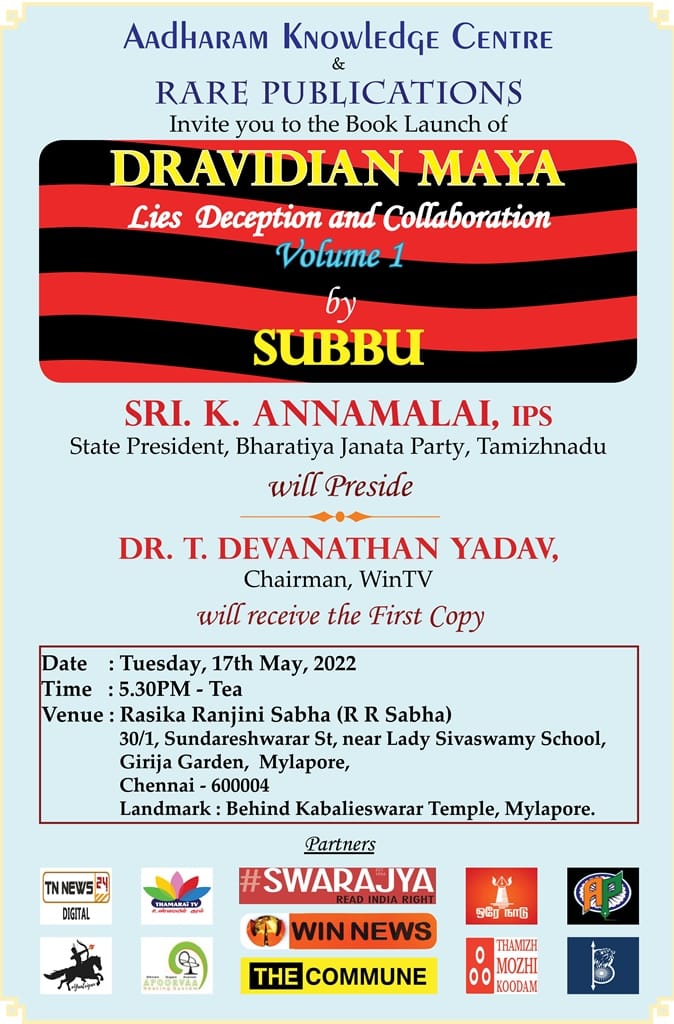
‘Dravidian Maya: Lies, Deception and Collaboration’, the English-translated version of the Tamil best-seller ‘Dravida Mayai’ written by acclaimed author V.R. Balasubramaniyan will be released on May 17, 2022.

The English version is brought out by Aadharam Knowledge Centre and Rare Publications.

The launch of Volume 1 of the book will be presided by BJP Tamil Nadu President Thiru. K. Annamalai. Dr. T. Devanathan Yadav, Chairman of Win TV, will receive the first copy of the book.

The book launch will happen at Rasika Ranjini Sabha in Mylapore, Chennai.

Dravida Maayai, originally written in Tamil, consists of three books that details about the Tamil political scene from 1917 to 1981.  Subbu shot into fame after his eye-opening narrative in the three series book ‘Dravida Maayai’

It exposes the fallacies of the much-hyped ‘Dravidian Model’ of politics championed by the DMK and its affiliates.

Balasubramaniayan aka Subbu, formerly a sub editor with The Indian Express, has also written several other books in Tamil.

Arunagirinathar: A brief history of the Tamil Sage Arunagirinathar, Thankapa Thakkam – a collection of articles in various Tamil magazines are some of the other books written by him.

Apart from being an author, Subbu is also an Editorial Advisor of Tamil magazine ‘Kaavalar Voice’. He is also a Member of the Consultative Committee of the National Book Trust.

Click here to subscribe to The Commune on Telegram and get the best stories of the day delivered to you personally.
One Year Of ‘Vidiyal’: Reality ‘Dawns’ On People

It has been a year since the MK Stalin-led DMK came to power. Chief Minister Stalin assumed office at a time when the state was facing the rage of the delta variant of the corona virus.

Just a day after taking oath as Chief Minister, Stalin imposed a full lockdown for a period of 14 days, a move he had vehemently opposed when he was an Opposition leader.

Little did the people know that it would be the first of the many flip-flops to come.

But to give credit where due, the Tamil Nadu government did a commendable job in containing the pandemic, far better than the neighbouring Communist-ruled Kerala.

However, that seems to be the only good thing that the DMK government has done in the past one year.

While the ‘Dravidian Stockists’ may paint a picture of honey and milk flowing in the streets of Tamil Nadu, in reality, it is only brimming with sweat, as people put up with long hours of power cuts in the scorching summer.

And people can’t even talk about it as the Hon’ble State Electricity Minister has warned of severe action against those who spread ‘rumours’ and ‘fake news’ about power cuts on social media. Hail ‘Dravidian Model’ of Free Speech!

Given that the media in Tamil Nadu is also infested with ‘Dravidian Stockists’ and kneel down with a begging bowl at the gates of Anna Arivaalayam, it is important that the abject failure of this government on many fronts is brought to light.

Duping Makkal Kazhagam

The DMK in its manifesto had promised to reduce petrol and diesel prices by ₹5 and ₹4 respectively. After much grilling, it was announced that the price of petrol would be reduced by ₹3. Nothing has been to reduce the prices of diesel and LPG cylinder. When the State Finance Minister Palanivel Thiagarajan  was asked in a press meet whether the government will reduce fuel prices, he retorted saying “Have we put any date on fulfilling the promise?”

That is when it ‘dawned’ on the people – none of the promises made by the DMK have any dates mentioned!

A thought started echoing in the minds of the people – “Is this the ‘dawn’ (vidiyal) that was promised?”.

On 9th August 2021, Finance Minister Palanivel Thiagarajan released a white paper in order to absolve the government’s inability to fulfill the many unfulfillable promises and to shift the blame on the previous AIADMK regime. This white paper became the premise for taxing citizens more.

The minimum fare in Metropolitan Transport Corporation (MTC) buses was increased from ₹5 to ₹10. The DMK and its allies like the MDMK had protested when the AIADMK government tried to do the same.

Property tax has been increased to the tune of 50-150%. It is pertinent to mention that the DMK in its manifesto had promised to not increase property tax. So, that’s another flip-flop.

State-owned Aavin has increased the prices of milk powder, curd, ghee, and other milk products.

In essence, the DMK has hit at the belly of the working middle-class.

But even if these are considered as compulsions of time and a bitter pill for the greater good, the DMK should not be forgiven for duping the Tamil Nadu women and youth.

Till today, the DMK government has been playing needless politics over the National Eligibility and Entrance Test (NEET), putting the future of students in jeopardy. Their claims of abolishing NEET will never bear fruition. But, it is not too late. The DMK must accept defeat over its claims of abolishing NEET and move on, which they will eventually do once the President of India returns the NEET Abolition Bill.

The most despicable has been the promise of jewel loan waiver.

The DMK had promised in its election manifesto that it will waiver the gold loans under 5 sovereign (40 grams) taken by people in co-operative banks.

MK Stalin during election campaign had stated that had assured to waive jewel loans of up to five sovereigns availed by the poor, farmers and particularly women. CM Stalin’s son Udhayanidhi Stalin who is now the Chepauk-Tiruvallikeni MLA, had instigated people to pledge their jewels and take loans during election campaigns saying that they would be waived off when DMK comes to power. As a result of this, many in rural Tamil Nadu had pledged their jewels and taken loans.

However, in December 2021, the DMK government declared that 35 lakh jewel loans of the 48 lakh are ineligible for loan waiver.

Likewise, the DMK had also promised that it would bring back the old pension scheme for state government employees once it came to power. However, Tamil Nadu Finance Minister PTR Palanivel Thiagarajan had said that a decision could not be taken on the implementation of the old pension scheme as the state’s financial situation was dire and that the government will go bankrupt if it gives everything away for free to everyone.

Corruption, Commission, Collection

The DMK is a party that is synonymous to corruption, ‘scientific corruption’ to be precise. The present regime too is living up to that legacy. Multiple allegations of corruption have cropped in just a year.

The Sweet Scam – Instead of giving orders to state-owned milk cooperative Aavin, for the supply of ghee sweets on the occassion of Deebavali, the state transport department had reportedly amended the tender rules to favour a single company that shares close ties with then DMK Transport Minister Raja Kannappan’s son. After the scam caused embarassment for the government, CM Stalin passed an order to procure sweets from Aavin. The Minister’s portfolio was later changed to Backward Classes Welfare.

Pongal Gift Scam – There have been several complaints of missing items and poor quality of items given as part of the government’s ‘Pongal Gift Pack’. Worms, lizards and other insects were found in some of the items like tamarind, wheat packets, etc.

Irregularities were reported in the procurement of sugarcane from farmers. While the DMK government had said that it would procure sugarcane at a price of ₹33 per cane (10% higher than last year), farmers ended up selling their produce at a rate of ₹14-15 per cane with DMK functionaries siphoning off ₹18-19 per cane.

The BGR Energy Scam – There are allegations that the state electricity generation and distribution agency TANGEDCO has offered ₹4,442 crore deal violating all procedures, to a company named BGR Energy Systems Limited, whose promoters are believed to be backing the ruling DMK.

TASMAC Scam – Many bar owners gathered in front of the house of Minister Senthilbalaji over irregularities in rewarding of bar tenders. They had also approached the courts filing a case against wrongful sale of bar tenders. There is an accusation that the tenders were majorly given to those belonging to the Karur district.

Pathetic State Of Law & Order & Police Brutality

Just immediately after the DMK came to power, an ‘Amma Unavagam’ located in J.J Nagar near Maduravoyal, Chennai was attacked by DMK goons. DMK goons in Karur district ransacked a shop belonging to an AIADMK cadre causing extensive damage to the property along with a person getting injured seriously. Over 60 families have been rendered homeless in Thiruvottriyur due to atrocities committed by DMK cadres in the area. And the list goes on and on with multiple reports of attacks on women and DMK functionaries indulging in land grabs and other atrocities.

On the other hand, there have been several instances of death due to police torture. Vignesh (25), a Scheduled Caste youth who was taken to the G5 Secretariat Colony police station reportedly died due to custodial violence. Another incident was reported in Tiruvannamalai where a man named Thangamani, belonging to the Scheduled Tribe succumbed to injuries reportedly due to police torture. In another incident that happened in January 2022, a physically-challenged man named Prabhakdaran was locked up for allegedly stealing jewelry from a provision stores owner. He died on January 12. Prabhakaran’s relatives have alleged police torture as the reason for the death. In June 2021, a fruit stall owner named Murugesan was thrashed to death by police in the middle of the road.

Infesting Institutions With Anti-Hindu Elements

While the Dravidian Stockists cry of the ‘RSS’ capturing institutions, in Tamil Nadu, rabid anti-Hindu demogogues have been rewarded for their loyalty.

Suba Veerapandian, best known for his anti-Hindu speeches, has been admitted to the advisory committee to Tamil Nadu Textbook and Educational Services Corporation. He has also been appointed as the Chairperson of ‘Social Justice Monitoring Committee’.

Suba Vee had supported lyricist Vairamuthu who has been accused of sexual harassment by multiple women. In fact, Suba Vee himself has allegation of of sexual harassment against him. He also reportedly has links to the Lulu Sex Racket.

Another rabid Hindu-hater who has been appointed to the committee is S. Abdul Hameed who identifies himself as Manushyaputhiran.

Father Mariasusai, a Maoist-sympathizing Christian priest has been appointed as a member of the Tamil Nadu Public Service Commission by the DMK government. Father Mariasusai has an extremely controversial past as he allegedly had a close relationship with the deceased ‘Urban Naxal’ and fellow Christian priest Stan Swamy.

Prominent pattimandram (Tamil debate) icon Dindigul I. Leoni who is also the DMK’s propaganda wing secretary has been appointed as the head of the Tamil Nadu Textbook & Educational Services Corporation. He had made sexist remarks on women while campaigning for the 2021 Assembly elections.

Anti-Hindu Politics Of DMK

From Day 1, the DMK government has been meddling in the affairs of the Hindu faith. Several temples have been razed down under the garb of ‘clearing encroachments’ pinnning it on the High Court.

In January 2022, an Anjaneya temple in Varadharajapuram, Mudichur, in the Kancheepuram district, was ordered to be demolished  despite heavy opposition from local residents and devotees.

The Vasudevar Temple in Sulur, Coimbatore, has been demolished.

Seven temples have been demolished in Kumarasamy Nagar, Coimbatore. One of the temples is said to be over one hundred years old.

A Sivan Temple in Sriperumbudur was demolished because it was built on government land.


On the other hand, the DMK government has turned a blind eye to encroachments made by other religious places. A church built by encroaching a water canal in Kilkattalai, Chennai has not been brought down despite the structure being marked in 2017.

Back in October 2021, the Madras High Court had directed the HR&CE Department to evict the Queensland amusement park from 21 acres of land in Poonamallee belonging to Kasi Viswanathaswami temple and Venugopalaswami temple.

The amusement park owner late ‘Oorvasi’ Selvaraj who also founded the King’s Engineering College, was a former Congress MLA and his wife Nalini Selvaraj is today a prominent Christian evangelist.

Despite the Court’s order, no action has been taken to evict the encroachers from the temple land.

The HR&CE department itself has been functioning inimical to the interests of temples and Hindu society. It has given permission for the construction of a fish market near the Kandasamy and Aadimottaiyamman temples in Chennai.

It has also proceeded with melting temple jewellery and convert them into gold biscuits for mortgaging them and raise funds for secular purposes.  The HR&CE department has also formed a committee to build 10 colleges using Hindu temple funds. The committee members include DMK MP Kanimozhi, an avowed atheist and Geetha Jeevan, Minister for Social Welfare and Women Empowerment, who is a Christian.

The HR&CE took over the decades old Ayodhya Mandapam in Chennai, despite no substantial proven financial mismanagement.

And in the recent incident of pandering to the rabid anti-Hindu outfits like Dravida Kazhagam, the DMK Government has banned the centuries-old Pattina Pravesam ceremony of the Dharmapuram Adheenam in which Hindu devotees carry the seer of the Dharmapuram Adheenam in a palanquin.

What The DMK Is Good At

The DMK has excelled in a couple of things:

– Satiating their separatist itch by emphasizing on India being a ‘Union’ and deliberately calling the Central government as ‘Union’ Government.

Scripting and staging dramas to boost Stalin’s public image. Be it cycle rides along ECR or having tea at a tea shop. Be it meeting the Narikurava women who was allegedly denied Annadanam in temple, appointing ‘alleged’ dancer Zakir Hussain who was reportedly denied entry in Srirangam temple or meeting the kids whose vox pops had gone viral on social media. The DMK’s propaganda machinery is working at unimaginable levels.

– Hunting down and harassing political adversaries and the party’s critics.

– Last but not the least, pasting stickers for successful Central government schemes.

But people cannot be taken for granted for a long time. They have started seeing through the fallacies of this government. The DMK will go down as a party that has earned high anti-incumbency within a year of coming to power.

The clock is ticking. Four more years to go.

Click here to subscribe to The Commune on Telegram and get the best stories of the day delivered to you personally.
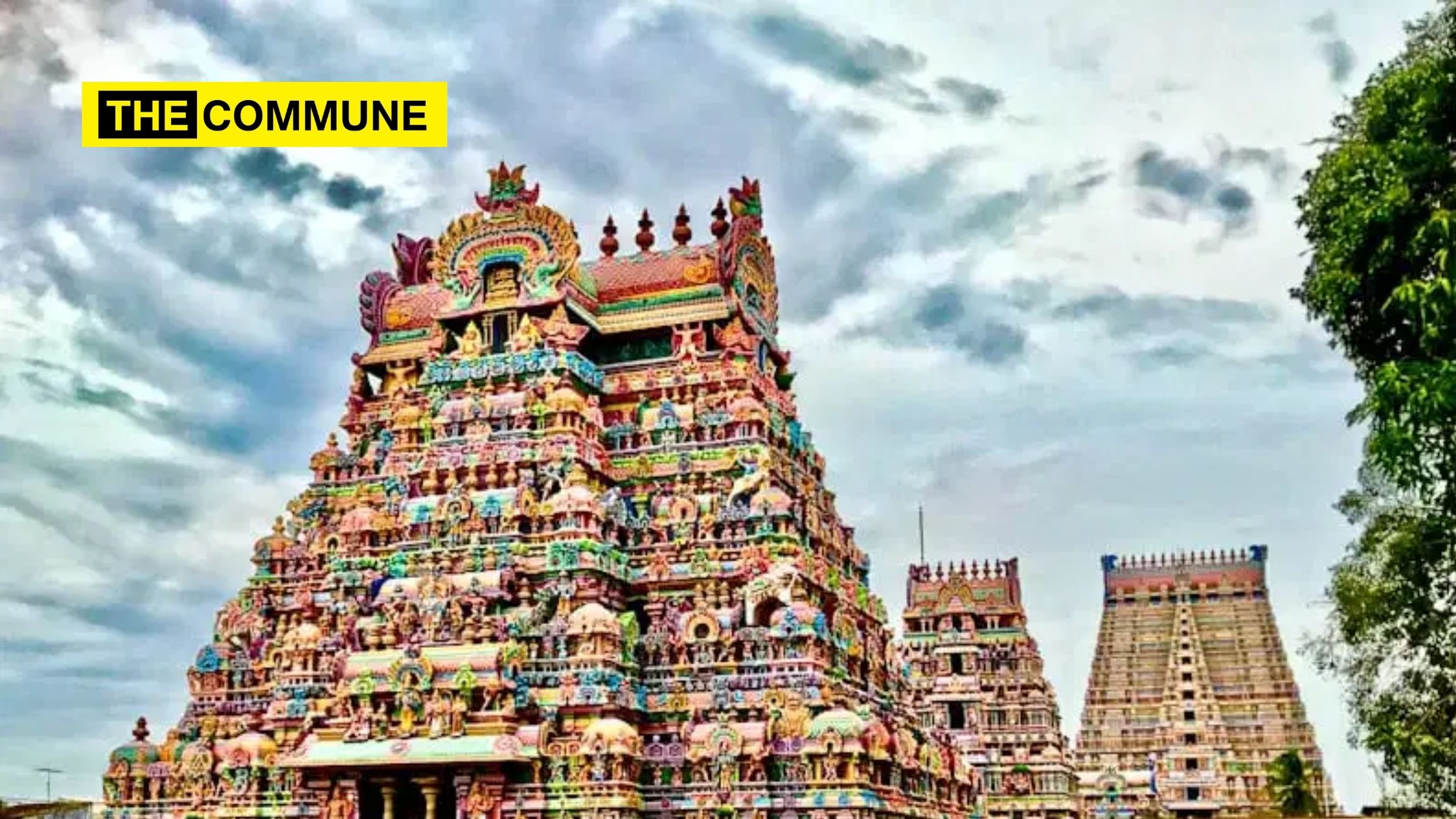
The Overlooked Aspects Of Tamil Nadu Temples

The main purpose of visiting a temple is worship. So, when you visit a temple like the Madurai Meenakshi Amman temple, you might go with the thought of having a good darshan of the deities. Once that purpose is fulfilled, if you happen to wander across the temple, probably when you are coming in circumambulation, you might notice just one intricately carved pillar at the 1000 Kaal mandappam. When you manage to take in the beauty of the pillar and look around you, you would be drowning in 985 such exquisite pillar with unique designs and unimaginable craftsmanship. But how many of these architectural marvels have you noticed at the Meenakshi Amman temple? 

Now, this is the case with most devotees visiting any Temple in Tamil Nadu. Tamil Nadu is known for its majestically built temples with significant architectural styles. But, how many of us spend time analysing and understanding the architecture of the temples we visit? We are usually smitten by the grace and elegance of the deity, and fail to notice their abodes – the temple itself. There is so much to think about and understand why a part of a temple is designed in a particular way. Surely, learning about architectural importance will enhance our experience of visiting a temple. But, it is difficult because of the lack of material to understand the same. 

The two major styles of temple architecture in India are the Nagara style, which is predominantly found in the North and the Dravida style, which is found in the South. Sometimes, some temples are built in the Vesara style, which is found to be a mix of both Nagara and Dravida styles. Built by the Cholas, The Airavateshwara temple, The Gangaikonda Cholapuram temple and the Brihadeeshwara temple, are all known for their grandeur and architectural excellence. Apart from these, the temples of Mahabalipuram built by the Pallavas, are known for their style of design. 

“References from the Sangam Literature tell us that early temples in Tamil Nadu were built with perishable materials like wood, mud etc. and therefore most of these did not stand the test of time. The first Pallava king to build temples with imperishable materials was Mahendravarman I, in the 6th Century CE. The Mandagapattu Tirumurti Temple built by him was the first rock-cut temple in Tamil Nadu, which was built without wood, brick, mortar or metal. Temples that were built after this period, by the Pallavas, Cholas, Cheras, and Pandyas, were all mostly built with imperishable materials. Only by analysing the Garbha Griha (Sanctum), the Mandapa, and other elements inside the temple, especially the inscriptions, can we find out which dynasty built the particular temple,” said Raghuram SK, a historian with an MA in Museology from the National Museum Institue of History of Arts, Conservation and Museology, New Delhi. 

We are generally aware of the larger architectural aspects of the temple, namely, the Gopura, the Garbha Griha, the Devakoshtas (shrines of other Devatas), and the mandapas. However,  2 parts of the temple that have not been spoken about much are the Bali Peedam and the Madapalli. 

Generally, the Bali Peedam is understood as a place where a ‘Bali’ or sacrifice is made for the deity. However, in no temple today, the Bali Peedam is used for that purpose. While it is natural to assume that the Bali does not take place in temples today because of laws against the same, it is important to note that the Bali Peedam originally itself had nothing to do with an actual sacrifice. In a book called ‘Kalai Iyal Rasanai Katturaigal’ historian Kudavayil Balasubramanian has written, “The tradition of offering rice (neivedhya) to the deity, with mantras, music, songs and dance, is what we mean when we say ‘giving Bali’.” So, the Bali Peedam is still used for the same purpose of offering neivedhya to the deity, even today. 

The Madapalli is the temple kitchen, where the offerings for the deity are prepared. When asked about the architectural aspects of the same, Balaji, founder of the Youtube channel ‘Smriti- The Vedic Lifestyle’, said, “The Madapalli is generally found in the Agni Moolai (South-East) of the temple. The size of the Madapalli depends upon how much of neivedhya has to be prepared for the deity. More the amount, the larger the size. The goddess of the Madapalli is called Madapalli Naachiyar, and she is always present inside the temple Madapalli. There should be a well inside, the water from which will only be used for cooking. Only Bronze utensils are used for cooking and are transferred to brass utensils once done. To top it all, only firewood stoves are used for cooking, not gas stoves.”

There are architectural differences even between Saivaite and Vaishnavite temples in Tamil Nadu. The Rajagopura of Vaisnavite temples is often different from that of Saivaite temples. Just by observing the Devakoshtas (shrines for other Devatas) in the temple, we can learn whether the temple is for Lord Shiva or Vishnu. “In Saivaite temples, we will typically have shrines of Dakshinamurthy in the South, Ardhanari or Lingothbhavar in the West, Brahma or Durga in the North. On the other hand, in Vaishnavite temples, we generally have lesser Devakoshta images. Similarly, in terms of architectural design elements, Shiva temples have more designs than Vishnu temples. Having knowledge of these aspects and analysing the same can help us identify whether a temple is a Saivaite one, a Vaishnavite one, or even a Shakta one for that matter,” Raghuram explained. 

When temples were initially built in Tamil Nadu, they were not only places of worship but were also places that were used in a holistic approach that was meant for providing a livelihood for thousands of people. So temples evolved from places of worship to places of administration. “A temple was working as a treasury for the entire village or town around it. The mandapas in and around the temples were places where the entire village would assemble like a Panchayat, to make important decisions, or address the grievances of the residents. Agraharams or small housing facilities were also built around the temples as a means of residence for those who worked in and for the temple. Inscriptions in temples have provided us with enough evidence to prove this. So, the architecture also tells us a lot about how temples functioned in those days,” Raghuram added. 

In the end, devotees visit temples for worship. But, there is so much more to temples, especially in Tamil Nadu, in terms of architecture, that surely would help in enhancing our temple worship experience.  Without the knowledge and understanding of temple architecture, devotees are indeed failing to appreciate the contributions of our ancestors.

Click here to subscribe to The Commune on Telegram and get the best stories of the day delivered to you personally.

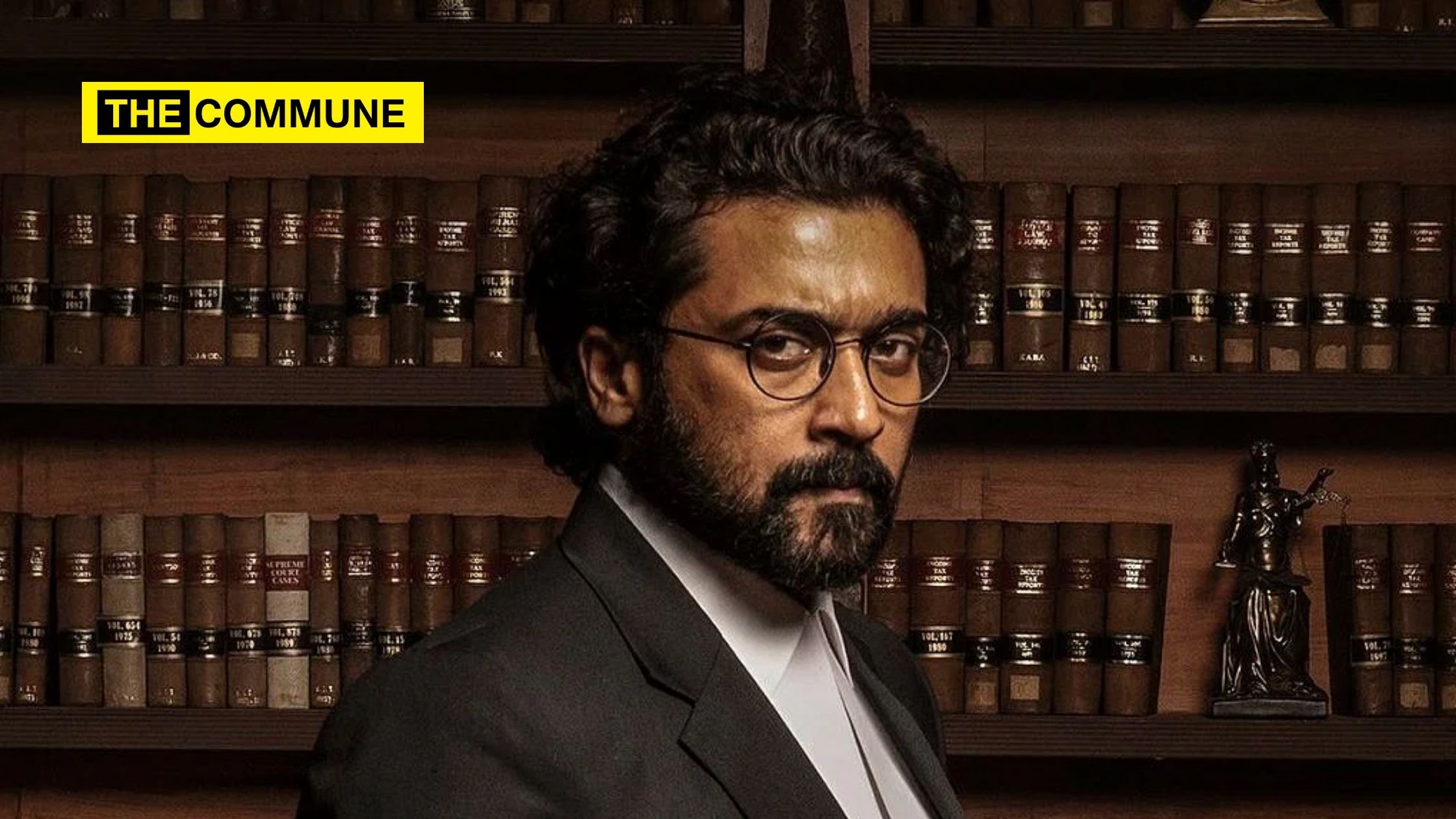
Jai Bhim continues to haunt Suriya & co; court orders to file FIR against actor and director for defaming Vanniyars

The controversy around Jai Bhim continues to haunt actor and virtue-signaller Suriya with the Saidapet Court now directing the Chennai Police to file a case against actor Suriya, his wife Jyothika and Jai Bhim’s director TJ Gnanavel.

The development comes following a complaint filed by the Rudra Vanniyar Sena, who had said in their petition that several scenes in the controversial film showed Vanniyars in poor light.

The petitioners pointed out that the villain in the movie had been shown from the Vanniyar Community with their sacred motif ‘Agni’.

The Court first heard the case on April 29 and has now directed the Tamil Nadu Police to file case against actor Suriya, his wife Jyothika and director of the film TJ Gnanavel.

The court noted that prima facie a case is made out as some cognizable offence is disclosed in the complaint.

The court has now forwarded the complaint to the Inspector of police in Velachery to register an FIR.

The case will be heard again on May 20.

When the film was released, actor Suriya and the crew of Jai Bhim found themselves facing heat after they were caught red-handed peddling false propaganda trying to create rift between different communities.

The main villain (character of SI Anthony Sami) is shown belonging to the Vanniyar community with their sacred motif ‘Agni’ being situated in the frame but in reality, the sub-inspector’s name who implicated Rajakannu and thrashed him was Anthony Sami and is not a Vanniyar but a converted Christian.

Mohan G Thanked “Jai Bhim” Producer!! Check Why | Chennai Memes

After backlash, the makers of the film replaced it with a calendar having the image of Hindu Goddess Lakshmi. Netizens pointed out that this was again a mischievous and deliberate twisting of facts in order peddle a narrative against the Hindu majority in Tamil Nadu.

Jai Bhim also received backlash for trying to instigate violence against Hindi speakers. In one scene, Prakash Raj who plays the role of a police officer slaps a north-Indian (who has been stereotyped as a ‘Marwari’ Saet) for speaking in Hindi and asks him to speak in Tamil.

Click here to subscribe to The Commune on Telegram and get the best stories of the day delivered to you personally.
Sadhguru congratulates Punjab Govt. on incentivizing water-saving cultivation

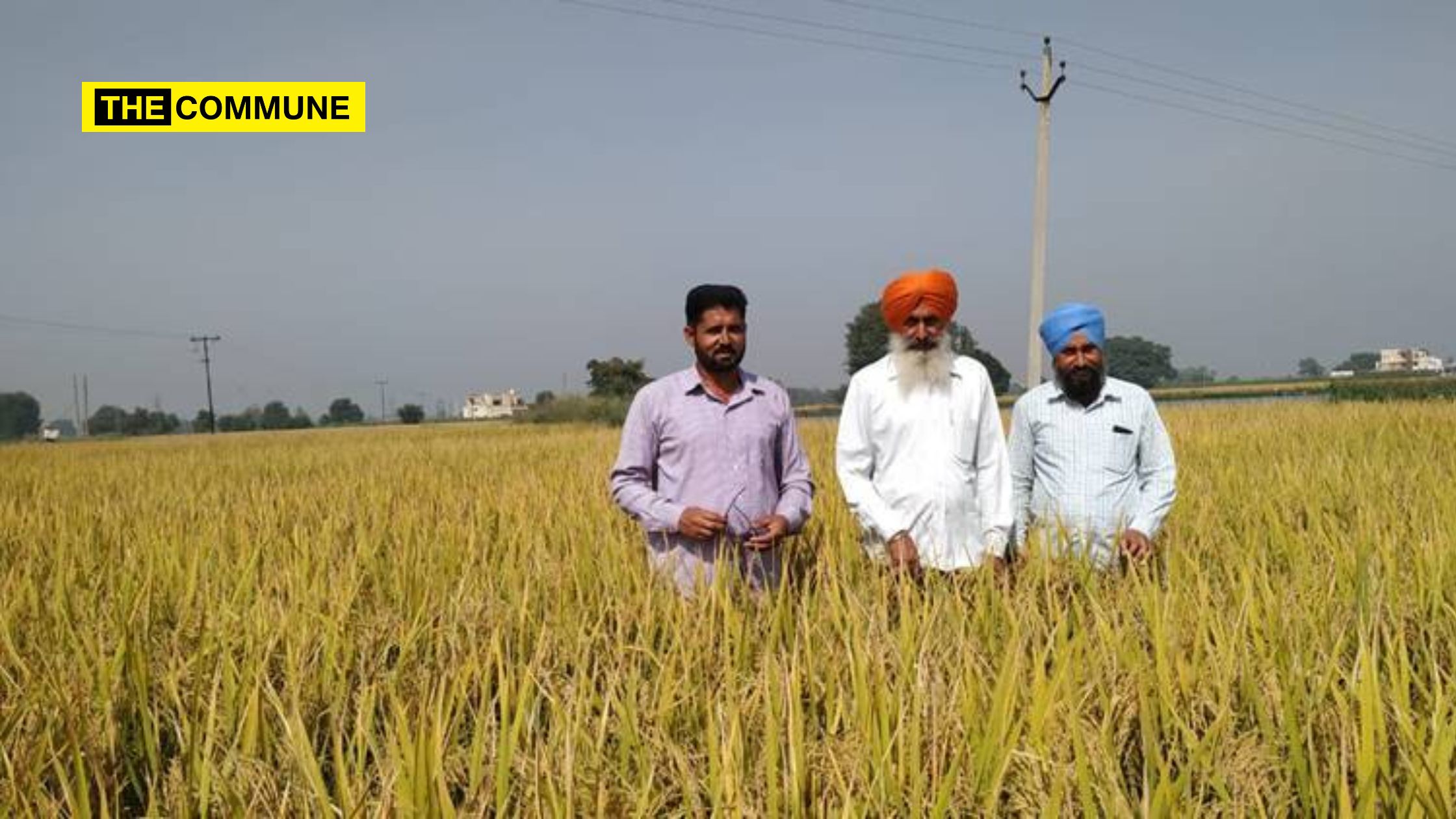
Responding to Punjab Chief Minister Bhagwat Mann’s announcement of the 1500-rupee incentive per acre for direct seeding of rice, Sadhguru, Founder-Isha Foundation, congratulated the Government of Punjab on the new policy.

Sadhguru tweeted, “Congratulations, @PunjabGovtIndia, on incentivizing sustainable farming practices. The way forward is government & policy support for farmers to embrace economically & ecologically sustainable cultivation methods. May Punjab inspire rest of Bharat.” 

According to agriculture experts, the direct seeding of rice (DSR) technique can drastically reduce groundwater exploitation. The Punjab CM appealed to farmers to not only use the technique but to promote it widely in the farming community in order to “save groundwater for our future generations.” The CM added that “some districts in Punjab have already been categorized in the red zone” due to the severity of depletion in groundwater levels.

(This is an official press release from Isha Foundation. The Commune was not involved in creating this content.)

Click here to subscribe to The Commune on Telegram and get the best stories of the day delivered to you personally.
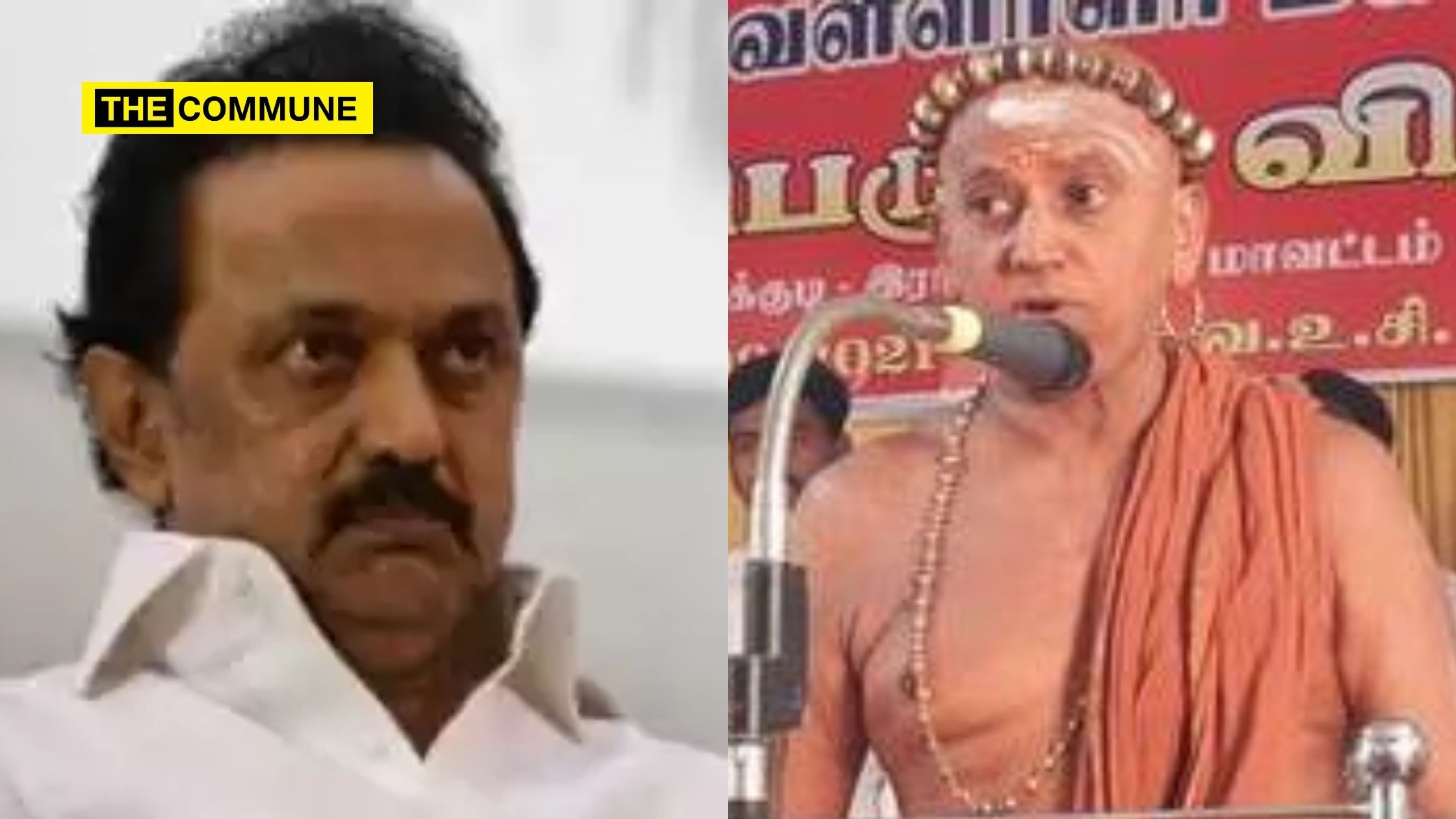
“Ruling party threatening me”: TN Saivite mutt head alleges amid DMK Govt banning centuries old Hindu practice

The MK Stalin-led DMK Government in Tamil Nadu has banned the age-old ‘Pattina Pravesam’ ceremony of the Dharmapuram Adheenam.

In light of this, the head seer of Madurai Adheenam has alleged that he has been getting threats from members of the ruling party.

Sri la Sri Gnanasambanda Desika Swamigal, the head pontiff of Madurai Adheenam said  “Government threatens me when I ask for return of Adheenam land, temples and other commercial properties for performing religious duties. Many of Adheenam’s properties are held by ruling party members.”

“I am going to report to the Prime Minister and Home Minister that my life is under threat”, he said speaking to the reporters.

He also questioned why restrictions being imposed for only one religion when the country is secular.

Earlier, the head seer of Madurai Adheenam came down heavy on the DMK government for banning the centuries old Pattina Pravesam ceremony in which the pontiff of Dharmapuram Adheenam is carried on a palanquin by Hindu devotees.

“Dharmapuram Adheenam is 500 yrs old and for past 500 yers this (Pattina Pravesam) was going on. But this year suddenly it’s not happening, I’m pained. Even the British had permitted Pattina Pravesam. After the British, Kalaingar (Karunanidhi),CM Bhaktavatsalam and other CMs allowed it. Nobody stopped it. It’s very unfortunate. My request to CM is, he himself should chair the event and attend the function.”, Sri la Sri Gnanasambanda Desika Swamigal said.

Click here to subscribe to The Commune on Telegram and get the best stories of the day delivered to you personally.
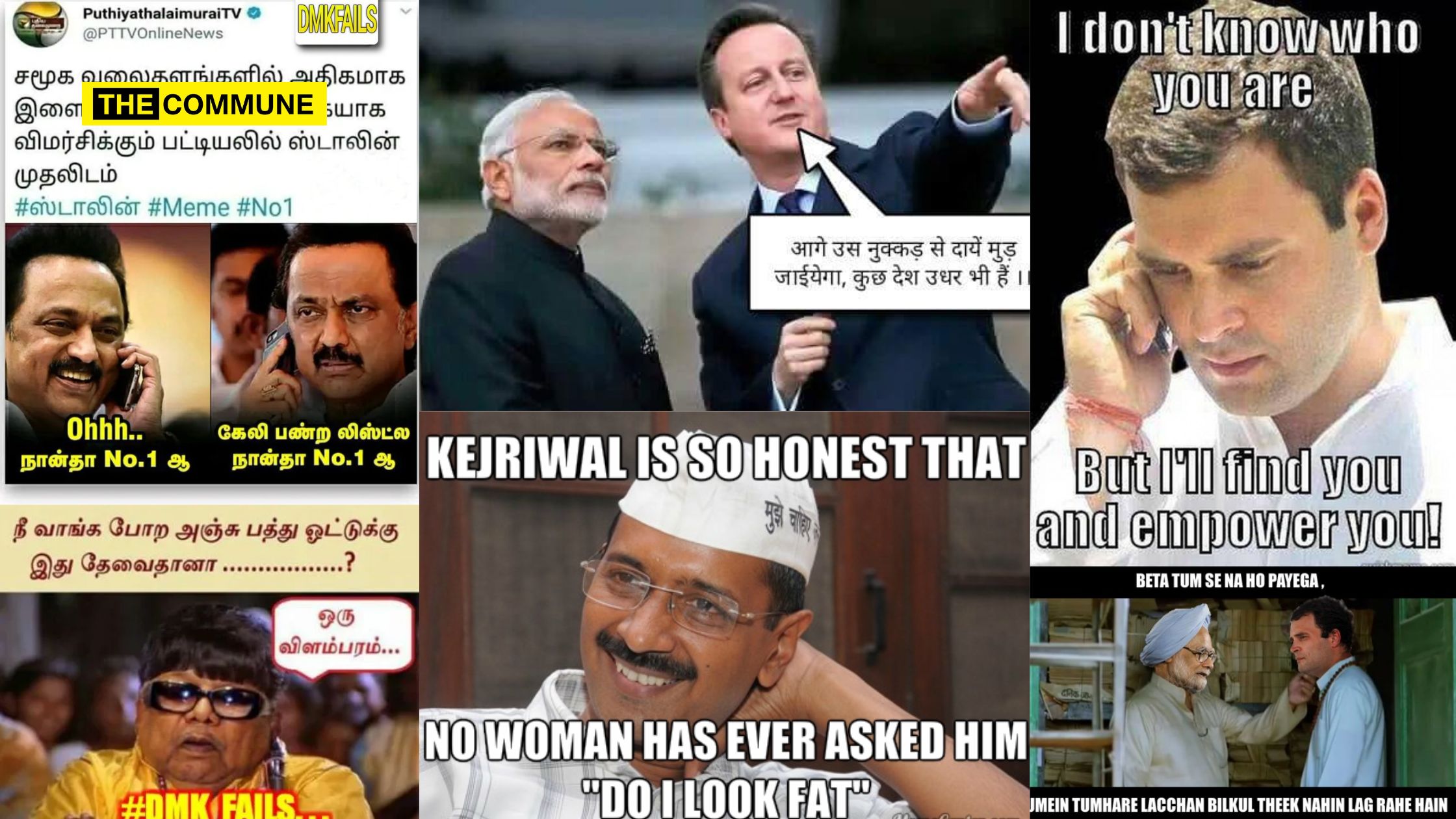
Memes: A Communication Revolution

Memes – They make us laugh, they give us information, and sometimes even offend us. According to Collins Dictionary, a meme is something such as a video, picture, or phrase that a lot of people send to each other on the internet. 

For the last few years, memes have become the main source of information, not just for the youth of today but even for the older generation, through various social networking sites. 

Several social media users today, prefer consuming information in short-form content.  Youngsters do understand the importance of being aware of current affairs, but they mostly consume it through social media and not the traditional news outlets. They are also as likely to get their news from influencers or celebrities they follow online.

According to Jayabhuvaneshwari, the brain behind News Ready Reckoner, an Instagram page that posts everyday news updates, “We wanted the youngsters of today to consume news everyday, have updates about sports, entertainment, politics, what happens in their locality, state, nation and in the world.” 

She also says that it is important for the youth to consume ‘news ‘, as the opinion that they currently have on the world, and on politics are mostly because of another individual’s influence. If they start individually consuming news more, they will be able to form opinions of their own.

Social Media has become such a prevalent means of communication that it is now almost an identity for many teenagers out there. Social media is their mode of communication, with friends and even with family. It is how they get their news, keep in touch, form political opinions, learn new trends, connect with people, document and share the highlights of their lives and express their creativity. 

Syama Harini, a Chennai-based standup comedian says, “Memes do have an impact to some extent because many sports and film reviews come out in the form of memes, which makes it more visually pleasing. Its impact can also be clearly seen with the growth in the number of meme pages that are coming up each and every day.”

When asked, if as a content creator there lies a responsibility to create the right kind of content when it is related to current affairs and politics, she said, “There is definitely a responsibility to create memes with the right information. The fun element is subjective, but not the facts.”

“There is nothing wrong in consuming news on social media as long as you get it from a reliable, reputed source. Since there is plenty of news propagated through social media it is important to fact-check before you share it with 10 other people. It’s the responsible thing to do,” says Nivetha Shekar, the social media head of Indian Express.

It is also important for news media houses to hop on the digital bandwagon. With the help of apps like Inshorts, consumers today get their news in less than 60 words. The depth of the story may be lost with a word limit, but the essence still remains. 

“Since today’s youth spend most of their time on social media I think it would be profitable for traditional media houses to broaden their digital footprint. It would gain them a younger audience who are impressionable and play an active part in shaping the future,” Nivetha added.

Due to their ability to express thoughts and feelings in a fun and relatable way, they have resonated with young audiences from the beginning. While most other media couldn’t maintain their relevance in the Internet age, memes are now one of the most consumed types of content online. Memes are not only a powerhouse of the Internet but also a social phenomenon. But since they are always around us, their real impact is very often overlooked.

Click here to subscribe to The Commune on Telegram and get the best stories of the day delivered to you personally.
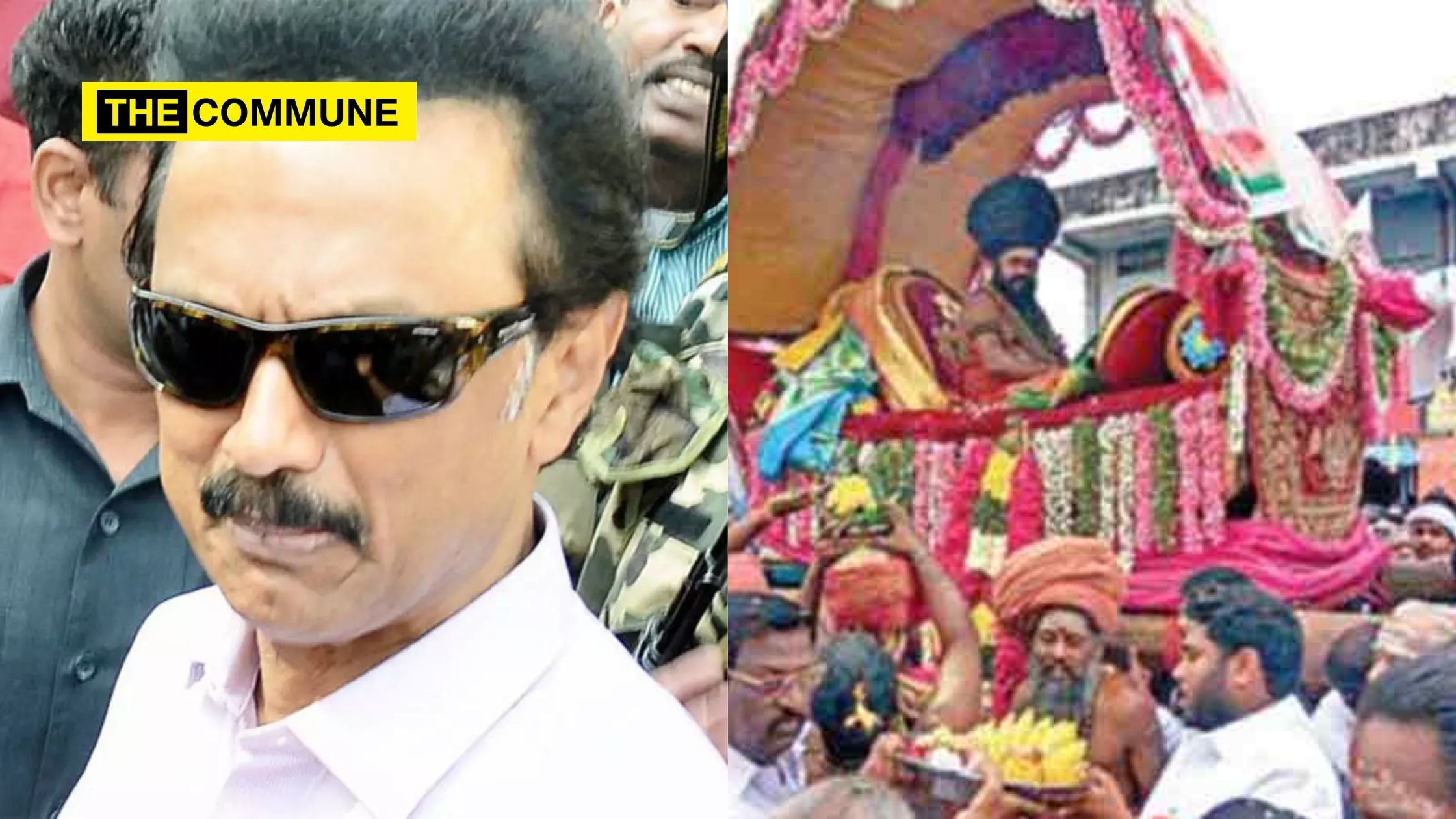
DMK Govt bans Dharmapuram Adheenam’s centuries old practice, ADMK and BJP call it attack on Tamil culture

Pandering to the rabid anti-Hindu outfits like Dravida Kazhagam, the MK Stalin-led DMK Government in Tamil Nadu banned the age-old Pattina Pravesam ceremony of the Dharmapuram Adheenam.

Pattina Pravesam ceremony is a tradition where Hindu devotees carry the seer of the Dharmapuram Adheenam in a palanquin.

Revenue Divisional Officer of Mayiladuthurai J Balaji issued the ban order calling the practice as “violation of human rights” and saying that it could lead to a law and order situation.

The order came after anti-Hindu fringe outfit Dravida Kazhagam and other allied outfits threatened the district authorities against permitting the event.

This blatant interference in religious matters is seen as yet another attack by the DMK government on the Hindu faith.

BJP Tamil Nadu President K. Annamalai called the DMK Government’s move as an attack on Tamil people’s civilizational culture.

He said that he would personally carry the pontiff on his shoulders defying the DMK government’s order.

He also hit out at the DMK implying that servitude to one political family is different from the spiritual servitude to a guru.

Leader of Opposition Edappadi K. Palaniswami too condemned the DMK for banning the Dharmapuram Adheenam’s Pattina Pravesam.

Many others have also lashed out at the DMK government’s move calling it unwarranted and unnecessary interference.

Tamil Nadu Congress leader Americai V. Narayanan said that he was appalled by the DMK government’s decision.

Click here to subscribe to The Commune on Telegram and get the best stories of the day delivered to you personally.
Sri Angan Massacre 1971: A Forgotten History

The Faridpur campaign of the Pakistan Army’s genocide of Hindus in 1971 started from the Sri Angan Ashram.1,2,3,4 Located in the Golchamot locality of Faridpur town, in present-day Bangladesh, The Sridham Sri Angan Ashram was set up by Prabhu Jagadbandhu Sundar, a Hindu Vaishnava saint of the Mahanam sampradaya, in 1899.5

Pakistan Army entered Faridpur on 21st April 1971 and kept it under siege for 9 months till the end of the Bangladesh Liberation War. During that time, the Pakistan Occupation Forces, along with the Urdu-speaking co-conspirators and Razakars, had conducted scores of killings.6,7 Around evening while marching through Golchamot locality, the Pakistan Occupation Forces stopped by the Sree Angan Ashram on hearing the kirtan. The soldiers surrounded the premises and entered the Ashram by brute force. Some of the monks who lived there fled the Ashram on seeing the soldiers. However, nine of them refused to leave the Ashram. At that time they were singing kirtan at the prayer hall of the temple. The Japanaam Sankirtan had “Jai Jagatbandhu Hari! Jai Jai Jagatbandhu Hari!” in it. The soldiers mistook the chants as “Jai Bangabandhu” and were convinced that the monks were chanting for victory to Sheikh Mujibur Rahman.1,8 The soldiers then stormed inside the hall and dragged the monks outside, to the elephant apple tree adjacent to the temple. One monk, Nabakumar Brahmachari escaped and hid in the nearby vegetation behind the Mountain Rose flower trees.8 The remaining eight were queued in front of the soldiers. According to Nabakumar Brahmachari, twelve shots were fired on the monks. The monks chanted “Jai Jagatbandhu Hari” as they fell down. The soldiers and the Razakars looted everything valuable they could find in the Ashram. The next morning, the corpses were taken away by a municipality truck. On 26 April, the Pakistan Army destroyed the shikhara of the temple with dynamite.9 Some of the monks, including Nabakumar Brahmachari, returned just after the killing and the loot and recovered the holy remains of Prabhu Jagatbandhu and carried them in a basket, escorting them through the enemy lines to India. It was first brought to Mahauddharan Math, Kolkata, followed by Mahendrabandhu Angan at Ghurni, Krishnanagar.

The eight monks who were killed by the Pakistani soldiers were

  • Kirtanbrata Brahmachari
  • Nidan Bandhu Brahmachari
  • Andhakanai Brahmachari
  • Bandhudas Brahmachari
  • Kshitibandhu Brahmachari
  • Gaurabandhu Brahmachari
  • Chirabandhu Brahmachari
  • Rabidas Brahmachari

According to Rabindranath Trivedi, who was retired Additional Secretary and former Press secretary to the President of the People’s Republic of Bangladesh, Captain Jamshed who had commanded the massacre and the subsequent desecration of the temple, committed suicide in front of the altar of Lord Jagatbandhu Sundar a few days before the surrender of Pakistan Army on 16 December 1971.10 According to the testimony of freedom fighter Prabodh Kumar Sarkar, Captain Jamshed became a lunatic before his suicide in front of Prabhu Jagatbandhu. The monks returned after the liberation of Bangladesh, restoring the holy relic and rebuilding the damaged temple.10

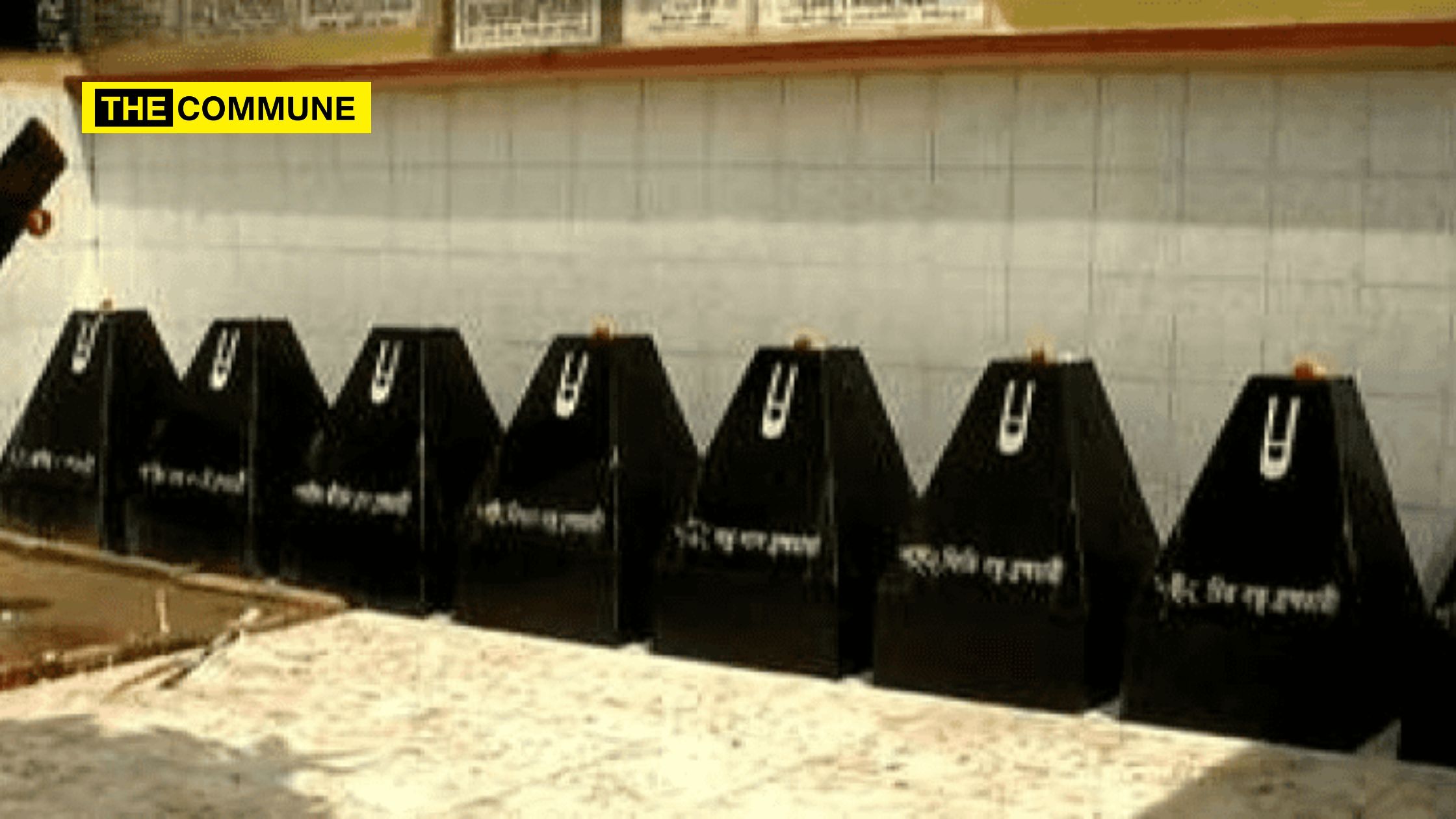
In 1996, Eight black plaques were raised for the eight deceased monks in the compound of Sri Angan by the Ashram authorities. Every year on 21st April, these plaques are garlanded with flowers by local Hindus and resident monks, and their sacrifices to protect the relic of Prabhu Jagatbandhu in the face of sure death are remembered.11

Despite being the first victims in the Faridpur campaign of the genocide, the Bangladesh government has not made any memorial for the slain monks.12

References

  1. Khan, Abu Saeed (2013). মুক্তিযুদ্ধে ফরিদপুর. Dhaka: Sahitya Bikash. pp. 149–150. ISBN 9848320857.
  2. https://www.samakal.com/print/191214325/print
  3. https://old.dhakatimes24.com/2016/04/20/110047
  4. https://bit.ly/2VYq3Lv
  5. https://web.archive.org/web/20201209111127/http://www.mahanam.org/?q=content%2Fsridham-sree-angan-faridpur-bangladesh
  6. https://www.nytimes.com/1971/07/04/archives/hindus-are-targets-of-army-terror-in-an-east-pakistani-town.html
  7. Hasan, Dr. M. A. (2007). পাকিস্তানি যুদ্ধাপরাধীরা:১৯১ জন. Dhaka: Somoy Prakashan. pp. 44–49. ISBN 9844585813
  8. https://bit.ly/3n01Dgl
  9. https://www.genocidemuseumbd.org/this-day-in-history/1971-04-21-2/
  10. https://web.archive.org/web/20191214010902/http://www.asiantribune.com/index.php?q=node/5902
  11. http://www.kopotakkhonews24.com/view/post/8554?page=1493
  12. https://www.jagonews24.com/amp/238864

This article was originally published in Stories of Bengali Hindus and has been republished here with permission.

Click here to subscribe to The Commune on Telegram and get the best stories of the day delivered to you personally.