From Hedgewar’s Sacred Oath to a National Renaissance Movement
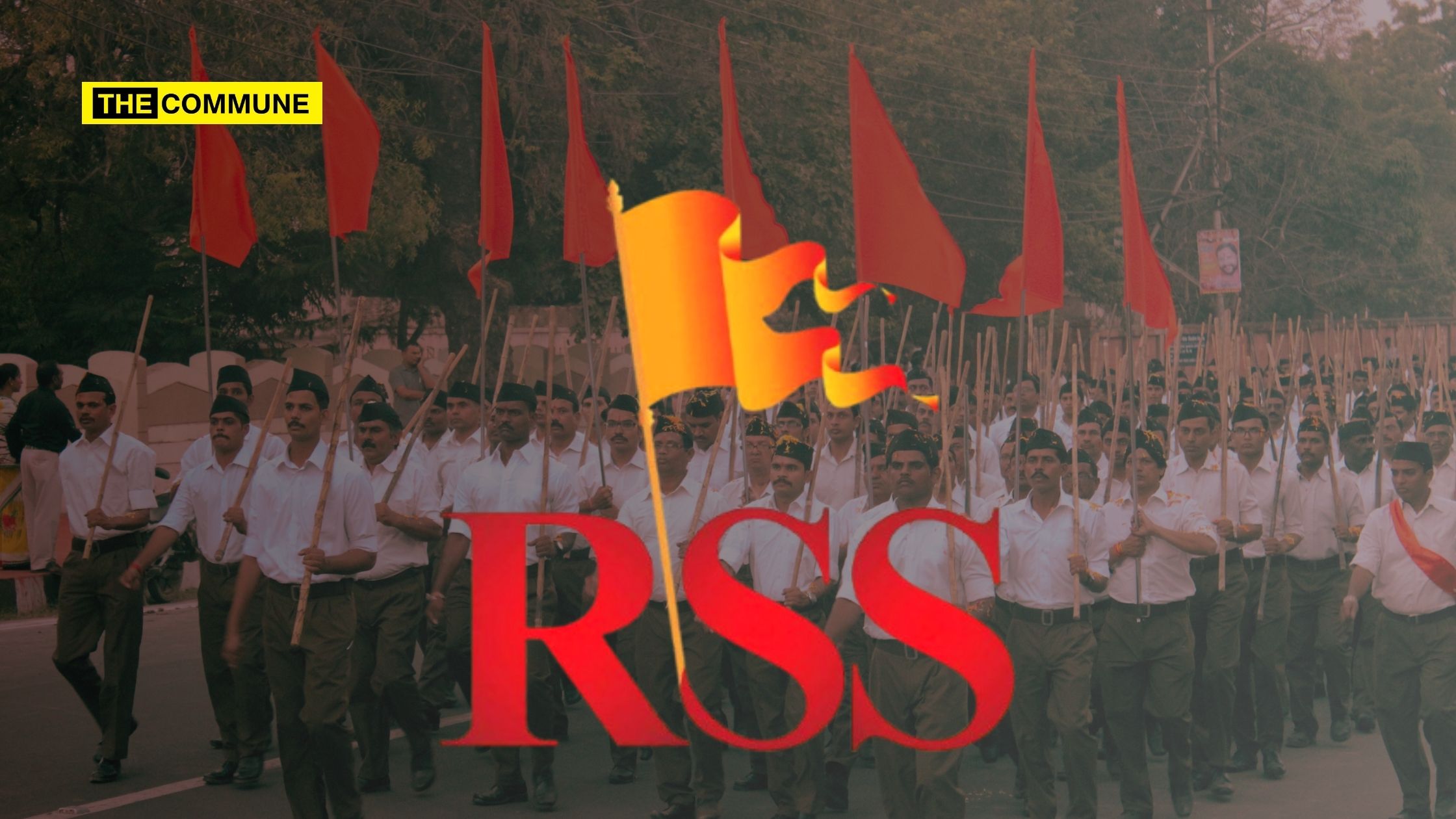
The Rashtriya Swayamsevak Sangh (RSS) has now completed one hundred years of its historic journey. Few organizations in modern history can claim to have endured such relentless hostility, state-imposed bans, misrepresentation, and vilification, yet emerge stronger with every passing decade. What began in 1925 as the vision of Dr. Keshav Baliram Hedgewar in Nagpur, with a handful of young swayamsevaks, has grown into the world’s largest voluntary socio-cultural organization its work touching almost every sphere of Indian life. The centenary year is not merely a milestone; it is an opportunity to look back, recall sacrifices, acknowledge countless anonymous contributors, and reflect on what makes the RSS such a uniquely enduring institution. The answer lies in two words: seva (selfless service) and samarasya (social harmony).
Dr. Hedgewar was not a mere ideologue; he was a man of action who saw the disunity and self-doubt among Hindus as the root of India’s civilizational decline. His solution was not political maneuvering but cultural consolidation. The RSS shakha was envisioned as a sacred space where young men could train their bodies, discipline their minds, and awaken their national spirit. Hedgewar’s call was simple: “The Hindu society must organize, for only an organized Hindu society can rebuild Bharat.” Those who joined him were ordinary youths, yet their extraordinary commitment turned Sangh work into a lifelong mission. Whether they were full-time pracharaks like Bhaurao Deoras, Eknath Ranade, and Dattopant Thengadi, or family men like Appaji Joshi, their lives were testimonies of silent sacrifice. They lived with minimal personal possessions, moved from place to place, and spread the Sangh’s message like tireless warriors.
Unlike many ideologies that sought power through politics, the RSS always found its strength in society. From the beginning, swayamsevaks were hosted and supported by ordinary households. The Sangh was not sustained by wealth or state patronage but by the food cooked in countless homes, by the mothers who saw their sons dedicate themselves to the nation, and by the sisters who infused their work with strength and encouragement. The role of women, though less discussed, has been monumental. Mausiji Kelkar and Pramila Tai Medhe, through the Rashtra Sevika Samiti, created a parallel organization that nurtured women’s participation in national service. This motherly strength made the Sangh’s work whole, reminding us that Hindutva is incomplete without the feminine force of Shakti.
From the RSS emerged not just swayamsevaks but also visionaries who founded powerful organizations in diverse spheres. Deendayal Upadhyaya gave the doctrine of Integral Humanism, a uniquely Bharatiya model of development that rejected both exploitative capitalism and soulless communism. Dattopant Thengadi founded the Bharatiya Mazdoor Sangh and Bharatiya Kisan Sangh, giving workers and farmers an ideological alternative rooted in dharmic values. Yashwantrao Kelkar laid the foundations of Akhil Bharatiya Vidyarthi Parishad (ABVP), shaping generations of nationalist students. The ripple effect of Sangh-inspired leadership can be seen in hundreds of organizations Vishwa Hindu Parishad, Vanvasi Kalyan Ashram, Seva Bharati, Vidya Bharati, Samskrit Bharati, and more each addressing a different dimension of national life. Collectively, this ecosystem has transformed the RSS from an organization into a movement.
No honest account of the RSS can ignore the systematic opposition it has faced. Branded “communal” by the British, banned thrice in independent India, and demonized in intellectual circles, the Sangh has endured pressures that would have crushed any other organization. Yet every challenge only deepened its roots. After Gandhi’s assassination, when the Sangh was unjustly banned, it was ordinary citizens and respected leaders who stood by it. During the Emergency, thousands of swayamsevaks were imprisoned. Yet, their courage and society’s sympathy helped restore democracy. The Sangh’s resilience comes from the wisdom once articulated by Swami Vivekananda, who said that India’s masses may be unlettered in English, but they instinctively recognize truth and nobility. Just as ants do not need to learn English to find sugar, Hindus did not need elite endorsement to recognize the Sangh’s sincerity.
The RSS has consistently sought Hindu unity, social reform, and national strength. When conversions under misleading circumstances rocked Meenakshipuram in 1981, the Sangh galvanized a Hindu awakening. When untouchability was falsely claimed as a Hindu doctrine, the Sangh guided the Vishwa Hindu Parishad’s 1964 Udupi declaration affirming that caste discrimination is alien to Hindu spirituality. The slogans Na Hindu Patito Bhavet (No Hindu can fall from grace) and Hindavah Sodara Sarve (All Hindus are brothers) echoed the Sangh’s vision of equality. The Ram Janmabhoomi movement was another watershed, where swayamsevaks, saints, and society converged to assert civilizational pride. That a 500-year-old injustice could be corrected through a constitutional process, culminating in the 2024 consecration of the Ram Mandir, is testimony to the Sangh’s patience, perseverance, and faith in the people.
Perhaps the most underappreciated dimension of the RSS is its enormous service work. Whether during natural disasters, communal strife, or pandemics, swayamsevaks have been among the first to reach victims, often silently and without seeking publicity. Their relief work during floods, earthquakes, and COVID-19 won admiration even from critics. Seva Bharati’s schools, healthcare centers, and social projects across slums, tribal belts, and remote villages demonstrate how the Sangh reaches where the state often fails. It is this constant touch with society that has given the Sangh legitimacy unmatched by political parties.
As the Sangh enters its second century, its mission remains unfinished. Organizing Hindu society is not an end in itself; it is the foundation for building a self-confident Bharat that contributes to the world. The challenges are immense—religious conversions, cultural deracination, demographic imbalance, and the menace of divisive politics. But the opportunities are equally vast. With India rising as a global power, the RSS has a unique role in ensuring that modernization does not mean Westernization. By reviving pride in Sanskrit, promoting Indic knowledge systems, strengthening families, and instilling discipline in youth, the Sangh can anchor India’s journey towards holistic development. Most importantly, the RSS must continue to embody inclusivity. Its century-long work has already shown that it is not against any community, but for the cultural unity of Bharat. Its challenge is to expand this message to every household, across caste, class, and region.
The RSS at 100 is not just an organization marking a centenary; it is a civilizational force standing tall amidst the storms of history. Its karyakartas are not bound by contracts or salaries, but by vows and ideals. Its growth was not engineered by state power but by society’s blessings. Its success is not measured in wealth or buildings, but in lives transformed and communities uplifted. As swayamsevaks fan out in this centenary year to reach every household, they carry with them the conviction that Bharat’s best days are ahead. If the first hundred years were about survival, consolidation, and awakening, the next hundred must be about renaissance, strength, and leadership. In the words of Guruji Golwalkar, “This work is not mine, nor yours. It belongs to Bharat Mata. We are but humble instruments.” A century later, millions of swayamsevaks remain those instruments dedicated, disciplined, and determined. And with society’s continued blessings, the Sangh’s march towards national rejuvenation is unstoppable.
Dr. Prosenjit Nath is a techie, political analyst, and author.
Subscribe to our channels on Telegram, WhatsApp, and Instagram and get the best stories of the day delivered to you personally.