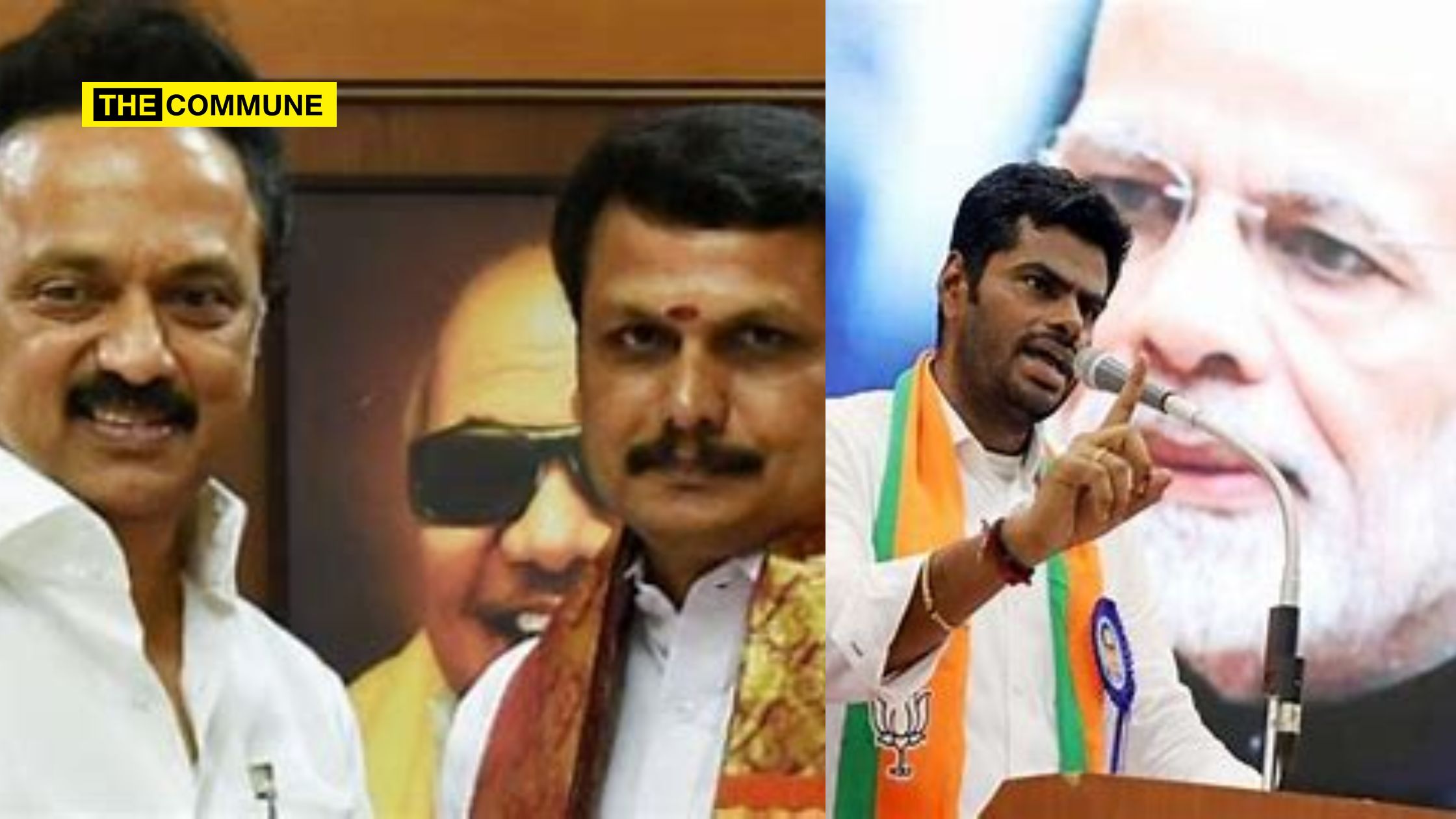
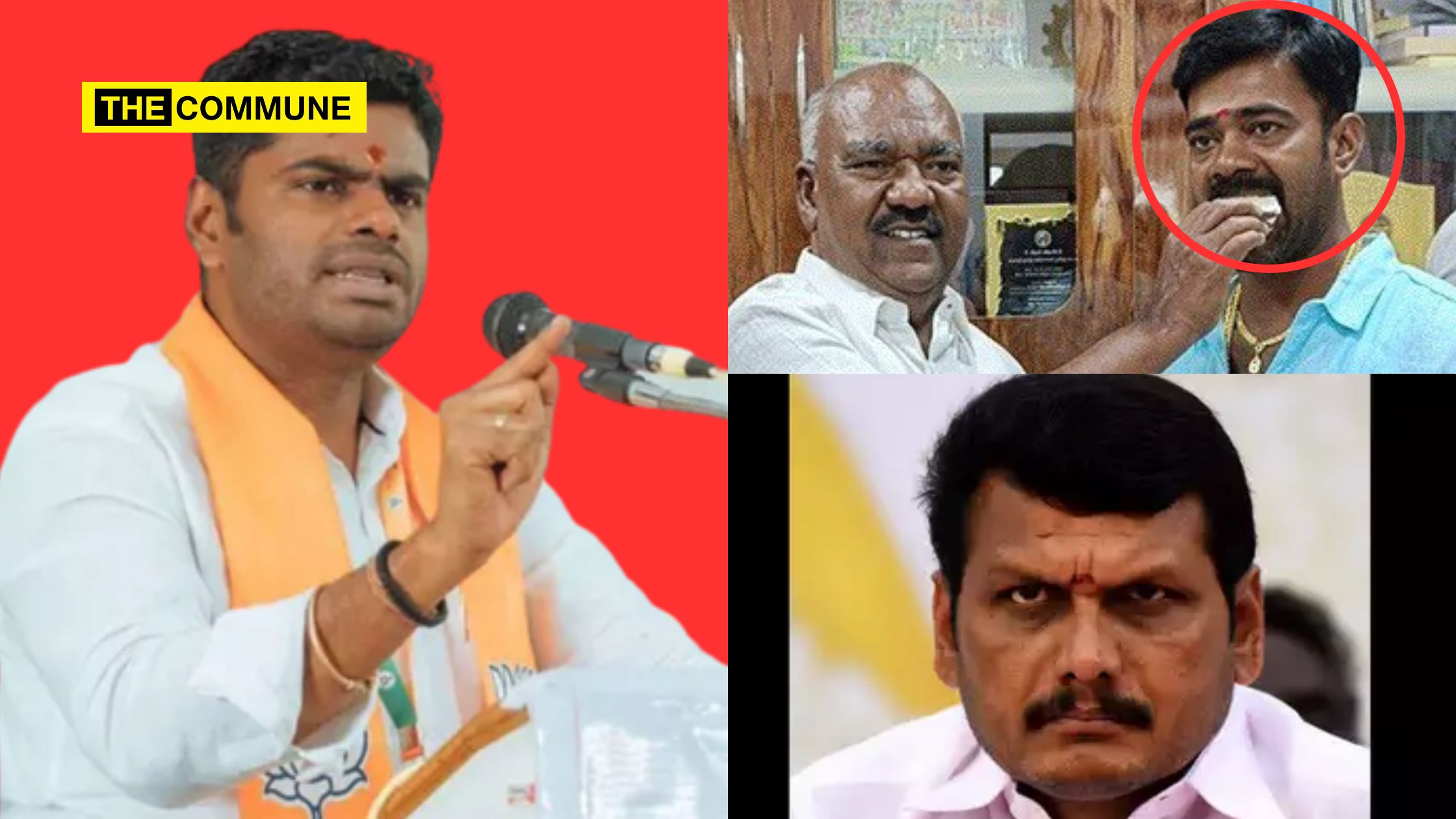
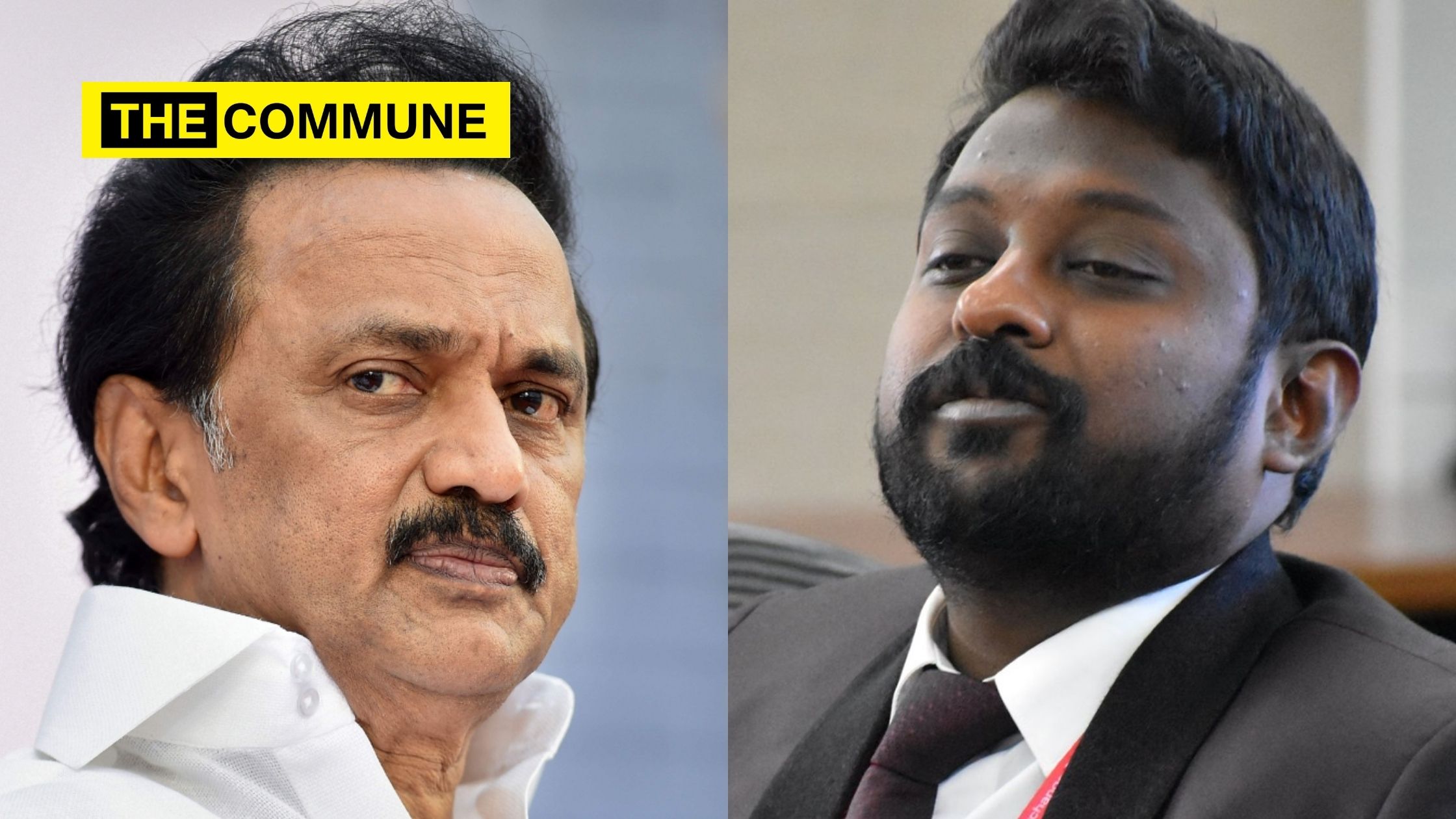
The Stalin-led DMK government has announced a compensation of ₹10 Lakhs to each of the families of the deceased in the twin spurious liquor tragedies in the Villupuram and Chengalpattu districts. This has spurred a major political row in the state, and opposition leaders, including the BJP leader, Annamalai, and AIADMK leader, Edapadi Palanisamy, have demanded the resignation of the Chief Minister.
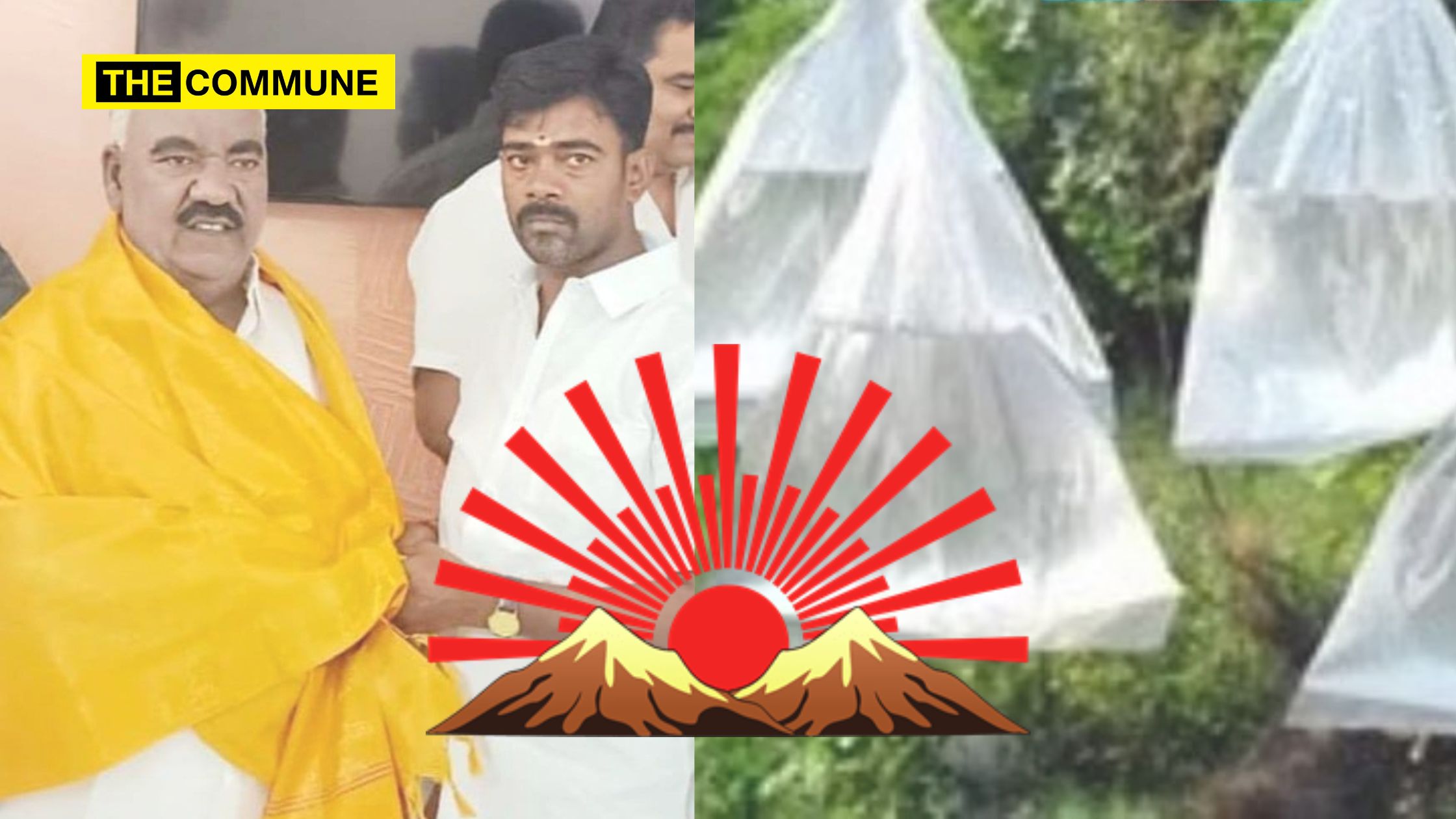
Annamalai, in a shocking revelation, showed that a person named Ammavasai, who has been arrested in Chengalpat as the main culprit of the illegal brewing case, is the brother of a Deputy Secretary of the DMK party. What is worse is the fact that the DMK party has awarded a compensation of ₹50,000 to the culprit.
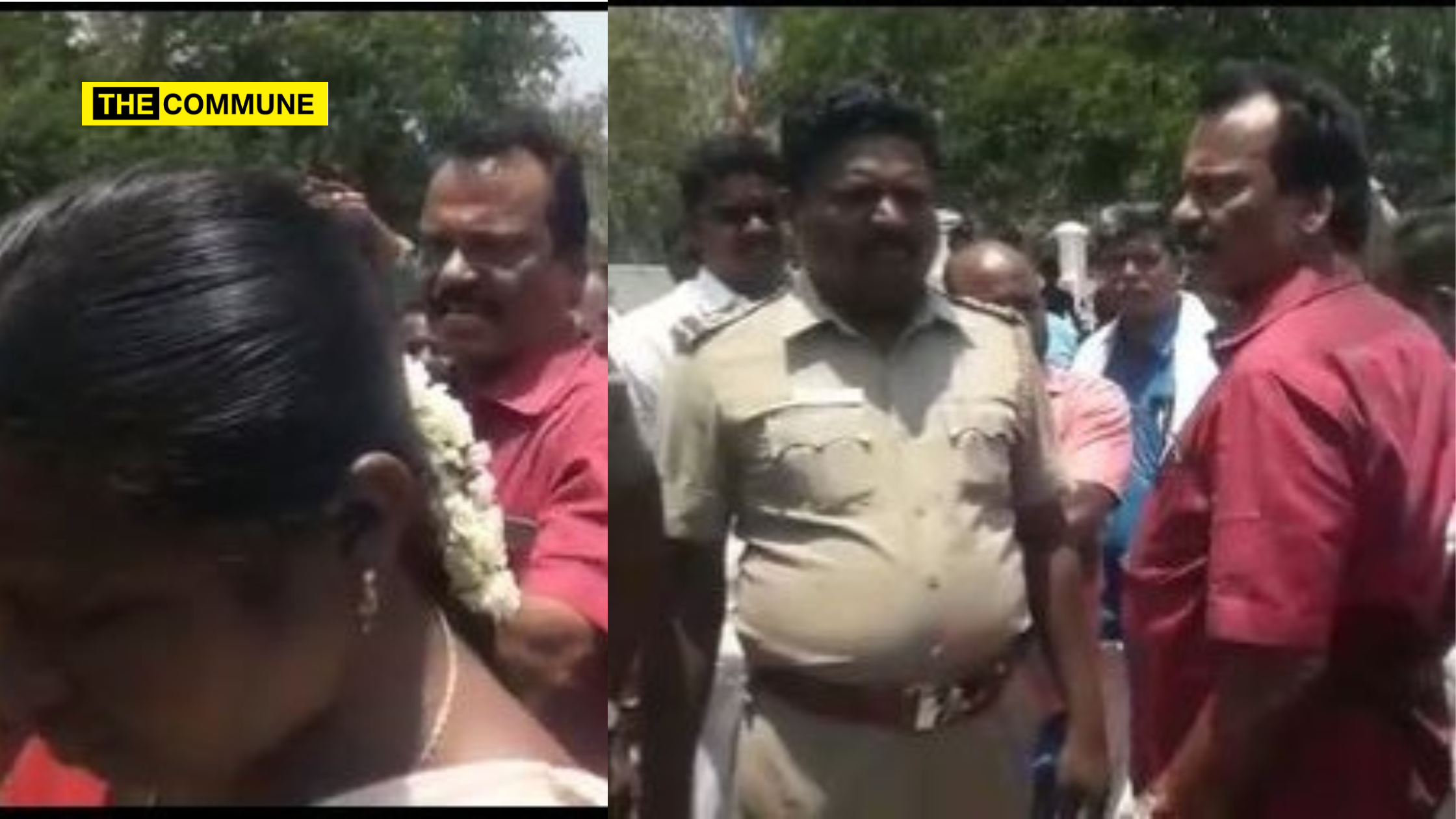
The way the police handled the controversy and the tragedy is raising several questions. When Markkanam people complained of vomiting and nausea, the police arrested Amaran, who was then released by the Sub-Inspectors after receiving ₹15,000 as a bribe following the intervention from Vizhupuram DMK Town Secretary Ravikumar.
Now Amaran is arrested again after the tragedy, and based on his confession, Muthu was apprehended by police while he was making his way to surrender to the court. Muthu confessed and admitted that he had bribed the Excise Inspector, SI, L&O Inspector, driver, Marakkanam Inspector, SI, Head Constable, and many more inside the police department to ensure a smooth production and sale of hooch. The accused also added that Muthu received supplies from ‘Maroor’ Raja, the husband of DMK Ward councilor Ramya and has a close association with the DMK Minister Masthan. Due to this, the police would never inspect Maroor Raja’s vehicle, and even if they did so, Rizwan, the son-in-law of Masthan, would interfere and ensure that the supplies were transported seamlessly.
Even when ‘Maroor’ Raja was arrested last April, DMK minister Masthan ensured that the police did not use the Goondas Act and let him operate the liquor network from inside the jail.
Further, political commentator Savukku Sankar’s blog has revealed how the TASMAC minister Senthil Balaji exerts control over all the licensed and unlicensed bars across the state. He has also called out the popular ‘Karur Gang’ for collecting ₹2 extra per bottle from the customers by force. Those employees who fail to cooperate with the gang are transferred or suspended.
Savukku Shankar also exposed the controversy behind the suspension of the Villupuram SP Shreenatha IPS. The Prohibition Enforcement Wing has three officers, namely SP Kannan, SP Senthil Kumar, and SP Jayanthi. The officers Jayanthi and Senthil Kumar are responsible for preventing the illicit distillation and distribution of liquor. Savukku Shankar has claimed that Kannan is a corrupt officer, and the incident happened under his jurisdiction. So, if someone has to be held accountable and suspended for the latest hooch tragedy, it is one or all of these three officers. But, the Stalin government has chosen the Vizhupuram SP for suspension, and this has raised so many questions.
Beyond that, the government reports suggested that the police raided the illicit distillers and distributors in Vizhupuram, Cuddalore, Nagapattinam, and Mayiladuthurai and arrested them. How is it possible to figure out all the illicit distributors in a single day? This is proof enough that the ministers and the police officials have all information about the hooch network, and they weren’t taking any steps to stop this and save the lives of the innocent.
A deeper look shows the pathetic picture of governance and law and order in the state. Those widowed due to the excessive, continuous consumption of the Tasmac-branded, legally recognized alcohol in the state only receive a compensation of ₹2000 a month. This is after they have experienced abuse and violence on a day-to-day basis from their alcohol-addicted husbands.
Leave the widows, Several gang men and power staff die have died in the last few months due to electrocution in the state, and none of them received ₹10 Lakhs.
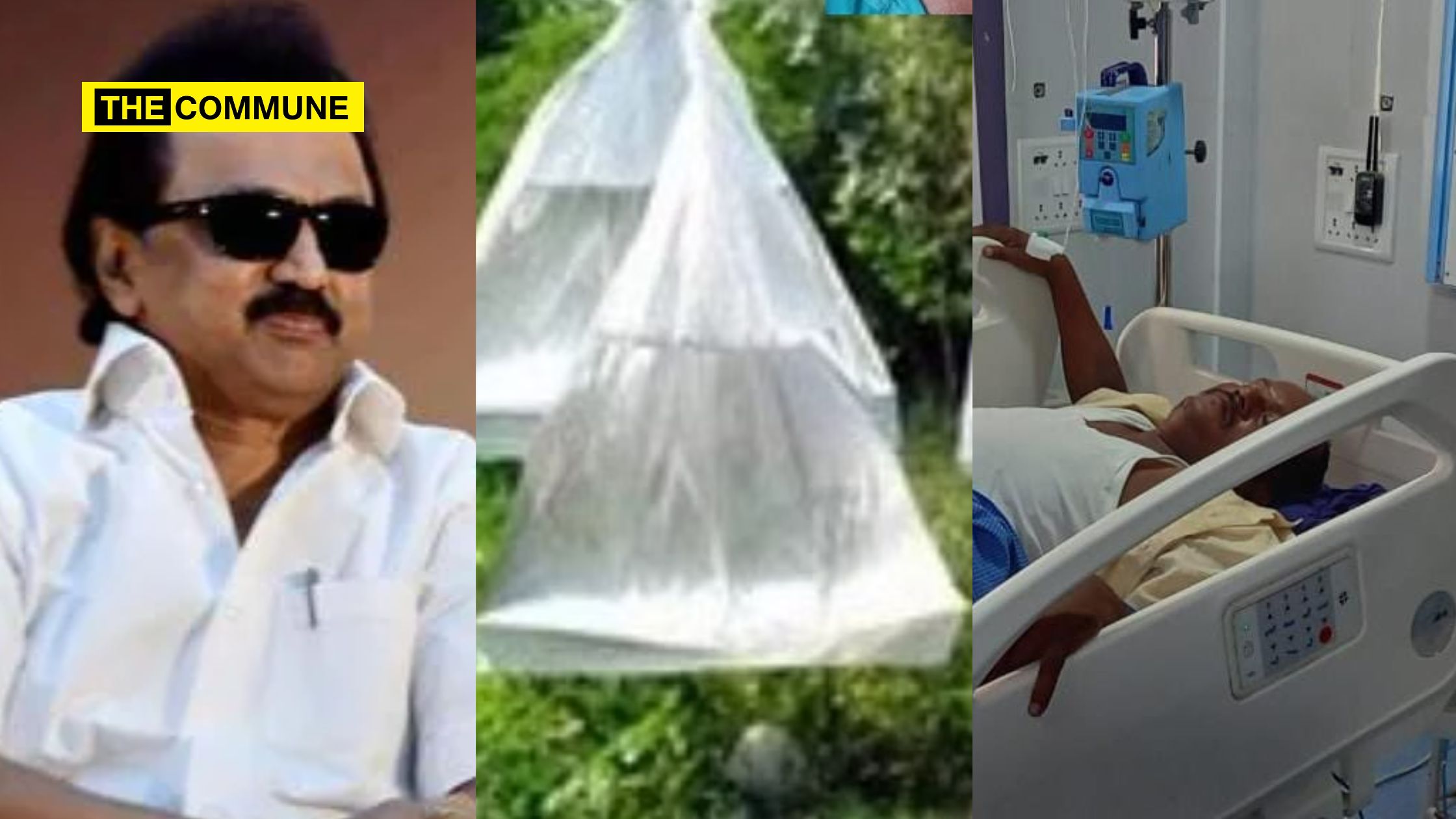
The Minister responsible for both these departments – liquor and electricity – is V. Senthilbalaji. That the DMK government gives 10 lakhs to boozers who died of spurious alcohol while ignoring the plight of field staff tells a lot about the infamous ‘Dravidian Model’.
There are a few children in Tamil Nadu suffering from rare diseases and genetic disorder like Spinal Muscular Atrophy. Every day we come across several fundraising campaigns on social media platforms. Though there are around 250+ disorders, the government has no special scheme to cater to such parents and children. There are many more avenues for the government to support the truly victimized and contribute to their upliftment. But the DMK government awards a whopping ₹10 lakh for deceased alcohol addicts and ₹50,000 for those taking treatment!
There have been several incidents of people dying when they clean sewers and septic tanks. Many have died from explosions and fires at cracker factories and companies in Sivakasi.
Contrast all these against the ₹10 lakh exgratia offered for the death of spurious liquor tragedy. It will only mean that the DMK government is encouraging the consumption of illegally brewed alcohol.
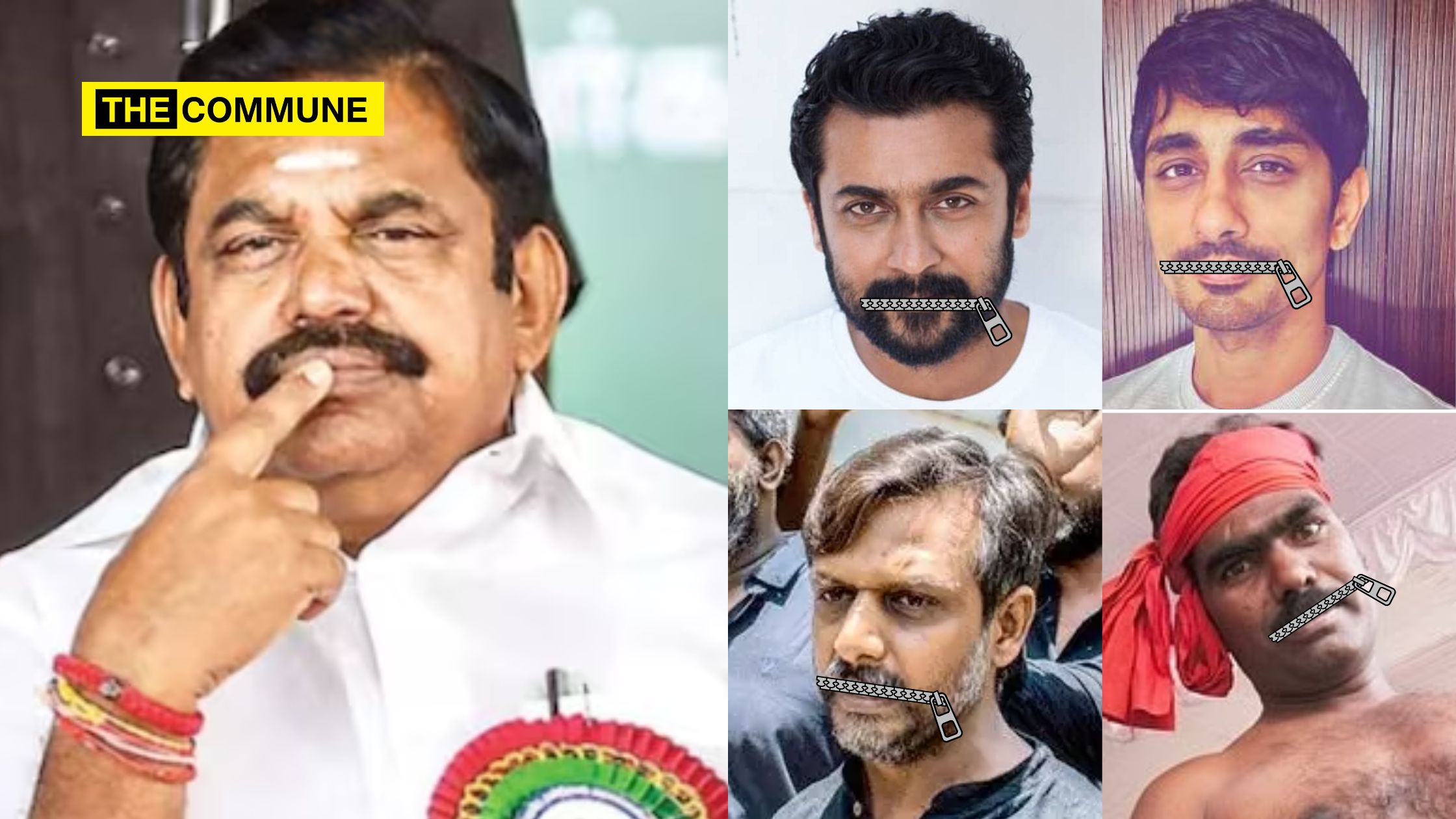
Also, is the government endeavoring to protect the accused by offering huge compensation and suppressing the voice of the victims and their families?
A responsible government should ensure that there is awareness among people about the danger involved in consuming hooch. People should also be educated about the difference between ethanol and methanol and how to identify them.
A majority of those arrested in the case are either holding positions in the DMK party or have close allies with the ministers and party members. Those in the top brass with close associations with the family-run distilleries and wholesale supply chains like Golden Vats, Accord, SNJ, KALS group, etc., hold the licenses to sell through the TASMAC bars and are spoiling innocent lives. On the one hand, those down the hierarchy holding panchayat-level positions are involved in running unlicensed bars and distributing illicit liquor, on the other. By all means, this government and the DMK families are earning a major chunk from the liquor business and are single-handedly responsible for disrupting the peace of several families in the state.
Until now, the proponents of Dravidian Model peddle the myth that state-control over liquor sales through TASMAC is necessary to curtail illicit liquor.
This hooch tragedy has not just busted this myth but has also exposed the pathetic Dravidian Model of governance.
(Kothai is a freelance political analyst and content strategist.)
Click here to subscribe to The Commune on Telegram and get the best stories of the day delivered to you personally.


Communists Compete With NOTA In Karnataka
On May 13th, 2023, the Election Commission of India announced the results for the Karnataka Assembly election, marking a significant moment in the state’s political landscape. While the Congress party emerged as the single largest party, the post-election scenario brought about internal challenges and a power struggle within the party. The battle for the Chief Ministerial position between party state president DK Shiva Kumar and former CM Siddaramaiah created a power struggle that has yet to be resolved.
With the election results unveiled, the Congress party celebrated its position as the leading party, having secured 135 seats in the assembly. This victory placed them at the forefront, though not with an absolute majority. The Bharatiya Janata Party (BJP) followed closely behind with 66 seats, and the Janata Dal (Secular) (JD-S) secured 19 seats, making it the third-largest party in the race.
Apart from seat allocations, analyzing the vote shares provides valuable insights into the support garnered by each party. The Congress party gained a vote share of approximately 42.88%, emerging as the frontrunner in terms of popularity among the electorate. The BJP secured 36% of the total votes, highlighting its significant voter base. The JD(S) obtained a respectable 13.29% vote share, reflecting its influence in certain regions. However, it is worth noting that the Communist Party of India (Marxist) (CPI-M) and the Communist Party of India (CPI) collectively received less than 1% of the total votes, indicating a decline in their popularity.
The final projection by the Election Commission of India in it’s website shows that Communist Party of India (Marxist) (CPI-M) got only 0.6% vote share, in terms of votes, around 24,000 votes. And the Communist Party of India (CPI) got 0.02% vote share, which is around 8,000 Votes. But even after summing the votes of both the parties, didnt not touch 1/8th of the votes received by NOTA. In this election, the NOTA received almost 2.69 Lakh votes, that is 0.69% vote share.
Instead of introspecting the results, the communists leaders were busy in praising Congress publicly for defeating BJP, which stands at 2nd position with 36% Vote Share and with almost 1.4 Crores votes. But the point to be noted here is, compared to 2018 Election result, the BJP got more than 7 lakh votes this time. In case of CPI and CPI(M), both have lost the significant number of votes and left the vote share almost close to null. In 2018, CPI and CPI-M got 4871 and 81191 votes respectively, which is 0.01% and 0.22% of vote share. It clearly shows Communists parties were loosing the ground.
(Pradeep G is the State Secretary of BJP Tamil Nadu’s IT-DM Cell.)
Click here to subscribe to The Commune on Telegram and get the best stories of the day delivered to you personally.