Home Blog Page 835

Does Elon Musk Have A Message For MK Stalin And Other DMK Leaders?
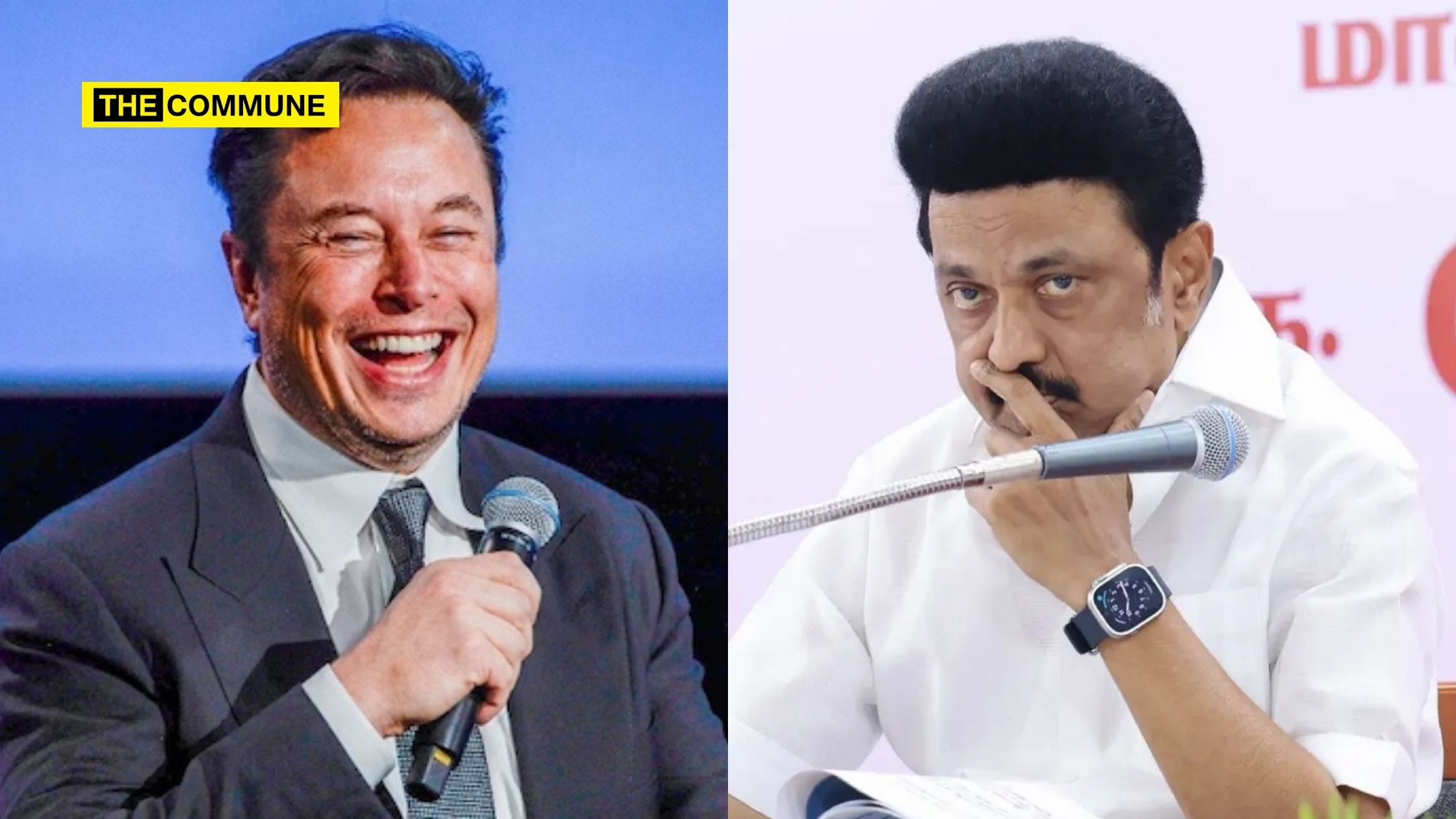
On 15 January 2024, the CEO of the social media platform X shared a post. It said, “To fear parody or criticism is a sign of weakness”

This message holds good for MK Stalin-led DMK government in Tamil Nadu as the tweet comes in the wake of the Puthiya Thalaimurai News Channel having had to take down a spoof/satire video depicting the Pongal gift hamper distribution going on in the ration shops. 

The theme for the video as well as the dialogues spoken in the video were jabs at controversial statements made by Sport Minister Udhayanidhi Stalin and former Minister for Higher Education Ponmudi

The video sparked displeasure among numerous DMK enthusiasts, with comments labeling Puthiya Thalaimurai as a ‘Sanghi’ news channel flooding in. Saravanan Annadurai, the official spokesperson of the DMK, strongly protested against it, stating, “This video presents a low opinion. This is not a spoof; this is proof of rotten brains.”

In response to the reactions from DMK members, Parisal Krishna, the editor of the Digital Edition of PTTV, issued apologies. Ironically, the DMK, self-proclaimed as a stronghold of social justice, press freedom, and freedom of speech, has shown sensitivity to critical news aimed at them on multiple occasions.

Instances Of Social Media Crackdown For Harmless Memes By DMK Govt

In June 2023, AIADMK IT wing member Gowtham faced arrest for sharing a video meme playfully referencing MK Stalin’s statement. Despite lacking derogatory content, DMK IT wing members deemed it demeaning to the CM.

The meme, circulated by an ADMK functionary, responded humorously to MK Stalin’s cautionary video about the BJP government. Importantly, it contained no disrespectful content but cleverly used snippets from Tamil movies to humorously address each of Stalin’s statements.

In March 2023, the DMK government’s ₹7000 crore allocation in the 2023-24 budget for the Monthly Assistance Scheme For Women sparked widespread outrage. The government later announced the scheme, providing ₹1,000 per month to women heads of “eligible households” from September 15, 2023. Criticism arose as the term “eligible household” deviated from the election promise to provide “rightful money” to every woman head of the family. Memes, including one from Voice of Savukku, featuring Kavundamani and Senthil’s comedy, equating TN CM MK Stalin and FM PTR Palanivel Thiyagarajan to the actors, mocked the government’s selection criteria.

The meme led to DMK cadre complaints and subsequent arrests. Pradeep, one of the admins of Voice of Savukku, was arrested on March 21st under sections 153, 505 (1) (b), and 509 of the IT Act for the video meme, intensifying the controversy surrounding the Monthly Assistance Scheme For Women.

In yet another instance in March 2023, Twitter allegedly took down a meme that made fun of the ‘dynastic succession’ in the DMK, featuring former Chief Minister M. Karunanidhi, his son and present Chief Minister, M.K. Stalin and grandson Udhayanidhi Stalin who is now a Minister in his father’s government. According to a report by The Hindu, the company said it received an order from “Tamil Nadu Law Enforcement” to remove the offensive tweet on 24 January 2023.

The meme showed the three DMK leaders asking party veteran and Water Resources Minister Duraimurugan to do a task for them. The tweet reportedly had only 450 views, 19 retweets, and 40 likes before it was removed. 

In December 2022, Tamil Nadu Police arrested AMMK functionary Csc Senthil for sharing a meme targeting the Chief Minister’s son Udhayanidhi Stalin’s Sports Ministry. Senthil, Secretary of TTV Dinakaran’s AMMK Nagapattinam district environment protection and awareness wing, posted a meme using a screenshot from the film ‘Gentleman.’ The meme humorously suggested that the new Tamil Nadu sports ministry, led by Udhayanidhi Stalin, would introduce unconventional games like “coupling” and “spooling.”

Click here to subscribe to The Commune on Telegram and get the best stories of the day delivered to you personally.
Never Forget, Never Forgive: How Congress Derogated & Banned Jallikattu

Jallikkattu, the age-old traditional sport of that has been prevalent since time immemorial holds a significant place in the cultural ethos of Tamils.

Referred to as “Eru Thazhuvuthal,” this ancient practice is documented in Sangam texts such as Kalithogai and Mullai Paatu.

The Supreme Court of India on 18 May 2023 dismissed the petitions challenging the law permitting Jallikattu.

The Constitution bench upheld the validity of amendments made by Tamil Nadu to the Prevention of Cruelty to Animals Act (PCA Act).

This judgement put the final nail in the coffin for the attempts by PETA India and Animal Welfare Board of India (AWBI) in getting the Tamil sport banned.

But here’s a look at how the Congress derogated Jallikattu and was instrumental in getting the sport banned.

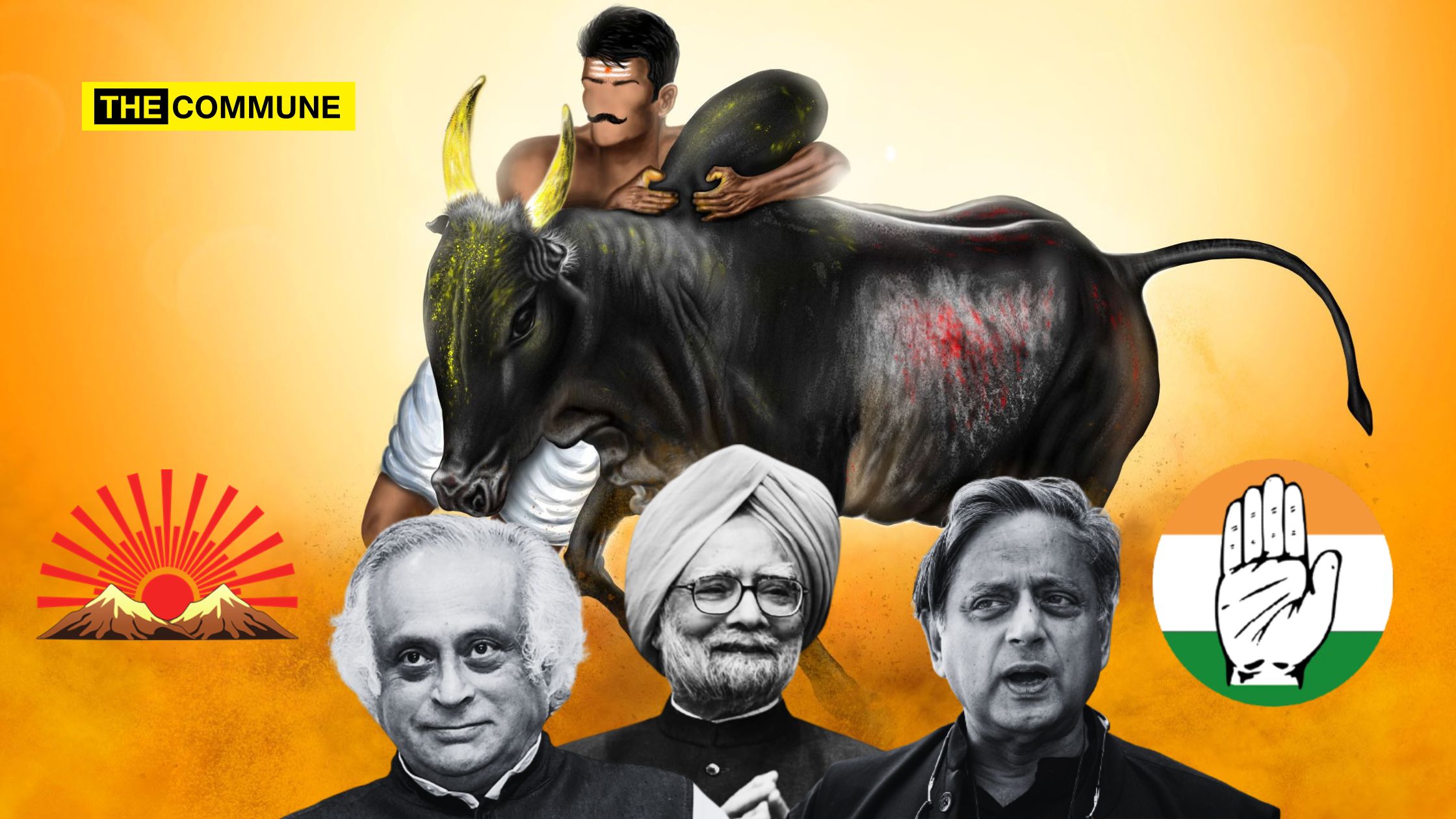
1. Congress-led United Progressive Alliance (UPA) showed great interest in banning Jallikattu. In fact, on December 15, 2015, former Prime Minister Manmohan Singh wrote a letter to the Human Society International, an organization similar to PETA, voicing his strong opposition to Jallikattu. Not only did he say that this most ‘horrible’ form of entertainment be not promoted, but he also wished the organization success in their goal of banning it.

2. Former Union Minister Jairam Ramesh, welcomed the Supreme Court’s ban on Jallikattu in 2014 and called it a barbaric sport. In fact, it was during his stint as the Environment Minister that he banned Jallikattu by adding bull to the list of animals prohibited for ‘performance’.

3. Abhishek Manu Singhvi, another spokesperson of the Congress, appeared as an advocate for the petitioners seeking a ban on Jallikattu, and openly stated that Jallikattu was a ‘horrible’ sport.

4. Congress MP from Thiruvananthapuram Shashi Tharoor back in 2015 called Jallikattu as cruel.

5. A Time of India report dated April 27, 2016 states that the party had called for a ban on Jallikattu in its 2016 election manifesto. Zee News too reported on the same date quoting ANI that the party promised to completely ban Jallikattu if it comes to power. India Today too reported that the Congress in its manifesto has  ‘promised prohibition on Jallikattu’. However, in 2021 when Rahul Gandhi was due to visit Tamil Nadu to participate in a Jallikattu event, the Tamil Nadu Congress Committee (TNCC) has been caught red-handed fudging its 2016 Assembly election manifesto to whitewash its stance on Jallikattu.

6. In January 2017, when the pro-Jallikattu protests was taking the state by storm, National Herald, the mouthpiece of the Congress, published an article criticizing the protests in a slanderous manner saying that Tamil men used the protests to ‘assert their manhood’ after feeling emasculated under the iron-fist rule of later former Chief Minister J. Jayalalithaa.

7. Former Congress Minister Jayanthi Natarajan too speaking to a Tamil TV channel conceded that Congress was responsible for Jallikattu ban.

8. Congress party was one of the petitioners calling for the Ban on Jallikattu but was recently defeated by BJP Candidate Thiru CK Ramamurthy avl in the Jayanagar constituency in the Karnataka assembly elections.

This being the Congress’s track-record on Jallikattu, it was ironical for Rahul Gandhi to come to Madurai and witness Jallikattu in January 2021.

On the other, it was the Modi Government which had restored the Tamil pride by revoking the ban on Jallikattu.

In January 2016, the Modi government, published a gazette notification allowing Jallikattu but, the Supreme Court stayed the government order enabling the continuation of the ban.

After the stay of government order by Supreme Court, Union Minister Nirmala Sitharaman requested the then AIADMK government in Tamil Nadu to pass an ordinance.

In 2017, the Modi government clears ordinance passed by Tamil Nadu govt that allowed the bull-taming sport.

While the UPA government (Congress and DMK) banned Jallikattu the Modi government at the Centre and AIADMK gave justice to Tamils.

SG Suryah is the State Secretary of BJP Tamil Nadu.

Click here to subscribe to The Commune on Telegram and get the best stories of the day delivered to you personally.
PM Modi Shares Shri Ram Bhajans Sung By Various Artistes; Southern Indian Artistes Among The List

The impending inauguration ceremony for the Ram Temple is approaching, and Prime Minister Modi has pledged to observe an 11-day fasting period leading up to the event on 22 January 2024. 

In 2019, the Supreme Court of India ruled in favor of allocating the disputed land court citing a report from the Archaeological Survey of India (ASI) indicating the presence of a non-Islamic structure beneath the Babri Masjid for the construction of a temple for Hindus, with Muslims receiving an alternative piece of land to build a mosque. A groundbreaking ceremony “Bhoomi Puja” for the initiation of Ram temple took place on 5 August 2020, led by Prime Minister Narendra Modi, and the temple’s inauguration is scheduled for 22 January 2024.

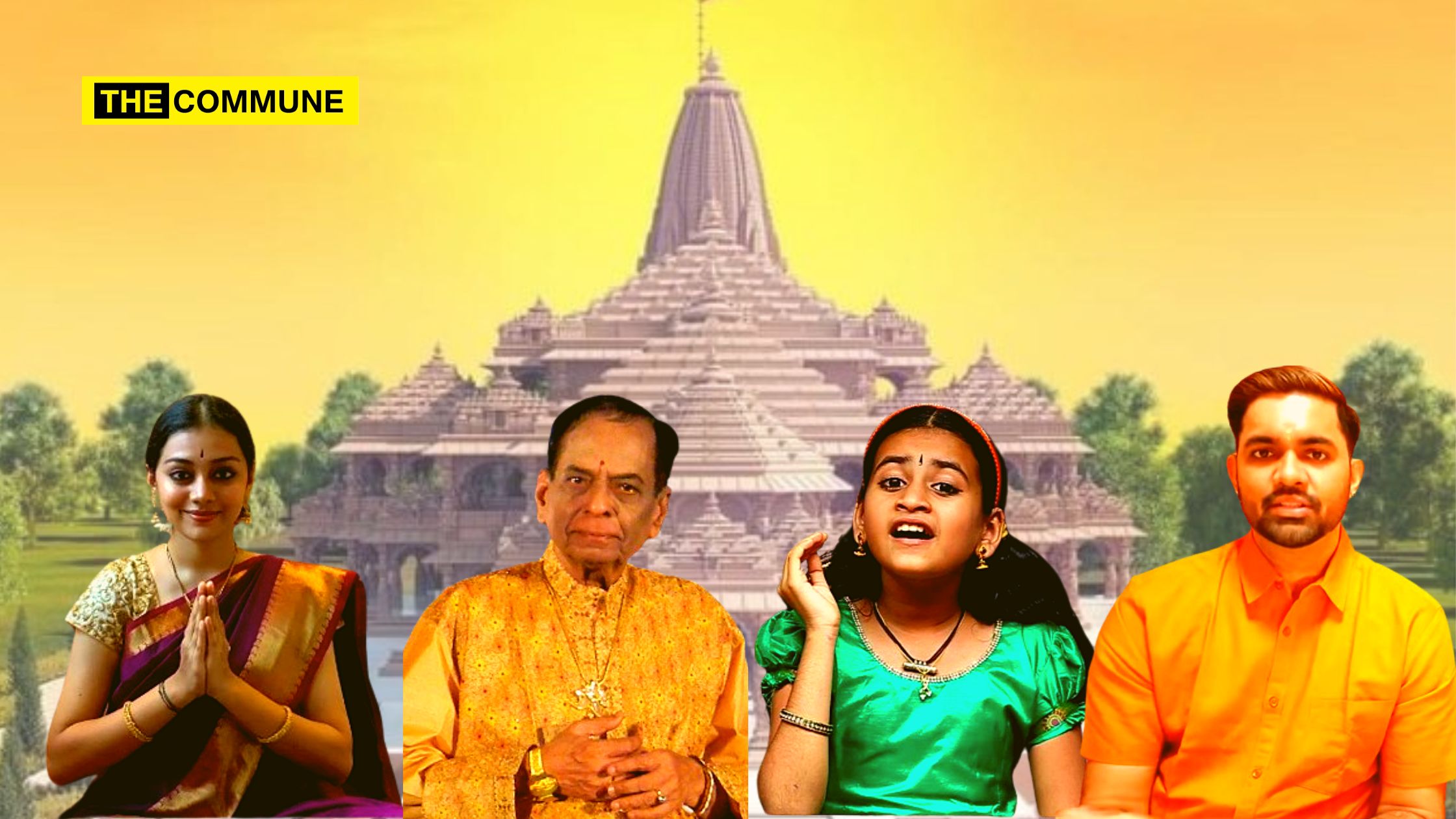
As a part of his #ShriRamBhajan series, PM Modi has been sharing various artistes’ rendition of Ram Bhajans, some even from across the world.

Here are some of the bhajans he shared.

Prime Minister Modi also shared a soulful rendition of Sri Ramachandra Kripalu Bhajaman by Soorya Gayathri from the famed Kuldeep Pai’s stable that is still popular after so many years, PM Modi wrote, “Today, when there is an atmosphere of joy everywhere regarding the welcome of Shri Ram Lala in Ayodhya Dham, this praise of Suryagayatri ji is going to fill everyone with devotion.”

He also shared a Ram Bhajan titled “Har Ghar Mandir, Har Ghar Utsav” and a post stating,After centuries of waiting, the moment of auspicious time is near in Ayodhya Dham. On this auspicious occasion, the praise of Lord Ram is echoing everywhere from North to South and from East to West. You will experience this atmosphere of faith and devotion through this presentation. #ShriRamBhajan”

This bhajan “Har Ghar Mandir Har Ghar Utsav,” performed by Divya Kumar with music composed by Siddharth Amit Bhavsar and expressed that the long-awaited moment of auspicious time is approaching in Ayodhya Dham after centuries. 

Following that, he shared a rendition by a visually challenged artist, Cassandra Mae Spittmann from Germany who gained prominence in Instagram with her devotional renditions.

He also shared Ashwath Narayanan’s rendition of Arunachala Kavirayar’s “Yaaro Ivar Yaaro,” a notable cover of the Rama Natakam, adds a distinctive touch to this Tamil opera. Authored by the revered Tamil poet Arunachala Kavi during the 18th century, the Rama Natakam draws inspiration from Kambar’s and Valmiki’s Ramayana, offering a captivating portrayal of the legendary King Rama of Ayodhya.

Intriguingly, this opera aligns more closely with the Tamil version than its Sanskrit counterpart, both in terms of spiritual concepts and the intricate nuances of the storyline. Ashwath Narayanan’s interpretation breathes new life into the timeless narrative, infusing it with his unique musical style and emotional depth. Through this rendition, the essence of Arunachala Kavirayar’s poetic brilliance and the cultural richness of the Rama Natakam resonates, bridging the temporal gap and captivating contemporary audiences.

PM Modi then shared Dr. M. Balamuralikrishna’s rendition of “Paluke Bangaramayena” stands out. This renowned Telugu  devotional song, also known as “Sri Ramadasu Keerthanalu,” was composed by the saint-poet Bhadrachala Ramadasu in the 17th century to extol Lord Rama. Adored by devotees, this song is frequently sung in temples and homes, especially during auspicious occasions.

On 16 January 2024, the Prime Minister showcased Sivasri Skandaprasad from Tamil Nadu. He highlighted Sivasri’s rendition of the divine Kannada song “Poojisalende Hoogala,”. He wrote, “This rendition by Sivasri Skandaprasad in Kannada beautifully highlights the spirit of devotion to Prabhu Shri Ram. Such efforts go a long way in preserving our rich cultural heritage. #ShriRamBhajan” 

On the 76th Independence Day, Prime Minister Narendra Modi outlined the “Panch Pran” (five resolves) aimed at realizing the dreams of freedom fighters for the nation by its centenary in 2047. These five pledges include fostering a developed India, eradicating remnants of the colonial mindset, embracing our rich legacy with pride, strengthening unity, and fulfilling citizen duties with unwavering honesty. 

Numerous noteworthy mentions can be found in his accounts, spanning across the entire geographical spectrum from north to south, east to west. His commitment to sharing insights into diverse cultures, arts, and distinct languages serves as a responsibility to cherish the longstanding glory. The aim is to bring this wealth of knowledge to every corner of India, with a particular focus on reaching the youth. The intention is to enlighten them about their rich cultural heritage, fostering a sense of pride and connection with their roots.

 Subscribe to our channels on TelegramWhatsApp, and Instagram and get the best stories of the day delivered to you personally.
 

Jallikkattu: An Ancient Tamil Festival Rooted In Sanatana Tradition

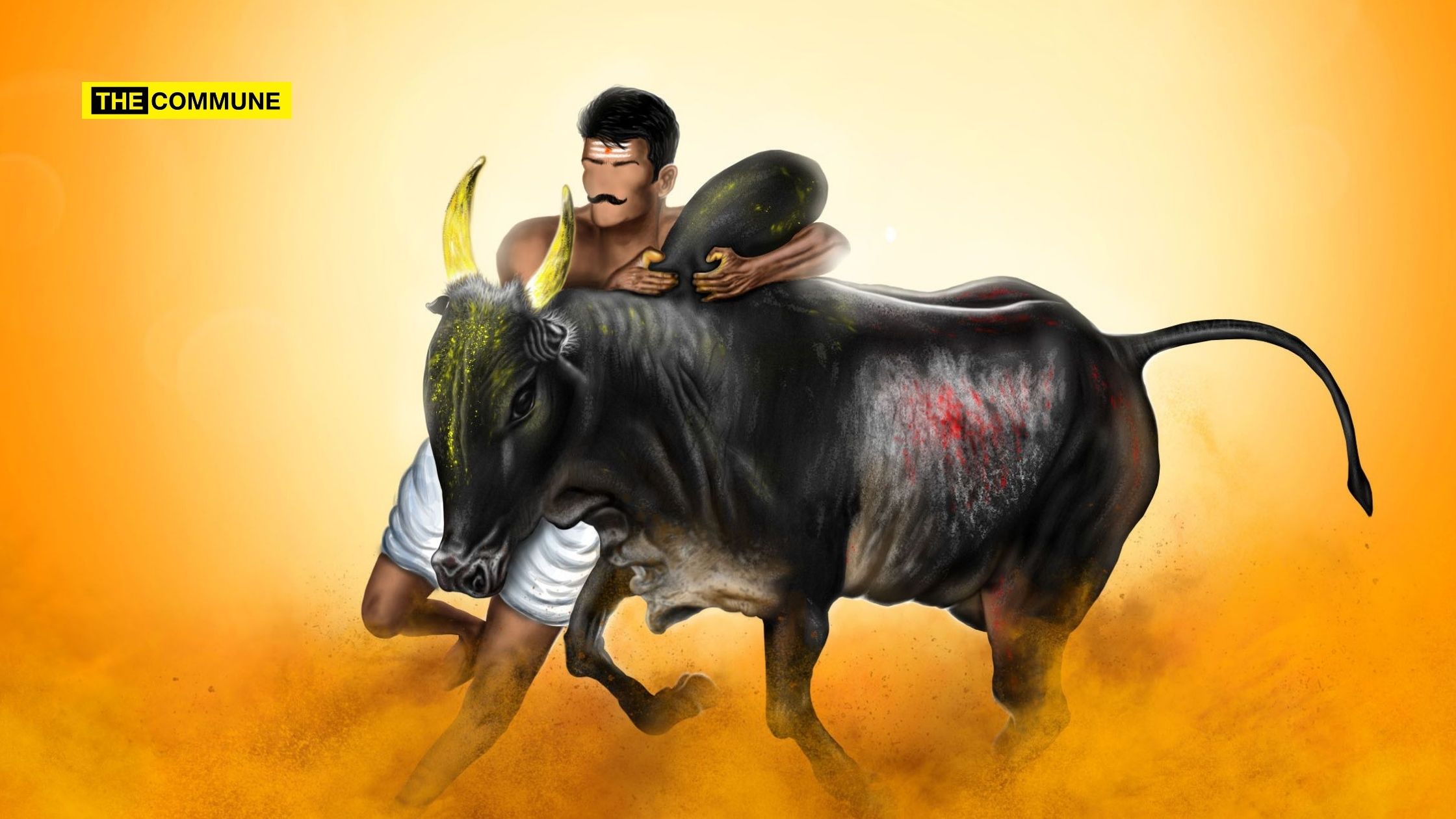
Jallikkattu, a traditional ritual performed during the Pongal season in some parts of Tamil Nadu, is a very ancient festival. Known also as “Eru Thazhuvuthal”,  the ritual was mentioned in the Sangam texts like Kalithogai and Mullai Paatu.  The core of the tradition involves letting a bull run from a gate known as ‘Vadi Vaasal’ and multiple participants tries to catch the hump of the bull for as much time as possible. The winner is someone who tames the bull or someone who runs along with that catching the hump for a distance / time. There are variations to this depending on the place where it is celebrated. 

As per the Sangam texts, the Jallikkattu was performed near a temple and is always associated with Sanatana tradition. In fact, the first bull which is let out of Vadi Vaasal is always the temple bull – Kovil Kaalai and no one will touch it. ‘Mullai Kali’ part of Kalithogai describes the procedures involved in the Eru Thazhuvuthal in detail.  Before the start, the villagers will pray to the God. 

Aar kali uvagaiyar orungu uṭaṉ koodi,

Theethu Indru Polika  Ena deiva Kadi Ayarmar

The villagers will assemble and pray to the God says Kali – 104th verse in the beginning.  Then the bulls will come to the ‘ring’. 

Kalithogai verses 104 and 105 compares the colour of the bulls and the marks on their body with the Sanatana Gods. For example, a white bull is described as 

Panaikkodi Paal Nira Vannan Pola Pazhi Theerntha Vellaiyum

The white bull is as white as the God Balarama who had Palm as his flag. 

Thiru Maru Marban Pola Thiral Sandra Kaariyum 

The Kaari bull which is black coloured like Vishnu who had Lakshmi in his chest.

Mukkannaan Uruve Pola Muran Migu Kuraalum 

Herę the bright Kuraal bull is compared to Siva who has three eyes and radiating light. 

Then the red coloured bull comes in this verse

Vel Vallaan Nirane Pol Very Vantha Seyum

This one has the red colour of Muruga who is also red coloured and has the spear in his hand. 

The above direct comparisons can be seen in verse 104.

Verse 105 gives some indirect references to the same Gods and compare them with some of the features of the bull. For example,

“Val Urul Nemiyan Vaai Vaitha Valai Pola Thellithin Vilangum Suri Netri Kaariyum”,  a black bull comes to the Jallikkattu ground. It has a mark of Conch on its face. So the poet says the colour is like Vishnu’s black colour and the mark on the face is like His Panchajanya. 

“Oru Kuzhayavan Maarbil On Thaar Pol Oli Migapporu Arap Porunthiya Sem Maru Vellayum”, this line compares the while bull to Balarama as before. But adds that the red mark on its chest is like Balarama wearing a red garland. It must be noted that the verse describes Balarama as someone who has one earring, a fact mentioned in our Puranas. 

Then “Kanichiyon Mani Midattru Ani Pola Irumbinar Eruththin Enthu Imil Kuraalum” . This means that the Kuraal which is quite bright has a blue neck, just like Siva whose neck became blue after drinking the Halahala Poison 

“Vel Valaan Udaiththaazhntha Vilangu Ven Thukil Eyppavaalithu Kilarntha Ven Kaal Serum” says another line. This means while the red coloured bull is like Muruga, the legs are while and it is like Murugan wearing a white cloth. 

Kali 104 also says that once these bulls are let go, the fight between the participants and the bulls are like fight between Pandavas and Kauravas in the Kurukshetra. 

One can clearly see the imprint of Sanatana in all such comparisons in one of the very ancient traditions of Tamilagam, the Jallikkattu.

TS Krishnan is a Tamil scholar and author.

Subscribe to our channels on TelegramWhatsApp, and Instagram and get the best stories of the day delivered to you personally.
When BJP’s Vanathi Srinivasan Took A Political Satire By Puthiya Thalaimurai In Her Stride While DMK Makes Them To Remove A Harmless Jibe

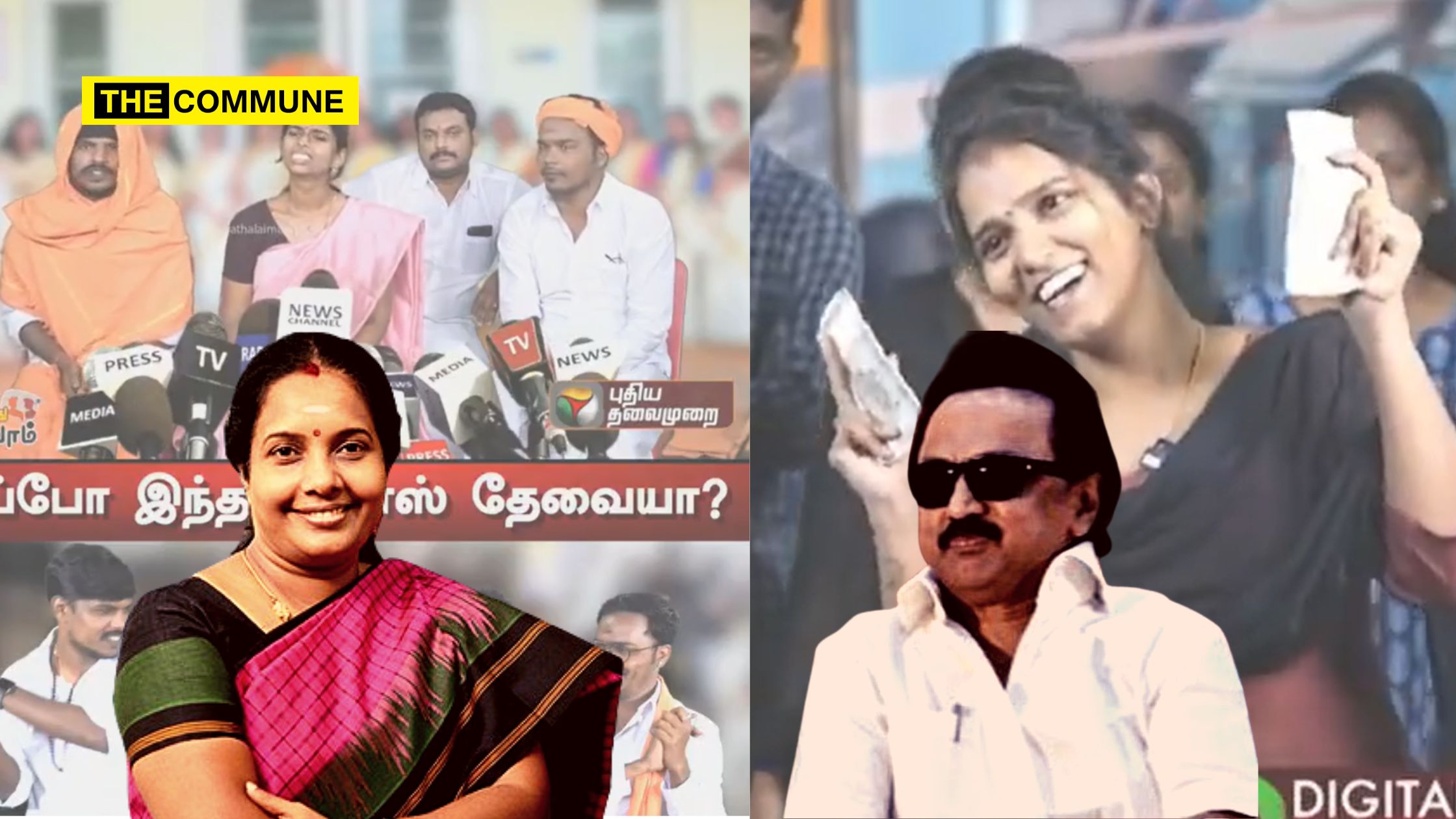
Puthiya Thalaimurai News Channel recently found itself in the midst of a controversy after posting a spoof/satire video on the distribution of Pongal gift hampers in ration shops. The video, shared on the digital platforms of the channel, humorously depicted various aspects of the ongoing political scenario in Tamil Nadu. Notably, the satire took aim at certain statements made by Sport Minister Udhayanidhi Stalin and former Minister for Higher Education Ponmudi.

In a particular scene, a lady in the crowd rushing to collect money identifies herself as Kannamma, prompting the person in charge to question the prevalence of names like Annamma and Kannamma. The lady retorts, stating that everyone in the town bears such names. The video unfolds further with humorous exchanges between the lady and the person overseeing the distribution, satirizing real-life incidents involving political figures.

Towards the end of the video, a cameraman asks the lady to pose with the money, alluding to the viral photos of elderly women expressing joy over receiving funds under DMK government schemes. This playful jab led to a public outcry, prompting Krishna Kumar, also known as Parisal Krishna, the editor of the Digital Edition of PTTV, to issue a public apology.

Kumar clarified, “In general, the video was only made as a comedy about what happens when government schemes are taken to the people,” expressing regret for any misunderstanding. He acknowledged the unintentional criticism and apologized for the perceived ulterior tone, vowing to be more careful in the future. The apology was shared on social media but has since been deleted.

Interestingly, this incident drew parallels with a past spoof video by Puthiya Thalaimurai News Channel featuring BJP MLA Vanathi Srinivasan back in October 2023. In that instance, Vanathi Srinivasan not only appreciated the actors via social media platform X but also personally commended them, displaying a light-hearted approach. However, the recent spoof on the DMK led to a public apology, highlighting the differing reactions to political satire in the state.

She expressed her enjoyment on her X handle , stating, “I enjoyed watching the spoof, good job.”

In response, the official handle of Puthiya Thalaimurai News Channel conveyed their satisfaction, saying, We are glad that you enjoyed this Mam. It is great to see politicians taking this in a lighthearted way. Please continue your support.

Subscribe to our channels on TelegramWhatsApp, and Instagram and get the best stories of the day delivered to you personally.
Singer KS Chithra Faces Vile Attacks From Leftists After Posting Video On Ram Mandir Pran Prathishta

K S Chithra also referred to as Chinna Kuyil (Little Nightingale), was subject to vile attacks online after she posted a video on her social media handle about the Ram Mandir Pran Prathishta. 

As reported in The Week, in the video message shared by the acclaimed singer on 14 January 2024, she said, “My salutations to all. When the consecration ceremony is held in Ayodhya on January 22, everybody should chant the Ram mantra ‘Sri Rama, Jayarama, Jaya Jaya Rama’ at 12.20 pm. Likewise in the evening, five-wick lamps should be lit in all parts of the house. Praying that God’s blessings may be showered upon everyone. loka samastha sukhino bhavanthu.”

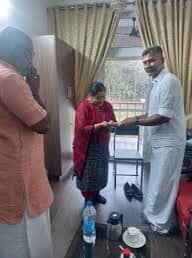
Chithra received the specially consecrated ‘akshatham’ and the invitation to visit the Ayodhya temple a few days ago.

Image Source: Facebook

Her video was well-received but also seemed to rub seculars on the wrong side, especially in a communist-ruled Kerala. It is said that the attacks came primarily from Left-Islamists after her message urging devotees to chant hymns and light lamps at home during the Prana Pratishtha ceremony of the Ayodhya Ram Temple went viral. 

Some of the reactions include:

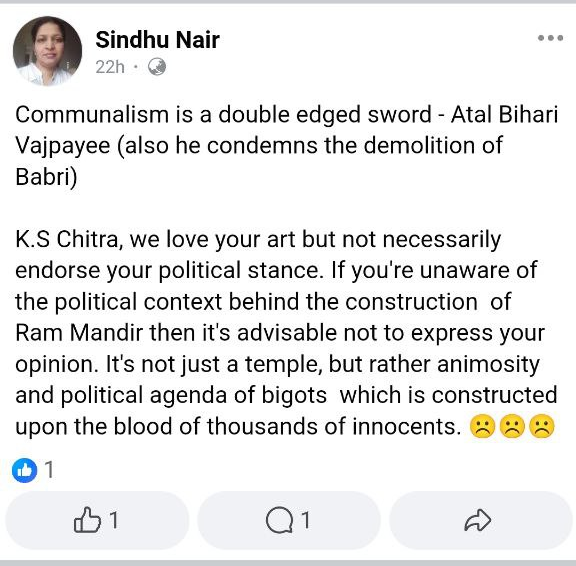
Writer Indu Menon reacted harshly to K S Chithra’s request. Taking to her Facebook page, Menon wrote in Malayalam, which roughly translates to:

“Building temples and demolishing mosques are apparently signs of mutual enmity. It can be argued that first there was a temple, then it is right to have a temple there. Oh poor thing, don’t they have freedom of speech? They said their opinion, why are we politicizing it? Chitra has freedom of speech and the freedom to take a side. Glorifying a cause that has resulted in murder and genocide innocently but what was experienced was brutality. Look at how innocent she is, a woman who is innocent enough to say that even when she plunges a knife into the heart, stab without hurting you. Singer Chitra and those who stand by the classical arts may sing and learn the songs of Rama, Vishnu, Sita, and Murugan, but that does not mean that they stand by the killing of their fellow human beings. Men will surely be killed by this dagger which you innocently thrust. No matter how much you see in the blood of men, in their exodus and their pains and chant Rama naama, no Rama and no Vishnu will come, even if you light five or lakh lamps, no light will fill your mind. The world believed that it was Kuil (Nightingale) only by sound but it has been proven that you are actually a fake Nightingale. Restrict the ritual, lamp, and cultural protection to your own home.”

Singer Sooraj Santhosh also attacked KS Chithra on her video and shared an Instagram story.

Image Source: India Today Malayalam

The story roughly translates to “Highlight is the naivety of the whole world, conveniently forgetting the history and putting aside the fact that the temple was built after demolishing it. How many more are going to be broken one by one. How many K S Chithra are sitting to show their self-image. Alas! Too bad!”

Singer G Venugopal came out in support of KS Chithra and shared the below message (as reported in Janam Online):

“I have known KS Chitra for more than fifty years now. Recently, I happened to see a video of Chitra that appeared on social media. The video is about asking devotees to light lamps in their homes and pray during the Prana Pratishtha ceremony at the Ayodhya Ram Temple. Following this, several posts appeared insulting the mega singer, the person whom everyone loves. Many posts even stated the need to isolate Chitra. All this has caused great sadness for Chitra who has not been involved in any controversies to date. For the past forty-four years, Chitra has only sung songs.

Chitra has not shown any passion for reading or writing and does not have any political orientation. In this matter also, Chitra has only thought about a great temple in Bharat and her devotion towards it. Nothing beyond Music, Devotion, Reverence, Dedication, Worship, Love, and Sympathy is in her realm of thought. If Chitra’s work is analysed, the depth of her songs proves she has contributed ninety percent or more to every song she has sung. Even when she was suffering physically, not once has her voice faltered or her songs gone out of tune during any performance on stage. It is a well-known fact that Chitra is a great talent who came to this earth only to perform the task of singing.

Even if we have a difference of opinion with Chitra who has sung so many songs for us, shouldn’t we forgive her for once? There will not be even a home of a revolutionary without mothers and older sisters who would advise them to chant four hymns in the evening or go to church every Sunday or perform namaz five times a day. No one abandons them or separates them if there is a difference of opinion. We Malayalis are obsessed with this new toy called social media. Often we bravely walk along a line of truth. But sometimes we issue strict baseless guidelines also, as in the case of Chitra.

We Malayalis only have a Chitra and a Yesudas to warm the music world under the label of world-class singers. They have done much more than a human can do in a lifetime. One human lifetime is not enough for us to fully appreciate and accurately assess it. You can be uncooperative with these people, can ignore their words. None of them have reached their positions through blood-stained paths. They have achieved immortality in our music world in terms of melody and rhythm. All I request is that we be careful not to hurt them.”

It seems that KS Chithra has deleted the video after the vile attacks to her video.


Can Consecration Be Done Before A Temple Is Complete? Here’s What The Vedas And Agamas Say

While the entire nation is euphoric about Lord Ram returning to his abode in Ayodhya, a few disgruntled elements whose contribution to the cause has been next to zero, aided by the usual suspects, have gone on to cause cast aspersions about the Grand Ram Temple in an attempt to create confusion among the devoted.

But Sri Brahmasri Ganeshwar Dravid Sastri, the Vidwan of Vallabhram Shaligram Sangved Vidyalaya in Varanasi, and an expert on Vedas and Agamas, who is also associated with the Kanchi Kamakoti Peetam, has answered many questions about Ayodhya Ram Mandir Pran Prathista based on Pancharatra agamas and other Vedic texts.

Here are a few questions:

Can Prana Pratishtha be done without the entire temple complex being constructed?

One of the crucial queries revolves around whether the Prana Pratishtha can proceed without completing the entire temple complex. Brahmasri Ganeshwar Dravid Sastri unequivocally asserts that it can can be conducted when the Garbagriha is fully built.

Even in the case of Somnath Temple in Gujarat, the consecration was done after the Garbagriha was completed. The current expansive temple complex was established later.

Can Pran Pratishta be done without the Kalasham on top?

Kalasha Prathista is done only when the temple complex is fully complete and this ritual can only be conducted by a sanyasi. Performing this act as a grihastha, a householder, goes against the Shastra’s guidance and is believed to result in the individual having no descendants.

Brahmasri Ganeshwar Dravid Sastri refers the Kalasha Aaroopana Vidhi, a ritual that outlines the rules for installing the Kalasha in the temple. This commentary, authored by Sri Anna Sastri, delves into the nuances of the installation process.

When can the Pran Pratishta of a temple be done?

Before the Prana Pratishtha can take place, certain rules and rituals must be observed. According to Brahmasri Ganeshwar Dravid Sastri, the following are the requirments:

  1. Complete one level of construction: The temple must have at least one level of construction completed. These are based on Pancharatra Agama and Ishwar Samhita. Temples like Srirangam and the Varadaraja temple in Kanchipuram are governed by the Pancharatra agama.
  2. Installation of doors (golden door): Temple construction rules allow for Prana Pratishtha to take place if Kalasha Prathista has not yet occurred, provided that at least one level of the temple, along with its door, is completed. The temple doors, particularly the main entrance, should be installed.
  3. Vastu Puja: A ceremony to the deities associated with Vastu (architecture and construction) is performed. After the Vastu rituals, the temple doors can be opened and priests can proceed with the Prana Prathistha.
  4. Brahmana Bhojanam: A meal for Brahmanas (priests) is arranged.
  5. Vastu Shanti Homa: A Homa (sacred fire ritual) for the propitiation of Vastu deities is conducted.
  6. Masha Bali & Payasa Bali: Offerings of Masha (black gram) and Payasa (sweet rice pudding) are made.

All the above pujas and rules are supported by references in the Bruhan Naradiya Puranam (Narada Puranam in the 46th Adhyaya, specifically in slokas 697 and 698. It completely subscribes to the Dharma Sastra.

In conclusion, the Prana Pratishtha of Bhagwan Shri Ram Lalla in Ayodhya is a momentous occasion deeply steeped in tradition and spiritual significance.

Tinku Venkatesh is a Vaishnavite Hindu with an interest in temples, culture and politics.

Subscribe to our channels on TelegramWhatsApp, and Instagram and get the best stories of the day delivered to you personally.
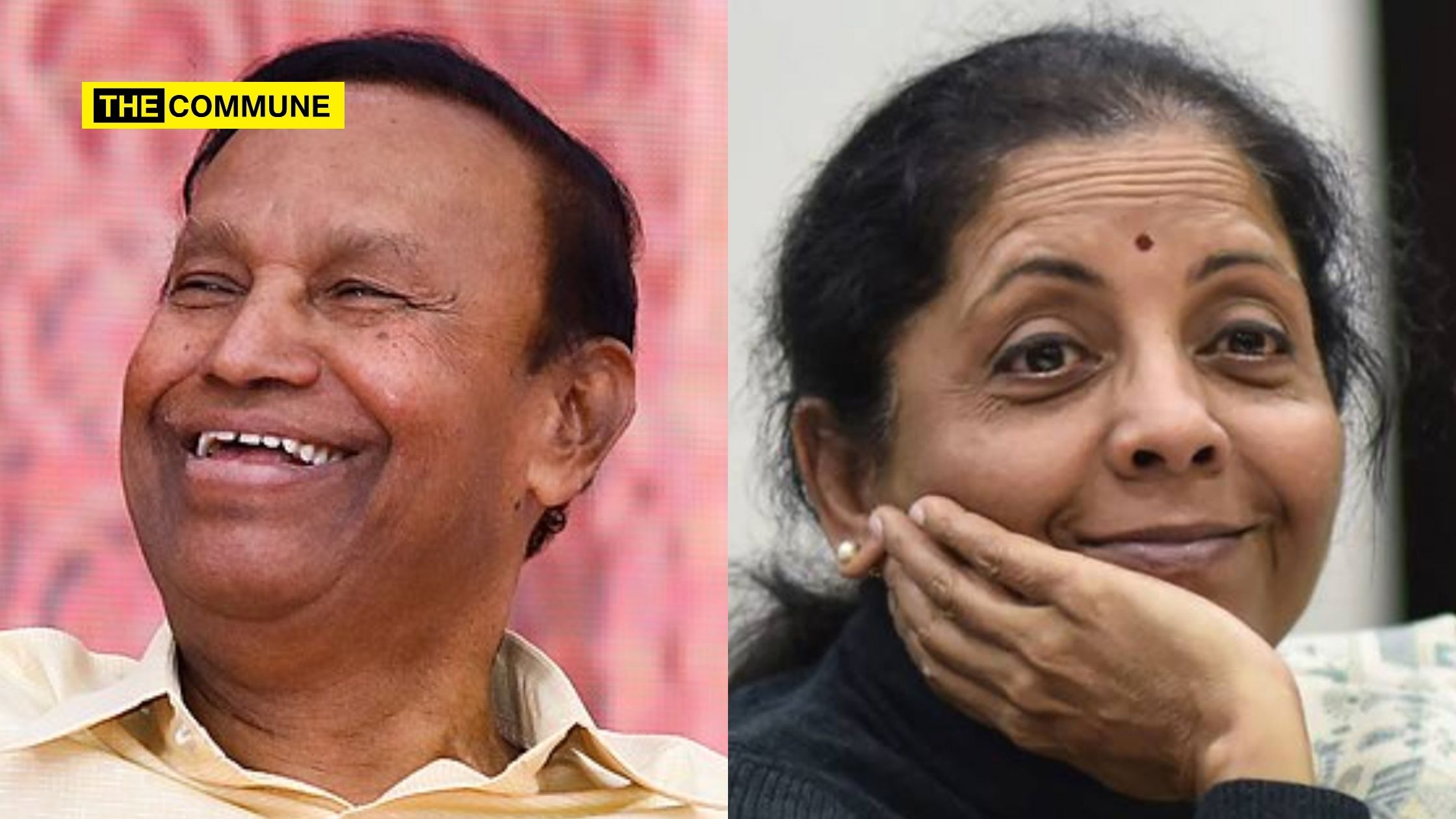
“For The First Time, A Finance Minister…”: DMK MP TR Baalu Hails Nirmala Sitharaman’s TN Visit After Cyclone Michaung, Rubbishes Claims Of Centre’s Discriminatory Attitude In Providing Relief Package

Following the recent disaster caused by Cyclone Michaung in Chennai on 3 & 4 December 2023 and the heavy rains in the southern districts of Tamil Nadu on 17 & 18 December 2023, a delegation comprising Members of Parliament from Tamil Nadu Led by DMK Treasurer and MP T.R. Baalu held discussions with Union Home Minister Amit Shah in Delhi on 13 January 2024. During the meeting, the delegation emphasised the urgent need for the release of funds requested by the State Government to address the flood relief efforts.

They presented a memorandum reiterating the State’s plea for a total of ₹37,907.21 crore, for permanent and temporary restoration works meant to address the extensive damage caused by Cyclone Michaung in Chennai and the destruction resulting from heavy rainfall in the southern districts. It has also been stated that the state government rescue and relief measures were done using its own funds with SDRF but the magnitude of the natural disaster was colossal and without support from NDRf full restoration cannot be done

In the aftermath of the Cyclone Michaung disaster that struck Chennai on the 3rd and 4th December 2023, and the southern districts of Tamil Nadu on the 17th and 18th December 2023, a delegation led by DMK Treasurer and MP T.R. Baalu, consisting of Members of Parliament from Tamil Nadu, engaged in discussions with Union Home Minister Amit Shah in Delhi on 13 January 2024. The delegation underscored the critical need for the expeditious release of funds sought by the State Government to facilitate flood relief efforts.

They presented memorandum reiterated the State’s request for a total of ₹37,907.21 crore, earmarked for both permanent and temporary restoration works. It highlighted the substantial damage caused by Cyclone Michaung in Chennai, Thiruvallur, Kancheepuram, and Chengalpattu of northern districts and the havoc wreaked by heavy rainfall in Thoothukudi, Tirunelveli, Tenkasi and Kanyakumari of the southern districts. The memorandum also emphasized that while the state government had undertaken rescue and relief measures using its own funds and the State Disaster Response Fund (SDRF), the scale of the natural disaster was immense. The delegation stressed that without support from the National Disaster Response Force (NDRF), comprehensive restoration efforts could not be achieved, urging the prompt release of funds to address the unprecedented challenges.

After meeting with the home minister, TR Baalu met with the reporters and briefed the discussion that he was confident that the central government would allocate the funds. He said, “One of the teams that was sent to assess is returning tomorrow or the day after it they will submit a report after 21 (21 January 2024) based on the report. He promised that we (The home ministry, Agriculture ministry, and other two or three other ministries) will discuss how much funds should be allocated to this disaster and make a positive decision that is Finance ministry, Agriculture ministry, and Home ministry all will combine for discussion and after taking decision within 27 January ill provide you whatever I can”.

A reporter raised a question to TR Baalu. He asked, I am sure they will provide you the funds we have asked for, there is no other view in it, Central team has gone and explored the areas but, we have asked 37000 crores. Will they provide 37000 crores is a bigger question? What did he say regarding that.. Whenever we ask a thing they allocate only 10% of it?”

 TR Baalu replied “Basically temporary restoration requirement is 15645 crores, permanent restoration requirement is 22261 crores totaling ₹37,907 crores, Thalaivar thalapathi meeting in person with Modi has given memorandum… after the team has visited affected areas they can decide how much can be allotted, based on report submitted on 21 January, 3 ministries such as Finance, Angriculture and home ministry will take unified decision only then they know how much they are going to allocate. Before that, we do not know. So by 27 January, I’ll inform you of the allocation promised by the Union Home Minister”  

Another reporter asked, “Already in many northern states when such disasters arise, the centre tends to immediately allocate funds but states like our Tamilnadu are continuously being neglected.” 

Interrupting him TR Baalu replied, “Basically It’s unnecessary to say that the Indian government is neglecting us, if that were the case; they wouldn’t have dispatched so many teams. This is the first instance India’s finance minister has visited disaster-stricken areas, no finance minister has undertaken such visits. We are considering that the central.. union government is showing a sense of compassion. So only after the result we can say or decide whether they are discriminating or making the right decisions”.

Yet another reporter asked, “The Chief minister has already requested the immediate release of funds of ₹3000 crore and asked to release the remaining funds later, even today central government has not released the funds. Has the home minister said anything regarding this?

TR Baalu replied “No, No seriously if that was the needed concern… He has realized the damage that happened in Tamil Nadu. He said ‘I agree it is also my duty to rescue Tamil people from this damage please wait for the report which will arrive on 21 January, only a few more days for 27 January… beforehand, I’ll say and contact you’”.

When a reporter asked if Baalu believed that TN would receive funds before the 27th of this month, Baalu replied, “We believe that before the 27 we will receive the funds.. We all believe that”

When asked if the meeting with the minister was constructive and satisfactory, Baalu replied in the affirmative.

Another reporter asked TR Baalu, “We accuse the Central government stand for practicing continuous discrimination against southern states. Tamilnadu CM has written a letter, sports minister Udayanidhi Stalin has written a letter and in his meeting, he has stressed the same, today you as 8 8-member team have met Amit Shah and requested an immediate release of 36000 crores. Has Amit Shah assured anything?”

TR Baalu replied “To declare immediate result this is not… we can speak this via politics but this is government, for a government to take a decision there are certain procedures. we have been as ministers and we know how reports arrive, how many days it will take to read them and we know by which committee the decision should be made. So for that question, I will not answer through politics. Individuals standing here too won’t say. because we all know the matter and have been members for a long time and they won’t make decisions in a hurry we cannot speak as it is. I’m sure that the central.. union government is also worried about the situation. He says within 27 the matter will be dealt this is a big deal!” 

What Constitutes A Natural Disaster; Is There Any Established Provision For Its Declaration?

Natural disasters encompass various events such as earthquakes, floods, landslides, cyclones, tsunamis, urban floods, and heatwaves, while man-made disasters may involve nuclear, biological, and chemical incidents

The current Scheme of State Disaster Response Fund (SDRF) / National Response Fund, managed by the Ministry of Home Affairs, lacks provisions to declare any disaster, including floods, as a National Calamity. Despite the presence of guidelines for SDRF/NDRF, there is no executive or legal framework to designate a natural calamity as a national calamity.

The absence of a defined criterion has led to uncertainty in classifying disasters or calamities. In 2001, a National Committee chaired by the then Prime Minister was tasked with determining parameters for defining a national calamity, but it did not propose any fixed criteria. The 10th Finance Commission (1995-2000) explored the idea of terming a disaster a “national calamity of rarest severity” if it affected one-third of a state’s population, but the committee did not provide a clear definition of “calamity of rare severity.” When a calamity is declared of rare severity, national-level support is extended to the affected state, including assistance from the National Disaster Response Fund (NDRF). Additionally, a Calamity Relief Fund (CRF) is established, with a 3:1 sharing ratio between the Centre and the state. In cases of insufficient CRF resources, further aid is considered from the National Calamity Contingency Fund (NCCF), fully funded by the Centre. Relief measures, such as loan repayment assistance and concessional loans for the affected individuals, are also contemplated once a calamity is declared “severe.”

How Does The Government Determine It?

The aftermath of disasters results in damage, necessitating the government’s obligation to provide financial assistance and aid to affected individuals. The Administration’s current provision of Gratuitous Relief and Housing Subsidy aligns with norms established by the Government of India.

Expenditure from the Calamity Relief Fund (CRF) and the National Calamity Contingency Fund (NCCF) follows norms specified by the Government of India, permitting the state Government  to issue guidelines for ex-gratia relief. Damage assessment falls under the purview of district/local administration, covering private and public properties, crops, and more.

The State Government, upon assessing damages beyond its capacity, may seek Central Government assistance, leading to on-the-spot assessments by a Central Team. Food, clothing, and medical aid are immediate relief measures, while long-term reconstruction and rehabilitation depend on thorough damage assessments. The assessment process, outlined in simplified proforma by the Government of India, aids in compensation proceedings and ensures accurate evaluation of damages to various sectors, including livestock, agriculture, infrastructure, and more. The use of relevant proforma during assessments is mandated to facilitate a quick and systematic evaluation of damages.

Subscribe to our channels on TelegramWhatsApp, and Instagram and get the best stories of the day delivered to you personally.

Ayodhya Ram Mandir Consecration: Here Are Full Details Of The Ram Lalla Pran Prathishtha Ceremony

The highly anticipated Prana Pratishtha ceremony of the Deity of Bhagwan Shri Ram Lalla is set to take place on the auspicious occasion of Paush Shukla Kurma Dwadashi, Vikram Samvat 2080, which falls on Monday, January 22, 2024. This momentous event will unfold in Ayodhya, the sacred city associated with Lord Ram.

Spiritual Significance And Preparations

The Prana Pratishtha ceremony, steeped in scriptural protocols, will adhere to all Shastriya traditions. It is scheduled to occur during the Abhijeet Muhurta in the afternoon. The formalities leading up to the Prana Pratistha will commence on January 16, 2024, and will continue until January 21, 2024. These pre-Prana Pratistha rituals, known as Dwadash Adhivas, are meticulously planned, with each day dedicated to specific observances and ceremonies.

  1. January 16: Prayaschita and Karmakuti Poojan
  2. January 17: Parisar Pravesh of the Murti
  3. January 18 (Evening): Teerth Poojan, Jal Yatra, and Gandhadhivas
  4. January 19 (Morning): Aushadhadhivas, Kesaradhivas, Ghritadhivas
  5. January 19 (Evening): Dhanyadhivas
  6. January 20 (Morning): Sharkaradhivas, Phaladhivas
  7. January 20 (Evening): Pushpadhivas
  8. January 21 (Morning): Madhyadhivas
  9. January 21 (Evening): Shaiyadhivas

Conductors And Dignitaries

The Prana Pratishtha ceremony will be overseen by 121 Acharyas who will follow the prescribed rituals. Shri Ganeshwar Shastri Dravid Ji will lead, coordinate, and direct all the proceedings of the Anushthan, with the principal Acharya being Shri Luckshmikant Dixit of Kashi.

Distinguished guests, including Hon’ble Prime Minister of Bharat Shri Narendra Modi Ji, Pujaniya Sarsanghchalak of the Rashtriya Swayamsevak Sangh Shri Mohan Bhagwat Ji, Governor of Uttar Pradesh Smt Anandiben Patel Ji, Hon’ble Chief Minister of U.P. Shri Yogi Adityanath Ji Maharaj, and other dignitaries, will grace the event with their presence.

Diverse Representation And Historic Significance

The Prana Pratistha ceremony will witness participation from Acharyas representing various schools of Bharatiya spiritualism, religions, sects, worship systems, and traditions. Additionally, more than 150 Sant traditions, Mahamandaleshwars, Mandaleshwars, Shrimahants, Mahants, Nagas, and leaders from over 50 Adivasi, Girivasi, Tatavasi, Dwipavasi tribal traditions will be in attendance. This represents a historic gathering, as it is the first time in recent history that diverse tribal traditions from hills, forests, coastal regions, and islands will be collectively present.

Inclusivity Of Traditions

The inclusive nature of the event is evident from the representation of various traditions, including Shaiva, Vaishnav, Shaakta, Ganapatya, Patya, Sikh, Bauddha, Jain, Dashnam, Shankar, Ramanand, Ramanuj, Nimbarka, Madhva, Vishnu Nami, Ramsanehi, Ghisapanth, Garibdasi, Gaudiya, Kabirpanthi, Valmiki, Shankardev (Assam), Madhav Dev, ISKCON, Ramakrishna Mission, Chinmaya Mission, Bharat Sevashram Sangha, Gayatri Parivar, Anukul Chandra, Thakur Parampara, Mahima Samaj of Odisha, Akali, Nirankari, Namdhari from Punjab, Radhasoami, and Swaminarayan, Varkari, Veer Shaiva, and many more.

Gifts From Across Bharat 

Following the conclusion of the Prana Pratishtha ceremony in the Garbha-Griha, all attendees will have the opportunity for darshan. The enthusiasm for this significant event is palpable, with people from various states contributing water, soil, gold, silver, gems, clothes, jewelry, bells, drums, and aromatic items. Notable contributions include Bhaars, symbolizing gifts from Maa Janaki’s maternal homes at Janakpur (Nepal) and Sitamarhi (Bihar), as well as various jewelry offerings from Nanihal at Raipur in the Dandakaranya region.

The Prana Pratishtha of Bhagwan Shri Ram Lalla is not just a religious event; it is a celebration of Bharat’s rich cultural and spiritual heritage. The entire nation is eagerly awaiting this historic occasion, which will be celebrated with great fervor, not only in Ayodhya but across the entire country.

Subscribe to our channels on TelegramWhatsApp, and Instagram and get the best stories of the day delivered to you personally.
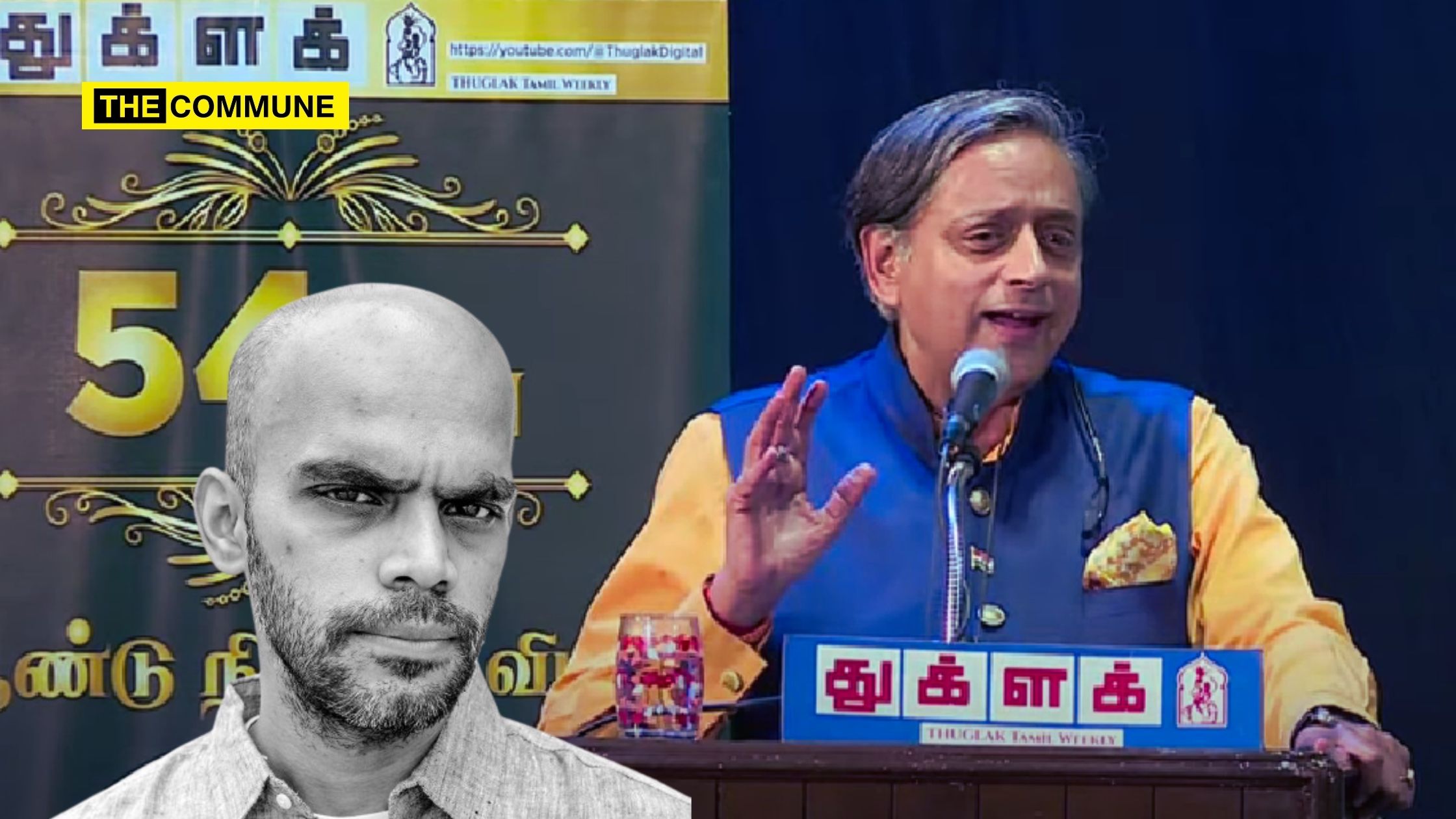
Congress MP Shashi Tharoor Quotes Rabid India-Hater And Casteist Genocide Mongerer At Thuglak Anniversary Event To Peddle North Vs South Rhetoric

Congress MP Shashi Tharoor took part in and addressed the 54th-anniversary celebration of the Tamil weekly Thuglak. Tharoor made note of 6 points that he wanted to cover in his speech among which he was asked to speak about the relevance of the UN today as well as the Maldives issue. 

Shashi Tharoor discussed the relevance of the United Nations (UN) in the face of current conflicts like the Russia-Ukraine war and the Gaza conflict. He explained the historical context of the UN’s creation after the failure of the League of Nations following World War I and highlighted the veto power of major nations in the UN Security Council. Tharoor acknowledged the UN’s limitations but emphasised its role in preventing further deterioration. He recognised the UN as a reflection of global agreements, inequalities, and imperfections, quoting Dag Hammarskjold’s view that the UN exists to save humanity from hell, not take it to heaven.

Shashi Tharoor discussed the unique situation in the Maldives, acknowledging its historical ties with India and past interventions during crises. He recounted India’s role in thwarting a coup in 1988 and its subsequent assistance during a water shortage. Tharoor noted the fluctuating nature of Maldives’ government and emphasised the absence of gratitude in international affairs. He urged a mature approach in dealing with the current administration, despite its oscillation between pro- and anti-Indian sentiments. Tharoor underscored the need to monitor the Maldives-China ties, alert to China’s expanding influence in the region, and highlighted the importance of conducting foreign policy beyond social media spats. He said, “We have to watch very carefully the increasing proximity of the Maldives government to the Chinese.” He also added, “There is no doubt about the fact that China has been attempting to expand its influence throughout our periphery. They have been increasingly influential in every one of our neighbouring countries, everyone, without exception.”

“We (India) should certainly be alert and I am sure that our government must be aware of the dangers that this represents and there will be some redlines which would be privately communicated among governments,” he said further. 

What looked promising up until now started taking a familiar turn as Tharoor delved into a topic wherein a reader of Thuglak magazine had asked Gurumurthy (the present Editor) a question on whether the I.N.D.I. Alliance was formed to bring Muslims to power. Tharoor went into a rhetorical mode, characteristic of the Congress. 

Shashi Tharoor “emphasised” that it was about empowering all Indians, including Muslims. He highlighted the inclusivity of Hinduism, citing Swami Vivekananda’s teachings on the unity of all paths to the divine. Tharoor expressed pride in Hinduism’s acceptance, not just tolerance, of diverse beliefs. Drawing on historical examples, he underscored India’s unity in diversity, citing individuals from various religions who served the nation. 

Following the typical Congress mindset, Tharoor preached secularism, urging Hindus to embrace diverse beliefs, referencing their acceptance of an “elephant-headed pot-bellied God” and if that was possible, surely Hindus could accept the “bleeding man on a cross.” He said, “In fact what does Hinduism do? Hinduism actually recognises that since no one actually has a reasonable logical basis to visualise Brahman or the Creator in any shape or form, we are free to imagine the Divine in whatever way we like. That’s why, we have 330 crore forms and divinities and names for that what we worship. So very frankly, if God can be imagined by somebody as a potbellied figure with an elephant head and I’m a Ganesh bhakt myself, why can’t God also be imagined as a bleeding man suffering on a cross, the rishis would have had no problem with that and I say this to you simply because this great sense is what makes me proud to be a Hindu because what Vivekananda said in Chicago was I’m proud to speak of a religion that has taught the world not just tolerance but acceptance.”

Talking about the “north-south” divide, Tharoor said it had grown over the past 10 years under Prime Minister Narendra Modi’s tenure, affecting federalism. He criticised the 2017 decision to change the terms of reference of the 15th Finance Commission, using the 2011 census for financial allocations, which he believes has widened the North-South divide. What is even funnier is that he quoted from RS Nilakantan, the perverted misogynist, casteist, India-hater, genocide monger’s book on the topic. He argued that the Finance Commission’s revised allocations disproportionately favour the North, sending more tax money from the South. He “highlighted” the historical subsidy of the North by the South and questioned the “lack” of rewards for the South’s development.

Tharoor also spoke about the demographic advantage of North India and criticised the potential consequences of delimitation after the lapse of the 91st Amendment in 2026. He said, “Why should the government’s reward for extraordinary economic success sustain the growth and population control below tax revenues from the Centre? The government’s answer would be that these are the rules in a democracy — one person one vote means the more people you have, the more political clout. In India, whose diversity is held together by a sense of common belonging, civic nationalism must accommodate a range of States with divergent levels of development. It is essential that all people feel that common nationhood is a winning proposition. I am a very proud Indian, but in a country where regional, religious, linguistic tensions are never far from the surface, the answer that we have more people and so we will have more money and more power risks rupturing the fragile bonds that hold us all together”

Tharoor raised “concerns” about the Hindi-speaking states dominating Parliament and the possibility of “imposing” Hindi as the official national language. Tharoor questioned the “fairness” of the democratic principle of one person, one vote, arguing that it risks rupturing the delicate bonds that hold India together. 

He also added, “I do worry about Hindi, Hindu, Hindustan politics of this government, and this culture of Aryavrat domination that infects the attitudes of some has already raised the issue among many, many southern politicians, and maybe Mr. Gurumurthy (Thuglak Editor) and others may not feel it’s such a big issue. I think it is a very serious issue because the consequences of all of this threaten the very unity of India, and the South faces political disenfranchisement to go along with a sense of financial victimisation, and that combination is absolutely bound to generate resentments that can spill over beyond the confines of our routine politics.”

Tharoor accused the central government of using the Enforcement Directorate to target opposition parties.

In response to what the four Sankaracharyas said expressing reservations about the ‘prana prathishta’ for the Ram temple due to its incomplete construction and asserting that a political figure should not conduct the ceremony, Tharoor remarked, “As a Hindu, I found that a very persuasive argument. Fortunately, I was not invited to the inaugural.”  He acknowledges the diversity of temple practices across regions in India, highlighting the distinctive styles within Hinduism. He criticised the chosen date, 22 January 2024, as politically motivated by the Prime Minister ahead of the elections. 

Tharoor spoke of the significance of fostering a fair and just society, emphasising the BJP’s purported effort to transform the consecration of the Ram temple into a political campaign aimed at electoral advantages.

Subscribe to our channels on TelegramWhatsApp, and Instagram and get the best stories of the day delivered to you personally.