Home Blog Page 766

“When Arvind Kejriwal Can Do It, Why Not Me?”: ‘Savukku’ Shankar Moots Political Plunge, Says He’ll Contest Against DMK Scion Udhayanidhi Stalin
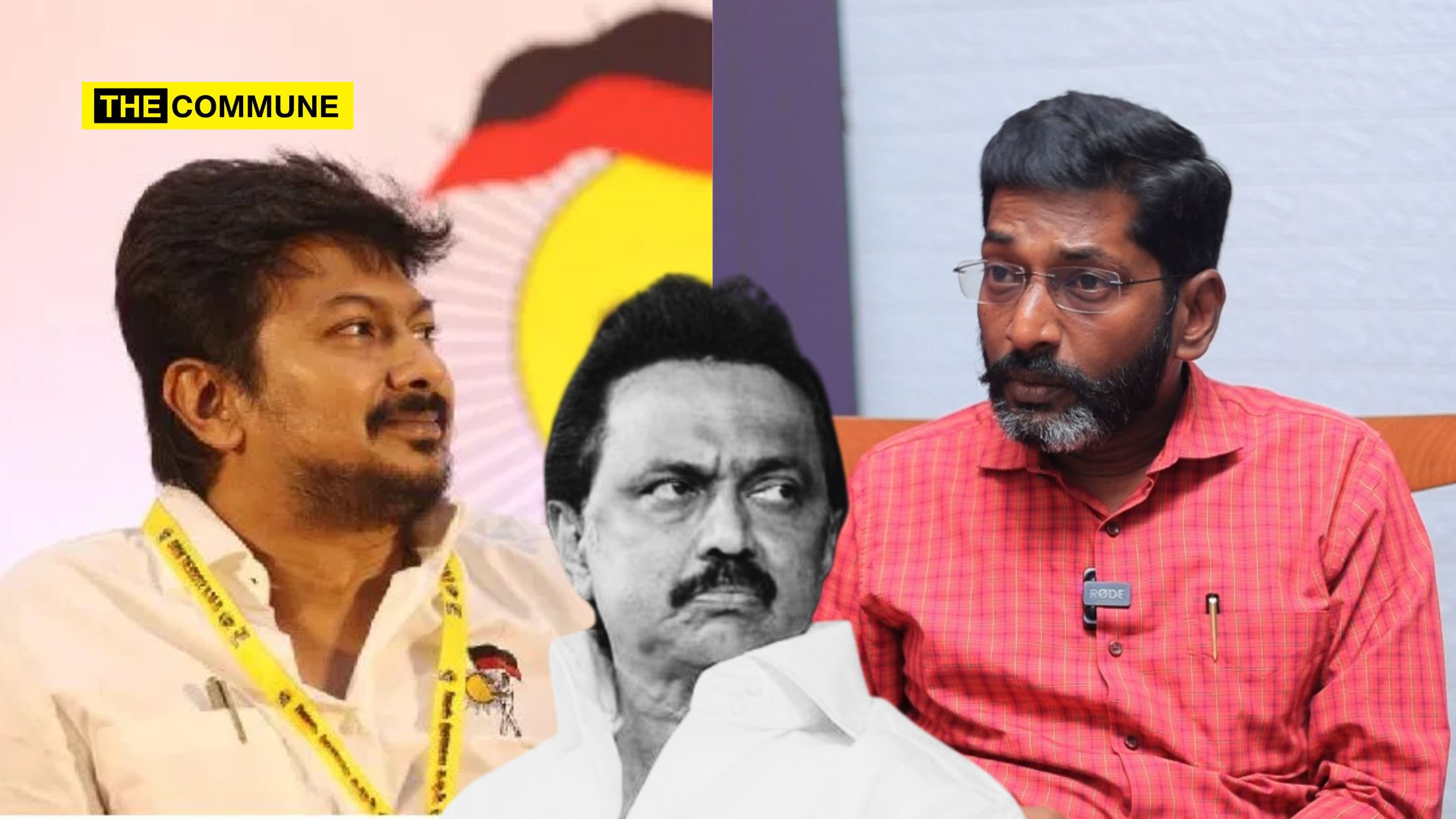
YouTuber and political commentator Savukku Shankar, who claims to be an “impartial” journalist, stirred controversy announcing he is going to commence his political journey soon. He announced his decision on 22 April 2024 via his official social media X handle that Savukku Media would establish an organization complete with a name, flag, and policy by September this year, sparking speculation across social media platforms.

The contemplation arises, why would a YouTuber, poised to launch a political party/Pressure group, opt to incite controversy? This train of thought gains traction, particularly on social media, where the unveiling post featuring Shankar adorned in a maroon-red T-shirt emblazoned with the ‘rising sun’ symbol of DMK. Shankar, originally a journalist claimed to profess impartiality, gained notoriety through his arrest and persistent critique of DMK. Notably, he threw his support behind AIADMK during the 2024 Lok Sabha elections. However, the sudden shift to announcing intentions to establish an organization, accompanied by a photo suggestive of the DMK symbol, and subsequent posts mocking actor Vijay, actor turned politician as a contender for the 2026 assembly elections, only adds to the prevailing confusion.

In a recent interview on the Red Pix YouTube channel with host Felix Gerald, Shankar revealed his plans of launching a new political outfit. He discussed his recent endeavors revolving around Tamil Nadu in preparation for the 2024 Lok Sabha elections, noting a shift in mindset. Shankar emphasized the persisting issues faced by the people, such as the lack of street lights, despite the presence of numerous political parties. He highlighted the negligence of problems like those in Parandur, which remain unaddressed by all political factions.

Shankar declared, “It is in conception stage, details will be revealed later.” He further said, “I said when I came back from Cuddalore prison that I was going to contest against Udhayanidhi, and I see that this demand has risen with that in mind. Not only that, well wishers like you say, do something and there are so many people who say that they want to be the Chief Minister of Tamil Nadu just with onscreen celebrities. When Arvind Kejriwal can do it, why not me?”

Later, Shankar advanced the notion that no party should be rigidly bound by its principles, asserting that stances should be adaptable to the issues at hand. He advocated for a pragmatic approach focused on the welfare of the people rather than rigid adherence to ideology. When questioned by the host Felix about the pervasive corruption in politics, Shankar countered that minimal corruption was achievable and attributed the prevalence of corruption to the inherent flaws in the traditional political system, particularly its reliance on monetary resources. He declared his intent to contest against the DMK scion Udhayanidhi Stalin in the Chepauk constituency, emphasizing his commitment to grassroots efforts in that area. When the host stepped in and inquired if Shankar would seek other political parties to consider him as an independent candidate within their alliance, Shankar promptly replied affirmatively. He indicated that he would definitely request such consideration. For instance, he mentioned how the AIADMK provided a seat to the PMK to contest against Udhayanidhi. He reasoned that there shouldn’t be an issue in granting him a seat, especially considering that in 2026, Udhayanidhi might be a candidate for Chief Minister post. Shankar expressed confidence that apart from the DMK, all other parties would be willing to offer him an opportunity.

Subscribe to our channels on TelegramWhatsApp, and Instagram and get the best stories of the day delivered to you personally.
Does The US Have Inheritance Tax As Claimed By Rahul Gandhi’s Advisor Sam Pitroda? Find Out

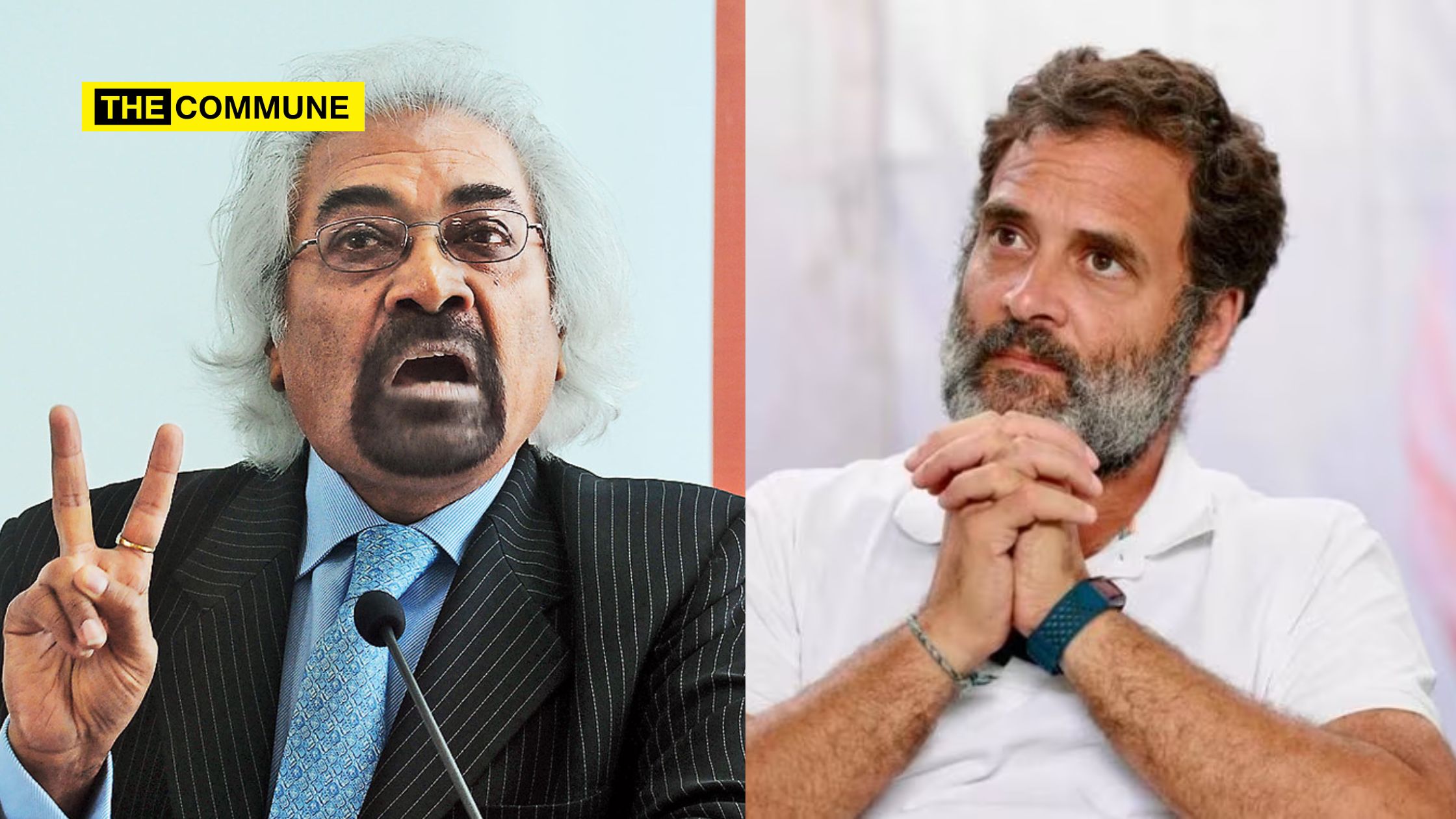
Amid political discourse in India surrounding wealth redistribution which is part of the Congress’s election manifesto for the ongoing Lok Sabha polls, a statement made by Indian Overseas Congress chairman Sam Pitroda has sparked a debate regarding the inheritance tax system in the United States. Pitroda advocated for an inheritance tax similar to that of the US, claiming that the American government imposes a hefty 55% tax on a person’s wealth upon their demise, leaving only 45% for their heirs.

However, a closer examination reveals a more nuanced reality. Contrary to Pitroda’s assertion, the United States does not have a uniform federal inheritance tax. Instead, inheritance tax policies vary significantly across states. As of the latest data available, only six out of the fifty states in the US levy an inheritance tax. These states include Iowa, Kentucky, Maryland, Nebraska, New Jersey, and Pennsylvania.

Moreover, the rates imposed by these states differ substantially from the 55% figure mentioned by Pitroda. For instance, Iowa imposes a 6% inheritance tax, while Kentucky and New Jersey have rates of 16%. Maryland and Pennsylvania levy taxes at 10% and 15%, respectively. Nebraska stands at 15% as well. It’s important to note that these rates are subject to exemptions and thresholds, which means that only a fraction of taxpayers actually encounter the inheritance tax.

Furthermore, there have been recent legislative developments in some states regarding inheritance taxes. For example, Iowa has initiated steps to phase out its inheritance tax, aiming to completely eliminate it by the next year. Such changes indicate a dynamic landscape of inheritance tax policies within the United States.

Additionally, it’s crucial to distinguish between inheritance tax and estate tax, as both terms are often used interchangeably but entail different mechanisms. While inheritance tax is imposed on the assets received by individual beneficiaries, estate tax is levied on the deceased person’s estate before distribution. As of now, only thirteen states impose an estate tax, with rates reaching up to 40%.

In light of these complexities, Pitroda’s assertion regarding the uniformity and magnitude of inheritance taxes in the US appears to be inaccurate. The reality is that inheritance tax policies vary widely across states, with rates and exemptions subject to legislative changes and state-specific regulations.

It is important to note that Rahul Gandhi spoke about wealth distribution among the population and not necessarily inheritance tax or future policies as claimed by Pitroda in his interview with ANI. Rahul Gandhi in his speech that when the Congress came to power, an economic survey will be conducted. He also said, “My target is that I will distribute the amount of money that Narendra Modi gives to Adani to the poor. I am counting. If he gives one rupee to Adani, I will give one rupee to the poor. I will give as much money to the poor as you give them (rich) – be it farmers, labourers, kirana shop owners, unemployed youth. And I will show you that real politics does not happen by helping billionaires, real politics happens when you help farmers, labourers, small traders/businessmen, unemployed youth. I will show you that.”

The Congress has come up with a very vile and malicious plan that only seems to be set on destroying the country inside out.

Subscribe to our channels on TelegramWhatsApp, and Instagram and get the best stories of the day delivered to you personally.
Kamal Who Simped For Congress & RaGa Didn’t Even Set His Foot In Congress Constituencies To Campaign

Kamal Haasan, a full-time actor and part-time politician has been facing significant setbacks in his political endeavours despite his ambition to win either a state assembly or parliamentary election, his efforts, including the formation of the Makkal Needhi Maiam (MNM) party in Tamil Nadu, have been largely unsuccessful. He initially relied on his screen glamour fame and fan base from his acting career to sway voters, but this strategy proved to be a disappointment.

From the outset, Haasan positioned MNM against the Dravidian parties, particularly the DMK. However, his past eagerness to secure a parliamentary seat seemed to contradict this stance, leading MNM to be perceived as a secondary option aligned with the very parties it aimed to oppose. This contradiction caused frustration within the party ranks, with some members defecting to more established political entities.

MNM, initiated in 2018, entered the political arena by contesting in two significant battles, notably the 2019 Lok Sabha General Elections. Despite contesting solo across all 36 seats, its performance resulted in a modest 3.72% vote share, with a majority of its candidates failing to retain their deposits. Subsequent efforts in the 2021 State Legislative Assembly elections saw MNM forming the People First Alliance in coalition with parties like IJK, AISMK, TNJK, JDS, among others. However, this endeavor fell short of expectations, yielding no substantial gains.

Digging A Grave For Himself

When all the attempts failed Finally, Kamal Haasan shifted its allegiance towards Congress, extending support to EVKS Elangovan’s campaign during the by-elections in the Erode East constituency. Subsequently, there were intense behind-the-scenes negotiations regarding his potential inclusion in the DMK-Congress alliance for the upcoming Lok Sabha elections. Furthermore, he actively participated in Congress President Rahul Gandhi’s Bharat Jodo Yatra and was invited to the swearing-in ceremony of the Congress Chief Minister in Karnataka. Consequently, many anticipated his inclusion in the Congress-led I.N.D.I.Alliance.

Regarding seat allocation for Haasan’s party, Makkal Needhi Maiam, it was anticipated that they would support the Congress party nationally and secure up to 4 seats. However, Haasan’s exclusion from the negotiation talks left Maiam activists discontented. While there were expectations atleast Maiam would secure 2 seats in the DMK alliance, ultimately, no Lok Sabha seats were allocated to Haasan’s party, and only one Rajya Sabha seat was granted, much to the dismay of his supporters.

Expressing disappointment, several leaders within the Makkal Needhi Maiam criticized Haasan’s decision, arguing that they should have been allotted at least one of the 9 seats given to the Congress party in Tamil Nadu. Haasan, who canceled overseas shooting for his film ‘Thug Life” to focus on the election, has been seen in Chennai for  3 weeks but has refrained from participating in significant political events. Notably, he was not invited to the recent I.N.D.I Alliance general meeting attended by Rahul Gandhi.

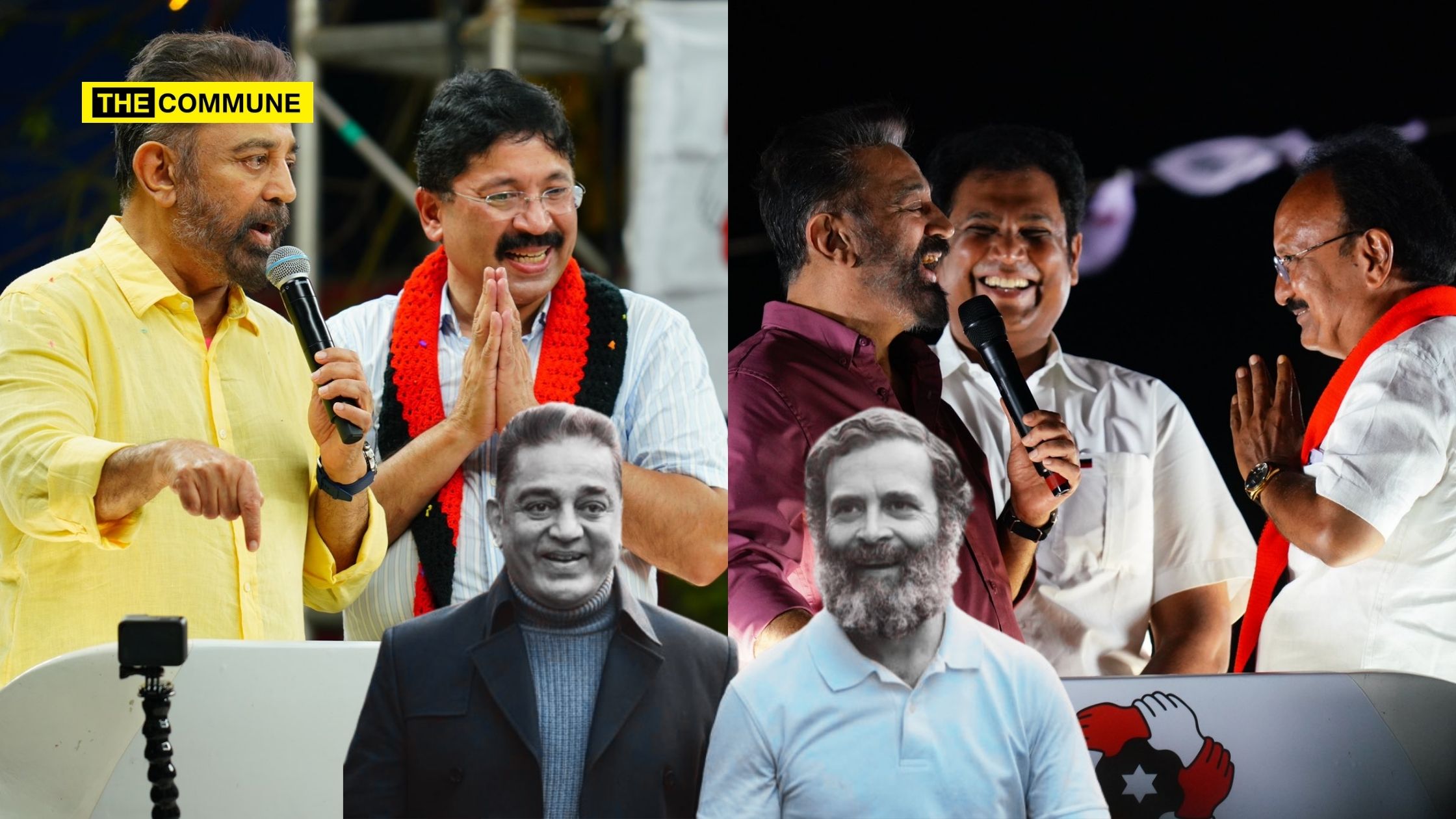
As soon as Congress sidelined Kamal Haasan, deeming him and his party more of a potential burden than an ally, he redirected his attention towards the DMK. The DMK’s inclusive approach in accommodating various parties led him to feel marginalized, as he was offered only a Rajya Sabha seat, rendering him and his party seemingly ineffective. Despite his initial defiance, symbolized by his election Ad throwing torchlight and breaking the TV, where he vowed not to align with the DMK, he eventually found himself campaigning for the very party. Below are instances where Kamal Haasan campaigned for the DMK, VCK and CPI neglecting the Congress.

March 29 – Erode – DMK
March 30 – Salem – DMK
April 2 – Trichy – DMK
April 3 – Chidambaram – VCK
April 6 – Sriperumbudur, Chennai – DMK
April 7 – Chennai – DMK
April 10 – Madurai – CPI(M)
April 11 – Thoothukudi – DMK
April 14 – Tirupur – CPI
April 15 – Coimbatore – DMK
April 16 – Pollachi – DMK

Will Kamal Haasan is angry on Congress this list shed light the anger towards congress

Although critics warned that Kamal’s endorsement of the DMK-Congress coalition in the 2023 by-elections could spell the demise of both him and his party, Makkal Needhi Maiam, from Tamil Nadu’s political landscape, he persisted with his choice. Despite Kamal citing the decision as being backed by consensus within the party’s executive committee, dissent has emerged among party members, as evidenced by protests against promotional materials in several districts, particularly in Madurai. Critics drew comparisons between this move and Vice President Mahendran’s switch to the DMK following the assembly elections.

Now, Kamal Haasan finds his decisions facing severe ridicule on social media, with all these setbacks tracing back to the very party he once disdained. Why did Kamal Haasan, originally an actor, choose to start a party in the first place?

Kamal Haasan’s political journey can be likened to the Tamil proverbial story of “Ilavu Kaatha Killi,” where the parrot guards the cotton-bearing tree, not knowing it won’t yield fruit but only cotton. Despite the parrot’s hope and dedication, it ultimately faces disappointment when the cotton doesn’t ripen into something edible.

Subscribe to our channels on TelegramWhatsApp, and Instagram and get the best stories of the day delivered to you personally.

Chennai: Widow of Honour Killing Victim Attempts Suicide, Succumbs To Injuries

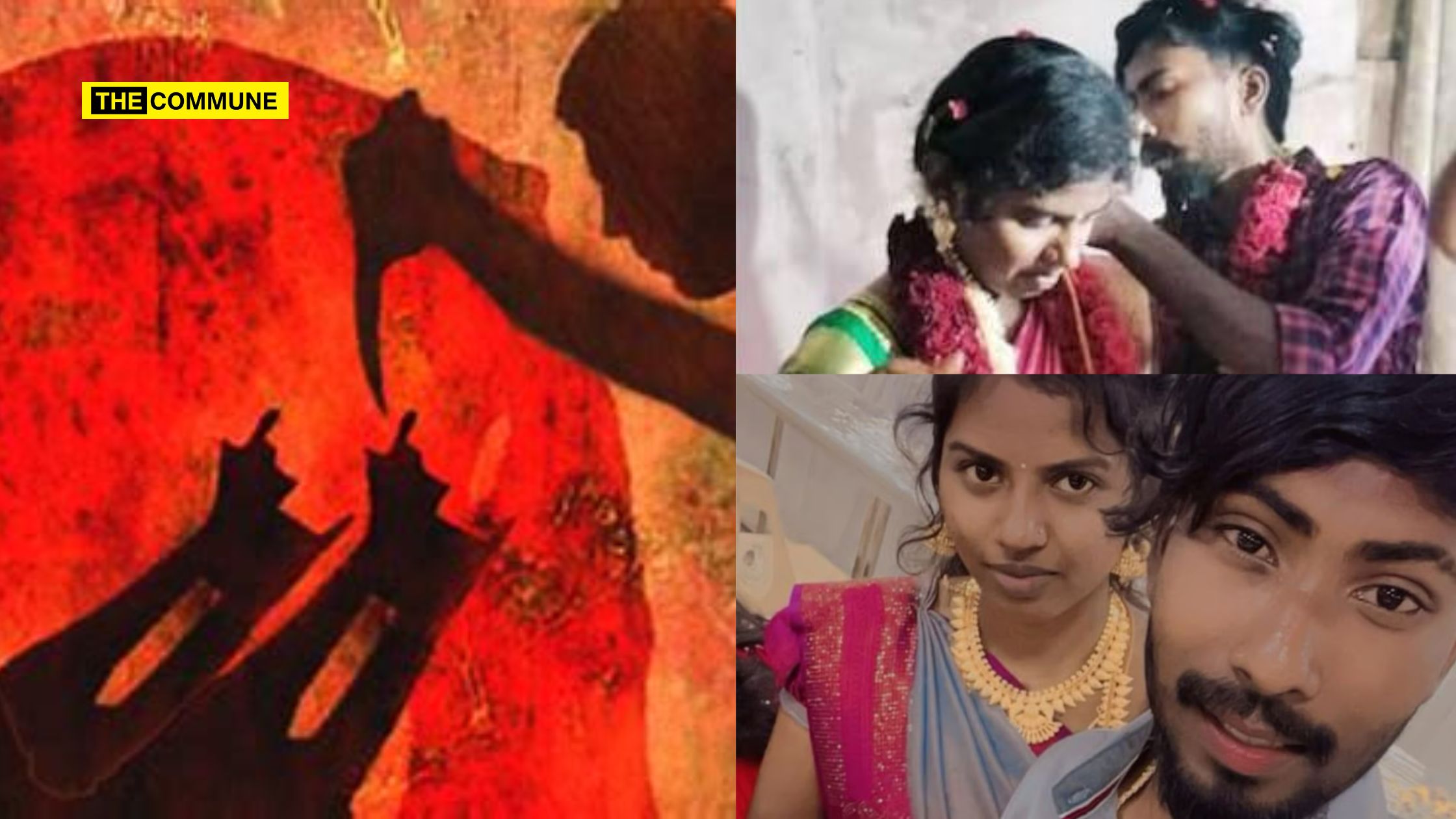
Sharmila, a 22-year-old widow of Praveen, a victim of honour killing in Chennai, passed away at the Rajiv Gandhi Government General Hospital (RGGGH) on Monday, 22 April 2024. Sharmila had attempted suicide on 14 April 2024 but was rescued and admitted to a private hospital. She was later shifted to RGGGH for further treatment. She however failed to respond to treatment and passed away on 22 April 2024.

Sharmila married Praveen, aged 26, who worked as a mechanic and hailed from the Dalit community residing in Ambedkar Street, Pallikaranai. Initially, Praveen worked at a call center after which he and Sharmila, a BBA graduate from Jalladianpettai belonging to an Other Backward Caste, fell in love. Despite opposition from Sharmila’s parents due to caste differences, they opted for a self-respect marriage, duly registering it. They began living together in Praveen’s house.

Tragically, on 20 February 2024, Sharmila’s brother Dinesh and four others intercepted Praveen near a TASMAC outlet in Pallikaranai and brutally killed him using knives. The Pallikaranai police filed a case and arrested Dinesh, aged 24, along with his accomplices Sriram (18), Jothlingam (25), Vishnuraj (25), and Stephankumar (24).

Following the incident, Sharmila demanded the arrest of her parents and another brother, holding them accountable for her husband’s murder as well.

Despite the arrests and charges under IPC section 302 (murder) and under Section 3(2) (v) of the Scheduled Caste and Scheduled Tribe (Prevention of Atrocities) Act, Praveen’s family accused the police of negligence, claiming the crime could have been prevented. They also alleged that Sharmila’s parents and eldest brother had abetted the crime.

In a written complaint to the Tambaram Commissioner dated 22 April 2024, G Chitra, Praveen’s mother, alleged that the police failed to include Sharmila’s parents’ and elder brother’s names in the charge sheet. She accused the police of supporting Sharmila’s family, causing her great distress. Chitra also claimed that when two of the accused, including Sharmila’s brother Dinesh, applied for bail earlier in April, the police failed to inform the family. The police allegedly delivered the court’s summon notice only one day prior to the summoned date.

Citing these reasons, Chitra has requested that the case be transferred to the CBCID. Earlier, Sharmila had alleged that she suspected her father to be backed by powerful people, as he is the Deputy Organising Secretary in the ruling Dravida Munnetra Kazhagam (DMK) party’s construction wing in Sholinganallur.

TNBJP state secretary SG Suryah expressed his concern on social media platform X, stating, “The South Chennai honor killing incident deeply troubled me in February, and now the wife is also no more. Is it because it involves a DMK Leader that activists and others remain silent? Honestly, in this society, lives seem to hold no value, and outrage only occurs when it politically suits.”

Subscribe to our channels on TelegramWhatsApp, and Instagram and get the best stories of the day delivered to you personally.
Rahul Gandhi’s Advisor Sam Pitroda Proposes Inheritance Tax: Govt Could Seize 50% Of Wealth Posthumously; Policy Previously Abolished By Rajiv Gandhi

In the midst of the fervent political atmosphere surrounding the Lok Sabha Elections 2024, Sam Pitroda, the chairman of the Indian Overseas Congress and a close advisor to Rahul Gandhi has stirred a contentious debate by advocating for the implementation of an inheritance tax akin to that of the United States in India. His proposition has sparked vehement criticism from various quarters of the political spectrum, with the Bharatiya Janata Party (BJP) accusing the Congress of harboring destructive intentions for the country.

Pitroda’s proposition revolves around the concept of an inheritance tax, which he suggests would enable the government to claim a significant portion of an individual’s wealth posthumously. Drawing parallels with the United States, Pitroda highlighted that under the American system, heirs are entitled to only a portion of their deceased relatives’ wealth, with the remainder being allocated to the government for redistribution. He emphasized the principle of leaving a portion of one’s wealth for the public good, characterizing it as equitable and fair.

 “…In America, there is an inheritance tax. If one has $100 million worth of wealth and when he dies he can only transfer probably 45% to his children, 55% is grabbed by the government. That’s an interesting law. It says you in your generation, made wealth and you are leaving now, you must leave your wealth for the public, not all of it, half of it, which to me sounds fair. In India, you don’t have that. If somebody is worth 10 billion and he dies, his children get 10 billion and the public gets nothingSo these are the kind of issues people will have to debate and discuss. I don’t know what the conclusion would be at the end of the day but when we talk about redistributing wealth, we are talking about new policies and new programs that are in the interest of the people and not in the interest of super-rich only,” Pitroda remarked.

Amid the escalating political rhetoric, Pitroda has defended Congress’s stance on wealth redistribution, asserting that it is rooted in the interests of the people rather than serving the super-rich exclusively. He has emphasized the need for robust policy measures aimed at addressing socioeconomic inequalities and ensuring a more equitable distribution of resources.

The controversy surrounding Pitroda’s advocacy for an inheritance tax adds a new dimension to the electoral discourse, further intensifying the battle for supremacy between the Congress and the BJP. 

In India, the imposition of inheritance tax ceased when the Rajiv Gandhi Government abolished it in 1985. Despite its “noble” aims, the Finance Minister at the time, V.P. Singh, believed it had not achieved its goal of creating social balance or narrowing the wealth disparity.


Subscribe to our channels on TelegramWhatsApp, and Instagram and get the best stories of the day delivered to you personally.
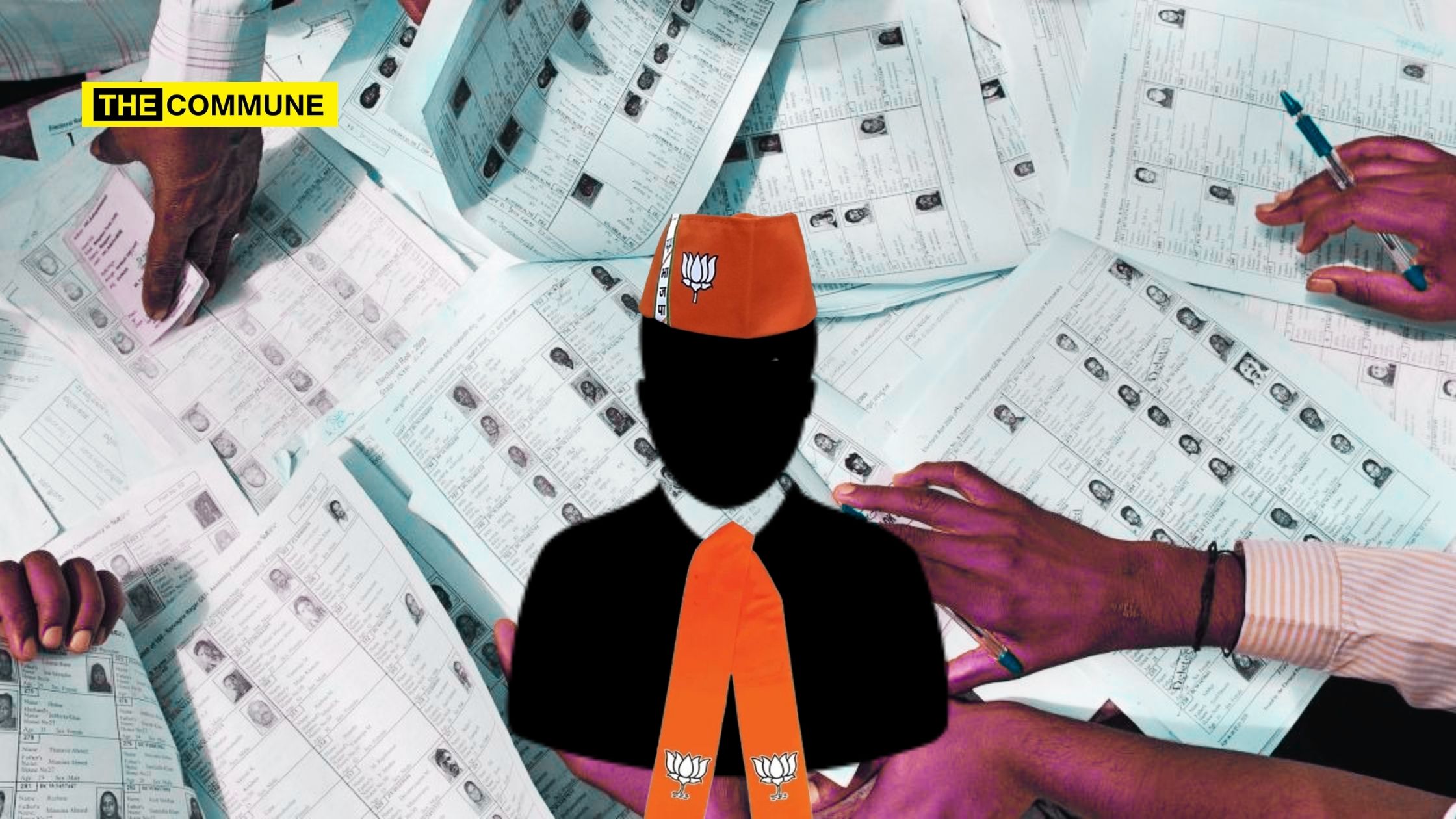
No, ‘Booth Agent’ Is Not An “Election Season Job”: A Techie’s Insights After 25 Days Of Groundwork To Polling Booth Duty

With the elections now behind us, I find myself reflecting on the whirlwind of experiences gathered over the past 25 days of dedicated door-to-door campaigning, culminating in my role as a polling agent for the BJP, stationed for 12 hours at the booth. It’s important to note that my observations are not intended to assign blame or point fingers, but rather to share insights gleaned from my personal journey.

Throughout this period, I’ve encountered a myriad of situations and interactions, each offering valuable lessons and opportunities for improvement. Some of my observations stem from attempts to replicate successful strategies, while others represent spontaneous reflections and ideas aimed at enhancing the efficacy of BJP’s efforts in Tamil Nadu.

As I reflect on our campaign efforts, I’m reminded of the importance of adaptability and continuous learning. While some practices may already be in place, there is always room for refinement and innovation. Ultimately, my aim is to contribute to the collective effort to ensure the BJP’s preparedness and success in future elections.

Let’s seize upon these insights and work towards a stronger, more effective BJP presence in Tamil Nadu’s political landscape.

The Role Of Booth Agents

There’s been an ongoing debate between the BJP and the opposing DMK/ADMK factions regarding the significance of booth agents. While the traditional Dravidian ideology parties emphasize the pivotal role of booth agents as their strongest foot soldiers, the BJP counters by pointing out the historical successes of leaders like MGR who didn’t rely on booth agents. Both sides present valid perspectives; while traditional parties view booth agents as essential, the BJP argues that their role, though beneficial, may not be indispensable. Let’s delve deeper into this discussion.

How Significant Is It? 

The role of a booth agent extends far beyond merely ticking off names on election day. It’s not a seasonal job; rather, it’s an integral part of the groundwork, serving as a vital link between the candidate/party and the general public. A booth agent’s role should be highly esteemed within any party, reflecting the effectiveness of the groundwork and the party’s standing within the community.

For the BJP, there’s a noticeable shortage of booth agents across the state, though the situation is gradually improving with each election. Unfortunately, the job is often perceived as thankless and limited to election season.

In contrast, the two Dravidian parties have a robust network of seasoned booth agents, bolstered by additional support for independent candidates. This strategic advantage gives them greater influence and control in case of disputes.

In my own booth, while the DMK and ADMK had 6-8 representatives each, the BJP had only one, with an additional reliever. Furthermore, the practice of party representatives visiting periodically to tally the polled votes and gender split every two hours was noticeably absent for the BJP, at least in my polling station, which comprised eight booths.

Having regular updates on polling progress enables parties to mobilize their members, ensuring loyalist voters cast their ballots without fail. Additionally, it provides insight into voter sentiment, with higher turnout often indicating increased anti-incumbency. This knowledge drives parties to focus on achieving 100% polling among their cadres and supporters, a key strategy for success.

Unfortunately, the BJP lacked in both these aspects due to having only one person per booth without any means to monitor progress. This limited their ability to mobilize supporters during polling hours effectively. In contrast, opposition party booth agents possess detailed knowledge of voters by street, a depth of information the BJP acknowledges they lack. It was striking to see how quickly the DMK booth agent could identify voters based on their serial numbers.

Furthermore, there is a clear need for improvement in data capture processes for the BJP. The lack of training or standardized templates made the task challenging. Election kits provided the night before polling lacked instructions, leaving booth agents without clear guidance on their responsibilities. Simply ticking off names was not sufficient, highlighting the need for a uniform template and clearer instructions to streamline the process.

Preventing Bogus Voting

After my experience as a booth agent, I pondered why allegations of fake/bogus voting are often leveled against parties like the DMK or ADMK, but not the BJP in Tamil Nadu or in states where the BJP is not in power. This led me to understand the crucial role of the booth agent, as I initially mentioned. If properly trained and connected with voters at the grassroots level, a booth worker would know most voters by face, name, and address, making it nearly impossible for fraudulent votes to be cast. Seasoned players like the DMK and ADMK leverage this advantage, armed with information about voters who may be absent or relocated, ensuring strategic prowess even in cases of fake voting.

In contrast, it’s doubtful that the BJP possesses such detailed information, as many perceive the booth agent’s role as merely a job during election time.

Establish Voter Connect

Booth agents actively engage in community events, from celebrations like marriages and birthdays to unfortunate incidents like thefts or natural disasters. This familiarity builds trust with voters, making them more receptive to door-to-door campaigning during elections. In some areas, voters prioritize the helpfulness of the booth agent over government welfare schemes or freebies. This aspect presents a significant gap for the BJP.

This realization underscores the importance of viewing booth agents as vital warriors for any party, especially a ruling party, whether at the central or state level. They serve as the frontline representatives, connecting voters with welfare schemes and government initiatives, and embodying the party’s commitment to its constituents.

What The BJP Can Do

In the lead up to 2026, it is crucial for the BJP to start preparing the ground not today but day before yesterday. The party should create a dedicated 3 lakh booth agents (considering 68,000 booths and 4 for each booth) who will act as BJP’s soldiers on the ground. They need to have their votes made available at the designated booths itself. These warriors must report to the polling station in-charge or Sakthi Kendra head with reports prepared frequently vetted by District President for genuineness before sending to the State level supervisor. It is best left to the leadership on how to recruit, train and keep the booth agents engaged. But ahead of the polling day, the following 3 things become absolutely crucial.

a) Voter list verification: As soon as the voter list is made available, both agents need to invariably visit all houses without missing
even one house to ensure no voter name is left. They need to mark the “Door Locked” or “House changed” or “Out of station” cases and do another visit after few days or try call over the phone number if available to be sure they reside there. Once the voter list verification done, report should be submitted on how many votes are present and how many need to be added or have been left out.

b) Campaign material distribution: Once the verification is done, then comes the campaign material distribution, this happens by
default, here again ensure to cover all houses in the designated booths and report back in a template.

c)Booth slip distribution: Third visit would be with the booth slips for each house.

During the election day the 4 members designated for the booth should be on rotations, which means party should get 1-2 members in addition to the main booth agent, for assisting him (these 1-2 need not be an expert and can perform only the data entry job kind). Invariably rotate the booth agent every 2 hours, this 2 hour the other 3 agents should be receiving inputs about the voters turn out of the booth, basis which they should roam the booth locations and get people to vote provide them transport support etc. The 4 members should ensure at least 90% of their sure votes polled within the time.

NKR Iyer is a techie and a political analyst.

Subscribe to our channels on TelegramWhatsApp, and Instagram and get the best stories of the day delivered to you personally.
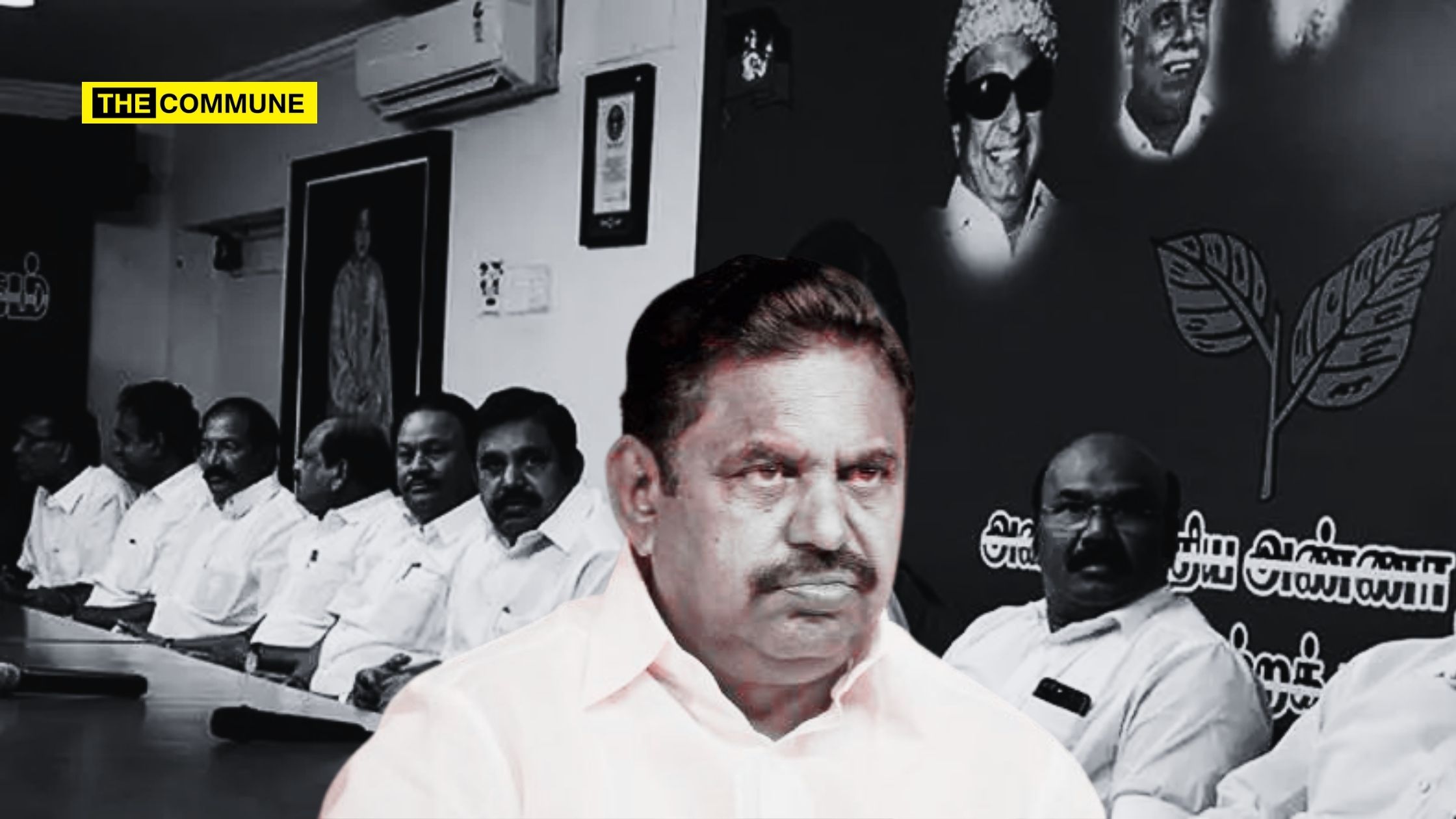
“Cadres Not Loyal Towards Leadership”: EPS Miffed At ADMK Cadres For Lackluster Show, Leadership Crisis Again?

The 18th Lok Sabha elections in India are currently underway across the country. The first phase of polling in Tamil Nadu and Puducherry was completed on 19 April 2024. With the Tamil Nadu elections concluded, political parties are now reflecting on their performance and discussing their shortcomings.

On 23 April 2024, a meeting was held at the AIADMK office in Royapettah, Chennai, to discuss the election campaign. The meeting was attended by AIADMK candidates and office-bearers from Chennai, Kancheepuram, and Sriperumbudur, along with District Secretaries and constituency in-charge.

During the meeting, executives briefed Edappadi Palaniswami about the challenges they faced during the campaign, including opposition strategies. Following this, Edappadi Palaniswami addressed the executives for about 15 minutes. He expressed his concerns, stating, “There is a lack of loyalty to the present leadership compared to the days of MGR and Jayalalithaa. Many executives do not work with the sense of ownership for our party. Some executives have misused party funds, and the money allocated for the elections didn’t reach the grassroots level. If our own party functionaries are selfish, how can we expect better results? Despite the increase in property tax, water tax, electricity, and milk charges under the DMK government, we failed to effectively communicate this to the public during the campaign. I am not entirely satisfied with the performance of our party administrators.”

(With inputs from Nakkheeran)

Subscribe to our channels on TelegramWhatsApp, and Instagram and get the best stories of the day delivered to you personally.
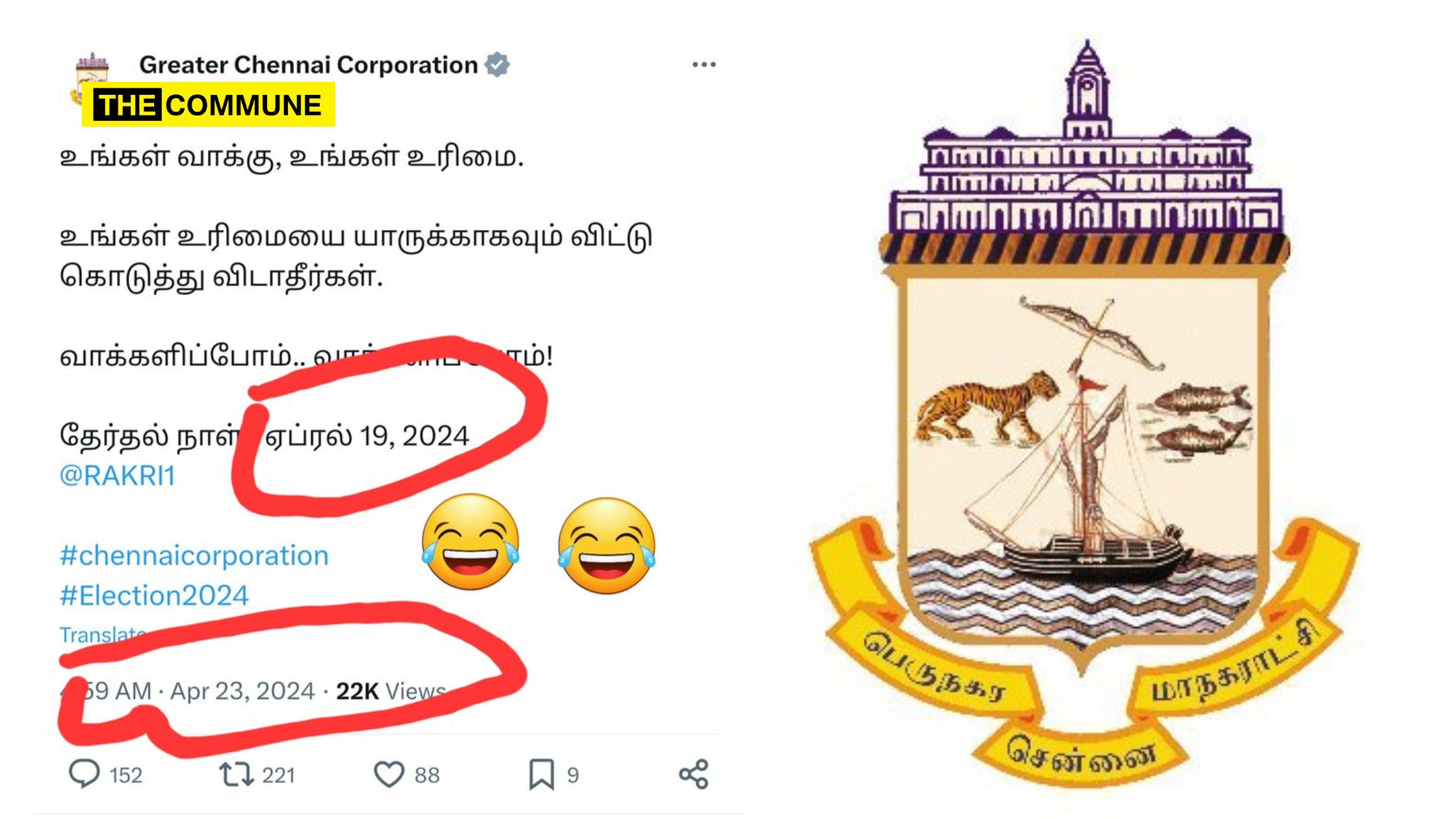
 

Greater Chennai Corporation Urges People To Vote 4 Days After Elections, Deletes X Post Later

The Greater Chennai Corporation disseminates information to those citizens that fall under the Greater Chennai ambit. The handle regularly engages with the public, offers emergency alerts during calamities, conducts events to build the community, and also keeps the citizens well aware of its services and campaigns. 

However, they faltered and the public noticed it. This time, it was a mix-up that happened days after an important event happened in the city. 

Tamil Nadu went to the polls on 19 April 2024. While the Greater Chennai Corporation’s handle did regularly share information, and alerts, and run awareness campaigns on social media, they goofed up big time.

On 23 April 2024, 4 days after the state polled, the Greater Chennai Corporation handle shared a voter awareness post. They wrote, “Your Vote, Your Right. Don’t forgo your right for anyone. Let’s vote. Election Day is April 19, 2024″

Netizens noticed this goof-up and mocked the handle for it. 

Upon realising their folly, the handle deleted the post. 

Subscribe to our channels on TelegramWhatsApp, and Instagram and get the best stories of the day delivered to you personally.
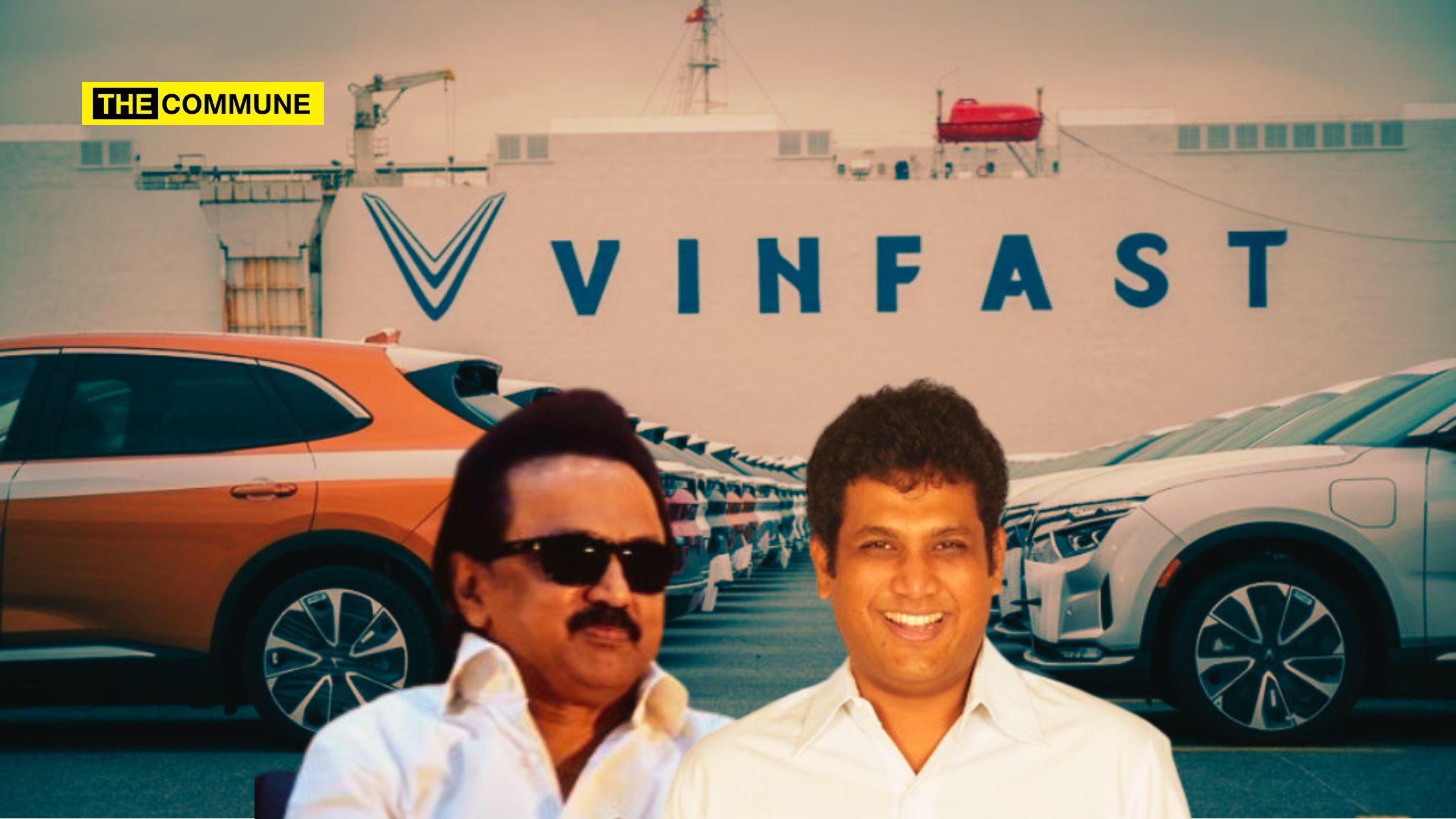
VinFast’s Troubles: Broken Promises And Economic Struggles; Did The DMK Govt Hoodwink The Public?

VinFast, Vietnam’s leading electric vehicle (EV) manufacturer, signed a deal during the Tamil Nadu Global Investors Meet 2024 with TN Chief Minister MK Stalin. Just 50 days after the MoU signing, Stalin laid the foundation stone for VinFast Auto Ltd’s EV manufacturing facility at Thoothukudi with an investment of ₹16,000 crore. This deal, along with otherscontributed to the record investments of ₹6.64 lakh crore attracted during the Global Investors Meet.

The hopes were high for VinFast as it celebrated the groundbreaking of a new factory in North Carolina, USA coupled with the plans for a massive investment in Tamil Nadu. However, recent developments have cast doubts on the company’s ability to deliver on its promises and overcome the myriad challenges it faces in its quest for global dominance in the EV market.

North Carolina Factory: Delays And Minimal Progress

VinFast’s much-publicized groundbreaking ceremony in North Carolina promised a $4 billion investment and 7,500 jobs, supported by $1.2 billion in government incentives. Yet, progress at the site has been sluggish, with only partial foundation work completed and no workers on-site during recent visits. The company now aims to complete the factory by the end of 2025, a significant delay from the original timeline. In contrast, Hyundai’s nearby EV plant in Georgia is progressing rapidly, highlighting VinFast’s struggles in execution.

Sales And Production Woes

VinFast’s electric vehicles are grappling with low demand both domestically and internationally. Despite boasting an annual capacity of 300,000 cars at its main factory in Hai Phong, Vietnam, the company delivered less than 35,000 vehicles last year, falling short of targets. Moreover, the North Carolina plant’s delayed construction adds to VinFast’s production challenges, with Hyundai’s EV plant showcasing a more efficient pace.

Overambitious Expansions And Financial Setbacks

VinFast’s ambitious plans for overseas investments, including a $2 billion plant in India and a $2.1 billion expansion in Indonesia, raise concerns amid its struggles to meet targets and generate sales. Financially, the company faces setbacks, with its stock price plummeting after an initial high-profile NASDAQ listing via SPAC. VinFast’s overreliance on sales to companies owned by its CEO or parent company further underscores its financial fragility.

Regulatory And Market Challenges

VinFast’s reported sales are heavily dependent on transactions with companies owned by its CEO or parent company, raising questions about the sustainability of its business model. In addition to internal woes, VinFast contends with regulatory hurdles and fierce competition in the global EV market. Sluggish demand in the US and aggressive exports from China pose significant obstacles, while established brands like Tesla dominate mindshare. VinFast’s lack of brand recognition outside Vietnam exacerbates these challenges, making it difficult to attract customers internationally.

Public Relations Issues And Trust Deficit

VinFast’s reputation takes a hit from critical reviews of its vehicles and allegations of suppressing negative media coverage. Disastrous reviews from the international automotive press and allegations of offering incentives to journalists tarnish the company’s image. Moreover, concerns about transparency arise amid reports of negative posts disappearing from Vietnamese media platforms and arrests of critics.

Capital And Government Challenges

While VinFast’s parent company, Vingroup, boasts significant financial resources, its ability to raise capital faces scrutiny amid tightening government regulations and a broader crackdown on corporate financial activities in Vietnam. The government’s reluctance to bail out private companies adds to VinFast’s financial uncertainties, potentially hindering its expansion plans.

Despite grandiose announcements and ambitious plans, VinFast finds itself at a crossroads, grappling with myriad challenges ranging from production woes and financial setbacks to regulatory hurdles and public relations issues. As it navigates these obstacles, the company’s ability to pivot and adapt will determine its fate in the fiercely competitive global EV market.

Did The DMK Hoodwink The Public?

Vinfast was poised to start its operations in Thoothukudi, where in 2018 a major copper manufacturer – Sterlite Industries, was closed after a troubled history. The DMK, Dravidianists, and NGOs with ties to the Church were elemental in instigating and sustaining the protests which resulted in violence. Since Sterlite’s closure, the people and small industries of the region that were dependent on Sterlite have been experiencing economic strain. To compensate for the economic downfall of the region, the DMK government seems to be bringing in some random company to revive the economic fortunes of the region. The DMK government claimed that Vinfast has invested ₹16,000 crore, but in reality, the company has earmarked only ₹4,000 crore for the initial five years of investment.

(with inputs from HunterBrook)

Subscribe to our channels on TelegramWhatsApp, and Instagram and get the best stories of the day delivered to you personally.
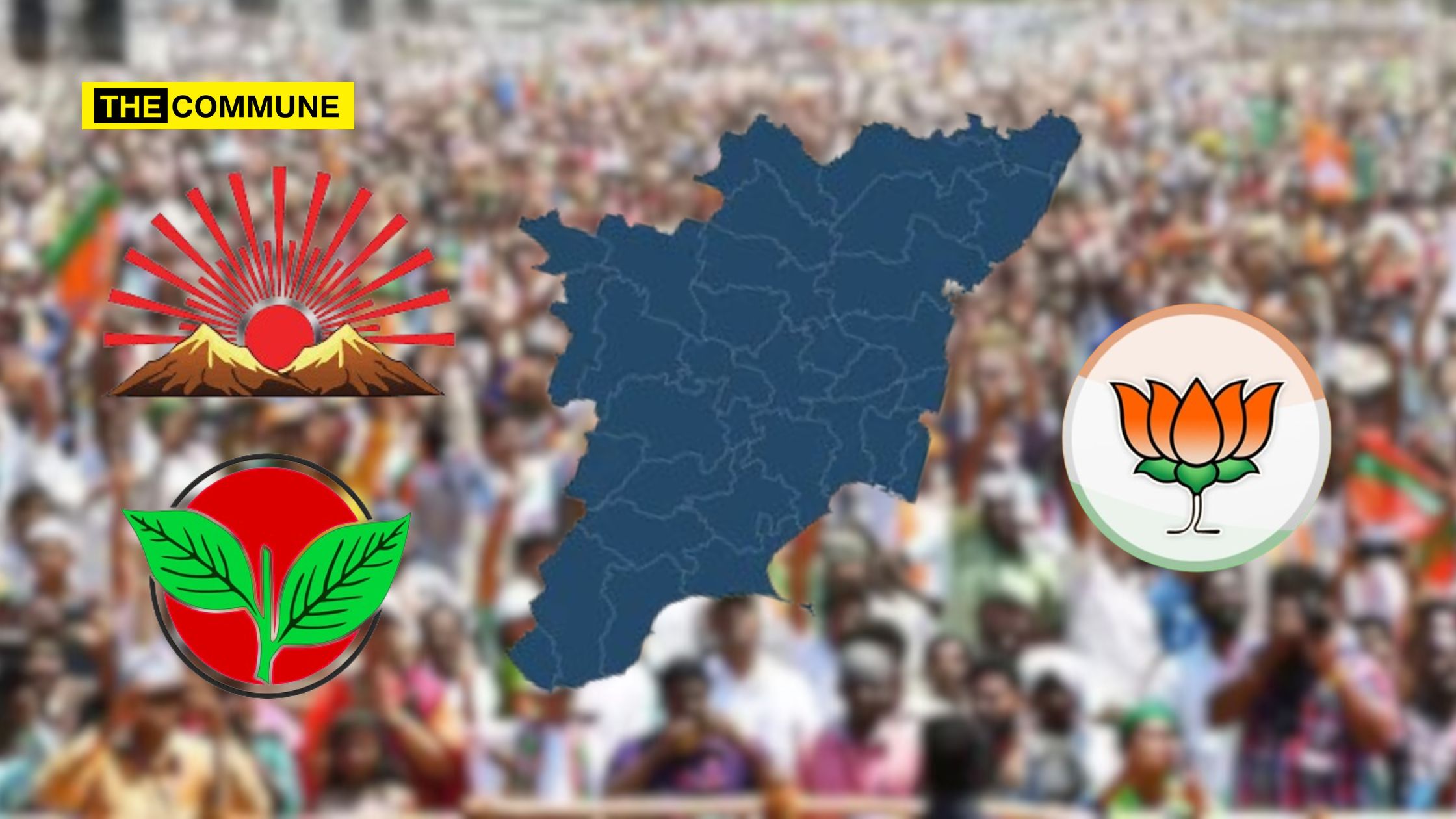
Intel Suggests BJP’s Promising Prospects In Eight Crucial Constituencies In TN – Test Your Predictions!

tamil nadu assembly elections dmk aiadmk bjp

According to senior officials within the BJP, it has been conveyed that the party along with its allies, stands a favorable chance of securing victory in eight constituencies across Tamil Nadu. This information was shared during discussions with Dinamalar.

During the recent Lok Sabha elections in Tamil Nadu, the BJP forged a distinct presence alongside the DMK and ADMK, forming a significant third front. The coalition comprised various parties, including the PMK, AMMK, ADMK Volunteer Rights Rescue Movement, New Justice Party (IJK), and IMKMK, among others. Additionally, support was garnered from around 125 smaller parties and social organizations.

In the electoral fray, the BJP and its allies contested in 19 constituencies, with four candidates representing alliance parties under the lotus symbol, while others chose to contest under their respective party symbols or independently.

Post-election, as the voting concluded, the intelligence department gathered data on voting percentages and the prospects of victory for the BJP in each constituency. This information was then presented to the party leadership, revealing that the BJP and its allies have promising chances of winning in eight specific constituencies such as Kanyakumari, Tirunelveli, Coimbatore, Theni, Dharmapuri, Ramanathapuram, Vellore, and Pollachi, aligning closely with Dinamalar’s Prepoll surveys.

  • In Theni, the pre-poll survey pointed to TTV Dhinakaran of AMMK, a BJP ally, leading significantly with 54.50%, leveraging support from Prime Minister Modi’s initiatives and local campaigns. Despite DMK’s presence, its candidate faced challenges maintaining previous support levels, indicating diminished AIADMK competitiveness.
  • Ramanathapuram witnessed a close contest, with IUML’s K Navaskani defending his seat against challengers like P Jayaperumal and independent candidate O Panneerselvam, allied with BJP. BJP’s projected lead of 32.60% showcased Modi’s influence, particularly in areas like Paramakudi and Muthukulathur, where infrastructure initiatives garnered support, while undecided votes held significance.
  • Coimbatore emerged as a fiercely contested battleground, with DMK’s Ganapathi P Rajkumar replacing CPI-M’s PR Natarajan. BJP’s significant lead of 39.70% indicated shifting perceptions favoring candidate K Annamalai, despite initial doubts. Local dynamics, including ADMK’s previous stronghold and DMK’s efforts, contributed to the intense competition.
  • Vellore showcased a neck-and-neck race between DMK’s D M Kathir Anand and BJP ally NJK’s A C Shanmugam. Though DMK held a slight advantage, internal discord and religious divisions posed challenges, with BJP capitalizing on Modi’s appeal and local industry support.
  • In Tirunelveli, BJP candidate Nainar Nagendran led with 43.90%, leveraging Modi’s influence and discontent towards DMK. Despite DMK’s efforts to retain support, BJP’s growing influence, especially among certain demographics, posed a challenge.
  • Dharmapuri’s three-way battle saw DMK’s A Mani against AIADMK’s Asokan and PMK’s Sowmiya Anbumani. Despite DMK’s projected lead, the Vanniyar caste’s traditional support for PMK and AIADMK’s previous alliance presented uncertainties.
  • Kanyakumari, volatile due to religious affiliations, showed DMK’s lead, but shifting alliances and religious sentiments among voters posed challenges for candidates Vijay Vasanth, Pasliyan Nazareth, and Pon Radhakrishnan.
  • Pollachi exhibited a close race, with DMK’s K Eswarasamy leading, despite AIADMK’s efforts. BJP’s Vasantha Rajan’s growing traction indicated a potential shift in dynamics, challenging AIADMK’s stronghold and Velumani’s strategies.

(with inputs from Dinamalar)

Subscribe to our channels on TelegramWhatsApp, and Instagram and get the best stories of the day delivered to you personally.