Home Blog Page 687

Madras HC Overturns Acquittals Of DMK Ministers In Disproportionate Assets Cases

Madras HC overturned exoneration of DMK Ministers in disproportionate assets cases and mandated a prompt trial.

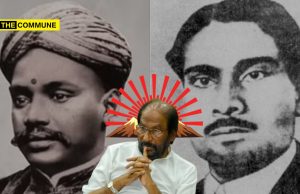
In a surprising turn of events in Tamil Nadu, the Madras High Court on 7 August 2024, approved two suo motu criminal revision petitions that were taken up last year, overturning the exoneration of Revenue Minister K.K.S.S.R. Ramachandran and Finance Minister Thangam Thennarasu, along with their family members, in two separate disproportionate assets cases from 2011 and 2012.

Justice N. Anand Venkatesh revoked a ruling made by a special court for MP/MLA cases on 20 July 2023, which had cleared DMK Revenue Minister Ramachandran, his wife R Adhilakshmi, and friend K.S.P. Shanmugamoorthy, reinstating the disproportionate assets case back to the special court’s docket. He mandated the trial court to formulate charges and proceed in line with the law.

The judge specified that due to his orders in the suo motu proceedings, any discharge petitions previously filed by the accused before the trial court would be dismissed. He instructed all three accused to appear before the special court on 9 September and provide a bond. He emphasized the need for the trial to be conducted daily and finalized promptly, independent of his prior observations in the suo motu proceedings.

Moreover, in a separate decision regarding DMK’s Finance Minister Thennarasu, the judge referenced a quote by James Jeffrey Roche, underscoring the strength and reach of the law in capturing wrongdoers. The judge nullified a previous ruling by the special court on 12 December 2022, discharging the Minister and his wife T. Manimegalai, returning the disproportionate assets case to the trial court. Observing the availability of prima facie evidence to frame charges, he directed the special court to move forward with charge framing.

The defendants were instructed to attend the special court on 11 September 2024, where a bond under Section 88 of the Code of Criminal Procedure should be obtained as necessary. Justice Venkatesh insisted on a daily trial process for the 2012 disproportionate assets case to swiftly reach completion, maintaining independence from any prior observations made in the suo motu proceedings.

On 23 August of the previous year, Justice Venkatesh had initiated suo motu criminal revision proceedings following a discharge of the two Tamil Nadu ministers in the disproportionate assets cases by a special court. Recognizing the balanced play between the accused and prosecution, the judge issued notices to Ramachandran and Thennarasu, who had been absolved from the said cases in July 2023 and December 2022, respectively.

(With inputs from The Hindu)

Subscribe to our channels on TelegramWhatsApp, and Instagram and get the best stories of the day delivered to you personally. 

Zia’s Return: Did Tarique Rahman, ISI And A Foreign Hand Lead To The Bangladesh Turmoil?

Did BNP orchestrate Bangladesh turmoil with Pakistan's ISI?

Opposition leaders, including Tarique Rahman of the Bangladesh Nationalist Party (BNP), may be reportedly involved in clandestine meetings with Pakistan’s Inter-Services Intelligence (ISI) officials in Saudi Arabia to strategise violent regime change in Bangladesh.

These reports highlighting potential foreign interference in Bangladesh’s political dynamics emerge after BNP chief Khaleda Zia’s recent release.

Turmoil in Bangladesh

As we have been observing over the past few days, in a dramatic turn of events, Bangladesh’s political landscape has been upended, with Prime Minister Sheikh Hasina resigning and fleeing the country amid widespread protests. The upheaval, which led to over 300 deaths and many more injuries, was sparked by a controversial quota system for government jobs. It quickly morphed into a broader anti-government movement.

The Quota Controversy And Its Fallout

The unrest began with protests against a job quota system that allocated up to 30% of government positions to the families of veterans from Bangladesh’s 1971 war of independence against Pakistan. Despite a Supreme Court ruling reducing the quota to 5%, the discontent grew, culminating in demands for Hasina’s resignation. Violence escalated on 4 August 2024, leading to significant casualties and a crisis that forced Hasina to flee to India.

Intelligence Reports Point To Foreign Involvement

According to intelligence reports, the blueprint for regime change in Bangladesh was drafted in London with alleged involvement from Pakistan’s Inter-Services Intelligence (ISI). India Today reported evidence that meetings occurred between BNP’s Tarique Rahman, Khaleda Zia’s son, and ISI officials in Saudi Arabia. It is claimed that the ISI, in collaboration with China, aimed to destabilise Hasina’s government and reinstate the BNP, which is perceived as pro-Pakistan.

The protests were further fueled byanti-Bangladeshhandles on social media, with over 500 negative posts targeting Hasina’s government, many originating from Pakistani accounts. The ISI-backed Islami Chhatra Shibir (ICS), the student wing of Jamaat-e-Islami Bangladesh, reportedly played a key role in escalating protests. Intelligence sources indicate that significant funding for these activities came from Chinese entities operating in Pakistan.

The Re-entry Of Khaleda Zia

In the wake of Hasina’s resignation, Bangladesh’s President Mohammed Shahabuddin announced the dissolution of Parliament and the formation of an interim government. Khaleda Zia, leader of the BNP and a long-time rival of Hasina, was released from house arrest.

Zia, who served as prime minister for two non-consecutive terms, now faces the challenge of navigating Bangladesh through this crisis. The release of Zia marks a new chapter in theBattle of the Begums,a rivalry that has long dominated Bangladeshi politics.

Battle Of The Begums

Khaleda Zia assumed BNP leadership in 1981 after her husband, then-President Zia-ur Rahman, was killed in a military coup. A decade later, she became Bangladesh’s first female prime minister. Her tenure as prime minister was marked by significant political and economic shifts, including introducing a parliamentary system and changes in foreign investment policies. Despite her contributions, her terms were marred by corruption allegations and the rise of Islamist militants. During her time in office, from 1991 to 1996 and again from 2001 to 2006, Zia’s administrations were frequently tainted by corruption allegations. As part of a negotiated arrangement to facilitate her return to politics, her two sons, who were also implicated in corruption charges during her second term, moved to the United Kingdom. At 78 years old, Khaleda Zia was convicted of corruption in 2018 and sentenced to 17 years in prison.

Sheikh Hasina, leader of the Awami League, was in power since 2009. Her tenure was characterised by economic growth and development, but a narrative of human rights abuses and corruption allegations also made the rounds. The intense rivalry between Hasina and Zia has often led to violence and political instability.

With Hasina’s departure and Zia’s return to prominence, the political dynamics in Bangladesh are likely to shift significantly. The interim government is expected to oversee elections soon, but the political landscape remains uncertain. The recent violence and unrest have highlighted ongoing issues in Bangladeshi politics, including allegations of foreign interference and domestic discontent.

The international community is watching closely as Bangladesh navigates this tumultuous period. These changes will affect regional stability and relations with neighbouring countries like India.

With Khaleda Zia now released, coupled with the news of her son and Muhammad Yunus flying into the country, it will be interesting to see how things unfold in Bangladesh.

Subscribe to our channels on TelegramWhatsApp, and Instagram and get the best stories of the day delivered to you personally. 
“NEET Pushes Inequality In Name Of The Process”, Says DMK MP Arun Nehru, Union FM Nirmala Sitharaman Rebuts False Claims

Union FM Sitharaman blasted MP Arun Nehru's fake claims on NEET causing inequalities.

Union Finance Minister Nirmala Sitharaman delivered a point-by-point rebuttal to Perambalur DMK MP Arun Nehru’s maiden speech in Parliament, where he falsely claimed that the NEET exam fosters inequality and was disadvantageous to the economically underprivileged.

Sitharaman pointed out that the NEET exam was introduced by the Congress-led UPA government, with the DMK as a coalition partner, and was defended by the then Additional Solicitor General. She emphasised that the DMK was part of the government that initiated NEET.

During the debate on Budget 2024 in the Rajya Sabha, Finance Minister Nirmala Sitharaman stated, “NEET was notified in December 2010. It was led by the then DMK Minister Gandhi Selvan, who served as MoS for Health and Family Welfare as part of the Congress-led UPA II Government. In 2012, the UPA 2.0 introduced NEET (Undergraduate) for medical admissions. And in 2013, the first exam took place. The then ASG had defended NEET and said that “the earlier system of multiple examinations was neither in the national interest nor in the interest of maintaining the standards of medical education, nor did it serve the interest of poor/middle-class students who had to buy forms of several examinations and travel across the country to appear in multiple examinations”.

Sitharaman asserted, “NEET doesn’t disadvantage anyone; in fact, it expands opportunities. Tamil Nadu students secure 85% of seats with 69% reservation upheld & can also go 15% seats in other states also. They benefit from the All-India Quota. In 2011, when the DMK rule concluded in Tamil Nadu, it had just 1945 medical seats. Presently, there are 10,425 medical seats, a remarkable surge of 8480 seats over the past 11 years.”

She further added, “NEET has ensured cost-effective medical education for families. It has hurt vested private interests, particularly those in the medical education field because no longer ‘selling’ of medical seats is possible, therefore it has hurt the lot of people, that’s why a particular lobby was against NEET, even before the NEET leak issue has come up. In the year 2022-23, 12,997 Tamil Nadu Government School Students wrote the NEET exam. Out of them 3982 students passed. It is noteworthy that the pass percentage has increased from 27% last year to 31%. Before NEET came in, only students from few schools from a selected regions of Tamil Nadu could get medical seats but now it’s across the board.”

The FM pointed out that government school students from humble backgrounds have successfully cleared the NEET exam. She listed several examples:

  • Kanimozhi from Mayiladuthurai, daughter of a coolie and taxi driver.
  • Annapurani from Singampunari, Sivaganga district, daughter of a construction worker.
  • Arivunidhi from Vilali Malai, Pudukottai district, son of a laborer and coolie.
  • Divya Bharathi from Thalavaadi, Erode district, daughter of a laborer.
  • Kaviyarasan from Karambakudi, Pudukottai district, son of a farm laborer.
  • Jeevith Kumar from Periyakuma, Theni district, son of a goat rearer.
  • Kavipriya from Cheyyar, daughter of a farmer.
  • Santhanam from a farming labor background.
  • Ramya from Karamadai, an Irula community member, daughter of a laborer.

Subscribe to our channels on TelegramWhatsApp, and Instagram and get the best stories of the day delivered to you personally. 
Madras HC Urges TN Govt To Consider Leasing Temple Land To Families Displaced By Tsunami

Consider Leasing Temple Land To Tsunami Families : Madras HC
On 5 August 2024, the first bench of the Madras High Court directed the Hindu Religious and Charitable Endowments (HR&CE) Department to consider converting families occupying temple land on East Coast Road (ECR) after being displaced by 2004 Tsunami into tenants, provided they apply and pay rent.

The bench issued these instructions in response to petitions from 37 individuals, including Sandiran, who challenged the HR&CE commissioner’s dismissal of their petitions against a 2022 eviction order due to delay.

The court stated that the petitioners would be given time if they agreed to vacate the land. Alternatively, the department could consider converting them into tenants if they applied and were willing to pay rent. The case was then adjourned. The sitting bench stated, “Either identify a land in the nearby locality to relocate the residents or consider leasing out the temple land to the encroachers.”

The petitioners, displaced by the 2004 tsunami, had encroached on land belonging to the Alavanthar Trust, which manages temple land across three villages. In 2022, the HR&CE department issued eviction notices, which the petitioners challenged, but their petitions were dismissed due to delay.

Dravidian Model Conspiracy To Seize Temple Lands In Tamil Nadu

Tamil Nadu’s HR&CE department is already facing allegations that private Hindu temple lands in Tamil Nadu, particularly in urban centres like Chennai, are increasingly being targeted by local political groups for systematic expropriation.

Activists involved with temple affairs warn that these issues are not confined to these temples alone. They point to Government Order 221 issued by the Tamil Nadu government on 4 May 2023 under the Natham settlement and land records policy. This order specifies that public lands without hereditary rights can be declared government property (“sarkar lands”), potentially paving the way for irregular practices where such lands could later be allocated to politically connected private entities for profitable purposes.

(With inputs from TNIE)

Subscribe to our channels on TelegramWhatsApp, and Instagram and get the best stories of the day delivered to you personally. 
Bangladesh Turmoil: Controversial Nobel Laureate Yunus Poised To Lead Bangladesh – A Look At His Background

Controversial Nobel Laureate Yunus Poised To Lead Bangladesh after Sheikh Hasina fled.

Muhammad Yunus, the founder of Bangladesh Grameen Bank and Nobel Prize laureate, has emerged as a central figure amid a political crisis in Bangladesh. Following Prime Minister Sheikh Hasina’s resignation and the subsequent call for an interim government, the “key organisers” of the student protests that sparked the upheaval have proposed that Yunus lead the transitional administration.

This development has stirred significant attention and debate, particularly given Yunus’s contentious relationship with Hasina and his views against India’s role in the crisis.

Sheikh Hasina flees to India.

The turmoil in Bangladesh began with a violent student movement, reportedly instigated by the opposition. Under increasing pressure, Hasina resigned and fled to India. She left in a situation eerily similar to one 49 years ago when her father, Sheikh Mujibur Rahman, was assassinated in a military coup. At that time, Hasina and her sister survived because they were in Germany.

Now, once again, she has sought refuge in India, which has angered anti-Hasina factions in Bangladesh.

Muhammad Yunus

Muhammad Yunus’s name has been making the rounds since the turmoil began.

Notably, thekey organisersof Bangladesh’s student protests announced that Nobel Peace Prize laureate Muhammad Yunus should lead an interim government following Hasina’s resignation and departure. Nahid Islam (26), a sociology student who led the protest movement against quotas in government jobs, shared in a social media video post that Yunus has agreed to assume the role.

But who is Muhammad Yunus?

The Bangladesh Grameen Bank founder counts among prominent voices against Hasina and India in Bangladesh. Yunus has a contentious relationship with Hasina and has been a vocal critic of her leadership. He accused Hasina of dictatorial rulesupported by India” and has expressed discontent with India’s view of the crisis as an internal matter. Yunus, potentially poised to become the chief advisor of a new interim government, believes India should play a role in restoring democracy in Bangladesh.

Muhammad Yunus’s Criticism And Legal Troubles

His criticism of India and Hasina is not new. He claims India’s support has enabled Hasina’s extended rule.

Yunus’s controversies include a recent conviction for violating labour laws in Bangladesh. However, he remains a significant figure in some circles. Yunus has been critical of India’s non-interventionist approach during Bangladesh’s recent unrest, arguing that as a neighbouring country and SAARC member, India has aresponsibilityto help restore democracy.

What Is Yunus’s Relationship With The West

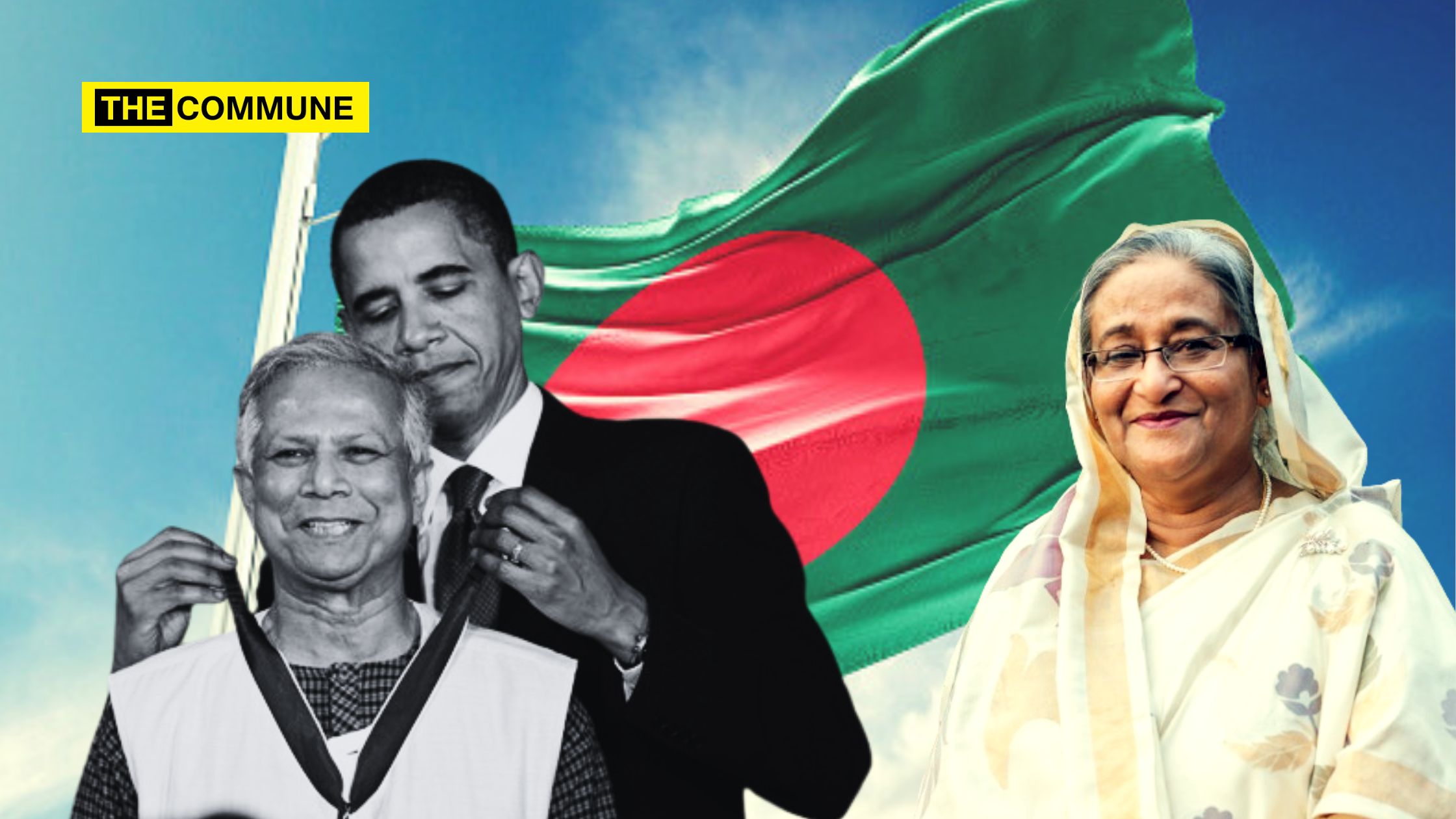
He has faced numerous legal challenges in Bangladesh, including a conviction for failing to establish a welfare fund for Grameen Telecom employees. Despite these issues, he is celebrated in the West, receiving prestigious awards like the Nobel Peace Prize, the Presidential Medal of Freedom from Obama, and the Congressional Gold Medal. These accolades have bolstered his international standing even though he has strained relations with the Awami League-led government in Bangladesh.

The Nobel laureate, known as thefatherof microcredit and founder of Grameen Bank, was interviewed by Reuters recently, revealing his aspirations to return to politics and potentially lead the government of Bangladesh. This interview portrays Bangladesh as aone-party stateunder Prime Minister Sheikh Hasina and questions the legitimacy of recent elections, claiming they were boycotted by the main opposition party, BNP, which is connected to Al Qaeda and has faced severe legal repercussions. Under Khaleda Zia and her son Tarique Rahman, the BNP has attempted unconstitutional methods to regain power, with alleged support from the Biden administration.

The interview sheds light on Yunus’ controversial history, including high interest rates on loans to poor borrowers, misuse of funds, and significant political influence. Despite his Nobel recognition, Yunus’ promises to eradicate poverty have not materialised, with many borrowers falling into deeper financial distress. Additionally, Yunus has faced criticism for his close ties with Hillary Clinton, who allegedly pressured the Bangladeshi government and World Bank to support Yunus amidst corruption investigations.

Yunus and the Clintons see this interview as part of a broader strategy to destabilise the Hasina government and promote Yunus as a political leader.

In another interview with CNN following Bangladesh PM (former) Sheikh Hasina’s resignation on 5 August 2024, Yunus expressed his desire for the military to transfer control of the country to a civilian government. He criticised Hasina and said, She has tortured us. She has made this country unlivable for people.”

Possible Impact On India-Bangladesh Relations

Yunus’s anti-India rhetoric and the possibility of him playing a vital role in a new government could strain relations between the two countries. His comments echo those of Muhammad Muizzu in the Maldives, whose anti-India stance led to deteriorating bilateral relations. The situation in Bangladesh could follow a similar trajectory if Yunus gains more influence.

With Yunus poised to lead the interim government, it remains to be seen how the relationship between India and Bangladesh will develop.

Subscribe to our channels on TelegramWhatsApp, and Instagram and get the best stories of the day delivered to you personally. 
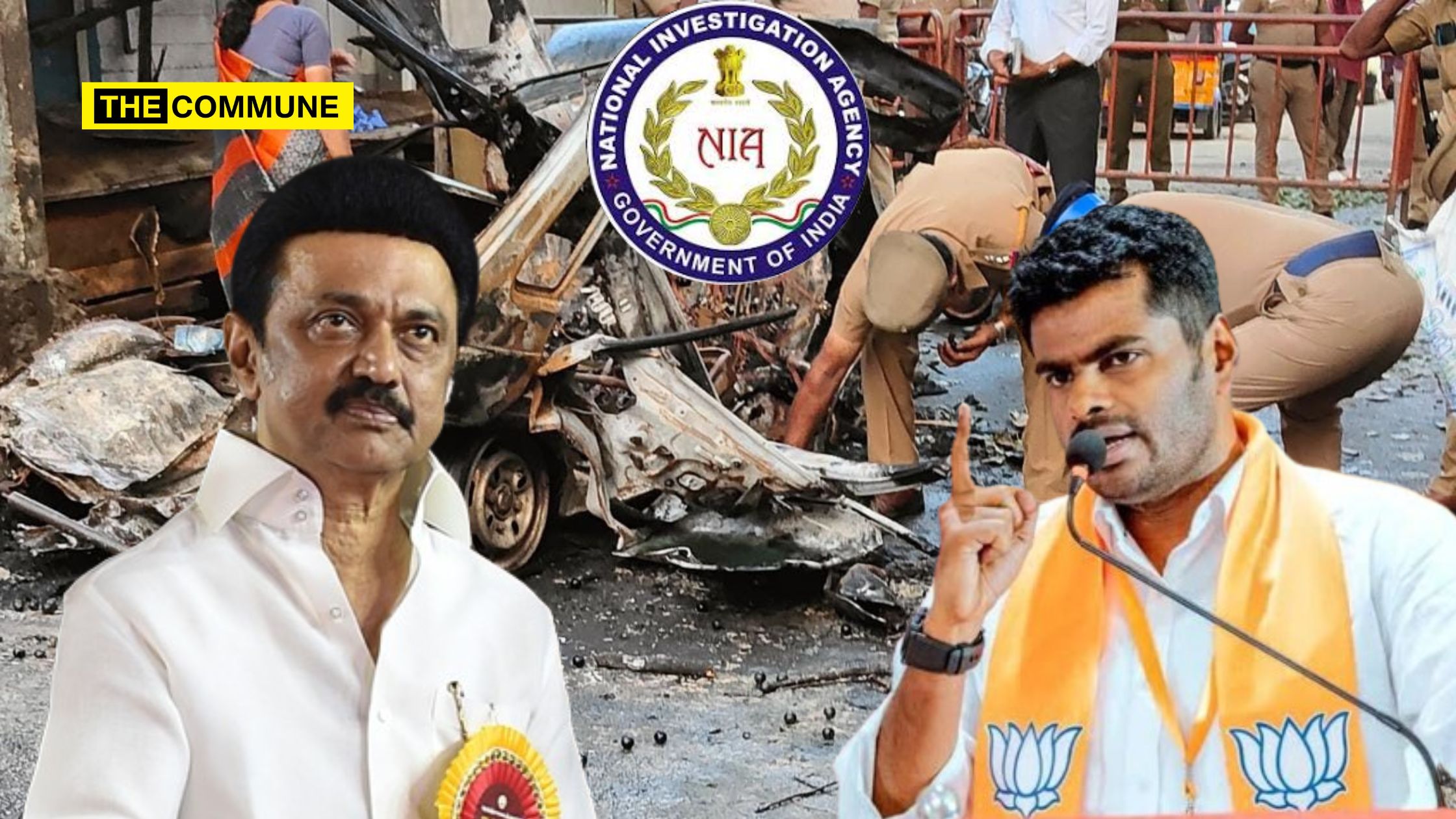
NIA Chargesheets Four In 2022 Coimbatore Car Bombing Case; Annamalai Slams DMK’s Sluggish Handling Of Terrorism For Vote Bank Appeasement Politics

BJP Annamalai slams DMK for minority appeasement in 2022 Coimbatore blasts case. DMK for minority appeasement in 2022 Coimbatore blasts case. NIA arrests 4

The Tamil Nadu BJP president, K Annamalai, strongly criticised the DMK for downplaying the Coimbatore car bombing outside a temple in October 2022 and framing it as a mere cylinder blast for minority appeasement. He accused the DMK of using media narratives to appease minority sentiments instead of taking decisive action.

However, his comments come a day after the National Investigation Agency (NIA) arrested four persons allegedly responsible for the blasts.

NIA arrests ISIS recruiters

On 6 August 2024, the National Investigation Agency (NIA) pressed charges against four individuals in connection with an Islamic State (IS) radicalisation and recruitment case. This case was uncovered while investigating the 2022 car explosion outside the Sangameswarar Temple in Kottaimedu, Coimbatore.

The defendants, Jameel Basha, Mohammed Hussain, Irshath, and Syed Abdur Rahman, were charged under the Indian Penal Code and the Unlawful Activities (Prevention) Act. The NIA’s Chennai branch registered the case in August 2023 based on findings from the car explosion probe.

The NIA reported that the accused were involved in recruiting susceptible youth into IS to perpetrate illegal and terrorist activities. They conducted religious indoctrination at an Arabic language centre named Madras Arabic College in Coimbatore, which was later renamed Kovai Arabic College, according to an NIA press release.

Basha, the patron and chief mentor, instructed his former students to set up Arabic language centres at the district level. Hussain and Irshath established the centre in Coimbatore. The release stated that the radicalization of youth took place through social media platforms and classroom sessions, featuring live or pre-recorded sermons by Basha.

The release further mentioned, “The vehicle-borne IED attack outside the temple was part of the violent jihad endorsed by the accused. Jamesha Mubeen (deceased), who had pledged allegiance to Darul-e-Islam/IS, executed the blast as part of IS’s anti-India campaign after being radicalised by Syed Abdur Rahman.


BJP slams DMK over vote bank politics

In this context, the Tamil Nadu BJP chief criticized the ruling DMK through his official X account, stating, “The NIA has charged four more radical terrorist elements, a blight on our society, as part of the ongoing investigation into the Coimbatore suicide bombing case in October 2022. The DMK may persist in labelling it a mere cylinder blast, but today, Tamil Nadu is now suffering the consequences of electing a party that has sacrificed the state’s law and order for the sake of petty vote bank politics.”

The 2022 Coimbatore Bomb Blast Terror Attack

The 2022 Coimbatore Bomb Blast is a terrorist attack where an LPG cylinder burst inside a Maruti 800 car at around 4.30 am on 23 October 2022, causing the vehicle to explode. Jamesha Mubeen drove the vehicle carrying the improvised explosive device. The blast happened outside the famous Kottai Eshwaran Temple.

The explosion was initially believed to be an accident. However, an investigation revealed that the cylinder explosion was a terrorist attack committed by Islamic terrorists during the Diwali festival. Nails and ball bearings supposedly meant for inflicting maximum casualties were also recovered from the spot.

Investigators had recovered handwritten paper documents from Jamesha Mubeen’s house. These documents listed the popular spots in Coimbatore that they had plans to recce or were already done. Chemicals used for making crude bombs were also found at his house.

Subscribe to our channels on TelegramWhatsApp, and Instagram and get the best stories of the day delivered to you personally. 
“Tamil Nationalism Is Contained In Opposing Sanatana”: VCK MP Thirumavalavan after praising Hamas

VCK MP Thirumavalavan praising Hamas

Thirumavalavan, leader of the Viduthalai Chiruthaigal Katchi (VCK) and Member of Parliament from Chidambaram, has sparked controversy once again by referring to HAMAS, the Palestinian Sunni Islamist political and military organisation, as freedom fighters. Several governments, including the United States and the European Union, have designated HAMAS a terrorist organisation.

At the book release event for Kasi Anandan’s “Breaking the Chains” (Vilangai Udaithu) on 3 August 2024, held at the Sir PT Thiyagarajan Auditorium, VCK leader Thirumavalavan began his speech by recounting how he became acquainted with the author, Kasi Anandan, an exile from Sri Lanka’s Tamil Eelam. Thirumavalavan’s speech focused on his involvement in supporting and promoting the Tamil Eelam movement. He lauded Kasi Anandan as a pioneering figure in the Tamil Eelam struggle, comparing him to LTTE chief Prabhakaran.

During the book release event for the autobiography of Tamil exile poet Kasi Anandan, Thirumavalavan delivered an extensive speech reflecting on various aspects of the book, which detailed Anandan’s life. He then shifted to a controversial discussion, arguing that religious and ethnic nationalism poses a threat to language-based nationalism, as both tend to suppress linguistic identities. To illustrate his point, he drew parallels between the situation in India and the imposition of the Sinhalese language on Tamil Eelam’s population by the Buddhist-majority government in Sri Lanka.

Thirumavalavan asked, “What is the true enemy of Tamil nationalism? Is it Telugu nationalism, Kannada nationalism, Malayalam nationalism, or Indian nationalism?” He elaborated, “We should understand the basics that Indian nationalism opposes linguistic-based nationalism, and conversely, linguistic-based nationalism stands in opposition to Indian nationalism. Indian nationalism will never accept the emergence of distinct national identities based on linguistic groups such as Kannadigas, Malayalis, Telugu, Tamils, Marathis, and Gujaratis. Similarly, fundamentalists also reject linguistic-based nationalism. Therefore, how can Telugu nationalism be an enemy of Tamil nationalism? It simply cannot be.”

He then clarified that, without directly naming Indian nationalism, the real threat to Tamil nationalism is any form of nationalism that denies linguistic-based identity, national and ethnic rights, state rights, and state autonomy. He drew a parallel to Sri Lanka, where Buddhist Sinhalese nationalism is viewed as the adversary to Tamil nationalism.

Later, the VCK MP asserted, “Tamil nationalism is contained in opposing Sanatana, Tamil nationalism is contained in egalitarian politics, Tamil nationalism is contained in Women’s freedom.”

At the same event, Chidambaram MP Thirumavalavan claimed that Indira Gandhi’s Congress party had supported the LTTE militants by providing warfare assistance and weapons training, which significantly bolstered their movement. He argued that successful liberation wars typically require strong backing from a sovereign government. Thirumavalavan noted that Hamas’s ongoing struggle is similarly supported by a sovereign government, which plays a crucial role in such conflicts. He emphasized that even if a militant organization operates independently, it benefits from the support of a sovereign government to achieve its objectives.

Thirumavalavan said, “The liberation struggle has been won only by the support of any government to the liberation movements at the global level. Today, if we say that the Hamas organisation is fighting against the country Israel means it is a fact that they cannot fight this as a group, we should understand that they are supported by some sovereign government. So, whether it is Eelam liberation struggle or any national liberation struggle, even if the liberation movement is strong enough to run alone, the liberation movement and the militants needs the favor of the government in some corner of the world, it needs their support.”

Later he said, “So if we ask which country’s support is essential for us first, the bitter truth is India’s support.”

(This speech was not included in the full video on YouTube or in the MP’s posts on X but was featured in one of his Facebook posts)

Who is HAMAS?

Hamas, short for “Harakat al-Muqawama al-Islamiya” (Islamic Resistance Movement), is a Palestinian Sunni Islamist political and military group that has governed parts of the Gaza Strip since 2007. Founded by Palestinian imam Ahmed Yassin in 1987, Hamas emerged from his 1973 Islamic charity, Mujama al-Islamiya, which was affiliated with the Muslim Brotherhood.

In the 2006 Palestinian legislative elections, Hamas won a majority in the Palestinian Legislative Council by promising to combat corruption and advocating for resistance against Israeli occupation. Following the Battle of Gaza in 2007, Hamas took control of the Gaza Strip from the rival Fatah faction and has since governed the area independently of the Palestinian National Authority. In response, Israel intensified its blockade of Gaza, and Egypt also began its own blockade in 2007. This has led to multiple conflicts with Israel, including major clashes in 2008-09, 2012, 2014, 2021, and 2023.

Initially, Hamas sought to establish a state in all of Mandatory Palestine, but by 2005-2007, it began to accept the 1967 borders in agreements with Fatah. A 2017 charter supported a Palestinian state within these borders while not recognising Israel. Despite offering long-term truce proposals based on the 1967 borders, some view Hamas’s long-term goal as still seeking a single state over the entire former Mandatory Palestine. The 2017 charter removed antisemitic language from its 1988 predecessor, focusing instead on a struggle against Zionism rather than Judaism.

Hamas has engaged in extensive armed conflict with Israel, attacking civilian targets and launching rockets. The conflict involves issues such as the Israeli occupation, Jerusalem’s status, Israeli settlements, and Palestinian rights. On 7 October 2023, Hamas launched a significant attack on Israel, resulting in the deaths of 1,139 people and the capture of approximately 250 Israeli civilians and soldiers. Several countries, including Australia, Canada, Israel, Japan, New Zealand, the United Kingdom, and the United States, have designated Hamas as a terrorist organisation due to its militant activities. In 2018, a UN motion to condemn Hamas was not passed.

Subscribe to our channels on TelegramWhatsApp, and Instagram and get the best stories of the day delivered to you personally. 
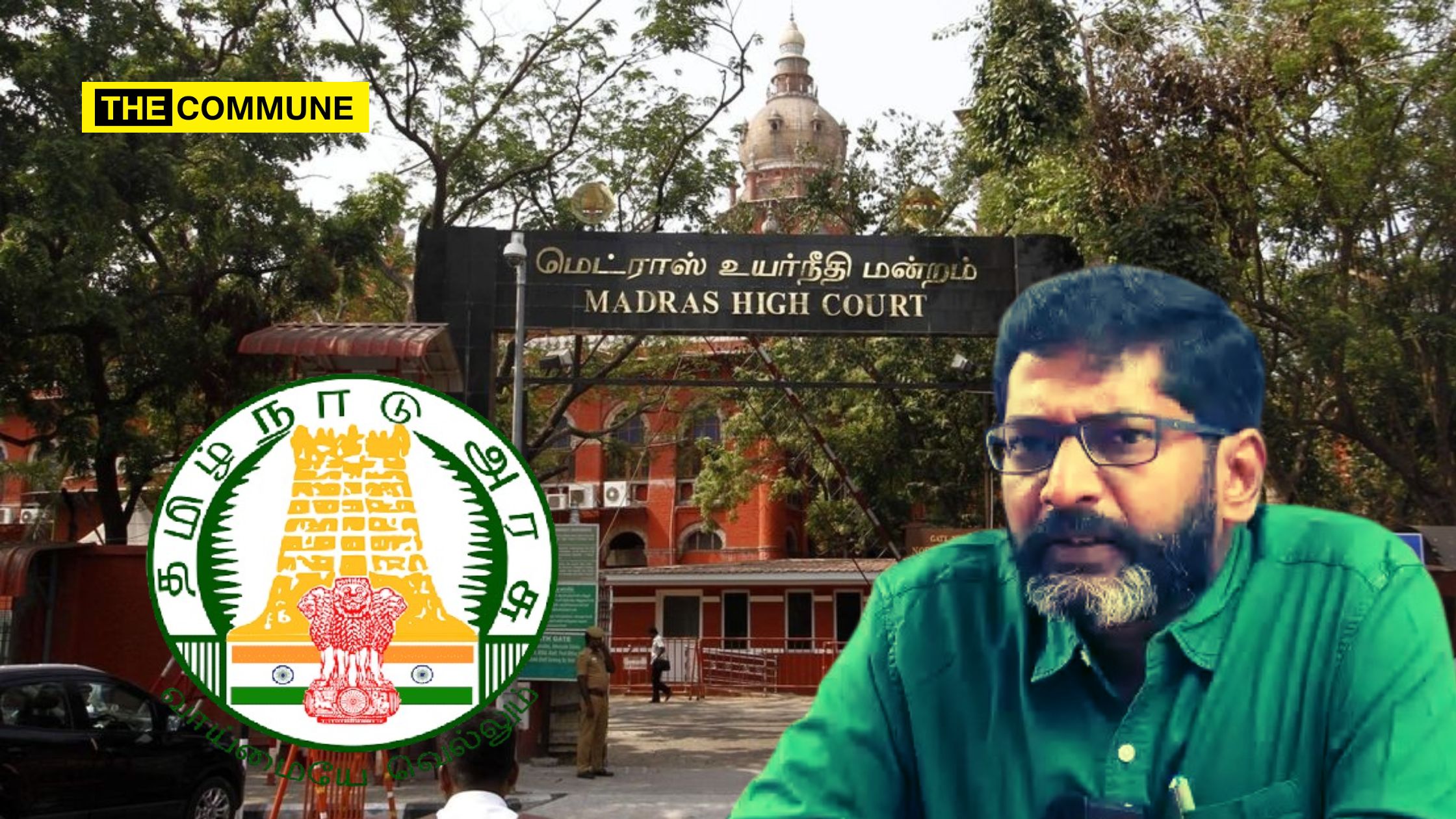
“Preventive Detention Is A Colonial Law”, Says Madras HC As It Questions TN Govt’s Use Of Goondas Act Against YouTuber Savukku Shankar

Madras High Court To Hear YouTuber Savukku Shankar's Bail Plea Tomorrow

On 6 August 2024, the Madras High Court scrutinised the Tamil Nadu government’s decision to detain YouTuber Savukku Shankar under the Tamil Nadu Goondas Act, questioning whether the action was selective.

Justices SM Subramaniam and V Sivagnanam noted that preventive detention is a colonial-era law that should be employed cautiously. They warned that suppressing the voices of media professionals and YouTubers could revert the country to colonial practices. The court remarked, Preventive detention is a colonial law. Detaining power should be used sparingly. If the voices of YouTubers and media people are strangulated, we’ll return to colonial times. Media is the fourth pillar of democracy.

The judges suggested that the state should have pursued traditional legal avenues, such as filing a defamation suit, rather than resorting to detention. They described Shankar’s detention as overly harsh and infringing on the fundamental right to free speech.

The bench also commented on the prevalence of false news and questioned whether the state was equally diligent in addressing all instances of misinformation if it justified Shankar’s detention on such grounds. Justice Subramaniam pointed out, “How many people spread false information on TV and media? Have you arrested everyone in similar cases? Is it feasible for the government to chase after everyone spreading false news? How did Shankar’s comments disrupt public order? The issue of false news is widespread. You’ve rightly filed a case; proceed with the trial and seek a conviction, but you cannot stifle freedom of speech.”

The court was considering a habeas corpus petition filed by Shankar’s mother, Kamala, challenging her son’s preventive detention. The Supreme Court recently released Shankar from detention, while Kamala’s petition is pending in the High Court.

Kamala’s attorney argued that the detention was malicious. In response, the state said police detained Shankar for making repeated derogatory statements. He was earlier jailed for contempt of court. They let him go on the condition that he stopped making such remarks, which he allegedly failed to do.

The State’s counsel insisted, “Your lordships are dealing with someone who will never cease. We have intervened.” The court questioned, “How long will you continue to intervene?

The bench clarified that it did not condone Shankar’s alleged derogatory comments about policewomen. The state also alleged that Shankar used a forged document to accuse corruption in a tender process, which led to public protests and disruptions. The bench expressed scepticism about whether these issues justified invoking the Goondas Act.

Justice Subramaniam commented on the nature of media and debate, questioning whether political channels and televised debates are truly neutral or factual. He also noted that past contempt convictions should not influence current judgments, emphasising a fair evaluation of the case on its merits.

Justice Subramaniam praised Justice GR Swaminathan for his impartiality in handling Shankar’s case despite previously convicting him for contempt. He commended Justice Swaminathan for recognising the wrongful nature of Shankar’s detention.

As the hearing concluded, the court advised the state to concentrate on combating corruption rather than using preventive detention laws against dissenting voices. The bench cautioned that such actions could signal a return to colonial-era practices. The court has reserved its orders on the matter.

(With inputs from Live Law)

Subscribe to our channels on TelegramWhatsApp, and Instagram and get the best stories of the day delivered to you personally. 
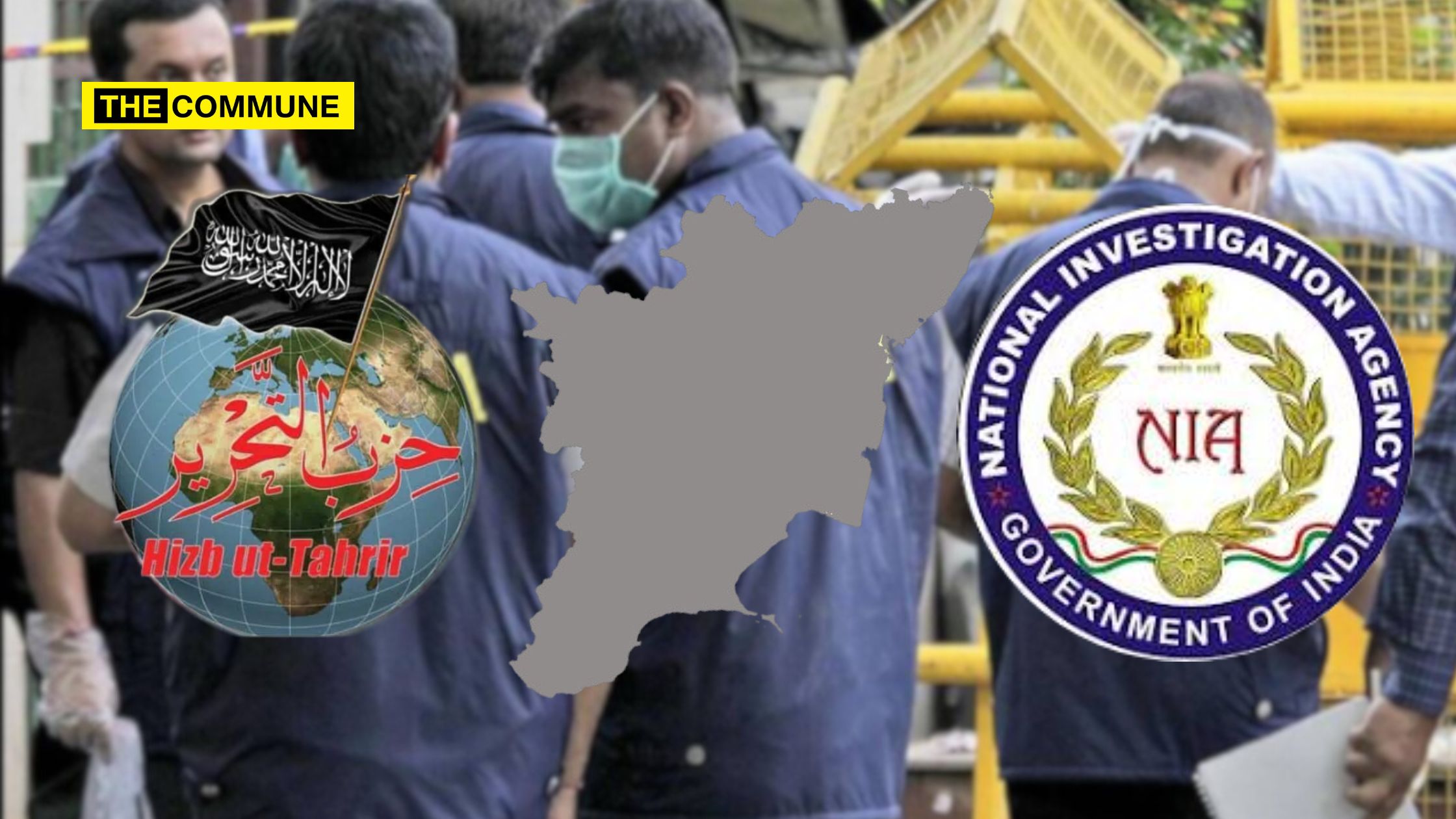
Chennai Cyber Crime Police Arrest Six For Recruiting For Hizb ut-Tahrir; NIA Takes Over Case

Police Arrest Six Men Recruiting For Hizb ut-Tahrir

The Chennai Cyber Crime Police arrested six individuals under the Unlawful Activities (Prevention) Act (UAPA) for allegedly recruiting for Hizb ut-Tahrir in Royapettah. The arrested include Dr. Hameed Hussain, his father Mansoor, brother Abdul Rahman, and their associates Mohammed Maris, Khader Nawaz Sharif, and Ahmed Ali Umari.

The arrests were made following an investigation revealing that the group had used YouTube campaigns to recruit members for Hizb ut-Tahrir, an organisation banned in multiple countries. The Chennai Police submitted all case-related documents to the Tamil Nadu government, prompting the National Investigation Agency (NIA) to register a case and conduct further investigations.

On June 30, the NIA searched 12 locations across Chennai, Pudukkottai, Thanjavur, and Trichy. The raids led to the arrest of Abdul Rahman and Mujibur Rahman (also known as Mujibur Rahman Altham Sahib) from Thanjavur district. Authorities seized mobile phones, laptops, SIM cards, memory cards, books, and documents promoting Hizb ut-Tahrir, Khilafah, and Islamic State ideologies.

The NIA’s ongoing investigation indicates that the arrested individuals had recruited members for the internationally banned organisation through their online campaigns. The case has since been transferred from the Central Crime Branch-Cyber Crime Police to the NIA, which handles all related documents and evidence.

Further investigations by the NIA will focus on financial transactions involving the arrested individuals. Officials plan to trace the money flow into their bank accounts and identify other potential beneficiaries. The NIA is also considering taking the six individuals into police custody for further questioning as part of the probe. Re-raids may be conducted based on newly acquired evidence and documents obtained from the initial investigations.

(With inputs from Puthiya Thalaimurai)

Subscribe to our channels on TelegramWhatsApp, and Instagram and get the best stories of the day delivered to you personally. 
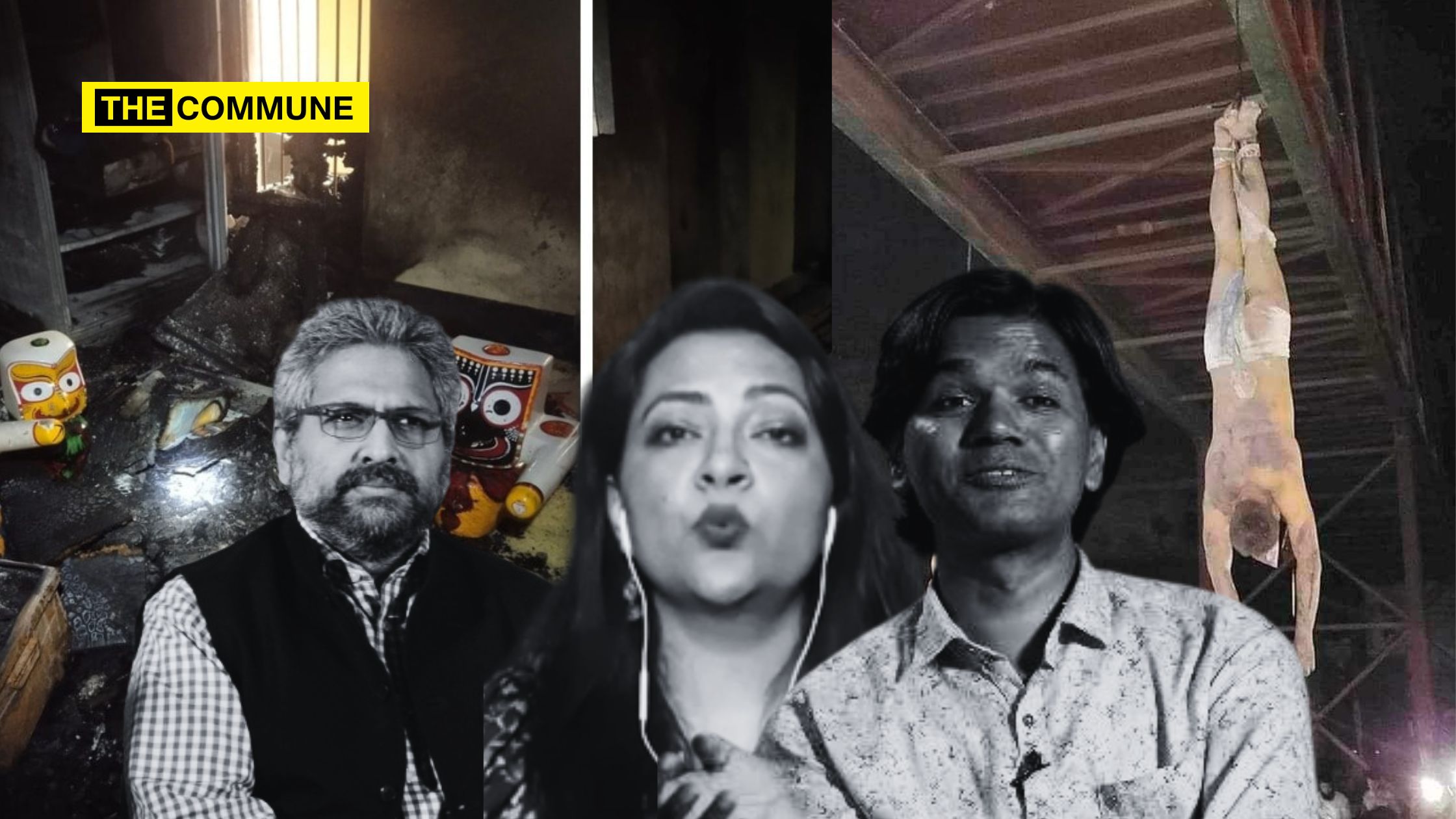
Bangladeshi Hindus Attacked Amid Turmoil; Leftists In India Claim They Are “Safe”, Downplay Threats

Indian Leftists whitewash Hinduphobic threats in Bangladesh.

As the turmoil in Bangladesh unfolded and the Army took over the reins, violence ensued, and it was the Hindus living in Bangladesh who have been bearing the brunt. Calls for burning and killing Hindus echoed all across the country. Here are some chilling reports:

https://twitter.com/GBHAlliance/status/1820574234533322975


However, the likes of alleged fact-checker Mohammed Zubair and leftist mouthpieces like The Wire, kept insisting that Hindus were “safe” in Bangladesh. They went above and beyond, bending backwards to prove that Hindus were kept safe.

Here are some posts:

A handle that claims to be “anti-RSS” posted “FAKE NEWS ALERT Taking advantage of the unrest in Bangladesh, BJP IT Cell Coolies in India are spreading Fake News to create Hindu-Muslim unrest. Be Careful   #KolkataPolice has already issued notification regarding Fake News and Fake Images. If you see Fake Images or News spread by RW, inform the Police.”

While some news was false, it is a fact that Hindu households were being attacked, some torched. Photos and videos of attacks on Hindus have been circulated since the coup took place.

In a video interview with Arfa Khanum Sherwani, The Wire‘s Siddharth Varadarajan stated that claims of Hindus in Bangladesh being unsafe were “baseless and stupid

Alleged fact-checker Mohammed Zubair, being the Islamist mouthpiece, bent over backwards to prove his Islamist brothers’ innocence. He already set propaganda that Muslims in Bangladesh were “stepping up” to protect the temples in the country. Well, protect from whom, one wonders.

He shared multiple posts to prove this – photos and videos. In this post, he shared a video taken inside a mosque where a Bangladeshi Muslim man is seen making an announcement. He wrote, “A Special Announcement on a loudspeaker from inside the Mosque in Bangladesh. “Dear Citizens, We ‘Students Against Discrimination’ are requesting you, during this period of unrest in the country, We all must maintain communal harmony. We should protect Hindu minorities. Protect their lives and their wealth from miscreants/evil forces. It is your responsibility, our responsibility, and everyone’s responsibility. lets all be vigilant.” “

Zubair also reshared a post from an account that was created just a few days ago that Hindus are safe in Bangladesh – all this to shield his co-religionists across the border.

Another so-called Hindu in Bangladesh claims he is safe when news reports of attacks on Hindu businesses and households keep pouring in.

A Bloomberg reporter even shared a picture of “Bangladesh’s Muslim clerics” who were “voluntarily guarding a Hindu temple in Cumilla after reports of attacks on Hindu communities and their places of worship prompted politicians and protest leaders to call for ‘resisting’ those committing violence.”

It is very clear that a narrative of the “kind Muslim” helping and safeguarding Hindu temples keeps coming out. Netizens demanded answers from those who claimed Hindus were safe and who shared such posts.

As we publish report after report on the situation, more and more videos and news come flooding in from Bangladesh on Hindus and temples being attacked. It is noteworthy that there are over a crore Hindus living in Bangladesh.

Here are a few very recent horrific incidents.

https://twitter.com/hindu8789/status/1820760570238308520


Subscribe to our channels on TelegramWhatsApp, and Instagram and get the best stories of the day delivered to you personally.