Home Blog Page 682

Udaipur, RJ: Teenage Hindu Boy Stabbed To Death By Islamist Classmate; The Wire Downplayed Brutality As ‘Injury’, Obsesses Over Bulldozer Action
The city of Udaipur has been gripped by tension following the death of a 15-year-old boy, Devraj Mochi, who succumbed to injuries after beingallegedlystabbed by his classmate, Ayaan Sheikh, at a government school. The incident, which has resulted in communal unrest, took place on 16 August 2024 and has led to widespread violence and a significant security clampdown in the city.

Background

Devraj, a class 10 student at Government Senior Secondary School in Bhatiyani Chauhatta, Udaipur, was stabbed with a knife during a heated exchange on school premises by his classmate allegedly named Ayan Khan and sustained severe injuries. He was rushed to Maharana Bhupal Government Hospital, where he battled for his life in the intensive care unit under the supervision of a team of specialists from Jaipur. After four days in critical condition, Devraj passed away on Monday, 19 August 2024.

The news of his death triggered immediate unrest across Udaipur. A large crowd gathered at Mukherjee Nagar Chowk and marched to the hospital, demanding justice and access to the boy. Protests quickly escalated, with mobs taking to the streets, setting vehicles on fire, and attacking properties, including a shopping mall. The situation prompted the district administration to impose Section 144, banning public gatherings and suspending mobile internet services to restore order.

In response to the tragedy, the local government in Udaipur announced a compensation package of ₹51 lakh for Devraj’s family and promised a government job to a family member. However, this announcement has done little to soothe the aggrieved Hindu community, which feels deeply affected by the incident.

Bulldozer Action

Authorities demolished the rented house where Ayan Sheikh’s family lived, which was reportedly constructed illegally on Forest Department land. The 15-year-old accused has been detained under the Juvenile Justice Act.

Devraj’s funeral, held on Tuesday under tight security, saw a large turnout of people expressing their grief and anger. The procession, which started from his home, was accompanied by senior district officials, and chants demanding justice for Devraj echoed throughout the city.

How The Wire Peddled Its Narrative 

Leftist mouthpiece The Wire went overboard with their reporting – they downplayed the murder as aninjuryand the focus of the report was on the bulldozer action on Khan’s home.

The headline read, “‘Is This Justice?’: Muslim Auto Driver’s House Bulldozed After Tenant’s Minor Son Injures Classmate while inside the article, it says, The dispute between the minor accused (a Muslim) and the minor victim (a Hindu) – both students of class 10 – had turned communal after Hindu outfits staged massive protests.

https://twitter.com/Messismm/status/1825813667469828170

This is an insult to the victim, his family, and the Hindu community. A young life was lost due to an unprovoked and violent attack. Yet, instead of calling out the mentality of the Islamist classmate, The Wire’s framing of this murder as a mere injury is a blatant attempt to diminish the severity of the crime, as if it were a minor altercation.

While the demolition of the house where the accused lived is undoubtedly a significant event, The Wire’s disproportionate focus on this aspect of the story seems like a deliberate attempt to divert attention from the core issue—the brutal murder of a teenage boy. Instead of prioritising the crime, The Wire has highlighted the demolition, framing it as an unjust act against the homeowner, Rashid Khan, who purchased the house in 2019. The article dedicates considerable space to detailing Khan’s financial losses and the hardships faced by tenants while the horrific nature of the murder is downplayed.

Furthermore, The Wire criticises the authorities for demolishing the house because it was illegally constructed on forest land, questioning why the demolition occurred only after the incident. However, the same article fails to hold the accused’s family accountable for their illegal occupation of the land, instead portraying them as victims of a draconian government action.

The Wire’s ‘Illustrious’ History Of Peddling False Narratives

The Wire, run by NRI Siddharth Varadarajan, has been indulging in peddling a certain anti-Hindu, anti-India narrative since its inception. Columnists at The Wire, like Ajai Shukla, published a fake report on US drone sales to India and linked it to Pannun’s “assassination conspiracy.”

In October 2022, The Wire released a controversial article claiming that ShareChat’s parent company Mohalla Tech Pvt. Ltd is involved with Tek Fog, and both were engaged in sharing news favourable to the BJP; ShareChat has released a statement asking the media house to take down the previously disputed articles. Earlier that month, on 10 October 2022, The Wire had published a story in which it alleged that BJP IT Cell Head Amit Malviya can get any social media post on Facebook or Instagram taken down because Meta had given him special privileges. Meta rubbished this allegation.

Siddharth Varadarajan’s wife, a US citizen named Nandini Sundar, who also works as a professor at Delhi University, blamed Israel for Hamas terrorist attack in October last year.

An ‘independent journalist’ made false claims about SBI electoral bonds earlier this year, and The Wire peddled the same propaganda.

The Wire’s columnists are of a separate type – they indulge in all kinds of uncivilised behaviour – Ravi Nair made derogatory comments about PM Modi.

One columnist named Natasha Narwal was booked for inciting the Delhi riots.

Arfa Khanum Sherwani repeatedly makes pro-Muslim (read anti-Hindu) comments and peddles Islamist propaganda through The Wire, ably aided by her boss Varadarajan – they downplayed the attacks against Bangladeshi Hindus. They claimed that they were ‘safe‘ and that the claims were ‘baseless and stupid’.

In such times, the media is responsible for reporting the truth, not manipulating it. As always, The Wire’s coverage of this incident falls woefully short of that standard.

Subscribe to our TelegramWhatsApp, and Instagram channels and get the best stories of the day delivered to you personally.
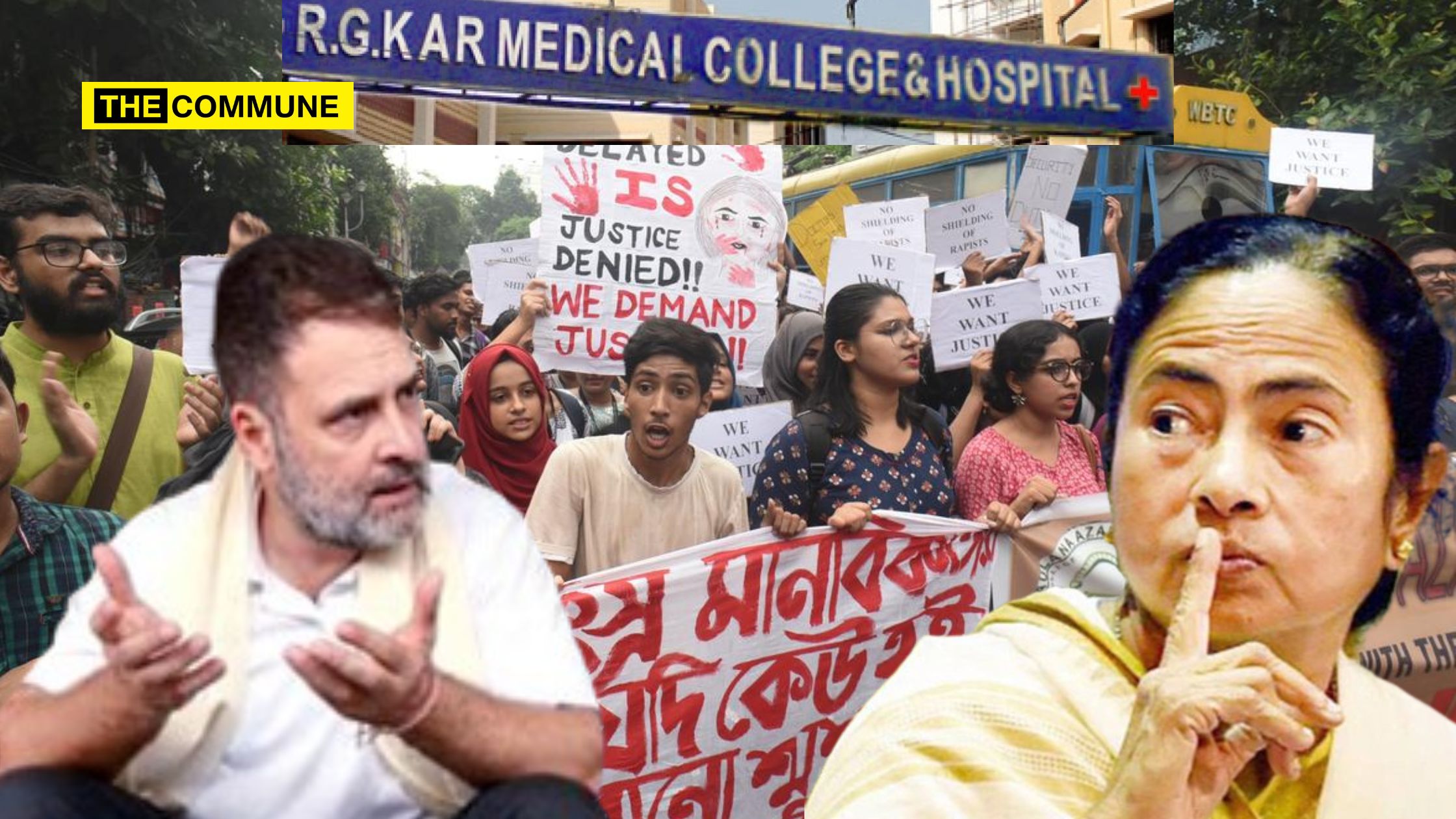
‘Don’t Distract Me’: Rahul Gandhi Refuses To Comment On Kolkata Doctor Rape And Murder, Sets A New Benchmark For Hypocrisy And Selective Political Maneuvering To Support INDI Ally Mamata

Rahul Gandhi Refuses To Comment On Kolkata Doctor Rape And Murder

Congress chief Rahul Gandhi deflected a question about his stance on the brutal rape and murder of a trainee doctor in Kolkata, terming the query a distraction. He rejected the question by focusing on his visit to RaeBareli, where he sought justice for a Dalit individual killed in Nasirabad.

His refusal to address the Kolkata incident reeks of hypocrisy to support INDI ally Trinamool Congress (TMC), led by West Bengal Chief Minister Mamata Banerjee. This response has also raised concerns that he selectively engages with victims based on political convenience, particularly avoiding cases of crime against women in states governed by his allies.

Rahul Gandhi’s Comments On Kolkata Rape & Murder

On 20 August 2024, Gandhi deflected questions regarding his position on the rape-murder case of a doctor at R.G. Kar Medical College and Hospital in Kolkata. Instead, he highlighted his visit to his parliamentary constituency, RaeBareli, where he claimed to be seeking justice for a Dalit individual killed in Nasirabad. This move has further fueled allegations of selective political manoeuvring.

The Congress scion travelled to Uttar Pradesh to support the family of a Dalit individual who was killed, emphasising his role as Leader of the Opposition.

When Rahul Gandhi was pressed by reporters about why he hadn’t addressed the Kolkata doctor’s rape and murder case, Gandhi responded, I have come here (Raebareli) to support the family of the victim (Dalit youth). I will not let you distract from this matter. I will speak on the Kolkata doctor rape and murder case later.” 

This response has raised severe concerns about Gandhi’s credibility. It suggests he may only engaget victims in opposition-ruled states while neglecting those in states governed by his allies. This selective approach appears to elevate his hypocrisy to a new level.

Here are a few instances where the Congress scion has shown solidarity with victims in states ruled by rival parties:

Prajwal Revanna Case 2024:

Prajwal Revanna, affiliated with the Janata Dal (Secular) party—an ally of the BJP in Karnataka—was embroiled in controversy ahead of the second phase of the 2024 Lok Sabha elections, held on 26 April 2024. Revanna faced suspension from his party after videos surfaced showing non-consensual sexual acts involving him.

Politicising the issue, Rahul Gandhi addressed a rally in Shivamogga, labelling the situation not merely a sex scandal but “mass rape.” He accused BJP leaders of knowing about Revanna’s alleged crimes yet supporting him and forming alliances with JD(S). Gandhi claimed that Revanna had raped 400 women and recorded the assaults. He demanded an apology from Prime Minister Narendra Modi for campaigning on behalf of Revanna.

Gandhi, in a letter, urged Karnataka Chief Minister Siddaramaiah to “extend all possible support to the victims” of the alleged sexual abuse case involving Janata Dal (Secular) MP Prajwal Revanna. He wanted to ensure that “all parties responsible for these heinous crimes are held accountable.”

In his letter, Gandhi expressed concern that women across India—from wrestlers in Haryana to sisters in Manipur—are suffering.

Manipur Issue 2023

When Manipur was engulfed in ethnic violence and two Kuki women were paraded naked and sexually assaulted in Churachandpur district, the Congress scion tweeted, “Prime Minister, the issue is not that it’s a shame for the country. The issue is the immense pain and trauma inflicted on the women of Manipur. Stop the violence immediately.” 

Bilkis Bano Convicts Released 2022

The BJP government in Gujarat released all 11 individuals convicted of raping Bilkis Bano and murdering seven of her family members during the 2002 Gujarat riots under their remission policy. Gandhi criticised their move.

Those who raped a five-month-pregnant woman and killed her three-year-old daughter have been released during ‘Azadi ka Amrit Mahotsav.’ What message are those who claim to champion ‘Nari Shakti’ sending to the women of our country? Prime Minister, the entire nation is witnessing the gap between your words and your actions,” Rahul Gandhi tweeted in Hindi.

Kathua & Unnao Rape Cases

In 2018, Gandhi and senior Congress leaders, including his mother, Sonia Gandhi, led a midnight candlelight vigil at India Gate in New Delhi. They were demanding justice for two girls, who were raped and murdered in Kathua (Jammu and Kashmir), and Unnao (Uttar Pradesh).

Gandhi’s sister, Priyanka, and her husband, Robert Vadra, were among hundreds of people who participated in the march, which was heavily secured.

Gandhi addressed reporters, stating, “We demand that the government take immediate action. Women and children are being raped and murdered everywhere. This is not a political issue but a national crisis that affects all women in the country. The government must address these atrocities.”

He also tweeted, “How can anyone defend the culprits of such horrific acts? The crime in #Kathua is a grave violation of humanity and must not go unpunished. What have we become if we let politics interfere with such unimaginable brutality against an innocent child?” Gandhi faced criticism on social media for his perceived delayed response, especially as some Congress leaders in Jammu seemed to support protests for those arrested in connection with the case.

Gandhi and his sister Priyanka visited Hathras in solidarity with the victim.

It seems that Rahul Gandhi won’t acknowledge the suffering and rights of victims. Instead, he seems to be cherry-picking states where the government must be held responsible for women’s safety. It is apparent from his selective approach, including his recent dismissive response to reporters regarding the Kolkata rape and murder.

By saying, “Don’t distract me,” Gandhi seems eager to safeguard his political prospects. After all, the state where the rape and murder occurred is governed by his ally Mamata Banerjee-led TMC. He appears to prioritise political strategy over genuine concern for the victims’ plight, right to safety, and justice.

Subscribe to our TelegramWhatsApp, and Instagram channels and get the best stories of the day delivered to you personally.
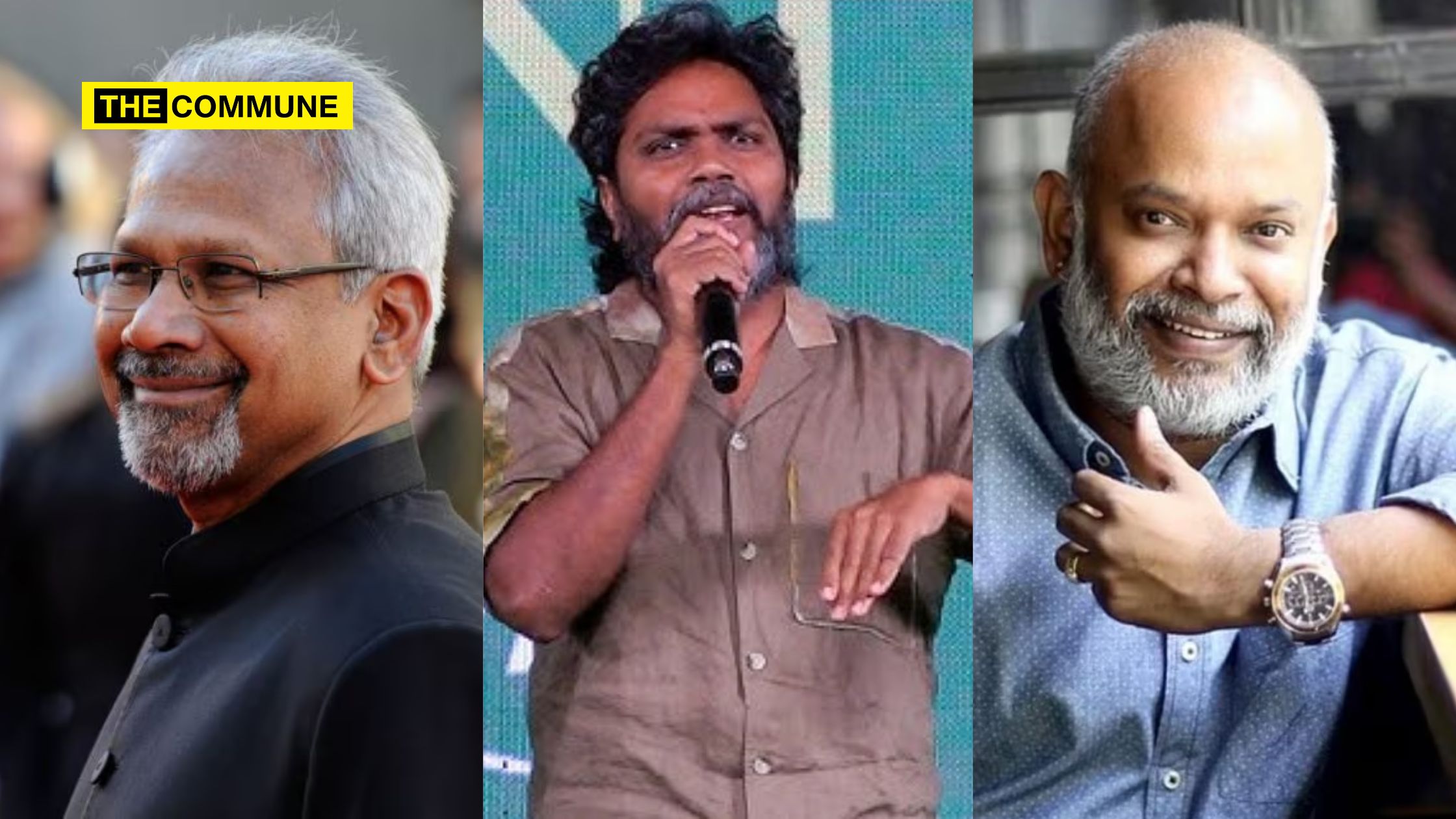
Pa. Ranjith Takes Jibes At Mani Ratnam At Mari Selvaraj’s Vaazhai Film Trailer Launch Event, Also Targets Venkat Prabhu?

Director Pa Ranjith is once again in the spotlight due to a new controversy from a recently concluded trailer launch event held on 19 August 2024. Ranjith stirred up a storm by making sly jibes at directors Mani Ratnam and Venkat Prabhu with whom he worked as an assistant director. He didn’t stop there, continuing with an appeal for greater emphasis on Dalit politics in cinema, arguing that such discussions are lacking and should be prioritised without much effort from him.

The speech received criticism on social media, as Ranjith appeared more focused on lamenting Mari Selvaraj’s successes.

Mari Selvaraj, acclaimed for his films “Pariyerum Perumal” and “Karnan,” is preparing to release his new movie, “Vaazhai.” The film is set in his childhood and captures Selvaraj’s moments of joy and sorrow. It features a Santhosh Narayanan soundtrack and Theni Eswar cinematography.”Vaazhai” stars Ponvel, Raghul, Kalaiyarasan, Nikhila Vimal, and Dhivya Duraisamy.

At the event, Pa Ranjith remarked that during his initial days as Assistant Director he never got the “space” to discuss his politics and the kind of films he wanted to make. “If I had worked with a director like Ram, I think I could have conveyed my politics more effortlessly in my first film. I am happy you (Ram) created that for Mari Selvaraj and others.” , he said.

This comment was seen as a sly jibe at his mentor Venkat Prabhu, with whom he worked as assistant director.

Then, Pa Ranjith revealed that his initial interaction with Mari Selvaraj arose from Selvaraj’s concerns over a namesake portrayal of his character in ‘ Madras’. This encounter led to Ranjith discovering Selvaraj’s work. He then highlighted how “Pariyerum Perumal” underscored the need for open discussion and the importance of sharing such stories with the public.

Ranjith criticised certain audience members and movie critics, accusing them of trolling films rather than engaging in meaningful dialogue. Ranjith said, “Over the past ten to twelve years, we have been discussing and fighting it, but have we received justice for that? Has everyone accepted it as valid, or are they dismissing it and questioning why we are making these films in cinema?  Is that needed? Whenever they get a chance, some audience and cinema critics seize the opportunity to troll us. Our films are praised in the same breath that they are subjected to slur trolling. But do you think we are afraid of this? No, we have faced many challenges since childhood.”

Then he continued and said, “I don’t have courage like Mari Selvaraj; he dares to make films about his pain, but I could not.” He mentioned that he didn’t want to focus solely on his community’s pain. For instance, he was moved to tears when he recreated a personal experience in “Attakathi”. In contrast, Mari Selvaraj chose a harrowing subject for his debut film. Ranjith even questioned Mari about his readiness for the public’s reaction. However, he realised that Mari’s bravery lies in his storytelling. Mari remains calm, composed, and adept at ensuring his conversations are commercially successful. Ranjith is impressed by Mari’s dedication.

As Ranjith praised Mari’s growing conviction and the evolution of his cinematic language with each film, he began to weave in his political views. He criticised certain audience members who struggle to accept the portrayal of Dalit experiences and the retribution it represents.

Ranjith said, “Another criticism is levelled at Mari, the crowd applauding as he shows the pain in his films, but when he shows his characters fighting back, like in Karnan, they say he glorifies violence. Is it not worse? What should I do? What should I do? Will you teach me continuously? Will you school me continuously to speak, stand, go that way and show us like this? I’m not understanding it.” He urged dissenters to reflect on their attitudes and question the status quo. “Why aren’t you curious why he feels compelled to speak out? Why do those in privileged positions expect to be challenged only in the most refined manner? You’re comfortable watching films that question you as long as they do so subtly and maintain your sense of goodwill. Why should we cater to your comfort zone?”

In closing, Ranjith praised Mari Selvaraj, highlighting his decision to screen “Vaazhai” to leading filmmakers, indirectly quoting prominent figures like Mani Ratnam and documenting their responses. He lamented that Mani Ratnam, after watching his film, did not contact him to criticise or praise him, but Selvaraj cleverly made Mani Ratnam watch and record his observation.

Taking jibes at Mani Ratnam, Ranjith remarked, “A filmmaker I greatly admire has not acknowledged watching my film for a long time. Although he watched it, he hasn’t mentioned it that “he has watched the movie”. I’m aware of this as people who watched with him said to me. However, he (Mari) made him to watch the film and even recorded a video about it, which I find quite impressive.”

Subscribe to our TelegramWhatsApp, and Instagram channels and get the best stories of the day delivered to you personally.
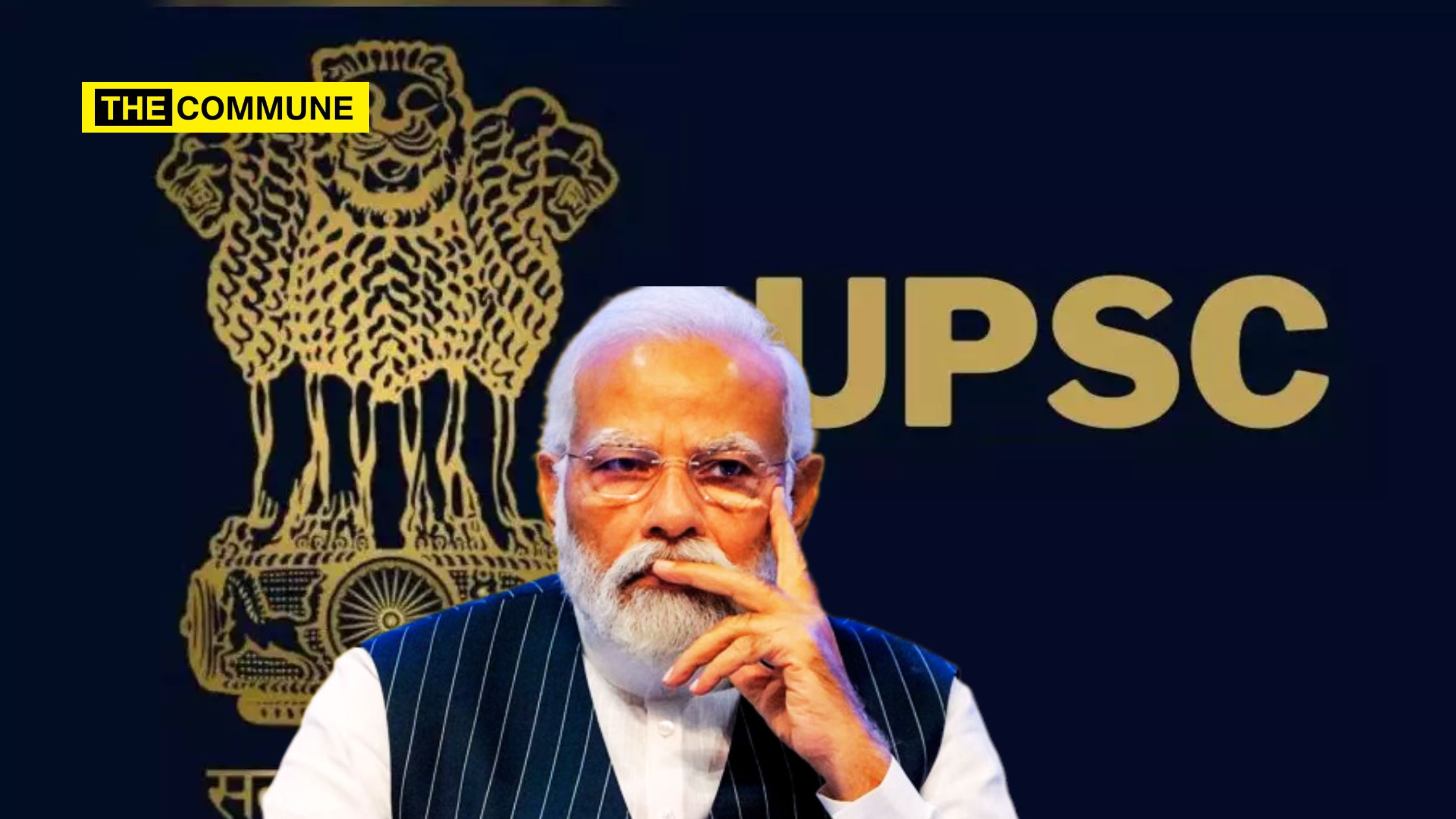
Modi Govt Asks UPSC To Withdraw Lateral Entry Notification, 2nd U-Turn After Rollback Of Indexation Removal For Properties

The central government directed the Union Public Service Commission (UPSC) to withdraw its recent notification inviting applications for lateral entry into the bureaucracy on 20 August 2024. The decision came just three days after the UPSC announced 45 vacancies for joint secretary and director-level positions in various ministries, with an application deadline for 17 September 2024.

The advertisement, which sought “talented and motivated Indian nationals for Lateral Recruitment,” faced strong opposition from several political parties, including the Congress, Samajwadi Party (SP), and Dravida Munnetra Kazhagam (DMK).

Resistance also came from within the ruling coalition, with BJP allies like Janata Dal (United) and Lok Janshakti Party (Ram Vilas) voicing their disapproval.

In contrast, the Telugu Desam Party (TDP) supported the move, arguing that lateral entry could improve the quality of governance.

Lateral Entry Details

The lateral entry initiative aimed to fill 10 joint secretary positions, including roles such as Joint Secretary for Digital Economy, FinTech, Cyber Security, and Investment in the Ministry of Finance, and Joint Secretary (Policy and Plan) for the National Disaster Management Authority under the Ministry of Home Affairs.

Opposition leaders criticised the policy for not including reservations for Scheduled Castes (SC), Scheduled Tribes (ST), and Other Backward Classes (OBC) candidates, calling it unconstitutional. The controversy surrounding the exclusion of reservations and the political pushback ultimately led to the government’s decision to retract the UPSC advertisement.

Union Minister for Railways, Information & Broadcasting, Electronics & Information Technology, Ashwini Vaishnaw, wrote on his official X handle, Hon’ble PM @narendramodi Ji has always firmly believed in social justice. His programmes have advanced the welfare of the weakest sections of our society. The decision to align lateral entry with principles of reservation shows PM Shri @narendramodi Ji’s commitment to social justice.”

Following backlash against the removal of indexation benefits on long-term capital gains (LTCG), the Modi government offered taxpayers the option to pay a 20% LTCG tax with indexation benefits on the sale of property acquired before July 23, 2024.

Indexation adjusts the original purchase price of an asset to account for inflation, allowing taxpayers to reduce their capital gains tax burden by reflecting a more accurate cost of acquisition over time. Without indexation, long-held assets may show inflated gains that don’t accurately represent true profit, leading to higher tax liabilities. The recent amendments to the Budget have been viewed as a significant rollback of the earlier LTCG-related proposals, especially for the real estate sector. The government initially justified the removal of indexation benefits by offering a lower LTCG tax rate of 12.5 percent, but backlash from various stakeholders led to the reintroduction of indexation for properties purchased before July 23, 2024.

Under the amendments, taxpayers can now choose between the old regime, with a 20 percent LTCG tax and indexation, or the new regime, with a 12.5 percent tax without indexation, for property bought before the specified date. However, for properties acquired after July 23, 2024, the new regime will apply exclusively.

(With inputs from Swarajyamag)

This is the second

Subscribe to our channels on TelegramWhatsApp, and Instagram and get the best stories of the day delivered to you personally. 
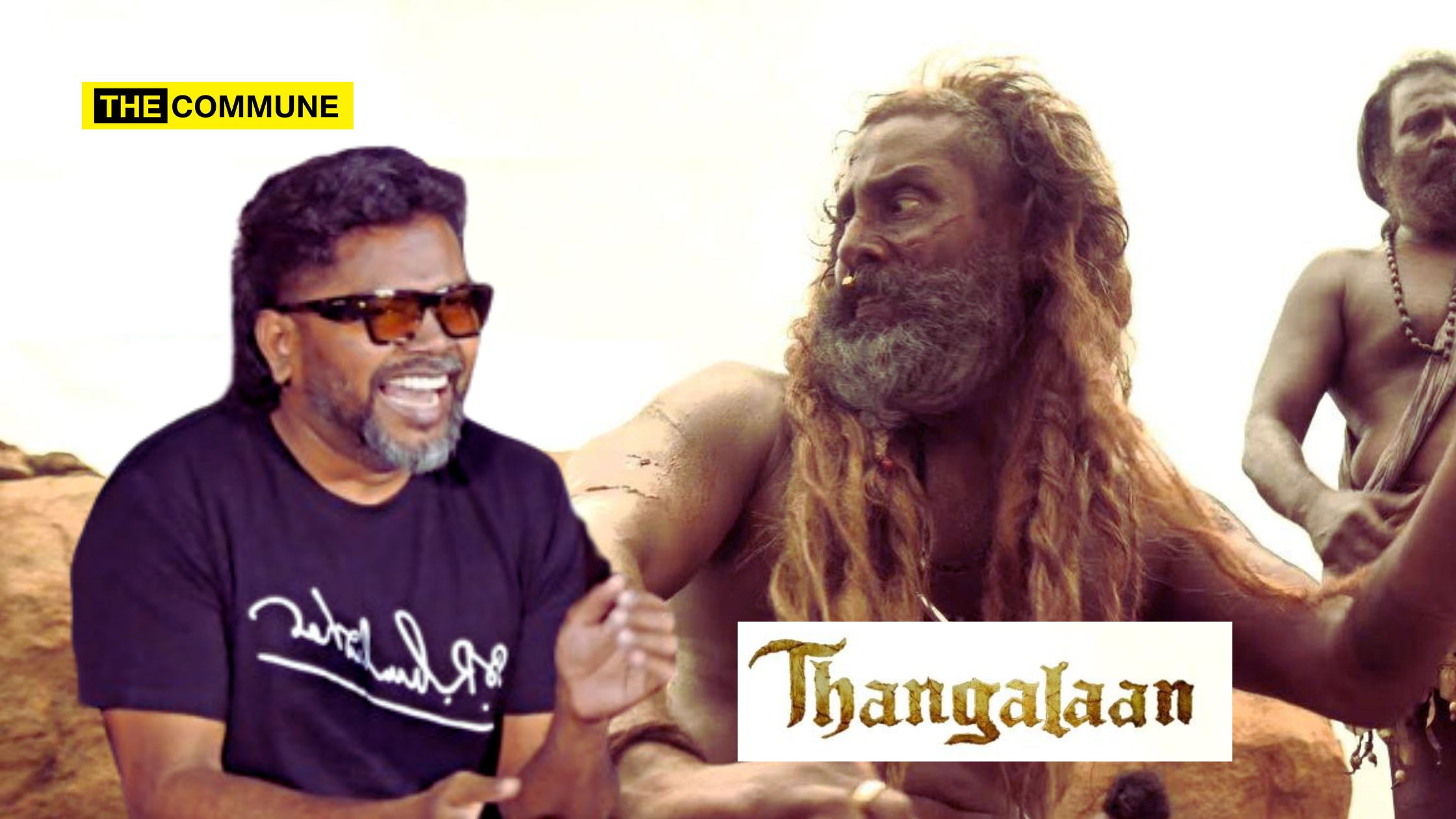
“People from MH, AP Celebrate Me Because of My Politics,” Director Pa Ranjith Blows His Own Trumpet

Pa Ranjith claims Thangalaan sparked debates.

Even though Thangalaan severely underperformed at the box office, director Pa Ranjith asserted that it had sparked important debates and claimed widespread support for his work and political ideas in Tamil Nadu and Andhra Pradesh. However, his statements were met with ridicule online. Many netizens questioned whether his comments reflected deep self-promotion rather than genuine public sentiment.

The director also claimed that his film received “love and support” from people in Maharashtra and Delhi, where it has yet to be released. He has been in the spotlight recently, drawing attention to his controversial statements following the death of Tamil Nadu BSP leader Armstrong and the latest debacle, Thangalaan.

Thangalaan Failed At Box Office

The film, which failed to meet expectations at the box office, has sparked debates and criticism, with many questioning Ranjith’s motives and his penchant for making statements designed to keep him in the limelight.

At a recent event in Chennai, marking thethanksgivingfor thesuccess of the film Thangalaan, Pa Ranjith once again made headlines with his remarks.

Ranjith expressed his satisfaction with the film’s reception. He said, The film has created an important debate in the Tamil community. It is common to convey a new experience to people in an unfamiliar language. Thanks to people who understand Thangalaan properly and celebrate it. Many people have worked with me in this success.”

Ranjith emphasised the significance of hard work in filmmaking, stating, People don’t have to accept a film just because of hard work. A film requires labour. If I am standing here, I believe it is because of my hard work. Your love is what keeps me moving to the next level. Sometimes, we will be met with vehemence. But if we continue answering it, we will be finished/decimated. That is what this monster (vehemence) also wants.”

“Northern States Love Me”

The director also expressed hissurpriseat the level of support he has received, saying, I don’t understand why a creator (like me) should be given so much love and support. This is not only in Tamil Nadu but also in Andhra Pradesh and everywhere else where the film was released. Even in northern states where the film has yet to be released, like Maharashtra and Delhi, I receive support everywhere. It is my opinion that is reflected in it. They love myart‘, my thoughts. Thangalaan has given us the enthusiasm that we have no worries when lakhs of people understand it correctly.”

Netizens Rebuke Pa Ranjith’s Self-Promotion

However, Ranjith’s claims that people from Maharashtra and Andhra Pradesh celebrate him and his work because of his political stance have drawn ridicule from netizens. Many have taken to social media to question the director’s assumptions, with some suggesting that his statements are more about self-promotion than a genuine reflection of public sentiment. Here are some reactions:

One netizen wrote, “The truth is that many people in Tamil Nadu do not know what kind of politics you are talking about as they celebrate you only as a director.”

Another wrote, This way, he has celebrated himself

Another wrote,A very broad-minded person who thinks of even negative criticism as a celebration

Yet another netizen wrote, Who told you? No one told me, so I told this to myself – Pa Ranjith

(With inputs from Hindu Tamil)

Subscribe to our channels on TelegramWhatsApp, and Instagram and get the best stories of the day delivered to you personally. 
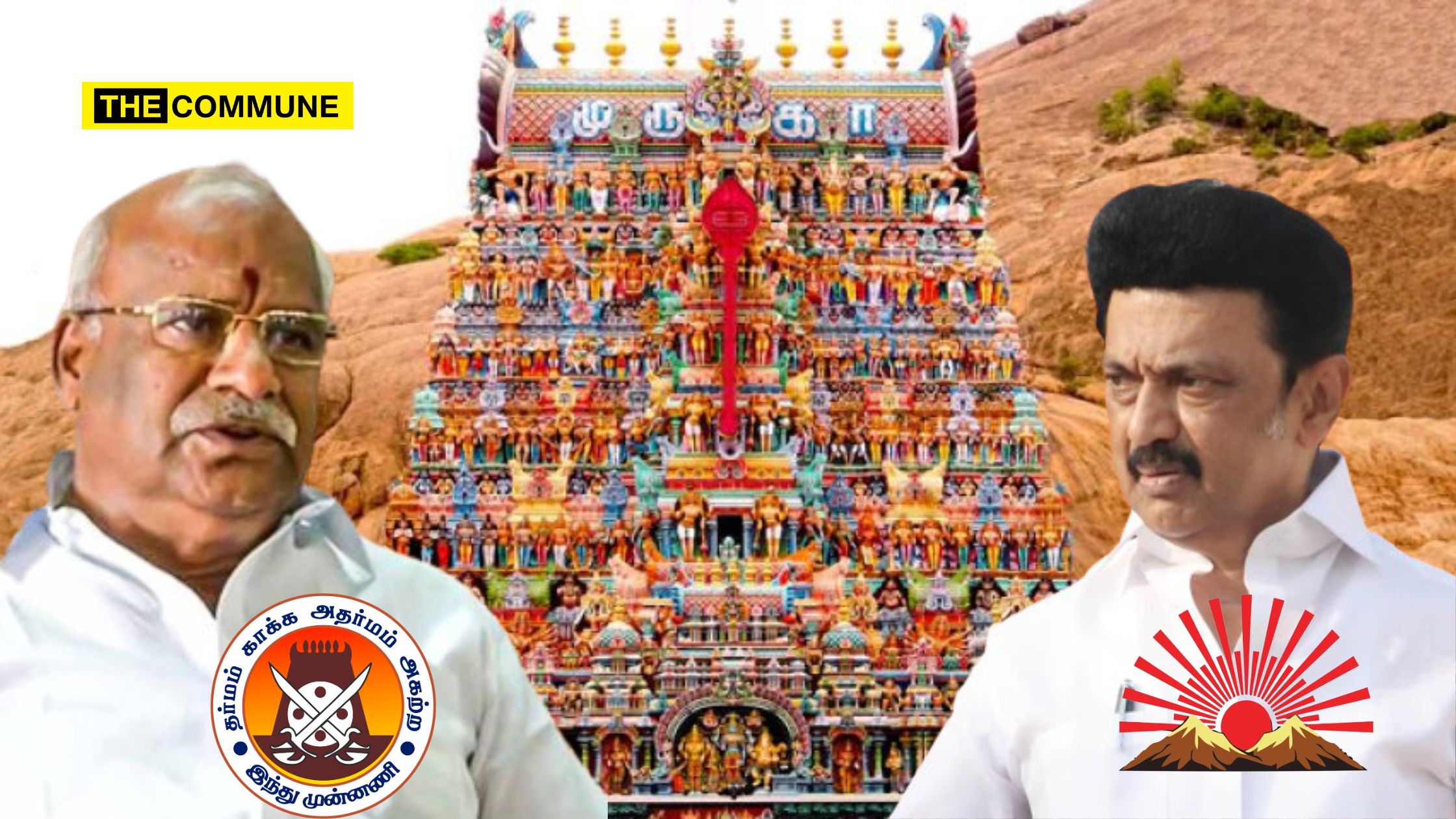
Hindu Munnani Slams DMK Govt Over Allegedly Banning Traditional Drumming During Lord Murugan’s Procession In Tiruparankundram

The Hindu Munnani has criticized the Hindu Religious & Charitable Endowment Department (HR&CE) department under the DMK government for banning the traditional drumming and beats known as “Kottu Mellam” during the procession of Lord Murugan at the Arulmigu Subramaniya Swami Temple in Tiruparankundram, Madurai.

Lord Murugan is depicted in his marriage adornments at the Subramaniya Swamy Temple in Tiruparankundram, which is one of the six sacred abodes of Lord Murugan. The temple attracts thousands of devotees, both local and international, who come to seek blessings, especially on auspicious marriage and full moon days. It remains a major pilgrimage and tourist destination in the Madurai district.

In response to HR&CE decision, Hindu Munnani issued a statement via social media platform X, asserting, “The Dravidian model government must cease its unwarranted interference in, and disruption of Tamil worship practices rooted in our cultural and traditional heritage. Hinduism has long embraced the practice of singing praises and celebrating through various musical instruments, including drums. Lord Shiva holds a conch, Lord Krishna wields a flute, Lord Nandi carries a mridangam, and Narada plays the veena.

It is deeply objectionable to halt the festival processions of devotees who revere Hindu deities. In Hindu society, where it is legally acceptable to use drums for festivals, weddings, and funerals, such prohibitions are a disregard for the law. The Hindu Munnani strongly denounces the DMK’s Dravidian model government in Tamil Nadu for its deliberate suppression of Hindu practices and temple festivals, which appears to be an attempt to placate minority groups for electoral gain.”

Hindu Munnani also released a video purportedly showing the procession without the presence of any traditional musical instruments, used as evidence to confirm the absence of these traditional drumming elements during the event.

In January 2024, during Pongal and Thaipoosam celebrations, devotees encountered same difficulties when the Hindu Religious & Charitable Endowment Department (HR&CE) of Palani allegedly prohibited traditional drumming and beats, which are central to the worship and festivities. Reports indicate that Assistant Commissioner Lakshmi of the HR&CE department stated that drumming is not allowed at the Arulmigu Dandayuthapani Swami Temple on the Palani hills.

A widely shared video on Twitter featured a devotee expressing frustration, saying, “For the past five days, I’ve been on a sacred journey (Paadha yathirai), providing food along the paths from Thogai malai, Karur. Every year, we climb the Palani hills with drums and beats, but this year, the Assistant Commissioner is stopping us, which is causing distress. I don’t understand why the drums and beats are being prohibited. Please help us resolve this issue.”

Another devotee shared, “This tradition has been a part of my life for 42 years. At 56 years old, I have been coming here every January since I was 19. After worshiping at Thiru Avinankudi Temple, we perform a ritual walk around the hills and then ascend with drums and beats to worship Palani Andavar. We have been fasting for 48 days in preparation for this spiritual journey. Please assist us; our spiritual hearts are troubled. Your intervention would bring joy and fulfillment as we look forward to experiencing the divine presence of Palani Andavar. Please take the necessary steps to allow us to celebrate with drums and beats.”

In reaction to the HR&CE’s decision, Hindu Munnani announced plans to organize a significant demonstration to protest the restriction, highlighting the potential impact on the livelihoods of many families and devotees involved in the celebrations.

Subscribe to our channels on TelegramWhatsApp, and Instagram and get the best stories of the day delivered to you personally.
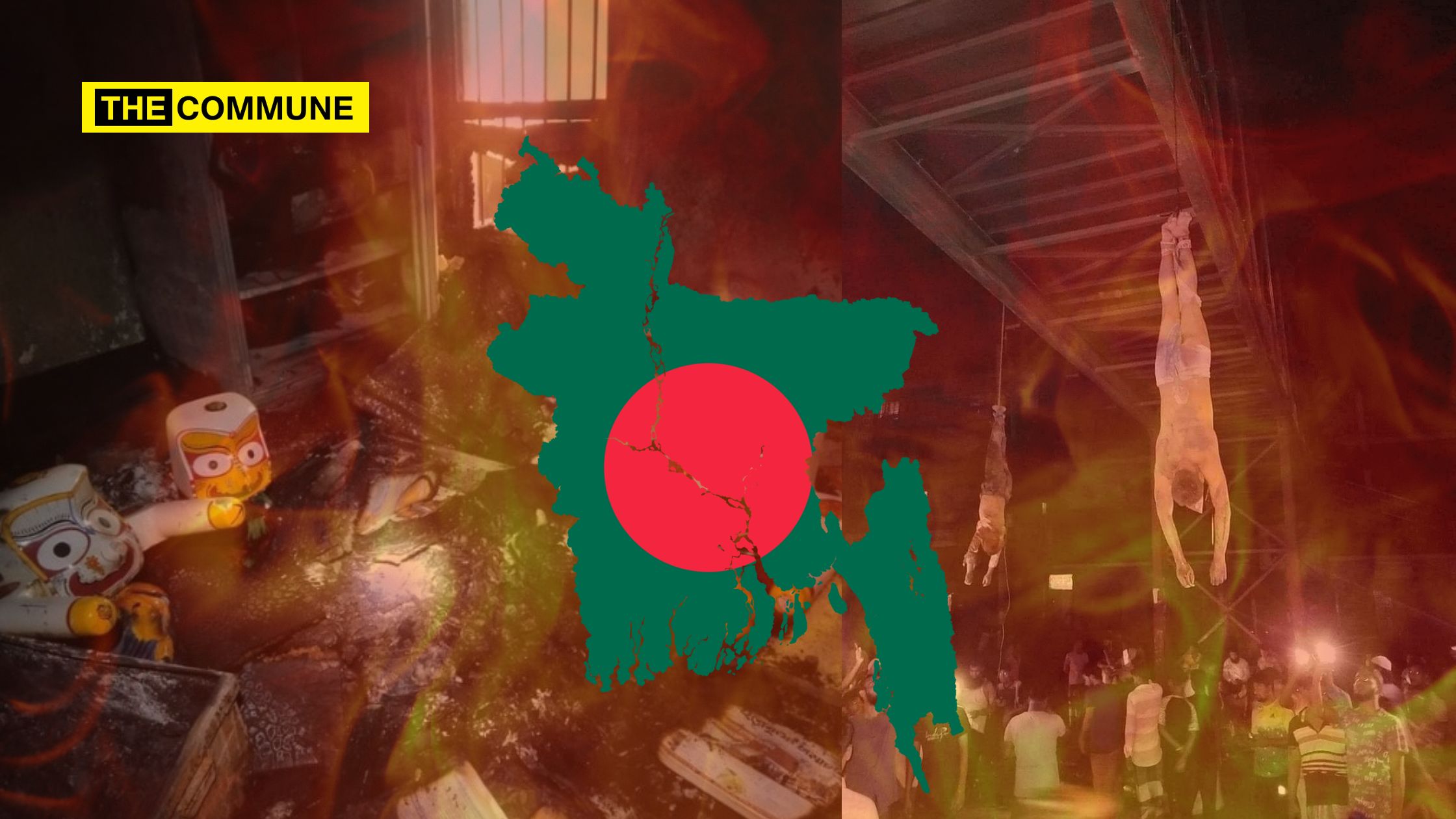
Rising Anti-Hindu Violence In Bangladesh Post-Coup: Leaked Telegram Messages Reveal Islamist Agenda

Leaked Telegram Messages Reveal Islamist Agenda Against Bangladeshi Hindus.

Leaked Telegram messages from private Jamaat-e-Islami and opposition Bangladesh Nationalist Party (BNP)  groups reveal a disturbing campaign to marginalise and expel Hindus from Bangladesh following the August 5 coup. These messages outline a strategy to remove Hindu officials, frame their persecution as a political conspiracy, and exacerbate violence against the community. The reports also highlight the troubling role of extremist groups in providing security to police officers.

Leaked Telegram Messages

In the aftermath of the recent coup in Bangladesh that led to the ousting of former Bangladesh Prime Minister Sheikh Hasina, a surge of violence has been unleashed against the country’s minority Hindu population. Both ordinary Hindus and those in positions of power have become targets of brutal attacks by Islamist factions, with reports suggesting a coordinated effort to marginalise and expel Hindus from Bangladesh.

Leaked messages from private Telegram groups, particularly those associated with the BNP and Jamaat-e-Islami, have surfaced, revealing a disturbing agenda aimed at systematically weakening and eliminating the Hindu community from the country.

One of the messages, allegedly circulated within a pro-Jamaat group and forwarded from a private BNP channel, outlined a chilling strategy: If we want to create a Bangladesh free from Hindus, we must first force all the major Hindu government officials to resign and ensure that Muslims are recruited instead. This will weaken the resolve of ordinary Hindus, and they will be forced to leave for India. We have started our work; if you know any such Hindu public servants, then please help us by providing information.”

This revelation highlights a coordinated attempt to purge Hindus from influential positions within the government, thereby destabilizing the community and compelling them to flee the country.

On 11 August 2024, a message shared in a private BNP Telegram group and later forwarded to a Jamaat-e-Islami public channel called for Hindus to betaught a lesson so they never find the courage to protest again.The message further suggested framing the persecution of Hindus as a political conspiracy orchestrated by the Awami League. The strategy also included plans to infiltrate Hindu protests with individuals carrying Awami League flags to discredit their cause and further exacerbate their plight.

The messages also expose a celebratory tone among BNP members regarding the lynching of Hindus. One particular message, initially shared in a private BNP Telegram channel and then forwarded to a Jamaat-e-Islami public channel, demonstrated how certain factions within the BNP were openly rejoicing at the brutal violence against Hindus.

https://twitter.com/UnSubtleDesi/status/1822673050552467799

These leaked communications underscore the growing threat to the Hindu community in Bangladesh, as extremist groups exploit the political turmoil following the coup to intensify their campaign against religious minorities.

How Law Enforcement Agencies In Bangladesh Submitted Themselves To BNP & Jamaat

After attacking and killing police officers under the guise ofanti-government protests,Islamists began assuming the role ofprotectorsfor these same officers.

According to a report byJugantar,members of BNP and Jamaat-e-Islami were seen providing security to police stationed at Begumganj Chowki in Noakhali, as confirmed by BNP leaders Mohammed Ahsanullah and Morshdul Amin Faisal.

Following Sheikh Hasina’s resignation on 5 August 2024, extremists launched an attack on the Begumganj police station. In response, Jamaat and BNP took it upon themselves to safeguard the officers there.

Religious minorities, terrorised by these Islamist groups, found themselves unable to seek police assistance, as the police were relying on these extremists for their own protection. Compounding the issue, 2,200 BNP and Jamaat members, previously arrested for causing chaos duringanti-quota protests,were released on bail.

The leaked messages have further fueled fears of an organized campaign to drive out Hindus, exacerbating an already dire situation for religious minorities in Bangladesh. It remains to be seen whether the interim government will take action to protect the Hindu minorities in Bangladesh- will Prof. Yunus address this on an urgent basis?

Subscribe to our channels on TelegramWhatsApp, and Instagram and get the best stories of the day delivered to you personally. 
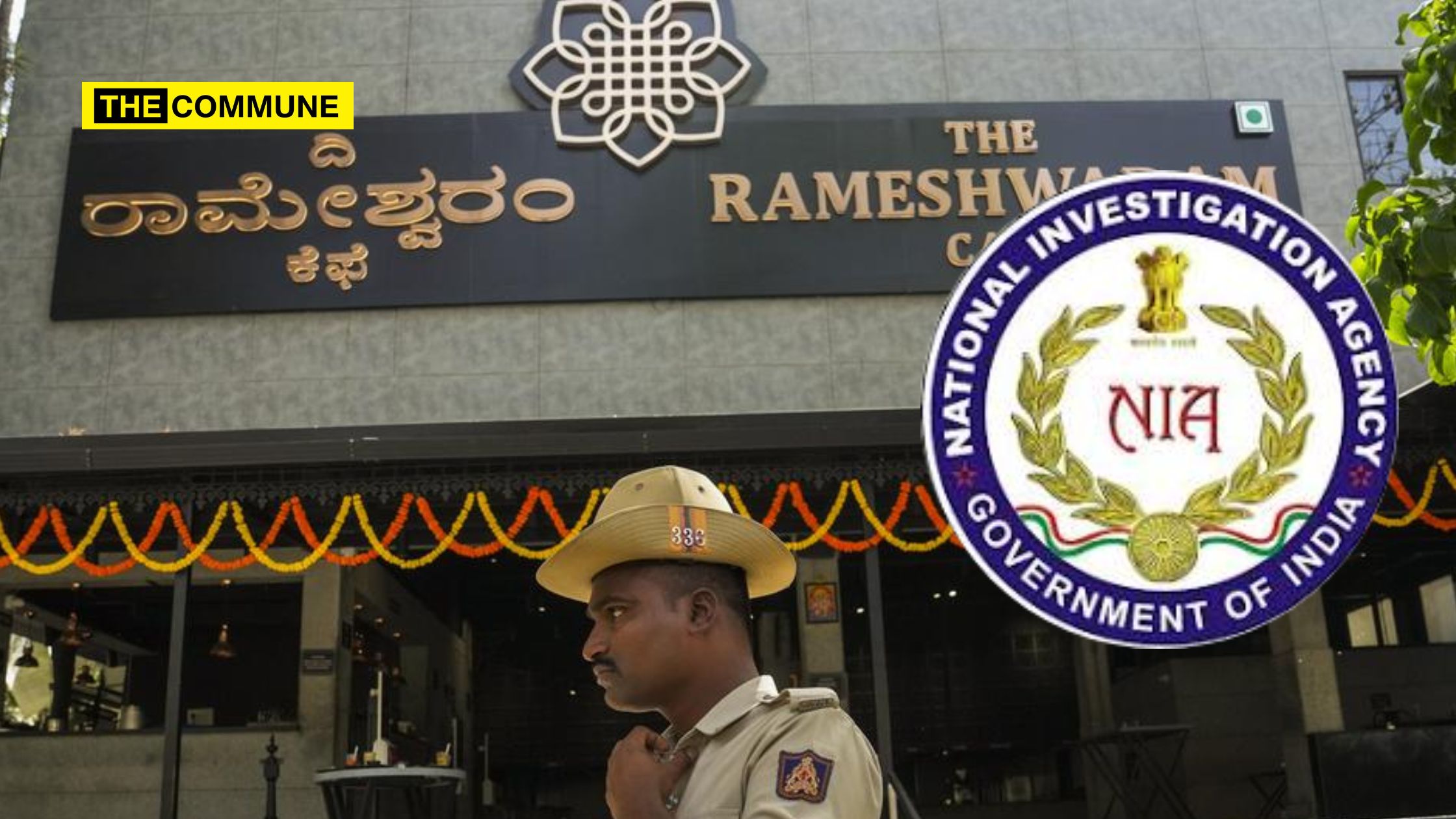
2 Terror Suspects Chargesheeted By NIA In Al-Hind ISIS Module Probe, Linked To Rameshwaram Cafe Blast & SSI Wilson Murder

2 Terror Suspects Chargesheeted By NIA In Al-Hind ISIS Module Probe

The National Investigation Agency (NIA) has submitted a supplementary chargesheet in the Karnataka case involving the “Al-Hind ISIS module,” which is reportedly part of a broader international terrorist conspiracy.

In a statement released today, the NIA revealed that two additional individuals have been charged in connection with a plot involving targeted killings and other terrorist activities.

The newly charged suspects, Abdul Matheen Taha and Mussavir Hussain Shazib, both from Thirthahalli in Shivamogga district, had been evading capture until their arrest following a bomb blast at Rameshwaram Cafe in Bengaluru on 1 March 2024 which injured nine people. Taha and Shazib were apprehended in West Bengal on 12 April 2024 concerning the cafe explosion. Authorities believe Shazib planted the bomb and Taha was a key conspirator. Both individuals face charges under various sections of the Indian Penal Code and the Unlawful Activities (Prevention) Act in the Al-Hind ISIS module case. To date, 18 people have been charged in this investigation, which the NIA took over from Bengaluru City police on 23 January 2020.

The NIA’s investigation has revealed that Taha, a radical himself, recruited Shazib and others. In 2018, Taha was introduced to an online handler, Bhai or Laptop Bhai, who was later introduced to Mehaboob Pasha. Pasha established the Al-Hind Trust in Bengaluru with his family. The NIA found that Pasha provided an online handler link to Khaja Mohideen, who, along with his associates, purportedly joined the Al-Hind Trust to advance ISIS activities in India.

Additionally, the NIA discovered that Taha and Shazib had sheltered Thowfeek and Abdul Shameem, who allegedly used a pistol supplied by Pasha to murder Wilson, a special sub-inspector of Tamil Nadu police, at the Kaliyakkavilai checkpoint on the Kerala-Tamil Nadu border. The investigation is ongoing.

Who Was SSI Wilson?

Special Sub-Inspector (SSI) Wilson, who was tragically murdered on 8 January 2020, was a police officer stationed at the Kaliyakavilai police station in Kanyakumari district, Tamil Nadu. He was on duty at a checkpoint on the Tamil Nadu-Kerala border when he was shot and stabbed by individuals linked to extremist groups.

The National Investigation Agency (NIA) has charged seven suspects with this case. They are Abdul Shamim (30), Taufiq (27), Khaja Moideen (53), Mehboob Pasha (48), Ijaz Pasha (46), Zafar Ali (26), and Sikkabuddin (36). The case, initially handled by the state police, was later taken over by the NIA. The suspects were moved from various prisons to appear before Judge Ilavalagan, after which they were returned to their respective facilities under strict security.

Subscribe to our channels on TelegramWhatsApp, and Instagram and get the best stories of the day delivered to you personally. 
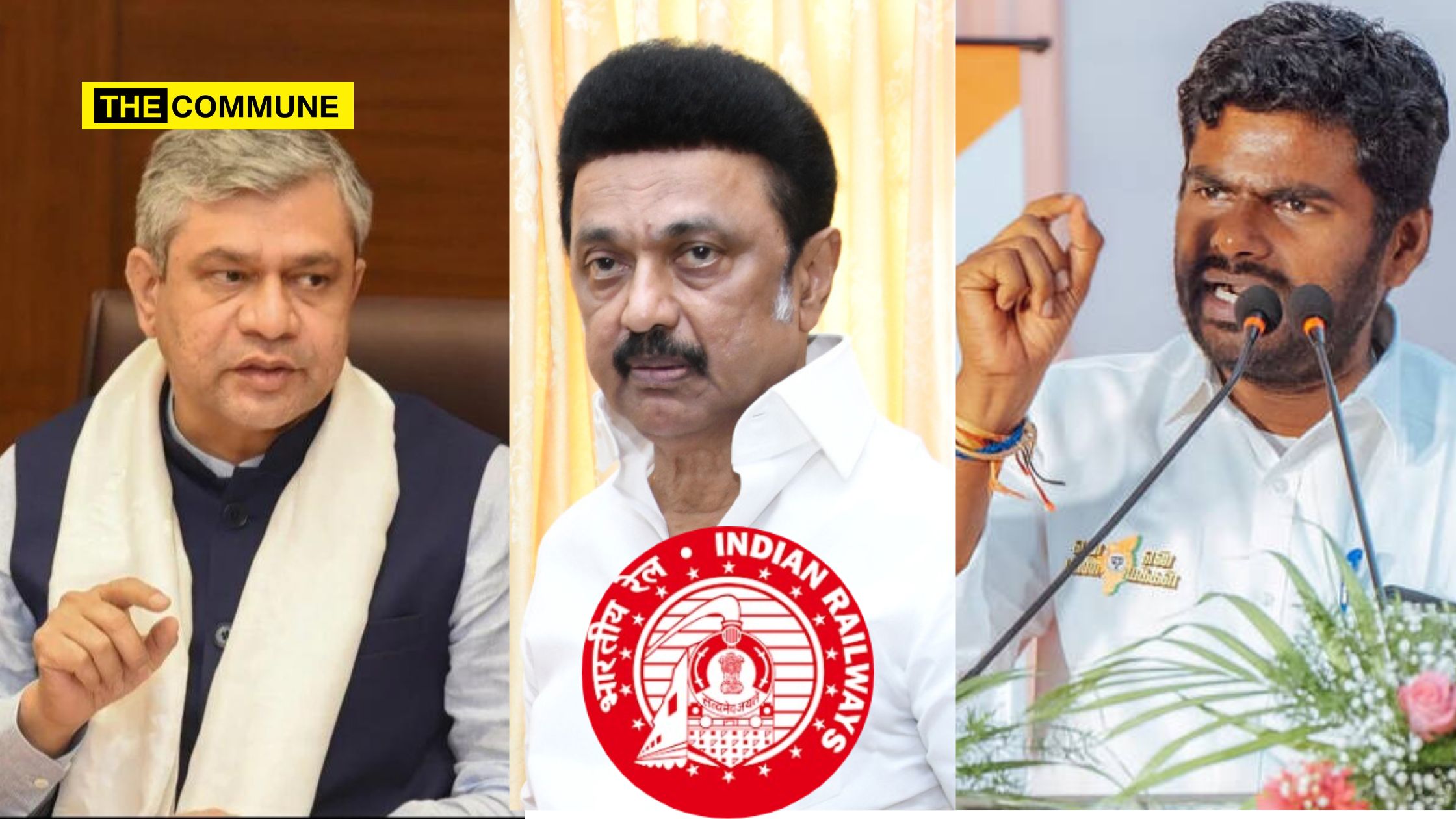
Union Railway Minister Ashwini Vaishnaw & TN BJP President Annamalai School TN CM Stalin Over Southern Railways Budget Allocation

Railway Min Ashwini Vaishnaw & TN BJP chief Annamalai School TN CM Stalin Over Southern Railways Budget Allocation

Tamil Nadu Chief Minister M.K. Stalin today said there was a “drastic reduction” in the Southern Railways budget for 2024-2025, sparking a swift rebuttal from Union Railway Minister Ashwini Vaishnaw and state BJP chief K. Annamalai. The BJP leaders highlighted the record allocation, seven times more than during UPA. They blamed the state government for delays in land acquisition as a critical hindrance to project progress.

In his letter to the Railway Minister, Stalin criticised the reduced budget for Southern Railways in the 2024-2025 regular budget compared to the Interim Budget. He highlighted that the Interim Budget allocated ₹976.1 crore for new lines and ₹2,214.4 crore for doubling existing lines. In comparison, the revised allocation in the regular budget presented on July 23 fell to ₹301.3 crore for new lines and ₹1,928.8 crore for doubling lines.

The CM, on his X official account stated, “Hon’ble @AshwiniVaishnaw, we are deeply concerned about the significant reduction of ₹674.8 cr for new line projects and ₹285.64 cr for doubling projects in Southern Railways as per the 2024-25 budget. This will severely impact vital projects in Tamil Nadu. I urge your immediate intervention to ensure adequate funds and prevent delays in these crucial developments.”

Railway Minister Responds

Railway Minister Vaishnaw refuted Stalin’s claims on X platform, stating that the NDA government had allocated a record ₹6,362 crore for railway development in Tamil Nadu, more than seven times the average annual allocation of ₹879 crore during the UPA era. He also pointed out that delays in land acquisition were impacting project progress. Vaishnaw urged the Tamil Nadu government to expedite land acquisition, promising the central government would enhance efforts to advance railway development if state cooperation improved.

He replied, Would like to bring the following facts to the notice of Hon’ble CM Thiru @mkstalin NDA government has allocated a record amount of ₹6,362 Crore for developing railways in Tamil Nadu. This amount is more than 7 times the average allocation done in the UPA era (only ₹879 Crore per year). In our constitutional structure, land is a state subject. Projects can be executed speedily if only your government supports us in land acquisition. Only 807 Ha land has been acquired so far against requirement of 2,749 Ha land. We seek your intervention in land acquisition. From our side, we promise that if you take one step, we will take two steps for development of railways in Tamil Nadu.”

It should be noted that, before Vaishnaw’s rebuttal, Annamalai responded to Stalin’s criticisms by clarifying the distribution of Southern Railway divisions and highlighting that not all of these divisions are located in Tamil Nadu. He highlighted that while the budget for doubling works in Southern Railways might have been reduced, Tamil Nadu-specific projects for doubling received an increased allocation of ₹1,696 crore in the revised budget, compared to ₹1,437 crore in the Interim Budget—an increase of ₹259 crore. He also pointed out a net rise in ₹65 crore for gauge conversion projects and a significant boost in funding for Track Renewals, rising from ₹1,240 crore to ₹1,755 crore.

Annamalai raised specific queries regarding land acquisition for new railway lines in Tamil Nadu. He questioned the status of land acquisition for the Madurai-Tuticorin line, noting that only 74.87 hectares of the required 870.98 hectares had been acquired as of December 2023. He also asked for updates on the land acquisition for the Tindivanam-Tiruvannamalai line, which has been ongoing since 2010.

Annamalai concluded by contrasting the current budget allocations with the average annual outlay of ₹879 crore during the 2009-2014 DMK-Congress regime, emphasising that the substantial increase to ₹6,362 crore in the current year underscores significant progress in funding for Tamil Nadu’s railway infrastructure.

Annamalai, via his official X account, stated, “We bring to the attention of TN CM Thiru @mkstalin the following: Chennai, Tiruchirappalli, Madurai, Palakkad, Salem, and Thiruvananthapuram—these are divisions under Southern Railway; not every division falls under TN.

The budget for doubling works for Southern Railways could be reduced, but the TN-specific projects for doubling works have received an increased allocation of ₹1696 Crore in the revised project. The interim budget allocation for TN-specific projects for doubling works was ₹1437 Crores. There is an increase in allocation of ₹259 Crores.  Notably, the budget for gauge conversion has seen a net increase of 65 Crores for TN-specific projects under Southern Railways. Tiruchchirappalli-Nagore-Karaikal gauge conversion work in TN has received an increased allocation of ₹135 Crore.”

“The overall budget for Southern Railways for Track Renewals (which includes track repair, replacement, and maintenance works) has increased to ₹1755 Crores from ₹1240 Crores. Most of these Track Renewal projects are allocated to divisions under Southern Railways in Tamil Nadu, ensuring the safety and reliability of our railway network. While the budgeting for New Lines has been reduced for divisions in TN under Southern Railway, there has been a substantial increase in allocation for Doubling works, Gauge Conversion, and Track Renewals.

However, we seek the following clarification from TN CM Thiru @mkstalin :

  • For the Madurai-Tuticorin via Aruppukkottai (143.5 km) New Line, approximately 870.98 Ha. of Land is required, and as of December 2023, only 74.87 Ha of land was acquired. We understand that the budget for the new line is allocated based on the progress made on land acquisition. Can the TN Govt clarify the status of land acquisition?
  • Land acquisition for a new line between Tindivanam and Tiruvannamalai has been ongoing since 2010. Has the Land acquisition been completed?

A similar question arises for other new railway lines where the budgets are cut, and the DMK Government is duty-bound to answer.” He added.

The average annual budget outlay to TN was just ₹879 crore per year during 2009-14 during the DMK Congress Regime. However, allocations to TN in all streams have increased significantly over the last ten years, and this year’s railway budget of ₹6362 Crore to TN stands as a testament to this.” He further added

Subscribe to our channels on TelegramWhatsApp, and Instagram and get the best stories of the day delivered to you personally.
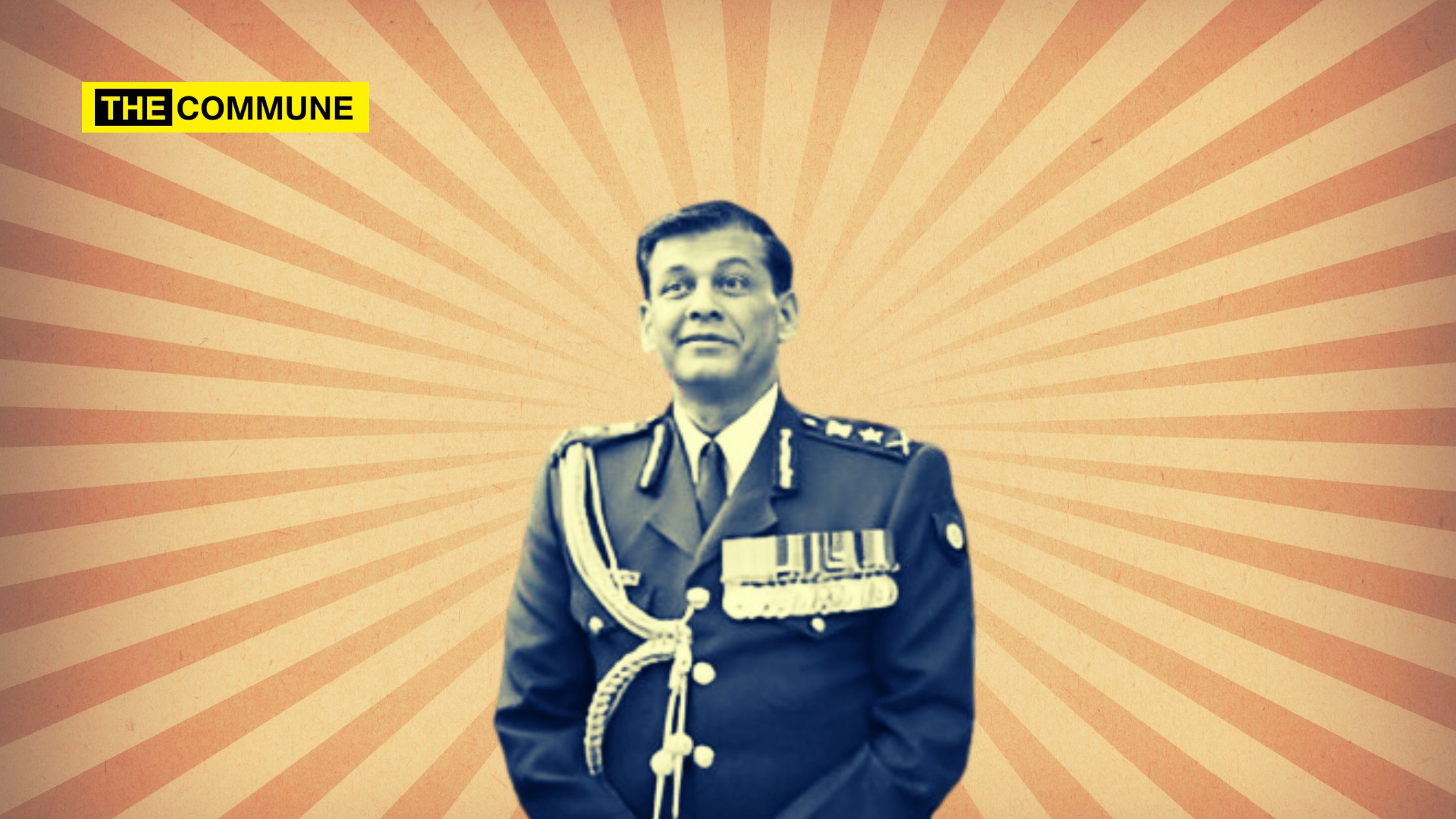
Fare Thee Well General Sundararajan Padmanabhan ‘Paddy’ Sir – A Legacy of Strategic Brilliance And Unwavering Integrity

General Sundararajan Padmanabhan, who passed away in Chennai today at the age of 83, leaves behind an indelible mark on the Indian Army and the nation. His illustrious career, spanning over four decades, was distinguished by strategic acumen, unwavering integrity, and a deep commitment to the welfare of soldiers. As the 20th Chief of Army Staff of India, General Padmanabhan’s leadership from 30 September 2000 to 31 December 2002 was a period of profound significance in the nation’s military history.

Early Life and Formative Years

Born on 5 December 1940 in Trivandrum, Kerala, General Padmanabhan’s journey into the annals of military leadership began with a rigorous education at prestigious institutions. He was an alumnus of the Rashtriya Indian Military College (RIMC) in Dehradun and the National Defence Academy (NDA) in Khadakvasla. His academic and military training laid a strong foundation for his future role as a leader in the Indian Army. Commissioned into the Regiment of Artillery on 13 December 1959, after graduating from the Indian Military Academy (IMA), Padmanabhan embarked on a career that would see him rise through the ranks to become one of India’s most respected military leaders.

Distinguished Military Career

General Padmanabhan’s career was marked by several vital roles highlighting his exceptional leadership and strategic thinking. He was commissioned into the Artillery Regiment on 13 December 1959 after graduating from the Indian Military Academy (IMA). He commanded an Independent Light Battalion from August 1975 to July 1976 and the Gazala Mountain Regiment from September 1977 to March 1980. General Padmanabhan served as an Instructor Gunnery at the School of Artillery in Deolali and as Colonel General Staff of a Mountain Division from January 1983 to May 1985. He commanded an Infantry Brigade from December 1988 to February 1991 and was later appointed General Officer Commanding of an Infantry Division in Punjab from March 1991 to August 1992. He also served as Chief of Staff of 3 Corps from September 1992 to June 1993.

Notably, his role as the General Officer Commanding (GOC) of the 15 Corps in Kashmir from July 1993 to February 1995 was a critical period in his career. His leadership during this time was instrumental in managing the insurgency in the Kashmir Valley, making significant gains against militants, and shaping the region’s security landscape. He was awarded the Vishisht Seva Medal (VSM) for his command of a unit and the Ati Vishisht Seva Medal (AVSM) for his services as the 15 Corps Commander in Kashmir.

Fondly addressed as ‘Paddy’, General Padmanabhan served as Director General of Military Intelligence, after which he took over as General Officer Commanding of the Northern Command at Udhampur on 1 September 1996. This part of his tenure was marked by significant contributions to national security, providing vital insights and intelligence that guided strategic decisions. He was also the General Officer Commanding of the Southern Command before being appointed as the Chief of Army Staff.

Operation Parakram And Strategic Leadership

One of the defining moments of General Padmanabhan’s career was his role during Operation Parakram, a large-scale military mobilisation along the western front with Pakistan following the December 2001 terror attack on the Indian Parliament. As Army Chief, General Padmanabhan was at the helm of this operation, which marked one of the largest troop deployments since the 1971 Indo-Pakistani War. During this tense period, his leadership was marked by bold statements about India’s readiness to respond to a potential nuclear threat.

General Padmanabhan’s confident assertions that India was prepared for a second strike and had sufficient nuclear weapons caught both the Indian leadership and the international community by surprise. His statements underscored his firm stance on national security and his readiness to confront potential threats head-on.

Operation Parakram saw India and Pakistan come perilously close to war on two occasions. General Padmanabhan’s handling of the situation was crucial in preventing escalation and managing the diplomatic and military dimensions of the standoff. His strategic decisions and public statements were pivotal in shaping the discourse and maintaining national security during this critical period.

Leadership Style And Personal Traits

General Padmanabhan was known for his distinctive leadership style, characterised by a blend of tactical brilliance and personal integrity. His reputation as a tough, no-nonsense commander was well-earned during his time in Kashmir, where he decisively managed complex and volatile situations. His direct approach and ability to connect with his troops earned him respect and admiration from his subordinates and peers.

His leadership was marked by a commitment to the welfare of soldiers, which was evident in his refusal to accept post-retirement sinecures. General Padmanabhan declined offers for positions such as the Governorship of Jammu & Kashmir. He maintained his integrity and avoided roles that he felt were not aligned with his principles. This decision reflected his dedication to his values and commitment to serving his country without seeking personal gain.

Significant Incidents And Contributions

Several incidents during General Padmanabhan’s career highlight his exceptional leadership and strategic foresight. In 1997, he made a critical decision to establish a forward patrol base at Yaldor in response to reported Pakistani intrusions. Although his successor later removed the base in 1998, the strategic importance of this decision became evident during the 1999 Kargil conflict, when Pakistani forces invaded Batalik. General Padmanabhan’s foresight in establishing the base demonstrated his strategic thinking and understanding of the region’s security dynamics.

During the 2002 Gujarat riots, General Padmanabhan acted decisively by ordering the immediate deployment of forces to restore order. His clear directives and effective management ensured that the Army successfully quashed the violence within 48 hours, showcasing his ability to take rapid action in crises.

A young journalist from The Indian Express suffered a severe spinal injury in a car accident near Patnitop, Jammu & Kashmir. General Padmanabhan, then Northern Army Commander, played a critical role in her life-saving evacuation. Despite the Indian Air Force being unable to fly her out due to a lack of paramedics, General Padmanabhan innovatively arranged for Army paramedics to accompany her, ensuring her safe transfer to a hospital in Delhi. This incident highlighted his quick thinking, compassion, and commitment to ensuring the safety of needy individuals.

During his tenure as the Chief of Army Staff (COAS) from 31 September 2000 to 31 December 2002, General Sundararajan Padmanabhan played a pivotal role in shaping India’s military strategy and handling high-stakes situations. His leadership during Operation Parakram, the largest mobilisation since the 1971 war, was marked by bold statements and strategic decisions that profoundly impacted the regional security dynamics.

General Padmanabhan’s assertive stance was evident when he made a strong public statement on 11 January 2002, asserting that any threat to Indian troops would be met with severe retaliation. He declared, If anybody were to target our troops/formations…the perpetrator of that particular outrage shall be punished so severely that their continuation thereafter in any form will be doubtful.

His no-nonsense approach was crucial in handling the Kashmir militancy. He effectively managed critical situations such as the Hazratbal Siege, demonstrating his ability to contain insurgency in a region fraught with challenges. His unconventional view that militancy in Kashmir could be contained, though not eliminated, reflected a pragmatic approach to long-term military challenges. His leadership during this tumultuous period was instrumental in shaping the region’s security landscape.

Post-Retirement

It is noteworthy that General Padmanabhan was known for his devotion to the Kanchi Paramacharya, showcasing his spiritual side alongside his military career. After retiring from active service, General Padmanabhan largely stayed out of the public eye and focused on his interests and personal life. He was often immersed in prayer in the mornings and enjoyed crossword puzzles.

He authored several books, including Next China-India War: World’s First Water War-2029, which explored potential future conflicts over strategic water resources, reflecting his continued engagement with strategic issues. The Writing on the Wall: India Checkmates America 2017 was another best-seller he published in 2017.

His other book, A General Speaks, offered insights into war, peace, and security from his perspective as a former Army Chief.

General Padmanabhan’s legacy is defined by his exemplary leadership, strategic brilliance, and unwavering commitment to his country. His ability to remain calm under pressure, his principled stance on military matters, and his dedication to the welfare of his troops continue to inspire and guide future generations of military leaders. His career, marked by significant achievements and impactful decisions, has left a lasting imprint on the Indian Army and the nation.

Subscribe to our channels on TelegramWhatsApp, and Instagram and get the best stories of the day delivered to you personally.