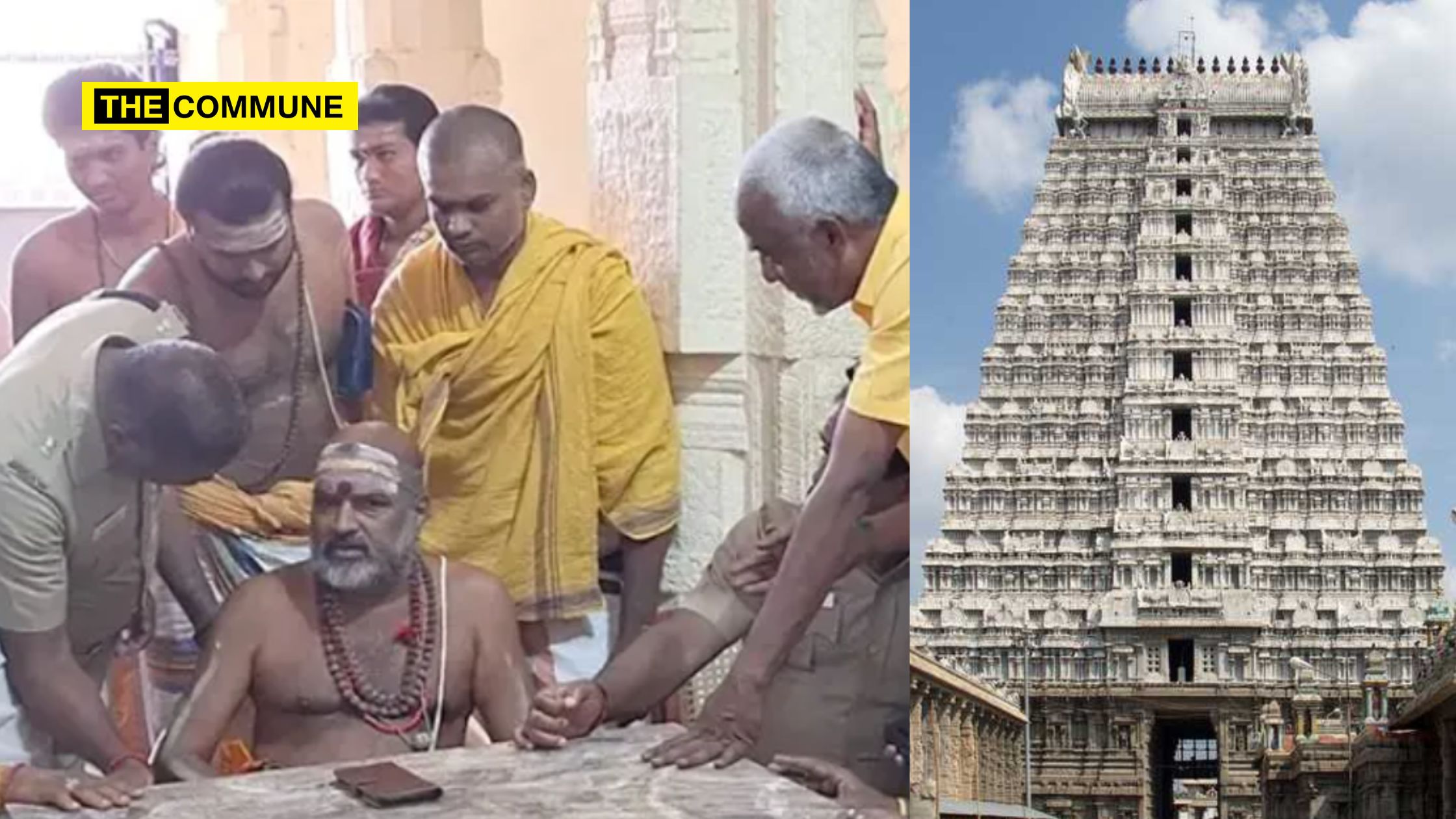
A protest broke out at the Tiruvannamalai Arunachaleshwarar Temple after the Joint Commissioner of the Hindu Religious and Charitable Endowments (HR&CE) Department allegedly verbally abused the head priest for permitting VIP darshans, sparking controversy among the temple staff and devotees.
The Tiruvannamalai Arunachaleshwarar Temple, a popular pilgrimage site in South India, attracts thousands of devotees daily, with large crowds during weekends, holidays, Amavasya, and full moon days. On 12 February 2025 (Thai Pournami), lakhs of devotees waited for over five hours to get a glimpse of Lord Annamalaiyar before heading to Girivalam.
Amidst the large crowd, HR&CE Joint Commissioner Jyothi allegedly verbally insulted P.T. Ramesh, the hereditary chief priest, by asking, “Are you working as a broker here?” This remark, made in reference to allowing VIP darshan as per the HR&CE temple procedures, was considered a derogatory insult, as the term used in Tamil indirectly implies a “pimp.”
The insulted chief priest, feeling disrespected, halted all temple rituals, prompting the Shivacharyas to gather in protest in front of the temple’s Yaga-shala. On special occasions with large crowds, it is the responsibility of the HR&CE department and the police to maintain order, not the priests. However, the Joint Commissioner’s abusive remark was directed at the priest, leading to the tense situation.
In response, temple staff and police held discussions with the temple trustees for over an hour to resolve the issue and pacify the protesting Shivacharyas. The priests expressed their anger, stating, “If this is happening to the chief priests, what will happen to the ordinary priests? We are not interfering with the administration of the Joint Commissioner, we are only asking for our rights.” They further asserted that the large crowds were a result of the pujas they performed.
After the talks, the temple trustees assured the Shivacharyas that they would be provided with the necessary information and responses, and agreed to continue the pujas for the time being. The Shivacharyas then temporarily ended their protest.
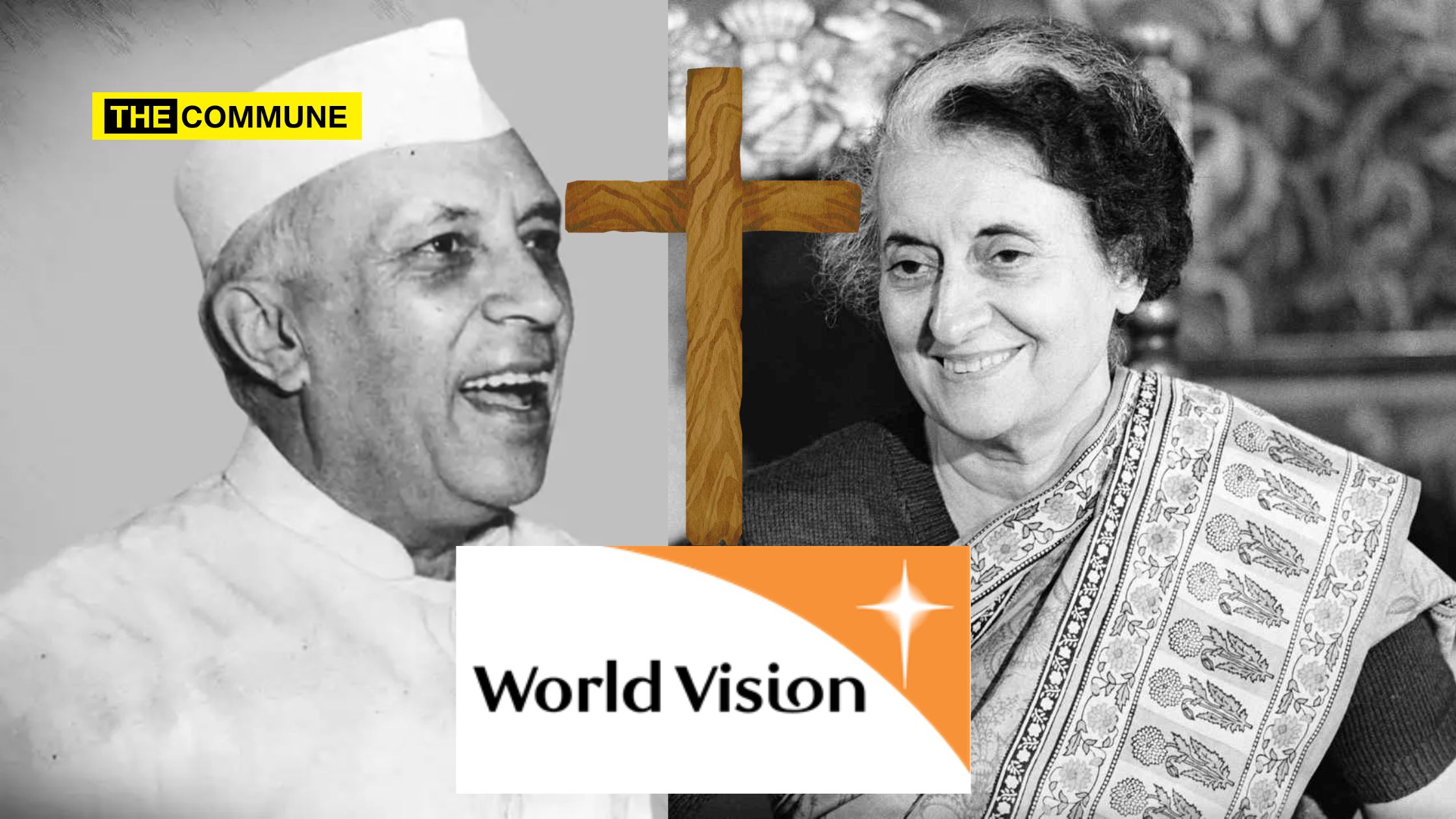
In a shocking revelation, the decades-long activities of USAID-funded World Vision International (WVI) in India have come under scrutiny, exposing a well-orchestrated campaign of religious conversion and subversion of Hinduism. With over $2 billion in funding from USAID, World Vision India received hundreds of crores annually to carry out its operations, which, despite its humanitarian façade, were deeply rooted in Christian evangelism and conversion.
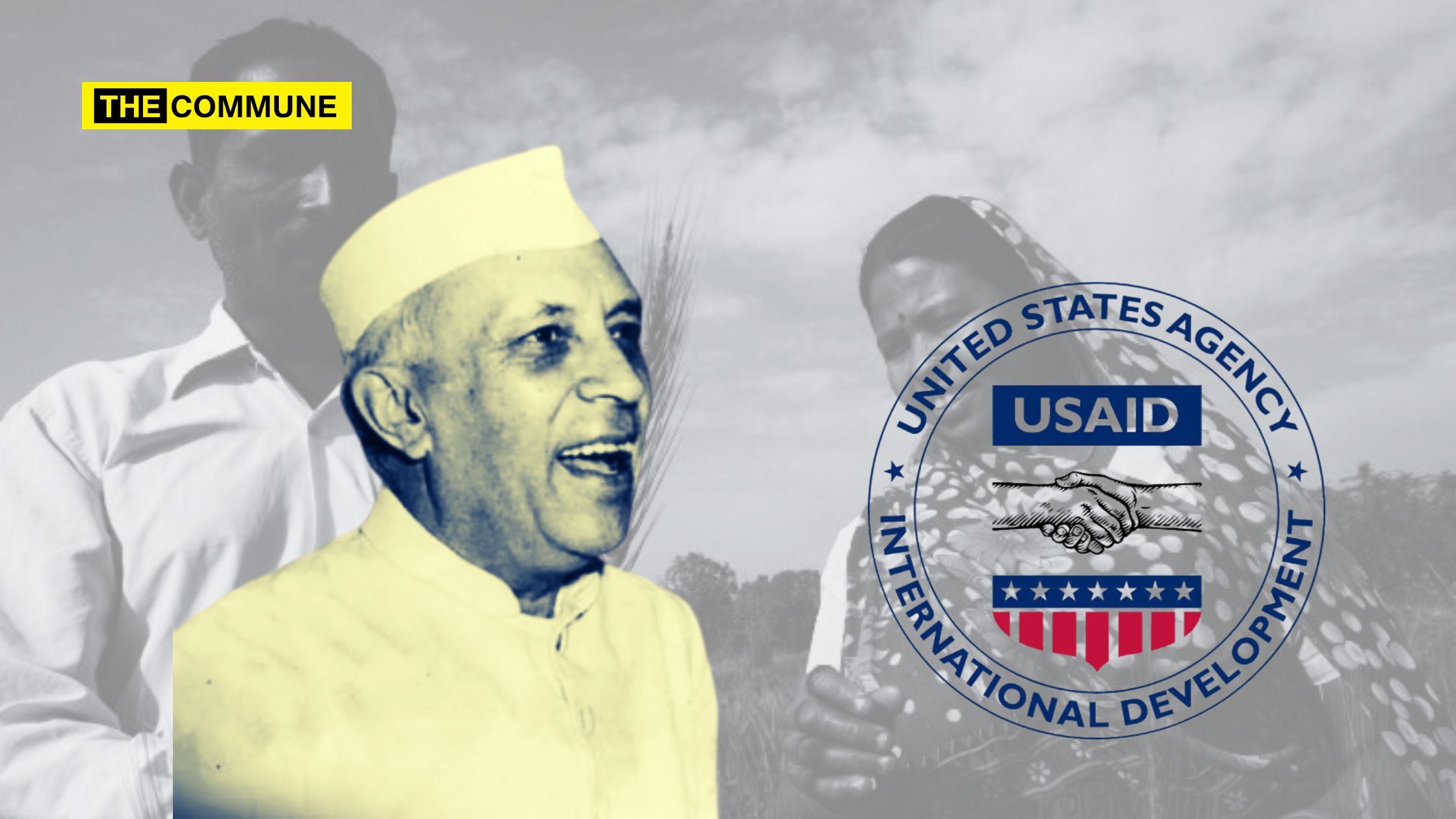
The Modi government’s decision in 2024 to revoke World Vision India’s Foreign Contribution Regulation Act (FCRA) license marked a significant blow to the organization’s conversion activities. However, the roots of this controversial entity trace back to 1951, when it first established its presence in India, thanks to the tacit approval of then-Prime Minister Jawaharlal Nehru.
The Origins Of World Vision: A Conversion Agenda
World Vision International was founded in 1950 by Bob Pierce, an American evangelist who began his mission in China. Pierce’s journey into evangelism started in 1947 when he preached at a school in China, leading to the conversion of a young girl named White Jade. After her family disowned her, Pierce provided financial support, an act that became the foundation of World Vision.
However, the organization’s origins reveal a darker truth. According to the book Religion in Philanthropic Organisations, edited by Thomas J. Davis, Pierce’s mission was not merely humanitarian but deeply evangelical. During his 1947 visit to China, Pierce converted 17,000 people to Christianity, including minors, through what can only be described as predatory proselytization.
World Vision’s website sanitizes this history, portraying Pierce as a benevolent figure who gave his last $5 to help an abandoned child. However, the reality is that Pierce’s mission was to spread Christianity, particularly in Asia, and his organization became a vehicle for converting vulnerable populations, including Hindus in India.
World Vision In India: A 70-Year Legacy Of Conversion
World Vision India was established in 1951, with its first office opening in Kolkata in 1958. Over the decades, it received billions of dollars from USAID, funneling hundreds of crores annually into India. While it presented itself as a humanitarian organization focused on child welfare, its primary objective was religious conversion.
Bob Pierce’s travels to India in the 1950s reveal a concerted effort to convert Hindus and Sikhs. In a letter dated February 1953, Pierce described his activities in Calcutta, where he preached to Indian students and facilitated conversions. By 1956, Pierce had set his sights on India as a key target for evangelism, with the tacit approval of Indian leaders.
Nehru’s Meeting With Evangelists: A Turning Point
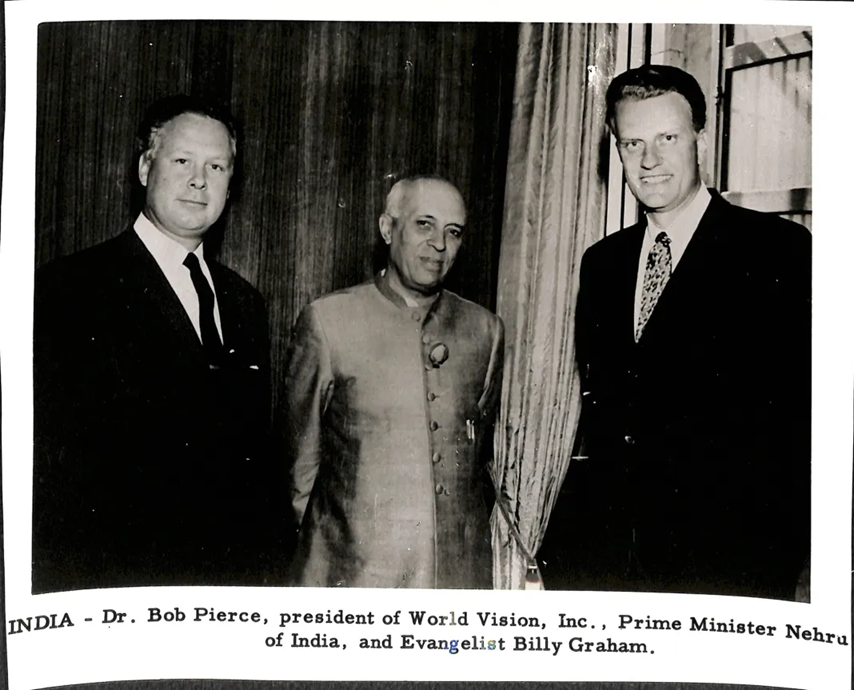
In 1956, Bob Pierce and Billy Graham, another prominent American evangelist, met with Prime Minister Jawaharlal Nehru. This meeting, documented in Graham’s autobiography Just As I Am, marked a pivotal moment in India’s history.
Image Source: OpIndia
During the meeting, Nehru expressed no opposition to Christian missionary work, stating that he had no issue with their activities as long as they avoided politics. This tacit approval from India’s first Prime Minister opened the floodgates for organizations like World Vision to operate freely in the country.
Billy Graham, who was closely aligned with US foreign policy goals, had been sent to India with the explicit mandate of countering Soviet influence during the Cold War. His evangelistic crusades, which saw thousands of Hindus converting to Christianity, were not merely religious endeavors but also tools of American diplomacy.
Graham’s 1956 trip to India, funded and supported by the US government, saw him preaching to massive crowds in cities like Bombay, Madras, and Delhi. In his autobiography, Graham recounts how he distributed thousands of Bibles and facilitated the conversion of thousands of Hindus, including children.
Indira Gandhi’s Role: Continuing The Legacy
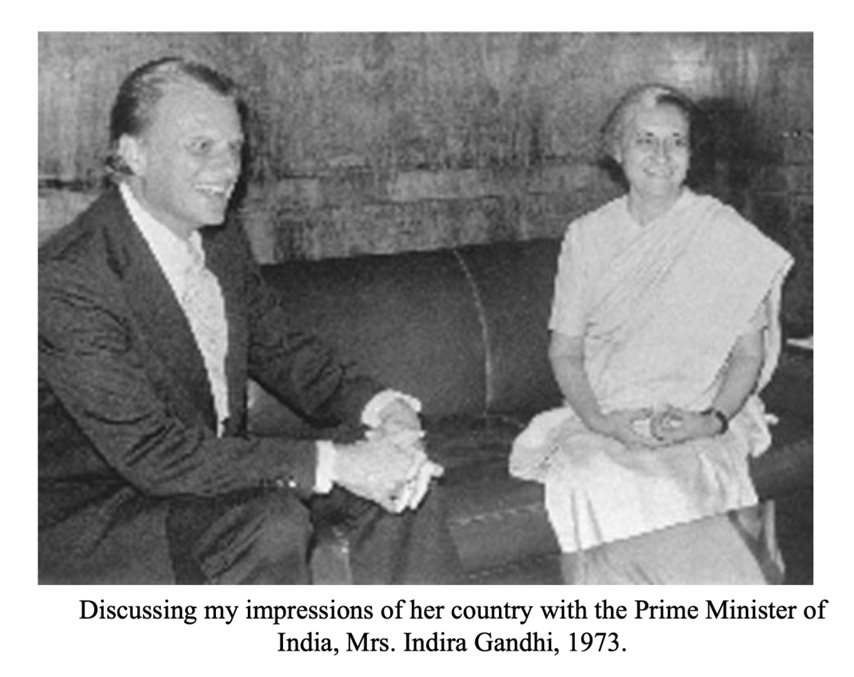
The legacy of enabling Christian evangelism in India continued under Prime Minister Indira Gandhi. In 1972, Billy Graham returned to India, this time with a specific focus on Nagaland. Despite the region’s instability, the Indian government granted Graham unprecedented access, including police protection, government accommodation, and even helicopters for travel.
Image Source: OpIndia
Graham’s visit to Nagaland, where he preached to over 500,000 people, was facilitated by the Reverend Longri Ao and other church leaders associated with the World Council of Churches (WCC). The WCC, a trusted partner of World Vision, has long been accused of funding anti-India activities and promoting religious conversion.
Indira Gandhi’s government went out of its way to support Graham’s mission, even as foreign visitors were typically barred from entering Nagaland due to security concerns. This level of support underscores the extent to which Indian leaders enabled the activities of evangelical organizations.
The Modi Government’s Intervention
In 2024, the Modi government took decisive action against World Vision India by revoking its FCRA license, effectively cutting off its foreign funding. This move was hailed by many as a long-overdue step to curb the organization’s conversion activities.
However, the damage had already been done. For over 70 years, World Vision operated with impunity, converting countless Hindus, particularly women and children, under the guise of humanitarian work. Its activities were not only a threat to India’s cultural and religious fabric but also a tool of foreign influence, with USAID and the US deep state playing a central role.
The story of World Vision in India is a stark reminder of how foreign-funded organizations can exploit vulnerable populations for religious and political gains. With the tacit approval of leaders like Nehru and Indira Gandhi, World Vision and other evangelical groups were able to carry out their agenda for decades, leaving a lasting impact on India’s social and religious landscape.
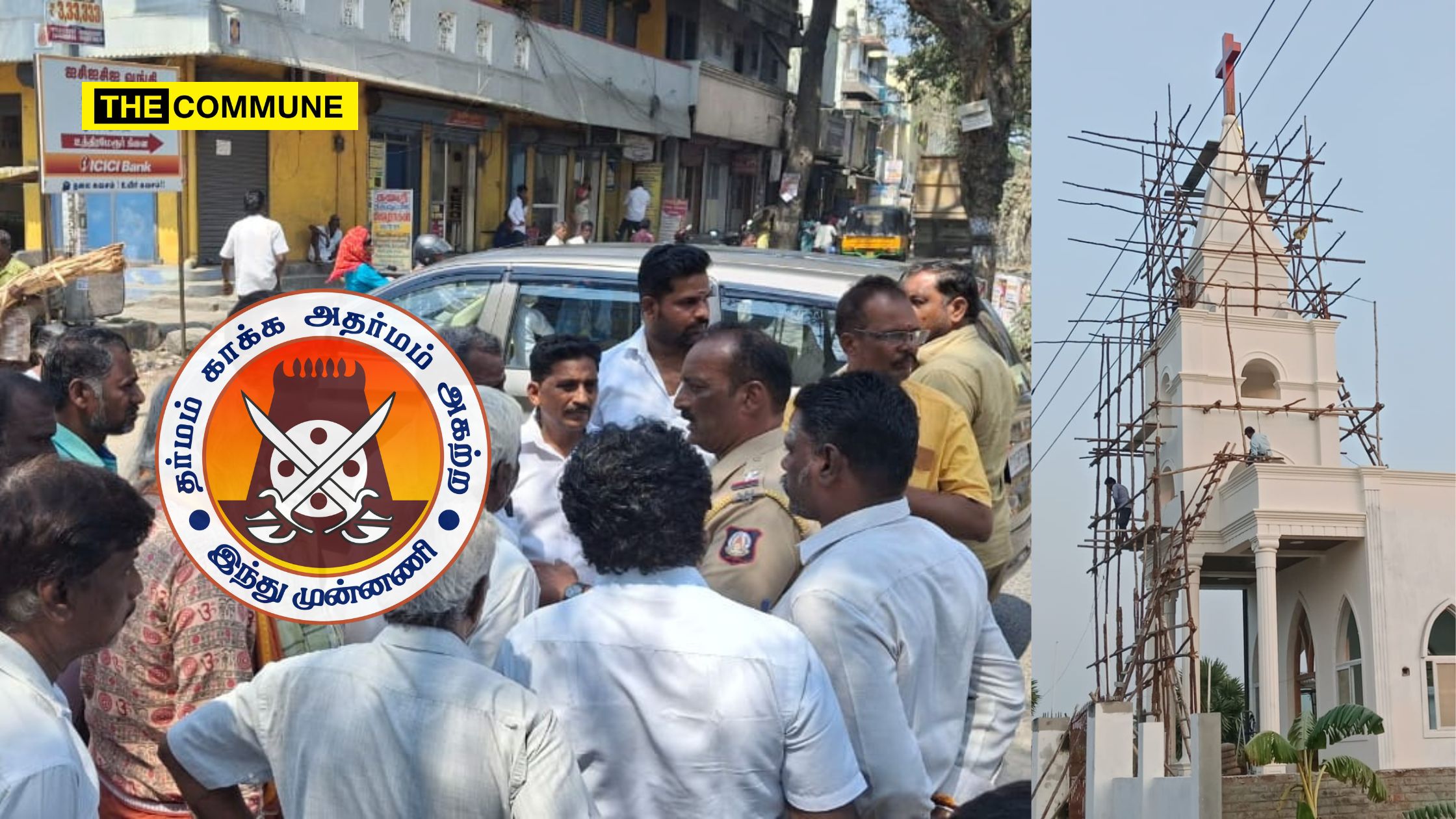
Hindu Munnani successfully halted the opening of an illegal church in Kattiampandal village, located in Uthiramerur taluka of Kancheepuram district, due to lack of proper documentation and prior approval from district authorities.
The church, being constructed on government-owned public land in Kattiampandal village, was nearing completion, and preparations were underway for its opening ceremony, despite the absence of permission from the District Collector.
Concerned locals approached Hindu Munnani for assistance. In response, officials from the organization, led by Kanchi Divisional Secretary R.D. Mani, visited the site and surrounded the church. They lodged a formal complaint with the Uthiramerur Tehsildar, who then issued an order citing potential law and order issues. The Tehsildar’s order denied permission to open the church, as it was being constructed on government land without official consent.
As preparations for the church’s opening continued, Hindu Munnani and local residents announced their intent to block the road in support of the Tehsildar’s order. In response, the Village Administrative Officer assured that action would be taken, and the public gathered around the illegal church site.
அரசு நிலத்தில் சட்டவிரோத சர்ச்..!!
களத்தில் இந்து முன்னணி…!!
காஞ்சிபுரம் மாவட்டம், உத்திரமேரூர் ஒன்றியம் கட்டியாம்பந்தல் கிராமத்தில் அரசுக்கு சொந்தமான பொது இடத்தில் கிருஸ்துவ வழிபாட்டுத்தலம் (சர்ச்) மாவட்ட ஆட்சியர் அனுமதி இன்றி சட்ட விரோதமாக கட்டப்பட்டு வருகிறது. கட்டுமான… pic.twitter.com/exl6cC30p8
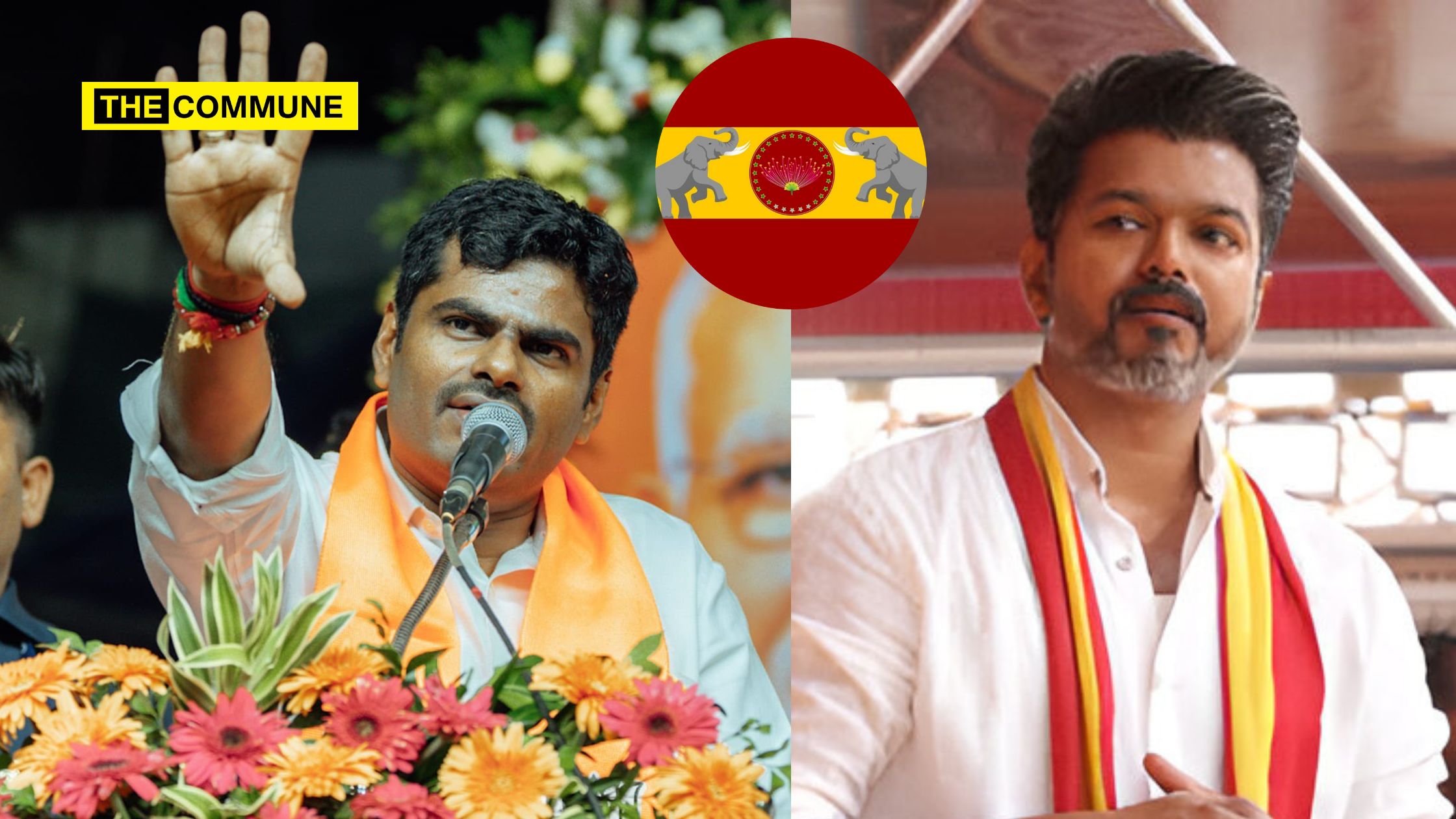
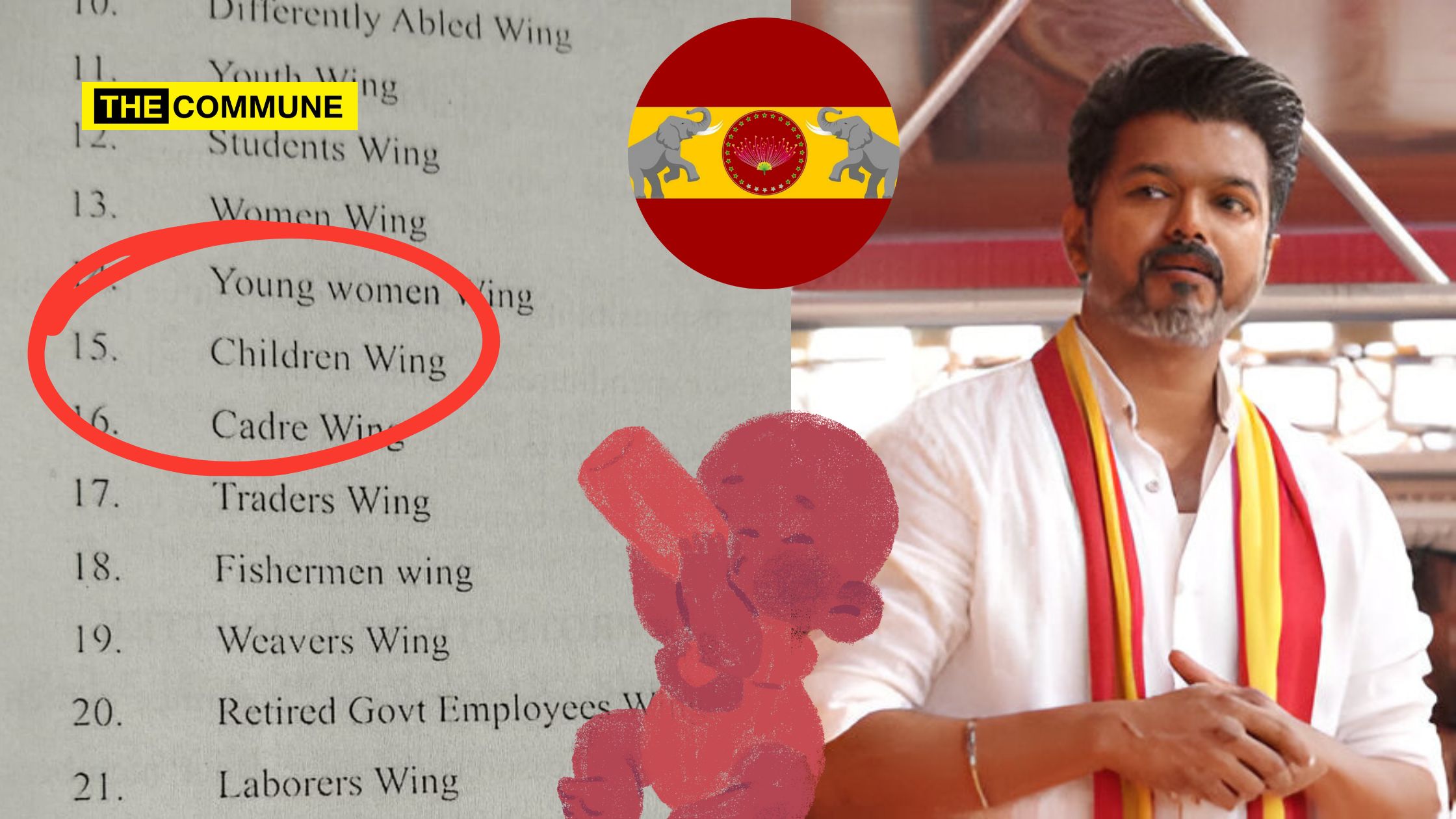
Tamil Nadu BJP president K. Annamalai took a dig at actor-turned-politician Vijay, the leader of Tamilaga Vettri Kazhagam (TVK), questioning his understanding of the budgetary process. Annamalai accused Vijay of being naïve, saying he couldn’t distinguish between the budget and GST. He humorously remarked that Vijay seemed to believe the budget was the right forum to discuss GST rates, highlighting a clear lack of comprehension of the budget’s scope. Annamalai also mocked TVK’s introduction of a “Children’s Wing” under its party umbrella, suggesting that the members of Vijay’s party were akin to children.
Speaking at a pro-budget meeting in Tiruvanmiyur on 12 February 2025, Annamalai praised the BJP’s dedicated cadre, noting their participation in the gathering without expecting any financial gain, as a large crowd had turned out.
K. Annamalai took a jibe at the Tamilaga Vettri Kazhagam’s (TVK) newly introduced “Children’s Wing,” saying, “While all of this is going on, someone else is making a statement about a ‘Children’s Wing.’ With so many issues going on, they’re talking about a ‘Children’s Wing.’ I asked why they have put a ‘Children’s Wing’, and they told me that most of the party members are kids, which is why they have it. Look at what’s happening in Tamil Nadu; people are watching.”
Annamalai further mocked TVK leader Vijay’s understanding of the budget, saying, “A leader who started a new party is claiming, ‘I looked at the budget, as usual the central government has deceived the people of Tamil Nadu’. This leader who started a new party asking, ‘why there’s no mention of GST reduction in the budget?’ Brother, that’s a GST Council meeting, not the budget! Someone should sit them down and school him the difference between What GST Council and the budget is both are different. These are the people who came that they’re going to bring change to Tamil Nadu!”
This jab comes in the context of Tamilaga Vettri Kazhagam’s (TVK) recent announcement of a ‘Children’s Wing,’ one of 28 political factions under its umbrella. This move has sparked outrage, as it blatantly violates the election code, the constitution, and basic ethical standards. Children should not be engaged in politics until they are 18. The introduction of a ‘Children’s Wing’ by Vijay’s political party has faced strong criticism, mockery, and ridicule on social media.
The Bharatiya Janata Party (BJP) Tamil Nadu unit has begun organizing public meetings across all districts of Tamil Nadu from 12 February to 15 February 2025 to explain the key aspects of the central government’s 2025-2026 budget.
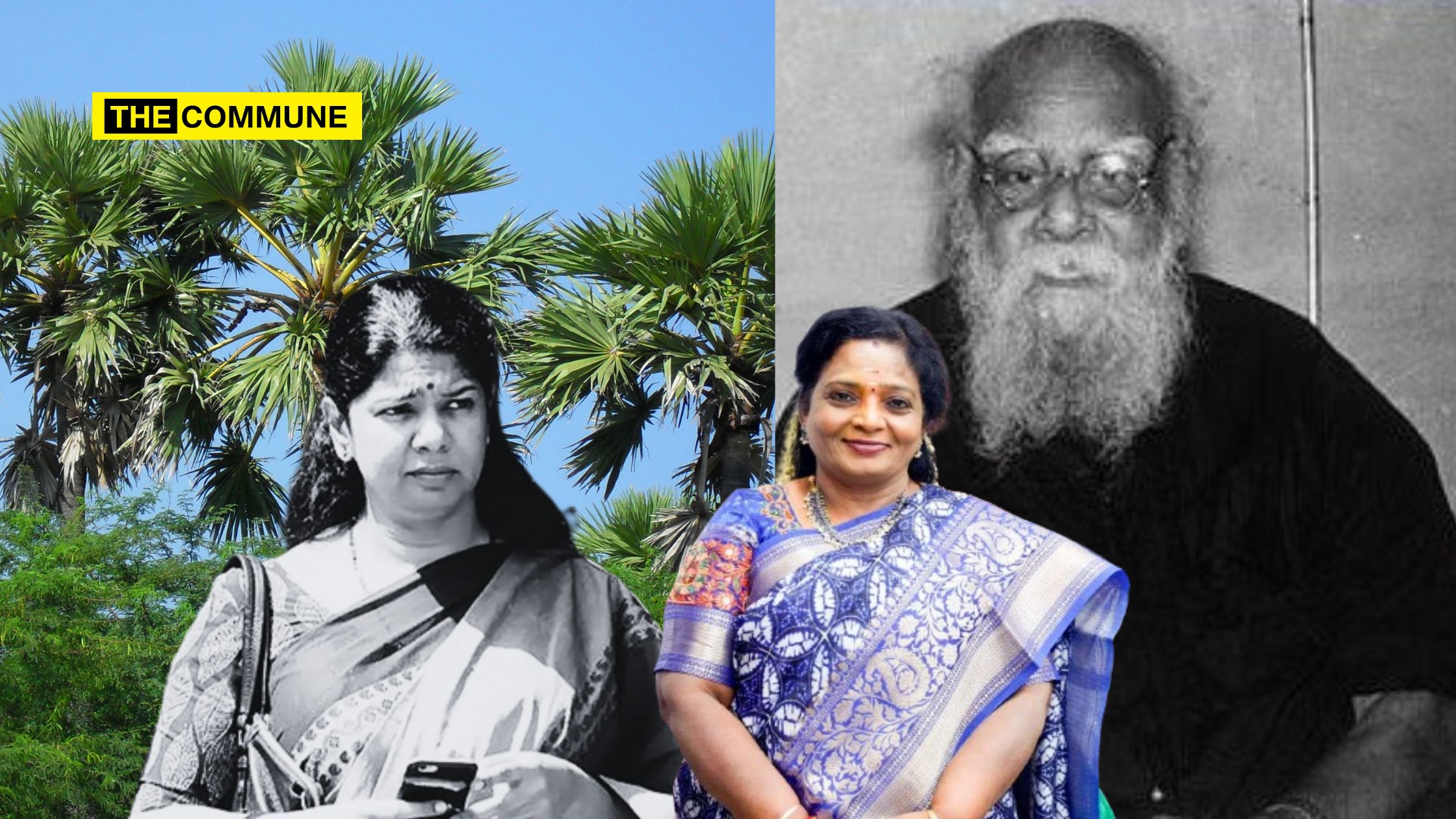
BJP State Vice President Karu Nagarajan announced that these meetings will be led by BJP district leaders and held in major cities across the state. The first session took place on Wednesday, 12 February 2025 in Thiruvanmiyur, Chennai. BJP State President K. Annamalai and former State President Tamilisai Soundararajan addressed the gathering. In her speech at this event, BJP leader Tamilisai Soundararajan spoke about DMK MP Kanimozhi’s actions before the parliamentary elections, particularly regarding her stance on Periyar and the political landscape in Tamil Nadu.
According to the Tamilisai, Kanimozhi, who was contesting in Thoothukudi, allegedly replaced an image of Periyar on her Twitter profile with a palm tree the day before the election. Tamilisai questioned whether this move signified a shift in priorities and accused her of undermining Periyar’s legacy for electoral gains.“Kanimozhi thought that the palm tree would get more votes than Periyar, and now they are talking about respect for his legacy,” she said. The controversy follows earlier criticisms where Kanimozhi reportedly claimed,“If you speak wrongly about Periyar, you will not get votes.”
Tamilisai also contrasted Tamil Nadu’s political discourse and the broader national narrative.“All the state parliamentarians are talking about development. Only those from this state are talking about Sanskrit and Hindu identity,” she remarked. She also highlighted Prime Minister Narendra Modi’s Tamil-language Thaipusam greetings as an example of national inclusivity, juxtaposing it with the DMK’s alleged neglect of Tamil cultural representation.
Further, the speech took a strong stance against the DMK, accusing its members of using the party flag as a shield for criminal activities.“Today, we are looking at the criminals who waved the DMK flag for all the robberies happening in this country. If the DMK flag is used, it becomes a license,” Tamilisai charged. The budget presented by Finance Minister Nirmala Sitharaman, a Tamil woman, was praised as a ‘budget for the common people.’“Respected Nirmala Sitharaman, a Tamil woman, presented the budget in Parliament for the eighth time in a row. People from Tamil Nadu should garland the Prime Minister for this,” she stated. The argument was made that Tamil Nadu should recognize and appreciate the representation of Tamil women in national politics, asserting that the BJP was providing opportunities for them.
The speech concluded with a call for political change, suggesting that the DMK’s dominance in Tamil Nadu was waning.“This sister and brother (referring to Annamalai) are sending Stalin home together. The saffron flag should fly in Tamil Nadu,” she declared. Tamilisai also invoked historical political shifts, drawing parallels between past electoral outcomes and the present scenario.“See if you like it or not, I am telling you, brother Annamalai, this Bharatiya Janata Party is equal to our life,“she asserted. She added, “Anna is not the one who propagated Tamil, it was Andal. It was not Periyar who propagated Tamil, it was Periyalwar and one must understand it was not Periyar who did it.” She also reaffirmed her undying support for the BJP, advocating for the party’s expansion in Tamil Nadu and calling for greater recognition of Tamil cultural figures.
Subscribe to our channels on Telegram, WhatsApp, and Instagram and get the best stories of the day delivered to you personally.
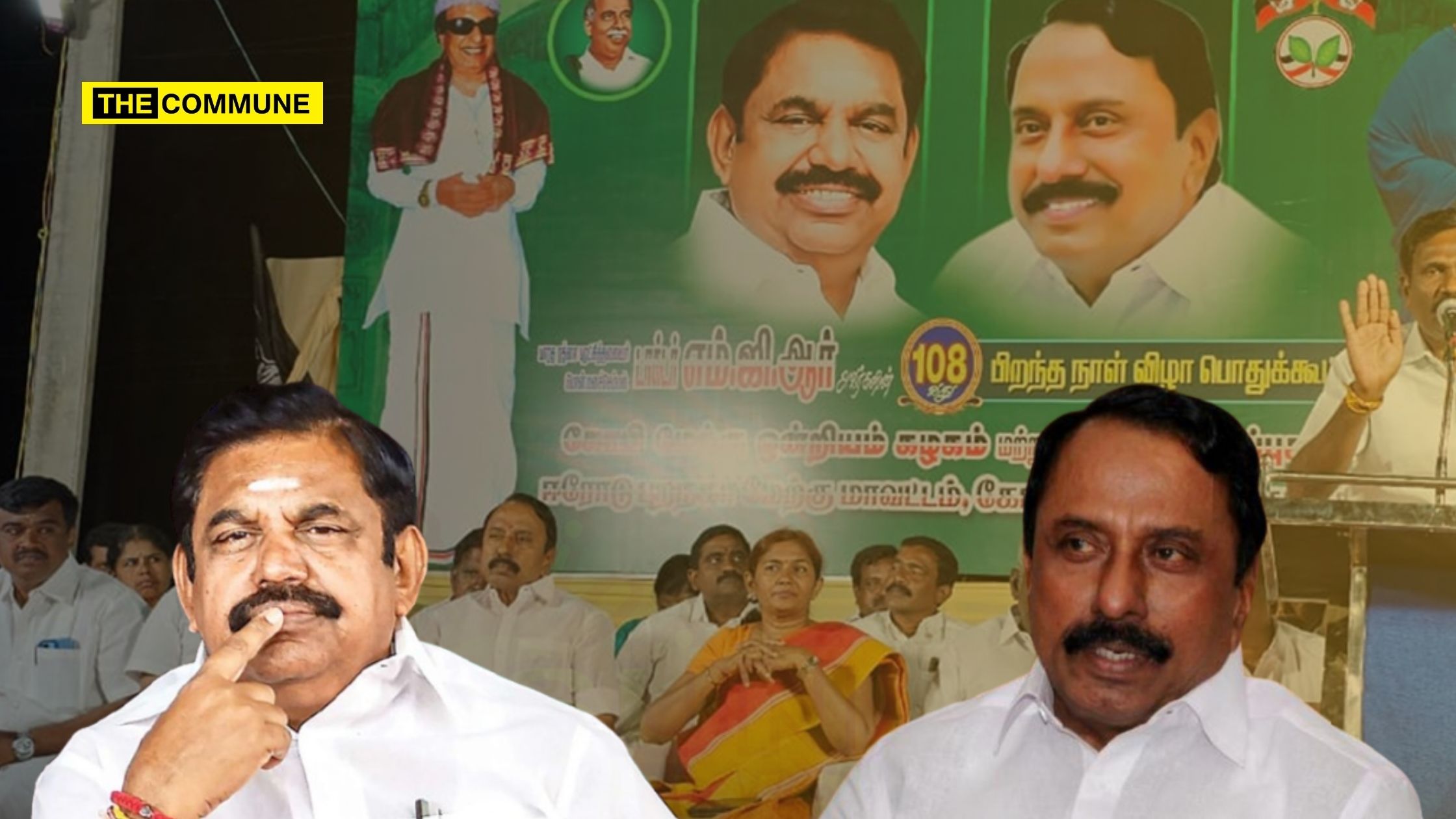
As the AIADMK observes the 108th birth anniversary of its founder and former Chief Minister M.G. Ramachandran (MGR) at Anthiyur in Erode on Thursday, all eyes are on K.A. Sengottaiyan, the veteran leader and sitting MLA from Gobichettipalayam.
While MGR’s birthday falls on January 17, the AIADMK has been conducting celebrations across various towns in the state, and Thursday’s event in Anthiyur, Erode is part of this. The party’s top leadership, led by Edappadi K. Palaniswami (EPS), is closely watching Sengottaiyan, who recently signalled dissatisfaction within the party.
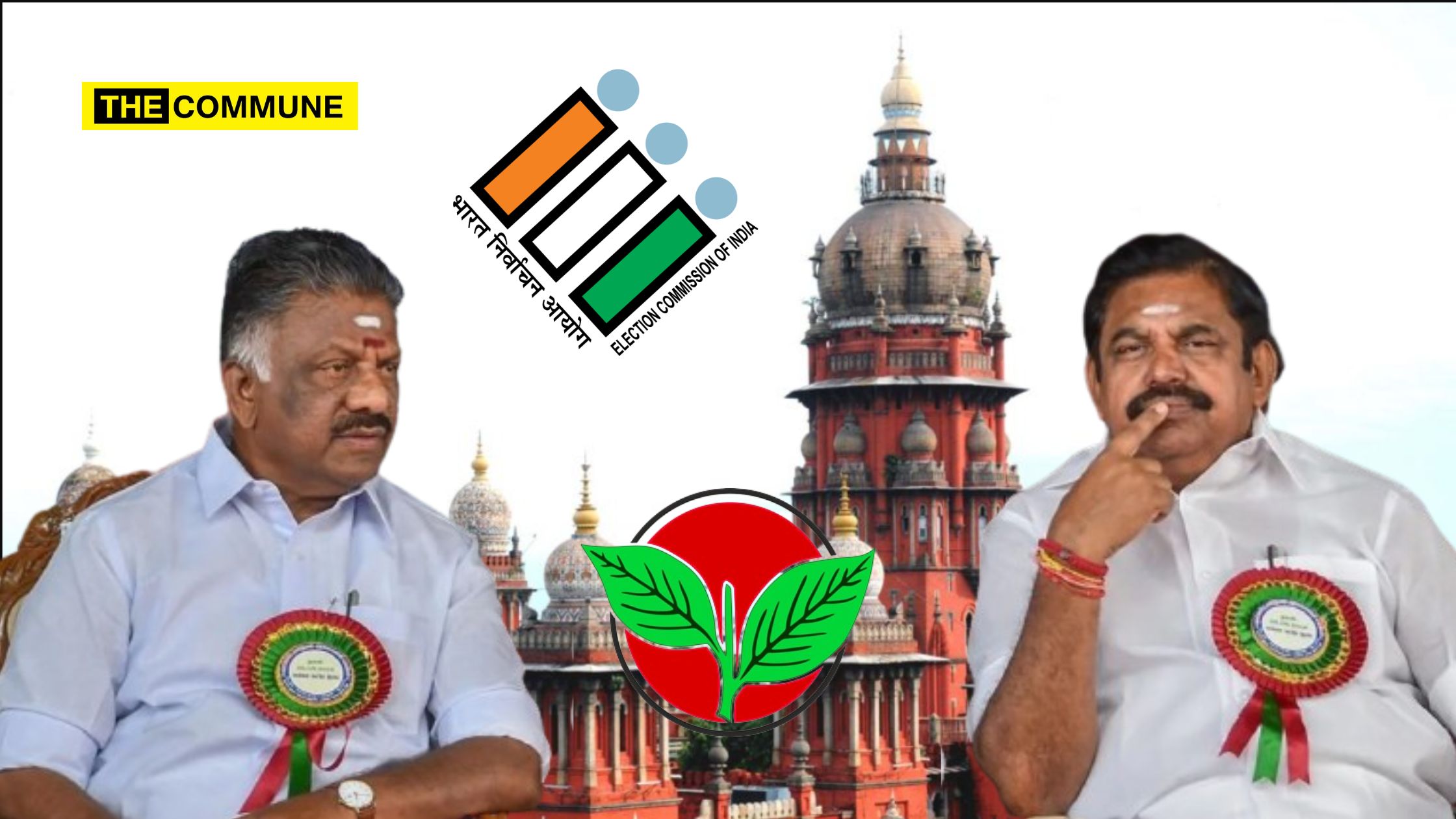
On Wednesday (February 12), several AIADMK local leaders and cadres met Sengottaiyan at his residence in Kullampalayam, Erode. However, speaking to the media, Sengottaiyan dismissed speculations of a factional meeting, stating that party workers and leaders regularly visit his home. Adding to the tension, the Madras High Court on February 12 vacated a stay order, allowing the Election Commission of India (ECI) to proceed with its probe into AIADMK’s internal disputes — a ruling seen as a setback for EPS.
Sengottaiyan, a prominent AIADMK leader, who was once considered a potential Chief Ministerial candidate after Jayalalithaa’s demise, had recently expressed his displeasure over the omission of MGR’s and Jayalalithaa’s photographs at an AIADMK event in Coimbatore on Sunday (February 9). The event was organised to felicitate AIADMK General Secretary EPS, but Sengottaiyan chose not to attend. On February 10 (Monday), he clarified that his absence was not a sign of rebellion but a matter of principle.
“I chose not to participate because the invitation and banners for the event did not feature images of former Chief Ministers MGR and Jayalalithaa. There is no opposition to the party in this,” he stated.
His absence fuelled speculation about internal discord within AIADMK, prompting further clarification. According to Sengottaiyan, the event’s organising committee approached him three days before the function. However, he only noticed the absence of MGR’s and Jayalalithaa’s pictures once the banners were publicly displayed.
Recalling Jayalalithaa’s contributions, Sengottaiyan pointed out that in 2011, as Chief Minister, she allocated Rs 3.72 crore for a crucial infrastructure project, with then-Public Works Department Minister K.V. Ramalingam issuing orders for the survey. “She laid the groundwork for this project, yet her picture was missing from the event materials,” he remarked.
Despite ongoing controversy, Sengottaiyan maintains that his stance is based on respect for AIADMK’s founding leaders rather than political manoeuvring.
However, on February 12, 2025, while addressing an AIADMK public meeting ahead of the party founder’s birth anniversary, Sengottaiyan made yet another strategic political move that could brew tensions once again in the party.
He subtly suggested that, despite receiving “many opportunities,” he had chosen to decline them, reiterating his commitment to “party unity.” His remarks were widely interpreted as a challenge to Palaniswami, who has strongly opposed the reinstatement of O. Panneerselvam into the party.
“I’ve had many opportunities, but I turned them down. I have always believed that the party should remain united. Don’t test my patience. That’s my request” he declared. Sengottaiyan’s speech was seen as a veiled warning to those who doubt his loyalty to the party.
Notably, many observers pointed out an intriguing detail—despite the event being organized under Palaniswami’s leadership, Sengottaiyan’s image on the banner was just as prominent as Palaniswami’s, fueling speculation about an emerging power play within the party.
Interestingly, Sengottaiyan recited the names of more than 250 party functionaries and volunteers during the event but conspicuously avoided mentioning Edappadi Palaniswami even once.
A veteran AIADMK leader Sengottaiyan has been a formidable presence in Tamil Nadu politics for decades. He first won the Sathyamangalam constituency in 1977 and has represented Gobichettipalayam in the Tamil Nadu Assembly multiple times since 1980.
Over the years, he has held key ministerial positions, including Minister for Transport (1991–1996), Minister for Agriculture (until November 2011), Minister for Information Technology (post-2011 cabinet reshuffle), and Minister for School Education under EPS. Additionally, he served as the AIADMK headquarters secretary (2006–2012) and remains a powerful force in the party.
As MGR’s 108th birth anniversary celebrations begin in Erode, AIADMK cadres and political observers will be watching closely Sengottaiyan’s next move.
Subscribe to our channels on Telegram, WhatsApp, and Instagram and get the best stories of the day delivered to you personally.
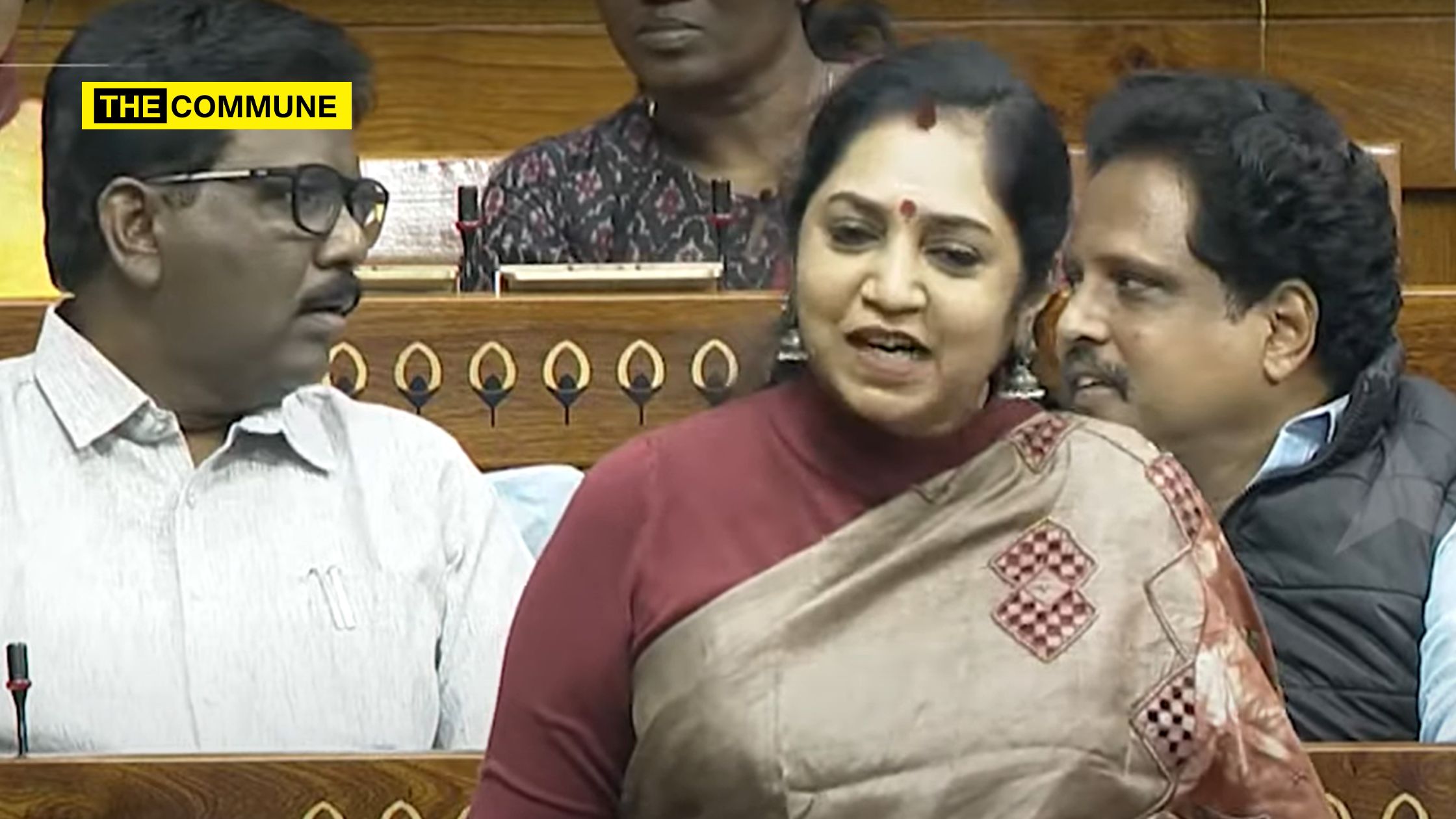
A video clip of DMK MP Thamizhachi Thangapandian’s recent speech in the Lok Sabha has gone viral on social media, drawing significant attention for her remarks on politics and federalism.
In her speech, the South Chennai MP stated, “Instead of divisive politics, promote religious politics. The country will benefit and the people will live happily.” The remark, is seen as a Freudian slip given that the DMK indulges in promoting anti-Hindu ideology while appeasing minorities.
Thangapandian also criticized the perceived disparity in fund allocations between states, particularly highlighting the funds sent to Bihar and Uttar Pradesh under the PM Shri scheme. She pointed out that Tamil Nadu had contributed significantly to the nation’s GDP but did not receive proportionate benefits. Citing figures, she mentioned that Tamil Nadu contributes 9% to the national GDP and performs well in education and healthcare rankings. However, she argued that the state was not getting its fair share of central funds compared to other states like Maharashtra.
Further, she referenced past acts of generosity by Tamil Nadu’s leadership, recalling that during the 2008 Bihar floods, then Chief Minister M. Karunanidhi had sent ₹10 crore in relief aid. She noted that while Tamil Nadu had shown solidarity with other states, the central government’s budget allocations seemed uneven.
Speaking on the importance of inclusive politics, she invoked a military adage, stating, “The more you sweat for peace, the less you bleed in war.” She argued that economic progress could only come through inclusive politics and federalism, rather than through divisive approaches.
Her speech concluded with a reiteration of her opening statement: “Realize the federalism principle and move forward with religious politics instead of divisive politics. The country will benefit, the people will prosper and be happy.”
Whether the statement was an unintended slip or a deliberate articulation of her views, it has certainly become a topic of national discourse. The reaction of the VCK MP Ravi Kumar and Communist MP Su Venkatesan after Thangapandian made the statement was even more hilarious.
Subscribe to our channels on Telegram, WhatsApp, and Instagram and get the best stories of the day delivered to you personally.
USAID has been a tool of soft espionage for the CIA and its allied foundations since day one. Let’s explore how India’s first Prime Minister Jawahar Lal Nehru sold out India’s economy to the USAID agenda and how USAID funded anti-India elements with impunity.
The Agreement
In 1954, the Nehru government signed the India-US PL 480 agreement. (US PL stands for US Public Law). This was done to solve the food shortage crisis in India. The Architect of the PL 480 was US Senator Hubert Humphrey who was also heading the Senate committee for foreign assistance. Hubert Humphrey would coordinate with C.I.A. directly to decide about the targets and goals of foreign assistance.
This agreement allowed India to:
Buy food grains mainly wheat from the US.
India would pay in Rupees at the dollar rupees exchange rate.
Indian government officials would be responsible for the freight cost and safe shipment of the foodgrains from the US to India. India will bear 50% freight cost.
Payments sent by India will be deposited in the account of the U.S. Technical Cooperation Mission Delhi.
The US government argued that this agreement will solve two issues:
Food grain crisis in India
Foreign currency reserves conservation for India since India was paying in its own currency
So, was it a genuine gesture from the US or was it a trick to fleece India? Let’s find out.
The Plot
The first interesting thing about PL 480 was that foodgrains purchased under this program were distributed based on the recommendations of The Ford Foundation India, USAID India, and USOM (US Operations Mission). Meanwhile, PL 480 funds which were deposited in the account of the U.S.
Technical Cooperation Mission Delhi would be used as follows:
Operational expenses of the US Embassy, Delhi
Development Project loans to India
Financial Support to Nepal and Burma
Funding to private enterprises through USAID as per Cooley Amendment – Those companies which are either US Companies or Indian companies selling agricultural products of these US Companies as their affiliates
Local currency for the US Tourists and Technicians visiting India
So, India was paying for wheat. India’s money was used to give back loans to India. India’s money was used to fund US Companies to capture India’s agricultural products market.
This went on like a whirlpool of economic fleecing till 1966 when Indian officials and politicians started complaining that wheat sold by the US was so poor that it was not fit for consumption by even pigs!
The US government went into blackmail mode when it saw media reports in India asking for India to sign a wheat import agreement with Canada to reduce 100% dependency on the US for wheat imports.
In 1966 when India asked the US to renegotiate the PL 480 FOOD FOR PEACE program costs, The US retaliated by arm-twisting India to devaluate its currency to make PL 480 exports for the US companies amenable due to increased production and freight costs (50% freight India was already paying).
India did not heed the US advice. So, the US started sending wheat shipments in monthly installments rather than in bulk shipments as was the norm causing a sort of foodgrain crisis in India.
So finally, India relented, devaluated its currency by 57% and US wheat shipments resumed their normal course!!!
The Slogan
The USAID head William S. Gaud delivered a speech at The Society for International Development conference in Washington in 1968.
He said: “These and other developments in the field of agriculture contain the makings of a new revolution. It is not a violet, Red Revolution like that of the Soviets, nor is it a White Revolution like that of the Shah of Iran. I call it the Green Revolution.”
From that day onwards “Green Revolution” became the marketing slogan of the Rockefeller Foundation which was running its agriculture development program in India and USAID which was funding hundreds of such initiatives in India.
Rockefeller Foundation had deputed its employee Norman Borlaug who worked with them as a plant pathologist, to lead its India programme.
Norman Borlaug created an agricultural economy in India based on the US-developed seeds to bring in what he termed “High yielding crop varieties”.
The seed market in India was marginal so as per PL 480 arrangements and USAID funding backing US Companies captured India’s seed market in no time. By 1970 Cargill Foods and Monsanto were the largest companies selling crop seeds in India!!
William S. Gaud was a member of Council for Foreign relations (CFR) and he had served US Secretary of War Robert P. Patterson from 1945 to 1947.
The Charity of Spies – 1
Since 1951 when The Ford Foundation entered India and the CIA Cultural wing CCF (Congress for Cultural Freedom) established the Indian Committee for Cultural Freedom in New Delhi, USOM and USIS based out of the US embassy in Delhi became a curtain for all the espionage and subversive activities of CIA in India.
Meanwhile, USAID was on point source for economic intelligence (especially agriculture and Agronomy) in India.
The USAID started Sending special reports to US government based on its own analysis of the Indian agronomy.
The Charity of Spies – 2
The USAID focused on two things:
Bringing in American experts to train them for its projects in India
To fund agricultural Universities in India to create future experts
USAID supplemented the above points with funding of 11 million USD between 1955 to 1963.
The Charity of Spies – 3
In 1961 Development Loan Fund created by the US Congress way back in 1957, was made a part of the USAID. Now USAID was reigning supreme for every single dollar sent to India by the US government for development project funding. USAID alone disbursed 1.7 billion dollars to India from 1957 to 1963!!
The Charity of Spies – 4
USAID facilitated more than 70 US universities to collaborate with Indian Agriculture Universities and more than 130 Agriculture colleges.
The Charity of Spies – 5
But the biggest twist in the story would come up through a CIA report of 1973 which clearly mentioned “Training USAID employees” for intelligence gathering and CIA counter-terrorist information collection to be shared with the CIA and the US government.
And if you trace USAID activities right through its funding and activities, there is no doubt left that it is a CIA counterpart in enforcing US agenda and deep state propaganda in every country where it operates.
The Hundred Heads of Hydra
Take a look at the below chart. This is what USAID has created in India. You call it nexus, you call it network, you call it propaganda but right now it is beyond the comprehension of a normal person. Let’s see what kind of elements USAID is supporting against India.
Blood Money – 1
USAID has funded Helping Hand For Relief And Development (HHRD) which funds Falah-e-Insaniyat Foundation, a front of Jamat Ul Dawa which is nothing but a renamed version of Laskar E Taiba founded by the Pakistan-based terrorist Hafiz Sayeed.
HHRD is connected to the Islamic Council of North America (ICNA) and ISI-backed Friends of Kashmir founded by ISI Stooge in the US, Ghazala Habib, who also worked as the US Spokeswoman of the Kashmir-based Hurriyat Conference since 2020.
Blood Money – 2
In the year 2022, USAID Inspector General flagged the USAID grants to HHRD but USAID smartly covered these grants under their “Ocean Freight Reimbursement: program to show that these grants were used for the freight of relief material. How convenient!!
Media Propaganda
USAID funds Global Media Forum which is the largest media nonprofit to ensure democratic rights and human rights in the global media landscape. Its sister concern Internews funds Advocate Prashant Bhushan’s Sambhaavanaa Institute which is a leftist cabal den of propaganda.
The Cabal
Here are the names of the resource people with Sambhaavnaa Institute of Public Policy and Politics:
Yogendra Yadav – Expelled from AAP, AAP Founder, Swaraj Abhiyan Co-founder along with Prashant Bhushan G
Harsh Mander – Center for Equity Studies, Project Karvan E Mohabbat
Medha Patkar – Founder of National Alliance for People’s Movement, Ex AAP member, the Goldman Environmental Award in 1992, Goldman Environment Award 1992, Green Ribbon Award for Best International Political Campaigner by BBC, 1995, M.A.Thomas National Human Rights Award from Vigil India Movement, 1999, and the Human Rights Defenders Award from Amnesty International, Germany, Deenanath Mangeshkar Award, 1999, Mahatma Phule Award, 1999, Mother Teresa Award for Social Justice, 2014
Akash Banerjee – Youtuber, runs a channel Bhakt Banerjee, in July 2024 The US Embassy Delhi hosted him for a social media workshop “Influence to Impact”.
Prateek Sinha – AltNews cofounder
Soni Sori – Naxalite activist from Chhatisgarh, winner of Frontline defender award given by Front Line Defenders. (FLD) is an international human rights organisation founded in Dublin in 2001. FLD is funded by the Ford foundation and Open Society Foundation of George Soros.
Nandini Rao – “No saffronisation of Education” activist
Ravish Kumar – Ex NDTV, Youtuber
Paranjoy Guha Thakurta – Only journalist mentioned in the Hindenburg report on Adani
Thomas Franco – Ex SBI, EX All India Bankers federation president, full-time advisor to Center for Financial Accountability (Adani and Ambani project watchdog)
Kavita Krishnan – Politburo member of the Communist Party of India Marxist Leninist, pro-China narrative peddler
Vijayan MJ – Secretary-general of the India chapter of the Pakistan India Peoples’ Forum for Peace and Democracy
Bezwada Wilson – Raman Magsaysay award 2016, Ashoka Foundation senior fellow, Dalit rights activist
Akash Poyam – Assistant Editor The Caravan magazine
Atreyee Mazumdar – Andrew W. Mellon Fellow at the Jackman Humanities Institute, University of Toronto, Associate Professor (Social Sciences), National Law School of India University, Bengaluru
Madhuresh Kumar – Works for National Alliance for People’s Movement
Vijoo Krishnan – General Secretary of the All India Kisan Sabha. He is a central committee member of the Communist Party of India (Marxist) – one of the core organisers of the farmer protests.
Nikhil Dey – works for the MKSS (Mazdoor Kishan Shakti Sangthan)
Himanshu Kumar – Anti selva Judam Naxal legal help and rights activist from Dantewada, Chhatisgarh now settled in Delhi.
Prashant Bhushan
The Snakes
USAID funds Transparency International which is a joint project of the OCCRP and the US State Department.
Transparency international has repeatedly flagged India as violator of CSO/ NGO rights post Indian Govt’s 2020 revision of the FCRA act to tighten the noose around foreign funding of Indian NGOs. You can see in the below chart all the usual suspects are there.
The Relatives
USAID funds Transparency International.
USAID Funds OCCRP.
USAID funds SEWA Bharat.
USAID is connected to the Global Knowledge Initiative of Sam Pitroda.
What does that mean? Propaganda in the name of aid and charity.
The Table
Transparency International hosts anti-India environmental activists and India chapter head of the “Fridays for Future” project of Greta Thunberg. Disha Rajput shared the table with USAID head Samantha Power.
Who funds Transparency International?
USAID.
The Terrorist
Who funds HHRD?
USAID.
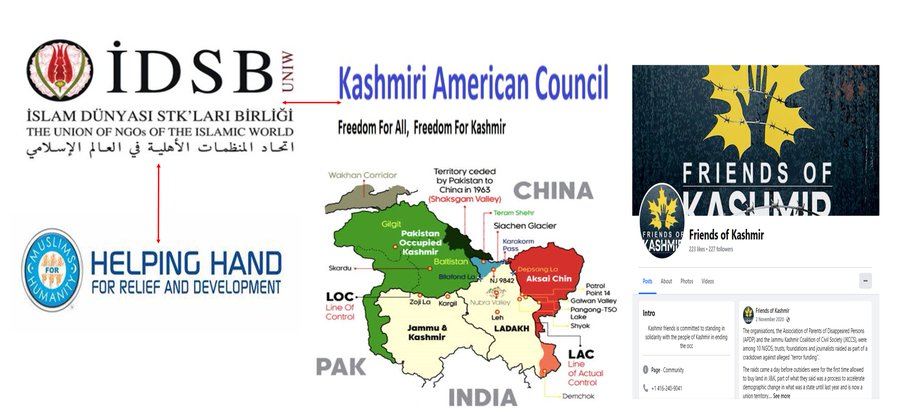
Now HHRD is a partner of IDSB which is a global coalition of Islamic NGOs and it is based in Turkey.
IDSB (ISLAM DUNYASI STK’LARI BIRLIGI) is a collaborator of the Kashmiri American Council founded by ISI Stooge and Anti India Kashmir propaganda creator Ghulam Nabi Fai who is a partner of Ghazal Habib’s Friends of Kashmir another anti-India ISI funded Kashmir propaganda front in the U.S.
The Den
US State Department funds Namati. USAID funds Namati through its passes through the Sall Family Foundation and the ClimateWorks Foundation. Namati is connected to USAID Chief Climate Coordinator Gillian Caldwell through the Global Witness where Gillian Caldwell is CEO. USAID funds Sahjivan and Kach Mahila Vikas Sangthan in Gujrat, India. Kutch Mahila Vikas Sangthan hosts another small NGO Khamir under its wings. Khamir is a project of Mallika Sarabhai’s Nehru Trust for Development.
Farah Naqvi sister of Saba Naqvi is a board member of Khamir and Kutch Mahila Vikas Sangathan. Farah Naqvi was also a member of Sonia Gandhi-led NAC in UPA 2 Govt.
The Hitjob
When allegations were made against Adani enterprise by a Swiss Investigative portal Gotham City about tax evasion prosecution in Switzerland, it came to the light that this portal is funded by EU Journalism Fund and International Press Institute.
Who funds the EU Journalism Fund?
USAID
Who funds the International Press Institute?
CIA
Read more here.
Exclusive Report on USAID in India🔥 A mega thread 🧵 Regime change in India🎭 Party 15 The USAID has always worked as the extended arm of the US Deep State. Let's explore all the rot and dirt it spread in India, sitting right in the US Embassy Delhi. A long thread so read with… pic.twitter.com/7cBvhe0zHm
The below chart shows how the US blackmailed India through USAID and PL 480 Food for Peace agreement to devaluate rupee in 1966 during the tenure of Prime Minister Indira Gandhi. This sums up how US uses agreements and grants as a tool of economic blackmail and fleecing. India was forced to devaluate the rupee with respect to the USD by 57%!
The Madras High Court has granted the Election Commission of India (ECI) permission to proceed with hearings regarding the leadership dispute within the All India Anna Dravida Munnetra Kazhagam (AIADMK) and the allocation of the party’s ‘Two Leaves’ symbol. However, the court made it clear that the ECI must first confirm its jurisdiction over such internal party matters before moving forward.
Expelled AIADMK leader O. Panneerselvam (OPS) expressed his approval of the High Court’s decision. He noted that the Election Commission had previously asserted its authority to handle the matter, much like a court. OPS further emphasized that the court’s ruling, which allows the ECI hearings to proceed and rejects the plea from Edappadi K. Palaniswami (EPS), signals a victory for justice.
This ruling follows a petition filed by EPS, the General Secretary of AIADMK, which sought to prevent the ECI from investigating complaints filed by expelled party members who challenged his leadership and the legitimacy of recent party resolutions.
AIADMK officials have argued that the ECI accepted petitions from expelled members and was exceeding its authority. Senior leader C.V. Shanmugam contended that the ECI cannot interfere with a party’s internal matters, stating that the Commission’s role is limited to registering political parties and recording changes, not to verify the legality of those changes. He hailed the High Court’s decision as a win, aligning with the party’s position.
Previously, the High Court had issued a stay on the ECI hearings. However, OPS’s son, O.P. Ravindranath, and other AIADMK leaders, including Pugazhendi and K.C. Palanisamy, challenged this order. A bench led by Justices A. Subramanian and G. Arulmurugan ultimately allowed the ECI to continue its investigation in accordance with the established procedures for resolving party leadership disputes and symbol allocation.
This ruling paves the way for the ECI to hear petitions concerning AIADMK’s leadership and the use of its party symbol.
EPS, who has been leading the AIADMK since 2022, following the expulsion of OPS, has been the party’s head. Prior to that, both leaders served as joint heads of the party. OPS and his supporters have filed multiple legal challenges against his expulsion in the High Court and the Supreme Court.
If controversy had a name, it would be ‘Tamilaga Vettri Kazhagam’ (TVK). The party’s latest move has sparked outrage with its announcement of a ‘Children’s Wing’ as one of the 28 political factions under the TVK umbrella. This decision blatantly violates the election code, the constitution, and basic morality. Children should not be involved in politics until they reach the age of 18. The announcement of a dedicated ‘Children’s Wing’ by part-time politician Vijay’s party has drawn severe criticism, with concerns that it could have a damaging impact on the lives of young individuals.
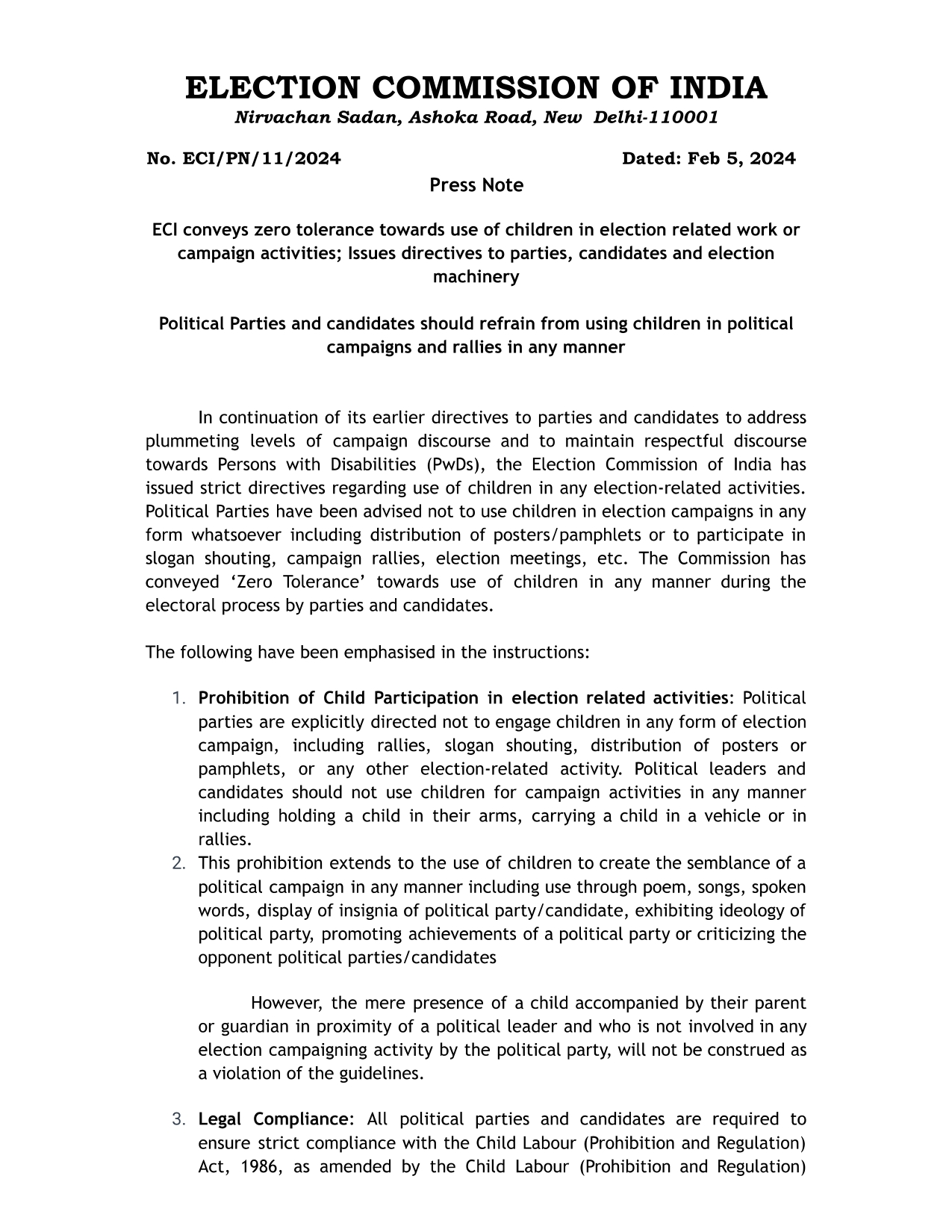
On 5 February 2024, the Election Commission of India issued a press note making it clear that it maintains a zero-tolerance policy towards the use of children in election-related work or campaign activities. The Commission directed political parties, candidates, and election officials to refrain from involving children in any aspect of political campaigns or rallies.
The guidelines stated, “In continuation of earlier instructions aimed at improving campaign discourse and ensuring respectful treatment of Persons with Disabilities (PwDs), the Election Commission has issued strict directives concerning the use of children in election-related activities. Political parties and candidates are explicitly advised not to involve children in any form of election campaign, including distributing posters or pamphlets, chanting slogans, or participating in rallies and meetings. The Commission has expressed ‘Zero Tolerance’ towards any use of children during the electoral process.”
Key instructions include:
Prohibition of Child Participation: Political parties are prohibited from using children in any election-related activities. This includes, but is not limited to, rallies, distributing posters, chanting slogans, or any other form of involvement. Children should not be used in campaigns in any way, including being held by political leaders or taken in vehicles during rallies.
No Use of Children for Political Campaigning: The guidelines also prohibit using children to give the impression of political campaigning, such as through poems, songs, spoken words, displaying party insignia, promoting the party’s achievements, or criticizing opponents.
However, the Commission clarified that the mere presence of a child with a parent or guardian near a political leader, as long as the child is not involved in campaign activities, does not violate these guidelines.
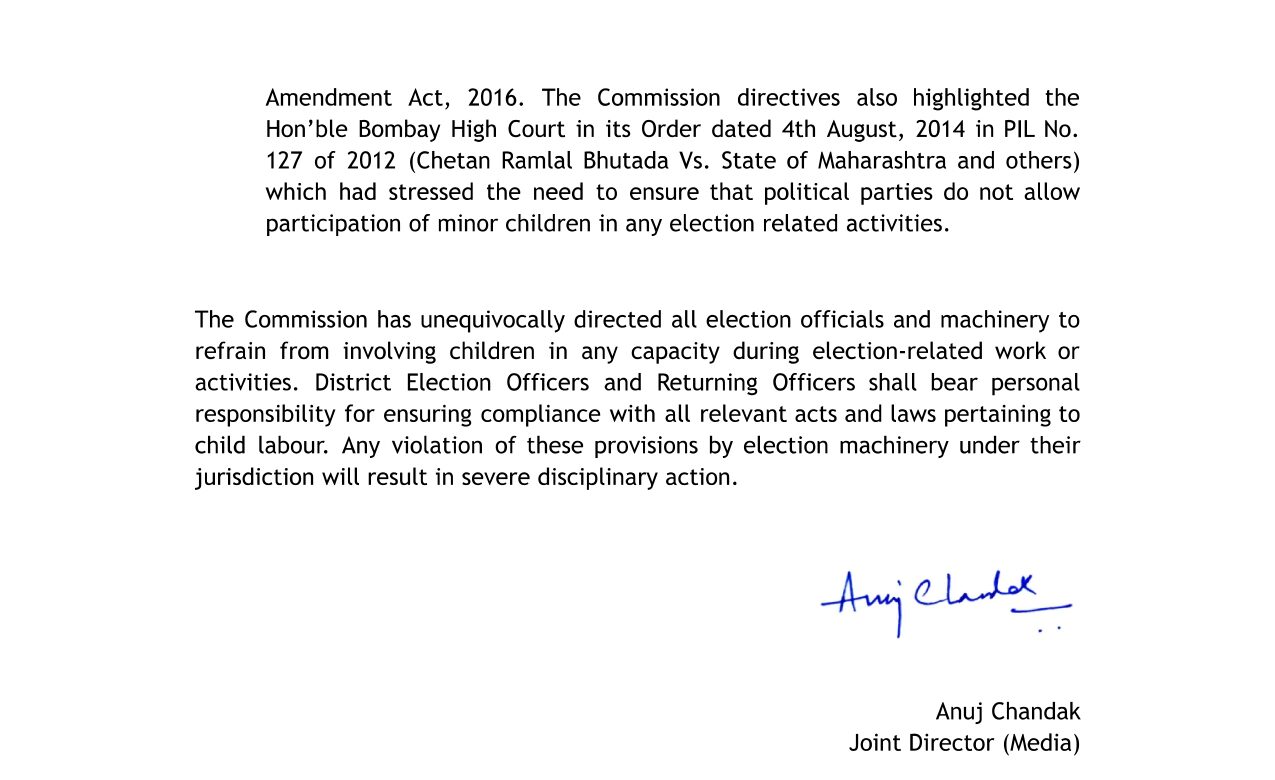
Legal Compliance: All political parties and candidates must ensure strict adherence to the Child Labour (Prohibition and Regulation) Act, 1986, as amended in 2016. The Commission referred to a 2014 Bombay High Court ruling (PIL No. 127 of 2012) that stressed the importance of ensuring that political parties refrain from involving minor children in any election activities.
Election officials, including District Election Officers and Returning Officers, are personally responsible for ensuring compliance with these directives. Any violations by election machinery will lead to severe disciplinary action.
The TVK’s decision has sparked online ridicule, with many netizens mocking the move. Here are some of the reactions
தவெக குழந்தைகள் அணி | சட்டம் என்ன சொல்கிறது? Video link : https://t.co/Zoukbqpqyn உலக அரசியல் கட்சிகள் வரலாற்றில் முதன்முறையாக குழந்தைகள் அணியை அறிவித்திருக்கிறது தவெக. அரசியல் பணிகளில் குழந்தைகளை ஈடுபடுத்தினால், அதுவும் குழந்தைத் தொழிலாளர் சட்டத்தின் கீழ் தண்டனைக்குரிய… pic.twitter.com/EYE44kloCp