
Home Blog Page 651

Oppari & Gaana Songs, Part Of Music Academy’s Academic Sessions In Dec 2024 Under Woke TM Krishna Who Glorified EVR
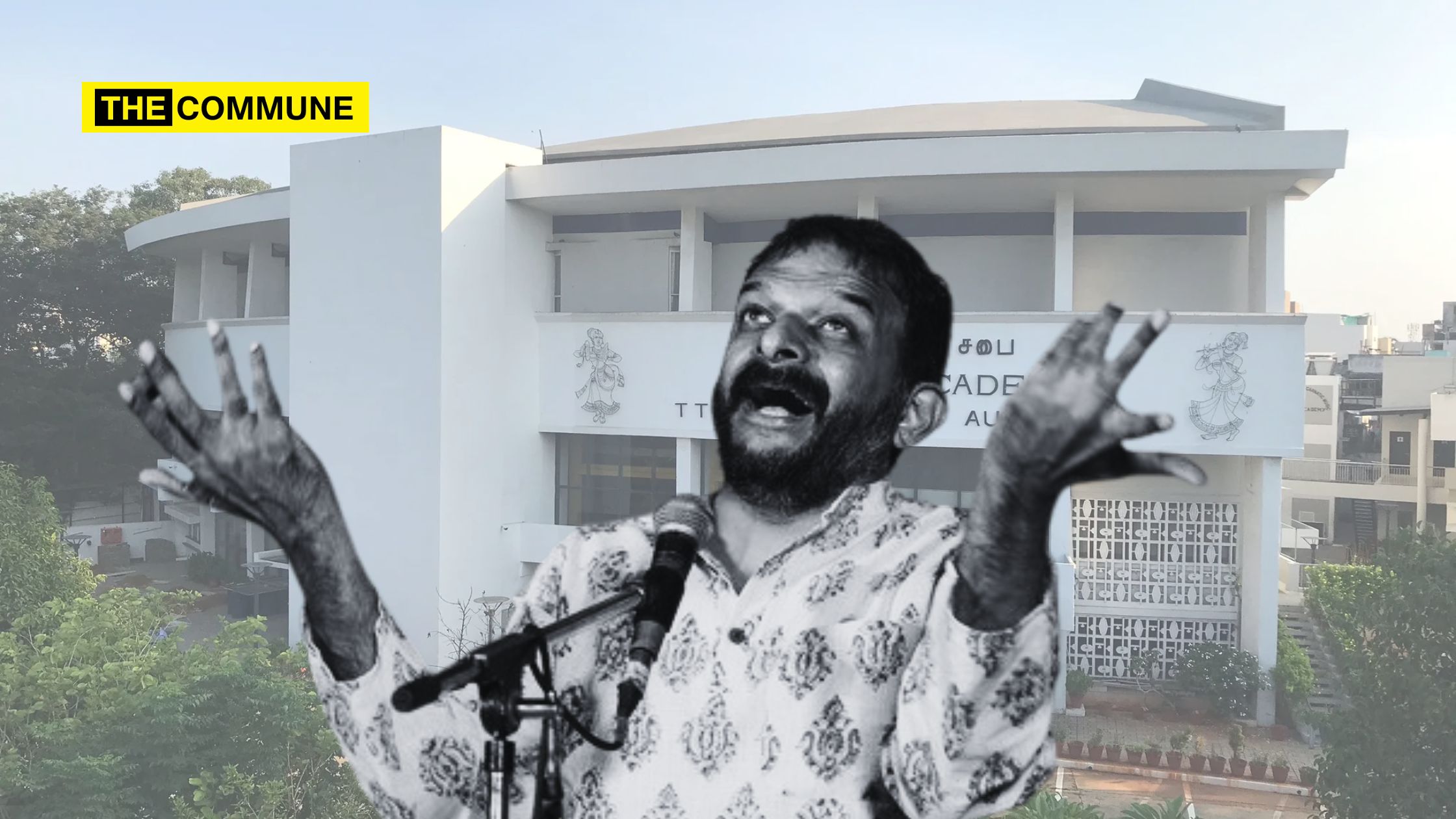
Carnatic Music Should Include Ambedkar, Periyar Alongside Thyagaraja And Dikshitar, Says Woke Virtue-Signalling Leftist Musician TM Krishna Who Sang Dravidianist Author Perumal Murugan's Poem At Music Academy

The Music Academy Chennai has scheduled its Academic Sessions from 16 December 2024 to 1 January 2025, with the theme “Aesthetics and Synaesthetics: Reflections on Raga in Indian Art.” The sessions are presided over by T.M. Krishna and feature a diverse array of lectures and demonstrations (lecdems) on various aspects of Indian classical music, particularly Carnatic music.

Among the numerous sessions, there are a few presentations in Tamil that stand out:
On December 18, 2024, Dr R Ramanathan will present a lecdem titled “இழப்பின் வலியும் வலியின் இழப்பும்‌ – ஒப்பாரிப் பாடல்களை முன்வைத்து” (The pain of loss and the loss of pain – Presenting lament songs). This session likely explores the emotional depth and cultural significance of Tamil lament songs, examining their role in expressing grief and loss in Tamil society. An oppari is a traditional South Indian mourning song or lament that’s sung at funerals and other death ceremonies. It is not sung during festivals, especially during a music festival in the sacred month of Margazhi. It is not clear what TMK wants to achieve by bringing such a genre for discussion at a classical Carnatic music academic session.

On 29 December 2024, Dr M Elumalai will deliver a presentation on “கானா பாடல்கள் : விளிம்புநிலை மக்களின் பண்பாட்டு அடையாளம்” (Gaana songs: Cultural identity of marginalized people). This session focuses on Gaana songs and their ‘importance in representing the cultural identity of marginalized communities in Tamil Nadu.

Another session on 30 December 2024 titled “Sarva Samarasa Kirtanaigalum Sanmargak Kirtanaigalum” by a “Vidushi Sr Margaret Bastin” is said to be on appropriated Christian music by a poet from the 1800s called Samuel Vedanayagam Pillai. Is this the mainstream start of the Christianisation of Carnatic music at the Academy?

TM Krishna, known for his left-leaning tendencies and support for Dravidianist ideologies, has once again tried to create chaos in the world of Carnatic music. The Music Academy primarily focuses on classical Carnatic music. With TM Krishna now being the Sangita Kalanidhi designate, he is already seen meddling with the state of affairs at the Academy.

Earlier this year, when his Sangita Kalanidhi award was announced, several music artists called out the Academy for their hypocrisy in honouring an artist who belittled Lord Rama by singing about EV Ramasamy Naicker also hailed as Periyar in TN and who also garlanded Lord Rama with a slipper garland. Several of them even returned their awards to the Academy.

To rehash our readers’ memory about TMK, here is a short bio:

TM Krishna is a Carnatic musician known more for his activism than his music. He comes from a wealthy and influential family background and received training from renowned Carnatic music teachers. He frequently courts controversy through his opinions on various social and political issues, often criticizing traditional practices and institutions.

He has taken anti-national stances on topics such as terrorism, advocating for human rights even for convicted terrorists. Krishna is associated with organizations that are anti-India and anti-Hindu, including those funded by George Soros.

Krishna has been critical of Hindu nationalist organizations like the RSS and BJP, often holding them responsible for social issues and conflicts in India. He has also several times questioned traditional Hindu practices and beliefs.

In his musical career, Krishna has pushed boundaries by incorporating Christian hymns into Carnatic music and expressing intentions to focus on non-Hindu religious themes in his compositions.

He has written critically about revered figures in Carnatic music, such as MS Subbulakshmi, often framing his critiques through a leftist-Dravidianist lens. Krishna has also made controversial statements about Hindu deities and religious events.

The singer also makes a case for caste-based social privilege being the root of all social evils in Tamil Nadu. But the nuances and layers of privilege are lost upon the obviously privileged self-acclaimed activist.

He performed classical music in venues like mosques, churches, and fishing villages, breaking traditional boundaries. Most often, he is seen wearing a lungi and skull cap in such scenarios. Krishna conceptualized the Urur-Olcott Kuppam Vizha, a festival in a Chennai fishing village.

He also sang the poetry of Perumal Murugan and invoked EV Ramasamy Naicker.

A few years ago, DMK MP Kanimozhi was seen participating in an event at Music Academy where “gaana” songs were sung. These gaana songs, while they may represent a community’s culture, are also filled with filthy and vulgar meanings for the most part. With TMK now at the helm, it will not be surprising for classical Carnatic music to take a backseat and such deviations to take centre stage.

Subscribe to our channels on TelegramWhatsApp, and Instagram and get the best stories of the day delivered to you personally.
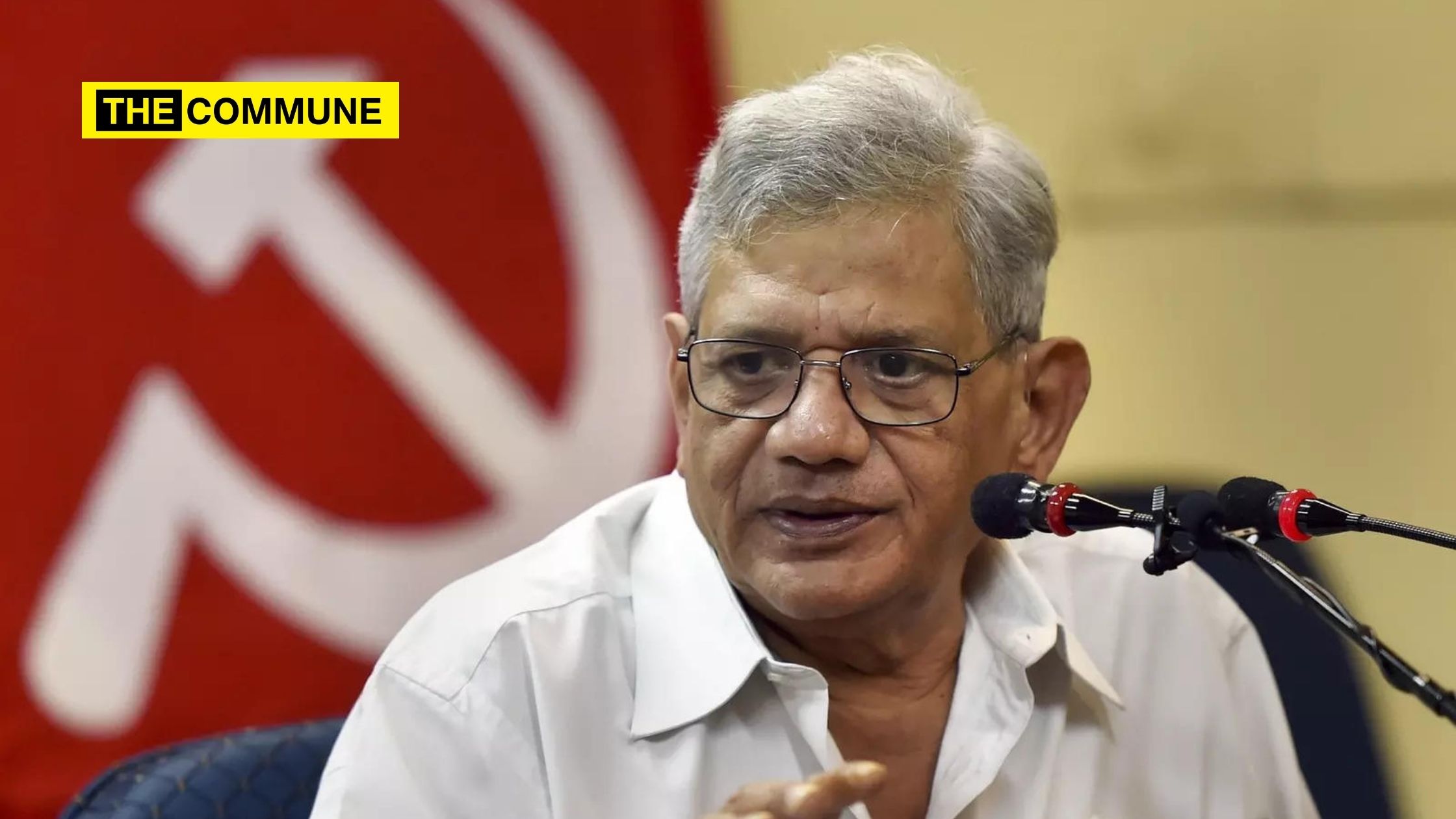
CPI-M General Secretary Sitaram Yechury Who Called Hindus As “Violent” And Simped For China Is Dead

CPI(M) general secretary and former Rajya Sabha MP, Sitaram Yechury, passed away on Thursday at the age of 72 following a prolonged illness. He had been receiving treatment for an acute respiratory tract infection in the intensive care unit of AIIMS, Delhi, and had been on respiratory support for several days under the care of a multidisciplinary team of doctors.

Yechury succeeded Prakash Karat as CPI(M) general secretary in 2015. He was mentored by the late party leader Harkishan Singh Surjeet, who played significant roles during the coalition governments of V P Singh’s National Front and the 1996-97 United Front, both of which had external support from the CPI(M).

Yechury began his political journey by joining the Students’ Federation of India (SFI) in 1974 and became a party member in 1975. He was arrested during the Emergency, just months after joining the CPI(M).

Yechury further gained political clout during the Left’s backing of the first UPA government, often exerting influence on the Congress-led administration’s policy decisions. He was also instrumental in the discussions with the government over the Indo-US nuclear deal, which ultimately led to the Left withdrawing support from UPA-I due to Karat’s strong opposition.

He and his party are well known for towing the Chinese Communist Party line. He himself is an open admirer of China and its dictatorship goverment. He had defended the persecution of Uyghur Muslims in China and

Sitaram Yechury in his political career did the usual secular politics that involved anti-Hindu and anti-India politics.

Earlier this year, Sitaram Yechury declined an invitation to attend the consecration ceremony at the Ram Mandir in Ayodhya, dismissing the event as being state-sponsored.

In 2019, Yechury stirred controversy when he remarked that both the Ramayana and Mahabharata are filled with violent episodes, challenging the notion that Hindus are inherently non-violent.

At an event, Yechury said, “The Ramayana and Mahabharata depict numerous acts of violence and war. How can someone who recites these epics as a pracharak still claim that Hindus are incapable of violence? What justifies saying one religion resorts to violence while Hindus do not?”

Yechury had also defended Xi Jinping’s handling of the COVID-19 pandemic, saying, “China’s exemplary response in controlling the pandemic, reopening society and its economy, and resuming growth highlights the superiority of socialism over capitalism.”

He also praised China’s efforts in reducing inequality and corruption, claiming that the country is on track to meet its centennial goal of becoming a “modern socialist nation” by 2049.

The CPI-M under his leadership praised China’s vaccination efforts while overlooking India’s stupendous achievement of administering over 1 crore doses.

(With inputs from OpIndia)

Subscribe to our TelegramWhatsApp, and Instagram channels and get the best stories of the day delivered to you personally.
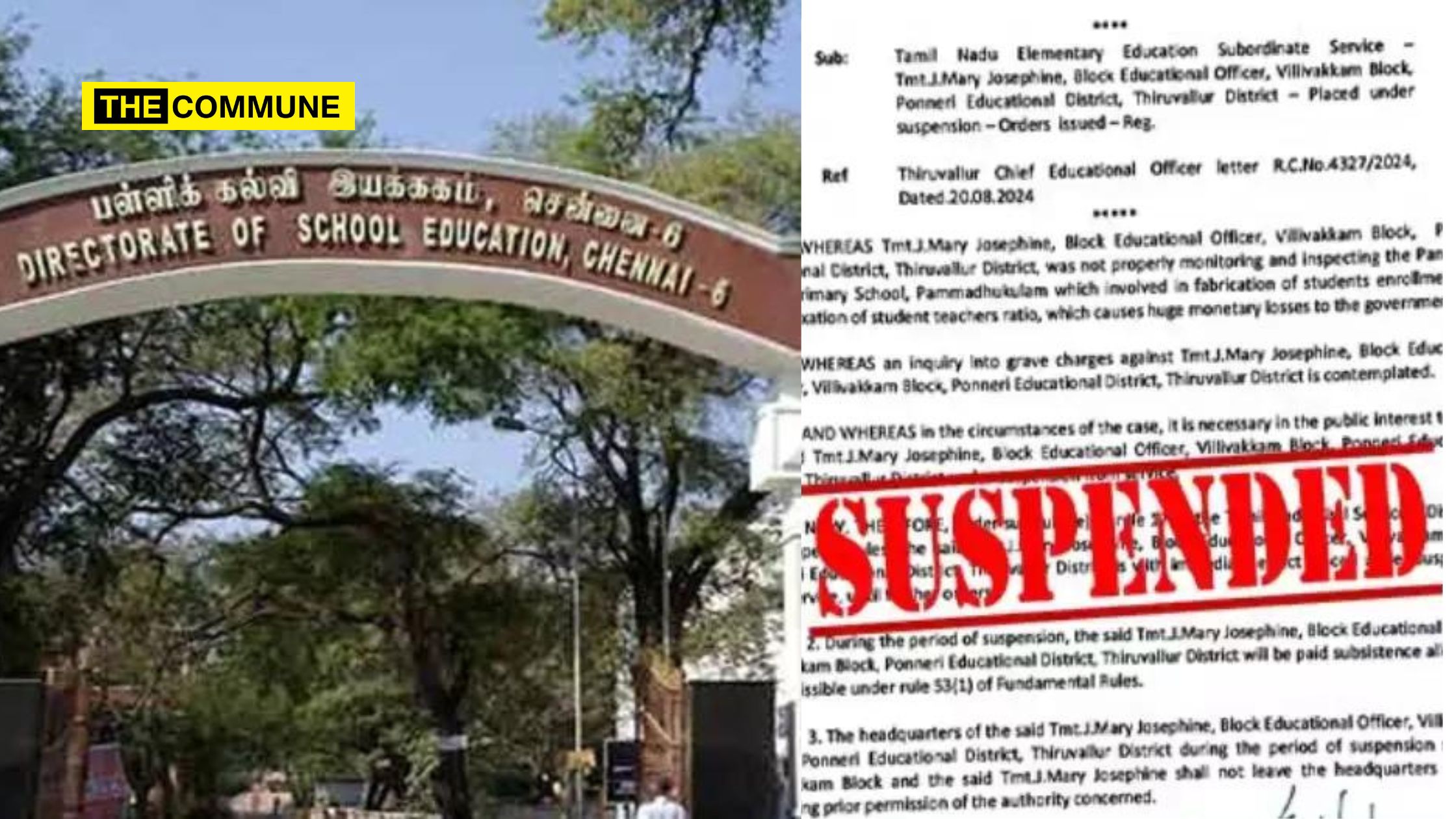
Chennai Govt School Headmistress And Block Educational Officer Suspended For Falsifying Enrollment Data

Chennai Govt School Headmistress And Block Educational Officer Suspended For Falsifying Enrollment Data

The Director of Elementary Education has suspended a block educational officer and a primary school headmistress near Chennai due to falsifying enrollment data. During a routine inspection, it was discovered that the Panchayat Union Primary School in Pammadhukulam, located in the Villivakkam block of Tiruvallur district, reported having 566 students on the EMIS portal, but the actual number was only 219.

According to officials, the school claimed to have enrolled 566 students, with 432 attending classes, but the inspection revealed that only 219 students were enrolled. The inflated enrollment data figures were allegedly used to justify maintaining more teachers. The school currently employs 16 teachers, whereas it should only require eight based on the actual student count.

The Times of India reports that the school received welfare materials for non-existent students over the past two years. An official order issued by the Director of Elementary Education, P.A. Naresh, stated that S. Latha, the headmistress of Panchayat Union Primary School, was involved in falsifying enrollment numbers and manipulating the student-teacher ratio, leading to significant financial losses for the government.

J. Mary Josephine, the block educational officer for Villivakkam block, was suspended for failing to monitor and inspect the school properly. An inquiry into the actions of Latha and Mary Josephine is initiated, and both have been suspended pending further orders. They have been instructed not to leave their headquarters without prior approval.  The two suspended staff members face charges under sub-rule (e) of rule 17 of the TN Civil Services (Discipline and Appeal) Rules.

(With Inputs From TOI)

Subscribe to our TelegramWhatsApp, and Instagram channels and get the best stories of the day delivered to you personally.

Pastor Arrested In Krishnagiri Fake NCC Camp Case Involving Sexual Assault Of Minor Girls

Pastor Arrested In Krishnagiri Fake NCC Camp Case Involving Sexual Assault Of Minor Girls

Daniel Arulraj, a gym instructor and preacher, was arrested by officials probing the sexual assault of minors at a fake NCC camp in private schools in Krishnagiri.  Daniel was a close associate of the main accused, Sivaraman.

TOI reported that an official source identified the arrested person as Daniel Arulraj, aged 38, from Kaveripattinam. “He closely worked with the late A Siva alias Sivaraman, who conducted fake NCC camps at private schools in the district and molested a few girls when he visited the camps. With his arrest, the number of people held in the case has increased to 17,” the source told TOI.

Daniel Arulraj has been apprehended for his role as an accomplice in Sivaraman’s criminal activities. The arrested include the female principal of the private school, the district NCC coordinator, and a former Naam Tamizhar Katchi (NTK) party administrator.

It is also notable that Sivaraman, the NTK administrator and prime suspect, reportedly attempted suicide and succumbed to his injuries in the hospital due to a lack of proper treatment.

Background

A fake National Cadet Corps (NCC) camp at a private school near Bargur led to a disturbing scandal involving the sexual assault of 13 minor girls. The fraudulent camp, held from 5 August to 9 August 2024, was organized by individuals without official affiliation to the NCC and hosted 41 students, including 17 girls.

The scandal was uncovered when a 13-year-old girl reported being sexually assaulted by Sivaraman, a trainer at the camp and the district youth wing secretary of the Naam Tamizhar Katchi (NTK) political party. Despite threats from school authorities, the victim bravely contacted the police, triggering an investigation.

During the camp, which lacked proper supervision, girls were housed on the first floor of the school auditorium while boys were kept on the ground floor. On the night of 8 August 2024, Sivaraman allegedly lured the girl out of her accommodation and assaulted her. Further investigations revealed that Sivaraman was also implicated in the harassment of 13 other girls during the camp.

At the time of the incident’s revelation, eleven individuals, including the camp organizer, the school principal, two teachers, and a correspondent, had been arrested in connection with the case. Additionally, Daniel Arulraj, a gym master and pastor linked to Sivaraman, was arrested as Sivaraman’s accomplice. 

It has been revealed that the school management, including the principal and two teachers, were aware of the assaults but chose to suppress the information rather than report it. Students were reportedly instructed to disregard the incidents, exacerbating the situation.

Suo Motu Cognizance By NCW

On 21 August 2024, the National Commission for Women (NCW) took suo motu cognizance of the case. The NCW directed the Director General of Police (DGP) in Chennai to conduct a thorough and prompt investigation. The commission has requested a detailed report from the police and the state government. 

(With inputs from Puthiya Thalaimurai)

Subscribe to our TelegramWhatsApp, and Instagram channels and get the best stories of the day delivered to you personally.
GCCs Projected To Create Up To 28 Lakh Jobs In India By 2030

GCCs Projected To Create Up To 28 Lakh Jobs In India By 2030

Touted as the ‘GCC Capital of the World,’ India has the largest base of 17 per cent of global technology capability centres, currently employing over 1.9 million (19 lakh) people, according to a new report.

By 2030, the GCC market in India is estimated to grow to $99-105 billion, with the number of GCCs reaching 2,100-2,200 and headcount rising to 2.5-2.8 million (25 lakh-28 lakh).

Over the past five years, Global Roles in India have expanded significantly, with more than 6,500 such positions now established.

Interestingly, this includes more than 1,100 women leaders holding global roles.

According to the latest Nasscom-Zinnov report, nearly a quarter of global engineering roles are now based in India, with industries like aerospace, defence, and semiconductor focusing on next-generation technologies.

Additionally, semiconductor firms and tech multinationals increasingly establish product teams in India to foster innovation. In the last five years, more than 400 new GCCs and 1,100 new centres have been established in the country, bringing the total number of GCCs to over 1,700. GCCs in India generated $64.6 billion in export revenue in FY24, and the average GCC talent expanded by 24 per cent since FY19 and is estimated at 1130+ employees in FY24.

Over 90 per cent of the GCCs operate as multi-functional centres, supporting technology, operations, and product engineering. According to Sindhu Gangadharan, Chairperson of Nasscom, GCCs have rapidly evolved from operational hubs to true engines of innovation and strategic growth.

India’s GCCs are also driving high-value charters, where we are witnessing a shift towards portfolio and transformation hubs, with increasing product ownership from India, added Pari Natarajan, CEO of Zinnov. While large enterprises drove the initial GCC growth, more mid-market enterprises and unicorns are also setting up GCCs in India.

The report mentioned that around 40 global unicorns have an India GCC presence as of 2024. More than 220 GCC units are located in emerging locations, and Ahmedabad, Kochi, Thiruvananthapuram, and Coimbatore are leading the pack.

— IANS

Subscribe to our TelegramWhatsApp, and Instagram channels and get the best stories of the day delivered to you personally.

Pradhan Mantri Surya Ghar Yojana Transforming Lives In Gujarat

India Projected To See 5-Times Surge In Green Investments At ₹31 Lakh Crore Till 2030

Ever dreamt of slashing electricity bills and getting free power from the sun? The PM Surya Ghar – Muft Bijli Yojana has turned this dream a reality!

One such beneficiary of this scheme launched by PM Narendra Modi’s government is the residents of Samarth Nagar located in Gujarat’s Gandhinagar.

The solar panels installed under this scheme have freed the residents of this area from the hassle of electricity bills.

These families who once used to pay electricity bills to the tune of ₹10,000 to ₹13,000 every month now only have to pay up to ₹800 to ₹900 per month.

Launched by the central government, this ambitious scheme aims to provide free solar power to millions of homes across India.

A resident of Samarth Nagar, Gunjan Badrakiya, said that he has installed solar panels at his house, which have significantly reduced his electricity bill.

“Earlier, I used to pay an electricity bill of ₹12,000 to ₹13,000 per month, but now I have to pay only ₹800 to ₹900 per month. This change has come after installing solar panels barely six months ago, from which we are getting a lot of benefits.”

He also added that most people in his area are installing solar panels, which is a positive change for the environment and people.

The process of getting subsidies for installing solar panels is quite fast, so people do not face any inconvenience.

Another resident Ketul Vinayak said that after the installation of solar panels in his house under the Pradhan Mantri Surya Ghar Yojana, the electricity bill which he pays now has been significantly reduced.

He added that he also uses an air conditioner throughout the day. “Although it took some time to install solar panels, now it is yielding better results,” he said. Earlier, he used to pay an electricity bill up to ₹11,000 to ₹15,000, but now it has reduced considerably.”

Gandhinagar Executive Engineer H.V. Shah said that people are getting benefits under the Pradhan Mantri Surya Ghar Yojana. People are installing solar panels up to 10 kilowatts as per their needs, which means they do not face electricity shortages.

“If a house produces more electricity and consumes less, then the remaining energy is paid into its account. This is an excellent system, and people are getting financial benefits from it,” Shah said.

— IANS

Subscribe to our TelegramWhatsApp, and Instagram channels and get the best stories of the day delivered to you personally.
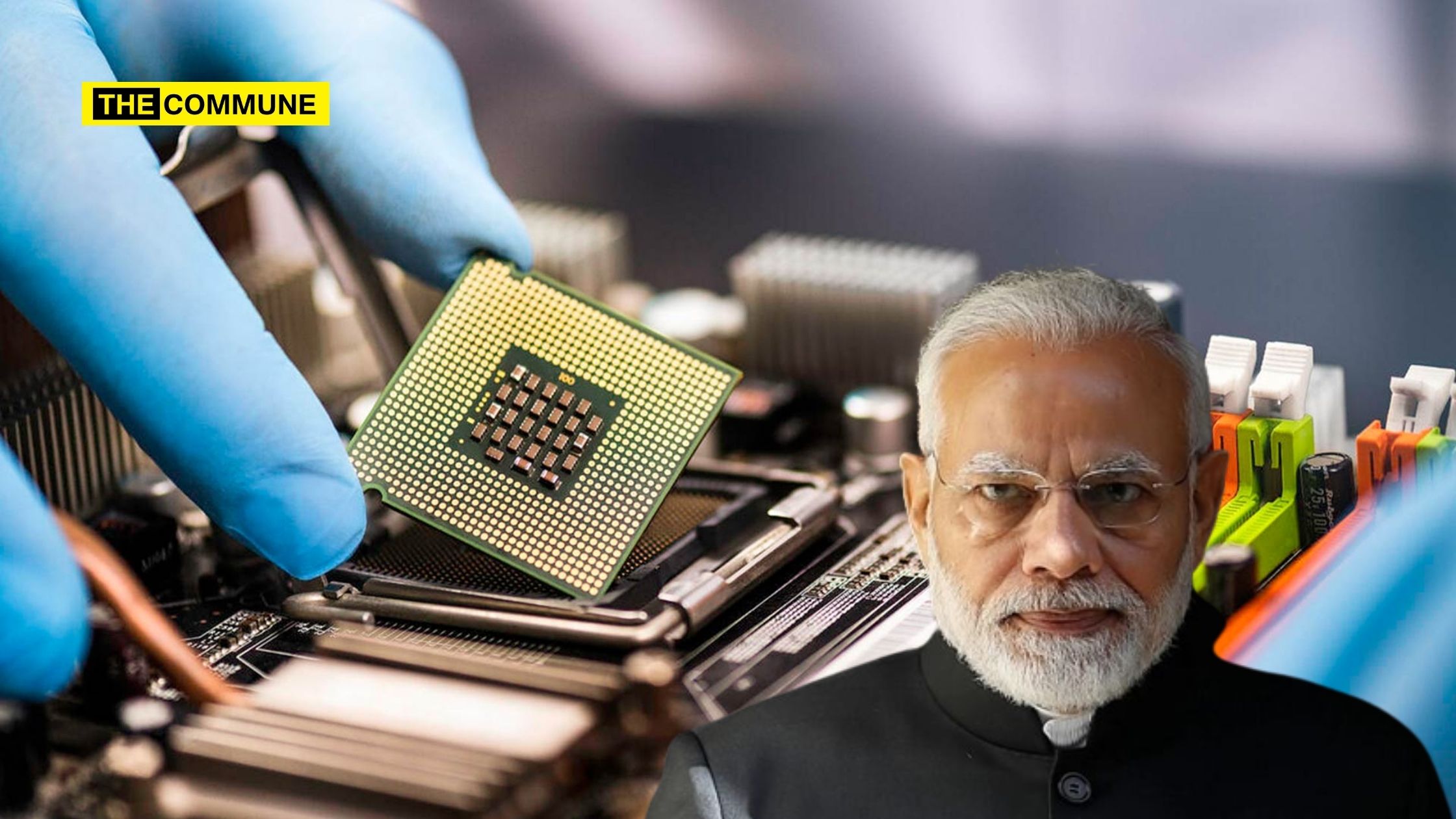
Semiconductor Tech Will Make India World’s Third Largest Economy: Union Minister Jitin Prasada

Minister Jitin Prasada said semiconductor tech will make India the world's third-largest economy with 85,000-strong semiconductor workforce.

Union Minister of State for Commerce and Industry Jitin Prasada on Wednesday credited Prime Minister Narendra Modi for hosting the three-day ‘Semicon India 2024’ at Greater Noida, saying India will soon become the world’s third-largest economy due to its semiconductor technology.

“It is due to the resolve and vision of the Prime Minister that national and international CEOs and cyber experts on semiconductors have come to India. It is a big moment for India that these champions of the industry are visiting the country,” the Union Minister told IANS.

Minister Prasada also said that, with the help of semiconductor technology, India is poised to become the third-largest economy in the world.

“Under the leadership of PM Modi, India is marching ahead. Today’s programme was also a huge success,” the Minister added after the Prime Minister inaugurated the three-day Semicon India 2024 on Wednesday.

Addressing the gathering, PM Modi said this is the right time to invest in semiconductor manufacturing in India. The country provides an integrated ecosystem for global players, ease of business, and a large talent pool.

Speaking to a packed house of key industry stakeholders, PM Modi said, “The chips are never down in India,” and “you can bet on our growth story.”

“Come, invest and create value and we will provide an integrated ecosystem for your growth. India has 20 per cent of the global talent in semiconductor design which is consistently growing. We are building an 85,000-strong semiconductor workforce with technicians, R&D experts and designers,” PM Modi said.

On Tuesday, top semiconductor company CEOs hailed PM Modi’s leadership, saying he has inspired India and the entire world.

– IANS

Subscribe to our TelegramWhatsApp, and Instagram channels and get the best stories of the day delivered to you personally.
“Just Give Me The Bun, I’ll Add The Cream & Jam Myself, Say Customers,” Coimbatore Entrepreneur Appeals Hilariously To Fin Min For GST Reforms

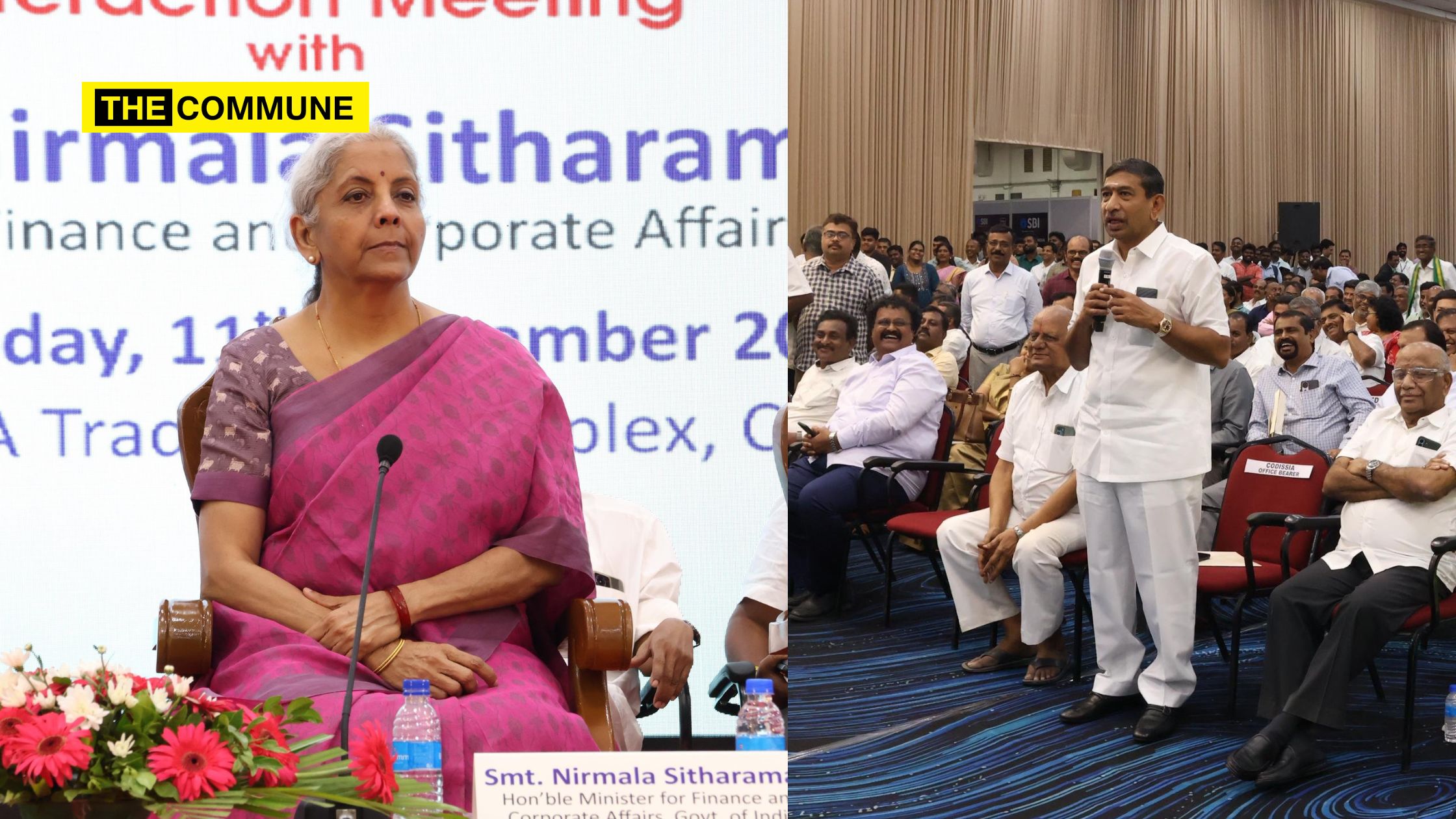
Union Finance Minister Nirmala Sitharaman met with entrepreneurs from various sectors, including small and micro industries, at the Kodisia campus in Coimbatore. The event, organized by Codisia and Lagu Udyog Bharati Industrial Organization, saw participation from business owners across Coimbatore, Tirupur, and Erode districts. Coimbatore South MLA Vanathi Srinivasan also attended the event, which provided a platform for the entrepreneurs to discuss their concerns and raise demands directly with the Finance Minister.

Entrepreneurs Present Demands

During the meeting, several entrepreneurs from diverse sectors voiced grievances regarding GST rates, loan schemes, and other pressing issues affecting their businesses. One of the key demands was from hoteliers, represented by Srinivasan, the chairman of Sri Annapurna Hotel, who highlighted the inconsistencies in GST rates. He pointed out that different rates were applied to items on the same bill, causing customer confusion and dissatisfaction.

There is 5% GST on sweets but 12% on savouries, and 18% on cream-filled buns, whereas there is no GST on buns! Customers often complain, saying,Just give me the bun, I’ll add the cream and jam myself,’ said Srinivasan, leading to laughter from the crowd.

He emphasized the need for a uniform GST rate on food items, particularly in Tamil Nadu, where sweet and savoury items are consumed together.

Taking a dig at BJP MLA Vanathi Srinivasan, he said, “So please increase it uniformly for everything. Secondly, this MLA, madam, is from our constituency. She said in the North of India, they are eating too many sweets, so the GST has been fixed at 5% and 12% for savouries. I said no. In TN, we call it sweet karma coffee (sweets, savouries, and coffee). So please consider it, madam; please make it uniform.”

Srinivasan further criticized the complexity of the GST system, stating, The computer crashes when we try to input different GST percentages in a single bill. Even the GST officials are confused, as all items have the same input but different tax rates. This inconsistency is causing issues for both shopkeepers and customers.”

In response, Union Finance Minister Nirmala Sitharaman acknowledged the entrepreneurs’ concerns, stating that the government was working to simplify the GST system. She assured the attendees that she would bring these concerns to the GST Council, particularly the varying tax rates on food items. Sitharaman highlighted that GST, Customs, Income Tax, MSME, EOB, and Canara Bank officials had come from Delhi to address the grievances of the industrialists.We will take steps to address each petition given, she assured, adding that 1,500 outdated industrial laws have already been removed, and 40,000 complaints have been resolved nationwide.

Plans For Coimbatore

Sitharaman further announced the government’s plans to boost business development in Coimbatore and other parts of Tamil Nadu. She emphasized that Coimbatore is a favourable zone for industrial growth and cited the Atal Innovation Mission and Defense Corridor as key initiatives being implemented in the region. Additionally, she announced that CITBI Bank (Credit Guarantee Trust for Micro and Small Enterprises) would be opening 70 new branches across India in the next three years, with one branch already operational in Coimbatore’s Kurchi area. The bank has disbursed Rs 620 crore in loans to small and micro enterprises in the region, including Rs 491 crore in just one year.

Financial Assistance For Entrepreneurs

Sitharaman also discussed the Mudra scheme, which provides collateral-free loans to micro and small enterprises. She revealed that 49.5 crore people across India have benefited from the scheme, with 5.6 crore beneficiaries in Tamil Nadu alone. Of this, 20 lakh people in Coimbatore have availed loans worth Rs 13,180 crore. She announced plans to increase the loan limit from Rs 10 lakh to Rs 20 lakh under the Mudra scheme, further supporting small businesses.

Industry Bodies Demand GST Reforms

Representatives from the motor pump industry, along with the hotel industry, also called for a reduction in GST rates. They expressed that the current rates are affecting the competitiveness of their products in the market, both domestically and internationally.

Sitharaman praised Coimbatore’s business environment, noting that the city’s industry-friendly policies and infrastructure make it an ideal location for government projects. She cited the Atal Innovation Mission in Coimbatore as a national model. She expressed the government’s commitment to supporting industries through various initiatives, including increased funding for skill development and business innovation.

Subscribe to our TelegramWhatsApp, and Instagram channels and get the best stories of the day delivered to you personally.
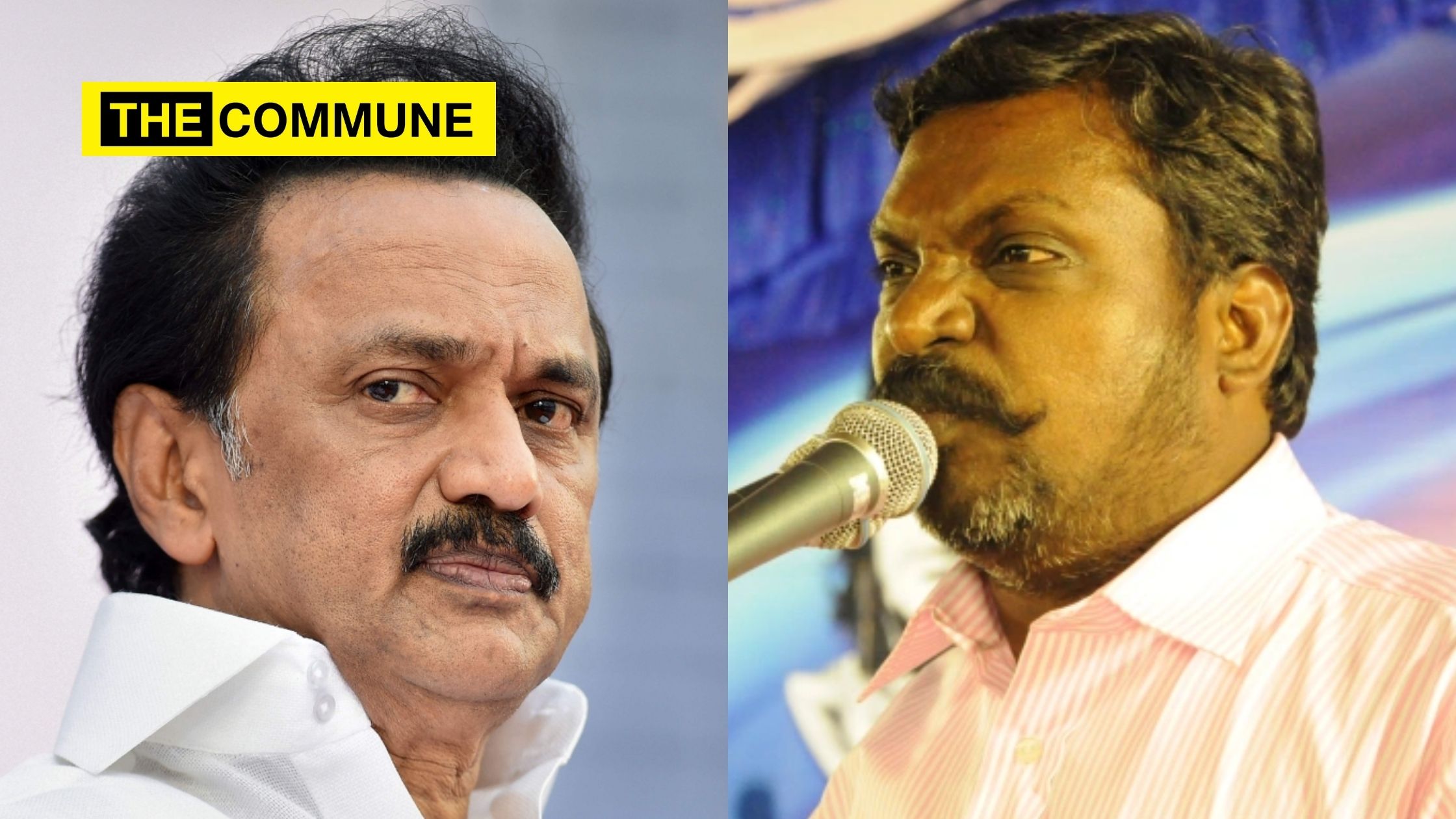
“Alcohol Is Injurious To Health, Yet They Add The Advisory In Small Letters And Sell”, Says VCK Chief Thirumavalavan

"Not Merely Seat Share, We Need Power Share": Thirumavalavan's X Handle Shares Old Speech And Deletes Later, Claims It Was His Admin

The Viduthalai Chiruthaigal Katchi (VCK) has called for an alcohol prohibition conference in Kallakurichi, the site of a recent hooch tragedy that claimed over 60 lives. He invited all political parties that support the prohibition policy, including the AIADMK, to participate in the conference.

Speaking at an event, he said, “Viduthalai Chiruthaigal Katchi is placing an important and principal request to the DMK and all alliance party members – National Policy, ban on alcohol/liquor and eradication of drugs.”

The VCK chief then went on to describe what alcohol is and about TASMAC. He said, “What does alcohol comprise? Beer, wine, whisky, brandy and several trademarks are there. Earlier the government used to sell Kedamark liquor. Now they have named it as TASMAC. Some people call it TASMARK – it is not so. They have made it a TASMAC corporation for alcohol sales. They appointed IAS officers. If anyone sells illicit liquor, they will send police to arrest them and tell them that this (TASMAC) is good liquor, sell this and drink only this. Like Dr Sivaraman who spoke earlier said, alcohol is poison. If tobacco is injurious to a human, then it is important that you alert the people that even alcohol is injurious to health. When you go to cinema theatres, the first thing you see is those advertisements on cancer after consuming/smoking beedis and cigarettes. Alcohol is bad for our homes and our country. That’s all. Liquor is injurious to health. They add this advisory in small letters and sell.”

Speaking on cigarettes and alcohol being causes of cancer, he said, “Smoking cigarettes can be fatal – why – because it causes cancer, but alcohol also causes cancer, that is what Dr Sivaraman said. They distil country liquor differently. They are distilling IMFL – Indian Made Foreign Liquor, the ones you get in shops today. Beer has less alcohol content, wine and spirits have 30-35% alcohol content, and the rest is water, flavouring agents, colouring agents, and preservatives. Alcohol is called Ethanol in chemistry. Ethanol is a type of acid. It will cause ulcers in the stomach. The digestive tract is also affected. Then the central nervous system is affected – the brain and spinal cord are some of the most important parts of the body. The brain controls all the activities we do through the nerves. The brain also controls us to drink alcohol, eat meat and get us addicted.”

Explaining how hooch was made, the VCK chief said, “IMFL is what we get – why do we consume foreign liquor because our Tamil Nadu’s liquor varieties are practically unavailable. What is country liquor – they distill it from tree barks and add things which will give the drinker a high. They add thorn apple to it. It contains alkaloids. Some herbivores die after eating such alkaloids, this is like that. They also add pig bladder to it, not many know about it. They add it because it eats a lot of things. They add battery cells. It is called “ooral” when marinated. Some drink this and they stink. I know the smell because I worked in that department. I worked in the Forensic Science department in Prohobition and Excise for some time. Police would bring this ooral also when they catch people distilling illicit liquor. When they open it, the smell is so pungent. When you distill that further, you get colourless liquor.”

Subscribe to our TelegramWhatsApp, and Instagram channels and get the best stories of the day delivered to you personally.

Seized Document Reveals Hamas’ Heavy Losses In Gaza: Israel

Israel has revealed a document, which it says was written by a senior Hamas commander, detailing severe losses suffered by the militant group during Israel’s offensive in Gaza.

The Israeli military says the letter, attributed to Hamas’ Khan Younis Brigade commander Rafa Salama, claims that about 80 per cent of the group’s fighters have been killed, injured, or fled, Xinhua news agency reported.

The Israeli military’s Intelligence Directorate says Salama, who was killed in an airstrike in July, addressed the letter to Hamas leader Yahya Sinwar and his brother Muhammad, a top Hamas military commander.

Israeli Defense Minister Yoav Gallant said on Wednesday that the document was among the materials seized by Israeli troops in Gaza. According to Gallant, it outlines extensive damage to Hamas, including the destruction of 70 per cent of its weapons, loss of 90-95 per cent of its rockets, and death of half its fighters, with more wounded or having fled.

“They are left with about 20 per cent (of the fighters),” Gallant said, quoting the letter. The document reportedly requests help from the Sinwar brothers, which Gallant said reflects growing distress within Hamas after a monthslong Israeli bombardment.

Israel has been conducting large-scale military operations in Gaza since October 7, 2023, when Hamas attacked southern Israel, killing about 1,200 people. Around 41,000 Palestinians have been killed in the ensuing conflict, according to the health authorities in Gaza.

–IANS

Subscribe to our TelegramWhatsApp, and Instagram channels and get the best stories of the day delivered to you personally.