Home Blog Page 645

How PM Modi Transformed India’s Global Standing
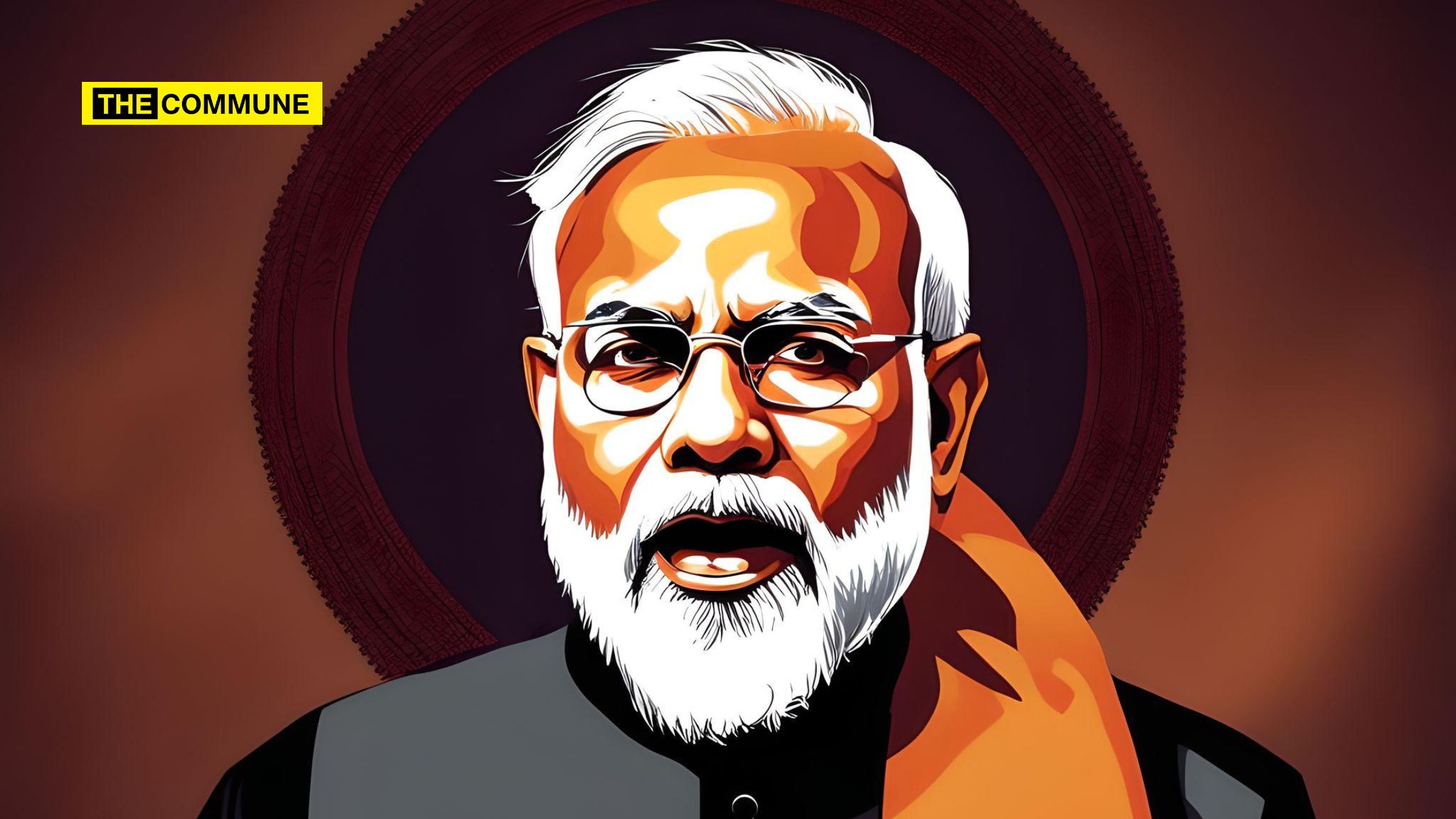
The last decade has marked an extraordinary evolution in trust and cooperation between India and other countries. A relationship that many believed would remain stagnant has flourished in ways few could have anticipated.

When Prime Minister Narendra Modi took office in May 2014, it was widely assumed that foreign policy would be his Achilles’ heel. With limited experience in international relations, sceptics questioned whether he could navigate the complexities of global diplomacy.

Yet, almost ten years later, how has India strengthened its ties with the other nations and become a central player in global discussions? What strategies and shifts transformed these doubts into undeniable progress, and what does this mean for the future of Global relations?

Narendra Modi’s foreign policy became one of his greatest assets a decade into his leadership. This achievement stands out even more when viewed against unprecedented global turbulence.

The world has faced challenges unseen for decades, starting with the COVID-19 pandemic, a once-in-a-century crisis that rattled economies and disrupted lives across the globe.

Just as the world was grappling with this upheaval, two unforeseen conflicts—the Russia-Ukraine war and the Israel-Hamas clash—added to the volatility. China’s increasingly assertive stance has compounded these issues.

China has further tested regional stability from its confrontations in the East China Sea with Japan and Taiwan to its manoeuvres in the South China Sea against ASEAN nations.

India and Bhutan, too, have felt the pressure with tensions over unresolved land borders. Through these sweeping global changes, PM Modi’s foreign policy has not just endured but emerged stronger, steering India with a steady hand through a rapidly shifting geopolitical landscape.

One of PM Modi’s earliest moves in office was to launch the Neighbourhood First Policy, setting the tone for India’s regional diplomacy. His invitation to the Heads of State and Government from all SAARC nations and Mauritius to attend his swearing-in ceremony on May 26, 2014, marked a symbolic yet strategic outreach.

In a similar gesture, when he took office for a second term on May 31, 2019, Modi invited leaders from BIMSTEC, Kyrgyzstan, and Mauritius and reinforced his commitment to strengthening regional ties.

The impact of this policy is clear today. While challenges remain with Pakistan, China, and recently Maldives, India’s relationships with its other neighbours have significantly deepened since 2014.

A notable example is the rekindling of ties with Nepal. PM Modi’s visit to Nepal in August 2014 was the first by an Indian Prime Minister in 17 years, and it set the stage for further engagement.

Since then, the Prime Minister has visited Nepal four more times, including for the SAARC Summit in November 2014, bilateral discussions in 2018, and the BIMSTEC Summit later that year.

His most recent visit to Lumbini in 2022, at the invitation of the Nepalese Prime Minister, underscored the growing bond between the two nations.

A crucial moment in the relationship was the September 2014 Joint Economic Commission meeting—the first in 23 years—which laid the groundwork for enhanced economic cooperation.

These consistent visits and dialogues have strengthened the understanding and partnership between India and Nepal, symbolising the broader success of PM Modi’s Neighbourhood First Policy.

PM Modi’s first visit to Sri Lanka in March 2015 marked a historic moment. It was the first bilateral visit by an Indian Prime Minister in 32 years.

This visit laid the foundation for a stronger partnership, but India’s decisive political and economic support during Sri Lanka’s 2022 economic crisis truly solidified the relationship.

In its time of dire need, India extended a lifeline of US$4.5 billion in cash and resources, showcasing an unwavering commitment to its neighbour and elevating the bilateral ties to new levels of trust and cooperation.

Meanwhile, India’s relationship with Bhutan has always been characterised by mutual warmth and a deep sense of trust. The unique bond between the two countries is built on shared goodwill, regularly reinforced by high-level visits.

The frequent engagements between leaders reflect the strong connection, not just at the political level but among the people of both nations.

Recent visits—Bhutan’s Prime Minister to India in March 2024, followed closely by PM Modi’s visit to Bhutan later that same month—strengthened this enduring friendship further, cementing the already solid foundation of cooperation and mutual respect between the two countries.

One of the most notable achievements of PM Modi’s foreign policy has been the significant strengthening of ties with West Asia and the Middle East.

These countries, once influenced by Pakistan’s religious narrative in their view of India, now see India as a key political, economic, and strategic partner.

This transformation is evident from the recognition PM Modi has received, with nations such as Saudi Arabia, the UAE, Bahrain, Egypt, and Palestine bestowing their highest national honours upon him.

India’s stature in the region has never been higher, marking a profound shift in its engagement with the Middle East.

In a notable shift in regional diplomacy, the UAE invited then External Affairs Minister Sushma Swaraj to address the Organization of Islamic Cooperation (OIC) foreign ministers in 2019 despite Pakistan’s objections. This marked a significant development in India’s relations with the Gulf nations.

More recently, in January 2024, Smriti Irani, the former Minister for Women and Child Development and Minority Affairs, attended the third Haj and Umrah Conference in Madina. This event would have been inconceivable a decade ago. Additionally, no West Asian country opposed India’s decision to abrogate Articles 370 and 35A.

The UAE demonstrated its support by committing Rs 500 crore in foreign direct investment for Jammu and Kashmir, including Rs 250 crore for a significant mall and additional funds for IT towers in Jammu and Srinagar. The success of India’s foreign policy in the region is further highlighted by the Emir of Qatar’s decision to pardon and release eight retired Indian Navy personnel sentenced to death for espionage.

This diplomatic victory in February 2024 underscores India’s growing influence and effective foreign policy in West Asia. India’s Act East Policy has successfully broadened and deepened relationships across various domains, including economic, political, strategic, connectivity, and cultural spheres.

This policy has effectively expanded India’s engagement with ASEAN countries, Japan, Australia, South Korea, Pacific Island nations, and others.

Over the past decade, the relationship between India and the United States has seen remarkable growth and consolidation. PM Modi has navigated interactions with three US Presidents—Obama, Trump, and Biden—each time enhancing the bilateral relationship. This partnership has become one of India’s most pivotal global alliances, encompassing political, strategic, economic, commercial, and technological dimensions.

The two nations collaborate through 60 dialogue platforms covering critical areas such as emerging technologies, renewable energy, connectivity, education, health, agriculture, green hydrogen, defence, semiconductor chips, and more.

In a testament to the strength of this relationship, US President Biden extended a state visit invitation to PM Modi in June 2023. During this visit, the Prime Minister also addressed the US Congress for the second time, having previously spoken before Congress during Obama’s presidency in 2016. PM Modi has been crucial in revitalising the Quad since November 2017 and elevating it to the summit level over the past three years.

Despite recent minor issues—such as allegations related to Gurpatwant Singh Pannun, US State Department comments on Delhi Chief Minister Kejriwal’s arrest, the freezing of Congress accounts, and controversy surrounding India’s CAA law—these are unlikely to disrupt the steadily growing bilateral relationship between India and the US.

It would benefit both nations to avoid such distractions and maintain the focus on their expanding partnership. India has demonstrated its strategic autonomy by resisting Western pressure to criticise Russia over its invasion of Ukraine.

Instead, India has continued to import oil and gas from Russia at concessional rates, ensuring an affordable and reliable energy supply for its population. A crowning achievement of PM Modi’s foreign policy over the past decade is the successful handling of India’s G20 Presidency.

Against the backdrop of conflicting global positions on the Ukraine conflict—between the West and nations like Russia and China—India managed to secure a consensus Leaders’ Declaration on the very first day, an outcome many deemed improbable. This success can be credited mainly to PM Modi’s leadership and his ability to build strong personal relationships with world leaders.

The world united to support a successful G20 Presidency for India, reinforcing India’s role as a voice for the Global South and a trusted global friend. India’s response to the COVID-19 pandemic has garnered international acclaim for effectively handling the health, economic, and social impacts.

The international community has widely recognised and praised India’s ability to implement significant economic reforms and accelerate digitisation even amid the crisis. Beyond its domestic achievements, India distinguished itself by supplying approximately 300 million vaccines to over 100 countries, most of which were provided free of charge. This act underscored the global benefits of India’s development, particularly for other developing nations.

PM Modi and his foreign policy team, led by External Affairs Minister S. Jaishankar, have navigated the numerous challenges of the past decade with notable skill and effectiveness.

Their leadership has solidified India’s reputation as a key player on the global stage, demonstrating that India’s progress and growth benefit not only its own citizens but also the broader international community.

Under PM Modi’s leadership, India has skillfully navigated a complex and rapidly shifting geopolitical landscape, demonstrating remarkable diplomatic flexibility and strategic autonomy.

He has built upon the efforts of previous governments by forging alliances with nations that are often on opposing sides of global conflicts, yet he has maintained India’s independent stance.

A prime example of this diplomatic balancing act is India’s active participation in the Quad—a partnership with the United States and its allies—and the Shanghai Cooperation Organization (SCO), which includes China, Russia, and their allies.

What sets PM Modi’s foreign policy apart is his ability to deepen ties with the United States, extract advanced defence technologies and weapons, and continue longstanding defence cooperation with Russia, including joint development projects.

Perhaps one of PM Modi’s greatest successes lies in his ability to develop strong relations with the US while engaging with its global adversaries, a feat few major powers have managed to achieve. He has astutely capitalised on Washington’s concerns about China, securing extraordinary support from the US without compromising India’s independent foreign policy or giving in to external pressures.

This approach has allowed India to remain a pivotal player in global geopolitics, strengthening its role as a bridge between competing global powers while ensuring its strategic interests remain uncompromised. (Author is Professor and Chairman of the Centre for Narendra Modi Studies (CNMS))

–IANS

Subscribe to our TelegramWhatsApp, and Instagram channels and get the day’s best stories delivered to you personally.
BJP TN Slams DMK For Protecting Pastor Over Anti-Hindu Remarks, Cites Inaction And Legal Support Given To Pastor By DMK MP NR Elango

BJP TN Slams DMK For Protecting Pastor Over Anti-Hindu Remarks, Cites Inaction And Legal Support Given To Pastor By DMK MP NR Elango

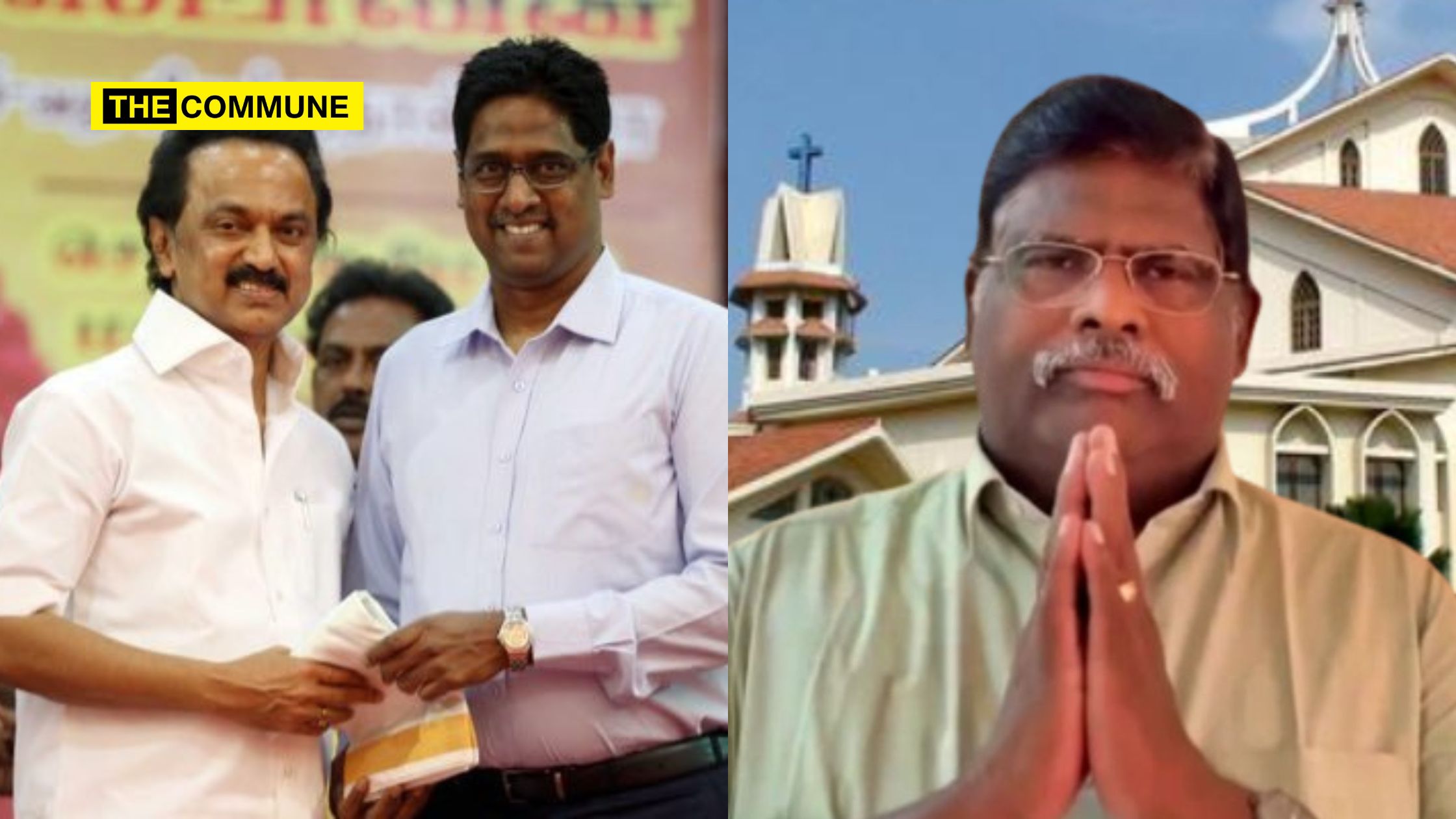
BJP National Secretary Arvind Menon has condemned the ruling DMK government for its failure to arrest and protect the Coimbatore pastor Prince Calvin, who made derogatory remarks about the Hindu faith during a church sermon. The situation has been further complicated by the controversial involvement of DMK Rajya Sabha member and advocate N. R. Elango, who has appeared in court on behalf of the pastor.

Despite the pastor’s remarks being made two months ago, and the DMK’s full engagement in appeasement politics, no arrests have been made. This inaction contrasts sharply to the swift arrests of others in Tamil Nadu for similar statements.

On September 16, 2024, Menon took to his official X account to express his disapproval, stating, “I condemn DMK’s attempts to protect Pastor Prince Calvin who openly made Anti-Hindu remarks. Do the beliefs and sentiments of Hindus in Tamil Nadu amount to nothing, Thiru @mkstalin avargale?”

“Two months have passed since Pastor Prince Calvin from Coimbatore made derogatory remarks against the Hindu faith. Despite widespread outrage and complaints, the @arivalayam Government and @tnpoliceoffl have failed to act, and no arrest has been made! It is further shocking to me, that a prominent lawyer belonging to DMK and its Rajya Sabha MP Thiru NR Elango has appeared in the Court on behalf of the Pastor and has gone on record stating that Prince Calvin has been “falsely implicated in the case”, while his hate-filled comments are open for the whole world to see. I urge the Tamil Nadu police to take decisive action to ensure that Pastor Prince Calvin is arrested immediately and held accountable for his remarks.” , he added.

What Did The Pastor Say?

On 16 June 2024, during the Sunday service at CSI Immanuel Church in Coimbatore, the Presbyter Prince Calvin made extremely derogatory Hinduphobic, especially anti-Brahmin comments. What started as a sermon describing how worship strengthens Christianity, and that worship must become one’s lifestyle, he tactically veered into derogating Sanathana Dharma.

Explaining some verses from the Bible about untouchability, he suddenly started talking about Sanatana Dharma and Hindus. He said, Today it is the 2 descendants who are ruling the world, one is Abraham’s descendants and the other Ishmael’s descendants. Christians and Muslims are the ones ruling the world. Here people talk about Sanatanam and spirituality. They eat dumplings (kozhakattai) and coconut meat (Thenga moodi), and they drink cow urine. What is spirituality in this? They say those who eat beef are lower caste while those who drink cow urine are upper caste. Do they even have brains? One who eats cow dung is upper caste, “crossbelt” (a derogatory reference to one wearing sacred thread janeu/poonool) – the one who eats the cow that gives this cow dung is lower caste.”

He further said, “The only race which eats dung lives here. No other race in the entire world eats dung. Only in India do they eat the dung and drink the urine. We have such a disgusting race in India, and he proudly says that he came from Lord Brahma’s head. If you came from the head, why eat what fell on the ground? The one who comes from the head must stand on his head. We all stand in front of the cow, but these people stand behind it, waiting for it to lift its tail. And they call us savage. They call us uncivilized people and say don’t touch them; they are untouchable. We feel ashamed to touch them. They do such dirty things.”

Towards the end of the sermon, when describing how a character from the Bible verse he was explaining asked for water, he again made Hinduphobic remarks.

He said, Water is a big problem here. Go to the villages and see, you cannot draw water from any well just like that. If you do that, they will chop you into pieces and put you inside the same well. It used to be like that at one point in time. There used to be a well for the village, a well for the slum (Cheri), and one well for every place. You cannot take water from a well that is not yours. You cannot drink any water, as if they discovered water. God gave us water. He gave it to everyone. Nature is for everyone, but these people took it away and created rules. They created water politics. Even today it is occurring.” And then he continues his sermon. He ended the sermon by commenting that Jesus was a very progressive person who never cared about anything and defied all rules (of untouchability and such).

The church frequently streams its prayer meetings on social media platforms such as Facebook and YouTube, where the controversial sermon was live-streamed, attracting significant attention and criticism for its perceived inflammatory content. The sermon, which was seen as inciting discord between Hindu and Christian communities, led to widespread outrage among Hindu groups and prompted a police complaint.

The Race Course police in Coimbatore have filed a case against Presbyter Prince Calvin of CSI Immanuel Church for allegedly making defamatory remarks about another religion during his sermon. The case, registered under Sections 153 A, 295 A, 504, and 505 (ii) of the IPC, was initiated following a complaint by Priyanka, a sub-inspector at Race Course police station. The police argue that specific remarks made during the sermon were sufficiently offensive to incite hostility and communal discord potentially. The controversial video of the sermon has since been set to private on the church’s YouTube channel.

In response to the growing controversy, Pastor Prince Calvin issued a video expressing regret for his statements. He explained, “On Sunday, 16/06/2024, during my 9 o’clock sermon, I addressed issues of superstitions and cultural degradation, mentioning beef and related social views. I have learned that some of my remarks have caused significant distress to members of the Hindu community. I know a case has been filed against me with the police.”

The pastor clarified that his comments were intended to address issues of cultural decline and caste discrimination. He stated, “I want to clarify that I have been in close contact with many Hindus throughout my life, and my friends are predominantly Hindu. My intention was not to offend any religion or its beliefs, but to discuss beef politics and highlight superstitions and caste inequality.”

Pastor Calvin expressed, “I have no intention of causing harm or offence to the Hindu community, and I sincerely apologize for any hurt caused by my words. I deeply regret any distress my remarks may have caused.”

Despite the pastor’s apology and the sermon’s controversy, no arrest has occurred. This contrasts sharply with the swift arrests of a YouTuber for criticizing the government or Hindu activists for speaking about Dravidian ideologue E.V. Ramasamy. The situation is further complicated by the involvement of DMK Rajya Sabha member N. R. Elango, who has defended the pastor in court. This involvement has led to perceptions that the DMK may be tacitly endorsing such derogatory remarks against Hindus and signaling that the party will support them at any cost.

Subscribe to our channels on Telegram and WhatsApp and get the best stories of the day delivered to you personally.

Jana Sena Takes Action Against Choreographer Jani Master After Rape Case

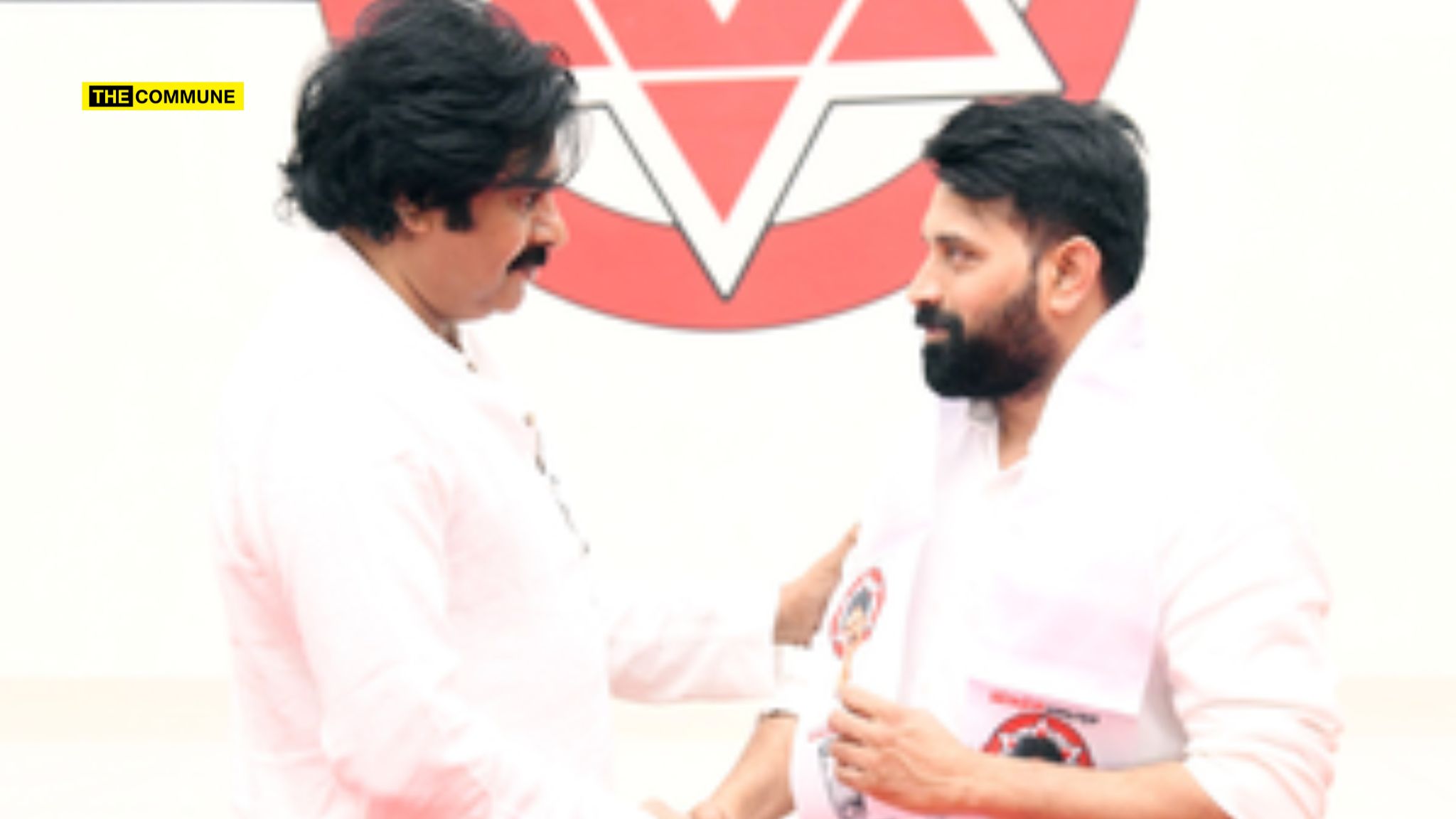
Andhra Pradesh’s ruling coalition partner Jana Sena has decided to keep choreographer Shaik Jani Basha, popularly known as Jani Master, away from party activities, hours after he was booked for sexually assaulting a woman. The Jana Sena, led by Andhra Pradesh Deputy Chief Minister and actor Pawan Kalyan, took the decision on Monday after a case was registered against Jani Master in Hyderabad. V. Ajay Kumar, head, Conflict Management, Jana Sena, said in a statement that the decision will come into effect immediately.

The Raidurgam police of Cyberabad booked a zero FIR against Jani Master on allegations of sexually assaulting a woman, who is also a choreographer. Subsequently, the FIR was transferred to Narsingi Police Station, which registered a case and took up an investigation. Jani Master has been booked for rape and criminal intimidation. The woman, aged 21, alleged in her complaint that Jani Master sexually assaulted her multiple times. She came in contact with the choreographer in 2017 and she became an assistant to him in 2019. The complainant said that Jani Master sexually assaulted her multiple times during their shoots in different cities, including Chennai, Mumbai and Hyderabad. The victim alleged that he sexually assaulted her once when they had gone to Mumbai. He had allegedly that he raped her in a shooting vehicle and threatened her against revealing this to anyone. She also claimed that he assaulted her at her residence in Narsingi several times. The woman also told police that she faced a threat to her life from the choreographer. She said on August 28 she found a suspicious parcel in front of her residence and “this is your last shooting” was written on it. She said the accused had threatened to make sure that she did not get any work opportunities.

In 2019, Jani Master was sentenced to six months in jail by a local court in Medchal in a case relating to a brawl at a college in 2015. He was booked under various sections of the Indian Penal Code (IPC) related to assault on a woman, causing hurt, and criminal intimidation. However, the Medchal court quashed the assault charge and sentenced him to six months under the remaining sections.

In June, Satish, a dancer, had filed a complaint against Jani Master with the Raidurgam police station. Satish accused Jani of harassment, claiming that the choreographer was preventing him from securing work in film shoots. However, the choreographer refuted these allegations. In January this year, Jani Master had joined Jana Sena in the presence of Pawan Kalyan.

–IANS

Subscribe to our TelegramWhatsApp, and Instagram channels and get the best stories of the day delivered instantly.

Stone Pelting On Ganesh Pandal: Hindus Stage Unique Protest By Marching Out Of Rajasthan Villages

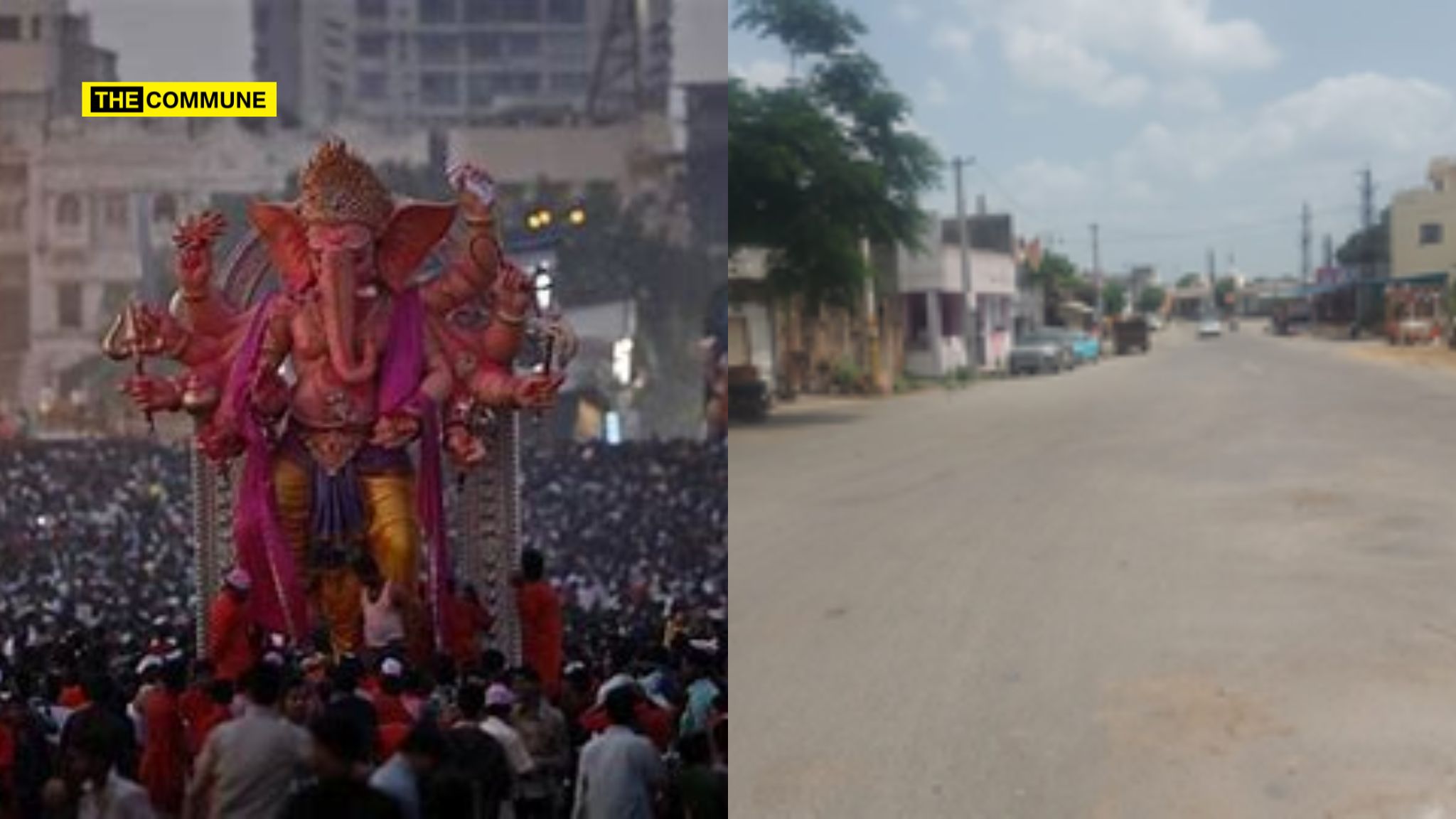
In what could be described as a silent protest against a recent incident of stone pelting on a Ganesh Pandal, people in Bhilwara’s Sanganer town in Rajasthan marched out of their villages after tying black ribbons to their doors. They gathered in a nearby place called Kali Mangri, a Dev Sthan two km from the town. It needs to be mentioned here that a few youths reportedly pelted stones at a Ganesh Pandal two days ago. To express their anger peacefully, people of the Hindu community left their villages as a mark of protest on the day Muslims observed Barawafat.

Hence, the Barawafat procession was removed amid closed markets and silence in Sanganer. The administration did not permit the procession to be removed from where the stone pelting incident had occurred, as there was tension in the area. On Sunday night, people belonging to the Hindu community surrounded the police station, demanding quick action on the matter. As no agreement was reached till late on Sunday night, the Hindu community decided they would not witness the Barawafat procession. So they chose to visit the Kali Mangri Dev Sthan on Monday morning, where they engaged in singing hymns and organized a community feast there.

Former councillor Raju Jangid said, “People of the entire Hindu community have come to Kali Mangri today as a mark of protest, and black cloths have been put up outside the houses as a mark of protest. All the town’s women, children, and senior citizens have become a part of this protest.

The locals have also demanded that a bulldozer should be run on the houses of the accused so that we get justice,” said Shyam Sundar Pareek, a local from Bhilwara. He said, “We don’t want to harm anyone. However, we want justice. We never go to their sites, so why do they visit our pooja sites?

Rajan Dhushyant, SP, Bhilwara, said, “The situation is under control in the district. The procession culminated peacefully, and villagers who protested returned to their homes. We have already arrested three accused in the incident of stone pelting, and further investigations are on.

–IANS

Subscribe to our TelegramWhatsApp, and Instagram channels and get the best stories of the day delivered instantly.

Congress Manifesto Promises Full Statehood For J&K, Silent On Article 370

Congress Manifesto Promises Full Statehood For J&K, Silent On Article 370

On Monday, Congress released its manifesto for the Jammu and Kashmir Assembly elections, promising to restore the Union Territory’s full statehood if elected. However, it remained silent on Article 370.

The manifesto stated that it is the “sacred duty” of the Congress to fight “divisive forces” and for doing that, the party has no problem in cooperating with like-minded political parties. In the manifesto, the party neither supported the abrogation of Article 370 nor backed its restoration. However, it promised to re-establish the Legislative Council, which was abolished after the abrogation of Article 370 and vowed to hold panchayat and urban bodies elections under the 73rd and 74th Constitutional amendments.

The Congress promised to provide inclusive and accountable governance. The party also pledged to restore the 149-year-old practice of six monthly shuttling of top government offices between Srinagar and Jammu cities. The party vowed to give preference to domicile citizens of J&K in government jobs. According to the manifesto, if elected, the party will bring a white paper on corruption and set up Lokayukta within the first 100 days of coming to power.

The Congress further promised to empower MLAs to deliver on the aspirations of those who elect them. “There would be no eviction of poor people and farmers from lands under their continuous occupation,” it said. The party said that it will implement the Public Services Guarantee Act in letter and spirit. Further, the Congress pledged to confer all rights on displaced persons from west Pakistan who came to J&K in 1947, 1965 and 1971. “Will regularise Bastis of displaced persons and refugees,” it said. Under the Mahila Samman Scheme, the Congress promised to provide Rs 3,000 monthly to women heads of households among the Economically Weaker Sections. Besides, the party promised to give an unemployment allowance to qualified youth of up to Rs 3,500 per month for one year.

The party said it will fill 1 lakh vacant government posts and provide a job calendar within the first 30 days to fill them. “We will provide Rs 25 lakh health insurance coverage including treatment, diagnostics and medicines,” it said. “Our manifesto reflects our commitment to a higher vision, that of listening to the inner voice. It is not the ‘Mann ki Baat’ of one individual but the collective voice of crores of people. We have used all possible tools – Website, WhatsApp, Email, online petitions, and meetings with citizens, experts, stakeholders and grassroots activists. The Manifesto Committee of the J&K Pradesh Congress Committee held discussions with a wide variety of people before deciding on our vision,” the party said.

–IANS

Subscribe to our TelegramWhatsApp, and Instagram channels and get the best stories of the day delivered instantly.

Toilet Tally Trouble: DMK Councillors Challenge Coimbatore Corporation’s Facility Count

Toilet Tally Trouble: DMK Councillors Challenge Coimbatore Corporation's Facility Count

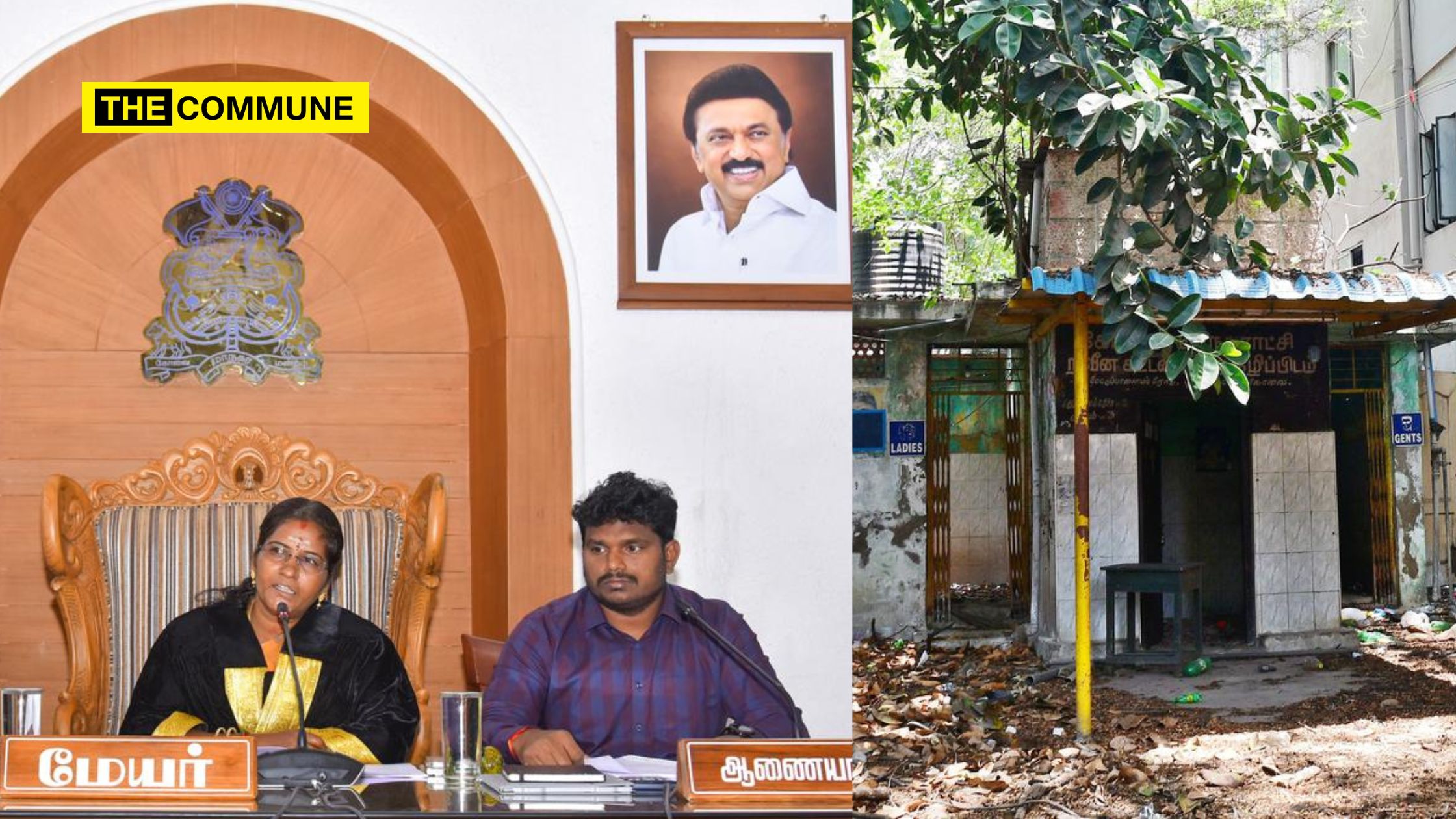
During the Coimbatore Corporation Council meeting held at Victoria Hall, DMK councillors created a stir by opposing the extension of time for contractors responsible for maintaining public and community toilets. These councillors alleged that the number of toilets listed in the resolutions did not match the actual figures, which they claimed were significantly lower in reality, causing a shock to the Corporation.

The meeting addressed several resolutions, including one to transfer the maintenance of nine toilets in wards 86, 87, and 88 under the South Zone. Ahmed Kabir, the DMK councillor for Ward 86, highlighted that only three toilets exist one in each of the three wards while the resolution inaccurately listed nine. He questioned the discrepancy and argued that the resolution should be suspended due to this misinformation. R. Ranganayaki concurred and announced the suspension of Resolution No. 35.

Similarly, a resolution to extend the maintenance contract for toilets in the West Zone faced scrutiny. In Ward 74, the resolution claimed there were nine toilets, but Shankar, the ward’s councillor, clarified that only five were present. Corporation Commissioner Sivaguru Prabhakaran acknowledged the errors and assured that corrections would be made.

Coimbatore MP Rajkumar requested temporary use of part of the Coimbatore Corporation building for parliamentary office work. With no space in the central zonal offices for a private room, permission was sought to use the ‘roster’ building under the stage at 83rd Ward V.O.C. ground, with a proposed rent of 15,080 plus 18 percent service tax.

DMK councillors pushed for a rent-free allocation, while ADMK Councilor Prabhakaran opposed this, noting that the central government funds the MP’s office rent and that waiving it would be a financial loss for the Corporation. Despite the opposition, the resolution was passed.

Additionally, DMK councillor Karthik Selvaraj requested an office allocation, emphasizing that the Pollachi MP constituency includes 30 wards.

(With inputs from Dinamalar)

Subscribe to our TelegramWhatsApp, and Instagram channels and get the best stories of the day delivered instantly.

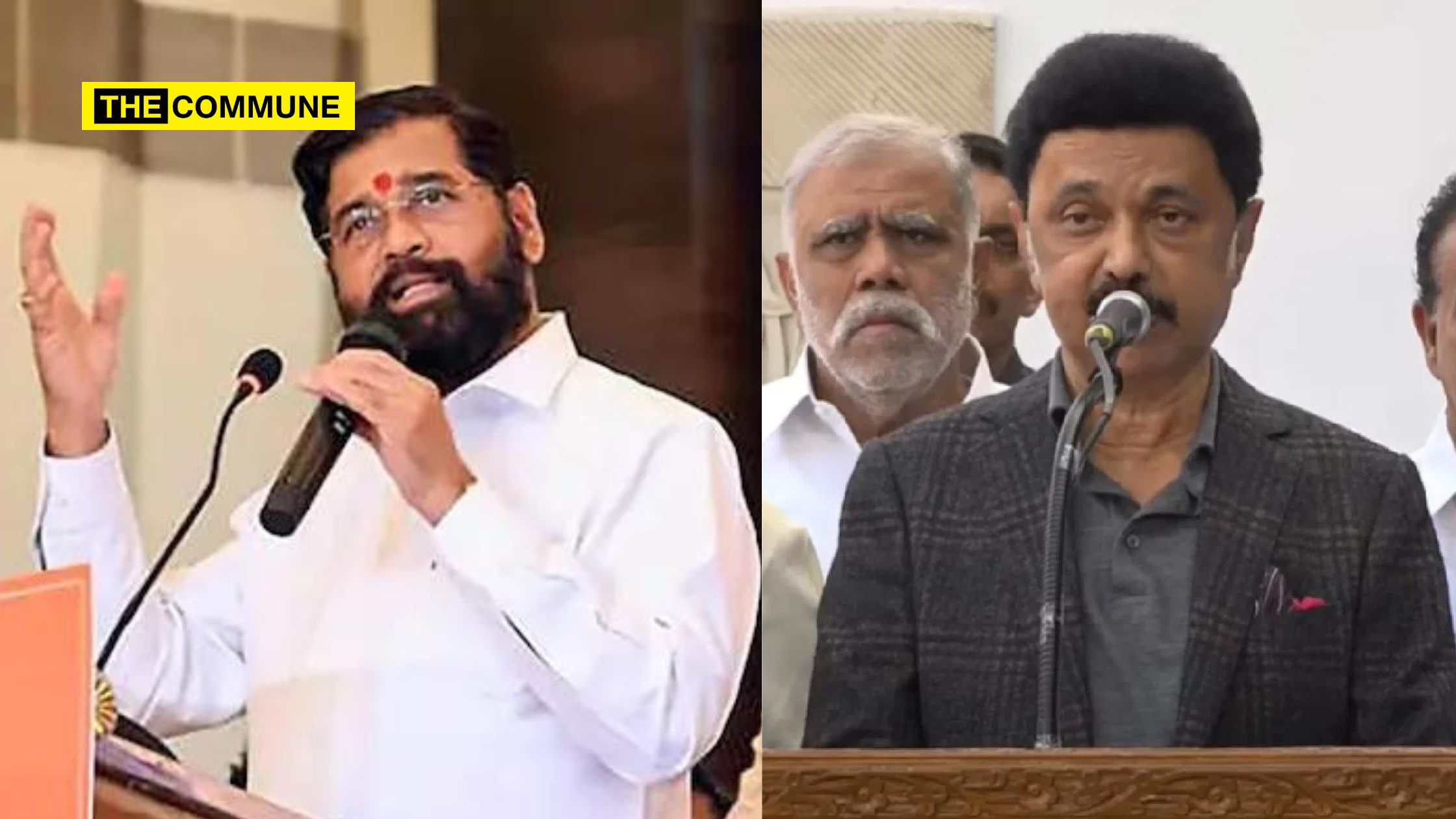
Dravidian Model Vs Indian Model: Stalin Gets ₹7,618 Cr Investment To TN After 14 Day US Tour, MH CM Gets ₹1,20,220 Cr Investments Without Foreign Trips

Dravidian Model Vs Indian Model: Stalin Gets ₹7,618 Cr Investment To TN After 14 Day US Tour, MH CM Gets ₹1,20,220 Cr Investments Without Foreign Trips

While Tamil Nadu Chief Minister M.K. Stalin touts 19 new MoUs worth ₹7,618 crore, promising 11,516 jobs from his recent US tour, Maharashtra is making waves by procuring investments 16 times more worth ₹1,20,220 crore without any international trips. Stalin’s announcement is overshadowed by concerns over investment transparency and accountability, especially given Maharashtra’s recent success in attracting significant projects like Tower Semiconductor’s ₹83,947 crore venture.

Dravidianist Media Celebrating New TN Investments

The Dravidian factions and the ruling DMK’s mouthpieces have been celebrating Tamil Nadu Chief Minister M.K. Stalin’s announcement of 19 Memorandums of Understanding (MoUs) worth ₹7,618 crore, expected to create 11,516 jobs. Stalin made this announcement during a press conference upon his return to Chennai on 14 September 2024 after a 14-day tour of the US.

Chief Minister Stalin said that he engaged with representatives from well-known firms during his trip, including 18 from Fortune 500 companies. As a result of these meetings, 19 Memorandums of Understanding (MoUs) were signed—eight in San Francisco and eleven in Chicago. These agreements are anticipated to create 11,516 jobs and will lead to developments in Tiruchy, Madurai, Coimbatore, Krishnagiri, Chennai, and Kancheepuram.

However, it’s worth noting that the DMK has yet to address the opposition’s calls for a white paper on the disclosures from previous investments attracted by Stalin. Before his recent US visit, Stalin had claimed that disclosing such details was not customary. However, upon his return and after being questioned again about the investments made during his trip, he altered his stance. Stalin asserted that the DMK has been transparent for the past three years and that the figures are already publicly available, but not without a twist here. Stalin pointed out that, based on evidence, less than 10% of the investments promised duringEdappadiK. Palaniswami’s tenure as Chief Minister materialized. He chose not to elaborate further to avoid causing embarrassment.

What is troubling is that while the Dravidian parties blame each other, the state seems to be struggling to attract investments because Maharashtra, which already led in Foreign Direct Investment (FDI) inflows in 2023, has further bolstered its appeal as an investment destination without any ministerial visits to the US.

Maharastra

On 5 September 2024, Maharashtra’s Deputy Chief Minister Devendra Fadnavis announced a major development for the state, revealing that a total of ₹1,20,220 crore in investments had been approved in a Cabinet Sub Committee Meeting with Chief Minister Eknath Shinde. The approved investments include several significant projects that too without sending any delegations to foreign countries. Tower Semiconductor, in collaboration with the Adani Group, will set up operations at Taloja MIDC in Panvel with a total investment of ₹83,947 crore (10 billion USD). This project, which focuses on analog and mixed-signal semiconductor manufacturing, will have a phased approach—₹58,763 crore for Phase 1 and ₹25,184 crore for Phase 2—ultimately reaching a capacity of 80,000 wafers per month and creating over 5,000 jobs. Additionally, Skoda Volkswagen is investing ₹15,000 crore in electric and hybrid cars at Chakan, Pune, generating over 1,000 jobs. Toyota Kirloskar is also making a substantial investment of ₹21,273 crore at AURIC, Chhatrapati Sambhajinagar, to produce hybrid vehicles, plug-in hybrid vehicles, fuel cell electric vehicles, and battery electric vehicles, which will result in more than 8,800 jobs.

To enhance Tamil Nadu’s ability to attract investments, the state government should prioritize greater transparency by releasing a comprehensive white paper on both past and recent investments, which would help address public concerns and build trust. Showcasing successful outcomes from previous projects can also demonstrate tangible benefits and appeal to potential investors.

Subscribe to our TelegramWhatsApp, and Instagram channels and get the best stories of the day delivered instantly.

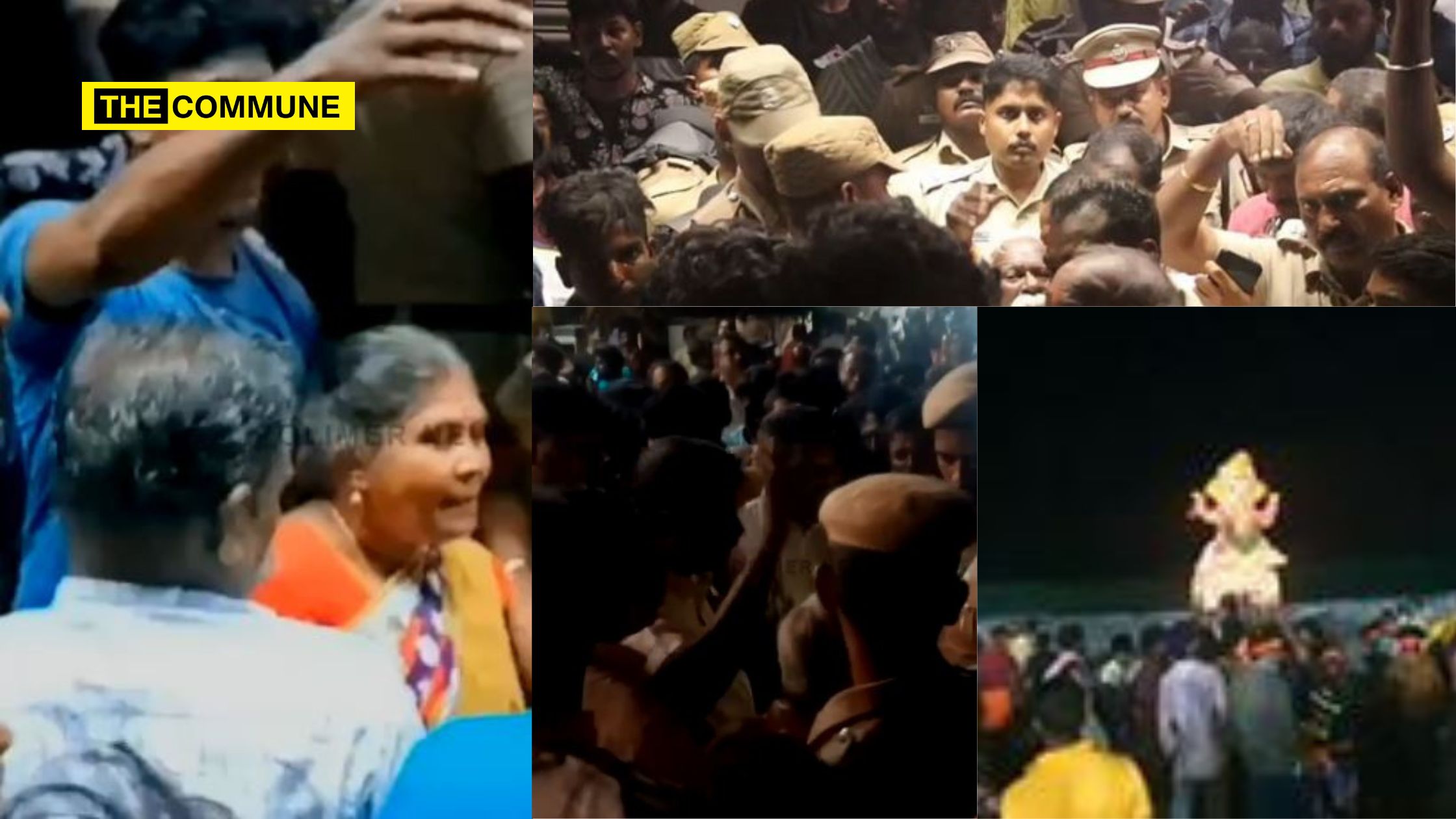
Protest Erupts In Nagercoil After Police Assault Youth During Ganesha Visarjan Procession

On 15 September 2024, a significant protest erupted in Nagercoil, Kanyakumari district, against the police who allegedly attacked youths celebrating with drums and music during the Ganesha Visarjan procession. The incident, which involved injuries to a youth, created considerable unrest.

The Hindu organization had obtained permission to hold a rally with Ganesha idols at Sanguthurai Beach in Nagercoil for the immersion ceremony, symbolizing Ganesha’s return to his celestial abode and bidding farewell until the next year. During the procession, the police reportedly attacked the celebrants, who were dancing and playing music peacefully.

This action was strongly condemned by Hindu organizations and the marchers, who halted the procession to demand an apology from the police involved.

BJP MLA Gandhi and other leaders intervened, engaging in discussions with the police as the demonstration continued for over four hours. The situation was resolved when District SP Sundaravathanam assured that action would be taken against the officers responsible. Subsequently, the procession resumed, and the idols were immersed in the sea at Sanguthurai Beach.

Previously, in V. Kalathur, Perambalur district, the police prevented the consecration of a Lord Ganesha idol, leading to a scuffle between the police and members of Hindu Munnani. The police claimed that the idol was being brought into the village without proper permission and thus blocked its entry. It is important to note that clear court orders allowed Hindus in the locality to celebrate the festival with the deity’s consecration, as is customary across India.

Members of Hindu Munnani were transporting the Ganesha idol in a vehicle when the police stopped them, which led to an argument and subsequent scuffle. According to a High Court order, organizers were required to ensure a peaceful procession. The police imposed a total of 19 conditions, including not offending others’ religious sentiments during the procession, before finally permitting the consecration and worship of the idol.

Subscribe to our TelegramWhatsApp, and Instagram channels and get the best stories of the day delivered instantly.

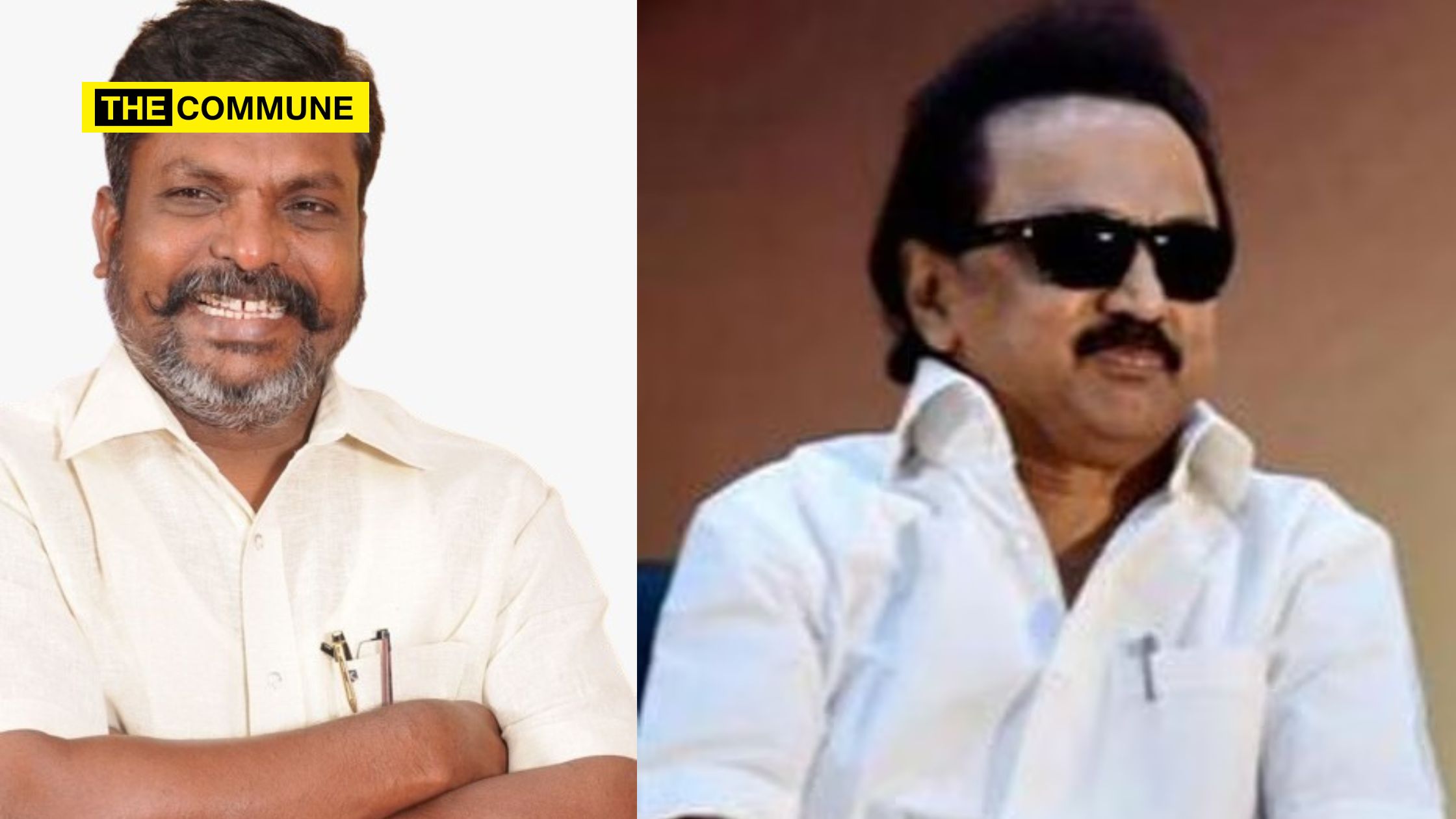
Does Thirumavalavan Have Self-Respect? DMK Govt Removes First Flagpole, VCK Chief Goes To Meet MK Stalin

In a fresh twist to the VCK-DMK alliance, local government authorities in Madurai removed a 62-foot flagpole, a reminder of Thirumavalavan founding Viduthalai Chiruthaigal Katchi (VCK), for road expansion. The VCK leader condemned the move, accusing the district administration of targeting his party. However, the party chief seems to be bending with the wind frequently, coming to the opposition AIADMK for an anti-alcohol protest while holding meetings with CM Stalin to strengthen his position in the ruling party.

VCK Flagpole Removed in Madurai

VCK raised concerns after authorities removed their iconic 62-foot flagpole, erected to replace the original 20-foot post installed by party chief Thol Thirumavalavan when the party was founded. The flagpole, located in Villur, Madurai district, was removed by local authorities, allegedly due to its interference with road extension plans. VCK functionaries quickly clarified that the flag had been relocated further inside the street and that no rules had been violated during its reinstallation.

However, on Friday (13 Friday 2024), police unexpectedly removed the new post. A.C. Pavarasu, a VCK functionary, condemned the move, stating that it was not the first time the district administration had targeted the party’s flag installations despite prior permissions. Thirumavalavan strongly criticized the district administration, particularly Collector M.S. Sangeetha, accusing them of deliberately targeting the VCK and its activities. He declared that the issue had been brought to the government’s and DMK ministers’ attention, and the party was expecting a favourable resolution.

The incident has raised questions about the relationship between the VCK and its larger ally, the DMK, with some wondering about Thirumavalavan’s next steps.

‘Power Sharing’ Statement

The VCK-DMK alliance, which has been united for seven years in its fight against sectarian forces, began with a flourish on 5 September 2017, at theMurasoli Festivalin Kottivakam. However, this partnership is now showing signs of strain. VCK has faced ongoing criticism for not speaking out against the ruling party’s alleged atrocities against SC/ST communities, a situation exacerbated within their alliance.

Recently, tensions have escalated as VCK invited the opposition AIADMK to join their protest for a total ban on alcohol, suggesting a potential future alliance shift. Adding fuel to the fire, Thirumavalavan has posted an old speech calling for seat sharing in the cabinet, further straining the alliance.

On 14 September 2024, Thirumavalavan posted a video on his official X account that quickly went viral. In the video, he stated, You should not speak out against it, should not protest, should not get high in education, should not aspire to hold a high position, and should not demand a share in the administration and power, then continued,  Whether anyone has raised the voice of a coalition government in Tamil Nadu before or not. The party that raised the voice for a coalition government in 2016 is Viduthalai Chiruthaigal Katchi. Cabinet should be shared, not merely seat share but we need power share. I don’t know the history of whether previous organizations have discussed it… Power sharing is different from seat sharing. To ask for a seat in the cabinet is power sharing, and to participate in the coalition isseat sharing’. Some 4 or 5 seats will be allocated in that, too, power comes individually. Power sharing means that I also want to share in the power.”

The party sparked controversy by inviting the opposition AIADMK to join its protest for a total ban on alcohol. Now, their chief Thirumavalavan has stirred the pot further within his DMK-led alliance by sharing a video of an old speech in which he demands seat sharing in the cabinet.

Meeting With Stalin

Thirumavalavan and other VCK leaders met with Chief Minister MK Stalin at the DMK headquarters, Anna Arivalayam, to discuss several vital issues despite this tension. Later, when addressing the press, Thirumavalavan said that one of the main conversation points was the upcoming anti-liquor conference organized by the VCK on 2 October 2024 in Kallakurichi, which is set to advocate for total alcohol prohibition.

He stated that his party was committed to ensuring prohibition and reminded Stalin that both DMK founder C.N. Annadurai and former Chief Minister M. Karunanidhi had supported this cause. He added that he requested the DMK’s involvement in pushing for a national ban on liquor as per Article 47 of the Indian Constitution. Stalin reportedly reassured the VCK leader that DMK representatives would attend the 2 October 2024 conference and confirmed that the state government would consider implementing prohibition in a phased manner.

Despite the flagpole controversy, Thirumavalavan emphasized that there were no rifts between the VCK and the DMK, highlighting that their relationship remained smooth. He stressed that his party’s ideological stance on power-sharing would be addressed closer to the election. Still, he added that the anti-liquor conference should not be linked to electoral politics.

Thirumavalavan responding to the flagpole removal has sparked debate, with some questioning whether his decision to meet Stalin was a show of subordination or simply a strategic move. While he continues to advocate for prohibition and greater involvement in governance, his critics wonder if these meetings reflect a weakening of the VCK’s independent stance in Tamil Nadu’s political landscape.

(With inputs from The Week)

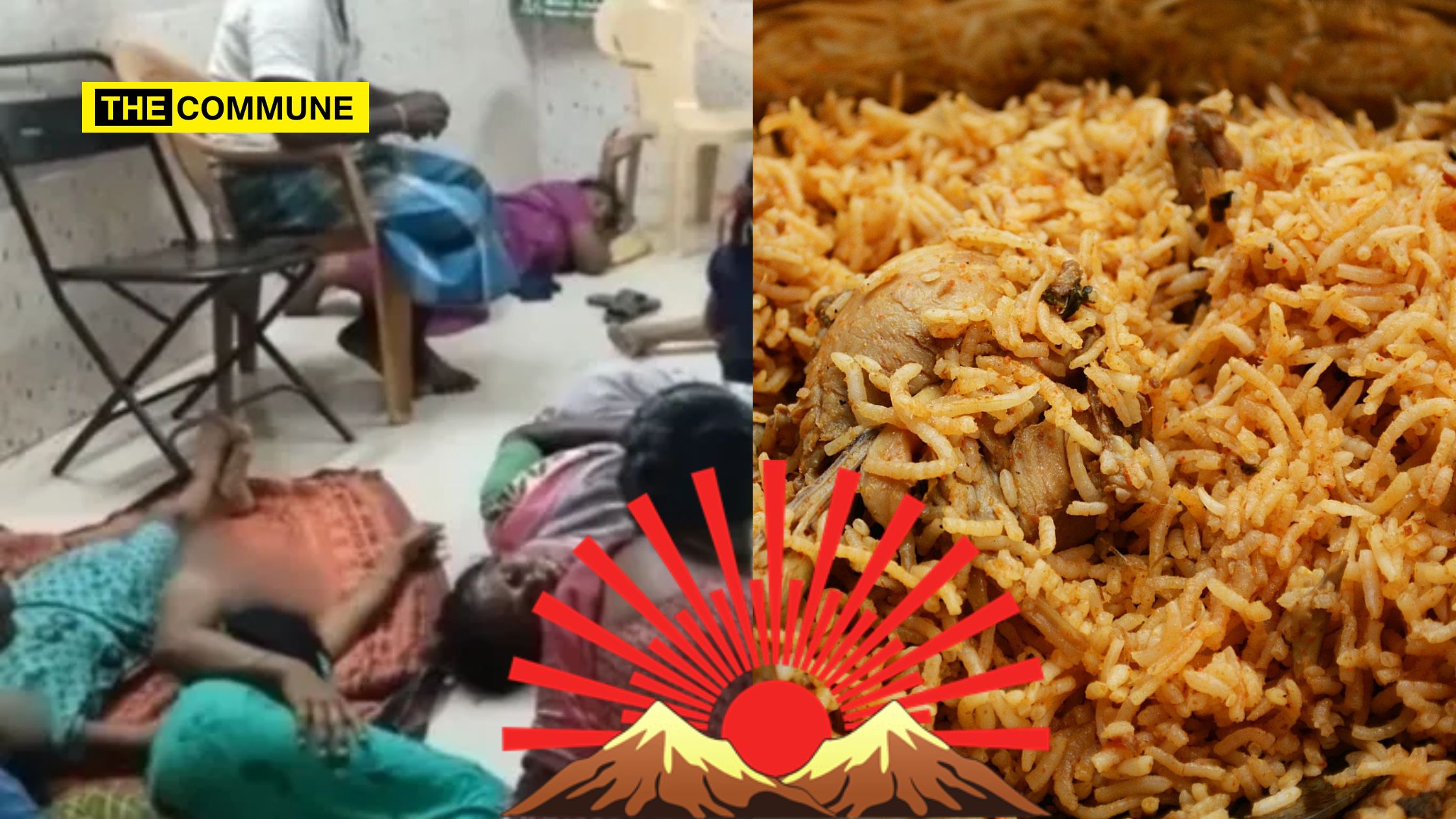
Over 100 People Including Nearly 40 Children Fall Ill After Consuming Biryani At DMK Meeting In Madurai

Over 100 People Including Nearly 40 Children Fall Ill After Consuming Biryani At DMK Meeting In Madurai

In a concerning development, more than 100 people, including over 40 children, fell ill after consuming biryani at a Dravida Munnetra Kazhagam (DMK) meeting in Madurai, Tamil Nadu. The incident occurred on Friday, 13 September 2024, following a general meeting organized for party members. The gathering in Villur near Kallikudi also included the distribution of welfare items.

Madurai South District Secretary Manimaran presided over the event. After the meeting, chicken biryani was served to attendees, with some participants opting to take the food home to share with their families. Shortly after the meal, several people began experiencing symptoms such as vomiting and fainting. Over 100 individuals were affected by the biryani, including 40 children aged 3 to 12.

As symptoms worsened later that evening, multiple ambulances were deployed to transport the patients to nearby healthcare facilities. Victims were rushed to the Villur Primary Healthcare Centre, with others being transferred to the Virudhunagar Medical College Hospital and Kallikudi Primary Health Centre for further treatment. Hospital sources confirmed that the patients had suffered from food poisoning after consuming stale biryani.

According to local authorities, 29 individuals, including over ten children, receive treatment at the Virudhunagar Hospital, 30 at the Kallikudi Hospital, and 82 at the Villur Primary Health Centre.

The Thirumangalam Police have investigated the incident, led by Tirumangalam ASP Anshal Nagar, who questioned the victims. Initial reports from medical professionals suggest that the food may have spoiled due to a delay in consumption, resulting in food poisoning. Despite the alarming symptoms, it was confirmed that no life-threatening conditions have been reported among the affected individuals.

(With inputs from LiveMint)

Subscribe to our TelegramWhatsApp, and Instagram channels and get the day’s best stories delivered to you personally.