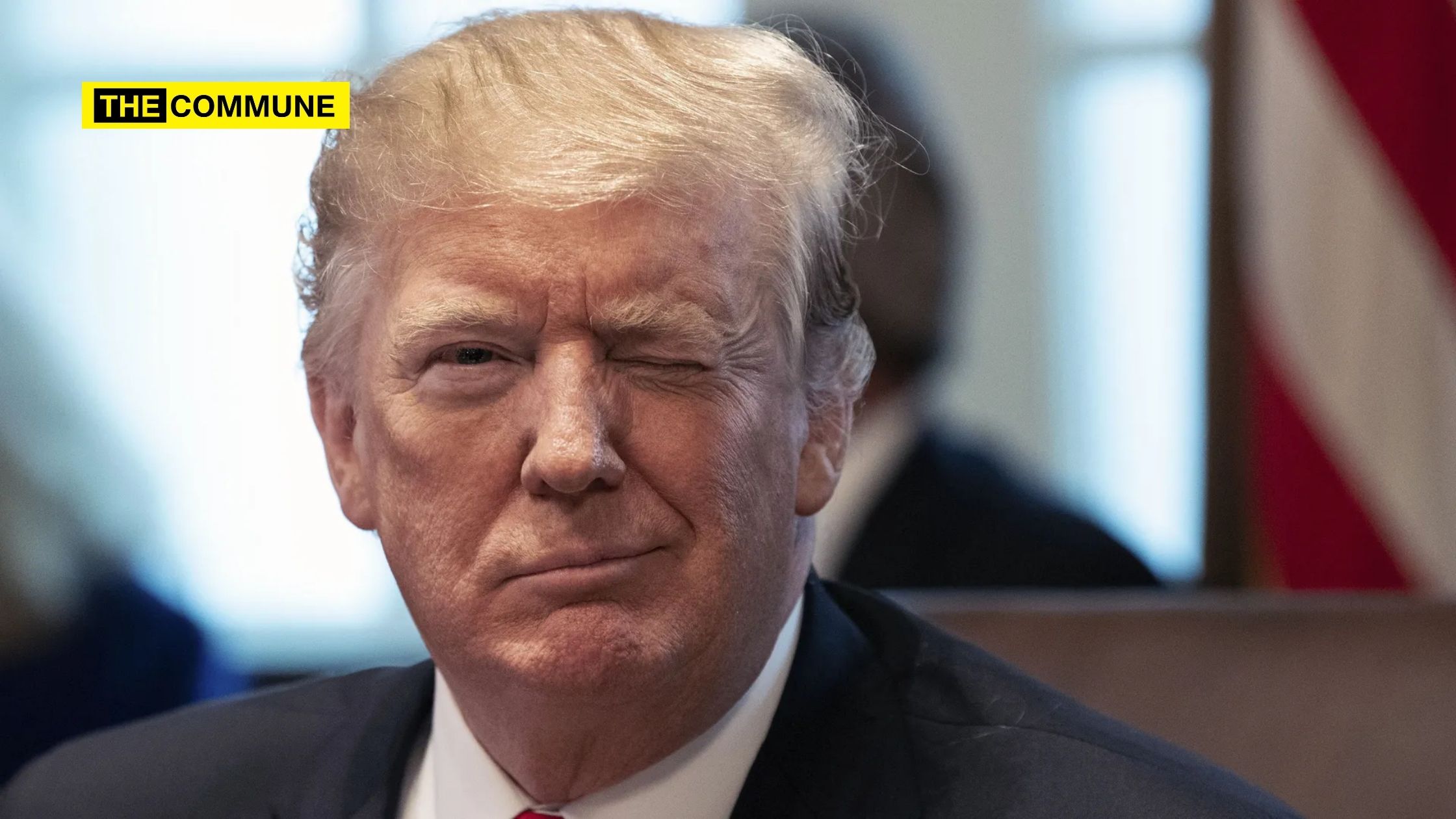
US President Donald Trump did not dismiss the idea of pursuing a third term in the White House, despite the 22nd Amendment of the Constitution prohibiting it, claiming in an interview that “there are methods” for achieving this and emphasising he was “not joking”. “A lot of people would like me to do that. But, I mean, I basically tell them, we have a long way to go,” Trump said in a phone interview with NBC News that was published on Sunday, CNN reported.
“I’m focused on the current,” he added, referring to his current administration. “A lot of people want me to do it,” Trump said, referring to support from his allies. “There are methods which you could do it,” the President responded, when asked if there are strategies on the table to allow him to seek another presidency, CNN reported. The term-limited President has teased a third presidency time and time again. “I’m not joking,” Trump told NBC News, but reiterated, “It is far too early to think about it.”
Earlier in late January at a rally in Nevada, Trump said: “It will be the greatest honour of my life to serve, not once but twice or three times or four times.” He later added: “No, it will be to serve twice. For the next four years, I will not rest.” Weeks later, Trump asked his supporters, “Should I run again?” at a Black History Month event at the White House, to chants of “Four more years!” One option discussed was having Vice-President J.D. Vance run for the President and later step aside to hand over the role to Trump. “That’s one,” Trump admitted.
“But there are others too,” he added, though he declined to share any further details, simply replying “no” when asked to elaborate. Changing the Constitution to allow a third term would require considerable political effort, needing a two-thirds majority in Congress or agreement from two-thirds of the states to call a constitutional convention. Any changes would then need to be approved by three-quarters of the states. Although Trump has previously made similar comments on running as the US President for a third term, many Republicans have brushed them off as jokes or attempts to provoke critics. However, Tennessee Republican Representative Andy Ogles has proposed a resolution to remove the current two-term limit, potentially allowing Trump to seek another term in office.
–IANS
Subscribe to our channels on Telegram, WhatsApp, and Instagram and get the best stories of the day delivered to you personally.
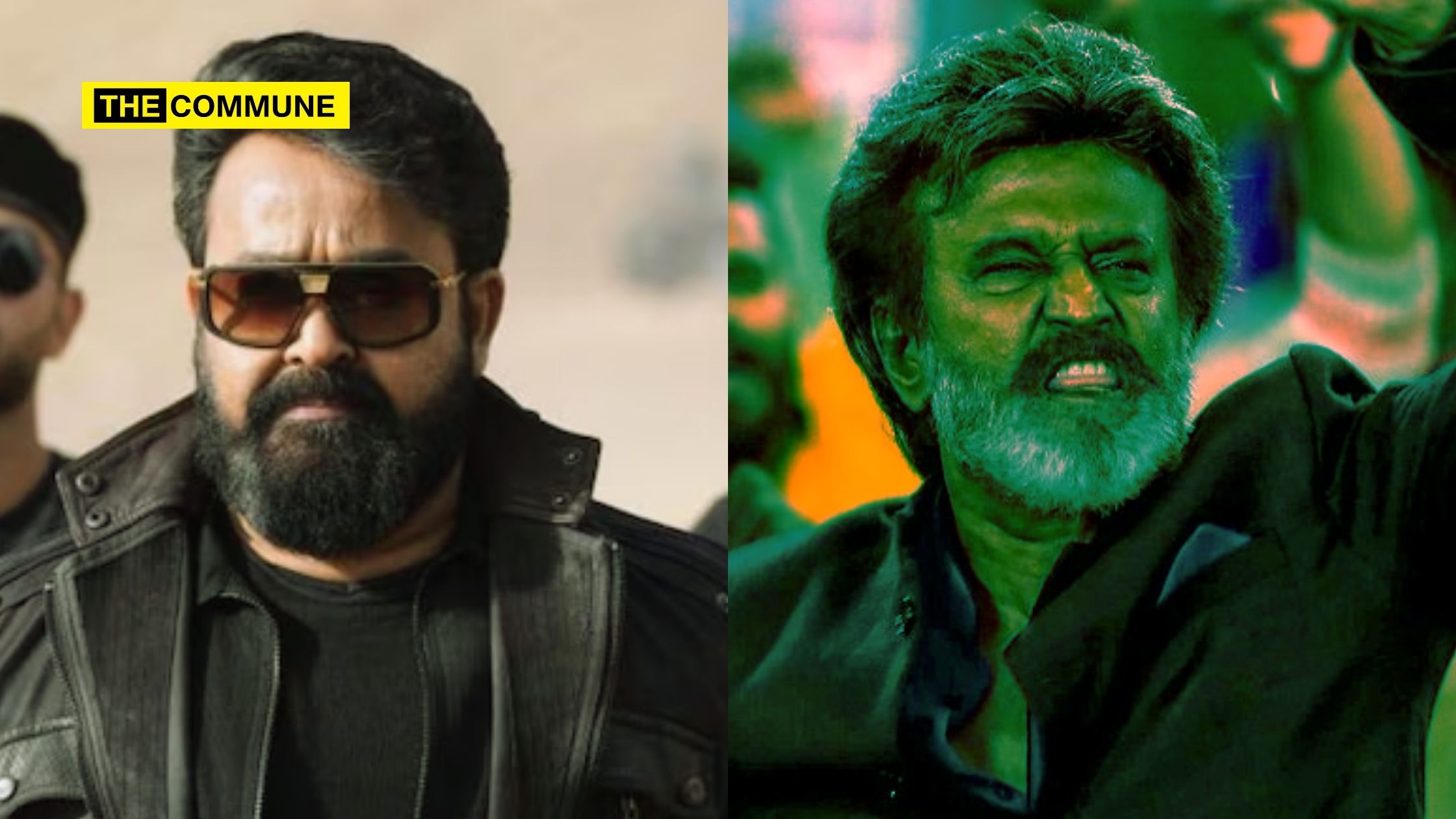
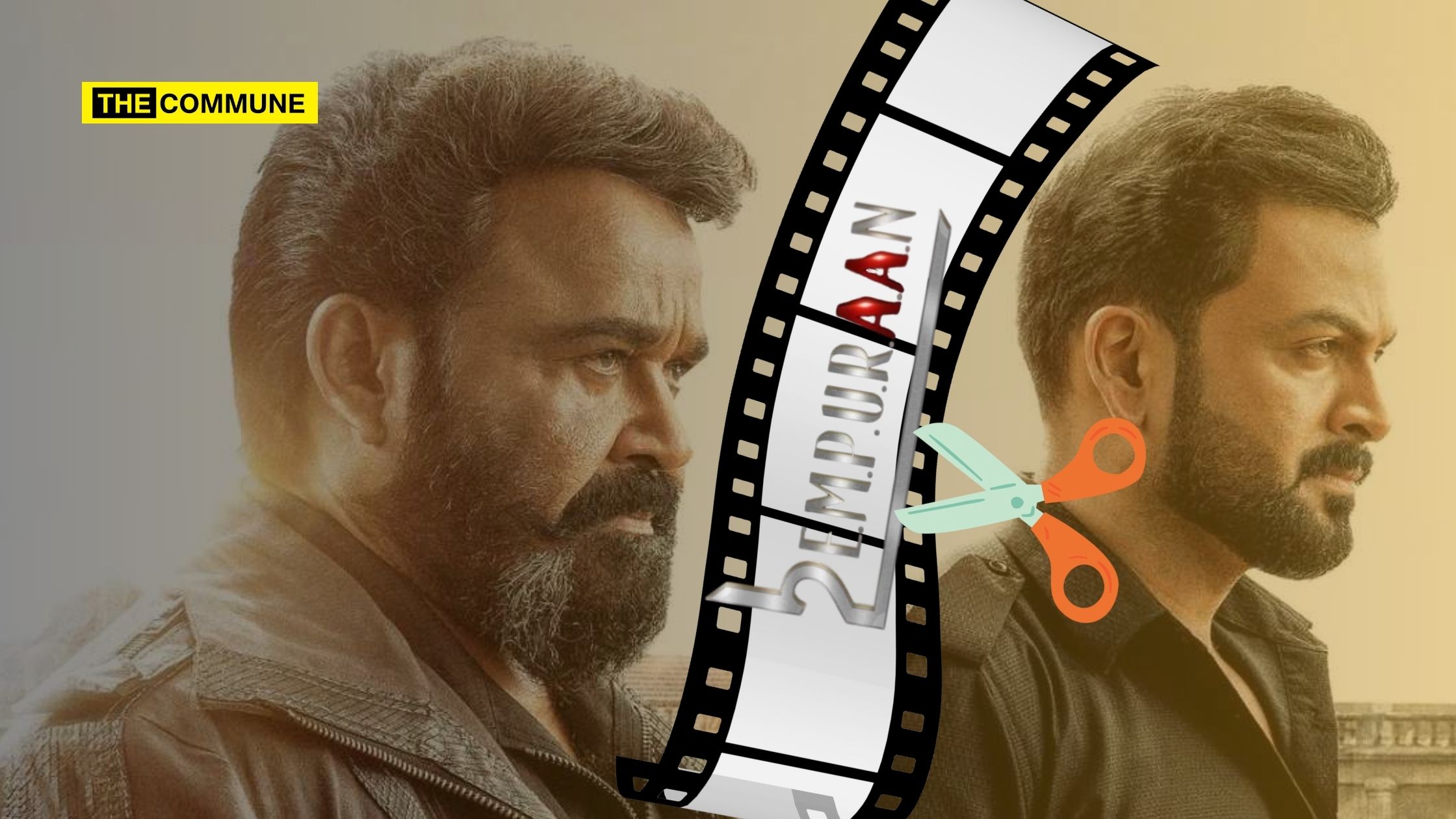
Mohanlal, the giant of Malayalam cinema, recently showed the world what true humility looks like by apologizing for the anti-Hindu undertones in his film L2: Empuraan. Meanwhile, Rajinikanth, Tamil cinema’s so-called “Superstar,” remains a shameless enabler of anti-Hindu Dravidianist propaganda, refusing to utter a word of regret for his role in the vile Kaala — a film that spat on Hindu values and peddled propaganda against the BJP — and doubling down by aligning himself with directors who peddle the same divisive garbage.
Mohanlal’s Humility
L2: Empuraan, released on March 27, 2025, was meant to be a triumphant sequel to Lucifer, elevating Mohanlal’s legacy and Malayalam cinema’s global stature. Instead, it sparked outrage among Hindus for its depiction of communal violence—sequences that echoed the 2002 Gujarat riots but painted Hindus as merciless villains while conveniently glossing over the Godhra train burning that ignited the conflict. The film was nothing but a brazen anti-Hindu, anti-BJP, and anti-Modi propaganda thanks to its Communist Goebbelian director Prithviraj Sukumaran and writer Murali Gopy of caricaturing Hindu karsevaks as violent thugs and mocking sacred iconography with burning crosses and collapsing symbols.
A disturbing scene shows a young Muslim boy calling for his father during an ambush, only to be brutally beaten to death by a Hindu man. This is followed by a group of Muslims seeking refuge in a Hindu household, where they are attacked once again culminating in a horrifying moment where a Hindu man rapes a pregnant Muslim woman.
The film promoted hatred against politically vocal Hindus and portrayed them as a threat to society, something that the Kerala’s pseudo-secular leftist parties do. The fictional Akhanda Shakti Morcha (ASM), a Hindutva party, is a thinly veiled BJP proxy. It’s the BJP and RSS in all but name, cast as barbaric vandals tearing apart Kerala’s “secular” soul. The film is all about painting Hindu nationalism as a modern-day plague.
Yet, Mohanlal didn’t dodge or deflect. On March 30, 2025, he issued a public apology, acknowledging the distress caused to his fans and vowing to excise the offending scenes.
Mohanlal took to Facebook to reassure his fans that certain themes would be removed from the film. In his message, he also expressed regret for any distress caused.
Writing in Malayalam, he acknowledged that some political and social elements in Empuraan, the sequel to Lucifer, had led to unrest. He stated, “I have come to understand that certain political and social themes in the film have deeply upset many of my dear ones. As an artist, it is my responsibility to ensure that none of my films promote hatred toward any political movement, ideology, or group.”
He further emphasized that the responsibility was shared by everyone involved in the film. “The Empuraan team and I sincerely apologize for the distress caused. Recognizing that this responsibility rests with all of us, we have collectively decided to remove such themes from the film,” he added.
Reflecting on his career, he concluded, “For the past four decades, I have been one of you in my cinematic journey. Your love and trust are my greatest strengths. I believe there is no Mohanlal beyond that… With love, Mohanlal. #L2E #Empuraan.”
The massive Hindu outrage has led to the film taking a serious hit at the box-office prompting the the filmmakers to voluntarily make 17 cuts to the film. Mohanlal’s legacy, though briefly tarnished, he had the humility to accept the mistake and express regret for being part of a propaganda film.
Rajinikanth’s Spineless Silence
Contrast this with Rajinikanth, a man who cloaks himself in spirituality but lacks the spine to confront the venom he’s helped unleash through his films.
His 2018 film Kaala, directed by the rabidly anti-Hindu Pa. Ranjith, was a masterclass in Dravidianist propaganda. The film cast Rajini as a Dharavi slum leader—a dark-clad “Ravana” figure—pitted against Nana Patekar’s white-clad, Ram-worshipping villain, a thinly veiled stand-in for the BJP. It flipped the Ramayana on its head, glorifying Ravana as a Dravidian hero while sneering at Rama as a symbol of “oppressive Hindu hegemony.” Hindu rituals were mocked, tilak-sporting villains strutted around with Ram idols, and Rajini’s character even threatened, “If stealing my land is your God’s Dharma, then I won’t spare your God either.”
Did Rajinikanth apologize? Did he distance himself from this grotesque distortion of Hindu faith? Not a chance. He stayed silent, letting the film’s bile fester unchallenged. This wasn’t a one-off lapse either. The Commune has chronicled how Rajini has repeatedly chosen scripts that demonize Hindus—think Petta, with its digs at Bajrang Dal, or Vettaiyan, another Dravidianist flop that smeared Hindus, lionized minorities, peddled DMK’s propaganda against NEET and glorified British colonialist Thomas Babington Macaulay.
In Lal Salaam, Rajinikanth plays Moideen Bhai, the good Muslim while another villain (Adithya Menon) is portrayed with a nice red tilak. The Hindu villains are shown as taking the guise of Muslims wearing skullcaps and are shown as instigators of riots. The narrative takes a distressing turn when the Hindu antagonist inflicts permanent harm on Moideen’s son. He even justified his daughter’s derogatory usage of the word Sanghi. Each time, he hides behind the excuse of being a “director’s actor,” as if his superstar status doesn’t give him the clout to reject such trash. For a man who claims devotion to Sanatana Dharma, his reel and real life reeks of venom against politically assertive Hindus and Prime Minister Narendra Modi.
The Dravidianist Puppet Strings
Rajinikanth’s complicity isn’t ignorance—it’s cowardice. The Dravidian ideology, with its roots in EVR’s separatist fantasies, has long sought to vilify Hindu culture, and Tamil cinema has been its megaphone. Directors like Pa. Ranjith and TJ Gnanavel—Rajini’s collaborator on Vettaiyan—wear their anti-Hindu bias like a badge of honor. The Commune has exposed how Kaala wasn’t just a film but a propaganda tool, aligning with the Dravidian narrative that paints Rama as an “upper-caste” tyrant and Ravana as a misunderstood icon. The so-called ‘spiritual’ Rajini, the one of the top film stars in India could have said no. Instead, he lent his iconic persona to amplify this poison, proving he’s less a superstar and more a puppet dancing to the tune of ideologues who despise the very faith he claims to cherish.
Mohanlal, by contrast, operates in a different league. When Empuraan stumbled into controversy, he didn’t let Prithviraj’s agenda define him. He took responsibility, faced the backlash, and acted decisively. Rajini, however, seems content to let Ranjith and his ilk drag his legacy through the mud, film after film, with no apology in sight.
A Legacy of Shame Vs. Redemption
Mohanlal’s apology wasn’t weakness—it was strength, a bridge to his fans that reaffirmed his bond with them. The Commune noted the film’s initial box-office success—crossing ₹100 crore globally in days—yet Mohanlal prioritized harmony over profit, ensuring Empuraan didn’t become a permanent stain. Rajinikanth, meanwhile, clings to his silence, his halo dimmed by every anti-Hindu jab he’s endorsed. His fans may still cheer, but for many, the “Thalaivar” they adored is now a hollow shell, a tool for Dravidian propagandists who laugh as they dismantle Hindu pride.
Mohanlal proved a star can rise above controversy with dignity. Rajinikanth, shackled by his own spinelessness, remains a cautionary tale—a giant reduced to a pawn, too timid to say “sorry” and too compromised to care.
When life makes you a superstar, be like Mohanlal and not Rajini.
Vallavaraayan is a political writer.
Subscribe to our channels on Telegram, WhatsApp, and Instagram and get the best stories of the day delivered to you personally.
Tamil Nadu Chief Minister M.K. Stalin recently informed the Legislative Assembly that the state recorded 1,540 murders in 2024, the lowest annual count in the past 12 years. He credited this decline to the efforts of the police department. While comparing crime statistics, he pointed out that the number of murders in 2012, when the AIADMK was in power, was significantly higher. In response to opposition leader Edappadi K. Palaniswami’s criticism, accusing the DMK of allowing revenge killings to happen unchecked, Stalin took a jab at the AIADMK’s past record.
However, despite the reported decline, the daily crime rate in the state remains concerning. Between February and March 2025, 42 murders were recorded within just 24 days, highlighting a grim reality. A closer look at these crimes reveals a disturbing pattern—revenge killings, attacks on lonely women at home, robberies, and deaths linked to drunken brawls are all on the rise.
Summary of Recent Murders in Tamil Nadu From Feb – Mar 2025
25 February – Youth kills father near Kudankulam after years of alcohol-fueled harassment toward family.
27 February – Fisherman Satyanarayanan killed in Manamelkudi due to past enmity.
28 February – Loan recovery agent Siva murdered in Kumbakonam while attempting to collect dues.
03 March – 70-year-old Seethalakshmi and her daughter Ramajayanthi, home alone, murdered near Thoothukudi in a suspected robbery.
04 March – Retired Aavin employee Indrani found murdered in Madurai.
05 March – Mahendran killed in Tirunelveli following a drunken brawl.
05 March – Rowdy Uthira kumar murdered near Paramakudi due to previous enmity.
06 March – Loganathan murdered near Villupuram.
06 March – Elderly man killed by a drunkard near Ooty.
07 March – Velu burned to death near Nagercoil after refusing to pay for liquor in a dispute.
08 March – Rowdy Srinivasan murdered near Sholingar due to rivalry.
23 March – Kalimuthu killed near Coimbatore over a liquor dispute.
This alarming sequence of murders across Tamil Nadu highlights a growing concern over law and order, with many incidents linked to liquor disputes, past enmities, and gang rivalries.
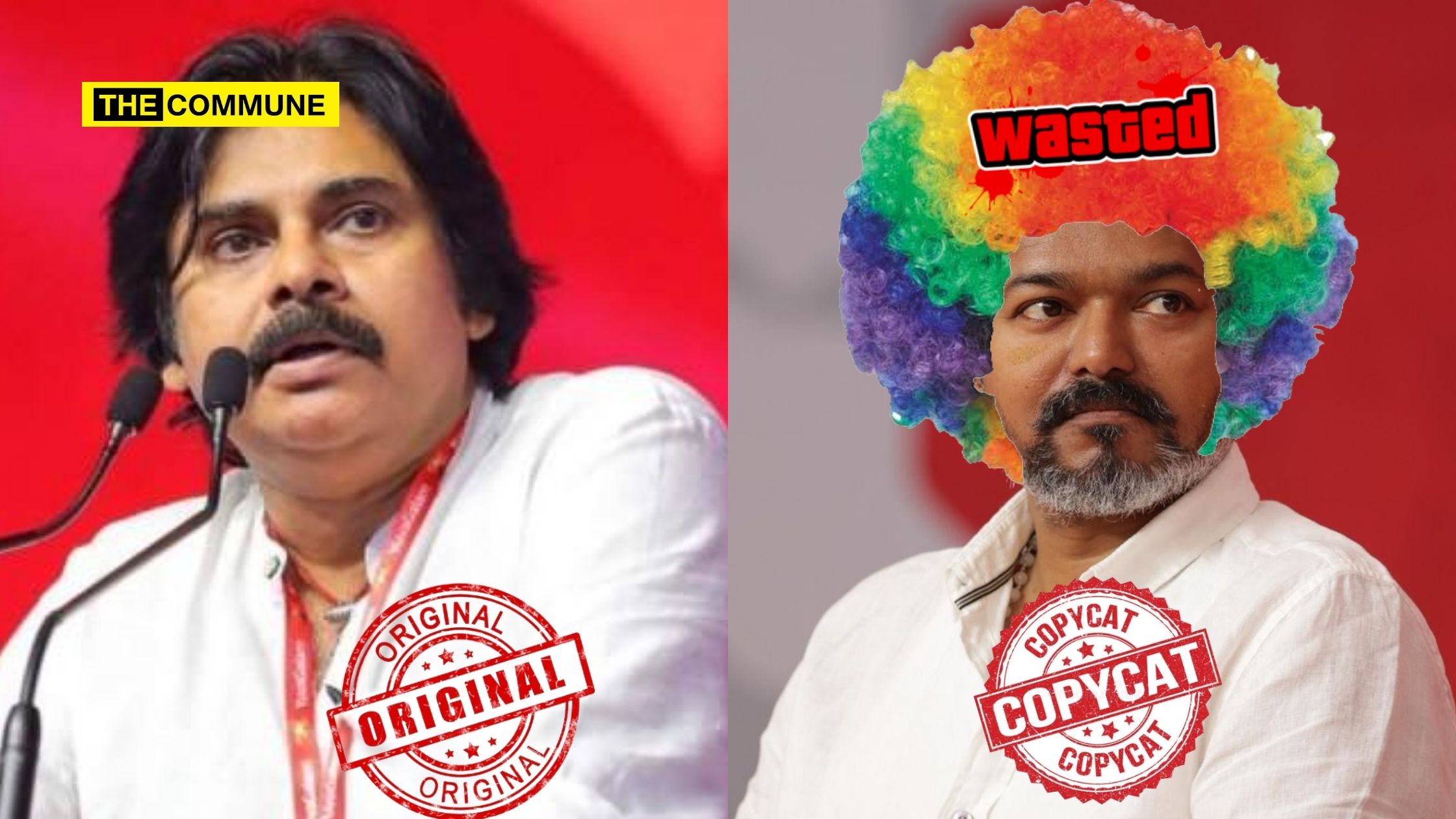
Part-time politician Vijay has often found success by remaking hit Telugu films for the Tamil audience. While he currently copies his political path of the DMK, he surprised many during his first general council meeting by quoting lines from Alfred Lord Tennyson’s poem The Brook—a gesture previously used by Telugu actor-turned-politician and Andhra Pradesh Deputy Chief Minister.
During his brief 15-minute speech, Vijay attempted to conclude on a poetic note, quoting: “Before concluding my speech, a few words from William Blake… ‘Men may come, men may go, but I go on forever.’”
The problem? He misattributed the quote to William Blake, an English poet and painter.
However, the quote isn’t from William Blake at all—it’s a well-known refrain from Alfred Lord Tennyson’s poem The Brook.
“Men may come, Men may go, But I go on forever” was not William Blake’s words.
It was from the poem “The Brook” written by Alfred Tennyson.
In 2020, Andhra Pradesh Deputy Chief Minister Pawan Kalyan inspired his Jana Sena Party (JSP) cadres by quoting lines from Alfred Lord Tennyson’s poem The Brook: “Men may come and men may go, but I go on forever.” His relentless journey to his current position began in 2014 when he founded the party, overcoming numerous struggles while steadfastly upholding his principles and working tirelessly to build its structure. Advocating a centrist approach, JSP focused on grassroots efforts and policy-driven activism.
Although the party did not contest the 2014 elections, its support was instrumental in securing victory for the TDP-BJP alliance in Andhra Pradesh. Over the years, JSP gained prominence by highlighting pressing social issues, such as the chronic kidney disease crisis in Uddanam in 2017—an issue recognized by the WHO as one of the least understood and least publicized nephropathies. The party later led protests against forced land acquisition, illegal mining in reserved forests, and drought-related concerns in 2018.
In 2019, JSP contested its first elections, winning one MLA seat with around 6% of the vote share. It then shifted its focus toward grassroots activism, addressing farmer welfare, illegal sand mining, women’s safety, and land encroachment. By early 2024, Pawan Kalyan played a pivotal role in forging an alliance between JSP, TDP, and BJP, known as Kūṭami (meaning Alliance). The coalition secured a landslide victory in both the general and state legislative assembly elections, with JSP winning all 21 MLA seats and two MP seats it contested, emerging as a crucial part of the ruling government in Andhra Pradesh.
Meanwhile, part-time-politician Vijay, seemingly unaware of the groundwork involved, has been criticized and even ridiculed for blindly imitating Kalyan’s footsteps. His misattribution of the poem’s original author has only added to mockery, making him appear more like a political novice than a serious leader.
After YouTuber ‘Savukku’ Shankar accused Tamil Nadu Congress Committee (TNCC) President Selvaperunthagai of orchestrating an attack on his home—where unidentified individuals disguised as sanitation workers ransacked the house, terrorized his mother, and smeared filth—Selvaperunthagai has once again come under scrutiny. His past controversies have resurfaced, adding to the growing allegations against him. Notably, last year, the Tamil Nadu unit of the Bahujan Samaj Party (BSP) wrote to Congress leader Rahul Gandhi, demanding Selvaperunthagai’s removal from his position, accusing him of alleged involvement in the murder cases of former BSP state president K. Armstrong, Auditor Pandian, Albert, and PPG Shankar. Now, similar calls are being raised once again, urging the Congress leadership to strip him of power due to his alleged criminal background.
The Attack On ‘Savukku’ Shankar
A group of unidentified individuals, disguised as sanitation workers, unlawfully entered the residence of YouTuber ‘Savukku’ Shankar on 24 March 2025. The intruders reportedly ransacked the house, terrorized his mother, and smeared filth across the rooms and dining table.
According to police sources, the attack was allegedly motivated by remarks Shankar made in one of his YouTube videos, which the assailants deemed offensive to sanitation workers. Shankar later took to social media to share details of the incident, including screenshots of a video call made by one of the trespassers using his mother’s phone.
Shankar accused Tamil Nadu Congress Committee (TNCC) President Selvaperunthagai of orchestrating the attack, claiming that his loyal supporter, V. Vanishree Vijayakumar, led the assault.
Social media posts by V. Vanishree Vijayakumar suggested that the incident was premeditated, as she appeared to have planned the act in advance. Evidence from her now-deleted Facebook posts indicated that she was live-streaming the event.
Vanishree’s social media post showcased her close ties with the Congress party and firm support for TNCC Chief Selvaperunthagai.
Before ‘Savukku Shankar’ It Was Dr. Krishnasamy Of Puthiya Tamizhagam
In a development mirroring the attack on YouTuber ‘Savukku’ Shankar’s residence—where unknown individuals terrorized his mother and smeared filth after he exposed corruption allegations—Dr. Krishnasamy’s Puthiya Tamizhagam Party has also faced similar intimidation previously.
On 3 January 2001, Puthiya Tamizhagam party chief Dr. Krishnasamy announced Selvaperunthagai’s expulsion from all party duties after uncovering his past involvement in criminal activities. Reports at the time stated that Selvaperunthagai, who was accused in the murder of Auditor Pandian, had been removed from the party.
Pandian, a resident of Chennai’s Thiruvanmiyur, was murdered four years prior. However, the case stalled due to the alleged interference of a senior police officer. Following a petition by Pandian’s son, Balaji, the High Court transferred the case to the CB-CID, which accelerated the investigation under DIG Ashok Kumar. Selvaperunthagai was accused of hiring a contract killer and had his anticipatory bail request rejected before being arrested.
At the time, Selvaperunthagai was a member of the Puthiya Tamizhagam Party, serving in an executive role. Dr. Krishnasamy, distancing the party from him, clarified that Selvaperunthagai was never appointed as General Secretary and that the murder case predated his membership in the party. He emphasized that the party, built on the sacrifices of hardworking people, would not tolerate any misconduct for financial gain. Until Selvaperunthagai was cleared of all charges, his membership was revoked.
In a dramatic turn of events, just days after his expulsion from the party, alleged supporters of Selvaperunthagai launched a violent attack on the Puthiya Tamizhagam party office on 7 January 2001. Enraged by his removal, they stormed the office—located in the Viswanathan apartment complex near Chennai’s Chola Hotel—vandalizing the premises by smashing the television, tables, chairs, and computers. They even set fire to an effigy of party leader Dr. Krishnasamy.
During the chaos, senior party members, including state high-level committee member Chellaiah and Edwin, were present at the office. The attackers physically assaulted them, forcing them to lock themselves in a bathroom. However, the enraged mob broke through the door, dragged them out, and beat them. Documents, files, and office equipment were thrown around, leaving the space in complete disarray, resembling a battlefield.
As the violence escalated, the protesters gathered outside Krishnasamy’s residence, burning an effigy and vowing to take control of the party office. They claimed ownership over the office’s resources, including air conditioning and furnishings, arguing that they had personally funded them. Several district-level leaders, including South Chennai District Secretary Soundar, North Chennai District Secretary Vadivelu, and Central Chennai District Secretary Buddha Nesan, declared their exit from the party, effectively dissolving the Chennai unit of the Puthiya Tamizhagam Party.
Krishnasamy had been at the office earlier that morning but had to leave the place upon learning of the impending attack. His timely departure likely saved him from direct confrontation, as the protesters were visibly enraged and vocal in their threats against him. The entire incident was largely perceived as a deliberate move by Selvaperunthagai, using his loyalists to stir caste-based tensions by accusing Dr. Krishnasamy of the Puthiya Tamizhagam Party of favoritism and discrimination in leadership appointments.
ஆடிட்டர் பாண்டியன் கொலை வழக்கில் சம்பந்தப்பட்டிருப்பதால், புதிய தமிழகம் கட்சியிலிருந்து தன்னை நீக்கியதற்காக புதிய தமிழகம் கட்சி அலுவலகத்தை ரவுடிகளை விட்டு சூறையாடினார் செல்வப்பெருந்தகை.
இதன் தொடர்ச்சியாக கஸ்தூரிரங்கன் சாலையில் உள்ள கிருஷ்ணசாமியின் வீட்டில் கழிவுநீரையும்… pic.twitter.com/QbfFZs4spF
Dr. Krishnasamy Declared – “Criminals Cannot Be Kept In The Party”
In 2001 Tamilan Express carried a report after the violent attack on the Puthiya Tamizhagam party headquarters in Chennai. It featured Krishnasamy’s statements saying, “Criminals cannot be kept in the party,” and detailed that the incident stemmed from internal party conflicts following the dismissal of Selvaperunthagai. Outraged by his removal, Selvaperunthagai’s staunch supporters, including C.K. Baskaran and Janakiammal, retaliated by vandalizing the Puthiya Tamizhagam office in Alwarpet.
Selvaperunthagai had previously been a key leader in the Ambedkar People’s Front but left after a dispute with Poovai Murthy. After a period of inactivity, he joined the Puthiya Tamizhagam party, where he quickly rose to become the state organizer and developed a close association with Dr. Krishnasamy. His growing influence in Chennai led to tensions with Krishnasamy, eventually resulting in a major fallout that intensified during the Puthiya Tamizhagam conference in Trichy.
Matters escalated further when Selvaperunthagai became entangled in the Spike Pandiyan murder case. He was implicated in the investigation, and was identified as the prime suspect. Allegedly, Selvaperunthagai evaded the police and fled to Bangalore. Authorities tracked his phone calls and intercepted a conversation in which he mentioned returning to Chennai for a temple visit. Based on this lead, police set up a covert operation at a key checkpoint in Chennai, but Selvaperunthagai initially evaded capture. Ultimately, he was apprehended based on a tip from his car driver.
During police questioning at Royapettah Government Hospital, Selvaperunthagai denied any involvement in Pandiyan’s murder. He claimed that Pandiyan was a close friend and that he had no reason to harm him. When asked about the allegation that only he knew the lock number of Pandiyan’s house, Selvaperunthagai responded, “Pandian had many friends who also knew the lock number. Why single me out?”
Regarding the sudden urgency in the investigation, Selvaperunthagai asserted, “I am not a criminal. This is a conspiracy by my rivals.”
Dr. Krishnasamy had called Selvaperunthagai a criminal and his ganga a ‘rowdy’ gang in the interview with Tamilan Express.
Rahul Gandhi Appoints A Rowdy As Head Of Tamil Nadu Congress Committee
Controversially, On 17 February 2024 when K. Selvaperunthagai was appointed by the Congress high command as the President of the Tamil Nadu Congress Committee. His appointment came as a disappointment to many of the Congress leaders in the state. There’s a reason.
During the 2016 Assembly elections, Congress leader D Yashoda, who had previously served as the representative for Sriperumbudur in 1980, 1984, 2001, and 2006, raised concerns about Selvaperunthagai’s candidacy, alleging his support for LTTE. She had alleged that Selvaperunthangai is a staunch supporter of the LTTE and had joined the Congress with the motive of safeguarding his alleged “ill-gotten wealth”.
Selvaperunthagai’s criminal history and his “ill-gotten wealth” has once again become a talking point thanks to BJP Tamil Nadu President K. Annamalai. It seems to have started after Selvaperunthagai accused that criminals were enrolling in the BJP. In return, Annamalai accused him of being a history-sheeter during a press meeting after visiting the bereaved family of TN BSP leader Armstrong.
Annamalai refused to retract his words or apologise for his remarks. In fact, he even put out a list of crimes that Selvaperunthagai was allegedly involved in.
Annamalai in his official X account stated, “When I mentioned that Tamil Nadu Congress Committee President Selvaperunthagai was on the list of criminals, Selvaperunthagai said he was very upset since I have insulted him who came in the path of Mahatma Gandhi. Below is the path taken by the one who claims to be a Mahatma Gandhi follower.
Auditor Pandian murder case – main culprit
Case No. 24(A)/2001 of 2001. CBI Case Prevention of Corruption Act 1988, Section 13(2) r/w 13(1) (e)
Case No. 136/2003 IPC 307 of 2003 – Attempt to murder
Case No. 138/2003 of 2003 – Assault
2003 Case No. 277/03 – Threat to kill
2003 Case No. 451/2003 IPC 324 – Assault with dangerous weapons, IPC 506 – Threats to kill, Explosives, 1908.
It is noteworthy that in this case, he was apprehended under the Goondas Act.
2008 Case No. 1464/2003 IPC 147 – Rioting, IPC 148 – Rioting with deadly weapons, IPC 506 – criminal intimidation
Attempt to murder case, criminal intimidation case, assault with deadly weapons case, rioting with deadly weapons case, explosives case, murder case, and many other cases which are some of the worst crime cases in society. Notably, there were three cases of criminal intimidation (death threats) were filed against him. Apart from this, the Auditor Pandian murder case.”
தமிழ்நாடு காங்கிரஸ் கமிட்டியின் தலைவர் திரு. செல்வப்பெருந்தகை அவர்களை, குற்றவாளிகள் பட்டியலில் இருந்தவர் என்று குறிப்பிட்டதற்கு, மகாத்மா காந்தி வழி வந்த தன்னை, நான் அவமானப்படுத்தி விட்டதாக திரு. செல்வப்பெருந்தகை அவர்கள் மிகவும் வருத்தப்பட்டிருக்கிறார்.
This led us to a video report from News J that surfaced a few years ago. The report questions the origins of the funds used to establish a college in London. This college is allegedly linked to TNCC President Selvaperunthagai.
Selvaperunthagai’s Endless Political Career For Survival
Selvaperunthagai is said to have begun his political journey with the Puratchi Bharatham (Revolutionary Bharat) Party, and based on the party leader’s recommendation, he was able to secure a position as a peon at the Reserve Bank of India. Over time, Selvaperunthagai transitioned from a humble peon to a millionaire.
His political career, however, has been marred by controversy. AuditorPandian’s assassination led to suspicions around Selvaperunthagai, resulting in his expulsion from the Puratchi Bharatham Party its leader. Seeking political refuge, he joined Dr Krishnasamy’s Puthiya Tamizhagam Party, only to be dismissed after his identity and past were revealed.
Subsequently, Selvaperunthagai aligned with the Viduthalai Chiruthaigal Katchi (VCK), where his activities attracted legal scrutiny. During the AIADMK regime in 2001 and 2006, the Goondas Act was invoked against him due to allegations of amassing wealth illegally.
Despite these setbacks, he managed to secure a position in the Tamil Nadu Legislative Assembly, representing Sriperumbudur for the VCK in the 2006 elections. However, he was expelled from the party after allegedly betraying its leadership.
Selvaperunthagai’s political journey did not end there. He joined the Bahujan Samaj Party led by Mayawati, only to be expelled shortly thereafter. Finally, he found a stable position within the Congress Party. He contested elections from Sengam and Sriperumbudur in 2014 and 2016, facing defeat in both attempts. However, he won the Sriperumbudur seat in the 2021 assembly elections, representing the Congress Party.
Selvaperunthagai’s Alleged Criminal Past & Mysterious London College Connections
Interestingly, Selvaperunthagai, in his 2011 election affidavit mentioned that there was no cases or FIRs filed against his name.
However, as of 2016, it is noteworthy that there were lots of cases pending and atleast 3 major cases were live.
Selvaperunthagai’s alleged links to the Buckingham College of London have resurfaced, especially after it was revealedthat his wife UmayalSelvamwas listed as one of the directors. It is noteworthy that the website containing the details of the college’s directors also states that Umayal resigned in 2012.
It is notable that this allegedly bogus college was dissolved in 2017 and the website states that accounts are still overdue.
Given his humble beginnings as a Reserve Bank peon 30 years ago, the question arises: how did Selvaperunthagai accumulate the wealth necessary to build a college in London?
Thalaivar @annamalai_k recently mentioned about Tamilnadu state president of @INCIndia K.Selvaperunthakai @SPK_TNCC’s investment in the UK which shocked and surprised many in Tamilnadu
BJP state president Annamalai accused TNCC chief Selvaperunthagai of orchestrating a massive scam under the guise of empowering sanitation workers. The DMK government awarded ₹524 crore contracts, with cooperative banks disbursing ₹65 lakh loans each to 54 individuals in just a week—without collateral or repayments. Shockingly, loan recipients signed blank cheques upon receiving funds, and their accounts have seen no transactions since. Instead of sanitation workers managing the contracts, operations were handed over to Gengreen Logistics, whose director is Selvaperunthagai’s nephew. The company’s registered office matches Selvaperunthagai’s, exposing blatant corruption and conflict of interest.
Will Congress Act?
It is an absolute disgrace that a position once held by towering statesmen like Rajaji, Sathyamoorthi, Kamarajar, Moopanaar, Kumari Anandan, and Vazhapadi Ramamurthy has now been handed over to a history-sheeter and a known thug by national leadership of Congress. Is Rahul Gandhi so clueless that he failed to see this, or has he shamelessly chosen to empower a man like Selvaperunthagai to lead his party?
Selvaperunthagai’s controversial past, alleged criminal history, and questionable financial dealings continue to raise serious concerns. His rapid rise through multiple political parties, coupled with accusations of violence, corruption, and intimidation, casts a long shadow over his leadership. With renewed calls for his removal, the Tamil Nadu Congress faces mounting pressure to address the allegations against him.
Subscribe to our channels on Telegram, WhatsApp, and Instagram and get the best stories of the day delivered to you personally.
L2: Empuraan, starring Mohanlal and directed by Prithviraj Sukumaran, has faced backlash for allegedly promoting anti-Hindu, anti-BJP, and anti-Modi narratives.
Following widespread outrage on social media, the filmmakers have decided to recensor the movie. According to Manorama News, the director and producers, including Aashirvad Cinemas, plan to submit a revised version to the Censor Board before its re-release next week, with the modifications expected to be completed by Monday.
Reports indicate that 17 cuts have been made, particularly to reduce violent scenes against women and remove certain elements depicting religious hatred and violence. Producer Gokulam Gopalan reportedly urged Prithviraj to implement these changes to prevent public backlash.
Released on 27 March 2025, the film has been accused of historical distortion and biased storytelling. It opens with a 2002 village-burning sequence, widely seen as a reference to the Godhra riots. The film omits the initial attack and portrays Hindu mobs as the sole aggressors, showing them assaulting Muslims and committing atrocities.
A disturbing scene shows a young Muslim boy calling for his father during an ambush, only to be brutally beaten to death by a Hindu man. This is followed by a group of Muslims seeking refuge in a Hindu household, where they are attacked once again culminating in a horrifying moment where a Hindu man rapes a pregnant Muslim woman.
The narrative suggests that the Sabarmati Express fire was accidental, which a Hindu political leader, Bajrang Patel, exploits to gain power and target Muslims. A Muslim boy (played by Prithviraj) survives and later seeks revenge against the Hindu leader, who by then has risen to national prominence.
The fictional Akhanda Shakti Morcha (ASM), a Hindutva party, is a thinly veiled BJP proxy. It’s the BJP and RSS in all but name, cast as barbaric vandals tearing apart Kerala’s “secular” soul. Prithviraj and writer Murali Gopy don’t just stop at political critique—they caricature Hindu karsevaks as violent thugs, while their foes, including Mohanlal’s shadowy protagonist, emerge as morally superior.
The climax presents a symbolic showdown where Bajrang is overthrown by a Christian character, Lucifer (Mohanlal), and a Muslim character, Zayed (Prithviraj). The Hindu leader, Ramdas, is ultimately eliminated by a Chinese mafia, reinforcing a narrative of a non-Hindu alliance defeating a Hindu leader.
The film is all about painting Hindu nationalism as a modern-day plague.
The fact that Mohanlal, who is widely respected and admired across the political spectrum chose to become a pawn in Prithviraj’s propaganda game did not go down well with many. Many had called for the revocation of the Lieutenant Colonel title of the Indian Army awarded to Mohanlal for being part of a Communist propaganda film.
Following this massive outrage by Hindus and backlash from RSS, the filmmakers have taken a backfoot fearing box office loss due to negative reviews.
Subscribe to our channels on Telegram, WhatsApp, and Instagram and get the best stories of the day delivered to you personally.
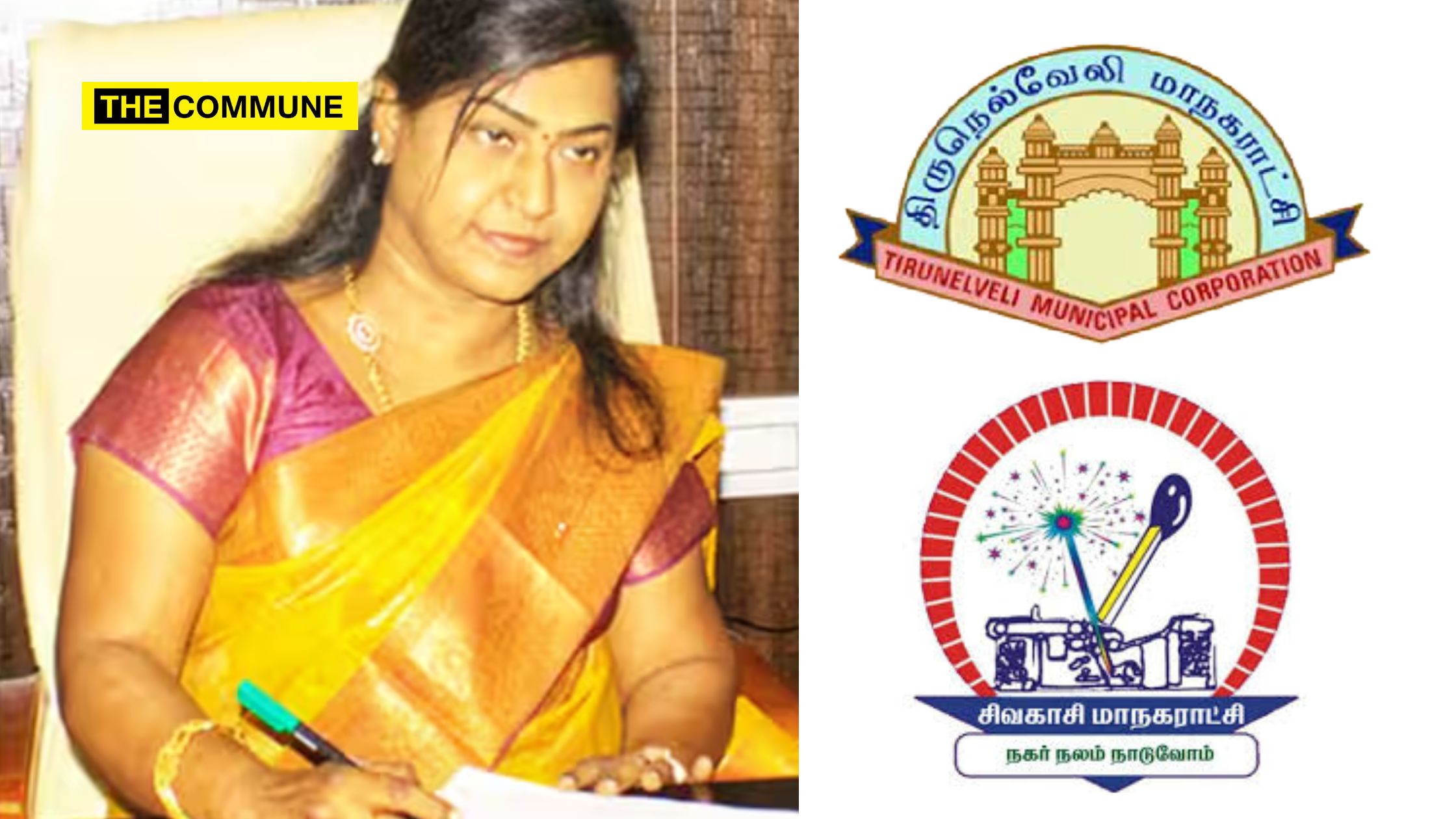
A woman health officer who was transferred to Sivakasi after exposing corruption in the Tirunelveli Corporation has now been placed on a waiting list after uncovering another irregularity within Sivakasi Corporation. Her reassignment, which came soon after she imposed a fine on a private company for violations, has led to discussions about the corrupt Dravidian Model of governance.
In Sivakasi, the sanitation contract has been handled by Ram & Co since April 2022, as per the orders of the Municipal Administrative Commissioner. The corporation allocates ₹8.5 crore annually to the company, which is responsible for employing 270 sanitation workers and ensuring efficient waste management.
During a corporation meeting, councilors voiced concerns about an insufficient workforce and a lack of proper equipment, which they claimed were affecting sanitation services. In response, health department officials conducted an inspection, uncovering multiple violations. The investigation revealed that only 170 workers were employed instead of the required 270, employees were not receiving ESI and PF benefits, wastes collected were not being properly segregated, and corporation vehicles were poorly maintained.
Following these findings, the Sivakasi Municipal Corporation’s Health Officer recommended imposing a ₹37 lakh fine on the contractor. However, no immediate action was taken. It was only after media reports exposed the issue that the fine was finally enforced in January 2025.
Subsequently, reports suggest that political pressure from the DMK and the contractor company played a role in Saroja’s transfer. The Health Secretary reassigned her to Tenkasi Municipality, where there is no designated post for an Health Officer, effectively placing her on a waiting list.
Officer Unearthed A Similar Scam In Tirunelveli
Interestingly, Saroja was initially transferred to Sivakasi after uncovering a ₹55 lakh scam in the Tirunelveli Corporation, where an excessive amount of cleaning supplies was procured in a single month.
In a statement, R. Mohan, president of the Nellai District Rural Development Workers’ Union alleged that certain officials recently procured phenyl worth ₹12 lakh for a two-month supply but generated fraudulent invoices claiming a purchase of ₹67 lakh, attempting to siphon off ₹55 lakh. Dr. Saroja, however, resisted pressure to approve these inflated bills.
Additionally, he pointed out irregularities in the corporation’s solid waste management contract. According to the agreement, the contractor was required to employ 763 workers but had hired fewer than 500. The contractor allegedly falsified records to pocket the salaries of over 250 workers. Dr. Saroja identified this malpractice and confronted the contractor. She was also known for supporting sanitation workers and dengue breeding checkers in their demand for fair wages.
Mohan further alleged that under pressure from certain officials, the outgoing Corporation Commissioner, Thakare Shubham Dnyandeorao, relieved Dr. Saroja from her role immediately after his transfer orders were issued.
The same company now under investigation in Sivakasi had also secured a contract in Tirunelveli. Her abrupt transfer, despite repeatedly exposing corruption, has sparked a major controversy, raising serious concerns about political influence and a corruption in Dravidian Model governance.
Curfew order, restricting movement, gatherings, and protests, was lifted in Nepal’s Baneshwar-Tinkune stretch and surrounding areas on Saturday as tension eased.
Till now, 51 people, mostly top pro-monarchy protestors, including the senior vice-chairman of the Rastriya Prajatantra Party Rabindra Mishra, General Secretary Dhawal Sumsher Rana, Swagat Nepal, Shepherd Limbu and Santosh Tamang, as well some other leaders for ‘instigating’ violence, according to local media reports.
Nepal’s police have intensified arrests following the pro-monarch protests that took place in Tinkune, Kathmandu. Violence during Friday’s pro-monarchy demonstrations led to deaths, vandalism of private property, and arson.
“With Friday’s arson, vandalism, and killings, public sympathy and support for royalists have declined significantly. We expect deep divisions within the various pro-Hindu and pro-monarchy groups following Friday’s violence. But, now onwards, we will take all necessary measures to contain their activities,” a Nepal Home Ministry official told The Kathmandu Post.
Meanwhile, the curfew was initially imposed by the district administration on Friday as two people died and 45 others were injured in violent clashes between security personnel and pro-monarchy protesters. The protestors were calling for the restoration of the abolished monarchy in Nepal, according to media reports. Tension ran high in Tinkune after people tried to break through the security barricade. In response, security personnel fired tear gas canisters to disperse the protesters.
Later, the police opened fire to take the situation under control, Nepali news outlet Annapurna Express reported. Social media footage showed protesters seizing police firearms and launching violent attacks. Reports indicated that the protest was led by the Nawaraj Subedi-led joint movement committee, with businessman Durga Prasai mobilising supporters.
The Rajendra Lingden-led Rastriya Prajatantra Party also backed the demonstration. Nepal’s Ministry of Home Affairs issued a stern warning to those involved in violent protests on Friday, stressing that they will be held accountable for their crimes. Nepal’s Prime Minister KP Sharma Oli also called an emergency meeting of the Council of Ministers after the Joint People’s Movement Committee, formed to restore the monarchy, engaged in violence.
–IANS
Subscribe to our channels on Telegram, WhatsApp, and Instagram and get the best stories of the day delivered to you personally.
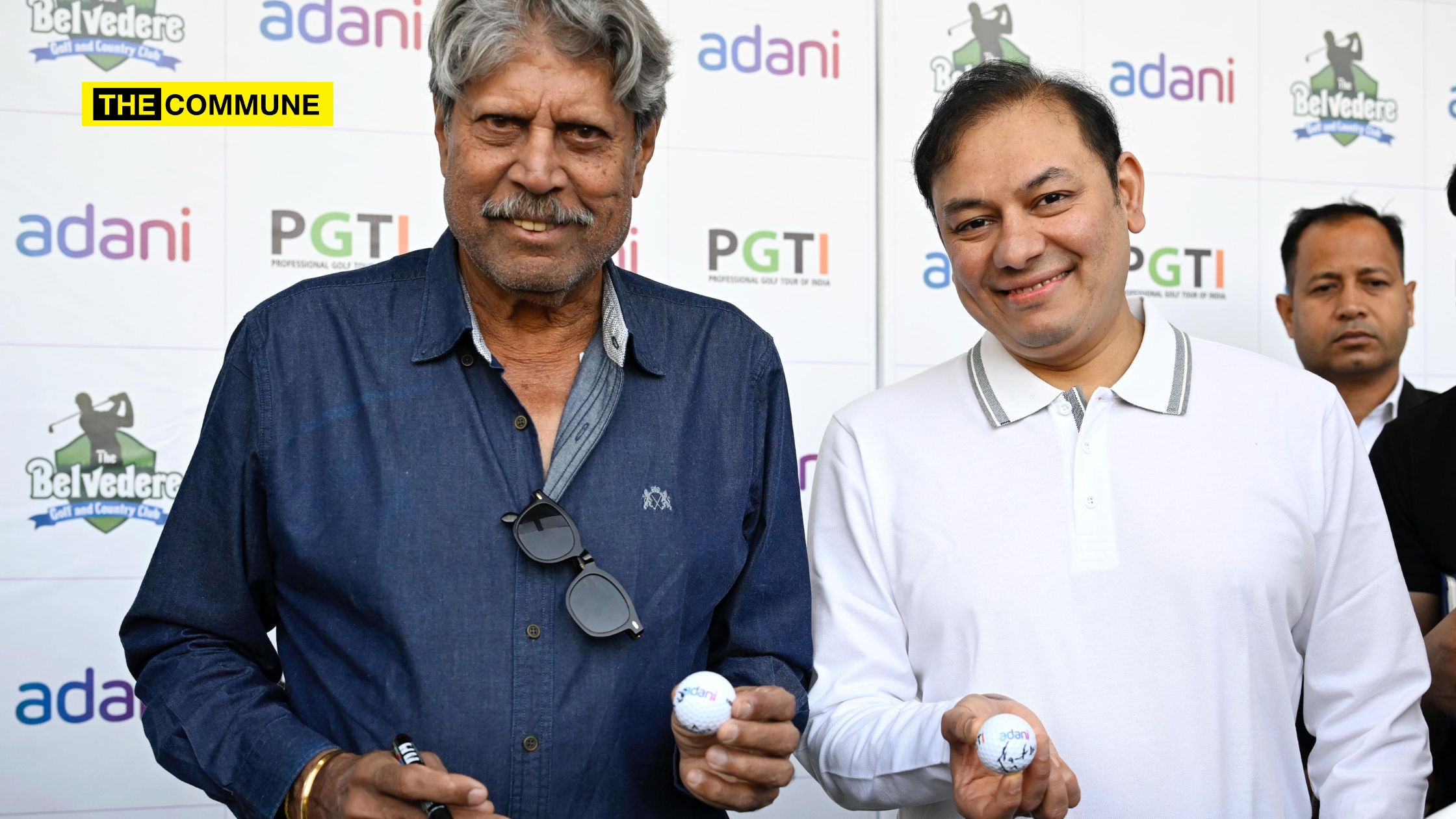
Ahmedabad witnessed a landmark moment for Indian golf with the launch of the Adani-PGTI Golf Training Academy at the Belvedere Golf & Country Club. The initiative, a joint venture between the Adani Group and the Professional Golf Tour of India (PGTI), aims to elevate golf’s presence in India and cultivate a new generation of global champions.
Adding to the excitement, the Adani Group also announced its entry into Indian professional golf with the launch of the ‘Adani Invitational Golf Championship 2025′. Cricket legend Kapil Dev, who attended the launch event, lauded the Adani Group’s commitment to promoting golf and other sports in India. In his address, he emphasised the importance of corporate support in nurturing sporting talent and broadening the accessibility of non-cricketing disciplines.
“Most of the time, we see focus on cricket, but it makes me very happy that you are giving time to other sports like golf. Every tournament is a boost to the game,” Kapil Dev said. “Tournaments bring in good people, attract top companies, and that’s what we need to grow the sport.” Drawing a parallel with cricket, Kapil Dev highlighted how academies play a crucial role in shaping future stars. “Why do we go to good schools and colleges? Because they produce top students. The same applies to sports. If there are quality academies in every city, we will create good golfers just like we have produced great cricketers.”
The Adani-PGTI Golf Training Academy aims to provide world-class infrastructure and coaching to aspiring golfers, offering them a platform to develop their skills at a professional level. With training facilities in Ahmedabad, the initiative seeks to make golf more accessible and nurture young talents across the country. Kapil Dev also stressed the importance of hosting large-scale tournaments and grassroots events to encourage young players. “If there are more tournaments for children, parents will feel motivated to push them towards the sport. That’s the future – creating opportunities through well-equipped ranges and practice grounds,” he added.
–IANS
Subscribe to our channels on Telegram, WhatsApp, and Instagram and get the best stories of the day delivered to you personally.
Tamilaga Vettri Kazhagam (TVK), led by part-time politician Vijay, has been facing intense criticism on social media since yesterday following the successful completion of its first-ever general council meeting. Despite Vijay’s strong aspirations to become the next Chief Minister and position TVK as the primary opposition to the ruling DMK, the party’s conduct during the event appeared immature and unconvincing, leading to widespread mockery.
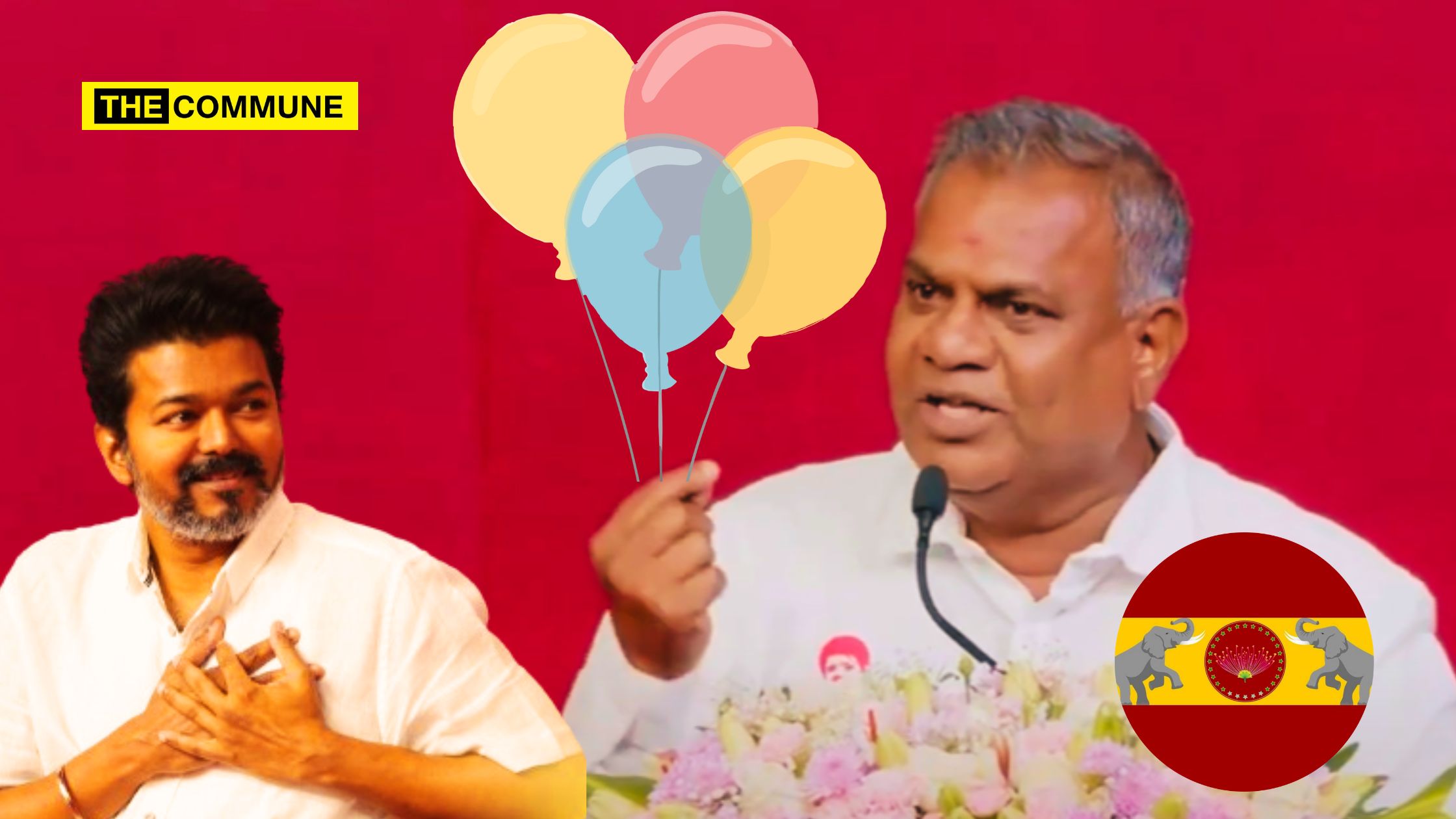
One particular incident that caught netizens’ attention was when TVK’s General Secretary, Bussy Anand, took the stage. Instead of addressing pressing political issues, criticizing the opposition, or discussing the state’s governance challenges, he narrated a “Balloon Story.” The anecdote revolved around a ardent fan and party cadre who lost a balloon to the police and sought Anand’s help to retrieve it. This unexpected and seemingly trivial speech turned into a source of amusement for social media users, who have been relentlessly mocking TVK and its key leaders for the past 24 hours.
Who are the True Cadre of Tamilaga Vettri Kazhagam?
According to TVK’s General Secretary, Bussy Anand, the true loyalist of Tamilaga Vettri Kazhagam (TVK) is someone like District Secretary Dhamu. Anand recounted an incident where Dhamu was determined to retrieve a balloon featuring the face of actor-turned-part-time-politician Vijay, which had been taken by the police. Refusing to accept any other balloon, he insisted on reclaiming the same one, symbolizing unwavering dedication to the leader.
While speaking at TVK’s first-ever general council meeting on 28 March 2025, Bussy Anand said, “I am truly indebted to the District Secretary, Brother Dhamu, at this moment. You must have noticed how well everything has been arranged, from banners to posters, put up on behalf of Tamilaga Vettri Kazhagam. I would also like to thank the executives with him for their efforts. Not only that, but he (Dhamu) had one particular concern. He said, “Brother, I let go of a balloon. Please get it back for me.” I told him, “It’s just a balloon, let it go.” But he responded, “If it were an ordinary balloon, I would have left it. But they (the police) took the balloon with my leader’s picture on it, and I want you to get it back for me.” I replied, “That’s what our lawyers are for. We can get it back whenever we want.” Yet, he insisted, “No, no! I need my leader’s balloon, get it for me immediately.“ So, I would like to say that such a unwaveringly true and ardent cadre is Dhamu.”
— Indhavaainko (இந்தாவாய்ங்கோ) 👊 (@indhavaainko) March 28, 2025
Following this, netizens began mocking the party and its leadership, criticizing the mentality of its cadres. At a time when Tamil Nadu is grappling with serious issues such as oppression, drug abuse, sexual assaults, and rising crime, TVK’s General Secretary and its supporters seemed more concerned about retrieving a balloon from the police. Bussy Anand’s remark that “this is why TVK’s legal wing exists” only added to the ridicule, with many online users heavily criticizing the party’s priorities and lack of seriousness.



The Real Face Of Tamil Nadu Congress Head Selvaperunthagai
After YouTuber ‘Savukku’ Shankar accused Tamil Nadu Congress Committee (TNCC) President Selvaperunthagai of orchestrating an attack on his home—where unidentified individuals disguised as sanitation workers ransacked the house, terrorized his mother, and smeared filth—Selvaperunthagai has once again come under scrutiny. His past controversies have resurfaced, adding to the growing allegations against him. Notably, last year, the Tamil Nadu unit of the Bahujan Samaj Party (BSP) wrote to Congress leader Rahul Gandhi, demanding Selvaperunthagai’s removal from his position, accusing him of alleged involvement in the murder cases of former BSP state president K. Armstrong, Auditor Pandian, Albert, and PPG Shankar. Now, similar calls are being raised once again, urging the Congress leadership to strip him of power due to his alleged criminal background.
The Attack On ‘Savukku’ Shankar
A group of unidentified individuals, disguised as sanitation workers, unlawfully entered the residence of YouTuber ‘Savukku’ Shankar on 24 March 2025. The intruders reportedly ransacked the house, terrorized his mother, and smeared filth across the rooms and dining table.
According to police sources, the attack was allegedly motivated by remarks Shankar made in one of his YouTube videos, which the assailants deemed offensive to sanitation workers. Shankar later took to social media to share details of the incident, including screenshots of a video call made by one of the trespassers using his mother’s phone.
Shankar accused Tamil Nadu Congress Committee (TNCC) President Selvaperunthagai of orchestrating the attack, claiming that his loyal supporter, V. Vanishree Vijayakumar, led the assault.
Social media posts by V. Vanishree Vijayakumar suggested that the incident was premeditated, as she appeared to have planned the act in advance. Evidence from her now-deleted Facebook posts indicated that she was live-streaming the event.
Vanishree’s social media post showcased her close ties with the Congress party and firm support for TNCC Chief Selvaperunthagai.
Before ‘Savukku Shankar’ It Was Dr. Krishnasamy Of Puthiya Tamizhagam
In a development mirroring the attack on YouTuber ‘Savukku’ Shankar’s residence—where unknown individuals terrorized his mother and smeared filth after he exposed corruption allegations—Dr. Krishnasamy’s Puthiya Tamizhagam Party has also faced similar intimidation previously.
On 3 January 2001, Puthiya Tamizhagam party chief Dr. Krishnasamy announced Selvaperunthagai’s expulsion from all party duties after uncovering his past involvement in criminal activities. Reports at the time stated that Selvaperunthagai, who was accused in the murder of Auditor Pandian, had been removed from the party.
Pandian, a resident of Chennai’s Thiruvanmiyur, was murdered four years prior. However, the case stalled due to the alleged interference of a senior police officer. Following a petition by Pandian’s son, Balaji, the High Court transferred the case to the CB-CID, which accelerated the investigation under DIG Ashok Kumar. Selvaperunthagai was accused of hiring a contract killer and had his anticipatory bail request rejected before being arrested.
At the time, Selvaperunthagai was a member of the Puthiya Tamizhagam Party, serving in an executive role. Dr. Krishnasamy, distancing the party from him, clarified that Selvaperunthagai was never appointed as General Secretary and that the murder case predated his membership in the party. He emphasized that the party, built on the sacrifices of hardworking people, would not tolerate any misconduct for financial gain. Until Selvaperunthagai was cleared of all charges, his membership was revoked.
In a dramatic turn of events, just days after his expulsion from the party, alleged supporters of Selvaperunthagai launched a violent attack on the Puthiya Tamizhagam party office on 7 January 2001. Enraged by his removal, they stormed the office—located in the Viswanathan apartment complex near Chennai’s Chola Hotel—vandalizing the premises by smashing the television, tables, chairs, and computers. They even set fire to an effigy of party leader Dr. Krishnasamy.
During the chaos, senior party members, including state high-level committee member Chellaiah and Edwin, were present at the office. The attackers physically assaulted them, forcing them to lock themselves in a bathroom. However, the enraged mob broke through the door, dragged them out, and beat them. Documents, files, and office equipment were thrown around, leaving the space in complete disarray, resembling a battlefield.
As the violence escalated, the protesters gathered outside Krishnasamy’s residence, burning an effigy and vowing to take control of the party office. They claimed ownership over the office’s resources, including air conditioning and furnishings, arguing that they had personally funded them. Several district-level leaders, including South Chennai District Secretary Soundar, North Chennai District Secretary Vadivelu, and Central Chennai District Secretary Buddha Nesan, declared their exit from the party, effectively dissolving the Chennai unit of the Puthiya Tamizhagam Party.
Krishnasamy had been at the office earlier that morning but had to leave the place upon learning of the impending attack. His timely departure likely saved him from direct confrontation, as the protesters were visibly enraged and vocal in their threats against him. The entire incident was largely perceived as a deliberate move by Selvaperunthagai, using his loyalists to stir caste-based tensions by accusing Dr. Krishnasamy of the Puthiya Tamizhagam Party of favoritism and discrimination in leadership appointments.
Dr. Krishnasamy Declared – “Criminals Cannot Be Kept In The Party”
In 2001 Tamilan Express carried a report after the violent attack on the Puthiya Tamizhagam party headquarters in Chennai. It featured Krishnasamy’s statements saying, “Criminals cannot be kept in the party,” and detailed that the incident stemmed from internal party conflicts following the dismissal of Selvaperunthagai. Outraged by his removal, Selvaperunthagai’s staunch supporters, including C.K. Baskaran and Janakiammal, retaliated by vandalizing the Puthiya Tamizhagam office in Alwarpet.
Selvaperunthagai had previously been a key leader in the Ambedkar People’s Front but left after a dispute with Poovai Murthy. After a period of inactivity, he joined the Puthiya Tamizhagam party, where he quickly rose to become the state organizer and developed a close association with Dr. Krishnasamy. His growing influence in Chennai led to tensions with Krishnasamy, eventually resulting in a major fallout that intensified during the Puthiya Tamizhagam conference in Trichy.
Matters escalated further when Selvaperunthagai became entangled in the Spike Pandiyan murder case. He was implicated in the investigation, and was identified as the prime suspect. Allegedly, Selvaperunthagai evaded the police and fled to Bangalore. Authorities tracked his phone calls and intercepted a conversation in which he mentioned returning to Chennai for a temple visit. Based on this lead, police set up a covert operation at a key checkpoint in Chennai, but Selvaperunthagai initially evaded capture. Ultimately, he was apprehended based on a tip from his car driver.
During police questioning at Royapettah Government Hospital, Selvaperunthagai denied any involvement in Pandiyan’s murder. He claimed that Pandiyan was a close friend and that he had no reason to harm him. When asked about the allegation that only he knew the lock number of Pandiyan’s house, Selvaperunthagai responded, “Pandian had many friends who also knew the lock number. Why single me out?”
Regarding the sudden urgency in the investigation, Selvaperunthagai asserted, “I am not a criminal. This is a conspiracy by my rivals.”
Dr. Krishnasamy had called Selvaperunthagai a criminal and his ganga a ‘rowdy’ gang in the interview with Tamilan Express.
Rahul Gandhi Appoints A Rowdy As Head Of Tamil Nadu Congress Committee
Controversially, On 17 February 2024 when K. Selvaperunthagai was appointed by the Congress high command as the President of the Tamil Nadu Congress Committee. His appointment came as a disappointment to many of the Congress leaders in the state. There’s a reason.
During the 2016 Assembly elections, Congress leader D Yashoda, who had previously served as the representative for Sriperumbudur in 1980, 1984, 2001, and 2006, raised concerns about Selvaperunthagai’s candidacy, alleging his support for LTTE. She had alleged that Selvaperunthangai is a staunch supporter of the LTTE and had joined the Congress with the motive of safeguarding his alleged “ill-gotten wealth”.
Selvaperunthagai’s criminal history and his “ill-gotten wealth” has once again become a talking point thanks to BJP Tamil Nadu President K. Annamalai. It seems to have started after Selvaperunthagai accused that criminals were enrolling in the BJP. In return, Annamalai accused him of being a history-sheeter during a press meeting after visiting the bereaved family of TN BSP leader Armstrong.
Annamalai refused to retract his words or apologise for his remarks. In fact, he even put out a list of crimes that Selvaperunthagai was allegedly involved in.
Annamalai in his official X account stated, “When I mentioned that Tamil Nadu Congress Committee President Selvaperunthagai was on the list of criminals, Selvaperunthagai said he was very upset since I have insulted him who came in the path of Mahatma Gandhi. Below is the path taken by the one who claims to be a Mahatma Gandhi follower.
Attempt to murder case, criminal intimidation case, assault with deadly weapons case, rioting with deadly weapons case, explosives case, murder case, and many other cases which are some of the worst crime cases in society. Notably, there were three cases of criminal intimidation (death threats) were filed against him. Apart from this, the Auditor Pandian murder case.”
This led us to a video report from News J that surfaced a few years ago. The report questions the origins of the funds used to establish a college in London. This college is allegedly linked to TNCC President Selvaperunthagai.
Selvaperunthagai’s Endless Political Career For Survival
Selvaperunthagai is said to have begun his political journey with the Puratchi Bharatham (Revolutionary Bharat) Party, and based on the party leader’s recommendation, he was able to secure a position as a peon at the Reserve Bank of India. Over time, Selvaperunthagai transitioned from a humble peon to a millionaire.
His political career, however, has been marred by controversy. Auditor Pandian’s assassination led to suspicions around Selvaperunthagai, resulting in his expulsion from the Puratchi Bharatham Party its leader. Seeking political refuge, he joined Dr Krishnasamy’s Puthiya Tamizhagam Party, only to be dismissed after his identity and past were revealed.
Subsequently, Selvaperunthagai aligned with the Viduthalai Chiruthaigal Katchi (VCK), where his activities attracted legal scrutiny. During the AIADMK regime in 2001 and 2006, the Goondas Act was invoked against him due to allegations of amassing wealth illegally.
Despite these setbacks, he managed to secure a position in the Tamil Nadu Legislative Assembly, representing Sriperumbudur for the VCK in the 2006 elections. However, he was expelled from the party after allegedly betraying its leadership.
Selvaperunthagai’s political journey did not end there. He joined the Bahujan Samaj Party led by Mayawati, only to be expelled shortly thereafter. Finally, he found a stable position within the Congress Party. He contested elections from Sengam and Sriperumbudur in 2014 and 2016, facing defeat in both attempts. However, he won the Sriperumbudur seat in the 2021 assembly elections, representing the Congress Party.
Selvaperunthagai’s Alleged Criminal Past & Mysterious London College Connections
Interestingly, Selvaperunthagai, in his 2011 election affidavit mentioned that there was no cases or FIRs filed against his name.
However, as of 2016, it is noteworthy that there were lots of cases pending and atleast 3 major cases were live.
Selvaperunthagai’s alleged links to the Buckingham College of London have resurfaced, especially after it was revealed that his wife Umayal Selvam was listed as one of the directors. It is noteworthy that the website containing the details of the college’s directors also states that Umayal resigned in 2012.
It is notable that this allegedly bogus college was dissolved in 2017 and the website states that accounts are still overdue.
Given his humble beginnings as a Reserve Bank peon 30 years ago, the question arises: how did Selvaperunthagai accumulate the wealth necessary to build a college in London?
The Sanitation Vehicle Scam
BJP state president Annamalai accused TNCC chief Selvaperunthagai of orchestrating a massive scam under the guise of empowering sanitation workers. The DMK government awarded ₹524 crore contracts, with cooperative banks disbursing ₹65 lakh loans each to 54 individuals in just a week—without collateral or repayments. Shockingly, loan recipients signed blank cheques upon receiving funds, and their accounts have seen no transactions since. Instead of sanitation workers managing the contracts, operations were handed over to Gengreen Logistics, whose director is Selvaperunthagai’s nephew. The company’s registered office matches Selvaperunthagai’s, exposing blatant corruption and conflict of interest.
Will Congress Act?
It is an absolute disgrace that a position once held by towering statesmen like Rajaji, Sathyamoorthi, Kamarajar, Moopanaar, Kumari Anandan, and Vazhapadi Ramamurthy has now been handed over to a history-sheeter and a known thug by national leadership of Congress. Is Rahul Gandhi so clueless that he failed to see this, or has he shamelessly chosen to empower a man like Selvaperunthagai to lead his party?
Selvaperunthagai’s controversial past, alleged criminal history, and questionable financial dealings continue to raise serious concerns. His rapid rise through multiple political parties, coupled with accusations of violence, corruption, and intimidation, casts a long shadow over his leadership. With renewed calls for his removal, the Tamil Nadu Congress faces mounting pressure to address the allegations against him.
Subscribe to our channels on Telegram, WhatsApp, and Instagram and get the best stories of the day delivered to you personally.