Home Blog Page 600

Chennai Special Needs Kid Lakshay Creates Record By Becoming Youngest To Swim Across Palk Strait

Chennai Special Needs Kid Lakshay Krishna Kumar Creates Record By Becoming Youngest To Swim Across Palk Strait

Lakshay Krishna Kumar, a young boy with special needs, made history by becoming the youngest to swim across the Palk Strait, completing a remarkable 56-kilometer journey from Thalaimannar, Sri Lanka, to Rameswaram, India. Despite facing challenging weather conditions, Lakshay persevered and successfully completed the swim in 22 hours, earning a place in the World Book of Records, London.

The feat, accomplished earlier today, stands as a testament to Lakshay’s extraordinary determination and resilience. His accomplishment has inspired many, particularly young people, to embrace fitness and pursue sports, regardless of their challenges.

Lakshay has already accomplished extraordinary feats, including securing a spot in the Asia Book of Records after swimming the challenging distance between Neelankarai and the Kannagi Statue. This impressive achievement came after months of intense and dedicated training.

Lakshay’s achievement also reflects the unwavering support of his parents and his dedicated coaching team, who are said to have worked tirelessly to prepare him for this monumental task. Their combined efforts have continually pushed the boundaries of what is considered possible, breaking new ground in both sports and inclusivity.

It is noteworthy that Union Home Minister, Amit Shah, facilitated the immigration clearances for such events with necessary approvals were granted on time, allowing participants to focus on their goals without administrative delays.

Lakshay’s unbreakable spirit and success have touched many, serving as a beacon of inspiration for children and adults alike, proving that with determination and support, incredible milestones can be achieved.

Subscribe to our channels on TelegramWhatsApp, and Instagram and get the best stories of the day delivered to you personally.

Dravidian Model Road Leads To Fatal Slip And Lorry Collision Ending IT Employee’s Life

Dravidian Model Road Leads To Fatal Slip And Lorry Collision Ending IT Employee's Life

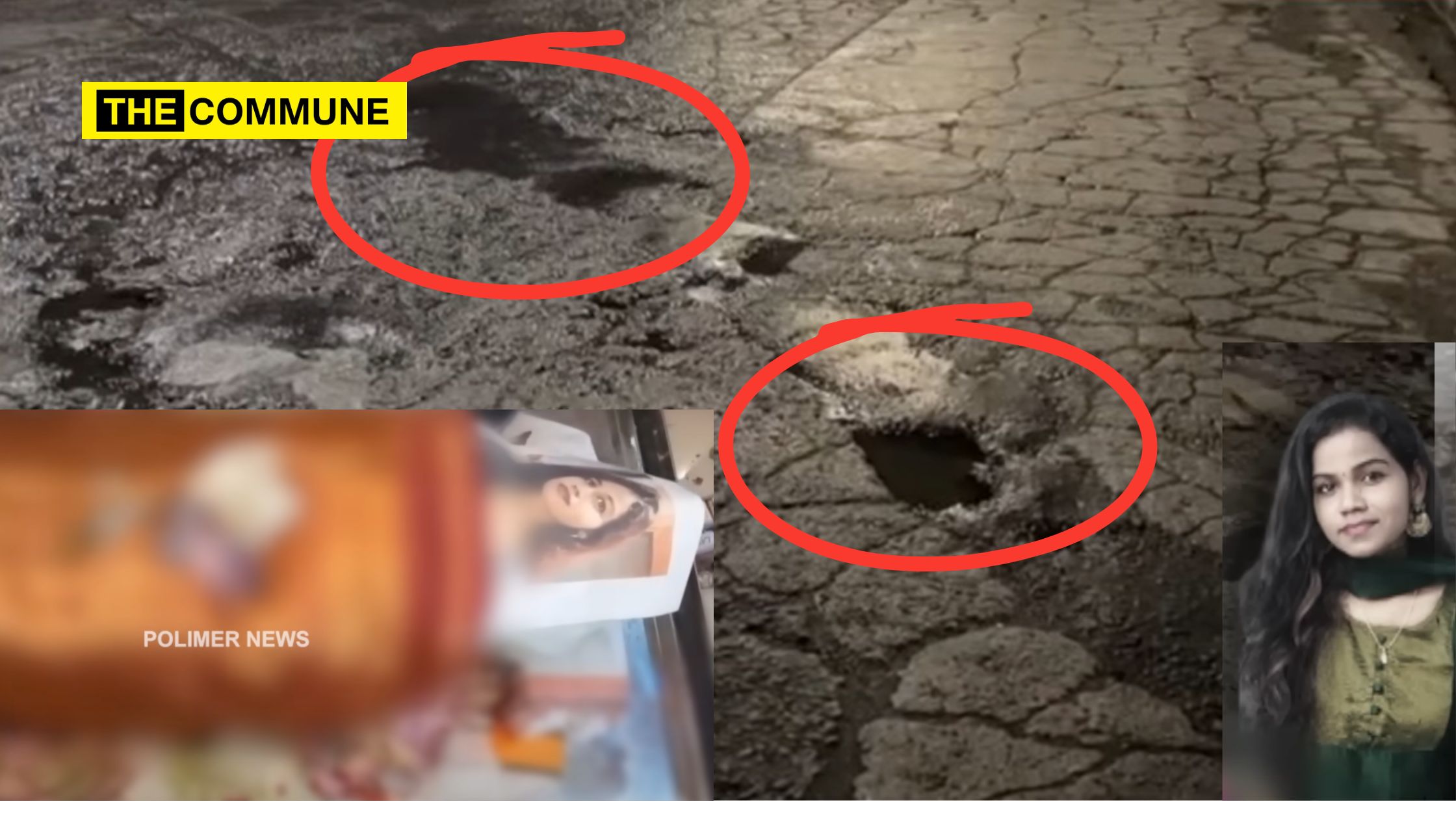
A young IT employee, Nithya, tragically lost her life in a road accident in Alandur, Chennai, after her scooter slipped on stagnant sewage, leading to a fatal collision with a mini lorry. The incident, which occurred late on the night of 7 October 2024, has sparked concerns over the condition of Chennai’s roads.

Nithya, originally from Arisiperiyanguppam in Cuddalore district, was living in Chennai’s Sholinganallur area and worked for a private IT company. On the night of the accident, Nithya and her friend Harini were returning home from Pallavaram on a TVS Jupiter scooter. As they passed under the Thillai Ganga Nagar underpass on the Parangimalai-Velachery Inner Ring Road, their vehicle slipped on stagnant sewage collected on the divided cement road. Both women fell off the scooter, and Nithya was struck by a mini lorry following behind. Her helmet came off in the fall, and she was killed instantly when the lorry’s wheel ran over her head.

Harini, who was driving the scooter, sustained minor injuries and survived the accident. Police arrested Mohankumar, the driver of the mini lorry, and recovered Nithya’s body, which was sent for post-mortem at a government hospital.

The tragedy deepened when Nithya’s body was brought back to her hometown for funeral rites. Due to the severe head injury, a white pumpkin was placed where her head should have been, with her photograph resting on top. The funeral was conducted with solemn respect, as her family and friends mourned the loss of a promising young woman who had worked hard to secure a position in the IT industry.

Nithya’s death has drawn attention to the hazardous road conditions in the area, particularly the stagnant sewage that contributed to the fatal accident. Motorists have raised concerns over how many more lives could be lost due to such dangerous road conditions, urging authorities to take immediate action to repair these “death traps.”

(With inputs from Polimer News)

Subscribe to our channels on TelegramWhatsApp, and Instagram and get the best stories of the day delivered to you personally.

Israel Orders Over 4,00,000 Gazans To Move South, Expands Military Operations In North: UN

Palestinian envoy calls for emergency Arab League meeting over Gaza

In recent days, Israel once again ordered more than 400,000 people who remain north of Wadi Gaza in the Gaza Strip to move south while at the same time tightening access restrictions and expanding military operations in the north, UN humanitarians said.

The UN Office for the Coordination of Humanitarian Affairs (OCHA) on Wednesday said it continues to be deeply concerned about the situation in the northern areas of Gaza.

The office said crossing points into northern Gaza remain largely closed to both humanitarian and commercial supplies, and checkpoints inside Gaza are only permitting civilians to move south and allowing just a trickle of humanitarian movement into the north, according to Xinhua news agency.

OCHA warned that these developments are forcing services critical for people’s survival to shut down one by one. According to UNRWA, the UN relief agency for Palestinians, seven schools sheltering displaced people are being evacuated, and only two of eight water wells in the Jabalya refugee camp remain functional.

“The north is also facing severe shortages of bread and food supplies,” the office said. Explosive munitions burned down the only bakery supported by the World Food Programme (WFP) in the Jabalya refugee camp.

OCHA and the World Health Organization tried to reach northern Gaza on Wednesday to support the Kamal Adwan Hospital after Israeli authorities ordered its immediate evacuation. After receiving a green light from the Israeli authorities for the mission, the team was forced to wait at a holding point for many hours. Ultimately, the mission had to be aborted.

“Despite these challenges, aid workers are seizing any opportunity to support people in northern Gaza,” said OCHA. It added that UNRWA is utilising limited stocks already in the north to distribute high-energy biscuits from WFP to children in designated shelters and delivering bread bundles to families in certain areas.

Hot meals are being distributed by its partners to newly displaced families, some of which are also receiving tents, and water is being delivered using trucks.

–IANS

Subscribe to our TelegramWhatsApp, and Instagram channels and get the best stories of the day delivered to you personally.
CM Pinarayai Vijayan Has No Credibility, Kerala Governor Arif Mohammed Khan Says

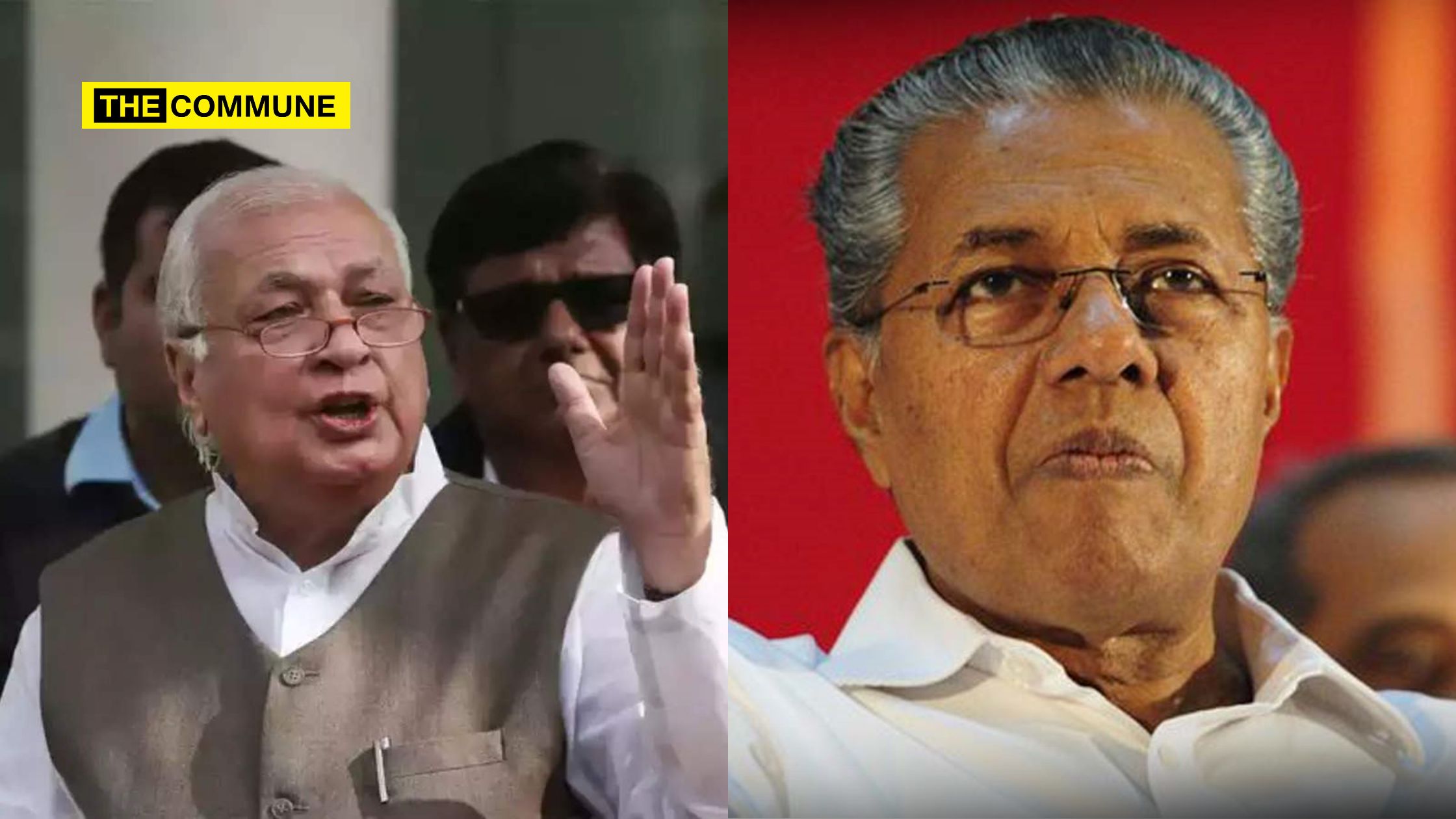
CM Pinarayai Vijayan Has No Credibility, Kerala Governor Arif Mohammed Khan Says

Kerala Governor Arif Mohammed Khan on Thursday accused Chief Minister Pinarayi Vijayan of having “no credibility.” There has been a long-standing cold war between the two, but there has been a lull in hostilities between the two men of late. However, with the governor stating that CM Vijayan has “no credibility”, the two men will be in a fresh state of attrition.

The fresh trouble began over the issue of gold smuggling in the state that was first brought out by Left Independent Legislator PV Anvar last month. He accused then ADGP, Law and Order MR Ajith Kumar, along with P Sasi, the Political Secretary to Vijayan of being the main actors responsible for the racket.

Then came an interview of CM Vijayan in a leading national daily in which he allegedly said that Malappuram district was the hub of gold smuggling and that the money was being used for ‘anti-state’ and ‘anti-national’ activities. As the interview stirred controversy, Vijayan’s office wrote to the editor of the national daily, where it was stated that the CM never mentioned any particular place or region and used the words “anti-state or anti-national.”

The national daily, in a rejoinder, said that there was a PR agency who fixed the appointment, and there were two people and one of them later had asked them to include this also in the interview. “I wish to ask the CM why he did not inform me about the gold smuggling issue, especially since he said the money from it is being used for anti-national activities. He is duty-bound to inform me about this. Even any administrative issue must be conveyed, but this is a grave thing, and he did not do so,” said Khan. Rebutting Vijayan’s statement that it’s the duty of the Customs and the Central government, Khan asked if that be the case then why did the CM not inform him.

“The CM says he has no PR agency. Then how come he did not issue a rebuttal to the daily’s statement, which said they were contacted by a PR agency to interview the CM? During the interview, two PR agency officials were present. He has no credibility and he uses this for political purposes,” added Khan.

Khan further said that he would now inform the President of what’s happening in Kerala, as he is duty-bound to bring to her attention the anti-national activities taking place in the state.

–IANS

Subscribe to our TelegramWhatsApp, and Instagram channels and get the best stories of the day delivered to you personally.

CITU’s Samsung Protests: A Trojan Horse For China’s Manufacturing Dominance?

CITU Samsung Protests: A Trojan Horse For China's Manufacturing Dominance?

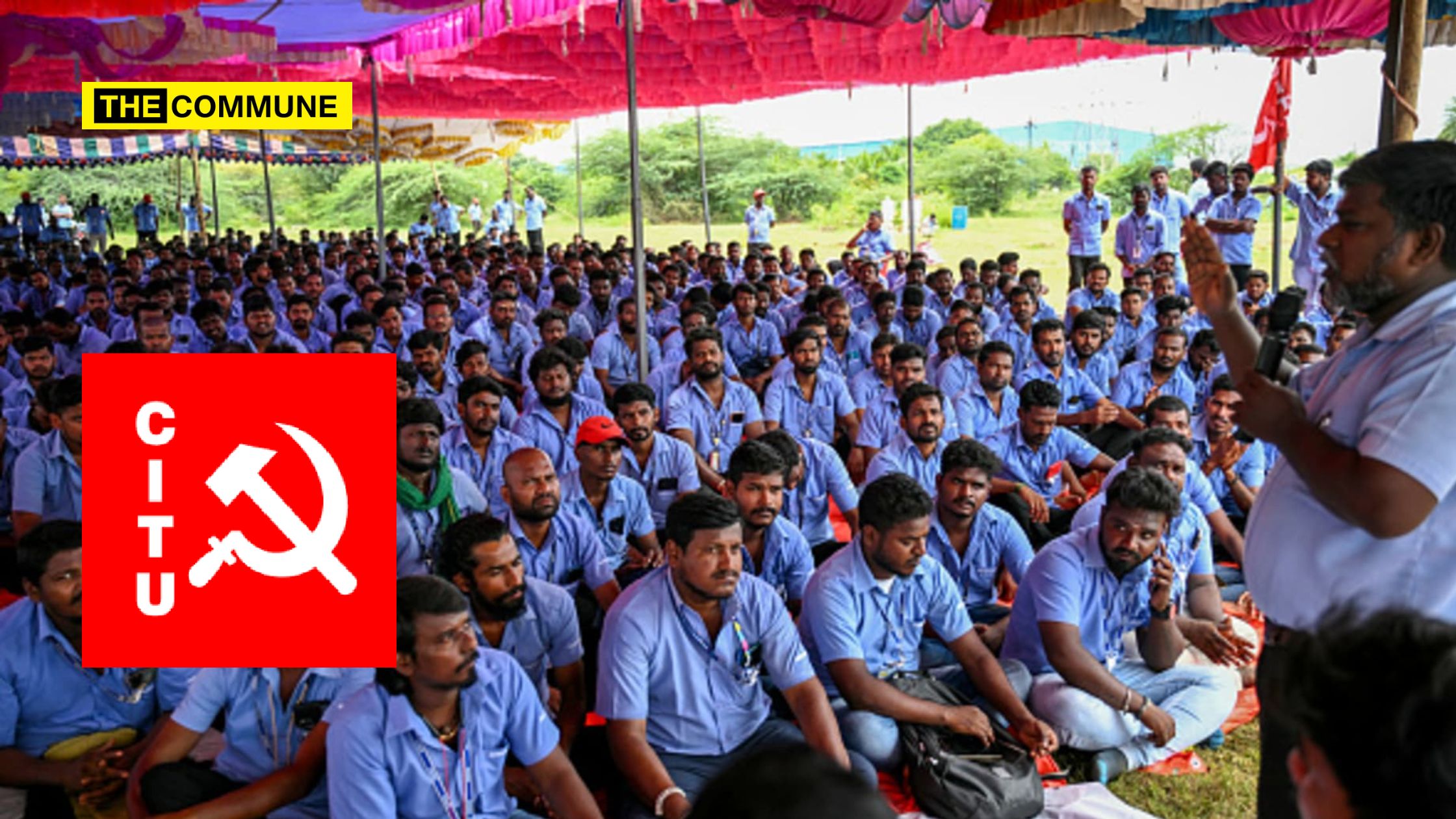
The ongoing labour unrest at the Samsung Chennai plant, spearheaded by the Centre of Indian Trade Unions (CITU), is raising eyebrows and concerns far beyond the factory gates. As the protests stretch into their fourth week, industry experts and government officials are beginning to question whether these actions are merely about workers’ rights or part of a more complex geopolitical game.

With Tamil Nadu contributing 34% of India’s electronics exports, the protests threaten not only Samsung but also broader manufacturing ambitions in India, with some fearing a repeat of past industrial closures. The timing, coinciding with India’s Free Trade Agreement reviews, has fueled suspicions of geopolitical motives aimed at undermining India’s rise as a global electronics hub.

The Curious Case Of Selective Protests

A glaring inconsistency is the absence of similar protests at factories run by Chinese smartphone giants like Xiaomi, Oppo, and Vivo. This selective targeting has raised questions about CITU’s real motives. We have never heard of protests at Xiaomi, Oppo, or Vivo factories. In contrast, CITU created chaos at the Taiwanese Foxconn plant in Chennai in 2010, fought a five-year legal battle in court, and temporarily shut the plant. Interestingly, after Chinese Xiaomi entered an agreement with Foxconn to produce at the same Chennai plant in 2017, CITU disappeared.

Samsung’s Commitment vs. CITU’s Agenda

It’s worth noting that Samsung has shown commitment to its India operations, even during challenging times. A former employee points out that, “Even during COVID, Samsung gave a 15% increment to its workers. The firm expanded its Chennai plant by 1,588 Crores by adding a new compressor unit too after COVID. Now they are manufacturing compressors as well in Chennai. But what seems to be the CITU’s problem is that what was brought from China should be sent back to China itself. Sounderarajan was nowhere to be seen for hte past 11 years. Only after the compressor plant came here, he can be seen and these protests begin. In 2011, he was doing protests like this and then he went underground. Now since India is a growing electronics manufacturer, he is using his old formula to shut down companies through protests and send them back to China. I worked for 7 years at Samsung. The welfare benefits given by Samsung to its workers is one of the best in the industry. Employees know that and seem to be threatened and misled by the CITU members. My humble request is that patriotic Indians please come forward and put an end to CITU at the earliest. Otherwise, this will blow up into a bigger problem and we will not have any industry or jobs in the country.”

Another employee, speaking to a media channel said, “I have been working here for 12 years. What I want to ask everyone is that employees asked for salary hike. But now it seems unclear if they want salary hike or a Union. They have agreed to give us a hike. So why do we need a Union. If we work in the general shift, it is for 9 hours out of which 1 hour is for break and we work for 8 hours. Those working in a shift only work for 7hours including break. During peak season, there is over time also. Those interested can do it an those who do not want to do it are not compelled either. If you work for 2 hours overtime, you get paid for it also. I do not understand what the problem is. This helps us in the form of a double salary. The main salary is received in teh first week and the overtime salary comes about 2 weeks later so there is money always in the bank through the month. The company has only done good for the people.”

A Threat To India’s Manufacturing Ambitions

Tamil Nadu contributes a whopping 34% of India’s electronics exports. If left unchecked, the prolonged unrest at Samsung could have far-reaching consequences not just for the South Korean tech giant but for India’s entire Make in India initiative.
It seems as if CITU is looking to derail investments, especially in electronics, pouring into India and divert them to China. This sentiment is echoed by many who fear a repeat of the Nokia debacle, where union pressures and tax disputes led to the closure of a major manufacturing plant in the same Sriperumbudur industrial area in 2013.

The FTA Factor: Timing That Raises Questions

The timing of these protests is particularly suspicious, coinciding with India’s ongoing review of Free Trade Agreements (FTAs) with South Korea and ASEAN countries. These agreements are crucial for India’s plans to boost trade and manufacturing. The labor unrest could potentially weaken India’s bargaining position in these negotiations, indirectly benefiting competing manufacturing hubs like China.

Foreign Influence: A Growing Concern

A recent report by the Global Trade Research Initiative (GTRI) suggested that India should establish industrial intelligence units to investigate potential foreign involvement in such disruptions. The report hints at the possibility that foreign entities could be influencing these protests to sabotage India’s ambitions of becoming a global electronics manufacturing hub.

The Way Forward

As the situation escalates, calls are growing for the Tamil Nadu government to take decisive action. Industry experts suggest that while worker welfare is important, it shouldn’t come at the cost of driving away foreign investment. They propose a balanced approach where the government facilitates industry-wide discussions on wage benchmarking and worker welfare without granting blanket union recognition.

As the Samsung strike in Chennai continues, it’s becoming clear that this is more than just a labour issue. It’s a potential crisis that could derail India’s manufacturing ambitions and inadvertently benefit competitors like China. With high stakes involving FTA negotiations and the spectre of foreign meddling, Tamil Nadu and India cannot take this situation lightly. The coming days will be crucial in determining whether India can maintain its position as an attractive manufacturing destination or if it will cede ground to its competitors.

Subscribe to our TelegramWhatsApp, and Instagram channels and get the best stories of the day delivered to you personally.
Hindu Munnani Successfully Resists Dravidar Kazhagam’s Attempt To Remove Ganesha Temple In Erode District

Hindu Munnani Successfully Resists Dravidar Kazhagam's Attempt To Remove Ganesha Temple In Erode District

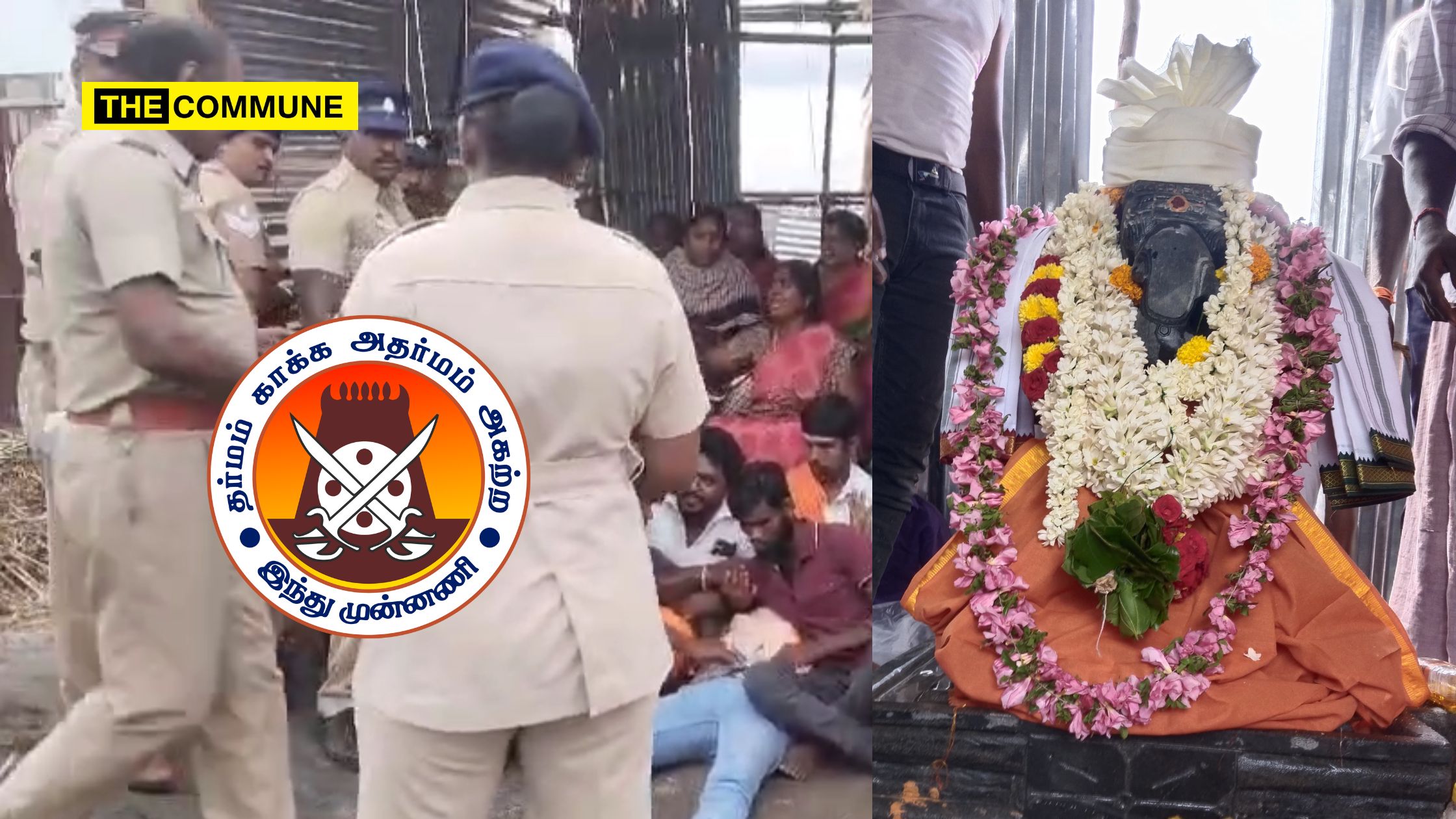
In a notable development, the Hindu Munnani has thwarted an attempt by the Dravidar Kazhagam (DK) to disrupt Hindu faith and worship in the Erode district. The Dravidar Kazhagam lodged a controversial complaint with local police, calling for the removal of a Ganesha temple situated on Patta land in the Alaghapuri area of Nambiyur.

Following this complaint, police and revenue officials sought to stop the temple worship without substantial cause, which sparked significant unrest among local residents. In response, Senthilkumar, the State Secretary of Hindu Munnani, along with fellow activists and community members, organized an eight-hour protest.

The demonstration ultimately led to a successful outcome. The revenue department decided to abandon its efforts to remove the temple, reinforcing the community’s commitment to protecting their religious practices.

The Dravidar Kazhagam has a history of disregarding and insulting Hindu practices under the guise of promoting atheism, often disrupting the peace of the Hindu community. Recently, DK and a few Dravida Munnetra Kazhagam (DMK) affiliates reportedly attempted to assault a bandobast police sub-inspector on 23 August 2024. The altercation arose after the police officer requested that the DK halt their alleged inflammatory speech against Hindus and Hindu deities, particularly as a temple procession was passing by the DK stage in Mayiladuthurai.

The incident occurred when DK had received permission to hold an event near a temple on Chinna Kadai Street. During the event, DK’s Mathivathini delivered a speech that allegedly included derogatory remarks about Brahmins and criticized the procession of the Mayuranathar Swamy temple.

Sub-Inspector Kannan, stationed to maintain order, requested that Mathivathini’s speech be halted until the procession had passed. About 20 individuals, including Panchayat Council President Selvamani and DMK Councilor Rajini, confronted the officer in response. The Dravidar Kazhagam members reportedly surrounded, pushed, and attempted to assault him, resulting in a heated argument.

Subscribe to our TelegramWhatsApp, and Instagram channels and get the best stories of the day delivered to you personally.
The Industries That Nefarious Communist Unions Destroyed

The Industries That Nefarious Communist Unions Destroyed

Communist unions in India, often guided by Marxist ideology, have significantly disrupted industries and deterred investment. From violent labour strikes in West Bengal and Kerala to operational shutdowns of iconic brands like Sumeet and Meenumix, the influence of communist labour movements has repeatedly caused economic instability. This has led to job losses and hurt local businesses while benefiting foreign companies. Many Indian companies have been forced to relocate operations to avoid the stranglehold of militant unionism.

Communist Ideology

Communist ideology, rooted in the works of Karl Marx and Friedrich Engels, emphasizes class struggle and the pursuit of a classless society. It advocates for collective ownership of the means of production to eliminate private property and worker exploitation. It aims to create a system where resources are distributed according to need, promoting equality and social justice. However, in practice, particularly in India, this ideology has sometimes been wielded to undermine businesses, deter investments, and threaten industrialists. This dynamic can trap labourers in a cycle of poverty and job loss, benefiting only a few union leaders while allowing foreign companies to flourish at the expense of local brands.

India has a complex history of labour strikes and political movements, influenced mainly by communist ideologies. In several states, particularly in West Bengal and Kerala, strong communist trade unions have led to significant strikes that impacted business operations.

Key examples include:

  1. West Bengal: The Communist Party of India (Marxist) ‘s long rule from the late 1970s until 2011 created a labor environment characterized by frequent strikes and militant unionism. These strikes sometimes led to companies reconsidering their investments or operations in the state.
  2. Kerala: Like West Bengal, Kerala has a history of strong communist influence and labour activism. Strikes and shutdowns organized by unions have sometimes disrupted business operations, leading to challenges for companies trying to operate in the state.
  3. Naxalite Movements: In various parts of India, particularly in rural areas, the Naxalite movement (which has communist roots) has led to violence and instability. This has driven away businesses from regions where safety and law enforcement are concerns.

These movements often resulted in companies either pulling out or hesitating to invest in certain regions due to fears of labour unrest, political instability, and disruptions to their operations.

Here, let’s explore and recall some veteran Indian brands that succumbed to pressure from communist labour unrest, which posed operational challenges in the region. Many companies have strategically relocated some operations or projects to states with favourable labour conditions to diversify their risks.

Binny Mills strike

Reflecting on the history of trade unions in India, Chennai emerged as a crucial hub for labour movements alongside various national efforts. The Binny Mills strike was pivotal in establishing the Madras Labour Union, the first trade union in India.

Workers at Binny Mills, who faced gruelling 12 to 16-hour shifts with inadequate wages, experienced significant exploitation, which prompted the strike. Leaders such as Thiru V Ka, BP Wadia, Singaravelar, and Sakkarai Chettiar founded the Madras Labour Union. Between 1921 and 1924, Binny Mills became the site of numerous struggles, including police violence and fatalities, which compelled the British government to address the workers’ grievances. During this period, the management of Binny Mills even filed a lawsuit against the union for financial losses incurred due to the strike.

However, the union successfully contested the case. This struggle ultimately led to the passage of the Indian Labour Act 1926, designed to protect trade unions. Around the same time, the All India Trade Union Congress was established to unify and coordinate the efforts of trade unions across the nation, marking the beginning of a more organized labour movement in India.

After India gained independence, trade unions and the Communist Party were banned in 1948, but the ban was lifted in 1951. Dr. Veeraraghavan noted that Tamil Nadu became known for its militant trade union movement during that period, distinguishing it from other regions.

Sumeet Appliances

Once a leading kitchen mixer-grinder brand, Sumeet has largely faded from the market due to distribution challenges, labour strikes, and succession disputes, becoming a memory for the older generation. While the name Sumeet may not be familiar to many today, an industry veteran aptly compares its significance to that of Dalda in the vanaspati ghee sector.

Contrary to popular belief, Sumeet, which means “good friend” in Hindi, originated in Mumbai rather than being a South Indian brand. Known for its unique selling proposition a motor designed to withstand even the toughest grinding and backed by reliable after-sales service, Sumeet quickly established itself as a household favorite, with products that could last up to 20 years.

Established by SP Mathur, the brand indeed revolutionized Indian kitchens; a sentiment echoed even by its competitors. Despite the influx of similar brands and a fragmented market, Sumeet maintained its stronghold well into the ’90s. At its peak in the ’80s, Sumeet sold around 60,000 monthly units and held a market share of 43 per cent.

Unfortunately, the struggles faced by its Coimbatore and Chennai plants, which succumbed to communist labour protests alongside distribution challenges, mark a poignant chapter in the brand’s history in Tamil Nadu.

Regrettably, what Indian leaders once envisioned as a means to protect vulnerable workers has now become a tool for political affiliates, often used to manipulate and control business interests.

Brand Meenumix

Meenumix, established by Kerala-born Balakrishna Pillai, faced significant labour issues in the mid-1990s, leading to a major market setback in Kerala and Tamil Nadu. As a result, the original manufacturer, Meenu Equipment, which had been built up since its founding in 1969, had to sell the brand.

Unfortunately, Meenumix was acquired by a newer company, Hometeck Commercial Agencies Pvt Ltd (HTL), a Kochi-based distributor of home appliances. Ibrahim Khamis, the group chairman of HTL, took over its customer base from the UAE and Bahrain.

Metal Box India limited

Metal Box India Limited, with branches in Chennai, Cochin, and Calcutta, was a multinational company that produced and exported metal tins worldwide. In the late 1960s, it manufactured various tin containers, including petrol cans, Pond’s powder cans, and Danish cookie tins, providing well-paying jobs.

However, when communist influences took hold, workers became embroiled in strikes, undermining the company’s operations. What was once a source of prosperity became a significant setback as the workforce lost its way. Instead of reaping the rewards, they faced layoffs, factory closures, and abandoned machinery. The livelihoods that had once flourished were destroyed, leaving workers without the means to support themselves.

While claiming to advocate for workers, these movements often led to devastating consequences for the individuals they aimed to support. This experience illustrates the detrimental impact that extreme labour activism can have on society and the economy.

Pricol

The nastiest was the labor unrest in 2009 at Pricol, an auto parts manufacturer in Coimbatore, took a tragic turn when a group of workers attacked the company’s Vice President of Human Resources, Roy J George, with iron rods, resulting in his death from multiple injuries. Additionally, four other employees were injured in the incident, sending shockwaves through the local business community and raising concerns among investors.

In response, various trade unions condemned the violence and called for the government to take action against unlawful organizations like CPI-ML, which they believe are inciting unrest among workers. This unsettling situation is particularly alarming in a state known for its industrial advancement and skilled workforce. The increasing number of disputes in major companies is partly attributed to rivalries among unions vying for dominance in representing workers.

Rico Auto Industries 

To understand the potential impact of a trade union protest on a supply chain, consider the 2009 Rico Auto Industries incident. In October of that year, the Gurgaon-Manesar region, known as India’s automobile hub, came to a near halt as approximately 90,000 workers from various auto and component manufacturers participated in protests.

The unrest began at Rico Auto Industries following the death of an employee during demonstrations against the management’s suspension of several workers. This strike severely disrupted production at around 60 automotive and component manufacturing facilities, with far-reaching consequences.

The repercussions were felt globally; Ford Motor Company experienced a shortage of transmission parts, leading to temporary shutdowns at its Ontario plant, which produced Edge SUVs, and its Chicago facility, which manufactured Taurus sedans. General Motors also had to pause operations at its SUV plant in Delta Township, Michigan, for a week and reduce shifts at a transmission plant in Warren, Michigan, impacting production schedules significantly.

NOKIA

In 2021, nearly 2,000 workers from Nokia India’s Chennai plant, which employed close to 8,000 people, took to the streets to highlight their job insecurity and demand protections for their livelihoods.

At that time, the Finnish handset manufacturer was embroiled in two separate tax disputes—one with the central government and another with the Tamil Nadu government. Tax authorities had frozen the company’s assets, including the Chennai plant, until the issue with the central government was resolved. This situation left the plant’s future uncertain, especially since it needed to be transferred to Microsoft by the end of April as part of an impending acquisition.

If some workers lost their jobs, as management had suggested might happen due to ongoing tax disputes, the issue of re-skilling and finding new employment would become critical for them.

Industries In Kerala

Major multinational corporations like Coca-Cola and PepsiCo struggled to withstand labor strikes. In 2004, Coca-Cola halted operations at its Plachimada plant in the Palakkad district following widespread protests concerning pollution and the overexploitation of groundwater. The company had established the plant in 1999.

Similarly, PepsiCo opted to close its production facility in Kerala due to labor unrest, marking 15 years since Coca-Cola ceased operations in the state. The PepsiCo unit in Palakkad, managed by franchisee Varun Beverages Ltd, issued a mandatory closure notice to the state labor department in 2020. This facility, established in 2001 in the Kanjikode industrial area, focused on producing packaged drinking water and soft drinks under the Pepsi brand.

In March 2019, PepsiCo transferred control of the plant to Varun Beverages after a labor strike that demanded better wages and benefits for contract workers. Prior to the franchise arrangement, the plant had faced a temporary shutdown, which ended only after an agreement was reached with the workers. Management sources indicated that the decision for lockdown stemmed from significant losses incurred during a strike in February of that year. They noted that, despite police protection, employees on duty faced assaults.

In 2021, KITEX Garments, which had planned to invest ₹3,500 crore in Kerala, announced its withdrawal, citing harassment by government officials. This decision sparked debates about the state’s investment climate. The situation was further complicated by concerns over labor issues and pollution, despite job creation.

Case Study – West Bengal

To understand the destructive impact of communist movements on a state’s viability, one can look to West Bengal as a case study of strategic devastation caused by Communists led labor strikes.

In the late 1960s, political unrest, fueled by the rise of the Naxal movement in urban areas like Kolkata, created an environment detrimental to industrial progress. Business owners were often perceived as class enemies, resulting in violent confrontations and aggressive trade union activities that targeted various companies. This climate of fear was underscored by incidents such as bomb attacks on executives, which severely undermined workplace morale and operations.

Prominent firms, including Jessop & Company, Braithwaite, and Aluminium Corporation of India, faced significant challenges due to strikes, violence, and governmental hostility, ultimately leading to closures and nationalization. Key industries such as Burn & Company and Indian Standard Wagon were nationalized following intense labor disputes, signaling a considerable retreat from private enterprise.

This hostile atmosphere prompted many industrialists, like the Singhanias and the Birlas, to move their operations to more favorable states like Maharashtra and Delhi. The Left Front government’s antagonistic approach to capitalists contributed to a dramatic decline in industrial investment, forcing major companies such as Philips and Ispat Industries to exit the state.

Efforts to revitalize the industrial sector in the 1990s were largely fruitless, as initiatives to attract substantial investments were thwarted by ongoing labor disputes and land rights issues, particularly in Singur.

As industries declined, unemployment surged, further aggravating the region’s political and economic instability. The interplay of militant unionism, hostile policies, and the exodus of major businesses resulted in West Bengal’s dramatic fall from its status as an industrial hub, thwarting any hopes for a return to its former economic prominence.

Subscribe to our channels on TelegramWhatsApp, and Instagram and get the best stories of the day delivered to you personally.
Trump Says If Elected, ‘Nasty’ Rival Vivek Ramaswamy Would Get A ‘Big’ Position In His Administration

Trump Says If Elected, 'Nasty' Rival Vivek Ramaswamy Would Get A 'Big' Position In His Administration

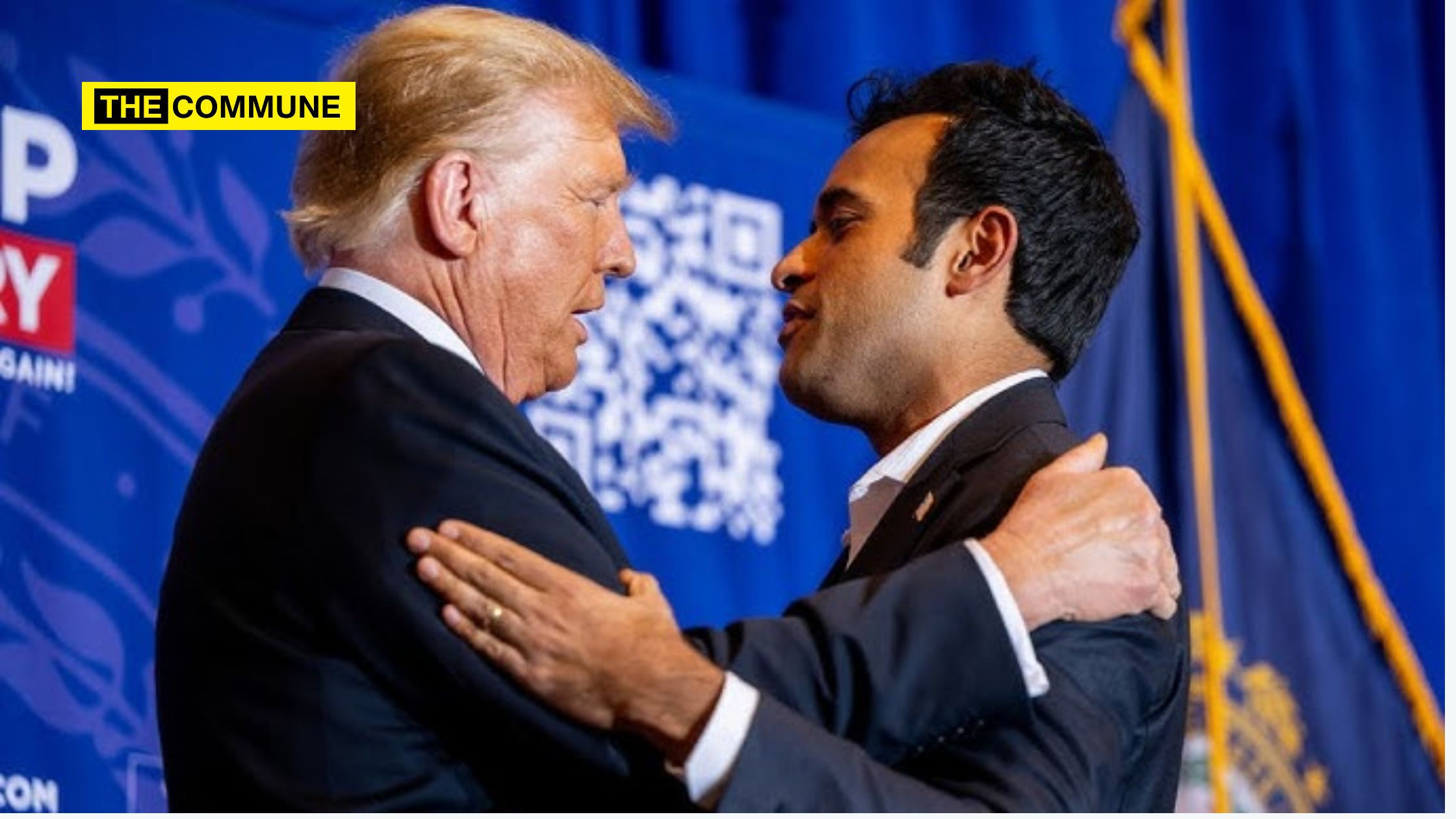
Republican Presidential Candidate Donald Trump has offered his one-time “nasty” rival Vivek Ramaswamy a position in his administration if elected, putting “him in charge of one of these big monsters” in government.

Trump, who took his campaign to Scranton, Pennsylvania, the birthplace of President Joe Biden, on Wednesday said the “smart as hell” Indian-American entrepreneur gave him tough competition and was “nasty” when they vied for the party nomination.

“He’s really smart, and I hope he’s going to be involved in our administration,” he said.

“We can put him in charge of one of these big monsters [in government] and he’ll do a better job than anybody you can think of.” Ramaswamy, a warm-up speaker for Trump’s next rally in nearby Reading, compared him to George Washington, the Father of the Nation, in the style of the former president’s hyperbole. Trump, who followed, expanded on his earlier remark in Scranton saying that “he’s going to be a part of something that’s going to be really big”.

To cheers from the audience, he said, “I don’t want to tell him yet exactly [his position]. We’re gonna pick the right [one].” Trump said he didn’t want to disclose the job he had in mind because “I don’t like talking first. I like to win. We gotta win”. He said, “Somebody said, ‘Oh, sir, who’s going to be Secretary of State’. I said, ‘Do me a favour. Let’s win first. Okay’?” Trump and Democratic Party candidate Kamala Harris, the US Vice President, are sparring at the polls’ margin of error with a 2 per cent lead for her nationally. This was Trump’s second campaign trip within a week to the state that he lost narrowly in 2020 after winning it in 2016. On Saturday, Trump addressed a rally in Butler, where he was wounded in a sniper attack in August. He addressed the two rallies on Wednesday.

At the earlier rally in Scranton, Trump recalled the fight for the party nomination before Ramaswamy dropped out to support him. “I had to compete with this guy, and I thought it would be easy, but it wasn’t. He was nasty. He was quick. He’s smart as hell. And he knew things which a lot of people didn’t know and didn’t understand,” he said.

“He did amazingly well, because he started really as a rookie, right? And he got up and he wiped a lot of very smart politicians off the stage,” Trump said. “And then one day he came up to me, he goes, ‘You know, I don’t think I’m gonna beat you’,” he said.

While running against Trump, Ramaswamy had accused him of “making false promises”, of being “downright abhorrent” for not accepting his defeat in the 2020 election, and “sore loser”. Trump accused him of doing “deceitful campaign tricks”, and not being a true member of his Make America Great Again (MAGA) movement.

In his speech at Reading, going over the top like Trump, Ramaswamy said “it is a 1776 moment in this country”, the year the American Declaration of Independence was made and the Revolution against British rule began. “We need our George Washington to cross the Delaware,” he said in comparison to a pivotal moment in the American Revolution.

“When George Washington did it, they shot bullets at him.” “Donald Trump is the George Washington of our moment,” he said hinting at the assassination attempts. As an Indian-American Hindu, Ramaswamy poignantly said, “The best days are still yet ahead of us, so we will look our kids in the eye and mean it when we tell them that no matter who you are or where your parents came from, or what your skin colour is, that you get ahead in the US with your hard work, your commitment, your dedication.”

Ironically, though, in the current presidential race, Harris epitomises that. The other Indian-American who ran for the Republican nomination, Nikki Haley, has said she’s on “standby” to campaign for Trump. “He’s aware that I’m ready if he ever needs me to do that,” she said on a TV programme in August, but hasn’t yet been invited to speak at any rally. (Arul Louis can be contacted at arul.l@ians.in and followed at @arulouis)

–IANS

Subscribe to our channels on TelegramWhatsApp, and Instagram and get the best stories of the day delivered to you personally.

How ‘Suswagatam’ Marked The Beginning Of Deep Bond Between Ratan Tata And PM Modi

How 'Suswagatam' Marked The Beginning Of Deep Bond Between Ratan Tata And PM Modi

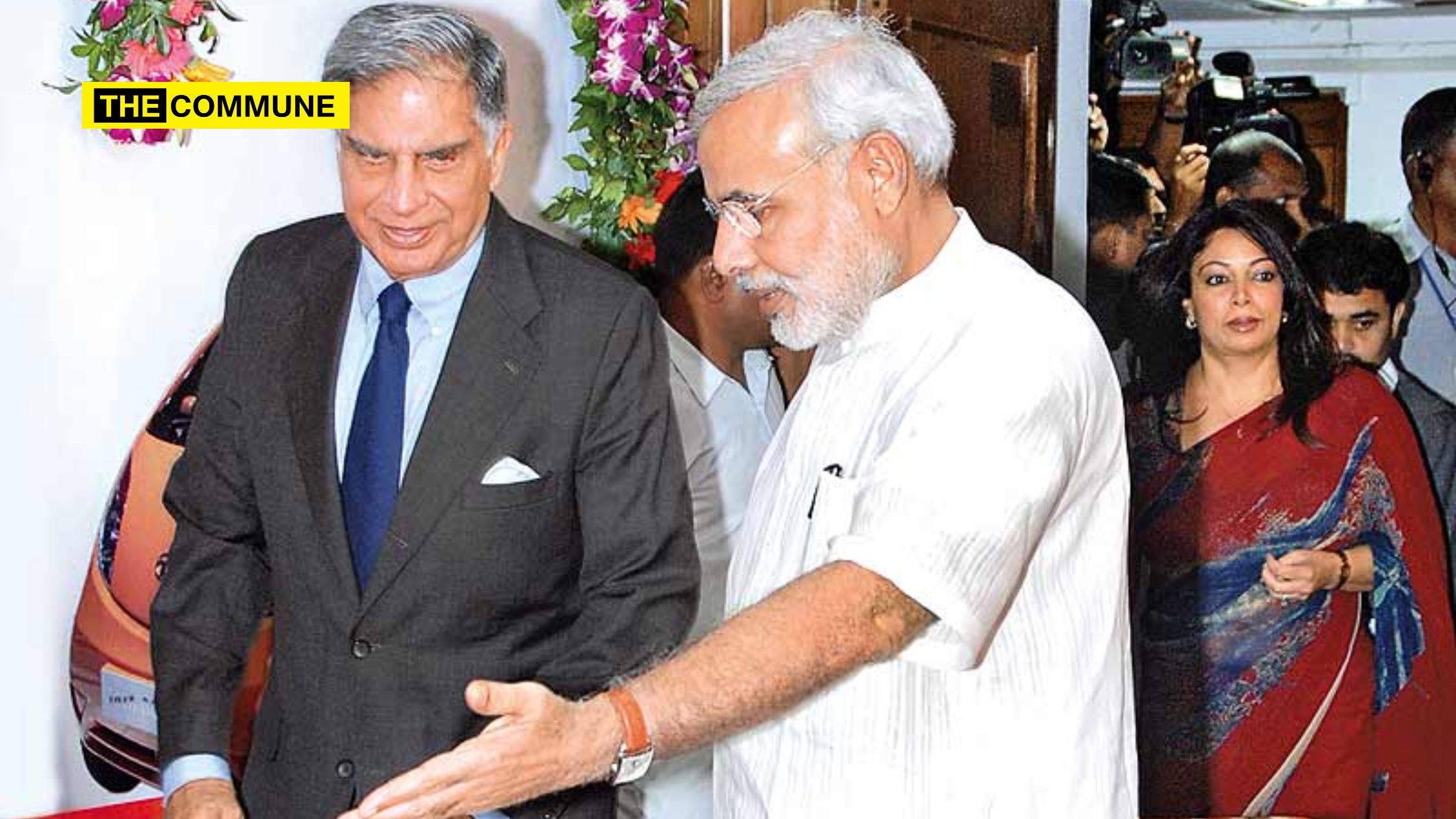
As the nation grieves the passing away of Ratan Tata, Chairman Emeritus of Tata Sons, an old picture recalls the deep bond shared by the business tycoon with Prime Minister Narendra Modi, which began in 2008 with the word ‘Suswagatam’ (meaning ‘welcome’ in Sanskrit).

This word marked the beginning of a significant chapter in Ratan Tata’s business journey and the Gujarat government’s industrial transformation.

Recalling this special connection, the Modi Archive paid tribute, stating, “Suswagatam – a one-word text from then Gujarat CM Narendra Modi to Ratan Tata marked the start of a deep bond.

Today, as we mourn the passing of Shri Ratan Tata, his legacy, vision, and shared love for India remain with us. Om Shanti.”

This goes back to late 2008, when Tata Motors was forced to halt its highly anticipated Nano project in Singur, West Bengal, due to political unrest between Mamata Banerjee and Buddhadeb Bhattacharjee.

Determined to move forward, Tata Motors sought a new site for the plant. Within days, states began offering alternatives, but it was Gujarat that eventually won Tata Motors’ confidence.

Narendra Modi, then Chief Minister of Gujarat, made a swift offer of 1,100 acres of prime land in Sanand at Rs 3.5 lakh per acre, providing a solution to the company’s relocation crisis.

It is said that Narendra Modi sent a one-word SMS — Suswagatam — to Ratan Tata after the announcement of Tata Motors’ exit from Singur, welcoming the project to Gujarat.

Interestingly, the chosen land in Sanand had a historic connection to the Tata family. Over a century earlier, Jamsetji Tata had donated Rs 1,000 to establish a cattle farm on the same land during a severe drought. This long-standing Tata connection gave the location even more significance.

In the months that followed, Tata Motors moved its equipment from Singur to Sanand, leaving behind structures worth crores. On June 2, 2010, in the presence of then Chief Minister Narendra Modi, Ratan Tata inaugurated the rs 2,000 crore Sanand plant, marking the beginning of a new era for the company and the region.

The Tata investment in Sanand soon attracted other major investors. In 2011, Ford announced a Rs 4,000 crore investment to set up a plant nearby.

The flood of investment continued with companies like Peugeot, Hitachi, and Cadila Healthcare establishing their presence in Gujarat, bringing billions of dollars in investments and turning the state into an industrial powerhouse.

Following the demise of Ratan Tata, PM Modi said, “My mind is filled with countless interactions with Shri Ratan Tata Ji. I would meet him frequently in Gujarat when I was the CM. We would exchange views on diverse issues. I found his perspectives very enriching. These interactions continued when I came to Delhi. Extremely pained by his passing away. My thoughts are with his family, friends and admirers in this sad hour. Om Shanti.”

Ratan Tata’s legacy in shaping India’s industrial landscape and his enduring bond with PM Modi will be remembered as a testament to his visionary leadership. His contributions continue to inspire, even as the nation bids farewell to one of its most iconic business leaders.

–IANS

Subscribe to our TelegramWhatsApp, and Instagram channels and get the best stories of the day delivered personally.

Plot To Assassinate BJP TN Gen Secy Muruganandam Foiled; Arrested Bangladeshi Nationals Allegedly Confess Says Report

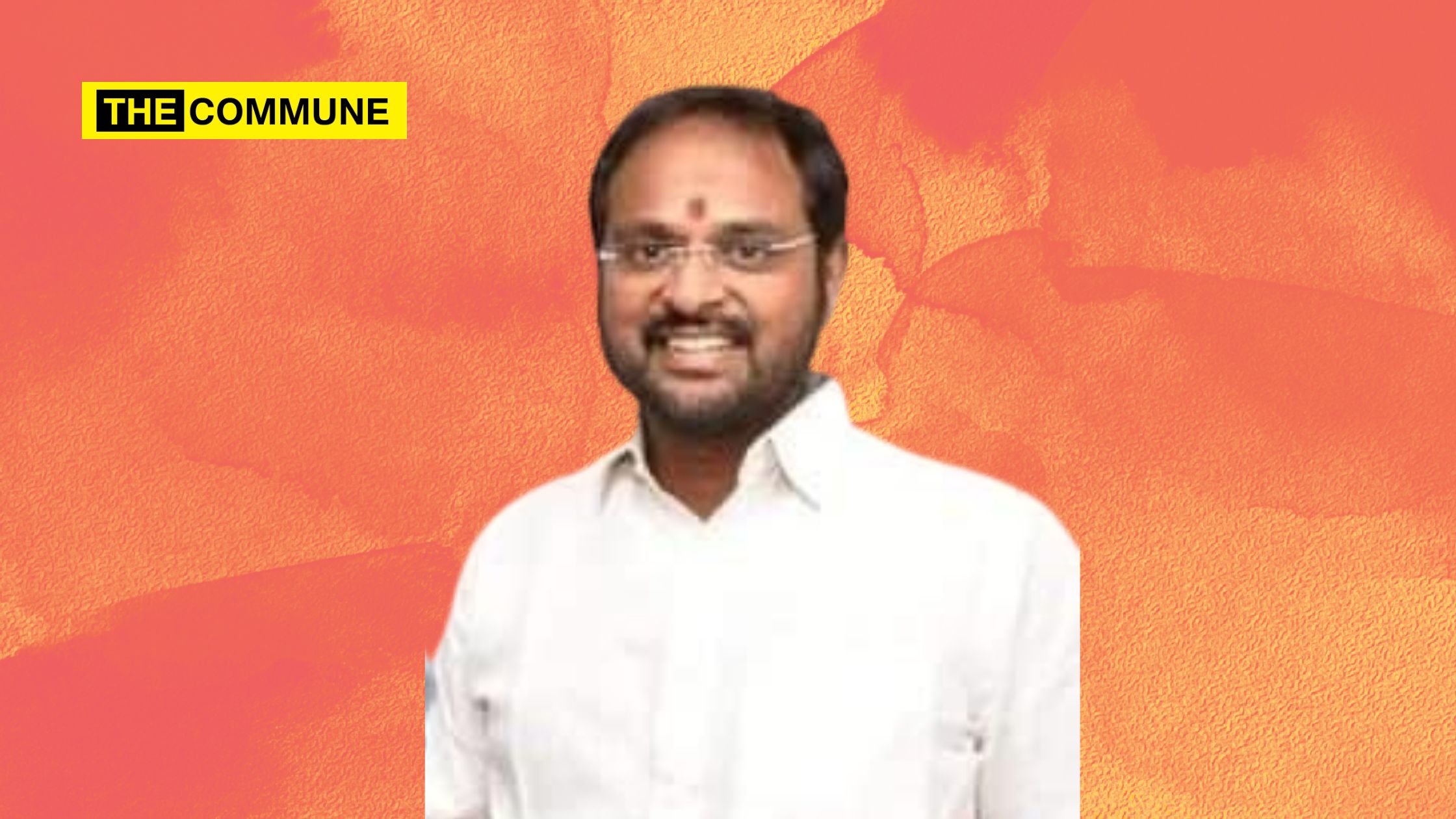
Tamil Nadu police foiled at the last moment a plot to assassinate BJP State General Secretary A P Muruganandam.

In a sensational revelation, the Tamil Nadu police have uncovered a plot to assassinate BJP Tamil Nadu State General Secretary, A P Muruganandam. The conspiracy was allegedly foiled at the last moment, creating a wave of shock across political circles.

AP Muruganandam, hailing from Coimbatore, has been a key figure in the BJP, serving as the State General Secretary. He has played a significant role in several party campaigns, including his work as a coordinator for Prime Minister Narendra Modi’s Varanasi constituency during the 2019 parliamentary elections. He is also known for his active involvement in protests in states like Kerala, West Bengal, and other regions outside of BJP control.

Muruganandam was a vocal critic of the banned organization, Popular Front of India (PFI), and was instrumental in the campaign leading to the group’s proscription. Recently, he contested in the Tirupur constituency during the parliamentary elections.

Over the past few weeks, police across various states, including Tamil Nadu, have arrested several youths who infiltrated from West Bengal, many of whom were reportedly linked to Bangladeshi networks. Among those arrested by the Tirupur police, a group of infiltrators from Bangladesh is believed to have been involved in the plot to assassinate Muruganandam.

During interrogation, the arrested individuals revealed that they had been planning to eliminate Muruganandam as part of a larger operation targeting BJP leaders. The group, which had carried out acts of vandalism in several states, had Muruganandam on their list due to his prominent role within the BJP and his stance against extremist organizations.

Following this discovery, security around Muruganandam has been significantly tightened. The Central Intelligence Agency (CIA) has also issued an advisory, urging him to remain vigilant. The thwarted assassination plot has sent shockwaves through the party and the public alike, highlighting concerns over the safety of political leaders in the state.

Further investigations are ongoing, and law enforcement agencies are working to uncover more details about the group’s activities and any potential collaborators involved in the plot.

(With inputs from Thandoraa)

Subscribe to our channels on TelegramWhatsApp, and Instagram and get the best stories of the day delivered to you personally.