Home Blog Page 579

Suriya, Who Opposed Hindi In NEP, Showed North Indian Character Get Slapped In ‘Jai Bhim’ For Speaking Hindi, Spends ₹20+ Crores to Promote ‘Kanguva’ In Hindi Market
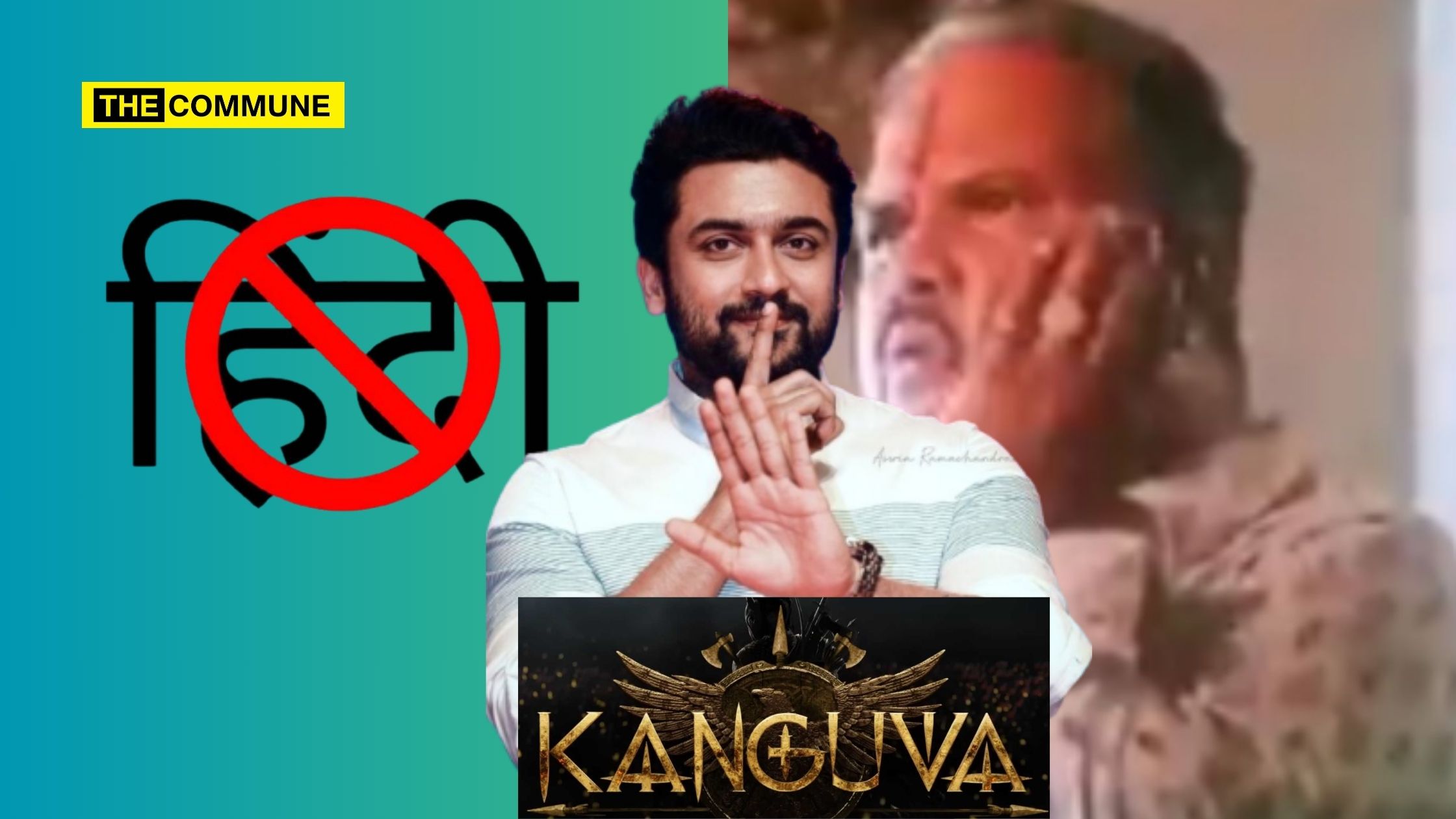
Suriya, Who Opposed Hindi In NEP, Showed North Indian Character Get Slapped In 'Jai Bhim' For Speaking Hindi, Spends ₹20+ Crores to Promote 'Kanguva' In Hindi Market

Dravidianist and virtue-signaling actor Suriya, who opposed teaching Hindi to students in Tamil Nadu and featured a scene in his film where a North Indian man is slapped for speaking Hindi, has now journeyed to Mumbai and Delhi to promote his upcoming movie Kanguva in Hindi. This starkly reveals the hypocrisy of Suriya and his family, who publicly criticize the language preventing others from benefiting from it in Tamil Nadu, all while lining their own pockets.

No To Hindi; Yes To Revenue From It

It’s true that actor Suriya has begun promoting his film in Hindi, alongside his film unit. Recently, he was seen in Mumbai with lead actress Disha Patani and director Siva, focusing primarily on Hindi promotions over other languages.

The team behind Kanguva aims for the film to be a nationwide success. The trailer, released ahead of its worldwide premiere on 14 November, has already garnered positive feedback. As the promotional efforts ramp up, interviews in various languages are expected to follow. Suriya is placing high hopes on Kanguva, especially since he hasn’t had a significant hit in recent years.

The film has generated considerable interest, with the producer targeting an ambitious revenue of ₹2000 crore, particularly seeking a strong foothold in North of India. To ensure a substantial presence in Bollywood, a promotional budget of ₹15 crore has been allocated for Kanguva in Hindi.

With stars like Disha Patani and Bobby Deol involved, the strategy is to aggressively market the film in the Hindi-speaking market, serving as a crucial introduction for Suriya to Bollywood.

In addition to the promotional budget, the producer is investing another ₹7 crore for prints and theatrical expenses, aiming for a wide release across 3500 screens in North India.

Suriya’s Hindi Opposition Stunt To Appease DMK

The husband-wife duo has indulged in virtue-signalling the public over Hindi, over building hospitals and schools instead of temples in the past. Here is a look at their past actions.

In 2019, Suriya opposed the National Education Policy’s three-language system. However, when it came to his own film, Kanguva, he posted on his social media X handle in six languages, including Hindi, to promote the film. Suriya had argued that the policy imposed Hindi on non-Hindi-speaking states and disadvantaged rural students.

After all the talk about Hindi imposition, Suriya and his family including his wife Jothika and two children moved to Mumbai in March 2023 into a ₹70 crore apartment.

In his film, Jai Bhim, in the Tamil version, there is a scene where a character gets slapped for speaking in Hindi. In the scene, Prakash Raj, who plays the role of a police officer, slaps a north Indian (who has been stereotyped as a ‘Marwari’ Seth) for speaking in Hindi and asks him to speak in Tamil. This scene is however absent in the Hindi version of the film. Many pointed out that this was deliberately done to appease the ruling DMK in Tamil Nadu, the party which is known for inciting hatred in the name of a non-existent ‘Hindi imposition’.

Subscribe to our channels on TelegramWhatsApp, and Instagram and get the best stories of the day delivered to you personally.
Rajini-Gnanavel’s Mega Dravidianist Propaganda “Vettaiyan” Ends Up As A Mega Flop Show At Box Office

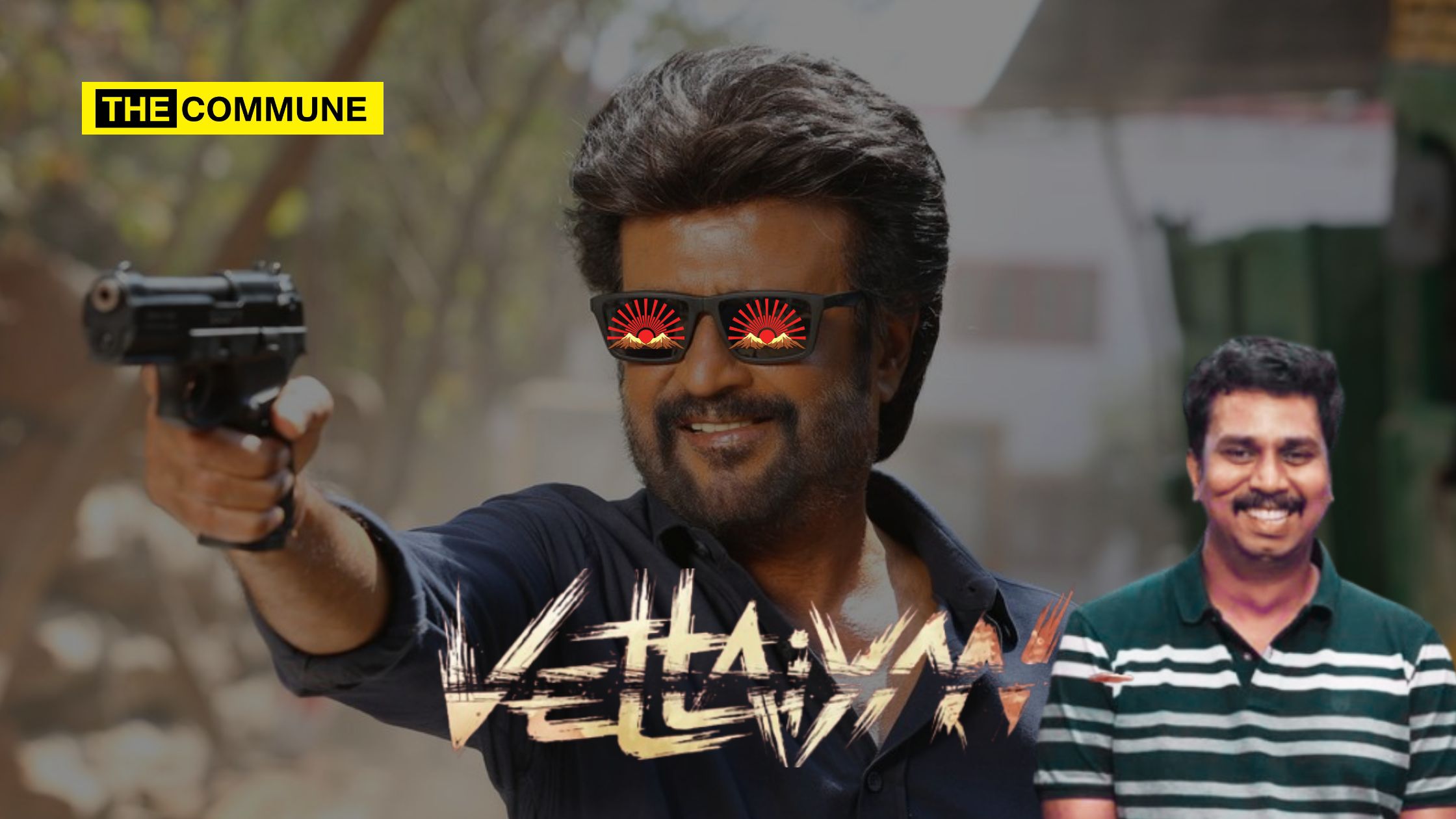
Rajini-Gnanavel's Mega Dravidianist Propaganda "Vettaiyan" Ends Up As A Mega Flop Show At Box Office

Rajinikanth’s latest film, Vettaiyan, has become yet another instance where the superstar’s allure failed to resonate at the box office. Directed by TJ Gnanavel, the film featured a star-studded cast and was heavily promoted for the long-anticipated reunion of Rajinikanth and Amitabh Bachchan since their collaboration in Hum (1991), alongside Fahadh Faasil. However, the film managed to earn only ₹207 crores globally, prompting Lyca Productions to allegedly reach out to Rajinikanth for compensation regarding the losses.

According to reports, the production house has requested Rajinikanth to take on another project for them and also to consider reducing his fee for future collaborations. While these reports are circulating, there has been no official confirmation. Previous films by the production house with Rajinikanth, including Kaala, Lal Salaam, and Darbar, similarly failed to meet expectations at the box office.

In Vettaiyan, Rajinikanth reprises his role as a cop with a troubled past. At a recent press conference, Gnanavel expressed interest in creating a prequel titled Vettaiyan: The Hunter, which would explore Rajinikanth’s character Athiyan’s journey to becoming an encounter specialist and delve into Fahadh Faasil’s character transformation into a thief and informant.

Vettaiyan: Total Box Office Collection So Far

Currently, the movie has grossed ₹238.95 crores worldwide, with a net collection of ₹138 crores or ₹164 crores gross. The action drama, coinciding with Dussehra, was released on 10 October 2024 and initially opened strong. However, it faced a sharp decline during the first week.

Though Vettaiyan had impressive pre-sales, ranking as the second highest for a Kollywood film after Vijay’s The GOAT. It enjoyed a solid opening day and surpassed ₹100 crores in its debut weekend. Unfortunately, it experienced a drastic drop of over 70% on its first Monday and has struggled to recover since then.

After 10 days of release, by 21 October 2024, Vettaiyan recorded a dismal occupancy rate of just 14.13% in Tamil markets, with morning shows at 13.36%, afternoon shows at 14.63%, evening shows at 14.39%, and no attendance for night shows. The film fared even worse in the Telugu and Hindi markets, with occupancy rates dropping to 12.58% and a mere 5.66%, respectively.

The film had a strong opening, earning ₹31.7 crore on its first day, followed by ₹24 crore on the second day and ₹26.75 crore on the third. However, it experienced a downturn during the weekdays, bringing in ₹5.6 crore on the first Monday, dropping to ₹4.3 crore on Tuesday and Wednesday. While the film’s crew attributes its poor performance to mixed reviews, higher earnings were anticipated at this stage. Unfortunately, the movie lacked substance, with subpar music being a major factor in its failure.

Budget vs. Box Office Collection

Originally intended as a mid-budget film, costs escalated by including stars like Fahadh Faasil and Amitabh Bachchan. The estimated budget is around ₹300 crores. Even considering the total worldwide gross, the film has a significant journey ahead before it reaches profitability.

Why did it flop? Right after its release, the film faced heavy criticism from all angles, including from Rajinikanth’s own fans, who felt it was not a Rajinikanth film and merely propaganda. Additionally, it was seen as relying on the same tiring lies, with little effort made to verify the facts presented.

Film Review: Vettaiyan

Vettaiyan, starring Rajinikanth, opens with a tribute to Thomas Babington Macaulay, setting a controversial tone right from the start. While the film aims to tackle serious issues like drug abuse in government schools, it quickly devolves into a series of absurd scenarios that feel more like propaganda than genuine storytelling.

Directed by TJ Gnanavel, known for his contentious work in “Jai Bhim,” the film perpetuates inaccuracies, particularly regarding the portrayal of communities. For instance, it misrepresents the background of a key character involved in a custodial death, drawing ire from the Vanniyar community.

The narrative introduces a series of implausible events, such as a petty thief making millions through fake QR codes, which raises unnecessary fears about digital transactions. The film’s depiction of the NEET exam further pushes an unfounded agenda, casting it as a tool of privilege without any real evidence.

Visually, Vettaiyan features a musical number that, while colorful, hints at cultural appeasement, which might leave audiences questioning the intent behind such choices.

As Rajinikanth’s character delivers lines that promote Dravidianist ideology, the film reinforces negative stereotypes about Hindus while portraying minority communities in a predominantly positive light. This biased representation detracts from the film’s potential impact and alienates a segment of its audience.

In the end, Vettaiyan feels more like a vehicle for a specific political narrative than a well-crafted film. For longtime fans of Rajinikanth, this alignment with propaganda over storytelling is disheartening, making it difficult to reconcile the superstar’s legacy with his recent choices.

Subscribe to our channels on TelegramWhatsApp, and Instagram and get the best stories of the day delivered to you personally. 
7 College Students Arrested In Chennai Meth Lab Bust

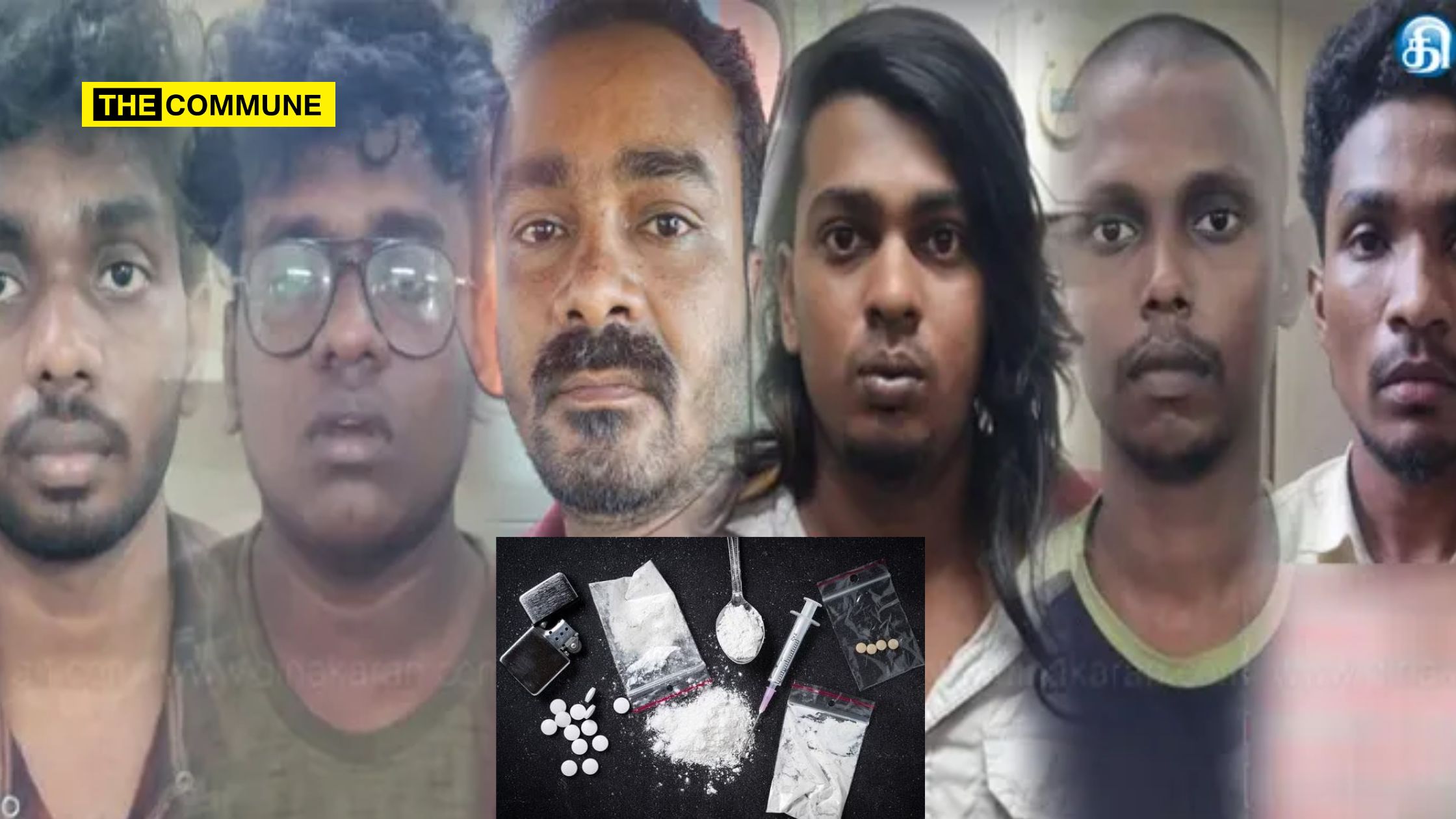
7 College Students Arrested In Chennai Meth Lab Bust

In a major bust by the city’s newly formed Anti-Drug Intelligence Unit (ADIU), seven individuals, including students, were arrested for manufacturing methamphetamine in a makeshift laboratory set up in a residence in Kodungaiyur. The suspects include Gnanapandian, 22, an MSc Chemistry student, and robotics engineering graduates Pravin Pranav, 21; Kishore, 21; Naveen, 22; and Dhanush, 23. Fleming Francis, 21, and Arunkumar, 22, were also involved.

The police seized 250g of meth, valued at approximately ₹10 lakh, along with two laptops, seven mobile phones, a chemical weighing machine, and an array of lab equipment, including test tubes, pipettes, burettes, raw chemicals, and jars. The group had converted Pravin’s house into a lab, sourcing chemicals from pharmaceutical firms, online portals, and the Sowcarpet area of Chennai. Initially, their parents believed they were conducting academic research.

The ADIU had been tracking the group for some time after receiving tips about suspicious activity at Pravin’s home. When officers raided the house, they discovered the meth lab and arrested all seven individuals. Police revealed that the students, frustrated with a low-quality drug batch purchased from a dealer named Arun, decided to produce methamphetamine themselves, relying on Gnanapandian’s chemistry expertise.

The group initially experimented with drug production and later began selling meth to college students and acquaintances. The investigation revealed that Kishore, one of the arrested, is the son of DMK councillor Katiravan from Meenjoor, as reported in OneIndia Tamil.

Following the arrests, Arun, who initially supplied the low-quality drugs, was also apprehended. The police are currently searching for another individual from the Red Hills area who reportedly supplied drugs to Arun. The entire operation has sent shockwaves through the local community.

Authorities continue investigating to uncover broader connections to other cities’ criminal networks.

Subscribe to our channels on Telegram and WhatsApp and get the best stories of the day delivered to you personally.
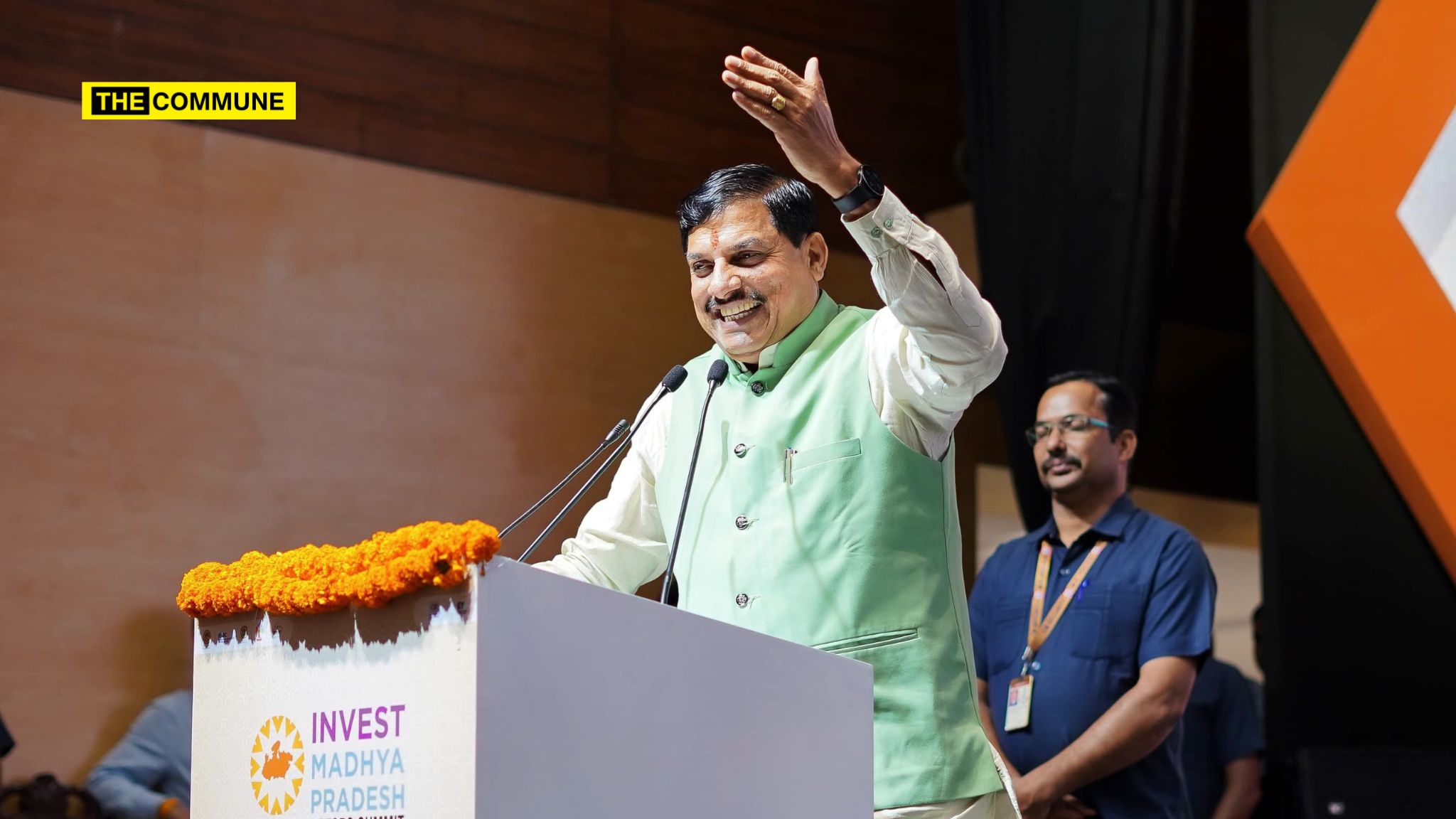
Rewa Industry Conclave Received Investment Proposal Of ₹31000 Cr: MP CM

The Madhya Pradesh government’s fifth Regional Industry Conclave (RIC), held in Rewa on Wednesday, received an investment proposal worth more than Rs 31,000 crore. Chief Minister Mohan Yadav said that this mammoth investment proposal in various sectors, including food processing, tourism, logistics industry, IT, and solar energy, will create 28,000 employment opportunities in the Vindhya region.

He said Rewa’s industry conclave had received a better response than expected. He informed that more than 4000 participants attended the event. He added that investors from more than ten states participated in the conclave, more than 300 buyer-seller meets were held, and more than 150 distinguished guests from industrial houses attended. “Rewa’s Regional Industry Conclave has been a big and successful event towards the region’s development. Investment proposals worth crores of rupees have been received from leading industrialists in various sectors, including renewable energy,” he said.

The Chief Minister also handed over land allotment letters to investors for setting up industries in various sectors across the state. According to official information, ‘Letters of Intent’ were issued for more than 80 industrial units, allocating more than 200 acres of land. He also launched MP Tourism’s newsletter ‘Offbeat Madhya Pradesh’ to promote lesser-known destinations in the state, showcasing the rich and diverse tourism experiences available beyond traditional hotspots. The Chief Minister also laid the foundation stones of several projects of worth Rs 2,690 crores in several districts in the Vindhya region.

–IANS

Subscribe to our channels on Telegram and WhatsApp and get the best stories of the day delivered to you personally.
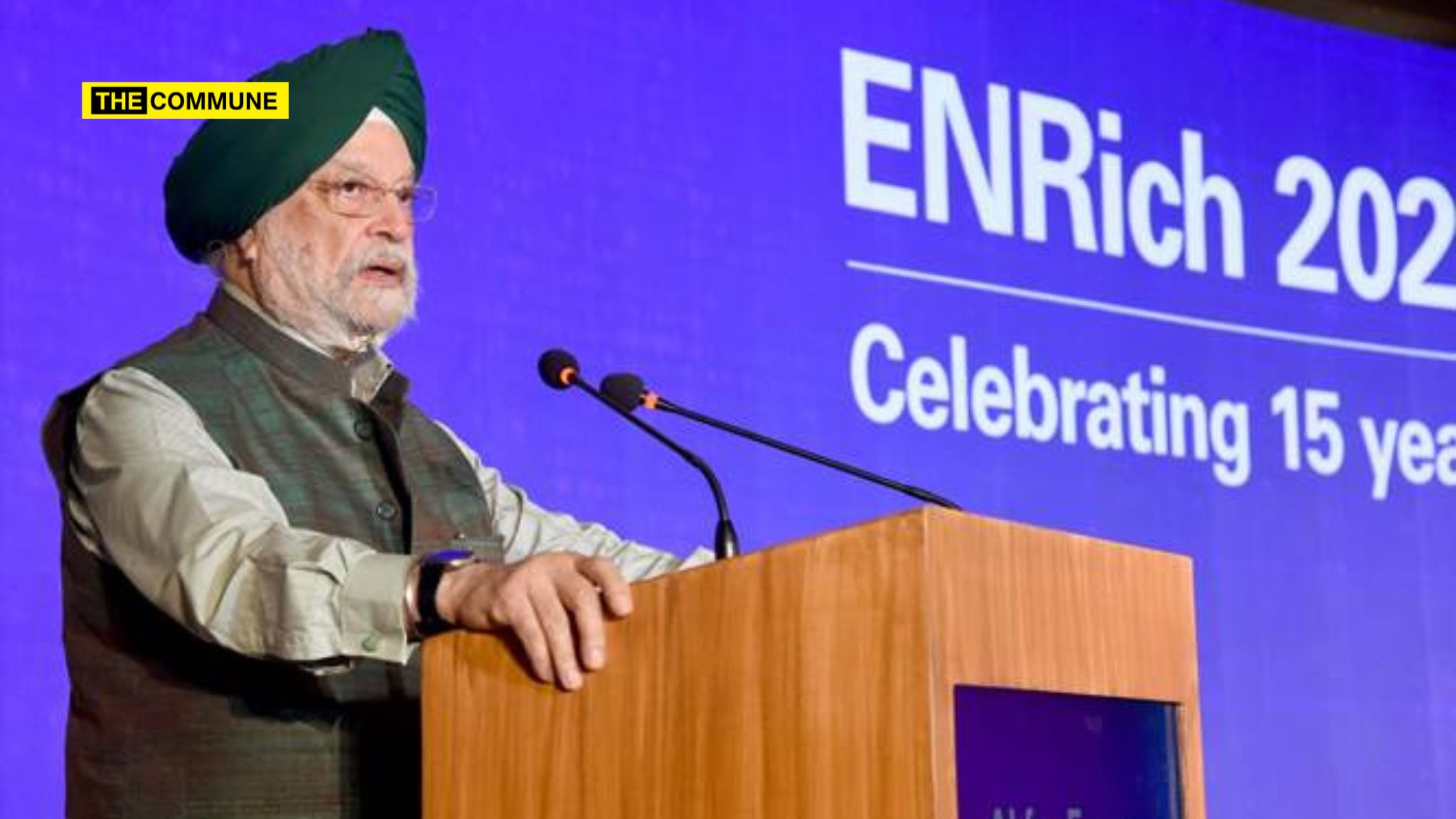
AI Adoption Can Generate ₹33.8 Lakh Cr Worth Economic Value By 2030: Hardeep Puri

AI Adoption Can Generate ₹33.8 Lakh Cr Worth Economic Value By 2030: Hardeep Puri E20

The potential economic impact of artificial intelligence (AI) is immense and AI adoption can generate 33.8 lakh crore of economic value in the country by 2030, Union Minister of Petroleum and Natural Gas, Hardeep Singh Puri, said on Wednesday.

Addressing an event in the national capital, Minister Puri underscored the pivotal role of AI in transforming the energy sector, emphasising that AI is set to revolutionise operations, drive efficiency and accelerate the shift towards a more sustainable energy landscape. AI and generative AI (GenAI) optimise operations by leveraging real-time data and insights. He noted that international oil companies are making significant investments in AI to enhance operational efficiency, improve safety, and contribute to the transition towards a low-carbon future. Minister Puri highlighted how AI is rapidly being adopted across industries and will be instrumental in realising Prime Minister Narendra Modi’s vision of a ‘Viksit Bharat’ by 2047.

“The Indian Public Sector Undertakings (PSUs) in the energy domain are also harnessing AI and machine learning (ML) to improve safety, security, and operational efficiencies at various locations. Through advanced tools like demand forecasting, customer analytics, and pricing analytics, AI is enhancing the overall customer experience in the energy sector,” the minister emphasised. AI-enabled mechanisms such as deep learning are being used to analyse complex seismic data for identifying potential hydrocarbon reservoirs.

Additionally, AI-based prediction of drilling complications and real-time optimisation of drilling parameters have proven effective in improving drilling efficiency and reducing operational costs. Citing the latest research by JP Morgan, the minister discussed the potential of generative AI to increase global GDP by $7-10 trillion over the next three years, leading to a major boost in workforce productivity and reshaping the global economy.

–IANS

Subscribe to our channels on Telegram and WhatsApp and get the best stories of the day delivered to you personally.
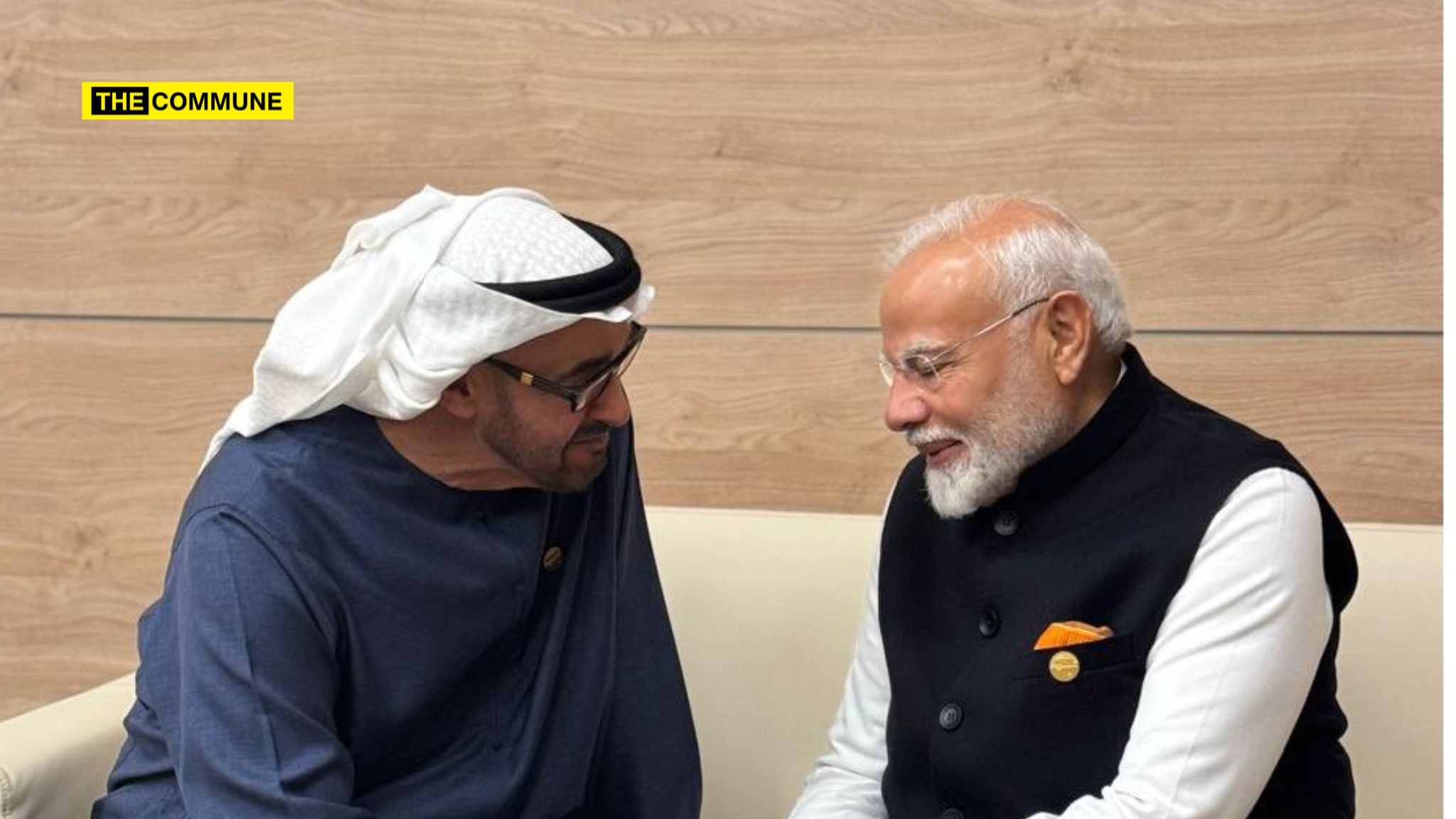
PM Modi Meets Presidents Of UAE And Uzbekistan Before Concluding ‘Successful’ Russia Visit

PM Modi Meets Presidents Of UAE And Uzbekistan Before Concluding 'Successful' Russia Visit

Prime Minister Narendra Modi wrapped up his visit to the Russian city of Kazan on Wednesday with meeting presidents of the UAE and Uzbekistan after participating in the restricted and open sessions of the 16th BRICS Summit and holding the much-awaited bilateral meeting with Chinese President Xi Jinping.

Just before flying back home, PM Modi also held meetings with the Presidents of the United Arab Emirates (UAE) and Uzbekistan. In his meeting with Uzbekistan President Shavkat Mirziyoyev, PM Modi reviewed progress in the bilateral cooperation, including in trade, economic, health, connectivity, capacity building and digital technologies. Both leaders agreed to work together in regional and global fora to strengthen the voice of the Global South. “Had a wonderful meeting with President Shavkat Mirziyoyev in Kazan. Discussed ways to boost bilateral cooperation between India and Uzbekistan including trade and cultural linkages,” PM Modi posted on X after the meeting.

In the meeting with UAE President Sheikh Mohamed bin Zayed Al Nahyan, he also reviewed and “positively assessed” the India-UAE Comprehensive Strategic Partnership. ” I am Glad to have met my brother, His Highness Sheikh Mohamed bin Zayed Al Nahyan, President of UAE, on the sidelines of the BRICS Summit in Kazan,” said PM Modi. The two back-to-back meetings were held immediately after Prime Minister Modi and Chinese President Xi Jinping held significant discussions during their first meeting at the delegation level in nearly five years.

During the meeting, PM Modi asserted that India-China ties have to be based on three mutuals – mutual trust, mutual respect and mutual sensitivity – if they have to return to a positive trajectory and remain sustainable. Earlier in the day, while addressing the BRICS leaders, PM Modi urged firm support of all members of the grouping on the issue of terrorism, insisting that there can be no “double standards” on the serious matter. “We support dialogue and diplomacy, not war. And just as we were able to overcome a challenge like Covid together, we are certainly able to create new opportunities to ensure a secure , strong and prosperous future for future generations,” said PM Modi in his remarks at the closed plenary of the 16th BRICS Summit.

On Tuesday, the PM held two bilateral meetings immediately after he arrived in Kazan – with Russian President Vladimir Putin and Iranian President Masoud Pezeshkian. “This Summit is special because we welcomed the new BRICS members. This forum has immense potential to make our planet better and more sustainable,” PM Modi reckoned before leaving for New Delhi on Wednesday evening.

–IANS

Subscribe to our channels on Telegram and WhatsApp and get the best stories of the day delivered to you personally.
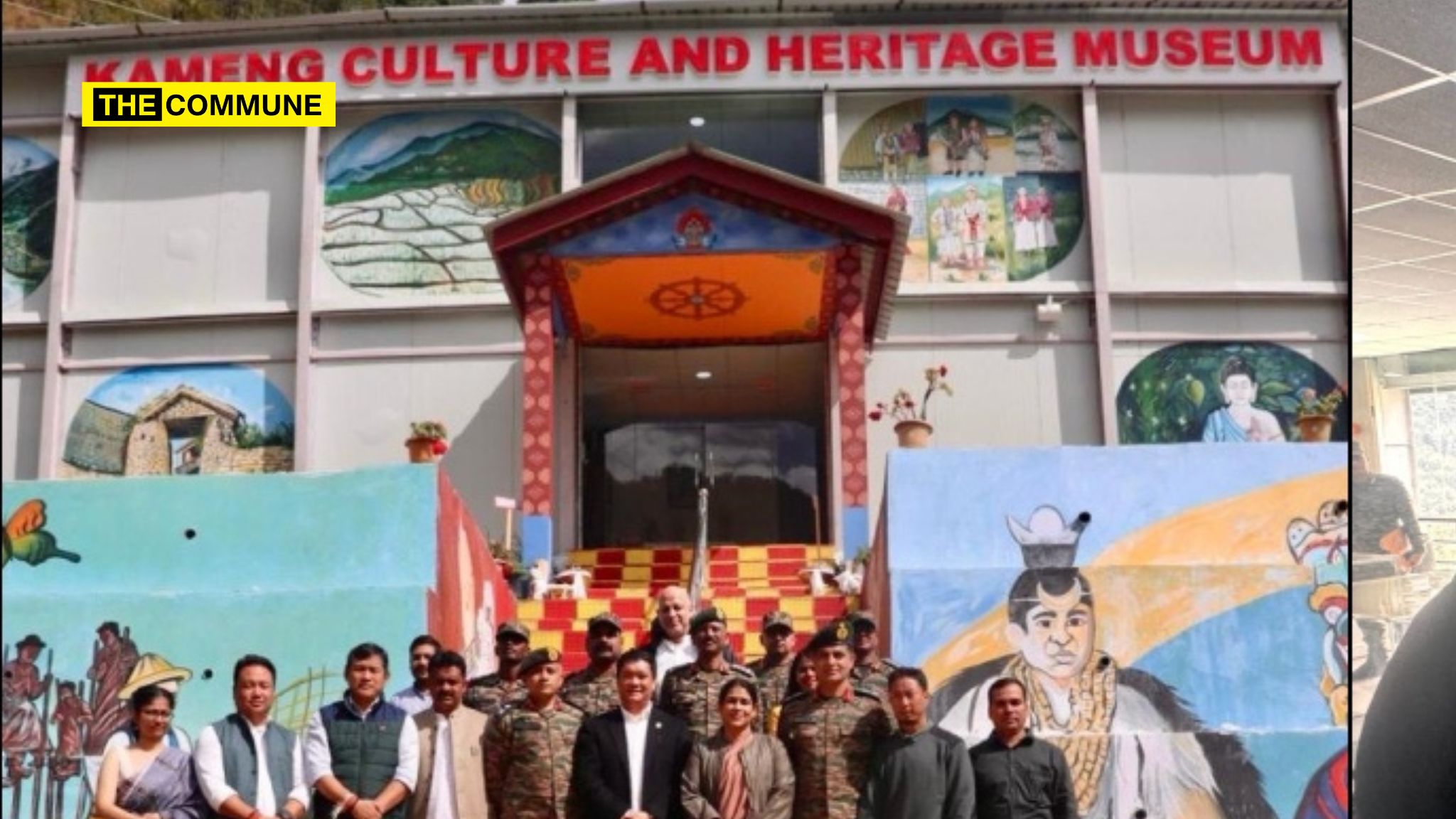
Army Dedicates Kameng Museum To People Of Arunachal Pradesh

Army Dedicates Kameng Museum To People Of Arunachal Pradesh

The Kameng Culture and Heritage Museum (KCHM) celebrates the rich cultural diversity and heritage of Arunachal Pradesh. Pema Khandu, the chief minister of Arunachal Pradesh, inaugurated it on Wednesday.

The museum, built by the Indian Army as part of Operation Sadbhavana, is being touted as the first community-oriented institution of its nature in the region. Among the others present at the inauguration ceremony were Kamlesh Paswan, union minister of state for rural development, Lt Gen Gambhir Singh, General Officer Commanding Gajraj Corps, Maj Gen Neeraj Shukla of the Blazing Sword Division and Phurpa Tsering, MLA, Dirang. Over 500 people had gathered at the scenic village of Nyukmadung, Dirang, for the ceremony. A senior official said that Nyukmadung is located along the route to the popular tourist destination of Tawang, and KCHM will play a pivotal role in preserving the cultural legacy while contributing to the region’s socio-economic growth.

“The museum aligns with the Central government’s Vibrant Village Programme and has been developed with the Indian Army’s initiative and strong support from the local community and the state government. The Museum embodies the rich ancient traditions and heritage of Arunachal Pradesh. It stands as a symbol of peace, security, and the collaborative spirit of nation-building through the integration of local communities,” he added. Chief Minister Khandu, during his address, cited ancient texts such as Kalika Purana and the Mahabharata to highlight the region’s profound cultural, historical, and religious significance.

He described KCHM as an essential institution to preserve the past while inspiring future generations. At the same time, Khandu commended the efforts of the Army for setting up the Museum and overall border area development through Op Sadbhavana. He added that the Kameng Museum is a reflection of the Indian Army’s commitment to transform the border areas through initiatives such as model villages, border tourism, and enhanced infrastructure that aligns with the Centre’s ‘Vibrant Village Programme’. He referred to the inauguration as an achievement of the comprehensive vision outlined for border areas, focusing on inclusivity, sustainability, and economic development of the region through ‘border tourism’ and ‘cultural revival’.

Khandu also thanked the Indian Army for synergised efforts with the state government for the overall development of the people and the creation of a ‘Viksit Arunachal’. He also complimented Manvi Seth and her team from the Indian Institute of Heritage for aesthetically curating the Museum and adding digital artefacts. The Chief Minister also commended the efforts of Praveen Chaturvedi, CEO, Moonlight Pictures, for capturing details of ancient traditions and contemporary life of people in Arunachal Pradesh for a captivating movie that will be screened for the whole world.

Kameng Museum metamorphosed as a community-driven, community-oriented project with a voluntary donation of land and houses a collection of 343 traditional heirlooms dating back to the Neolithic period by the people of Arunachal Pradesh. In addition to the artefacts, the museum features a modern movie hall, a souvenir shop, a cafeteria, a children’s park, a tourist facilitation centre and a medical emergency setup for transients, making it an ideal destination for tourists and locals alike.

–IANS

Subscribe to our channels on Telegram and WhatsApp and get the best stories of the day delivered to you personally.
Mutual Trust, Mutual Respect And Mutual Sensitivity Key To Future Of India-China Ties, PM Modi Tells Xi Jinping

Mutual Trust, Mutual Respect And Mutual Sensitivity Key To Future Of India-China Ties, PM Modi Tells Xi Jinping

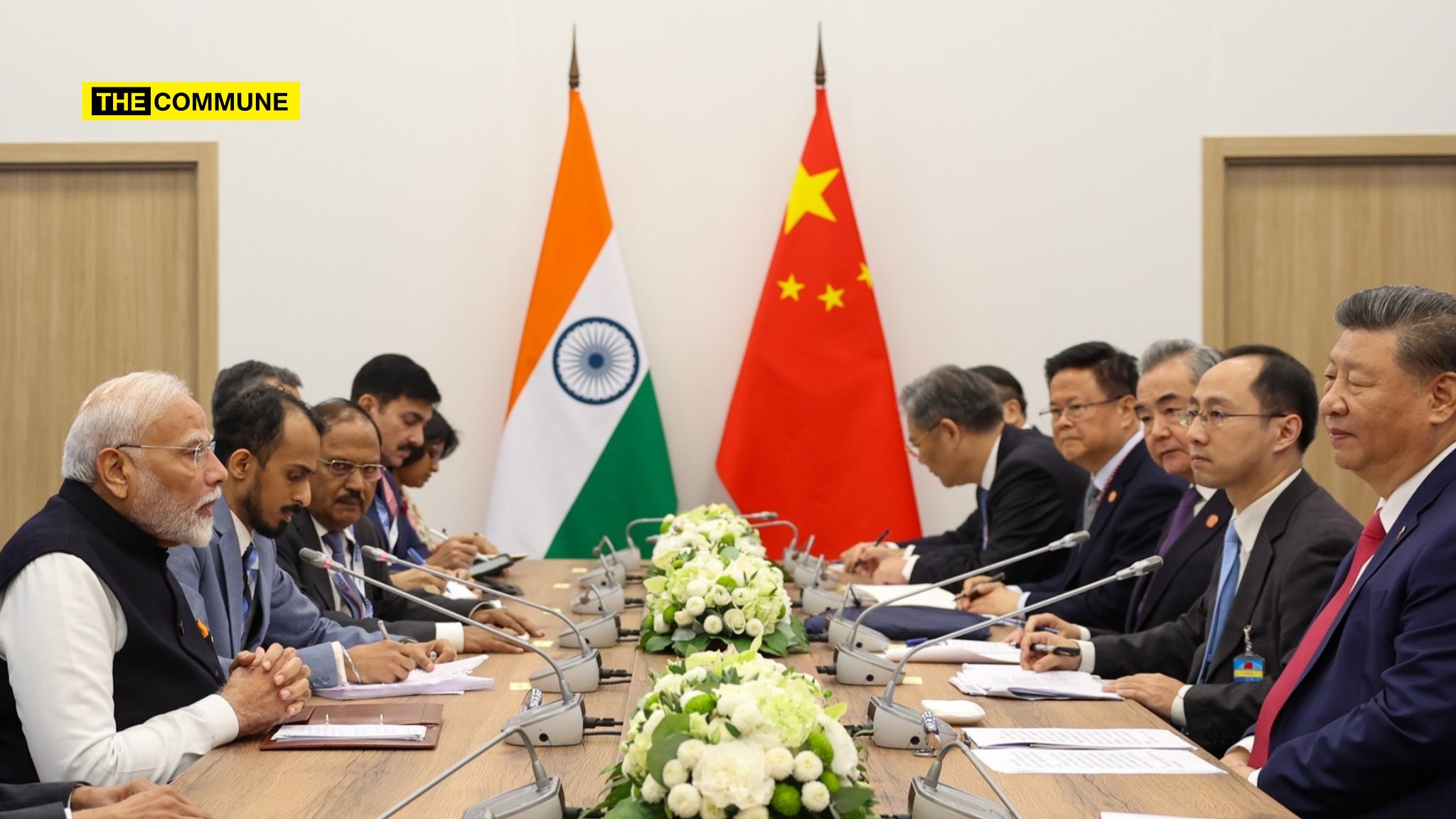
Prime Minister Narendra Modi on Wednesday conveyed it to the Chinese President Xi Jinping that India-China ties have to be based on three mutuals – mutual trust, mutual respect and mutual sensitivity – if they have to return to a positive trajectory and remain sustainable.

“We welcome the consensus reached on issues that have arisen across the border in the last four years. Maintaining peace and stability on the border should remain our top priority. Mutual trust, mutual respect and mutual sensitivity form the basis of our relations,” said PM Modi in a significant bilateral meeting with Xi Jinping – the first at the delegation level in nearly five years – in the Russian city of Kazan on the sidelines of the BRICS Summit. As PM Modi emphasised that relations between India and China are important not only for people of the both countries, but also for global peace, stability and progress, the Chinese President also acknowledged that people in both countries, and even the international community, are keeping a close watch on the meeting.

“China and India are both ancient civilisations, major developing countries, and important members of the Global South. We are both at a crucial phase in our respective modernisation endeavours. It best serves the fundamental interests of our two countries and two peoples for both sides, to keep the trend of history in the right direction of our bilateral relations,” remarked Xi Jinping. “It’s important for both sides to have more communication and cooperation, properly handle our differences and disagreements and to facilitate each other’s pursuit of development aspirations. It’s also important for both sides to shoulder our international responsibility, set an example for boosting the strength and unity of the developing countries and to contribute to promoting multi polarization and democracy in international relations,” he added.

The breakthrough in bilateral talks, first after the violent Galwan Valley face-off between the soldiers of the two countries at the Line of Actual Control (LAC) in June 2020, was made possible after New Delhi and Beijing on Monday reached an agreement on patrolling along the nearly 3500-km Line of Actual Control (LAC) to end the four-year-long border confrontation. Foreign Secretary Vikram Misri had confirmed that the Indian and Chinese diplomatic and military negotiators have been in close contact with each other in a variety of forums over the last several weeks after which an agreement was arrived at on patrolling arrangements along the LAC, leading to disengagement and a resolution of the issues that had arisen in the specific areas in 2020.

On Tuesday, as Xi Jinping left for Kazan, the Chinese Foreign Ministry confirmed the patrolling arrangements in the India-China border areas. As the Chinese side attempted to transgress the LAC in other areas of the Western Sector of the India-China border areas, the two sides have been engaged in discussions through established diplomatic and military channels to address the situation. On Monday, External Affairs Minister (EAM) S. Jaishankar said that the latest agreement creates the basis for peace and tranquillity which should be there in the border areas and existed before 2020 – something which had been India’s major concern over the past few years for the bilateral relationship to turn normal.

“At various points of time, people almost gave up. We have always maintained that on the one hand, we had to obviously do the counter deployments… But, side by side, we have been negotiating since September 2020 when I met my Chinese counterpart Wang Yi in Moscow. It has been a very patient process, maybe more complicated than what it could and should have been. The fact is that if we are able to, as we now have, reach an understanding regarding patrolling and observing the sanctity of the LAC, then, I think, it creates the basis for peace and tranquillity which there should be in border areas and existed there before 2020,” remarked Jaishankar while speaking at the NDTV World Summit.

–IANS

Subscribe to our channels on Telegram and WhatsApp and get the best stories of the day delivered to you personally.
Post Gagangir Terror Attack LG Sinha Reviews Security Situation In Kashmir

Post Gagangir Terror Attack LG Sinha Reviews Security Situation In Kashmir

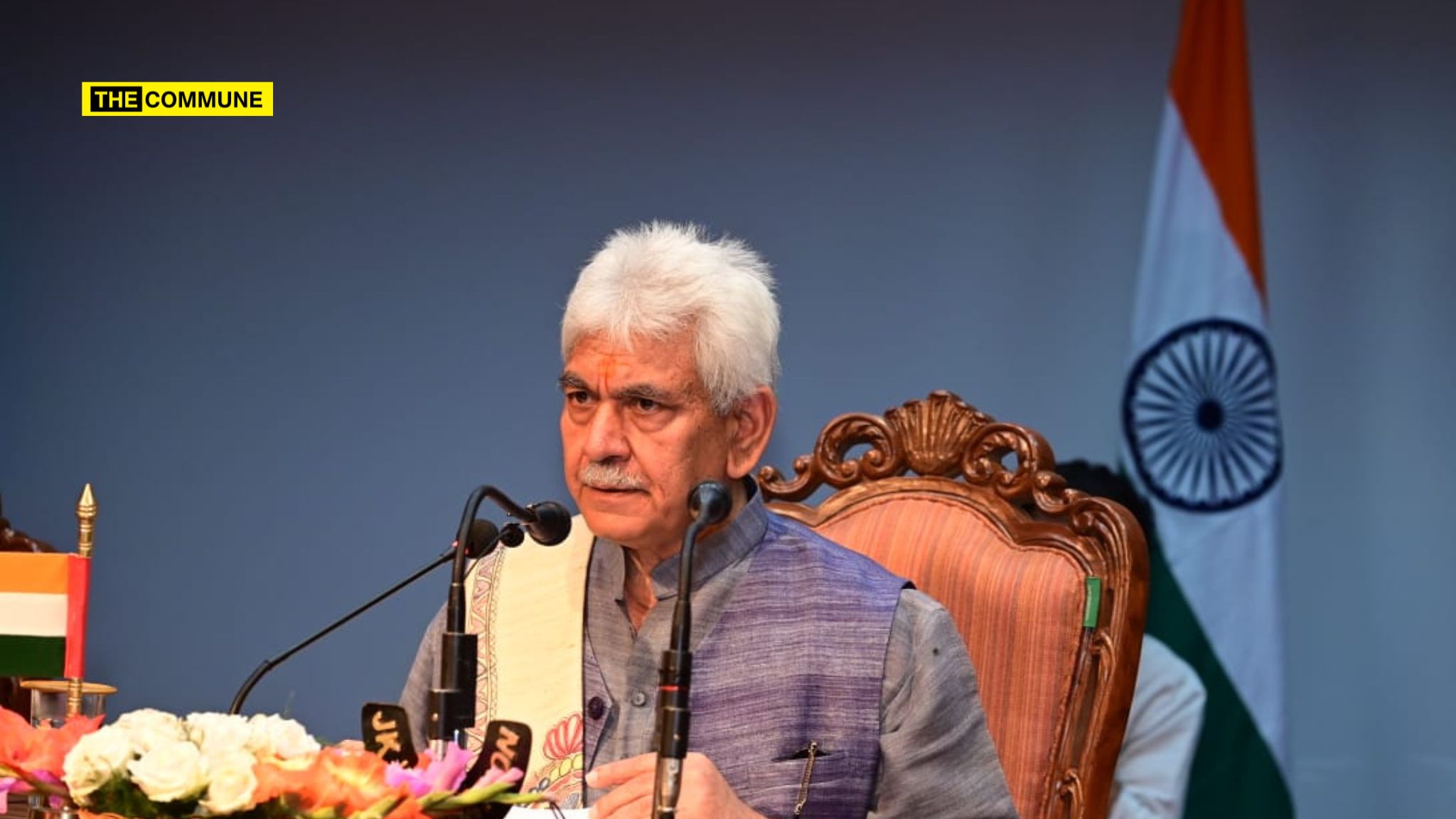
Days after a terror attack in Gagangir that resulted in the death of seven people, Jammu and Kashmir (J&K) Lieutenant Governor (LG), Manoj Sinha held a review meeting on Wednesday on the security situation in Kashmir Division, an official statement said. Director General of Police, Nalin Prabhat; Principal Secretary, Home Department, Chandraker Bharti; Additional Director General of Police (Law & Order) Vijay Kumar; Additional Director General of Police, CID, Nitish Kumar; Inspector General of Police, Kashmir, Vidhi Kumar Birdi; Principal Secretary to Lieutenant Governor, Dr. Mandeep Bhandari; Divisional Commissioner, Kashmir, Vijay Kumar Bidhuri and other senior officials of J&K Police attended the meeting.

“The Lieutenant Governor asked the J&K Police officials to ensure stringent measures to tighten the security grid around key infrastructure projects and construction camps for the safety of workers. He stressed upon establishment of mechanisms for regular coordination meetings with project implementing agencies,” the statement said. “The Lieutenant Governor directed the police to conduct security audit of infrastructure projects, round-the-clock nakas at strategic points, night patrolling and area domination,” it added. The LG instructed that the police must ensure a robust security and Intelligence grid and intensified, well-planned joint operation with the Army and other security agencies to eliminate terrorism. “The entire terror eco-system including perpetrators and those aiding and abetting terrorists requires to be completely dismantled,” LG Sinha said.

On Tuesday the LG travelled to Gagangir, Ganderbal to interact with officers and workers of the project implementing agency and to review the security measures on the project site. During his visit, the LG chaired a meeting of officers of the police, civil administration, the project implementing agency and other security agencies and directed that the security grid should be further strengthened to ensure zero terror incidents in order to push rapid social and economic development. In the meeting, LG Sinha underlined the need for securing vital infrastructure projects across J&K UT and putting in place a multi-pronged and foolproof mechanism for coordination with project implementing agencies to prevent security breaches.

He said the safety and security of workers and officers working on key infrastructure projects is the highest priority of the government. The LG emphasised the need for stricter access control and regular patrolling around the project sites. He also directed the security forces and the police to conduct coordinated counter-terrorism operations pro-actively to wipe out terrorism in J&K UT.

–IANS

Subscribe to our channels on Telegram and WhatsApp and get the best stories of the day delivered to you personally.
Lalu Prasad Yadav & Tejashwi Yadav Are Dividing Society: Bihar Dy CM

Lalu Prasad Yadav & Tejashwi Yadav Are Dividing Society: Bihar Dy CM

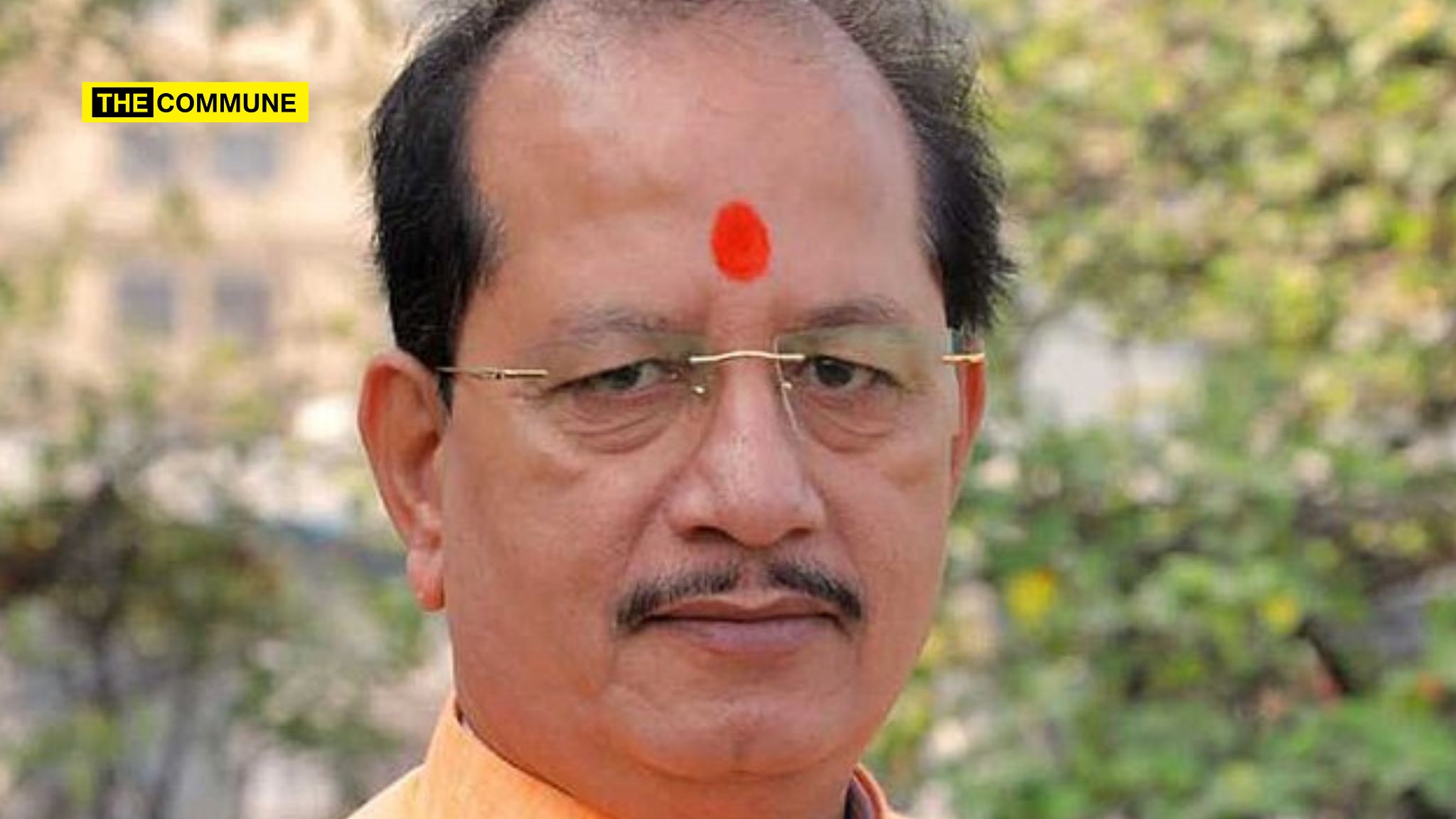
The ongoing exchange of political barbs between the Rashtriya Janata Dal (RJD) and the Bharatiya Janata Party (BJP) in Bihar has intensified after RJD leaders Lalu Prasad Yadav and Tejashwi Yadav criticised BJP’s Hindu Swabhiman Yatra which Union Minister Giriraj Singh led. Deputy Chief Minister Vijay Kumar Sinha responded to the criticisms by accusing Lalu and Tejashwi of creating divisions in society and stoking fear among the Muslim community.

“RJD leadership often spreads the narrative that Muslims’ existence in India is under threat unless they support the RJD in elections. I want to ask Lalu Prasad Yadav to remember communal riots in Bhagalpur and the incident of Biharsharif,” Sinha said. He claimed that these incidents happened due to the policies of Lalu Prasad Yadav when he was in power. The Deputy Chief Minister praised Chief Minister Nitish Kumar, stating that his governance, which follows the vision of the late Prime Minister Atal Bihari Vajpayee, has ensured peace and harmony in the state. Sinha’s remarks reflect the broader political tensions in Bihar, where communal harmony and the state’s political history are frequently invoked during electoral discourse. Both the BJP and the RJD have long been at odds over issues of caste, religion, and governance, with each party accusing the other of disrupting the social fabric for political gain.

The political discourse in Bihar has intensified, with Lalu Prasad Yadav and Tejashwi Yadav targeting the ruling alliance, particularly over the Hindu Swabhiman Yatra. Lalu Prasad Yadav criticised Union Minister Giriraj Singh for allegedly fostering hatred in society, calling him “habitual” in spreading communal discord. He also accused Chief Minister Nitish Kumar of being a “silent spectator” to these divisive tactics, suggesting that the Chief Minister and Union Minister share a similar governance style.

Tejashwi Yadav also warned that if communal violence erupts in Bihar, Nitish Kumar would be responsible. He also condemned the remarks made by BJP’s Araria MP Pradeep Kumar Singh, who controversially stated that people must “become Hindu” to stay in Araria. Tejashwi said that these provocative statements are reflective of a broader strategy by the BJP to incite communal tensions. Giriraj Singh, in response to these accusations, said that Lalu and Tejashwi Yadav are making such statements to protect Bangladeshi Muslims and Rohingya Muslims.

–IANS

Subscribe to our channels on Telegram and WhatsApp and get the best stories of the day delivered to you personally.