Home Blog Page 574

Bharat AI Mission Advancing With Strong Ties Among Industry, Government: Ashwini Vaishnaw

Bharat AI Mission Advancing With Strong Ties Among Industry, Government: Ashwini Vaishnaw

Union Minister for Electronics, IT, and Railways Ashwini Vaishnaw on Saturday said the country’s AI mission is advancing with strong collaborations among industry, government, and academia.

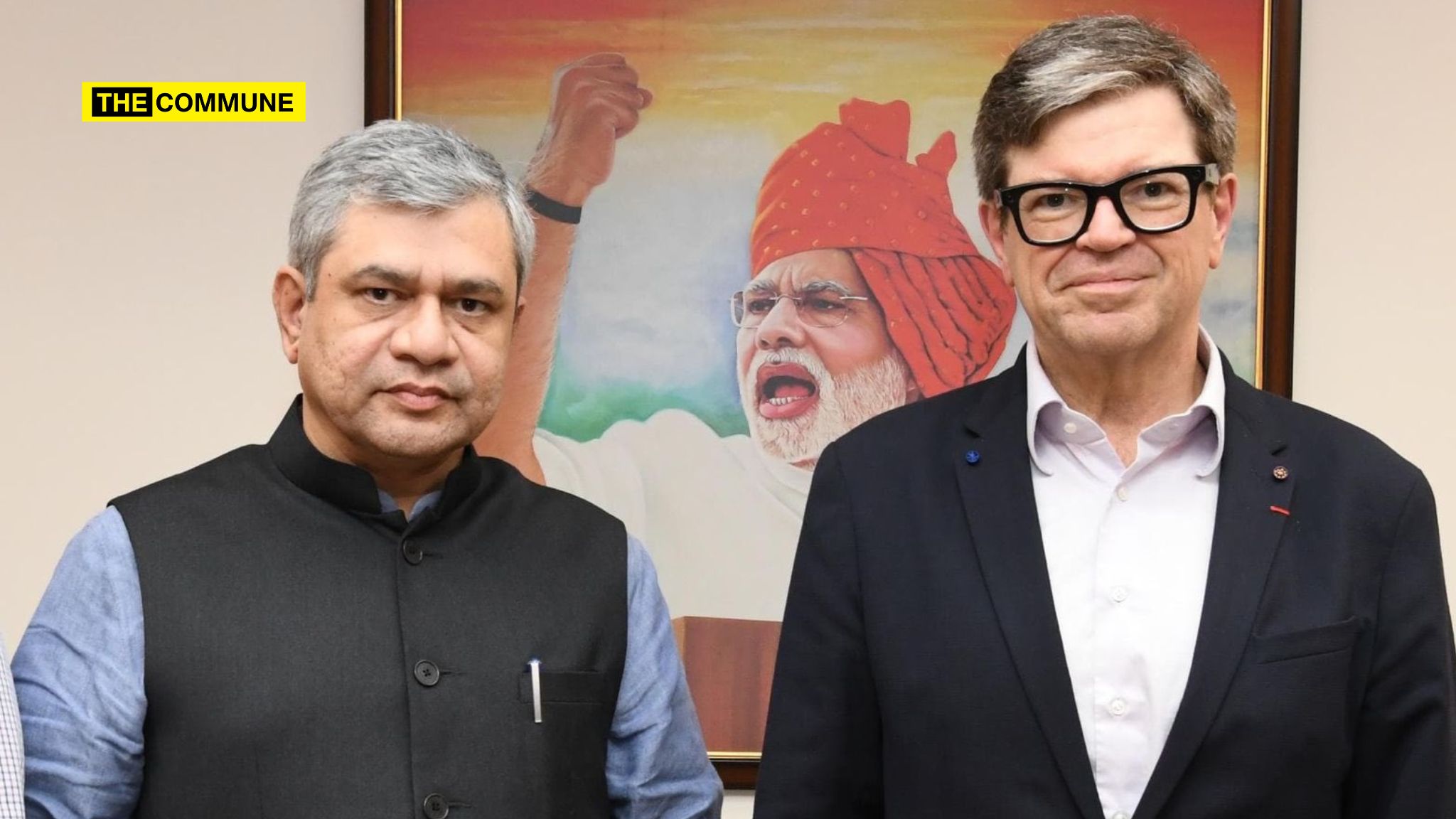
In a post on X, Vaishnaw said he met Meta’s Chief AI Scientist Dr Yann LeCun and discussed the country’s potential in AI and skilling the youth. “Met @ylecun of Meta to discuss Bharat’s AI potential. Our AI mission is advancing with strong collaborations among industry, government, and academia: GenAI Centre of Excellence (CoE) with IIT Jodhpur and Meta, and YuvAI Skilling with AICTE and Meta to train 1,00,000 students on LLM (large language models),” the minister said.

LeCun said it was “a pleasure discussing the important role Bharat plays today and can play tomorrow in the ecosystem of AI open platforms”. On Friday, Meta announced a strategic collaboration with IndiaAI at the Ministry of Electronics and Information Technology (MeitY), including the establishment of the Center for Generative AI called ‘Shrijan’ at IIT Jodhpur and the launch of the “AI for Skilling and Capacity Building” initiative, in partnership with All India Council for Technical Education (AICTE). Meta has committed to investing up to Rs 7.5 crore over the next three years to ensure the successful establishment and operation of the centre.

Additional Secretary, MeitY, Abhishek Singh, said the government is supporting the vision of AI innovation, skilling and technological advancement to drive inclusive growth under the ‘IndiaAI’ initiative. “By fostering a culture of open-source innovation in AI, advancing research and skill development in emerging technologies, we are bridging the talent gap and ensuring that our youth are equipped to lead in the AI revolution, ultimately securing India’s position as a global leader in responsible development and contributing to a robust AI ecosystem,” said Singh. According to Meta India’s Vice President and Head of Public Policy, Shivnath Thukral, they are committed to nurturing an ecosystem where indigenous solutions can flourish.

–IANS

Subscribe to our TelegramWhatsApp, and Instagram channels and get the best stories of the day delivered to you personally.

Show Risk Appetite In Self-Employment, President Tells IITians

Show Risk Appetite In Self-Employment, President Tells IITians

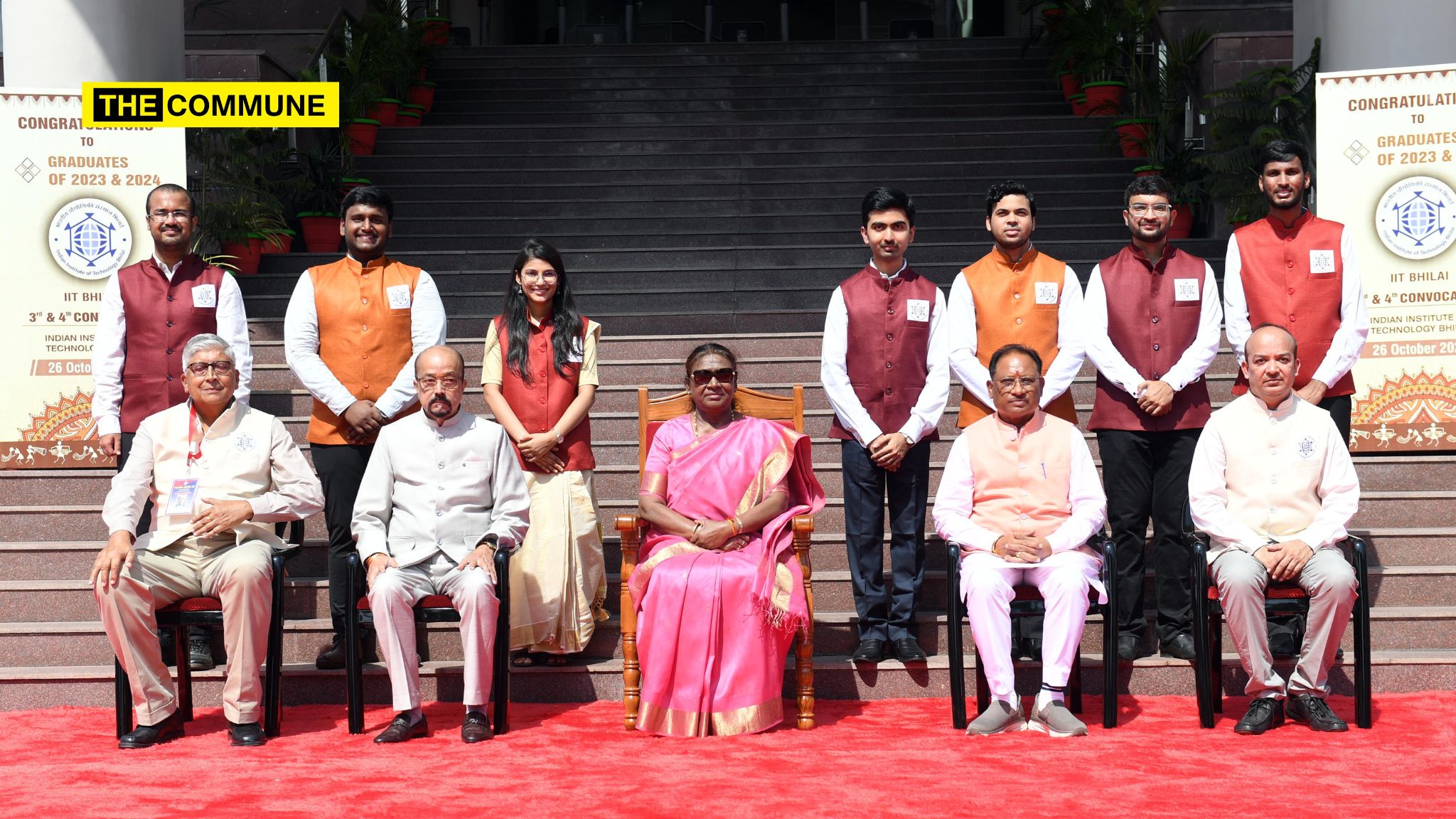
Urging IITians to take the lead in self-employment and job creation, President Droupadi Murmu on Saturday told students of the premier institute at Bhilai to show some hunger for risk-taking, reminding them of the saying – “No risk, no gain.”

“Success in self-employment cannot be achieved with an attitude of risk aversion,” she said, expressing confidence that graduating students would continue to move forward with their risk appetite, develop new technologies, and work towards making the country and the world a better place. Speaking at the convocation ceremony of the Indian Institute of Technology (IIT) Bhilai, the President hailed students’ achievements from IITs.

Urging IITians to aim to be job creators by starting their own ventures, the President said in the field of industry, it is said, “No risk, no gain.” “IITians have made an invaluable contribution to the progress of the country and the world with their pioneering thinking, experimental mindset, innovative approach and far-sighted vision,” she said. “By leading many global companies, they are shaping the 21st-century world in many ways with their technical and analytical skills. Many alumni of IIT have chosen the path of entrepreneurship and have created new jobs. They have promoted India’s digital transformation and start-up culture,” she said, according to a statement issued in New Delhi.

The President said that Chhattisgarh is rich in tribal culture and traditions. “The people of tribal society understand nature closely and have been living in harmony with the environment for centuries. They are a storehouse of knowledge accumulated through natural lifestyle. By understanding them and learning from their lifestyle, we can make a significant contribution to the sustainable development of India,” President Murmu added. But the inclusive development of the country is possible only with the active participation of our tribal brothers and sisters, she said. She appreciated IIT Bhilai for making special efforts in the technical field for the progress of tribal society.

The President was happy to note that IIT Bhilai is focusing on agri-tech, health-tech and fin-tech. This institute has collaborated with AIIMS Raipur in the healthcare sector to create mobile apps that help villagers get medical help at home. The institute has also collaborated with Indira Gandhi Agricultural University, Raipur to create tech solutions for farmers that help them guide and utilise their resources properly. She also noted that IIT Bhilai is making efforts for the development of tribal communities working on minor forest products such as Mahua.

–IANS

Subscribe to our TelegramWhatsApp, and Instagram channels and get the best stories of the day delivered to you personally.
Karnataka Bypolls: People Will Give A Fitting Reply To Cong’s Misgovernance, Says Basavaraj Bommai

Karnataka Bypolls: People Will Give A Fitting Reply To Cong's Misgovernance, Says Basavaraj Bommai

Former Karnataka Chief Minister and BJP Member of Parliament Basavaraj Bommai on Saturday said that the people will give a fitting reply to the ruling Congress in the state for its ‘misgovernance’ in the upcoming bypolls in three Assembly constituencies. Speaking to the media in Shiggaon on Saturday, he said that the Congress has been dreaming that its ‘guarantee schemes’ will be successful, but “it will not come true”. Bommai’s son, Bharat Bommai, is contesting as the Bharatiya Janata Party (BJP) candidate from Shiggaon in the November 13 bypolls.

“Just as the people supported the BJP in the last Assembly elections, they will receive the same kind of support and the party workers are fully geared up for the election,” Bommai said. Asked about Karnataka Housing and Minorities Welfare Minister Zameer Ahmad’s ‘challenge’, Bommai termed it as “ridiculous and far from the truth”. Zameer Ahmad had stated that Basavaraj Bommai never discussed anything about the development of the Shiggaon Assembly constituency. The Minister further stated that he would retire from politics if Bommai proved that he was concerned about the development of the constituency he represented. Regarding caste arithmetic in the Shiggaon constituency, the BJP MP said they (people) are all united.

“People from all communities have expressed their support for Bharat Bommai,” he said. By-polls in three Assembly constituencies of Karnataka will be held on November 13. The ballots will be counted on November 23. BJP candidates for Shiggaon and Sandur — Bharat Bommai and Bangaru Hanumantha filed their nominations on Friday for the upcoming by-elections. Besides, NDA candidate for the high-profile Channapatna Assembly constituency, Nikhil Kumaraswamy also filed his nomination on Friday.

Nikhil Kumaraswamy is the son of Union Minister H.D. Kumaraswamy and grandson of former Prime Minister H.D. Deve Gowda. C.P. Yogeshwara, who recently switched to the Congress from the BJP, the grand old party’s nominee for the Channapatna by-elections. —

IANS

Subscribe to our TelegramWhatsApp, and Instagram channels and get the best stories of the day delivered to you personally.
Every Drop Of Innocent Blood Spilled By Terrorists Will Be Avenged: J&K L-G

Every Drop Of Innocent Blood Spilled By Terrorists Will Be Avenged: J&K L-G

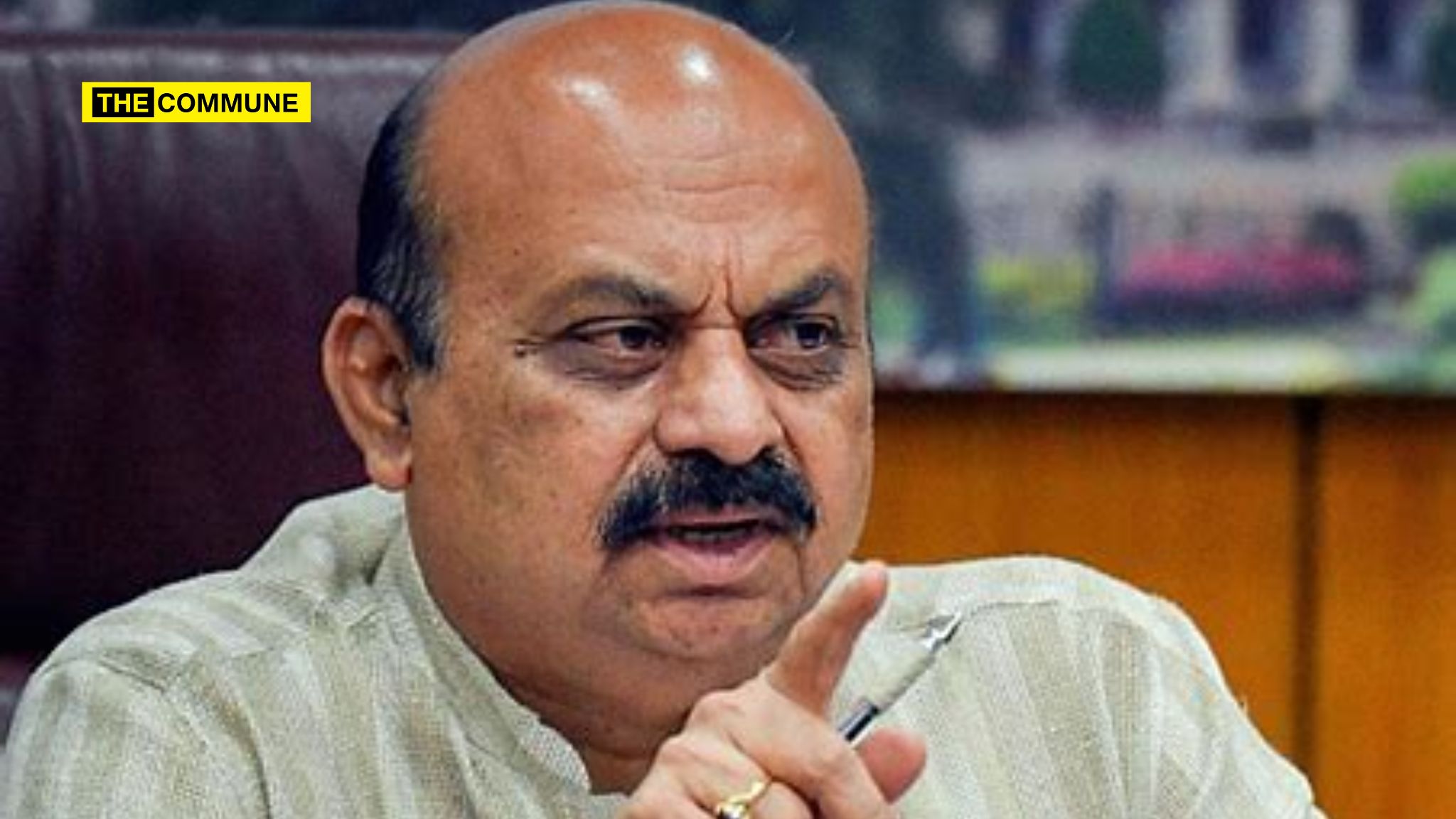
Jammu and Kashmir Lt Governor (L-G) Manoj Sinha said on Saturday that the security forces had devised a new strategy to deal with the emerging terrorist threat and assured that every drop of innocent blood spilt by terrorists would be avenged. L-G Sinha remarked while addressing the parade of 629 BSF recruits passing out at the Humhama training centre in Budgam district. He said that the attack on innocent workers in Gagangir and the one in Baramulla district where army soldiers were killed is “highly condemnable”.

“India always wants peace with its neighbours, but unfortunately we have a neighbour that always tries to disturb peace in India despite facing ultimate poverty back home,” the L-G. Saying that the Border Security Force (BSF) is facing challenges on multiple fronts, be it protecting the LoC or the International Border, L-G Sinha emphasised the need for the force to expand its ambit and maintain close coordination with other central forces to tackle the challenges of terrorism. “The army and the central forces, including BSF, have to put in a collective effort to root out terrorism from J&K. BSF is one of the best central forces, but it needs to walk the extra mile,” he said, adding that security forces need to upgrade the technical capabilities to meet the drone challenges.

“Not just weapons, but narcotics are also being air-dropped through drones. We need to counter this challenge as drugs are consuming our younger generation. The finances earned out of narcotics sale is pumped in to fuel terrorism,” the L-G said. “The BSF should advance its technology, intelligence sharing, and enhance area domination,” he added. He praised the role of BSF in tackling terrorism in Punjab, saying that the force has great stories of valour and patriotism in its kitty.

“Your role in Kashmir is also appreciable. You are not working alone to fight terrorism but also on the civic front. This includes opening schools, helping the poor and dealing with the smuggling of weapons and drugs,” the L-G said. Wishing a bright future to the passing out recruits, L-G Sinha said that the BSF should train NCC cadets in a way so that they could be inducted into BSF tomorrow.

–IANS

Subscribe to our TelegramWhatsApp, and Instagram channels and get the best stories of the day delivered to you personally.
Cyclone Dana: Mangrove Belt Acting As Natural Speed Breaker Minimised Impact In Coastal Sundarbans

Cyclone Dana: Mangrove Belt Acting As Natural Speed Breaker Minimised Impact In Coastal Sundarbans

The apprehensions of Cyclone Dana playing havoc in the coastal Sundarbans area scattered over South 24 Parganas and North 24 Parganas districts of West Bengal was allayed to a great extent because of the mangrove belt barrier there which acted as a vital speed breaker and mitigated the impact.

Experts pointed out that the mangrove belt barrier enabled wind reduction, just minimising the impact of the cyclone and also acted as a “storm surge protection” meaning absorption of the wave energy, thus shielding the coastal communities there. At the same time, according to experts, the mangrove belt barrier acted as the “shoreline stabiliser” where roots holding soil in place prevented erosion.

The barrier also resulted in “carbon sequestration” resulting in absorption of carbon dioxide thus mitigating climate change. Explaining how mangroves reduce cyclonic impact, acclaimed green-technologist and environment activist Somendra Mohan Ghosh said that the first important factor is that mangrove vegetation creates friction which slows down wind-speed substantially and this minimises the impact. “At the same time, the mangrove forests play an important role both in ‘water attenuation’ and ‘water filtration’.

While ‘water attenuation’ helps in reducing the storm surge through absorption of water energy, ‘water filtration’ becomes instrumental in filtering out sediment, pollutants, and excess salts,” Ghosh explained.

Understanding that a series of cyclonic storms hitting the coastal belts of West Bengal make Sundarbans area most vulnerable on this count, a group of environment activists and protectionists under the aegis of Nature Environment & Wildlife Society (NEWS) in 2007 started a mission to achieve a permanent and concrete protection from the cyclone ravages.

NEWS, involving the local women, started ‘Project Green Warriors’, a mission for large-scale mangrove forestation in the Sundarbans region. The project started in 2007 with just around 50 hectares of land spread over three small local villages of Dulki-Songaon, Amlamethi and Mathurakhanda. Then in the month of May in 2009 came Cyclone Aila, whose tail only touched Sundarbans and moved to Bangladesh. While the rest of the Sundarbans was severely affected by the touch of the tail, the patches of land where the mangrove forestation was done under the project was absolutely untouched. That was the eye-opener.

NEWS started fund mobilising, doing risk-mapping and between 2010 and 2015 over 18,000 local women involving over around 4,600 hectares of land scattered over 183 villages in 14 community development blocks in the Sundarbans areas were brought under this large-scale mangrove forestation.

–IANS

Subscribe to our channels on TelegramWhatsApp, and Instagram and get the best stories of the day delivered to you personally.
Centre Joins HCLSoftware To Boost Startup Manufacturing Ecosystem

Centre Joins HCLSoftware To Boost Startup Manufacturing Ecosystem

In a bid to transform the startup manufacturing ecosystem, the government has formed a strategic partnership with HCLSoftware, a global leader in software solutions.

Under the ‘Manufacturing Incubation Initiative,’ startups will have access to the ‘HCL SYNC programme for global market exposure, allowing them to showcase their products and services worldwide, thus taking Indian innovation to an international audience.

The collaboration marks a substantial step forward in advancing the Indian manufacturing sector, supporting the nation’s goal of establishing itself as a national production hub, said the Department for Promotion of Industry and Internal Trade (DPIIT).

“Through this collaboration, innovation will flourish and Indian businesses will gain a stronger foothold on the global stage,” said DPIIT Joint Secretary Sanjiv Singh.

He reaffirmed DPIIT’s commitment to fostering and promoting the nation’s manufacturing ecosystem by motivating and supporting product startups, innovators and entrepreneurs.

This collaboration will significantly contribute to the realisation of India’s ‘Make in India’ initiative and position India as a global manufacturing hub.

“This initiative’s objectives include developing Indian intellectual property by encouraging startups to create unique products and solutions tailored to India, improving product quality by providing startups with the tools and expertise to produce world-class products that meet global standards, and building a robust manufacturing ecosystem by establishing a network of interconnected startups and suppliers capable of supporting the full manufacturing value chain,”: said DPIIT.

According to Kalyan Kumar, Chief Product Officer at HCLSoftware, the move is a pivotal moment in India’s manufacturing journey. Kumar said the company would exhaust all efforts to foster innovation and economic growth, contributing significantly to India’s vision of becoming a global manufacturing powerhouse. Under the ‘Startup India’ initiative, DPIIT has signed over 80 memorandums of understanding (MoUs) with industry stakeholders to date.

–IANS

Subscribe to our channels on TelegramWhatsApp, and Instagram and get the best stories of the day delivered to you personally.

India Shows Mirror To Pakistan At UNSC Meet On Despicable Condition Of Minority Women

India Shows Mirror To Pakistan At UNSC Meet On Despicable Condition Of Minority Women

India rebuked Pakistan for raising the Kashmir issue during a United Nations Security Council (UNSC) debate, condemning the move as “despicable” and a “mischievous provocation” rooted in Pakistan’s “tried and tested tactic of spreading misinformation.”

It also showed the mirror to Pakistan on the despicable condition of minority women in the country.

During the UNSC debate on “Women Building Peace in a Changing Environment,” Parvathaneni Harish, India’s Permanent Representative to the UN, delivered a strong Right of Reply against Pakistan.

He criticised Pakistan’s attempt to bring up Jammu and Kashmir (J&K) at the forum, accusing it of “political propaganda” in an inappropriate setting.

“It is despicable yet entirely predictable that one delegation has indulged in mischievous provocation based on their tried and tested tactic of spreading misinformation and disinformation. It’s completely misplaced to indulge in such political propaganda at this important annual debate,” Harish remarked.

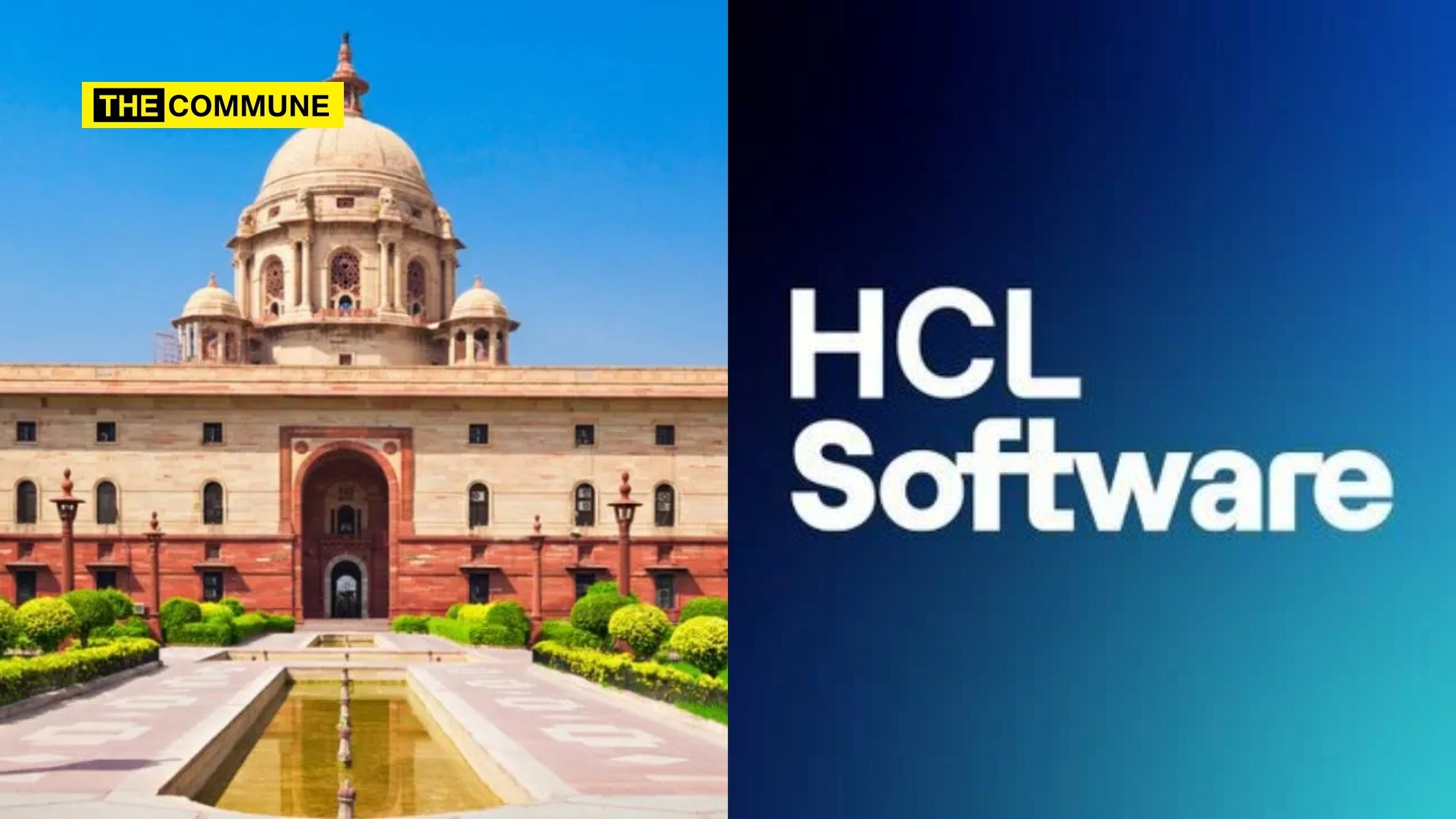
The exchange followed Pakistan’s remarks referring to J&K, which Harish dismissed while shifting focus onto the conditions of minority women in Pakistan. “We are well aware that the condition of women belonging to minority communities, notably Hindus, Sikhs, and Christians in that country, remains deplorable,” he said.

Citing data from Pakistan’s Human Rights Commission, he continued, “An estimated thousand women from these minority communities are subject to abduction, forced religious conversions, and forced marriages every year. I could go on, but I end here,” he said, underscoring Pakistan’s lack of action.

India also expressed gratitude to Switzerland for organizing the debate and reaffirmed its commitment to the Women, Peace, and Security (WPS) agenda. “As we approach the 25th anniversary of Council Resolution 1325, India reaffirms its unwavering commitment to the Women, Peace, and Security Agenda,” Harish noted.

“We recognise that sustainable peace requires women’s full, equal, meaningful, and safe participation at all levels of decision-making, including politics, governance, institution-building, the rule of law, the security sector, and economic recovery,” Harish said.

Harish highlighted India’s historical role in supporting women in peacekeeping missions. Recalling the 2007 deployment of the first all-female formed police unit to Liberia, he stated that India has made “significant strides in implementing the WPS agenda.”

“As the fifth largest troop contributor, India deployed the first-ever all-female formed police unit to Liberia in 2007, setting a precedent in UN peacekeeping. Their work garnered tremendous appreciation within Liberia and in the UN,” he said.

Harish noted that over 100 Indian women peacekeepers currently serve worldwide, including three all-women Female Engagement Teams. He also recognised Major Radhika Sen, who received the UN Military Gender Advocate of the Year Award for serving in the Democratic Republic of Congo in 2023.

India’s Permanent Representative also mentioned the country’s legislative efforts to empower women politically, highlighting the Women’s Reservation Bill passed in 2023, which aims to increase women’s representation in decision-making.

Harish emphasised India’s commitment to furthering the WPS agenda, with plans to enhance women’s representation in peacekeeping, share best practices, and support to capacity-building initiatives for women peacebuilders.

He concluded by expressing India’s dedication to transforming the WPS agenda from theory to practice, pledging India’s readiness to work with all stakeholders to foster a more peaceful, inclusive, and gender-equal world.

–IANS

Subscribe to our channels on TelegramWhatsApp, and Instagram and get the best stories of the day delivered to you personally.
Honoring The Unsung Heroes: The Gallant Contributions Of Tamil Soldiers In India’s Defense

Honoring The Unsung Heroes: The Gallant Contributions Of Tamil Soldiers In India's Defense

We seem to have lost touch with figures like Pasumpon Muthuramalinga Thevar and his devoted followers, who once rallied behind Subhash Chandra Bose in the struggle for India’s independence. The pride Tamil families once felt when declaring their sons’ service in the “Pataalam” (Armed Forces) — expressed with a beaming smile and a proud twirl of the moustache — has faded from the public consciousness. Yet, the spirit of sacrifice endures; Tamil Nadu continues to send its brave souls to defend our nation at the most challenging borders, standing resolute against formidable enemies. However, the fervor and charm that once defined this pride have become muted in our collective memory.

Despite the prevailing Dravidianist narrative that often promotes a separatist or anti-India sentiment in Tamil Nadu, the state’s deep-rooted tradition of military service stands strong, with Tamil families proudly sending their sons and daughters to serve in the Indian Armed Forces. Throughout history, Tamil soldiers have demonstrated extraordinary valor and unwavering dedication, earning the highest military honors, including the prestigious Ashok Chakra and Param Vir Chakra. These awards symbolize not only the courage and sacrifice of individuals but also the profound patriotism that continues to resonate within Tamil society. The legacy of these Tamil heroes is a testament to the enduring spirit of unity and loyalty to India, shining brightly despite contrasting political narratives.

Param Vir Chakra Recipients

The Param Vir Chakra (PVC) is India’s highest military honor awarded for exceptional bravery in the face of enemy action. Established on 26 January 1950, it is awarded to personnel of the Indian Armed Forces and recognizes acts of valor that go beyond the call of duty. The medal features a circular silver design with a depiction of the Ashoka Lion and is inscribed with the words “Param Vir Chakra.” Recipients are celebrated for their courage, leadership, and commitment to their country, often making the ultimate sacrifice in service to the nation.

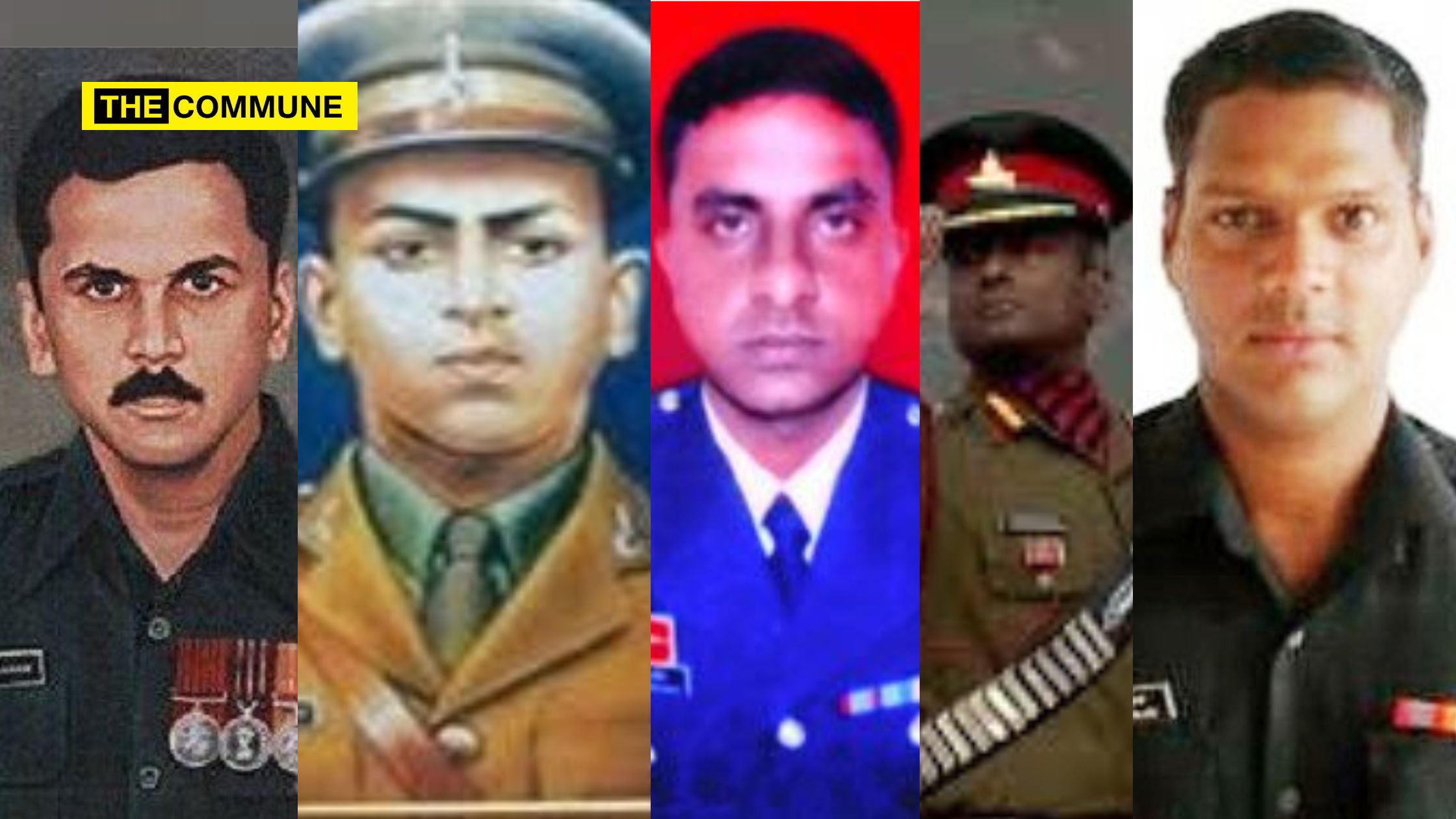
Among the 21 recipients of the Param Vir Chakra, Major Ramaswamy Parameswaran stands out as a remarkable figure from Tamil Nadu. On January 2023, Prime Minister Narendra Modi named 21 of the largest unnamed islands in the Andaman and Nicobar Islands in honor of these Param Vir Chakra awardees, on the occasion of with Parakram Diwas, the birth anniversary of Netaji Subhas Chandra Bose.

Major Ramaswamy Parameswaran – Param Vir Chakra

Major Ramaswamy Parameswaran was born on 13 September 1946, in Bombay, Maharashtra. The son of Mr. K S Ramaswamy and Mrs. Janaki, he completed his education at SIES (South Indian Education Society) High School, Mumbai in 1963. He then graduated in science from SIES college in 1968. Subsequently, he enrolled in the OTA in Chennai and graduated on 16 June 1972. He was commissioned into the 15 Mahar of the renowned Mahar Regiment of the Indian Army and served there for eight years.

In 1981, Maj Parameswaran married Uma, a poet and writer, marking the beginning of his joyful married life. He was later reassigned to the 5 Mahar battalion in 1983. During his tenure with both the 15 Mahar and 5 Mahar battalions, Maj Parameswaran participated in numerous counter-insurgency operations in the North East region, quickly establishing a reputation for his resolute determination and unwavering leadership. Endearingly known as “Parry Sahib” by his troops, he was always at the front during the difficult missions taken on by his unit. When Op Pawan commenced, Maj Parameswaran was selected to serve with the 8 Mahar battalion, one of the initial units deployed in Sri Lanka in 1987.

Operation Pawan – 25 Nov 1987

Maj Parameswaran’s unit was part of the 54 Infantry Division assigned to oversee the execution of the Indo-Sri Lanka accord signed on 29 July 1987. Following the arrival of Indian forces in August 1987, the militants were expected to surrender; however, the notorious LTTE reneged and launched an assault against Indian forces. Late on the night of 25 Nov 1987, Maj Parameswaran was ordered to lead a group of soldiers on a reconnaissance mission in Kantharodai near Uduvil in Jaffna, the LTTE’s stronghold. As they proceeded to locate a cache of weapons hidden by the LTTE militants, they were ambushed by a group of heavily armed LTTE fighters. Maj Parameswaran and his team of approximately 30 soldiers inadvertently entered the militants’ hideout and came under heavy fire from all angles.

The militants were armed with AK-47s, grenades, explosives, and devastating HMGs (Heavy Machine Guns) that caused significant damage. The LTTE fighters had also mined the area, complicating the soldiers’ movements and placing them at a severe disadvantage. Maj Parameswaran swiftly evaluated the seriousness of the situation and resolved to initiate a counter-ambush to protect his troops. Taking 10 of his men, he advanced to put his strategy into action. Amid constant fire from HMGs, Maj Parameswaran fought valiantly and continued to encircle the militants. With disregard for his own safety, he dropped to his stomach and crawled forward through the coconut grove toward the ambush site.

Maj Parameswaran surprised the militants when they realized they were surrounded. However, a burst from an HMG fired by a sniper positioned in a coconut tree struck him on his left wrist, nearly severing his hand. Undaunted, he charged at the nearest militant, seizing his weapon and shooting him down. Just then, another HMG burst hit him in the chest. In his pocket, he had a Mini Clear pistol and ammunition intended for sending a success signal. The rounds detonated upon impact from the HMG and Maj Parameswaran fell to the ground, becoming a martyr. Though his soldiers were devastated by the loss of their determined commander, they drew inspiration from his bravery and successfully repelled the militants.

Maj Ramaswamy Parameswaran was awarded the nation’s highest honor for bravery, the “Param Vir Chakra,” in recognition of his extraordinary courage, unyielding fighting spirit, and ultimate sacrifice. He became the sole recipient of the PVC award from the IPKF operation in Sri Lanka and the first from OTA Chennai to receive this prestigious recognition.

Ashoka Chakra Recipients

The Ashoka Chakra is India’s highest peacetime gallantry award, recognizing acts of valor and self-sacrifice by military personnel. Instituted on 4th July 1952, it is awarded for courageous actions performed during peacekeeping operations and in the face of enemy attacks. The medal features a representation of the Ashoka Lion, symbolizing courage and honor. Recipients of the Ashoka Chakra are celebrated for their extraordinary bravery, commitment to duty, and contributions to the nation, often serving as inspirations for future generations.

Second Lieutenant P.M Raman – Ashoka Chakra

2nd Lt Pollur Mutthuswamy Raman was born on 4th December 1934 in the northern Arcot district of Tamil Nadu. The child of an Army officer, Maj Mutthuswamy from the Army Medical Corps and Savitri, 2nd Lt Raman was the second of seven siblings. 2nd Lt Raman received his early education in Burma and later attended Saraswati High School and Wadia College in Pune. He was a bright and gentle individual, well-liked by both teachers and peers alike.

In 1950, 2nd Lt Raman completed his SSC examination and, while in his first year of college, was selected for the National Defence Academy. He was commissioned into the Army as a 2nd Lt in 1955 at the age of 21. He joined the Sikh Light Infantry Regiment, a unit renowned for its brave soldiers and numerous battle honors. For his initial assignment, 2nd Lt Raman was posted to NEFA (North East Frontier Agency), now known as Arunachal Pradesh.

Nagaland Operation – 03 June 1956

On 02 June 1956, 2nd Lt Raman’s unit obtained intelligence regarding the presence of Naga militants in Chephema village, Nagaland. After evaluating the circumstances, it was decided to initiate an operation to apprehend the militants as soon as possible. Consequently, an assault team led by 2nd Lt Raman sprang into action in the early morning of 03 June 1956 as planned. 2nd Lt Raman and his soldiers arrived at the suspected area around 5 am. Soon, the troops identified the militants, who opened fire upon being challenged.

The militants were heavily armed, utilizing light machine guns, sten guns, and rifles. Due to the fog and darkness, identifying the militants’ positions was quite challenging. However, 2nd Lt Raman suddenly noticed movement in a nearby hut and rushed towards it. In a swift and brave maneuver, he fired and killed two militants. Meanwhile, one of the militants hurled a hand grenade at him, which fortunately did not injure him as he managed to escape just in time.

2nd Lt Raman continued to fire, taking down one more militant before he found himself encircled by militants on all sides. One of the militants threw another grenade that detonated a yard away, damaging his hat and wounding him. Undeterred, he persevered in his attack, instilling panic among the militants. Sensing imminent defeat, some of the militants began to flee, but 2nd Lt Raman pursued them and eliminated another militant. However, one of the militants emerged from hiding and shot at him, inflicting severe injuries. Even this did not stop him; he retaliated by throwing a grenade at another militant, killing him. He continued to issue orders and direct fire until he eventually fell unconscious. 2nd Lt Raman later succumbed to his wounds and was martyred before reaching the age of 22. His daring actions inspired his troops, leading them to ultimately destroy the militants’ hideout and accomplish their mission successfully.

2nd Lt P M Raman was posthumously awarded the nation’s highest peacetime gallantry honor, the “Ashok Chakra,” in recognition of his remarkable bravery, unwavering leadership, and ultimate sacrifice.

Major Dinesh Raghu Raman – Ashoka Chakra

Major Dinesh Raghu Raman was born in Kancheepuram district to SK Murthy and  Mala Murthy on 6th April 1978. He completed his primary education at Kendriya Vidyalaya, INA Colony, New Delhi. Subsequently, he enrolled in the esteemed National Defence Academy in 1996 and was commissioned into the 19th Battalion of the Jat Regiment, a unit renowned for its valiant soldiers and numerous battle accolades. Despite a brief career, he held various positions and earned high regard from his superiors for his commitment and leadership abilities. He was also honored with the Chief of Army Staff Commendation medal for his contributions to Operation Parakram in the Drass sector.

Baramulla Operation – 02 Oct 2007

Following several years of service with his unit, Maj Raman was later assigned to the 34 Rashtriya Rifles Battalion in the J & K region in 2006. In June 2007, he executed a highly successful operation “Op Narawar,” resulting in the elimination of three hardline terrorists in his operational area. On 02 October 2007, Maj Raman was tasked with initiating an operation in a village in Baramulla to root out the terrorists hiding there. At 0820 hours that day, Maj Raman deployed his company to secure the suspected area. Around 0855 hours, while approaching the suspected structures, Major Raman heard cries for help from a fellow officer who had sustained serious injuries during the ongoing firefight.

Maj Raman quickly assessed the situation and advanced towards his injured comrade. Demonstrating remarkable camaraderie and esprit-de-corps, he crawled toward the wounded officer under intense enemy fire. He successfully evacuated him and two other injured soldiers to a safer location. Maj Raman then targeted the two terrorists responsible for significant troop casualties and engaged them in a fierce close-quarter combat, ultimately killing both. However, additional terrorists concealed in a nearby house opened fire on Major Raman, creating another front in the gunfight. During the subsequent exchange, Maj Raman was seriously injured. Undaunted, he continued to lead and inspire his troops, keeping the terrorists pinned down until he lost consciousness. He was airlifted to the military hospital in Srinagar, where he tragically succumbed to his injuries. Maj Raman was a devoted soldier and an exemplary officer who sacrificed his life in the service of his country.

Major Dinesh Raghu Raman was posthumously awarded the nation’s highest peacetime gallantry honor, the “Ashok Chakra,” in recognition of his extraordinary bravery, camaraderie, fighting spirit, and ultimate sacrifice.

Colonel D. Sreeram Kumar – Ashoka Chakra

Colonel D. Sreeram Kumar, born on 11 January 1981, is a serving officer in the Indian Army, recognized for his valor with the Ashoka Chakra, India’s highest peacetime gallantry award, in 2010. Hailing from Kovilpatti, he completed his schooling at Sainik School in Amaravathinagar, graduating in 1998, and later pursued his undergraduate studies at The American College in Madurai.

Sreeram Kumar joined the Officers Training Academy in Chennai in October 2002 and was commissioned into the 90 Medium Regiment (Artillery) on 20 March 2004, as a lieutenant. He transitioned to a regular commission on 20 March 2009, with seniority dating back to 20 October 2004. He was promoted to captain on 20 October 2006, and later served as an acting major beginning 24 August 2008, with 39 Assam Rifles during Operation Orchid in Arunachal Pradesh and Operation Hifazat in Manipur.

On 23 October 2008, Major Sreeram Kumar launched an operation against a group of 10–15 armed terrorists in Heingang Heibi Makhong, Imphal East District, based on credible intelligence. During the encounter, he and his team faced heavy automatic fire from the terrorists. Displaying remarkable courage, he engaged the attackers, killing two of them. He then directed his team to provide covering fire and, showing extraordinary bravery, crawled closer to eliminate the remaining terrorists at point-blank range. For his exceptional leadership and gallantry, he was awarded the Ashoka Chakra on 15 August 2009.

Following this recognition, Kumar continued his career as an instructor at the Indian Military Academy (IMA). He received a substantive promotion to major on 20 October 2010, and was promoted to lieutenant colonel on 20 October 2017. Most recently, he was elevated to the rank of colonel by selection on 31 January 2021, with seniority effective from 26 October 2019.

Major Mukund Varadarajan – Ashoka Chakra

Major Mukund Varadarajan was born on 12 April 1983 in the Kozhikode district of Kerala. Son of R Varadarajan and Geetha, he spent his childhood in Tamil Nadu and had two sisters, Swetha and Nithya. He earned a Bachelor of Commerce degree from Sri Chandrasekharendra Saraswathi Viswa Mahavidyalaya in Enathur, Tamil Nadu, and a diploma in journalism from Madras Christian College in Tambaram. His grandfather and two uncles had also served in the army, which inspired Maj Mukund to pursue a military career. He was selected to join the Army by passing the Combined Defence Services Examination in 2005 and attended the esteemed OTA (Officers Training Academy) in Chennai.

In 2006, he was commissioned as a Lieutenant in the 22 Rajput Battalion of the Rajput Regiment, an infantry unit renowned for its fearless soldiers and numerous battle achievements. After nearly three years of service, he married his long-time friend Ms Indhu Rebecca Varghese on 28 August 2009, and the couple welcomed a daughter, Ashreya, born on 17 March 2011. His service included a tenure at the Infantry School in Mhow, Madhya Pradesh, as well as participation in the United Nations Mission in Lebanon. In December 2012, he was assigned to the 44 RR Battalion, deployed in J&K for counter-insurgency operations.

Qazipathri Operation (J&K) – 25 Apr 2014

In 2014, Maj Mukund’s unit, 44 RR, was stationed in the Shopian district of J&K and frequently engaged in counterinsurgency operations. The battalion, led by Col Amit Singh Dabas, operated from its headquarters at Zawora Manlo near the apple town of Shopian. After joining his unit, Maj Mukund took part in multiple counter-insurgency and counter-infiltration operations, demonstrating his capabilities on several occasions. On 25 April 2014, intelligence reports indicated the presence of dangerous terrorists, including Jaish-e-Mohammed commander Altaf Wani, in Qazipathri village in Shopian district. An operation was planned to eliminate the terrorists under Maj Mukund Varadarajan’s command. As planned, Maj Mukund acted swiftly with his troops and reached the suspected area within 30 minutes. The intelligence suggested these terrorists had also been involved in the recent killing of election officials.

At approximately 1500 hours, Maj Mukund divided his Quick Reaction Team (QRT) into six buddy pairs and established a cordon around the suspected two-story home in Qazipathri village. The house featured a large compound, an orchard, and two outbuildings. The soldiers quickly encountered the heavily armed terrorists, who opened fire on the assault team when challenged. The gunfire persisted for an hour without progress, as the terrorists were concealed and firing from advantageous positions. Recognizing the seriousness of the situation, Maj Mukund understood that a different tactical approach was necessary for a breakthrough. Alongside his comrade, Sep Vikram Singh, and under fire from their team, he crawled to the entrance of the house. Maj Mukund swiftly deployed an Improvised Explosive Device (IED) to blow up the entrance and charged inside with Sep Vikram Singh. In a rapid maneuver, Maj Mukund shot and eliminated one terrorist while simultaneously directing his troops’ fire.

The remaining two terrorists tossed grenades and, using the cover of the debris, escaped towards a cement outhouse. Maj Mukund and Sep Vikram Singh pursued them, throwing a grenade into the outhouse. The explosion killed one terrorist, but Jaish-e-Mohammed commander Altaf Wani survived and shot at Sep Vikram Singh, who was critically injured by two bullets to the neck and jaw. Tragically, he succumbed to his wounds and was martyred. Without hesitation for his safety, Maj Mukund charged forward, unleashing gunfire on Altaf Wani, killing him instantly. However, during the intense gunfight, Maj Mukund also sustained three gunshot wounds and soon collapsed. He was immediately taken to the Army’s 92 Base Hospital in Srinagar, but tragically lost his life en route, passing away in the arms of the regimental medical officer. Maj Mukund Varadarajan was a dedicated soldier and brave officer, who sacrificed his life at the age of 31 in the line of duty. In recognition of his extraordinary valor and ultimate sacrifice, Maj Mukund was awarded the nation’s highest peacetime gallantry honor, the “Ashok Chakra.” He became the fourth recipient of the “Ashok Chakra” from the state of Tamil Nadu, following Second Lieutenant P.M Raman of Tiruvannamalai district (1957, posthumously), Major Dinesh Raghu Raman of Kancheepuram district (2008, posthumously), and Major D Sreeram Kumar of Madurai district (2010).

(With Inputs From Honour Point – Online Memorial For Fallen Soldier)

Satheesh is a blogger.

Subscribe to our channels on TelegramWhatsApp, and Instagram and get the best stories of the day delivered to you personally.
Madurai Bench Of Madras HC Affirms Muslim Woman’s Right To Seek Damages For Bigamy, Defines Domestic Violence

Madurai Bench Of Madras HC Affirms Muslim Woman's Right To Seek Damages For Bigamy, Defines Domestic Violence

Madurai Bench of the Madras High Court on 25 October 2024, ruled that a Muslim woman has the right to seek damages from her bigamous husband, as his actions can cause mental harm and qualify as “domestic violence” under the Protection of Women from Domestic Violence Act of 2005.

Hearing a petition, Justice G.R. Swaminathan stated that if a Muslim woman contests the legitimacy of a triple talaq (divorce) issued by her husband, he must seek a judicial ruling, demonstrating to the court that he followed the proper legal procedures for the talaq.

Additionally, the judge emphasized that Shariat councils, which are community-based groups, do not possess the authority to adjudicate divorce cases. “Only state-established courts have the power to make legal judgments,” he noted, underscoring that Shariat councils operate as private entities and not as judicial bodies.

This decision arose from a domestic dispute involving a doctor couple who married in 2010 under Islamic customs and had a son together. In 2018, the wife, who works in the government, filed a complaint under the 2005 Act.

In 2021, a Judicial Magistrate granted her request for compensation, ordering her Muslim husband to pay ₹5 lakh for the domestic violence she suffered. This ruling was upheld by a sessions court in 2022, leading the husband to challenge it in the High Court in 2023.

The husband claimed he had issued three talaq notices to his wife in 2017 before marrying another woman. However, the wife argued that she had not received the third notice, asserting that their marriage was still valid.

In his ruling, Justice Swaminathan pointed out that the definition of “domestic violence” in Section 3 of the 2005 Act encompasses any actions by the husband that harm or distress the wife, whether physically or mentally. He stated that bigamy would indeed cause mental suffering.

The judge further explained that while a Muslim man is permitted to have up to four wives, this right does not negate the wife’s entitlement to seek maintenance or refuse to live in the matrimonial home.

The court concluded that the wife could claim compensation for the husband’s bigamy, noting that he had not provided evidence to show that the third talaq notice was properly served.

Although the husband presented a “divorce certificate” from the Shariat council, Justice Swaminathan remarked that it was troubling, as it placed blame on the wife for not cooperating.

He emphasized that only state-authorized courts can issue valid judgments, criticizing the reliance on a Shariat council’s certificate. The judge expressed skepticism over how the husband’s father could serve as a witness for the talaq, likening it to a biased testimony, and quoted a Tamil saying to illustrate his point.

(With inputs from The Hindu)

Subscribe to our channels on TelegramWhatsApp, and Instagram and get the best stories of the day delivered to you personally.
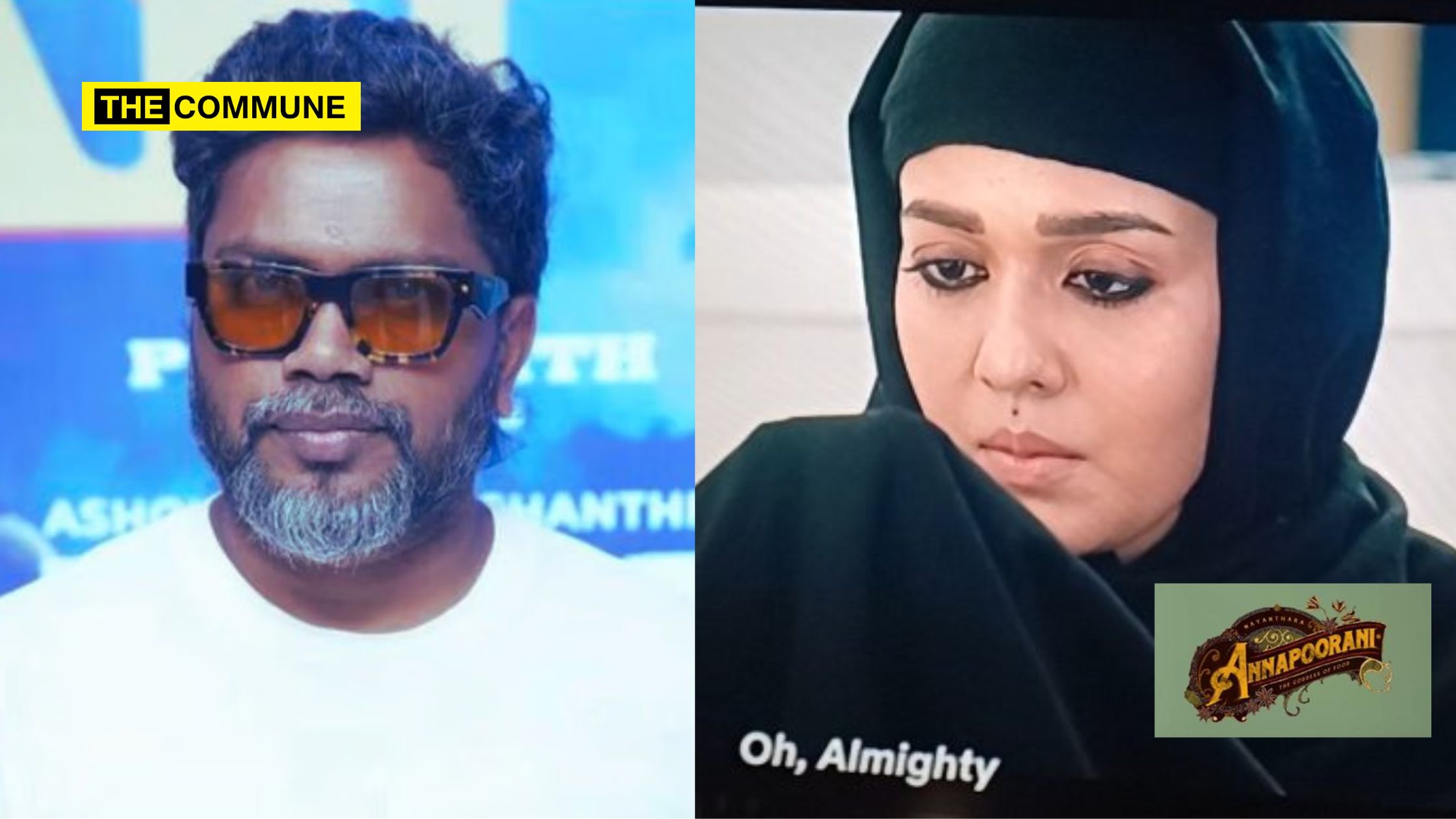
Pa Ranjith Suffers Meltdown Over Deplatforming Of Dravidian Propaganda Film Annapoorani

Pa Ranjith Suffers Meltdown Over Deplatforming Of Dravidian Propaganda Film Annapoorani

In a discussion among film directors during a show, Kollywood director Pa Ranjith complained about OTT platforms, claiming their content regulation policies restrict creative freedom and limit storytelling compared to theatres, which he calls the “only democratic space.”

Furthermore, Ranjith seemingly had a dramatic meltdown over the justified removal of Nayanthara’s film Annapoorani from OTT platforms due to its anti-Hindu content.

Ranjith & Other Directors

A short clipping of an interaction between 5 film directors featuring Kollywood’s Vetrimaaran, Pa Ranjith, Karan Johar, Zoya Akhtar, and Mahesh Narayanan from the full episode on “Off Script with The Hollywood Reporter India” by Anupama Chopra made the rounds on social media.

In the clipping, the directors are discussing the impact of OTT on their box office collections and its impact on the stories these directors tell. Vetrimaaran begins by saying, “First, I think I need to clarify one thing here. It’s not the theatrical box office that is failing, it is the inflation created by the OTT platforms that is failing now. See like OTT barged in, they said like during the COVID times like okay for one actor’s film, one Rajinikanth film, one Vijay film we’ll give you 100 crores, 120 crores. You buy, we will make it. Then the budgets became bigger. The salaries became bigger and within a few months, they realize that it was not sustainable for them, for the OTT platforms. Now they are saying okay we can’t give you that much. But the production, I mean the filmmakers, have gotten used to making bigger films. Actors have gotten used to taking bigger salaries. What to do now? So, the problem is not with the, Again I’m coming with another reference.

There’s a film that was released a couple of weeks ago called Vaazhai in Tamil. Mari Selvaraj’s film, the box office is staggering. I would call Mari Selvaraj the biggest mainstream filmmaker in Tamil cinema today because with the new kids like nobody known only his name is the selling name, the kind of numbers the film has done, amazing. In box office it has taken I mean, the lifetime number just in Tamil Nadu is going to be two times more than the overall budget of the film. So, box office, theatre is there. The only thing is we need to realign ourselves into going back to the same way of telling stories. Our stories within the budgets. What the people will give us, the Democracy of telling our stories the way we want to tell is directly addressing the theatrical audiences and not the OTT platforms. OTT this year will have okay we’re going to do like patriotic films. We will invest this is apart from the big big films.”

At this time, Pa Ranjith butts in and says, “And also they have limitations, censor. They have their own censor, you continue.”

Vetrimaaran continues, “It’s like a sensitivity test they do, like, you know, correctness, political correctness. They don’t want to show beef-eating scenes nowadays. That is happening here and there are so many limitations they come with. No this is like this, this community will get offended, this religion will get offended. So please don’t do it so they are restricting. They used to be good paymasters. When you are like you know big paymaster, your demand is also more. Might as well, I will just stay back like you give me whatever least you can give, I will go to my people, let’s do like you know Democratic business, we will try to get money from them – for which, we all have to recalibrate, we have to reduce our salaries by like you know at least by like 30% 40% you have to give up your salaries, try to make films within the budget and I think we are going to see a big boom and revival of theatrical revenue.”

Ranjith once again butts in and says, “I’m adding something here. So, the theatre is the only democratic space, not OTT. Yeah, we have a problem with the distributor and the owners also. But that is the only democratic place compared to OTT. OTTs have a lot of limitations. You know that one Nayanthara movie, they took the movie off, it is not good, no? Censor gives a certificate, and theatres run also it’s good, but OTT big platform, they took it out, it’s not good, right.”

Vetrimaaran continues whining, “Yeah it’s like it’s really sad and they forced her to give an apology letter which I am…”

Ranjith again continues saying,No no, they have a limitation, they have some certain things, they clearly said no, the OT they don’t have censorship, they don’t want to censor but they want the paper. You have to give what the censor approved, you have to give that only then we are going to telecast, otherwise we don’t want to telecast. Then after that they telecast some movie no, they took it out from there.”

It is noteworthy that Nayanthara’s Annapoorani bombed at the box office and was removed from OTT platforms because of its Hinduphobic, anti-Brahmin, Dravidian propaganda content. The Commune reviewed the film, and the impact created can be seen for itself – Pa Ranjith suffering a meltdown a year after its release and the aftermath.

Who Is Pa Ranjith?

Both directors are known for their films which peddle Dravidian propaganda. Pa Ranjith is known for his films featuring Rajinikanth – Kaala and the more recent Thangalaan. Ranjith is known for his overused, unidimensional ideology, stretching it like an endless rubber band of oppression, suppression, exploitation, and suffering in his films. Everyone knows Pa. Ranjith’s ideologies, which he frequently shares on social media, often igniting controversy.

In the film Thangalaan, the ambiguity of typical characters like the Brahmin supervisor and the British supremacist creates a lack of clarity in the film’s conflict, seemingly used to critique the Brahmin caste. The usual Dravidianist stereotyping of Brahmins as vile and cunning, de-Hindufying village deities, references to the Varna system, Vishnu, Buddha, Saint Ramanuja, Christianity, and Islamist tyrant Tipu Sultan, all of which seem ungrounded, leaves us puzzled about their relevance to the story in Thangalaan.

In Kaala, he subtly weaves anti-Hindu sentiments, portraying Hinduism and its symbols as inherently oppressive. The movie’s villains are given distinctly Hindu names, reinforcing negative stereotypes associated with the religion. Ranjith contrasts Hindu traditions with Buddhist and Communist ideals, favoring the latter as symbols of compassion and justice. Hindu icons like Ram and Krishna are used to depict antagonists, while Marxist symbols and EVR are praised. The film positions Hindu practices, like bowing to elders, as hierarchical, while Buddhist traditions are celebrated. Ranjith’s portrayal of characters and symbols paints the Hindus in a negative light while valorizing Communist and Buddhist beliefs. In the film Attakathi, he even had dialogues that positioned pre-marital sex as a sort of achievement.

Ranjith, although he proved worthy of a filmmaker in ‘Madras,’ a political film that traversed the landscape of Dravidian politics, his other film, ‘Sarpatta Parambarai’, peddled Dravidian propaganda. One should also note that Ranjith had also supported Udhayanidhi Stalin for his ‘eradicate Sanathana Dharma’ remarks.

Subscribe to our TelegramWhatsApp, and Instagram channels and get the best stories of the day delivered to you personally.