Home Blog Page 510

39 Listed Companies Among 2,227 Businesses That Relocated From West Bengal In Mamata Regime

39 Listed Companies Among 2,227 Businesses That Relocated From West Bengal In Mamata Regime

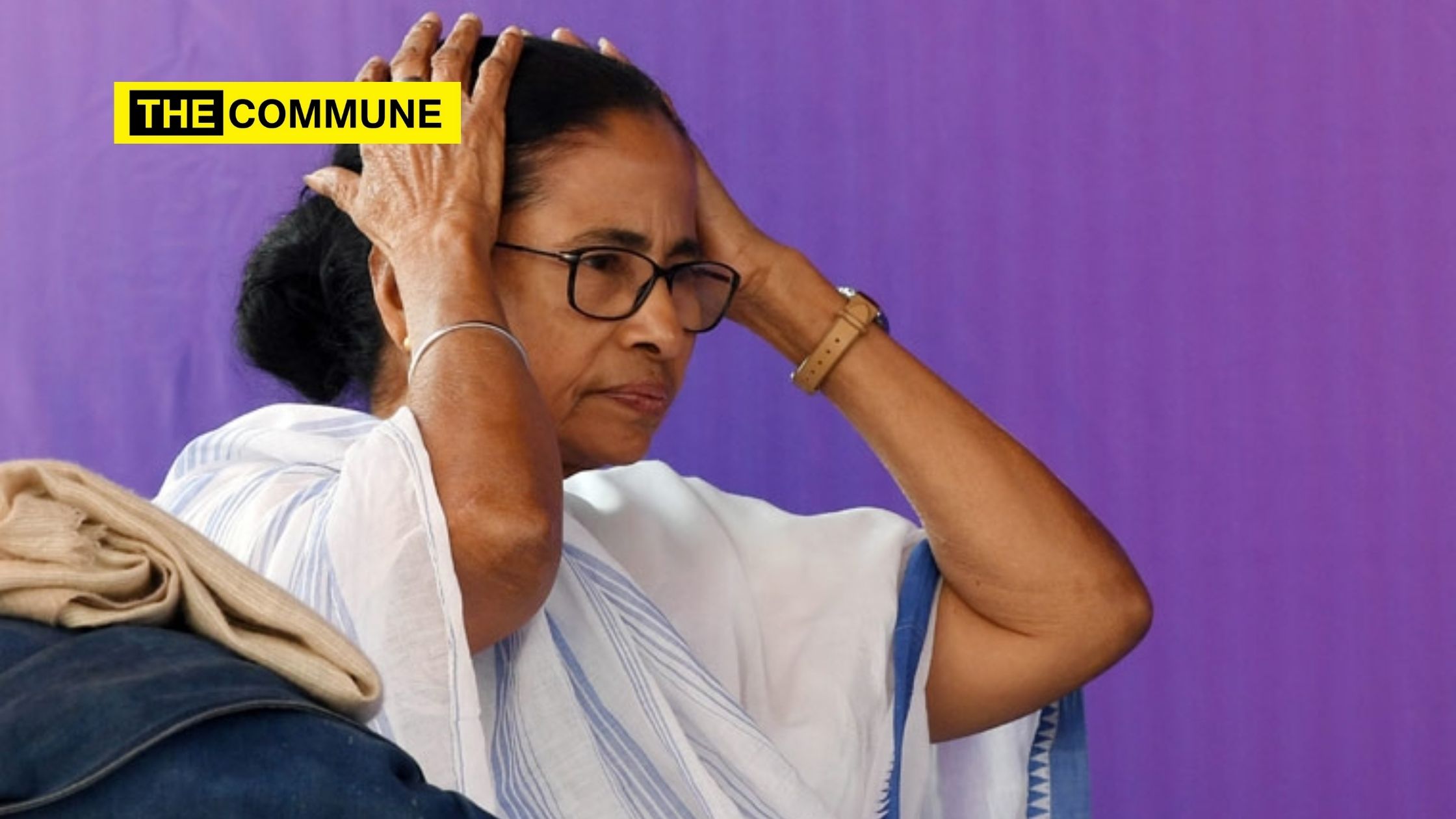
West Bengal under Chief Minister Mamata Banerjee has witnessed an alarming exodus of businesses, with a staggering 2,227 companies relocating their registered offices from the state between 2019 and 2024. Among these, 39 were listed companies spanning sectors such as manufacturing, financing, trading, and commission agency work. This grim revelation, provided by the Union Ministry of Corporate Affairs in response to a Rajya Sabha query by MP Shamik Bhattacharya, underscores the deteriorating business climate in the state.

The corporate flight raises serious questions about the state government’s policies, which critics argue have stifled industrial growth, deterred investment, and worsened the employment crisis. Experts point to the absence of a conducive environment for businesses, marked by administrative inefficiencies and lack of infrastructure development, as significant factors contributing to this exodus.

“Companies are citing reasons like administrative and operational challenges, cost-effectiveness, and the need for better control as their motivations for relocating, the Ministry noted in its response. These reasons reflect broader systemic issues, including poor governance and policy paralysis, which have created a hostile environment for businesses in West Bengal.

The Banerjee government has repeatedly touted its industrial outreach and employment initiatives, yet the data paints a starkly contrasting picture. Opposition leaders have seized on this trend to highlight the state’s declining attractiveness for investment. This corporate exodus is a direct result of the Trinamool Congress government’s failure to provide a stable and business-friendly environment. Industries are fleeing due to inefficiency and corruption, said BJP leader Shamik Bhattacharya.

The mass relocation of companies has also exacerbated concerns about job losses and economic stagnation in the state. Despite promises of revival, West Bengal has failed to compete with industrial hubs like Gujarat, Maharashtra, and Karnataka, which have actively attracted businesses with better policies and infrastructure.


With the state’s industrial future hanging in the balance, the Banerjee administration faces mounting pressure to address the concerns driving this exodus. Critics argue that without concrete measures to improve governance and foster a business-friendly climate, West Bengal risks further economic decline.

The corporate exodus is not just a statistic—it is a reflection of the lost opportunities and livelihoods for the people of West Bengal, leaving many to question the effectiveness of the Mamata Banerjee government in steering the state toward growth and prosperity.

Subscribe to our channels on Telegram, WhatsApp, and Instagram and get the best stories of the day delivered to you personally.

Violent Student Brawl Erupts At Teppakulam Bus Stand In Madurai Shocking Locals

Violent Student Brawl Erupts At Teppakulam Bus Stand In Madurai Shocking Locals

A violent clash between school students at the Teppakulam bus stand in Madurai has sparked widespread concern. The incident, involving students from a government-aided school, was captured in a viral video showing two groups of students attacking each other while waiting for a bus.

The footage shows several students ganging up on an individual, with more than five attackers targeting one student at a time. Even though a student was bleeding, they did not give up the fight. At one point, stones are thrown on the road, creating a hazardous situation for both motorists and pedestrians.

The incident has shocked the public, especially since it occurred in an area with 24-hour police surveillance. Social activists and concerned parents have condemned the act, with many criticizing the students for such violent behavior.

The clash has raised serious concerns about safety in public spaces and students’ behavior outside the school environment.

Subscribe to our channels on Telegram, WhatsApp, and Instagram and get the best stories of the day delivered to you personally.
Two Ancient Idols Of Deities Unearthed During Construction Work In Mannargudi

Two Ancient Idols Of Deities Unearthed During Construction Work In Mannargudi

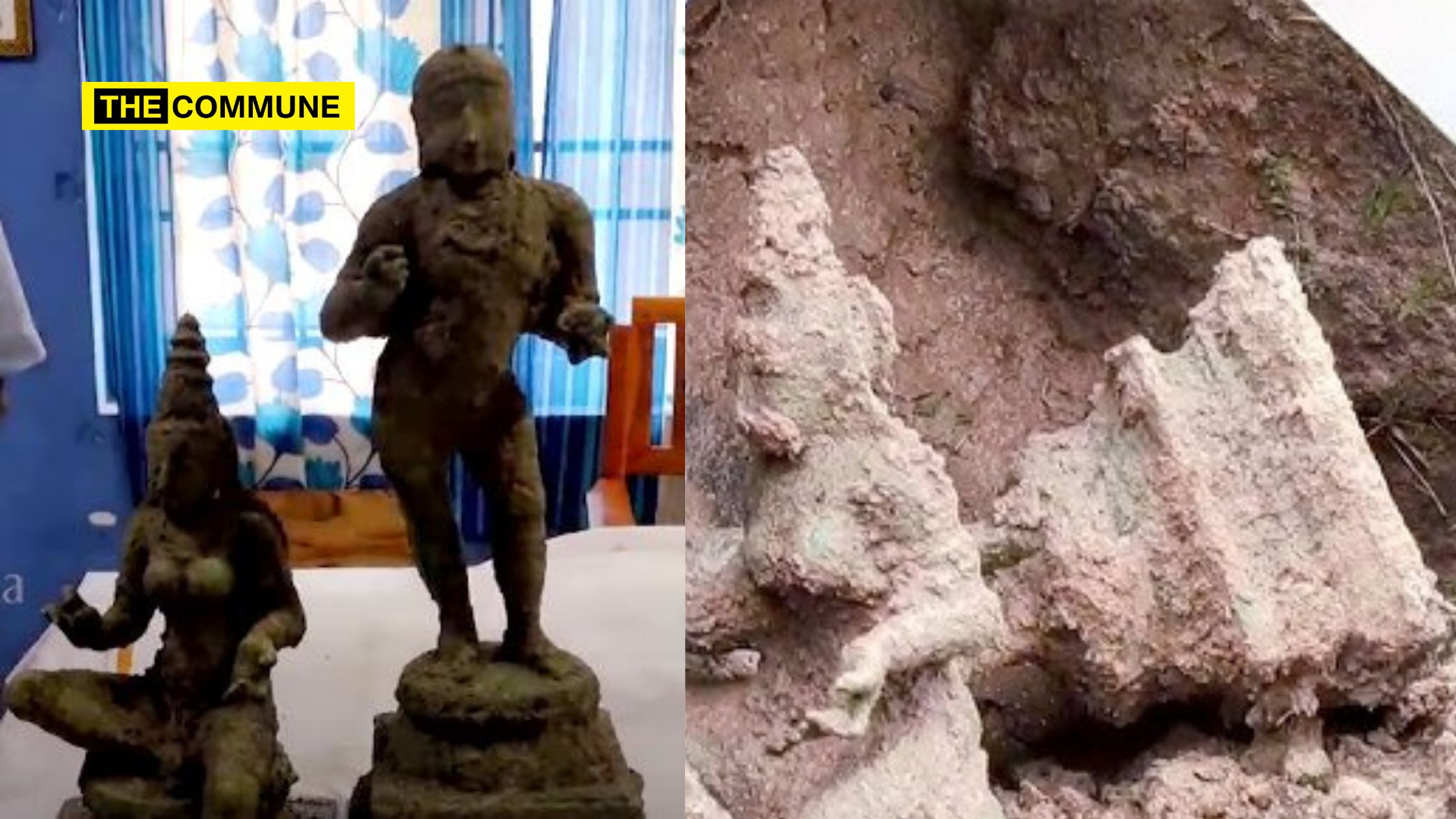
Two idols of deities were found on 1 November 2024, while digging a pit for construction work at a graveyard in Mannargudi.

The Mannargudi Municipal Administration has received a tender to set up a gas crematorium near the graveyard on Muvanallur Road, and a work order has been issued to a private contractor, and the construction work has been underway for a few days.

Meanwhile, when the soil from the pit was removed on Sunday afternoon, workers discovered that there were two idols of deities. The Mannargudi police station and the Taluk office were informed about this discovery of ancient idols. Police Inspector Rajesh Kannan and Taluk office N. Karthik took the idols to the Taluk office after inspecting them.

The idols have been assessed to date back to the 11th century. One is considered a Thirugnana Sambandar idol, while the other is identified as a Boga Sakthi Ambal idol. The Revenue Department said that the type of metal these idols are made of will be known only after the archaeological investigation.

(With inputs from Dinamani)

Subscribe to our channels on Telegram, WhatsApp, and Instagram and get the best stories of the day delivered to you personally.
“They Called Us Vandheri, Mocked Us On Streets For Wanting To Learn ‘That North Indian Bhasha”, Says Fin Min Nirmala Sitharaman

"They Called Us Vandheri, Mocked Us On Streets For Wanting To Learn 'That North Indian Bhasha", Says Fin Min Nirmala Sitharaman

Finance Minister Nirmala Sitharaman on 3 December 2024 recounted being labeled “vandheri” (outsider) for learning Hindi during her student days in Tamil Nadu. Reflecting on the cultural and political tensions surrounding language in the state, Sitharaman questioned the stigma against Hindi, calling it an imposition on her fundamental right to choose her language.

The Finance Minister shared her personal experience of facing ridicule for attempting to learn Hindi during her student days in Tamil Nadu. Speaking in the Lok Sabha during her reply to the Banking Laws (Amendment) Bill, 2024, Sitharaman digressed on the language issue while responding to remarks from Opposition members targeting her Hindi.

The minister recounted how, as a student, her decision to learn Hindi and Sanskrit was met with derision in the southern state. “I speak from my lived experience in Tamil Nadu when even going to learn Hindi, aside from my school, I was mocked on the streets. And I was mocked saying – oh, you want to learn Hindi. You live in Tamil Nadu… and you want to learn Hindi, that North India’s bhasha (language). These are the words ringing in my ears,” she said.

Lamenting the stigma associated with Hindi in Tamil Nadu, Sitharaman said, “Learning Hindi and Sanskrit are perceived as learning some other foreign language. Is Tamil Nadu not part of India? So what’s wrong in my learning Hindi?”

Sitharaman, who was born in Madurai, revealed she was called “vandheri” (a Tamil term that loosely translates to “outsider” with a negative connotation) for her efforts to learn the language. “They called us vandheri. Is it not part of a political strategy there?” she wondered aloud.

The Finance Minister argued that she had been denied her “fundamental right” to learn the language of her choice. “I have lived the experience of Tamil Nadu imposing on me not to learn Hindi. Is that not imposition on me?” she questioned. She further added, “It’s alright to say we don’t want imposition of Hindi. We don’t want to impose Hindi, but why did they impose on me not to learn Hindi? I want to ask this.”

In a bid to highlight the respect given to regional languages under the current administration, Sitharaman praised Prime Minister Narendra Modi for his efforts to promote Tamil on the global stage. “Tell me one prime minister who has taken Tamil to the UN… Narendra Modi. Tell me one PM who quotes Tamil repeatedly… because he respects that language. Tell me one PM with whom DMK has been in alliance with, where the PM quoted Tamil. That is the respect we give to the sentiments of all of us Tamils,” she said.

(With inputs from DT Next)

Subscribe to our channels on Telegram, WhatsApp, and Instagram and get the best stories of the day delivered to you personally.
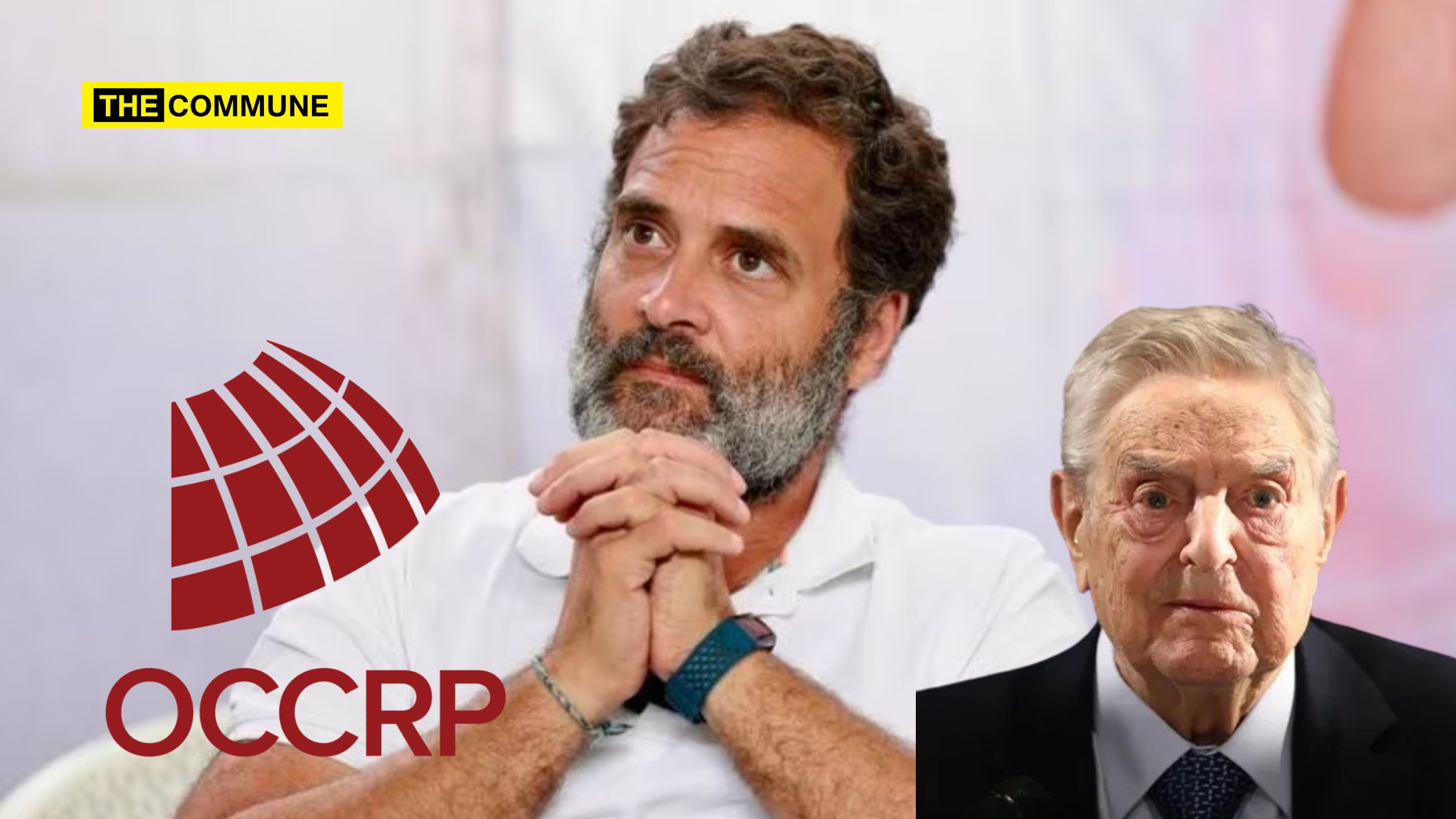
Congress Scion Rahul Gandhi & His Links To Soros-Funded OCCRP

Congress Scion Rahul Gandhi & His Links To Soros-Funded OCCRP

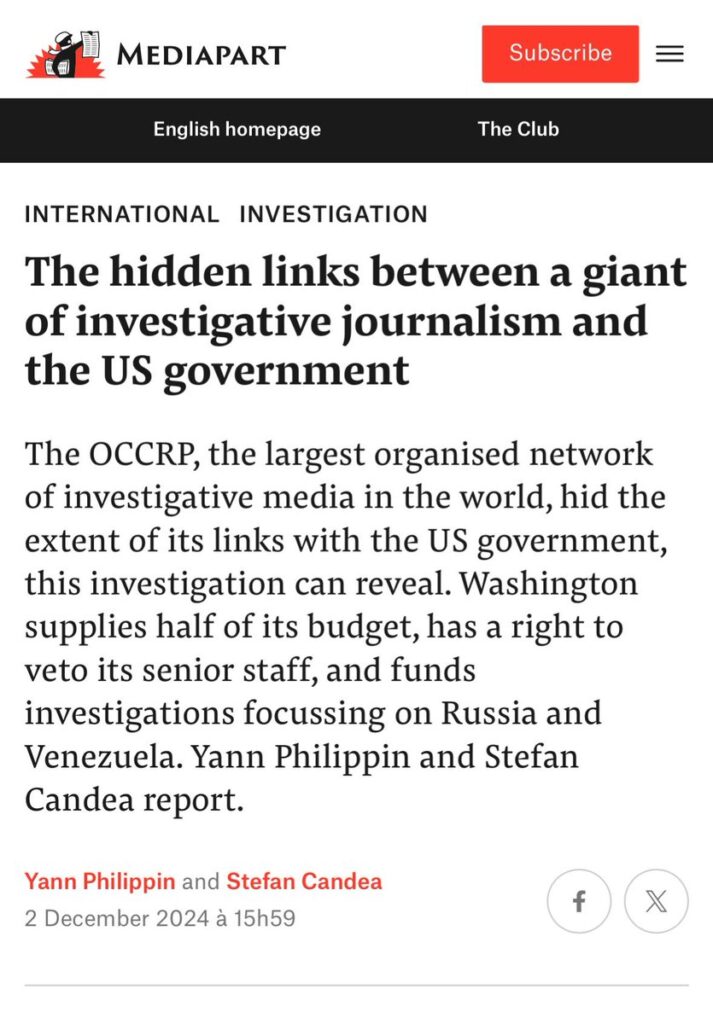
A French investigative journalist has revealed that the US govt controls the media organization OCCRP, dictating that any story it ran was influenced & lacked genuine backing.

But what is its connection with Congress?

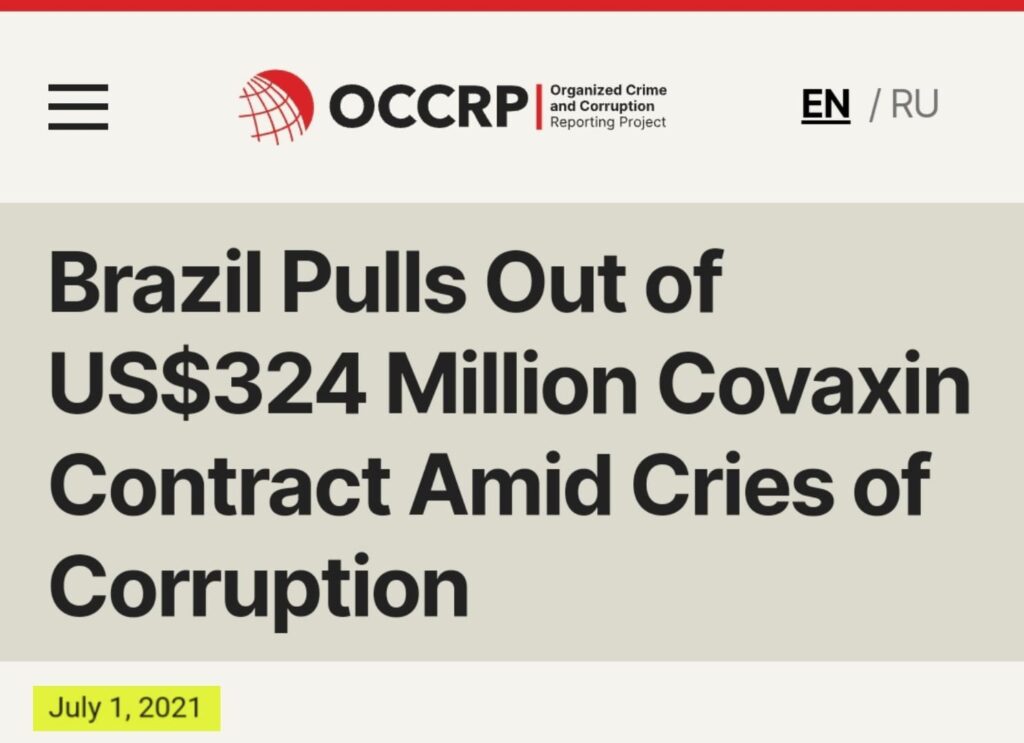
On 1 July 2021, OCCRP reported that Brazil had pulled out of a $324 million deal for Covaxin from India.

On 2 July 2021, Congress quickly latched onto the article and pushed the narrative further. This news had already been reported in June, but Congress reacted only after OCCRP’s article.

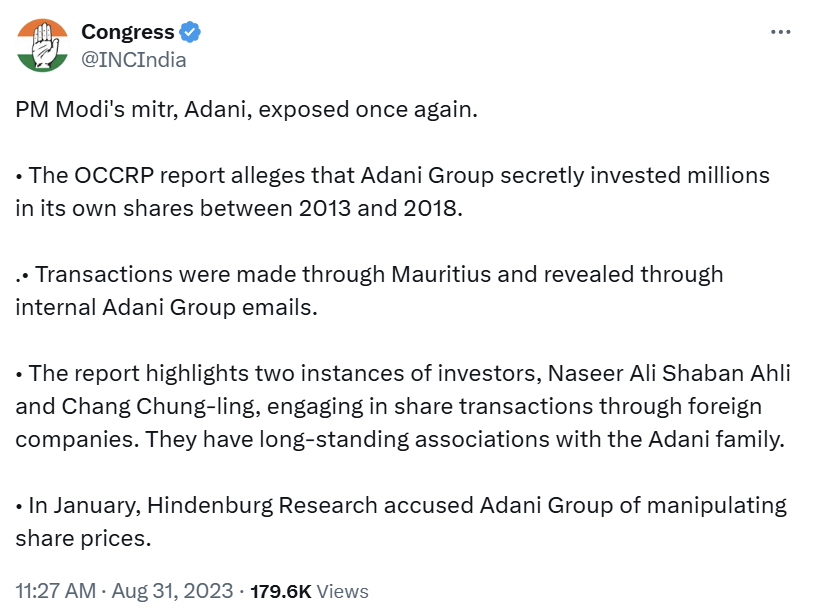
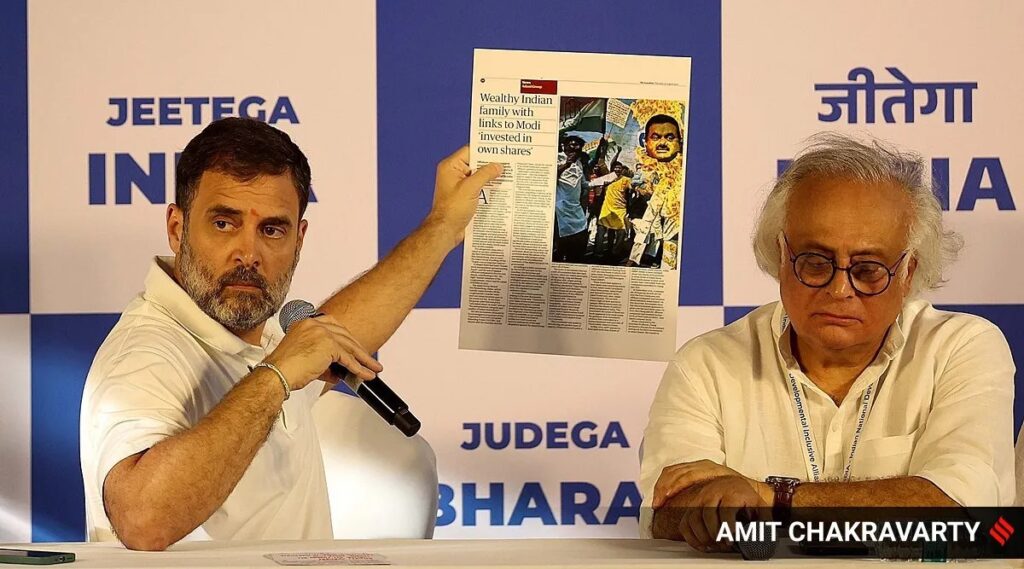
The same modus operandi was followed in the Adani fiasco. OCCRP began running hit jobs against the Adani Group, and Rahul Gandhi, along with Congress, followed the narrative. OCCRP set the agenda, and Rahul complied.

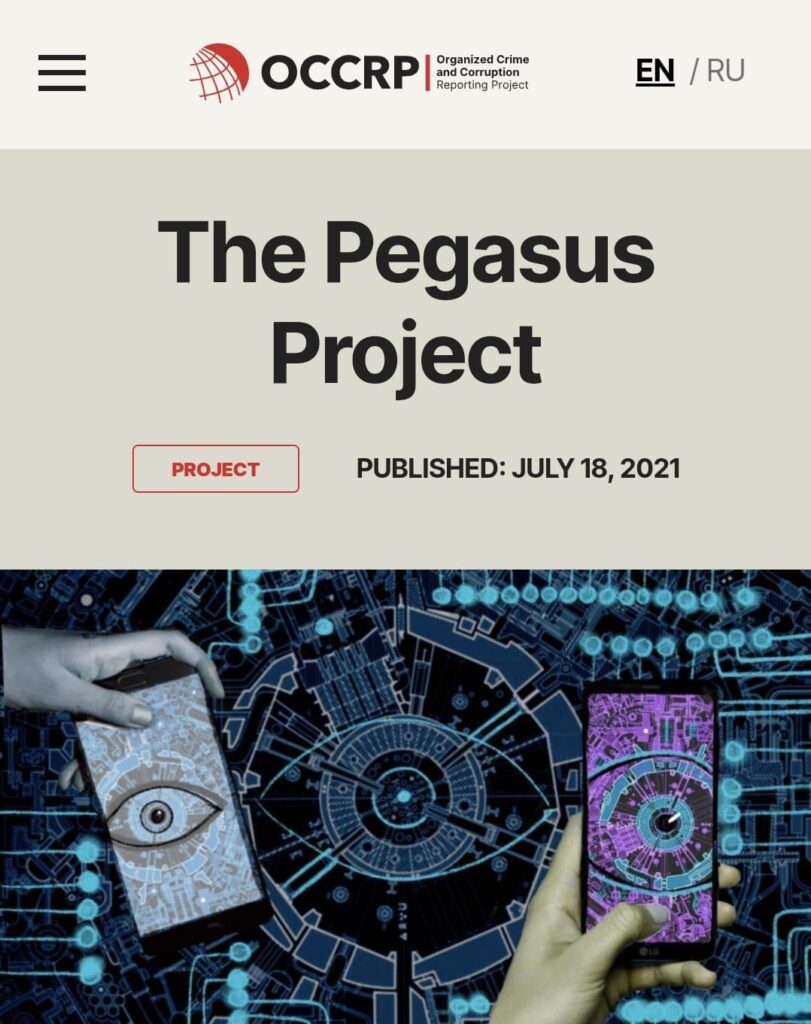
18 July 2021: OCCRP initiated the Pegasus fiasco.

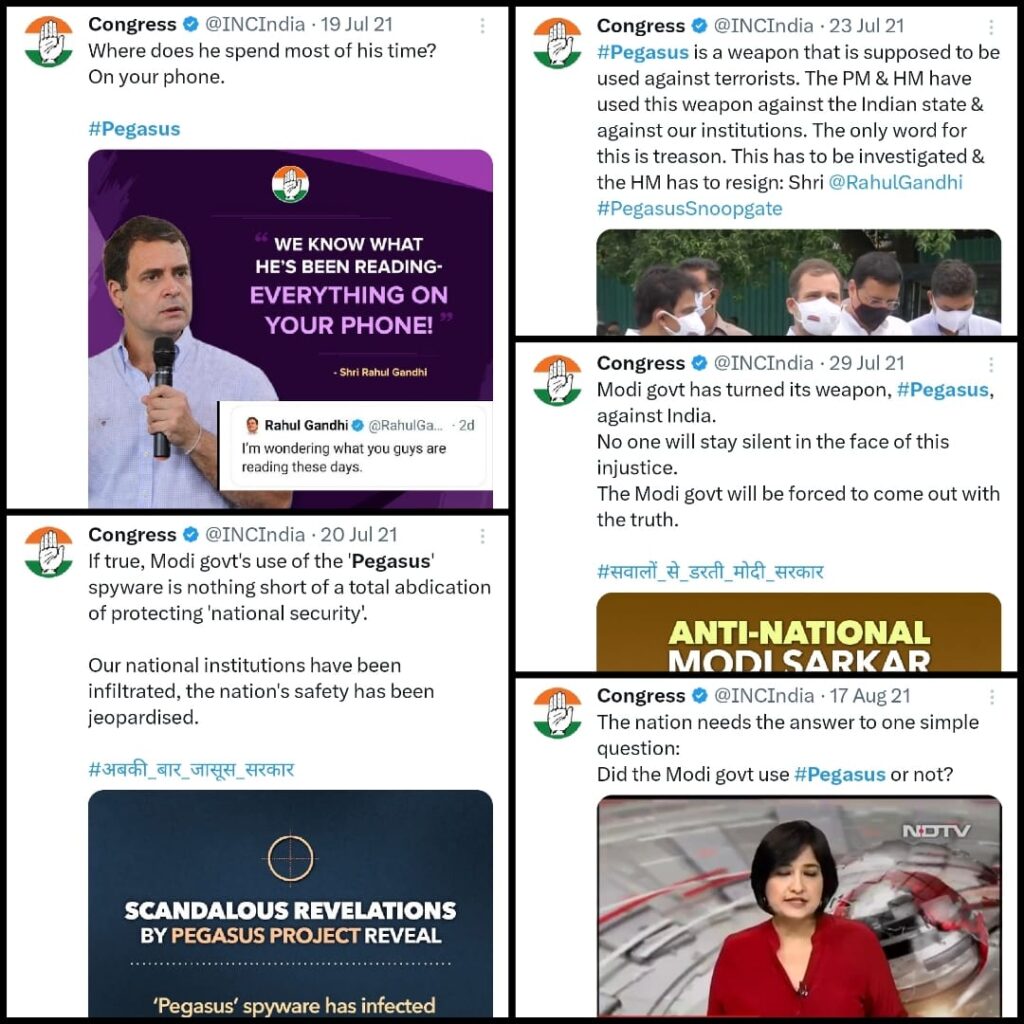
From 19 July onwards, Congress deployed all its machinery to push the narrative.

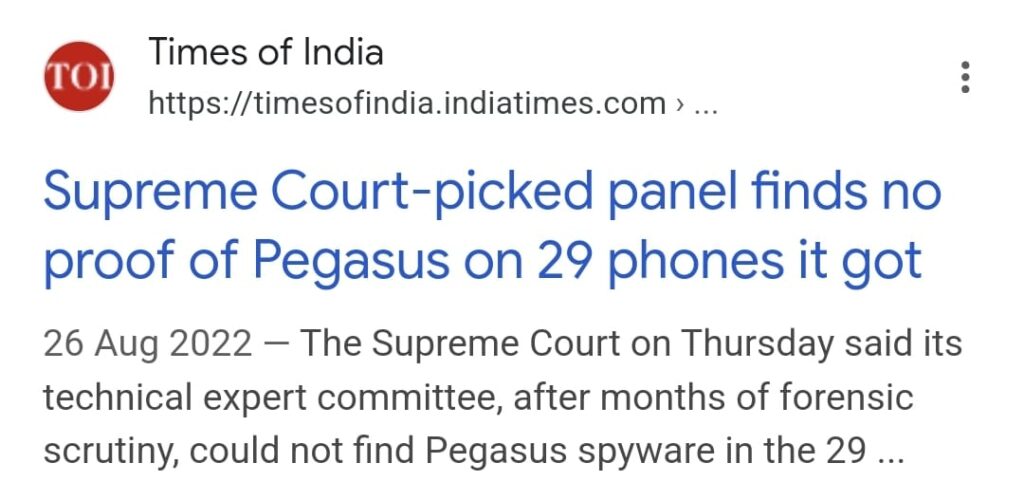
26 August 2022: The Supreme Court declared the claims false, stating no evidence of Pegasus was found.

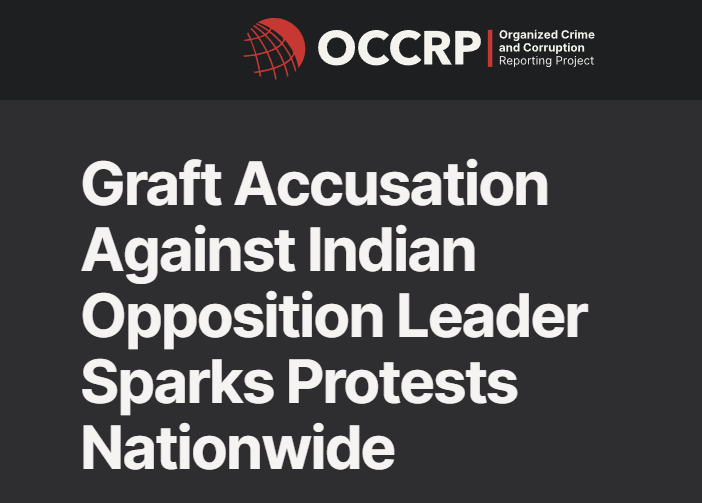
In July 2022, OCCRP claimed that a completely legal proceeding against Rahul Gandhi was politically motivated and sparked “nationwide” protests, which was far from reality. Why did OCCRP go out of its way to defend Rahul Gandhi?

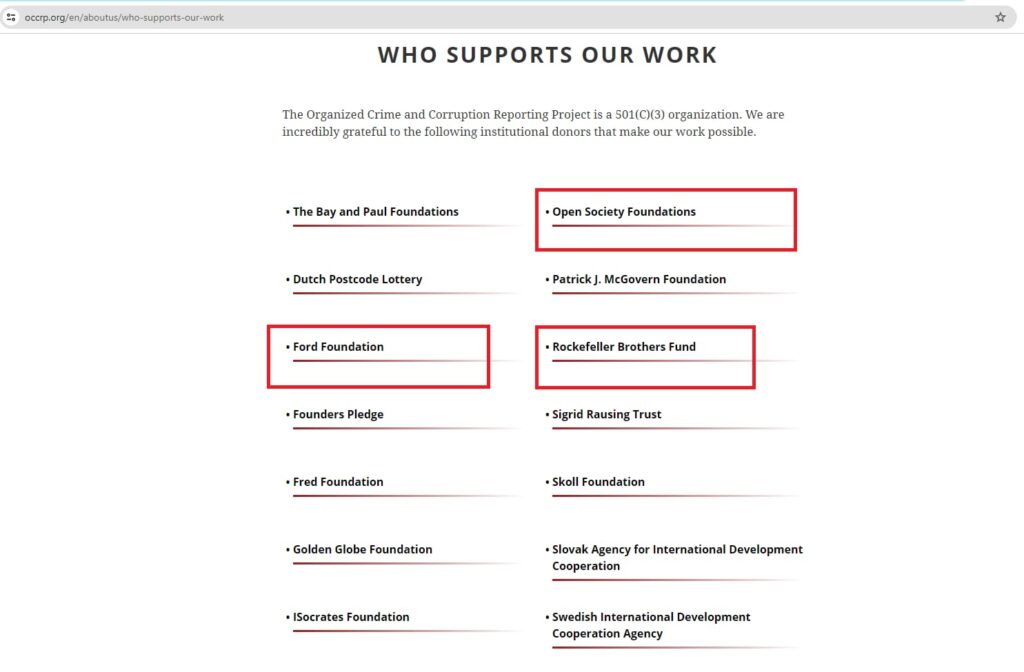
OCCRP is funded by foundations owned by George Soros.

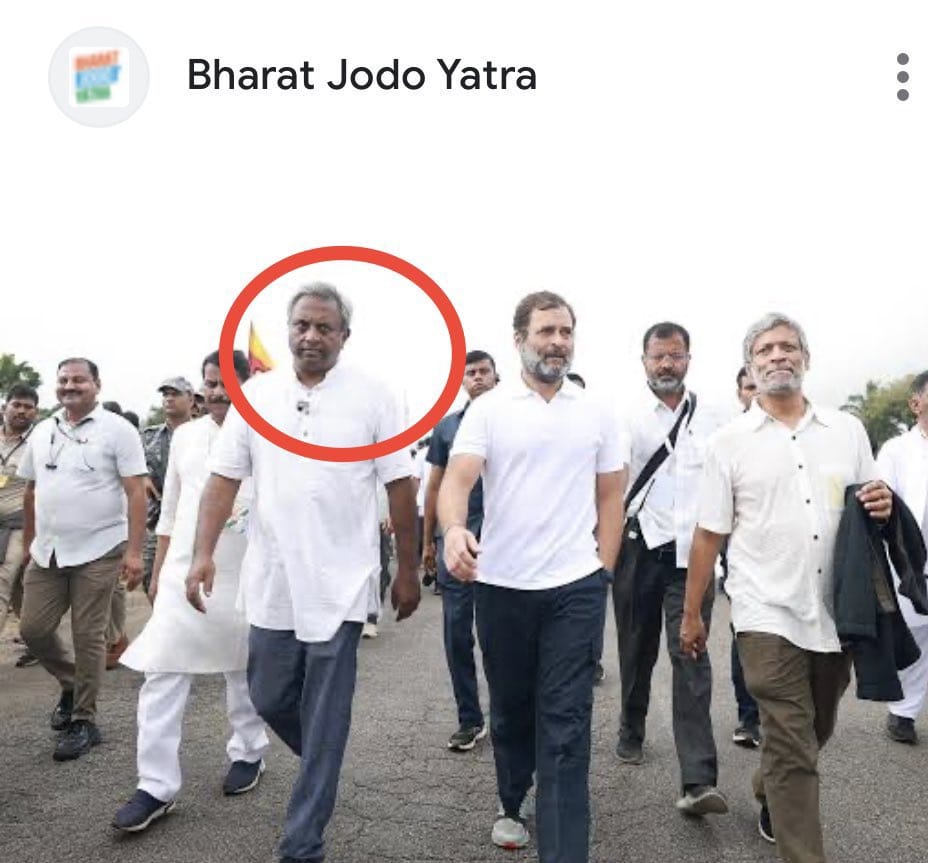
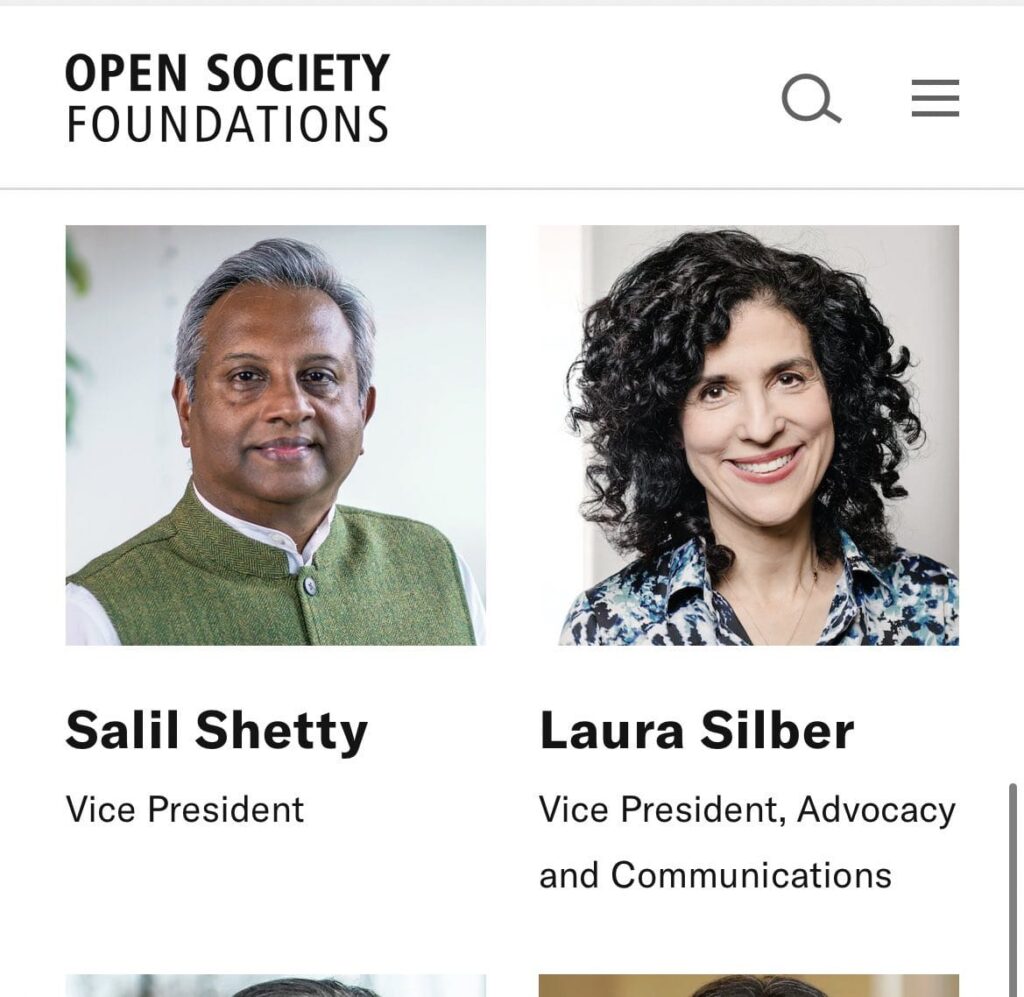
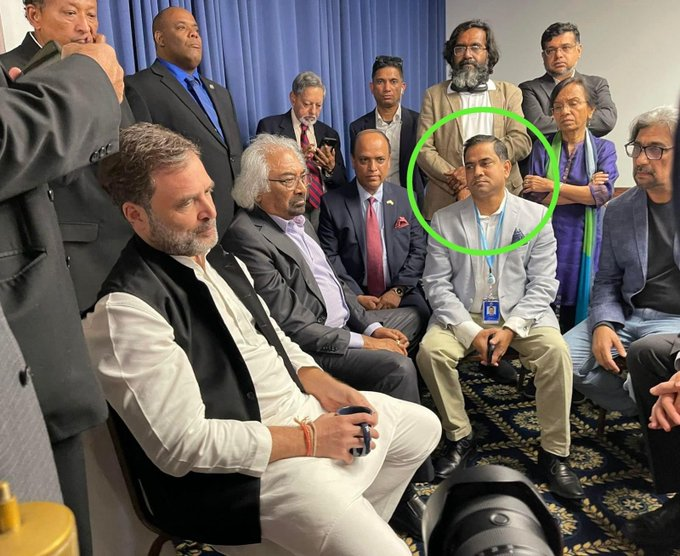
Rahul Gandhi is known to have connections with Soros. He was also seen walking with Salil Shetty, the Vice President of one of Soros’ foundations.

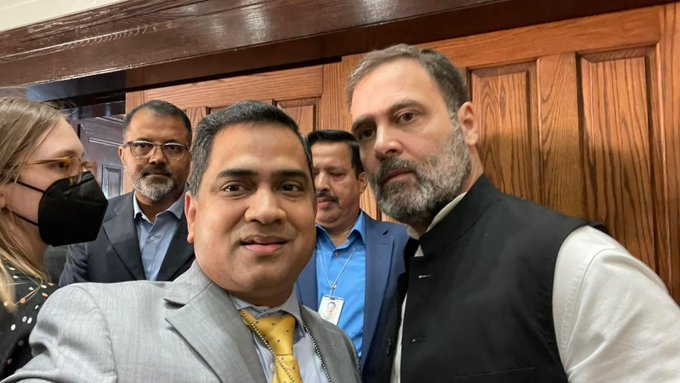
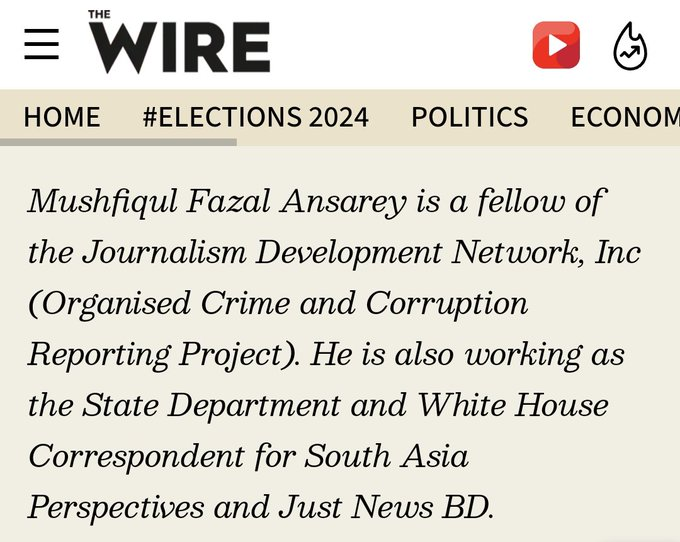
Rahul Gandhi met with Mushfiqul Fazal Ansarey, a Bangladeshi journalist from OCCRP known for peddling agendas against India.

Why Rahul Gandhi was interacting with someone working against our national interests remains unclear.

Anand Mangnale, who allegedly handed Chinese money to Sharjeel Imam for the Delhi riots, works for OCCRP.

Mangnale is linked to Congress and was actively fundraising for them while being part of DPSG.

(This article is based on an X thread by Political Kida)

Subscribe to our channels on TelegramWhatsApp, and Instagram and get the best stories of the day delivered to you personally.

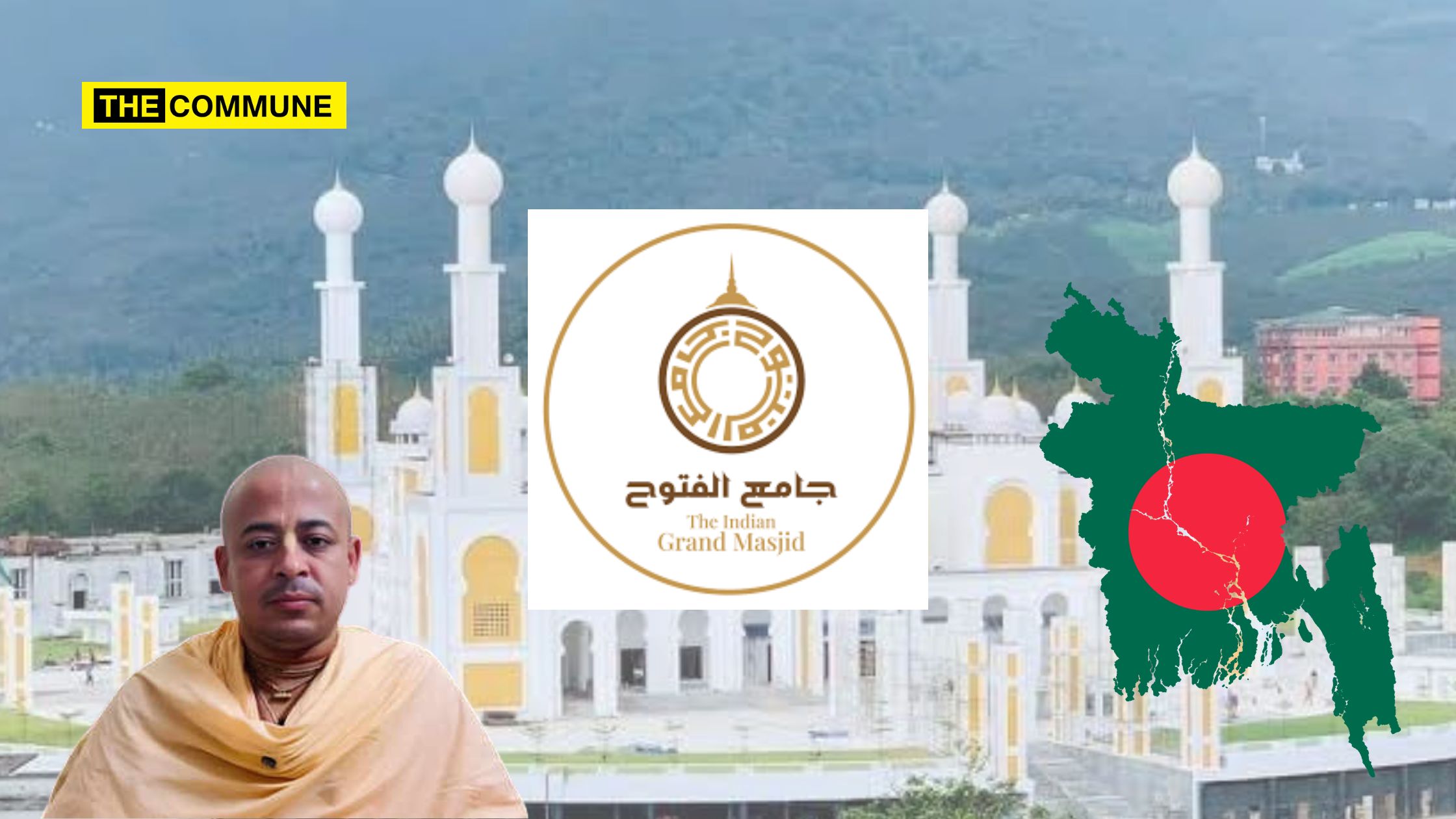
Jamiul Futuh – The Indian Grand Masjid Calls For Urgent Action To Protect Minorities In Bangladesh

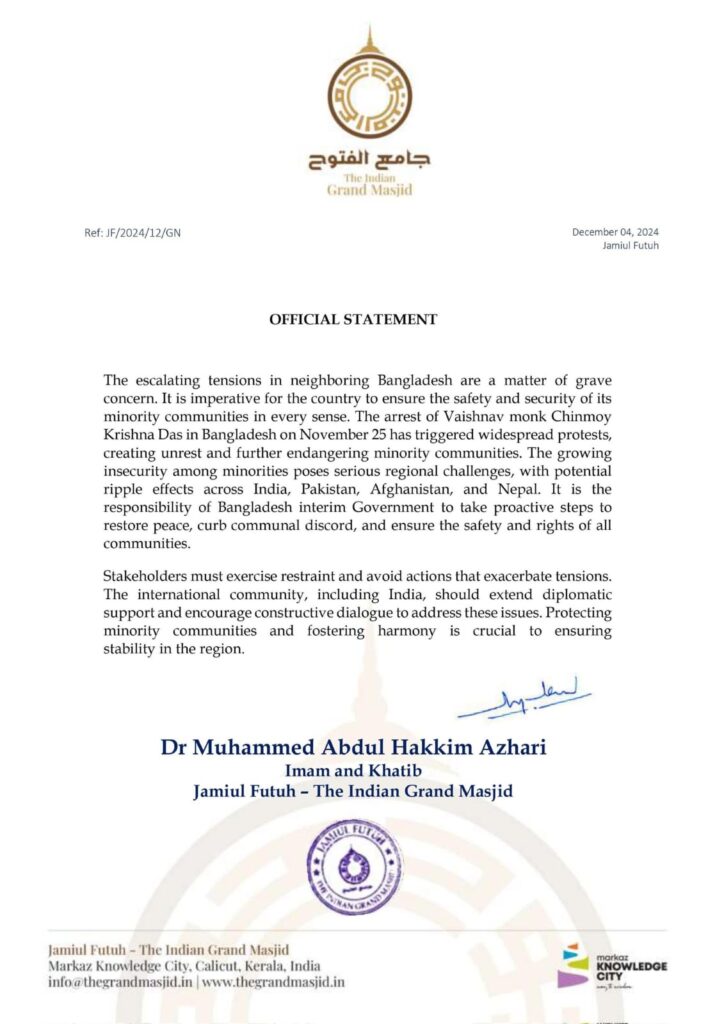
The Jamiul Futuh, also known as The Indian Grand Masjid, has expressed grave concerns over the escalating tensions in neighbouring Bangladesh. In an official statement, Dr. Muhammed Abdul Hakkim Azhari, the Imam and Khatib of the mosque, emphasized the urgent need for the Bangladesh interim government to ensure the safety and security of minority communities amid growing unrest.

The statement highlighted the recent arrest of Vaishnav monk Chinmoy Krishna Das on 25 November 2024, an event that has sparked widespread protests and deepened insecurities among minority communities in Bangladesh. Dr. Azhari warned of the potential regional ramifications of such unrest, which could impact India, Pakistan, Afghanistan, and Nepal.

“The growing insecurity among minorities poses serious regional challenges,” the statement read. It called on the Bangladeshi authorities to take proactive measures to restore peace, curb communal discord, and safeguard the rights and safety of all communities.

The Indian Grand Masjid also appealed to all stakeholders to exercise restraint and avoid actions that could escalate tensions further. Stressing the importance of international cooperation, the statement urged nations, including India, to provide diplomatic support and encourage constructive dialogue to address the crisis.

“Protecting minority communities and fostering harmony is crucial to ensuring stability in the region,” Dr. Azhari remarked.

The statement comes amid heightened concerns over communal harmony and highlights the need for collaborative efforts to mitigate regional tensions. The Jamiul Futuh mosque, situated in Markaz Knowledge City in Calicut, Kerala, continues to advocate for peace and mutual respect among diverse communities.

Subscribe to our channels on Telegram, WhatsApp, and Instagram and get the best stories of the day delivered to you personally.
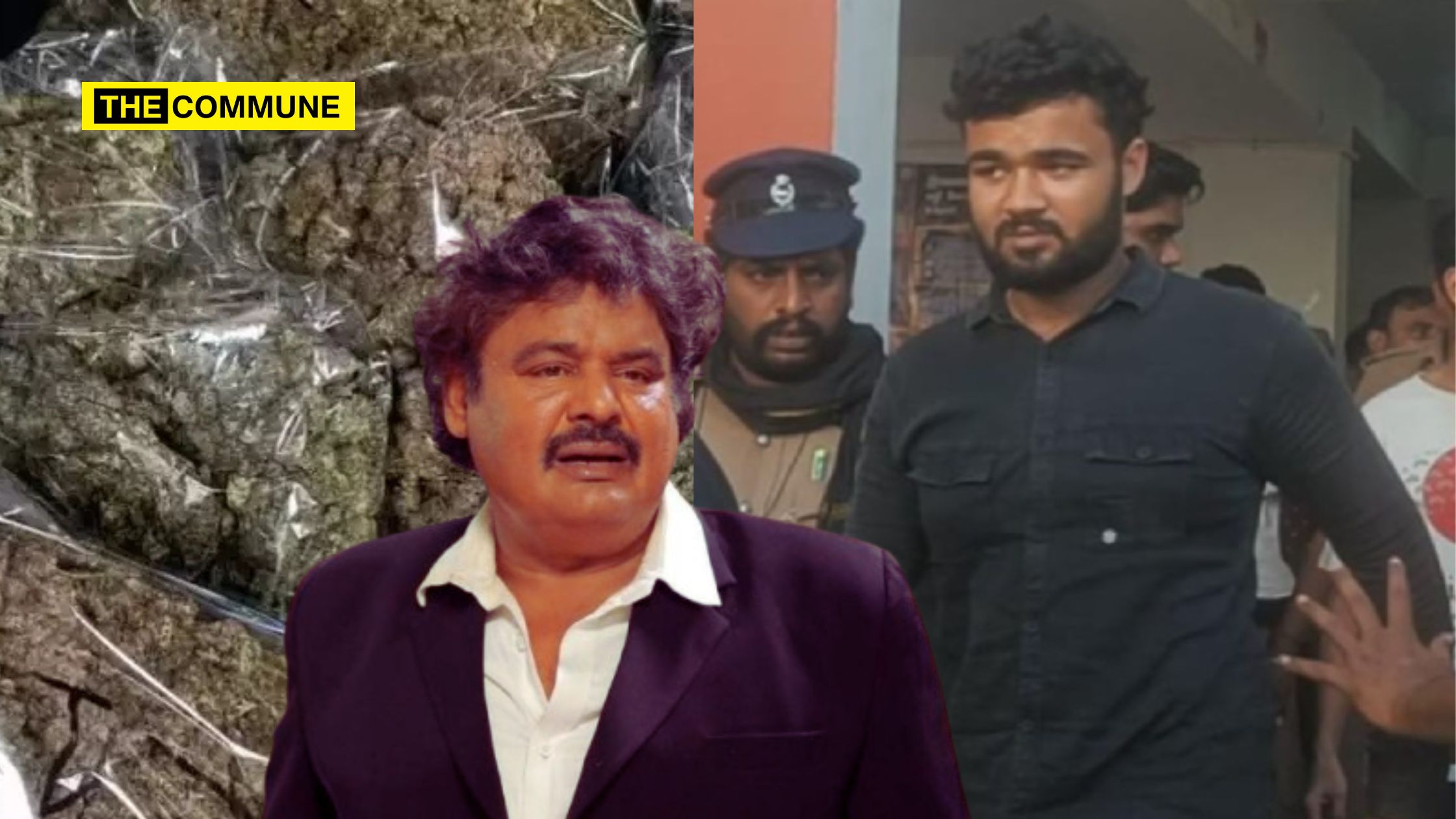
Kollywood Actor Mansoor Ali Khan’s Son, Tughlaq Ali Khan, Among 7 Arrested In Ganja Smuggling Network

Kollywood Actor Mansoor Ali Khan's Son, Tughlaq Ali Khan, Among 7 Arrested In Ganja Smuggling Network

The Greater Chennai Police have apprehended Tughlaq Ali Khan, son of famous Kollywood actor Mansoor Ali Khan, along with seven others, in connection with their alleged involvement in ganja and narcotic drug-related activities.

On 4 November 2024, authorities from JJ Nagar police station took into custody five men, including 41-year-old Mohammad from Mannadi and his 37-year-old brother Jayamujin, who were reportedly selling ganja and other narcotics through a mobile app. The Anti-Narcotics Intelligence Unit (ANIU) tracked their mobile numbers and discovered a new network of dealers and users after reviewing their call records.

On 30 November 2024, ANIU officers seized ganja oil from two college students residing in Kattankulathur. These students, originally from Kerala, were also arrested.

The recent arrest of the seven individuals, including the actor’s son Tughlaq Ali Khan, follows their repeated contact with the peddlers’ mobile numbers and their involvement in cash transactions related to drug deals. Investigations are ongoing.

(With inputs from TOI)

Subscribe to our channels on Telegram, WhatsApp, and Instagram and get the best stories of the day delivered to you personally.
How US Presidents Abuse Their Political Power For Personal Benefit

How US Presidents Abuse Their Political Power For Personal Benefit

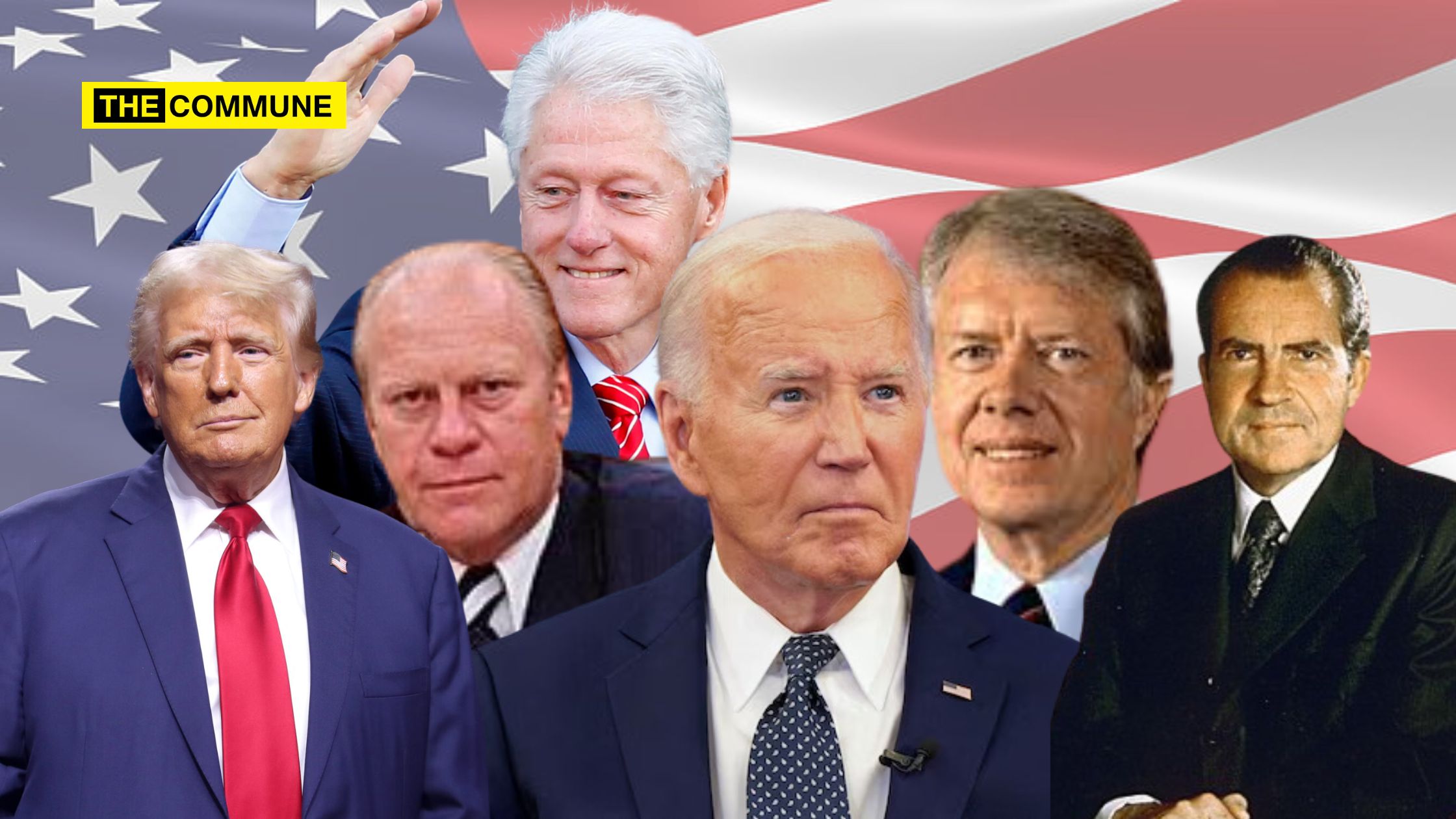
The United States, often profected as a global beacon of democracy and justice, has a troubling history of its leaders abusing political power for personal gain. While American politicians are quick to lecture other nations about corruption, their own record reveals a pattern of privilege and impunity for their families and allies.

The Biden Family Saga

Hunter Biden, son of President Joe Biden, has been embroiled in numerous controversies, including criminal charges. Yet, President Biden has used his authority to shield his son from accountability, granting him a pardon and effectively wiping his slate clean. Hunter Biden, who was facing sentencing for tax fraud and gun-related charges. The move comes after Biden had repeatedly stated he would not pardon his son, citing respect for the justice system. Hunter Biden, the first child of a sitting U.S. president to be convicted of a crime, pleaded guilty to tax charges in September and was found guilty of possessing a gun as an illegal drug user in June. He faced up to 42 years in prison before the pardon.

In his statement, President Biden defended the decision, claiming his son was unfairly targeted for political reasons and calling the prosecutions a “miscarriage of justice.” Hunter Biden, who has been sober for over five years, expressed gratitude and vowed to use his second chance to help others struggling with addiction.

This blatant use of presidential power not only raises questions about corruption at the highest levels but also undermines the very ideals of justice that the U.S. claims to champion.

The Clinton Era Scandals

Such abuses of power are not new in American politics. On his final day in office in January 2001, President Bill Clinton issued a pardon for his half-brother, Roger Clinton. Roger had been convicted in 1985 of drug-related charges, specifically cocaine distribution, and served over a year in prison. The pardon wiped his record clean, though Roger continued to face legal troubles, including a drunk driving arrest shortly after the pardon. Rather than face the consequences of his actions, Roger Clinton was pardoned by his brother, transforming him from a convicted criminal to a “model citizen” in a matter of minutes. This act of political favoritism set a dangerous precedent, eroding trust in the justice system.

The Clintons’ misuse of power didn’t stop there. Roger Clinton reportedly attempted to sell a presidential pardon to an Italian mafia boss, a scandal that gained public attention and forced Bill Clinton to backtrack. While the pardon was ultimately not granted, the mere attempt highlights the level of corruption that can flourish when power is concentrated in the hands of a few.

Clinton’s actions, which included lobbying for other pardons, reportedly earned him the Secret Service codename “headache” due to the embarrassment he caused his brother.

Clinton’s Acquittal Following Sex Scandal

In December 1998, President Bill Clinton faced impeachment in the House of Representatives over allegations of perjury and obstruction of justice related to his extramarital affair with Monica Lewinsky. After the House approved two articles of impeachment, a trial was held in the Senate, where a two-thirds majority vote was required for conviction and removal from office. Despite intense partisan divisions, Clinton was acquitted on both charges after neither count received the necessary 67 votes.

All Democratic senators voted to acquit, and a small group of moderate Republicans joined them, citing insufficient grounds for removal. For the perjury charge, 10 Republican senators voted for acquittal, while five voted similarly for the obstruction of justice charge. Clinton’s acquittal allowed him to complete his presidency, although the scandal left a lasting impact on his legacy.

Donald Trump Pardons Jared Kushner’s Father

In December 2020, then-President Donald Trump pardoned Charles Kushner, the father of his son-in-law, Jared Kushner. Charles Kushner, a prominent real estate developer and political donor, had been convicted in 2005 on charges including tax evasion, illegal campaign contributions, and witness tampering. The latter charge involved hiring a prostitute to entrap his brother-in-law, who was cooperating with federal investigators, and recording the encounter to intimidate him. He served two years in prison following a plea deal. Trump later praised Kushner as a “tremendous business leader, philanthropist, & dealmaker” and, in a controversial move, nominated him as the US ambassador to France.

Gerald Ford’s Pardon Of Richard Nixon

In one of the most controversial acts of presidential clemency, President Gerald Ford issued a “full, free, and absolute pardon” to his predecessor, Richard Nixon, in September 1974. The pardon covered all offenses Nixon may have committed during his presidency, including those related to the Watergate scandal. Ford justified the decision as a means to heal the nation’s wounds and move past the scandal, though critics argued it undermined accountability and damaged public trust in government.

Richard Nixon’s Commutation of Jimmy Hoffa’s Sentence

In 1971, President Richard Nixon commuted the prison sentence of Jimmy Hoffa, the former president of the Teamsters union. Hoffa had been serving a 13-year sentence for jury tampering and pension fund fraud but was released after serving less than five years. Allegations later surfaced that Nixon received a $500,000 payoff for the commutation, though the FBI deemed these claims unsubstantiated. Hoffa’s release came with restrictions barring him from union leadership, which he unsuccessfully challenged before his mysterious disappearance in 1975.

Jimmy Carter’s Commutation of Patty Hearst’s Sentence

Patty Hearst, the granddaughter of publishing magnate William Randolph Hearst, was convicted of bank robbery in 1976 after claiming she had been brainwashed by the Symbionese Liberation Army, a radical group that had kidnapped her. President Jimmy Carter commuted her seven-year sentence in 1979, allowing her to leave prison after serving just 22 months. Later, in 2001, President Bill Clinton granted Hearst a full pardon, restoring her civil rights, though her criminal conviction was not expunged.

Jimmy Carter’s Pardon Of  His Brother Billy Carter

Billy Carter, the brother of President Jimmy Carter, faced scrutiny for his financial dealings with Libya, which raised concerns about potential influence on U.S. policy. Although a Senate Judiciary subcommittee ultimately concluded in October 1980 that Billy Carter’s actions did not affect U.S. policy, his financial troubles and controversial dealings embarrassed the Carter administration. To mitigate political damage, President Jimmy Carter granted his brother a pardon. This act of clemency aimed to alleviate the controversy surrounding Billy Carter’s actions during a politically sensitive period for the administration.

Subscribe to our channels on Telegram, WhatsApp, and Instagram and get the best stories of the day delivered to you personally.
Dravidian Model: Bridge Inaugurated Just 90 Days Ago By DMK Min EV Velu Collapses; Govt Blames “Unprecedented Water Release” From Sathanur Dam

Dravidian Model: Bridge Inaugurated Just 90 Days Ago By DMK Min EV Velu Collapses; Govt Blames "Unprecedented Water Release" From Sathanur Dam

A high-level bridge spanning the Thenpennai River in Tiruvannamalai district, Tamil Nadu, collapsed on 2 December 2024, just 90 days after Public Works Minister EV Velu inauguration on 2 September 2024.

The bridge, constructed at an estimated cost of ₹15.90 crore by the Tamil Nadu Highways Department, was severely damaged by flooding triggered by the release of excess water from the Sathanur dam.

The 250-meter-long bridge, which stood 7 meters high and 12 meters wide with 12 spans, was designed to handle a water flow of up to 54,417 cubic feet per second.

However, the dam’s release of over 2 lakh cubic feet per second reportedly overwhelmed its capacity, leading to its collapse.

The incident has sparked outrage among residents, who have questioned the bridge’s construction and planning quality. One villager expressed concern that the bridge had been constructed without adequately considering the maximum water release from the dam, raising doubts about whether proper materials were used or if it met construction standards. Critics have also pointed to potential negligence by the state government, highlighting that the bridge collapsed within just 90 days of inauguration, prompting questions about whether the construction firm responsible would be held accountable.

Official Response

The Highways Department’s chief engineer, S. Devarasu, defended the bridge’s design, stating that it was built to withstand average annual rainfall. “The unprecedented release of water from the Sathanur dam caused the collapse,” Devarasu explained, attributing the failure to the unexpected scale of flooding.

In a press release, the Tamil Nadu government echoed this assessment, attributing the damage to “unprecedented heavy rainfall caused by Cyclone Fengal.” The government assured the public that repair efforts are underway and promised to restore the bridge soon.

The bridge’s collapse, only three months after its inauguration, has raised broader questions about governance and infrastructure quality in the state. Critics have called for greater scrutiny of construction standards and accountability for public works projects.

Subscribe to our Telegram, WhatsApp, and Instagram channels and get the best stories of the day delivered to you personally.
Flood-Affected People Come To Vijay’s Party Office To Collect Relief, Netizens Question TVK Leader’s Approach

Flood-Affected People Come To Vijay's Party Office To Collect Relief, Netizens Question TVK Leader's Approach

Actor-turned-politician Vijay, leader of Tamilaga Vettri Kazhagam (TVK), is facing criticism for his decision to bring flood victims to his party office in Panaiyur for relief, instead of personally visiting the affected areas. While other political leaders conducted on-ground inspections, Vijay’s approach prompted many to question the appropriateness of gathering victims at a political office for aid distribution.

Since its inception, Tamilaga Vettri Kazhagam (TVK), founded by actor-turned-politician Vijay, has faced criticism for the party leader’s lack of direct involvement on the ground, with many accusing him of issuing statements primarily through social media. Recently, during the severe flooding caused by Cyclone Fengal, TVK chief Vijay called upon people to gather at his party headquarters in Panaiyur for relief work. This move has sparked a wave of criticism and trolling from netizens, who have harshly criticized his decision.

Cyclone ‘Fengal’, which originated in the southwest Bay of Bengal, moved west-southwest and made landfall near Puducherry on the night of 2 December 2024.  At the time of landfall, wind speeds ranged from 70 to 80 km/h, with occasional gusts reaching 90 km/h. This resulted in heavy rainfall across several districts, including Chennai, Villupuram, Cuddalore, Krishnagiri, Tiruvannamalai, and surrounding areas. Following the cyclone’s passage, the rain continued, with cyclonic winds blowing at speeds of 60 to 90 km/h, particularly in Villupuram, Cuddalore, Tiruvannamalai, and Krishnagiri. Notably, Krishnagiri experienced its highest rainfall in 300 years, with the Uthankarai region and surrounding areas being especially affected.

While ruling DMK ministers, Opposition Leader Edappadi Palaniswami, PMK leader Anbumani Ramadoss, and other leaders conducted on-ground inspections in Krishnagiri and Villupuram districts and began providing relief. In this reagard, TVK chief Vijay also took action. He personally invited members from 300 families to his Panaiyur party office, where each family received food and continued assistance.

His decision to bring flood affected victims to his party office by bus to distribute aid has drawn criticism. Many are questioning whether it is appropriate to gather victims at a political office for relief efforts, especially when other political parties are carrying out field visits. Netizens have raised concerns on social media, asking why a crowd is necessary now, when such crowds are typically absent during election campaigns. They argue that a more humane approach would involve personally visiting affected areas to console the victims and offer aid. Some of the criticism given below.

https://twitter.com/black____horse/status/1863933776977400113

Subscribe to our channels on Telegram, WhatsApp, and Instagram and get the best stories of the day delivered to you personally.