Home Blog Page 503

The Hindu ‘Secularizes’ Tragedy At St. Joseph Convent Hostel: Trainee Nun Allegedly Kills Newborn, Trainee Priest Suspected In Affair

The Hindu 'Secularizes' Tragedy At St. Joseph Convent Hostel: Trainee Nun Allegedly Kills Newborn, Trainee Priest Suspected In Affair

‘The Hindu’ published a deeply flawed and biased report of the tragic incident at St. Joseph Convent Hostel in Eluru, where a teenage girl in training to become a nun allegedly gave birth and threw her newborn from a window. The newspaper conspicuously omits key details, such as the involvement of a trainee priest and the church-run nature of the institution, choosing instead to focus on procedural failures. This selective reporting appears to deliberately shield the religious institution from scrutiny, raising serious concerns about The Hindu’s journalistic integrity and its consistent failure to provide a complete, unbiased narrative when it comes to church-related incidents.

Tragedy At St. Joseph Convent Hostel

On 8 December 2024, at the St. Joseph Convent Hostel in Eluru, Andhra Pradesh, a devastating incident occurred involving a teenage girl training to become a nun and allegedly in a relationship with a trainee priest. The girl, a second-year intermediate student, gave birth in secret, reportedly assisted by her fellow hostel residents. Tragically, moments after the birth, the newborn was thrown out of a window, resulting in its death. Authorities have taken a trainee priest into custody for questioning, suspecting his involvement.

However, The Hindu’s report on the matter stands out, not for its depth of coverage but for its glaring omissions and deliberate whitewashing of crucial aspects of the story.

In its article, The Hindu conveniently omits the religious angle of the incident, refraining from mentioning that the Diocese of Eluru runs the St. Joseph Convent hostel or that the girl involved was reportedly training to become a nun. Even more conspicuous is the absence of any mention of the alleged involvement of a trainee priest, who is suspected of misconduct and is reportedly under investigation.

Instead, The Hindu chooses to present the event in a sanitized manner, focusing solely on procedural aspects—such as the failure of the hostel administration to notice the girl’s pregnancy and the absence of proper records—while sidestepping the deeply problematic institutional and ethical issues tied to the church-run facility.

This selective reporting raises serious questions about The Hindu’s journalistic integrity and accountability. When similar incidents occur in institutions associated with other communities, The Hindu often highlights those affiliations, sparking widespread debate and criticism. However, in this case, it appears the publication has taken pains to avoid discussing the institutional and religious context, thereby shielding the church from scrutiny.

The public deserves accurate and complete reporting, not a diluted narrative designed to sidestep uncomfortable truths. By secularizing the story, The Hindu seems to be deliberately ignoring the broader context of sexual abuse in Church-run institutions.

Subscribe to our channels on Telegram, WhatsApp, and Instagram and get the best stories of the day delivered to you personally.


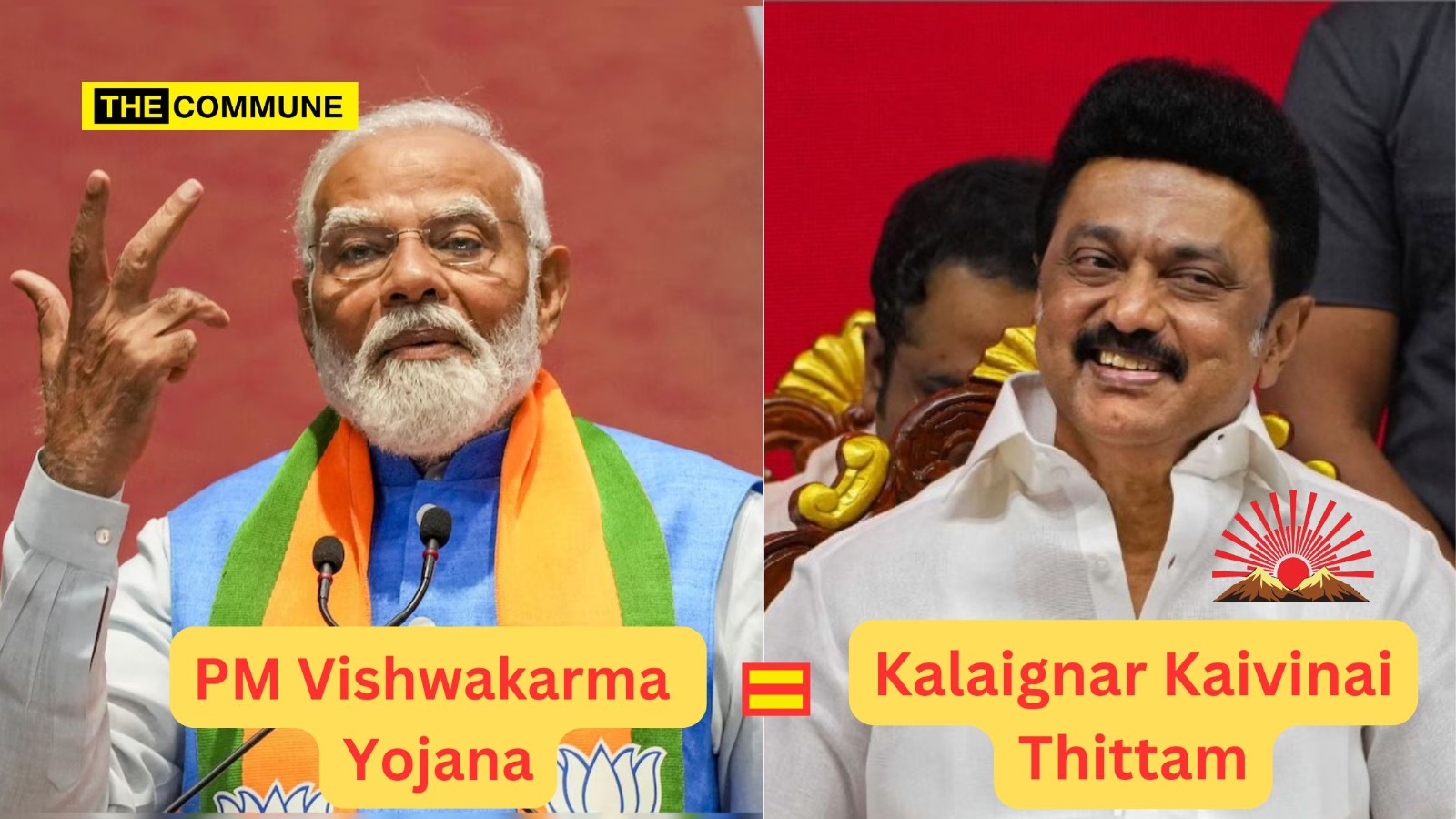
DMK Govt Launches New Scheme For Artisans, A Rebrand Of PM Vishwakarma Yojana

DMK Govt Launches New Scheme For Artisans, A Rebrand Of PM Vishwakarma Yojana

In stark contrast to the Tamil Nadu Chief Minister and DMK chief MK Stalin’s criticism of the central government’s ‘PM Vishwakarma Yojana’—which he labeled as caste-based and contradictory to social justice principles—the MSME Minister, T M Anbarasan, has announced the launch of the “Kalaignar Handicrafts Scheme” (Kalaignar Kaivinai Thittam) for Tamil Nadu. This new initiative appears to be an attempt by the DMK to rebrand the central government’s scheme under its own banner.

In a statement, the DMK Minister emphasized that the Kalaignar Craft Scheme aims to benefit people from various walks of life engaged in 25 handicrafts and industries, not limited to family-owned businesses. The scheme will offer loan assistance, skill development, and entrepreneurship training to help establish new businesses or modernize existing ones.

Under the Kalaignar Craft Scheme, eligible individuals can receive loans up to ₹3 lakh, with a 25% subsidy (up to ₹50,000) and an interest subsidy of up to 100%. The scheme is designed to provide comprehensive support for business growth, and applicants must be at least 35 years old to qualify.

The scheme covers 25 industries, including woodworking, boat making, metalworking, lock making, sculpture, stone carving, glassworking, pottery, basket weaving, rope making, broom production, toy making, flower arrangement, fishing net making, tailoring, jewellery making, hairdressing, beauty arts, cloth dyeing, musical instrument crafting, textile printing, and other traditional crafts. The program aims to support at least 10,000 artisans annually.

To apply for the scheme, interested individuals must visit the website ‘www.msmeonline.tn.gov.in. ‘ Applications will be reviewed by a committee led by the General Manager of the District Industrial Centre before being recommended to banks for approval.

PM Vishwakarma Scheme

PM Vishwakarma Yojana, a Central Sector Scheme, was launched on 17th September 2023 by the Prime Minister to provide end-to-end support to artisans and craftspeople who work with their hands and tools. The Scheme covers artisans and craftspeople engaged in 18 trades, viz. Carpenter (Suthar/Badhai), Boat Maker, Armourer, Blacksmith (Lohar), Hammer and Tool Kit Maker, Locksmith, Goldsmith (Sonar), Potter (Kumhaar), Sculptor (Moortikar, stone carver), Stone breaker, Cobbler (Charmkar)/ Shoesmith/Footwear artisan, Mason (Rajmistri), Basket/Mat/Broom Maker/Coir Weaver, Doll & Toy Maker (Traditional), Barber (Naai), Garland maker (Malakaar), Washerman (Dhobi), Tailor (Darzi) and Fishing Net Maker.

Benefits

The Scheme envisages provisioning of the following benefits to the artisans and craftspersons:

  • Recognition: Recognition of artisans and craftspeople through PM Vishwakarma certificate and ID card.
  • Skill Upgradation: Basic Training of 5-7 days and Advanced Training of 15 days or more, with a stipend of ₹500 per day.
  • Toolkit Incentive: An incentive of up to ₹15,000 in the form of e-vouchers at the beginning of Basic Skill Training.
  • Credit Support: Collateral-free ‘Enterprise Development Loans’ of up to ₹3 lakh in two tranches of ₹1 lakh and ₹2 lakh with tenures of 18 months and 30 months, respectively, at a concessional rate of interest fixed at 5%, with Government of India subvention to the extent of 8%. Beneficiaries who have completed Basic Training will be eligible for the first tranche of credit support of up to ₹1 lakh. The second loan tranche will be available to beneficiaries who have availed of the 1st tranche and maintained a standard loan account, have adopted digital transactions in their business, or have undergone Advanced Training.
  • Incentive for Digital Transaction: ₹1 per digital transaction, up to 100 transactions monthly, will be credited to the beneficiary’s account for each digital pay-out or receipt.
  • Marketing Support: Marketing support will be provided to the artisans and craftspeople through quality certification, branding, onboarding on e-commerce platforms such as GeM, advertising, publicity and other marketing activities to improve linkage to the value chain.

Through the Vishwakarma Yojana, the government also wants to help women and people from groups that don’t often get enough support. This includes people from Scheduled Castes, Scheduled Tribes, Other Backward Classes (OBCs), those with disabilities, transgender individuals, as well as people living in areas like the North Eastern states, islands, and hilly regions.

Term of Repayment (In months)

1st Tranche loan amount, which can be up to ₹1,00,000, has to be repaid in 18 months
2nd Tranche loan amount, which can be up to ₹2,00,000, has to be repaid in 30 months

In this context, Tamil Nadu BJP state secretary SG Suryah has ridiculed state fact-checker Iyan Karthikeyan, who had previously spread misinformation about the PM Vishwakarma scheme by peddling the DMK’s version of the narratives with distorted facts.

SG Suryah mockingly questioned, “If the BJP government at the centre brings the ‘Vishwakarma scheme’ to improve the livelihood of artisans, you will oppose it. If the DMK government brings the ‘Kalaignar Handicrafts Scheme’ to promote artisans as entrepreneurs, what will it be called? Truth-seeking sir, Mr. Karthikeyan(@Iyankarthikeyan), what is this?”

The DMK government’s approach exemplifies glaring hypocrisy. On one hand, Chief Minister MK Stalin dismisses the central government’s PM Vishwakarma Yojana as caste-based and contradictory to social justice, while on the other, the DMK’s Kalaignar Handicrafts Scheme essentially mirrors the central scheme, albeit under a different name with minor differences in eligibility conditions.

By rebranding similar initiatives, the DMK seems to be undermining its own criticisms of the central government, exposing an alleged politically motivated strategy rather than a genuine commitment to artisans’ welfare. This duplicity not only confuses the public but also highlights the DMK’s tendency to prioritize optics over policy consistency. If promoting artisans’ livelihoods is a noble cause under one banner, it cannot simultaneously be dismissed as casteist under another.

(With inputs from Hindu Tamil)

Subscribe to our channels on Telegram, WhatsApp, and Instagram and get the best stories of the day delivered to you personally.
‘One Nation, One Election’ Bill Likely In Parliament This Winter Session

'One Nation, One Election' Bill Likely In Parliament This Winter Session

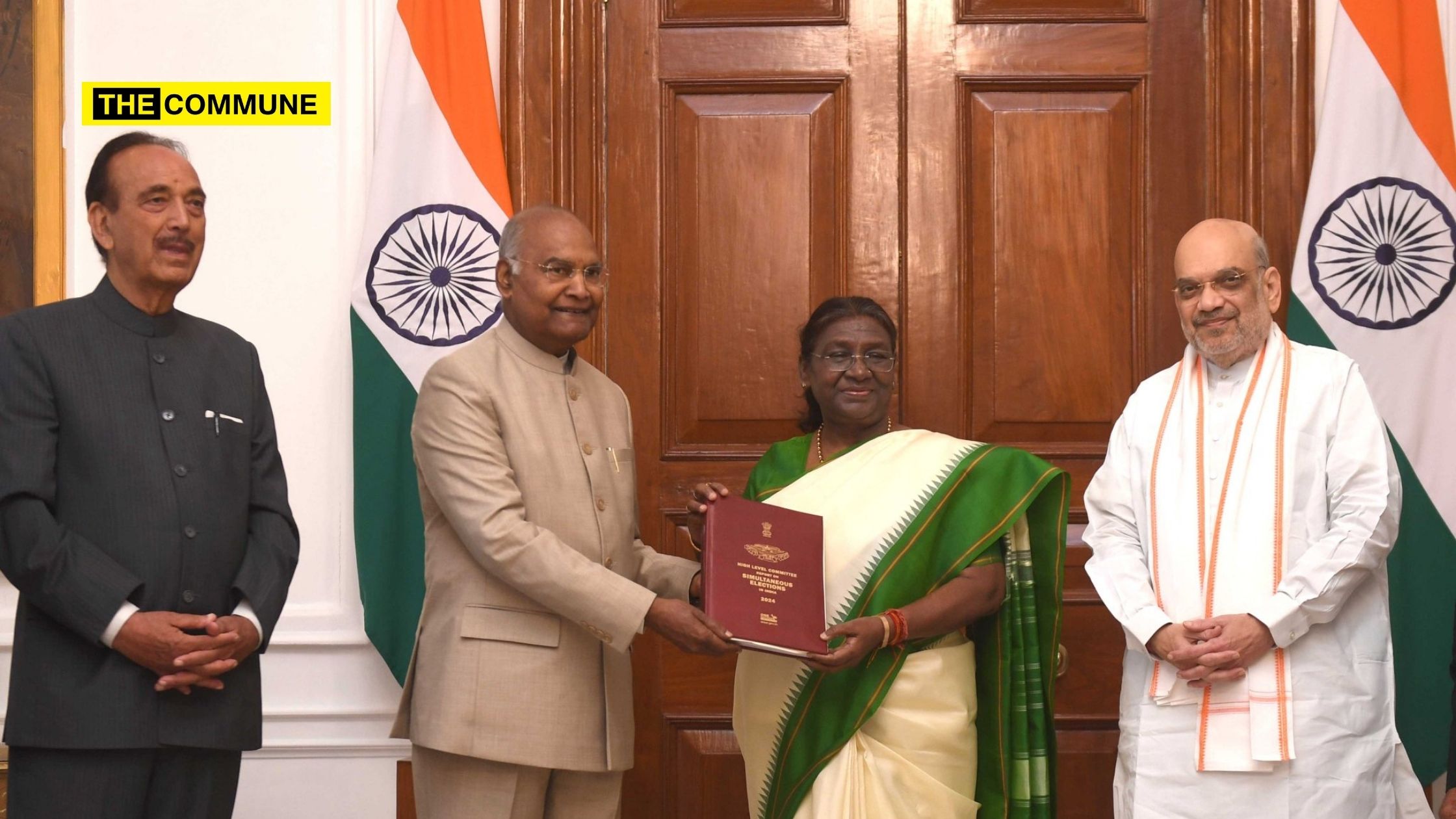
The Narendra Modi government is moving forward with its “One Nation, One Election” initiative and is preparing to introduce a bill in the Parliament during the current session.

Sources told IANS that the Cabinet has already approved the Ram Nath Kovind Committee’s report on the proposal, which advocates simultaneous elections across the country. To ensure broad support, the government plans to build consensus on the bill, possibly referring it to a Joint Parliamentary Committee (JPC) for detailed discussions. This exercise will pave the way for including opinions from all political parties sending their representatives. Moreover, this will also facilitate other stakeholders, including state Assembly speakers and intellectuals, to share their views. Opinions of the public may also be sought.

At the same time, however, implementing the One Nation, One Election system is also likely to be challenging without a decisive and convincing consensus. Implementing this plan would require amending the Constitution, and for this, at least six bills need to be passed. The government will also require a two-thirds majority in Parliament to pass this ‘One Nation, One Election’ bill. Needless to say, the ruling NDA coalition holds a simple majority in both the Lok Sabha and the Rajya Sabha.

However, obtaining the necessary two-thirds majority will be an uphill task. According to the arguments put forward by the government, the simultaneous elections would save time, money, and resources, and prevent the obstacles that are caused by the Model Code of Conduct repeatedly due to one election or the other. The MCC also halts development work during election periods. The Opposition at the same time has faulted the proposal, saying that this plan will face logistical challenges.

Managing multiple elections will be challenging, says the opposition. The parties in opposition have also called the idea “undemocratic and unconstitutional”. Meanwhile, the Committee, headed by former President Kovind, suggested that bipartisan support is crucial for the success of “One Nation, One Election”. It also recommended that the plan can be implemented only after 2029. The committee also stressed the need for wider consultations and public engagement to address concerns so as to ensure the idea is viable in the long term. This, however, indicates the complexity of this ambitious electoral reform.

–IANS

Subscribe to our channels on TelegramWhatsApp, and Instagram and get the best stories of the day delivered to you personally.

Shocking Tragedy At St. Joseph Convent Hostel, Andhra: Nun Trainee Throws Newborn Out Of Window Killing It, Trainee Father Allegedly Had Affair With Her

Shocking Tragedy At St. Joseph Convent Hostel, Andhra: Nun Trainee Throws Newborn Out Of Window Killing It, Trainee Father Allegedly Had Affair With Her.

A tragic and shocking event has unfolded at the St. Joseph Convent Hostel, run by the Diocese of Eluru, raising serious concerns about the oversight and accountability of church-run institutions. A newborn, who should have been safely cradled in its mother’s womb, tragically died moments after birth.

The incident involves a teenage girl from Nandyal, a second-year intermediate student residing at the St. Joseph Convent hostel. On the morning of 8 December 2024, a resident of a nearby apartment witnessed a woman throwing a newborn out of a window and immediately alerted the authorities. Police, led by 2-Town Circle Inspector Ramana, arrived at the scene. Officials from the Women and Child Welfare Department found the lifeless infant behind the hostel, with its umbilical cord still intact and bloodstains at the location.

DSP Shravan Kumar, overseeing the investigation, questioned the hostel administrators. The young mother, reportedly in poor health after delivery, was transported to Sarvajana Hospital for medical care. The infant’s body was sent to the hospital morgue for further examination. Authorities also questioned the girl’s roommates and friends and dispatched forensic teams to gather evidence.

Preliminary investigations suggest that the girl, training to become a nun at the convent, may have been involved with a trainee Christian Father. Allegations of possible misconduct have emerged involving a trainee Father, and a suspect has reportedly been taken into custody for questioning.

This incident has sparked widespread criticism of the hostel administration and its failure to monitor the students adequately. Questions have been raised about how the girl’s pregnancy went unnoticed despite physical changes in her condition. Reports indicate that fellow residents assisted with the delivery but did not report the situation to authorities, worsening the crisis.

DSP Shravan Kumar confirmed that a case has been registered, and the investigation is ongoing. This tragedy underscores the need for greater accountability and systemic reforms to prevent such incidents from occurring again.

St. Joseph Convent in Eluru, Andhra Pradesh, is part of India’s more extensive network of Christian missionary institutions and operates under the Diocese of Eluru. It primarily focuses on educating and preparing young women for a life of service as nuns in the Christian faith, emphasizing discipline, spiritual growth, and community service.

This tragic event has raised significant concerns about the institution’s management, particularly in terms of monitoring the welfare and behavior of its students. Allegations of misconduct by a trainee Father have raised questions about the ethical and moral protections in place for young women within the institution.

(With inputs from AriseBharat)

Subscribe to our channels on TelegramWhatsApp, and Instagram and get the best stories of the day delivered to you personally.

“Udhayanidhi’s Films Have Clear Ideology, Vijay Films Don’t”: DMK Minister Ponmudi Says

Udhayanidhi's Films Have Clear Ideology, Vijay Films Don't, DMK Minister Ponmudi Says

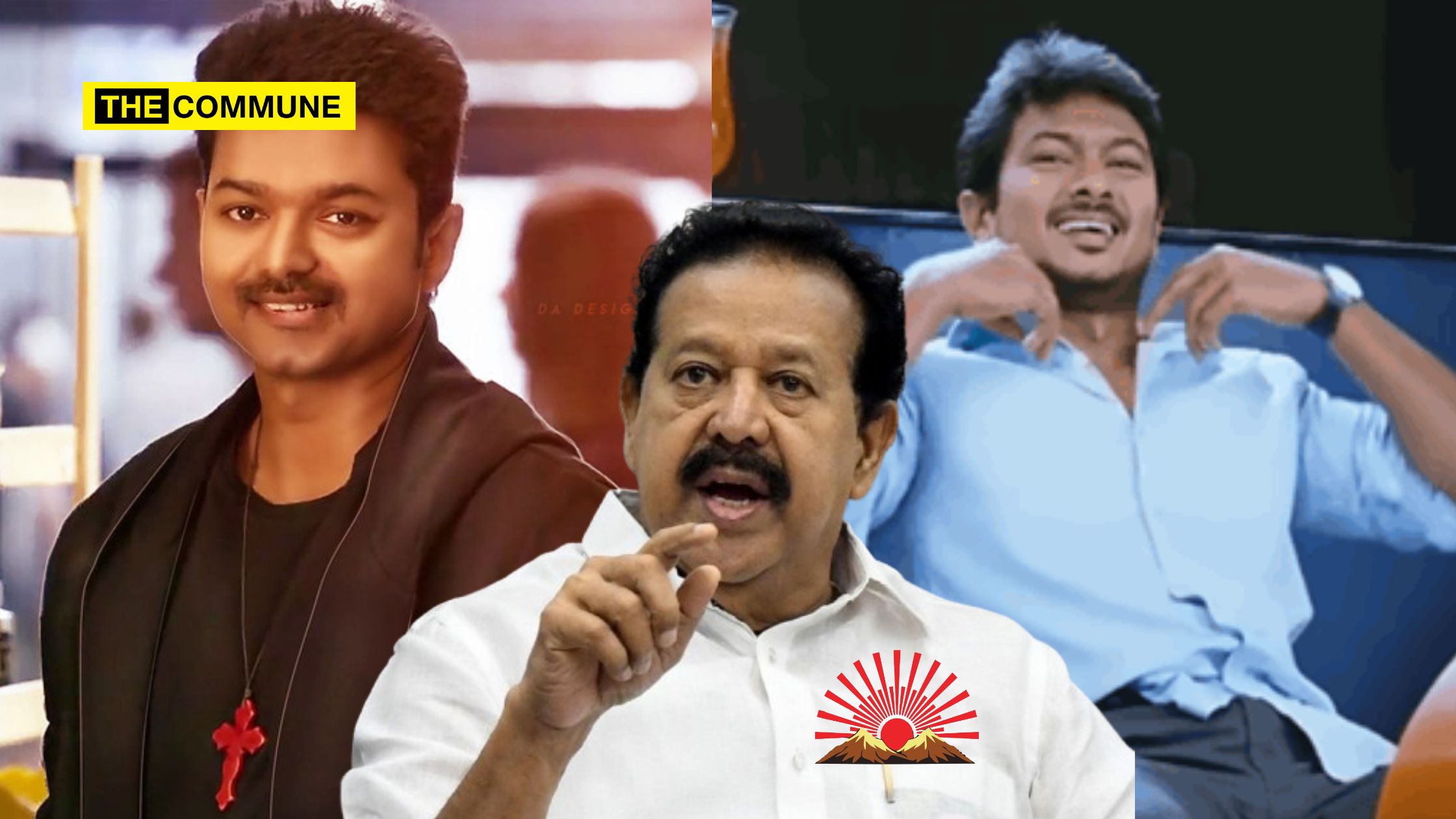
DMK Forest Minister Ponmudi has joined the fray of DMK ministers in the chorus of praise for DMK scion and Deputy Chief Minister Udhayanidhi Stalin, lauding his acting career and the ideological themes in his films while criticizing actor-turned-politician Vijay. Speaking at a welfare program organized by the DMK in Thiru. Vi. Ka. Nagar, Chennai, Ponmudi lauded Udhayanidhi’s contributions to social justice through his films, conveying a message of equality and unity.

The films starring Deputy Chief Minister Udhayanidhi Stalin had a clear ideology. They spoke of social justice and equality. Udhayanidhi’s films instilled a sense that everyone is equal. On the other hand, Vijay’s films lack this ideology,” said Ponmudi, drawing a direct comparison between the two actors.

Ponmudi also criticized TVK chief Vijay’s comment at a recent book launch event for Dr. B.R. Ambedkar, “Instead of discussing Ambedkar’s thoughts, they are bringing up politics. If they truly know anything about Ambedkar, they should talk about him. But what right do they have to discuss politics of succession? Do they have the authority to talk about monarchy and succession?”

In his remarks, Ponmudi emphasized Udhayanidhi’s commitment to Ambedkar’s ideology and social causes, stating that Udhayanidhi Stalin, unlike others, has always promoted social equality and justice. “Our Chief Minister Stalin has done much to honour Ambedkar, and Deputy Chief Minister Udhayanidhi Stalin has spoken about him several times. Udhayanidhi has guided the youth and influenced many with his principles since his school days. His dedication to Sanatan principles is well known, and no one has the right to criticize him,” Ponmudi asserted.

The DMK minister also praised Udhayanidhi’s extensive outreach across Tamil Nadu. “Udhayanidhi Stalin has visited villages across Tamil Nadu, conducted meetings, and listened to the public’s demands. He has taken action to address these issues, unlike others who sit at home and make comments. During disasters, both our Chief Minister and Deputy Chief Minister go directly to the affected areas and assist people on the ground,” he added, highlighting their commitment to public service.

Ponmudi concluded by expressing his belief that Udhayanidhi Stalin is destined to be the future Chief Minister of Tamil Nadu, emphasizing his hard work and leadership qualities.

DMK Minister Nasar Earlier Sang Praises For Udhayanidhi Stalin

Previously, at a DMK meeting, Avadi MLA and Minister for Minorities and Non-Resident Tamils Welfare, S. M. Nasar, lauded Udhayanidhi Stalin for his contributions to Tamil cinema and highlighted his significant efforts for the party, likening his dedication to that of previous DMK leaders, from Annadurai to M. K. Stalin.

Praising Udhayanidhi Stalin, S. M. Nasar remarked, “I don’t know the connection between him and stone. If you see, many renowned filmmakers have made numerous movies—some flopped, and others generated great revenue—but he produced a movie ‘Oru Kal Oru Kannadi,’ which sparked a revolution. Even in that, there’s a stone. Similarly, when Union Prime Minister Modi laid a foundation stone for AIIMS in Madurai, Udhayanidhi used it as a metaphor to challenge the decade-old government and push back. That pride belongs to Udhayanidhi, and he did it with one stone. Just as Kannagi brought down the autocratic Pandya reign with a single anklet, Udhayanidhi, with one stone, has driven away the darkness of tyrant government. That remarkable achievement belongs to Udhayanidhi Stalin.”

(With inputs from Oneindia)

Subscribe to our Telegram, WhatsApp, and Instagram channels and get the best stories of the day delivered to you personally.

A Database Of Hindu Hate Crimes: OpIndia’s Nupur J Sharma And Rahul Roushan Launch Hinduphobia Tracker To Document Hate Crimes Against Hindus

A Database Of Hindu Hate Crimes: OpIndia's Nupur J Sharma And Rahul Roushan Launch Hinduphobia Tracker To Document Hate Crimes Against Hindus

The Hinduphobia Tracker, launched by the Gavishti Foundation, is an initiative aimed at documenting religiously motivated hate crimes against Hindus both in India and globally. The foundation is led by Nupur J Sharma, editor-in-chief of OpIndia, and Rahul Roushan, its CEO. The tracker’s primary objective is to raise awareness about the persecution of Hindus, advocate for their rights, and provide a transparent and accurate record of incidents that reflect the ongoing bias and violence faced by Hindus based on their religious identity.

The tracker categorizes hate crimes into eight key areas, all thoroughly defined using international standards and conventions. These include hate crimes against women in relationships and sexual crimes, attacks that don’t result in death, attacks on Hindu religious symbols, restrictions or bans on Hindu practices, hate speech against Hindus, predatory proselytization, attacks on Hindu men for being associated with non-Hindu women, and attacks resulting in death. Each case is explained in detail to show how the incident fits into these categories and why it qualifies as a hate crime rooted in religious animosity.

At the time of release, the Hinduphobia Tracker recorded 1,314 hate crimes against Hindus since January 2023. Additionally, there are 191 undecided cases—where a crime is suspected to be a hate crime but lacks sufficient evidence to confirm the religious motive. Moreover, there are 589 cases pending review. These cases are analyzed with the goal of ensuring accuracy and transparency in the representation of incidents. The database is continuously updated as more information becomes available, with efforts to document as many hate crimes as possible.

The tracker operates a publicly accessible database, where users can explore recorded cases, analyze data through visualizations and charts, and interact with a map that marks locations of each reported crime. The interactive map displays hate crimes with distinct symbols based on their category, and users can click on these symbols for summaries and detailed case information. The database can be filtered by categories, time periods, and keywords, offering a personalized experience for individuals who wish to explore specific types of hate crimes or focus on a particular location.

The website also provides an option for individuals to submit new hate crimes. Users can report additional cases by filling out an online form, providing supporting documents like newspaper clippings, videos, or official reports. These submissions are reviewed by the Hinduphobia Tracker team to determine whether they meet the criteria for being classified as a religiously motivated hate crime. This feature encourages active participation from the public, helping to build a comprehensive record of anti-Hindu hate incidents.

One of the key goals of the Hinduphobia Tracker is to create a working definition of Hinduphobia—a term that has evolved to encompass various negative attitudes, actions, and prejudices against Hindus. According to the tracker, Hinduphobia includes any behavior, speech, or attitude that stems from hatred, fear, prejudice, or animosity toward Hindus. It is directed not just toward individuals but also Hindu communities, their religious practices, symbols, temples, and cultural values. This prejudice can manifest through violence, discrimination, dehumanization, or hate speech, and can be perpetuated through various forms of media, including academic, institutional, and political discourse.

The tracker’s goal is not only to document incidents but also to advocate against the biases and discrimination faced by Hindus. By accurately recording and categorizing these hate crimes, it aims to represent the severity and scale of Hinduphobia globally. The Hinduphobia Tracker provides a platform for advocacy and education, helping to raise awareness of the challenges Hindus face and ensuring that their stories are heard.

Additionally, the tracker has a dispute resolution process, allowing users to challenge the inclusion or categorization of cases within the database. The database is continuously updated, and users can submit additional information or raise concerns regarding any cases listed. This openness to community involvement ensures that the platform remains dynamic and responsive to new developments.

While the current database focuses on crimes from January 2023 onwards, there are plans to expand its coverage in the future. The Hinduphobia Tracker’s mission is to provide a transparent, comprehensive, and accurate representation of the hate crimes targeting Hindus, contributing to the broader conversation around human rights, religious tolerance, and the protection of vulnerable communities worldwide.

Subscribe to our channels on Telegram, WhatsApp, and Instagram and get the best stories of the day delivered to you personally.
How AP Dy CM Pawan Kalyan Outshines TN CM Stalin In Gracefully Having Meals With School Kids

How AP Dy CM Pawan Kalyan Outshines TN CM Stalin In Gracefully Having Meals With School Kids

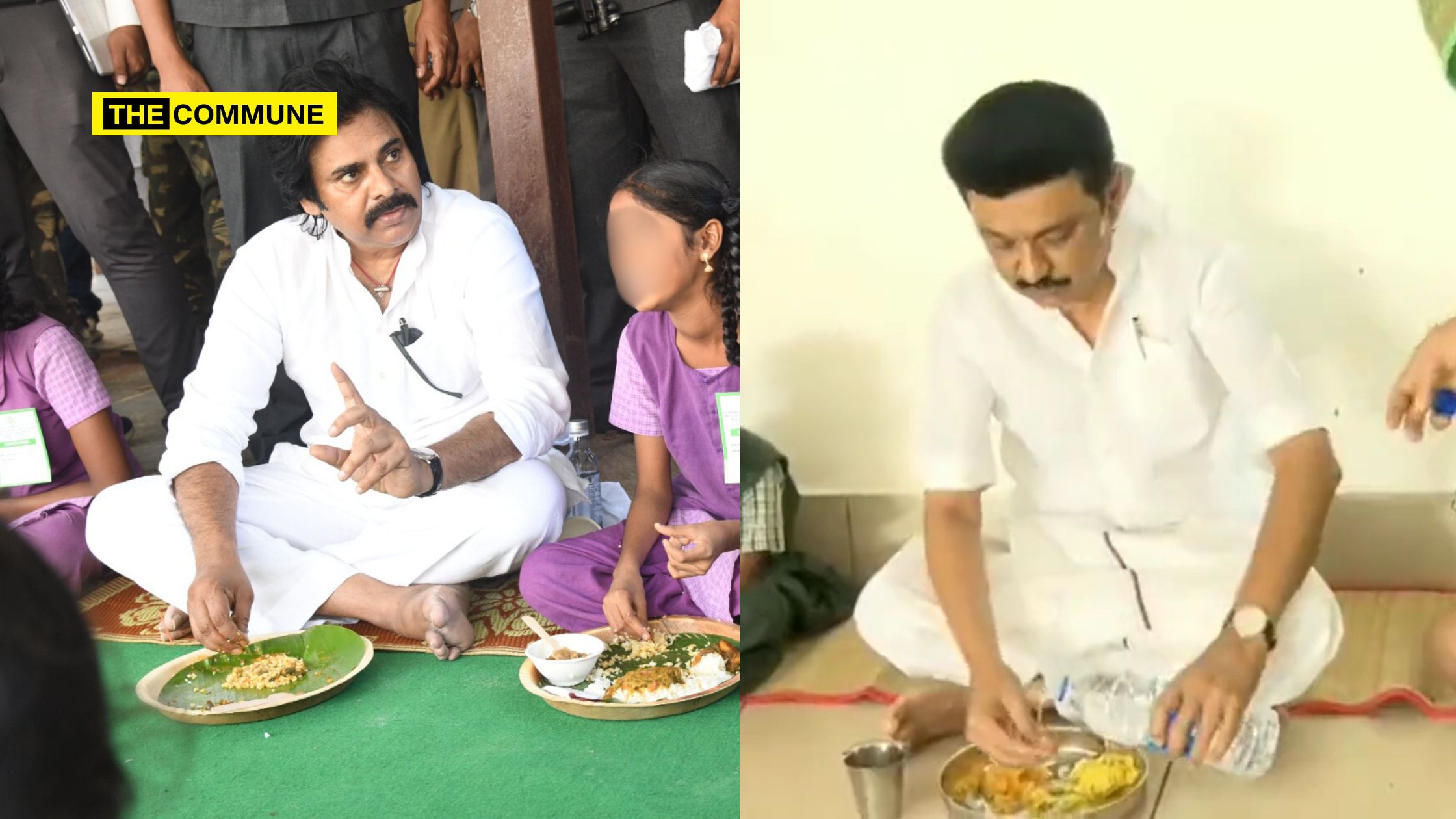
Andhra Pradesh Deputy Chief Minister Pawan Kalyan is setting a new standard for political leadership with his hands-on approach to public welfare, drawing a stark contrast to Tamil Nadu Chief Minister MK Stalin, whose recent actions appear performative and lack decorum.

Andhra Pradesh Deputy Chief Minister Pawan Kalyan seems to be taking the right strides, winning the hearts of the public across the country with his every move.

On 7 December 2024, Andhra Pradesh Deputy Chief Minister K. Pawan Kalyan visited the Municipal High School in Kadapa as the chief guest for a mega Parents-Teachers Meeting. He emphasized the responsibility of teachers and the Education Department to protect school properties, ensure cleanliness, and provide modern facilities. Highlighting the importance of student health, he urged staff to identify underweight students and improve nutrition through the Mid-Day Meal scheme. Plans are also underway to provide healthy meals for teachers.

Kalyan pledged to fund incentives for students personally and assured government support for school infrastructure, including kitchens and bus facilities for distant students. During his visit, he addressed issues of school misuse, warned of strict action against offenders, and reiterated the government’s commitment to strengthening public education. As part of the event, Kalyan joined students for lunch, showcasing his commitment to the school community and to also gauge the quality of the food consumed by the children. Both the children and the community warmly received the interaction.


Demonstrating humility, he ate alongside the children without any special arrangements or separate plates. Kalyan completed his meal fully, ensuring no food was wasted and maintaining decorum throughout. His actions were widely appreciated for showing solidarity with the students and respect for the food.

In 2022, Tamil Nadu Chief Minister MK Stalin attended a school meal event as part of the morning breakfast scheme launch. While dining with students, he was seen feeding them for a brief photo opportunity. However, a video later showed him washing his hands in the same plate of food midway through the meal using bottled water, drawing widespread criticism. Many accused him of disrespecting the efforts of farmers and workers behind the scheme, questioning the propriety of such actions during an event meant to promote nutrition and dignity.

Notably in July 2024, Stalin faced backlash after a video showed him tasting sambar rice with his hand and discarding the remaining food into the same serving vessel at an Amma Unavagam restaurant in Chennai. The incident occurred during his surprise inspection that month, following the approval of ₹21 crore for improving Amma Unavagams. While inspecting food quality and cleanliness, Stalin’s action sparked criticism online, with netizens questioning the appropriateness of his behavior, particularly in handling food meant for others in a public restaurant. Critics expressed disgust over his disregard for hygiene and food etiquette.

Pawan Kalyan, by personally participating in the mid-day meal, eating alongside students without special treatment, in a hygienic way, and making concrete promises to improve school infrastructure, has shown that political leadership can be both compassionate and practical.

In stark contrast to the performative approach of some politicians, Kalyan’s actions reflect a deep understanding of grassroots needs. His pledges to fund student incentives, improve school facilities, and personally engage with the school community set a remarkable standard for political representatives. This speaks volumes about Kalyan’s rise as a leader – someone who doesn’t just talk about change but actively participates in creating it.

Subscribe to our channels on Telegram, WhatsApp, and Instagram and get the best stories of the day delivered to you personally.

VCK Head Thiruma Features In Poster Of Bar-Attached Club Launch, Had Organized Anti-Alcohol Conference Just 2 Months Back

VCK Head Thiruma Features In Poster Of Bar-Attached Club, He Organized Anti-Alcohol Conference

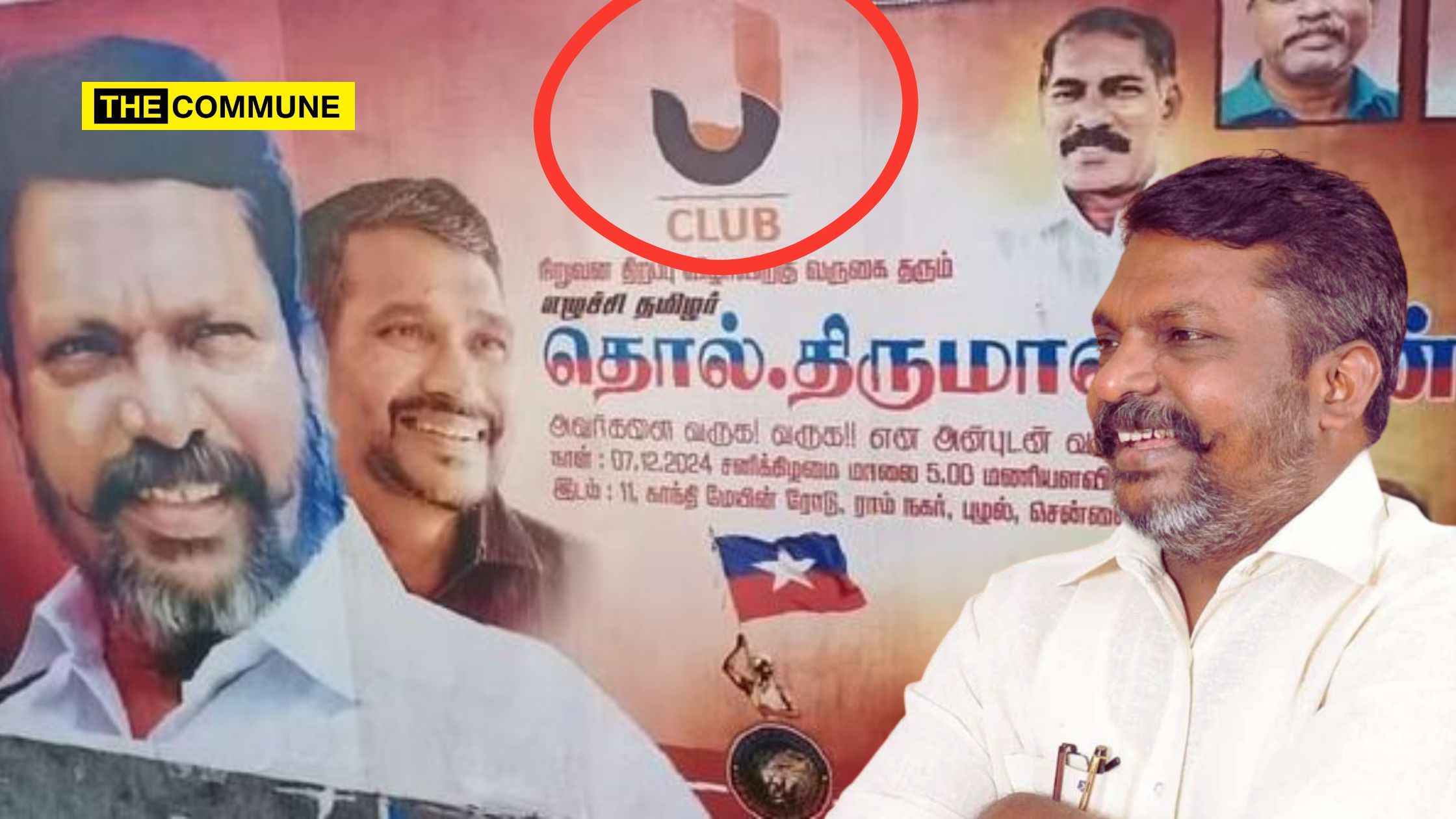
Viduthalai Chiruthaigal Katchi (VCK) leader Thol Thirumavalavan, who has been vocal about implementing a complete ban on liquor shops in Tamil Nadu and urging the central government to enact nationwide legislation for prohibition, has caused a stir within his party on 9 December 2024 by inaugurating a private club attached with ‘Bar’ facilities in Chennai’s Puzhal area.

The club, which features amenities like a swimming pool, tennis courts, and a bar, is reportedly owned by Baskaran, a relative of VK Sasikala. Located just a few kilometres from Puzhal jail, the area also houses an ancient Shiva temple and a private school within a 500-meter radius.

VCK chief Thirumavalavan’s participation in the club inauguration event has reportedly sparked discontent among VCK members. Expressing disappointment, one of the local members said, “The timing is already unfavourable for the party, with alliance dynamics strained and internal differences among members. Under these circumstances, it’s baffling how anyone persuaded him to attend the inauguration of a club that includes a bar.”

Just this October, we successfully held an alcohol eradication conference in Kallakurichi. For him to attend such an event now is shocking. If he wasn’t aware that the club had a bar, they should have consulted us beforehand—we would have intervened and stopped him. This has now become an embarrassment for the party,” they added.

(With inputs from Vikatan)

Subscribe to our channels on Telegram, WhatsApp, and Instagram and get the best stories of the day delivered to you personally.
Panruti MLA Velmurugan Criticizes DMK Govt’s Disaster Relief Efforts In Assembly, Speaker Appavu Defends Party, Expunges Remarks

Panruti MLA Velmurugan Criticizes DMK Govt's Disaster Relief Efforts In Assembly, Speaker Appavu Defends Party, Expunges Remarks

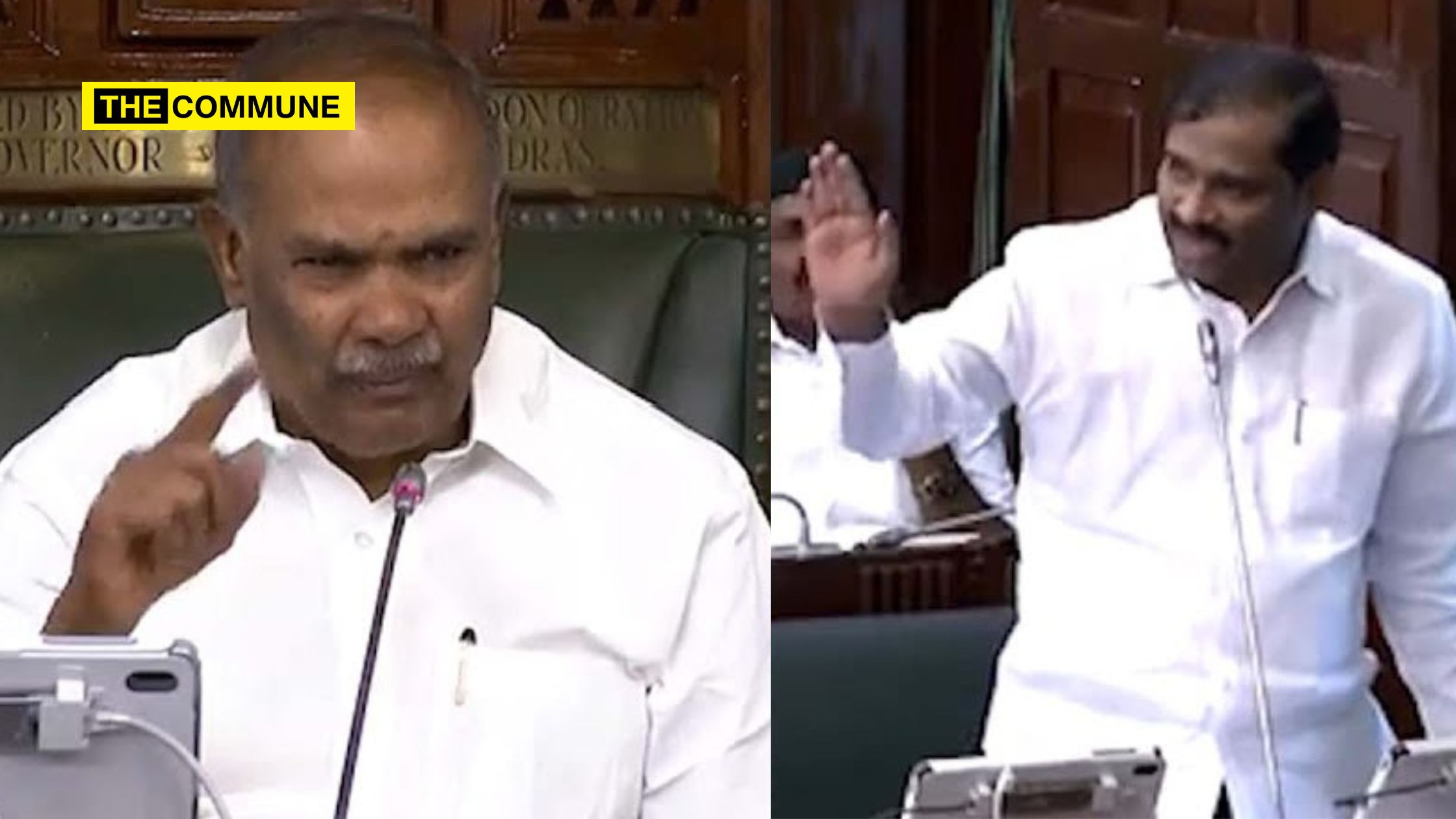
On 9 December 2024, Tamilaga Valvurimai Katchi (TVK) President and Panruti MLA T. Velmurugan criticized his alliance partner, the DMK, in the Tamil Nadu Legislative Assembly over the government’s disaster relief efforts. He remarked that “not even a small amount of good work has been done in my constituency by your department so far.” In response, DMK Speaker Appavu quickly intervened, defending his party and declaring that Velmurugan’s statement would not be included in the Assembly’s official minutes.

During the session, Velmurugan highlighted the ongoing struggles in his Panruti constituency, particularly in villages like Pagandai, Periya Pagandai, Chinna Pagandai, Kumaramangalam, Thorapadi, Pattambakkam, and Nellikuppam, which had been severely affected by natural disasters, especially rain, over the past four years. He explained that the people in these areas were facing significant hardships due to recurring floods. Velmurugan recounted his efforts to address the issue, mentioning that he had met with the relevant Minister for the first time in four years and submitted a letter requesting the construction of a dam and protective walls to prevent floods. While the Minister had instructed the department’s secretaries to take action, Velmurugan complained that no substantial progress had been made in his constituency.

Velmurugan stated, “For the past four years, hundreds of villages in my Panruti constituency, including Pagandai, Periya Pagandai, Chinna Pagandai, Kumaramangalam, Thorapadi, Pattambakkam, and Nellikuppam, and others, have been severely affected by natural disasters like heavy rains, causing immense suffering for the people. In response, I met with the Minister for the first time in four years and submitted a letter, requesting the construction of a protective dam in Pagandai, as well as protective walls and ramparts to prevent floods from entering the village. You also took the initiative and instructed the department secretaries to take action. However, for some reason, these steps have been overlooked, and not even a small amount of positive work has been carried out by your department in my constituency so far.”

The Speaker promptly intervened, stating, “Honorable member, we will remove that. Why is that, you should say terms like ‘a small help’ right.

Velmurugan, however, reiterated that if no progress had been made, this was the only way to describe the situation. The Speaker insisted on removing that phrase from the Assembly’s records and emphasized that specific details of what had not been done should be mentioned, rather than making broad statements.

Velmurugan responded quickly, saying, “If no work has been done, then we can only describe ‘not done’.” The Speaker retorted, “We need to specify exactly what has not been done, rather than making general statements. Therefore, we will remove that word from the minutes.” Velmurugan then called for immediate action, requesting that the Minister allocate special funds for his constituency once the session concluded. In response, House Leader Durai Murugan stated that immediate fund allocation was not feasible. However, he assured Velmurugan that his request would be considered for the next financial year, depending on available resources, and that the request had been officially acknowledged.

The Speaker then warned, “You are all senior members. You should not make allegations during this session. You should only ask for what is needed at this time.”

Subscribe to our channels on Telegram, WhatsApp, and Instagram and get the best stories of the day delivered to you personally.

Former SC Justice Rohinton Nariman – A Hinduphobic Hypocrite – Here’s Why

Former SC Justice Nariman Rants About 2019 Ayodhya Verdict, Calls It A "Mockery Of Justice" At Ahmadi Foundation Lecture

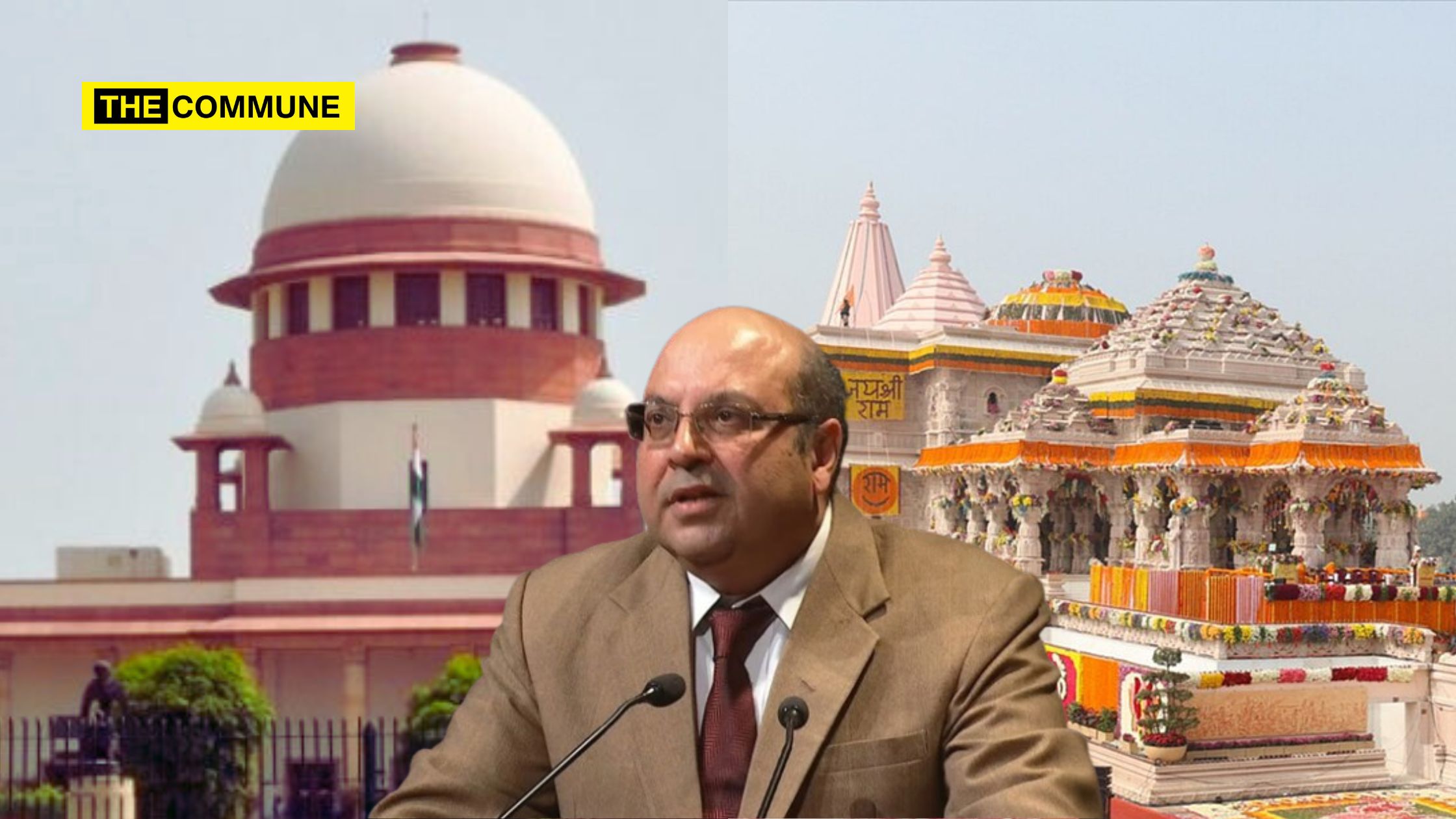
On 6 December 2024, former Supreme Court Justice Rohinton Nariman criticized the 2019 Ayodhya verdict, calling it amockery of justiceand an attack on secularism. Speaking at the Ahmadi Foundation’s inaugural lecture, he argued that the judgment, which granted the disputed Ram Janmabhoomi site to the Hindu Ram Janmabhoomi Temple Trust, undermined India’s secular fabric and heightened communal tensions. Nariman expressed concerns about the judgment’s potential to spark further religious disputes, particularly over mosques and dargahs. He also criticized the origins of the Ram Janmabhoomi movement, calling the 1984 karseva initiativedictatorial.”

Nariman’s remarks dismissed the Supreme Court’s reliance on historical evidence and legal precedent in its judgment, which recognized the Ram Janmabhoomi site as the birthplace of Lord Ram for centuries and allocated alternative land for a mosque. He also criticized the lack of progress in legal action after the Babri Masjid demolition in 1992, yet ignored the Hindu community’s legal pursuit of justice over centuries.

Nariman’s critique mirrored those of his father, Fali S Nariman, and also raised questions about his views on Hindu traditions.

Here’s a look at the Hinduphobic nature of Justice Rohinton.

In 2021, Justice Rohinton sparked controversy during the 26th Justice Sunanda Bhandare Memorial Lecture by making a highly objectionable comment about the Rig Veda. He quoted, “Rig Veda says do not make lasting friendship with women because she would be like hyena.” This remark was widely criticized for misrepresenting the Vedas and sparking backlash for its perceived derogatory view of women.

Additionally, Nariman’s lecture was criticized for being disconnected from Indian culture, as he failed to mention any significant Indian women figures such as Rishi Gargi, Draupadi, or freedom-fighting queens like Rani Tarabai. Instead, he focused on Western and foreign historical figures like Cleopatra, Queen Elizabeth I, and Catherine the Great, drawing criticism for his Euro-centric approach.

Justice Rohinton’s Duplicity

While he is Hinduphobic, Justice Rohinton is also a hypocrite. Did you know he protested the Mumbai subway under the Parsi Temple of fire, claiming that the metro may carry menstruating women?

He is also a Parsi priest and was one when he was a serving judge.

Justice Nariman was a part of the bench hearing the Sabarimala case. While he carries conservative views when it comes to his own religion, especially when it comes to menstruating women coming near the Parsi Temple, he supported the entry of women into Sabarimala temple, because, after all, they were not Parsis!

He had argued for the Hindu side in the Ram Janmabhoomi case, but in 2018, he suddenly recused himself from the case itself.

Justice Rohinton Nariman’s recent critique of the Ayodhya verdict reveals more about his own biases than any substantive legal argument. His selective outrage and apparent Hinduphobic rhetoric demonstrate a troubling pattern of judicial commentary that seems more driven by personal prejudice than constitutional principles. His hypocritical approach is evident in his treatment of religious practices – supporting women’s entry in Hindu temples while defending restrictions in those of his own religion, depending on the religion. The fact that he argued for the Hindu side in the Ram Janmabhoomi case initially, only to recuse himself later, further exposes the inconsistency in his judicial and personal perspectives.

Nariman’s lecture at the Ahmadi Foundation appears less like a principled legal discourse and more like an attempt to vilify Hindu traditions, misquoting ancient texts and ignoring the rich historical and cultural nuances of India’s judicial landscape. His Euro-centric approach and selective criticism reveal a deep-seated bias that does a disservice to the complex, multifaceted nature of Indian secularism.

In essence, Justice Nariman’s comments reflect not a defense of secular principles, but a narrow, prejudiced view that cherry-picks historical narratives to suit a predetermined narrative – a approach unbecoming of a former Supreme Court judge who should represent judicial impartiality and respect for all religious traditions.

Subscribe to our channels on TelegramWhatsApp, and Instagram and get the best stories of the day delivered to you personally.