Home Blog Page 502

Tamil Nadu Leads In Waqf Property Encroachments, Followed by Andhra Pradesh And Other States

Tamil Nadu Leads In Waqf Property Encroachments, Followed by Andhra Pradesh And Other States

The Ministry of Minority Affairs has revealed in Parliament that Tamil Nadu has the highest number of illegally occupied Waqf properties among Indian states, followed by Andhra Pradesh, Punjab, Uttarakhand, and Jammu & Kashmir. The report states that out of 994 illegally occupied properties nationwide, Tamil Nadu accounts for 734 cases. Andhra Pradesh reports 152 such cases, Punjab has 63, Uttarakhand 11, and Jammu & Kashmir 10.

The Ministry’s data highlights that Waqf, which manages over 800,000 immovable properties across India, is facing a significant issue with illegal occupation. These properties, designated for religious, educational, and charitable purposes under the Waqf Act, have increasingly become targets of unlawful possession, sparking disputes and governance challenges.

Intended for community and religious uses, Waqf lands often face unauthorized occupations that disrupt their intended purpose and complicate property administration. The issue is not confined to specific areas but is widespread, affecting various regions.

Breakdown of Illegally Occupied Properties by State

  1. Tamil Nadu (734 properties): Tamil Nadu leads with 734 Waqf properties under illegal occupation. This issue has raised significant concerns, particularly in urban areas with more prominent encroachments.
  2. Andhra Pradesh (152 properties): Andhra Pradesh follows, reporting 152 illegal occupations, contributing to conflicts between the Waqf Board and private landowners.
  3. Punjab (63 properties): Punjab registers 63 cases, demonstrating the pervasive nature of the problem across states.
  4. Uttarakhand (11 properties): While fewer in number, Uttarakhand’s 11 cases underline the need for better control and regulation of Waqf lands.
  5. Jammu & Kashmir (10 properties): Jammu & Kashmir has reported 10 cases of illegal occupation, marking a smaller yet significant contribution to the nationwide issue.

Disputes Involving Archaeological Properties

Apart from Waqf properties, the Archaeological Survey of India (ASI) has reported 250 of its properties being encroached upon by the Waqf Board. Initially estimated at 120, further investigations revealed a higher figure, including notable sites such as the Jama Masjid in Firozshah Kotla, the Chhoti Gumti Tomb in RK Puram, and the Hauz Khas Masjid and Idgah. These encroachments on historically and culturally significant sites have intensified concerns about preserving India’s heritage.

The central government has reiterated that no new land has been allocated to the Waqf since 2019. Despite this, ongoing illegal occupations persist, prompting widespread public dissatisfaction and legal battles. Calls for stricter enforcement of the Waqf Act and greater oversight of the Waqf Board’s activities have intensified.

Additionally, the disputes involving ASI properties underline the need for a transparent and accountable approach to managing both religious and historical lands. The issue not only raises concerns about Waqf’s land management but also highlights broader challenges in governance and heritage conservation in India.

(With inputs from Organiser)

Subscribe to our channels on Telegram, WhatsApp, and Instagram and get the best stories of the day delivered to you personally.

Catholic Worshipper Files PIL In Madras HC Against Diocese Over Illegal Land Sales And ₹5,000 Crore Embezzlement

Catholic Worshipper Files PIL In Madras HC Against Diocese Over Illegal Land Sales And ₹5,000 Crore Embezzlement.

In a significant legal development, M Elsiyus Fernando, a Catholic resident of Chennai, has filed a public interest litigation (PIL) in the Madras High Court against the Archdiocese of Madras Mylapore Society and the Diocese of Chengalpattu Society, accusing them of illegal land sales and embezzlement of more than Rs. 5,000 crores. Fernando, a marketing manager and Catholic worshipper, has raised concerns over the alleged fraudulent sale of public lands originally meant for religious purposes and grazing land.

The PIL, filed under Article 226 of the Constitution of India, names several government and diocesan officials, including the Secretary of the Department of Revenue, the Commissioner of Land Administration, and various police and registration authorities. The petition claims that diocesan authorities have illegally sold government-owned properties located in St. Thomas Mount, Irumbuliyur, and Abiramapuram.

Fernando, supported by documents obtained under the Right to Information (RTI) Act, alleges that over 130 acres of land—comprising 75.25 acres at St. Thomas Mount, 53.14 acres at Irumbuliyur, and 1.55 acres at Abiramapuram—were unlawfully sold by the diocese, bypassing legal safeguards. He further claims that diocesan authorities and other accomplices misappropriated the proceeds from these sales.

The properties in question were initially granted for religious service or classified as grazing land. Notably, the St. Thomas Mount land, which is part of a national monument, was designated as a “Religious Service Inam” by the Inam Commission in 1915. However, Fernando contends that this land, along with the other properties, was sold without proper authorization, leading to significant financial losses for the state government.

The petitioner’s affidavit further alleges that the Diocese of Chengalpattu, led by Bishop Rev. Dr. Neethinathan, in collusion with real estate developers, fraudulently developed and sold the 53.14-acre Irumbuliyur property. Fernando also claims that 1.55 acres of land in Abiramapuram, classified as “Poramboku” (wasteland), was encroached upon by a church and is now under unlawful occupation.

In his affidavit, Fernando also accuses police officials of shielding the real culprits. He asserts that despite his involvement as a witness in an FIR (No. 102/2022) filed against one of the priests involved in the sale of the lands, the investigation has been mishandled. He claims that the police are protecting those responsible and may close the matter, treating it as a civil issue.

According to Fernando’s estimates, the total value of the 130 acres of land, based on earlier transactions, is over Rs. 5,000 crores. He asserts that the current market value is likely much higher. However, despite submitting a representation to the relevant authorities, including the Department of Revenue, the Inam Commissioner, and other officials, he claims no action has been taken.

The petition seeks urgent intervention from the Madras High Court to safeguard the government’s land holdings, restore the properties to their rightful ownership, and hold the culprits accountable for their actions. Fernando demands that a comprehensive inquiry be conducted, the illegal sales be reversed, and those involved in the fraud be prosecuted for offenses including cheating, forgery, breach of trust, and money laundering.

Subscribe to our channels on TelegramWhatsApp, and Instagram and get the best stories of the day delivered to you personally.

Four-Term BRS MLA Chennamaneni Ramesh Stripped Of Indian Citizenship, Exposed As German National

Four-Term BRS MLA Chennamaneni Ramesh Stripped Of Indian Citizenship, Exposed As German National.

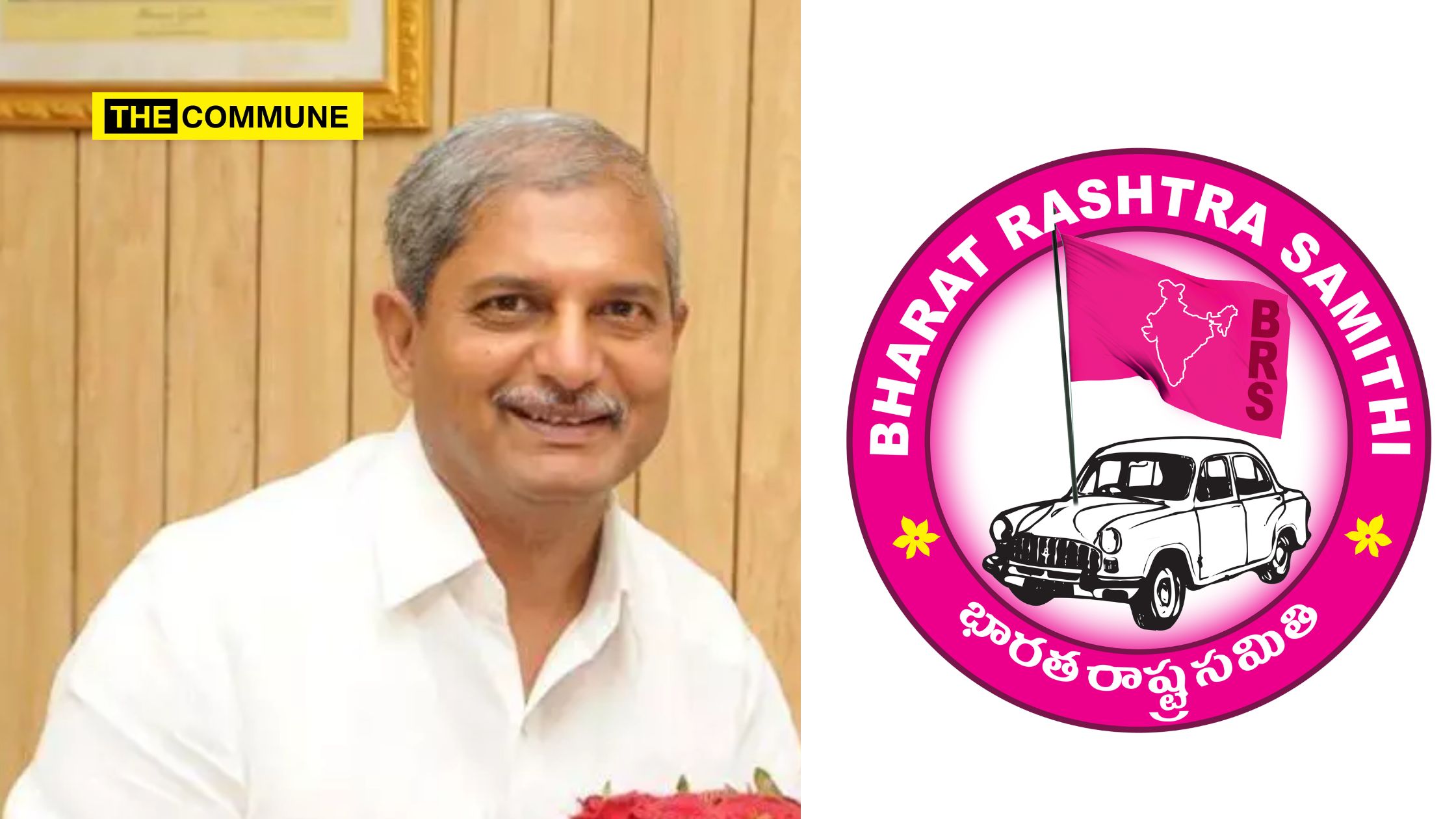
In a landmark ruling on 9 December 2024, the Telangana High Court stripped former BRS MLA Chennamaneni Ramesh of his Indian citizenship, declaring him a German citizen. The court also imposed a fine of Rs 30 lakh for concealing his German citizenship and misleading the judiciary. This decision marks the first instance of a former legislator losing their Indian citizenship.

Justice B Vijaysen Reddy, in his judgment, stated that Ramesh’s actions since 2009 had deprived genuine Indian citizens of their right to contest elections. The court upheld the Union Ministry of Home Affairs’ decision to revoke Ramesh’s Indian citizenship, citing his status as a German national. The ruling also highlighted that Ramesh had failed to provide any documentation from the German embassy confirming he was no longer a citizen of Germany.

The case stems from a petition filed by Congress functionary Aadi Srinivas, who argued that Ramesh had naturalized as a German citizen in the 1990s after settling in Germany. In Germany, Ramesh worked, married, and raised a family. Despite acquiring Indian citizenship in 2008, Ramesh had retained his German passport and citizenship, which led to questions about the validity of his electoral candidacy.

Ramesh, who represented the Vemulawada constituency for four terms between 2009 and 2018, won elections while concealing his dual nationality. In his final electoral attempt, Ramesh contested in the November 2023 election with forged documents, presenting himself as an Indian national, despite holding German citizenship. The court found that his concealment of facts had misled both the Indian government and the electorate.

The Telangana High Court had earlier been informed by the central government that Ramesh held a German passport valid until 2023. The Union Ministry of Home Affairs had issued an order in 2020 revoking his Indian citizenship, citing Ramesh’s failure to disclose his German citizenship during the application process. The Ministry further stated that had Ramesh revealed he had not resided in India for the required period before applying for Indian citizenship, the government would not have granted his request.

In response, Ramesh filed a petition challenging the Home Ministry’s order. He was asked by the court to submit an affidavit detailing his German passport’s surrender and proof that he had renounced his German citizenship. In 2013, the undivided Andhra Pradesh High Court had quashed Ramesh’s bypoll victory on similar grounds, though he later secured a stay from the Supreme Court.

The Telangana High Court’s decision is a significant moment in Indian electoral law, as it reaffirms the requirement that only Indian citizens are eligible to contest elections or vote.

Subscribe to our channels on Telegram, WhatsApp, and Instagram and get the best stories of the day delivered to you personally.

Dravidian Model: DMK Government Fails To Pay Sanitation Workers’ Wages For Months

Dravidian Model: DMK Government Fails To Pay Sanitation Workers' Wages For Months

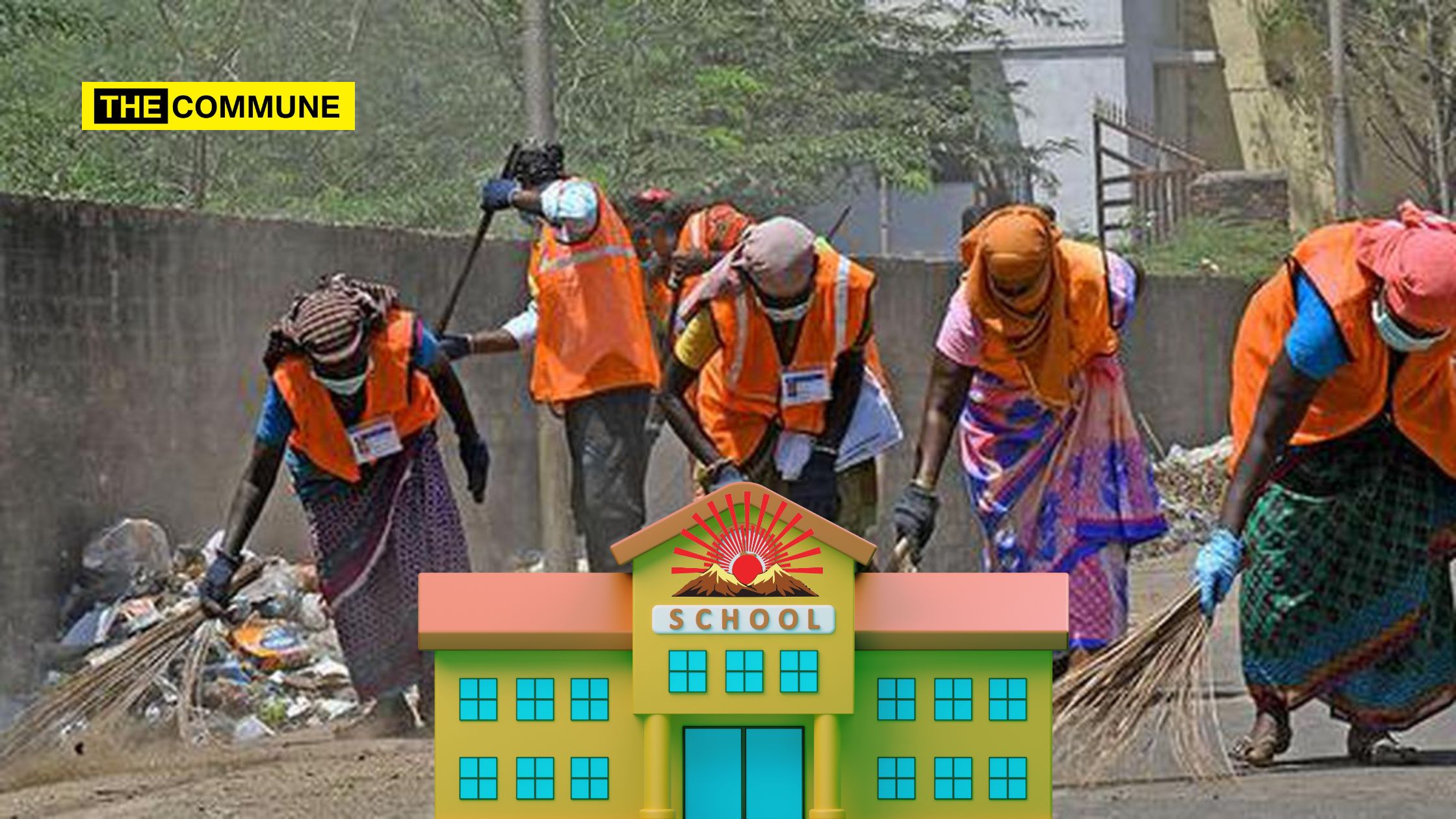
The Dravidian model of governance, championed by the DMK as a boon for the people, has left over 30,000 sanitation workers in rural Tamil Nadu unpaid for over six months. These workers, responsible for cleaning toilets in government schools, are enduring significant hardship as funds from the Rural Development Department have been withheld. With no salaries forthcoming, many school headmasters and teachers are personally funding the sanitation workers while activists demand better wages and urgent intervention by the DMK government.

Some school headmasters and teachers have been personally funding these workers without salaries. For instance, K. Solachi, a 55-year-old worker from Thiyagarajapuram in Kallakurichi district, shared that she has been employed at a village middle school for over a decade. Last academic year, she received her salary for only six out of 12 months, leaving her unpaid for ₹9,000. This year, her dues have accumulated to ₹18,000. Struggling to afford basic needs like food and medical care, Solachi relies on the school’s noon meal for sustenance.

This dire situation affects thousands of workers like Solachi across the state. Activist K. Thirupathi from Kallakurichi highlighted that repeated appeals to the authorities have gone unheeded. He called for an increase in their wages from the current ₹1,000 for primary school workers to at least ₹5,000, citing the inadequacy of their current earnings to sustain a dignified life.

A headmaster from a panchayat union middle school in Coimbatore’s Thondamuthur block revealed that panchayat funds for salaries have been withheld for over 18 months. To support a worker, he has been paying ₹3,000 monthly. Many schools are in similar situations, with teachers or administrators stepping in to cover cleaning costs.

R. Kanagaraj from the Tamil Nadu Primary School Teacher Federation reported that no budget has been allocated for salaries or toilet maintenance this academic year. Even the meagre ₹300 allocated previously for cleaning supplies is unavailable, forcing teachers to shoulder the costs.

A block development officer in Coimbatore confirmed that funding from the Rural Development Department has been halted since March. He noted that providing salaries and maintenance for 671 government schools in the district would require approximately ₹80 lakh annually, a sum currently unavailable due to a shortage of panchayat funds.

Responding to inquiries, P. Ponniah, Director of Rural Development and Panchayat Raj, assured that steps are being taken to release the funds soon.

Even in the past, the Dravidian model DMK government, on 21 October 2024, announced a bonus of up to ₹16,800 for TASMAC employees in the state while ignoring the struggles of cleanliness workers employed on contract through private organizations. This neglect initially emerged in Coimbatore and later spread to the Thoothukudi district, where workers gathered in protest outside the Collectorate building to demand their rightful wages.

(With inputs from TNIE)

Subscribe to our channels on Telegram, WhatsApp, and Instagram and get the best stories of the day delivered to you personally.

Bengaluru Techie Dies By Suicide, Leaves Behind 24-Page Death Note Accusing Wife And Her Family Of Harassment

Bengaluru Techie Dies By Suicide, Leaves Behind 24-Page Death Note Accusing Wife And Her Family Of Harassment.

A 34-year-old man, Atul Subhash, a top AI expert at a private firm in Bengaluru, tragically died by suicide at his residence in the Manjunath Layout area on 9 December 2024, leaving behind a detailed death note accusing his wife and her family of harassment.

Subhash had been living alone following his separation from his wife. He reportedly left behind a detailed 24-page death note in which he accused his wife and her family of harassment, which he claimed contributed to his emotional distress.

According to police, Subhash had been entangled in a bitter marital dispute, with his wife recently filing a domestic violence case against him in Uttar Pradesh. The police suggest this may have intensified Subhash’s mental anguish. In his death note, Subhash detailed ongoing issues in his marriage and blamed his wife—who works at Accenture—and her relatives, including her mother, brother, and uncle. He accused them of mistreating him and using their son as leverage to extort money in the form of maintenance. In the note, he wrote,Our emotions and love for children can’t get defiled like this and they can’t become a tool of money transfer (or so-called social justice) scheme from a man to a woman.”

Before taking the extreme step, Subhash reportedly emailed his death note to several people and shared it with a WhatsApp group of an NGO he was involved with. In the moments leading up to his suicide, Subhash also recorded a video, which has since gone viral on social media. He had meticulously prepared for his final act, placing important details such as his death note’s location, vehicle keys, and a list of completed and pending tasks on a cupboard. He also hung a placard in his home that read,Justice is due,underscoring his belief that his narrative needed to be understood.

The police have registered a case of unnatural death and initiated an investigation into the circumstances surrounding his death. A complaint filed by Subhash’s brother has led to charges of abetment being filed against his wife and her family. The brother alleged that Subhash’s wife and her relatives fabricated false cases against him and demanded a settlement of Rs 3 crore in exchange for dropping the charges.

This heartbreaking incident has cast a spotlight on the devastating emotional toll of unresolved marital disputes, especially when complicated by legal battles. Authorities have expressed concern over the impact of such ongoing conflicts and are urging individuals who may be struggling emotionally to seek support.

Subscribe to our channels on Telegram, WhatsApp, and Instagram and get the best stories of the day delivered to you personally.

Zee Tamil Posts Video Mocking Tulu Daivaradhane Ritual, Deletes Video Later Following Public Backlash

Zee Tamil Posts Video Mocking Tulu Daivaradhane Ritual, Deletes Video Later Following Public Backlash.

Zee Tamil has come under fire for a controversial enactment in one of its programmes that allegedly mocked the sacred rituals of Tulunad’s Daivaradhane, a traditional form of spirit worship practised by the Tulu community. The portrayal was criticized as a blatant disrespect to the ancient and deeply revered cultural practices of the Tulu people.

The outrage began after clips of the performance surfaced online, prompting an immediate backlash from the Hindu community. They accused Zee Tamil of reducing their sacred Daivaradhane rituals to a theatrical act, terming it a mockery of their belief system. Devotees felt that stage enactments of such sacred rituals should not be allowed, as they trivialize and disrespect ancient practices.

https://twitter.com/vijeshetty/status/1865931476610453845

Zee Tamil Deletes Video Amid Backlash

Following the widespread criticism, Zee Tamil took down the controversial video from its Instagram account. However, the channel has yet to issue an official apology or explanation for the enactment. Observers noted that while the video was removed, there has been no clarity on whether the programme will still be aired on television.

The deletion of the video was seen as a partial victory for the community’s campaign to protect and preserve their rituals.

https://twitter.com/vijeshetty/status/1866345088474841150

The Tulu community has vowed to continue their efforts to raise awareness about Daivaradhane and to prevent its misuse in popular media. The lack of an apology from Zee Tamil has left the community dissatisfied. Many have questioned whether the channel would have allowed such a portrayal of other cultural rituals, urging greater sensitivity and accountability from media outlets.

Subscribe to our channels on Telegram, WhatsApp, and Instagram and get the best stories of the day delivered to you personally.

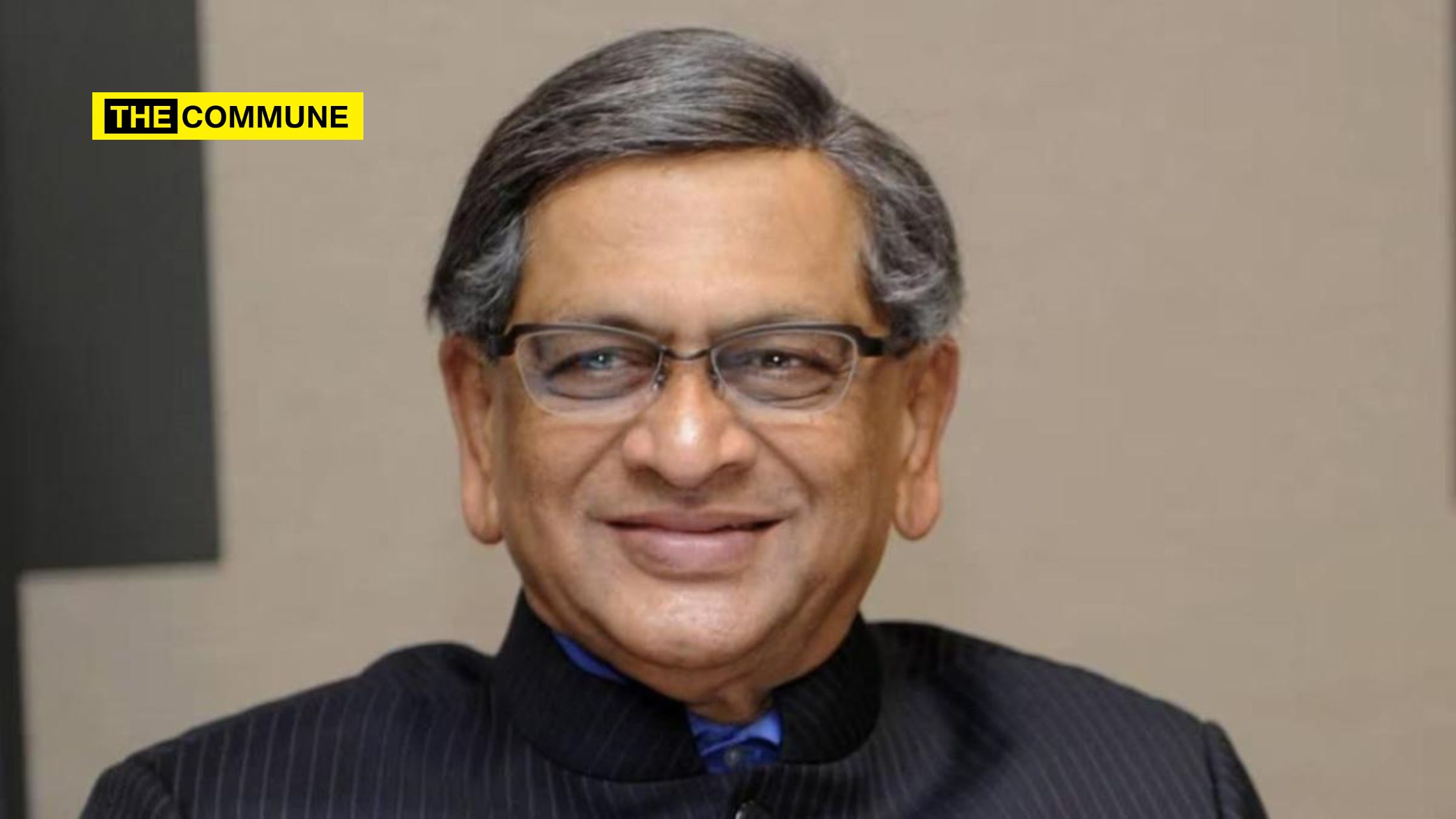
From Kennedy To Kempegowda: The Lesser Known Facets Of SM Krishna

From Kennedy To Kempegowda: The Lesser Known Facets Of SM Krishna.

Somanahalli Mallaiah Krishna, a towering figure in Indian politics and former Chief Minister of Karnataka, passed away at 92, leaving behind an indelible legacy that spanned decades of service to Karnataka and the nation. From his early days as a scholar in the United States to his transformative role in Karnataka’s development, SM Krishna had a journey that exemplified dedication, intellect, and statesmanship.

After earning a Master’s in Law as a Fulbright Scholar from Southern Methodist University in Texas, USA, the 27-year-old SM Krishna moved to Washington, DC, in 1957-58 to pursue a career. During this period, he stumbled upon an advertisement in The New York Times for a position at the Association of American Manufacturers. The job of “messenger,” as Krishna later learned, involved lobbying members of Congress about manufacturing policies.

Krishna excelled with his natural charm and keen intellect, forging connections with influential American leaders, including John F. Kennedy and Richard Nixon. His admiration for Kennedy led him to campaign for the future President, earning him a personal thank-you letter, which remained one of Krishna’s cherished possessions. Despite wanting to stay in the US and build a political career, Krishna returned to India following his father’s death, taking up family responsibilities.

Krishna’s political career began with a surprise victory as an independent candidate in the 1962 Karnataka Assembly elections. He later joined the Congress party under Indira Gandhi’s leadership and became integral to her circle. In the 1970s, he was pivotal as Minister for Industries and Commerce in D. Devaraj Urs’s government, helping establish Peenya as Asia’s largest industrial area.

Transforming Karnataka’s Landscape

Krishna’s tenure as Chief Minister from 1999 to 2004 is a golden period for Karnataka. His vision turned Bengaluru into India’s Silicon Valley, attracting IT giants and fostering an era of technological innovation. He spearheaded landmark projects, including the Outer Ring Road, which revolutionized the city’s connectivity, and the development of Kempegowda International Airport.

His government also emphasized urban beautification, including the revival of Bengaluru’s famed Lalbagh botanical garden, ensuring it remained a green oasis amid rapid urbanization. Krishna’s emphasis on infrastructure extended to initiatives like the Bengaluru Metro and the Yashaswini health insurance scheme for farmers, which set a precedent for state-led welfare programs.

Krishna faced significant challenges during his tenure, including prolonged droughts, the Cauvery water-sharing dispute, and the abduction of Kannada icon Rajkumar by forest brigand Veerappan. Despite these hurdles, he maintained a calm demeanour and showed remarkable resilience.

After stepping down as Chief Minister, Krishna served as the Governor of Maharashtra and later as India’s Minister of External Affairs during UPA-II, leaving his mark on India’s foreign policy.

Personal and political setbacks marked Krishna’s later years. He was disappointed when the Congress leadership overlooked him for key positions, leading him to join the BJP in 2017. However, he remained a misfit in the party and largely avoided active politics.

The tragic loss of his son-in-law, VG Siddhartha, the founder of Café Coffee Day, in 2019 deeply affected Krishna and his family. Despite these struggles, Krishna remained a passionate reader, music lover, and tennis enthusiast until his final days.

As a statesman who balanced urban progress with rural welfare, industrial growth with environmental conservation, and local governance with a global vision, SM Krishna leaves a legacy. His contributions to Karnataka’s IT revolution, infrastructure development, and social welfare continue to shape the state’s identity.

He is survived by his wife of 60 years, Prema, and their two daughters, Malavika and Shambhavi. Karnataka mourns the loss of one of its most distinguished sons, whose life was a testament to vision, dedication, and resilience.

(With inputs from News18)

Subscribe to our channels on Telegram, WhatsApp, and Instagram and get the best stories of the day delivered to you personally.

Dravidian Model: Eggs Meant For School Students Under Mid-Day Meal Scheme Found To Be Rotten, Buried After Inspection In Villuppuram Govt School

Dravidian Model: Eggs Meant For School Students Under Mid-Day Meal Scheme Found To Be Rotten, Buried After Inspection In Villuppuram Govt School

In Taludali village near Tindivanam in the Viluppuram district, nearly 490 rotten eggs intended for distribution to students in government schools under midday meal scheme were buried after an inspection by the Block Development Officer (BDO).

The issue of spoiled eggs being prepared for school students came to light when parents discovered that rotten, foul-smelling eggs were being used in the school meals. Concerned for their children’s health, the parents confronted the cooking staff at the government higher secondary and primary schools in Taludali village, leading to a heated argument.

Upon learning about the incident, Block Development Officer (BDO) Silambu Selvan intervened and visited the schools to inspect the situation. During his inspection, he confirmed that a large portion of the eggs stored in the kitchen was unfit for consumption. Addressing the parents’ concerns, the BDO assured them that immediate action would be taken to resolve the issue. He further pledged that such lapses would not occur in the future, leading to a compromise.

To ensure the safety of the students, Silambu Selvan ordered the immediate disposal of the spoiled eggs. Using a JCB, the eggs were buried in a pit within the school premises. Additionally, the 490 eggs designated for distribution were returned to the BDO office for further action. This incident has sparked widespread concern, emphasizing the urgent need for stricter oversight and quality control in midday meal programs to ensure the health and safety of students.

(With inputs from Dinamalar)

Subscribe to our channels on Telegram, WhatsApp, and Instagram and get the best stories of the day delivered to you personally.

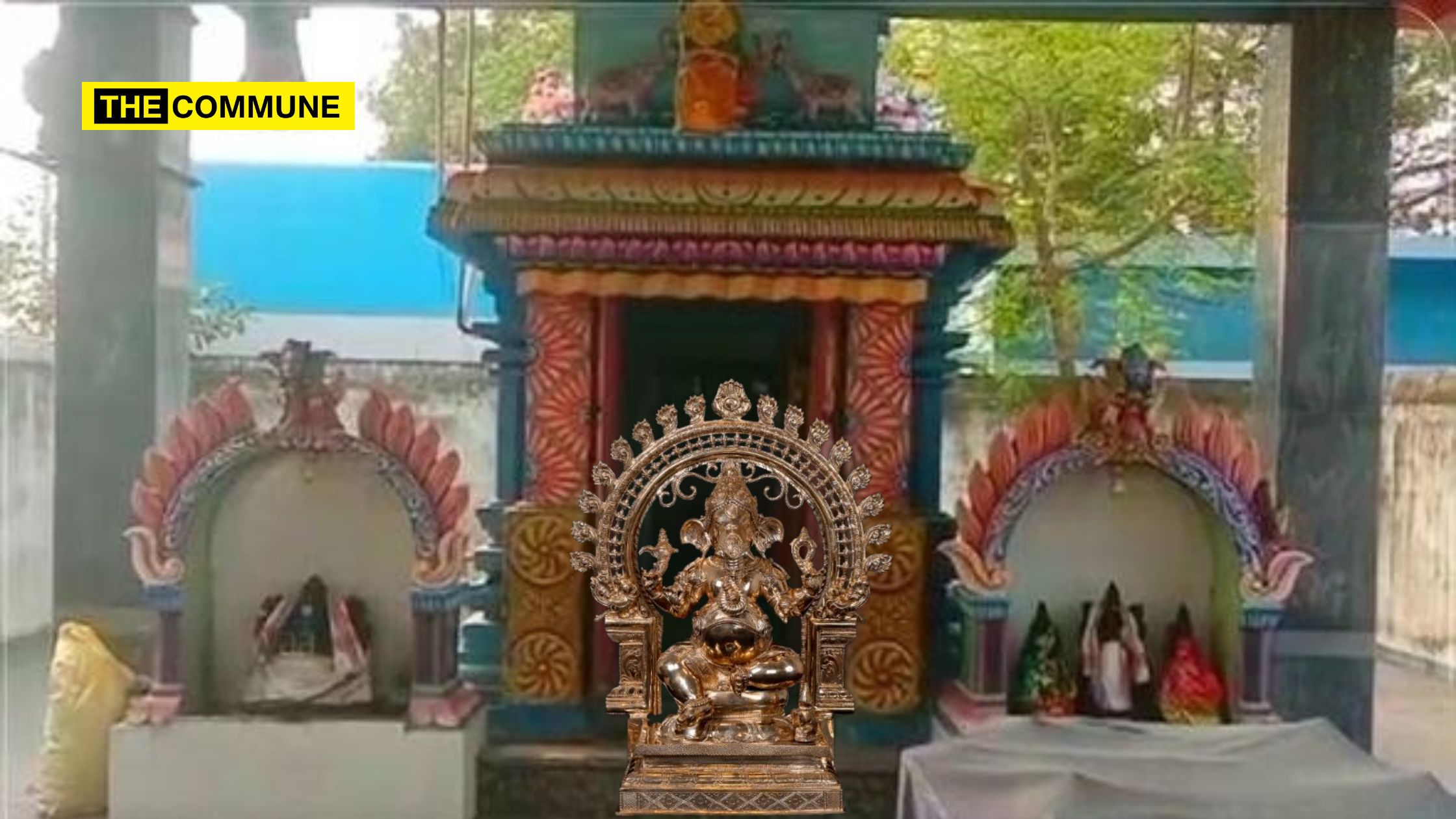
Bronze Vinayagar Idol Stolen From Pulavanur Temple In Tamil Nadu’s Panruti

Bronze Vinayagar Idol Stolen From Pulavanur Temple In Tamil Nadu's Panruti

Authorities are hunting for suspects who stole a 1.5-foot-tall bronze Vinayagar statue from a Pulavanur temple near Panruti. The theft occurred at a temple located on Pulavanur’s main road. On 8 December 2024, the temple was secured and locked by its caretaker, Nandagopal, after the evening puja concluded at 6:30 PM.

To the shock of devotees, when the temple was reopened for morning puja at 6:30 AM on 9 December, the lock on the temple’s front door was broken. Upon further inspection, it was discovered that the bronze Vinayagar statue had been stolen from the Panruti temple.

Sridevi, a Hindu Religious and Charitable Endowments (HRCE) Department inspector, filed a complaint at the Panruti police station. The police have since registered a case and launched an investigation to locate the missing statue and apprehend those responsible.

The audacious theft has deeply disturbed devotees, who are urging the authorities to identify the culprits and recover the stolen idol swiftly.

(With inputs from Dinamalar)

Subscribe to our channels on Telegram, WhatsApp, and Instagram and get the best stories of the day delivered to you personally.

How The Woke Virus Turned A Prahlad Iyengar Into An Islamist Jihadi

How The Woke Virus Turned A Prahlad Iyengar Into An Islamist Jihadi

Prahlad Iyengar, a highly regarded PhD student at MIT, has found his promising academic career derailed after being suspended for an article he wrote in a student magazine, Written Revolution. Iyengar, a Department of Electrical Engineering and Computer Science student, faces a suspension that will last until January 2026, effectively terminating his five-year NSF fellowship. The article, titled “On Pacifism,” critiques the emphasis on nonviolent resistance in movements like the Palestinian struggle, asserting that violent tactics may be necessary in the fight against colonial oppression.

Prahlad Iyengar, in the article “On Pacifism”, critiques the over-reliance on nonviolence in resistance movements, particularly in the Palestinian struggle against genocide. He draws on historical examples, including Gandhi’s nonviolent movement and the self-immolation of Thích Quang Ðuc and Aaron Bushnell, to argue that while pacifism has value, it should not be the sole strategy in liberation struggles.

Iyengar contends that the Palestinian movement’s current tactics, such as protests and boycotts, are insufficient to end the genocide or dismantle the apartheid regime. He criticizes pacifist actions prioritising personal safety over meaningful sacrifice, arguing that many protests are carefully structured to avoid real consequences, thus failing to challenge oppressive systems. Referencing Ward Churchill’s analysis, he claims that such protests are symbolic and often co-opted by the state, reinforcing rather than dismantling the status quo. Iyengar calls for a diversified resistance approach, where pacifism is a tactical choice rather than a strategic goal. He advocates for building root-mycelial mutual aid networks and engaging in direct community-centered actions that challenge deeper structural issues like gentrification and systemic oppression.

While Iyengar does not explicitly call for widespread violence, he does argue that violent resistance should be a part of the broader strategy against oppression. He believes that the Palestinian struggle, in particular, requires more than pacifist tactics, and that acts of resistance, including property damage or even armed struggle, can be necessary to challenge colonial oppression. By acknowledging the role of sacrifice and the need for diverse forms of resistance, Iyengar suggests that strategic violence can complement nonviolence in efforts to dismantle oppressive systems.

This argument, combined with imagery from groups such as the Popular Front for the Liberation of Palestine (PFLP), which the U.S. has labeled a terrorist organization, led MIT’s administration to accuse him of promoting violence.


MIT officials, citing concerns from some faculty and students, assert that the article could incite violent protests on campus.

In a letter sent to the magazine’s editors, Dean of Student Life David Warren Randall referred to the article’s content as potentially “violent or destructive,” particularly due to the inclusion of the PFLP logo. The decision has sparked significant backlash, with many, including the MIT Coalition Against Apartheid, accusing the university of stifling free speech and political expression.

Iyengar, however, maintained that the suspension is part of a broader attack on his right to express views on Palestinian liberation. In his statement, Iyengar defended his article as part of legitimate academic discourse on non-violence, citing historical movements and international law. He condemned MIT’s actions as an unprecedented attack on free speech, arguing that banning the zine sets a dangerous precedent for censorship.

Iyengar questioned whether this would lead to further restrictions on academic material and the expression of dissent, drawing parallels to other cases of suppression of anti-genocide protests in universities. The PhD scholar called MIT students, staff, and faculty to stand against censorship and allow him to return to campus to continue his research. He stressed that the issue concerns protecting democratic principles and the right to criticize oppressive regimes.

https://twitter.com/mit_caa/status/1855010680791081371

He said, “The article wrote was about adopting a pacifist stance and was critical of that stance. I, of course, relied on materials related to resistance against occupation, both passive resistance and non-passive resistance. But what happened is that Zionist students on the campus including some faculty members at the university claimed and alleged that I might be a terrorist and that I incite violence at the university. Based on these allegations, MIT decided to take action against me. I would connect what happens on a small scale at MIT with what happens on a larger scale in Palestine where the term ‘terrorism’ is used to harm people. A few weeks ago, the official IDF Twitter account published photos of 6 journalists in Gaza.” 

The MIT Coalition Against Apartheid has rallied in support of Iyengar, calling his suspension a gross violation of free speech and academic freedom. The group has launched a campaign to reverse the decision, calling for MIT to cease criminalizing students for standing up for Palestinian rights. According to the coalition, Iyengar’s suspension amounts to an effective expulsion, as it would significantly disrupt his academic career, and his readmission will be subject to the same panel that suspended him.

Woke Propaganda Found Another Victim – Prahlad Iyengar

Ultimately, Prahlad Iyengar’s journey from a promising student to a controversial figure highlights the dangers of blindly subscribing to woke ideologies. While he may have believed he was fighting for the oppressed, in reality, he’s become an instrument of a larger, dangerous agenda. His suspension at MIT, fueled by his support for causes that align with extremist ideologies, serves as a stark reminder: woke movements, often cloaked in the language of justice, can easily lead to manipulation and co-optation by forces with no regard for true human rights or freedom.

Instead of using his academic prowess to challenge real societal issues, Iyengar has become a pawn in a divisive and radical narrative that could ultimately discard him when he no longer serves its purpose. His embrace of these ideologies has not only disrupted his academic career but may also have led him down a path where, ironically, the very forces he champions could one day turn on him. It’s a harsh truth: the woke agenda that promises solidarity often offers little but betrayal, leaving those who fall into its grip to face the consequences when their usefulness has passed.

Subscribe to our channels on TelegramWhatsApp, and Instagram and get the best stories of the day delivered to you personally.