Home Blog Page 469

Anna University Sexual Assault Culprit & DMK Man Gnanasekaran Was Jailed During AIADMK Rule For Kidnapping

Anna University Sexual Assault Culprit & DMK Man Gnanasekaran Was Jailed During AIADMK Rule For Kidnapping

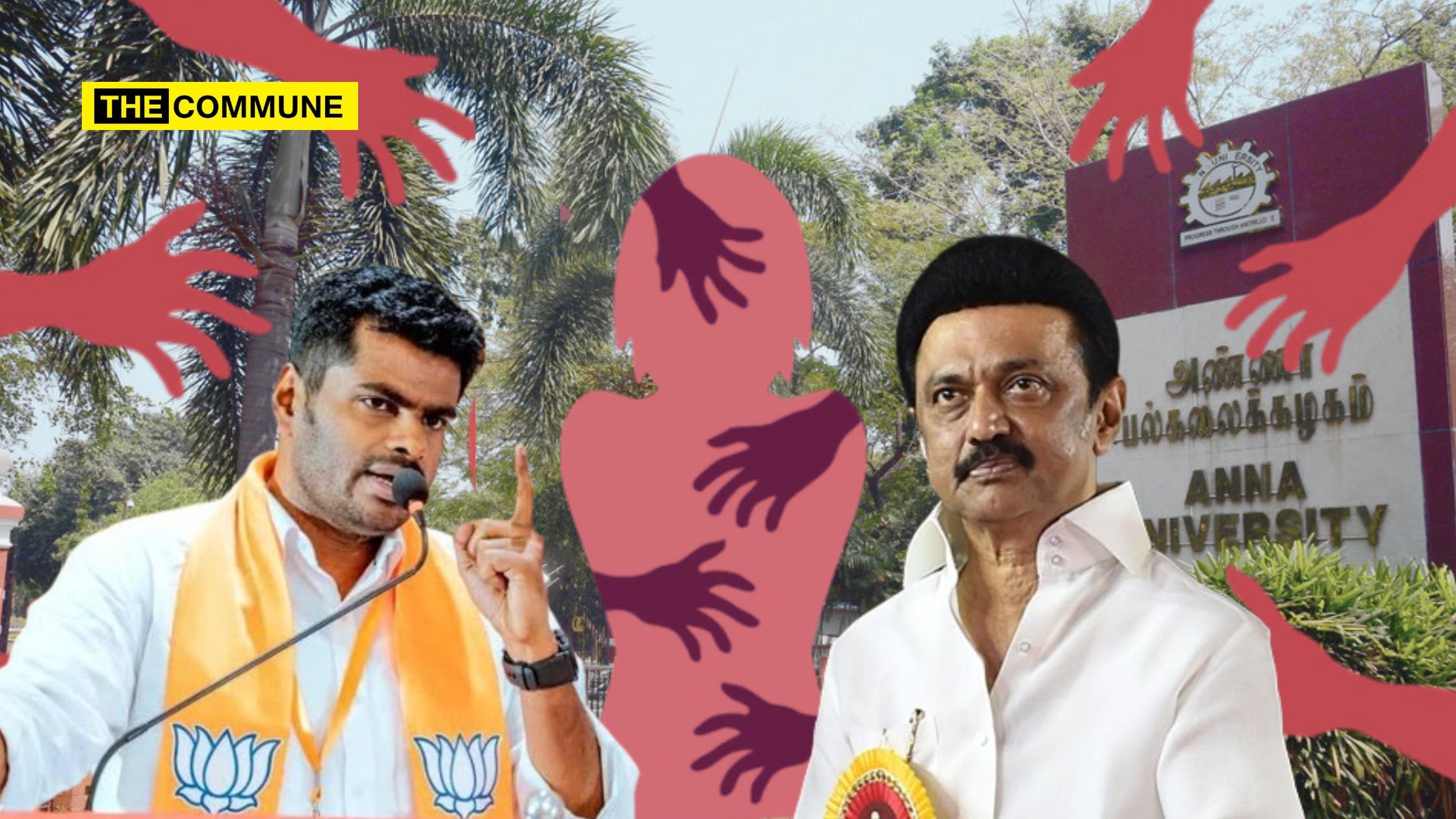
The disturbing rise of Gnanasekaran, a repeat offender with a sordid history of criminal activities, and the main accused in the recent Anna University sexual assault case has raised questions about political protection and accountability under the current DMK regime. Despite his longstanding criminal background, Gnanasekaran’s alleged transformation into a serial molester has been linked to his affiliations with the ruling party, sparking widespread outrage and demands for justice.

Criminal Background And Arrests Under AIADMK Rule

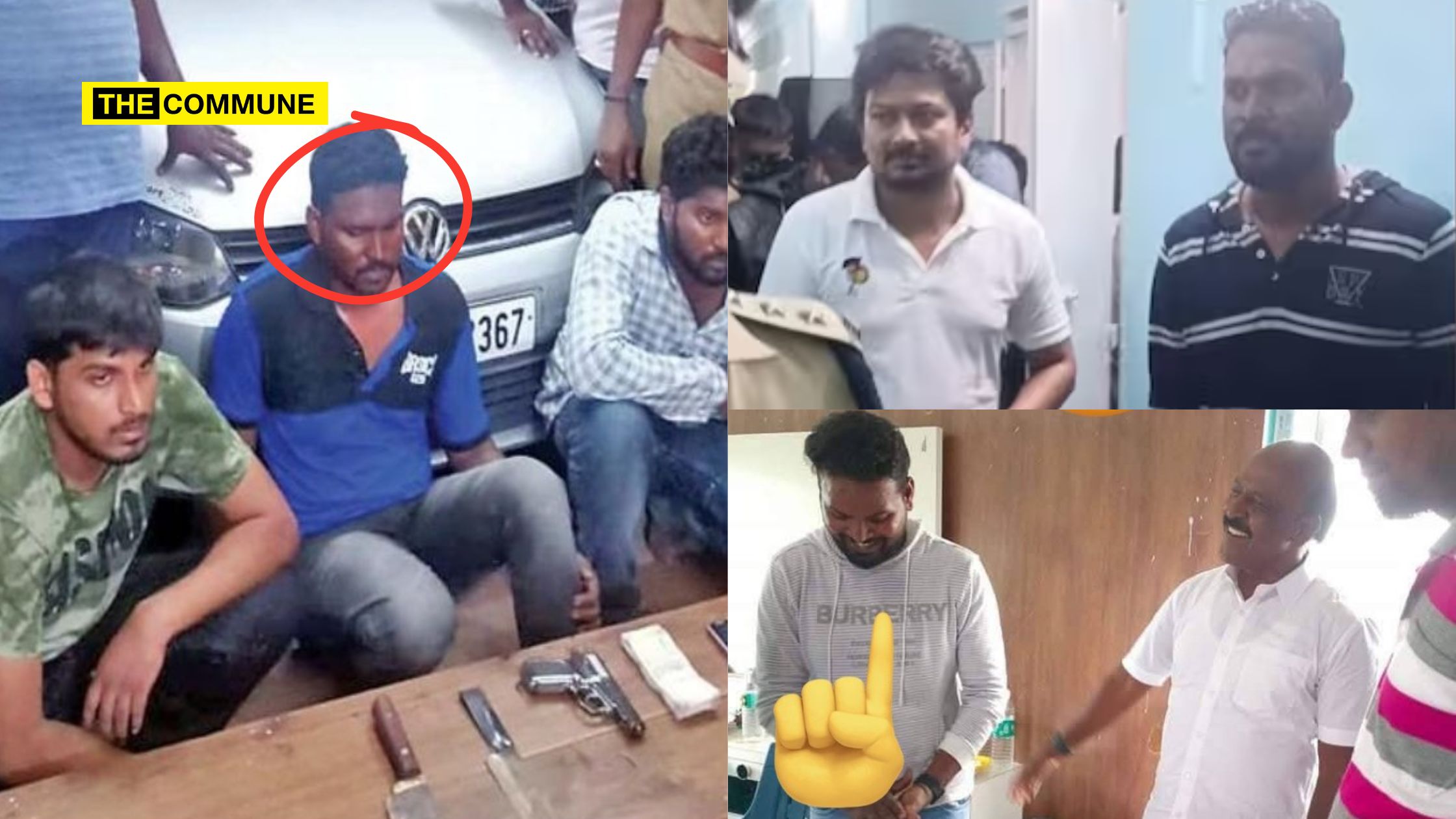
In 2018, during the AIADMK government, Gnanasekaran, then 28, was arrested in connection with a high-profile abduction case. Along with his mother, two wives, and other accomplices, Gnanasekaran masterminded the kidnapping of M. Muthukumar, a businessman from Puducherry, for a ransom of ₹15 lakh. The case, handled by the Kancheepuram police, led to the recovery of an unlicensed pistol, ₹2.5 lakh in cash, and a vehicle used in the crime.

This marked a significant clampdown on Gnanasekaran’s criminal activities, effectively curtailing his ability to carry out further offenses. Notably, no molestation or sexual harassment charges were filed against him during this period, underscoring a stark contrast to his criminal trajectory under the current administration.

Rise Of A Serial Molester Under DMK Regime

Gnanasekaran’s resurgence as a repeat offender, particularly in cases of sexual assault, has been linked to his close ties with the ruling DMK. After the party assumed power, Gnanasekaran allegedly leveraged his political connections to evade accountability and escalate his crimes.

Key incidents during the DMK regime include:

  • Anna University Sexual Assault Case (December 2024): Gnanasekaran, exploiting his wife’s employment at Anna University, gained unrestricted access to the campus. He is accused of sexually assaulting an engineering student, recording the incident, and threatening to release the footage to coerce the victim further.
  • Ongoing Molestation Cases: Over 14 criminal cases, including molestation, trespassing, and theft, have been filed against Gnanasekaran, with six resulting in convictions. Reports indicate a pattern of targeting vulnerable individuals, including women within Anna University and the daughter of a government official.

Political Connections And Allegations Of Protection

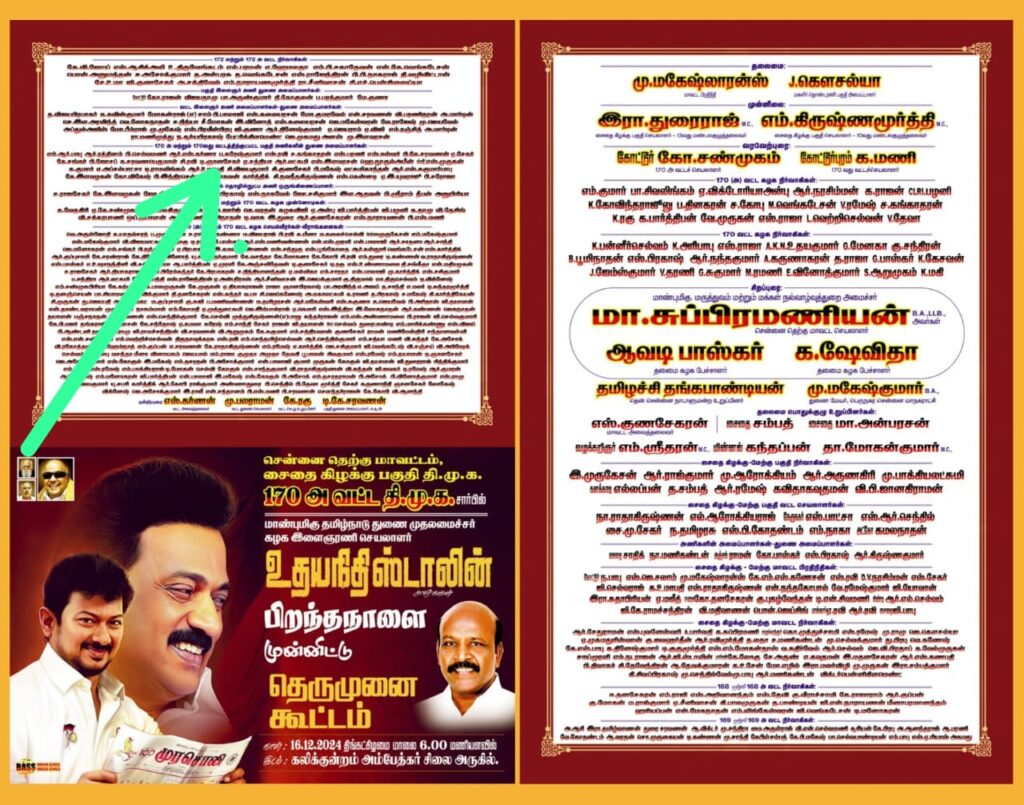
Gnanasekaran’s affiliation with the DMK has been a focal point of controversy. Publicly available photographs and party documents identify him as a Deputy Organizer for the Saidapet area, contradicting official denials by DMK leaders. His close ties with senior leaders, including Deputy Chief Minister Udhayanidhi Stalin and Minister Ma. Subramanian has fueled allegations of political interference in legal proceedings.

For instance, in the Anna University case, DMK circle secretary Shanmugam reportedly intervened to delay Gnanasekaran’s arrest, raising concerns about attempts to shield him from prosecution.

The rise of Gnanasekaran as a serial molester under the current regime underscores the need for accountability and transparency in addressing politically connected criminal activities. The contrast between Gnanasekaran’s curtailed criminal activities during the AIADMK rule and his unchecked offenses under the DMK has become a potent symbol of the broader issue of political protection for criminals, sparking calls for systemic reform.

Subscribe to our channels on TelegramWhatsApp, and Instagram and get the best stories of the day delivered to you personally.

Scientists Unravel How Early Life Experiences Reshape Our Genes, Brain Health

Scientists Unravel How Early Life Experiences Reshape Our Genes, Brain Health

A team of researchers has provided crucial insights into how early-life experiences become biologically embedded, affecting long-term health outcomes by reshaping our genes and brain health.

In a comprehensive Genomic Press Interview published in the journal Genomic Psychiatry, renowned neuroscientist Dr Michael Meaney from McGill University in Canada revealed pivotal discoveries about the intricate relationship between genes and environment in shaping brain health.

“I have always been genuinely fascinated by the search for the developmental origins of individual differences in brain development and function,” said Dr Meaney, whose work has earned him election to the American Academy of Arts and Sciences and the Order of Canada.

Dr Meaney’s research journey began with a simple question: what makes individuals different from one another? This curiosity led him to groundbreaking discoveries in epigenetics — the study of how environmental factors can influence gene expression without changing DNA sequences.

“We too readily embrace narratives and technology that appeal to the general public, achieve headlines, and attract venture capital, but are far too simplistic to capture the complex reality of brain health truly,” observed Dr Meaney.

The findings raise intriguing questions about how society might better support child development: How can we translate these scientific insights into practical interventions? What role do different types of early experiences play in shaping resilience?

The Genomic Press interview is part of a larger series that highlights the people behind today’s most influential scientific ideas. Each interview in the series offers a blend of cutting-edge research and personal reflections, providing readers with a comprehensive view of the scientists shaping the future.

This format provides an ideal starting point for profiles that delve into the scientist’s impact on the field, while also touching on broader human themes, said study authors.

—IANS

Subscribe to our channels on TelegramWhatsApp, and Instagram and get the best stories of the day delivered to you personally.

Anna University Rape Case: TN BJP To Hold Massive Protest Against DMK

BJP TN Chief Annamalai Slams DMK Govt For Leaking Victim's Identity In Anna University Sexual Assault Case Involving Alleged DMK Functionary

The Tamil Nadu BJP is accelerating its protest against the DMK and its government over the Anna University rape case. It may be recalled that a second-year engineering student of Anna University was allegedly raped by a person on Christmas Eve. The victim, in her complaint to the police, said the offender beat up her male friend who was with her, dragged her to a secluded place nearby and raped her.

The Tamil Nadu BJP women‘s wing will hold a protest march from Madurai to Chennai on January 3. Party Women‘s Wing state president Umarathi Rajan will lead the march. The organisation’s office-bearers will meet Tamil Nadu Governor R.N. Ravi and submit a memorandum on the issue.

Meanwhile, BJP leader and former Governor of Telangana and Puducherry, Tamilisai Soundararajan, has arrived in New Delhi and will submit a report on the Anna University rape case to Union Home Minister Amit Shah.

She will also meet BJP national president, J.P. Nadda and apprise him of the concerns raised by the people of Tamil Nadu on the rape of the second-year engineering student within the Anna University campus.

It may be noted that the Tam Nadu BJP president, K Annamalai, conducted a dramatic protest outside his residence in Coimbatore, flogging himself six times to symbolize the deteriorating law and order situation of Tamil Nadu and to highlight the sexual assault against the Anna University female student. Annamalai also announced that he would undertake a 48-day fast and visit all six holy abodes of Lord Murugan as part of his protest.

The Tamil Nadu BJP president lashed out at the Tamil Nadu Police for leaking the FIR in the sexual assault case, stating that the leak intentionally revealed the identity of the 19-year-old victim, an engineering student of Anna University. He charged that the accused, Gnanasekaran, was not on the rowdy list of the Tamil Nadu Police despite being involved in several cases. Annamalai said this was due to the accused Gnanashekaran’s proximity to the DMK leaders. Annamalai also said the DMK was trying to divert attention from the failing law and order situation of Tamil Nadu by creating a false narrative of the North-South divide.

The National Commission for Women (NCW) will present a report to the Centre on the sexual assault case. NCW member Mamta Kumari and her team returned to Delhi after conducting a two-day investigation into the sexual assault that took place on the Anna University campus.

Speaking to media persons at Chennai airport, Mamta Kumari said, “We visited every corner of Anna University and conducted a thorough investigation. We met the affected girl and her family and gathered all the necessary information. We also met with the Governor of Tamil Nadu to discuss the matter.” She added, “A detailed report on the investigation will be submitted to the Central government by the National Commission for Women. Whoever is found guilty will face strict punishment. It is shocking that despite having over 20 cases against him, the accused was allowed to roam free.” Mamta Kumari further questioned, “Why didn’t the government take action earlier? The Central government will ensure strict action against anyone who commits crimes against women.” She expressed confidence that justice would be served and the guilty parties would be punished.

BJP Tamil Nadu President K. Annamalai has announced that the party will hold a justice rally from Madurai to Chennai under the leadership of the state Mahila Morcha president Mrs. Umarathi Rajan.

The BJP will also meet Tamil Nadu Governor RN Ravi and present their petition.

–IANS

Subscribe to our channels on TelegramWhatsApp, and Instagram and get the best stories of the day delivered to you personally.

The Cultural Integration Of The Gregorian Calendar In Colonial And Post-Colonial India

The Cultural Integration Of The Gregorian Calendar In Colonial And Post-Colonial India

The Gregorian calendar, a global standard for civil purposes, has a fascinating history that intertwines with the narratives of many nations, including India. While the calendar’s origins lie in Europe, its adoption and adaptation in India present a unique story shaped by colonialism, modernization, and cultural integration. This article delves into the journey of the Gregorian calendar from its inception to its present-day use in India, highlighting the socio-political and cultural dynamics that influenced its acceptance.

Historical Context: Pre-Gregorian Calendars In India

Before the Gregorian calendar’s introduction, India had a rich tapestry of indigenous timekeeping systems. These calendars were deeply rooted in astronomical observations and cultural practices, reflecting the diversity of the Indian subcontinent. Some of the prominent pre-Gregorian calendars included:

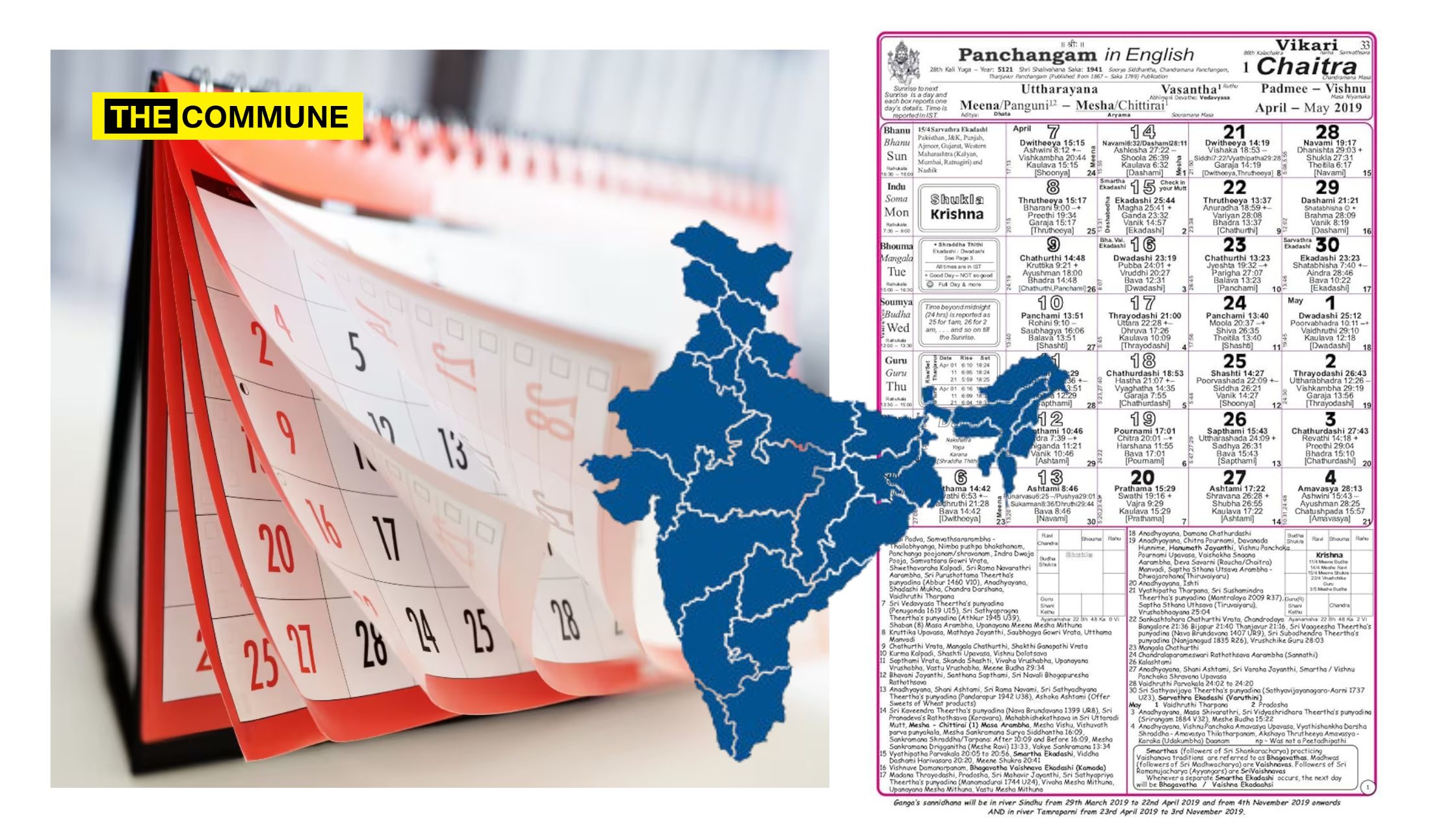
  • The Hindu Calendar: The Hindu calendar, also known as the Panchang, is a lunisolar calendar that plays a crucial role in Hindu religious and cultural life. It is used to determine the dates of festivals, auspicious times (muhurtas), and rituals. The calendar varies regionally, with different states and communities following slightly different versions.
  • The Islamic Calendar: The Islamic or Hijri calendar is a purely lunar calendar used by the Muslim community in India. It marks the months based on the moon’s cycles and is essential for determining the dates of Islamic festivals like Eid-ul-Fitr and Eid-ul-Adha.
  • The Vikram Samvat and Shaka Samvat: These are two prominent Indian calendars used historically. The Vikram Samvat, established by King Vikramaditya, is widely used in North and Western India. The Shaka Samvat, introduced by the Shaka rulers, is the official civil calendar in India.

The Introduction Of The Gregorian Calendar In India

The advent of the Gregorian calendar in India is closely linked to British colonial rule. When the British East India Company established its foothold in India in the 17th century, they brought with them its administrative systems, including the Julian calendar. However, it was the Gregorian calendar that gradually replaced the Julian calendar during the British Raj.

Early Encounters: The Portuguese Influence

Before British colonization, the Portuguese were the first Europeans to introduce the Gregorian calendar to parts of India. Goa, a Portuguese colony from the early 16th century, saw the introduction of the Gregorian calendar in 1582, shortly after its adoption in Europe. The Portuguese influence, however, was limited to their territories and did not significantly impact the broader Indian timekeeping practices.

The British East India Company And The Julian Calendar

The British East India Company initially used the Julian calendar for its administrative and commercial activities. As British influence expanded, the need for a standardized calendar system became apparent. The inconsistencies between the Julian and Gregorian calendars were becoming problematic, particularly for international trade and communication.

The Transition To Gregorian Calendar

The transition from the Julian to the Gregorian calendar in British-administered India was not immediate. It was a gradual process that culminated in 1752 when Great Britain officially adopted the Gregorian calendar. The reform involved skipping 11 days (September 2, 1752, was followed by September 14, 1752) to realign the calendar with the solar year. This change was implemented in British colonies, including India.

How The Gregorian Calendar Affected Indian Society

The introduction of the Gregorian calendar had far-reaching implications for Indian society, particularly in areas such as administration, education, and social practices. Here are some key impacts:

  • Administrative Uniformity: The adoption of the Gregorian calendar brought administrative uniformity to British India. It standardized official documentation, legal proceedings, and government functions. This uniformity was crucial for efficient governance, especially in a vast, diverse territory like India.
  • Educational Reforms: The British colonial administration placed a strong emphasis on education, leading to the establishment of schools and universities across India. The Gregorian calendar became the standard for academic calendars, influencing the scheduling of examinations, academic sessions, and holidays. This alignment with Western education systems facilitated the integration of Indian students into global academia.
  • Economic and Commercial Integration: The Gregorian calendar played a vital role in integrating the Indian economy with global trade networks. It provided a common reference point for business transactions, shipping schedules, and contracts, making it easier for Indian merchants to engage in international trade. This integration was instrumental in the economic development of colonial India.
  • Social and Cultural Adaptation: The influence of the Gregorian calendar extended beyond administration and commerce. It began to permeate social and cultural practices in urban areas, especially among the Western-educated Indian elite. Christian communities in India, such as the Anglo-Indians and Goan Catholics, also adopted the Gregorian calendar for their religious and social events.

Resistance And Cultural Resilience

Despite its widespread adoption, the Gregorian calendar faced resistance in many parts of India. The persistence of indigenous calendars and cultural practices highlighted the resilience of Indian traditions. This resistance can be understood through various lenses:

  • Religious Significance: The Hindu and Islamic calendars held deep religious significance for their respective communities. Festivals, rituals, and religious observances were intricately tied to these traditional calendars. For many Indians, adopting the Gregorian calendar did not mean abandoning their religious timekeeping systems. Instead, they continued to use both calendars in parallel, each serving different purposes.
  • Regional Diversity: India’s regional diversity played a significant role in the continued use of indigenous calendars. Different states and communities had their unique calendars, which were closely linked to local festivals and agricultural cycles. The Gregorian calendar, while useful for official purposes, did not replace these regional systems in everyday life.
  • Colonial Resistance: The introduction of the Gregorian calendar was seen by some as another aspect of colonial imposition. Nationalist movements in the late 19th and early 20th centuries emphasized the importance of preserving Indian culture and traditions. This sentiment fueled resistance to the complete adoption of Western practices, including the calendar.

Post-Independence India And The Gregorian Calendar

After gaining independence in 1947, India retained the Gregorian calendar for official purposes. However, the Indian government also recognized the importance of indigenous calendars and sought to integrate them into the national framework.

  • Adoption Of Shaka Samvat: In 1957, the Indian government adopted the Shaka Samvat as the official calendar alongside the Gregorian calendar. The Shaka Samvat, with its historical and cultural significance, became the basis for Indian national holidays and official documents. This move was a testament to India’s commitment to preserving its cultural heritage while embracing modernity.
  • Dual Calendar System: Today, India operates a dual calendar system. The Gregorian calendar is used for most civil, administrative, and educational purposes, while the Shaka Samvat and other traditional calendars continue to be used for religious, cultural, and regional events. This coexistence reflects the pluralistic nature of Indian society, where multiple traditions are respected and celebrated.
  • Cultural Festivals And Calendars: Indian festivals, which are an integral part of the country’s cultural fabric, are determined using traditional calendars. For example, Diwali, Holi, Eid, and Christmas are celebrated based on the Hindu, Islamic, and Gregorian calendars, respectively. The ability to navigate multiple calendars is a unique aspect of Indian life, showcasing the nation’s cultural diversity.

Challenges And Opportunities

The coexistence of the Gregorian and traditional calendars in India presents challenges and opportunities. Some of these include:

  • One of the challenges is synchronizing events and holidays across different calendars. The government and organizations must coordinate public holidays, official events, and school schedules to accommodate religious and cultural observances. This requires careful planning and consideration of diverse community needs.
  • There is an opportunity to educate the younger generation about the significance of different calendars and their historical contexts. Schools and universities can incorporate lessons on the Gregorian and traditional calendars into their curricula, fostering an appreciation for India’s rich cultural heritage.
  • Advancements in technology offer new possibilities for integrating and managing multiple calendars. Digital tools and applications can help individuals and organizations keep track of important dates from various calendars, ensuring that no significant event is overlooked.
  • The continued use of traditional calendars is a testament to India’s cultural resilience. There is an opportunity to document and preserve these calendars for future generations. Scholars and cultural organizations can collaborate to create comprehensive records of traditional timekeeping practices, ensuring that they are not lost to history.

The journey of the Gregorian calendar in India is a fascinating tale of adaptation, resistance, and coexistence. The story reflects the complex interplay between global influences and local traditions, from its introduction during the colonial period to its present-day use alongside traditional calendars.

India’s ability to embrace the Gregorian calendar for administrative and civil purposes while preserving its indigenous calendars for religious and cultural events is a testament to its pluralistic ethos. It highlights the resilience of Indian culture and its capacity to integrate diverse influences while retaining its unique identity.

As we move forward, the dual calendar system in India will continue to evolve and will be shaped by technological advancements, cultural shifts, and global interactions. Understanding and appreciating this intricate tapestry of timekeeping gives us a deeper insight into India’s rich and dynamic heritage. Through this exploration, we celebrate not just a calendar but the spirit of India—a land where tradition and modernity coexist harmoniously and where the rhythms of the sun and the moon marks the passage of time.

Ganesh Kumar is a geo-political analyst.

Subscribe to our channels on Telegram, WhatsApp, and Instagram and get the best stories of the day delivered to you personally.

Methamphetamine Worth ₹20 Crore Seized In Chennai; Six Arrested, Including A Woman

Methamphetamine Worth ₹20 Crore Seized In Chennai; Six Arrested, Including A Woman

Six persons, including a woman, were arrested during a major drug bust in Chennai that led to the seizure of 16 kg of methamphetamine worth approximately ₹20 crore.. The case began when the Grater Chennai Police Commissioner received credible information about illegal drug sales in Madhavaram’s Roja Nagar area.

On 22 December 2024, the newly formed Narcotics Control Bureau, in collaboration with Madhavaram Police, conducted a raid in Roja Nagar. During the operation, two suspects—Venkatesan (41), a local drug dealer, and Karthik (36) from Triplicane Border Estate—were arrested. The police seized 1.5 kg of methamphetamine from them, and both were sent to jail.

After their arrest, the police intensified their investigation into the drug trafficking network linked to Venkatesan. Using contacts from Venkatesan’s mobile phone, the police uncovered a vast network of drug dealers from various parts of India, including Delhi and Mumbai.

Under the direction of Additional Commissioner of Police Narendra Nair, Kolathur Deputy Commissioner Pandiarajan, Puzhal Circle Assistant Commissioner Sahadevan, and Inspector Boopalan, six people, including Venkatesan’s wife, Jhansi, were arrested. Following interrogations, the authorities discovered a stash of 16 kg of methamphetamine hidden in a house, which was seized. The authorities are now focusing their efforts on tracking down five more individuals connected to the drug syndicate, with teams dispatched to Delhi and southern Tamil Nadu for further arrests.

(With Inputs From Dinakaran)

Subscribe to our channels on TelegramWhatsApp, and Instagram and get the best stories of the day delivered to you personally.

“Who Is The DMK Government & Law Minister Trying To Protect?” Asks AIADMK MLA Vijaya Baskar, Slamming Contradictory Statements On Anna University Sexual Assault Case

AIADMK MLA Vijaya Baskar, Slamming Contradictory Statements On Anna University Sexual Assault Case

AIADMK MLA from Viralimalai and former Minister for Health and Family Welfare, C Vijaya Baskar, has sharply criticized the DMK government over the handling of the Anna University campus sexual assault case, particularly the confusion surrounding the arrest of the alleged DMK functionary Gnanasekaran. He highlighted contradictions in the statements from DMK ministers and the police, which have raised further concerns.

Vijaya Baskar stated, “The accused was initially arrested on 23 December but was released by a phone call, as he is from the DMK. He was only re-arrested on Christmas Day. Edappadi Palaniswami’s first question is, on whose orders was he released? All the details showing that the accused is a DMK functionary has been submitted, yet the Law Minister from Pudukkottai openly stated in a press meet that he does not belong to the DMK, and the party has no ties. Then, (Higher Education Minister) Kovi Chezhiyan held a press conference with contradictory statements. Following that, the Police Commissioner also addressed the media separately. All three press conferences were inconsistent with each other. So, the AIADMK now asks, who is the DMK government and the Law Minister trying to protect, and safeguarding?”

He also ridiculed DMK Law Minister Raghupathi, stating that he seems to have lost all sense of responsibility and is always chasing the spotlight. “Every time he sees a microphone, he can’t resist making comments—he has ‘mic mania,'” he said. “However, as the Law Minister, none of his statements carry any credibility.”

Subscribe to our channels on TelegramWhatsApp, and Instagram and get the best stories of the day delivered to you personally.

‘A Slow Slide Into Leftist Propaganda’, Wiki Co-Founder Larry Sanger Exposes How Wikipedia Went From Neutral Encyclopedia To Left-Wing Platform

'A Slow Slide Into Leftist Propaganda', Wiki Co-Founder Larry Sanger Exposes How Wikipedia Went From Neutral Encyclopedia To Left-Wing Platform

In an interview with The Epoch Times, Larry Sanger, co-founder of Wikipedia, expressed concerns that the platform has abandoned its neutrality in recent years, veering toward what he describes asleftist propaganda.Sanger, who distanced himself from the project nearly two decades ago due to disagreements over its direction, shared his perspective during an interview with EpochTV’sAmerican Thought Leaders.He noted that Wikipedia, which marked its 20th anniversary earlier this year, has increasingly aligned its content with mainstream media narratives.

He said, “… introduced the neutrality policy before Wikipedia was even conceived of, and then Wikipedia inherited it from Newpedia. Wikipedia made a real effort at neutrality for I would say its first five years or so on that became well began along a slow slide into what I would call leftist propaganda. I mean that’s a harsh description to put on Wikipedia but at least a lot of the political articles read that way. But that’s because they follow the news media, at least they have done in the last 10 years or so, 10 or 15 years, they have gradually gotten rid of all blogs and then more recently, they’ve gotten rid of almost all conservative news sources as sources for their articles, and so as the news media has shifted, and as the establishment, frankly, has shifted more to the left or to the left, the content of Wikipedia has followed suit.”

He added, “It would have been hard for me to accept that this would happen, and it would be so striking even 10 years ago, I mean already there was this decline into the slide to a center-left point of view by 2010.”

The online encyclopedia relies on a vast network of around 125,000 active volunteer editors and more than 1,000 administrators, who have the authority to manage edits and block accounts. Sanger stated that in the last five years, individuals with conservative or contrarian viewpoints often find their Wikipedia articles misrepresenting their achievements, omitting significant aspects of their work, or distorting their motivations.

According to Sanger, such figures are frequently labeled asfar-rightorconspiracy theorists,even when those who know them personally would not characterize them in such terms. He criticized the platform for following the lead of traditional news outlets, saying it has increasingly excluded conservative news sources, such as Fox News’s political coverage, the New York Post, and the Daily Mail, from its list of acceptable references.

Sanger also shared his plans to develop a decentralized network aimed at creating a more inclusive platform for encyclopedic content. “We’re going to be putting all of the encyclopedic content and the world in a single network. That’s an extremely compelling vision,” he explained, emphasizing the project’s potential to empower users with more control over the content they engage with.

Since co-founding Wikipedia with Jimmy Wales in 2001, Sanger has repeatedly voiced concerns about its direction. Wikipedia representatives have yet to comment on his latest criticisms.

(With inputs from The Epoch Times)

Subscribe to our channels on Telegram, WhatsApp, and Instagram and get the best stories of the day delivered to you personally.

Viral CCTV Footage Captures DMK Members Attacking PMK Councillor With Sticks In Villupuram; Case Filed Against DMK Goons

Viral CCTV Footage Captures DMK Members Attacking PMK Councillor With Sticks In Villupuram; Case Filed Against DMK Goons

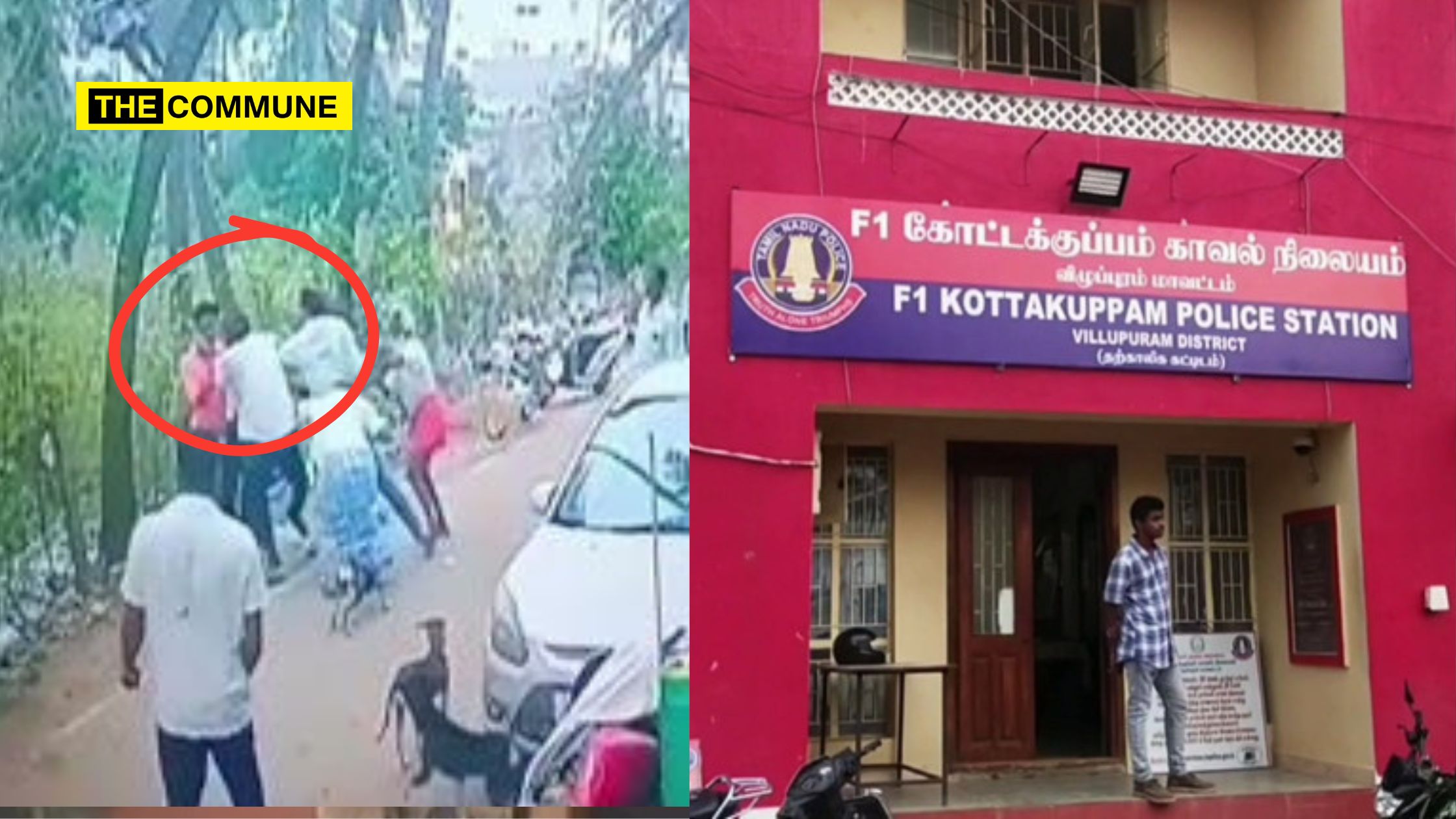
CCTV footage showing DMK officials violently attacking a PMK councilor with sticks and chasing him away has gone viral, causing an uproar in Villupuram district.

The incident took place in Kottakuppam, Villupuram, where DMK members reportedly assaulted PMK councilor Sivaraman over enmity from a previous dispute. It is alleged that Sivaraman had questioned the falling of ripe coconuts from trees owned by Dakshinamoorthy, the DMK city treasurer, in front of his house. In retaliation, a group of DMK members attacked Sivaraman with sticks and chased him away. Reports indicate that the altercation stemmed from ongoing animosity between the two parties in the area.

Following the incident, the police have filed a case against five individuals, including Dakshinamoorthy, in connection with the attack.

This incident was not an isolated case, as a similar confrontation occurred earlier in October 2024. CCTV footage showing a former DMK councilor attacking a PMK executive in Tindivanam during a pre-election feud was released and caused significant controversy.

Muhammad Nazir, a resident of Gidangal-1 in Tindivanam, Villupuram district, ran a business selling biscuits and chocolates. He was also a member of the PMK minority team. Nazir had previously campaigned against former DMK councilor Bhaskar in past elections, leading to ongoing animosity between them.

On the evening of the attack, Bhaskar, allegedly intoxicated, confronted Nazir with offensive language. When Nazir questioned his remarks, Bhaskar, in a fit of anger, accused him of working against him in the past and attacked him. Onlookers intervened and managed to send Nazir away from the scene.

The CCTV footage of the assault was later released, drawing widespread attention. Nazir filed a formal complaint at the Tindivanam police station, and the authorities began investigating the matter. The attack, rooted in old political rivalry, caused an uproar in the area.

Subscribe to our channels on TelegramWhatsApp, and Instagram and get the best stories of the day delivered to you personally.

17 Disturbing Cases Of Sexual Abuse And Religious Coercion By Islamist Teachers In India (2019-2024)

The Almora Police of Uttarakhand arrested Mohammad Kamaluddin, a teacher teaching in a government school in Chaukhutia, on 24 October 2024, for kidnapping a 17-year-old student by giving her a lift and then raping her. In this report, we will look at 17 major incidents of sexual abuse/harassment of Hindu students by Islamist teachers in various states of India from the year 2019 to 2024.

#1. Teacher Allegedly Assaulted Student Under False Pretense of Offering a Lift

On 24 October 2024, a teacher named Kamaluddin from Chaukhutia, Almora, was arrested for allegedly kidnapping a 17-year-old student. The student, who had gone out to buy stationery, was reportedly given a lift by the teacher. However, instead of safely taking her home, Kamaluddin is accused of raping the student and threatening her with death if she spoke about the assault. The case was filed under the Protection of Children from Sexual Offences (POCSO) Act.

#2. Hindu Female Students Allegedly Forced to Wear Hijab During School Event

In Sonipat, Haryana, on 11 September 2024, Hindu female students were reportedly forced to wear hijabs during a school play in Badauli village. The incident sparked outrage after pictures of the play circulated on social media. Concerned parents filed complaints, claiming that their daughters were pressured into wearing the hijab during the event. An FIR has been filed in connection with the incident, and authorities are investigating the matter.

#3. Teacher Allegedly Influenced Hindu Students To Read Quran

On 4 July 2024, a teacher named Rizwan, who worked at a coaching center in Shakurpur, Delhi, allegedly influenced two Hindu students to begin reading the Quran. According to reports, Rizwan told the students that Islam was superior to Hinduism. The children shared this information with their father, prompting him to file a complaint. An FIR was registered in response to the allegations, and an investigation is ongoing.

#4. Tuition Teacher Arrested For Allegedly Abusing A Four-Year-Old Girl

On 24 March 2024, in Pandav Nagar, East Delhi, a tuition teacher named Appu, also known as Arman, was arrested for allegedly sexually abusing a four-year-old girl who had come to his home for lessons. The teacher is reported to have threatened the child to prevent her from revealing the incident. After the child’s health suddenly deteriorated, she was admitted to AIIMS from Lal Bahadur Shastri Hospital and was fortunately treated in time. A case was registered under the Protection of Children from Sexual Offences (POCSO) Act, and the accused was arrested.

5. Teacher Allegedly Changed Student’s Religion On Paper

On 24 February 2024, in Khajuri village, Kota district, Rajasthan, a teacher named Firoz was accused of changing a Hindu student’s religion from Hindu to Muslim in her Transfer Certificate (TC) at a Senior Secondary School. The student’s family lodged a complaint with the police, alleging that the teacher had made several attempts to coerce them into offering namaz at school and had attempted to use a “conversion toolkit.” An FIR has been filed in response to the incident.

6. Teacher Allegedly Pressured Hindu Children To Convert To Islam

In December 2023, a Muslim tuition teacher in Ghaziabad, Uttar Pradesh allegedly pressured Hindu children to convert to Islam while teaching at Gaur Siddhartham Society, Siddharth Vihar. The teacher is also accused of threatening the children with harm if they disclosed these conversations to anyone. The accused was arrested following the complaint.

7. Muslim Teacher Got 5th-Grade Hindu Student Beaten Up By Muslim Students

On 28 September 2023, in Sambhal, Uttar Pradesh, a Muslim teacher named Shaista allegedly got a fifth-grade student beaten up by another Muslim student in the class. The incident occurred at St. Anthony School in Dugawar village, where Nitin Kumar Tyagi’s son, a class 5 student, was asked a question by the teacher. When the student could not answer, Shaista reportedly instructed a Muslim classmate to slap him multiple times. An FIR was lodged following the complaint about the incident.

8. Teacher Allegedly Tortured Student, Leading to Suicide

In May 2023, a Hindu student, Jyoti, studying at the Government Women Polytechnic College in Moradabad, Uttar Pradesh, was reportedly subjected to both mental and physical torture by her teacher, Muhammad Arif. The abuse led to Jyoti tragically taking her own life in her hostel room. The accused was arrested following the incident.

9. Tribal Hindu Girls Allegedly Pressured To Convert

In July 2023, in Udham Singh Nagar district of Uttarakhand, a teacher named Nafees Ahmed was arrested after being accused of harassing tribal Hindu girls at a local school. The teacher allegedly called the girls alone, pressured them to convert to Islam, and threatened to fail them if they refused. When one of the victims reported the teacher’s behavior to the school principal, the principal allegedly pressured her to settle the matter without taking any disciplinary action. The accused was arrested in connection with the incident.

10. Hindu Student Allegedly Trapped In Love And Forced To Convert

In December 2022, Kalimullah Sheikh, a teacher at a coaching institute in Siwan, Bihar, reportedly posed as Sameer and lured a Hindu girl into a love trap. He then allegedly took her to a madrasa, where they were married, and forced her to convert to Islam after the marriage. An FIR was filed following the incident.

11. Hindu Student Allegedly Raped After Being Lured Into Love Trap

In Begusarai, Bihar, in November 2022, a coaching teacher, Mohammad Aamir, allegedly trapped a Hindu student in a love scheme, which led to him raping her. Following the assault, Aamir reportedly filmed an obscene video of the victim and blackmailed her, eventually taking her away from her home. The accused was arrested in connection with the crime.

12. Teacher Allegedly Exploitde Student And Forced Conversion

In November 2022, Shamim Khan, a government teacher in Bina, Sagar district of Madhya Pradesh, is accused of sexually abusing a minor girl student and pressuring her to convert to Islam. The abuse was allegedly linked to a debt owed by the girl’s father to the teacher. An FIR was filed in the case, and the accused was arrested.

13. Teacher Allegedly Broke Religious Thread And Made Derogatory Remarks

In September 2022, Saif Ali, a teacher at a private school in Moradabad, Uttar Pradesh, allegedly broke the Kalawa (a religious thread) worn by an 11-year-old Hindu student and made derogatory remarks about Hinduism. The incident sparked protests from several Hindu organizations in the city. The accused was arrested following the incident.

14. Teacher Allegedly Behaved Inappropriately with Hindu Student

In March 2022, Azhar alias Aurangzeb, the operator of a coaching center in the Kanoon Goyan locality of Faridpur, in Bareilly, Uttar Pradesh, was accused of behaving inappropriately with a Hindu student, pressuring her to accompany him to his home. The student reportedly stated that the teacher had not acted inappropriately with any other girls at the coaching center. An FIR was lodged in response to the incident

15. Teacher Allegedly Disrespected Hindu Religious Texts And Deities

In Gaya, Bihar in December 2021, Sadaf Jahan, a Muslim female teacher, was arrested after allegedly forcing a fourth-grade Hindu student (the son of an ISKCON temple priest) to throw a Srimad Bhagavad Gita into the trash. The teacher also reportedly made derogatory remarks about Hindu gods and goddesses. Sadaf had threatened to skin the child if he told anyone about throwing the Bhagavad Gita in the dustbin. The entire incident was known to the principal of the school, Amina Khatoon, but she suppressed it. FIR was lodged following the incident.

16. 9th Grade Hindu Girl Allegedly Gangraped By Coaching Institute Director

In January 2020, Mohammad Javed, the director of Brilliant Coaching Centre in Chainpur Bazar, in Siwan, Bihar, was arrested after allegedly gangraping a 9th-grade Hindu student. The victim was found unconscious in the toilet of the institute. Following an investigation, the police arrested Javed, along with two other individuals, Miraj and Mohammad Arif, in connection with the incident.

17. Muslim Teacher Allegedly Kidnapped Hindu Student

In December 2019, Mohammad Danish, a Maths teacher from Khagaul, Patna, Bihar, allegedly lured a 15-year-old Hindu student into a love trap before kidnapping her from her home. The police later tracked him down in the Danapur area after he fled with the victim to Kolkata. The victim’s family claimed that Danish had kidnapped the girl with the intent to rape and forcefully convert her religion. The accused was arrested following the incident.

Subscribe to our channels on Telegram, WhatsApp, and Instagram and get the best stories of the day delivered to you personally.
Sexual Abuse In Churches: A Global Issue Of Systematic Cover-ups And Silenced Victims, Here Are 26 Instances

child Sexual Abuse In Churches: A Global Issue Of Systematic Cover-ups And Silenced Victims, Here Are 26 Instances sex abuse italy

Allegations of sexual abuse against children within churches across the globe reveal a disturbing pattern that spans decades and continents. Reports from 18 countries have surfaced, highlighting thousands of cases where children, including boys, were victimized by clergy and other church officials. Many survivors do not come forward until later in life, often after the age of 50, when the opportunity for justice is limited due to the passage of time and the aging or death of the perpetrators.

Church institutions are often accused of suppressing these cases, silencing victims, and shielding accused clergy members. Instead of facing consequences, many accused priests are reassigned to different locations, where their actions often remain hidden from the public eye. In some cases, the institutions offer public apologies or financial settlements to address the fallout from scandals, but critics argue that these measures do little to prevent future abuse.

Historical data points to systemic abuse dating back to the mid-20th century or earlier. For instance, between 1950 and 2018, the Catholic Church in the United States received credible accusations involving 7,002 clergy members. In Ireland, it is estimated that nearly 15,000 minors were abused by clergy between 1970 and 1990.

High-profile cases have brought international attention to the issue. In Australia, Cardinal George Pell, a former Vatican finance chief, was convicted in 2018 of sexually abusing choirboys in the 1990s. Similarly, in France, Cardinal Philippe Barbarin received a six-month suspended sentence in 2019 for covering up abuse by a priest.

Germany’s Protestant churches have also faced scrutiny. A January 2024 report revealed that 9,355 children and young people were sexually abused in Protestant churches and charities since 1946, involving an estimated 3,497 perpetrators, about a third of whom were clergy or religious officials.

Research shows that over half of child sexual abuse survivors delay reporting until middle age or later. This delay, compounded by institutional cover-ups, allows many perpetrators to avoid accountability, perpetuating a cycle of abuse and impunity.

Let us take a look at 26 incidents of child abuse in 18 countries around the world.

#1 USA – Rephidim Church Pastor Ron Killingsworth Sentenced For Child Sex Crimes

Pastor Ronnie Allen Killingsworth, 79, of Wichita Falls, was convicted on 7 May 2024, on six counts of indecency with a child by contact involving three underage victims between 2000 and 2011. On 8 May 2024, the jury sentenced him to 84 years in prison and $60,000 in fines. Sentences for four counts will run concurrently, with two running consecutively, meaning Killingsworth must serve 21 years before parole eligibility, at age 100. Victims testified about the trauma caused by the abuse and trial.

#2 USA – Former Youth Pastor Arrested For Sexual Assault.

Hipolito Gomez-Perdomo, a former youth pastor from Fort Collins, was arrested in March 2024 for sexually assaulting multiple children over three decades. Investigations began in 2023 after a victim reported abuse from the early 2000s and revealed other teenagers had also been harmed. A reopened 2019 case and a new victim’s account of late 1990s abuse led to his arrest. Gomez-Perdomo, associated with Vida Abundante church, faces multiple felony charges and a $200,000 bond. Authorities suspect more victims and encourage them to come forward.

#3 USA – AG Releases Report On Sexual Abuse Allegations At Gaylord Catholic Diocese

In January 2024, Michigan Attorney General Dana Nessel released a report detailing sexual abuse allegations against 26 priests and two deacons in the Diocese of Gaylord between 1951 and 2021. The 130-page report revealed systemic cover-ups, with most cases uncharged due to statutes of limitations. Allegations include abuse by clergy who remained active in the ministry despite credible accusations. Recent cases include inappropriate behavior, social media misconduct, and abuse allegations. Nessel emphasized transparency and victim support, acknowledging the survivors’ courage in speaking out. The report highlighted longstanding issues within the Catholic Church, aiming to help victims heal and prevent future abuse.

#4 USA – Illinois Report Details Scale Of Catholic Clergy Sex Abuse

In May 2023, a report by Illinois Attorney General Kwame Raoul revealed 451 Catholic clergy sexually abused 1,997 children in the state since 1950, far exceeding the 103 abusers the Church initially acknowledged. Triggered by a 2018 Pennsylvania grand jury report, the nearly 700-page document exposes harrowing accounts of abuse, ignored allegations, and systemic failures, including relocating abusers like notorious predator Father Daniel McCormack. Survivors faced lasting mental health struggles, and advocacy group SNAP criticized the Church’s weak policies. Cardinal Blase J. Cupich apologized and pledged vigilance, while SNAP urged further investigations, renaming buildings linked to abusers, and honoring survivors with memorials.

#5 USA – Catholic Priests Abused 1,000 Children In Pennsylvania

In August 2018, a Pennsylvania grand jury report exposed decades of sexual abuse by over 300 Catholic priests, harming more than 1,000 children across six dioceses. The nearly 900-page report detailed harrowing accounts, including priests impregnating minors, raping boys as young as seven, and collecting disturbing trophies from abused girls. Most cases were too old for prosecution, though two priests faced charges. The report revealed systemic cover-ups by church leaders, who protected abusers and ignored victims. It called for abolishing statutes of limitations on child abuse and expanding legal recourse for survivors.

#6 – Wisconsin Priest Accused Of Molesting 200 Deaf Boys

In 2010, Rev. Lawrence Murphy, a Catholic priest, was accused of molesting around 200 deaf boys at St. John’s School for the Deaf in Milwaukee from the 1950s to 1974. Victims recount harrowing abuse, including assaults in the confessional and dormitories. Despite appeals by Wisconsin bishops in the 1990s to hold a church trial, the Vatican, led by then-Cardinal Joseph Ratzinger, declined due to the time elapsed and Murphy’s ill health. Murphy, who died in 1998, escaped prosecution due to statutes of limitations. The Vatican denied a cover-up, sparking criticism of Pope Benedict XVI’s handling of the case and wider clerical abuse.

#7 USA – Fr. Rodrigue Sentenced To 10 Years For Abusing 150 Victims

In 1992, Fr. Rodrigue was accused of multiple instances of sexual harassment and abuse, with victims including altar boys and other minors who served in the dioceses where he worked. According to a report by the San Bernardino Sheriff’s Department, Fr. Rodrigue admitted to sexually abusing an average of four to five children each year. After further investigation, a total of 150 victims were identified. Fr. Rodrigue was sentenced to 10 years in prison for his crimes.

#8 Germany – Report Reveals Over 9,000 Victims Of Sexual Abuse In Germany’s Protestant Churches and Charities

A 2024 study revealed that more than 9,000 people have suffered sexual abuse within Germany’s Protestant churches and charities since 1946. The 871-page report, compiled by independent researchers, found that incidents of abuse were much higher than previously known, with 9,355 children and young people abused by an estimated 3,497 perpetrators, a third of whom were religious figures. Bishop Kirsten Fehrs, acting president of the Council of the Protestant Church of Germany, took responsibility for the abuse and pledged to implement measures to prevent future crimes, offering heartfelt apologies to the victims.

#9 Spain – Spanish Church Sexual Abuse Affected 200,000 Children

In 2023, an independent commission in Spain revealed that more than 200,000 children have suffered sexual abuse by Catholic clergy. The 700-page report, commissioned by Spain’s ombudsman, highlighted the devastating impact on victims and criticizes the Church for its silence and attempts to cover up the abuse. A survey of 800,000 people found that 0.6% of the adult population reported suffering abuse by clergy, with the number rising to 1.13% when including lay people in Church-run institutions.

#10 Switzerland – Swiss Catholic Church Inquiry Uncovered Nearly 1,000 Abuse Cases

In September 2023, an official inquiry into the Roman Catholic Church in Switzerland identified nearly 1,000 cases of sexual abuse since 1950, with most victims being male children. The report, compiled by researchers from the University of Zurich, found evidence of widespread cover-ups, including destroyed records and unreported cases. Over half of the abuse occurred during pastoral activities such as confession and religious education, while 30% took place in institutions like children’s homes and schools. The Church’s response to these cases often prioritized its reputation over victim welfare, with abusive clerics reassigned rather than prosecuted.

#11 Bolivia – 35 Catholic Clergy Members Investigated Over Sexual Abuse Claims

In June 2023, Bolivian prosecutors investigated 35 Catholic clergy members following accusations of sexual abuse by over a dozen victims. The probe began after the discovery of a Spanish priest’s diary, revealing his abuse of over 80 minors in Bolivia. The diary, found in 2023, also implicated senior clergy in covering up the crimes. While 17 victims were identified, the full extent of the diary remains unclear. Bolivian authorities sought to obtain the complete document and work with Spanish prosecutors.

#12 Ireland – Report Exposes Widespread Abuse By Priests In Baltimore Archdiocese

In 2023, a Maryland Attorney General’s report revealed that over 150 priests and associates from the Archdiocese of Baltimore sexually abused more than 600 children, with the actual number likely much higher. The 463-page report highlighted a systemic cover-up and a failure by Church leadership to adequately investigate abuse complaints. Victims faced long-term trauma, including mental health issues. Archbishop William Lori apologized for the Church’s past failures.

#13 Ireland – Abuse Claims Against St. John Of God Order

In 2022, the Irish branch of the St. John of God order, which ran special schools in Ireland, received over 130 child sexual abuse allegations, including 34 new claims since a 2015 safeguarding review. The review had already identified 97 allegations, with 12 civil cases ongoing. The accusations involved 41 members of the order, including incidents in Africa and the UK. Despite these claims, no members were convicted or placed on the sex offenders register.

#14 Ireland – Child Sexual Abuse In The Catholic Church

Accusations of clerical sexual abuse in Ireland, once regarded as the world’s most Catholic country, began emerging in the 1980s, causing profound shock across the nation. It is estimated that nearly 15,000 children were victims of clerical sex abuse between 1970 and 1990. The 2009 Ryan Commission report revealed extensive abuse in Catholic-run institutions from the 1930s to the 1970s.

#15 Portugal – Over 4,800 Child Abuse Victims In Catholic Church

In 2023, a report by the Independent Commission for the Study of Child Sexual Abuse in the Portuguese Catholic Church estimated that over 4,800 children were abused by priests and church members since 1950. More than 100 suspected abusers remain active in the church. The investigation, which included testimonies from 512 victims, revealed widespread abuse, with the majority of abusers being priests. Many victims were threatened with blackmail, leading to silence.

#16 Italy – Italian Church Report on Clergy Abuse Criticized

In 2022, the Italian Catholic Church released its first report on sexual abuse cases, covering 2020-2021. The report documented 89 victims and accused 68 people, primarily priests and lay workers. Victims were mostly aged 15-18, with 16 adults considered “vulnerable.” Critics, including victims’ groups, argue the report’s scope is limited and fails to include cases before 2020 or Vatican archives, deeming it inadequate. Survivors’ group Rete L’Abuso estimated around 1 million victims in Italy, calling for a comprehensive investigation similar to those in France and Germany.

#17 United Kingdom – Church of England Finds 383 New Abuse Cases

In 2022, the Church of England’s review of past abuse cases uncovered 383 new allegations involving clergy, Church officers, and volunteers, with 168 related to children and 149 to vulnerable adults. The report, prompted by criticism of a 2010 review, highlights systemic issues within the Church, including victim-blaming and inaction. Despite apologies from the Archbishops of Canterbury and York, survivors remain critical, with some feeling betrayed by the process.

#18 Canada – Pope Francis Apologizes for Abuse at Canadian Residential Schools

During his 2022 visit to Canada, Pope Francis issued a heartfelt apology for sexual abuse at Catholic-run residential schools for Indigenous children, acknowledging the Church’s deep failure and the pain caused. At the Basilica of Sainte-Anne-de-Beaupre, he spoke of the “burden of failure” felt by the Church, reflecting on the scandal of abuse and the forced cultural assimilation of over 150,000 children. Survivors criticized the initial apology for lacking specific mention of sexual abuse, though the pope continued to address these concerns.

#19 New Zealand – Church Faces Alarming Abuse Findings

A 2022 investigation into the New Zealand Catholic Church revealed 1,680 reports of abuse against clergy, religious figures, and laypeople from 1950 to today. The findings, which were part of a Royal Commission inquiry, show that 14% of diocesan clergy were accused of abuse, with nearly half involving sexual harm. The majority of abuse occurred in the 1960s and 1970s. Cardinal John Dew described the figures as “horrifying,” expressing deep shame.

#20 Mexico – 175 Children Abused By Mexican Church

At least 175 children were sexually assaulted by priests belonging to an ultra-conservative Mexican branch of the Roman Catholic Church, according to an internal report in 2019. The founder of the Legionaries of Christ, Marcial Maciel, abused as many as 60 children, with a total of 33 priests or deacons acknowledged to have committed sexual assaults against minors since 1941, the document said. The findings of the report, written by a commission created in June by the director general of the group, Eduardo Robles-Gil– spans from the group’s founding in 1941 until 16 December 2019.

#21 France – French Catholic Church Abuse Inquiry: 216,000 Victims

In 2021, an inquiry into sexual abuse within the French Catholic Church revealed that 216,000 children, mostly boys, were abused by clergy since 1950, with a potential total of 330,000 victims including lay members. The report identified 2,900-3,200 abusers, primarily priests, and highlighted a “cruel indifference” from the Church towards victims. Many cases are too old to prosecute, but the inquiry urged the Church to take responsibility, offer compensation, and implement prevention measures.

#22 Poland – 369 Sexual Abuse Cases Reported By Polish Catholic Church

A report from the Polish Catholic Church revealed 369 cases of sexual abuse, reported between July 2018 and the end of 2020, involving incidents from 1958 to 2020. 39% of the allegations were confirmed, with investigations ongoing for over 50% of the remaining cases. The report followed the release of previous data, with 382 clergy accused of abusing 625 minors from 1990 to 2018.

#23 Australia – Child sexual abuse In Catholic Church

Australia’s Royal Commission said in February 2017 that most of the abuse took place in churches, with 7% of Catholic priests accused of abusing children in Australia between 1950 and 2010. It said allegations were almost never investigated. It found that 4,444 alleged incidents of child sexual abuse had been reported to Church authorities. In some dioceses, more than 15% of priests were perpetrators.

#24 Argentina – Two Catholic Priests Found Guilty Of Sexually Assaulting Deaf Children

In 2019, an Argentine court found two priests and a lay worker guilty of the sexual abuse of 10 former students of a Catholic school for the deaf. The incident of abuse of male and female students at the Antonio Provolo Institute for Deaf and Hearing Impaired Children in the western Argentine city of Luján de Cuyo between 2004 and 2016.

#25 Chile – Clergy Abuse Scandal

In 2018, nearly 80 Roman Catholic clergy members were accused of sexually abusing children in Chile since 2000, according to a report by US-based BishopAccountability.org. The group compiled the list using court and media records, noting it represented just a fraction of those accused. The database included prominent figures like Fernando Karadima, convicted by the Vatican but not Chile.

#26 Belgium – Belgium Church Abuse Scandal

A 2010 report by Peter Adriaenssens, Belgium’s leading expert on paedophilia, revealed 476 instances of child abuse by priests and bishops over the past 50 years. The harrowing testimonies, collected from hundreds of victims, documented abuse across nearly every diocese and church-run school in Belgium. The report highlighted the immense suffering, with several victims having committed suicide or attempted it. Adriaenssens compared the findings to Belgium’s notorious Dutroux case, noting the abuse was most prevalent in the 1960s but persists.

Subscribe to our channels on Telegram, WhatsApp, and Instagram and get the best stories of the day delivered to you personally.