Home Blog Page 467

7 Times Islamic Terrorists Targeted Non-Muslims While Sparing Muslims

On 22 April 2025, a brutal terrorist attack unfolded in the Baisaran Valley near Pahalgam, Jammu and Kashmir. Five armed militants ambushed a group of tourists, opening fire after reportedly asking them their names and religions. Twenty-six people were killed and more than 20 injured. Among the dead were 25 tourists, primarily Hindus, and one Christian. Notably, Muslims in the group were spared by the attackers.

This report compiles seven such incidents between 2008 and 2025, where Islamist terrorists deliberately targeted people of other faiths while sparing Muslims, underscoring a disturbing pattern of religiously motivated violence.

#1 Pahalgam Terror Attack

On 22 April 2025, a deadly terrorist attack shook the Baisaran Valley near Pahalgam in Jammu and Kashmir, claiming the lives of 26 tourists and injuring several others. Carried out by militants from The Resistance Front (TRF), an offshoot of the Lashkar-e-Taiba (LeT), the attackers reportedly asked the victims their names and religions, stripped the male members to check their private parts, before opening fire. Among the dead were 24 Hindus and one Christian, highlighting the religious targeting behind the massacre.

#2 Dhaka Attackers Spared Quran Reciters, Killed Others

On 1 July 2016, Islamic State terrorists attacked Holey Artisan Bakery in Dhaka, Bangladesh, taking diners hostage. The militants spared those who could recite verses from the Quran, offering them food, while others—mostly foreigners—were tortured and brutally killed. Witnesses said the terrorists identified Muslims and spared them, singling out non-Muslims for execution. At least 20 hostages and two policemen were killed. Bangladeshi nationals were treated more leniently. Rescued hostages revealed chilling details of the night-long ordeal, including text exchanges with loved ones. The siege ended after a military operation stormed the café the following morning.

#3 Quran-Reciters Spared In Deadly Mali Hotel Siege

On 20 November 2015, Islamist militants linked to Al-Mourabitoun stormed the Radisson Blu Hotel in Bamako, Mali, taking 170 hostages and killing 27 people. Witnesses said hostages who could recite Quran verses were released, indicating Muslims were spared. The attackers, shouting “Allahu Akbar,” opened fire and took over the hotel. Al-Mourabitoun, aligned with al-Qaeda, claimed responsibility, demanding prisoner releases and an end to military operations in northern Mali. Malian, French, and U.S. forces launched a rescue, freeing survivors including foreigners. Despite a 2015 peace deal, Mali remains vulnerable to extremist violence in areas outside government control.

#4 Garissa University Attack: Christians Targeted In Deadly Assault

On 2 April 2015, Al-Shabab militants stormed Garissa University College in Kenya, killing 148 people—mostly Christian students—and injuring over 79. The attackers separated Muslims from non-Muslims, sparing the former. This brutal act was part of a wider pattern of Al-Shabab violence in Kenya, including previous killings in Mandera and quarry attacks targeting Christians. Despite police presence, the group executed the Garissa assault with chilling precision. The attack shocked the nation, prompting heightened security and national mourning. Somali President Hassan Sheikh Mohamud condemned the targeting of Christians, stating it contradicts Islamic teachings and aims to divide communities.

#5 Westgate Mall Attack: 68 Killed In Nairobi Siege

On 21 September 2013, al-Shabaab militants attacked Nairobi’s Westgate Mall, killing 68 and injuring over 175. Armed with guns and grenades, the attackers targeted shoppers, reportedly allowing Muslims to leave beforehand. The siege lasted four days, with Kenyan forces eventually regaining control. Several attackers were foreign nationals, and suspicions arose over the involvement of American citizens. Among the dead were citizens from the UK, France, Canada, and Ghana. President Uhuru Kenyatta vowed justice. The attack was seen as retaliation for Kenya’s military involvement in Somalia. It remains one of Kenya’s deadliest terrorist attacks.

#6 Turkish Couple Spared In 26/11 Mumbai Terror Attack For Being Muslim

During the 2008 Mumbai attacks, Turkish couple Meltem Muezzinoglu and her husband Seyfi were taken hostage at the Oberoi Hotel. They were held overnight with three foreign women while gunmen from Lashkar-e-Taiba stood guard. The terrorists asked all hostages to state their religion. When the Muezzinoglus identified as Muslims, they were told they would not be harmed. The next day, the three non-Muslim women were removed and later reported shot. The couple was eventually rescued by Indian forces. Their friend Ali Arpaciouglu, who escaped earlier, stayed in contact with them throughout the ordeal via texts and one call.

#7 Thai Muslims’ Direct Talks With Hamas Helped Secure Hostage Release

On 27 November 2023, Thai Muslim groups claimed credit for securing the early release of Thai hostages held by Hamas during the Gaza conflict. The Thai-Iran Alumni Association, led by Lerpong Syed, engaged in direct talks with Hamas in Tehran, urging the release of Thai nationals. They emphasized that Thais were not involved in the conflict, leading Hamas to promise unconditional release during a truce. While the Thai government acknowledged multiple diplomatic efforts, including those by Qatar and Iran, the Muslim group said its initiative was crucial in freeing 17 Thai hostages by the third day of the ceasefire.

Subscribe to our channels on Telegram, WhatsApp, and Instagram and get the best stories of the day delivered to you personally.
When Vijay Sethupathi & Kamal Haasan Took Pakistan’s Position On Kashmir

Following the shocking Pahalgam terror attack and the subsequent deportation of over 50 Pakistani nationals who had been living illegally in Kashmir for years, social media users have turned their attention toward Tamil actors who previously criticized the abrogation of Article 370 and advocated for a plebiscite in the region.

Actors Vijay Sethupathi and Kamal Haasan, known for their vocal extremist sympathizing opinions, are facing criticism online for their past remarks that were opposing the Indian government’s decision regarding Jammu and Kashmir.

Vijay Sethupathi

In 2019, Vijay Sethupathi publicly criticized the central government’s move to revoke Article 370, arguing that the decision was made without considering the voices of Kashmiri residents. Speaking in an interview with SBS Tamil Australia, he said, “It goes against democratic principles. As Periyar once said, people should have the right to resolve their own issues. Can I interfere in your household matters? You are the one who live I that house and knows what its monthly budget is, children need, and the days affair. Only you can know. I think I may be affectionate towards you, but I cannot administrate you. This the two distinctions, likewise it suits all places. People on the outside can care, but they can’t come in and give suggestions, for example Eelam. We can only speak from what we have heard, only those who live there know the truth.

Kamal Haasan

Similarly, part-time-politician Kamal Haasan, now seen as aligning with the DMK reportedly in pursuit of a single Rajya Sabha seat, also voiced strong opposition to the central government’s actions. In 2019, he called the move to revoke Jammu and Kashmir’s special status and bifurcate the state into two Union Territories a “direct blow to democracy,” and called the move as an autocratic decision-making process.

“This move is highly regressive. Article 370 and 35A have historical significance, and any changes should have been made through a consultative and inclusive process,” he said.

Not only this, back in February 2019, during a public event in Chennai, Kamal Haasan raised several provocative questions, stating, “Why do the soldiers die? Why should our home’s watchman die? If politicians on both sides (in India & in Pakistan) behave properly, no soldier needs to die. The Line of Control will be under control. Why is India not holding a plebiscite in Kashmir? What are they (Indian government) afraid of?” 

Subscribe to our channels on Telegram, WhatsApp, and Instagram and get the best stories of the day delivered to you personally.
Times Of India Exposes Parking Fees Scam In Chennai: Texco Continues To Charge Fees After Contract Expiry

In a startling revelation, it has come to light that residents in Chennai are being illegally charged for parking in areas such as Marina Beach, Besant Nagar, and T Nagar, despite the Greater Chennai Corporation (GCC) not authorizing any fee collection. The former parking contractor, Tamil Nadu Ex-Servicemen Corporation (Texco), whose contract expired in December 2024, has continued to collect exorbitant charges without official permission.

The GCC has made it clear that no individual or agency is currently authorized to collect parking fees in the city. Citizens are urged to refuse payment if asked for fees at any parking location. Despite this, for the past four months, Texco personnel—many of whom do not meet the organization’s recruitment criteria—have been collecting fees ranging from ₹20 to ₹90 at will.

Initially hired in July 2024 on a six-month contract to manage over 11,000 parking slots across key areas, Texco was supposed to charge ₹20 per hour for cars and ₹5 for two-wheelers, deploying 450 staff. Instead, they employed about 45 young men on daily wages and continued operations illegally even after their contract ended.

Investigations revealed some vendors, particularly in T Nagar, were colluding with local businesses to ‘reserve’ public parking spots for private use by falsely claiming to have paid lump sums to GCC. Though digital payment systems linked to the GCC’s bank account were issued, cash transactions were rampant, and much of the collected revenue never reached the Corporation’s coffers.

Activists and citizens have flagged this growing scam. Civic volunteer Swadish Bharathi highlighted misuse of QR payment systems and unauthorized hiring practices. Revenue figures show Texco reported ₹1.75 crore over six months—far below GCC’s expected daily earnings of ₹11 lakh—raising serious concerns about transparency and enforcement.

Acknowledging the issue, GCC Commissioner J. Kumaragurubaran confirmed that the Corporation plans to terminate the current system and appoint new regional contractors to bring order and accountability to Chennai’s parking management.

(With inputs from TOI)

Subscribe to our channels on Telegram, WhatsApp, and Instagram and get the best stories of the day delivered to you personally.

Gems Of Judiciary: Chengalpattu Court Acquits Hasini’s Killer Dashvanth In Mother’s Murder Case Citing Insufficient Evidence

The Chengalpattu Court today acquitted Dashvanth, a convict currently serving a death sentence and 46 years imprisonment for the 2017 rape and murder of a six-year-old girl, in a separate case involving the killing of his mother, Sarala Shekar.

The court cited insufficient evidence and unreliable witness testimony as grounds for the acquittal in the matricide case. Despite this verdict, Dashvanth remains incarcerated at Puzhal prison for the minor’s murder. This verdict came despite Dashvanth allegedly admitting to the murder of his mother in 2017.

Dashvanth, a resident of Kundrathur in Kancheepuram district, was convicted in 2018 by the Chengalpattu Mahila Court for the brutal rape and murder of a six-year-old girl, whose petrol-doused body was found dumped on a national highway. While the trial court had awarded him the death penalty plus 46 years’ imprisonment, the Supreme Court stayed the execution last year pending further appeals.

The current acquittal relates to a separate case involving the alleged murder of his mother. Legal observers note the unusual circumstance of a death row convict being tried for another murder while his capital punishment remains stayed.

Court records indicate the prosecution failed to establish Dashvanth’s guilt beyond reasonable doubt in his mother’s killing. The judge noted evidentiary gaps and credibility issues with key witnesses in delivering today’s verdict.

Authorities confirm Dashvanth has been returned to Puzhal prison to continue serving his existing sentence for the 2017 child murder case. Legal proceedings regarding his Supreme Court appeal against the death penalty remain ongoing.

(With inputs from DT Next)

Subscribe to our channels on Telegram, WhatsApp, and Instagram and get the best stories of the day delivered to you personally.
MHA Refuses To Renew FCRA License Of Andhra NGO Rural Development Trust In Andhra Pradesh, Amid Religious Conversion, Fund Misuse Allegations

In a significant development, the Ministry of Home Affairs (MHA) has refused to renew the Foreign Contribution Regulation Act (FCRA) registration of the Rural Development Trust (RDT), a prominent NGO based in Anantapur, Andhra Pradesh.

The move follows a detailed complaint filed by the Legal Rights Protection Forum (LRPF), a legal activism group, in March 2024, alleging serious violations of FCRA norms, misuse of government funds, and involvement in religious conversion activities.

The Rural Development Trust, established in 1978 by Spanish Jesuit missionary Vicente Ferrer, is currently led by his son Moncho Ferrer, who is also a foreign national. The trust had been operating under FCRA Registration No: 010120001. It is also linked to the Vicente Ferrer Foundation Inc., a U.S.-registered public charity chaired by Moncho Ferrer, which is one of RDT’s major donors.

Recent amendments to FCRA prohibit a key functionary of an Indian recipient organization from holding any official position in the donor entity. The complaint raised concerns over this dual role, citing non-compliance.

Among the most serious allegations is the misuse of foreign donations and state-provided financial assistance for religious conversion. The complaint claims that free housing colonies built under welfare schemes were used to facilitate Christian missionary activities, including the construction of churches.

Between 2014–15 and 2017–18 alone, the Andhra Pradesh government had allocated over ₹205 crore to RDT through its Housing Corporation Ltd and Rural Water Supply & Sanitation Department for various projects.

The complaint also pointed to potential violations of data privacy laws. Reports submitted by the Vicente Ferrer Foundation (VFF) to the U.S. Internal Revenue Service (IRS) indicate that personal details—including minors’ educational performance and health data—were shared with foreign donors under the Child Sponsorship Program. Sponsors reportedly received biannual updates from children about their personal lives, raising concerns about the exposure of sensitive information to foreign entities.

Adding to the controversy, the MHA’s investigation reportedly uncovered misappropriation of at least ₹26 crore. This amount was collected as patient fees at the NGO’s hospitals in Kalyanadurgam and Bathalapally, both established using foreign funds. However, the money was not routed through the FCRA-designated bank accounts, a clear violation of the Act.

In light of these findings, the MHA has refused to renew RDT’s FCRA license. The decision is seen as part of a broader crackdown on NGOs accused of flouting FCRA rules and misusing foreign contributions.

The LRPF welcomed the government’s action and urged further investigation into the trust’s financial dealings and activities, citing national and social security concerns.

Subscribe to our channels on Telegram, WhatsApp, and Instagram and get the best stories of the day delivered to you personally.
How Leftist Rag The Quint Amplified A Fake ‘Muslim Lynching’ To Distract From Pahalgam Hindu Massacre

In the aftermath of the horrific Pahalgam terror attack where 26 Hindus were brutally murdered by Islamic terrorists in Jammu and Kashmir, a disturbing pattern emerged across Indian media – the deliberate amplification of unverified stories portraying Muslims as victims of Hindu violence. The most egregious example came from The Quint, which published a completely fabricated story about a Muslim employee allegedly killed by Hindu colleagues in Bengaluru for refusing to chant Gayatri Mantra.

A LinkedIn post by one Ishan Saxena, a former employee of CashKaro, claimed that his Muslim friend had been assaulted and killed in Bengaluru by Hindu colleagues for refusing to comment on the Pahalgam incident and for allegedly not chanting the Gayatri Mantra.

The Viral Lie

In his dramatic account posted on 25 April 2025, Saxena described an unnamed Muslim friend supposedly employed at a prominent automobile company in Bengaluru. According to the post, this friend had been brutally assaulted by Hindu colleagues in the office parking lot after refusing to discuss the Pahalgam attack during lunch and declining to chant the Gayatri Mantra. 

Image Source: OpIndia

This post quickly amassed over 400 likes and was picked up without verification by The Quint, a media outlet that claimed to focus on exposing communal hate crimes.

Ishan Saxena’s fabricated claims were reposted word-for-word by an Islamic Instagram page called ‘The Ummah Insights,’ accompanied by emotionally charged graphics—and by the time of writing, the post had already amassed 1,428 likes.

Image Source: OpIndia

The Quint’s subheading sensationally read, An auto company employee allegedly beaten up brutally. Journalist Aliza Noor, who authored the story, failed to verify even the most basic facts—no names were disclosed, no FIR or hospital details were cited, and most importantly, no credible police confirmation was provided.

Within a day, Saxena returned to LinkedIn to update that hisfriendhad succumbed to his injuries. That was enough to incite outrage, garner sympathy, and feed into a rapidly forming narrative of widespreadanti-Muslim’ retaliation.

Image Source: OpIndia

No Trace Of Victim, No Evidence Of Crime

Despite the sensationalism, not a single local or national media outlet in Karnataka reported the incident. No Kannada newspaper, television channel, or even a digital portal mentioned such an assault in Bengaluru. This glaring omission raised red flags.

OpIndia’s Assistant Editor Dibakar Dutta and several other internet users reached out to Bengaluru police officials, tagging senior officers across zones, asking for clarity. There was no confirmation—only silence. Hours later, Ishan Saxena deleted his LinkedIn post and deactivated his account.

Soon, it was revealed that Saxena had been terminated from CashKaro nearly two months before the incident. The company issued a public statement distancing itself from his claims: We are aware of certain posts circulating online regarding statements made by Mr. Ishan Saxena (ex-CashKaro employee). We would like to clarify that Ishan Saxena was relieved of his duties at CashKaro on 27th February 2025, and the views expressed in their personal posts do not reflect the values, beliefs, or position of our company in any way. CashKaro remains committed to promoting a respectful, inclusive, and responsible environment—both within our organization and in the communities we serve.”

Meanwhile, The Quint quietly deleted the article without offering an apology, correction, or editorial note—a hallmark of accountability in journalism that it clearly bypassed. Journalist Aliza Noor also deleted her X and Instagram accounts shortly after being exposed for publishing the fake story.

When Asked, Saxena Admits:I Copied It From Someone Else”

After sustained public pressure, Saxena contacted OpIndia and admitted the entire post was copied from another LinkedIn user—whose identity he claimed not to recall. On being asked about his comment that thefriend had died’, he said he saw another user write it and simply repeated the claim.

He also confirmed that Bengaluru police had interrogated him and instructed him to delete the false post and avoid sharing unverified, communally sensitive information in the future.

In a written statement shared with OpIndia, Saxena said,I am Ishan and I recently made a LinkedIn post regarding a muslim man being attacked by his colleagues. This post was actually a copy of another LinkedIn post mentioning the incident and I had shared it in the haste of feeling bad about what all is happening in our country. I should have fact checked the post which I didn’t and I am hence issuing this apology statement for making the post regarding an incident which I thought to be true but did not fact check.”

At the time of writing, OpIndia report stated that it found no cached or archived post apart from Saxena’s that mentioned this alleged death. The story appears to have been fabricated entirely by Saxena or someone else, amplified uncritically by both social media influencers and legacy media like The Quint.

A Pattern Of Fake Narratives To Obscure Hindu Suffering

The timing of this fabrication wasn’t accidental. It came just days after one of the worst terror attacks in recent memory, where Hindus were religiously profiled, forced to reveal their identities, chant Islamic verses like the Kalma, and even strip to prove they weren’t circumcised—all before being executed. Yet instead of focusing on this heinous attack, social media was flooded with misleading content presenting Muslims as the primary victims.

This playbook has been seen before. From the widely debunkedsemen-filled balloons during Holihoax to fabricated stories of temple vigilantes, a pattern has emerged where Hindu communities and festivals are targeted with false accusations, often spread by media houses that later refuse to issue apologies when proven wrong.

The Real Victims Ignored, Fake Ones Amplified

While the so-called ‘Bengaluru lynching’ never happened, another real incident did occur in Kolkata around the same time. A pregnant Muslim woman named S* alleged that she was subjected to vile communal remarks by her gynecologist, Dr. Champakali Sarkar, who reportedly told her, “People from your religion are killing people from my religion, you people are murderers.” Your husband should be killed by Hindus so you can feel the pain.”

The Quint reported this case in the same article, offering it as evidence of communal tensions sparked by the Pahalgam incident. However, Dr. Sarkar refuted the allegations, stating that she had never discriminated against patients and was being bullied by the family. She added that she had apologized nonetheless and that her conversation had been misunderstood.

A police complaint was filed in this case and may take its due course, unlike the Bengaluru hoax which fell apart within 24 hours.

Dangerous Distractions From Real Terror

This is not just about fake news—it’s about manipulating public sentiment during a time of national trauma. At a moment when the country should have stood united in mourning the victims of the Pahalgam massacre and demanding justice, a fabricated story diverted attention and inflamed communal sentiments.

That The Quint and its journalist failed to conduct even elementary checks before running the story is a damning indictment of their editorial standards. Worse, their silence after being exposed shows a lack of integrity.

(With inputs from OpIndia)

Subscribe to our channels on Telegram, WhatsApp, and Instagram and get the best stories of the day delivered to you personally.
After DMK Minister, DMK Stooge And Dravidianist Folk Singer Kovan Makes Below-The-Belt Attack On Vijay, Defames Actress Trisha

The rabid hatemonger S Sivadas, also known as Kovan, has once again surfaced on the Dravidian political stage. Known for using folk music to promote divisive rhetoric, Kovan has previously made derogatory and caste-based remarks, particularly during the AIADMK regime, targeting late Chief Minister J Jayalalithaa, her successor Edappadi K. Palaniswami, and Prime Minister Narendra Modi. Backed by the communist-aligned group Makkal Kalai Ilakkiya Kazhagam, Kovan’s recent focus has shifted to actor-turned-politician Vijay, launching personal attacks against him and his family. Notably, Kovan, once vocal in criticizing AIADMK’s governance, has remained conspicuously silent since the DMK came to power.

At the recent Dravidian Movement Centenary Conference organized by Dravida Iyakka Tamilar Peravai, Kovan launched a scathing, personal critique of Vijay. Rather than engaging in ideological discourse, Kovan’s speech took a hostile tone, filled with character attacks.

Taking a dig at TVK chief Vijay, Kovan said, “A boy came up to me yesterday and asked, ‘You say you wouldn’t allow Amit Shah or any other Shah here—so if I come with Trisha, what will you do?’ Yes, he actually asked that. And that’s the reality, isn’t it? There’s no real policy. He brings Trisha, accepting the ideas of Periyar and puts up hoardings Ambedkar, and claims to be a Periyarist and Ambedkarite, while actually working for the Sanghi’s. His role is to insult and damage the Dravidian model governance. That’s why, when he launched his party, he openly said that the Dravidian model is his enemy. Even now, he says women are not safe in Tamil Nadu. You do not know any data. The only numbers he has are those given by his party members from selling fake tickets. He has no personal knowledge. And yet, he claims about women’s safety in Tamil Nadu. Do you know that?”

Kovan the continued with a familiar Dravidianist narrative comparing Tamil Nadu to more populous state Uttar Pradesh and said, “Do you know that in Uttar Pradesh, from 2021 to 2022, there were nearly 65,000 cases of rape and sexual harassment. Yet he hasn’t said a word about that. In Tamil Nadu, it’s around 6,000 which is minimal. But without knowing the data, he still claims women aren’t safe here.”

Kovan then veered into a personal attack on Vijay and his family, even dragging in an actress, saying, “Brother, let me tell you something. Your own wife didn’t feel safe in your house that’s why she left and ran away from you. First, understand that. You should not speak about women’s safety. You went to Goa on a private jet for your female friend’s wedding. Yes, it’s a personal matter, but I have to say it because he made accusations yesterday. You went to your female friend’s wedding in Goa on a private plane, and there was another woman on that flight. Do you know who she was? It was her would be, I won’t name her. More importantly, one of the men you brought along is a Sanghi. Brother, we know you are a sanghi but you failed to hide your bangs.”

Earlier, DMK Minister MRK Panneerselvam sparked controversy by taking a veiled swipe at part-time-politician Vijay. When he asked them to interpret the initials ‘TVK’, audience members shouted out the names of actresses Trisha and Keerthy Suresh.

Subscribe to our channels on Telegram, WhatsApp, and Instagram and get the best stories of the day delivered to you personally.
Madras High Court Slaps ₹50 Lakh Fine On DMK Govt Over Non-Payment Of Salaries To College Staff

dmk madras high court ungaludan stalin

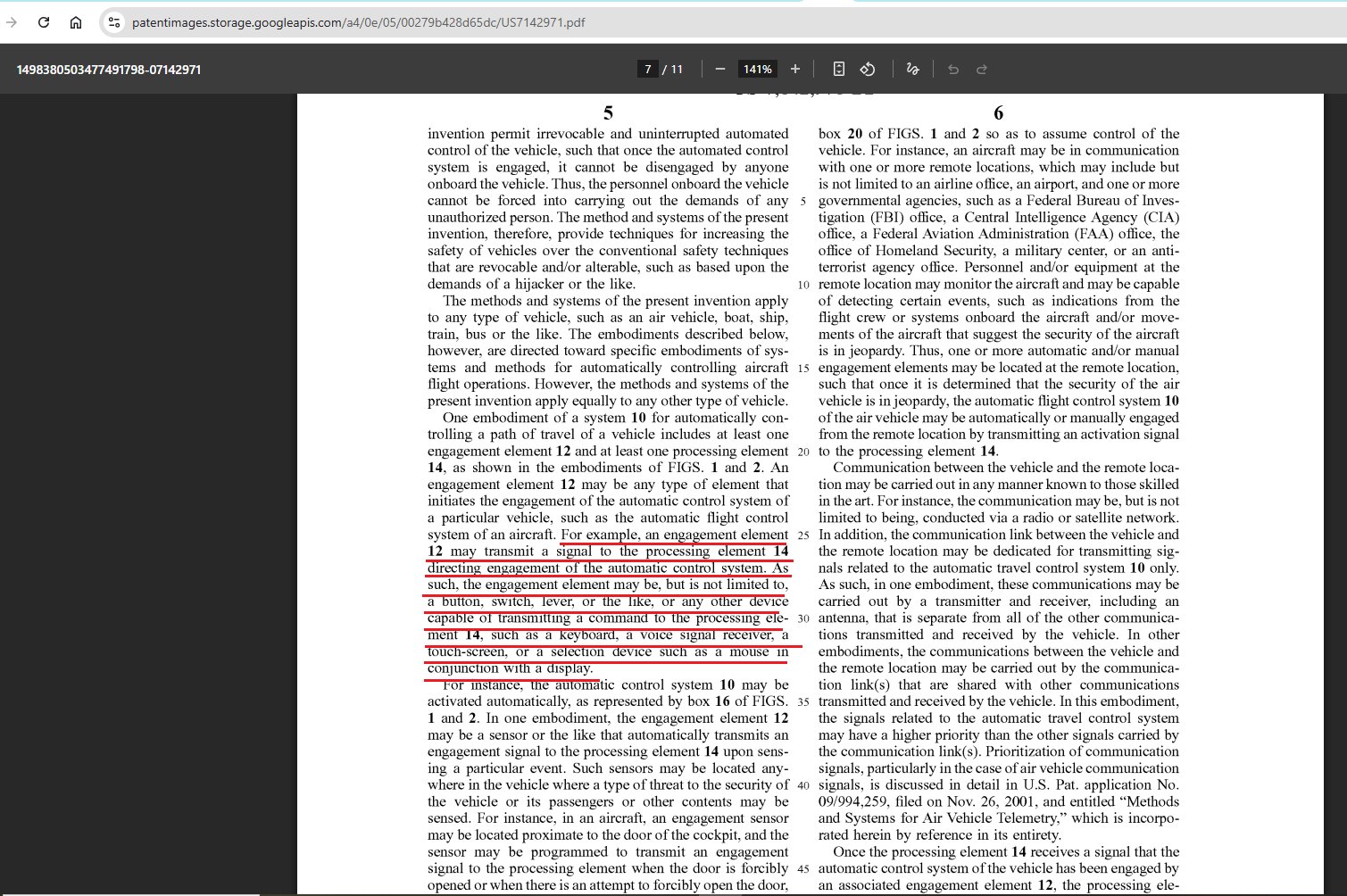
The Madras High Court has imposed a fine of ₹50 lakh on the Tamil Nadu government for failing to comply with an order to pay salaries to non-teaching staff at a private college.

The case was brought before the court to ensure the payment of salaries to 12 non-teaching employees hired at GPG Visalakshi Women’s College in Udumalaipettai, located in the Tiruppur district. After hearing the case, the court issued a ruling mandating salary payments to these employees. However, the Secretary of the Higher Education Department, the Director of College Education, and the Joint Director of College Education for the Coimbatore Zone filed an appeal against this decision.

The bench, consisting of Justices R. Subramanian and G. Arulmurugan, who reviewed the appeals, directed that “Director of College Education C. Poorna Chandran must appear and provide an explanation regarding the approval of the appointments, stipulating that no new appointments should be made for the 12 employees approved in 1987.” The government was also required to submit documents concerning the teaching and non-teaching staff positions authorized at Visalakshi Women’s College.

On 29 April 2025, the case was revisited in the High Court. The justices criticized Director Poorna Chandran for appearing in court but failing to respond to any of the court’s questions, which they deemed unfortunate. The judges further accused officials from the Directorate of College Education of obstructing the truth by claiming that the government lacked the necessary documents about the approved staff positions. Consequently, the Tamil Nadu government’s appeal was dismissed, and a fine of ₹50 lakh was imposed.

The bench emphasized that the fine was a result of the non-cooperation and obstinacy of the Directorate of College Education officials. It ordered the Tamil Nadu government to collect ₹25 lakh of the fine from Director Poorna Chandran, with the remaining ₹25 lakh to be recovered from the officers responsible for the disappearance of the documents. Additionally, the court ruled that the 12 non-teaching employees should receive ₹1.50 lakh each in salary within eight weeks. The court also ordered that the remaining ₹32 lakh of the fine paid by the Tamil Nadu government be donated to the Cancare Foundation and Netrodaya Organisations, with ₹12 lakh allocated to each organization within eight weeks. Furthermore, the judges instructed the Higher Education Secretary to take disciplinary action against the officials responsible for the loss of the documents within the Directorate of College Education.

(With inputs from ETV Bharat)

Subscribe to our channels on Telegram, WhatsApp, and Instagram and get the best stories of the day delivered to you personally.
71st Shankaracharya Of Kanchi Kamkoti Matham Named As Satya Chandrasekharendra Saraswathi

In a landmark religious ceremony held on the auspicious occasion of Akshaya Tritiya, Rig Vedic scholar Duddu Satya Venkata Surya Subramanya Ganesha Sharma Dravid from Annavaram, Andhra Pradesh, was formally anointed as the 71st Shankaracharya of the Sri Kanchi Kamakoti Peetham. Upon initiation into sanyasa, he was conferred the monastic title Satya Chandrashekarendra Saraswathi Shankaracharya.

The ceremony was held in Kanchipuram at the Sri Kamakshi Amman Temple and associated shrines of the Kanchi Mutt, attended by spiritual leaders, scholars, and devotees from across the country. The event coincided with the 2534th birth anniversary celebrations of Adi Shankaracharya, the revered philosopher-saint credited with establishing the Peetham in 482 BCE.

The senior pontiff, Sri Vijayendra Saraswathi Shankaracharya, who has led the Peetham since 1983, presided over the ceremony and bestowed the sanyasa name upon the new Acharya during the Sanyasa Sweekara Mahotsavam. The rituals began on Tuesday with holy baths at Pancha Ganga Teertham, followed by special pujas at the shrines of Sri Kamakshi Ambal, Adi Shankaracharya, Sri Sureshwaracharya, and the Brindavanams of previous pontiffs including Sri Chandrasekharendra Saraswati and Sri Jayendra Saraswati.

The Purvashrama Of Sri Satya Chandrasekharendra Saraswathi

Sri Ganesha Sharma Dravid, 25, hails from a devout family in Dhuni, near Annavaram. His father, Srinivasa Surya Subramania Dhanvanthri, serves as a Vratha Purohit at the Sri Veera Venkata Satyanarayana Swamy Temple. From a young age, Ganesha Sharma was immersed in Vedic learning under the guidance of distinguished scholars including Chandukutlu Hosamane Ratnakara Bhat Sharma and Sri Pallamudi Sathya Venkata Ramanamurthy. He completed rigorous training in Rig Veda Samhita, Aitareya Brahmana, Aranyaka, and Upanishads, as well as advanced studies in Pratishakhya and other Shastric disciplines.

His journey into spiritual life began in 2009 after a brief darshan of the Kanchi Shankaracharya in Tirupati. Following the Acharya’s advice, he commenced formal Vedic training, dedicating over 12 years to intensive study and service.

Before his anointment, Ganesha Sharma served as a Rig Vedic scholar at the Sri Gnana Saraswathi Devasthanam in Basara, Telangana. He also participated in several major religious events, including the Mahamaham festival in Kumbakonam, the Athivaradar darshan in 2019, and Chaturmasya observances in Vijayawada and Kakinada. In 2024, he visited the Kanchi Mutt to seek blessings and further guidance for his Vedantic studies.

His formal induction as junior pontiff marks a significant generational transition in the Peetham’s history. With this appointment, he takes on the responsibility of guiding one of India’s most respected Advaita Vedanta institutions, headquartered near the sacred Sri Kamakshi Temple in Kanchipuram.

Representatives from temples across Tamil Nadu, Andhra Pradesh, Telangana, Karnataka, and Maharashtra offered prasadam in honor of the occasion. The Peetham reaffirmed its commitment to Vedic education, spiritual outreach, and dharmic service under the leadership of the new pontiff.

Sri Vijayendra Saraswathi, who himself assumed the role of acharya at the age of 15 on 29 May 1983, was earlier chosen by the 69th pontiff, Sri Jayendra Saraswathi, who was appointed in 1954 by the revered Sri Chandrasekarendra Saraswati, known as the “Mahaswami.”

With the anointment of Satya Chandrashekarendra Saraswathi Shankaracharya, the Kanchi Kamakoti Peetham enters a new era, continuing its unbroken lineage of spiritual heads over a span of more than 2,500 years.

Subscribe to our channels on Telegram, WhatsApp, and Instagram and get the best stories of the day delivered to you personally.
May Akshaya Tritiya Give New Strength To Viksit Bharat, Says PM Modi

Prime Minister Narendra Modi on Wednesday extended heartfelt greetings on the occasion of Akshaya Tritiya, expressing hope that the festival would serve as a catalyst in strengthening the nation’s collective resolve towards building a ‘Viksit Bharat’. Akshaya Tritiya, also known as Akha Teej or Akti, is a significant Hindu festival observed annually.

The day is believed to usher in success, good luck, and prosperity. Traditionally, people mark the occasion by purchasing gold, a symbol of wealth and security, to invite blessings for the future.

Taking to X, PM Modi posted, “Infinite best wishes to all of you on Akshaya Tritiya. May this auspicious festival dedicated to humanity bring success, prosperity and happiness to everyone, which gives new strength to the resolve of a Viksit Bharat.” Union Home Minister Amit Shah also extended his greetings through a social media post. “Infinite best wishes for Akshaya Tritiya, the festival symbolising the confluence of nature and culture. I wish that this holy festival brings eternal virtue, good fortune and prosperity in everyone’s life,” Shah wrote. Union Minister J.P. Nadda joined in conveying greetings, stating, “I convey my heartfelt best wishes to all of you on the occasion of ‘Akshaya Tritiya’ which bestows everlasting virtuous results.”

“May this auspicious day bring an inexhaustible flow of happiness, prosperity and auspicious opportunities in the life of all of you. May everyone’s life be blessed with positivity, divinity and self-study,” he added. The term Akshaya denotes something eternal or indestructible, while Tritiya refers to the third day of the Shukla Paksha in the Hindu lunar calendar. The day is considered highly auspicious for initiating new ventures, buying valuables, and performing religious rituals. Devotees believe that such acts on this day yield lifelong blessings and well-being. The festival also coincides with Parashurama Jayanti, which marks the birth anniversary of the sixth incarnation of Lord Vishnu. Devotees also pay homage to Lord Shiva, underscoring the spiritual and cultural depth of the day.

–IANS

Subscribe to our channels on TelegramWhatsApp, and Instagram and get the best stories of the day delivered to you personally.