Home Blog Page 446

NTK Chief Seeman Continues To Attack EVR Busting The Halo Created By Dravidianists

NTK Chief Seeman Continues To Attack EVR Busting The Halo Created By Dravidianists

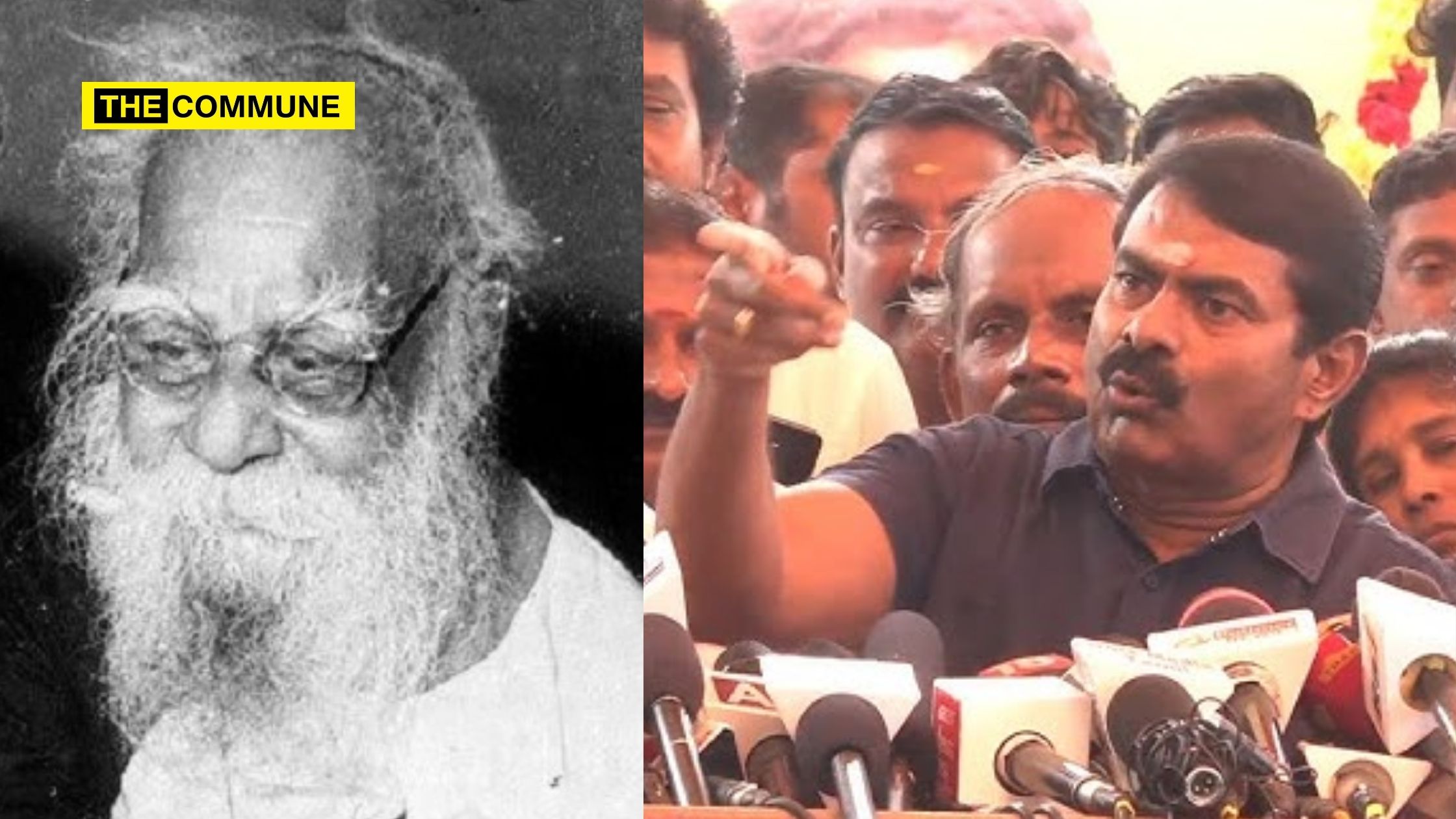
Naam Tamilar Katchi (NTK) founder Seeman, on Sunday, intensified his criticism of iconic Dravidian leader EV Ramasamy Naicker (EVR), who is hailed as ‘Periyar’ by his followers.

Speaking to reporters, Seeman questioned EVR’s contributions to the social revolution, contrasting them with those of Tamil Nadu’s reformers and saints like Vallalar and Vaikundar.

He also called out the double standards of Dravidianists by pointing our how the DMK has allied with the so-called “Aryan Brahmin” Rajaji to get to power.

“First stop equating Ambedkar and Periyar along the same line. You prove that both of their thinking aligns, I will apologize and leave. Your father Periyar has no passion towards language, no passion towards nation, no passion towards country, no passion towards race, so we don’t have any passion towards him.” Seeman said and compared how Ambedkar advocated for attaining political power while EVR was against electoral politics and even chastised the DMK for it.

His controversial remarks on EVR, during an event in Vadalur in the Cuddalore district, triggered widespread protests. In his speech, he had accused EVR of encouraging incestuous relationships and made other provocative statements.

He also criticised EVR’s remarks against the Tamil language and questioned the legitimacy of calling him a rationalist. Following these comments, Seeman has been booked under Sections 192 (intent to cause riot) and 353/2 (false information) of the Bharatiya Nyaya Samhita (BNS), based on complaints filed by members of the Dravida Kazhagam (DK), an organisation founded by EVR. Seeman further alleged that EVR had no significant connection to the cause of social justice. This claim has sparked outrage, with protesters burning images of the NTK chief.

Leaders from various political parties, including DMK ministers Duraimurugan and Sekar Babu, VCK President Thol Thirumavalavan, and state Congress President K. Selvaperunthagai, condemned Seeman’s statements.

However, state BJP President K. Annamalai expressed support for Seeman, saying: “I can provide evidence of the books where Periyar made such statements. However, I believe such discussions should not be held publicly as they may offend women and children.”

He also alleged that many of EVR’s controversial books had been destroyed over time due to their contents. On the other hand, BJP ally, PMK president Anbumani Ramadoss strongly defended EVR. Without directly referring to Seeman’s remarks, he said: “Slandering Periyar is unacceptable. If Mahatma Gandhi is the hero of India’s freedom struggle, Periyar is the leader of Tamil Nadu’s social freedom movement.” Ramadoss highlighted EVR’s role in pressuring the government to increase reservations to 31 per cent, which he described as a pivotal contribution to social justice.

“While everyone has the freedom to critique Periyar’s ideology, baseless slander cannot be tolerated,” he added.

As of now, over 60 cases have been registered against Seeman across Tamil Nadu in districts such as Cuddalore, Madurai, Coimbatore, Dindigul, and Tirunelveli for his remarks. Seeman, however, remains defiant, asserting that LTTE leader V. Prabhakaran was the only leader who truly defended women’s rights. He also challenged parties to gather votes using Periyar’s name, claiming his own success in winning 32 lakh votes in the previous Assembly elections in the state was by evoking the name of Prabhakaran. The controversy continues to escalate, with protests and legal actions dominating the political landscape in Tamil Nadu.

Subscribe to our channels on TelegramWhatsApp, and Instagram and get the best stories of the day delivered to you personally.

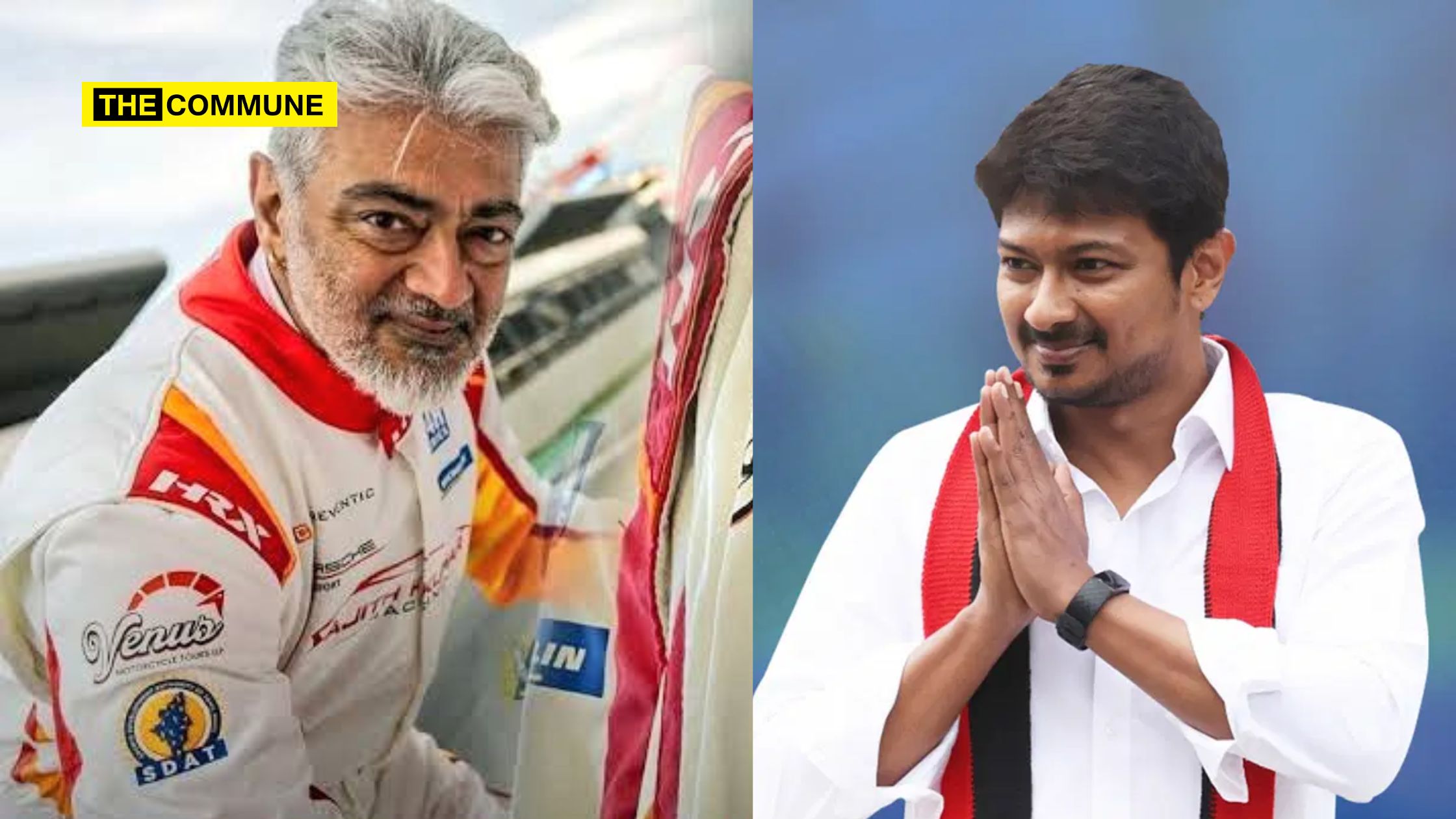
Udhayanidhi Stalin Pastes DMK Sticker Over Actor Ajith’s Achievement

Udhayanidhi Stalin Pastes DMK Sticker Over Actor Ajith's Achievement

Kollywood actor Ajith Kumar has celebrated an exhilarating victory at the 24H Dubai 2025 endurance race, winning the hearts of motorsport enthusiasts and his global fan base. Despite a recent car crash during training—an incident he emerged from unscathed—Ajith showcased unwavering determination, leading his team, actor Ajith Kumar Racing by Bas Koeten, to an impressive third-place finish in the 991 category. His extraordinary performance also earned him the prestigious Spirit of the Race award in the GT4 category, highlighting his skill and resilience on the track.

This triumph marks a personal milestone for Ajith and a moment of pride for India, reinforcing his reputation as an enduring inspiration.

Ajith’s path to the 24H Dubai race was far from smooth. Just days before the event, a video of his car colliding with a safety barrier due to brake failure went viral. Though initially reported that he might step back from driving duties for Ajith Kumar Racing, Ajith defied expectations. In a bold move, he continued to fulfill dual responsibilities as the owner of his racing team and a competitor in the event, driving the Porsche Cayman GT4.

Udhayanidhi’s Stickers Win As DMK Achievement

In a congratulatory post on social media platform X, Tamil Nadu Dy CM and DMK scion Udhayanidhi Stalin wrote, I am thrilled to hear that Ajith Kumar Sir and his team have secured third place in the 991 category at the 24H Dubai 2025. I extend my heartfelt congratulations to #AjithKumar Sir and his team for this remarkable achievement. I thank @Akracingoffl

for displaying our Dravidian Model Government’s @SportsTN_ logo in this prestigious racing event. I wish Ajith sir continued success in bringing even more glory to our nation and Tamil Nadu.”

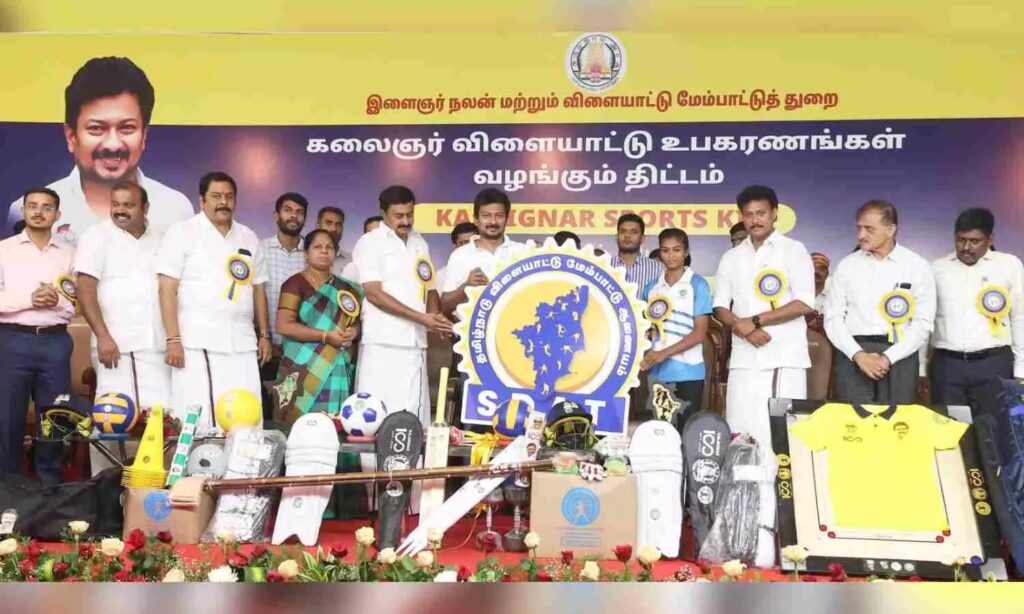
Udhayanidhi tried to label this win as a DMK achievement by claiming that SDAT—the Tamil Nadu Sports Development Authority—was established by the DMK government.

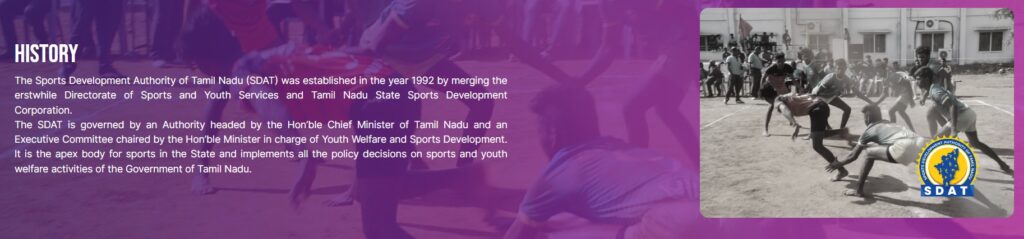
In reality, the commission was established in 1992 by the then-Chief Minister J Jayalalithaa. The website mentions this under the history section, The Sports Development Authority of Tamil Nadu (SDAT) was established in the year 1992 by merging the erstwhile Directorate of Sports and Youth Services and Tamil Nadu State Sports Development Corporation.”

Image Source: SDAT website

The only claim that Udhayanidhi can establish is that in June 2024, he unveiled the new logo of the sports body that was already in existence.

Image Source: DT Next

(With inputs from NewsX)

Subscribe to our Telegram, WhatsApp, and Instagram channels and get the best stories of the day delivered to you personally.

Did EVR Endorse Incestuous Relationships? Here’s What He Actually Said That No Dravidian Stock Will Tell You

Did EVR Endorse Incestuous Relationships? Here's What He Actually Said That No Dravidian Stock Will Tell You

The long-standing portrayal of EV Ramasamy Naicker (or EVR, also undeservingly hailed as ‘Periyar’ by his followers) as a champion of women’s rights is under scrutiny, with Naam Tamilar Katchi (NTK) leader Seeman accusing the Dravidianist ideologue of endorsing incestuous relationships. While Dravidianists have refuted a viral quote attributed to EVR, excerpts from his writings suggest a relativistic view of sexual norms, raising fresh debates about his legacy.

For long, EVR has been portrayed as a liberator of women and a champion of women empowerment by the leftist and Dravidianist ecosystem. However, this carefully constructed image of him is being shattered to smithereens, thanks to social media and anti-Dravidianist political entities like NTK and the BJP.

NTK head Seeman has grabbed Tamil Nadu’s attention by controversially commenting that EVR had endorsed incestuous relationships.

Seeman allegedly questioned the concept of EVR’s women’s rights, asking, “Is this about women’s rights? Is it right to say that if you have desires, you can have a physical relationship with your mother, daughter, or sister and be happy? I want you to answer that.” 

This seems to be based on a viral image claiming to be a quote of EVR made in Viduthalai magazine on 11 May 1953, which says, “If you cannot control your lust, get satisfied with your sister or mother, even if they are women. Your satisfaction is important.

However, the Dravidianists have “fact-checked” that EVR never said such a thing by showing the edition of Viduthalai on the said date as evidence.

But the Dravidianists are not giving the whole picture.

While EVR may not have said the controversial quote verbatim, there is evidence suggesting that he implied sexual relationships are subjective constructs shaped by cultural, geographical, and temporal contexts.

Here’s Proof

In The Thoughts of Periyar EVR Volume I by Anaimuthu 1974, under the section titled “Relationship” (Pages 194-196), EVR elaborates in an editorial on the Viduthalai magazine dated 2 June 1945, where he stated that “The system of sex and the system of property are mostly dependent on the customs of the country, religion, or caste, customs, etc., and it is to be assumed that there is no other reasonable or mandatory singular way, causal system in the whole world. In this regard, the natural characteristics of other living beings are not seen to be subject to any limitation. If we look at our ancient scripture, there are many stories of a man having sex with his own daughter and his own mother. There are countless stories of immoral adultery. Having sex with a guru’s wife or brother’s wife is not considered a crime. Having sex with another man for the sake of procreation is not considered a crime.

In some places, having sex with Brahmins is not considered a sin. There are countless stories of gods having sex with devotees. Therefore, it is impossible to say which of these things is right and which is wrong. Yet, according to the medical method and the sexual philosophy no one has ever tried to say that the methods of sexual intercourse that have been taught is a crime. Therefore; it can be said that a rational man must admit this. However, it is to be considered from the above that no specific uniform method can be found so that sin and virtue; divine punishment and honor are applicable to matters related to sex. This system of relationships, not only in sexual relations, but also in many matters related to human morality, it is unable to determine virtue and sin, to determine good and evil, and in the same way, it has been the case that there is one way for a nation, one way for a religion, one way for a class, and one way for a caste. Therefore, when considering these matters and wondering what a man with common sense and research could say to the question of how a man should behave, he could not find any other guide than prudence, and so it was necessary to cite this relationship as an example.” 

The operative word in the above quote of EVR is prudence.

Prudence implies making decisions based on circumstances, considering consent, mutual understanding, and societal impact. He may argue that what is considered moral or immoral in one context or culture might not apply universally.

EVR lists instances from ancient scriptures where incestuous relationships occurred without expressing moral condemnation. He presents these examples as part of a broader argument that sexual norms are culturally constructed, which could lead some to believe he views incest as acceptable in specific contexts.

By stating that no singular method or moral system governs sexual relationships and that customs vary across cultures and periods, he appears to dismiss the idea of universal moral taboos, including incest. This relativism could be interpreted as tacit acceptance.

EVR’s emphasis on ‘prudence’ and rationality, rather than moral or religious standards, could be seen as sidelining the ethical concerns about incest.

While the quote does not explicitly advocate for incest per se, EVR’s refusal to morally condemn it, combined with his relativistic framing of sexual norms, leaves room for interpretation.

Subscribe to our TelegramWhatsApp, and Instagram channels and get the best stories of the day delivered to you personally.

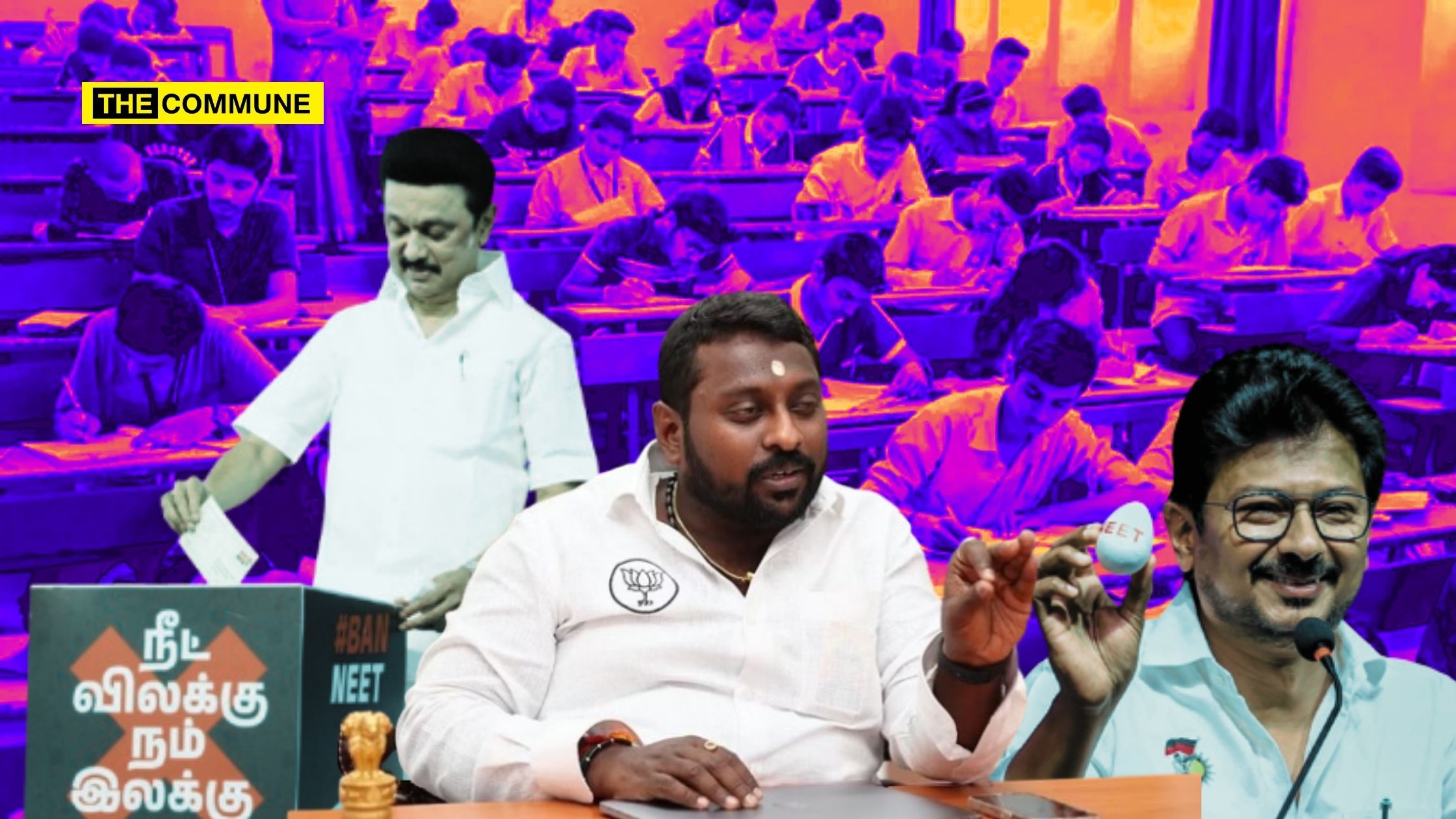
U-Turn On NEET Promise: BJP Leader SG Suryah Seeks Unconditional Apology From Udhayanidhi Stalin

The Tamil Nadu BJP has demanded an unconditional apology from Deputy Chief Minister Udhayanidhi Stalin for allegedly reneging on his promise to abolish the National Eligibility-cum-Entrance Test (NEET). BJP state secretary SG Suryah accused Udhayanidhi Stalin of “shamelessly lying” to the people of Tamil Nadu during the 2021 Assembly election campaign. He stated that Udhayanidhi Stalin had assured voters that the DMK government’s priority would be abolishing NEET.

In a statement issued on Sunday, Suryah said, “Deputy Chief Minister Udhayanidhi Stalin made a promise to the people of Tamil Nadu that his first signature as a minister would abolish NEET. However, he has failed to deliver on that promise.” The BJP leader called for an unconditional apology from Udhayanidhi for what he termed a blatant “U-turn” on the issue. He also clarified that the central government has no role in implementing NEET, as it is a directive of the Supreme Court. Suryah welcomed a recent statement by Vijay, actor-turned-politician and president of the Tamilaga Vettai Kazhagam (TVK), who criticised the DMK government for failing to abolish NEET. In a social media post on Saturday, Vijay accused the DMK of deceiving the people with false promises. He pointed out that Tamil Nadu Chief Minister M.K. Stalin has now admitted that only the Union government has the authority to scrap NEET.

Vijay said, “This is a significant social and political issue for Tamil Nadu. During the 2021 Assembly elections, the DMK promised to abolish NEET if it returned to power. However, they knew fully well that the central government could only take this decision.” Vijay further alleged that the DMK made these assurances purely to garner votes and criticized the ruling party for not fulfilling its promises after coming to power. He said, “How long will they deceive us in our own country?” The TVK leader also highlighted that NEET was a major campaign issue in 2021. “The DMK promised to cancel the exam, claiming they had a plan to do so. Now they admit only the central government can abolish NEET. Isn’t this a betrayal of the people who voted for them?” Vijay remarked.

In a statement on Friday, Chief Minister M.K. Stalin told the Tamil Nadu Assembly that NEET would have been abolished if the INDIA alliance had captured power at the Centre. However, he acknowledged that only the Central government has the authority to scrap the exam. CM Stalin also reminded Opposition leader Edappadi K. Palaniswami that during the regimes of Karunanidhi and J. Jayalalithaa, NEET was not there. He argued that the exam was introduced only during the tenure of Palaniswami’s government. S.G. Suryah further stated, “If anyone wants to get away from NEET, they should approach the Supreme Court, not the Central government.”

–IANS

Subscribe to our channels on TelegramWhatsApp, and Instagram and get the best stories of the day delivered to you personally.

Anti Terrorism Squad Arrests 31 Bangladeshi Nationals For Illegal Entry And Stay In Tirupur

Anti Terrorism Squad Arrests 31 Bangladeshi Nationals For Illegal Entry And Stay In Tirupur

The Anti Terrorism Squad (ATS) in Coimbatore has arrested 31 Bangladeshi nationals, including 28 from the Palladam police jurisdiction and 3 from the Veerapandi and Nallur police jurisdictions, all for illegal entry and stay in India. The arrested individuals were employed in Tirupur’s garment sector, a major textile manufacturing hub.

The operation was carried out by the ATS team led by Superintendent of Police V. Badrinarayanan and Additional Superintendent of Police S. Anantha Kumar after receiving a tip-off on Saturday evening. Acting swiftly on the information, the team conducted raids in Arulpuram, a locality near Palladam, Tirupur district, where they searched several rental rooms. They successfully apprehended 28 Bangladeshi nationals and seized Bangladeshi identity documents along with original Aadhaar cards from the detainees.

According to officials, many agents have been facilitating the illegal migration of Bangladeshi nationals into India. These agents charge the workers for helping them cross the border, secure Aadhaar cards, and find jobs in the thriving garment sector in Tirupur, where wages are reportedly higher than in Bangladesh. As a result, numerous Bangladeshi nationals enter India illegally in search of better employment opportunities.

Following the raid, the detained individuals were transferred to the Palladam police station for further investigation. In another operation, two additional teams of ATS arrested two more Bangladeshi nationals from the Murugampalayam area near Veerapandi and one from Sevanthapalayam near Nallur, both located in Tirupur city. The trio was handed over to the Veerapandi and Nallur police stations, respectively.

Cases have been registered against all the arrested Bangladeshi nationals under various sections for illegal entry and stay in India. They will be lodged at Puzhal Central Prison in Chennai, while further investigations are underway.

(With inputs from TimesofIndia)

Subscribe to our channels on TelegramWhatsApp, and Instagram and get the best stories of the day delivered to you personally.


Take Risks, Push Boundaries: PM Modi Cautions Youth Against Comfort Zone

Take Risks, Push Boundaries: PM Modi Cautions Youth Against Comfort Zone

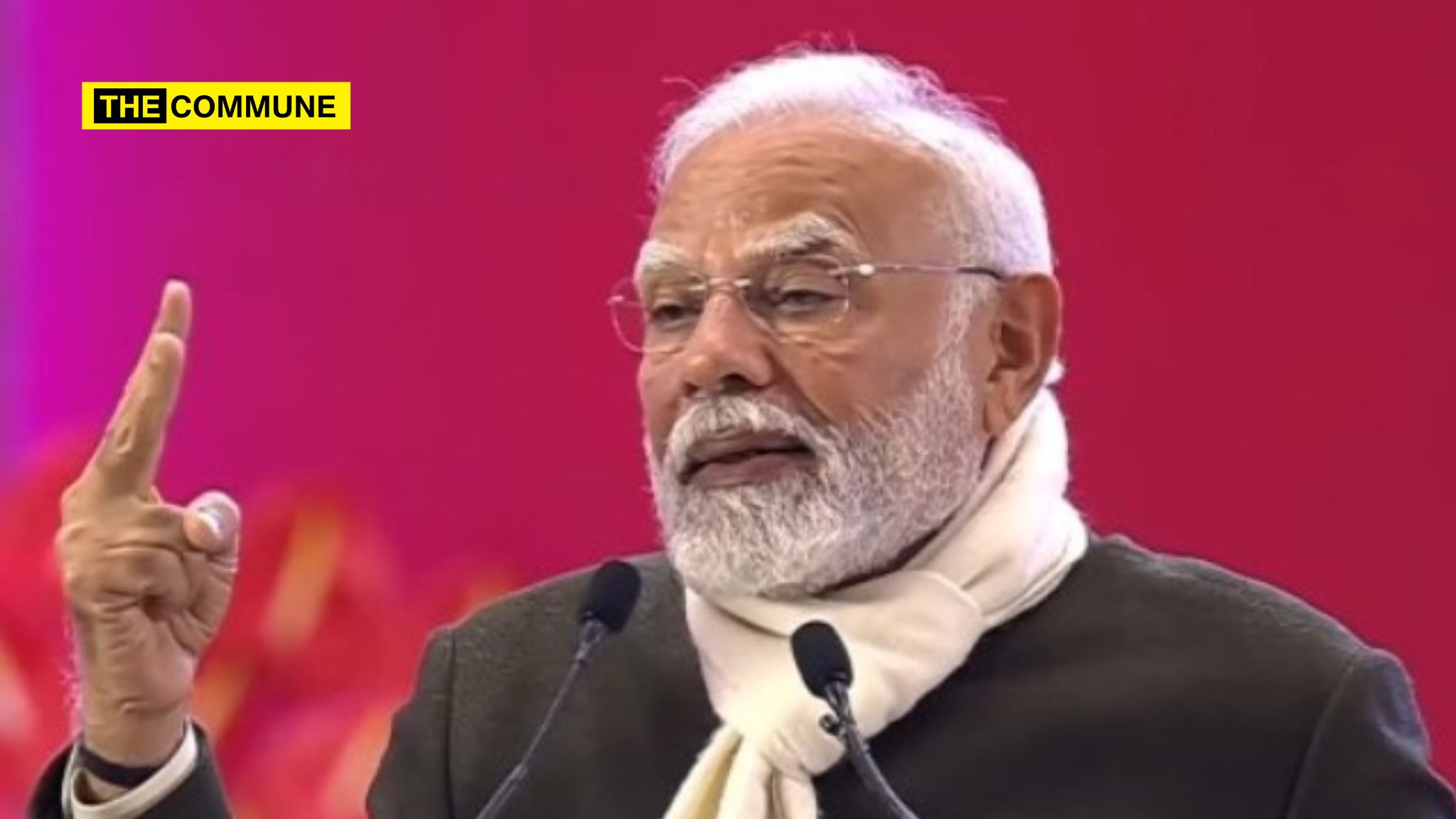
Prime Minister Narendra Modi called upon Indian youth on Sunday to step out of their comfort zones and embrace risks to achieve the vision of a ‘Viksit Bharat‘ by 2047. Addressing the Viksit Bharat Young Leaders Dialogue at Bharat Mandapam in New Delhi on the occasion of National Youth Day, PM Modi highlighted the pivotal role of youth in shaping the nation’s future.

The Prime Minister emphasised the economic growth trajectory, noting, “We are rapidly moving toward a $5 trillion economy. Once we achieve this, the scale of development will be extraordinary, and the expansion of facilities will be immense. But India will not stop here. By the end of the next decade, we will surpass the $10 trillion economy mark.” He warned against complacency, urging the youth to step out of their comfort zones. “We must avoid getting used to our comfort zone. Comfort zones can be dangerous. Progress requires taking risks and pushing boundaries. The youth participating in this dialogue have already demonstrated this by stepping out of their comfort zones to be here. This life mantra will take you to new heights of success,” PM Modi said.

“Many of the world’s largest companies are being run by Indian youth. The entire world admires the potential of Indian youth. We have a 25-year golden period, an Amrit Kaal, and I am fully confident that India’s Yuva Shakti will make India a developed nation,” he said. He praised the achievements of the younger generation over the past decade, stating, “In just 10 years, you have propelled India to become one of the top three startup ecosystems globally, advanced India in the manufacturing sector, popularised the Digital India initiative worldwide, and made significant strides in sports. If India’s youth can make the impossible possible, they will undoubtedly make Viksit Bharat a reality.”

The Prime Minister reaffirmed the government’s commitment to empowering youth, emphasising efforts to expand educational infrastructure. “Every week, a new university is being established in India. Every day, a new ITI is being set up. Every third day, a new Atal Tinkering Lab is being opened. Additionally, two new colleges are being established daily. Today, there are 23 IITs in the country. In just one decade, the number of IIITs has increased from nine to 25, while the number of IIMs has risen from 13 to 21. The number of AIIMS has tripled, and medical colleges have nearly doubled,” he said.

He also pointed to the growing global recognition of India’s educational institutions. “Until 2014, only nine Indian higher education institutions were in the QS rankings. Today, this number has risen to 46. The strength of India’s educational institutions forms a critical foundation for a Viksit Bharat,” the Prime Minister said. Outlining ambitious targets for the nation, PM Modi stated, “We must set new goals every day and achieve them. The day is not far when India will become the third-largest economy in the world. Over the last decade, 25 crore people have been lifted out of poverty. At this pace, the day is not far when India will eradicate poverty entirely.”

He added that India has set a target of generating 500 gigawatts of renewable energy by the end of the decade, achieving net-zero carbon emissions for railways by 2030, and establishing a space station by 2035. “We are also working towards organising the Olympics in the next decade. India is advancing rapidly as a space power and is on track to meet these milestones,” he said. PM Modi also expressed confidence in the Indian youth, stating that they are collectively charting the roadmap for India’s future over the next 25 years and will achieve the vision of a ‘Viksit Bharat’ by 2047. On the occasion of National Youth Day, celebrated to honour Swami Vivekananda’s birth anniversary, PM Modi said, “Swami Vivekananda had immense trust in the youth of the nation. He believed in the new generation, and I share the same unwavering belief in today’s youth. If Swami Vivekananda were with us today, he would be inspired by the serious efforts of our youth, filling India with renewed trust and dreams.”

The Prime Minister highlighted the significance of the venue, saying, “In this very Bharat Mandapam, world leaders gathered to discuss global development. Today, my young leaders are shaping the roadmap for India’s next 25 years.” Mentioning that India is one of the youngest nations in the world, PM Modi reiterated his call to bring one lakh young people into politics, envisioning it as a medium to implement transformative ideas.

Earlier, the Prime Minister visited an exhibition where 3,000 young leaders showcased their innovative contributions, aligning their efforts with the vision of a “Viksit Bharat 2047.” The exhibits highlighted advancements in digital technologies, virtual innovations, and sustainable development goals, reflecting a collective aim for a strong, healthy, and prosperous India. The event marked a historic convergence of youth leadership and innovation, reaffirming the government’s commitment to empowering a future-ready generation.

–IANS

Subscribe to our channels on TelegramWhatsApp, and Instagram and get the best stories of the day delivered to you personally.

TN Guv Responds To Stalin’s ‘Childish’ Jibe, Says CM’s ‘Arrogance’ Not Good

TN Guv Responds To Stalin’s ‘Childish’ Jibe, Says CM’s ‘Arrogance’ Not Good

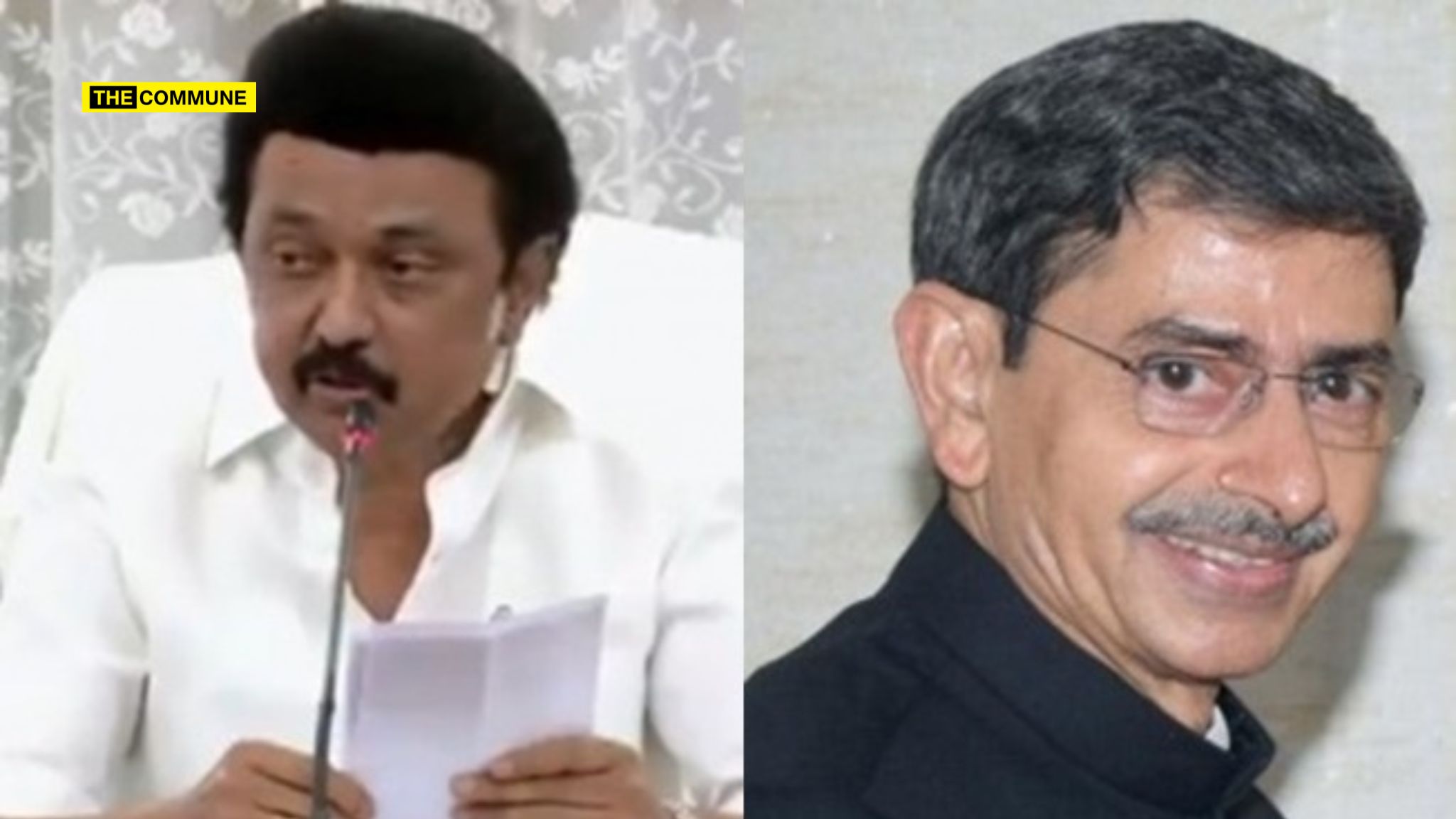
On Sunday, Tamil Nadu Governor RN Ravi criticised Chief Minister MK Stalin over his ‘childish’ jibe, saying the latter’s arrogance was inappropriate. In a post on the social media platform X, the Tamil Nadu Raj Bhavan said: “Stalin asserts that insisting on due respect for the National Anthem and performing the fundamental duties enshrined in the Constitution is ‘absurd’ and ‘childish.’ Thanks for betraying the true intentions of the coalition of interests and ideologies to which he is a leader that does not accept or respect Bharat as a nation and Her Constitution.” “Such arrogance is not good. Please do not forget that Bharat is the supreme Mother, and the Constitution is the supreme faith for her children. They will not like or tolerate such brazen insults,” Governor R.N. Ravi added.

The Governor’s response came a day after Chief Minister Stalin criticised him, calling his decision to skip the customary Assembly address “childish.” The controversy began on January 6 when Governor Ravi left the Tamil Nadu Assembly without delivering the customary inaugural address. According to the Raj Bhavan, the Governor left “in deep anguish” because the National Anthem was not played.

In his rebuttal during the debate on the motion of thanks to the Governor’s address, Stalin alleged that Ravi’s actions stemmed from his inability to “digest” Tamil Nadu’s progress. He remarked: “The Tamil Nadu Assembly has been witnessing strange scenes ever since Ravi assumed office as Governor. In 2022, he delivered his address without altering the speech, but in the following years, he avoided the customary address, citing absurd reasons.” Stalin stated, “I may be an ordinary person, but this Legislative Assembly came into existence because of the aspirations of crores of people. I believe the Governor cannot tolerate the state’s development.”

–IANS

Subscribe to our channels on TelegramWhatsApp, and Instagram and get the best stories of the day delivered to you personally.

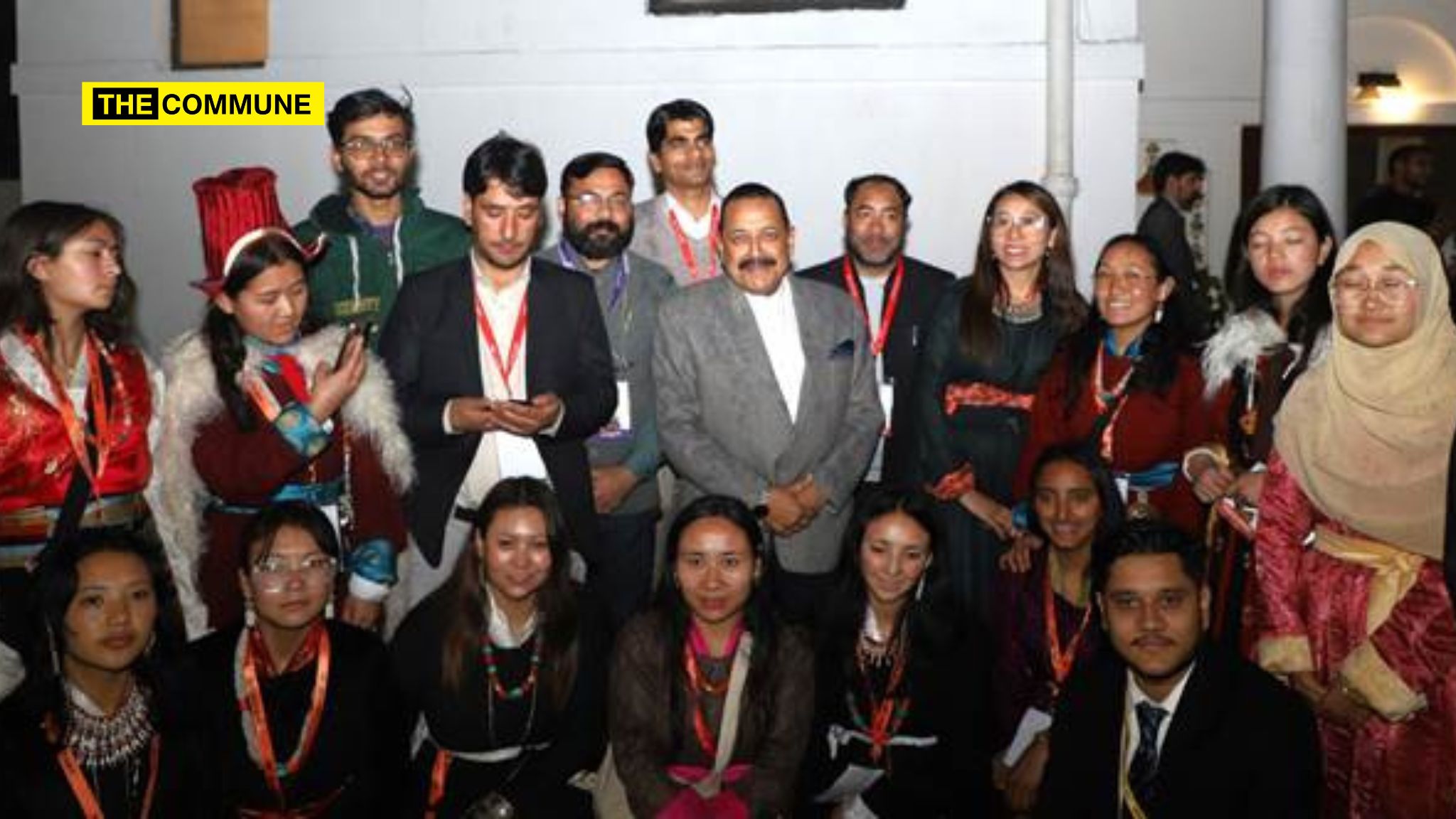
Youth Must Transform Ideas Into Reality For A Viksit Bharat: Jitendra Singh

Youth Must Transform Ideas Into Reality For A Viksit Bharat: Jitendra Singh

Youth must transform ideas into reality for Viksit Bharat, said Union Minister of State (Independent Charge) for Science and Technology Jitendra Singh on Sunday. He was speaking at a dinner hosted for around 100 students from Jammu & Kashmir and Ladakh on the sidelines of the ongoing “National Youth Festival 2025”, organised by the Ministry of Youth Affairs and Sports. “Programmes like the National Youth Festival 2025 provide young individuals with an unparalleled national platform to channel their creativity, aspirations, and energy into tangible contributions toward a developed India,” said Singh.

Underscoring the importance of youth-driven initiatives in shaping India’s developmental journey, the MoS called upon youth in the state to explore regional resources for livelihood and startup opportunities. “The involvement of youth from these regions is a testament to their eagerness to contribute to India’s growth story. Your ideas and actions have the potential to bring about transformative changes not only for your communities but for the entire nation,” Singh said.

He also highlighted several initiatives undertaken by the Ministry of Science and Technology to foster innovation and entrepreneurship among youth. Singh emphasised how these programmes have catalysed the growth of startups, particularly in Jammu & Kashmir, where young entrepreneurs have ventured into fields like lavender cultivation under the Aroma Mission. The MoS urged the youth to explore opportunities in areas such as biotechnology, agritech, and renewable energy, while assuring the students that the Ministry of Science and Technology would provide them with full support.

“Focus on harnessing innovation and technology to address pressing challenges and use their participation in the festival as an opportunity to engage with diverse perspectives from across the country,” the Minister said. The “National Youth Festival 2025”, being held in New Delhi from January 10-12, celebrates the energy and potential of India’s youth. It serves as a vibrant forum for young leaders to voice their ideas, collaborate on solutions for national development, and align with India’s collective vision of progress.

–IANS

Subscribe to our channels on TelegramWhatsApp, and Instagram and get the best stories of the day delivered to you personally.

EVR’s Gems About Muslims

EVR and his Gems About Muslims

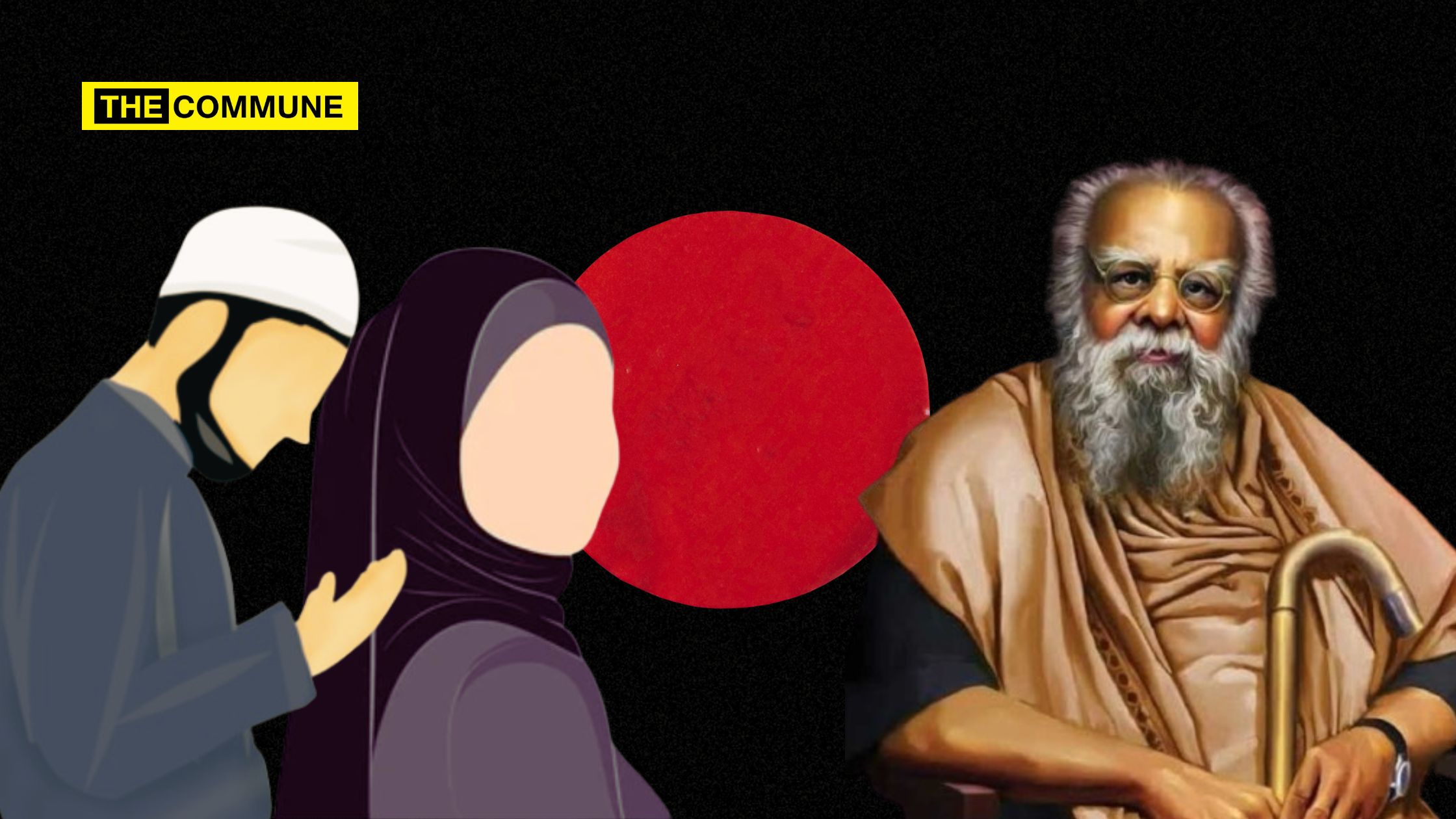
Islamists and Muslim-Dravidianist parties in Tamil Nadu celebrate EV Ramasamy Naicker (or EVR, hailed as ‘Periyar’ by his followers) as if he was one of their own. That’s because EVR proposed the idea of “Dravidian Islam,” suggesting that the Muslims of Tamil Nadu were racially Dravidian and part of the broader ‘Dravidian’ identity. He argued that Islam’s egalitarian principles could harmonize with the Dravidian movement’s fight against caste (read Hindus particularly Brahmins). In early 1947, EVR wrote in Kudiyarasu that “Islam was the antidote to untouchability” and encouraged socially disadvantaged Hindu communities to consider embracing Islam to break free from the shackles of caste oppression.

As reported in Viduthalai, EVR reassured his audience at a meeting in Perambur (Mayavaram) in January 1948, saying, “Whether Muslims support us today or oppose us, let me assure you that when Dravida Nadu achieves self-governance, it will not retaliate against Muslims because the Dravidar Kazhagam firmly believes that the Muslims of this country are racially Dravidians.

EVR had indeed spoken in favour of Islam while ridiculing and abusing the Hindu faith. However, this change of tone towards Islam came after he got proper treatment from the Islamists of those days.

According to prominent Chennai-based academic Kombai S Anwar, Tamil Muslim reformers like P. Dawood Shah, the first man to translate Quran into Tamil with commentaries, was wary of EVR’s atheism.

Dar-ul-Islam, a Tamil publication run by Dawood Shah, criticized the notion of Dravidian race politics and warned against elevating the Tirukkural to the status of a Holy Book or viewing Tiruvalluvar as a Prophet in a Dravida Nadu. In Aiyampettai, a small town in the Thanjavur District, the local jamaat went as far as excommunicating all Muslim members associated with the Self-Respect Movement.

EVR expected Muslims in the Madras Presidency to join his outfit, Dravida Kazhagam, by supporting Jinnah’s call for a separate Pakistan. But the Muslims were clear that their religion came above the Dravidian race. They went behind the Muslim League, and Jinnah showed the finger to EVR’s call for Dravidastan.

Examining E.V.R.’s primary writings and speeches is essential to gaining a deeper understanding of how he perceived Muslims. Here are some excerpts.

Pitting Non-Brahmins Against Muslims & Brahmins

EVR harbored strong animosity toward minorities, particularly Muslims, and expressed his views openly. In a 1962 article, he declared that the nation would be doomed if it continued to support minorities. He vehemently attacked Muslims, blaming them for literally every issue, and worked to rally the non-Brahmin community against both Muslims and Hindu Brahmins by spreading hatred.

In Part 1 of Thoughts of Periyar EVR Vol I – Anaimuthu, 1974, under the title “Minority Society” (Refer Page. No. 46-48), EVR elaborates in an editorial for Viduthalai magazine, dated 6 March 1962, stating, “According to national characteristics, if a minority community, minority religion, or minority culture has dominance or influence in any country, it can be detrimental to the welfare and general development of that country. This country has been oppressed by the minority communities like Brahmins and Muslims due to the foreign rule, the Congress, and the present government, which has shown them justice or special privileges, moreover due to their influence, considering them to be an intelligent, talented and capable community and giving them space for domination, the country has not developed and the majority (natural majority of the country) people have not acquired human nature. I emphasize that this is the reason for the current state of Tamil Nadu in particular. It is my strong opinion that Tamil Nadu is still an unfree and slave country. I know that the majority of the society in this country will not accept this. The reason is that Tamils ​​do not know what freedom is. Because the Tamils ​​were divided into many groups and used to give and do anything, if we want to say that there has been any change in this nature, it has been insisted on thinking about this only after 1900 years.” 

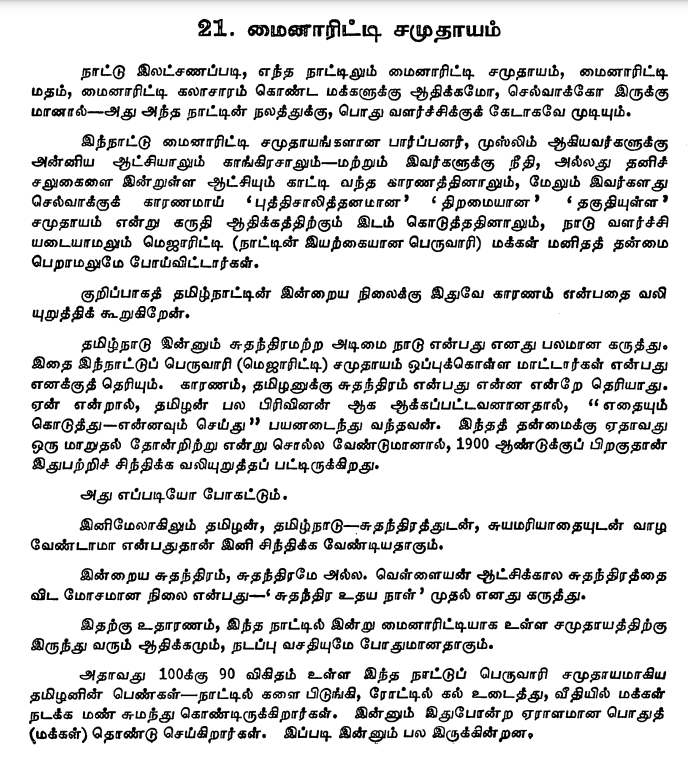
He continued, “Let it be. What we need to think about now is, ‘Shouldn’t Tamils ​​live in Tamil Nadu with freedom and self-respect from now on?’. Today’s freedom is not freedom at all. My opinion since the day of independence is that the situation is worse than the freedom we had during the British rule. An example of this is the past, present, and future comfort and influence of the minority community in this country. The women of the Tamil community, who form the majority making up of 90 percent in this country, are often performing hard labor, such as weeding, breaking stones on the road, and carrying dirt to make pathways for others. In addition to this, they contribute greatly to public service and perform more like this. The 3% Paapan (slur for Brahmin popularized by EVR) population lives a high life without doing any work for the public good, telling us, “go away!” ‘Do not touch me.” Similarly Muslims who comprise just 6% without doing any physical labour, take a stance that our men’s gaze shouldn’t fall on their women, with even the women of a beggar’s house living in this country as per ‘gosha’ (pardah) without working. In the same situation, the Tamil men and women of this country are domestic servants and maids. First, which Tamil realizes how humiliating and dishonoring is the stance taken by this two-class status of people in this country. That is their religious principle! Religious customs! – If you think about who in the country, among whom, whose religious principle, whose religious customs, and who is being humiliated in this situation, the level of freedom and self-respect of the Tamils ​​will be clear.”


He then declared, “The privileges and rights given to minorities only give birth to children is a “betrayal– blatant betrayal”. This is a natural characteristic. (Or fate) That is why the irresponsible people of our Tamil Nadu dare to do anything by using the support of such minorities for their selfish and anti-social activities. These traitor minorities are also waiting to be used by such irresponsible social traitors. As long as Tamil Nadu remains a country in the Indian Union, Tamil Nadu will only suffer this fate. Tamil Nadu politicians have become more position-money lovers, so this truth is not acceptable to them. We  feared the Brahmin and gave more space to the Muslims. We are enjoying its fruits today. This has become a proverb that fearing to trample on dung, we stepped on shit. Why am I saying this? Paapan has a reason to betray. That is, his lies and frauds, high-low life is getting exposed. What reason do Muslims have to betray? They should release it and satisfy the people. Only then, they will desire to leave the treacherous crowd. The reason for writing so much is to explain that leaving minorities in the dominion and giving them special privileges is detrimental to Tamil Nadu and the Tamil majority society. Everyone knows that I am a humanist and that I express my views openly and without any veil of secrecy.”
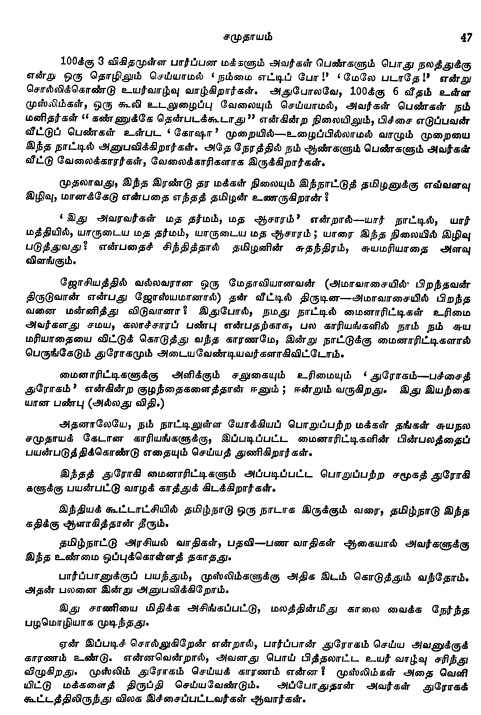
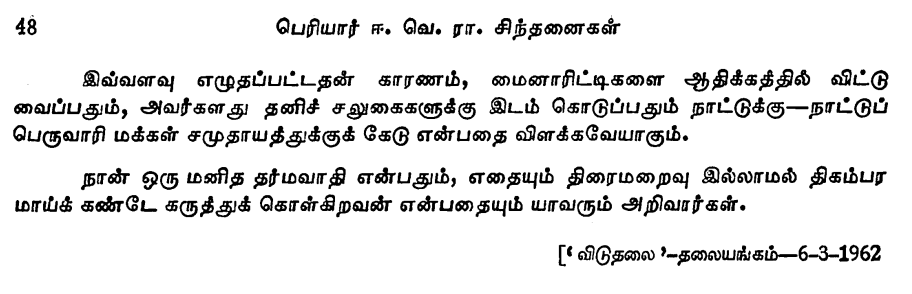
This editorial reflects EVR’s deeply divisive rhetoric, in which he not only targeted Muslims but also sought to create further divisions in society by pitting non-Brahmin communities against both Muslims and Brahmin Hindus.

1857 Revolt – Ridiculing Muslims As ‘Tulukan’

EVR dismissed the 1857 revolt, which is widely regarded as India’s first struggle against British imperialism, by claiming it was a movement driven by Brahmins, Vaishya Maratha kings, landlords, and wealthy Muslims. According to EVR, these groups particularly Muslims sparked the rebellion because the British were taking their lands and instituting reforms, including the spread of Western civilization, which alarmed conservative and religious factions. He contended that the infamous story of the greased cartridges used in Enfield rifles was a fabricated excuse, invented to mask the real issue: these groups feared losing their caste and status if Indian soldiers were required to serve overseas. EVR argued that the disturbances of the time, including the rebellion, were rooted in the resistance of these elites to losing their power and privileges.

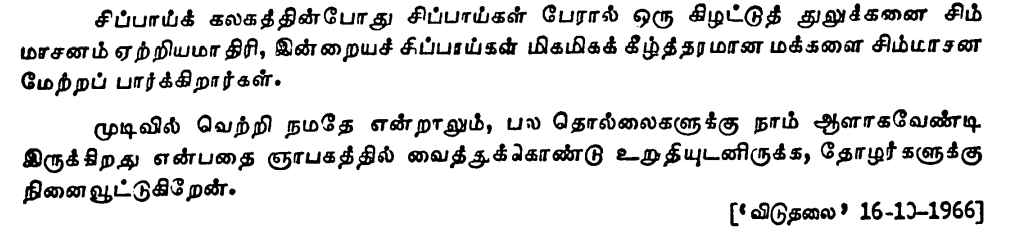
In Thoughts of Periyar EVR Vol II – Anaimuthu, 1974, under the title, “What is Happening Today is Also a Continuation of the Sepoy Revolt,” (Refer Page. No. 844-846) EVR elaborates in an editorial for Viduthalai magazine dated, 16 October 1966 stating, “What is happening in India today is like the ‘Sepoy Mutiny’ of 1857. The Sepoy Mutiny was an anti-reform riot by the commoners instigated by Brahmins due to the reforms made by the whites. There was not even political reason behind the revolt. How the Paapan, Wealthy, Muslims are buttressing today’s political revolt from behind, like the same way Paapan, selfish Vaidic Maratha Kings, Zamindars and Muslims were responsible for the revolt during that period.”
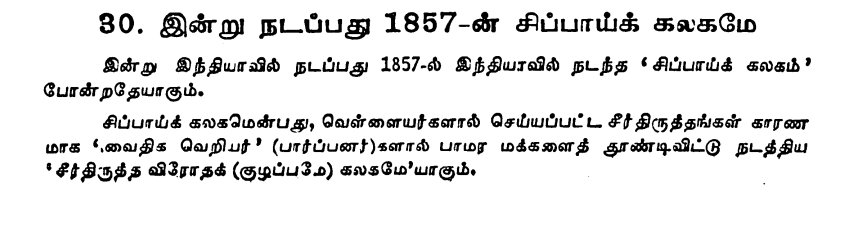
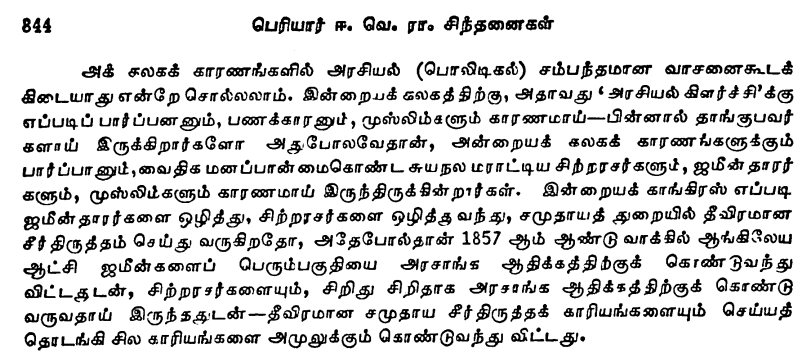
In the same article, EVR used a derogatory term, referring to Muslims as “Thulukan,” and stated, “Just as during the Sepoy Mutiny, the Sepoys in war elevated an old Muslim (Kilatu Thulukan) to the throne, today’s Sepoys are trying to elevate the lowest of the low to the throne.”
Minorities Are Non-Tamils

He referred to Christians and Muslims in Tamil Nadu as “non-Tamils,” stating, “In Tamil Nadu’s population, Brahmins make up 2.75%, Christians around 4%, Muslims approximately 5%, Malayalis about 8%, and people from Karnataka roughly 5%. When you combine these groups, they account for 25% of the population. Yet, these ‘non-Tamils’ occupy 75% of the top positions in employment. The suffering of Tamils, he argued, is due to the fact that Brahmins, Christians, Muslims, and others falsely claim to be Tamils.”

Critique of Purdah And Muslim Clergy In Kudi Arasu

E.V. Ramasamy’s journal, Kudi Arasu, on October 14, 1928, published an essay titled “Why Purdah Must Be Abolished,” sparking significant debate. A year later, on November 4, 1929, M.S. Hussain Saheb contributed another essay to Kudi Arasu, titled “The Injustice of Purdah.” In it, he argued:

“Men and women must be allowed to see each other freely and intermingle so that they may wed based on mutual attraction and understanding. Can a man have any greater pleasure than a wife of his heart’s desire? Why must we hide our women behind a visual prison in the name of religion?”

Earlier that same year, on March 3, 1929, Kudi Arasu published another essay, “Islam and the Self-Respect Movement,” where it sharply criticized religious clergy. The article condemned them as “Pauranika liars” who, according to the publication, misled young Muslims and diverted them from rational thought and the ability to make enlightened, independent choices.

Birthday Message – Four Enemies: Paapan (Brahmins), Low Man Among Us, Muslim And Christians

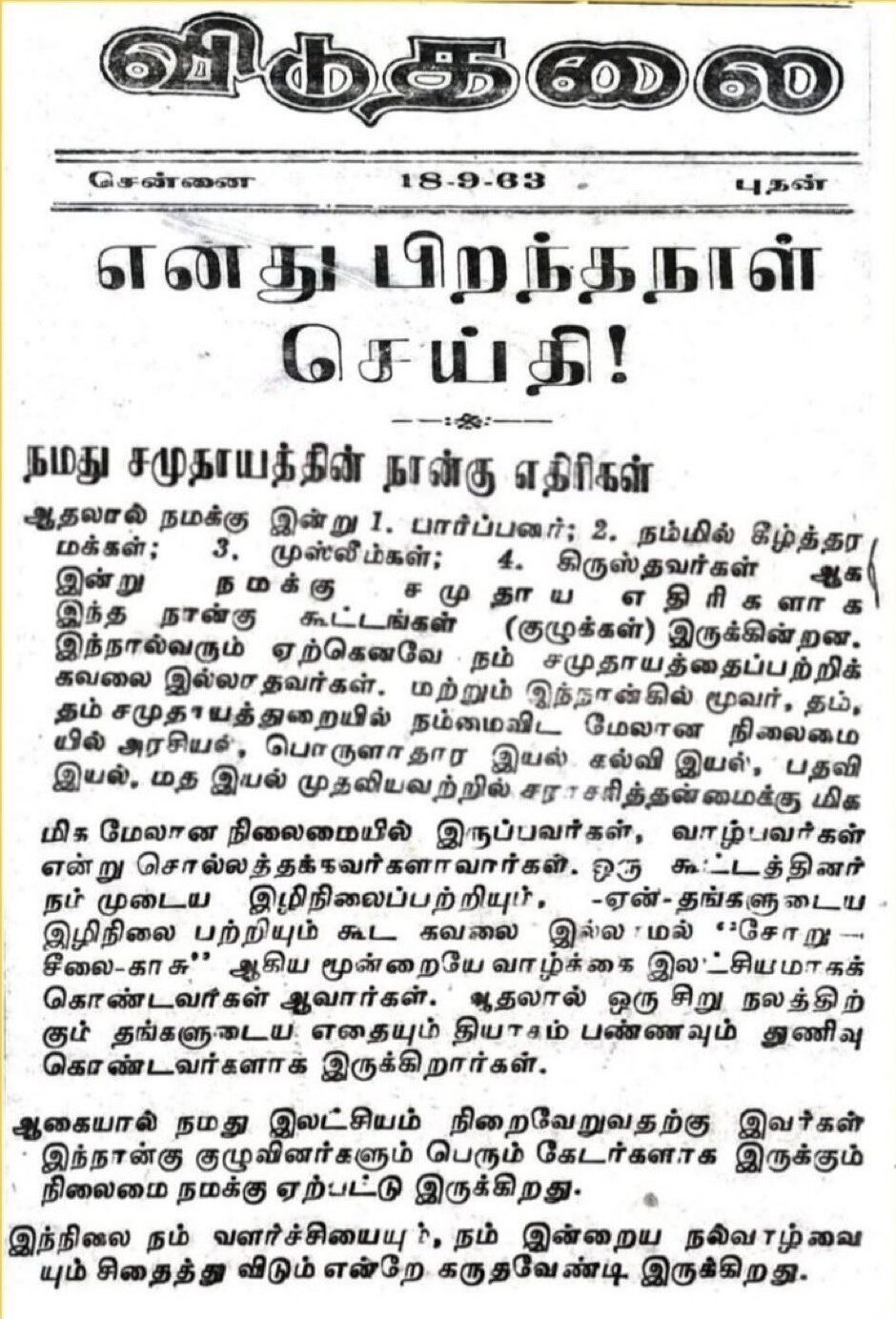
This could not be independently verified from the primary source but in a birthday message published in the Viduthalai magazine on 18 September 1963, EVR declared that the Tamil society had four enemies: the Paapan (Brahmins), the lowly among us, Muslims, and Christians. Titled “Our Society Has Four Enemies,” the message read, “Today, these four groups—Paapan (Brahmins), the lowly among us, Muslims, and Christians—are the societal enemies for us. These four groups already do not care about our society. Among them, three already live in a higher status than us in the society over politics, economy, education, positions, and religion. Another group, which doesn’t think of our disgrace, even your disdain, only focuses on ‘food, saree, and money’ as their life goals. So, they are willing to sacrifice even for a single thing. A situation has emerged where these four groups have become major obstacles in our pursuit of our goal. It is inevitable that this situation may destroy our development and our current well-being.

EVR’s legacy, when examined critically, reflects a deeply contradictory figure whose so-called advocacy for minorities masked an agenda riddled with prejudice and opportunism. Far from being a unifying force, his rhetoric often exacerbated divisions and perpetuated stereotypes. The celebration of such a figure by contemporary political factions highlights a troubling willingness to overlook his deeply problematic views in favor of a selective and misleading narrative. Far from being a champion of unity or progress, EVR’s vision was steeped in exclusion and antagonism, making his veneration by any community a questionable and paradoxical choice.

Subscribe to our channels on Telegram, WhatsApp, and Instagram and get the best stories of the day delivered to you personally.

How Ram Mandir Pran Prathishta Has Changed The Fortunes Of Ayodhya

How Ram Mandir Pran Prathishta Has Changed The Fortunes Of Ayodhya

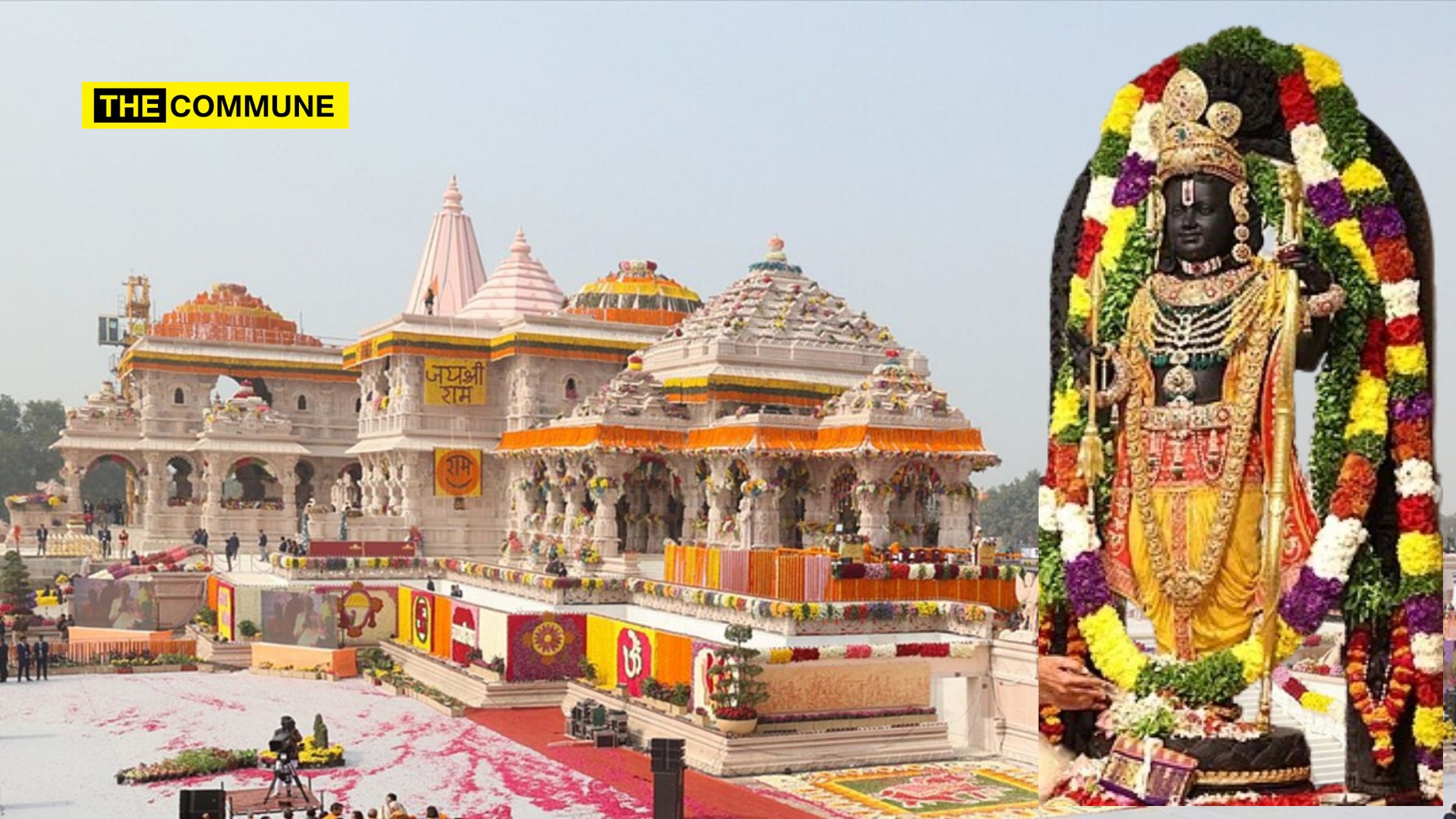
The consecration ceremony (Pran Prathishta) of the Ram Mandir in Ayodhya on January 22, 2024, marked the beginning of a transformative chapter for the temple and the city.

This sacred event, a blend of faith, tradition, and renewal, has triggered profound changes in Ayodhya’s socio-economic landscape. Here are ten standout developments that have emerged since this landmark occasion:

1. Tourism In Ayodhya Reaches New Heights By December 20, 2024, the Uttar Pradesh Tourism Department reported a staggering influx of visitors to Ayodhya: 135.5 million domestic tourists and 3,153 international visitors. For perspective, Varanasi recorded 62 million domestic tourists and 184,000 international visitors, while Mathura attracted 68 million visitors, including 87,229 from abroad. This tourism surge has positioned Ayodhya as a major spiritual destination on the global map.

2. Unprecedented GST Growth Ayodhya’s GST collections soared to ₹1798.22 crore in the fiscal year 2023-24, a significant leap from ₹990.14 crore in 2021-22 and ₹1322.06 crore in 2022-23. With over 69,656 traders contributing, this milestone highlights the city’s growing economic vibrancy.

3. Rural Economy Gets A Festive Boost The demand for clay diyas during Diwali provided a major boost to Ayodhya’s rural economy. Over 3.73 lakh families purchased an average of 151 diyas each, leading to a total demand of more than 5.64 crore diyas, valued at ₹5.64 crore. Programs like the Matikala Rojgar Yojana, which equipped potters with electric wheels and subsidized loans, further strengthened this sector.

4. Ayodhya’s GDP Witnesses A Rise Employment generated by the Shri Ram Janmabhoomi Tirtha Kshetra Trust, which hired 1,000 individuals with benefits like provident fund and gratuity, contributed to a 2% increase in Ayodhya’s GDP. This reflects the broader economic revival sparked by the temple’s development.

5. Enhanced Earnings for Local Vendors Small shopkeepers near the temple have experienced a significant increase in daily earnings, ranging from ₹500 to ₹1,500. Vendors selling items like Ram Lalla photos, lockets, and prasad have thrived, while new markets along the Dantdhavan Kund road have further boosted local commerce.

6. Job Creation Across Multiple Sectors Ayodhya has seen over 36,000 new job opportunities in industries such as manufacturing, engineering, telecom, healthcare, construction, and IT. Companies like Insta Human Management Private Limited and Suzlon Energy have actively contributed to this employment boom.

7. Increased Demand for Tourist Guides The growing number of visitors has created a strong demand for knowledgeable tourist guides. In response, Avadh University launched short-term certificate and diploma courses in partnership with the Ayodhya Municipal Corporation, including programs on heritage tourism and essential oil extraction.

8. Boom in Hospitality Infrastructure Since the consecration ceremony, more than 150 new hotels and homestays have sprung up near the temple. The hospitality sector has seen a surge in demand, with luxury rooms ranging from ₹7,000 to ₹20,000 becoming widely available, further enhancing Ayodhya’s appeal as a tourist hotspot.

9. Soaring Property Values Real estate prices in Ayodhya have skyrocketed, with property rates increasing five to seven times across the city and tenfold near the temple. This surge is a testament to the city’s growing prominence and its ripple effect on the state’s overall GDP.

10. Job Growth in Tourism and Hospitality The hospitality, travel, and tourism sectors created over 20,000 jobs ahead of the Pran Pratishtha ceremony. From hotel staff to logistics managers, this industry continues to flourish, with many more opportunities expected in the future.

The Pran Pratishtha of the Ram Mandir has not only reaffirmed Ayodhya’s spiritual significance but also turned it into a hub of economic activity.

Subscribe to our channels on TelegramWhatsApp, and Instagram and get the best stories of the day delivered to you personally.