Home Blog Page 424

Dravidian Model: SC Woman Sanitation Worker In Sriperumbudur Humiliated By Supervisor For Refusing To Handle Human Feces; Files Complaint Seeking Justice
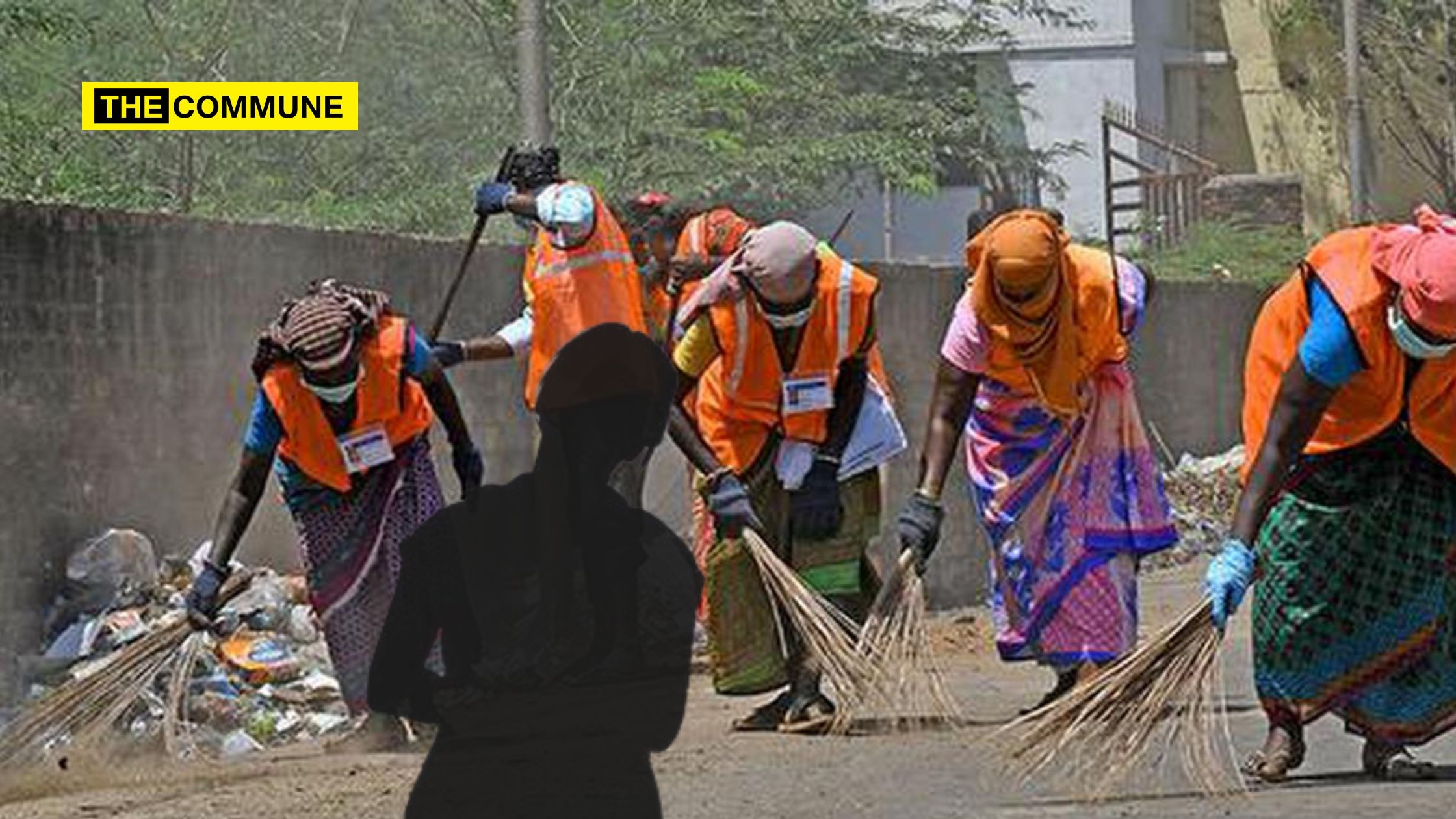
A Scheduled Caste woman sanitation worker was humiliated for refusing to remove human feces manually in Sriperumbudur

The community was shocked by the incident involving a Scheduled Caste woman sanitation worker who was reportedly humiliated for refusing to remove human feces in Sriperumbudur Panchayat.

Geja, a widow from Sriperumbudur who has worked as a full-time sanitation worker for 25 years in Kanchipuram district, faced an unsettling situation recently. According to her account, her supervisor, Sekkizhar, instructed her to remove human waste from a public area. Geja refused, stating that her job was to collect garbage, not to handle human feces. In response, Sekkizhar allegedly issued her a memo, accusing her of insubordination. As Geja is illiterate, the clerk had her sign the document without fully understanding its contents. Geja has now filed a complaint, accusing her supervisor of unfair treatment and seeking justice for the humiliation she endured.

In a formal complaint letter submitted to the police, Geja recounted the events that led to her mistreatment. She explained, “I was instructed to come to work that afternoon on 22 January 2025, as there was an inspection scheduled with the Collector and other officials. I arrived at 2:00 pm, along with five others, to clean the crematorium in Ward 4 of Sriperumbudur. We traveled by tractor and began cleaning the area. While we cleared the garbage from the crematorium, we encountered dried human excrement outside the premises, as well as wet human waste, which we found disgusting to touch but cleared the dried ones and decided not to handle the other. At this point,  Sekkizhar, a 57-year-old employee of Sriperumbudur Panchayat, arrived. He instructed the driver to turn the cart around, claiming we weren’t working properly. Then, he made inappropriate remarks, asking, ‘Have you come to pick hair?’ After driving a short distance, he asked, ‘Why haven’t we pick the feces,’ and I told him that we were there to collect garbage , not to pick feces. He responded with disrespectful words that made me uncomfortable, asking, ‘To S*ck whose c*ck are you here for?'” Later, Sekkizhar made several offensive comments, which depressed me. On 24 January 2025 he also had me sign a document, but I couldn’t read it as I am illiterate. When I returned home and showed the document to my family, I discovered that it falsely claimed I had failed to do my work and prevented other workers from doing theirs. I was devastated to see such accusations, especially considering that I had been subjected to this humiliation despite my long years of service. What was even more upsetting was that, at my age, I was treated with such disrespect. Sekkizhar is not a sanitation supervisor but has been working in the sanitation department for years. His actions were not only unfair but also deeply demeaning. This experience has left me feeling deeply hurt and disrespected.”

Subscribe to our channels on TelegramWhatsApp, and Instagram and get the best stories of the day delivered to you personally.

Vijay Is After Seeman’s Voters, Seeman Is After Untapped BJP Voters, Tamil Nadu BJP Should Be Careful

Vijay Is After Seeman's Voters, Seeman Is After Untapped BJP Voters, Tamil Nadu BJP Should Be Careful

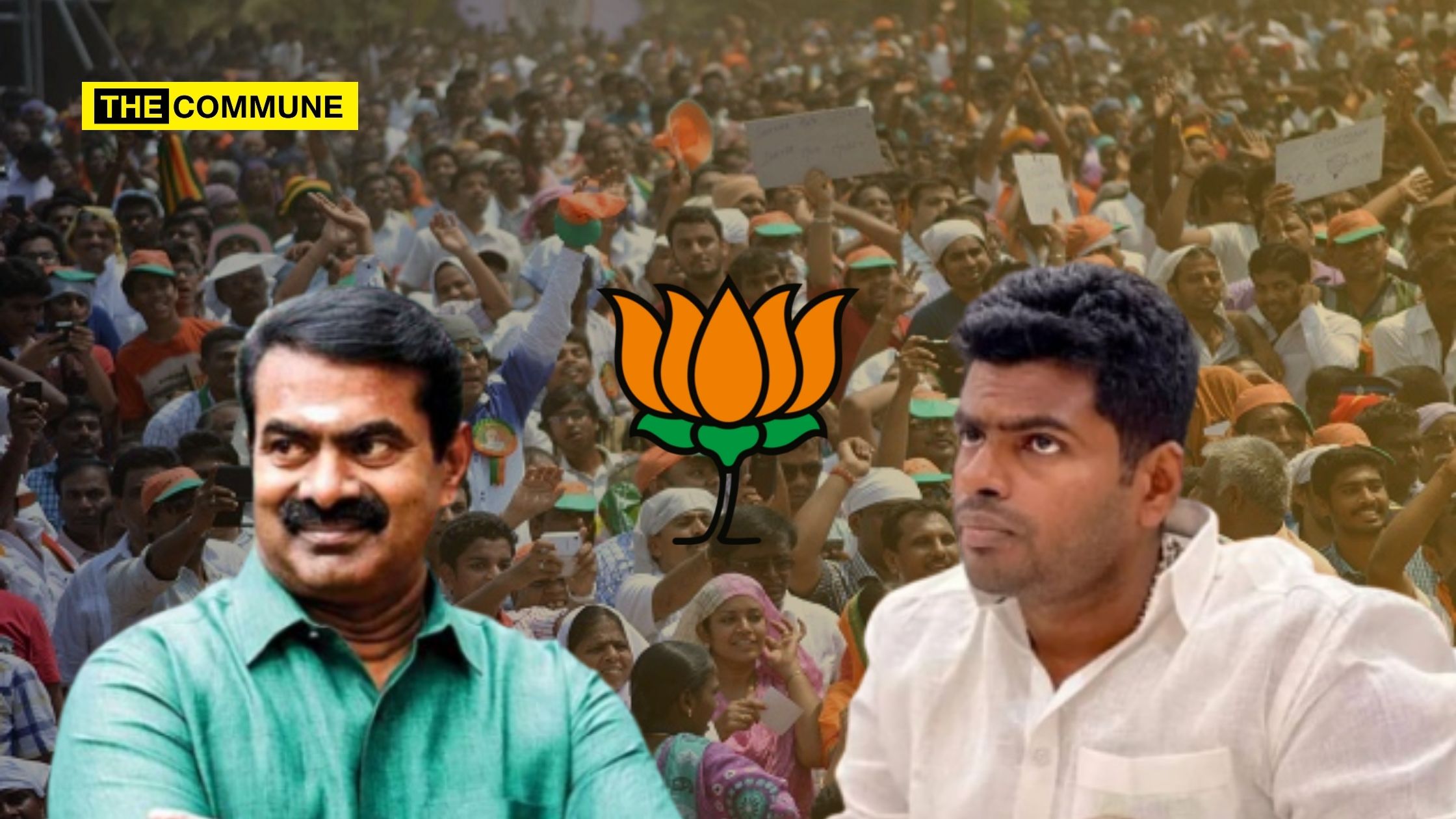
After Tamilaga Vettri Kazhagam head Vijay’s first political public meeting, Naam Tamilar Katchi head Seeman seems to have realized that Vijay could erode his voters base. Anticipating a loss of his support base to Vijay, Seeman has shifted his strategy to target BJP’s support base instead.

His early steps in this new direction seem effective, while the Tamil Nadu BJP continues to be clueless with its usual lack of strategy. Seeman’s new approach seems aimed at attracting BJP’s voter base while ensuring he stays true to his core ideology.

Many argue that Seeman cannot attract BJP’s core Hindutva voters, and that’s absolutely true. However, the real issue lies elsewhere. Not all of the 11% vote share BJP secured in 2024 consists of core Hindutva supporters.

A significant portion includes voters who are anti-Dravidian but not necessarily pro-Hindutva, as well as neutral, non-ideological voters who saw BJP as an alternative to the Dravidian parties. Seeman is attracting this segment of voters.

There’s another crucial aspect to consider. While BJP’s vote share grew to 11% in 2024, the overall vote share of the BJP-led alliance has remained stagnant at 18%, which was also the same in 2014. This suggests that the vote for Modi as Prime Minister, without a Dravidian party alliance, has not expanded in Tamil Nadu over the past 10 years.

However, the alliance’s potential reach is much larger. There are untapped voters who could vote for BJP but haven’t yet, and Seeman’s current political strategy is making it harder for BJP to access these voters, as Seeman is also targeting this segment. BJP’s potential vote base isn’t limited to those who have already voted for the party in previous elections.

It also includes those who have been influenced by BJP’s political narratives and could become future voters. If, with just 11% of the vote share, the party or its supporters believe that “Seeman won’t impact our party,” and dismiss any concerns, it reflects a lack of ambition. It shows no real intent to expand to new voters and win the state, instead being satisfied with the current vote share.

Such complacency is also a sign of overconfidence, as they assume that BJP’s vote base is untouchable. For any party to grow, it must reach new voters, but BJP’s lack of a clear strategy for Tamil Nadu (both at the state and Central level) remains a major obstacle to expand their base.

As things stand, it would be good if the BJP at least manages to retain its 2024 vote share in the upcoming 2026 elections.

Saiganesh is a political commentator and the founder of Desiyasiragugal YouTube channel.

Subscribe to our channels on Telegram, WhatsApp, and Instagram and get the best stories of the day delivered to you personally.
“Why Should A Woman Be Chaste?” Bad Girl’s Woke Director Varsha Bharath Asks

Why Should A Woman Be Chaste?, Bad Girl's Woke Director Varsha Bharath Asks

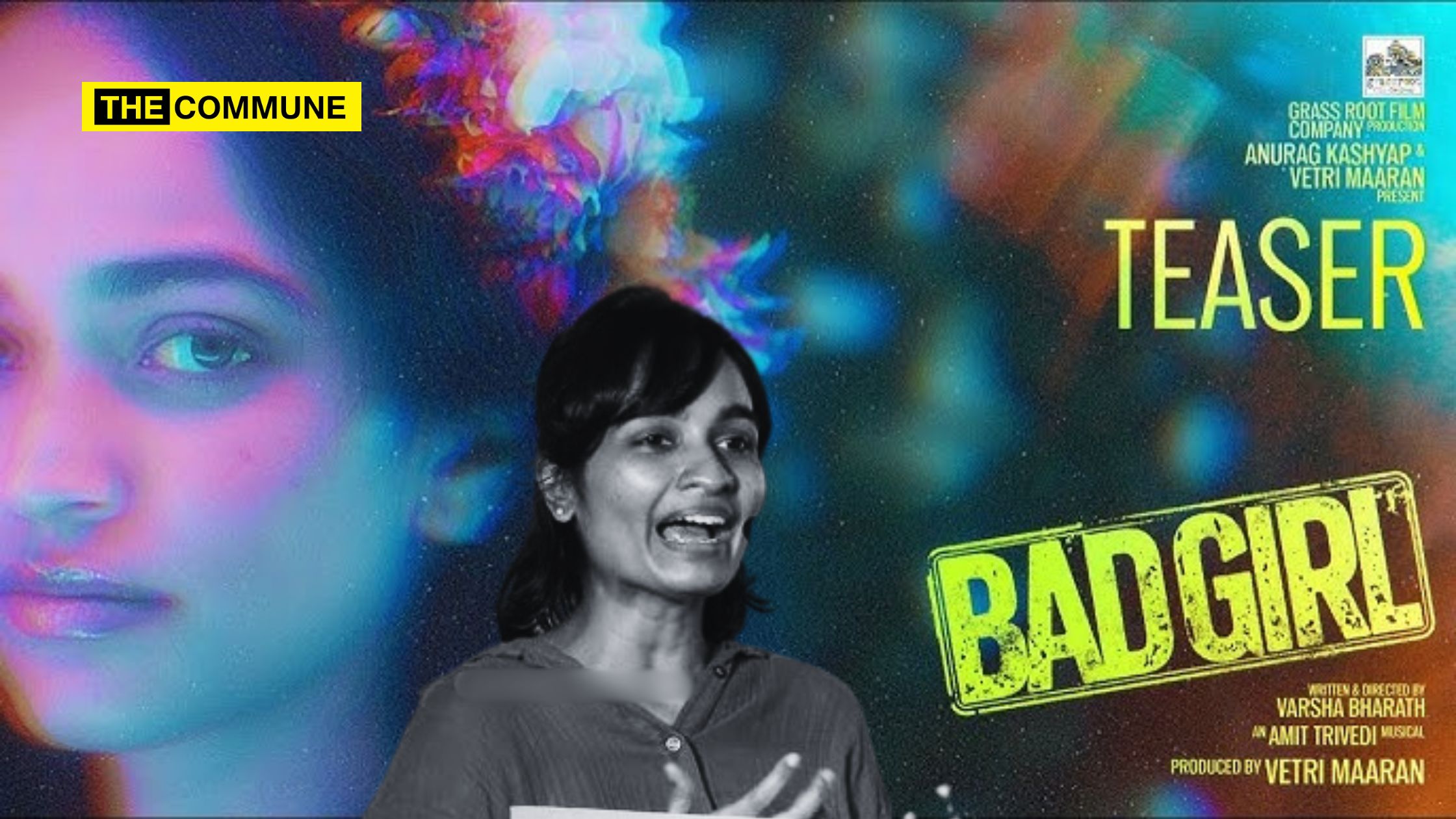
The launch of the teaser of the film Bad Girl, directed by Varsha Bharath, has sent ripples of anger and frustration among netizens while receiving praise and support from the Dravidianist crowd.

The teaser was launched on 26 January 2025 in Chennai – Bad Girl is an upcoming Tamil film produced by Anurag Kashyap and Dravidianist director Vetrimaaran and portrays the story of a Tamil Brahmin girl who wants to be rebellious, break the shackles of “Brahminical patriarchy“, chooses to live the “high” life and defies her parents and family.

At the launch, the film’s director Varsha Bharath who was also assistant director to Vetrimaaran spoke about her intent and thoughts about the film, its name, and why she made one like that. Given the fact that she grew up on movies which idolised flawed male characters, she makes it a case for flawed women also to be necessary for a society.

Explaining why she named the film “Bad Girl” despite people around her stating it might give a negative connotation to the character, Varsha Bharath said, “I am not judging her. I’ve just written a very human character, she’s flawed, she makes some bad decisions, she makes some mistakes, she hurts herself in the process, but she doesn’t hurt other people, she repents, she survives just like anybody else. She’s just like all of us and I have not judged the character at all. Anjali did not judge the character one bit and for me I’m just so grateful for that because it was so important for me that whoever comes on board doesn’t feel like oh really do I have to do this because everyone wants to play a character that’s got a lot of redeeming qualities and it’s very easy, it is the easiest thing right giving a lot of redeeming qualities to a character and making it sell basically. But I did not want to do that because, in mainstream Tamil cinema, the narrative has always been that a woman is like a flower, a person with good character, a God, etc. So, there are many things, they are portrayed as a mother and a mother can be interpreted as God, something clean and pure. There are many interpretations like that and I just feel like there’s too much pressure for women to carry on their shoulders. So I just wanted to write a character that is very relatable.”

She further said, “This movie is just the start of a conversation, this movie is not a self-help book, I am not trying to tell women this is how you live life. I don’t think I’m the right person to tell anyone how to live their lives, I have such a horrible life so I’m not telling anybody how to lead their lives. This character is not a hero, she’s just a really flawed person she has mental health issues, she’s just trying to survive and she’s not a hero, one should not follow her or have her as a role model. I don’t think filmmakers are people who can tell you how to live. I have seen male characters who are 1000x flawed and they have all been hero worshipped, I grew up on those films so I hope this character can also be accepted, not hero worship but accept her. I am not endorsing that women should smoke and drink through this film. I’m just telling the story of a girl that’s all this film is, it’s just a story and women can also be humans and not necessarily be of high character, that’s all.

About the politics of the film, I’m not saying this is some feminist Bible, when I started the script, I had a perspective, before I started shooting my perspective changed and it kept changing along the way and my perspective has changed so much it changes every 10 seconds my politics changes every 10 seconds. So I don’t think art should be something that’s set in stone, it keeps evolving and we’re all just trying to start conversations. So I’m not making any declarative statements in this film, it’s just a girl who’s going through her life and I know I’ve not made a perfect film in some ways but for the Film Festival hopefully for the European audience, it will be acceptable.

With the feedback I hope to make a theatrical copy that women here will watch and enjoy, I want to bring women to the theaters but there was some alienation that happened along the way right because those movies were not really made for us uh so I want to bring women to the theaters I want to bring young women to the theaters. I hope this will be the first of many films.”

From her speech, it feels like women must not be considered pure and should not be, and through the film, it seems the director wants to encourage women to choose the wrong lifestyle and defy their parents, especially if they belong to the Tamil Brahmin community. 

Subscribe to our channels on Telegram, WhatsApp, and Instagram and get the best stories of the day delivered to you personally.
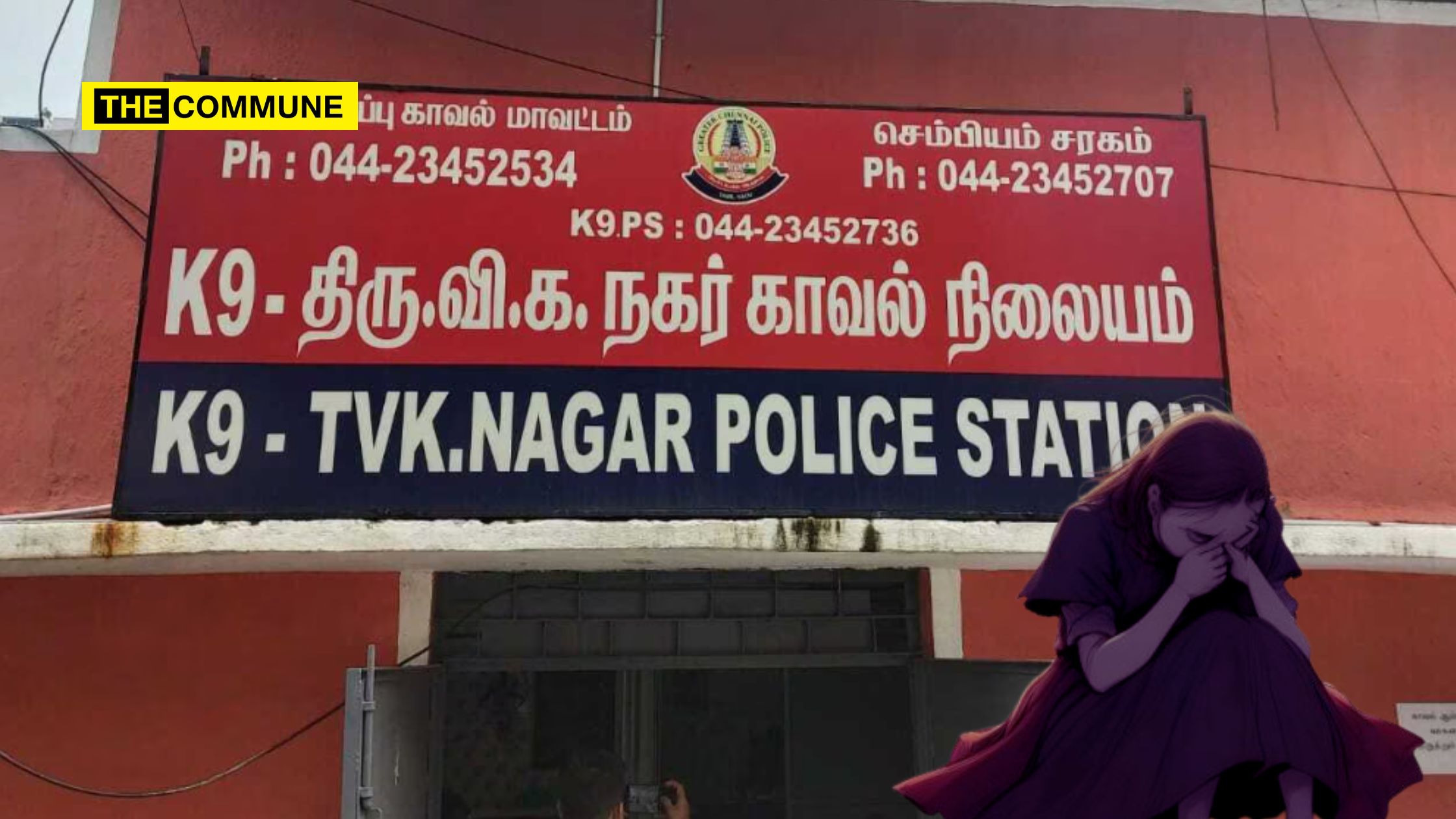
Shocking Incident In Chennai: Schoolgirls Abducted, Harassed By Gang With Criminal Records

Three Chennai schoolgirls were kidnapped, harassed, and rescued. Six suspects, including students with criminal records, were arrested.

A shocking incident in Chennai, where several female school students went missing and were later found with their partners and harassed, has caused an uproar and raised serious concerns within the community.

A girl from Perambur, studying class 8 in a private matriculation school, went missing two days ago. When she did not return home, her mother grew suspicious and filed a complaint with the Thiru Vi Ka Nagar police. Upon investigation, it was discovered that the girl’s two friends, a 14-year-old student from Ennore and a 16-year-old student from Villivakkam, had also disappeared.

The investigation revealed that the three students had been taken by a group of school and college students, who had been keeping them on the top floor of a government library in the Venus Nagar area, where they were sexually harassed. Following this unsettling discovery, six individuals were arrested, including a college student named Abhishek and three school students: Kalimullah (16) from Kodungaiyur, Yukesh (17) from Perambur, among others.

The arrested individuals were found to have extensive criminal backgrounds, with Yukesh having six pending cases and Kalimullah facing eleven pending criminal cases.

The police action resulted in three of the arrested students being sent to a reform school, while the other three were remanded to prison. The affected students are currently being cared for in a shelter in Muthialpet. Authorities are still investigating the circumstances surrounding the case, including whether any threats were made to the students. The incident has sparked significant concern in the local community.

(With inputs from Maalai Malar)

Subscribe to our channels on TelegramWhatsApp, and Instagram and get the best stories of the day delivered to you personally.

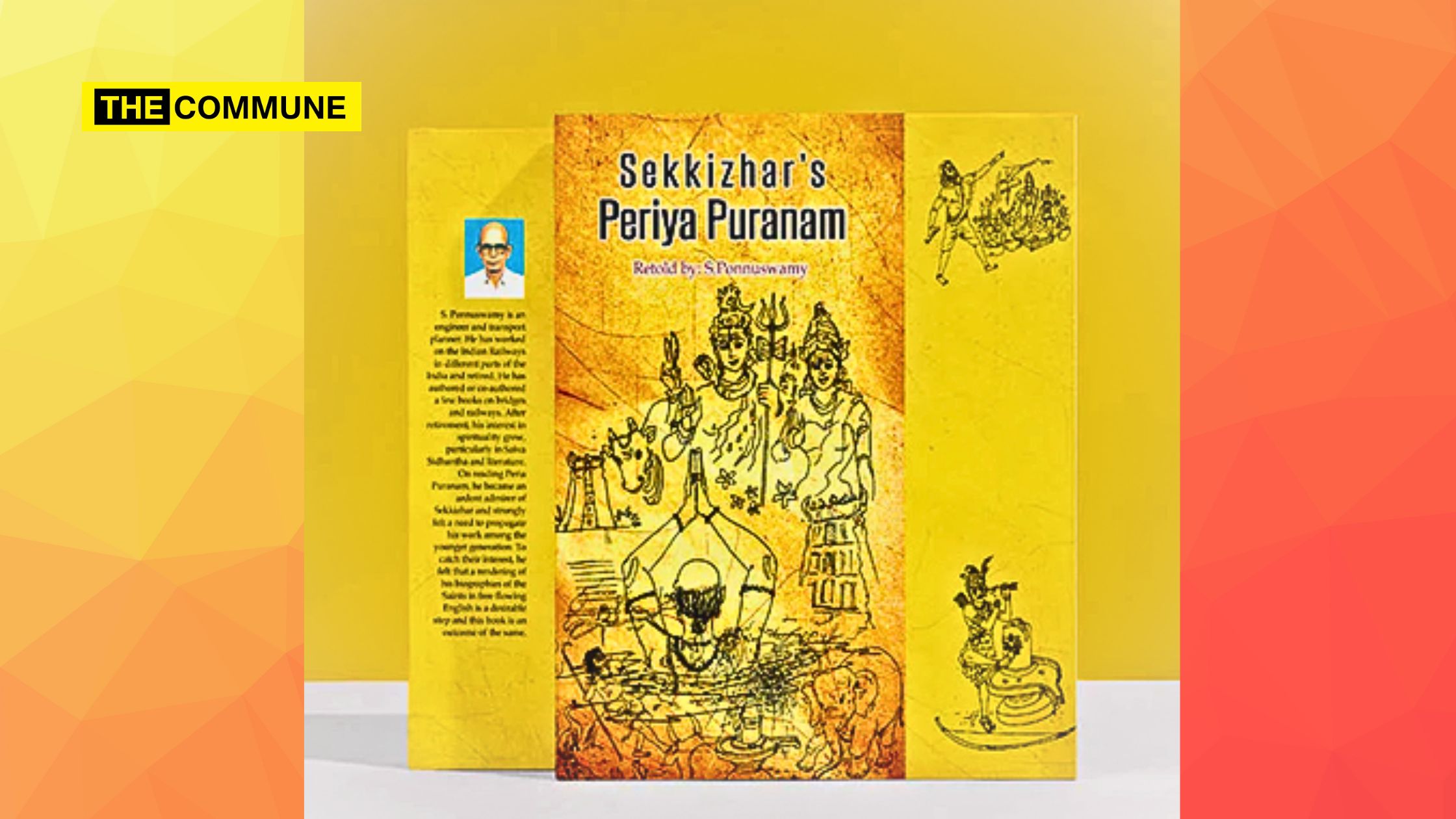
Book Review: Sekkizhar’s Periya Puranam By S. Ponnuswamy – A Timeless Journey Through The Lives Of 63 Divine Saints

Tamil literature is quite expansive with very rich and extremely well-documented accounts of the various devotional saints and divine souls who would have walked on this holy land and left their permanent imprints on the same. During my visits to various kshetras, it became an ardent desire that I needed to read these classics but was limited due to my knowledge of Tamil. This book is a godsend for interested askatas like me who would like to savour the wisdom of the eons gone by in a language more convenient for us. Giri Trading has brought out many such wonderful books and we must express our gratitude to this wonderful organization in preserving and promoting the knowledge and culture of the past.

The author or rather as the title claims the one who retells Sri. S. Ponnuswamy is equally an inspirational stalwart. After a rich and long tenure with Indian Railways, he was attracted to Sekkhizhar’s work and took up the ardent task of collating and corroborating the facts and compiling the same into this wonderful book. Sri Ponnuswamy continued his academic interests post his work life and obtained his PhD degree at the age of 66, which is truly motivational for generations to come.

Periya Puranam has a very special and revered place in the echelons of Tamil literature. Originally named “Thiruthondar Puranam”, this monumental work is often regarded as “Tamil Vedam”, with a few verses being repeated during temple rituals and festivals. This arduous task of compiling the lives and times of 63 adiyars was originally taken by Sekkhizar (1113 – 1173 CE), a scholar and minister under the illustrious Kulathonga Chola. The original source was the 11-verse composition by Sundaramurthy Nayanar, followed by a slightly lengthier version of 100 verses by Nambiandar Nambi of which only 89 are available.

When Sekkhizhar completed compiling the illustrious lives and compositions of these wonderful divine saints, the extraordinary work was presented through Arangetram in Thillai Natarajar Kshetram for 1 year. Post the completion of the event, Sekkhizhar retired from the services of the king and took up the sanyasa route. When Sekkhizhar decided to document the work, it is said that Paramashiva himself gave the guidance to start with the word, “Ulagellam” (all the world over).

Periya Puranam details the extraordinary lives and times of 63 Adiyars. Beyond the devotional and spiritual aspects of the revered saints, this book also gives a comprehensive view of the social and political landscape of the times between the 3rd century BCE and the 9th century CE. The Periya Puranam also details the various kingdoms like Chozha, Pandya, and Cheras.

The life histories of each of the illuminated souls have inspired and continue to inspire generations to come. As captured in the foreword, these Adiyars belonged to the complete spectra of the society ranging from a king to various other professions. Almost all of them were householders, except for Thirumoolar (whose tale itself is very interesting). The only common thread across all these stories is the deep sense of devotion and dedication to Shiva and how they transcended everyday challenges to attain divinity and ultimately place under his grace as part of his ganas. While some of the accounts have brave valour and life-long dedication towards the composition of Thevarams, there are enough examples that include pure service and dedication to Shiva and all his Adiyars / followers.

Out of the 63 Adiyar histories, Sundaramurthy Nayanar, Thirunavukkarasu Swamigal, and Thiru Gnanasambandar have the largest accounts, while some of the others are short, typically a life completely dedicated to the service of Shiva and his devotees. There are some very interesting similarities with the accounts of equally other divine personalities. For example, Sundarar didn’t enter Thiruvadhigai Veeerattanam as Thirunavukkarasar had cleared the temple premises with his own hands. Sundarar felt that it was blasphemous to set foot on such a holy ground. This reminded me of the famous episode of Sri Ramanujacharya climbing the seven holy hills of Tirumala on his knees as the hill was he was reluctant to set foot on them.

Shiva or rather Bhagwan has imparted very lessons across time immemorial. However, to implement the same in life and live through demanding situations requires a different sort of resolve. An example would be Meipporal Nayanar who venerated a traitor pretending to be a Shiva Bhakta purely due to his personal belief system or in another case Enathinatha Nayanar, who gave up his arms in front of his adversary who had adorned Vibhoothi / Bhasma. In Mahabharatha, we come across the famous Sri Krishna – Tulasi tulabharam episode. A similar episode is captured in the life of Amaraneedi Nayanar who gives up his entire wealth, family, and his own self to equal the weight of Bhagwan’s Komanam.

There are some famous personalities like Kannapa Nayanar whose dedication to Shiva is unparalleled and who remains immortalised next to Sri Kalahasteeshwara. The families of each of these bhaktas are equally venerable for their complete dedication and surrender to the ultimate reality. Manakkanjara Nayanar offering the hair of a soon-to-be-married daughter or the family of Siruthonda Nayanar or Kalikamba Nayanar who cut his wife’s hand for discriminating against their former servant who had betrayed are prime examples of these.

A common underlying thread is the role of Shiva in the lives of each of these Adiyars. His presence in the physical realm in disguise or guidance through dreams or extraordinary events like preventing Kaliya Nayanar from cutting his own head or the arms coming out and preventing Arivattaya Nayanar from sacrificing himself is sure to induce goosebumps in the reader’s mind.

While famous personalities like Thiru Gnanasambandar are well documented, there are some equally interesting tales like Thirumoolar whose teachings are immortalised in the famous “Thirumandiram” or Karaikal Ammaiyar who literally prayed for the appearance of the ghost and travels up the divine Kailasa hill on her head. These are just simple examples, but the book Periya Puranam has very rich and detailed accounts of each one of these very divine souls. The values exhibited by every single one of them are worth imbibing in some form or other and would benefit the readers immensely in their daily sadhana or self-improvement.

A very highly recommended book for everyone.

Gee Vee is an engineer and avid fan of itihasas, puranas and books.

Subscribe to our TelegramWhatsApp, and Instagram channels and get the best stories of the day delivered instantly.

BJP Leader SG Suryah Slams Dy CM Udhayanidhi Stalin For Disrespecting National Flag Protocol On 76th R-Day Celebration

BJP Leader SG Suryah Slams Dy CM Udhayanidhi Stalin For Disrespecting National Flag Protocol On 76th R-Day Celebration

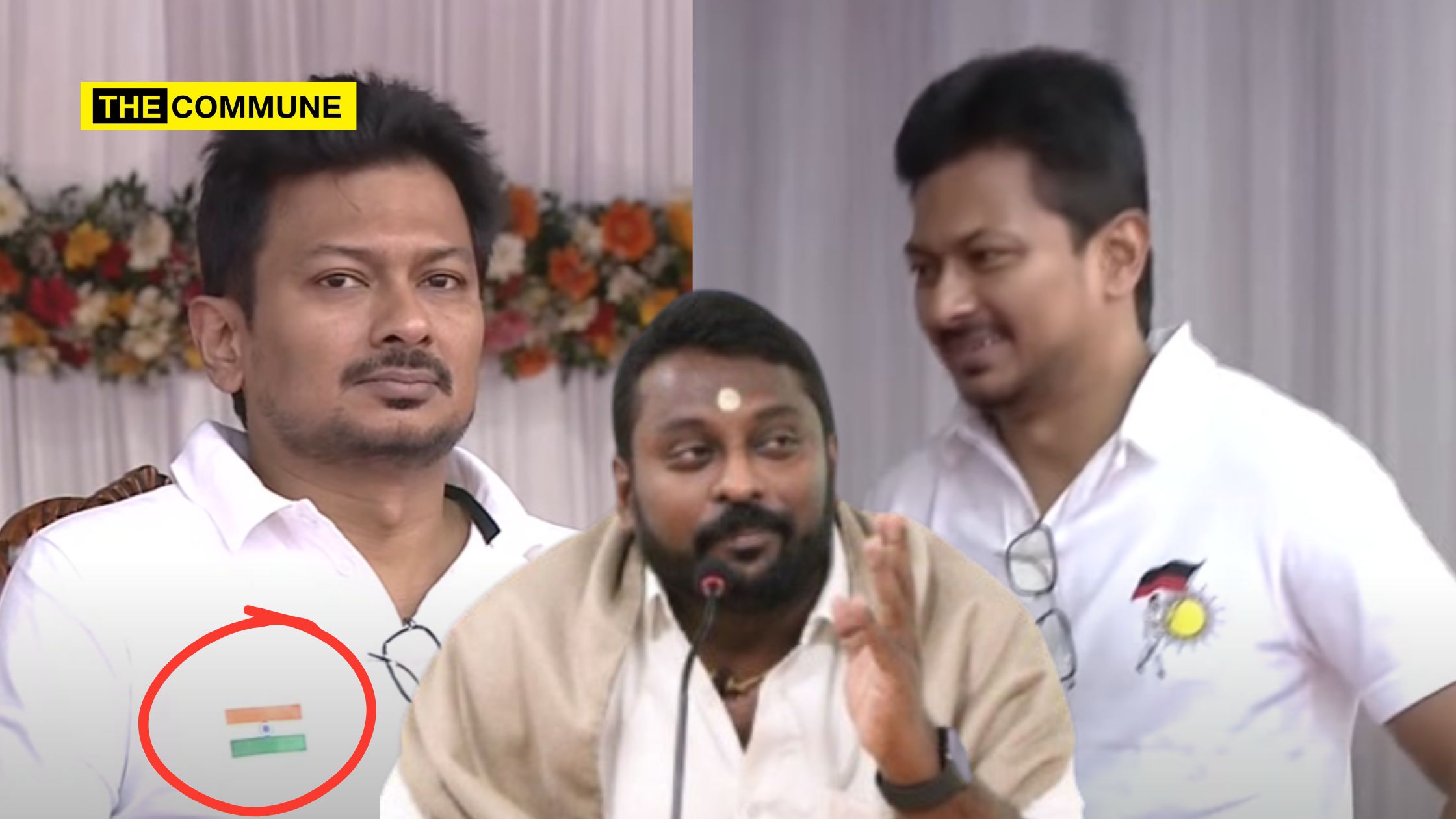
Tamil Nadu BJP State Secretary SG Suryah slammed DMK scion and Deputy Chief Minister Udhayanidhi Stalin for displaying a flagrant disregard for protocol by placing the national flag on the right side of his polo shirt during the 76th Republic Day celebrations in Chennai on 26 January 2025.

On 26 January 2025, Tamil Nadu Governor RN Ravi hoisted the national flag in Chennai during the Republic Day celebrations, with Chief Minister MK Stalin, Deputy Chief Minister Udhayanidhi Stalin, state ministers, and other dignitaries present. As the Governor and Chief Minister stood in salute, the national anthem was sung, followed by an Air Force helicopter showering flower petals over the flag at the Labour Statue along the Kamarajar promenade.

A grand ceremonial march past showcased the Republic Day spirit, with the Governor taking the salute. By protocol, Chief Minister Stalin welcomed the Governor upon arrival, after which the CM introduced senior officials from the Army, Navy, Air Force, Coast Guard, and Tamil Nadu Police to the Governor. The Governor, Chief Minister, and other dignitaries also watched cultural performances by schoolchildren and youth. Wing Commander Sarthak Budhia of the Air Force served as the parade commander for the event.

However, during the celebrations, Deputy Chief Minister Udhayanidhi Stalin was criticised for wearing a polo shirt with the national flag displayed on the right side, contrary to the correct protocol. The DMK logo was placed on the left side of his shirt, violating the Flag Code of India, which specifies that the national flag should be positioned at the top when displayed with another flag and to the left when displayed per the direction of the flag. All other ministers, including Chief Minister Stalin, wore the flag correctly.

In this regard, the Tamil Nadu BJP State Secretary SG Suryah condemned this act on his official X account, stating, “Tamil Nadu Deputy CM @UdhayStalin has once again shown disregard for protocol by wearing the Indian Flag 🇮🇳 on the right side instead of the left. Ironically, the DMK flag finds its place on the left, even on the Republic Day! A shameful insult to our Nation & Constitution. Is party loyalty above national respect? When will a nepotistic leader like him start respecting national protocols? Shame on you #UdhayanidhiStalin!”

Subscribe to our channels on TelegramWhatsApp, and Instagram and get the best stories of the day delivered to you personally.

Sivagangai Samasthanam: Celebrating A Kingdom That Fought For Freedom And Dharma

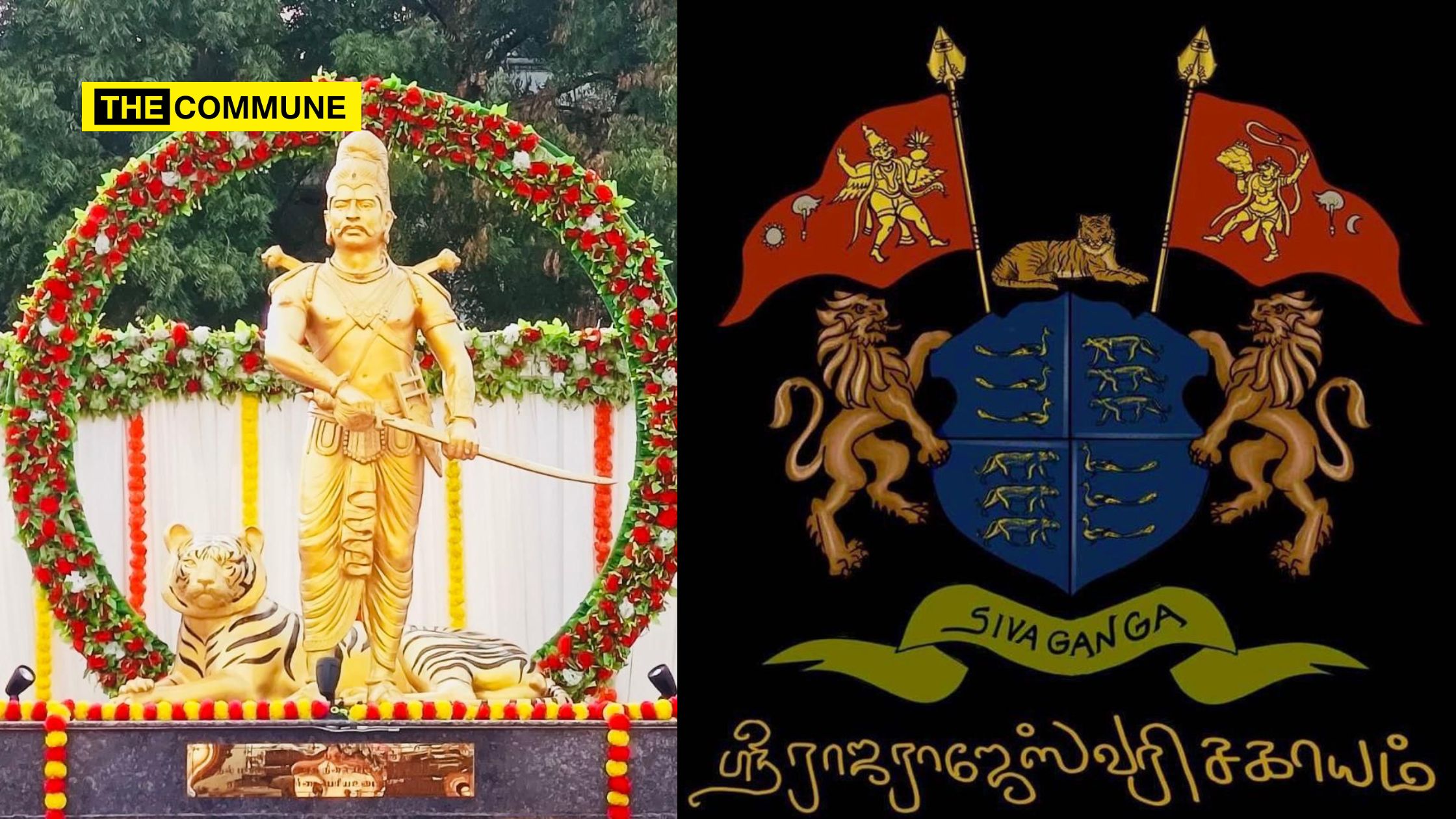
Today is the formation day of Sivagangai Samasthanam. It was the genius & valour of Sasivarna Thevar, which created this samasthanam from Ramanathapuram in 1730. Sivagangai then went on to become an important kingdom that played a pivotal role in the early Indian freedom struggle against the British.

With illustrious, dharmic kings like Muthuvaduga Nathar, Veeramangai Velu Nachiyar, and Marudhu Pandiyars in the lineage, Sivagangai led the Polygar war and gallantly fought for freedom. They also built/renovated several regional temples and launched many social reforms.

Its legacy continues even today as the Samasthanam continue to patronise important temples like Kalayar Kovil & Thirukoshtiyur.

An artist recreated the royal insignia of Sivaganga. It has Hanuman & Garuda in the Flags with a Tiger in between. The Hanuman flag was inherited by Queen Velu Nachiyar who was from Ramanathapuram, which also has a Hanuman flag.

Pic courtesy: Sivagangai Samasthanam

The Temple Entry Movement From Sivagangai

The historic temple entry movement in Madurai, spearheaded by Vaidyanatha Iyer/Muthuramalinga Thevar/Kakkan ensured that temples were open to everyone in other places too.

The ruler Sri Shanmugaraja took the lead in declaring the Samasthanam temples in Thirukoshtiyur, Kalayarkovil & other places open to everyone. It is important to note that everyone in those places stood solidly behind the movement.

(Documents from Sivagangai Samasthanam)

So, the temple entry movement in TN is not about any one individual!

TS Krishnan is a Tamil scholar and author.

Subscribe to our channels on TelegramWhatsApp, and Instagram and get the best stories of the day delivered to you personally.

Film Director Mohan G Slams Pa Ranjith And ‘Bad Girl’ Filmmakers For Negative Stereotyping Of Brahmin Family

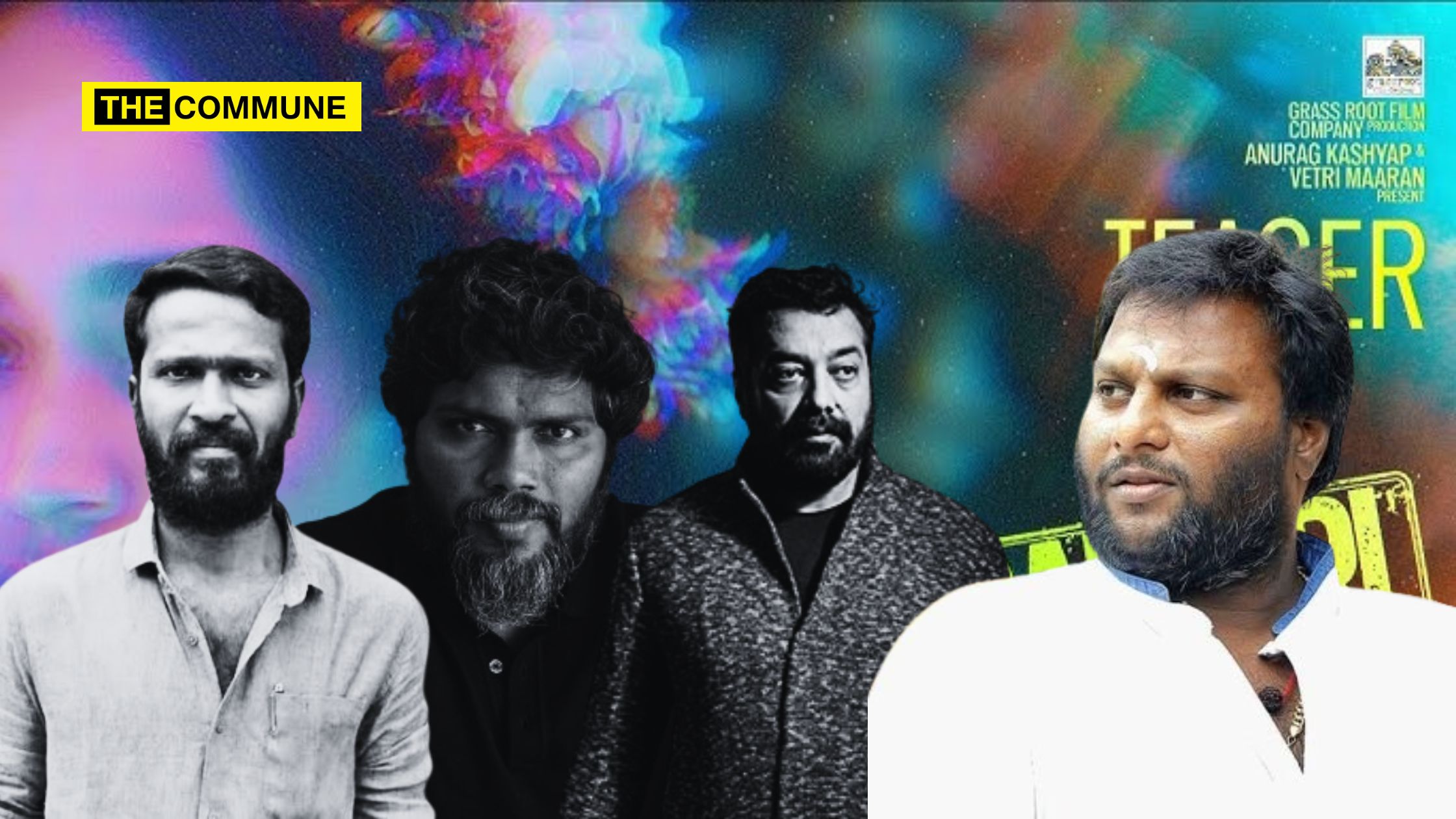
The upcoming Tamil film Bad Girl, directed by Varsha Bharath and produced by filmmakers Vetrimaaran and Anurag Kashyap, has drawn sharp criticism from director Mohan G Kshatriyan. The film, which will be premiering at the 54th International Film Festival Rotterdam (IFFR), has sparked a debate over its portrayal of Brahmin characters in Tamil cinema.

The teaser, which was launched on 26 January 2025 at an event in Chennai, follows a young Brahmin girl (played by Anjali Sivaraman) as she navigates the challenges of adolescence and societal expectations, particularly surrounding her relationships. The film highlights her struggles with criticism and shaming for her personal choices.

The film received support from Dravidianist director Pa Ranjith who wrote on his X handle, “Happened to watch #BadGirl, and it’s truly a bold and refreshing film! Director #VetriMaaran deserves immense credit for backing such a daring story. The film powerfully portrays women’s struggles and society’s expectations through a unique new wave cinema style. Congratulations #varsha. Anjali Sivaraman delivers an amazing performance—don’t miss this one! Check out the teaser: http://youtu.be/y87Jp5IPF-s”

However, it is the depiction of Brahmin families in the film that has drawn backlash from Mohan G Kshatriyan, known for his films like Bakasuran, Rudra Thandavam, and Draupathi. Slamming Pa Ranjith and the filmmakers for making such stale content, taking to his official X handle, film maker Mohan G Kshatriyan wrote a post on his X handle where he slammed the filmmakers, stating, Portraying a brahmin girl personal life is always a bold and refreshing film for this clan. What more can be expected from vetrimaran, Anurag kasyap & Co.. Bashing Brahmin father and mother is old and not trendy.. Try with your own caste girls and showcase it to your own family first.

Kshatriyan’s comments have fueled the ongoing discussion about caste portrayals in Tamil cinema, with many questioning whether such narratives are overly critical of one community.

The teaser introduces a Tamil Brahmin girl who is a rebel, defies societal expectations of being the “good girl” as she seeks to break free from the constraints of the usual trope of “Brahminical patriarchy”, and since this film is from the Dravidianist ideologue’s soil, it needs to show her embracing the identity of a modern, liberated woman.

The stale narrative in the teaser takes a snarky jab at those who continue to resist “progressive” ideals, contrasting them with the image of modern youth celebrating freedom and rationality, drinking away to glory, dancing in clubs with a triumphant “Cheers!” The deep-seated hypocrisy within the Dravidian male psyche has also been seen harboring a peculiar fetish for Brahmin women. This obsession only stems from an inability to appreciate their own caste people and family members/friends/partners, redirecting their lust toward the very group they claim to oppose.

Time and again the Tamil society has enabled this poison to take root and flourish, allowing the pervasive dehumanization and objectification of Brahmin women.

(With inputs from India Today)

Subscribe to our channels on Telegram, WhatsApp, and Instagram and get the best stories of the day delivered to you personally.
“Is It A Butcher Shop? How Can They Call It Sikandar Hill? It Is Murugan Hill”: Madurai Adheenam Slams Islamists Who Had Non-Veg Food At Thiruparankundram Hill

Madurai Adheenam said, We respect and accommodate their beliefs, and they should also learn to respect and accommodate ours.

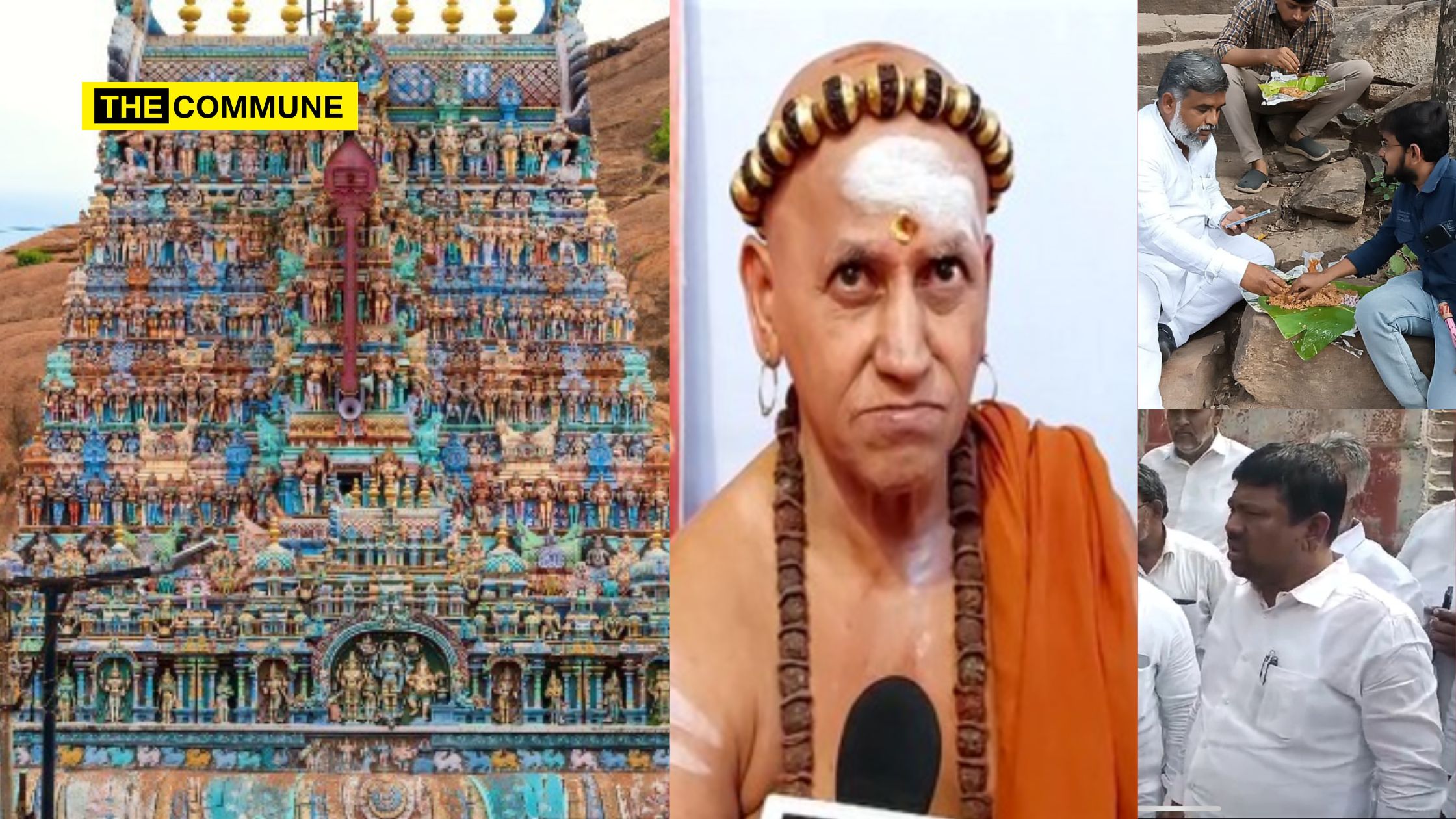
On On 25 January 2025, Madurai city police stopped Madurai Adheenam pontiff, Sri Gnanasambanda Desika Swamigal, from visiting the Kasi Viswanathar temple on Thirupparankundram hill. In a separate incident, they also prevented BJP Minority Morcha National Secretary Syed Ibrahim and his supporters from visiting the dargah on the same hill, citing potential law and order concerns.

Tensions had been rising in Thirupparankundram following a recent incident where DMK ally and IUML Ramanathapuram MP Navas Kani posted a photo of his supporters eating cooked non-vegetarian food while visiting the Sikandar dargah at the foothills of sacred Hindu site Thirupparankundram hills demanding the right to perform animal sacrifices on the hill. In response, BJP and Hindu organizations condemned the MP’s actions, calling them disrespectful and provocative toward Hindus disturbing the social fabric of the area.

In this context, Syed Ibrahim and other BJP members attempted to visit the dargah, but the police intervened. Ibrahim questioned why Navas Kani was allowed to pray at the dargah without obstruction. The police briefly detained him and his supporters.

Later that day, the Madurai Adheenam pontiff, Sri Gnanasambanda Desika Swamigal speaking to the media, said, “I planned to visit the Kasi Viswanathar Temple on Thirupparankundram Hill today for darshan, but the police stopped me. I think the police are worried that people from other religions might cause trouble for me, but I was only going there to pray. How can they call it Sikandar Hill? It is the Murugan Hill. All the literature refers to it as the Murugan Hill. Christianity and Islam originated from foreign lands. We respect and accommodate their beliefs, and they should also learn to respect and accommodate ours. In our temple, people do not bring or consume non-vegetarian food… Except for the BJP, no other political party has raised their voice on this issue because they fear losing minority votes. That is why they remain silent.”

Commenting on the provocative move by DMK ally and IUML Ramanathapuram MP, who posted a picture of himself and his supporters eating non-vegetarian food near the temple foothills, the Madurai Adheenam pontiff questioned, “When there’s a Shaivite temple at the foothill, should you do this? No one questions the worship there; let them practice. The issue arose because they ate meat—is it a butcher shop?”

(With inputs from Times Of India)

Subscribe to our channels on TelegramWhatsApp, and Instagram and get the best stories of the day delivered to you personally.
Dravidianist Fetish For Brahmin Women Laid Bare In “Bad Girl” Produced By Dravidianist Director Vetrimaaran And Directed By Varsha Bharath, Peddles Negative Stereotypes About Brahmins

Bad Girl (2025) hints at a rebellious Tamil Brahmin woman breaking societal norms, reeking of Dravidianist propaganda.

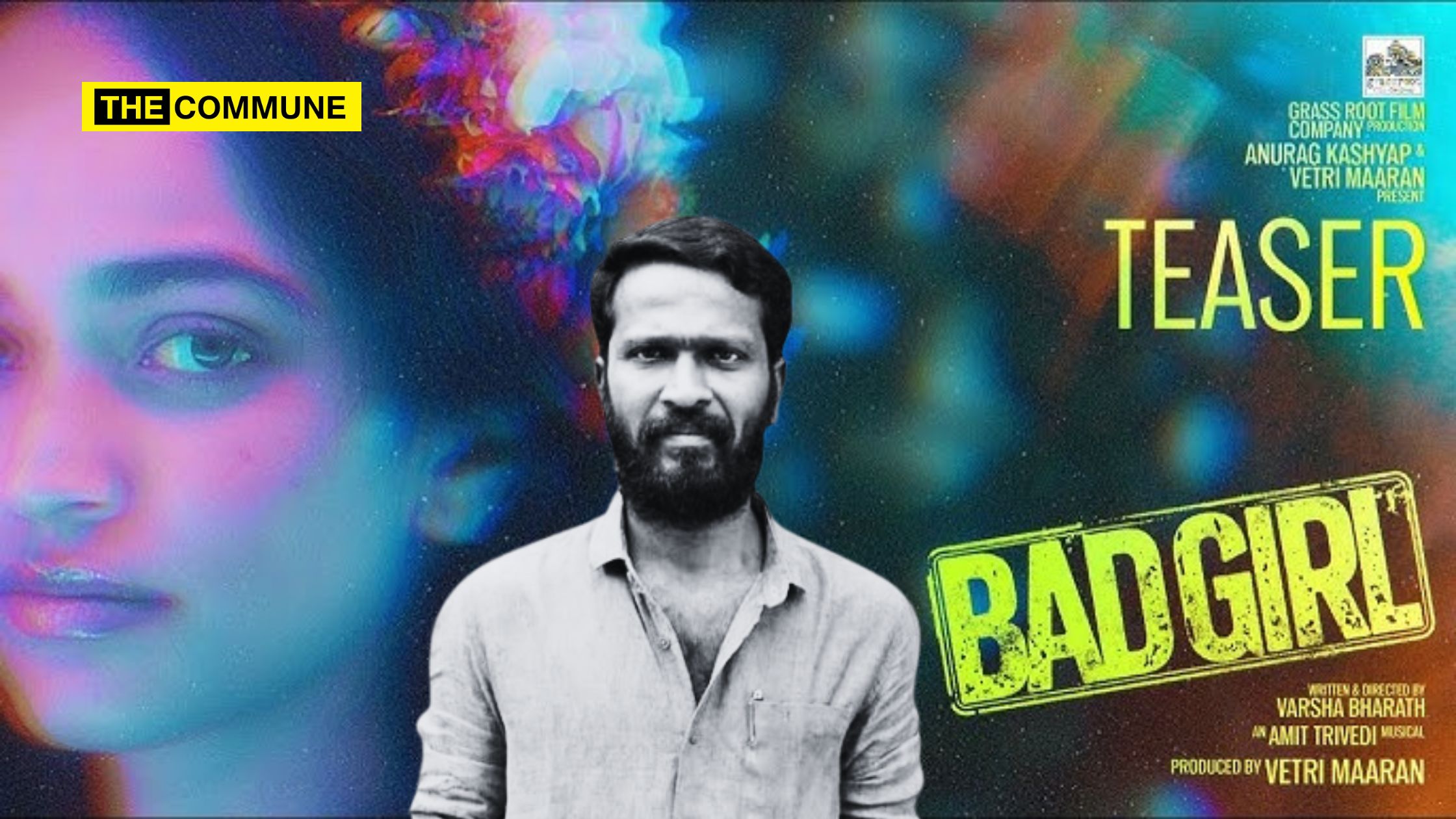
The teaser for an upcoming Tamil film titled Bad Girl was released on 26 January 2025. Presented by filmmakers Anurag Kashyap and Vetri Maaran, the movie is penned and helmed by Varsha Bharath. The teaser introduces us to a young woman, portrayed by Anjali Sivaraman, who candidly shares her long-held desire to have a boyfriend. It then takes us back to her high school days, tracing a journey many young women may find familiar. As she navigates the challenges of puberty and the complex emotions it brings, her openness about her feelings provokes harsh judgment. Male classmates ridicule her, branding her with labels, while her female friends dismissively call her “desperate.” In college, when she enters a relationship, she faces the stark realities of a deeply ingrained “misogynistic” society.

Vetrimaaran produces Bad Girl under the Grass Root Film Company banner. Now this might look like an ordinary teaser release but when we examine the contents of the teaser, we realise it is yet another Dravidian anti-Brahmin propaganda film that is set to “delight” the ever-hungry Dravidianist’s appetite for such content.

We all know Vetrimaaran, a Dravidianist film maker, famous for his flop films like Viduthalai has repeatedly regurgitating casteist Dravidianist vomit and spreading it as ideology and principle through his films.

In 2023, the film Annapoorani tried to appease the Dravidianist’s thirst for such content. This year, it is this film. The teaser introduces a Tamil Brahmin girl who is a rebel, defies societal expectations of being the “good girl” as she seeks to break free from the constraints of the usual trope of “Brahminical patriarchy“, and since this film is from the Dravidianist ideologue’s soil, it needs to show her embracing the identity of a modern, liberated woman. The final shot in the teaser shows the 2020 scenes of Thaali bajao during the Covid pandemic which has also been “meticulously” shot with precision to highlight those deemed regressive – Brahmins who are shown performing rituals with traditional symbols like the naamam. 

The stale narrative in the teaser takes a snarky jab at those who continue to resist “progressive” ideals, contrasting them with the image of modern youth celebrating freedom and rationality, drinking away to glory, dancing in clubs with a triumphant “Cheers!” The deep-seated hypocrisy within the Dravidian male psyche has also been seen harboring a peculiar fetish for Brahmin women. This obsession only stems from an inability to appreciate their own caste people and family members/friends/partners, redirecting their lust toward the very group they claim to oppose.

Time and again the Tamil society has enabled this poison to take root and flourish, allowing the pervasive dehumanization and objectification of Brahmin women.

Subscribe to our channels on Telegram, WhatsApp, and Instagram and get the best stories of the day delivered to you personally.