Home Blog Page 422

Here’s How Vetrimaaran Distorted Poomani’s Original Story To Peddle The Dravidianist “Oppressed, Depressed, Suppressed” Propaganda In Asuran
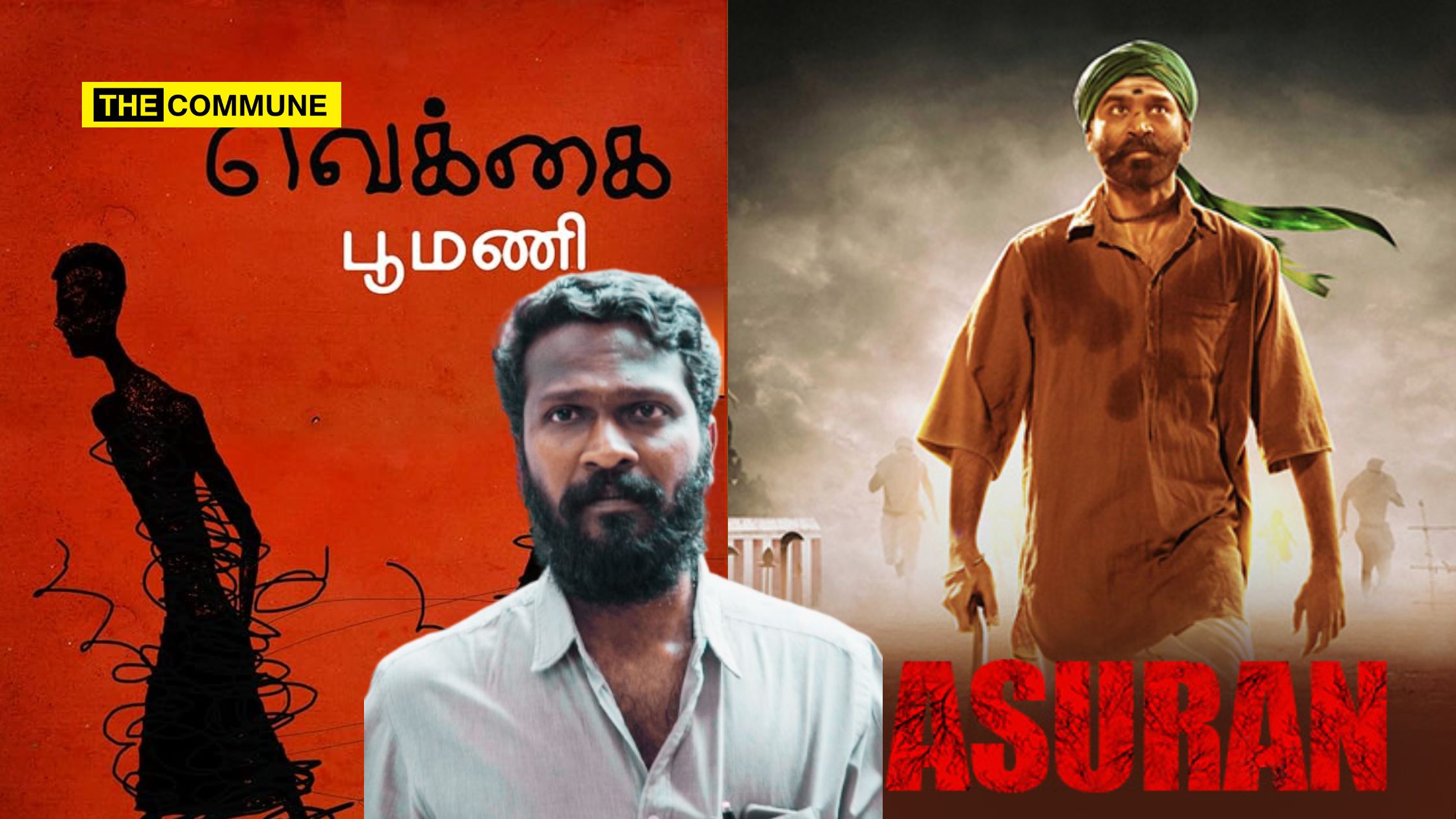
Vetrimaaran distorted Poomani’s Vekkai in Asuran to push Dravidianist “oppressed, depressed, suppressed” propaganda.

Asuran Director Vetrimaaran has come under scrutiny for distorting the original story of Poomani’s Vekkai to promote Dravidianist “oppressed, depressed, suppressed” narratives. The film Asuran, which was originally about the long struggle of the Panchami land issue, was altered to frame the story as a Dalit struggle against caste-based oppression, misrepresenting the true essence of the novel. Author Jeyamohan criticized this shift, highlighting that Vekkai was not about untouchability but a fight over land rights, a crucial detail that was lost in Vetrimaaran’s portrayal.

Vetrimaaran’s Bad Girl

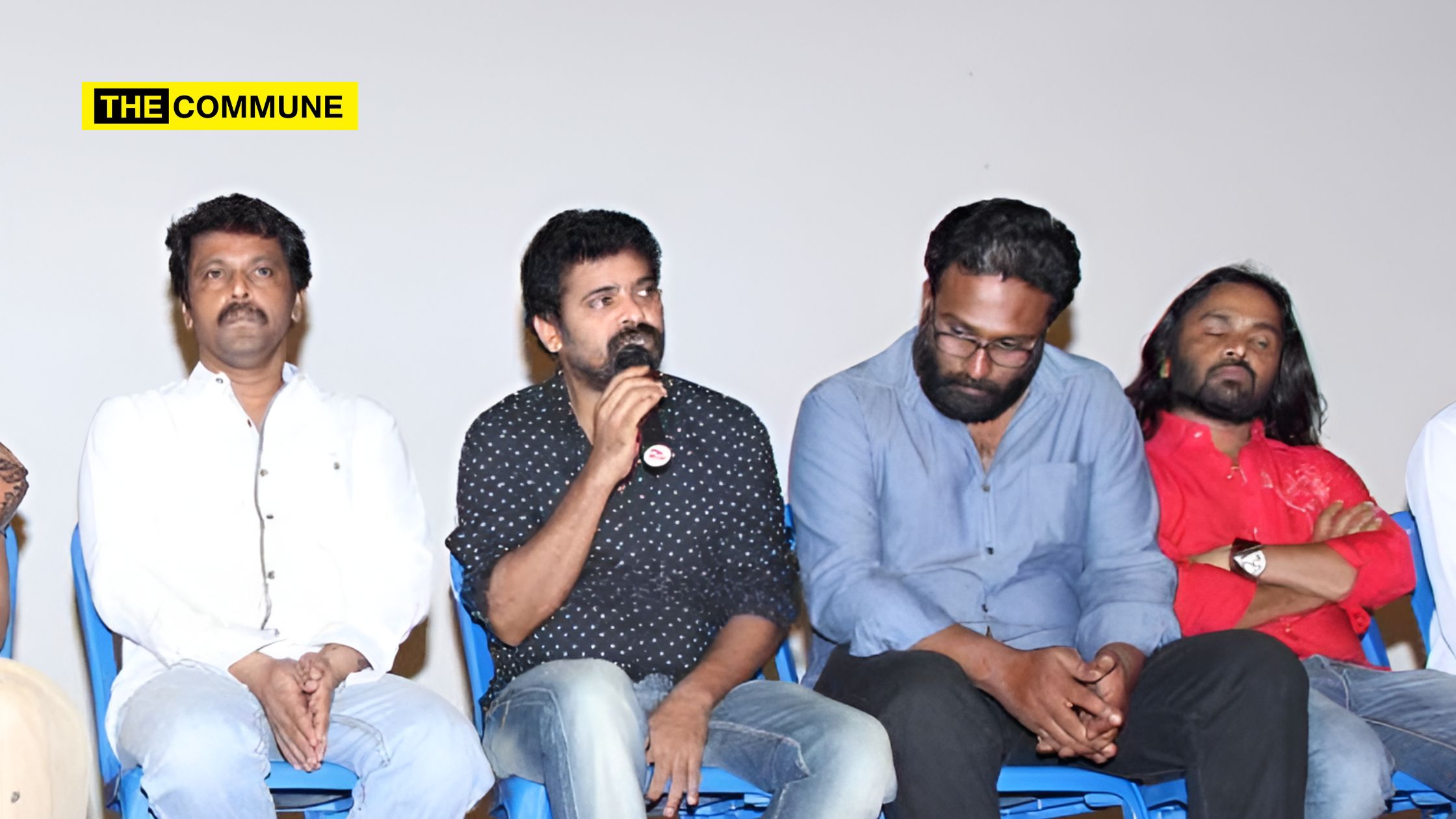
The release of the teaser of the Dravidianist director-produced film Bad Girl has sent several ripples across social media platforms and days after its release, people are still debating about the teaser and about the producers, especially about the left-leaning Dravidianist director Vetrimaaran and his Brahmin-hate and caste-based films.

Netizens questioned if the producers and other supporters like Pa Ranjith and Vijay Sethupathi would prefer if their daughters or the women in their families would follow what was preached in the film.

Vetrimaaran, a true-blue Dravidianist, hails from a family that owes its allegiance to the DMK. His maternal uncle Ela. Pugazhendi was a 3-time DMK MLA from Cuddalore. It was Pugazhendi who named him Vetrimaaran. Pugazhendhi’s father Ere. Elamvazhuthi was also a DMK MLA from Cuddalore and had worked closely with rabid anti-Hindu demagogue E.V. Ramasamy Naicker (known as Periyar by his followers) and also with CN Annadurai and Karunanidhi. So, the anti-Hindu DNA runs in the family. He has regularly peddled the Dravidian Stockist propaganda in his films.

Did you know that the film Asuran was supposed to be based on a story titled Vekkai? But what is interesting is that Vetrimaaran distorted the original story written by Sahitya Akademi award winner Poomani to peddle the Dravidianist “oppressed, depressed, suppressed” propaganda.

Here’s what author Jeyamohan had to say about it. Speaking at an event, he said,The problem with this is that when the story of Vekkai was made in the name of Asuran. Neither those who directed it nor the people who released the film know the background of the Pallar community. They changed it into a Dalit issue. They depicted the story as if these people were not allowed to wear slippers when walking in the village. The community people got angry because no such thing happened. No one says that Pallars should not wear slippers. To add to this, people will advise you to not get beaten up by Pallars. So, they changed the story of another caste into their caste issue, there was a big social divison and the novel was misunderstood. The story of Vekkai is not about untouchability or caste-based cruelty or oppression but it is about land that was unlawfully grabbed and the story of the struggle to reclaim it.”

It is noteworthy that the story of Vekkai is about the long struggle of the Panchami land issue told in a more compassionate way and realistically while conveying the message subtly.

How He Chickened Out And Yielded To Pressure From Mukkulathor Community To Mute ‘Aanda Parambarai’ Word In Asuran Film

In a past interview, Vetrimaaran discussed his challenges with Asuran, mentioning that the Dravidian movement’s strong influence in Tamil Nadu has allowed filmmakers the freedom to present their ideologies. He said, “The challenge I had with Asuran was that it’s not just a non-political film, it’s a Dalit film where the protagonist is a Dalit, and he’s not meek—he stands up for what’s right and brings down upper-caste people. This was the most challenging aspect for me, as there was a lot of speculation during pre-production and shooting. We didn’t want to offend anyone because we were simply stating facts, and we wanted people to understand the film. We wanted Dalits to see themselves represented, and for non-Dalits to understand what happened in the past and how their parents or grandparents were responsible. That was the challenge we faced, which is why we refrained from mentioning any specific caste.”

Despite this approach, Vetrimaaran’s portrayal of a Dalit protagonist in Asuran was met with criticism. In 2019, when Vetrimaaran inserted the “Aanda Parambarai” dialogue in Asuran, several community members including actor-politician Karunas personally contacted the director, urging him to remove the line from the theatrical version. The phrase means ‘Ruling Clan’, and the community members felt it referred to their Mukkulathor community.

Audio recordings of these calls surfaced on YouTube, showcasing how respectfully he agreed to mute the dialogue in response to the callers.

In the leaked audio recordings, representatives from the community like Aapanadu Maravar Sangam, and Mukkulathor Munnetra Sangam, among many speak to him about the said phrase and how the scene involves people talking about land and money grabbing portraying their community in a negative light. They advised him that films should promote social harmony and said that they were upset with the developments while asking him to make changes to the film. To this, we find Vetrimaaran responding very politely saying he will do what he can to make the changes within a couple of days. A subsequent caller from the community called once again only to get the response that he was going to remove the phrase in a day. He also adds that it was not his intention to hurt anyone and that it was a mistake. He also explains why it takes the given amount of time to remove the phrase.

He also promises to release a press note and make a public announcement with respect to the same issue. People from the community also mildly warn him not to do anything similar in the future.

As a result, the line was eventually removed in the censored version, which was redistributed across theaters.

Vetrimaaran: A Hypocrite Of The First Order?

Vetrimaaran also said that art is for people and that it should reflect the society in which we live. He talked about the ‘erasure of identities’.

“We should handle art responsibly. If we don’t, our identities will be taken from us. Constantly our identities are being snatched away.”, he said.

Vetrimaaran should have thought twice before making this statement. In his film Vada Chennai, he portrayed the people of (Meenavar) fishermen community of north Chennai as if they were involved only in piracy, drugs, goondaism, and crime. He had shown the women folk as lacking decency and using cuss words. The Meenavar community which includes communities like Pattanavar, Paravars, and Sembadavars have a glorious history in seafaring. The Pattanavars are a maritime community densely populated in Chennai, Kanchipuram, Cuddalore, Vizhupuram, and Nagapattinam districts of Tamil Nadu. They have traditionally been involved in fishing, shipment, navy, and trade. They had served as naval forces under various Tamil kings. According to historian Hermann Kulke, the Pattanavars were instrumental in the organization and exploits of the Chozha Navy. Yet, Vetrimaaran chose to snatch away this glorious history and identity of Meenavars and showed them as uncouth people.

Overall, it is pretty clear that the likes of Vetrimaaran want to carry out a certain propaganda and it is clear as crystal that it is the Dravidianist propaganda – insert lies and plant fake stories, use the Brahmin as your punching bag and rake in the benefits.

Subscribe to our channels on Telegram, WhatsApp, and Instagram and get the best stories of the day delivered to you personally.
BJP, Allies, And Hindu Activist Groups Petition District Collector Opposing Animal Sacrifice At Thirupparankundram Hill

DMK, AIADMK, CPI(M), & Congress petition ignores Hindu worship rights at Thirupparankundram, favouring only Islamist demands.

In response to a petition filed by the DMK and its allies, who jointly wrote to the Madurai District Collector requesting permission for minority Muslims to practice their faith on the Thirupparankundram hills, a coalition of parties including BJP, AMMK, TMK, AIADMK’s Rights Retrieval Committee, Hindu Munnani, Puthiya Tamilagam Party, Indian Democratic Party, Tamil Nadu People’s Progress Party, Veera Tamilar Progress Party, Tamil National Party, and South India Forward Bloc has petitioned the Collector to reject the request. They argue that allowing animal sacrifice, a practice not previously observed at the site, would disrupt social harmony and potentially create religious tensions in the area.

In their letter to the District Collector, the collective representation from BJP and its allies, along with other regional activist groups, stated, “Thirupparankundram Hill is a sacred site for the Shaivite community, home to the Subramania Swamy Temple. The hill also hosts the Shaivite deities Lord Ganesha, the Baladhandayuthapani Swamy Temple, the Kashi Vishwanathar Temple, as well as numerous cave and Shiva temples. There are several Shaivite temples surrounding the hill as well, and the practice of animal sacrifice is in direct conflict with the sanctity of the Shaivite religion. We have lived here for centuries, and such practices have never occurred before. Allowing such practices would deeply hurt the sentiments of Hindu devotees and could disrupt the unity and brotherhood of the local community, which has coexisted peacefully for generations. Therefore, we urge you to take measures to prevent animal sacrifice, in order to preserve the harmony of the people in this area.”

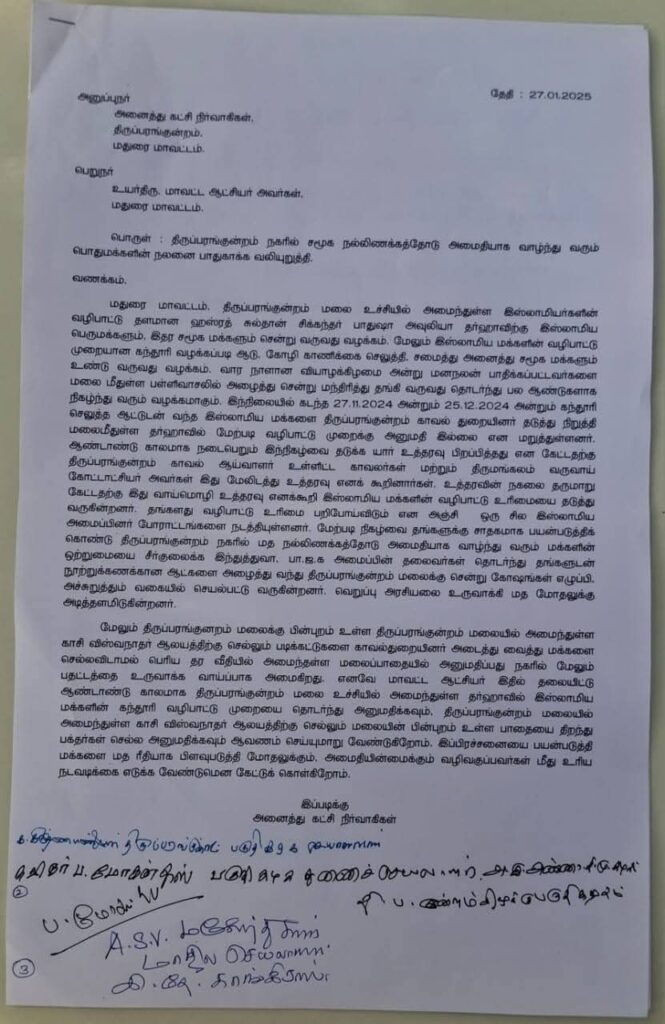
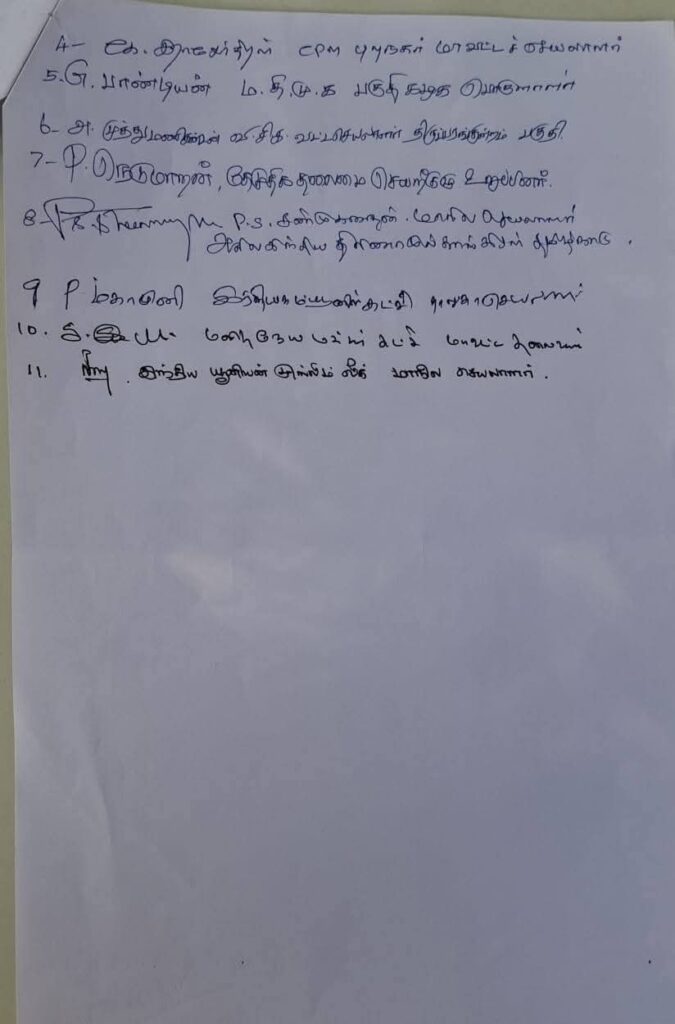
This petition was a response to a letter submitted by leaders from several political parties, including the DMK, AIADMK, CPI(M), and Congress, to the Madurai District Collector. In their letter, they urged intervention to address the rising religious tensions in Thirupparankundram. The petition raised concerns over alleged restrictions on Muslim worship practices and called for measures to restore social harmony in the area.

The issue revolves around the Hazrat Sultan Sikandar Badusha Auliya Dargah, a revered Muslim place of worship located atop Thirupparankundram Hill. According to the letter, both Muslims and members of other communities have traditionally participated in religious practices, including offering sacrifices of goats and chickens, as part of the Kanthuri ritual, and praying for the mentally ill on Thursdays.

The controversy arose when, on 27 November 2024 and 25 December 2024, local police reportedly stopped Muslim devotees from conducting these rituals. The police, citing orders from higher authorities, claimed the practices were not permitted. However, when pressed for a copy of the order, the authorities allegedly stated it was a verbal directive.”, the petition read.

It further went on to add “Fearing the loss of their “right to worship”, some Islamic organizations staged protests. The situation escalated further as BJP leaders reportedly brought large groups to the hill, raised slogans, and created an atmosphere of intimidation.”

The letter also raises concerns about police actions blocking access to the steps leading to the Kasi Vishwanath Temple located on the hill. The restriction has reportedly added to the tensions, with fears of further unrest in the city.

In their plea to the District Collector, the leaders urged the administration to:

  1. Allow the continuation of Muslim worship practices at the dargah.
  2. Open the path to the Kasi Vishwanath Temple for devotees.
  3. Take action against those allegedly inciting division and hatred along religious lines.

The joint appeal emphasized the need to maintain peace and harmony among the diverse communities living in Thirupparankundram and urged swift resolution to prevent further conflict.

Background

The sacred Hindu site of Thirupparankundram Hills is facing growing tension, with controversial actions by a Muslim politician fueling divisive rhetoric. Indian Union Muslim League member and Ramanathapuram MP Navas Kani, who also serves as the chairman of the Tamil Nadu Waqf Board, has claimed that the dargah at the hilltop is Waqf property. This statement has sent shockwaves through the region and intensified existing tensions.

This development is part of a series of incidents that have strained relations between Hindus and Muslims, who had previously lived in harmony. Some Islamists groups have been attempting to assert their rights to conduct animal sacrifices at the hilltop, furthering their claims that the entire Thirupparankundram Hills should be recognized as Sikkandar Hills.

The situation escalated on 27 December 2024, when Madurai police intervened to detain a group of Muslims family attempting to bring goats and roosters to the hilltop dargah for ritual sacrifice. Syed Abu Dahir, a 53-year-old from Malaiyadipatti in Rajapalayam, arrived with his family and animals for the ceremony but was stopped by authorities at the base of the hill. Police informed them that bringing livestock up the hill was prohibited, which led to a protest by over 20 local Muslims at the foot of the hill in solidarity with the family.

The following week, on 5 January 2025, another large group of Muslim protesters gathered at Thirupparankundram Hills, demanding permission to offer prayers at the mosque located at the top. When the police denied their request, tensions escalated, leading to a brief scuffle and the detention of the protesters.

On 17 January 2025, during the Santhanakoodu Festival at a nearby dargah, social media posts began circulating about an upcoming “Equality Feast” (Samabanthi Bhojan) on 18 January at the hilltop dargah, where goats and roosters were allegedly to be sacrificed. Fearing communal unrest, police set up barricades and conducted searches to prevent the transportation of livestock to the hill. When the dargah Jamath was informed that animal sacrifices were not allowed, protests broke out. Members of the Jamath, along with other Muslim protesters, clashed with the police, causing further disruptions.

The situation was exacerbated by the involvement of the Social Democratic Party of India (SDPI), an ally of AIADMK and a group linked to the banned terror outfit PFI. These elements are believed to be behind the attempts to conduct animal sacrifices at the sacred Thirupparankundram Hill.

Furthering tensions, on 21 January 2025, DMK Manapparai MLA Abdul Samad was accused of conducting an illegal survey around the temple with intentions to gain control of the hill. On the same day, IUML member and Ramanathapuram MP Navas Kani was seen giving an interview near the Thirupparankundram Hills. When asked whether the dargah at the hilltop was under the Waqf Board, Kani confirmed, “Yes, it is under the control of the Tamil Nadu Waqf Board,” further heightening tensions in the area.

Subscribe to our TelegramWhatsApp, and Instagram channels and get the best stories of the day delivered instantly.

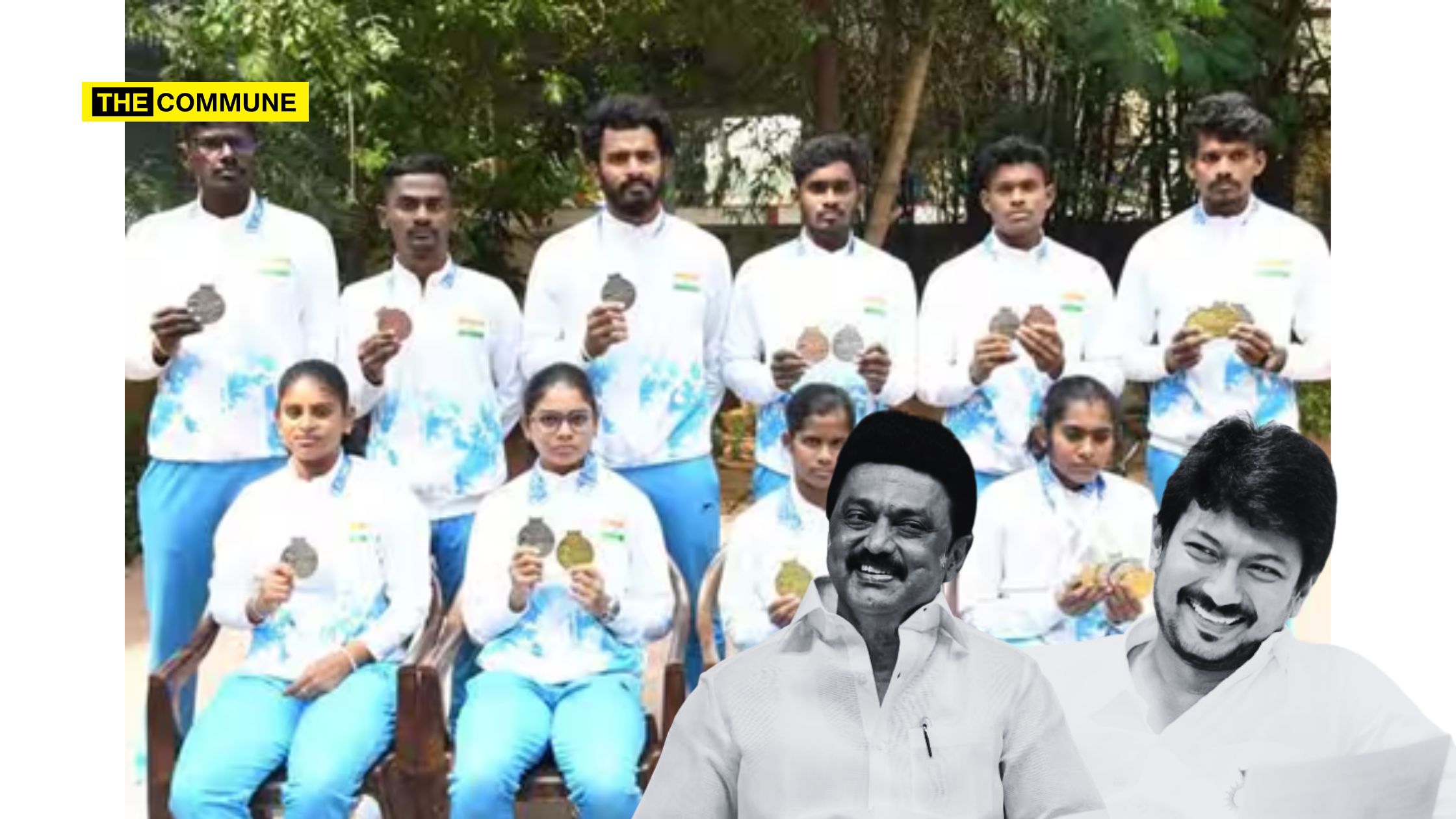
Tamil Nadu Hearing-Impaired Athletes Disappointed By Lack Of Recognition By State Govt After Winning Medals

Tamil Nadu Hearing-Impaired Athletes Disappointed By Lack Of Recognition By State Govt After Winning Medals

Tamil Nadu’s hearing-impaired athletes have expressed their frustration over the state government’s failure to recognize their achievements following their success at the 10th Asia-Pacific Deaf and Deaf Athletics Championships in Malaysia.

The championship, held from December 1 to 8, 2024, saw 21 countries competing, with India emerging as the overall winner. Tamil Nadu athletes contributed significantly to this achievement, securing six gold, six silver, and four bronze medals.

Among the medalists were Priyanka, Subhasree, Harini, Sameeha Parvin, Manikandan, Rakkappan, Vineeth, Sudhan, Karthik, Shanthanu Ravi, and Yashin, representing districts such as Chennai, Kanyakumari, Cuddalore, Salem, Erode, Trichy, Theni, and Villupuram.

Despite their success, the athletes expressed disappointment that the Tamil Nadu government had not offered any recognition or congratulations for their victories. They emphasized that their accomplishments, both nationally and internationally, had gone unnoticed, which they found disheartening.

The athletes also raised concerns about the lack of financial incentives, pointing out that they were not given the same benefits as other national-level athletes. Many of them come from economically disadvantaged backgrounds and have relied on their families’ earnings from wage labor to support their training. They shared that they have been trying to meet the Sports Minister for assistance but have been unsuccessful in their efforts.

In response, Meganatha Reddy, Member Secretary of the Tamil Nadu Sports Development Authority, stated that the Tamil Nadu government had covered the expenses for the athletes’ trip to the competition. He explained that the athletes had not yet received their official certificates, and once they did, the government would provide them with a high incentive. Reddy also mentioned that the athletes had not approached the authorities for assistance yet.

The athletes are awaiting the promised recognition and support, with many hoping for a resolution to their concerns.

(With inputs from Dinamalar)

Subscribe to our channels on Telegram, WhatsApp, and Instagram and get the best stories of the day delivered to you personally.
Dravidian Model Govt Releases Name, Car Number Of Victim Who Was Chased And Harassed By Goons Coming In Car With DMK Flag

TN Police, under CM Stalin, faces backlash from AIADMK and BJP for exposing victim details in a DMK-linked harassment case.

The Tamil Nadu Police, renowned for solving complex cases and often referred to as “next only to Scotland Yard,” has recently come under heavy backlash following their controversial decision to publicly disclose sensitive case information, particularly details about identifiable victims, including women.

Notably, the Tamil Nadu Police comes under the direct ambit of the Chief Minister, MK Stalin.

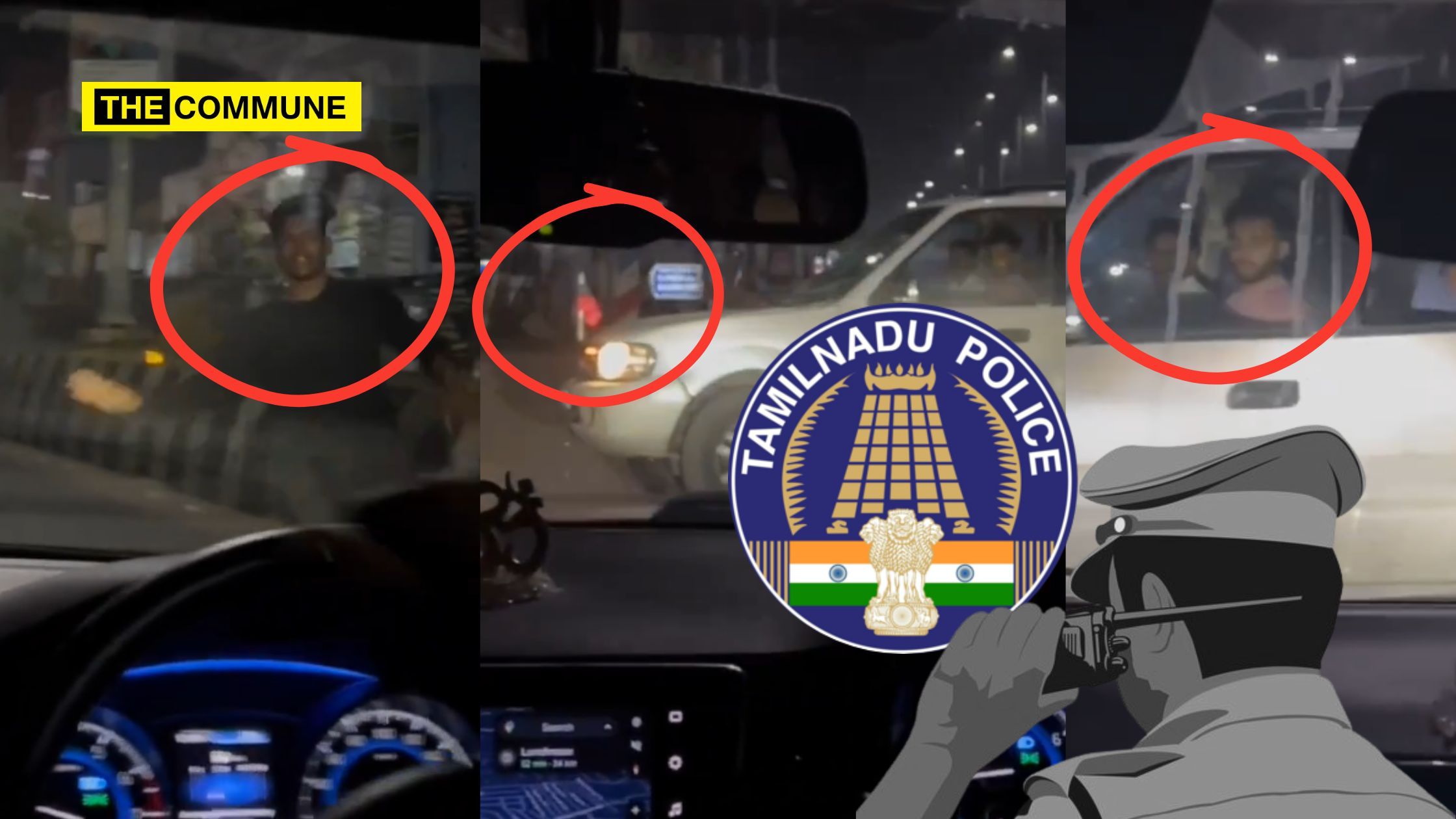
In a disturbing incident occurred on the night of 25 January 2025 when a woman from Kanathur, Chennai, along with three family members, was traveling to their home in Muttukadu. While on the East Coast Road, a luxury car displaying a DMK party flag suddenly blocked their path. Over six young men in the car engaged in aggressive behavior, including attacking the women’s car and making obscene remarks. Fearing for their safety, the women nervously reversed their car and drove back for about 4 kilometers to reach their house.

Despite the women’s attempt to escape, the youths continued to chase them in their car. The harrowing ordeal culminated in front of the women’s home, where the youths stopped their car and threatened them further. The entire incident was captured in a video that has since been shared on social media, causing widespread shock and outrage.

The victims filed a complaint at the Kanathur police station, demanding action against the perpetrators. The police are now investigating the incident using the video footage as evidence.The video, which lasts about one minute and 28seconds, shows the youths in the luxury car with a DMK flag blocking the road, attacking the women’s car, and chasing them for several kilometers.

In response to the incident, the state police headquarters issued a statement, asserting that authorities are actively searching for the suspects. A case has been filed under multiple sections, including the Prohibition of Harassment of Women Act.

However, the Tambaram Police issued a press release revealing the name of a woman and her car’s license plate number in a case involved a group of 7-8 men in two vehicles, one bearing the DMK flag, who allegedly blocked the road and harassed the woman and her family. This insensitive release of private information has sparked widespread anger and condemnation.

This marks the second incident where the Tamil Nadu Police released sensitive details, following a previous case where information about the Anna University sexual harassment incident, including victim details, was leaked or disclosed. The Madras High Court reprimanded the department over the leak and directed that ₹25 lakh be provided to the victim, to be collected from the officers responsible for the breach.

After facing severe backlash from netizens, the public, and political parties, the Tambaram Police have revised their post, removing the sensitive details.

The AIADMK has slammed the DMK government for disclosing the victim’s details. On a post on social media platform X, they wrote, “Stalin’s model government released personal details including the name of the woman who filed the complaint, Why haven’t any details, including the names of the criminals, been released? Their faces are clearly recorded. The car number is known. But who is it yet? Or, does the DMK flag “license” prevent us from disclosing details or taking further action? “

BJP Tamil Nadu State Secretary SG Suryah also slammed the DMK government stating, Seriously Tamil Nadu Police? How low are you going to stoop under political pressure? Yet again fails to protect the identity of the woman who dared to give police compliant against #DMK hooligans who were chasing? This Government led by CM @mkstalin is INCOMPETENT & SHAMELESS.”

Subscribe to our TelegramWhatsApp, and Instagram channels and get the best stories of the day delivered instantly.

Boxer Hacked To Death In Triplicane, Chennai, Investigation Underway

Boxer Hacked To Death In Triplicane, Chennai, Investigation Underway Dravidian Model: Six-Member Gang Goes On Violent Rampage Across Chennai, Six Injured In Night Of Attacks

The brutal murder of a young boxer in Triplicane, Chennai, has sent shockwaves through the area. Dhanush (24), a resident of Krishnammal Pettai, was attacked with a scythe by an unidentified gang while walking near his house at midnight.

Dhanush, who had participated in various boxing competitions and won medals, was also preparing for the police recruitment exam. However, reports suggest that he had previous disputes with local youths, leading to two cases being filed against him. It is said that these cases hindered his police exam preparations.

During the attack, Arun, a friend of Dhanush, sustained injuries while attempting to intervene. Despite efforts to escape, Dhanush was brutally hacked to death, suffering deep wounds to his head and body. The assailants also injured Arun before fleeing the scene.

Upon receiving information, the Ice House Police rushed to the spot, recovered Dhanush’s body, and sent it to Royapettah Government Hospital for autopsy. Arun, who was critically injured, was also admitted to Royapettah Hospital for treatment.

Meanwhile, Nakkheeran reports that Dhanush’s relatives have alleged that his murder was linked to the rising drug trade in the area, particularly the increasing ganja trafficking. Authorities are investigating whether the attack was a result of personal enmity or gang-related violence.

In a major breakthrough, police have arrested nine suspects, including Mohan, Senthil, David, and Vishal, in connection with the murder. The investigation is ongoing as law enforcement officials continue their search for other possible suspects.

(With inputs from Maalai Malar)

Subscribe to our channels on Telegram, WhatsApp, and Instagram and get the best stories of the day delivered to you personally.
Pakistan-Origin Man Linked To Khalifa Terror Outfit Arrested By Security Agencies At Chennai Airport

Pakistan-Origin Man Linked To Khalifa Terror Outfit Arrested By Security Agencies At Chennai Airport

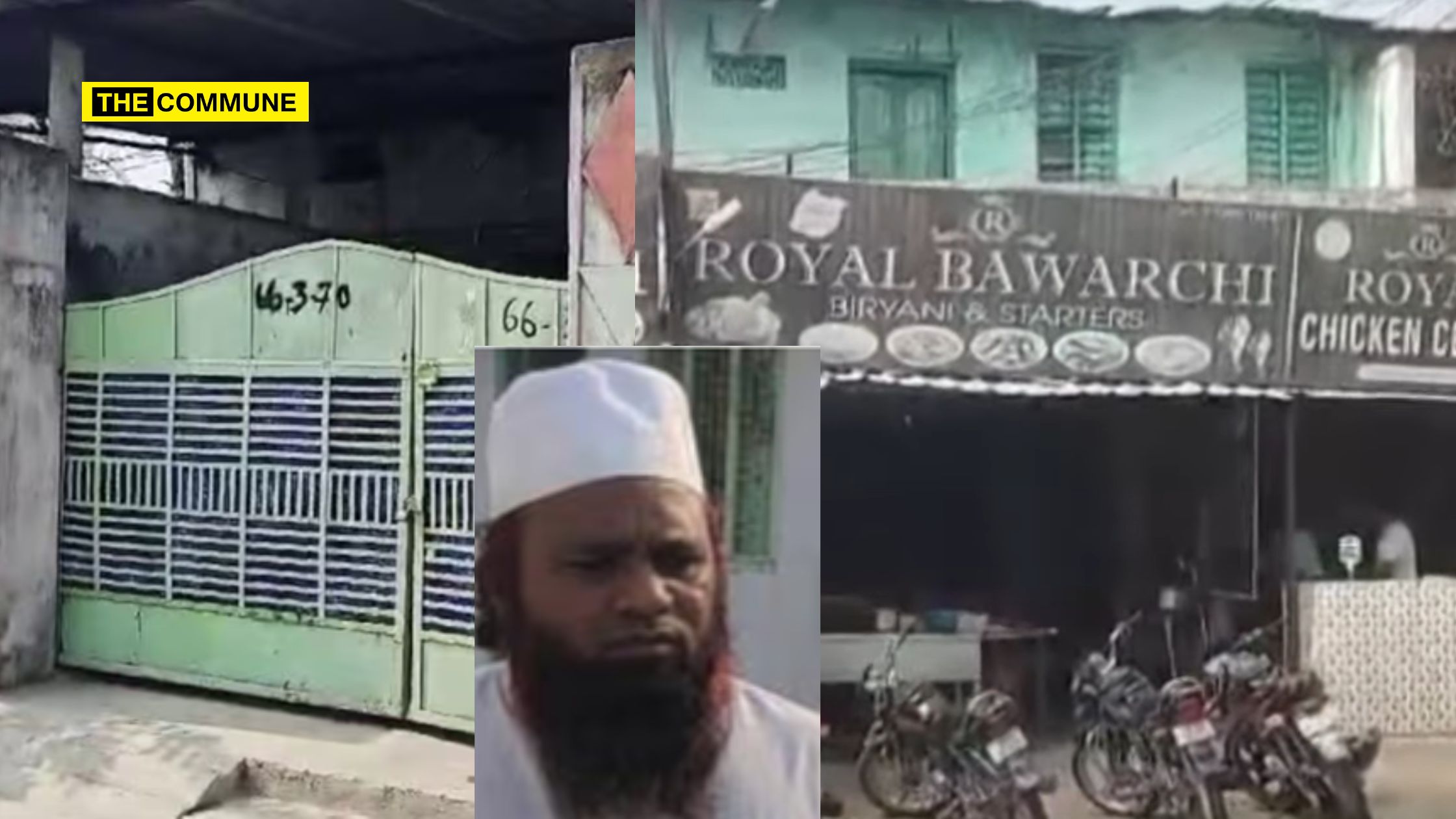
A man linked to the Pakistani terrorist organization Khalifa was arrested at Chennai International Airport while attempting to travel to Sri Lanka. The National Investigation Agency (NIA) has taken him into custody for further investigation.

The arrested individual, Mohammed Zakriya, originally hails from Pakistan and has been residing in India for the past 25 years. He first settled in Guntur, Andhra Pradesh, before moving to Hanamkonda, Warangal district, Telangana, where he has been living for the last 20 years. Zakriya is known to operate a food business in Warangal—Royal Bawarchi Biryani.

He is said to have converted 10–12 individuals to the Khalifa and operated several businesses, including three to four biryani centers in Warangal and Hanamkonda. In addition, he owned 16 auto-trolley vehicles used for selling sweets (Kovas) and ice creams in various local neighborhoods.

Authorities believe Zakriya is the Indian head of the Khalifa terrorist outfit. His arrest comes in the wake of the recent death of Khalifa’s leader, following which he was reportedly traveling to Sri Lanka to attend a gathering meant to elect a new leader. The NIA intercepted him at Chennai airport before he could board his flight.

Zakriya lived in Hanumankonda with his two brothers and has two wives and ten children. Investigators are now probing his activities, network, and deeper connections with the Pakistani-based terror group Khalifa. The NIA is currently interrogating him under custody.

The Khalifa organization, originally established by a Pakistani national who recently passed away, is in the process of electing a new leader, which led to Zakariya’s travel. Authorities intercepted him at Chennai Airport, where they discovered literature associated with Jamaat-e-Islami Pakistan, an entity believed to have an influence on minority communities in India.

Subscribe to our channels on Telegram, WhatsApp, and Instagram and get the best stories of the day delivered to you personally.
Mahakumbh: 30 Dead, 60 Injured In Stampede, Says UP Top Cop

At least 30 people were killed and about 60 injured in the stampede that broke out at the Mahakumbh mela ground in Prayagraj, in the early hours of Wednesday, a top police officer said.

Vaibhav Krishna, the DIG rank officer at Mahakumbh told the press that 25 bodies have been identified so far and the process of identification for the rest is underway. He said the injured are currently undergoing treatment at the hospital.

This is the first official confirmation about the death toll and the number of injured in the Mahakumbh stampede. Soon after the news broke about deaths in stampede, political parties were prompt in offering their condolences on loss of loved ones, however, the number of deaths was not clear.

Addressing the media, the DIG rank officer overseeing the Mahakumbh festivities said: “At around 1-2 a.m. before the Brahma Muhurta, a huge crowd gathered at the Akhara Marg. Due to the massive gathering, the barricades on the other side broke and the crowd ran over the devotees, wanting to take a dip at the Sangam.”

He said that at least 90 people were taken to the hospital through ambulances but unfortunately, 30 devotees have passed away. Sharing information on the unidentified deceased devotees, he said that they are from Assam, Gujarat and Karnataka.

Also, talking about the Uttar Pradesh government’s efforts in salvaging the situation post stampede, he said that Chief Minister Yogi Adityanath made an appeal to all the saints, seers, Akharas and Mahamandaleshwars to postpone their dip by a few hours. Notably, ‘Mauni Amavasya’ is the one of most auspicious days in the Hindu calendar, falling on Magh Krishna Amavasya.

It is believed that on this day, the water of holy river turns into ‘Amrit’. The bath on this day is traditionally performed in silence.

–IANS

Subscribe to our TelegramWhatsApp, and Instagram channels and get the best stories of the day delivered to you personally.

For Dravidioids It’s Blood, For Tamil Brahmins It’s Tomato Chutney: How ‘Progressive’ Dravidianist Filmmakers Like Ameer Came To The Defence Of Cheran Whose Daughter Had An Inter-Caste Relationship Against Her Parent’s Wishes

If inter-caste love is so celebrated by Dravidianist filmmakers onscreen, why do they resist such marriages in their households?

Dravidianist filmmakers, who portray Brahmin families as oppressive patriarchs while advocating rebellion against them as the only path to “liberation” seem to reject the very ideals of anti-caste rebellion that they push onscreen when it comes to their own families. Examples like director Cheran’s reaction to his daughter’s inter-caste relationship and actor Sathyaraj’s insistence on caste-endogamous marriage for his son highlight the glaring double standards within Dravidianist circles.

This controversy raises a fundamental question: If personal choice and inter-caste love are so sacred to Dravidianist filmmakers, why do they resist them in their households? The selective application of their so-called progressive ideals suggests that their real intent is not social reform but a sustained campaign to undermine Tamil Brahmin culture while shielding their interests.

The recent release of the Dravidianist propaganda film Bad Girl has sparked outrage, particularly among Tamil Brahmins, as it appears to be yet another targeted attempt to malign their community under the guise of “progressive” storytelling.

The film glorifies a female protagonist who abandons her “conservative” family—portrayed as Tamil Brahmins—to indulge in a so-called liberated lifestyle filled with multiple partners and vice-filled choices. The narrative deliberately seeks to undermine traditional Tamil values, particularly the principle of chastity, which has historically been upheld for both men and women in Tamil society. Critics argue that such films are not merely about “women’s liberation” but rather a thinly veiled attack on Tamil Brahmin identity and values, reinforcing the Dravidianist agenda of distorting cultural norms to suit their ideological motives.

This backlash has reignited discussions about the hypocrisy of Dravidianist and Periyarist ideologues, who, while claiming to champion women’s freedom, selectively target Tamil Brahmin culture in their films. They conveniently paint upper-caste families—particularly Brahmins—as oppressive patriarchs while portraying rebellion against these families as the only path to true liberation. However, these same filmmakers and ideologues exhibit stark hypocrisy when it comes to their own personal lives.

Dravidianist cinema frequently highlights inter-caste marriages and honor killings, positioning themselves as crusaders against casteism. Yet, they deliberately ignore a critical reality: many so-called love stories are often strategic, where men from other communities seek relationships especially with Brahmin women out of perversion and a false feeling of superiority rather than genuine affection. This is an angle that Dravidianist filmmakers refuse to acknowledge because it does not fit their politically motivated narratives. Instead, their films repeatedly frame women as passive victims of “Brahminical patriarchy” while ignoring the agency and concerns of their own families.

The hypocrisy becomes even more glaring when these very Dravidianist filmmakers are faced with inter-caste marriages in their own households. Far from practicing the ideals they espouse on screen; they fiercely oppose such unions when it involves their own daughters or sons. One example is Sathyaraj who waxes eloquent on EV Ramasamy Naicker’s principles but ensures that his son marries within the caste. Another prime example of this contradiction was evident in the controversy surrounding director Cheran’s daughter’s inter-caste marriage. While Cheran and Dravidianist filmmaker Ameer Sultan have long promoted inter-caste love in their films, their real-life reactions exposed their double standards—quickly rejecting the idea of such marriages when it involved their own families.

This blatant hypocrisy raises an important question: if inter-caste love and personal choice are so sacred to Dravidianist ideologues, why do their convictions crumble when it comes to their own daughters? The selective application of their so-called “progressive” ideals exposes the true intent behind their propaganda—not genuine social reform, but a sustained campaign to attack Tamil Brahmin culture while conveniently preserving their own status and interests.

The Cheran Story

In 2013, director Cheran faced a difficult situation when his daughter, Damini, told the court that she would prefer to stay with her boyfriend’s family. Cheran opposed her relationship with Chandru, a dancer on a reality show, claiming that he had previously deceived several women and had even proposed to Cheran’s elder daughter through a social networking site. However, Damini, who had filed a police complaint against her father for allegedly intimidating her boyfriend, told the court that she wished to live with her “would-be” mother-in-law.

Damini made this statement before a Division Bench, which included Justices V. Dhanapalan and C.T. Selvam, during a hearing of a habeas corpus petition filed by Chandru’s mother. Easwari Ammal, Chandru’s mother from Choolaimedu, stated that her son and Damini were in love and asked the court to direct the police to release Damini from the Vigilance Home in Mylapore and allow her to join her boyfriend’s family. When Damini was produced in court, she confirmed that she was 20 years old, single, and wanted to live with her boyfriend’s family rather than remain in the Vigilance Home. The Bench then questioned Cheran and his wife, who became emotional in court. Cheran objected to his daughter going with her boyfriend’s mother and suggested that the court hold private proceedings to understand the true situation.

During a press conference expressing his opposition to his daughter’s relationship, Cheran said, “This is not something that happened to one father—such situations occur in many places. We can’t say whether it’s due to the changing world, the youth’s outlook, or the growth of connectivity and technology that wasn’t available in the past. We are here today because we, as parents, respected our daughter’s freedom and opinions, treating her as a friend without exercising authority over her. We’ve all talked about giving children the freedom of expression, treating them as friends, and listening to what they have to say. Love is not wrong, and we should accept it. Parents should encourage love by guiding their children, but we shouldn’t try to be their parents. In many films, we have created scenes and discussions around this very topic, and we’ve spoken about it on many stages.”

He then recounted how his first daughter understood the values they preached, but the second daughter, involved in the dispute, had a rebellious attitude. He said, “First of all, it’s not wrong for children to fall in love. But the question is, what kind of love is it, and is it the right kind? As far as we are concerned, when our daughter fell in love, we didn’t oppose it; we accepted it. We guided her, saying that it wasn’t wrong, but she needed to choose wisely. When we investigated the man’s background for the first time, we learned about his family situation, which caused concern for us. However, I conveyed to my wife that when we came to Chennai, we lived in a 10×10 home, and in that small space, we raised two children. So, we shouldn’t judge anyone by their current situation—life can change tomorrow. I’m not opposing this love, but I do want her to maintain some distance. My daughter is still studying and has three more years to finish her education, while the boy has no job and no permanent source of income. He lives with his mother, who is a heart patient. When I gave him the three years’ time, I told him, ‘My daughter must finish her studies and get her degree. If you put in effort over these three years, you can reach a certain level too. If you do something to earn a monthly income of 10,000 or 15,000, you can come to my home as my son-in-law without any inferiority complex. But if you don’t, you’ll become like the character ‘Solla Marantha Kadhai’s Sivadhanu, and that’s not something to be proud of for my daughter and you should not become one. For my daughter, is it pride that my husband is looking after me, or that my husband is working under my father? No need, first achieve something in these three years, but without continuing to be in contact with my daughter.’ Yet, he continued to speak with her on the phone and even tried to take her out. When they do all that after reprimanding them, it creates a bad opinion towards them.”

He continued, saying, “I called their parents and told them that these things happen—falling in love is normal, and I allowed it. But even after I advised him, your son continues to take her out. I’m reprimanding my daughter, but she doesn’t listen to me. I don’t know if he’s forcing her or if she’s the one pursuing him, but they’re still going out, which is wrong. This will affect both their lives, and in the future, the outcome will be bad. He won’t be able to live properly and will end up chasing my daughter, getting insulted. If they experience everything now, what will they have left after marriage? If they wait until marriage, their future will be happy. But if they get married and then face problems comes and stand within three months of marriage, it won’t be good. So, please tell your son not to meet her, and I will say the same to my daughter. After three years, we will talk again.”

Cheran then accused the boy’s family of conspiring to separate his daughter from him. He later criticized the boy’s character, claiming that he had been speaking to many other girls and used manipulative tactics to influence his daughter for his own benefit.

Supporting Cheran’s opposition to his daughter’s relationship, Dravidianist director Ameer Sultan stated, “The boy is the perfect culprit, and it’s not just him—his entire family is accused. I urge the authorities to investigate the boy’s family background, as many families have already been destroyed because of him. Two years ago, at the KK Nagar police station, a woman—whose details I know but won’t disclose here, I don’t know where and how she leads a life, and I cannot disturb her life—was involved in a case that reached a settlement similar to this. There were two other girls connected to this case, making it a total of three victims. It’s not just the boy; the whole family is complicit in this behavior.”

Dravidianist filmmakers relentlessly push narratives that encourage young women, particularly from Tamil Brahmin families, to rebel against their traditions, reject parental guidance, and engage in reckless relationships. These films glorify defiance, portraying chastity and cultural values as oppressive burdens rather than cherished ideals that have preserved Tamil society for generations.

But here lies the ultimate hypocrisy—while these filmmakers and ideologues urge Tamil Brahmin women to discard their values and embrace so-called “liberation,” would they ever ask their own daughters to follow the same path? Would they celebrate if their own family members were drawn into the very chaos they promote on screen? The double standards are glaring, and Tamil Brahmins continue to be the convenient targets of this ideological assault.

Subscribe to our TelegramWhatsApp, and Instagram channels and get the best stories of the day delivered to you personally.

“Mathdaan Karein Ugtha Suraj”: Anti-Hindi DMK Courts Votes In Hindi For Erode East By-Election

DMK published Hindi leaflets - Mathdhaan Karein Ugatha Suraj - exposing a stark contradiction in the party’s long-held anti-Hindi stance.
Image Source: Junior Vikatan

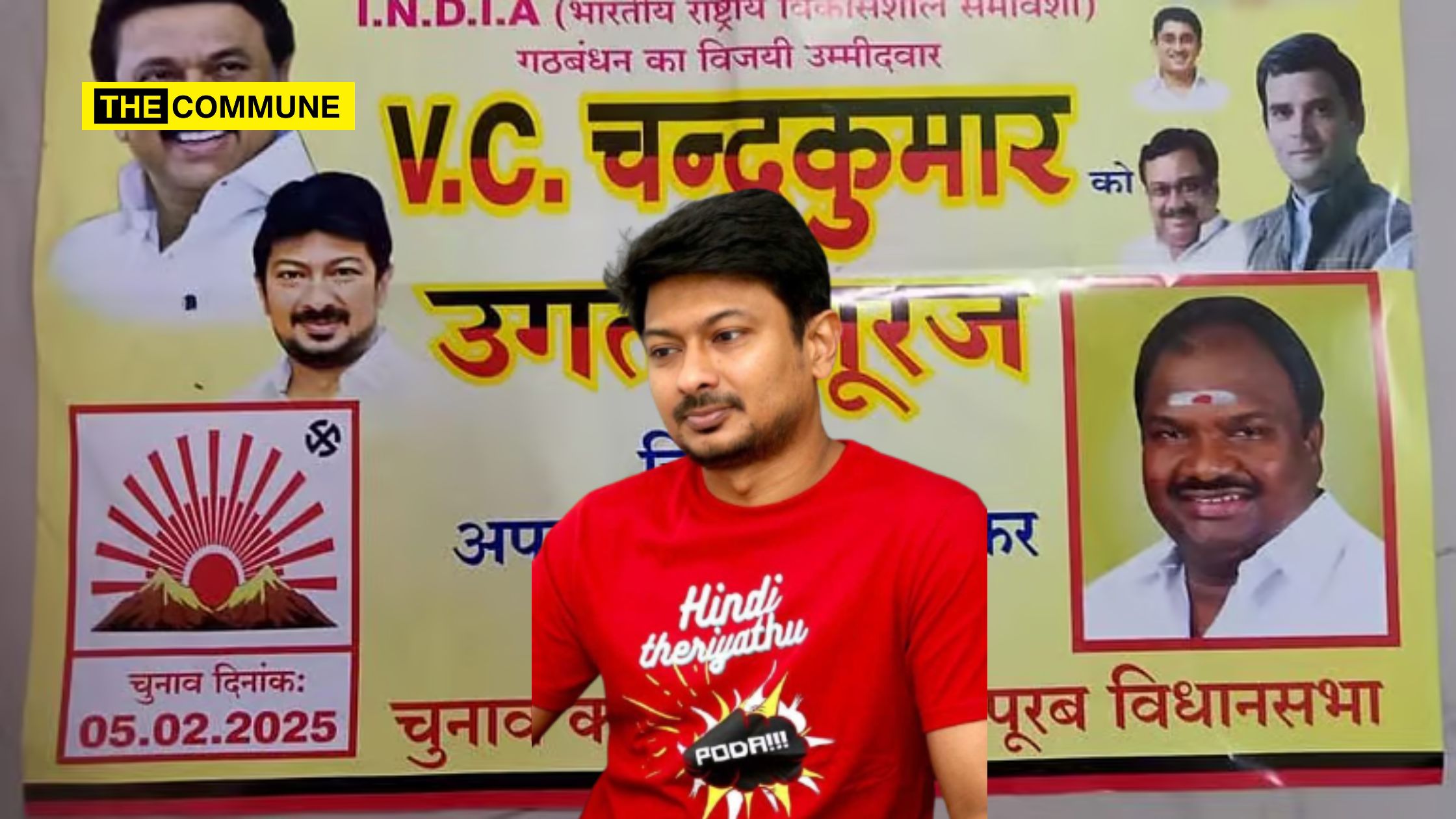
Citing outreach to Erode’s Rajasthani voters for the upcoming by-polls, DMK published campaign leaflets in Hindi, carrying the phrase – Mathdhaan Karein Ugatha Suraj (likely a verbatim translation of ‘Vote for Rising Sun’), exposing a stark contradiction in the party’s long-held anti-Hindi stance.

With just a week remaining for the by-election in the Erode East constituency, campaigning has intensified, drawing attention to a heated political battle. While the main opposition party, AIADMK, has boycotted the election, a total of 46 candidates remain in the fray. Key contenders include DMK’s Deputy Secretary for Publicity V.C. Chandrakumar, Naam Tamilar Katchi (NTK) candidate Seethalakshmi, and various independent candidates.

Adding to the election’s significance, NTK Chief Coordinator Seeman has made strong criticisms of Dravidian ideologue EVRamasamy Naicker hailed as Periyar by his followers, turning this by-election in EVR’s hometown into a policy clash between the DMK and NTK. Seeman and his party members have accused EVR of being a divisive figure, stating he spoke disparagingly of Thirukkural and Tamil heritage. Additionally, NTK has been vocal in its criticism of the DMK’s stance on Tamil nationalism and language policies.

Amidst this charged atmosphere, a new controversy has erupted over a leaflet printed in Hindi by the DMK and distributed in the Indira Nagar and Madhav Krishna Road areas of Erode East. The leaflet, which features images of EVR, C.N. Annadurai, M. Karunanidhi, Tamil Nadu Chief Minister M.K. Stalin, Deputy Chief Minister Udhayanidhi Stalin, as well as Congress leaders Sonia Gandhi and Rahul Gandhi, carries the phrase Mathdhaan Karein Ugatha Suraj in Hindi meaning Vote for Rising Sun. It urges voters to support DMK candidate V.C. Chandrakumar, who is contesting on behalf of the I.N.D.I alliance under the Rising Sun symbol.

The leaflet has quickly gone viral on social media, particularly among NTK supporters, who accuse the DMK of hypocrisy. Critics point out that the DMK, which historically rose to prominence through anti-Hindi agitation, is now actively seeking votes in Hindi. NTK members have widely circulated the leaflet online, questioning the DMK’s commitment to Tamil linguistic pride.

Responding to the controversy, DMK functionaries have defended their move, clarifying that the leaflets were targeted at the local Rajasthani community in Erode East. People from Rajasthan have been residing in the Indira Nagar and Madhav Krishna Road areas for generations, and around 7,000 of them are registered voters. It is common practice to print campaign materials in Hindi to engage with them. Similar leaflets were distributed during previous Assembly and Lok Sabha elections as well. This has nothing to do with language politics or our stance on Tamil consciousness,a DMK representative stated, as reported in Junior Vikatan.

Subscribe to our channels on Telegram, WhatsApp, and Instagram and get the best stories of the day delivered to you personally.

Human Waste Thrown Into Classroom At Government School Near Palladam

Human waste was thrown into the 10th-grade classroom of the government school in Palladam. No arrests so far.

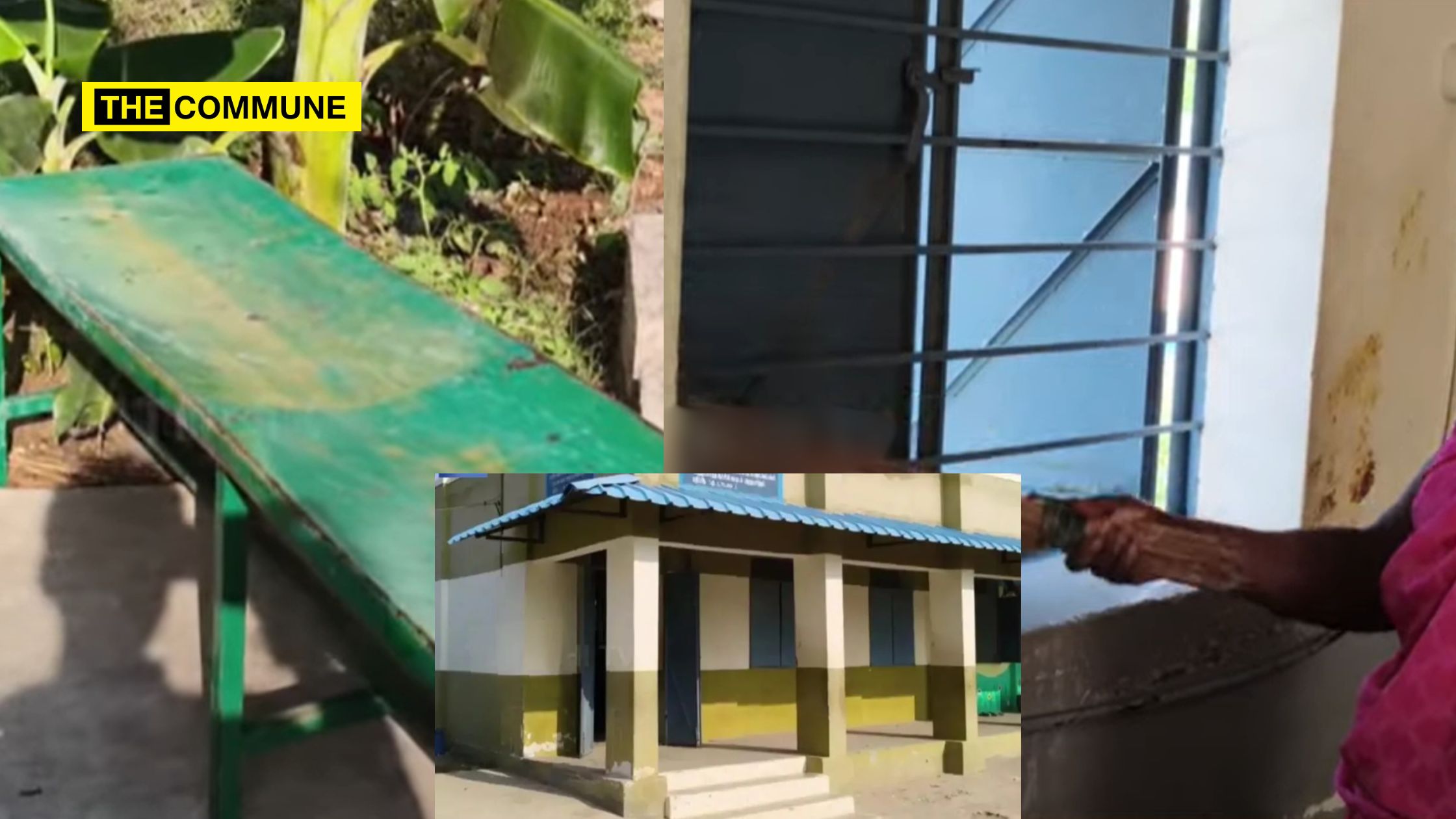
A shocking and unspeakable act has taken place at a government high school in Kamanaickenpalayam, near Palladam in the Tiruppur district of Tamil Nadu, where human waste was reportedly thrown into the 10th-grade classroom of the school, leaving the students, faculty, and local community deeply disturbed.

The school, which serves more than 100 students, was the site of this horrifying act, which the school administration discovered. The incident has sparked widespread outrage, with many questioning the motivations behind such a vile act. School authorities acted swiftly and reported the matter to the local police, ensuring that an investigation was initiated immediately.

The police, under the leadership of Palladam’s Deputy Superintendent of Police (DSP), have registered a case and are currently conducting an intensive inquiry into the incident. Authorities are working to identify the individuals responsible for this despicable act and to understand their reasons for targeting the classroom. However, as of now, there have been no arrests, and the case remains under investigation.

This incident follows a similar, widely publicized event earlier this year in Vengaivayal village in Pudukkottai district, where human waste was discovered mixed in a drinking water tank, raising serious health and safety concerns. The Vengaivayal case caused a major uproar across the state, with opposition parties accusing the authorities of failing to bring the culprits to justice despite months of investigation.

The recurring nature of such incidents has led to public outcry, with many demanding immediate action and accountability from both local authorities and the state government.

Subscribe to our channels on Telegram, WhatsApp, and Instagram and get the best stories of the day delivered to you personally.