Home Blog Page 407

Dindigul-Based AR Dairy MD Among Four Arrested By CBI In Tirupati Laddu Ghee Adulteration Case

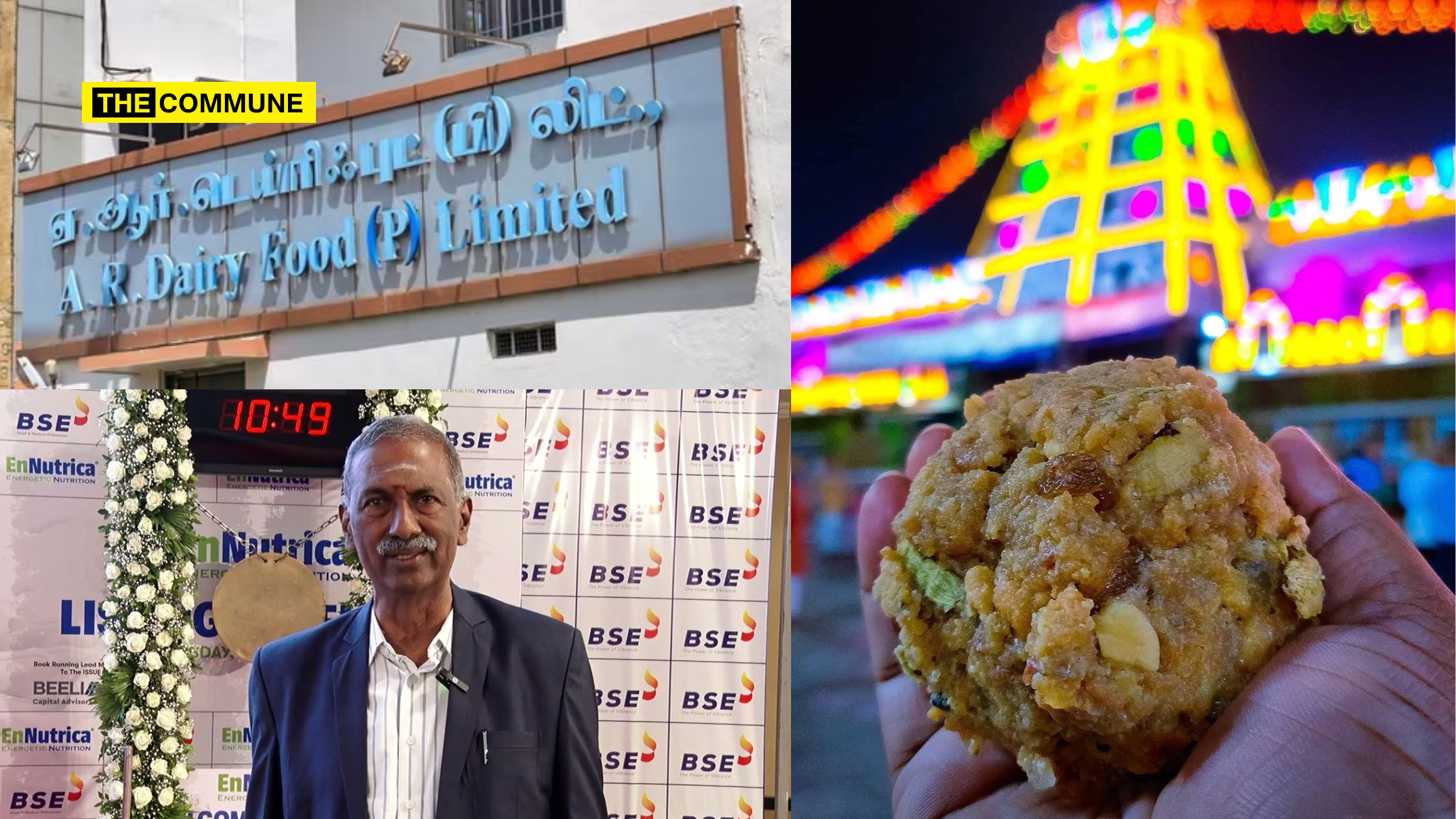
In a major development in the Tirupati laddu ghee adulteration case, the Special Investigation Team (SIT) of the Central Bureau of Investigation (CBI) arrested four individuals on Sunday, including the managing director of a Tamil Nadu-based dairy company.

According to sources, those taken into custody include R Rajasekharan, MD of Dindigul-based AR Dairy; Vipin Jain and Pomil Jain of Uttarakhand-based Bhole Baba Dairy; and Apoorva Chawda from Vaishnavi Dairy in Nellore. The arrests followed three days of intense questioning, after which the accused were produced before a local magistrate in Tirupati.

The investigation uncovered widespread irregularities in the ghee supply process, with violations at multiple levels, according to sources in the Tirumala Tirupati Devasthanams (TTD). Representatives of Vaishnavi Dairy allegedly secured tenders under the name of AR Dairy for supplying ghee. To manipulate the tender process, Vaishnavi Dairy reportedly fabricated documents and seals using AR Dairy’s name. Additionally, the company is accused of creating false records, falsely claiming that the ghee was sourced from Bhole Baba Dairy in Roorkee.

Background

The SIT’s probe uncovered widespread irregularities in the ghee supply process, with violations at multiple levels, sources said. The controversy first erupted in September last year when Andhra Pradesh Chief Minister N Chandrababu Naidu accused the previous YSRCP government of allowing the use of adulterated ghee containing animal fat in the preparation of Tirupati laddus.

The allegations gained momentum after the Telugu Desam Party (TDP) released a laboratory report supporting the claims. However, the YSR Congress Party (YSRCP) dismissed the report, calling it an attempt to malign the party.

Following the scandal, the Tirumala Tirupati Devasthanams (TTD) blacklisted AR Dairy and filed a complaint at the Tirupati East police station. The Andhra Pradesh government initiated an investigation, but after the matter reached the Supreme Court, the apex court directed the CBI to take over the case in October last year.

A Special Investigation Team (SIT) was subsequently formed, comprising CBI Joint Director (Hyderabad) S Veeresh Prabhu, CBI SP (Visakhapatnam) Murali Rambha, Guntur IG Sarvashresth Tripathi, Visakhapatnam Range DIG Gopinath Jatti, and an FSSAI official.

With the latest arrests, the probe is expected to intensify, as authorities seek to determine the full extent of the adulteration and those responsible for compromising the sanctity of the Tirupati laddu preparation process.

(With inputs from Times Of India)

Subscribe to our channels on Telegram, WhatsApp, and Instagram and get the best stories of the day delivered to you personally.

Preacher Carries Out Evangelism On Board Chennai-Thoothukudi Flight, Netizens Call It Harassment

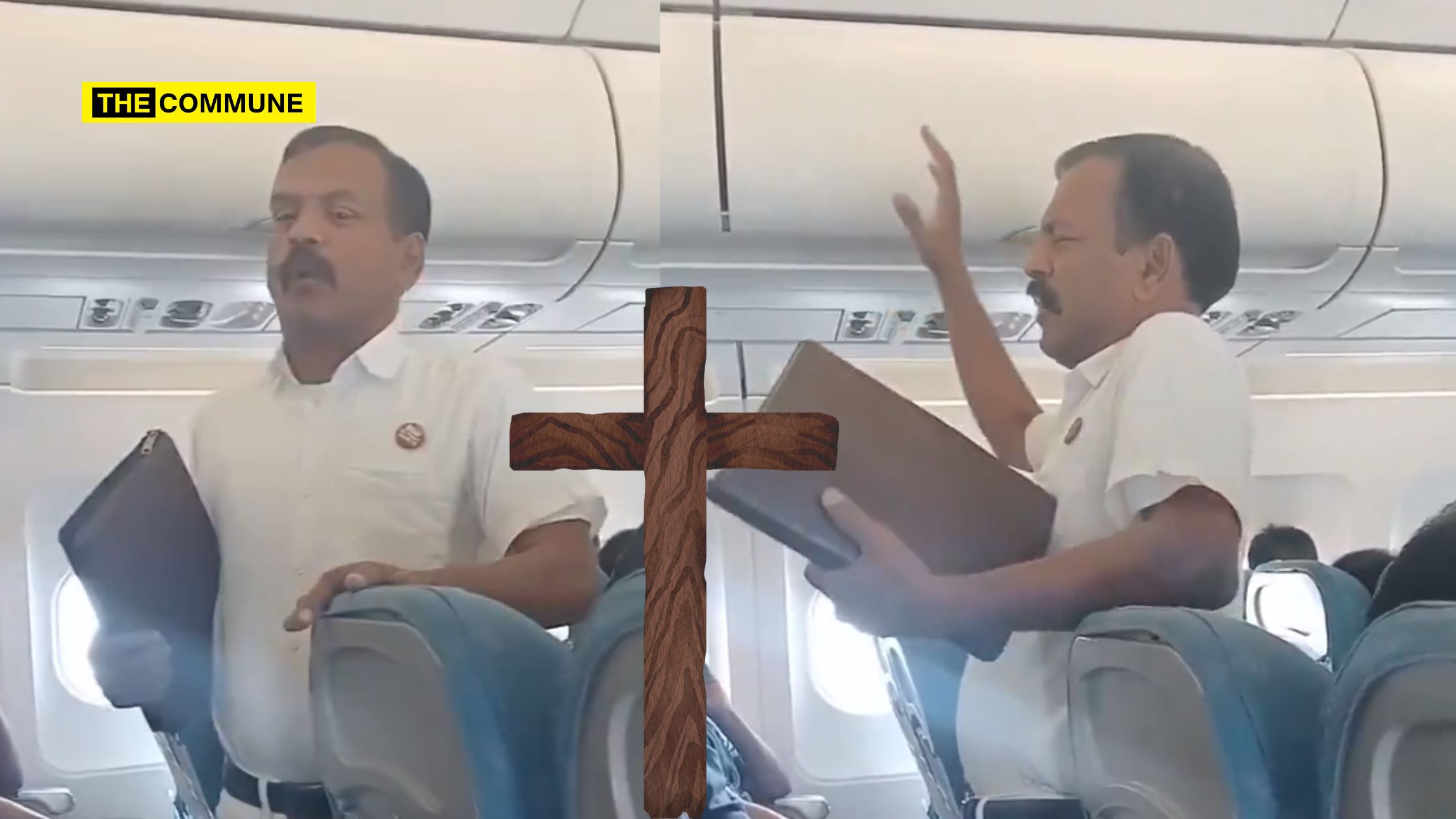
A video widely circulated on social media has sparked debate after a Christian preacher openly proselytized inside a Chennai-Tuticorin flight on 27 January 2025. The incident has drawn criticism, with many questioning selective outrage over religious expressions in public spaces, particularly in Tamil Nadu’s socio-political context.

In the video, a man identified as Wilson Maduram from Thoothukudi stood up mid-flight and began addressing passengers in a style reminiscent of missionary preaching. He greeted passengers, invoked Jesus Christ’s blessings, and quoted a Bible verse. He said, “Greetings in the name of Jesus Christ. My name is Wilson Maduram and I am from Thoothukudi. I would like to pray for our journey and also I’d like to share good news with you this afternoon. The Bible says, “For God so loved the world that he gave his one and only son that whoever believes in him shall not perish but have everlasting life. God loves you and me. That’s why God sent His begotten son Jesus Christ to this world. Also, I’ll pray for our journey. In the name of Jesus Christ, God bless our journey. Be with us oh God. You are so loving and merciful God, be with us we pray for pilot and also all passengers who are travelling, be with them, bless them. God bless you all, wish you a happy journey.”

Surprisingly, neither the passengers nor the airline staff called out the proselytisation. Netizens called out the public harassment inside the flight.

Subscribe to our channels on Telegram, WhatsApp, and Instagram and get the best stories of the day delivered to you personally.


Congress MP Instigates People To Hit The Streets Against Indian State? Says There’ll Be Civil Disobedience

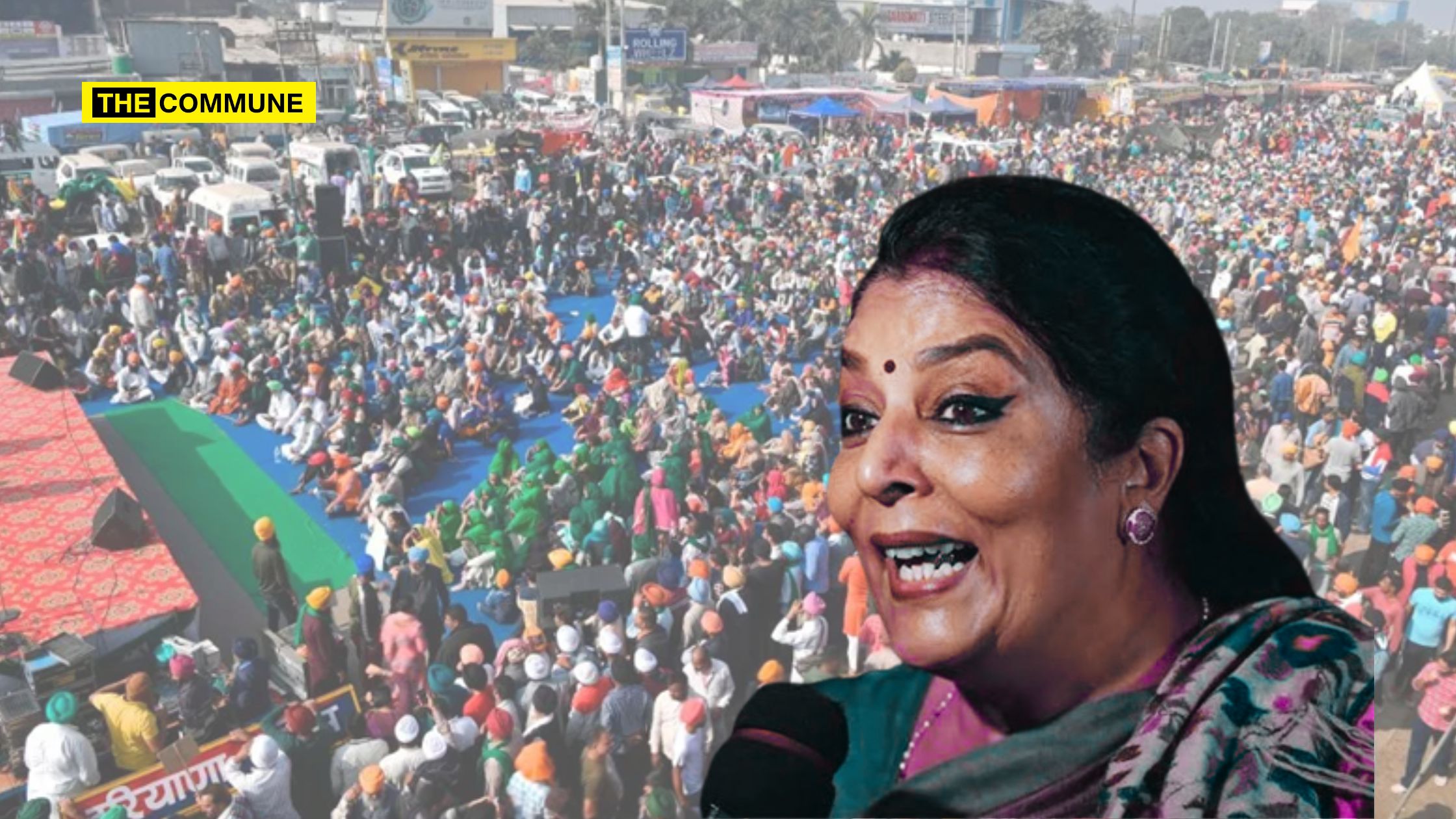
A recent episode of Kapil Sibal’s Dil Se programme on YouTube has ignited a firestorm of political debate, with Congress leaders appearing to advocate for civil disobedience against the Indian state. Speaking with Shiv Sena (UBT) RS MP Sanjay Raut, Congress RS MP Renuka Chowdhury, and RJD RS MP Manoj Kumar Jha, Sibal spoke or rather ranted on a variety of topics with the guests and also raised “concerns” about “media control”, electoral bonds, and government “suppression” – while Chowdhury went as far as to suggest that people must take to the streets in protest.

The discussion/rant centered around various topics and then touched upon media bias and the alleged muzzling of dissent, with Raut claiming that “half of the media is owned by coal contractors” and that the government has stifled any avenue for discussion, whether in Parliament or the press. The rest of them agreed and Chowdhury agreed, questioning where debates on crucial issues—such as the farmers’ protests and the recent Kumbh tragedy—can take place if Parliament refuses to entertain them.

However, Chowdhury’s remarks have raised eyebrows. “When people will come out on the streets, there will be civil disobedience; when people will recognize their rights that under the constitution, we the people, we will speak up for our rights, the country has seen this before and it will happen in the future as well,” she declared, hinting at mass protests and potential civil unrest.

Critics argue that such rhetoric amounts to open instigation against the government, with many interpreting it as a call for large-scale disobedience.

Rahul Gandhi: A Pawn of Foreign Interests?

The timing of these statements is also significant, as they come amid accusations that Rahul Gandhi is working at the behest of anti-India forces. His repeated calls for mass agitation, coupled with his alignment with divisive figures like George Soros—who has openly spoken about his agenda to destabilize India—have fueled speculation about foreign interference in domestic affairs.

The Congress party’s messaging increasingly appears to be veering toward confrontation with the Indian state rather than engagement within democratic institutions. Whether this signals a genuine political strategy or sheer desperation remains to be seen, but the implications are clear: calls for civil disobedience, if unchecked, could lead to dangerous instability.

The growing perception that Congress leaders are encouraging disorder rather than constructive opposition has alarmed political observers. With India facing multiple internal and external challenges, instigating protests and unrest could weaken national unity at a critical juncture. If the party continues down this path, it risks not just political irrelevance but also being seen as actively working against the interests of the country.

The question remains: Is Congress willing to sacrifice the nation’s stability for political gain? And if so, who is truly pulling the strings?

Subscribe to our channels on Telegram, WhatsApp, and Instagram and get the best stories of the day delivered to you personally.
“In Which Country Are You Living? This Is Bharat!”: Lok Sabha Speaker Gives Belt Treatment To DMK MP Dayanidhi Maran For Asking “Why Waste Taxpayer’s Money On Translating To Sanskrit”

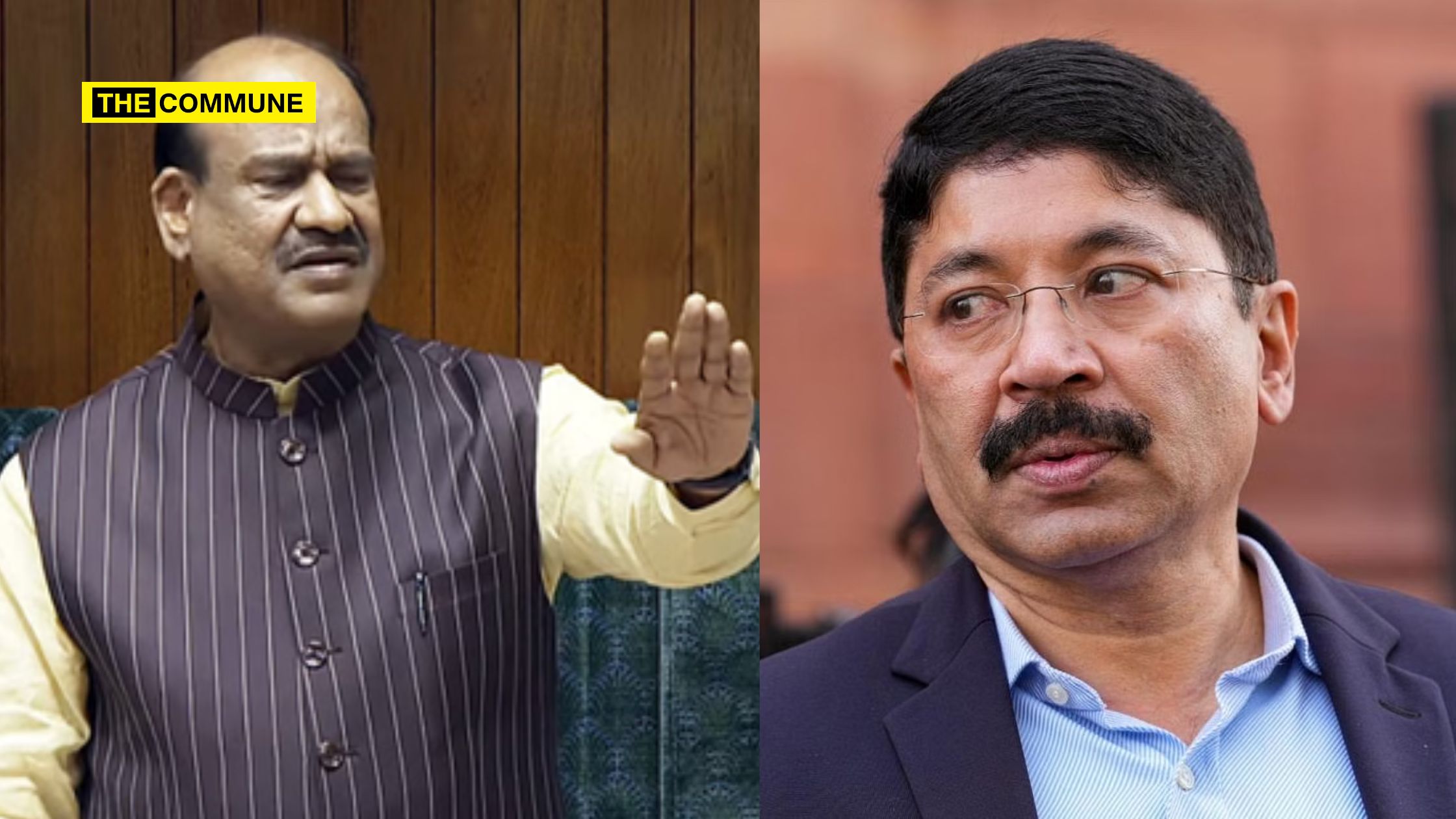
DMK MP Dayanidhi Maran on 11 February 2025 opposed the simultaneous interpretation of Lok Sabha proceedings in Sanskrit, arguing that it was unnecessary and a waste of taxpayers’ money. He linked the move to RSS ideology and questioned the relevance of Sanskrit as a communicative language.

During Question Hour, Maran cited the 2011 Census, which recorded only 73,000 Sanskrit speakers, and emphasized that while he supported interpretation in official state languages, he objected to Sanskrit being included. He said, “Sir, you are giving translation which is most welcome, for the languages, which are the state languages, official state languages, can you tell me which state official language is Sanskrit? Why are we wasting tax payers’ money with this language which is not even communicable, nobody communicates with it in any of the states in India, nobody speaks with it. The population survey in 2011 said only 73000 people are supposed to be speaking. Sir, when there is data, why should the tax payers’ money be wasted because of your RSS ideologies?”

His remarks drew a strong response from Lok Sabha Speaker Om Birla, who defended the decision, asserting that Sanskrit has been India’s primary language. Birla clarified that interpretation services were being provided in multiple languages, not just Sanskrit, and later announced the inclusion of six more languages—Bodo, Dogri, Maithili, Manipuri, Sanskrit, and Urdu—for simultaneous interpretation in Parliament.

As DMK MPs protested the move, Birla questioned Maran’s objection. Om Birla replied, “Respected member, which country are you living in? This is Bharat, and its primary language has been Sanskrit. That is why we interpreted in 22 recognized languages in Parliament. Not just in Sanskrit. Why do you have a problem with Sanskrit? You have a problem with Hindi and Sanskrit. There are 22 languages in the country that are recognised in the Parliament and simultaneous interpretations will take place in the 22 languages and the simultaneous interpretation will take place in Hindi as well as Sanskrit.”

(With inputs from India Today)

Subscribe to our channels on Telegram, WhatsApp, and Instagram and get the best stories of the day delivered to you personally.
‘We Have 1000s Of Sarees, But No Salary Hike’: Anganwadi Workers Confront DMK MP Kanimozhi Over Unfulfilled Promises

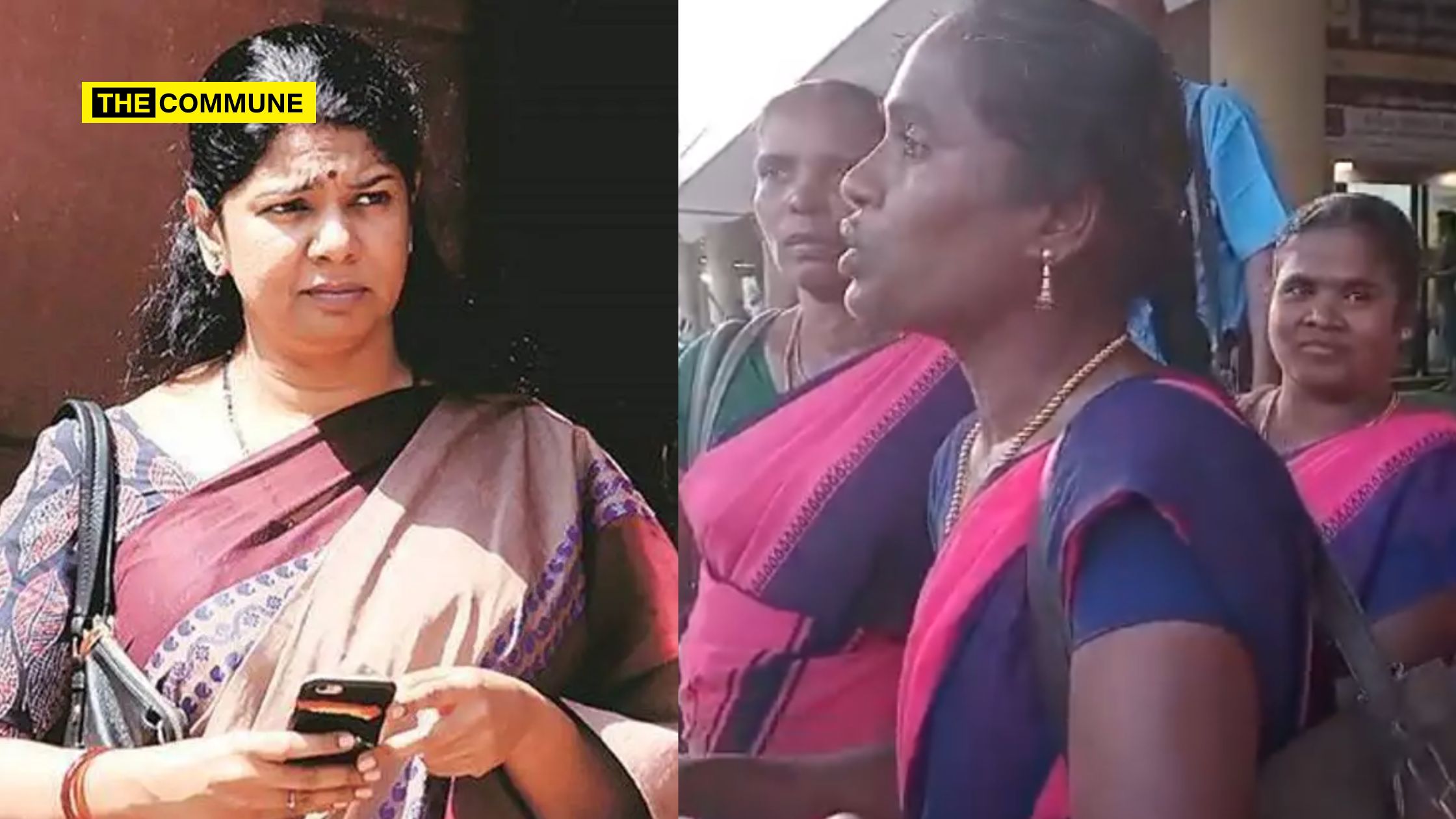
A welfare distribution event organized by the DMK’s Tirunelveli unit turned chaotic as Anganwadi workers confronted Thoothukudi DMK MP Kanimozhi over the party’s unfulfilled election promise of granting them permanent jobs.

The event, held at the DMK district secretary’s office, saw around 300 Anganwadi workers in attendance. Reports suggest they were allegedly compelled to participate and made to wait for several hours before Kanimozhi arrived. When she eventually distributed sarees and blankets to just a handful of workers and prepared to leave, frustration boiled over.

A large group of workers surrounded her car, demanding answers about the DMK’s pledge to make their positions permanent. Kanimozhi briefly responded, saying, “The Chief Minister will take action,” but left without further engagement.

Many workers reportedly rejected the gifts in protest, stating they had been made to wait an entire day for what they saw as a token gesture instead of meaningful action. The incident has sparked criticism, with observers calling it a public relations misstep for the ruling party.

The confrontation follows Kanimozhi’s participation in the Porunai Book Festival and a DMK public meeting in Tirunelveli earlier that evening.

Speaking to reporters earlier, an anganwadi worker said, “They promised that we will be made permanent and also said that they have given this in their manifesto. Till date no step to enable this has been taken. They asked us all to attend this event, but we are not sure why they asked us to? Are we without sarees? We have thousands of sarees but we have come here to place our request but no one listened to us. They have not appointed people, there is a staff shortage and we are working with that. At one centre, I have 37 children to take care of. There is no helper, parents are asking us what we are teaching them, with no help, I have to do everything, what do I focus on first? I have not be able to focus on anything and have become depressed, I wonder whether I must even do this work. Ok. you have given us sarees, but you have not kept your promise, that is all we ask. First give us a salary hike. We have given petitions countless times, we even met CM Stalin but no heed was paid to our requests. You are not listening to our problem. Today, we were all told by the office to come here, they said they are giving saree and bedsheets – do you think we cannot afford to buy them? They said Kanimozhi madam is giving these. They are calling it a scheme for us, but you are not giving us what we need. We can buy 1000s of sarees and bedsheets. But please solve our problems first, we dont even have a basic salary. We are working as part-time workers. When they came to power, they said the anganwadi workers are suffering and your salaries are low, they said they will be like our brothers and sisters, but nothing has happened. We are still the same. There is no one to even ask us anything. Even if we retire, there is no pension benefit. We are working as part-time workers, that is our situation.”

However, it is the Anganwadi workers’ agitation that has drawn attention, highlighting growing discontent over the government’s failure to implement key election promises.

(With inputs from Dinamalar)

Subscribe to our channels on Telegram, WhatsApp, and Instagram and get the best stories of the day delivered to you personally.
Budget 2025: A Blueprint For Sustainable Growth, Not Short-Term Populism As Claimed By Cong MP P Chidambaram

Former Finance Minister P Chidambaram’s address in Parliament yesterday was high on rhetoric but lacked factual accuracy. I have responded to 6 of his key allegations with detailed response notes and facts. While attempting to critique the current government’s economic policies, he conveniently ignored the financial mismanagement, high inflation, and reckless lending practices that defined the UPA era. It’s time to set the record straight with facts.

Statement 1

Former Finance Minister P. Chidambaram’s recent assertion that the 2025 Budget should have included a reduction in Indirect taxes, particularly on petrol and diesel, alongside the income tax cuts, warrants a closer examination of the fiscal implications and economic strategies involved. Let us see the truth:

It’s important to note that petrol and diesel are currently outside the purview of GST. 96%+ meetings of the GST Council have taken decisions unanimously. Even DMK and Congress FMs have opposed Petrol under GST. So Instead, now they are subject to excise duties imposed by the central government and VAT by state governments. As of the latest data, the excise duty is ₹19.90 per litre for petrol and ₹15.80 per litre for diesel. Additionally, state governments levy VAT, which varies across states. Chidambaram must note that the Congress government’s ally DMK in Tamil Nadu is unable to implement even a ₹4 cut that they promised vigorously in 2021 while the NDA Govt reduced Central Excise duty fully from Central Share by a total of ₹13/litre and ₹16/litre on petrol and diesel respectively in two tranches in November 2021 and May 2022, which was fully passed on to consumers. Some state governments also reduced state VAT rates to provide relief to citizens. In March 2024, OMCs also reduced the retail prices of petrol and diesel by ₹2 per litre each, across the country.!! Instead of asking a govt that has reduced its portion of prices by ₹15 since 2021, he should instead ask tough questions to his ally the DMK and the Chief Minister of TN.

Income Tax Reduction and Consumption

The 2025 Budget’s decision to cut personal income tax rates aims to increase disposable income for the middle class, thereby boosting consumption. Estimates suggest that these tax cuts will inject approximately ₹1 lakh crore into the hands of consumers. Considering a marginal propensity to consume of 80%, this could lead to an overall increase in consumption of about ₹5 lakh crore, representing approximately 2.7% of GDP. This surge in consumption is expected to stimulate demand across various sectors, fostering economic growth. While the suggestion to reduce taxes on petrol and diesel is well-intentioned, it’s crucial to balance such measures against fiscal responsibilities. The current strategy of reducing personal income taxes is designed to boost consumption without compromising essential government revenues. Therefore, the approach taken in the 2025 Budget aligns with the broader objective of sustaining economic growth while maintaining fiscal prudence.

Statement 2:

Chidambaram compared the Finance Minister’s budget allocation for the External Affairs Ministry (MEA) to Elon Musk’s cost-cutting strategies is misplaced and ignores economic realities. Here’s why:

Budget Allocation vs. Effective Spending  

MEA’s core functions—diplomacy, international trade relations, foreign aid, and security cooperation—are shifting towards efficiency-driven models, with greater digital diplomacy, AI-driven consular services, and targeted foreign policy interventions. The previous budget allocation of ₹28,915 Cr was underspent, leading to ₹3,638 Cr of unused funds in FY 2023-24. A lower allocation reflects realigned priorities, not a shrinking global presence.

International Best Practices: Efficiency > Expansion

Global trends show that leaner diplomatic budgets improve agility rather than dilute influence. Example: The UK Foreign Office saw a 10% budget cut in 2022 yet strengthened global influence through strategic alliances and AI-powered diplomacy.

India’s Diplomatic Presence is Expanding, Not Shrinking  

New Embassies Opened in Africa, Indo-Pacific: India has expanded its diplomatic missions, particularly in Africa and the Pacific, countering China’s influence. G20 Presidency showcased India’s leadership—a global-first strategy that focused on outcomes over excessive spending.

Fiscal Prudence & Growth Priorities

The Budget 2025 prioritizes economic growth, infrastructure, defense, and social sector spending, which aligns with long-term global positioning. A smaller MEA budget does not mean reduced influence—it means a focus on strategic diplomacy, not wasteful expenditure.

Verdict: Chidambaram’s “Elon Musk” analogy is mud mathematics. Budget efficiency ≠ Diplomatic weakness India is expanding its influence through smart diplomacy, not excessive spending Strategic prioritization is the hallmark of modern global leadership Smart foreign policy is about outcomes, not just budget size.

Statement 3:

Chidambaram criticized the income tax cuts in Budget 2025, arguing that while they provide relief to the middle class, they also disproportionately benefit the richest taxpayers. He claimed that 2.27 lakh people earning over ₹1 crore, 262 people earning over ₹100 crore, and 23 people earning over ₹500 crore would also benefit from the revised tax slabs.

Response:

The Reality of Tax Savings

Maximum tax savings per taxpayer = ₹1.10 lakh. How much do high-income earners actually save?

  • ₹1 crore+ earners (2.27 lakh people): 1.1% of their income saved
  • ₹100 crore+ earners (262 people): 0.011% of their income saved
  • ₹500 crore+ earners (23 people): 0.0022% of their income saved  

Chidambaram’s claim that the rich gain disproportionately is misleading -for ultra-high earners, ₹1.10 lakh is an insignificant fraction of their income. Middle-class gains the most—80-85 lakh taxpayers exit the tax net, keeping more of their earnings to spend, invest, and drive economic growth.

Economic Growth & Consumption Impact

₹1 lakh crore back into taxpayers’ hands → ₹5 lakh crore consumption boost (~2.7% of GDP). Increased spending stimulates businesses, drives demand, and creates jobs. Countries like the US, UK, and Singapore have used direct tax cuts to boost demand and drive GDP growth.

Final Verdict: Chidambaram’s Argument is Mud Mathematics. If this is how he calculated numbers when he was FM, then India did well not to become bankrupt during his term. Numbers don’t lie—the tax cuts are designed for middle-class relief, not a giveaway to billionaires. Tax policy is structured to stimulate demand, ensuring broad-based economic growth. Smart taxation fuels consumption, investment, and economic stability—not misleading populism.

Statement 4:

Chidambaram questioned how the Finance Minister (FM) could claim 11.1% growth in net tax revenues in 2025-26 despite foregoing ₹1 lakh crore in tax cuts. He argued that the ₹1 lakh crore is only 0.3% of GDP (₹324 lakh crore) and doubted its impact on economic growth. He also suggested that a portion of this tax relief would go into savings, debt repayment, and foreign spending, rather than domestic consumption. He further pointed out that even the SBI Chairman expects part of the ₹1 lakh crore to go into savings, implying that it may not fuel domestic consumption as projected.

Response:

Why is the 11.1% Tax Revenue Growth Achievable?  

Chidambaram calls it “magic,” but it’s mathematics. Despite the ₹1 lakh crore tax cut, net tax revenues will still increase by ₹3.49 lakh crore due to:

  • Stronger GST collections from increased consumption.
  • Corporate tax buoyancy as businesses grow.
  • Higher direct tax compliance as economic activity expands.  

Even in 2024-25, net tax revenue grew by 11% despite earlier tax adjustments—proving that growth-driven policies offset short-term revenue losses.

Consumption vs. Savings: The SBI Chairman’s View Supports Growth

Chidambaram assumes that savings don’t contribute to economic expansion, which is incorrect. SBI Chairman’s expectation of increased savings is actually good for the economy:

  • Higher savings → Increased bank deposits → More credit availability
  • Increased credit → More business loans → Higher business expansion & sales
  • Higher investment → More jobs & economic momentum  

Empirical data from past tax cuts (India & globally) show that increased disposable income leads to greater spending, even if part of it goes to savings or debt repayment.

Does 0.3% of GDP Matter? Yes!  

₹1 lakh crore is 0.3% of GDP, but its impact is amplified through the consumption multiplier. With a spending multiplier effect of ~5x, this translates to a ₹5 lakh crore boost to demand (~2.7% of GDP), not just 0.3%.

Example: The US tax cuts in 2018 were around 0.4% of GDP but led to a significant economic expansion.

Other Growth Engines: FM is Already Acting on It  

  • Exports: PLI schemes, global trade agreements, and Make-in-India initiatives are expanding export potential.
  • Capex: The FM has allocated record-high infrastructure spending, which directly fuels economic growth.
  • Balanced Growth Strategy: Tax cuts + infrastructure + exports = sustained economic expansion.

To sum up: 11.1% revenue growth is backed by data, not “magic.” Savings don’t disappear—they fuel investment & credit expansion. A ₹1 lakh crore tax cut translates into a much larger GDP impact. Even the SBI Chairman’s expectation of increased savings is an economic positive, as it fuels lending and business expansion. Smart economics relies on multiple growth levers, not just tax collections. This is sound policy, not guesswork.

Statement 5:

Chidambaram criticized the Finance Minister’s claim of improving the fiscal deficit from 4.9% to 4.8%, arguing that this was achieved by rationalizing capital expenditure (capex) by ₹1.83 lakh crore. He claimed that this adjustment reduced the fiscal deficit by ₹43,785 crore, which accounts for 23.85% of the total capex rationalization, and argued that this was not sound economic policy. He further pointed out adjustments in key sectors. Additionally, he highlighted adjustments in flagship welfare schemes like Poshan, Jal Jeevan Mission, Crop Insurance, Urea Subsidy, PM Gram Sadak Yojana, and SC/ST Scholarships, calling them “cruel cuts.”

Response:

Fiscal Deficit Improvement: The Right Approach  

Fiscal discipline is a necessity, not an afterthought. Rationalizing spending ensures lower borrowing costs, stable inflation, and a better credit rating—key for attracting foreign investment and maintaining economic growth. Even after fiscal adjustments, India has the highest capital expenditure allocation in history—₹11.21 lakh crore for FY26 (3.1% of GDP).  

Before 2014, average capex allocations were significantly lower. The current capex level is a strategic shift toward long-term growth, not a reduction.  

Capex Rationalization: Strategic & Temporary, Not Permanent

Capex isn’t stopped—it’s optimized for maximum efficiency. Projects facing delays are realigned to ensure high-impact infrastructure investments rather than wasteful expenditure. Even with rationalization, India’s capex-to-GDP ratio remains among the highest globally. Countries like Germany & the UK have strategically adjusted capex in economic slowdowns while ensuring sustainable deficit management.  

Social Sector Spending: The Full Picture  

Despite realignment, social spending remains strong: ₹86,175 crore was allocated for healthcare. PM Awas Yojana’s budget has increased. Food security & rural employment schemes remain fully funded. Education & scholarships continue under efficiency-focused models. Reprioritizing inefficient spending does not mean abandoning welfare. Balanced expenditure ensures fiscal health while meeting social obligations.

Tax Cuts & Economic Growth: Not Magic, but Sound Economics  

Tax cuts = more disposable income = higher demand. ₹1 lakh crore in tax relief is not just 0.3% of GDP—it has a 5x multiplier effect, boosting demand by ₹5 lakh crore (~2.7% of GDP). Savings don’t disappear—they fuel bank deposits, increase credit availability, and drive business expansion. Even the SBI Chairman acknowledged that increased savings would strengthen credit availability, fueling business growth. 11.1% revenue growth is not an illusion—it’s a result of expanding tax compliance, GST collections, and business growth.

To sum up: Fiscal discipline ensures long-term stability, not reckless spending. Capex rationalization is temporary & strategic—high-impact projects continue. Tax cuts fuel demand, and savings enhance credit & business expansion. Welfare spending remains intact, with a focus on efficiency. Smart fiscal management prioritizes sustainable economic expansion, not short-term populism.

Statement 6:

Chidambaram criticized the budget for not addressing inflation’s impact on Indian households He argued that GST, fuel taxes, and wage policies should have been adjusted to ease financial pressure on low-income households.

Response:

Let’s go by data. Under the UPA, inflation averaged 8.1% (2004-14); under the NDA, it stands at 5.1%. Also, India’s Inflation is lower than global trends.

Inflation in India is lower than in most major economies:

  • Global Average (2012-24): 4.66%
  • US: 5.3%
  • UK: 6.2%
  • Eurozone: 6.8%

India has managed inflation better than developed economies despite global crises (pandemic, supply chain disruptions, oil price spikes). Food inflation is lower than education & healthcare because of strong PDS and government food programs. Healthcare inflation is being tackled with Ayushman Bharat & public health infra investments. Education reforms & scholarships continue to improve affordability.

Household Savings: The Right Perspective  

The savings rate declined from 25.2% (2012) to 18.4% (2024) is due to higher spending & investment, not just inflation.

Banking deposits have surged, proving that people are investing their savings more productively.

SBI Chairman has noted that tax savings from Budget 2025 will increase bank deposits, improving credit access & business expansion. Government schemes like PM Jan Dhan Yojana have boosted financial inclusion, increasing access to credit & reducing reliance on informal loans.

Tax & Fiscal Strategy is Designed for Sustainable Growth

GST Adjustments: India already has one of the lowest GST rates on essential goods globally to protect consumers.

Fuel Taxes: A reduction in fuel taxes would reduce government revenue needed for welfare & infrastructure. Instead, India is promoting EV adoption & alternative fuels to mitigate fuel cost burdens.

Capex & Job Creation: Instead of raising MGNREGA wages, the focus is on higher-value employment in manufacturing & services, ensuring sustainable income growth. Real wages & employment data show that job creation is outpacing inflationary pressures.

To sum up: India’s inflation is lower than most global economies. Household savings shift towards investments & productive growth, not just consumption pressure. Budget 2025’s tax relief will increase disposable income, boosting spending & savings. Targeted welfare schemes ensure essential spending on food, education, & healthcare remains supported. This is sustainable economic policy, not short-term populism.

S Sundar Raman is a Chartered Accountant and the Vice President of BJP Tamil Nadu’s Thinker’s Cell

Subscribe to our channels on Telegram, WhatsApp, and Instagram and get the best stories of the day delivered to you personally.

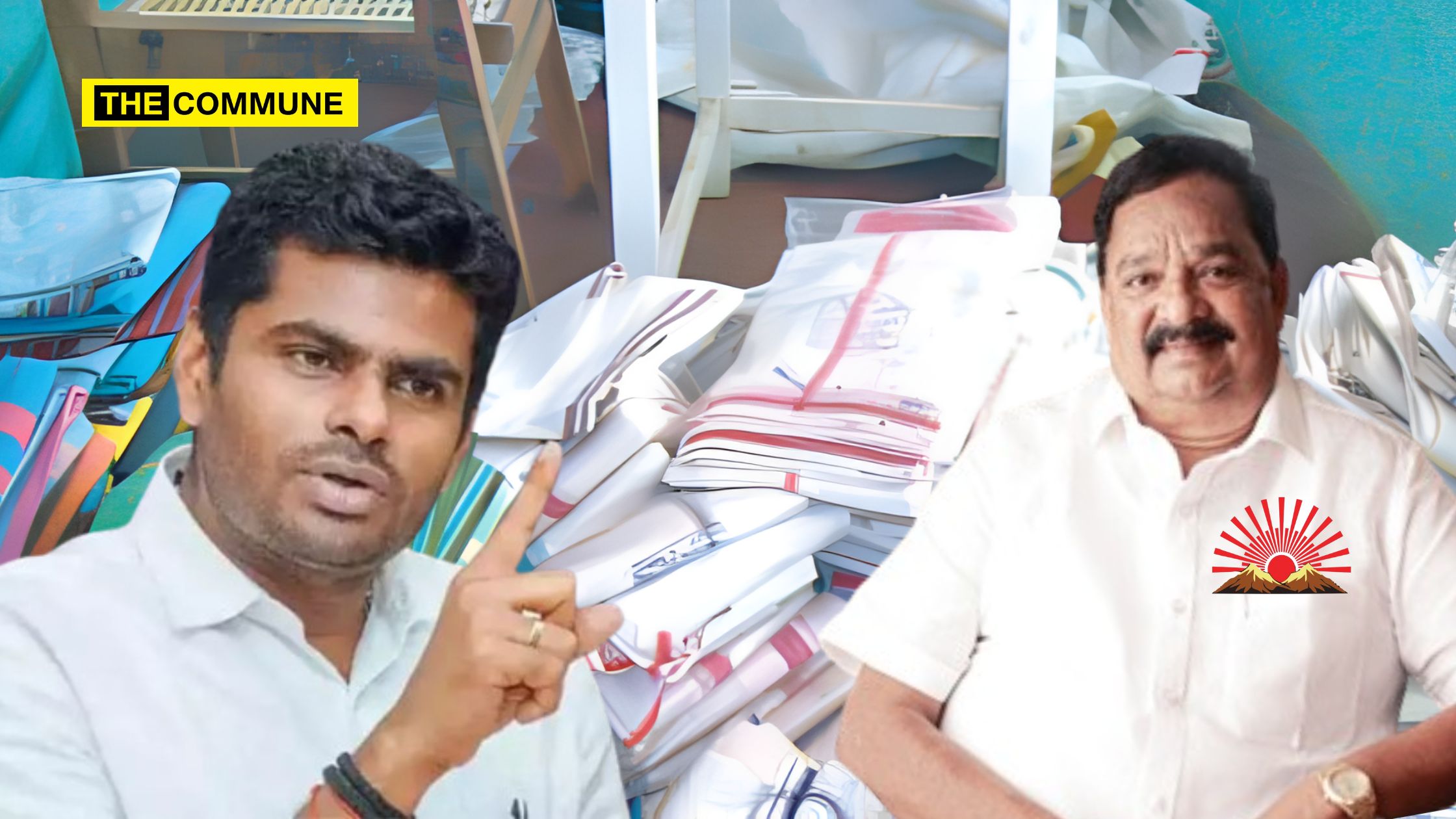
“DMK Minister Gandhi Will Be The First To Be Jailed In 2026 For Corruption,” Annamalai Slams DMK Minister Over Pongal Dhoti Scheme Scam, Demands Resignation

Tamil Nadu BJP president Annamalai has strongly criticized DMK Minister for Handlooms and Textiles, R. Gandhi, accusing him of continuous and widespread corruption in the free cotton dhoti and saree scheme under the Pongal package. Annamalai claims that Gandhi has been reducing the cotton content and substituting it with cheaper polyester, making profits through proxy cooperative companies, and effectively looting public funds. He also called out the DVAC and Chief Minister Stalin for their failure to take action, questioning why, despite the BJP submitting relevant documents and raising the issue last year, no steps have been taken against Gandhi. He further asked whether Chief Minister MK Stalin is complicit in the corruption.

In a post on his official X account, Annamalai stated, “Corruption Minister Commission Gandhi should resign immediately. Minister Commission Gandhi is involved in corruption every year through the free cotton dhoti and saree scheme provided in the Pongal package. Last year, the people were deceived when less cotton yarn, which is priced up to ₹320 per kg, was used, while more polyester yarn, which costs half that amount at ₹160, was used to make the dhotis. On behalf of the Tamil Nadu BJP, we conducted an investigation at the Textile Research Center in Coimbatore, and we found that 78% of the dhotis given to the people were made of polyester, with only 22% being cotton. This reveals the massive corruption in the production costs. On 11th July 2024, officials from the Tamil Nadu Anti-Corruption and Vigilance Department met me at the Tamil Nadu BJP head office seeking explanation against this corruption allegation. As per their request, the inspected dhotis were handed over to the Anti-Corruption and Vigilance Directorate on 13 July. Why has the Tamil Nadu Anti-Corruption and Vigilance Directorate still not taken any action regarding this complaint?”

Annamalai continued, “This year, they have repeated their corruption by reducing the amount of cotton yarn used in the free dhotis provided in the Pongal package to the public and replacing it with cheaper polyester yarn. Additionally, on 3 December 2024, the Director of the Tamil Nadu Government Handlooms Department, IAS officer Mr. Shanmugasundaram, sent a memorandum directing the return of around 20 lakh dhotis that failed the quality inspection to their respective cooperative societies and instructed that the same number of high-quality dhotis be sent to the government procurement warehouse. Since the cooperative societies have failed to comply, on 6 February 2025, Mr. Shanmugasundaram warned that if the required quality dhotis are not sent to the warehouse, compensation action will be taken, and these societies will be barred from future production plans.”

He further added, “However, Minister Gandhi, who is systematically looting public money through his proxy companies in the name of cooperative societies, learned that IAS officer Mr. Shanmugasundaram was blocking his corruption. Within two days, Mr. Shanmugasundaram was transferred from the handloom sector. If the Chief Minister continues to retain him in this position despite knowing about the massive corruption in the handloom sector, does that mean the Chief Minister is also complicit in the corruption? The fact that a government official, who was performing his duty by exposing corruption, was transferred within two days, only confirms this. Isn’t it shameful to have such a government?”

Concluding, Annamalai said, “Minister Gandhi, who has been repeatedly stealing from the free dhotis and sarees meant for the poor and innocent people every year, should no longer hold the position of Handloom Minister. I urge Chief Minister Mr. Stalin to remove him from office immediately.I also wish to inform you that when the National Democratic Alliance comes to power in Tamil Nadu in 2026, Minister Gandhi will be the first corrupt DMK minister to be jailed.”

Subscribe to our channels on TelegramWhatsApp, and Instagram and get the best stories of the day delivered to you personally.

‘Climate’ Activist Sonam Wangchuk Who Made Derogatory Remarks About Lord Ram & Ma Sita Attends “Breathe Pakistan” Conference In Islamabad, Praises Pakistan’s Dawn Media

Sonam Wangchuk has been in the news every now and then. Last we heard; he was fasting unto death. But just a few days ago, that Wangchuk was attending a conference in Pakistan made the news.

Sonam Wangchuk participated in the ‘Breathe Pakistan’ climate conference in Islamabad, an event organized by Dawn Media to raise awareness about environmental challenges.

During the panel discussion on “Glacial Melt: A Sustainable Strategy for the Water Towers of South Asia,” Wangchuk reportedly stressed the need for urban populations to adopt simpler lifestyles in order to protect mountain ecosystems. He stated that people in cities should reduce their consumption levels so that those living in mountainous regions could sustain themselves without excessive environmental stress.

He also praised Pakistani media outlet, Dawn Media for taking the lead in addressing climate change and expressed hope that other media organizations, including those in India, would assume similar responsibilities. He said, “In Pakistan, I see Dawn Media is taking that responsibility as a champion of environment. I wish all countries and, in my country, and media house really take this responsibility like here.” 

Wangchuk reportedly spoke about the role of leadership in tackling climate change. While some world leaders continued to deny the issue, he is said to have acknowledged Indian Prime Minister Narendra Modi’s Mission Life initiative as a positive step towards encouraging sustainable living. He remarked that this was the kind of leadership expected from global figures, media houses, and celebrities to ensure a safer environment for people living in mountainous regions.

Who Is Sonam Wangchuk?

Ladakh-based alleged activist Sonam Wangchuk has often been in the news for his hunger strikes and more recently, he was on a hunger strike demanding Ladakh’s inclusion in the Sixth Schedule of the Indian Constitution for greater autonomy. However, the Delhi Police at that time detained him at the Singhu border (in October 2024.)

Wangchuk, often linked to the character of Rancho from 3 Idiots, comes from an influential political family. His father, Sonam Wangyal, was a Congress minister in J&K. Over the years, he received significant support from foreign organizations such as the Ford Foundation, Tata Trust, and Rockefeller Foundation. His wife, Rebecca Norman, an American educator with links to U.S. institutions, has also been a subject of scrutiny.

Wangchuk held various advisory roles under the Congress-led UPA government and collaborated with international NGOs. His work, including projects like Ice Stupas, gained Western media attention but faced skepticism from locals.

Despite initially supporting the repeal of Article 370, Wangchuk later opposed its aftermath, with Pakistan using his statements against India. His demands now include halting army construction in Ladakh for environmental reasons, a stance that has sparked controversy. Critics question his international affiliations and whether his activism aligns with India’s strategic interests.

In March 2024, he abused Lord Ram and Goddess Sita during an interview with NDTV. While criticizing the Modi government for not fulfilling its promise to include Ladakh in the Sixth Schedule, he compared the government’s actions to Lord Ram rescuing Sita from Ravan but then selling her in the open market. He said, “I see it in the way that they [Central government] turned out to be such Ram who freed Sita from Raavan but didn’t take her home rather they put her on sale in an open market. So like this, they have left Ladakh open for industrialists and mining lobbies without any protection [from the government],” 

He claimed that while Ladakh was freed from one problem, it was left vulnerable to industrialists and mining lobbies without government protection. His remarks drew widespread condemnation on social media for being derogatory toward Hindu deities.

Subscribe to our channels on Telegram, WhatsApp, and Instagram and get the best stories of the day delivered to you personally.
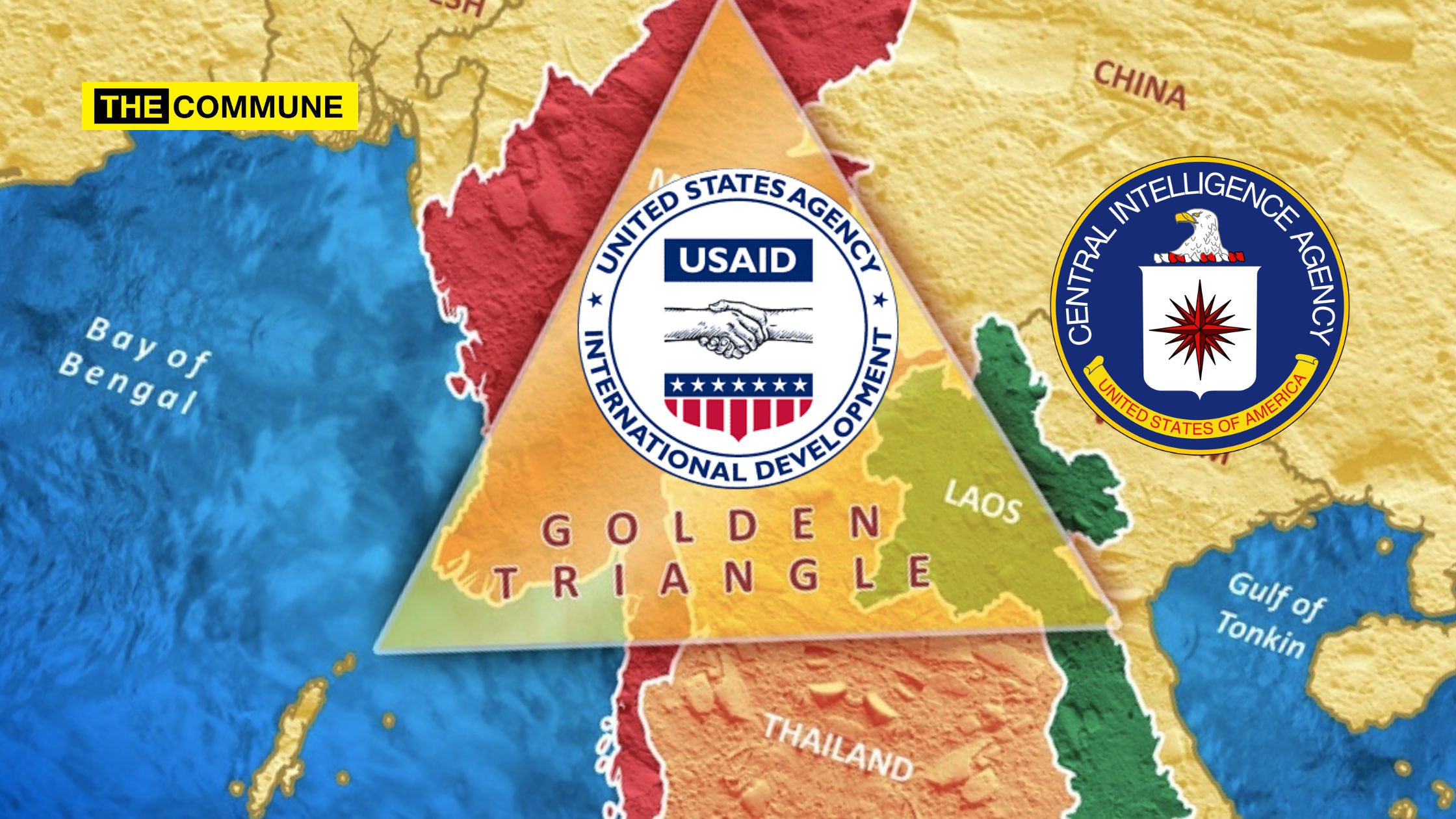
Is USAID A Spy Agency? The Truth About Its Covert Role In Global Destabilization & The Golden Triangle Drug Trade

The United States Agency for International Development (USAID) has long operated beyond its official mandate of humanitarian aid, frequently being linked to covert operations aimed at influencing foreign governments. Established in the early 1960s, USAID was ostensibly created to manage U.S. development assistance programs. However, behind this humanitarian facade, the agency has been accused of funding clandestine activities, facilitating regime change, and undermining sovereign nations.

Following Donald Trump’s inauguration as President, he appointed billionaire Elon Musk to lead the Department of Government Efficiency (DOGE) to streamline federal spending. Musk ultimately dismantled USAID, calling it a “criminal enterprise.” Since then, increased scrutiny has exposed how USAID and the U.S. State Department have historically engaged in destabilization efforts worldwide. As investigations continue, one of the most telling examples of these covert operations is the forgotten war in Laos, which reveals the deep state’s long-standing involvement in secretive military interventions and illicit activities.

The Covert War in Laos and the Birth of the Golden Triangle

During the height of the Cold War, the United States waged a covert war in Laos from 1964 to 1973 as part of its broader fight against communism. The conflict saw the Royal Laotian forces, CIA-trained guerrilla fighters, U.S.-funded Thai mercenaries, and American military personnel engaging in combat against North Vietnamese forces and the Pathet Lao, a communist insurgent group.

A critical element of this war was Operation Barrel Roll, an extensive aerial bombardment campaign. U.S. Air Force and Navy bombers dropped an estimated 260 million bombs on Laos—an equivalent of 100 bombs per resident. Since Laos was officially neutral in the Vietnam conflict, this military action was conducted in secrecy, violating the Geneva Conventions.

Although USAID was a civilian agency responsible for development aid, it played a far more sinister role in Laos, using humanitarian assistance as a cover to finance covert operations and guerrilla warfare in remote regions.

The Hmong (Meo) Insurgents: A CIA Proxy Army

The Hmong (Meo) people, an ethnic group originating from southern China, Thailand, and Laos, became key players in the U.S. covert war in Laos. Historically marginalized, the Hmong had little integration with the majority Buddhist Lao population, making them ideal recruits for a CIA-backed militia.

The U.S. had been involved in Vietnam for decades, countering communist influence, which had also spread into Laos. As the Royal Laotian Army struggled to combat North Vietnamese incursions and the Pathet Lao insurgency, the CIA saw an opportunity to exploit the Hmong people’s isolation and vulnerability.

Nearly 60% of Hmong adult males were enlisted into CIA-backed guerrilla forces. Declassified reports from the RAND Corporation (1972) describe how USAID funds, supposedly earmarked for refugee relief, were instead used to provide food security for the families of Hmong fighters—effectively serving as financial incentives for enlistment. USAID funds were also funneled into the construction of remote airstrips near the North Vietnamese border, further aiding covert military operations.

The Opium Trade and the Formation of the Golden Triangle

The opium trade had long been a tool of imperial control. During the 19th century, British and American traders flooded China with opium sourced from India, leading to the infamous Opium Wars. However, after India gained independence and Mao Zedong’s government cracked down on opium trafficking in China, the industry relocated to ungoverned regions in Southeast Asia, particularly the Laotian highlands, northern Thailand, and Burma (Myanmar).

The Hmong people had longstanding trade connections with Chinese smugglers and became key players in the cultivation of poppy for the opium trade. Triads and other criminal networks facilitated this illicit business, while CIA-backed warlords in Laos, such as General Vang Pao and General Ouane Rattikone, took control of drug production and trafficking.

With CIA assistance, opium was airlifted from remote Laotian airstrips—built with USAID funds—to processing centers in Saigon. From there, it was sold to U.S. troops stationed in Vietnam. By the late 1960s, nearly 10% of American servicemen in Vietnam were addicted to heroin, fueling a crisis back home.

CIA’s Involvement in Drug Trafficking

Colonial and royal regimes had historically leveraged the opium trade for financial gain, but during the Vietnam War, the CIA actively facilitated its expansion. Originally, the agency backed Kuomintang (KMT) forces who had fled to Burma after losing the Chinese Civil War. The KMT, rather than fighting to reclaim China, instead took control of opium production in the Shan hills and smuggled it into Thailand, further embedding drug trafficking into the region’s economy.

In Thailand, General Phao Sriyanonda, head of the Thai National Police, was propped up by the CIA and provided with military resources ostensibly to combat communism. However, he used these assets to turn Bangkok into a hub for global heroin distribution.

In Laos, CIA-linked groups transported opium via Air America, a covert airline used for U.S. operations in Southeast Asia. Reports surfaced that heroin laboratories were operating under the protection of Laotian military generals, with drugs being distributed to American troops and trafficked globally.

The War on Drugs and the Aftermath

By 1971, as heroin addiction among U.S. troops reached alarming levels, President Richard Nixon launched the War on Drugs, focusing on identifying and disrupting supply routes. The RAND Corporation’s assessment, though praising the effectiveness of tribal guerrilla forces, acknowledged that USAID funding for these programs was being scaled back by 1968.

With Nixon’s diplomatic outreach to China in 1972, Laos lost its strategic importance in the Cold War. After the U.S. withdrawal from Vietnam in 1975, American interest in Laos waned further. Because the U.S. intervention in Laos had always been classified, the conflict became a forgotten war in mainstream historical narratives.

However, the tactics developed in Laos—such as CIA-backed militias, funding insurgencies through drug profits, and using USAID as a financial cover—were later replicated in Colombia during the 1980s and Afghanistan in the 2000s.

Many former Hmong fighters were eventually resettled in the U.S. as refugees. Meanwhile, the Golden Triangle remains a global center for drug production, plagued by ethnic conflicts and controlled by criminal warlords.

(With Inputs From OpIndia)

Subscribe to our channels on TelegramWhatsApp, and Instagram and get the best stories of the day delivered to you personally.
Tamil Nadu’s Electricity Woes To Worsen As Central Warns Of Electricity Shortfall This Summer

Tamil Nadu is likely to face an electricity shortfall from March as peak power demand is expected to surpass 22,000 megawatts (MW) this summer, marking a 10% increase from last year’s record of 20,830 MW. The Union Ministry of Power has warned the Tamil Nadu Electricity Board (TNEB) about potential shortages, particularly in the evenings when demand is at its peak.

Projections indicate that the state will require an additional 3,810 MW in March, 4,697 MW in April, 3,472 MW in May, and 2,192 MW in June to meet demand. The state government has initiated measures such as short-term power purchases and inter-state power transfers to bridge the gap.

Despite Tamil Nadu’s reliance on solar power during the day, evening demand remains a challenge. To mitigate potential shortages, the state’s thermal power plants must operate at near-full capacity. However, the newly inaugurated 800MW North Chennai Super Critical Thermal Power Station (NCTPS-Stage III) is unlikely to contribute due to incomplete infrastructure work.

A senior official from the Tamil Nadu Power Generation Corporation Limited (TNPGCL) confirmed that the plant is still not commercially operational. Key infrastructure components, including wagon-loading facilities and fly ash ponds, remain unfinished, and a Rs 50 crore funding request is yet to be approved. Additionally, BHEL has not handed over the plant to TNPGCL as it has failed to achieve full capacity generation.

Compounding the delay, the plant is designed to run on imported coal, and arrangements for a steady fuel supply are still pending. Since its inauguration in March 2024, the plant has generated less than 1,000 million units, relying on limited coal or oil reserves.

Originally announced by former Chief Minister M. Karunanidhi in 2010, the project saw multiple delays. Boiler operations commenced in February 2021 under then-CM Edappadi K. Palaniswami, and full power generation was inaugurated by CM M.K. Stalin in March 2024. However, unresolved technical issues have prevented it from running at full capacity.

With power demand soaring due to summer heat and school examinations, the state government is under pressure to ensure an uninterrupted supply. The coming months will be crucial in determining whether Tamil Nadu can avoid power cuts amid the looming electricity shortfall.

Subscribe to our channels on Telegram, WhatsApp, and Instagram and get the best stories of the day delivered to you personally.