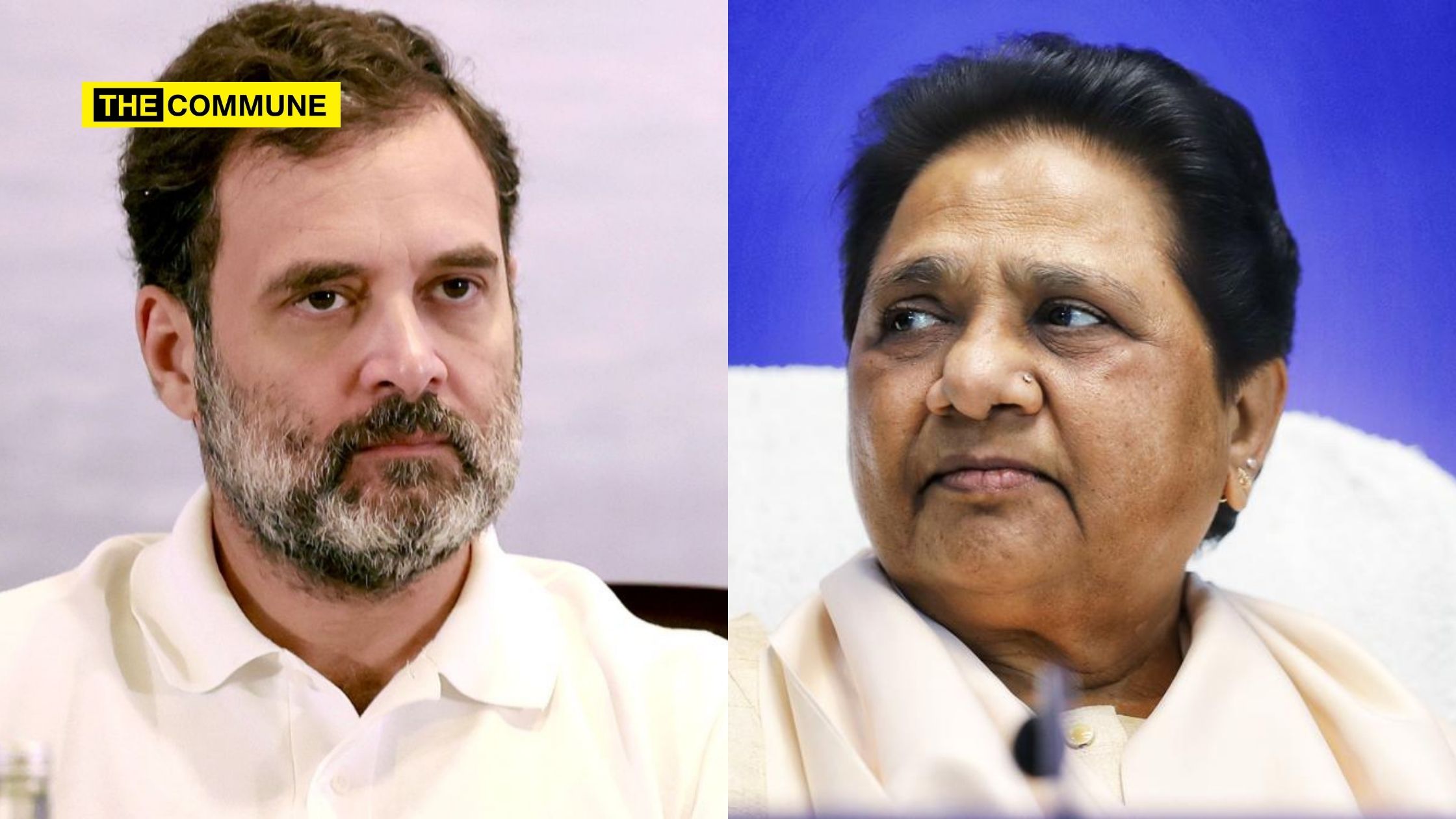
Bahujan Samaj Party (BSP) chief Mayawati on Friday advised Congress leader Rahul Gandhi to look into himself before blaming others, especially the BSP chief, in any matter.
In a series of posts on social media X, she also accused the Congress party of acting like a “B” team of the BJP in the Delhi Assembly elections, thereby, helping it to come to power.
Calling Rahul Gandhi ‘the supreme leader’ of the Congress, she wrote on X in Hindi (loosely translated as), “It is a common discussion that this time Congress contested the Delhi Assembly elections as BJP’s B team, due to which BJP has come to power here. Otherwise, Congress’ condition would not have been so bad in this election that this party could not even save the deposit of most of its candidates.”
“Therefore, it would be better if the supreme leader of this party, Shri Rahul Gandhi, looks into his own self before pointing fingers at others and especially at the BSP chief in any matter. This is my advice to him,” the BSP chief said.
Her advice comes after Rahul Gandhi said on Thursday that he was disappointed that Mayawati’s BSP did not join Congress to fight the elections against the BJP. On Thursday, the first day of his visit to his Rae Bareli Lok Sabha constituency, he accused her of staying away from the anti-BJP front, the INDIA bloc, during the 2024 general elections.
Gandhi during an interaction with Dalit students in Uttar Pradesh’s Rae Bareli, spoke about BSP founder Kanshi Ram’s impact on Indian politics and how Mayawati had built upon it. He, however, questioned Mayawati’s current political stance, saying that he wanted her to fight alongside the bloc against the BJP, but for some reason, she did not.
“This was deeply disappointing. If all three parties had united, the BJP would never have won,” he said. Mayawati quickly responded, accusing Congress of having a “dual character and casteist mindset”. She wrote on her X handle, “Wherever the Congress is strong or in power, it harbours hostility and casteist attitudes towards BSP and its followers. But in states like UP, where it is weak, it tries to mislead people by talking about an alliance with BSP. If this is not hypocrisy, then what is?”
On Friday, the BSP supremo continued her attack on the Congress leader. She also had a word of advice for the BJP in Delhi, where Rekha Gupta has become the Chief Minister.
“Also, the new BJP government formed in Delhi has the challenge of fulfilling all the promises made during the elections, especially those related to public welfare and development, on time, otherwise the condition of this party may also become as bad as that of Congress in the future,” she wrote on X.
–IANS
Subscribe to our channels on Telegram, WhatsApp, and Instagram and get the best stories of the day delivered to you personally
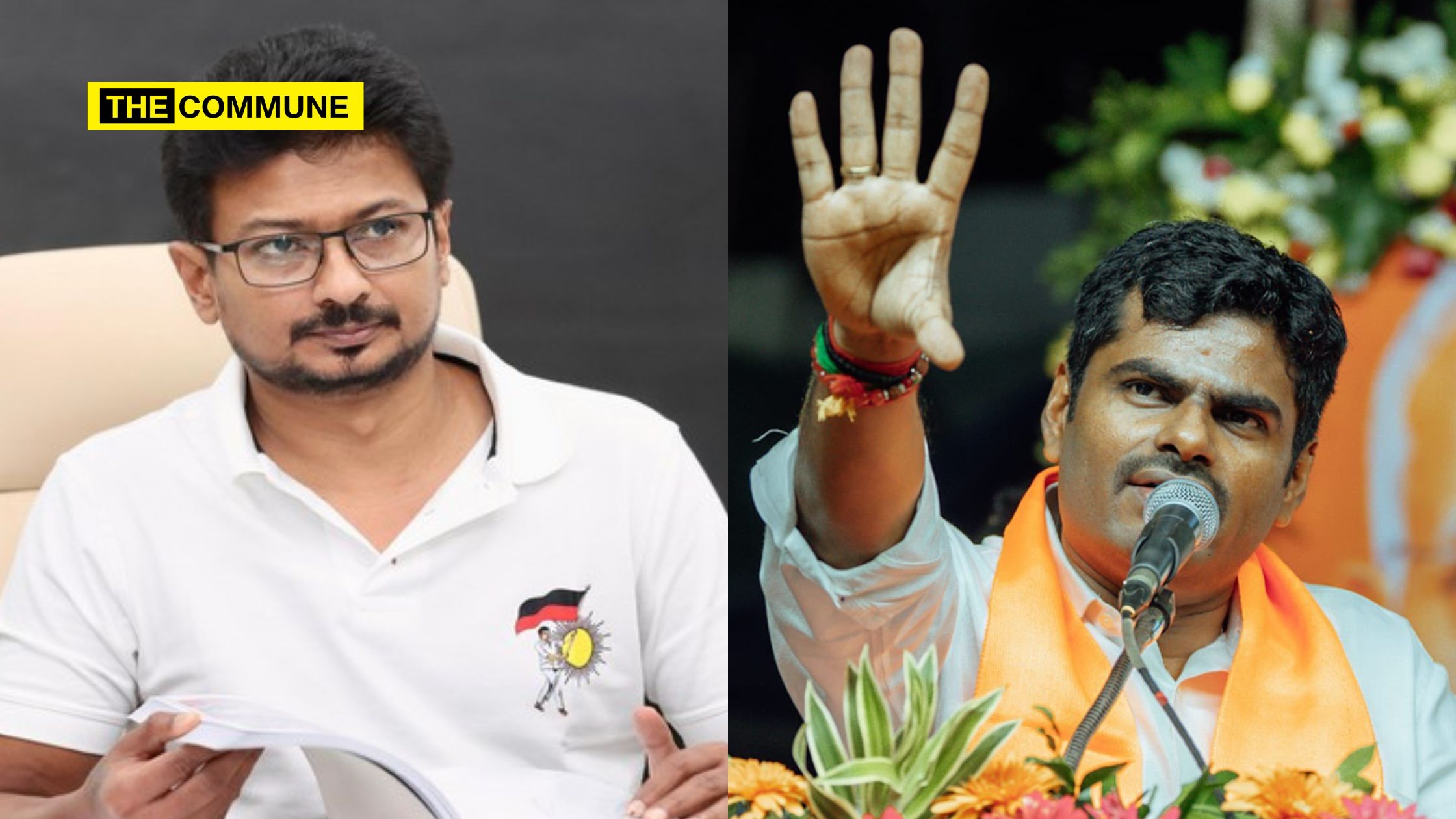
Annamalai responded strongly to DMK Deputy Chief Minister Udhayanidhi Stalin’s criticism, where Udhayanidhi had claimed that Annamalai should speak with more “quality.” In his rebuttal, Annamalai criticized Udhayanidhi’s past disrespectful and derogatory remarks about senior opposition leaders, including Edappadi Palaniswami and former Chief Minister Jayalalithaa.
Speaking to the press in Salem, Annamalai stated, “Let’s talk about who has more quality here. I want to share some of Udhayanidhi speech before you. For instance, when speaking about Edappadi Palaniswami, former Chief Minister and from this district, Udhayanidhi said, ‘If you had let Edappadi Palaniswami, he would have crawled between Sasikala’s legs.’ This is the certificate given by him. He also said, ‘If Edappadi Palaniswami sees Modi, he will fall flat; if he sees Amit Shah, he will prostrate; and if he sees Sasikala, he will kneel down.’ These are just some of Udhayanidhi Stalin’s ‘golden words.'”
Annamalai then presented images of a 2016 Facebook post by Udhayanidhi Stalin, where he made derogatory remarks about former Chief Minister J. Jayalalithaa. In the post, Udhayanidhi mocked her by comparing her to a glamorous actress in a disrespectful manner.
Annamalai continued, stating, “He called Anbumani Ramadoss a ‘tire licker’ for OPS. He also said that hereafter he will call Prime Minister Narendra Modi as ’29 paise Modi.’ During the 2021 assembly election campaign, he said, ‘Arun Jaitley and Sushma Swaraj were killed by Modi.’ He also told Nirmala Sitharaman, ‘We didn’t ask for your dad’s money,’ and claimed that ‘the people will slap the governor with chappals.'”
Quoting all of these instances, Annamalai mocked Udhayanidhi Stalin, comparing him and quality to the vast distance between the North Pole and the South Pole. He further declared that if there are any unqualified individuals in the state, it is Udhayanidhi, who has been relying on the names of his father and grandfather to survive. Annamalai warned Udhayanidhi that he would respond in kind to how he is provoked.
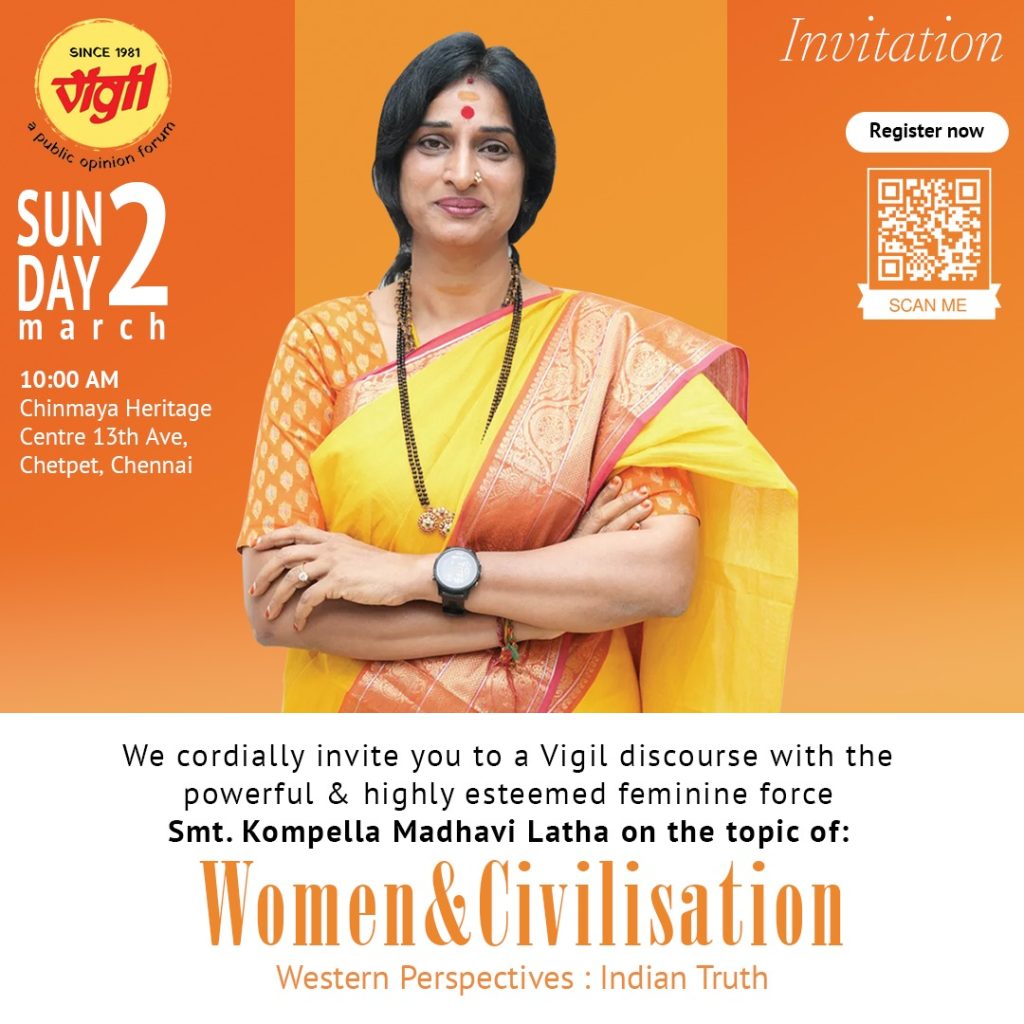
VIGIL – A public forum for discussions and public dialogue is set to host a thought-provoking discourse on Sunday, 2 March 2025 at 10:00 AM at the Chinmaya Heritage Centre, 13th Avenue, Chetpet, Chennai.
The event, featuring BJP leader Kompella Madhavi Latha, will focus on the topic “Women & Civilization: Western Perspectives, Indian Truth.” It aims to challenge misconceptions about the status of women in Bharatiya culture, which are often perpetuated by global media and biased surveys.
was an initiative of various public-spirited citizens of Chennai and was active during the 1990s until 2010.Various intellectuals and luminaries like Swami Dayananda Saraswati have graced occasions of VIGIL. The forum has played a crucial role in fostering informed discussions on matters of national and cultural significance.
This upcoming discourse will highlight how Sanatana Dharma has upheld women’s dignity and status throughout history. Organizers emphasize that while ill-conceived narratives seek to portray India negatively, women have held prominent roles in religion, politics, society, academics, and sports since ancient times. Unlike in many other civilizations, women in Bharat are revered and worshipped as embodiments of divine power.
With efforts to undermine Indian traditions increasing, the session aims to provide clarity and counter misrepresentations. Interested individuals can register for the event here or using the QR code provided in the invitation below.
Subscribe to our channels on Telegram, WhatsApp, and Instagram and get the best stories of the day delivered to you personally.
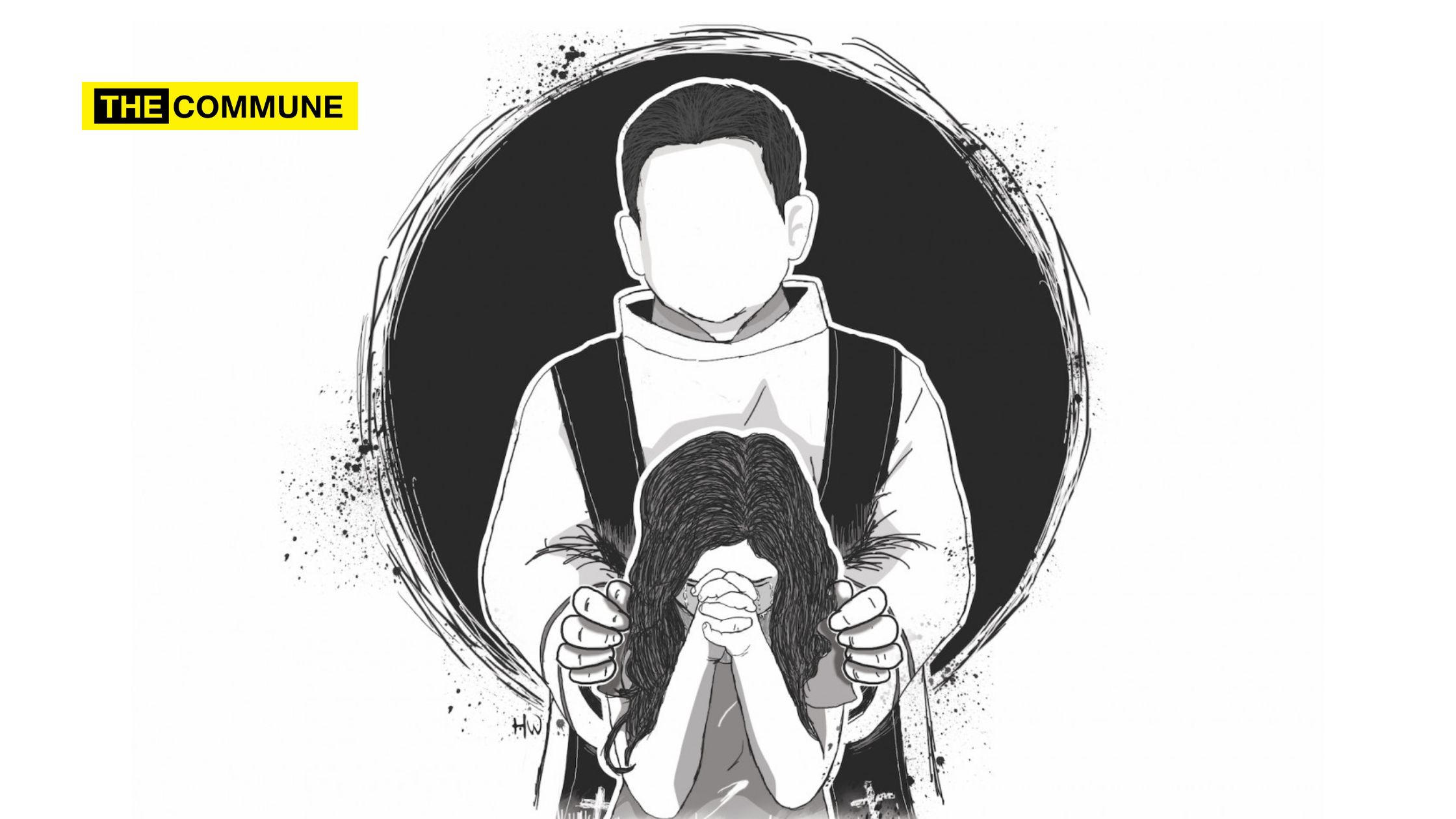
The Kerala Police have begun investigating a widow’s complaint that a 37-year-old Catholic priest, Father Sebastian Nelson Kollanassery, sexually assaulted her under the pretense of marriage. According to her complaint, the priest raped her three times; once in 2022 and twice in 2023 at her home in Ernakulam district, Kerala. Father Kollanassery, who hails from Kerala, is currently serving in the Archdiocese of Raipur, Chhattisgarh.
The widow, in her forties and employed at a Church institution, filed the complaint on 11 February at the Trikkakara police station. She accused the priest of promising to marry her but later retracting his promise. Additionally, she alleges that Kollanassery recorded their intimate moments and blackmailed her into paying him 143,000 Indian rupees.
A senior police officer at the Trikkakara police station, requesting anonymity, mentioned, “We have not yet arrested the priest as the investigation is ongoing.”
The vicar-general of the Raipur archdiocese, Father Sebastian Poomattam, stated, “We have not received any information from the police regarding this case against one of our priests. The archdiocese has not taken any action against Kollanassery. However, we will cooperate with the police investigation if needed. The archdiocese will not protect any priest found guilty of sexual abuse.”
Father Kollanassery, ordained in 2019 and involved in parish ministries, has reportedly been missing since the complaint was filed, according to an unnamed archdiocesan official. The official added that they are awaiting the outcome of the police investigation to determine the truth.
The Catholic Bishops Conference of India (CBCI) issued guidelines in September 2017 to address sexual harassment in the workplace and to protect women working in Church institutions. These guidelines require dioceses, parishes, and religious congregations to establish committees to investigate such complaints. Upon receiving a complaint, the committee must conduct a preliminary inquiry and report the incident to the police. Every Catholic institution with more than ten employees must adhere to the 30-page document “CBCI Guidelines to Deal with Sexual Harassment at Workplace.”
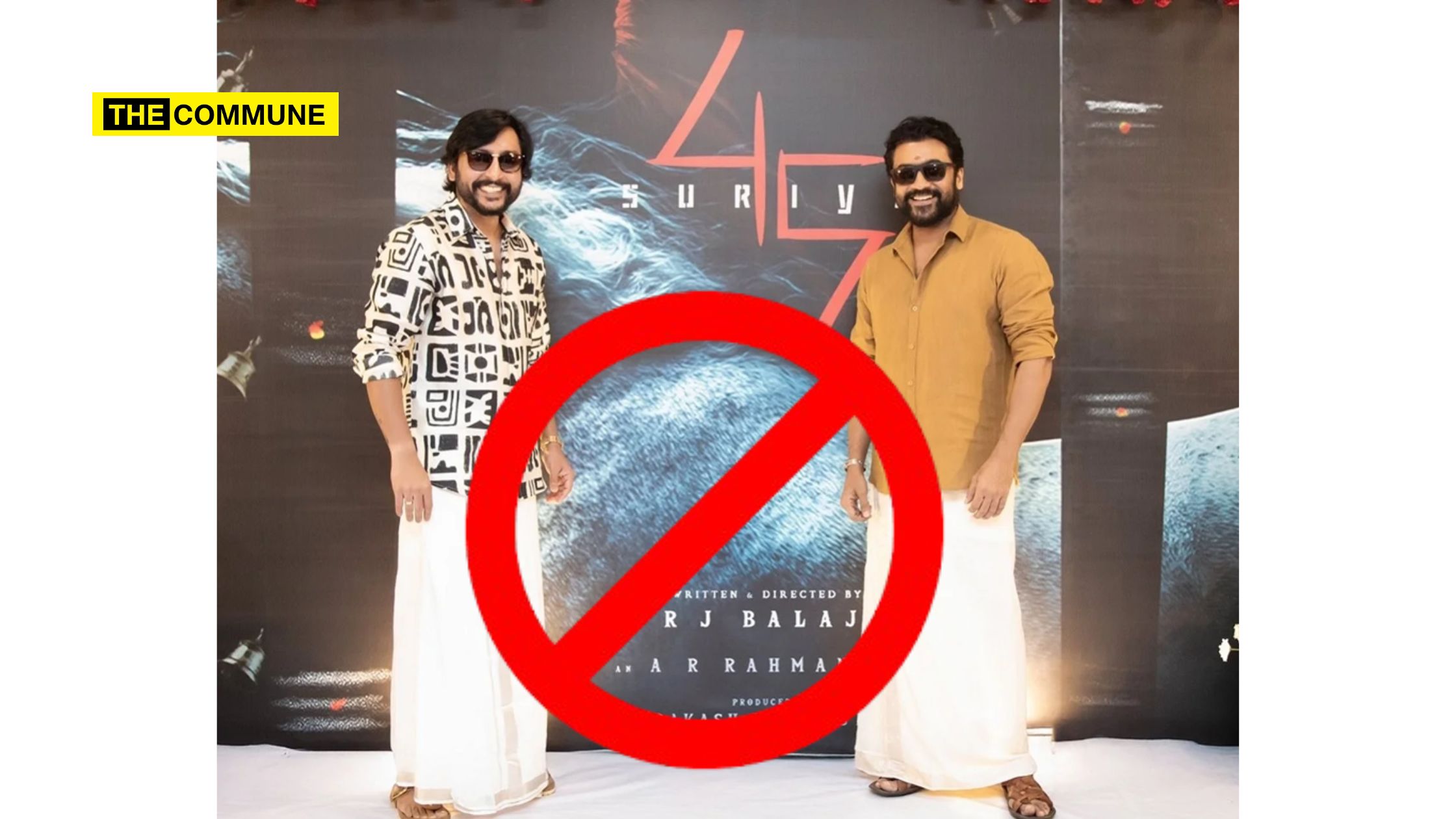
The shooting of actor Suriya’s upcoming film was abruptly halted by the police in Vandalur, Chengalpattu district, for allegedly taking place without proper permission. The incident led to a heated exchange between the film’s director, RJ Balaji, and a police inspector.
The production team had been filming in Aamchai village along the Kelambakkam Main Road near Vandalur when police intervened at midnight, bringing the shoot to an unexpected stop. According to reports, the film crew had obtained permission from the village panchayat for the shoot. However, local police officials insisted that filming could not proceed without their authorization.
Suriya, who recently completed shooting for Kanguvadirected by Siva, is now working on his next project under the direction of RJ Balaji. The film, currently referred to as Suriya 45, is in full swing, with music composed by Sai Abhayankar.
Sources indicate that the Kelambakkam police inspector had personally inquired about the shoot after noticing the crew filming in the area for two days. Despite the crew’s claim of having panchayat approval, police officials refused to accept it and ordered the shoot to be halted.
It is noteworthy that Suriya spoke against central government policies and against “Hindi imposition” before moving to Mumbai in search of better education for his children and also opportunities for himself and his wife Jothika.
Critics wonder if police halted his film shooting because he has not spoken up for the ongoing DMK protest against “Hindi imposition” and implementation of 3-language policy in the state,
Looks like #DMK’s revenge as Actor Suriya did not open his mouth on the fake Hindi Imposition?
How will Suriya open his mouth guys? He’s living now in #Mumbai & not #Chennai !
Every action of these fraudsters is based on ‘own’ selfishness! Traitors of the first order. pic.twitter.com/jtAgDzC2Qz
Brown sepoys and Mughal slaves still exist in the country whose only duty is to praise their masters even if they live in a free country. It becomes especially important if a Hindu icon is praised or worshipped. 19 February 2025 was celebrated across the country as Shiv Jayanti commemorating the birth anniversary of Chhatrapati Shivaji Maharaj.
Royal scion of the Wadiyar dynasty and Lok Sabha MP Yaduveer Wadiyar posted on his official X handle to mark the occasion. He wrote,“Chhatrapati Shivaji Maharaj, an architect of Hindavi Swarajya, a fearless warrior, and a visionary leader who defied tyranny to establish a just and prosperous Maratha kingdom. His governance, military strategies, and unwavering commitment to dharma continue to shape India’s spirit of resilience and self-rule. His ideals of Swarajya, justice, and good governance laid the foundation for a strong and self-reliant nation. On his birth anniversary, I bow in reverence to the great Chhatrapati, whose legacy continues to inspire generations. May we always walk the path of courage, righteousness, and devotion to our motherland.”
Chhatrapati Shivaji Maharaj, an architect of Hindavi Swarajya, a fearless warrior, and a visionary leader who defied tyranny to establish a just and prosperous Maratha kingdom.
His governance, military strategies, and unwavering commitment to dharma continue to shape India’s… pic.twitter.com/ASwWvrvaTi
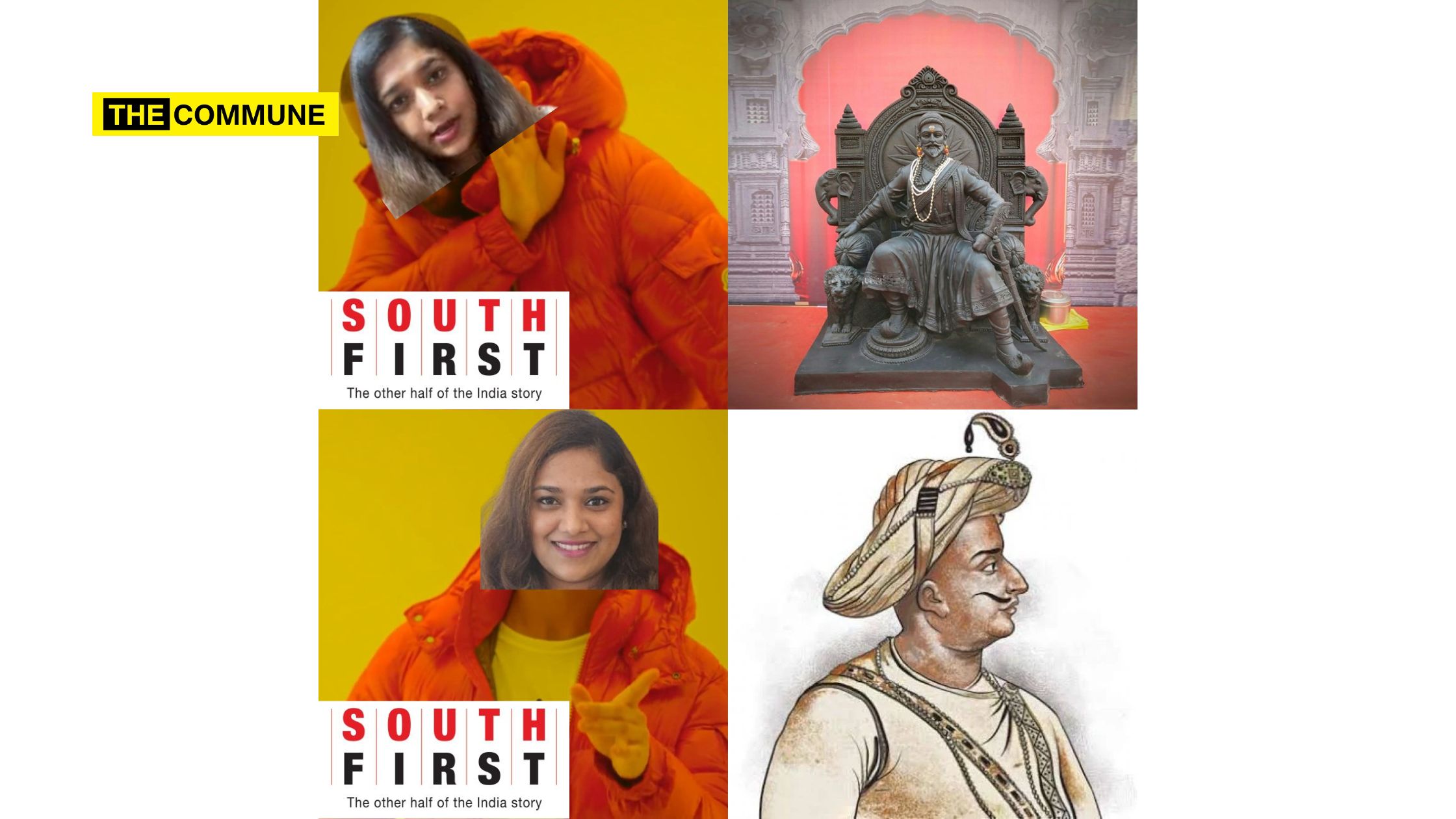
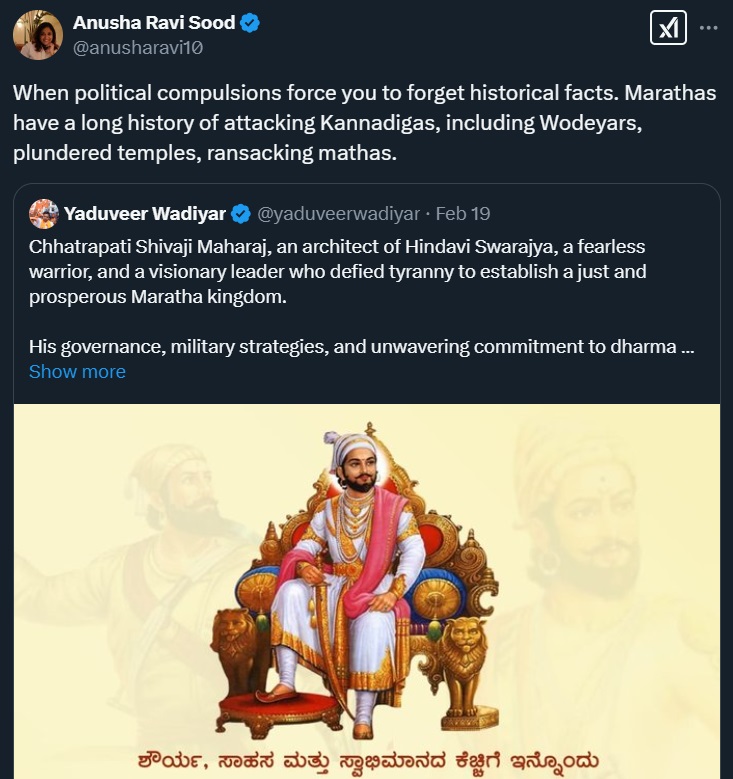
However, theeditor of South First and a newly entered duplicate of TNM’s Dhanya Rajendran, Anusha Ravi Sood made a comment. She wrote,“When political compulsions force you to forget historical facts. Marathas have a long history of attacking Kannadigas, including Wodeyars, plundered temples, ransacking mathas.”
Well, let us take this opportunity to educate Ms Sood on facts and true history.
Chhatrapati Shivaji Maharaj was the Hindu warrior who dreamt of Hindavi Swarajya. So any sane person would never believe words like he destroyed Mathas and attacked Kannadigas, especially the Wodeyars, and plundered temples – feels ridiculous to even hear those words.
Let us go one by one:
1 – Did Marathas Attack Kannadigas, The Wodeyars?
The Maratha presence in Karnataka was extensive, particularly during the 17th and 18th centuries. Bengaluru itself was under Maratha control for a significant period. During Shivaji Maharaj’s reign and beyond, the Marathas expanded their influence into parts of Karnataka, including Bijapur, Mysore, and the Western Ghats. These campaigns were largely directed at countering the Deccan Sultanates and the Mughal Empire.
From 1638 to 1664, Bengaluru remained a jagir (fiefdom) of Shahaji Raje, awarded to him by the Bijapur Sultanate.
Chhatrapati Shivaji never fought Chikkadevaraya Wodeyar of Mysore; it was his son, Chhatrapati Sambhaji, whoengaged in conflict with him. The Marathas emerged victorious, forcing Chikkadevaraya to sign a peace treaty with Sambhaji.
2 – Did Marathas Plunder Temples?
One of the recurring claims made against the Marathas is that they looted temples such as Tirumala Tirupati allegedly to please their Muslim overlords during the so-called “invasion” of Vijayanagar. However, this claim falls apart when examined in a historical context.
The alleged incident took place before the birth of Chhatrapati Shivaji Maharaj’s father, Shahaji Bhosale, who was born in 1594—14 years after the supposed event. At that time, the Maratha Empire did not even exist, making it historically inaccurate to associate them with this plundering.
While it is true that some Maharashtrians served as mercenaries under Muslim rulers, this does not mean the Marathas as a polity were anti-Hindu. Similar examples exist among Rajputs, who fought alongside the Mughals, yet they remained some of the strongest resistors to Islamic invasions.
Moreover, historical records highlight the Marathas’ significant role in temple restoration and patronage. Rani Ahilyabai Holkar, for example, was responsible for rebuilding hundreds of temples across India, including the Kashi Vishwanath Temple. In fact, 7 out of the 12 Jyotirlinga temples were either restored or rebuilt by the Marathas. They also played a crucial role in constructing or renovating several ghats in Kashi, effectively shaping modern-day Varanasi in the 18th century.
Shahaji Raje, under the Bijapur Sultanate, built several temples in Bangalore, such as the Kadu Malleshwara Temple. Even under the Portuguese-controlled Goa, Shivaji Maharaj took the initiative to restore the Saptakoteshwar Temple.
This thread is full of lies about Marathas as posted by @mardparatha69 .
In this thread I show how he is spreading fake information.
1) Marathas plundered Tirupati?
No! The temple website (snippet is attached) says:
Here is a list of temples that the Marathas rebuilt/restored during the 18th century.
Shri Mahalakshmi Temple (Kolhapur) – Restored and re-inaugurated in 1715 by Maharani Tarabai.
Shri Vitthal Mandir (Pandharpur) – Reconstructed in 1715 by Chhatrapati Shahu after being demolished by Aurangzeb in 1705.
Trimbakeshwar (near Nashik) – Rebuilt by Peshwa Balaji Bajirao (Nanasaheb) in the early 18th century.
Saptakoteshwar Temple (Narve, Goa) – Rebuilt by Chhatrapati Shivaji in 1668 after being destroyed by the Portuguese.
Shri Shantadurga Temple (Kavale, Goa) – Rebuilt in the 1720s by Chhatrapati Shahu’s minister Naro Ram, later expanded in the 1730s.
Shri Mangesh Temple (Goa) – Reconsecrated in the 1740s after being relocated due to Portuguese persecution.
Ghrishneshwar Temple (Verul, Maharashtra) – Rebuilt by Maloji Raje Bhosale in the 16th century, reconstructed by Gautamabai Holkar in 1730 and renovated by Ahilyabai Holkar in 1769.
Mahakaleshwar Temple (Ujjain) – Rebuilt in the 1730s by Ramchandra Malhar under Ranoji Shinde’s rule.
Shri Jagannath Temple (Puri, Odisha) – Protected by Marathas after taking control of Odisha in 1751; theRath Yatra was revived.
Surya Mandir (Konark, Odisha) – Marathas played a role in shifting the Arun Stambha (pillar) from Konark to Puri to protect it.
The Marathas played a crucial role in temple restoration, ensuring the revival of Hindu worship sites across India. We even have the case of Chhatrapati Sambhaji Maharaj in Chidambaram.
3- Did Marathas Ransack Mathas?
A long-standing myth suggests that the Marathas plundered the Sringeri Mutt, but a closer look at historical records refutes this claim.
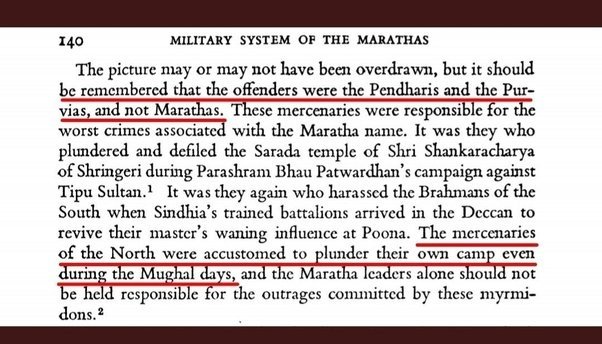
The real perpetrators of the attack were Pindaris, who were not part of the regular Maratha forces. Pindaris were mercenaries from various communities, including the Lamani tribe, and were known for their predatory practices. Similar irregular troops, called Bayed, operated in Tipu Sultan’s army, performing looting operations after battles. These troops were unpaid and survived by plundering.
During the Sringeri incident, Parshuram Patwardhan Bhau was leading the Maratha forces. While he was accused of failing to control the Pindaris who followed his army, it is documented that the Lamani Pindaris acted on their own accord in raiding the Mutt and fleeing with the loot.
Contrary to claims that the Marathas were complicit in this act, records indicate that regular Maratha soldiers actually pursued the Lamani Pindaris to recover the stolen relics, though they were ultimately unsuccessful.
Historian V.V. Khare, who compiled a vast collection of letters, wrote that the Sringeri Mutt was widely considered a safe repository for wealth because it was believed that the Marathas, being Hindus led by Brahmin commanders, would not harm it. While the irregular Pindari troops acted unchecked, the Maratha leadership did not sanction the attack.
Further evidence comes from A.K. Shastry, editor of The Records of the Sringeri Dharmasamsthana, who states that Peshwa Madhavrao Narayan personally conducted an inquiry into the incident. His letter to Parshuram Bhau ordered compensation and the return of the looted articles. Parshuram Bhau responded positively, reinforcing that the incident was not a deliberate act by the Marathas but the work of predatory Pindari elements.
Image Source: Quora
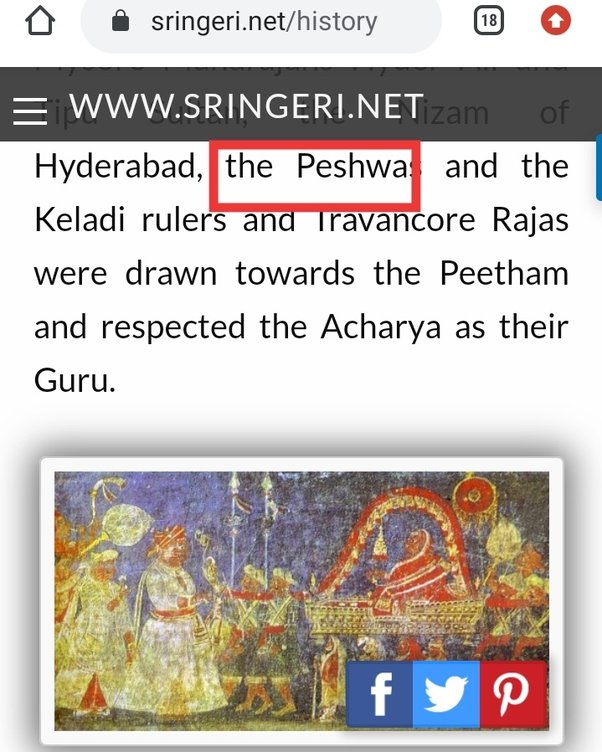
Moreover, the Maratha leadership showed remorse and actively sought to compensate the Sringeri Mutt. Efforts to restore relations continued for nearly a year, culminating in a visit by the Sringeri Acharya to Pune. The official website of the Sringeri Mutt itself acknowledges the generosity of the Marathas toward the Mutt, further debunking the claim that the Marathas deliberately plundered it.
Image Source: Quora
This record from Sringeri Matha tells what exactly happened in 1791 & why it happened with reparations given by the same Marathas along with apology. I’m sure many realities will come out once Olata propaganda is busted.
On the other hand, when it was about Tipu Sultan, she praised him for “terrorising the British“.Back in 2022, she wrote,“Contributions of Wodeyars to Karnataka’s infrastructure has been immense but Tipu Sultan was one of the most formidable, brave Indian rulers who terrorised British. One could have honoured Wodeyars without this pettiness of denying Tipu’s legacy.”
Contributions of Wodeyars to Karnataka’s infrastructure has been immense but Tipu Sultan was one of the most formidable, brave Indian rulers who terrorised British. One could have honoured Wodeyars without this pettiness of denying Tipu’s legacy. https://t.co/wD5SQWkwVl
Let’s give Anusha Ravi Sood a lesson in real Tipu history.
What Is The Reality Of Tipu Sultan?
Tipu Sultan, the ruler of Mysore from 1782 to 1799, is often recognized by leftists for his “resistance against the British“, but his rule was marked by severe persecution of Hindus and other non-Muslims. His policies included forced conversions, temple destructions, massacres, and discriminatory taxation, leaving a lasting impact on these communities.
Forced Conversions
Tipu Sultan implemented large-scale forced conversions, particularly in Malabar, Coorg, and coastal Karnataka. In Malabar (1788–1792), historical records indicate that around 70,000 Hindus were forcibly converted, as documented in Sir William Logan’sMalabar Manual. His letters explicitly instructed officials to seize Brahmins and convert them. In Coorg (1785), nearly 80,000 Kodavas were captured and converted, significantly affecting their cultural and demographic structure.
Temple Destruction
Several Hindu temples suffered destruction or desecration under Tipu Sultan’s rule. The Sringeri Sharada Peetham (1791) was attacked, and its pontiff pleaded for protection through letters. The Kollur Mookambika Temple and Varaha Narasimha Temple in Srirangapatna were also damaged, leading to religious suppression.
The record of Tipu Sultan’s temple destruction in South India is perhaps best summed up by B. Lewis Rice, the eminent British epigraphist and director of the Archaeology Department of the British Government:
“In the vast empire of Tipu Sultan on the eve of his death, there were only two Hindu temples having daily pujas within the Sreerangapatanam fortress.It is only for the satisfaction of the Brahmin astrologers who used to study his horoscope that Tipu Sultan had spared those two temples.The entire wealth of every Hindu temple was confiscated before 1790 itself mainly to make up for the revenue loss due to total prohibition in the country.”
Tipu’s iconoclasm was not limited to a few instances—it was a systemic policy. According to Lewis Rice’sMysore Gazetteer, Tipu destroyed approximately 8,000 Hindu temples in South India. Colonel R.D. Palsokar confirms this number in his study, noting that Tipu Sultan himself boasted about the destruction:
“Tipu relates that he had destroyed 8,000 temples, many of them with roofs of gold, silver, copper and all containing treasures buried under the idols. The Raja of Cherakal offered him Rs. 400,000 and the plates of gold with which one particular temple was roofedbut Tipu said that he would not spare it for all the treasures of the earth and sea.”
This refusal to spare temples even for immense wealth mirrors Muhammad Ghaznavid’s attitude, who once declared:
“I desire that on the day of resurrection I should be summoned with the words ‘Where is that Mahmud who broke the greatest of heathen idols?‘ rather than by these: ‘Where is that Mahmud who sold the greatest of the idols to the infidels for gold?‘”
He specifically desecrated the Guruvayur temple in Kerala. According to Illustrated Weekly of India (2 January 1977):
“The truth is that when Tipu raided the Malabar, he looted all the gold and jewelry in the Hindu temples there, pulled down the gold, silver, and copper covering that was placed on the roofs of these temples, looted their money, and vandalized them. Seeing the nature of his raid, the locals and Brahmins at Guruvayoor feared for the fate of the idol of Krishna in the temple, shifted it to Ambalapuzha, and hid it.”
Here is a list of some of the major temples in the Malabar region he destroyed.
Massacres and Oppression
Tipu Sultan’s campaigns resulted in large-scale massacres of Hindus.
The Melukote Massacre of 1790 was a tragic event in which Tipu Sultan’s forces slaughtered over 700 Mandyam Iyengar families on Naraka Chaturdashi, the day of Diwali. The Mandyam Iyengars, a community of Srivaishnava Brahmins, had settled in Melukote, Karnataka, due to its prominence as a religious and educational center, closely associated with Ramanujacharya.
During Tipu Sultan’s rule, tensions escalated, culminating in the massacre at the Narasimhaswamy Temple in Srirangapatna. Families who had gathered to celebrate Diwali were mercilessly butchered, including women and children. Survivors fled to nearby villages like Nagamangala before resettling in Melukote.
To this day, the town does not celebrate Diwali, marking it instead as a day of mourning. The massacre is a stark reminder of Tipu Sultan’s persecution of Hindus, which included forced conversions, temple destruction, and mass killings across his dominion. While some defend Tipu’s legacy by citing his patronage of certain temples and Hindu officials in his administration, historical records, including Tipu’s own letters, reveal his deep-seated religious fanaticism. He openly celebrated the forced conversion of thousands of Hindus and the destruction of temples that obstructed Islamic structures.
The Coorg Massacre, also known as the Devati Paramb genocide, was a brutal attack on the Kodava people by Tipu Sultan in 1785. Tipu Sultan, who raided Kodagu multiple times but faced resistance, lured the Kodavas into a truce meeting at Devati Paramb. Trusting his word, over 1.1 lakh Kodavas gathered unarmed, only to be ambushed by Tipu’s hidden army. Around 60,000 Kodavas were massacred, while 90,000 were taken as prisoners. Many perished in Srirangapatna’s jails, while others faced forced conversions, torture, and enslavement. Young women were taken by Tipu’s soldiers, and young men were forcibly incorporated into his army. Tipu also destroyed temples in Kodagu, forcibly converted Kodavas to Islam, and attempted to erase Kannada culture by imposing Persian in administration.
The Malabar Invasion & Massacre (1788–1792)
Tipu Sultan’s invasion of the Malabar region led to widespread destruction and massacres, particularly in Kozhikode. His forces killed around 2,000 Brahmins and forced many others to flee into the jungles. Tipu’s attacks led to the destruction of numerous Hindu temples. Many temples were demolished, idols were desecrated, and some were converted into mosques, as documented in William Logan’sMalabar Manual. Portuguese missionary Fr. Bartholomew recorded Tipu’s brutal methods, including hanging women and children and tying victims to elephants to be torn apart. Tipu’s letters reveal his intent to forcibly convert Hindus to Islam, describing his actions as a jihad. In a letter to Budruz Zaman Khan, he wrote that nearly all Hindus in Calicut had been converted, with plans to do the same in Cochin. His genocidal policies wiped out entire villages and destroyed the region’s prosperous spice trade.
After he died in 1799, British forces found around 2,000 of Tipu’s letters, in which he referred to Hindus as “kaffirs” and called for their extermination. His correspondence with the French and Ottoman Empire showed his efforts to bring foreign powers to aid his cause. Contrary to his portrayal as a patriot, Tipu was a religious fanatic whose reign resulted in the mass slaughter and forced conversion of Hindus in Malabar.
We hope Anusha Ravi Sood takes the time to educate herself and refrains from spreading lies and propaganda in the future. A journalist’s duty is to uphold the truth, not distort it.
Subscribe to our channels onTelegram, WhatsApp, and Instagram and get the best stories of the day delivered to you personally.
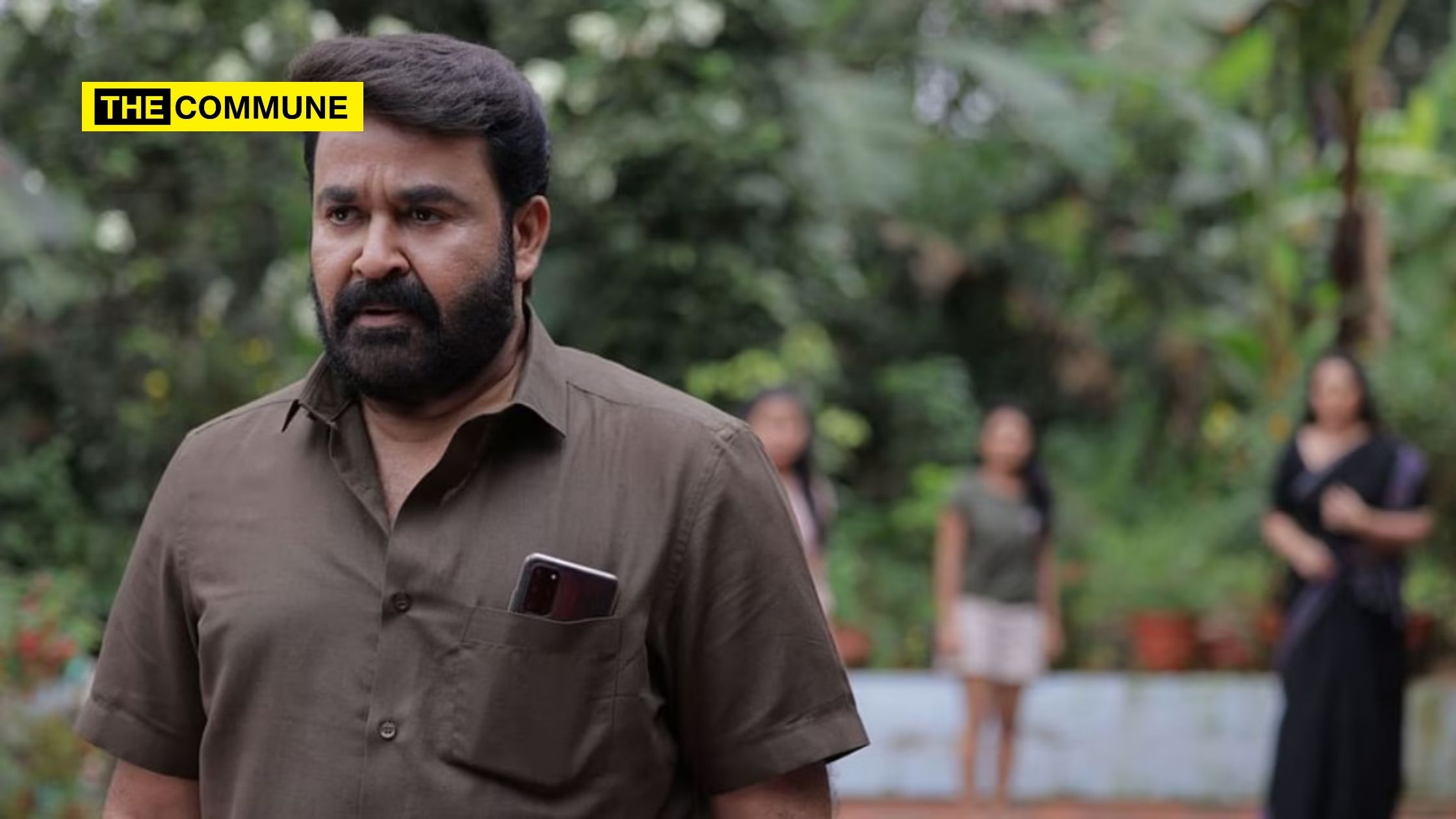
Malayalam superstar Mohanlal is set to reunite with director Jeethu Joseph for ‘Drishyam 3’. Their ‘Drishyam’ and ‘Drishyam 2’ were massive hits and have been picked by film industries of different languages in India.
On Thursday, Malayalam cinema icon announced the news with a photo of himself with Jeethu Joseph and Antony Perumbavoor. Sharing the post on social media, he wrote, “The Past Never Stays Silent Drishyam 3 Confirmed! #Drishyam 3 (sic)”. The post went viral in no time with fans expressing their happiness.
‘Drishyam’, which was released in 2013, is a crime thriller film written and directed by Jeethu Joseph. It also starred Meena, Ansiba Hassan, Esther Anil, Asha Sharath, Siddique, Kalabhavan Shajohn, Roshan Basheer and Neeraj Madhav. It was produced by Antony Perumbavoor under Aashirvad Cinemas. The film follows the struggle of Georgekutty and his family, who come under suspicion when Varun Prabhakar, the son of the IG Geetha Prabhakar, goes missing.
The film ran in theatres for more than 150 days. It also became the longest-running film in the United Arab Emirates, running for 125 days. The film remained the highest-grossing Malayalam film of all time until it was surpassed by ‘Pulimurugan’ in 2016. It remained among the top 10 List of highest-grossing Malayalam films of all time for a decade until it was broken by Mohanlal and Jeethu Joseph’s ‘Neru’. The film was later remade in Hindi with the same title, and featured Bollywood superstar Ajay Devgn in the lead role.
In fact, the film has been remade into several languages including four regional languages of India, ‘Drishya’ (2014) in Kannada, ‘Drushyam’ (2014) in Telugu, ‘Papanasam’ (2015) in Tamil and ‘Drishyam’ (2015) in Hindi. Internationally, it was remade in Sinhala language as ‘Dharmayuddhaya’ and in Chinese as ‘Sheep Without a Shepherd’. Other remakes were also announced in Indonesian, and Korean, making it the first Indian film to be remade in both languages. A sequel titled ‘Drishyam 2’ was released in 2021.
–IANS
Subscribe to our channels on Telegram, WhatsApp, and Instagram and get the best stories of the day delivered to you personally.
Hypocrisy thy name is the Dravidianist regime in TN. This would fit the ruling DMK perfectly for their stance in the Hindi/3 language policy issue in the state warring against the centre. While the DMK members speak up against the policies of the centre with respect to education, and pretend to be saviours of Tamil language and culture, their own members would be a part of a CBSE school that teaches Hindi to its students in the state.
These are private schools which have implemented the NEP 2020 and offer 3 language learning system to its students. But when it comes to government schools, the DMK does not want to do anything with it.
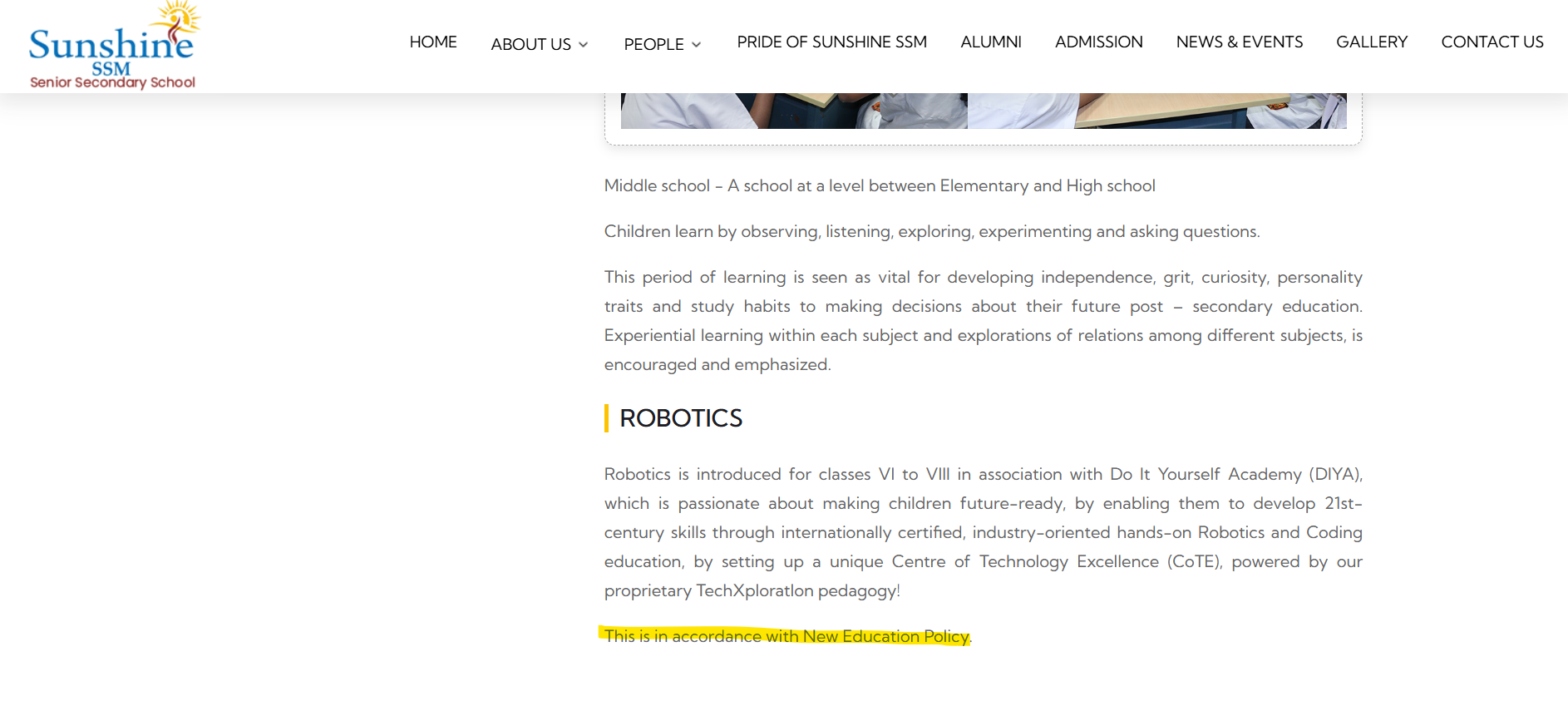
Interestingly, MK Stalin’s daughter Senthamarai Sabareesan runs a CBSE school in Chennai called Sunshine Group of Educational Institutions.
Under this umbrella, you have multiple educational institutions which offer CBSE curriculum and yes, Hindi is among the subjects that students learn.
The school run by MK Stalin’s daughter also implements New Education Policy
In light of this, senior leader and Tamil Nadu BJP state Convenor of the Coordination Committee, H. Raja, has called out Chief Minister MK Stalin for his hypocrisy. The DMK has tried to frame the situation as an effort by the Centre to impose Hindi in Tamil Nadu, but their actions have been met with sharp counters from the Tamil Nadu BJP. This backlash followed the Centre’s decision to withhold funds unless the new education policy, including the three-language formula, was implemented.
In this context, H. Raja ridiculed CM MK Stalin, saying, “If Tamil Nadu’s Chief Minister @mkstalin is determined to abolish Hindi, can he start by doing so at the Velachery Sunshine Montessori School run by his daughter Senthamarai Sabareesan, and at the 45 CBSE schools run by his party members and alliance partners across Tamil Nadu?”
தமிழக முதல்வர் திரு. @mkstalin அவர்களே ஹிந்தி மொழியை ஒழிப்பதாக இருந்தால் அதை உங்களின் புதல்வி செந்தாமரை சபரீசன் நடத்தும் வேளச்சேரி சன்ஷைன் மான்டசோரி பள்ளியில் இருந்தும் தமிழகம் முழுவதும் உங்கள் கட்சியினர் மற்றும் உங்கள் தோழமை கட்சியினர் நடத்தும் 45 CBSE பள்ளிகளில் இருந்தும்… pic.twitter.com/285yGgKEho
This comes in the wake of CM MK Stalin issued a statement, accompanied by a poem, advocating for the eradication of Hindi. On his official X account, Chief Minister MK Stalin shared, “O Hindi language, in the midst of this joyful Dravidian land, it is you who will be cast aside. O Hindi, that has caused so much suffering, your cunningness will not deceive us! When Tamil youth speak, they open their mouths to the sweet Tamil, lovingly given by their mother. If we are force fed you, then is it not also our duty to destroy you? – Revolutionary poet Bharathidasan.”
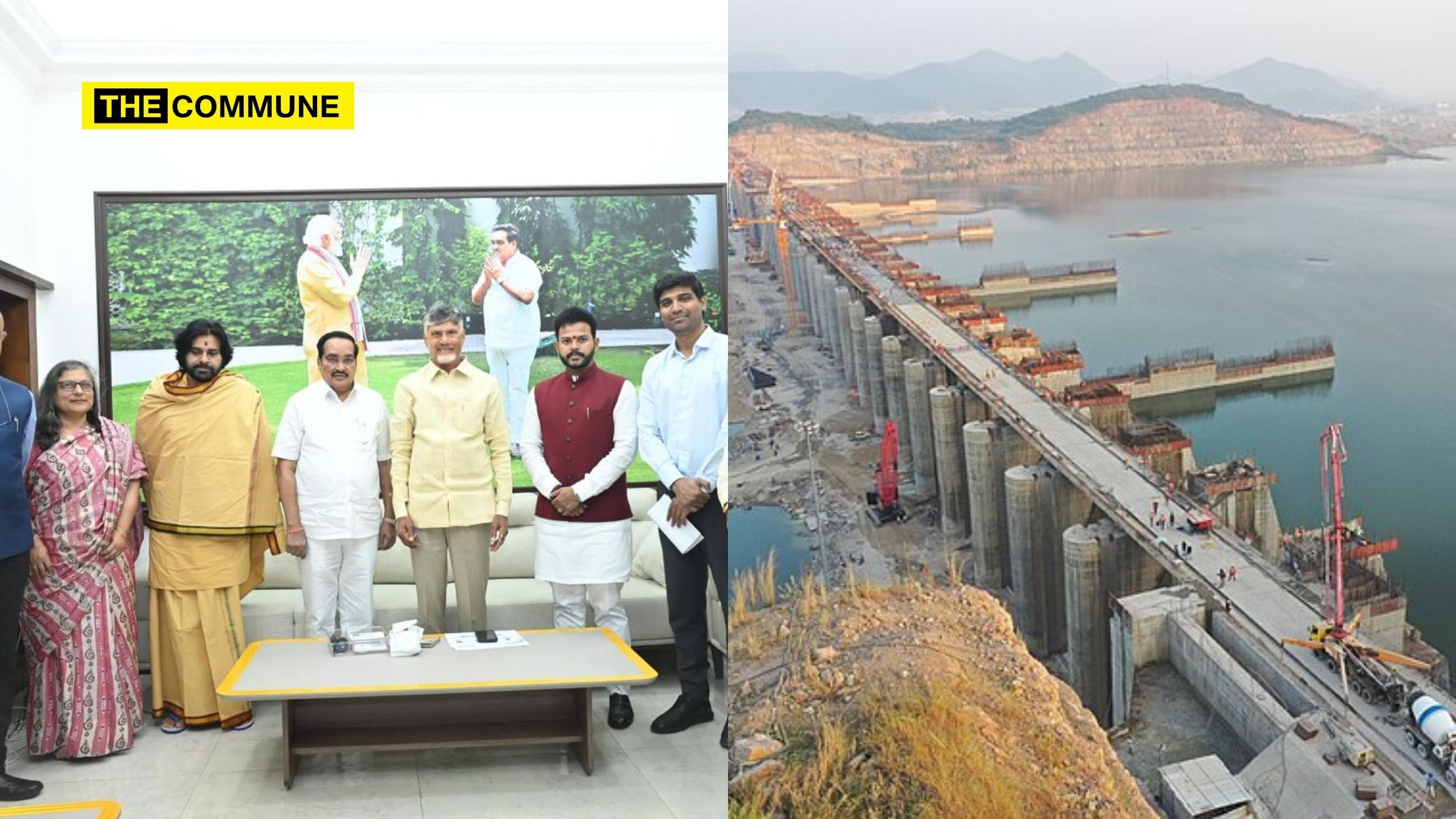
Andhra Pradesh Chief Minister N. Chandrababu Naidu on Thursday sought the Centre’s support to complete the Polavaram project on a war footing. The Chief Minister along with Deputy Chief Minister Pawan Kalyan met Union Minister of Jal Shakti C. R. Patil in New Delhi.
CM Naidu posted on ‘X’ that they requested reimbursement for the expenditure on constructing Polavaram Left and Right canals and all support needed to complete the project on a war footing. “We also solicited Sri Paatil Garu’s support for the Polavaram Banakacherla Link project, which aims to transfer 200 TMC of floodwater from the Godavari river at Polavaram to Banakacherla through a link canal,” said the Chief Minister.
He wrote that Banakacherla Link Project will make the state drought-proof, providing drinking water to 80 lakh people, irrigating 3 lakh hectares of new land, supplementing 9.14 lakh hectares, and allocating 20 TMC of water to industries. CM Naidu and Pawan Kalyan were in the national capital to attend the swearing-in of the new Chief Minister of Delhi Rekha Gupta. CM Naidu is also likely to call Union Home Minister Amit Shah and Union Minister for Agriculture Shivraj Singh Chouhan.
The Chief Minister is expected to discuss issues relating to various projects and other matters about the state with Union Minister Shah. He is expected to discuss the chilli farmers’ issues with Union Minister Chouhan. CM Naidu, who has written several letters to the Centre mentioning the chilli farmers’ issues, will directly bring it to the notice of the Union Minister and request Central assistance.
Naidu, whose TDP is a key partner in the BJP-led NDA government at the Centre, on Wednesday, thanked Prime Minister Narendra Modi and Home Minister Shah for sanctioning Rs 608.08 crore for the state under disaster and flood relief. The High-Level Committee (HLC), under the chairmanship of Home Minister Shah, approved Rs 1,554.99 crore of additional Central assistance under the National Disaster Response Fund (NDRF) to five states, affected by floods, landslides and cyclonic storms last year.
–IANS
Subscribe to our channels on Telegram, WhatsApp, and Instagram and get the best stories of the day delivered to you personally.
Tamil Nadu BJP chief Annamalai is on the offensive after the ruling DMK’s apparent hypocrisy regarding the three-language policy, which is allowed in private institutions but denied to students in government schools.
Speaking at an event in Karur, Annamalai mocked the DMK, saying, “For the DMK member, it’s like having three wives – ‘manaivi’ (wife), ‘inaivi’ (concubine), and ‘thunaivi’ (mistress). Listen carefully, in schools run by DMK members, there are three languages taught, but for common people like us, it’s only two languages. Even when it comes to watching movies, Udhayanidhi Stalin decides what movie gets made and released – that’s the only movie you can watch. You won’t get to watch anything new, as they lock down distribution rights for any other film.”
He further added that the same logic applies to TASMAC outlets, where what the DMK leadership decides is what’s stocked on the shelves and said, “You need to understand the DMK’s hypocritical drama better. They have a set of rules and other have another. Likewise he has a rule and another for the parent of ordinary government school student. Two languages for our children but for them three, why? because they should thrive, but our children should paste posters,” he concluded.