Home Blog Page 355

Part-Time Work-From-Home Politician Vijay Once Again Proves That He’s The B-Team Of DMK 
tvk dmk

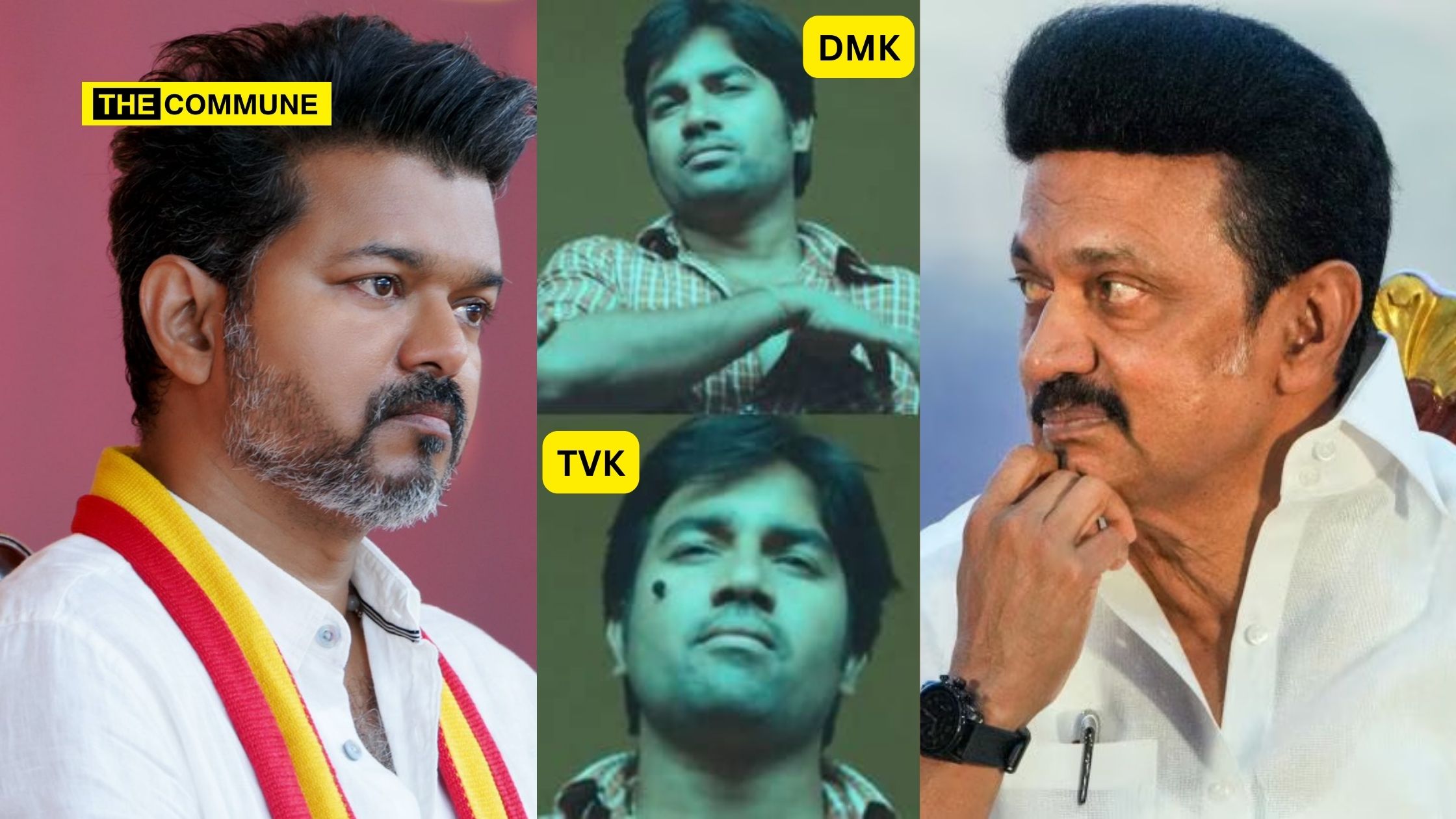
Much like the grand promotions of star-studded films that lack substance and are destined to flop, part-time-politician Vijay successfully conducted his first-ever general council meeting of the Tamilaga Vettri Kazhagam (TVK)—only to deliver nothing new to his party cadres, once again repackaging old ideas in a new bottle.

The general council meeting, held on 28 March 2025, in Thiruvanmiyur, Chennai, has further reinforced the notion that Vijay is not a political threat to the ruling DMK but rather aligns with its goals. His resolutions largely reflect DMK’s existing agenda, positioning him more as a mirror to the ruling party rather than an independent force in Tamil Nadu politics.

A closer look at these resolutions reveals a clear pattern—Vijay’s TVK only takes stands that align with DMK’s interests. This trend was also evident on 3 November 2024, when TVK’s official resolutions after its first state-level conference reflected similar positions. It raises questions about whether Vijay’s political entry is truly independent or merely a extension of DMK’s political wing.

At Tamilaga Vettri Kazhagam’s (TVK) general council meeting, 15 resolutions were passed, covering a range of issues, including:

  • Opposition to the Waqf Bill
  • Rejection of the Parandur Airport project
  • Support for fishermen’s rights
  • Endorsement of the two-language policy
  • Opposition to delimitation
  • Advocacy for state autonomy
  • Women’s safety reforms
  • Support for JACTO-GEO (government employees’ rights)
  • Criticism of the state’s law and order situation
  • Justice in the TASMAC scam
  • Caste survey implementation
  • Justice for Sri Lankan Tamils
  • Renaming an international convention center after Periyar
  • Encouraging cadres to follow party ideologues
  • Granting full authority to the party leader
  • Official recognition of TVK members
  • Obituary notices for TVK members

A closer look at these resolutions reveals a strategic alignment with the ruling DMK’s current political stance. Key resolutions, such as opposition to the Waqf Bill, support for fishermen’s rights, endorsement of the two-language policy, opposition to delimitation, and advocacy for state autonomy, are all core issues that DMK is using to counter the BJP-led central government. Vijay, who has publicly declared DMK as the only real opposition to the TVK, seems to be merely echoing the ruling party’s narrative and promoting it.

Another interesting observation is TVK’s stance on rejecting the Parandur Airport project and supporting JACTO-GEO, which have traditionally been DMK’s brownie points whenever they were in opposition. By endorsing these positions, is Vijay attempting to secure votes that would otherwise drift away from DMK, ensuring that they do not shift toward alternative opposition parties like BJP, NTK, or others? This raises a larger question about whether TVK is truly independent or strategically positioned to prevent a split in DMK’s voter base.

Both Opposing the Waqf Bill

Since the announcement of the Waqf Amendment Bill, both the DMK and its political extended arm, TVK, have strongly opposed it, resorting to fearmongering tactics within the Muslim community, much like they did during the CAA-NRC debates. They have claimed that the bill would significantly harm Muslims—a narrative similar to the one they pushed against the CAA, where they alleged that Indian Muslims would lose their citizenship. However, despite the implementation of CAA, no Indian Muslim lost their citizenship, proving that the fear-driven claims were misleading.

This time, in the Waqf issue DMK escalated its opposition further by passing a resolution in the Tamil Nadu Assembly on 27 March, urging the central government to withdraw the bill. Chief Minister M.K. Stalin defended the move, stating that the bill would “badly affect minority Muslims,” contrary to the real intention which passed by the JPC committee of the parliament.

Mirroring the DMK’s stance, TVK also made the opposition to the Waqf Amendment Bill its top priority, officially passing a resolution against it in its recent general council meeting. It is worth noting that this issue was given top priority in TVK’s resolution following its first state-level conference also. With TVK following DMK’s lead, raises the question—is this genuine opposition, or a strategic political move to secure minority votes while preventing them from shifting to the opposition?

Supporting Fishermen’s Rights

Part-time politician Vijay previously had no stance on the Tamil Nadu fishermen’s issue, nor was it included in his party’s resolutions after their first conference. However, all of a sudden, it was given prominence in the recent general council meeting. The timing raises questions, as just recently, on 7 February 2025, Members of Parliament from the DMK and its alliance partners staged a protest in the Parliament premises, condemning the repeated arrests of Tamil Nadu fishermen by the Sri Lankan Navy and pressuring the central government for a permanent solution. With no other major issues to create disruption in Parliament, they seized on this matter to stir controversy.

Now, Vijay has conveniently echoed the same stance, jumping on the bandwagon and aligning his party’s resolution with the DMK’s narrative. This is yet another classic example of how Vijay continually simps the DMK’s agenda, seemingly desperate for their attention.

Two-language policy

Vijay has strongly opposed the three-language policy, despite his own son, Jason Sanjay, studying at the American International School in Chennai, where languages like French, Spanish, and Korean are offered alongside English. In some IB schools, students also have the option to choose Hindi. The rationale behind the three-language policy is to provide marginalized students— even many of whom currently lack access to government schools—a chance to learn a third language. This would enable them to pursue careers as translators, communicators, and open doors to international job opportunities.

However, Vijay, along with other Dravidian leaders and the DMK, oppose marginalized students to venture beyond Tamil Nadu. They seem to believe these students should remain confined to the state, study locally, and take on menial jobs, ultimately serving as a political vote base through emotional appeals. The hypocrisy lies in the fact that this “two-language policy” exception doesn’t apply to Matriculation, CBSE, or international boards, which offer a wider array of language options. Yet, Vijay appears intent on following this same narrow-minded stance.

Even more surprisingly, just like DMK leaders and their allies who own CBSE schools that promote multilingual education, Vijay’s own CBSE school, Vijay Vidyashram, proudly boasts and celebrate Hindi—the very language they publicly oppose.

Both Opposed Parandur Greenfield Airport Plainly

Vijay, during his visit to Paranduralleged that the proposed airport would destroy 90% of farmland and 13 water bodies, calling the project “anti-people. He also questioned why the DMK, which had opposed projects like the Salem eight-lane expressway and Kattupalli port, was supporting the Parandur airport. However, a closer look at the Airports Authority of India (AAI) pre-feasibility report and the Tamil Nadu government’s decision-making process reveals that Vijay’s statements are either misleading or based on incomplete information.

The Airports Authority of India (AAI) conducted a detailed study to identify the most suitable site for Chennai’s second airport, considering locations like Padalam, Thiruporur, Pannur, and Parandur. Parandur emerged as the best option due to factors such as airspace restrictions at other sites, availability of 5,369 acres of land, better connectivity through the Chennai-Bengaluru Expressway, and fewer displacements compared to Pannur. Additionally, Parandur offers significant potential for future development, unlike the more densely developed Pannur site. Vijay’s claims about the project destroying 90% of farmland and 13 water bodies lack substantiation and overlook the thorough environmental and social impact analysis in the AAI report. Critics suggest that Vijay’s opposition to the project is driven by political motives, with his visit to the protest site viewed as a publicity stunt. Aviation experts argue that Parandur is the most feasible site for the airport, and relocating the project would cause delays and increased costs.

A similar approach was taken by the DMK in 2019 when it criticized the AIADMK government while in the opposition, but once it came to power, the party acknowledged the airport as a crucial need for the state’s economy.

Opposition to Delimitation & Advocacy for State Autonomy

Delimitation became the DMK’s last resort after their previous political maneuvers failed. When their attempt to stir up protests over the so-called ‘Tamil language imposition’ flopped—mainly because of their own hypocrisy in running CBSE schools that teach the very Hindi they claim to oppose—they quickly shifted focus. Realizing they weren’t getting the public support they had hoped for, they suddenly latched onto delimitation, a topic that wasn’t even relevant. They aggressively pushed their narrative, staged political stunts, called for a joint meeting of Southern Chief Ministers, and passed resolutions to gain traction.

TVK chief Vijay, often labeled the ‘B-Team of the DMK’, appeared offended by that tag. In response, he opposed delimitation, but in an ironically absurd twist, he also claimed there was no need for it at all. This stance was both shocking and laughable—without proper representation in Parliament, how does he plan to voice the people’s concerns or secure funds for Tamil Nadu’s welfare? His move was nothing more than a slightly altered version of the DMK’s stance, but executed so poorly that he ended up making a mockery of himself.

The ultimate irony? While Vijay opposing delimitation and the increase of MP seats, he simultaneously demanding state autonomy in his latest resolution. This contradiction exposes a lack of clear vision—either he should fight for representation and resources or completely reject the process. But switching between “no need for delimitation” and then immediately demanding more autonomy makes it seem like he doesn’t even understand his own political positions.

Subscribe to our channels on TelegramWhatsApp, and Instagram and get the best stories of the day delivered to you personally.

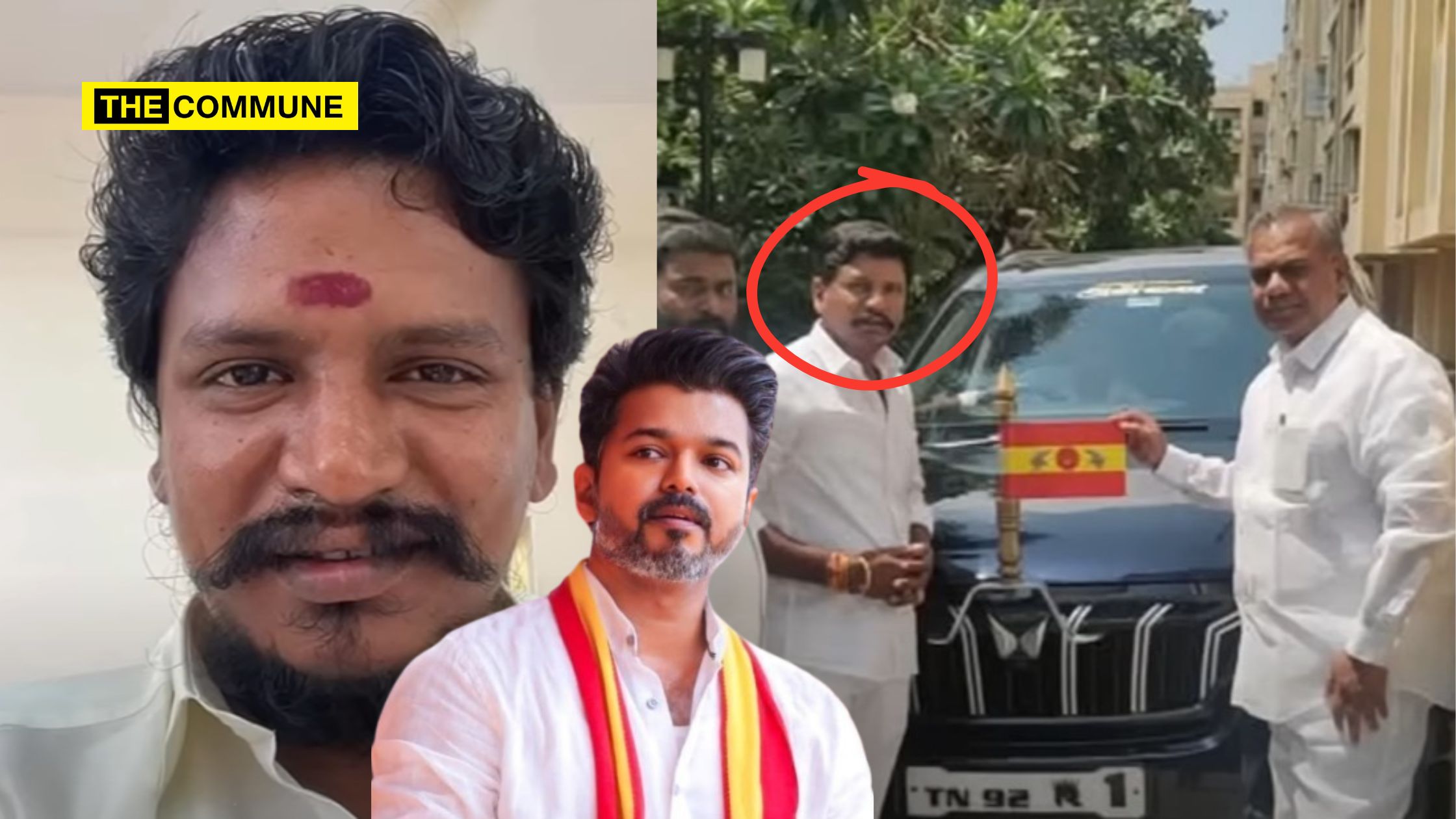
Dravidian Model TVK: Thoothukudi TVK’s District In-Charge VG Saravanan Booked For Making Casteist Remarks And Giving Death Threats To Disabled Man

A functionary of part-time politician Vijay’s TVK which considers EV Ramasamy Naicker (hailed as ‘Periyar’ by his followers) has been booked under the Scheduled Castes and the Scheduled Tribes (Prevention of Atrocities) Act for abusing and threatening a disabled man.

Police in Thoothukudi district are investigating a case against Tamilaga Vettri Kazhagam (TVK) district in-charge, V.G. Saravanan, under the Prevention of Atrocities Act. He is accused of making derogatory remarks and issuing life threats to a differently-abled lawyer in Eral.

The victim, Balamurugan, a resident of Ganeshapuram near Eral, is a disabled person working as a lawyer at the Thoothukudi district court. A few days ago, he had visited the Eral police station regarding a case involving his client. While he was near the Gandhi statue in his specially adapted vehicle, Saravanan, accompanied by six others, allegedly approached him. They reportedly hurled caste-based insults, made derogatory remarks about Dr. Ambedkar, and then threatened him, saying he should suffer the same fate as the student who was previously hacked to death on a bus.

Following the incident, Balamurugan filed a complaint at the Eral police station. Based on his statement, the police have registered a case against Saravanan and the six individuals accompanying him under five sections, including charges related to the Prevention of Atrocities Act and public misconduct.

Saravanan, who was previously affiliated with the AIADMK, joined TVK two months ago and has since been involved in various welfare initiatives, such as providing drinking water to underprivileged areas and distributing free clothing in the Srivaikundam assembly constituency. However, the registration of a case against him under multiple sections has sparked significant controversy in the region.

Subscribe to our channels on TelegramWhatsApp, and Instagram and get the best stories of the day delivered to you personally.

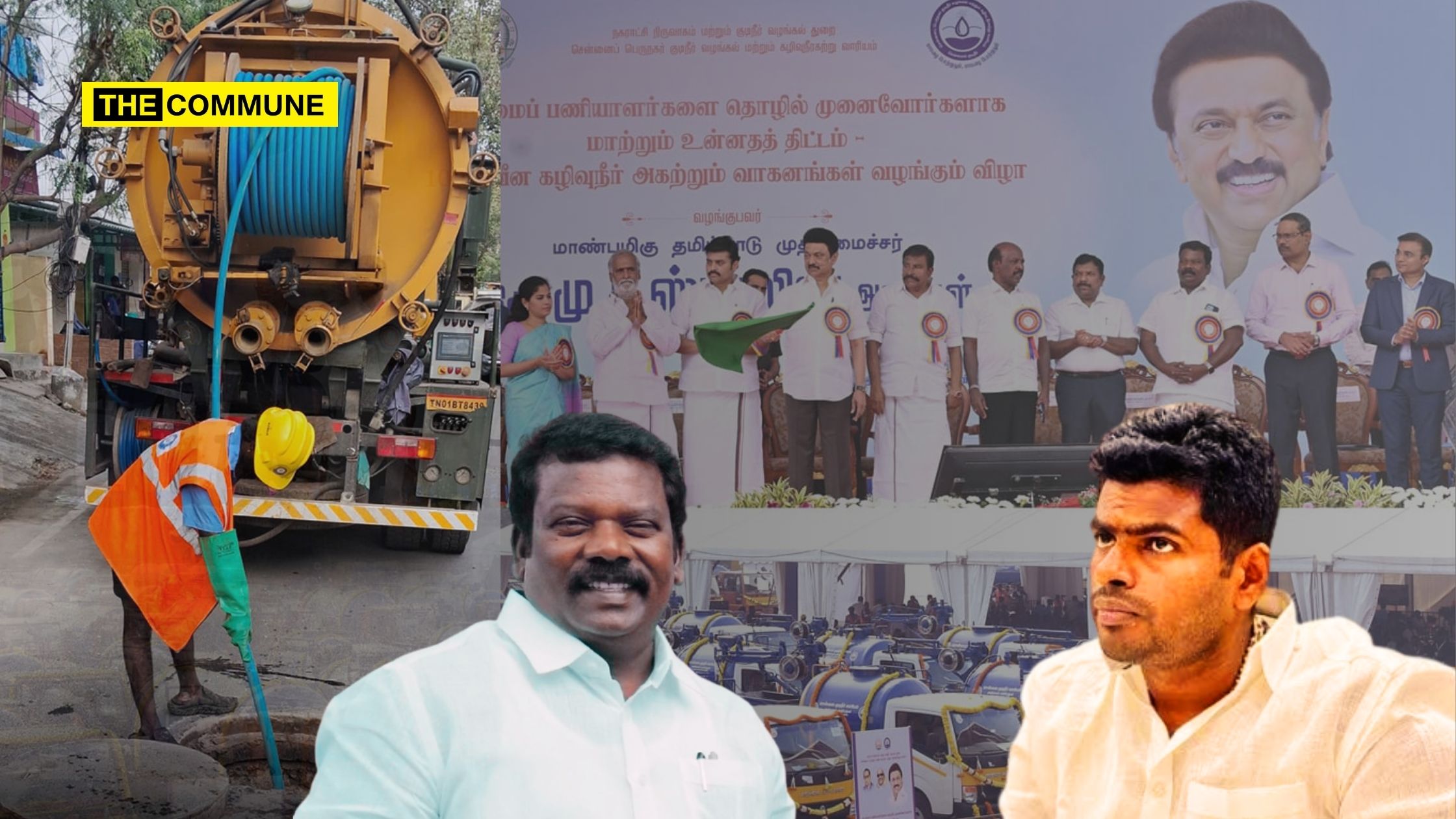
BJP TN Head Annamalai Exposes TN Congress Head Selvaperunthagai’s Role In Sanitation Vehicle Scam, Accuses DMK Of Complicity

Tamil Nadu BJP President Annamalai has accused Tamil Nadu Congress Committee (TNCC) chief Selvaperunthagai of being involved in a strategic scam linked to the sanitation workers’ entrepreneurship scheme in the state. He also raised concerns about whether the ruling DMK is complicit in the alleged scam.

The Tamil Nadu government introduced this initiative following the BJP led Central Governments initiative to enhance the living standards of sanitation workers. As part of the scheme, arrangements were made last year to provide modern sewage vehicles to sanitation workers, enabling them to become entrepreneurs.

Raising concerns over the transparency of the scheme, the Tamil Nadu BJP, through its official X account, called for clarity on the alleged irregularities. BJP state president Annamalai accused TNCC  chief Selvaperunthagai of orchestrating a large-scale scam under the pretense of transforming sanitation workers into entrepreneurs. This has also sparked questions about whether the DMK government is complicit in the matter.

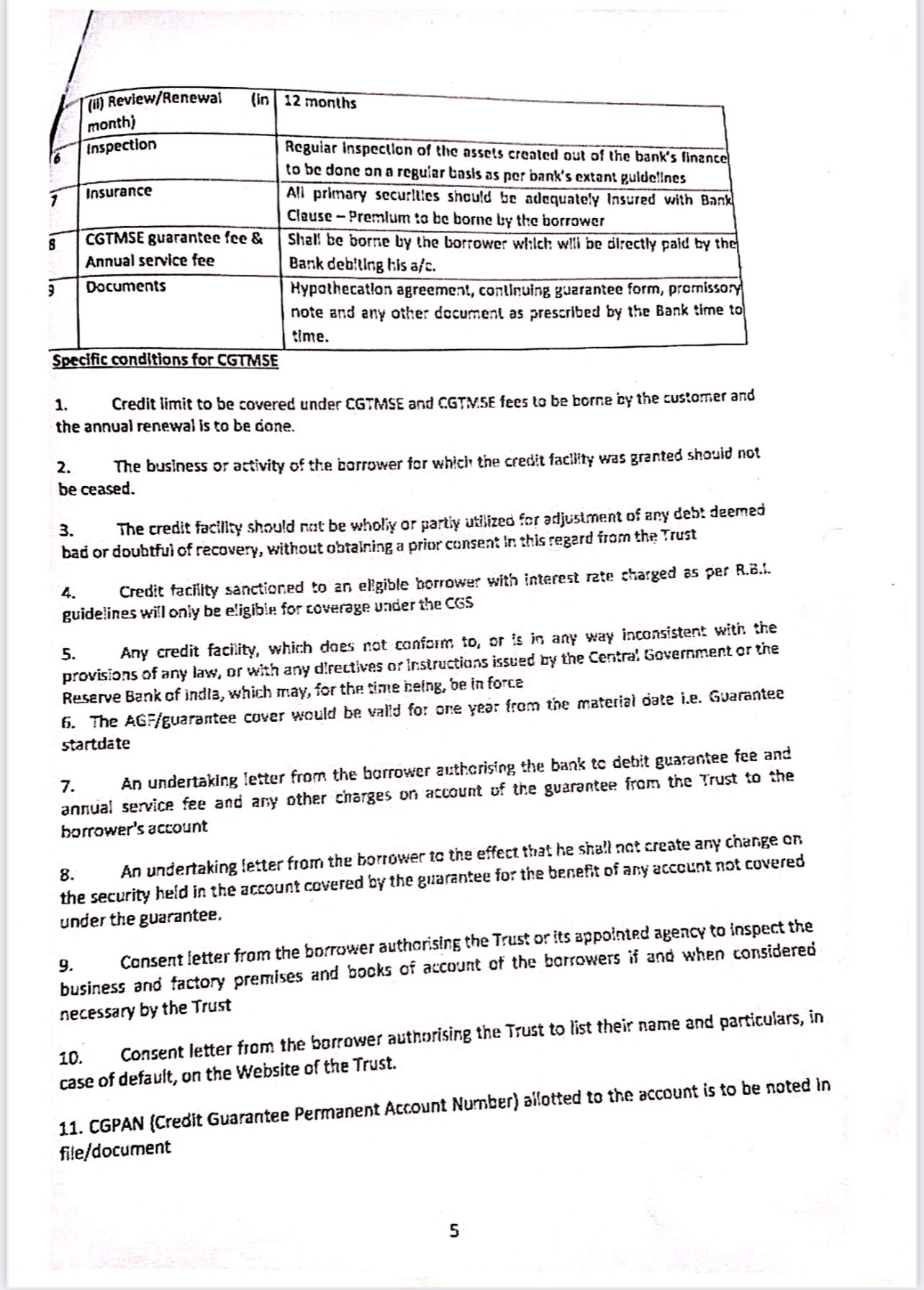
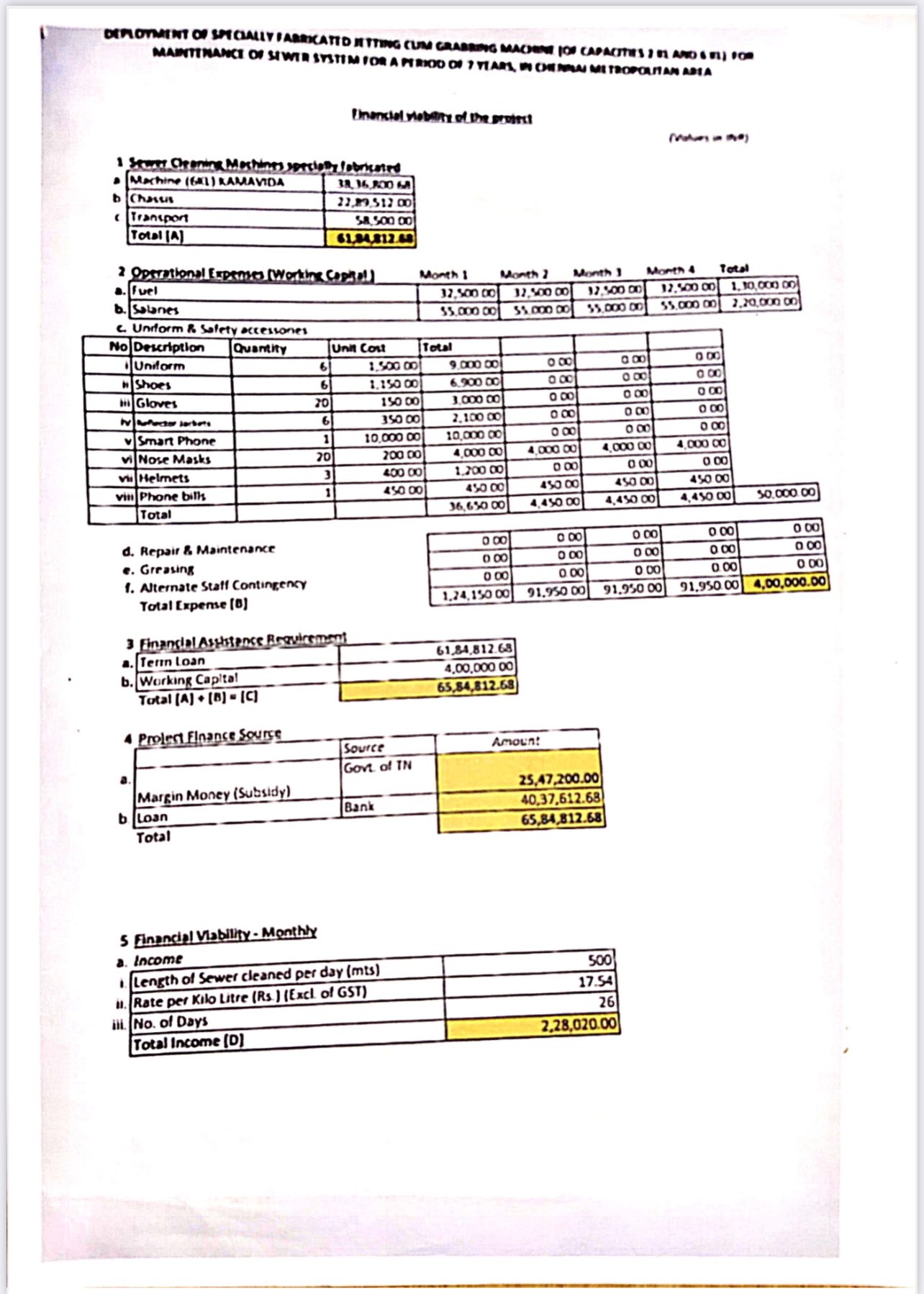
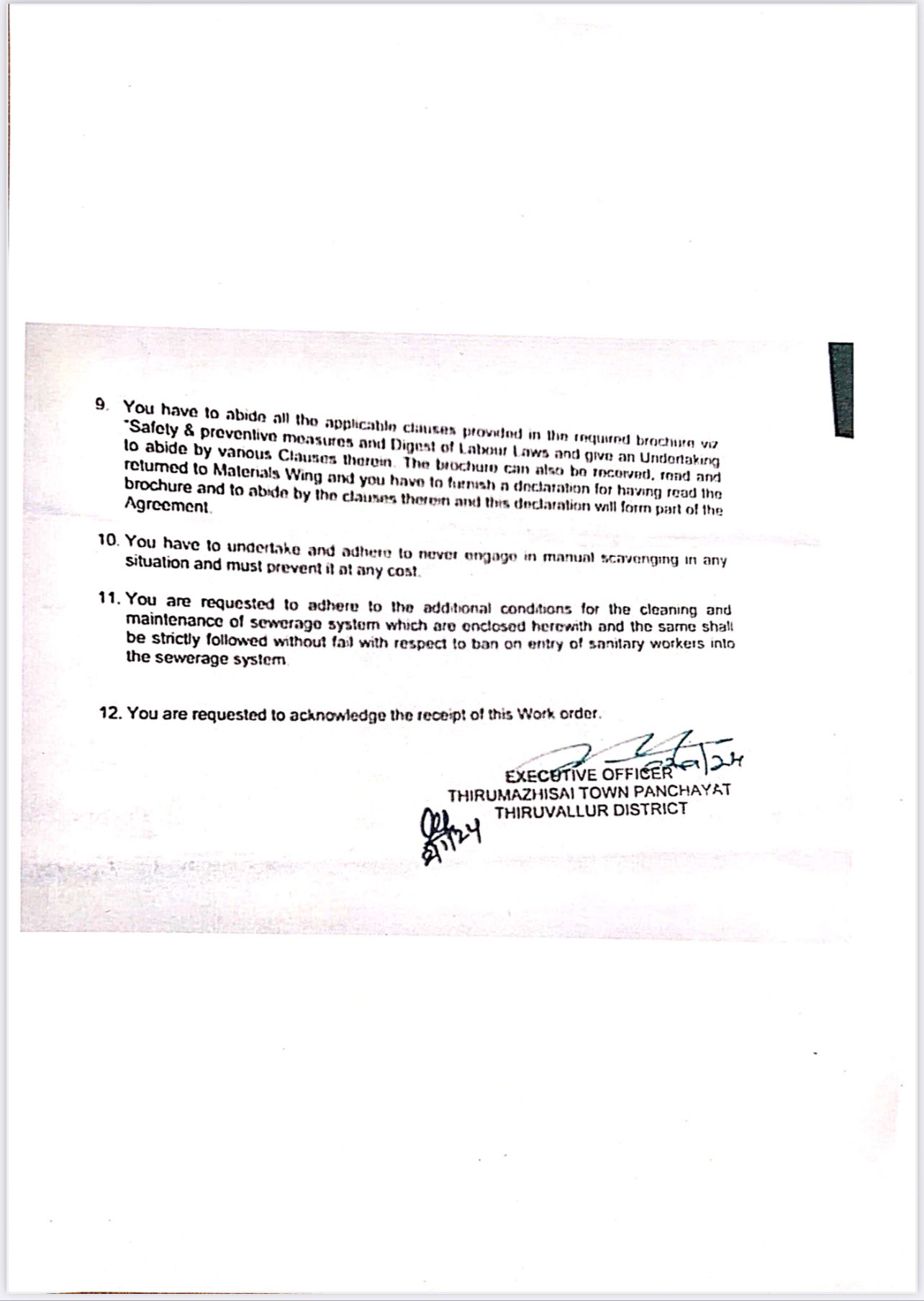
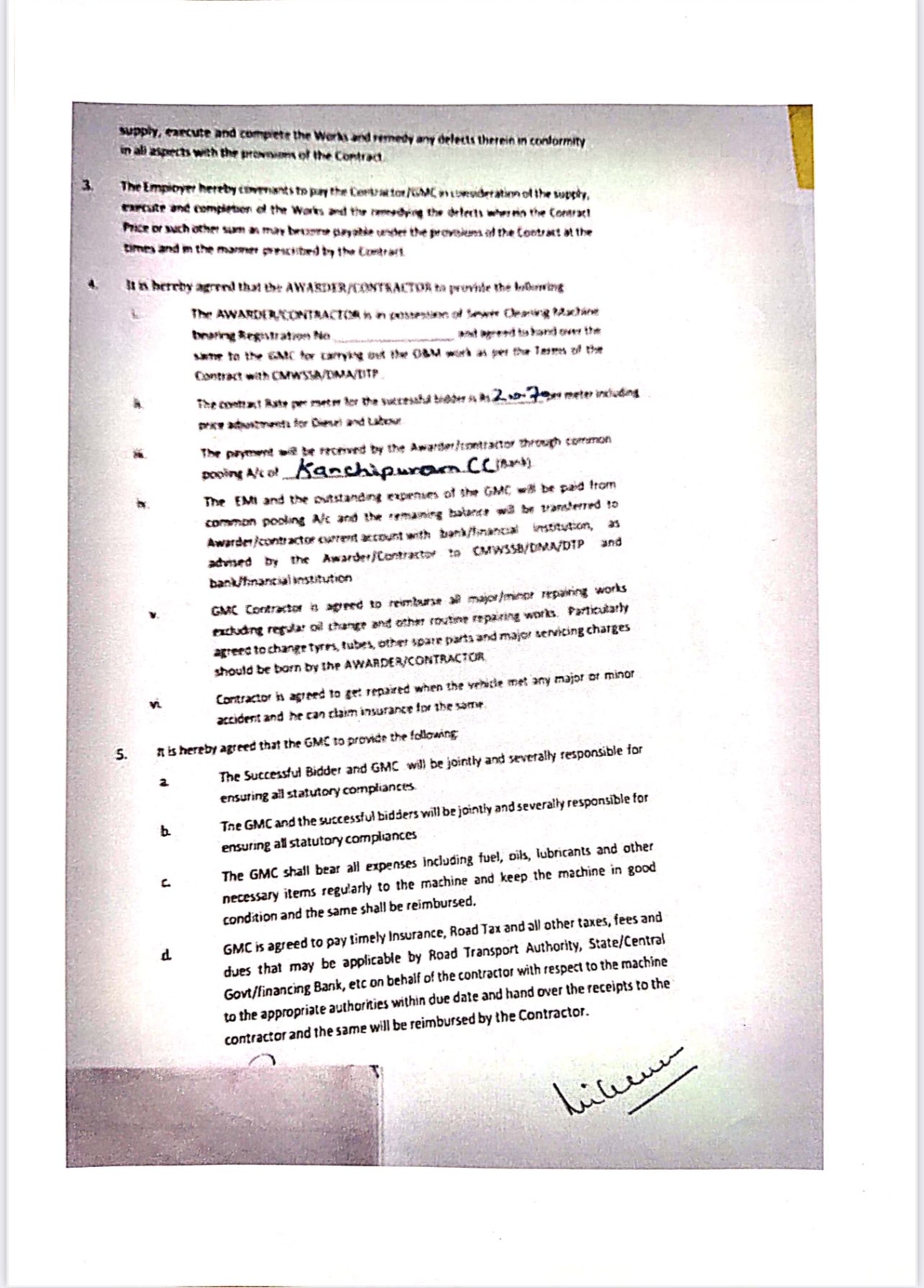
The DMK government had announced a scheme aimed at empowering sanitation workers by turning them into entrepreneurs, awarding contracts worth ₹524 crore over a period of seven years through the Chennai Water Supply Board and the Department of Municipal Administration. Following this, 54 beneficiaries secured loans from the Kanchipuram Central Cooperative Bank and 33 from the Chennai Central Cooperative Bank to purchase modern sewage collection vehicles.

Notably, between 12 August 2024 and 19 August 2024, the Kanchipuram Central Cooperative Bank disbursed loans of ₹65 lakh each to 54 individuals within just a week. Shockingly, on the very day their new bank accounts were opened and cheque books issued, ₹65 lakh was deposited into each account, and the beneficiaries were made to sign two cheques before being sent away. Seven months have passed since the loan disbursement, yet no repayments have been made. Furthermore, no financial transactions have occurred in these accounts since the loans were issued. This raises the critical question, On what basis did cooperative banks approve ₹65 lakh loans for multiple individuals without any collateral?

Doubts also arise regarding whether the loan recipients are actually sanitation workers. Had these loans been sanctioned under the Central Government’s NSFDC or NAMASTE schemes, a thorough verification process would have been conducted to ensure they were legitimate beneficiaries. It appears that cooperative banks were strategically used to bypass these checks.

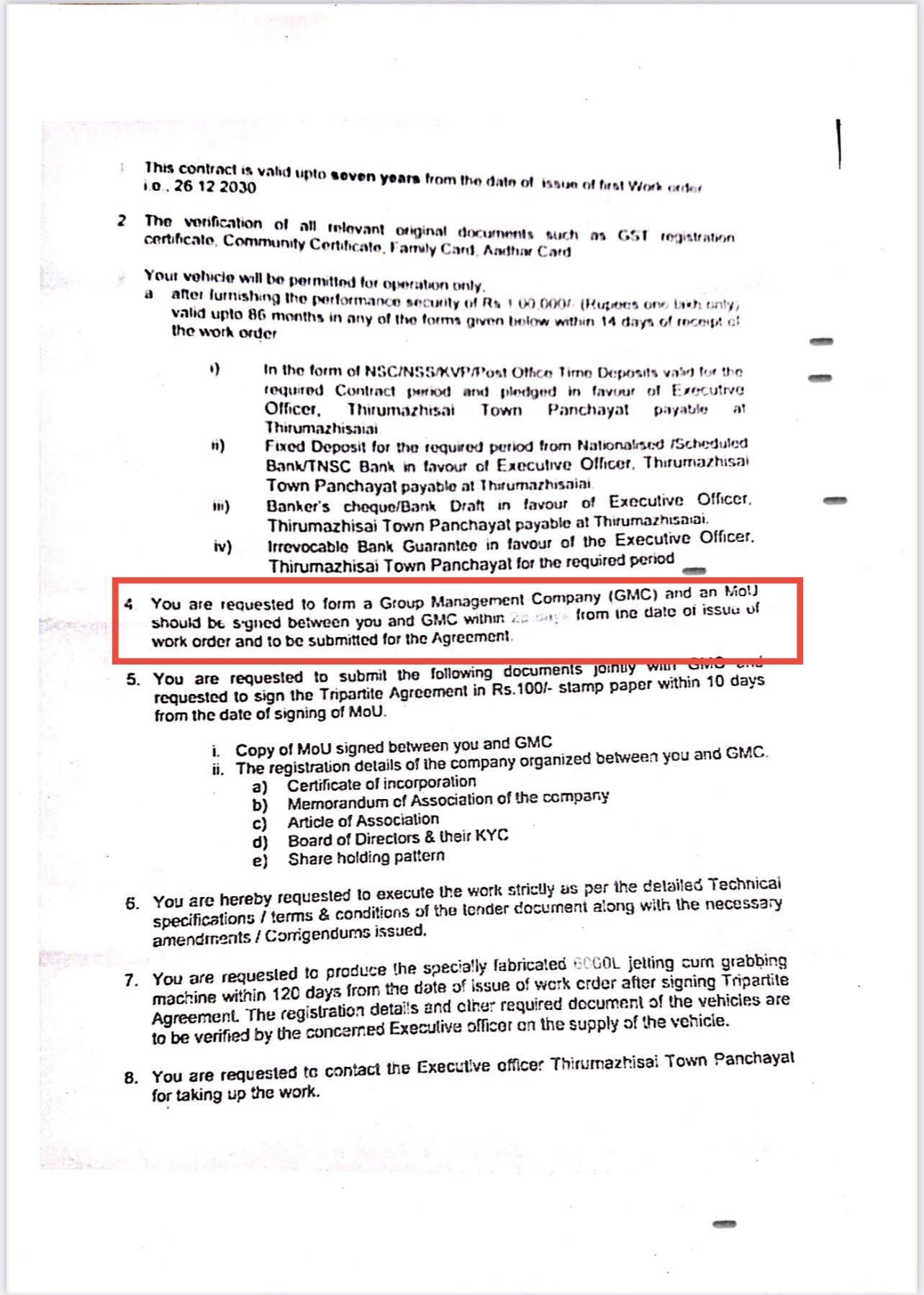
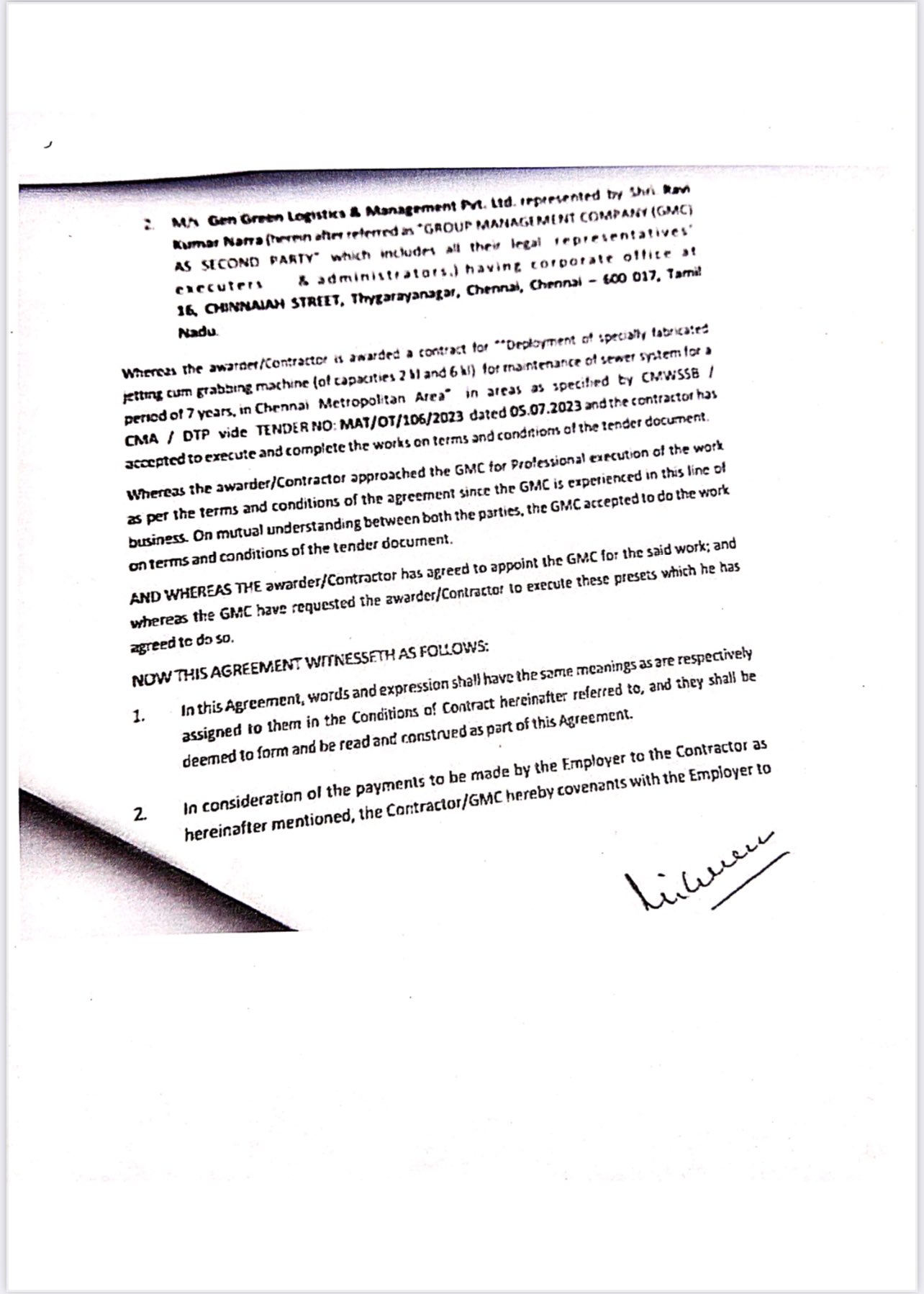
Adding to the controversy, an agreement was signed in 2023 between Chennai-based Gengreen Logistics & Management Pvt Ltd and the loan recipients on 7 June 2023. As per this agreement, instead of sanitation workers directly handling the ₹524 crore sewage disposal contracts under the Tamil Nadu government, Gengreen Logistics took over the operations. A major red flag is that one of the company’s directors, Veeramani Radhakrishnan, is the nephew of TNCC chief Selvaperuthagai. Additionally, the company’s registered office address is the same as that of Selvaperuthagai’s, raising further suspicions of a conflict of interest.

Tamil Nadu BJP chief Annamalai, through his official X account, said, “Tamil Nadu Congress Committee chief Selvaperunthagai has orchestrated a huge scam under the guise of transforming sanitation workers into entrepreneurs. This raises the question of whether the DMK government is also involved. The DMK government had announced plans to empower sanitation workers as entrepreneurs and awarded them contracts worth ₹524 crore over the next seven years to carry out government projects through the Chennai Metropolitan Water Supply and Sewerage Board and the Department of Municipal Administration. Following this, 54 beneficiaries received loans from the Kanchipuram Central Cooperative Bank and 33 from the Chennai Central Cooperative Bank to purchase modern sewage collection vehicles. Notably, between 12 August 2024, and 19 August 2024, loans worth of ₹65 lakh were granted to 54 individuals within a single week by the Kanchipuram Central Cooperative Bank. On the very day new bank accounts were opened and cheque books issued, ₹65 lakh was deposited into each account, and the beneficiaries were sent away after getting signatures on two cheques. It has now been seven months since the loan disbursement, yet not a single rupee has been repaid. Furthermore, no financial transactions have taken place in these accounts since the loan was issued. On what basis did the cooperative banks approve ₹65 lakh loans for so many individuals without any collateral?”

Adding further, Annamalai said “There is uncertainty about whether the loan recipients are actually sanitation workers. If the loans had been granted through the central government’s NSFDC or NAMASTE schemes, they would have verified whether they were genuine beneficiaries. It appears that, to bypass this, they have taken loans from cooperative banks. An agreement was signed in 2023 between Gengreen Logistics & Management Pvt Ltd, a Chennai-based company, and the beneficiaries who received bank loans on 7 June 2023. As per this agreement, instead of the sanitation workers carrying out the sewage disposal contracts worth ₹524 crore under the Tamil Nadu government, Gengreen Logistics would take over the work. One of the company’s directors, Veeramani Radhakrishnan, is the nephew of Selvaperuthagai. The company’s registered office address is the same office address as that of Tamil Nadu Congress Committee chief Selvaperuthagai. Did the DMK government truly not know that a scheme meant for the rehabilitation and empowerment of sanitation workers was being misused to purchase vehicles for a proxy company linked to Selvaperuthagai? How can accept that a program intended to uplift the poor and needy has been diverted for their personal gain by hitting on the stomachs of poor and the needy?”


Subscribe to our channels on TelegramWhatsApp, and Instagram and get the best stories of the day delivered to you personally.

Madurai Constable Murdered In Drunken Brawl; Police Launch Manhunt For Suspects

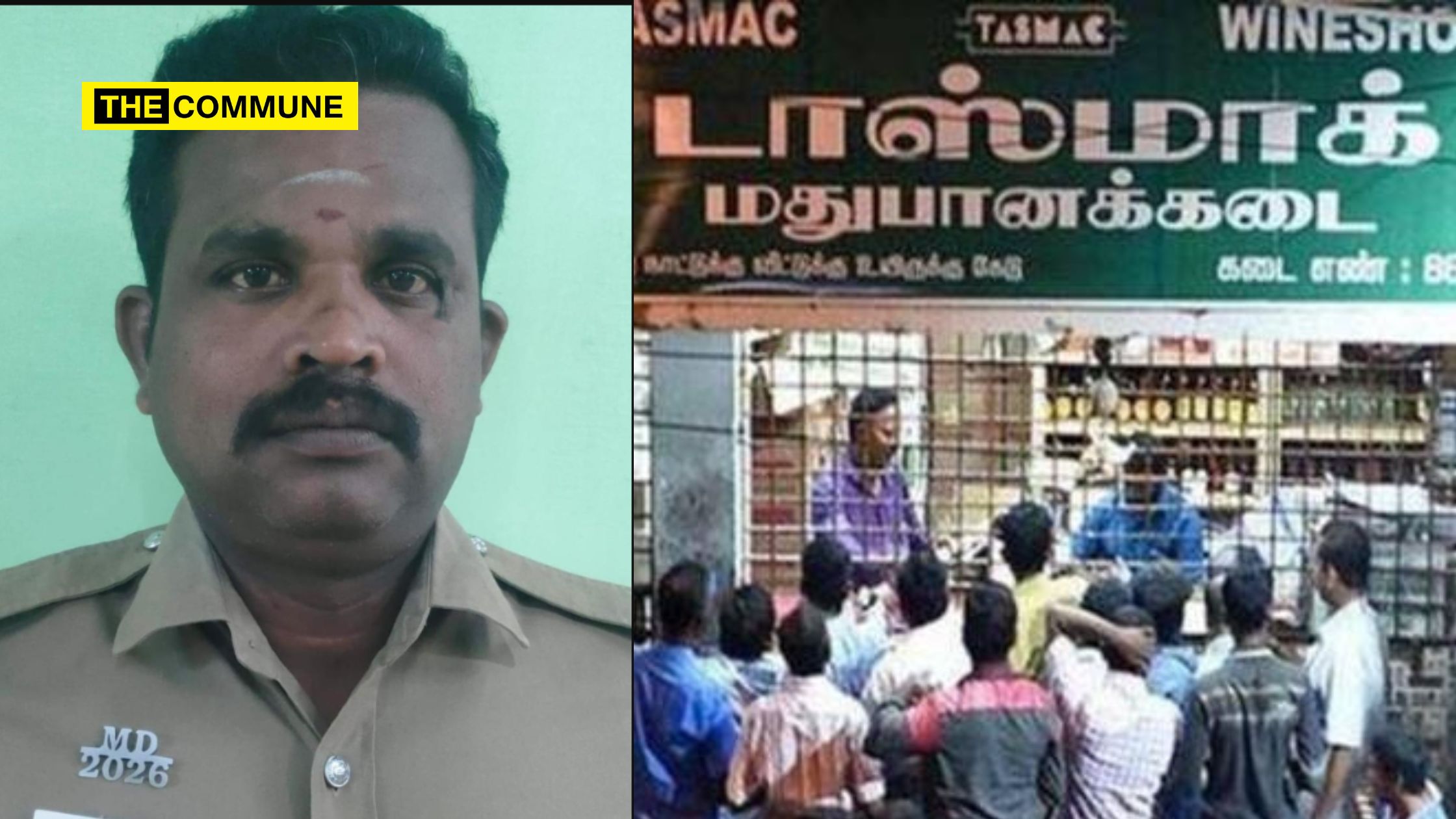
In a tragic turn of events, a police constable named Muthukumar was allegedly killed during a drunken altercation in Usilampatti, Madurai district, on 27 March 2025. His body has been sent to Government Rajaji Hospital for a post-mortem examination.

According to police reports, Muthukumar, a 2009-batch constable who worked as the driver for the Usilampatti Town Inspector, was off duty at the time of the incident. He had visited a TASMAC liquor shop within the Sindupatti police station limits along with his cousin, Rajaram.

While at the shop, an argument broke out between Muthukumar and a group of individuals. After the confrontation, he and his cousin left and proceeded to a farm located under the Usilampatti Town police station’s jurisdiction.

However, the same group followed them to the farm, leading to another heated exchange. The altercation escalated into violence when the gang attacked Muthukumar with stones and an iron rod before fatally crushing his head with a boulder. He died on the spot.

Following the incident, Madurai Superintendent of Police B.K. Arvind visited the crime scene. Meanwhile, Usilampatti police have launched a search operation to track down the suspects.

(With Inputs From The Hindu)

Subscribe to our channels on TelegramWhatsApp, and Instagram and get the best stories of the day delivered to you personally.

Thoothukudi Pastor And Driver Jailed For Sexually Exploiting Multiple Women Through Exorcism And Fake Job Offers

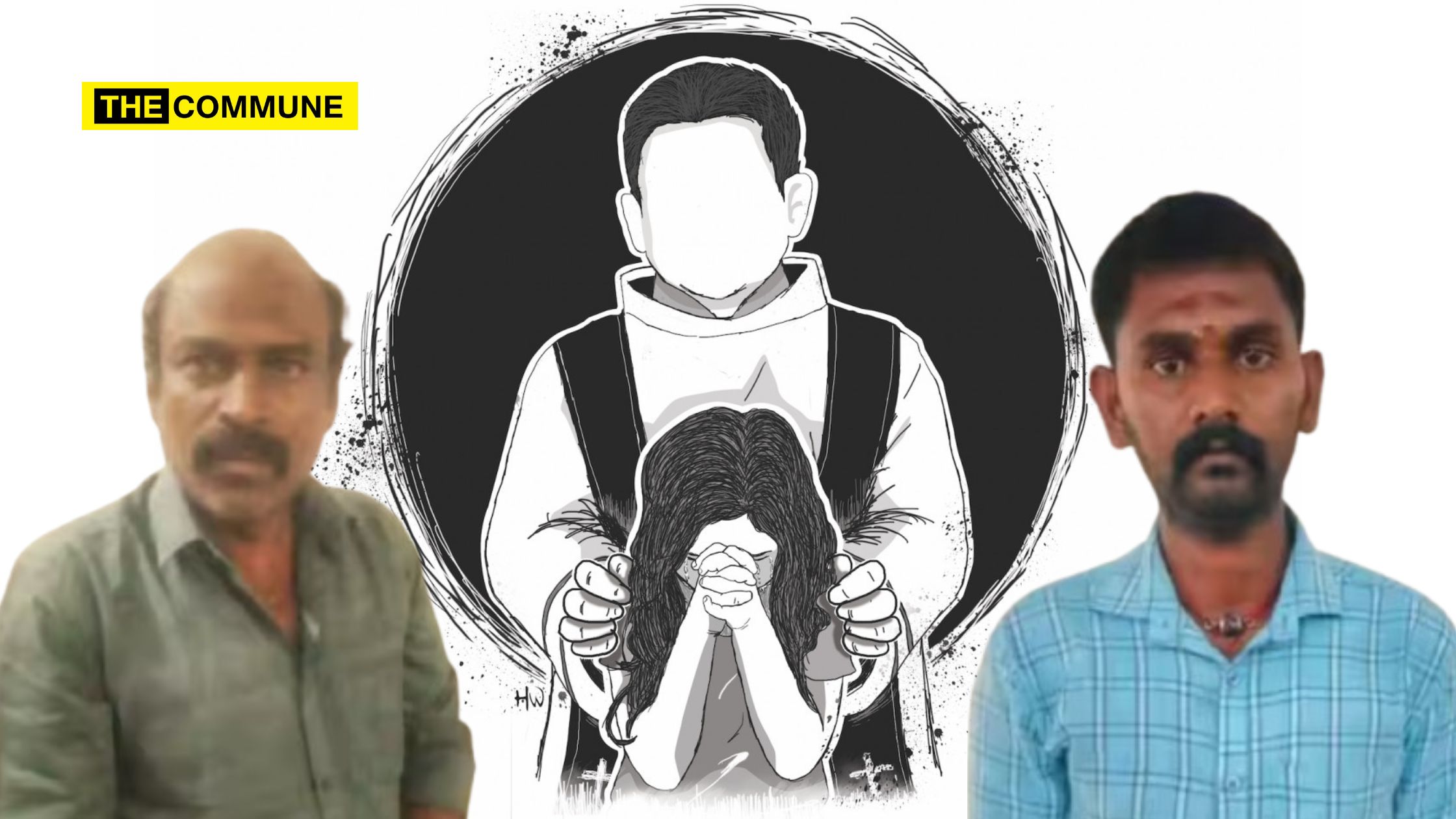
A shocking and disturbing case has come to light as the Tirunelveli Mahila Court on 27 March 2025, sentenced a Christian priest and his driver to seven years of concurrent imprisonment for sexually assaulting multiple women and threatening to leak their intimate photos online in 2016.

Following a detailed trial, Judge T. Panneerselvam convicted 47-year-old priest Joshua Emmanuel from Karuppur near Ettayapuram in Thoothukudi district, and his 32-year-old driver Vinoth Kumar. Joshua was sentenced to 24 years under various sections of the IPC and IT Act, but the court ruled that he would serve seven years concurrently. He was also slapped with a ₹54,000 fine. Meanwhile, Vinoth Kumar, who was found guilty of assisting in the crimes, received a 15-year sentence under different sections, to be served concurrently for seven years, along with a ₹3,000 fine.

The heinous crimes were committed under the guise of religious rituals. Joshua Emmanuel deceived women by claiming to perform prayers to remove ‘evil forces’ affecting their lives. He allegedly took them to isolated locations, where he sexually assaulted them and extorted their jewelry. Additionally, he lured educated women with false promises of government jobs before subjecting them to abuse.

The horrifying case unraveled when a 24-year-old woman and a 26-year-old B.Ed student from the district filed complaints with the Tirunelveli Superintendent of Police. One of the victims revealed that Joshua took her to Salem and assaulted her. The B.Ed student, who accused the priest of sexual exploitation, later died by suicide, leaving behind a note blaming him.

Following the explosive complaints, police launched an investigation and arrested Joshua Emmanuel and Vinoth Kumar from Virudhunagar. This chilling case has sent shockwaves across the region, exposing the dark side of abuse hidden behind religious deception.

(With Inputs From TNIE)

Subscribe to our channels on Telegram, WhatsApp, and Instagram and get the best stories of the day delivered to you personally.
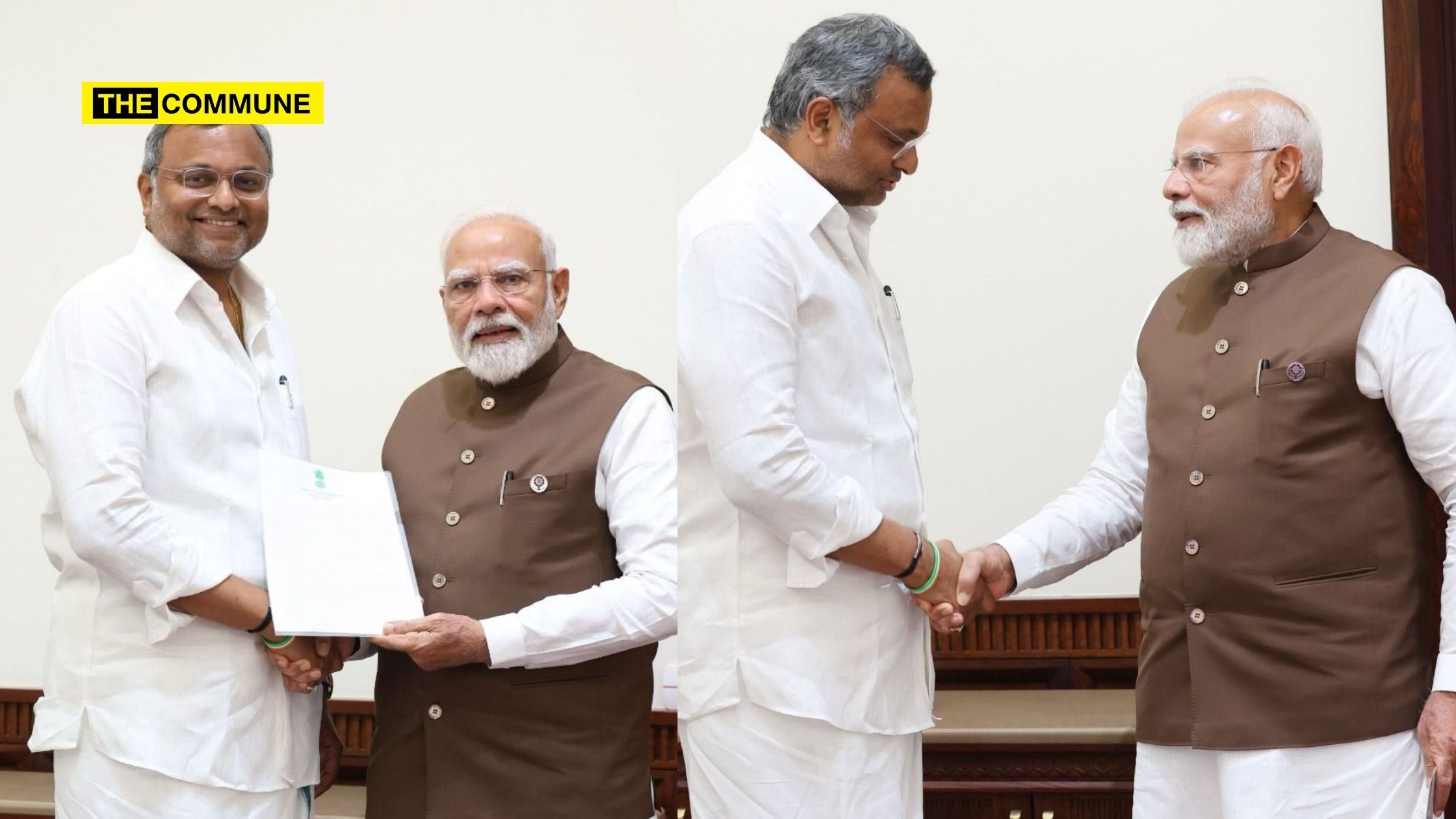
Congress MP Karti Chidambaram Urges PM Modi To Tackle Stray Dog Menace And Rabies Threat With National Task Force

After advising the DMK run Greater Chennai Corporation to “learn from Indore” in handling urban issues, Sivaganga Congress MP Karti Chidambaram has now petitioned Prime Minister Narendra Modi to take urgent action on the rising health and safety risks posed by India’s growing stray dog population, which is closely linked to rabies cases.

Sharing details on social media, Karti Chidambaram stated, “Met the Hon’ble Prime Minister today in his Parliament House office to bring to his notice the growing health & safety concerns posed by stray dogs. India is home to one of the largest stray dog populations globally, with over 6.2 crore stray dogs. India is also endemic for rabies, responsible for 36% of the world’s rabies-related deaths. Despite the introduction of the Animal Birth Control (ABC) Rules, 2023, the implementation has been ineffective. I raised concerns about the inadequacy of the current system, where local bodies lack the resources, funding, and technology to tackle this issue effectively. It’s clear that urgent action is required. I suggested establishing a National Task Force to provide a holistic, humane, and scientific solution while working closely with local bodies. Additionally, dedicated shelter houses and a long-term plan must be in place to address this challenge.” 

https://twitter.com/KartiPC/status/1905543928155144379

Only recently Congress MP Karti Chidambaram sparked debate on 25 March 2025, by suggesting that the Greater Chennai Corporation should take lessons in waste management from Indore, a city in BJP-ruled Madhya Pradesh known for its cleanliness.

Reacting to reports that Chennai officials plan to visit Europe in May to study waste management techniques, Karti took to X, questioning the effectiveness of such foreign study tours. He posted, Can the @chennaicorp name one learning & implementation of a practise from any of the previous study tours? Poor garbage management, street dogs & cattle, broken sidewalks & potholed roads is the hallmark of Chennai. Visit Indore to start with.

His remarks, seen as an unexpected endorsement of Indore’s municipal administration under the BJP, come amidst the Congress being in alliance with the DMK in Tamil Nadu which remains at odds with the BJP government on various issues, including language policies and delimitation.

Subscribe to our channels on TelegramWhatsApp, and Instagram and get the best stories of the day delivered to you personally.

Meet Prithviraj Sukumaran, The Two-Bit Virtue-Signalling Commie Propagandist Who Peddles Hate Against Hindus, BJP, And PM Modi Through His Films

Prithviraj Sukumaran isn’t just an actor, producer, and director—he’s a self-anointed crusader for the leftist elite, wielding cinema as a weapon to smear Hindus, the Bharatiya Janata Party (BJP), and Prime Minister Narendra Modi. Born into a film family in Kerala, Prithviraj has built a career on privilege while posturing as a champion of downtrodden. His collaborator, screenwriter Murali Gopy, openly admits to an “anti-right” stance while criticizing the mainstream Left for not being pure enough, as noted in a 2023 Indian Express interview. Gopy’s influence is evident in Prithviraj’s projects, which drip with disdain for Hindu nationalism and Prime Minister Narendra Modi’s vision of a united India. From his social media virtue-signalling to his filmography, Prithviraj peddles a worldview that romanticizes Kerala’s red-draped politics, cajoles the Islamists, vilifying anyone who dares to embrace Hindu pride or support the BJP. He’s not a filmmaker—he’s a propagandist with a camera, and through his works – Empuraan and Jana Gana Mana – he is waging an ideological/political warfare against Hindus who are vocal and support Prime Minister Modi.

Dissecting Empuraan: A Cinematic Hit Job On Hindus And BJP That Shows A PM Modi Look Alike Getting Killed By Foreign Agents 

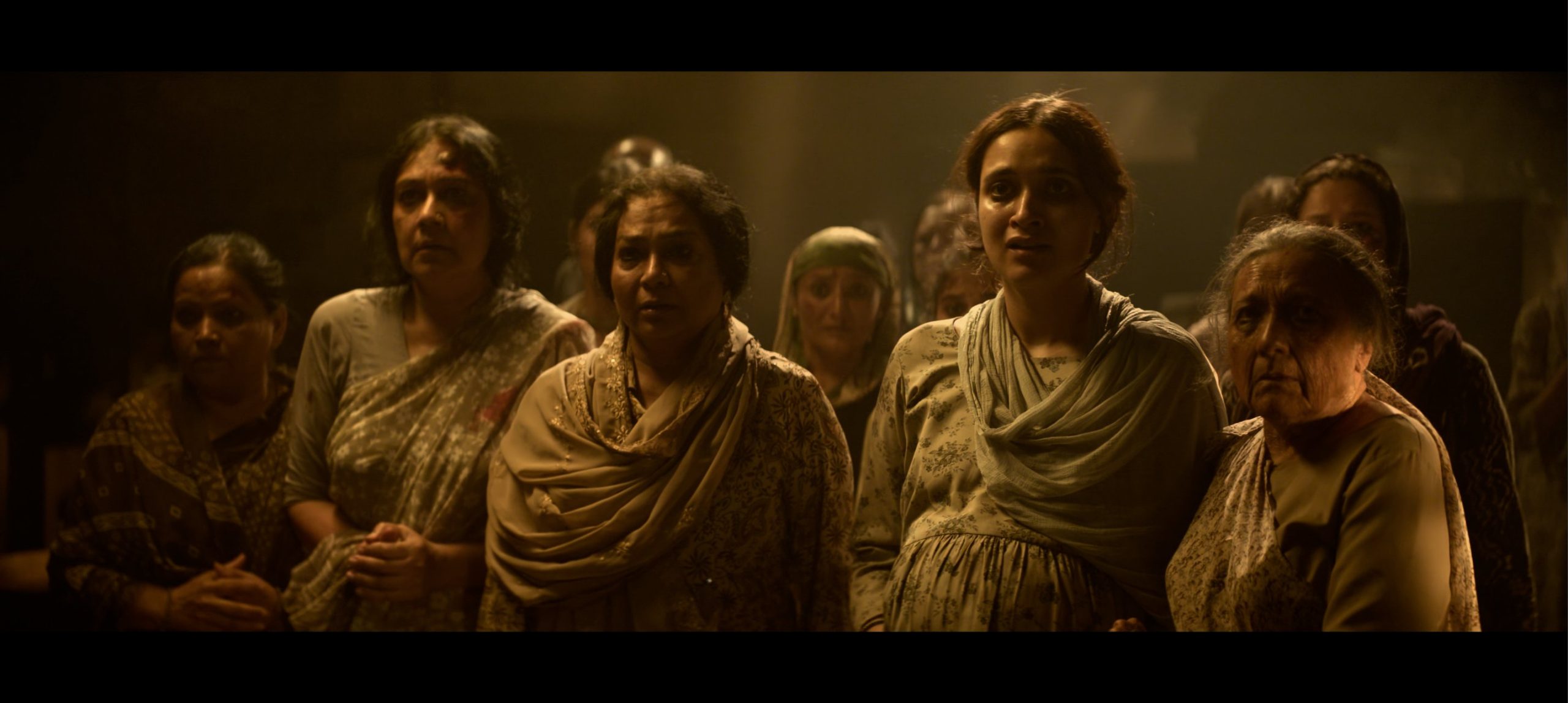
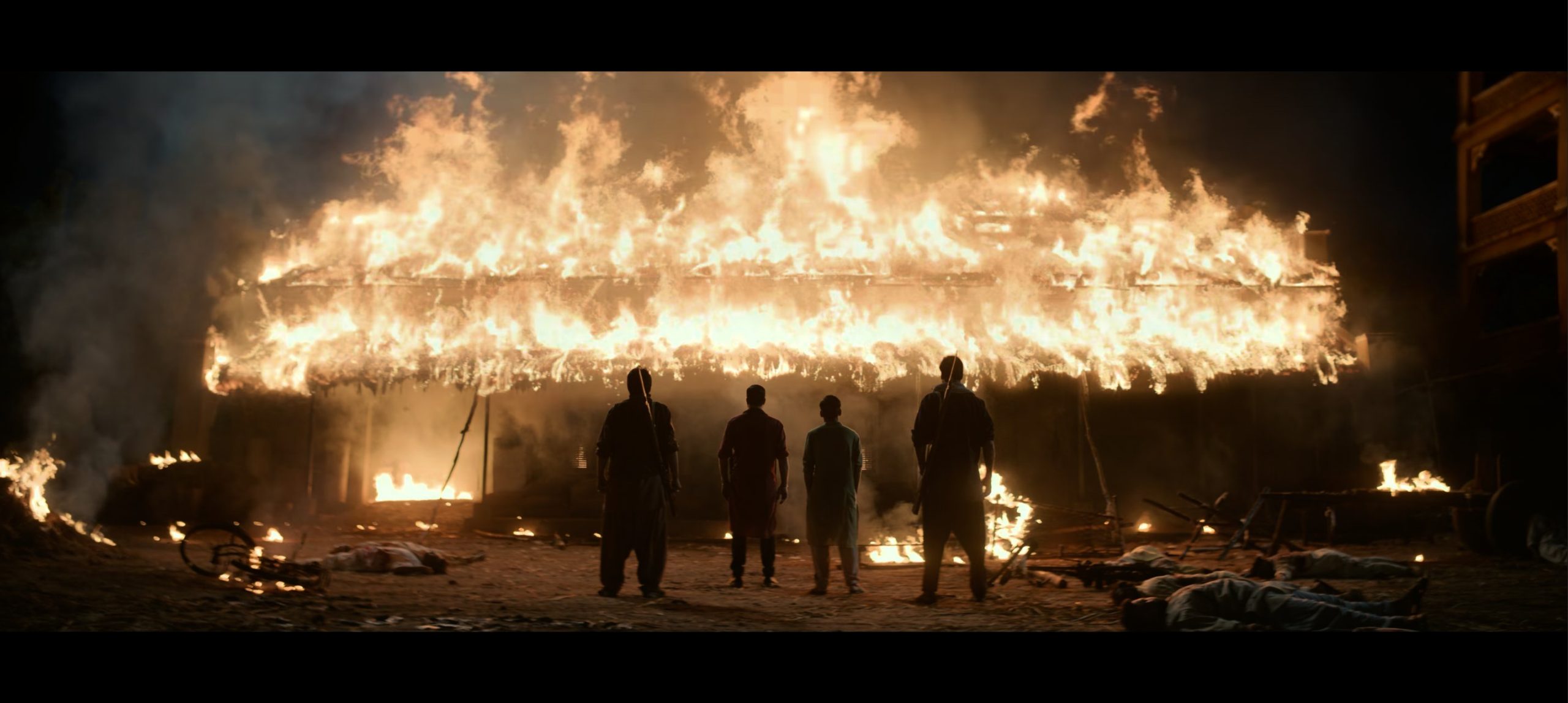
Empuraan, released on March 27, 2025, and co-starring Mohanlal, is Prithviraj’s most brazen assault yet on Hindus, the BJP, and Modi. The film opens with a disclaimer—“All scenes and characters depicted are fictional”—but what unfolds is a calculated distortion of history, starting with a village burning in 2002, a clear reference to the Godhra riots. That real event saw a Muslim mob burn a train, killing 59 Hindu pilgrims, sparking riots. Like a typical leftist dimwit, Prithviraj erases the initial attack, showing only Hindu mobs as aggressors—beating a Muslim boy to death, attacking Muslim refugees, and raping a pregnant Muslim woman in a Hindu household.

On the other hand, the Sabarmati Express carnage “accidentally” catches fire from inside which the Gujarati Hindu communal party leader Bajrang Patel, uses it as an opportunity to kill Muslims and grab power. A Muslim boy (Prithviraj) escapes from there and takes revenge on the Hindu leader who, by now, has become a national leader of ruling Hindu party.

Credits: @Pora_Babu on X

The propaganda intensifies with the Hindu mob leader named “Bajrang,” a blatant nod to Bajrang Dal, a Hindu rights group tied to the RSS. He later becomes the national leader of the Hindu party and is portrayed as someone close to the Home Minister.

Credits: @Pora_Babu on X

And then you’ve Jathin “Ram” Das, a sitting CM who joins hands with the pro-Hindu party at the Centre. In real-life, it translates to the Centre engineering a split in Congress to bring a Hindu party to power in Kerala.

Credits: @Pora_Babu on X

The film frames this merger as a betrayal of Kerala’s culture, a divisive message rooted in the state’s history of “secular” pandering of the Islamists by the Communists. A villain resembling Narendra Modi spouts baseless claims about Kerala’s “600 km coastline” being used for drug smuggling, while a reference to a bomb on a dam—read: Mullaiperiyar—stokes fear with reckless sensationalism. What Prithviraj is implying is there’s a conspiracy being hatched by the Hindu “fanatic party” to explode a major dam and kill millions.

The climax is a chilling fantasy: “Bajrang” is defeated by a Christian “Lucifer” (Mohanlal) and a Muslim “Zayed” (Prithviraj), a non-Hindu alliance defeating the Hindu leader “Ramdas” who is then killed by a Chinese mafia. Is Prithviraj’s fetishing that Narendra Modi be killed by Chinese agents and foreign forces?

@Pora_Babu on X

Throughout the film, agents of the ‘Deep State’ and foreign forces are shown in good light. A British intelligence agent aids Lucifer, hinting at a “deep state” plot while a “Christian NATO” targets Hindus for supporting pro-Hindu parties.

@Pora_Babu on X
@Pora_Babu on X

Muslims are portrayed as “innocent,” like Zayed saving girls from trafficking, despite NCRB data showing Muslims, 14% of India’s population, made up 19% of prisoners in 2022—a statistic often debated in discussions of crime and communal bias.

@Pora_Babu on X

Meanwhile, a character in a tricolour saree—symbolizing the Congress—gives a speech on democracy only to be arrested by the Enforcement Directorate (ED), a dig at real-world ED raids. It is another matter that the commie Prithviraj has shown the Congress too in bad light once again hammering that he’s a two-bit propagandist of the hammer-sickle party.

@Pora_Babu on X

Cinematically, Empuraan is a disaster. Poorly edited, technically weak, and stretched beyond reason, its camera work is a mess, with random angles that add nothing. The hyped “OTT-quality shot” Prithviraj bragged about is nowhere to be seen—unless he meant the third-rate visuals that dominate the film. Mohanlal is sidelined, while Prithviraj’s Zayed hogs the spotlight, turning a supposed epic into a soapbox for ideological score-settling.

Jana Gana Mana: A Masterclass In Hypocrisy And Anti-Hindu Bias

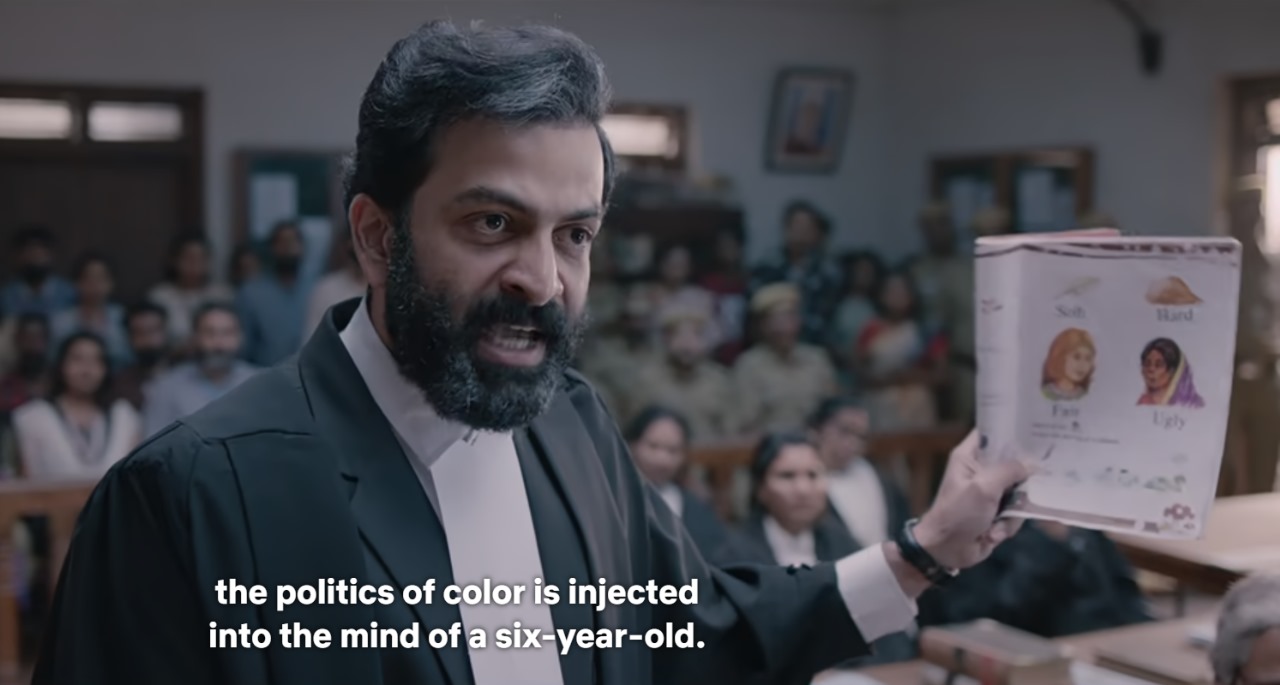
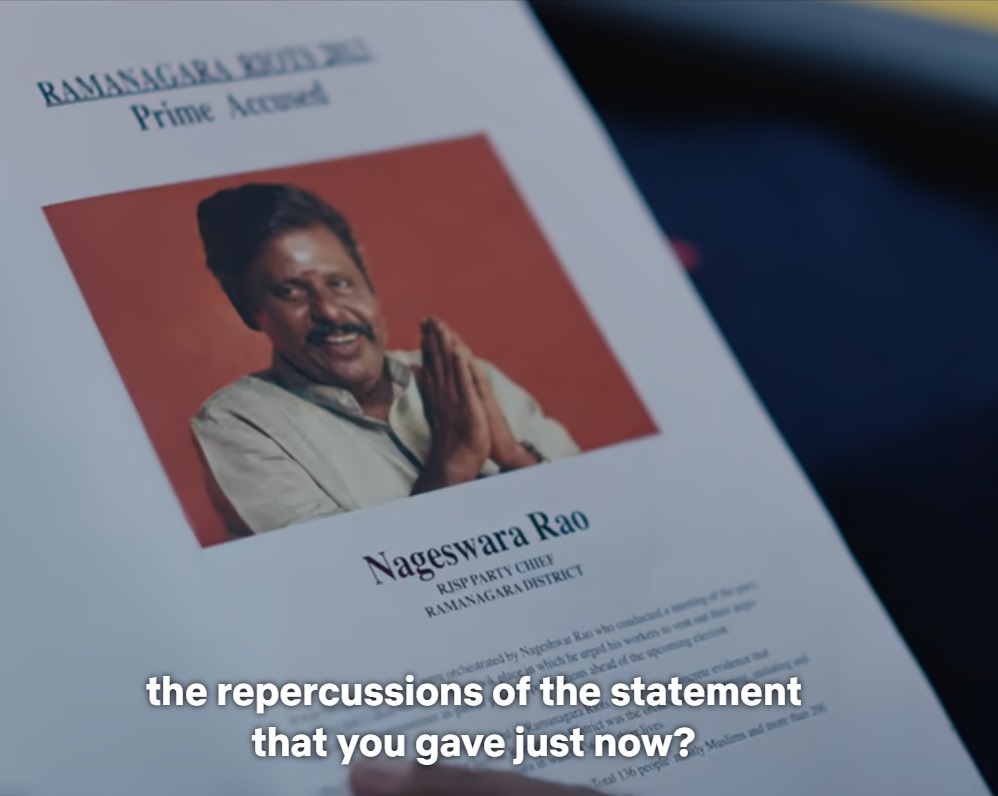
Prithviraj’s 2022 film Jana Gana Mana is another chapter in his anti-Hindu, anti-BJP crusade, cloaked as a socio-political thriller. The film claims to oppose discrimination, with a scene criticizing a textbook for injecting “the politics of color into the mind of a six-year-old.” Yet it casts a fair-skinned Prithviraj as the virtuous hero fighting for the “oppressed,” while the villain, a dark-skinned Tamil-speaking politician named Nageswara Rao, is steeped in Hindu religious symbols and heads the RJSP party—sporting saffron and RSS-ish flags, a clear jab at the BJP. Rao is the prime accused in the “Ramanagara Riots,” a fictional event that mirrors real-world communal tensions often blamed on the BJP by its critics.

Credits: @labstamil on X

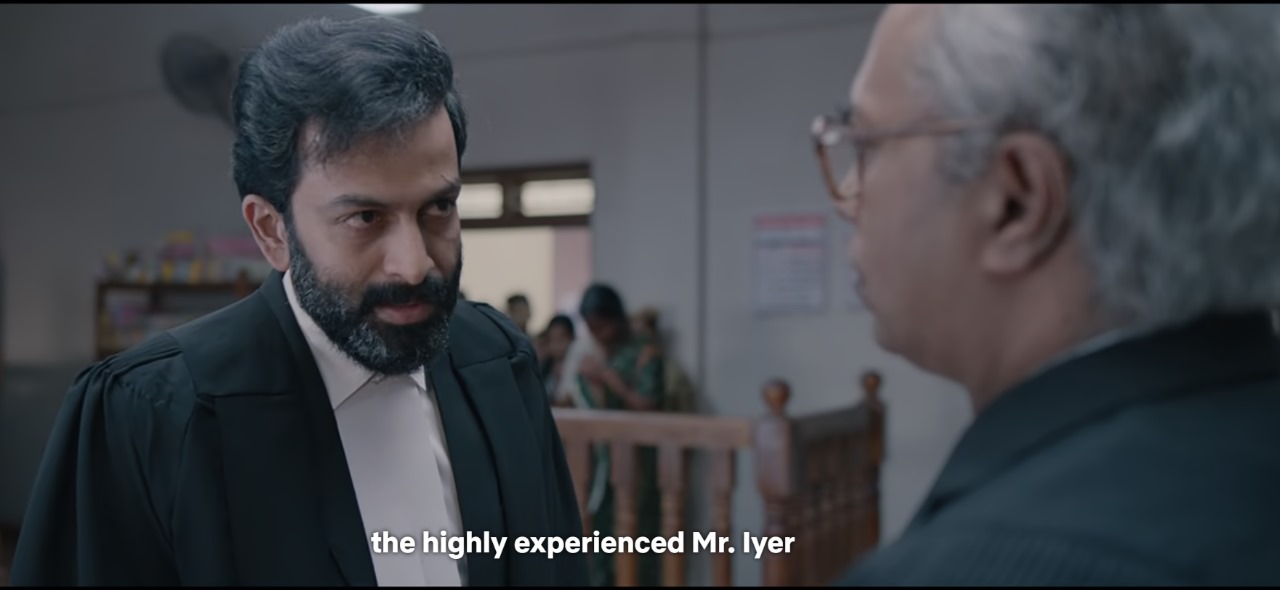
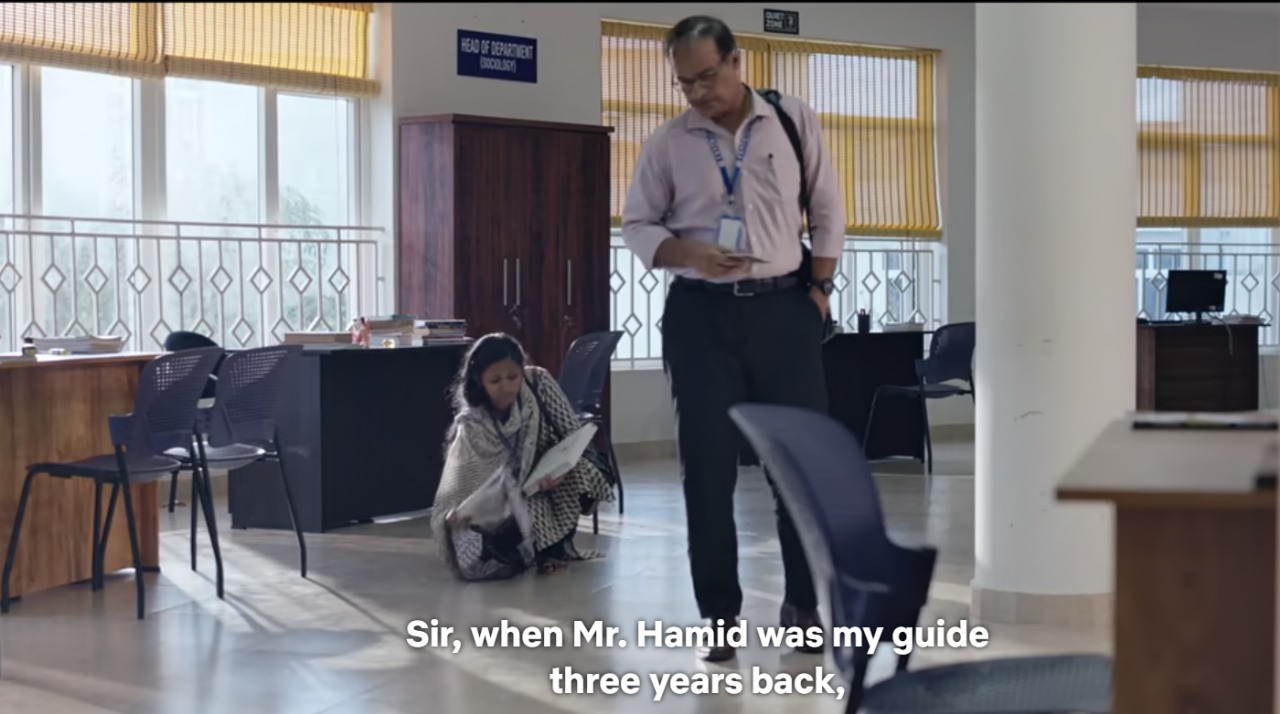
The film’s villains are tellingly named—Raghuram Iyer (advocate representing the State), Shwetha Gupta (Chairperson of National Commission for Women), and a casteist professor, Vydarshan—surnames that scream “upper-caste Hindu identity”, while a “good” PhD guide, “Hamid sir”, is Muslim.

Credits: @labstamil on X

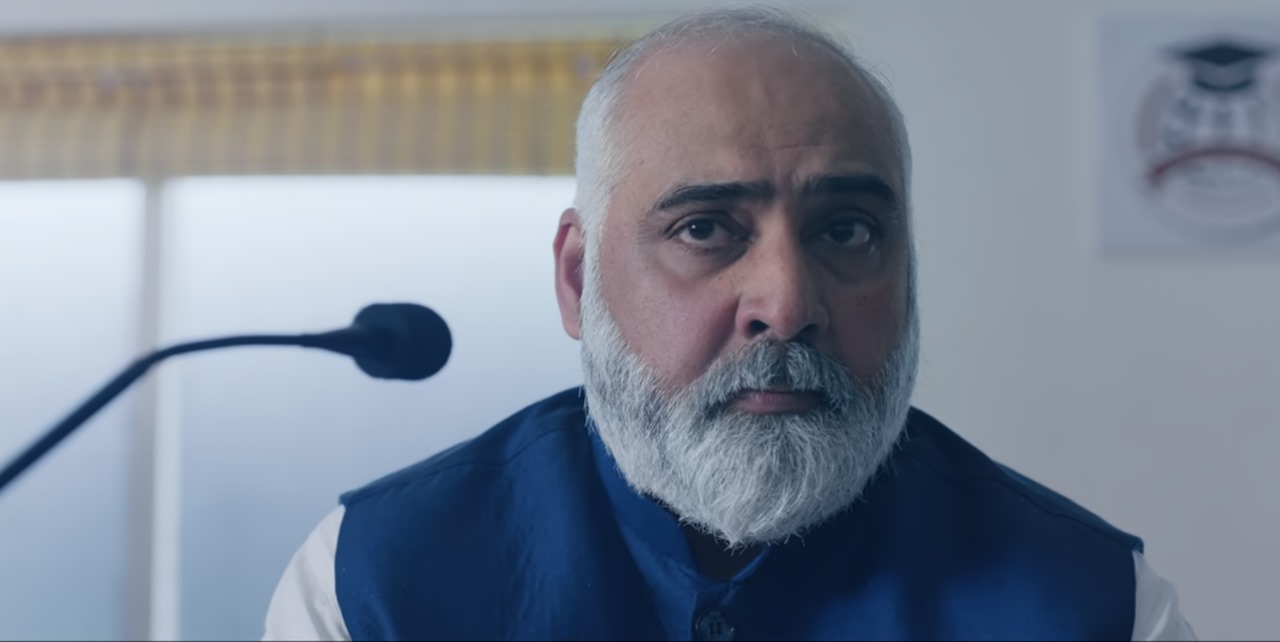
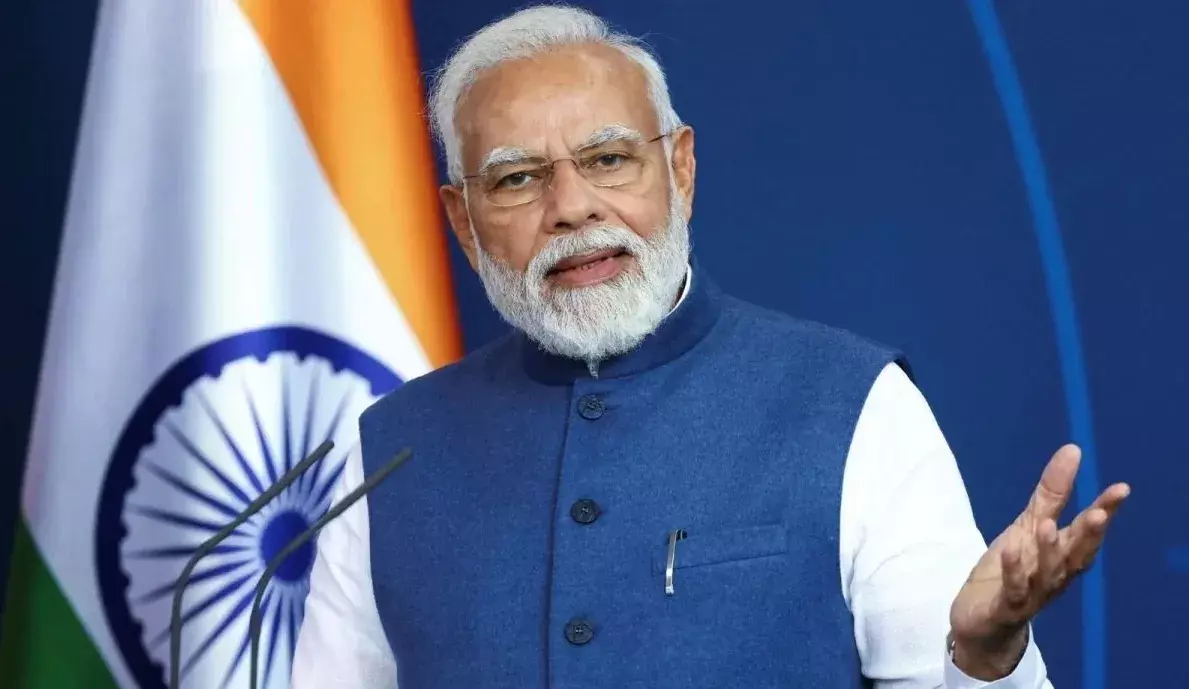
A student’s thesis on the “perpetuation of caste system in 21st century India” ends in her suicide, with the blame pinned on a “Central” university whose director, resembling Modi, ignores enquiry reports—a thinly veiled attack on the PM.

Credits: @labstamil on X

Every “good” character is either Muslim or a non-practicing Hindu, while “bad” characters flaunt Hindu symbols or symbols/colours associated with the RSS and BJP.

Credits: @labstamil on X

Real-world issues like demonetization (called “banning notes”) to fearmonger about the BJP “banning votes,” a baseless scare tactic aimed at Modi’s governance.

Credits: @labstamil on X

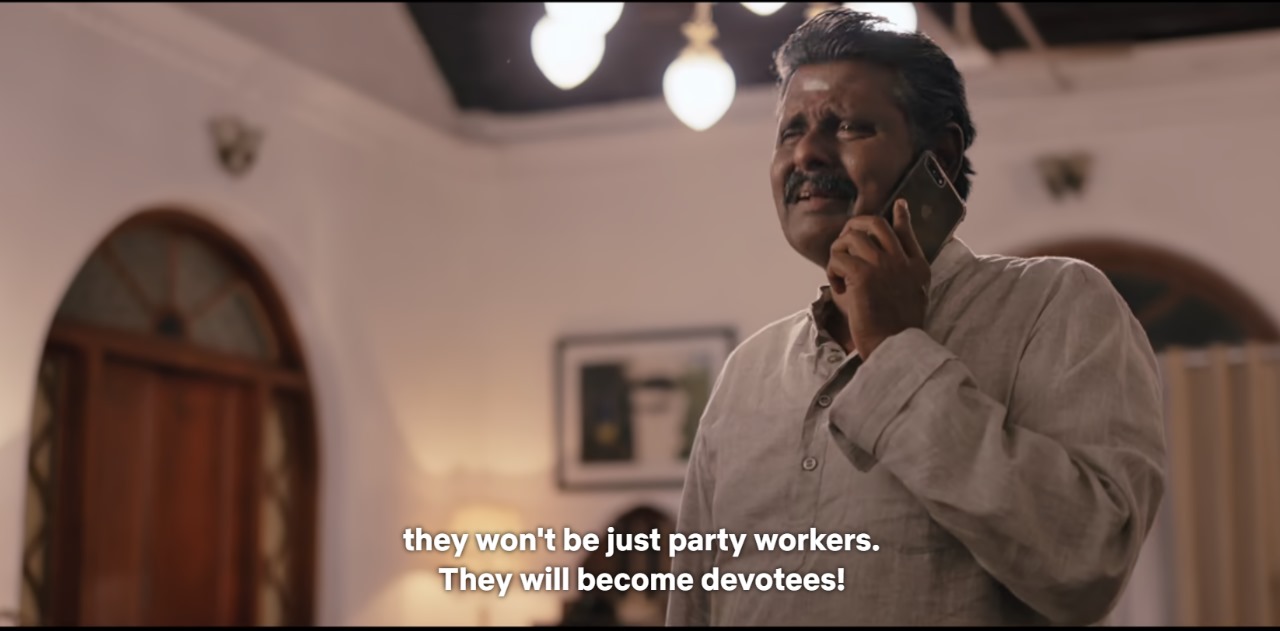
The film accuses politicians of using emotions to turn people into “bhakts,” a term weaponized by the left to mock Modi’s supporters, while ironically manipulating its audience with the same emotional tactics it decries.

Credits: @labstamil on X

The film is a masterclass on hypocrisy. It rails against “identity politics” but indulges in it shamelessly, portraying practicing Hindus as villains and Muslims as victims—a trope that fuels division while pretending to preach unity.

Not Just In Reel, Prithviraj Peddles Anti-Development Propaganda In Real As Well Like A True-Red Communist

Prithviraj Sukumaran’s anti-development propaganda reeks of shameless opportunism, nowhere more evident than in his 2021 crusade against Lakshadweep’s administrative reforms—a pathetic attempt to undermine the Modi government’s vision for progress. He spun a web of lies about spending “quality time” with the “warm-hearted people of Lakshadweep” during the filming of Anarkali, claiming their support to fuel his opposition to infrastructure and tourism initiatives that could have transformed the islands from a backwater into an economic hub. In truth, the Anarkali crew faced outright hostility from locals, shattering his fabricated sob story. His sanctimonious plea for authorities to “listen to the voice of the people,” as part of the ‘Save Lakshadweep’ campaign, was nothing but a dog whistle to paint development as a cultural assault, conveniently ignoring how decades of neglect had left the islands stagnant. This isn’t concern—it’s sabotage, a cynical ploy by a self-righteous fraud who’d rather see India languish in underdevelopment than admit Modi’s reforms might actually work, all while he hides behind his hollow “progressive” facade.

Prithviraj Sukumaran peddled a narrative that propped up the Islamic country of Maldives by hyping it as a celebrity paradise in a 2021 Times of India feature, gushing about his family vacation there with his wife Supriya Menon and daughter Alankrita, conveniently ignoring India’s own coastal gems like Lakshadweep. This glowing endorsement, paired with his anti-development stance on Lakshadweep, subtly steered tourism dollars to the Maldives, a nation often at odds with India’s geopolitical interests, while undermining Modi’s push for domestic tourism growth.

Propagandist Prithviraj: A Fraud Masquerading As A Filmmaker

Prithviraj Sukumaran is two-bit commie fraud, peddling divisive fantasies that vilify Hindus, the BJP, and Modi while raking in crores from a starstruck audience. Empuraan and Jana Gana Mana aren’t films—they’re hit jobs on faith, plurality, and India’s cultural soul, part of a Malayalam cinema nexus including Kuruthi and The Great Indian Kitchen that peddles anti-Hindu bile under the guise of “progressive” art. His privilege as a film-family scion fuels this hypocrisy—he’s no underdog, just a pampered propagandist cashing in on division while cloaking his attacks in “fiction.” The BJP, which has lifted India from socialist mire, and Narendra Modi, a leader of grit, don’t need lectures from this smug hack. It’s time we stopped clapping for his trash and called him what he is: a sanctimonious peddler of hate, unworthy of the screen he pollutes.

Vallavaraayan is a political writer. 

Subscribe to our channels on TelegramWhatsApp, and Instagram and get the best stories of the day delivered to you personally.

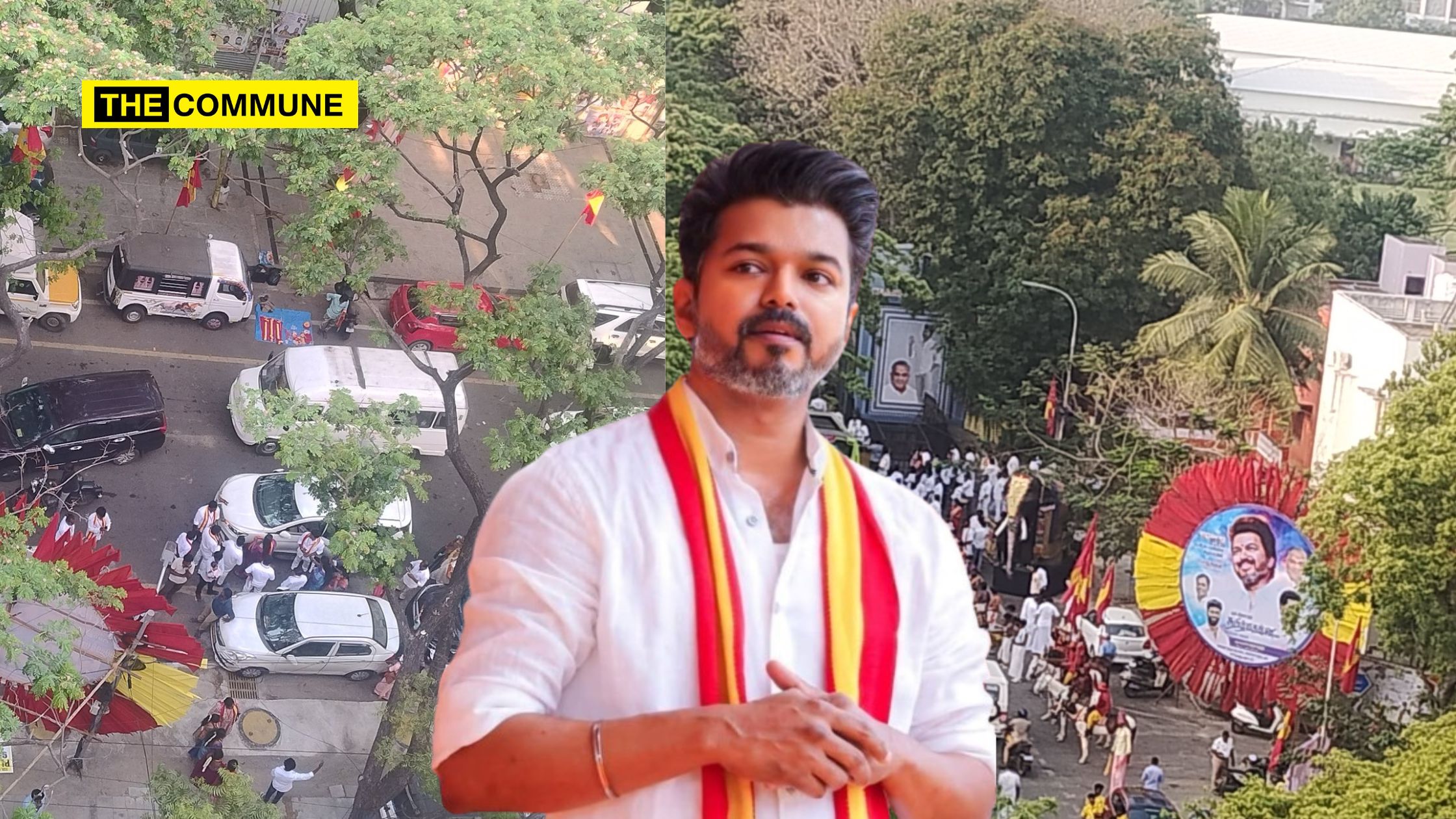
Part-Time Politician Vijay’s TVK Cadres Create Ruckus, Causing Traffic Jam And Public Inconvenience On Chennai’s Arterial Road In Morning Hours Ahead Of Party’s General Council Meeting

On 28 March 2025, Tamilaga Vettri Kazhagam (TVK) cadres created chaos in Thiruvanmiyur with relentless drumbeats, loud celebrations disrupting residents, and poor parking adding to the disorder. Many party workers carelessly left their vehicles on the roads, leading to severe traffic congestion and inconvenience for daily commuters. The traffic police struggled to manage the disorder, making this an unwelcome Friday ordeal for the city—all on the sidelines of TVK’s first ever general council meeting at the Ramachandra Convention Hall in Thiruvanmiyur.

Part-time politician Vijay organized this meeting to mark the party’s one-year anniversary. Massive cutouts of Vijay were erected outside the venue, with the entrance designed to mimic the Tamil Nadu Secretariat. The venue was heavily decorated with banners and posters showcasing Vijay’s political journey, while the atmosphere was filled with the rhythmic beats of dhols and nagadas.

During the meeting, more than 15 resolutions were expected to be discussed and passed, with over 2,000 members in attendance.

Subscribe to our channels on TelegramWhatsApp, and Instagram and get the best stories of the day delivered to you personally.

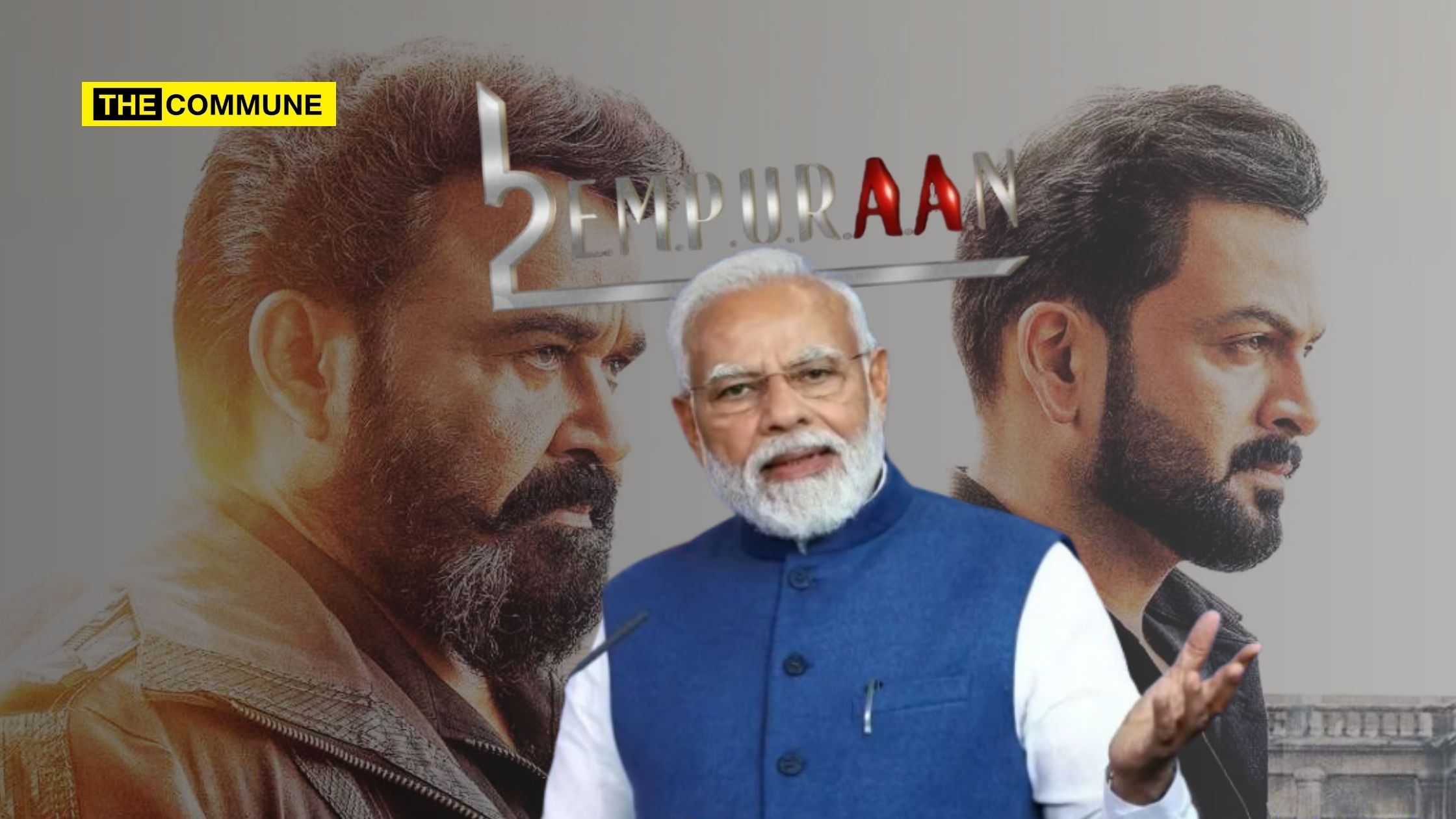
Empuraan: A Disturbing, Divisive Tale Disguised As Cinema Where Commie Propagandist Prithviraj Fetishes The Killing Of PM Modi Look Alike With The Help Of Foreign Forces

The film begins with the standard disclaimer: “All scenes and characters depicted are fictional.” Yet what followed felt like a deliberate, pointed portrayal — not of fiction, but of ideological venom. The first fifteen minutes of the movie depict a village being burned down in 2002, clearly hinting at real-life communal violence. A disturbing scene shows a young Muslim boy calling for his father during an ambush, only to be brutally beaten to death by a Hindu man. This is followed by a group of Muslims seeking refuge in a Hindu household, where they are attacked once again culminating in a horrifying moment where a Hindu man rapes a pregnant Muslim woman. 

These scenes were not only excessive but were filmed with a narrative that clearly paints an entire Hindu Community in a vicious and villainous light. It was deeply troubling to see such depictions presented with such intensity and bias, especially by a celebrated actor-director duo like Prithviraj and Mohanlal. This isn’t just fiction, this is a narrative choice, and a deeply polarizing one. 

The film continues to propagate this agenda with the storyline revolving around a prominent political party merging with a pro-Hindu party. This, according to the director, is shown as an event that distorts Kerala’s culture and politics, a dangerous and divisive message, hinting at real-life political propaganda against the BJP. 

One of the most bizarre and baseless moments in the film is when a villain affiliated with the pro-Hindu party resembling Prime Minister Narendra Modi states that “Kerala, with its 600 km coastline, can be used to smuggle drugs and psychotropic substances.” Where Prithviraj sourced this outrageous claim remains a mystery. Adding to this absurdity is a shocking reference to a bomb being dropped on a dam an unmistakable nod to the Mullaiperiyar Dam, laced with unnecessary fear-mongering and sensationalism. 

The political undertone of the film turns darker in the climax. The pro-Hindu leader clearly resembling the image of Prime Minister Narendra Modi is killed. His allies are gunned down, while the ones standing victorious alongside Prithviraj and Mohanlal are portrayed as foreigners. The implication is chilling a subtle suggestion that the Prime Minister of India could be eliminated with the help of foreign forces.

From a cinematic perspective, the film is a disaster. Technically weak, poorly edited, and unnecessarily stretched, Empuraan struggles even as a work of fiction. The camera work is subpar, with random angle choices that make no visual or narrative sense. The much-hyped “OTT-quality shot” that the director bragged about during an interview is nowhere to be seen unless he meant the third-rate visuals that populated most of the film. 

Though titled Empuraan, the movie narrates the story of Zayed Masood, played by Prithviraj, with Mohanlal’s character seemingly irrelevant and underutilized. For a Lalettan fan, this felt like a betrayal. The film wasn’t about him. It was about pushing a political ideology and settling ideological scores, not telling a story. 

This is not the first time Prithviraj has pushed an anti-Hindu agenda. His previous film Jana Gana Mana carried similar undertones. And now, Empuraan joins a growing list of Malayalam films that seem to follow a disturbing trend Kuruthi, Kappela, The Great Indian Kitchen, and now this all produced or associated with a particular nexus involving Prithviraj, Suraj Venjaramoodu, Roshan Mathew, and producer Listin Stephen. Each film, in its own way, subtly or overtly vilifies Hindu traditions, beliefs, and institutions. 

What could’ve been a grand cinematic journey turned into a politically motivated hit job. Empuraan isn’t just a bad film, it’s an attack on faith, on political plurality, and on the very soul of balanced storytelling. 

Abhijith Radhakrishnan Nair is a political consultant.

Subscribe to our channels on TelegramWhatsApp, and Instagram and get the best stories of the day delivered to you personally.

Tamil Nadu BJP Slams DMK’s Resolution Against Waqf Amendment Bill, Highlights Harassment Faced By Palayapettai Residents Due To Their Lands Claimed By Waqf Board

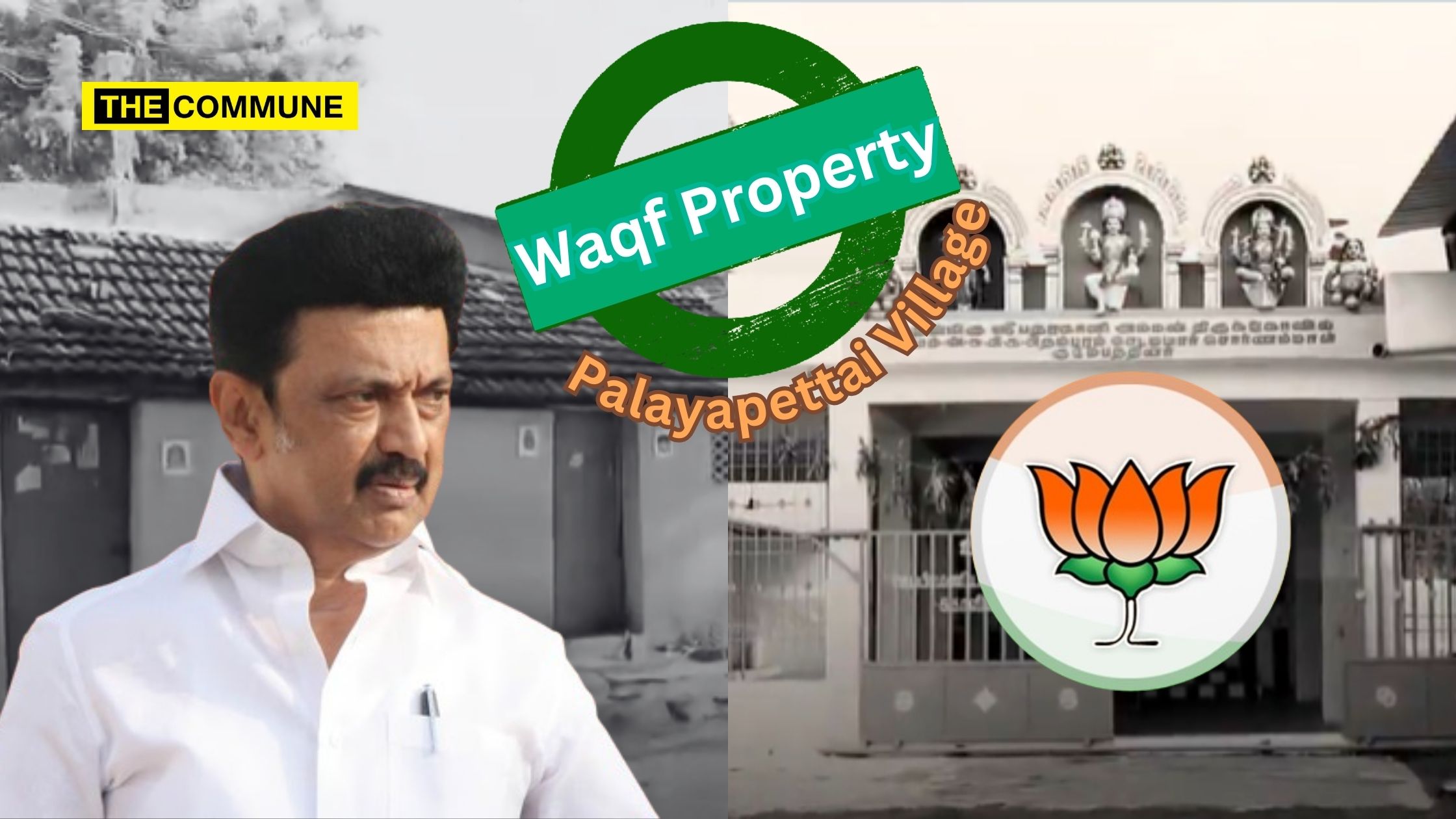
Amid Tamil Nadu Chief Minister MK Stalin’s resolution in the state legislative assembly on 27 March 2025, urging the Union government to withdraw the Waqf (Amendment) Bill, 2024, the Tamil Nadu BJP criticized the ruling DMK’s move. They released a video highlighting the impact of the Waqf Board Act on residents who have lost their livelihoods due to its biased and authoritarian nature, all under the watch of MK Stalin in the state.

The video shared by the Tamil Nadu BJP spotlighted the troubling situation in Palayapettai village in Tirunelveli district, which has around 1,500 homes. Of these, nearly 1,200 homes, some of which have been occupied for five to six generations, are now being claimed by the Waqf Board. Residents face constant harassment from Waqf authorities, who demand bribes for basic services such as setting up street lights, changing deeds from parents to children, or acquiring an NOC certificate. These bribes range from ₹50,000 to ₹1,00,000. Ironically, the Waqf Board, which came into existence in 1954, also claims ownership of a 500-year-old temple in the village.

In response, Tamil Nadu BJP posted on its official X account, stating, “It is high time that this Waqf Act, which continues to encroach upon the lands of indigenous peoples and make them refugees, without any formal documentation, should be amended.”

In the video shared by Tamil Nadu BJP, the party strongly declared, “Land is people’s recognition! Land is people’s identity! Land is people’s right! The Waqf Board seeks to seize the land that people have earned through generations of hard work, overcoming tears and hardships.”

One resident’s family in the video shared their painful experience, saying, “We have been living in the same village, in the same house, for over 150 years. Six generations of our family have lived in this house. I want to transfer the ownership of this house from my mother’s name to mine but when I tried to do, they said, ‘You cannot register it here.’ We asked the Sub-Registrar and he said, ‘Your ward has been blocked.’ When we asked who blocked it, they said, ‘The Waqf Board.’ They told us to go to the Waqf Board and obtain a No Objection Certificate (NOC). When we went to the Waqf Board office to request the NOC they demand ₹50,000 to ₹1,00,000 as a bribe. They keep saying, ‘None of the people in your area have any authority. You are all under the Waqf board’ and create issues by claiming we owe them money.”
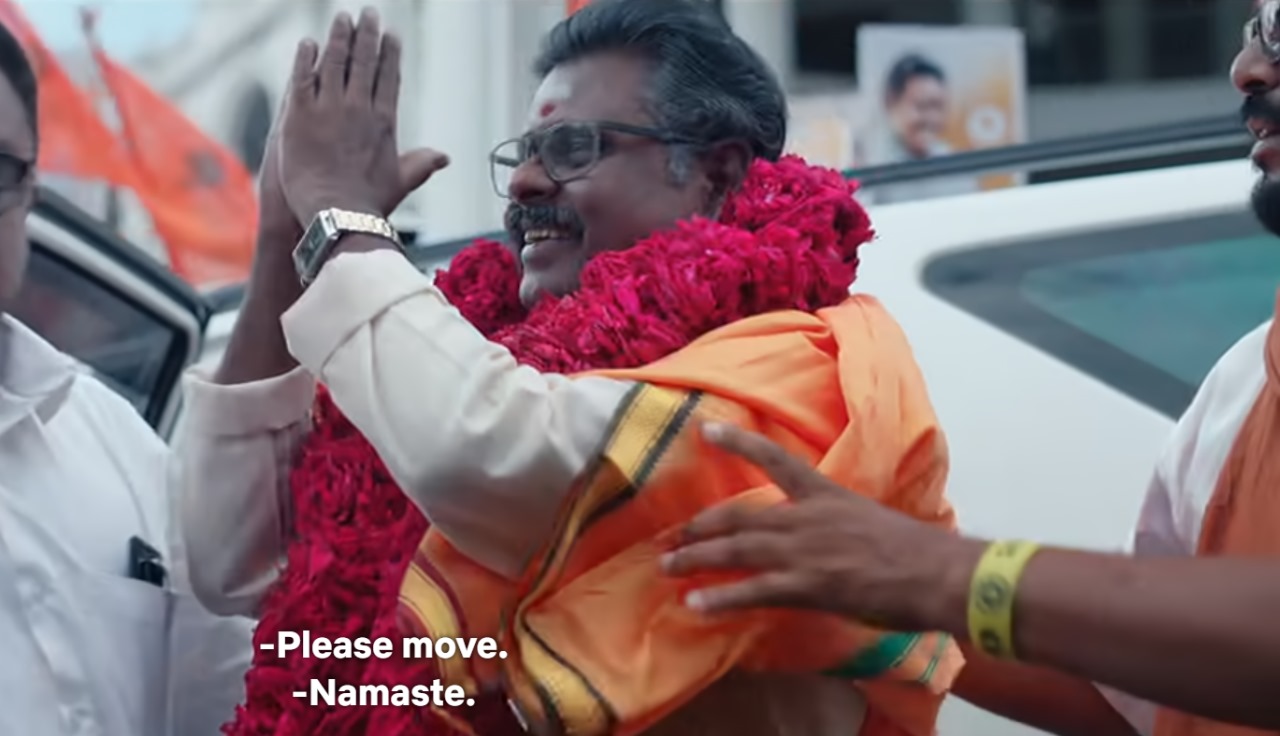
Another resident said, “I have all the necessary documents, including the sale deed but they are refusing to proceed with the registration.”

A woman in the village shared her frustration, saying, “They claim that the land belongs to the Waqf Board and refuse to provide anything. The entire wall has cracks. When we approached the bank with the deed to request a loan they refused to provide it. What are we supposed to do?”

Another woman expressed her struggle, saying, “We are unable to build proper toilet facilities or install electric lights. When we request an electricity connection, they demand money. If we want to build a single room on our own land, they ask for separate payment for that too. So, what is the solution for us? We work hard to earn our living, while they exploit and extort money from us.” Another resident added, “They constantly come and harass us, demanding money.”

The 500-year-old temple in the village is also embroiled in disputes, as the Waqf Board claims ownership. This temple, where people have gathered to share their joys and sorrows, and the temple pond where they’ve immersed themselves in prayer, are cherished parts of the community’s life. These sacred places are now being claimed by the Waqf Board.

A villager shared, “This is the pathway to the temple and an arch was constructed here by the trustee but they came and protested saying it shouldn’t be built. We built only after obtaining permission from the police. If we try to do anything good for the temple, they say we shouldn’t. Hence, we are requesting the government authorities to resolve this issue once and for all.”

A female devotee and village resident questioned, “As Hindus, how can we not worship our deity?”

The fate of Palyapettai village in Tirunelveli district hangs in the balance, with houses on the brink of collapse, temple ponds choked with overgrown bushes, and a severe lack of basic amenities such as streetlights and proper roads. The lives of its residents remain uncertain.

Why is the Waqf (Amendment) Act necessary?

  • In 2020, the Tamil Nadu Waqf Board claimed ownership of the entire Balasamudram Municipality in Dindigul district, asserting that their records indicate the area spans 389 acres. Due to ongoing legal disputes, this claim has left approximately 10,000 residents in limbo, as they can now not sell their ancestral properties.
  • In September 2022, the Tamil Nadu Waqf Board claimed ownership of the entire Thiruchendurai village in Tiruchirapalli, including temple lands, sparking significant concern among residents. This claim emerged when local farmer Rajagopal was required to obtain a No Objection Certificate from the Waqf Board to register his land sale, despite having proper revenue documents. The claim was recently debated in parliament, including over the 1,500-year-old Manendiyavalli Sametha Chandrasekhara Swamy temple. The Tamil Nadu Registration Department has acknowledged issues with encroachments and disputed properties but struggled to justify the Waqf Board’s claims over temple lands.
  • In 2023, the Tamil Nadu Waqf Board asserted ownership over land allocated to 73 Scheduled Caste families in Anganakaundan Puthur, Erode District. The Tamil Nadu government provided this land in 1980 after a flood, and since then, it has been their home for 40 years. The Waqf Board’s claim has caused significant challenges, including transferring land titles, registering deeds, and obtaining loans.
  • In January 2023, the DMK government wrongly reclassified 57 acres of agricultural land in Veppur village, Ranipet District, as Waqf Board property. This land, which Hindu families had farmed for decades, was abruptly claimed by the Waqf Board without proper notice or due process, causing considerable distress among the affected farmers.
  • On 11 August 2024, former Tamil Nadu Waqf Board President Abdul Rahman claimed that the Peyazhwar Temple in Mylapore, Chennai, which is allegedly situated on land claimed by the Kutchery Road Mosque.
  • In January 2025, residents of Min Nagar in Kanchipuram district faced challenges after the Tamil Nadu Waqf Board claimed 2.43 acres of land they’ve lived on for over 40 years. The Kanchipuram Registrar’s Office confirmed the claim, hindering property registrations. The land was purchased in 1982 by employees of the Kanchipuram Electric City Office.

Subscribe to our channels on TelegramWhatsApp, and Instagram and get the best stories of the day delivered to you personally.