
Home Blog Page 351

Most Affected Naxalism Districts Down To 6, Says Home Minister Amit Shah
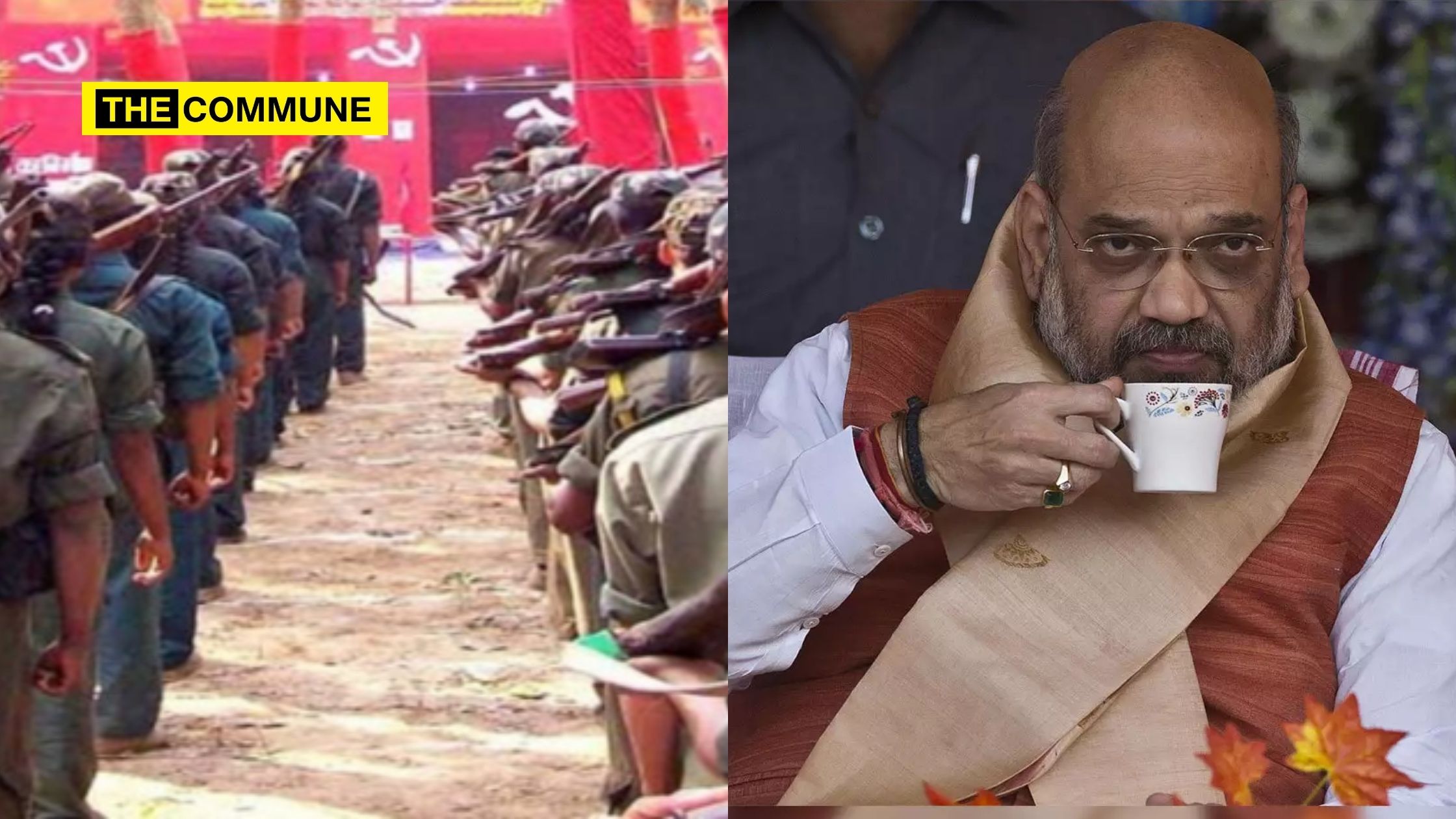
amit shah ceasefire surrender

India has taken a big leap forward in its mission to eradicate Naxalism, marking a significant achievement in the journey toward a safer and more prosperous nation, Union Home Minister Amit Shah said on Tuesday.

The number of districts severely impacted by Left-wing extremism and insurgency has been halved, dropping from 12 to just 6 — a testament to the unwavering commitment and strategic efforts of the government, he said, adding that as Prime Minister Narendra Modi has envisioned, a powerful, protected, and progressive Bharat is steadily becoming a reality.

HM Shah on his X handle said, “Taking a giant stride towards building a Naxal-free Bharat, today our nation achieved a new milestone by significantly reducing the number of districts most affected by left-wing extremism to just 6 from 12. The Modi government is building a Sashakt (powerful), Surakshit (protected) and Samriddh (progressive) Bharat with a ruthless approach to Naxalism and relentless efforts for all-pervasive development. Bharat is determined to uproot Naxalism for good by 31st March 2026.”

HM Shah has set an ambitious target to eradicate Maoism in India by March 31, 2026. He has consistently appealed to Maoists to junk insurgency, lay down their arms and reintegrate into society. He has assured them of proper rehabilitation under government initiatives. The government has adopted a multi-pronged approach, combining decisive action against extremist elements with comprehensive development initiatives aimed at uplifting affected regions.

This dual strategy not only addresses the root causes of extremism but also fosters hope and opportunity for communities long plagued by violence and instability. The determination to eliminate Naxalism is not merely a political promise; it is a national resolve, HM Shah has said on occasions. With a clear deadline set for March 31, 2026, the government is mobilising resources, strengthening security forces, and enhancing infrastructure in vulnerable areas. Roads, schools, healthcare facilities, and employment opportunities are being prioritised to ensure that every citizen feels the impact of progress.

The Union Home Minister is also likely to be in Chhattisgarh on April 4 for a two-day visit. He will preside over a high-level meeting to evaluate the progress of ongoing anti-Naxal operations in the state, government sources said. Though no official statement has been issued in this regard, according to sources, HM Shah will also participate in the concluding ceremony of ‘Pandum Mahotsava’ in the Dantewada district of Bastar.

The Pandum Mahotsava, a festival of the Bastar tribal community, is a cultural event that is held in Bastar, Chhattisgarh. He will also perform Puja at the Danteshwari temple in Dantewada. However, the review meeting, if it takes place, is crucial for the state in achieving the target of making India Naxal-free by 2026, as targeted by the Union Home Minister. According to data from the Union Home Ministry, at least 130 Maoists have been neutralised in encounters in Chhattisgarh this year, with over 110 fatalities reported in the Bastar division, which encompasses seven districts, including Bijapur and Kanker.

Additionally, more than 105 Naxalites have been arrested, and 164 have surrendered in 2025. In 2024, security forces achieved remarkable milestones, eliminating 290 Naxalites, arresting 1,090, and facilitating the surrender of 881 individuals. Among those neutralised were 15 hard-core Naxalite leaders. Over the past decade, incidents of Naxalite violence have declined by 53 per cent, from 16,463 incidents between 2004 and 2014 to 7,744 between 2014 and 2024. Similarly, casualties among security forces have decreased by 73 per cent, from 1,851 to 509, while civilian casualties have dropped by 70 per cent, from 4,766 to 1,495.

These figures highlight the significant progress made in combating Naxalism and restoring peace in the affected regions. In recent weeks, security forces in Chhattisgarh have intensified their campaign against Naxalism. Numerous Naxalites have surrendered, while others have been neutralised in encounters. On Monday, a female Naxalite identified as Renuka, with a bounty of Rs 45 lakh, was eliminated. Over the past 15 months, eight prominent Naxalites, including Joganna, Karthik, Nidhi, Sagar, Sudhir alias Sudhakar, and Jagdish, have been neutralised. In 2025 alone, the bodies of 119 Naxalites were recovered following various encounters, dealing a significant blow to the Maoists.

–IANS

Subscribe to our channels on TelegramWhatsApp, and Instagram and get the best stories of the day delivered to you personally.
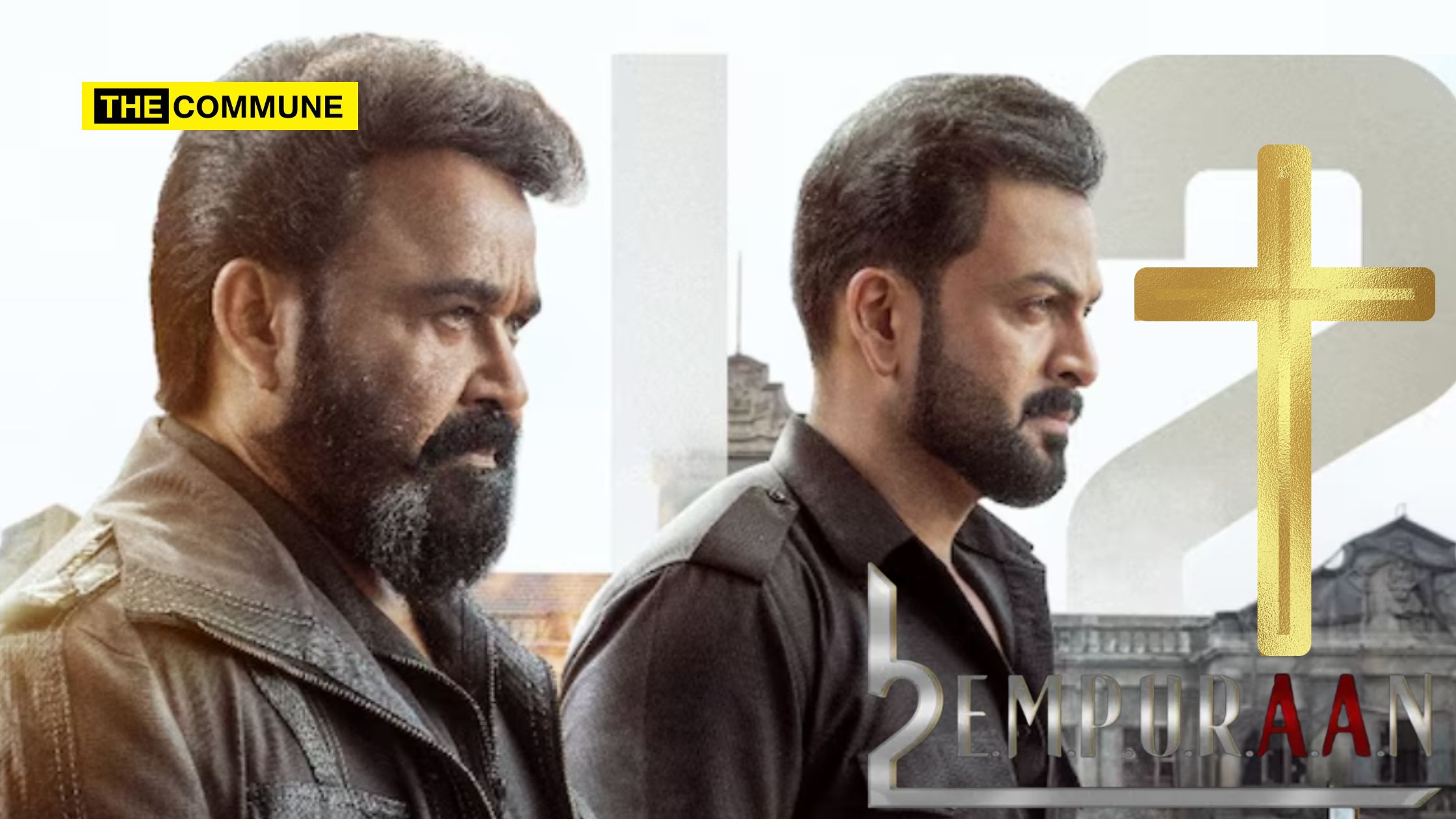
Christian Community In Kerala Raises Concerns Over Commie Propagandist Prithviraj’s ‘Empuraan’ For Misrepresenting And Undermining Christian Values And Faith

The Christian community in Kerala has raised serious concerns about the movie Empuraan, claiming that it promotes disturbing propaganda. Writer Murali Gopi and actor Prithviraj are facing criticism for their roles in what many see as a misrepresentation of Christian values and beliefs deliberately undermining their faith.

The Underlined Controversy 

A particular line from the film has become the center of the controversy, “When the Son of God sins, God sends a black angel.” In Christian doctrine, the “Son of God” refers to Jesus Christ, who bore the sins of humanity to redeem the world. Critics are raising concerns about what “sin” Christ is said to commit in Empuraan, and questioning the identity of the “black angel” that God allegedly sends. They are also asking where this concept originates in Christian scripture, as it seems to diverge from traditional teachings.

Even if this line is simply a fictional plot device, its implications are troubling. The film seems to not only cast shadows on Christ but also diminish the power of God Himself. By introducing characters like Lucifer and other dark entities, the movie risks distorting the core tenets of Christianity. One key moment in the film involves Lucifer claiming that God resurrected him due to the Son of God’s sin. This runs counter to Christian belief, which holds that Jesus’ resurrection was a triumph over death, not the resurrection of Satan. If God were to raise Lucifer, it would undermine the entire foundation of Christian faith, challenging the omnipotence of God.

Experimenting on Religious Tolerance

What if such audacious claims had been made about Islam? A film that fabricated similar concepts about the Quran, Allah, or the Prophet would likely cause an uproar. Protests would undoubtedly follow. Yet, when it comes to Christianity, the silence from the community is conspicuous and unsettling. Why does this double standard exist? Is it apathy or a misplaced sense of tolerance that allows such portrayals of Christianity to go unchallenged?

A Troubling Location

Another significant point of concern in Empuraan is its depiction of Qaragosh, the only Christian town in Iraq, which was ravaged by ISIS. The town witnessed horrific massacres, where innocent Christians were murdered in the name of jihad, and churches were destroyed. Yet, in a particularly troubling sequence, Empuraan stages a pivotal scene inside a ruined church in Qaragosh. Lucifer uses the church as a backdrop for a meeting to strike a deal with an African drug lord. Why choose this location—one that has become a symbol of Christian suffering under Islamic extremism?

Inside the church, a character named Sayyid Masood, whose name has Islamic connotations, helps Lucifer bring about “justice.” At the climax of the scene, a crucifix from the shattered church falls, breaking into pieces, with the letter “L” remaining intact—a clear reference to Lucifer. The camera pans out to show the ruined church, leaving viewers with a chilling image and an ominous message.

Is this all just artistic freedom, or is there a more deliberate agenda behind these choices? When filmmakers have countless locations and storylines at their disposal, why choose one so charged with historical and religious significance? This specific sequence raises the question: if other religions were targeted in a similar manner, would it be allowed to pass without challenge?

The fact that Christianity seems to be portrayed as an easy target is troubling, especially when its followers are often passive in their response.

Mohanlal’s Response

Recently, superstar Mohanlal addressed concerns over the political and social themes in Empuraan in a Facebook post dated 30 March. He acknowledged that some elements of the film had caused distress among his fans and assured them that the team had decided to remove those references.

“As an artist, it is my duty to ensure that none of my films promote hatred towards any political movement, ideology, or religious group,” Mohanlal wrote. He further expressed his regret for any distress caused and promised that the problematic content would be removed from the film.

In conclusion, the controversy surrounding Empuraan highlights the delicate balance between artistic freedom and respect for religious beliefs. While filmmakers have the right to explore various themes, they must also be mindful of the potential harm caused when sacred beliefs are misrepresented or distorted for the sake of entertainment.

(With Inputs From Organiser)

Subscribe to our channels on TelegramWhatsApp, and Instagram and get the best stories of the day delivered to you personally.

France Becoming Anti-Democratic? Marine Le Pen Who Opposes Islamization Of France Banned From Running For French President

Right wing leaders slammed the decision of the Paris court concerning Marine Le Pen, leader of National Rally, being banned from running in the 2027 presidential election.

A Paris court on Monday ruled that Le Pen, who has been a three-time presidential candidate, will be barred from running in the next presidential race following her conviction for embezzlement of European Union funds. Le Pen, who was the frontrunner for the next election, received a four-year prison sentence with two years suspended, to be served under house arrest, and a €100,000 ($108,000) fine. Her party, National Rally, was also fined €2 million.

The party denounced the trial as politically motivated, according to media reports. In her first reaction to the verdict, Le Pen called the ruling a “political decision” aimed at preventing her from running in the 2027 presidential election. “It was a political decision that was made. The magistrate took it upon herself to implement the provisional execution of the ineligibility, to render my appeal on this matter useless in order to prevent me from standing and being elected President of the Republic,” said Le Pen in an interview clip shared by her on X.

“The rule of law has been completely violated by the decision that has been made. It prevents an effective remedy, it justifies provisional execution by the fact of defending oneself, and it applies the spirit of a law subsequent to the facts with which we are accused,” she wrote in an X post. She stated she would not let herself be eliminated and would pursue all legal remedies. She assured to stand by the French people to defend them because she said that there are millions of French people who trust her.

Meanwhile, reacting to Le Pen’s conviction for fraud and ban on her running for office, US President Donald Trump compared it to his own legal battles. “She was banned from running for five years, and she was the leading candidate. That sounds like this country, that sounds very much like this country,” Trump said, describing the court ruling as “a very big deal.”

US State Department spokeswoman Tammy Bruce stated that the exclusion of people from the political process is particularly concerning given the aggressive and corrupt lawfare also waged against President Trump in the United States. Italy’s Deputy Prime Minister Matteo Salvini denounced “a declaration of war by Brussels” as the source of Le Pen’s conviction. “Those who fear the judgment of the voters are often reassured by the judgment of the courts. In Paris, they have condemned Marine Le Pen and would like to exclude her from political life. A bad film that we are also seeing in other countries like Romania,” said Salvini, leader of the far-right Lega party, in a statement.

Donald Trump Jr., the son of US President Donald Trump, also took to X to comment on the court decision. “France is sending Le Pen to jail and barring her from running?! Are they just trying to prove J.D. Vance was right about everything?” he posted. In a speech in Munich in February, Vice President Vance had lambasted European democracies for, he said, censoring free speech. Dutch far-right politician Geert Wilders expressed shock at the court ruling against Le Pen, pledging his “100 per cent” support. “I am shocked by the incredibly tough verdict against (Le Pen). I support and believe in her for the full 100 per cent, and I trust she will win the appeal and become President of France,” Wilders posted on X. Russia condemned the French court’s decision to bar far-right leader Marine Le Pen from running for office for five years, calling it a politically motivated attack on democratic norms.

“More and more European capitals are going down the path of violating democratic norms. We do not want to interfere in France’s internal affairs, and we have never done so,” Kremlin spokesman Dmitry Peskov told reporters. “But our observation of European capitals shows that they do not shy away from stepping outside the bounds of democracy in the political process,” he added.

–IANS

Subscribe to our channels on TelegramWhatsApp, and Instagram and get the best stories of the day delivered to you personally.

Advocate Found Dead In Chennai Apartment, Murder Suspected

In a disturbing incident in Chennai, the body of an advocate was discovered in his rented apartment in Virugambakkam on 30 March 2025, after neighbors reported a foul odor emanating from the unit.

Authorities identified the victim as Venkatesan, who had sustained several cuts to his head and face, raising suspicions of murder.

Venkatesan had been living in the apartment on Ganapathy Raj Main Road for the past four months, sharing the space with a friend. Investigations revealed that the apartment’s front door had been locked for two days. However, the strong smell coming from the unit prompted residents to notify the landlord, who lives in Kolathur. The Virugambakkam Police responded to the alert, and a team, led by the Inspector, entered the apartment through the back entrance, where they found Venkatesan’s decomposing body.

Upon closer inspection, the police noticed the visible wounds on the victim’s body, which indicated possible foul play.

The Joint Commissioner (West) and Deputy Commissioner (Koyambedu) visited the site to gather more information, including speaking with neighbors about the victim’s background. Initial inquiries revealed that Venkatesan had previously lived in Velachery before moving to this apartment four months ago.

The body was sent to Kilpauk Medical College Hospital for an autopsy, and the investigation into the cause of death is ongoing.

(With Inputs From DT Next)

Subscribe to our channels on TelegramWhatsApp, and Instagram and get the best stories of the day delivered to you personally.
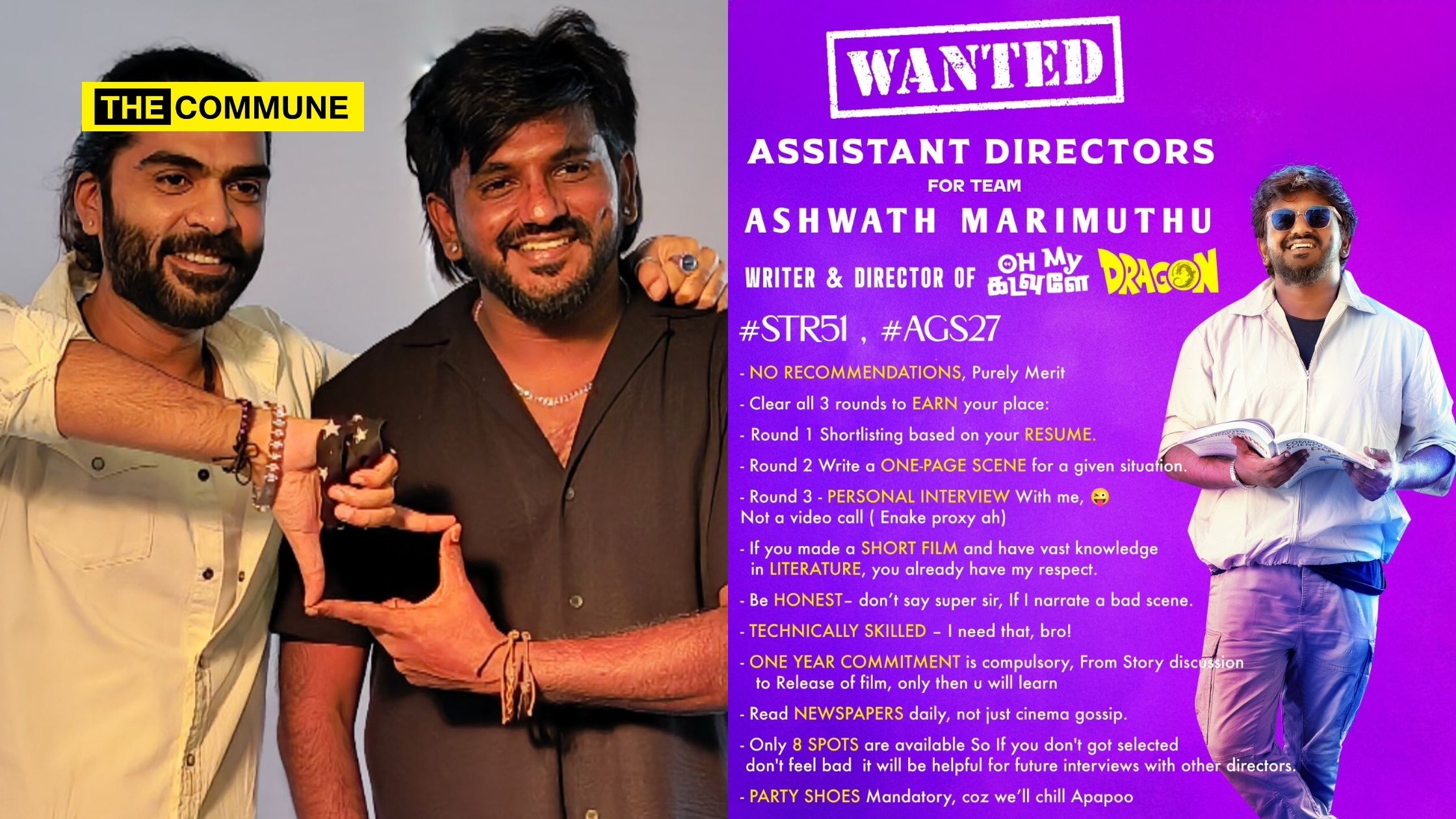
‘Dragon’ Director Ashwath Marimuthu’s Interesting Job Notification For Aspiring Directors

In an industry, where assistant directors often don’t get paid their dues, let along getting paid on time, Dragon director Ashwath Marimuthu has announced to those aspiring to get into his directorial team that his production and he have always made sure that they pay the best for assistant directors based on their position and more importantly, that they pay them on time.

Recently, the director put out an announcement calling for assistant directors to work with him on his upcoming films #STR51 and #AGS27. In it, he made it clear that he would not accept recommendations and that he would give importance to only merit.

The announcement gave a detailed idea of how the selection process would be conducted. The announcement poster read,”Clear all three rounds to earn your place.”

First round will be for shortlisting candidates based on their resume, the announcement said. The second round would require aspirants to write a one page scene for a given situation. The third would be a personal interview.

It also went on to list others qualities that would be given weightage to select candidates. Some of these included being honest and reading newspapers on a regular basis. The poster also said that only eight spots were available.

Responding to this poster, one candidate wrote back saying he hadn’t mentioned the salary package.

To this, Ashwath Marimuthu wrote a detailed reply. He said, “My production and I have always made sure we pay the best for the assistant directors based on their position and on time every month! Since assistants work the most from scratch till end even after release! We assure you good salary and work life balance! Just clear and get in the team.”

Subscribe to our channels on TelegramWhatsApp, and Instagram and get the best stories of the day delivered to you personally.
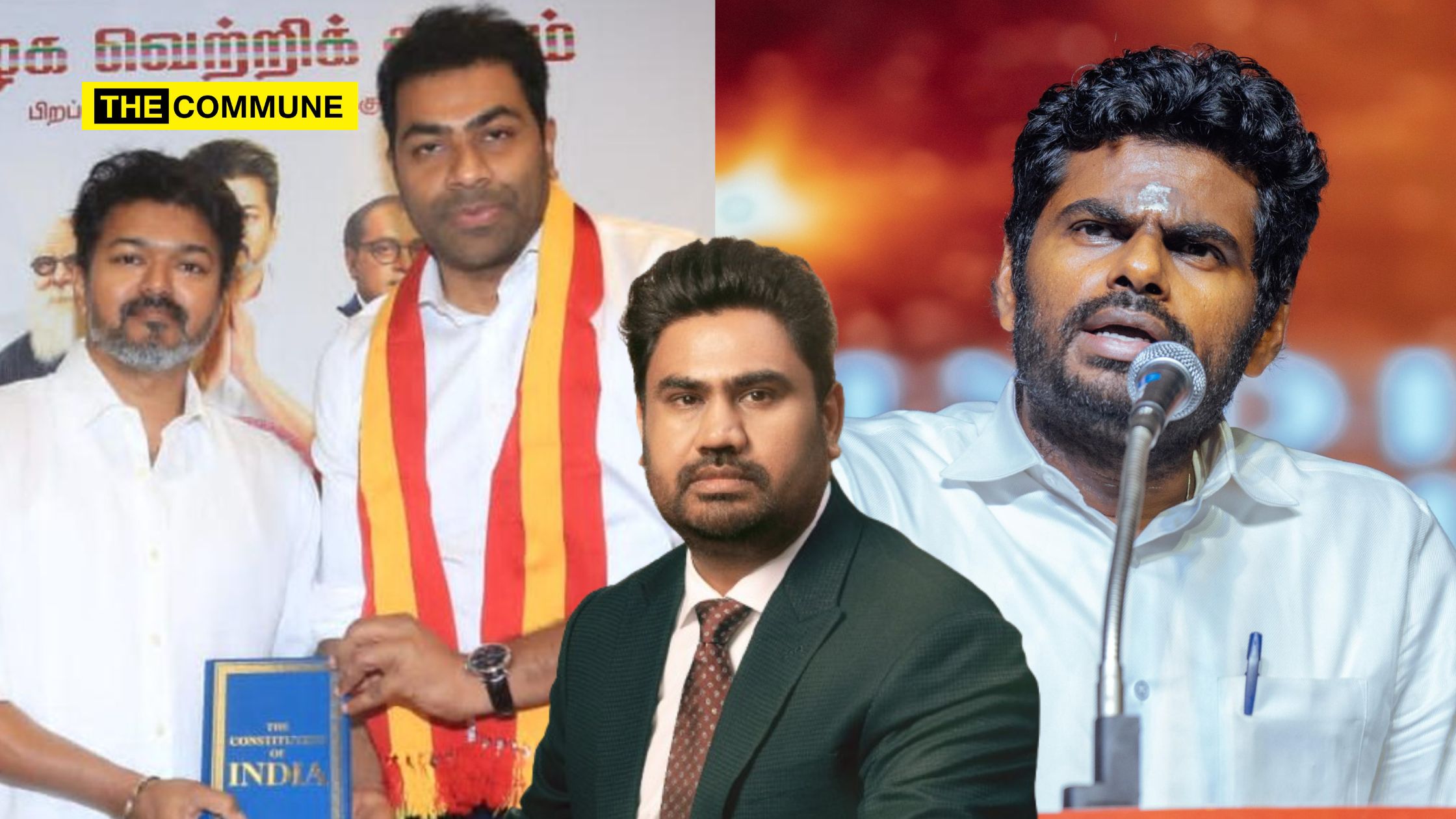
Lottery Martin’s Son Jose Charles Martin Criticizes His Brother-In-Law & TVK Elections General Secretary Aadhav Arjuna For Remarks On TN BJP Chief Annamalai

Controversial businessman Lottery Martin’s son, Jose Charles Martin, has sharply criticized his brother-in-law, Aadhav Arjuna, for making a recent inappropriate statement targeting Tamil Nadu BJP Chief Annamalai. Jose also condemned Aadhav Arjuna, the current General Secretary of the Tamilaga Vetti Kazhagam party’s election campaign, accusing him of misusing his father-in-law’s money, tarnishing the family’s reputation, and causing unnecessary conflicts.

Jose clarified that he has no involvement in Arjun’s actions and firmly stated that if any further repercussions arise from his brother-in-law’s behavior, he will take all necessary legal measures to protect his own reputation.

In a statement posted on his X account, Jose Charles Martin emphasized,  “I state my objection and apology against Arjun adhava’s unparliamentary statement against Tamil Nadu BJP president Thiru k Annamalai who is tirelessly working towards welfare of the people of Tamil Nadu. I also support his statement that “ he is misusing his father in laws money that is my father’s money, damaging our family’s reputation and creating all kind of unnecessary issues” by joining random political parties to satisfy his political and financial greed by aligning with Prasanth Kishore. I take this opportunity to clarify that I am nowhere connected with his stupidity and if any further consequence occur due to his action I will take all necessary steps to safe guard my reputation by approaching The Court.”

This clarification and criticism from Lottery Martin’s family comes in the wake of recently concluded Tamilaga Vettri Kazhagam’s (TVK) General Council Meeting. During the meeting, the party’s General Secretary for Election Campaign, Aadhav Arjuna, launching strong attacks on the DMK and its allies, while warning the AIADMK about the potential risks of aligning with the BJP in future elections.

In his speech, Arjuna compared the DMK’s political tactics to those of Nazi Germany, accusing the party of inadvertently strengthening the BJP in Tamil Nadu by constantly positioning Annamalai as their primary adversary.

“They are creating an enemy in Annamalai. Every day, Annamalai shouts, and they respond. But this only helps the BJP grow,” he said.

Arjuna also claimed that the DMK had orchestrated a situation where Tamil Nadu’s political climate was set against Vijay, comparing the scenario to a “sleeping tiger” being provoked by a “jumping goat” trying to attract attention. He further argued that this strategy was being manipulated by the BJP from Delhi, with Annamalai being the pawn in the game.

“Annamalai has been set up by DMK as a distraction. When Modi is in Delhi, controlling other states, DMK has made Annamalai the focal point to divert attention,” Arjuna claimed.

He also suggested that Annamalai’s attacks were in retaliation to comments made by the BJP leader, who had previously accused Vijay of sitting idly on a film set and making statements while allegedly behaving inappropriately towards an actress.

Additionally, Arjuna contended that the DMK’s opposition to the BJP since 2021 was nothing more than a vote-bank strategy. He further alleged that the party was laying the groundwork for a political succession plan to install Udhayanidhi Stalin as the next Chief Minister. “DMK is creating a situation in Delhi to position Udhayanidhi as the future CM,” he asserted.

It’s important to note that this isn’t the first time Lottery Martin’s family has raised concerns regarding Aadhav Arjuna. Previously, his wife, Daisy Martin Arjuna, issued a statement clarifying that there is no overlap between their personal and political lives. She emphasized that all professional and political decisions are made independently and have no connection to their family.

Through her social media, Daisy Martin Arjuna shared, “I Daisy, wish to inform everyone that Aadhav Arjuna and I always chosen to keep our personal and professional lives separate. All professional, political decisions and stance are made independently and it has nothing to do with our family. This announcement aims to eliminate all the disinformation, speculations, rumours and conjectures that has been disseminated regarding our involvement with each other’s lives. We both individuals have unique views with distinct work lives who respect and value each other’s privacy and opinions. We would object to anyone making any false claims that are otherwise. In our mutual best interest, we respectfully request our friends, relatives and well-wishers to abstain from entangling our family into each other’s professional and public life.”

https://www.instagram.com/daisymartinarjuna/p/DGkI96Mze6R

Subscribe to our channels on TelegramWhatsApp, and Instagram and get the best stories of the day delivered to you personally.

Trump Administration Launches Federal Review Of Harvard Over Rising ‘Anti-Semitism’ In Campus

In a major escalation of its efforts to combat campus anti-Semitism, the Trump administration has announced a “comprehensive review” of federal contracts and grants at Harvard University and its affiliates.

The decision, revealed on Monday by the Departments of Education (ED), Health and Human Services (HHS), and the US General Services Administration (GSA), is part of an ongoing initiative led by the Joint Task Force to Combat Anti-Semitism. The task force will examine over $255.6 million in federal contracts with Harvard, along with more than $8.7 billion in multi-year grant commitments, to ensure compliance with federal regulations, including civil rights obligations, according to a statement from the US Department of State (DoS). “Harvard has served as a symbol of the American Dream for generations — the pinnacle aspiration for students all over the world to work hard and earn admission to the storied institution,” said Secretary of Education Linda McMahon.

Taking aim at the Ivy League university, she added, “Harvard’s failure to protect students on campus from anti-Semitic discrimination — all while promoting divisive ideologies over free inquiry — has put its reputation in serious jeopardy. Harvard can right these wrongs and restore itself to a campus dedicated to academic excellence and truth-seeking, where all students feel safe.” The review follows a similar ongoing investigation into Columbia University, which resulted in the institution agreeing to comply with nine preconditions to regain access to cancelled federal funds.

This initiative strengthens enforcement of President Trump’s Executive Order titled ‘Additional Measures to Combat Anti-Semitism.’ “The Task Force ensures that federally funded institutions uphold their legal and ethical responsibilities to prevent anti-Semitic harassment,” the statement read. The same task force previously cut $400 million in funding from Columbia University and warned that billions more could be at risk unless specific demands were met. Columbia recently agreed to several of the federal government’s conditions, drawing praise from Jewish advocacy groups while raising concerns among free speech organisations about government overreach. Harvard and Columbia are not alone in facing scrutiny. The Trump administration has reportedly placed dozens of other universities on notice, signalling they could face similar reviews over allegations of anti-Semitism. Given the federal government’s role as a major source of research funding for American universities, these reviews carry significant financial implications.

According to the US DoS, the administration will collaborate with relevant contracting agencies to assess whether Stop Work Orders should be issued for any contracts under review. Additionally, Harvard has been directed to submit a comprehensive list of all its contracts — both direct and through affiliates — that were not initially included in the investigation. HHS Acting General Counsel and Task Force member Sean Keveney reaffirmed the administration’s commitment, stating, “The Task Force will continue its efforts to root out anti-Semitism and to refocus our institutions of higher learning on the core values that undergird a liberal education. We are pleased that Harvard is willing to engage with us on these goals.” Any institution found to be in violation of federal compliance standards could face severe administrative actions, including contract terminations. T

he review will be facilitated by GSA, which will oversee grant and contract evaluations across the federal government. “Hate in any form goes against the foundational principles of America. While Harvard’s recent actions to curb institutionalised anti-Semitism — though long overdue — are welcome, there is much more that the university must do to retain the privilege of receiving federal taxpayer’s hard-earned dollars,” said FAS Commissioner and Task Force member Josh Gruenbaum. “This administration has proven that we will take swift action to hold institutions accountable if they allow anti-Semitism to fester. We will not hesitate to act if Harvard fails to do so,” he added.

–IANS

Subscribe to our channels on TelegramWhatsApp, and Instagram and get the best stories of the day delivered to you personally.

Amazing, Just Amazing: Sunita Williams About How India Looked From Space

Indian-origin astronaut Sunita Williams, days after landing on Earth following her extended mission aboard the International Space Station (ISS), recalled her awe-inspiring experiences of viewing India from space during a press conference.

Having spent 286 days in space, Williams, when asked about how India appeared from above, replied with a simple yet profound, “Amazing, just amazing.” Williams, known for frequently sharing her Indian heritage, was particularly captivated by the breathtaking views of the Himalayas.

She fondly described how, every time the ISS passed over the majestic mountain range, her fellow astronaut, Butch Wilmore, would capture stunning photographs. “Every time we went over the Himalayas, Butch got incredible pictures; it is just amazing,” she said during the press conference, visibly nostalgic about the views. For Williams, who often speaks of her Indian roots, the sight of India from space felt like a personal connection to her heritage. “I have described it before like this ripple that happened when the plates collided, and then, as it flows down into India, it is many-many colours,” she explained.

She also described how, on seeing Gujarat and Mumbai from above, the fishing fleets off the coast became a familiar landmark, offering a sense of homecoming. “It gives you a little bit of a beacon, here we come,” Williams added. Moreover, Williams highlighted the remarkable view of India at night, with a “network of lights” stretching from larger cities to smaller ones, and the grandeur of the Himalayas as the backdrop. This unique perspective, according to her, was truly “incredible.”

The 59-year-old astronaut also shared her excitement about NASA’s upcoming Axiom mission, which will take four astronauts to space, including Subhanshu Shukla, an Indian Air Force test pilot and ISRO astronaut. “It’s pretty awesome,” she said, acknowledging the significance of Shukla being a “hometown hero” for India. Williams also expressed her willingness to contribute to India’s space program, saying she hopes to share her experiences and support the country’s growing space ambitions.

“I would love to be a part of that and help them along,” she stated. The astronaut, whose parents were born in India, also expressed a desire to visit her “father’s country” soon. As she chatted with Wilmore, the two joked about taking their crew members on a trip to India. “You might stick out a little bit. That is okay. We will get you all primed of some spicy food,” she said with a laugh.

–IANS

Subscribe to our channels on TelegramWhatsApp, and Instagram and get the best stories of the day delivered to you personally.
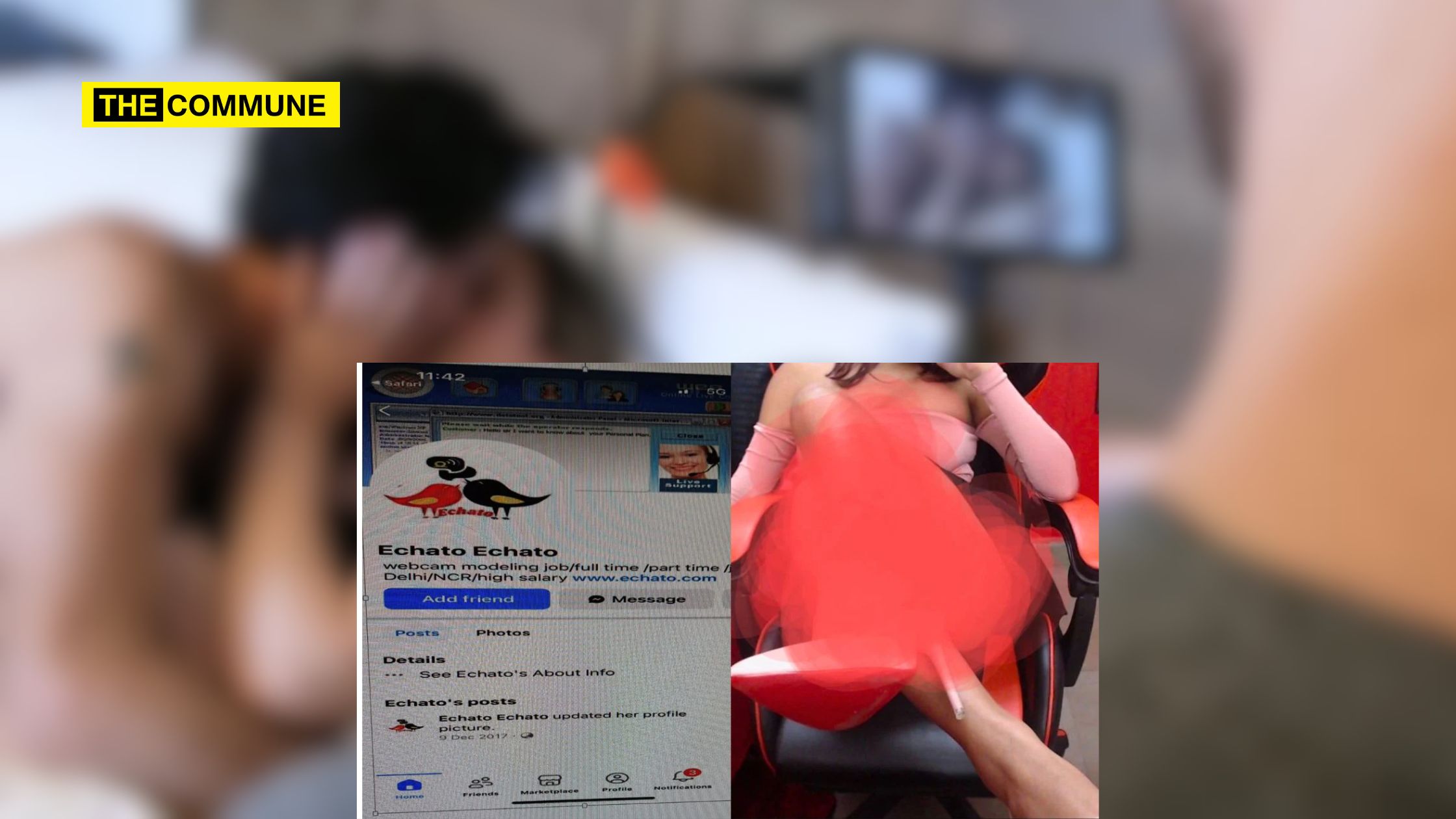
Noida Pornography Racket Exposed By ED, International Links Unearthed

On March 28, the Enforcement Directorate (ED) revealed in a statement that it had exposed a large-scale pornography operation running out of a residence in Noida’s Sector 105. The illicit enterprise was allegedly managed by a married couple, Ujjwal Kishore and Neelu Srivastava.
The duo is said to have enticed numerous women via social media with promises of modeling opportunities, only to record adult videos instead. These recordings were then sold to Technius Limited, a Cyprus-based firm linked to adult websites such as Stripchat and XHamster.
According to news outlets, the operation had been active for approximately five years. During the raid, authorities found three women on-site producing adult content. The ED documented statements from those involved. Officials noted that the profits were misrepresented as “service fees,” breaching the Foreign Exchange Management Act (FEMA).

Sources within the ED estimate that more than 400 women were drawn into the scheme over the past five years, primarily recruited from the Delhi-NCR region through platforms like Facebook, Instagram, and WhatsApp with offers of modeling jobs. The content was divided into categories such as “partial face reveal,” “full face reveal,” and “fully nude.”

Reports indicate that Ujjwal Kishore’s prior involvement in a Russian sex trafficking network may have aided the growth of this operation. The couple rented the Noida bungalow from a Delhi-based physician and transformed it into a filming studio equipped with lighting, cameras, and other gear. As their venture expanded, they posted deceptive casting notices online to lure additional recruits.

The ED conducted its searches under Section 37 of FEMA alongside Section 132 of the Income Tax Act. The couple operated their activities through a company called Subdigi Ventures Private Limited. Investigations uncovered that the firm and its directors regularly received overseas payments disguised as compensation for services like advertising, market surveys, and polling.

However, the agency alleges these funds were profits from adult content featured on XHamster. The raid revealed a high-tech studio tailored for streaming such material. The ED stated, “The couple recruited models via social media channels. We’ve traced illegal transfers exceeding ₹15.6 crore into the company’s and directors’ bank accounts. Additionally, a hidden account in the Netherlands received roughly ₹7 crore from Technius Limited.”

The agency found that money in the foreign account was accessed as cash withdrawals in India via international debit cards. Investigations suggest the couple kept about 75% of the revenue, distributing only a small portion to the models. During the operation, authorities confiscated ₹8 lakh in cash and gathered substantial evidence against the pair. The probe remains ongoing.

Significantly, the presence of such Indian-origin content has surged on platforms like XHamster, XVideos, and PornHub. Although these sites are blocked in India, they remain accessible domestically through VPNs and are popular internationally.

(With inputs from OpIndia)

Subscribe to our channels on TelegramWhatsApp, and Instagram and get the best stories of the day delivered to you personally.

Why Financial Literacy Is The Missing Link In India’s Growth Story

Every February, as the sweet aroma of halwa fills the corridors of North Block and the Finance Minister unveils the iconic bahi-khata, Budget season officially begins. But soon, attention fades, and terms like “fiscal deficit” and “capital expenditure” start to feel alien. Despite the budget shaping everything from petrol prices to job creation, most citizens simply don’t tune in. Even the well-educated often shrug it off.

This isn’t laziness—it’s a symptom of a deeper issue: Bharat’s chronic lack of financial literacy.

Most Indians don’t speak the language of money—not because they can’t, but because they were never taught to. In a nation where digital wallets are replacing physical ones and credit offers pop up faster than WhatsApp forwards, financial ignorance can cost more than inflation ever will.

So, what exactly is financial literacy? It’s not about stock tips or balance sheets. It’s about knowing how to manage your salary, track your spending, avoid debt traps, invest wisely, and protect your hard-earned money. It’s understanding that your paisa should work for you—not the other way around.

But here’s a reality check: most of our youth—our so-called demographic dividend—enter the real world without ever learning how to file a tax return or budget their monthly expenses. They might ace calculus but have no idea how compound interest works on a loan. This gap isn’t just unfair—it’s dangerous.

Now, here’s the bigger irony. The National Education Policy (NEP), hailed as revolutionary, promotes skill-based, holistic learning—but completely skips financial education. There’s no mandate to teach students about banking, taxation, insurance, or investment basics. After 15 years of schooling, they step into the real world clueless about one of life’s most essential skills: managing money.

The gap widens further in rural Bharat. Most State Board students lack exposure to financial education—no workshops, no finance Olympiads. Such opportunities are largely reserved for CBSE and ICSE students in urban areas. While one group learns about mutual funds in classrooms, another struggles with basic savings. This isn’t just an educational divide—it’s an economic one.

Thankfully, there are sparks of change. The National Centre for Financial Education (NCFE), backed by RBI, SEBI, IRDAI, and PFRDA, runs programs like Financial Literacy Week, aiming to reach schoolchildren early. Some universities are offering elective courses in personal finance, and the response is promising—students show better saving habits, more confidence in money management, and smarter financial behavior.

But these sparks need to be fanned into flames. Financial education must move from being an extra-credit topic to a non-negotiable part of every student’s journey. From middle school itself, children should learn how to open a bank account, understand interest, track expenses, and evaluate a loan.

Teachers, too, need training—not just in theory, but in real-world financial application. Schools can’t teach what teachers don’t know. We need a financial literacy mission that reaches every panchayat, every basti, every school in the country.

But this isn’t just an academic issue—it’s cultural. In most Indian households, money is a taboo topic. Parents rarely discuss income or financial struggles with their children. Talking about money feels awkward—even shameful. As a result, financial learning never happens at home either. This silence is breeding generations of financially unprepared individuals.

It’s time to change the script. We need to normalize conversations about money—between parents and children, teachers and students, and friends and peers. Let money be discussed not just in banks and boardrooms but at dining tables and in classrooms.

Because when people know how to manage money, they also know how to plan, invest, and grow—and contribute meaningfully to the economy. A financially literate Bharat is not just smarter—it’s stronger.

Let’s not forget: financial literacy is directly tied to financial inclusion. People who understand banking and digital finance are far more likely to use formal financial services. This means less dependence on local moneylenders, fewer scams, more security, and greater empowerment. It also fuels the economy—when citizens invest, insure, and save better, national growth becomes sustainable and inclusive.

So, where do we go from here? We need mandatory financial education across all school boards, especially state boards. We need local-language content, mobile-first learning, and teacher training programs. We need collaborations between schools, banks, fintech platforms, and NGOs. We need gamified apps, digital simulations, and, above all, a shift in mindset about discussing money.

Because the truth is, “PAISA BOLTA HAI”—but only if you understand what it’s saying.

And if Bharat wants to build a future that’s not just digitally connected but financially empowered, it’s time we made sure that every Indian knows how to manage, protect, and grow their paisa.

Karthik HP is a National Media Team Member of ABVP.

Sriram RM is the Co-Founder of The Right Moves.

Subscribe to our channels on TelegramWhatsApp, and Instagram and get the best stories of the day delivered to you personally.